




Top 20 Most Common Bird in Carchi
Situated in Northern Ecuador, Carchi is a paradise for bird watchers, with its diverse ecosystem fostering various avian species. The 20 most common birds exhibit unique adaptations to their environment, consequential of an enthralling blend of beauty and biodiversity. Their distinctive features, ranging from vibrant plumage to varied behaviors, reflect the ecological richness of Carchi.

Most Common Bird
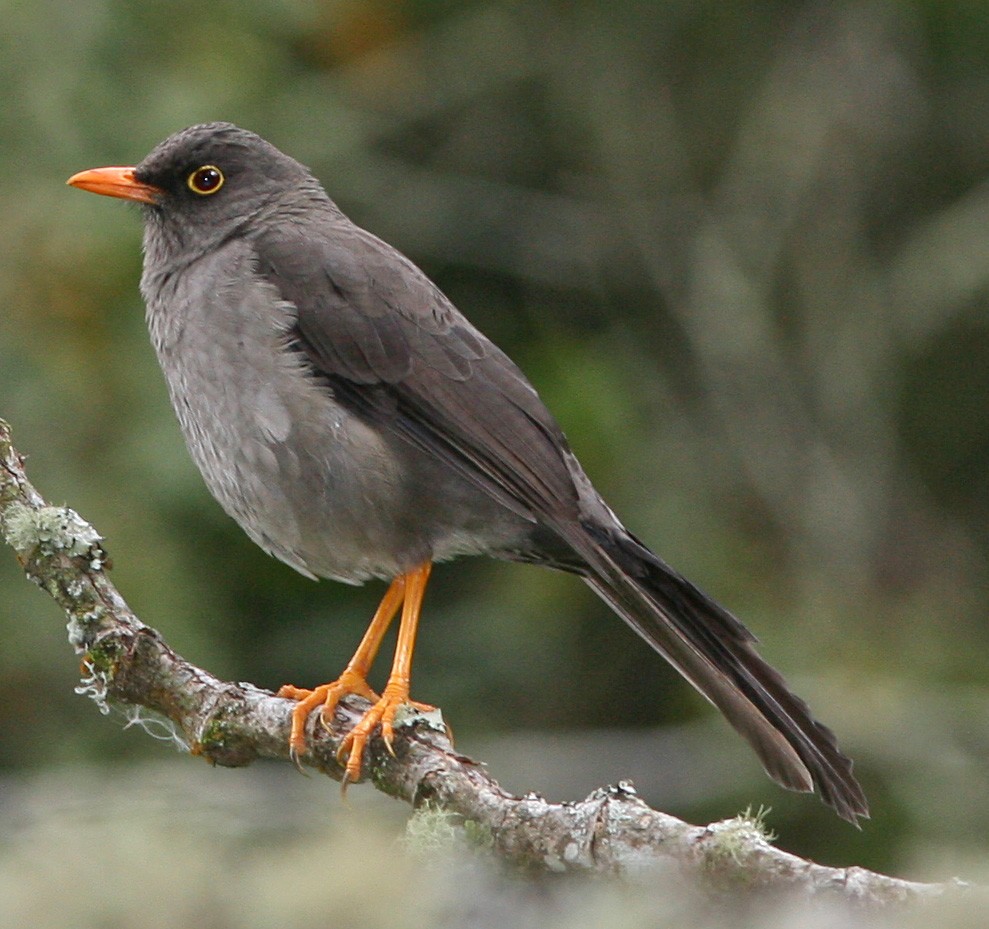
1. Great Thrush
Adults are 28 to 33 cm (11 to 13 in) in length and weigh 128 to 175 g (4.5 to 6.2 oz), making the species the largest thrush in South America. Among all thrushes worldwide, the Amami thrush and, in particular, the blue whistling thrush may match or exceed it in size. It can be easily identified by its yellowish-orange beak and legs and yellow ring around the eye. Slight sexual dimorphism is sometimes present, with males having more strongly coloured legs and eye rings. Tail feathers are long. The plumage is black-brown, darker on wings and tail and pale on the belly. Juveniles are predominantly greenish gray with a pale belly and some spots of buff colour on the head and wings. Subspecies show subtle differences in colouration, with T. f. ockendeni being the darkest one, followed by T. f. quindio and T .f. gigantodes. The palest subspecies are T. f. gigas, T. f. cacozelus and T. f. fuscater. Albinistic specimens are known to exist but very rare. 
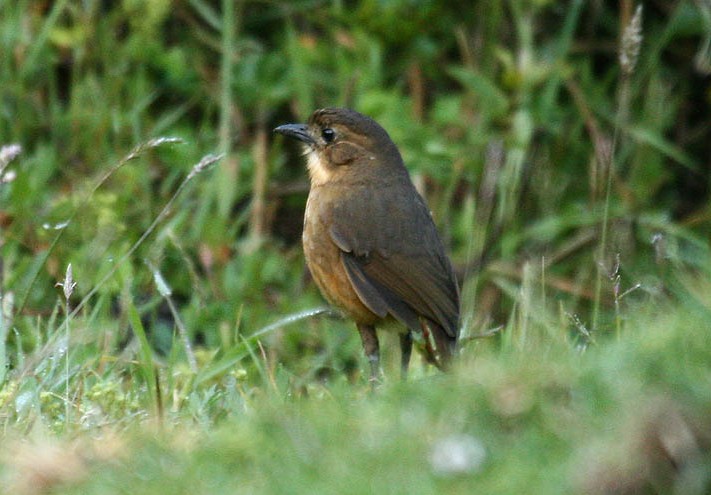
2. Tawny Antpitta
The tawny antpitta (Grallaria quitensis) is a species of bird in the family Grallariidae. It is found in Colombia, Ecuador, and Peru. Its natural habitat is subtropical or tropical moist montane forest.
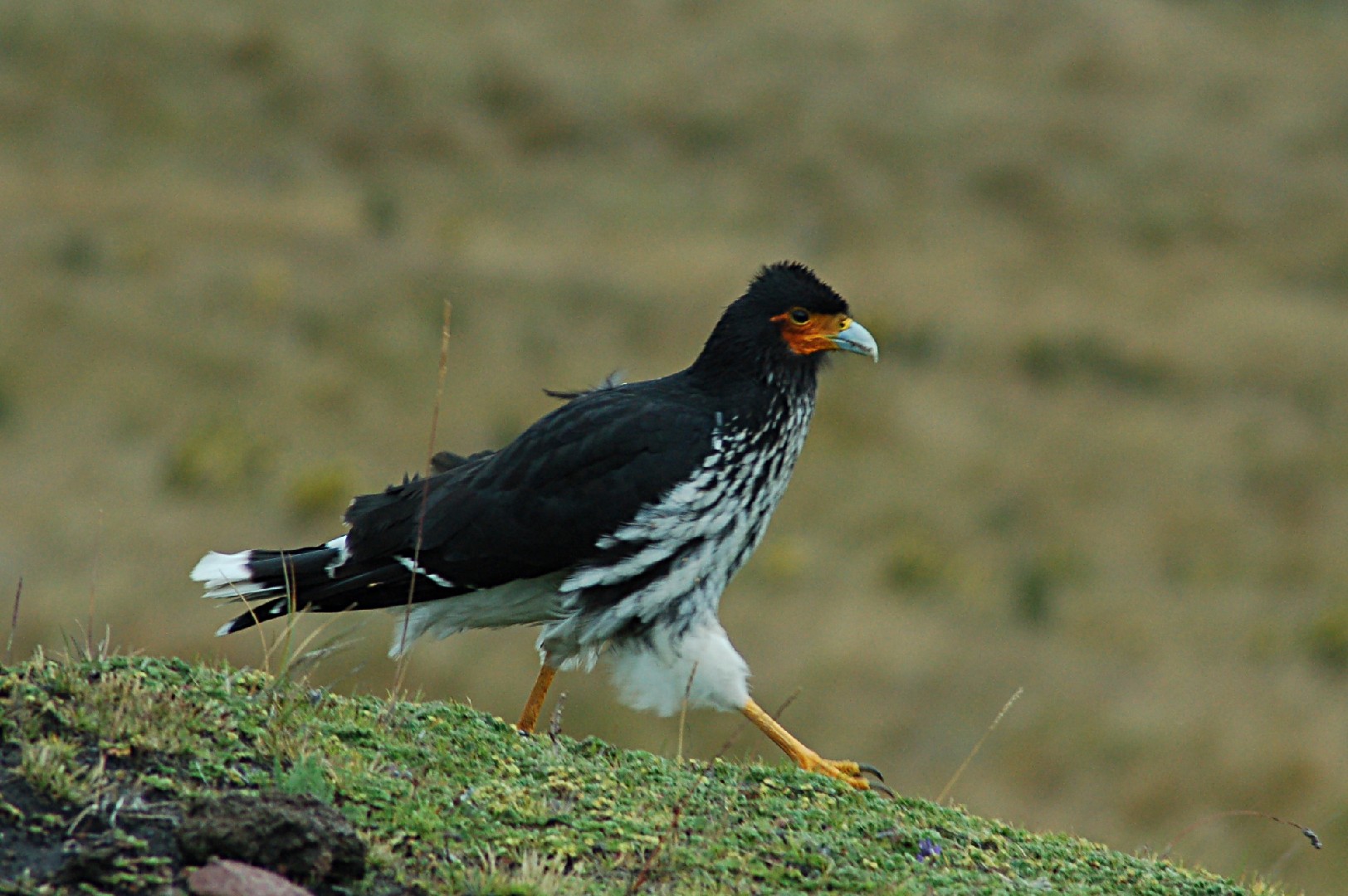
3. Carunculated Caracara
It resembles the closely related mountain caracara, but unlike that species its chest and upper belly is black with dense white streaks. Juveniles are far less distinctive than the orange-faced pied adults, being overall brown with dull pinkish-grey facial skin.
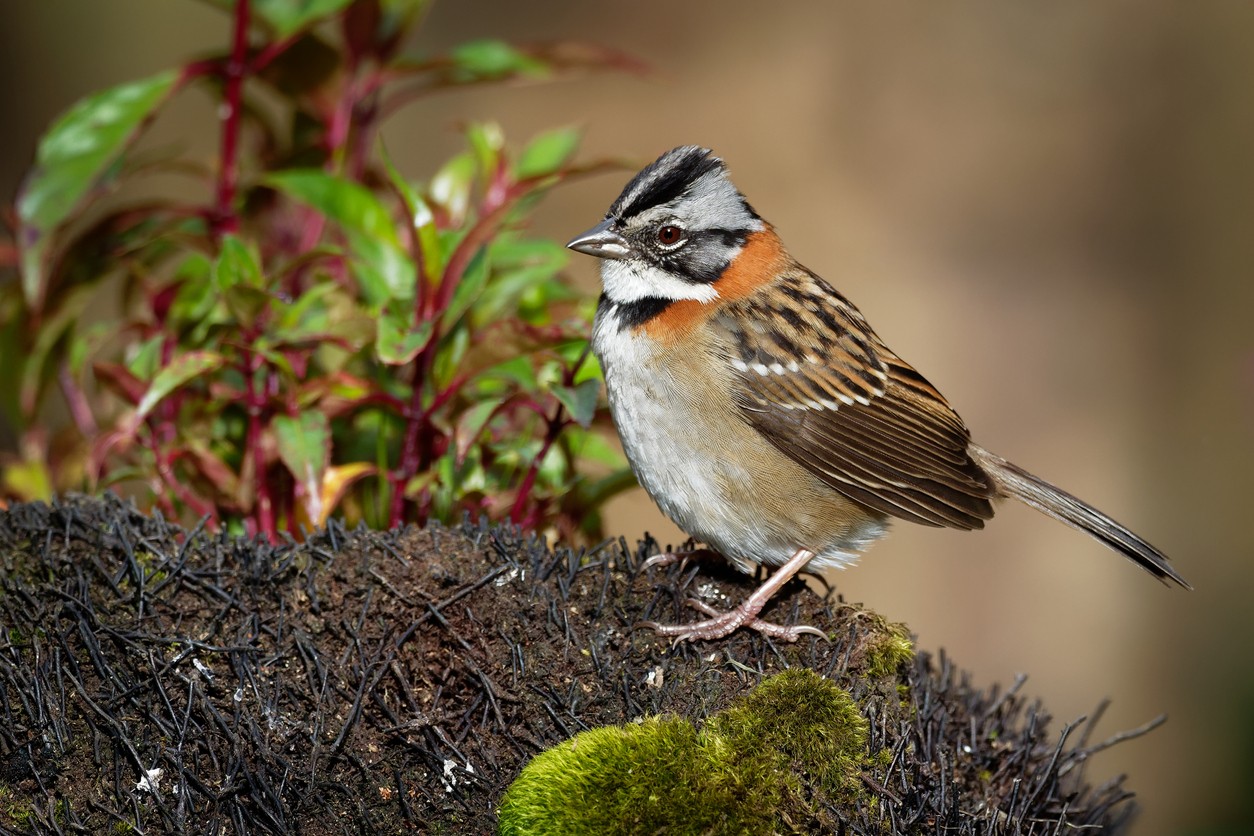
4. Rufous-collared Sparrow
The rufous-collared Sparrow is a small songbird known for its pleasant vocalization and numerous "dialects." The songs peak at dawn and some individuals can sing continuously for half an hour. Found in a wide range of habitats and comfortable around humans, this ground-feeding bird is easily approachable. On the other hand, it's aggressive towards other birds that enter its territory. Individuals have their favorite perching spot where they appear repeatedly.
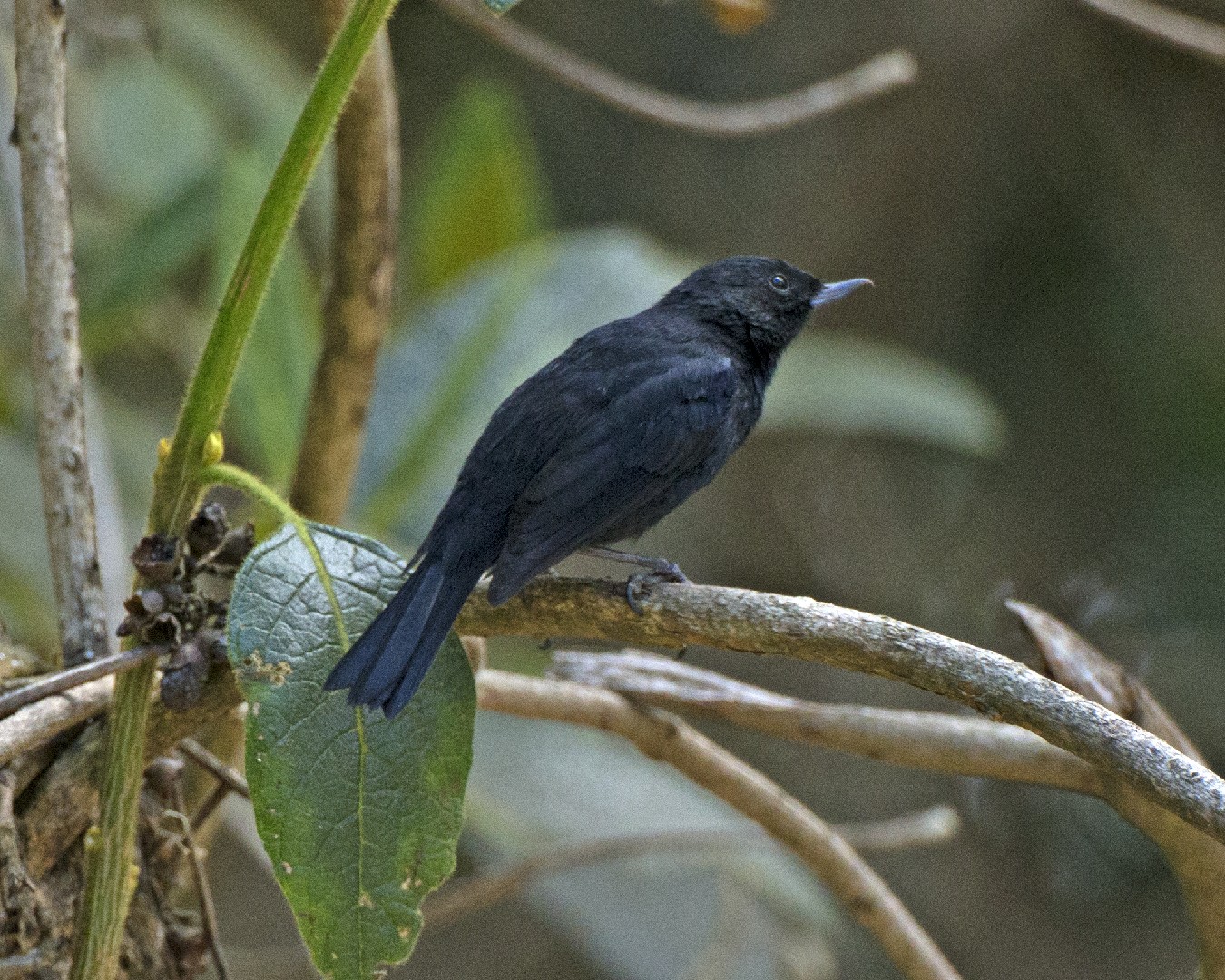
5. Black Flowerpiercer
13–14 cm with adults uniformly black (slightly glossy black with subtle blue gloss in males). They have brown eyes and a black bill with a grey base. Females are a duller black with no blue gloss and their wings and tail are brownish. Juvenile birds are also duller.
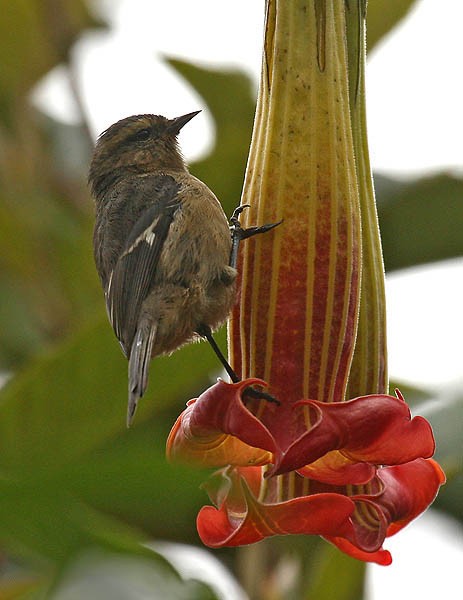
6. Cinereous Conebill
The cinereous conebill (Conirostrum cinereum) is a species of bird in the tanager family Thraupidae. The term cinereous describes its colouration. It is found in Bolivia, Chile, Colombia, Ecuador, and Peru. Its natural habitats are subtropical or tropical moist shrubland, subtropical or tropical high-altitude shrubland, and heavily degraded former forest.
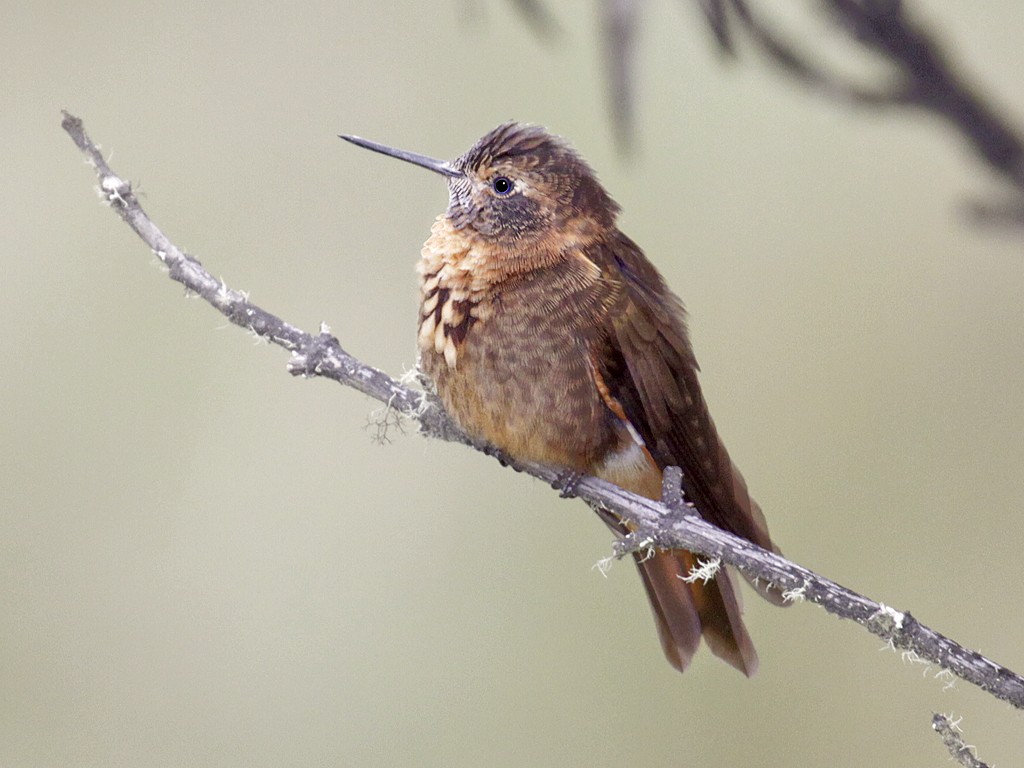
7. Shining Sunbeam
Short straight bill, male metallic dusky brown above, dark on crown and ear-coverts. Area of glittering purple on lower back becoming coppery on rump and green on uppertail coverts. Face and underparts cinnamon-rufous. Tail bronzy olive, lateral feathers with rufous on inner webs. Female similar to male except lack most of glitter on back and rump.
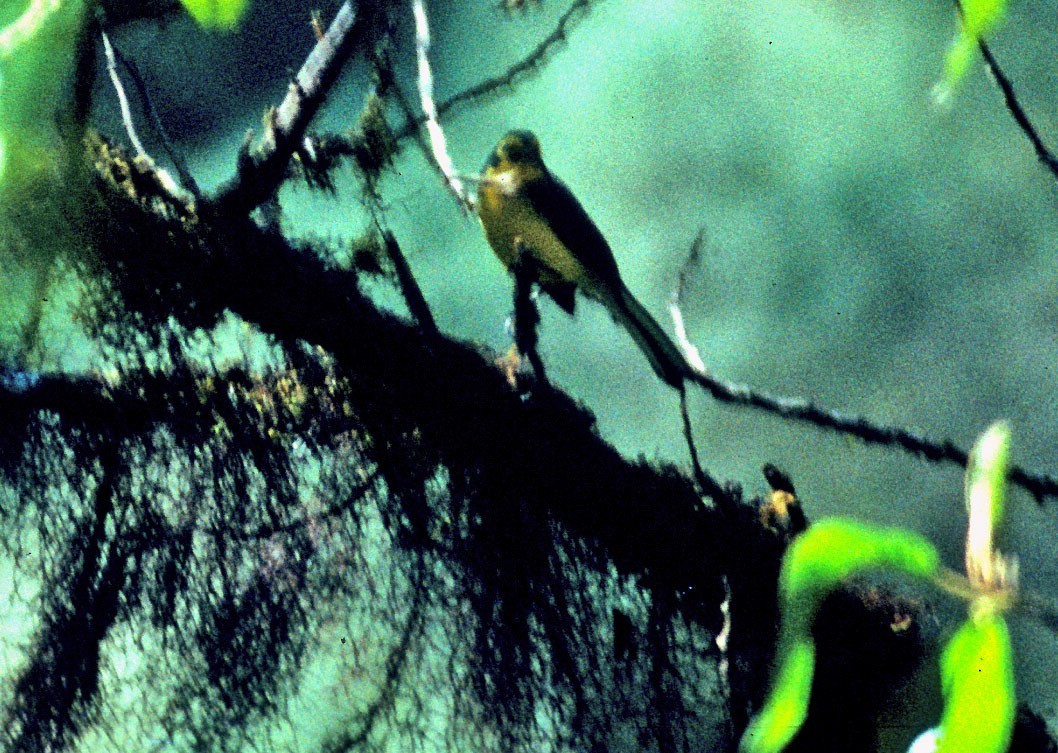
8. Spectacled Whitestart
The spectacled whitestart generally weighs between 10 and 13 grams, and is between 13 and 13.5 centimetres (5.1 and 5.3 in) long. The species has a black face and crown, while the nape of the neck and the back are grey. The tail is largely black, but the outermost feathers have some white on them. The underside of the throat, from the throat to the tail, is yellow. The undertail coverts are white. The beak and the legs are black, while the iris is dark. Males and females are indistinguishable. Juveniles have grey on the head and back, and have an underside that is paler yellow. The species has prominent yellow "spectacles" on the face formed by a ring around the eye and a stripe running under the lores, which give the bird its name. Relative to the nominate subspecies, M. melanocephalus melanocephalus, the subspecies M. m. bolivanus is slightly smaller, and is paler in the coloration of its underside. The black region on the face is more extensive in M. m. malaris. M. m. griseonuchus also has more extensive black on its face, to a similar extent as M. m. malaris, but also has a tiny patch of rufous brown on its crown. M. m. ruficoronatus has a larger rufous patch, but is otherwise similar to M. m. melanocephalus in the rest of its coloration.
9. Brown-bellied Swallow
The brown-bellied swallow (Notiochelidon murina) is a species of bird in the family Hirundinidae. It is found in Bolivia, Colombia, Ecuador, Peru, and Venezuela. Its natural habitats are subtropical or tropical high-altitude shrubland, subtropical or tropical high-altitude grassland, and pastureland.
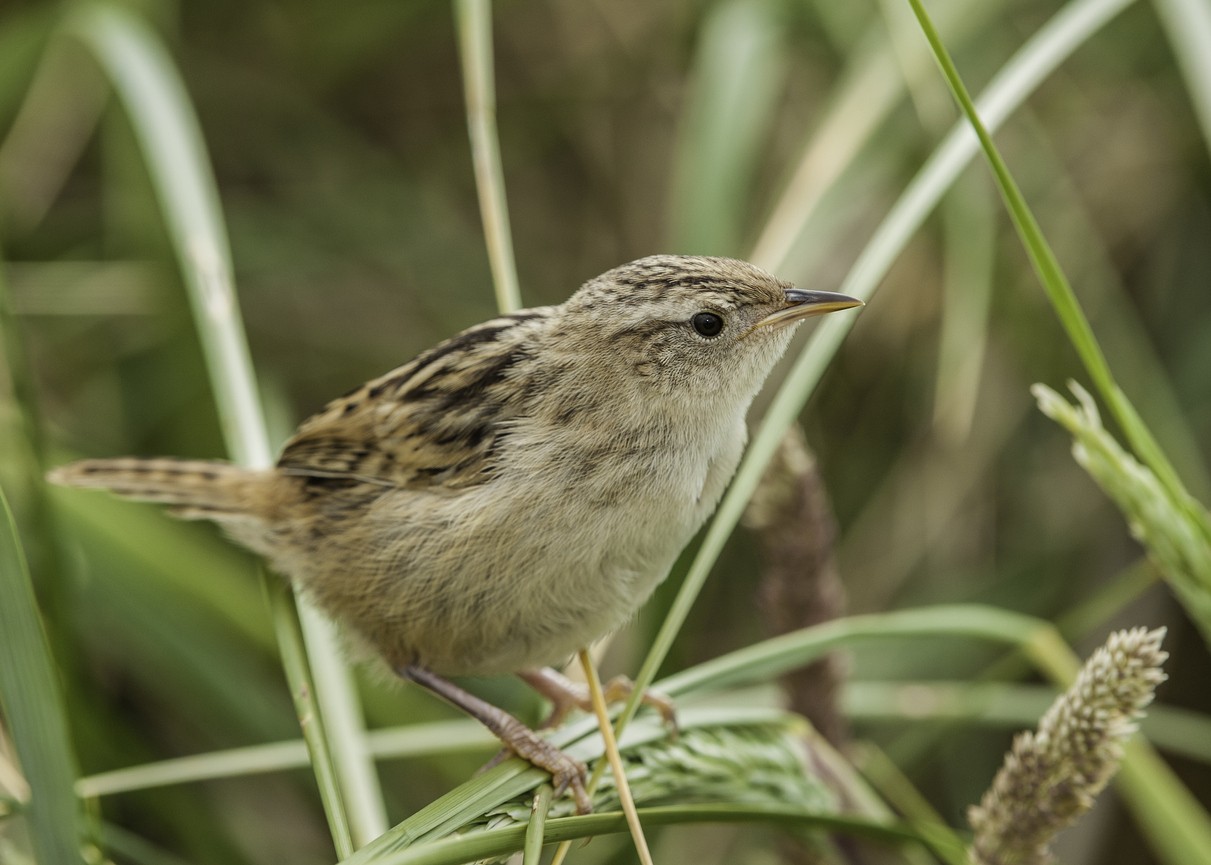
10. Grass Wren
The grass wren (Cistothorus platensis) is a species of passerine bird in the family Troglodytidae. It is widely distributed in central and southern America. The species was described in 1790 by the English ornithologist John Latham and given the binomial name Sylvia platensis. The type locality is Buenos Aires, Argentina. The current genus Cistothorus was introduced by the German ornithologist Jean Cabanis in 1850. The grass wren and the sedge wren were formerly treated as conspecific. They were split based on the results of a molecular phylogenetic study published in 2014. There are 17 recognised subspecies of the grass wren. Grass wrens build two types of non‐breeding nest structures: platforms and dummy nests. Platforms are rudimentary accumulations of grasses concealed between vegetation. Dummy and breeding nests are dome‐shaped with a similar structural layer. The function of these non-breeding nests is unclear, but an experimental study suggests that building non‐breeding nests may be an attempt by males to manipulate the decision of females to breed with a mate they might otherwise reject or to start reproduction earlier than optimal for the females.
11. Turquoise Jay
There exists no sexual dimorphism within the species. Adult turquoise jays are mainly a vibrant, blue-green color that can change depending on the lighting. The underside of the wings and tail are black. The turquoise jay has a thick, black face mask that extends to the auriculars and connects to a thin, black collar the wraps around the throat but does not extend around the nape of the neck. The forecrown of the turquoise jay is very light and almost white in color. The iris of the bird is brown while the legs, feet, and bill are all black. Juveniles have a duller color overall and lack the thin, black collar. Measurements: Total Length: 32 cm Wing Length: 137 mm Tail Length: 142 mm Bill Length: 34 mm Tarsus Length: 39 mm The primary vocalization of the turquoise jay is a short, descending whistle that is often heard in series. The tone of the whistle is loud and slightly hissy. Other sounds the turquoise jay can make include popping, squeaking, hissing, and static noises.
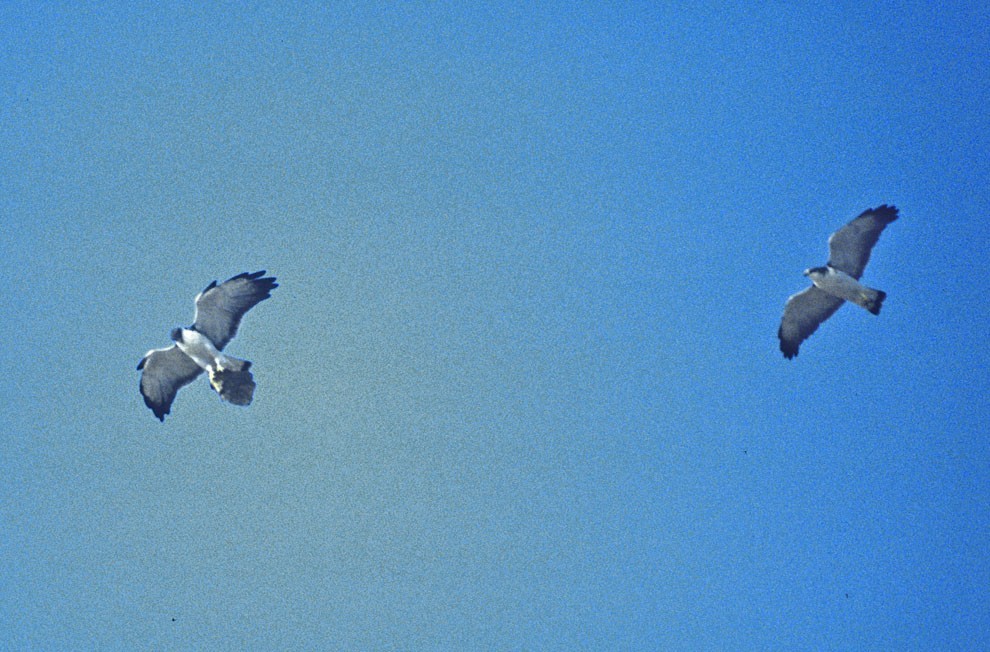
12. Variable Hawk
The name variable hawk is fully deserved, as both sexes occur in several morphs. Adults of all have a white tail with a contrasting black subterminal band and grey wings barred dark (in flight from below, the remiges appear whitish with fine barring and a broad black tip). The remaining plumage varies from very dark grey to whitish, and some individuals have reddish-brown to the underparts. Females usually have a reddish-brown back, which males usually lack, although at least some males also have this. The taxon exsul from the Juan Fernández Islands is far less variable, being whitish below and grey above in adults of both sexes. At least 27 distinct adult plumages are known in this species, possibly the most of any raptor (although the widespread red-tailed hawk & Eurasian buzzard have also been noted for a widespread but more uniform spectrum of plumage variations) with no relationship to morphometric variables and only minor geographic variation.
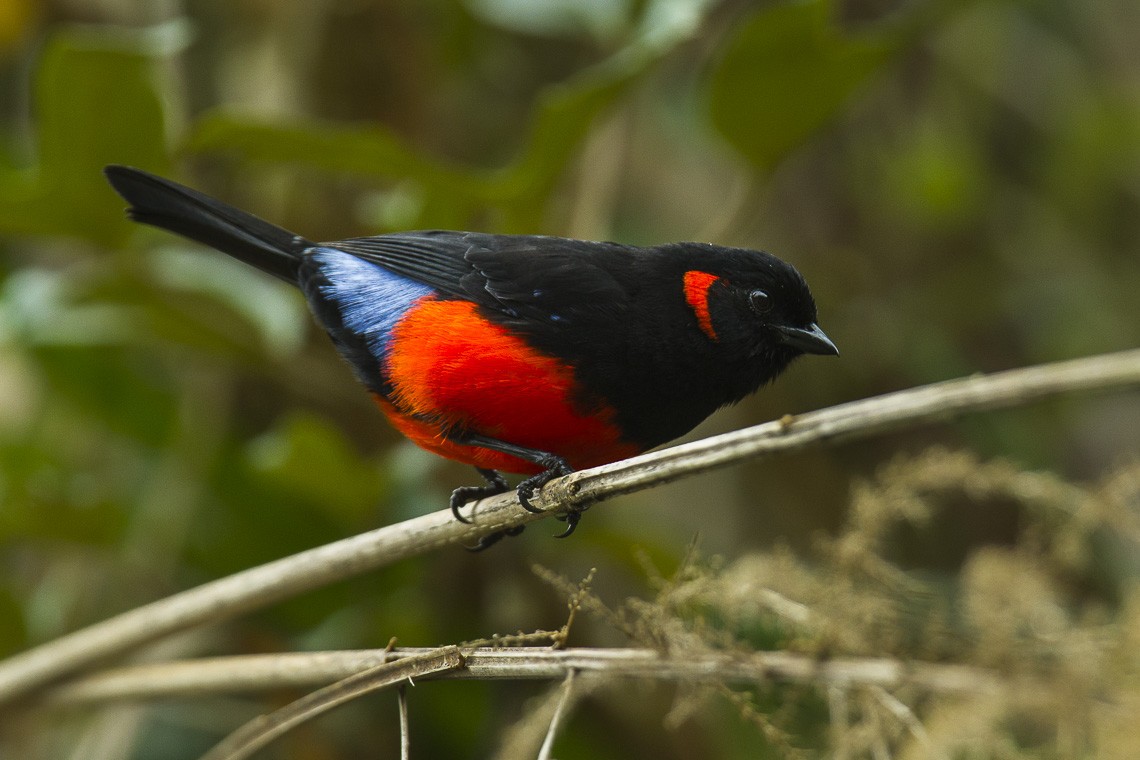
13. Scarlet-bellied Mountain Tanager
The scarlet-bellied mountain tanager (Anisognathus igniventris) is a species of bird in the family Thraupidae. It is found in Andean forest, woodland and shrub in Bolivia, Colombia, Ecuador, Peru, and Venezuela. It is sometimes split into two species: The scarlet-bellied mountain tanager (A. lunulatus) ranging north from central Peru, and the fire-bellied mountain tanager (A. igniventris) ranging south from central Peru. The latter has a lighter, more orangish belly than the former.
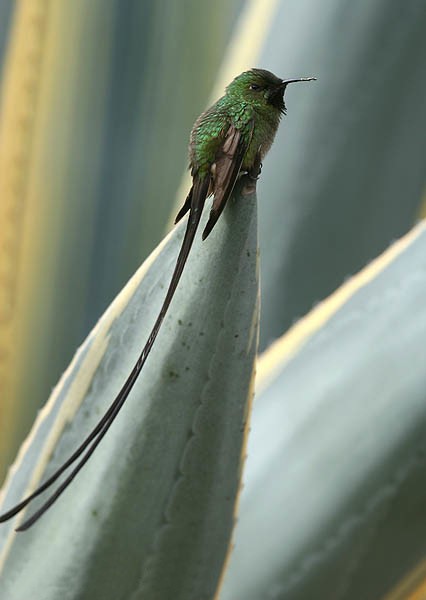
14. Black-tailed Trainbearer
Males measure between 21 and 24 centimeters long, including the long tail. They are mostly green, with long black tail feathers and an iridescent green patch on the chest and throat. Females are between 13.5 and 14.5 centimeters in length. They differ from the male in having a shorter tail and white underparts with green spots. The black-tailed trainbearer has a longer, more decurved bill and (in males) a longer, more curved tail than the green-tailed trainbearer, and also tends to be duller green overall. With a wing length of 59.9mm, Lesbia victoriae victoriae Is the largest subspecies in the genus Lesbia.
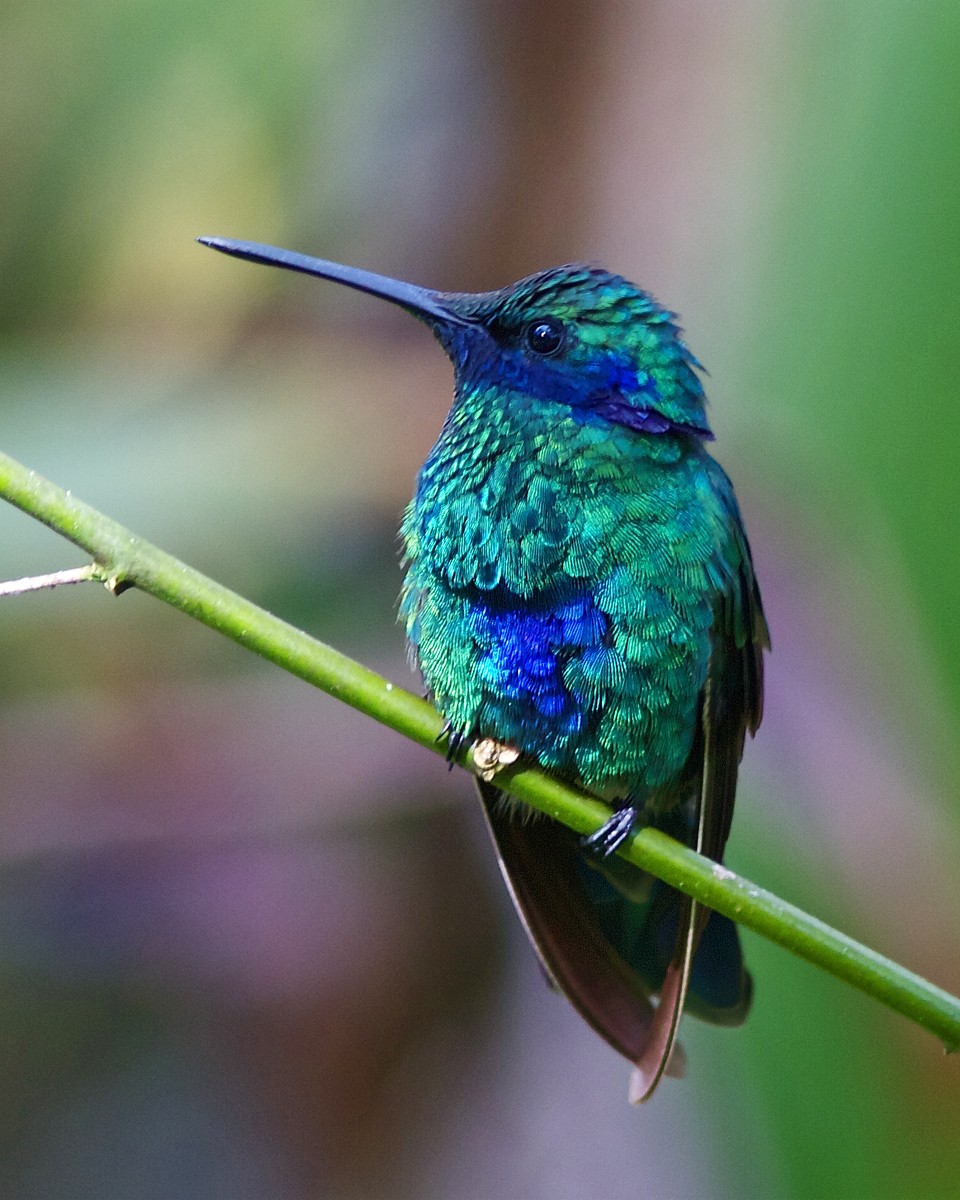
15. Sparkling Violetear
The sparkling violetear is the largest violetear at 13 to 15 cm (5–6 in) long. Male birds weigh 7.7 to 8.5 grams (0.27 to 0.3 oz) while females weigh from ounces 6.7 to 7.5 grams (0.24 to 0.26 oz). This hummingbird resembles the lesser violetear, but that species generally prefers more humid habitats, is obviously smaller and lacks the distinct purple-blue chest-spot and gorget of the sparkling violetear. According to one study, it has the smallest mean blood-air barrier thickness (0.183 µm) and the highest mass-specific respiratory surface area in birds (87 cm²/g).
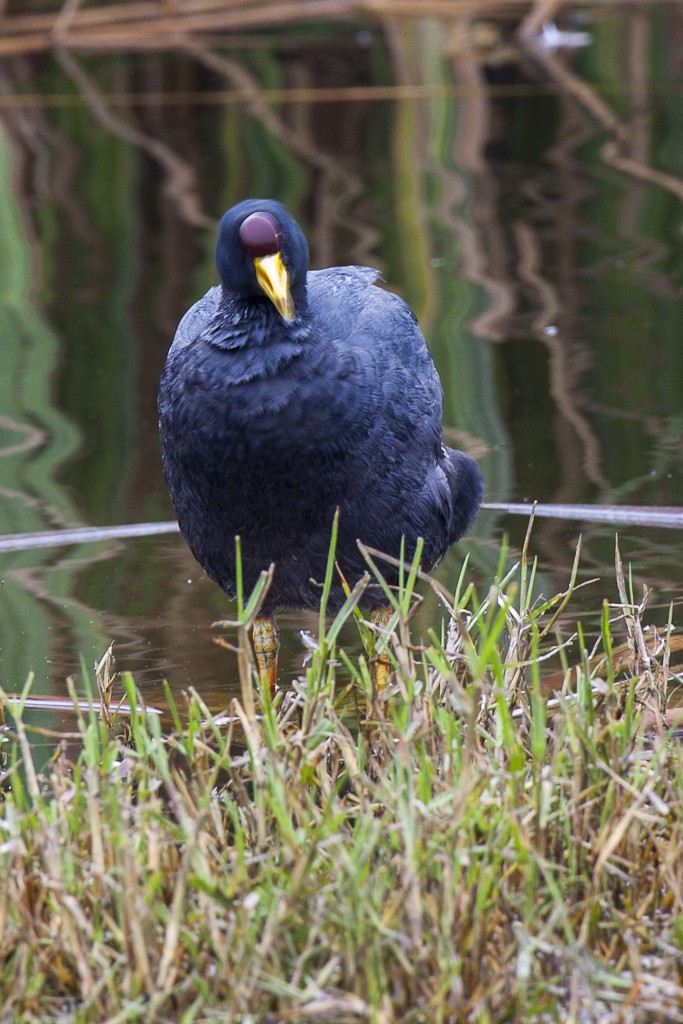
16. Andean Coot
The bill and shield color are variable. The most common combination is a chestnut shield and yellow bill with a black spot on it. Other combinations are yellow shield / white bill and white shield / white bill.
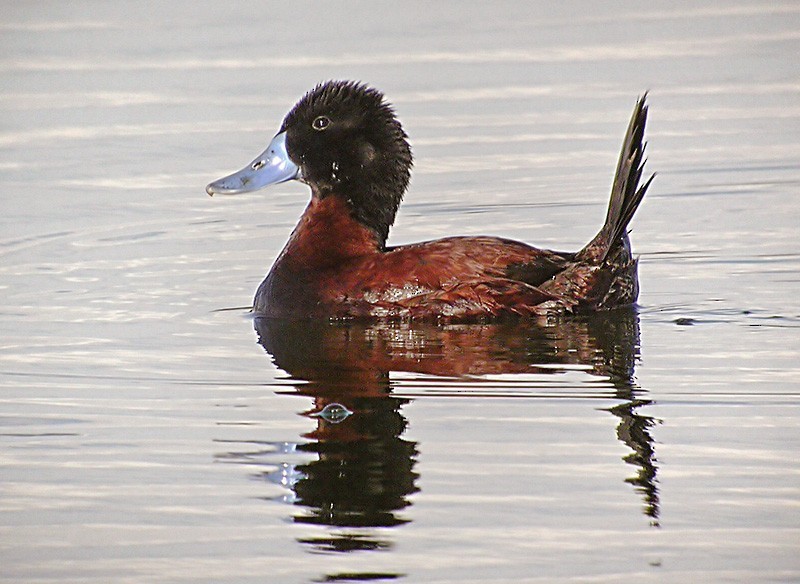
17. Andean Duck
These are small, compact ducks with stout, scoop-shaped bills, and long, stiff tails they often hold cocked upward. They have slightly peaked heads and fairly short, thick necks. In summer, they have rich chestnut bodies with bright blue bills. In winter, they are dull gray-brown above and paler below with dull gray bills. Females and first-year males are brownish, somewhat like winter males but with a blurry stripe across the pale cheek patch. It is separable from the ruddy duck by its all-black face and larger size.
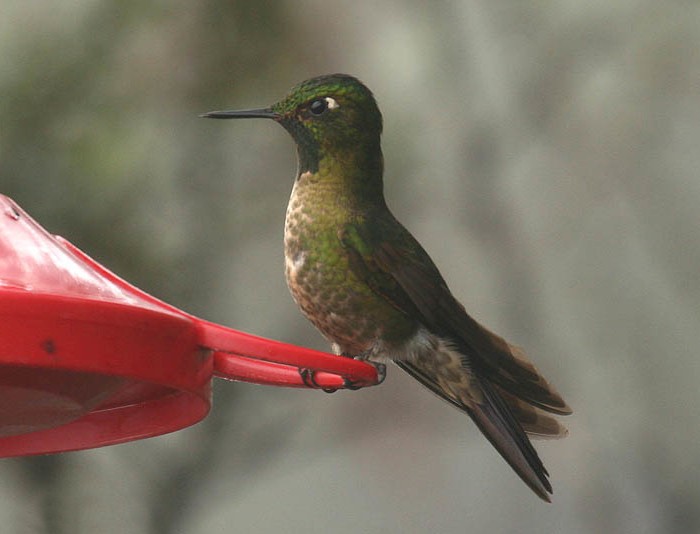
18. Tyrian Metaltail
The Tyrian metaltail (Metallura tyrianthina) is a species of hummingbird in the family Trochilidae. It is found in Bolivia, Colombia, Ecuador, Peru, and Venezuela. Its natural habitats are subtropical or tropical moist montane forest and heavily degraded former forest.
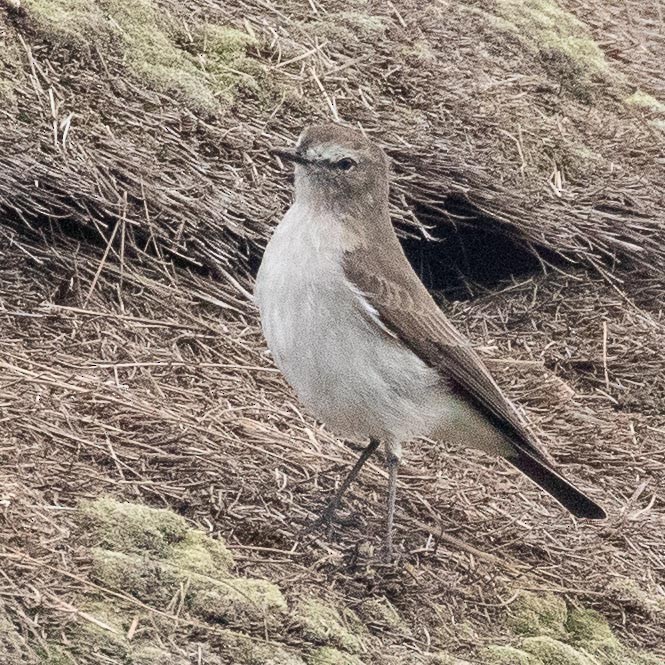
19. Paramo Ground Tyrant
The paramo ground tyrant (Muscisaxicola alpinus), also known as the paramo ground-tyrant, is a species of bird in the tyrant flycatcher family, Tyrannidae. plain-capped ground tyrant (M. griseus) was formerly considered to be a subspecies of M. alpinus but is now commonly treated as a separate species. The name "plain-capped ground tyrant" is sometimes used for M. alpinus. It is found in Colombia and Ecuador. Its natural habitats are subtropical or tropical high-altitude shrubland and subtropical or tropical high-altitude grassland.
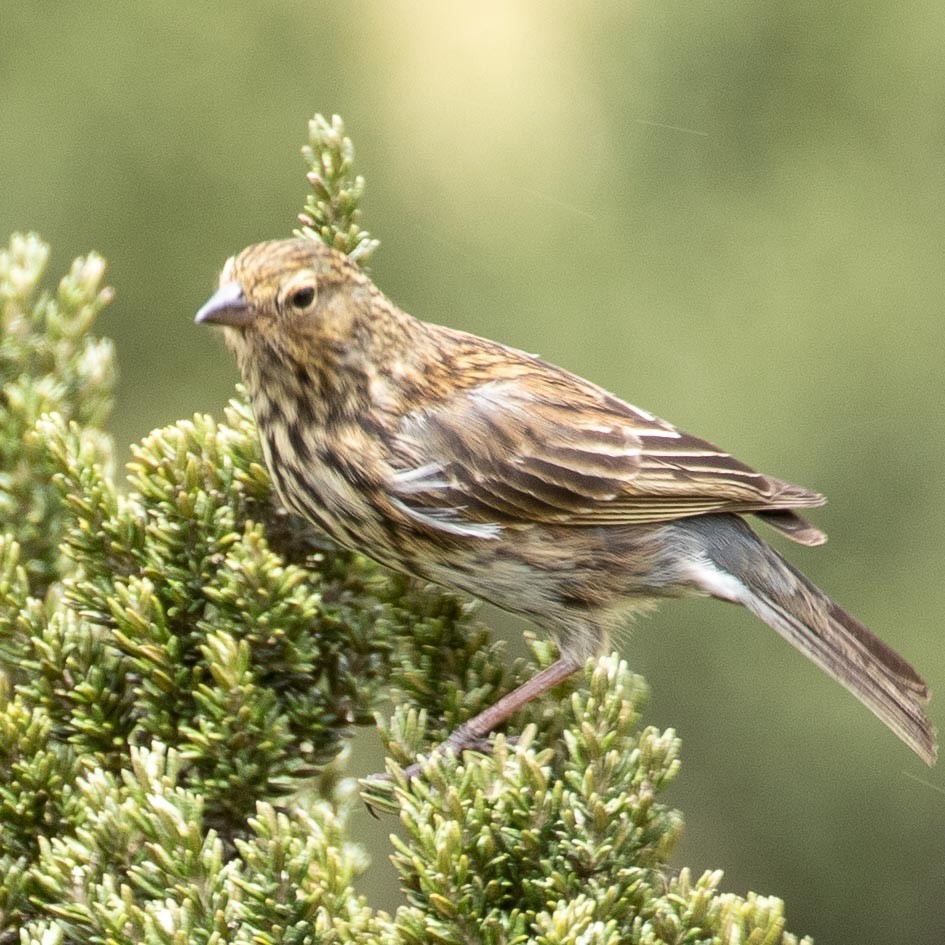
20. Plumbeous Sierra Finch
The plumbeous sierra finch (Geospizopsis unicolor) is a species of bird in the family Thraupidae. It is found in Argentina, Bolivia, Chile, Colombia, Ecuador, Peru, and Venezuela. Its natural habitats are subtropical or tropical high-altitude grassland and pastureland.