




Top 20 Most Common Bird in Thibodaux
In and around Thibodaux, a fascinating spectacle of birdlife awaits, with a variety of 20 bird species calling this region home. Nestled amongst the bayous and swamplands, these habitats foster the growth of diverse avian fauna. Iconic species, such as the Great Blue Heron or the American White Pelican, provide a delightful charm, setting the stage for an in-depth exploration of these feathered creatures. This area truly embodies the unique enchantment of Louisiana's birdlife.

Most Common Bird
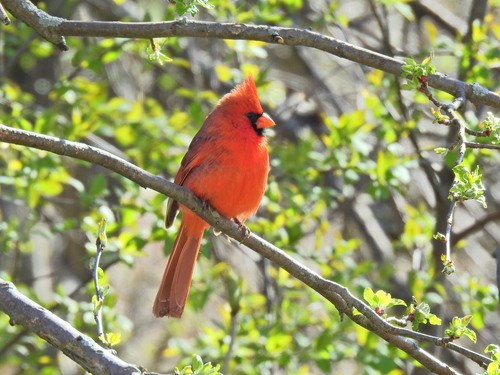
1. Northern Cardinal
The northern Cardinal is a distinctive, medium-sized songbird that inhabits temperate forests and yards. Its name is derived from the male's brilliant red plumage color which resembles red-robed Roman Catholic cardinals, while its crest looks like a bishop's mitre. Compared to the male, the female is much duller in color. The highly territorial males can be quite aggressive. Quite popular, this is the state bird of seven U.S. states.
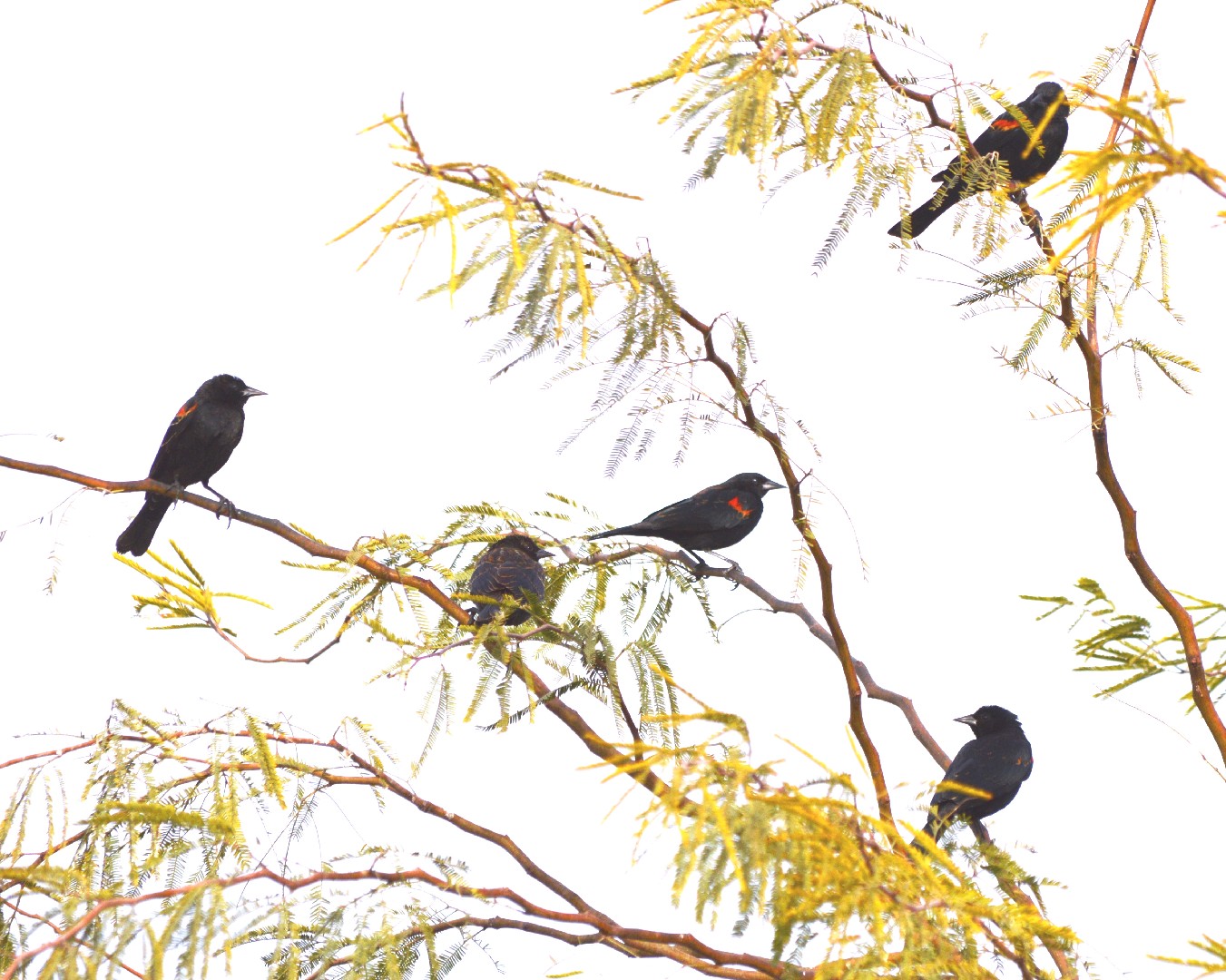
2. Red-winged Blackbird
One of the earliest spring harbingers in North America, the red-winged Blackbird migrates in enormous flocks. Gathered in these large groups, the songbirds produce a loud cacophony. The red-winged Blackbird is an opportunistic omnivore. It feeds on numerous insect species, keeping pests under control, but due to its preference for crops and berries, the red-winged Blackbird is sometimes considered a pest itself.
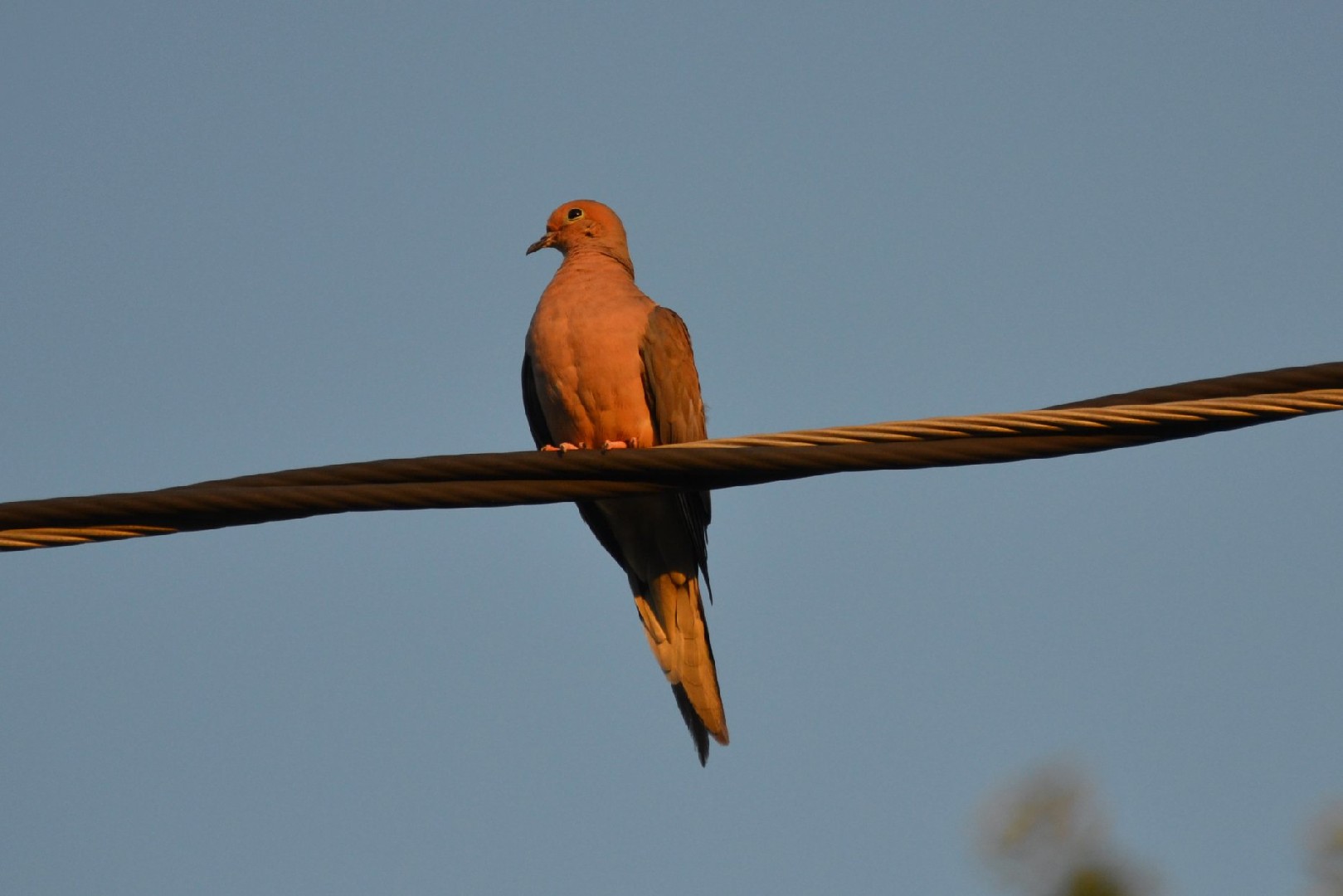
3. Mourning Dove
One of the most famous and widespread doves of North America, the mourning Dove can be often seen in urban areas perching on telephone wires. It is named after its distinctive, plaintive-sounding song. It is also a popular game bird, but its population is still abundant thanks to the prolific breeding and its ability to raise up to five to six broods in a single year.
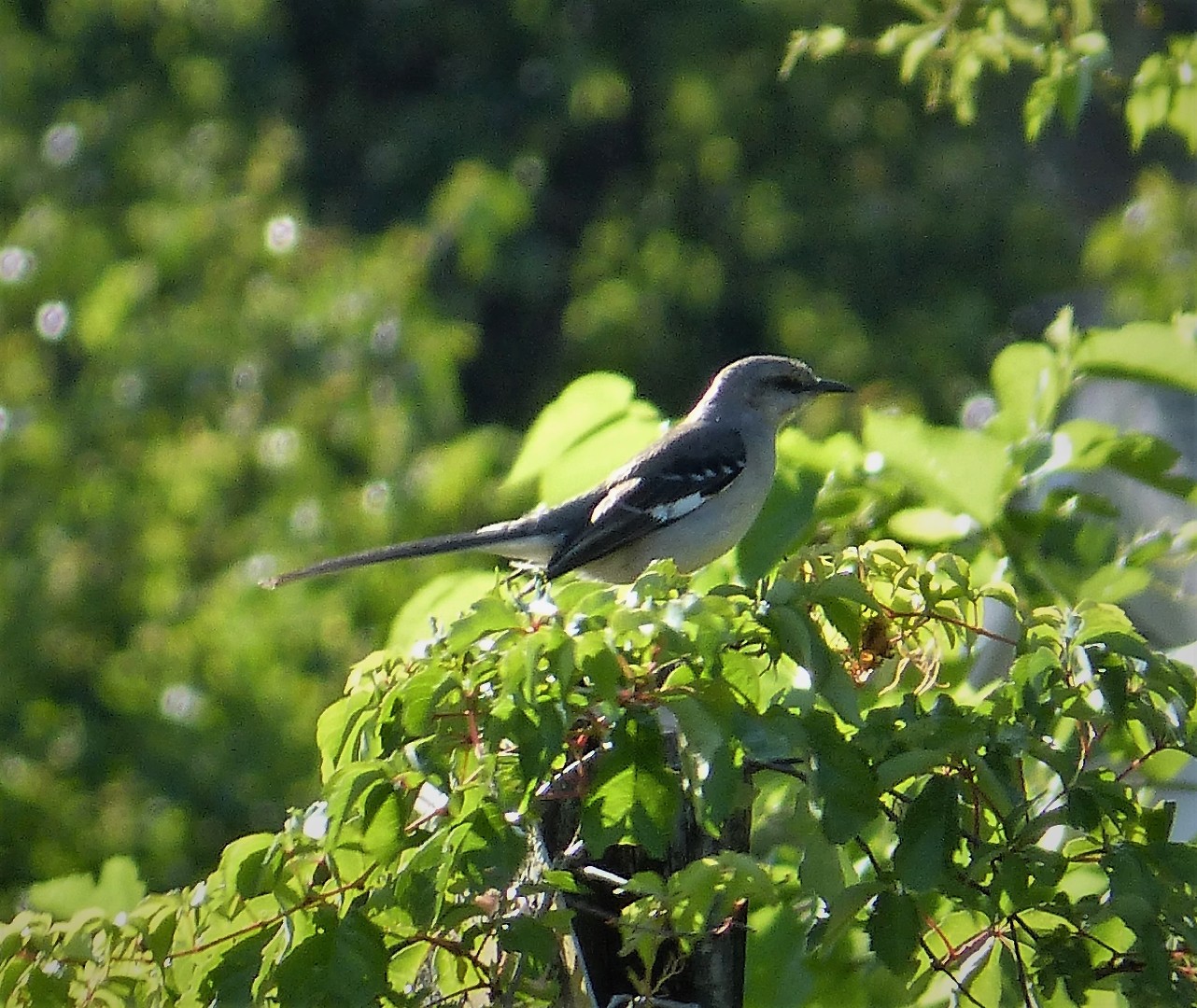
4. Northern Mockingbird
The northern Mockingbird is able to mimic the sound of more than 30 bird species, but this master mocker has also been known to imitate the sounds of a whistle, frog call, or a dog's bark. The mimicry keeps other birds out of the mockingbird's territory, but it also plays an important role in courtship - the male with the best mimicking skills is the most attractive to females. You will often hear this mockingbird singing on moonlit nights. Widespread throughout the US, the northern Mockingbird is a state bird of Arkansas, Florida, Texas, Mississippi, and Tennessee.
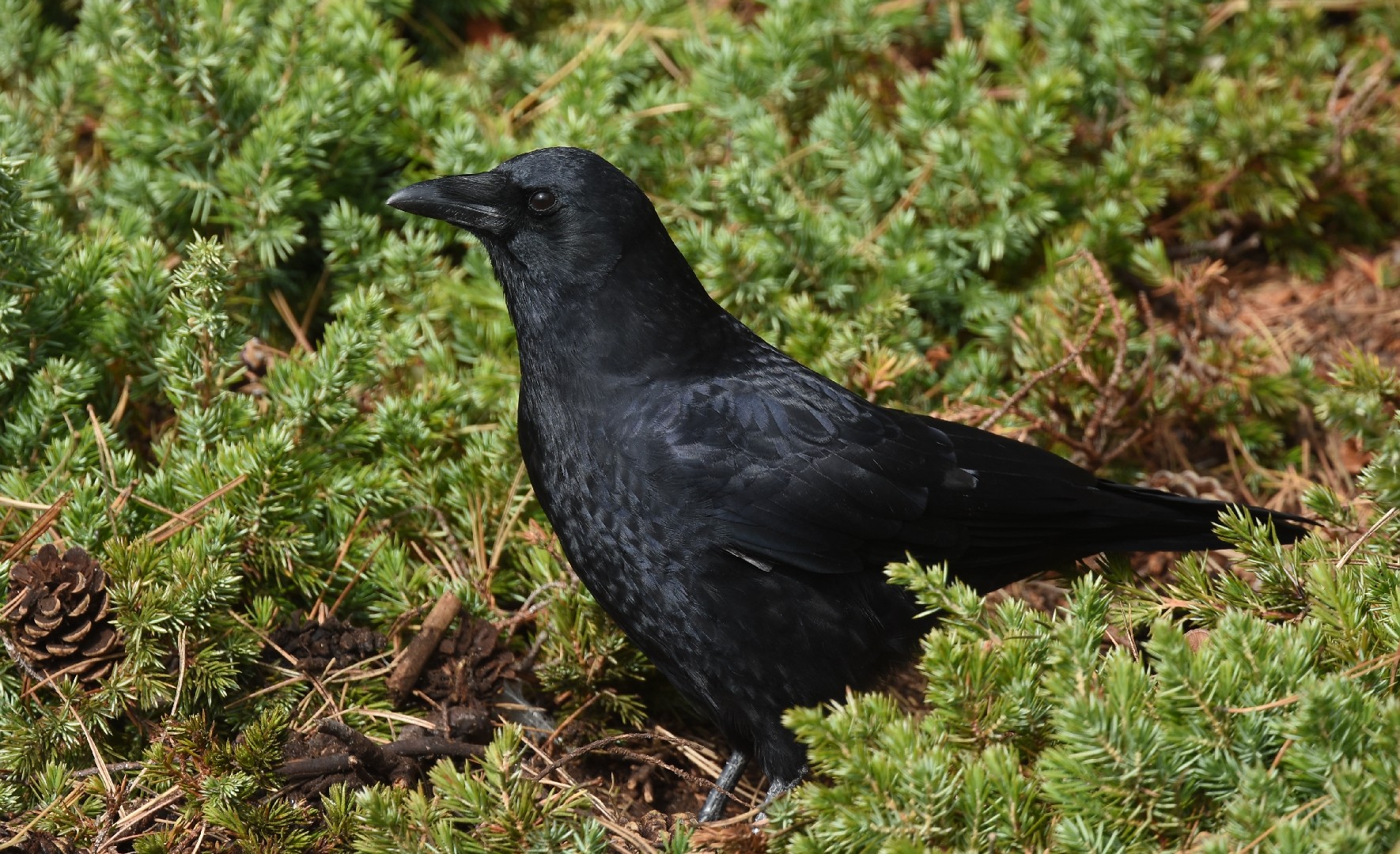
5. American Crow
The american Crow is a big black bird that can be found in forests, fields, river groves, and among human habitations. Interestingly, it is known to stand atop ant hills and allow ants to climb onto its feathers; this apparently discharges their formic acid and makes them more palatable for the crow to eat. Sadly, american Crow numbers have been substantially affected by the West Nile virus in North America. Infected birds die from West Nile in less than a week.
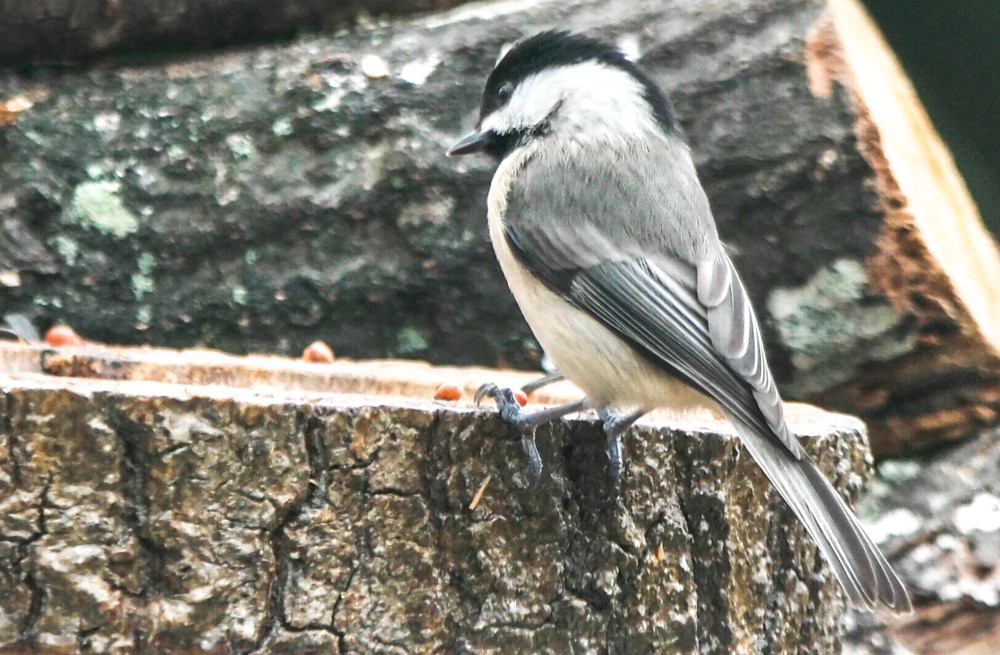
6. Carolina Chickadee
This tiny and round songbird is often seen in urban environments, although the carolina Chickadee primarily inhabits woodlands. These birds mate for life, but the pairs live in a larger flock. The carolina Chickadee (Poecile carolinensis) is almost identical to the Black-capped chickadee (Poecile atricapillus), but their distribution rarely overlaps. In places where it does, the two species commonly interbreed, producing hybrids that can confuse birdwatchers.
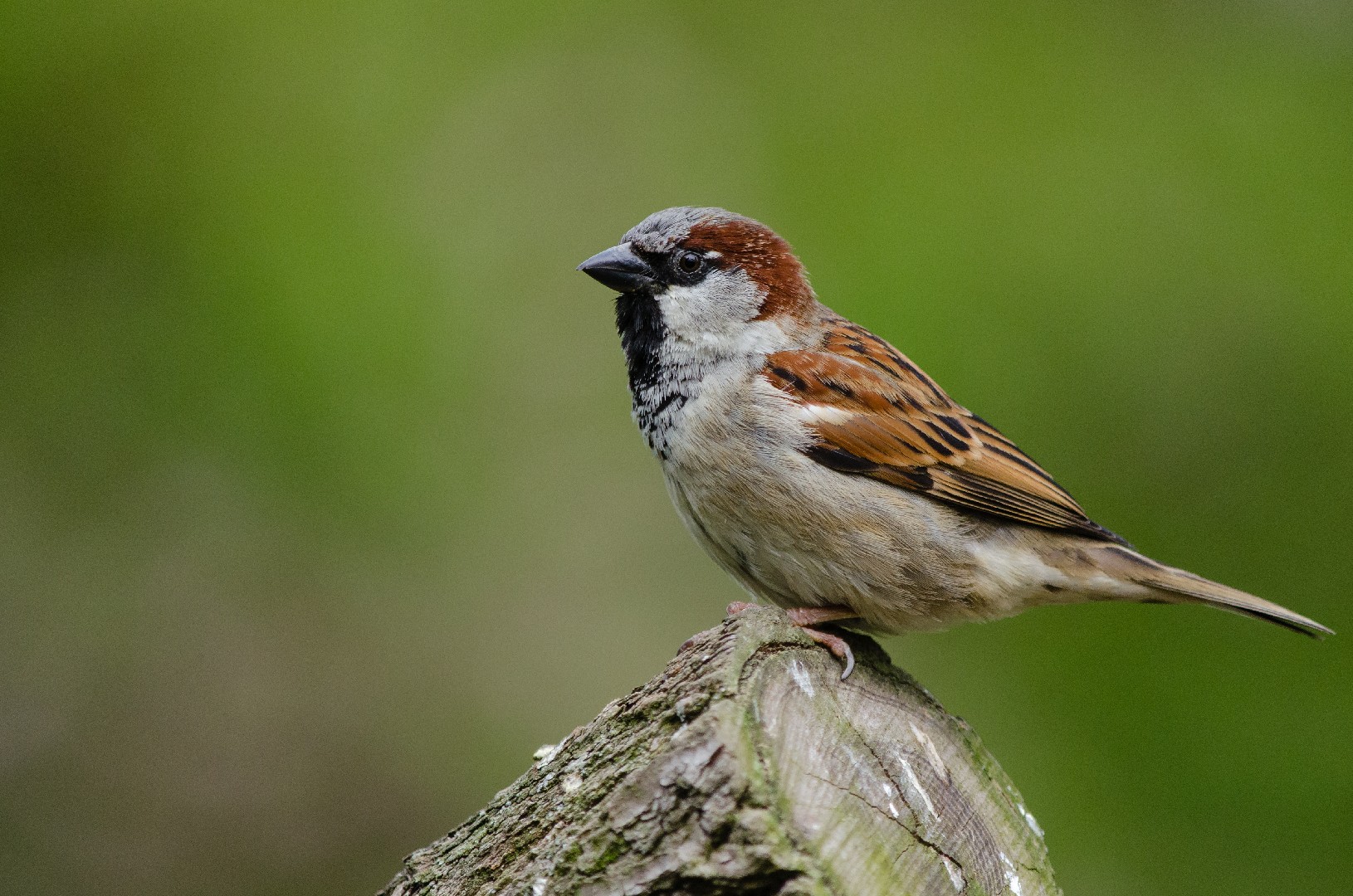
7. House Sparrow
Just as its name implies, the little house Sparrow socializes with humans more than any other bird species. Able to adapt and thrive in almost any habitat, excluding the extremes such as deserts and mountain peaks, this species was once restricted only to North Africa and Eurasia but now is found across the globe. Unfortunately, this opportunistic eater is not completely harmless—it can cause considerable damage to crops.
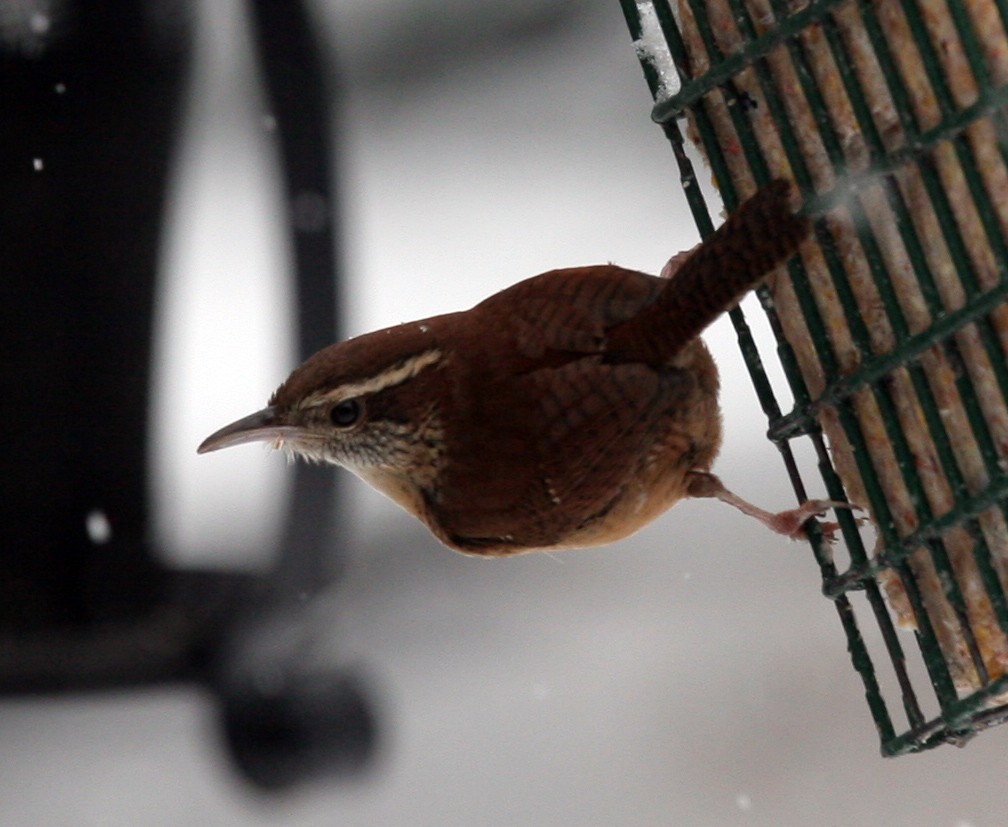
8. Carolina Wren
The musical song of the carolina Wren can be heard all year round. This small, chunky songbird inhabits undergrowth, dense vegetation, and low tangles. Its nests can be found in backyards, often in most unusual places such as drain pipes. They live in pairs and do not migrate, so you can enjoy their love songs all winter.
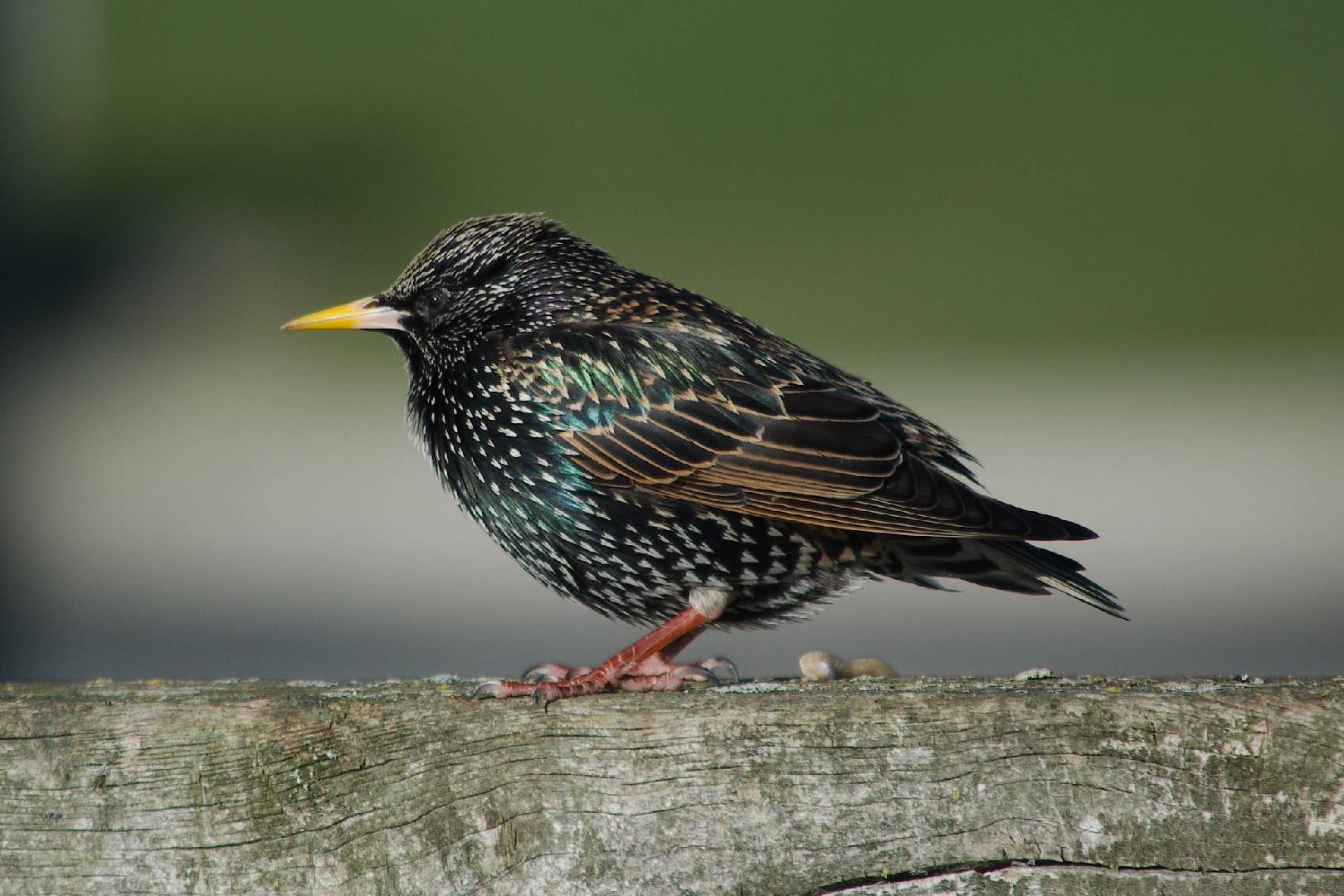
9. European Starling
The european Starling, a large, hardy songbird, is one of the most commonly seen bird species in North America. Originally from Europe, this species was brought to the U.S. in the 1890s by enthusiasts of William Shakespeare, who had the unique goal of bringing over every single species of bird that was mentioned in Shakespeare's collective works. Unfortunately, the european Starling, being an adaptable, generalist species, spread invasively across the continent, hurting many native species' populations in the process.

10. Blue Jay
The blue Jay is the largest and the most common Jay in North America. This frequent visitor of birdfeeders is quite opportunistic when it comes to food - it is known as "a nest robber." Able to produce a wide range of musical sounds, this loud songbird can even imitate a Red-shouldered hawk (Buteo lineatus). Intelligent and sociable, the blue Jay is said to form strong family bonds.
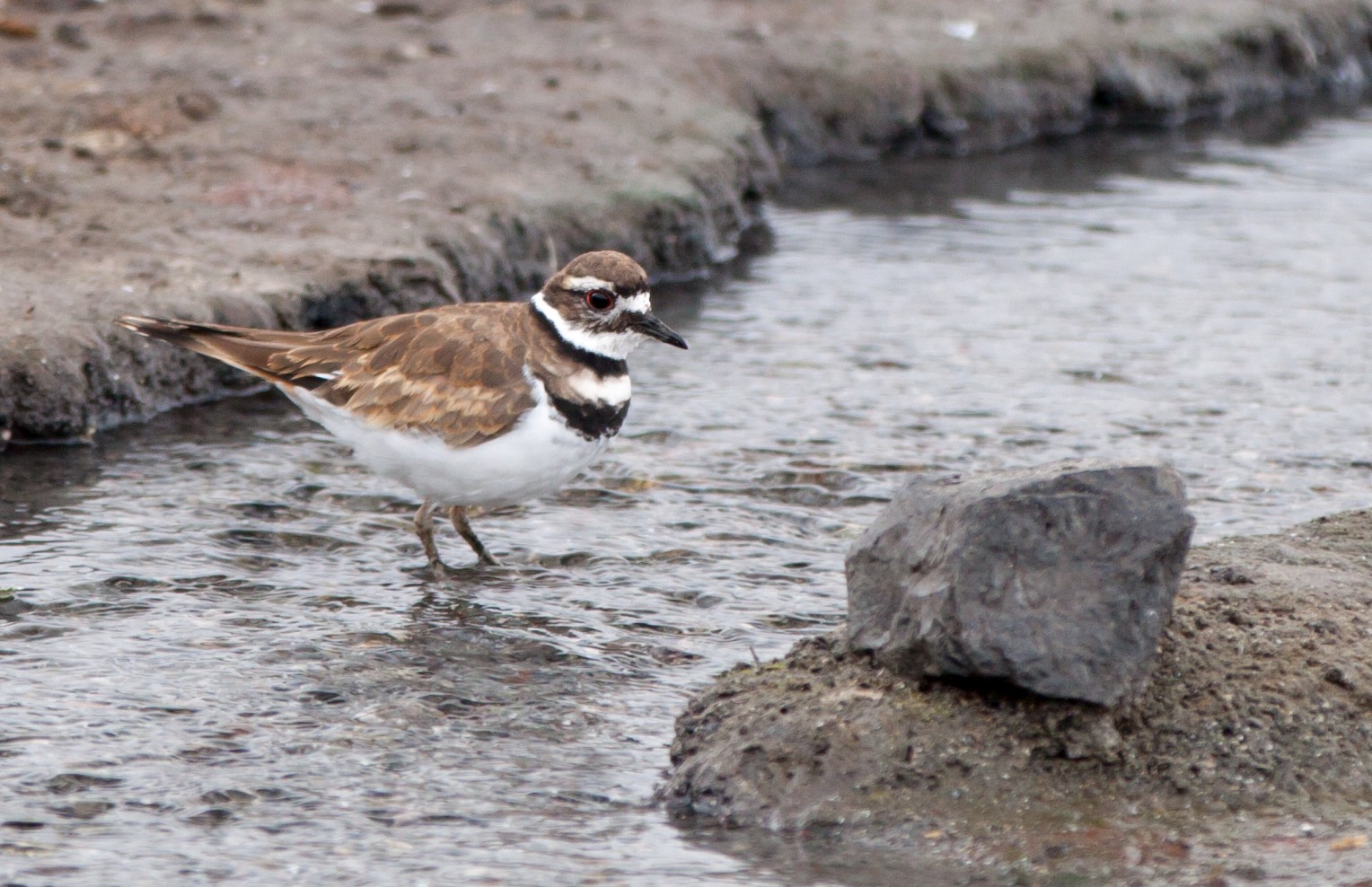
11. Killdeer
This shorebird is slender and lanky, with long wings and a long tail that ends at a point. If its nest is being threatened by a predator, the killdeer is known to pretend that it has a broken wing, making itself a target in order to lure the predator away from the nest. They have the curious habit of collecting mostly light colored items to build their nests.

12. Turkey Vulture
The turkey Vulture is a common sight, especially around roads, where they keep a sharp eye out for roadkill. Seeing these large birds in the sky can often make you take a second look to see if it’s an eagle or a hawk. Here’s one quick way to tell the difference. When in flight, a turkey Vulture will circle unsteadily, with its wings lifted to make a V shape. Though they are not appreciated, they do the dirty work of the animal kingdom by cleaning up the countryside as they scavenge.
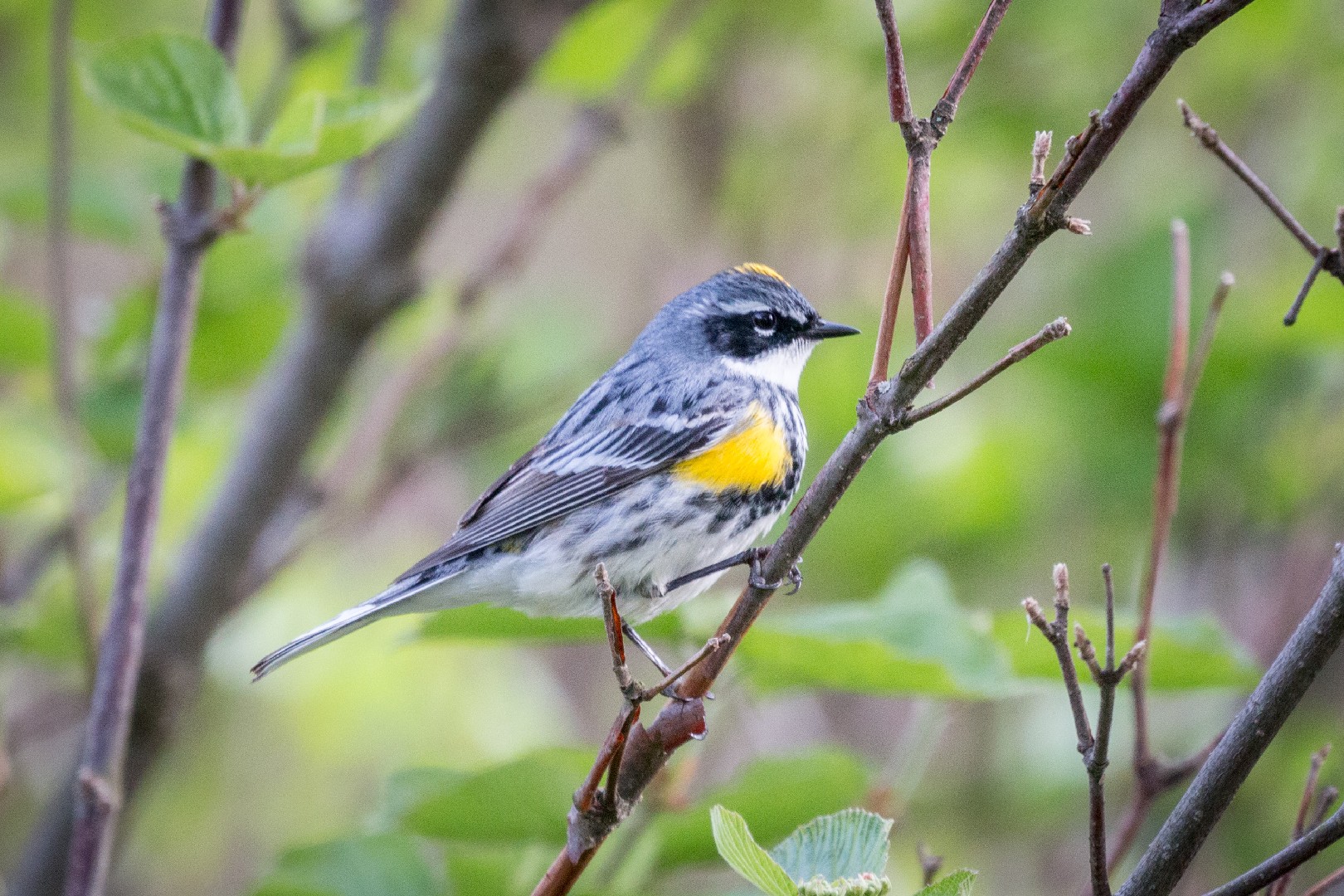
13. Yellow-rumped Warbler
The foraging yellow-rumped Warbler is quick-moving and appealingly colored. Both male and female are a sharp gray, with white on their wings and flashes of yellow on their rump (as the name suggests), sides, and face. Most striking about this bird is the large groups of them that spread across North America in the autumn season.
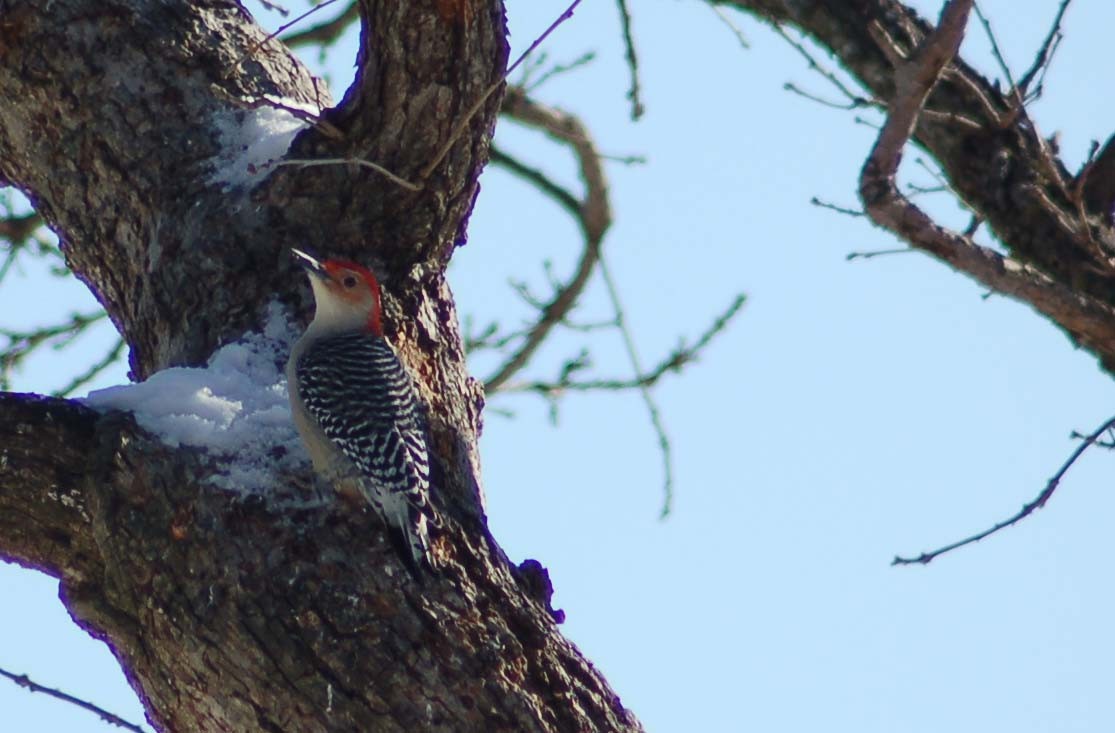
14. Red-bellied Woodpecker
The red-bellied Woodpecker is a medium-sized woodpecker that commonly nests in dead trees, sometimes taking over other birds' nests. In the search of insects inside tree cavities, it can extend its tongue almost 5 cm past its beak. By excavating insects and larvae from tree bark, this bird is able to "clean" the infested tree. The red-bellied Woodpecker is known to hide food in all kinds of places as a store for later use.
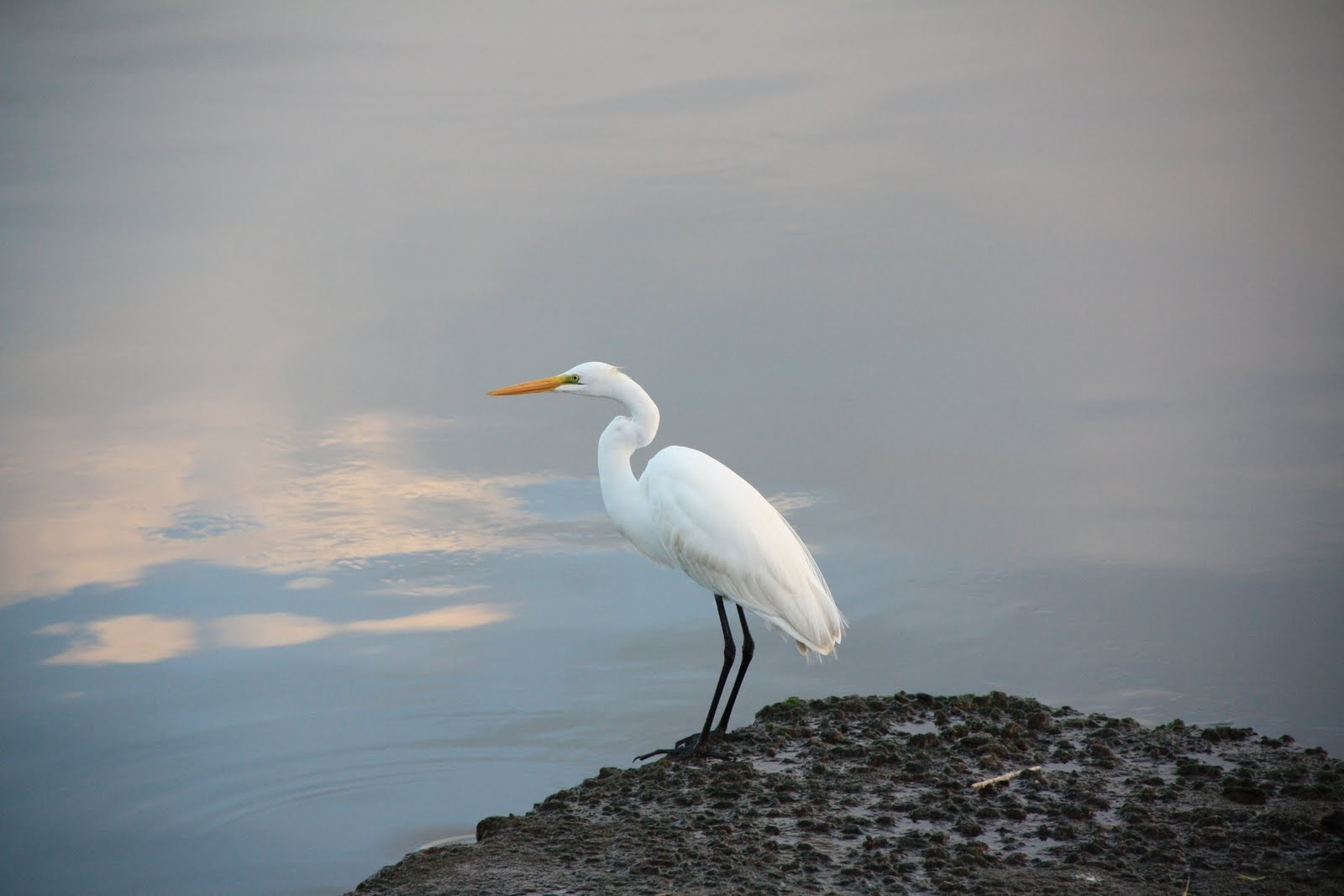
15. Great Egret
These tall birds are quite distinctive with their bright white feathers, black legs, and orange beaks. Great Egrets live near both fresh and saltwater, nesting high in trees to protect their eggs from predatory mammals. They are colonial nesters, living in large groups (colonies), and they find the majority of their food in the nearest body of water.
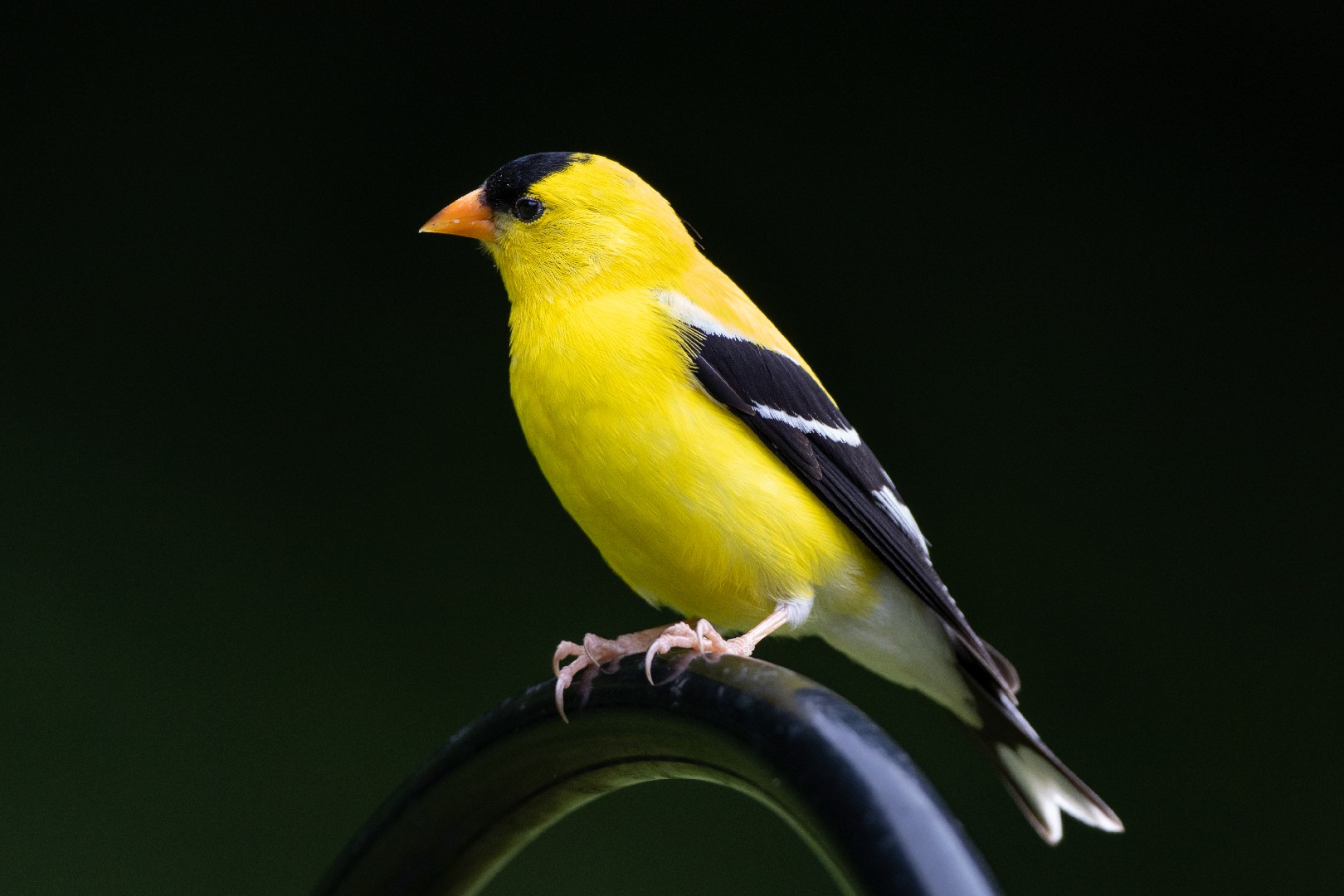
16. American Goldfinch
Brilliant yellow plumage characterizes the small american Goldfinch, but this prominent yellow color is present only in males during the mating season. A strict vegetarian, this bird feeds on seeds and other plant material. The american Goldfinch is an active and acrobatic bird, which can be often seen flying in a bouncy pattern.
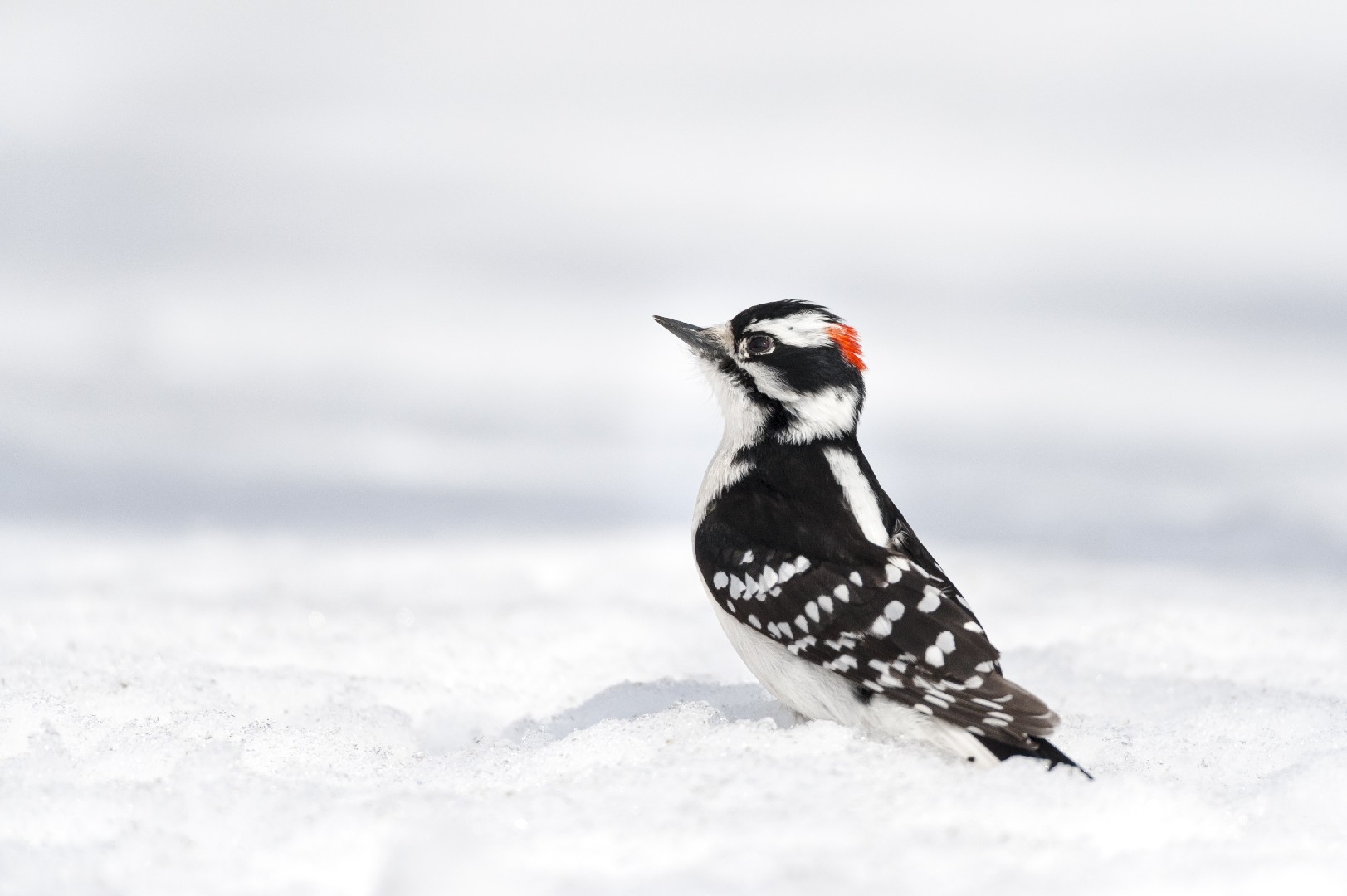
17. Downy Woodpecker
The smallest woodpecker in North America, the downy Woodpecker is almost identical to the Hairy woodpecker (Picoides villosus), but it's significantly smaller and has a shorter bill. It inhabits woods and wooded areas, but is also regularly encountered in urban environments. It often visits birdfeeders, which is an unusual behavior among woodpeckers.
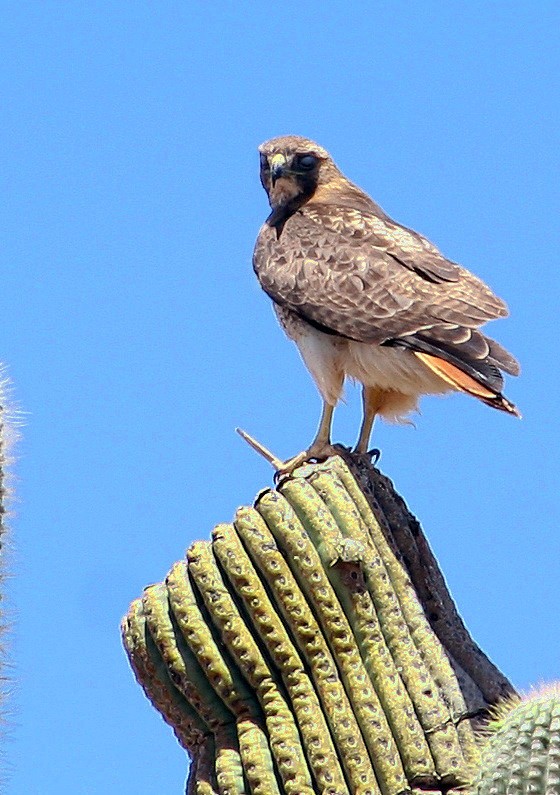
18. Red-tailed Hawk
Perched high in trees, the red-tailed Hawk watches for its prey: mammals, reptiles, birds, amphibians, large insects, and occasionally fish. It's the most common hawk in North America. Highly territorial and monogamous, the red-tailed Hawk is relatively long-lived. Many of them die young, but those who survive can live up to 20 years.
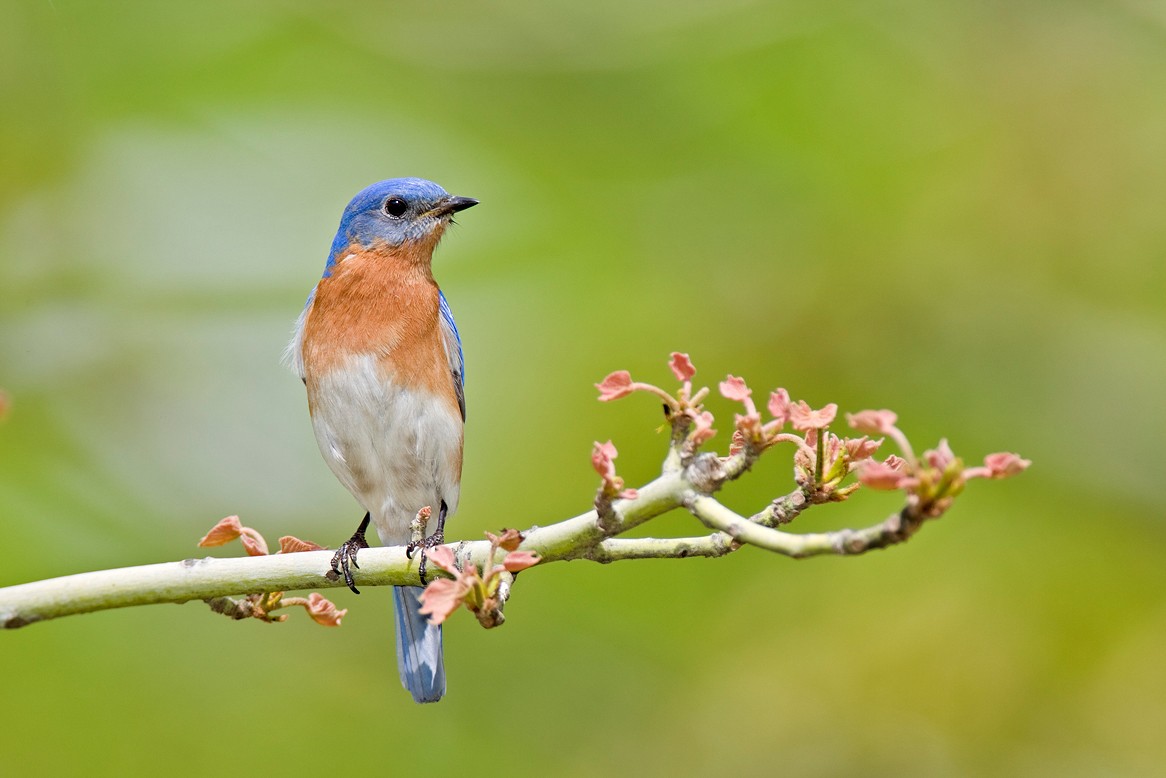
19. Eastern Bluebird
The tiny, distinctively-colored eastern Bluebird can often be seen in the countryside and other suburban, open areas. These small thrushes love nest boxes and so-called "bluebird trails" - a series of birdhouses put up especially for them along a certain route. These trails are part of conservation efforts that have helped to reverse their decline in population between the 1940s and the 1970s.
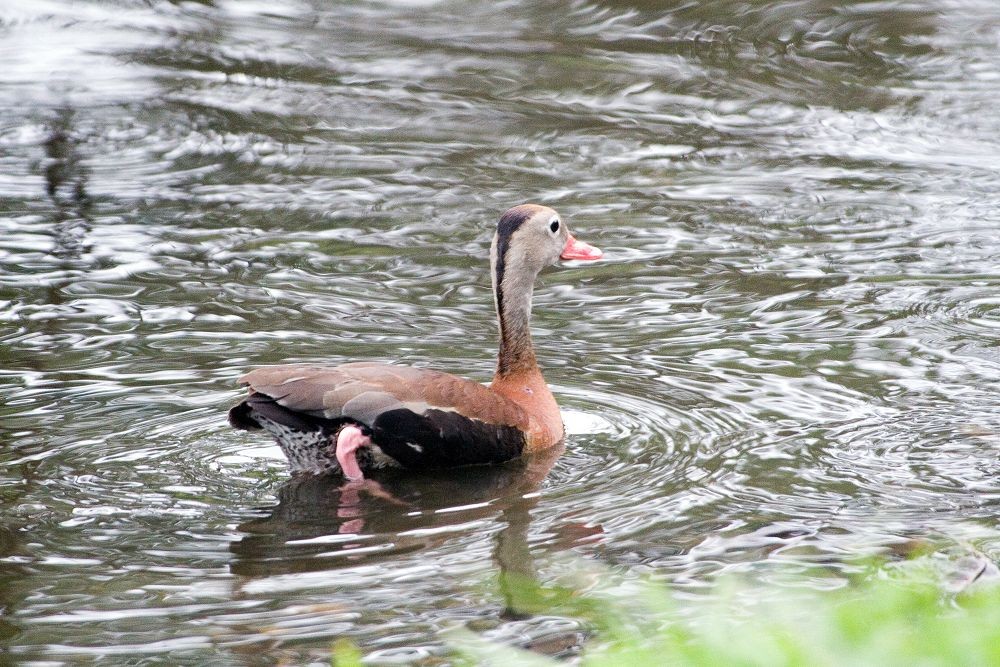
20. Black-bellied Whistling-duck
It has a long red bill, long head and longish legs, pale gray head and mostly gray-brown plumage. The belly and tail are black, and the body plumage, back of the neck and cap are a rich chestnut brown. The face and upper neck are gray, and they sport a thin but distinct white eye-ring. The extensive white in the wings is obvious in flight, less so on the ground; it is formed by the secondary remiges while the primaries are black; the wing-coverts are brown. Males and females look alike.