




Top 8 Most Common Bird in Ratanakiri
Ratanakiri boasts a diverse ecology teeming with avian life, due to its varied landscapes from forests to rivers. The region is home to 8 common bird species, each having distinctive traits and adaptations. These birds exhibit fascinating behaviors, striking appearance, and are a significant part of the local ecology.

Most Common Bird
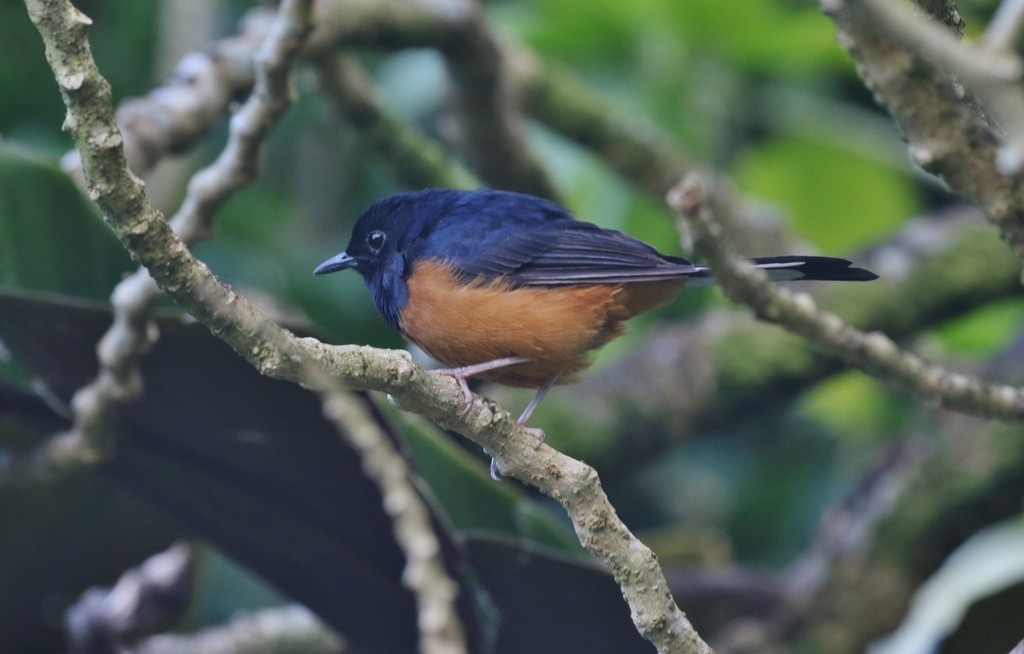
1. White-rumped Shama
White-rumped Shama is a small, passerine bird native to Southeast Asia and the Indian Subcontinent, with a name derived from their white rump feathers. It is known for being a songster and their color shades help you distinguish the male from the female. A female bird is able to lay 4-5 eggs at a time while the male one guards.
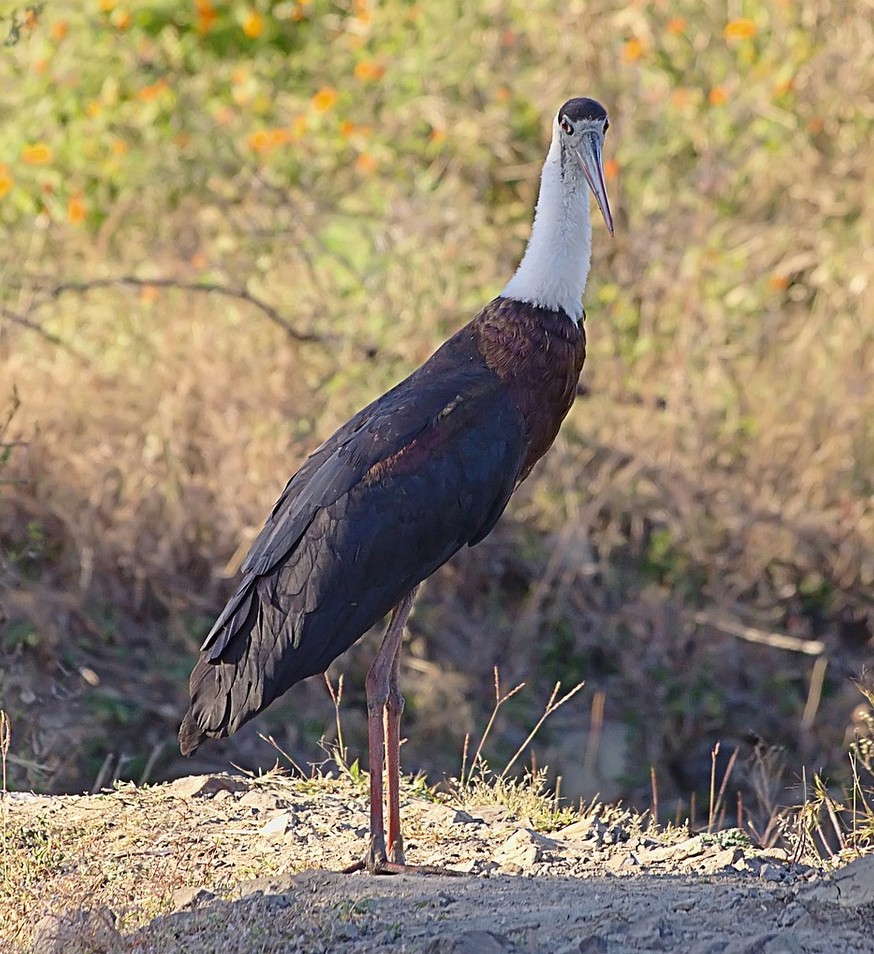
2. Woolly-necked Stork
The iris is deep crimson or wine-red. The stork is glistening black overall with a black "skull cap", a downy white neck which gives it its name. The lower belly and under-tail coverts are white, standing out from the rest of the dark coloured plumage. Feathers on the fore-neck are iridescent with a coppery-purple tinge. The tail is deeply forked and is white, usually covered by the black long under tail coverts. It has long red legs and a heavy, blackish bill. 

3. Common Flameback
This species measures 28-32 cm (11-12.6 inches) in length. It usually weighs about 67-100 grams (2.4-3.5 ounces). It has a flaming golden back and long, solid black moustachial stripes. Both sexes have black eyestripes joined to black rear neck stripe. Male has red crown, female has black crown. Black-scaled white underparts and red rump contrasting with black tail. Rather small bill, and only three toes on each foot. The greater flameback (Chrysocolaptes lucidus) looks quite similar. Its natural habitats are subtropical or tropical dry forest, subtropical or tropical moist lowland forest, and subtropical or tropical mangrove forest.

4. Asian Barred Owlet
The Asian barred owlet (Glaucidium cuculoides) is a species of true owl, resident in northern parts of the Indian Subcontinent and parts of Southeast Asia. It ranges across north central and northeast India, Nepal Bhutan, north Bangladesh, and southeast Asia (Myanmar, Thailand, Cambodia, Laos, Vietnam). Its natural habitat is temperate forest.
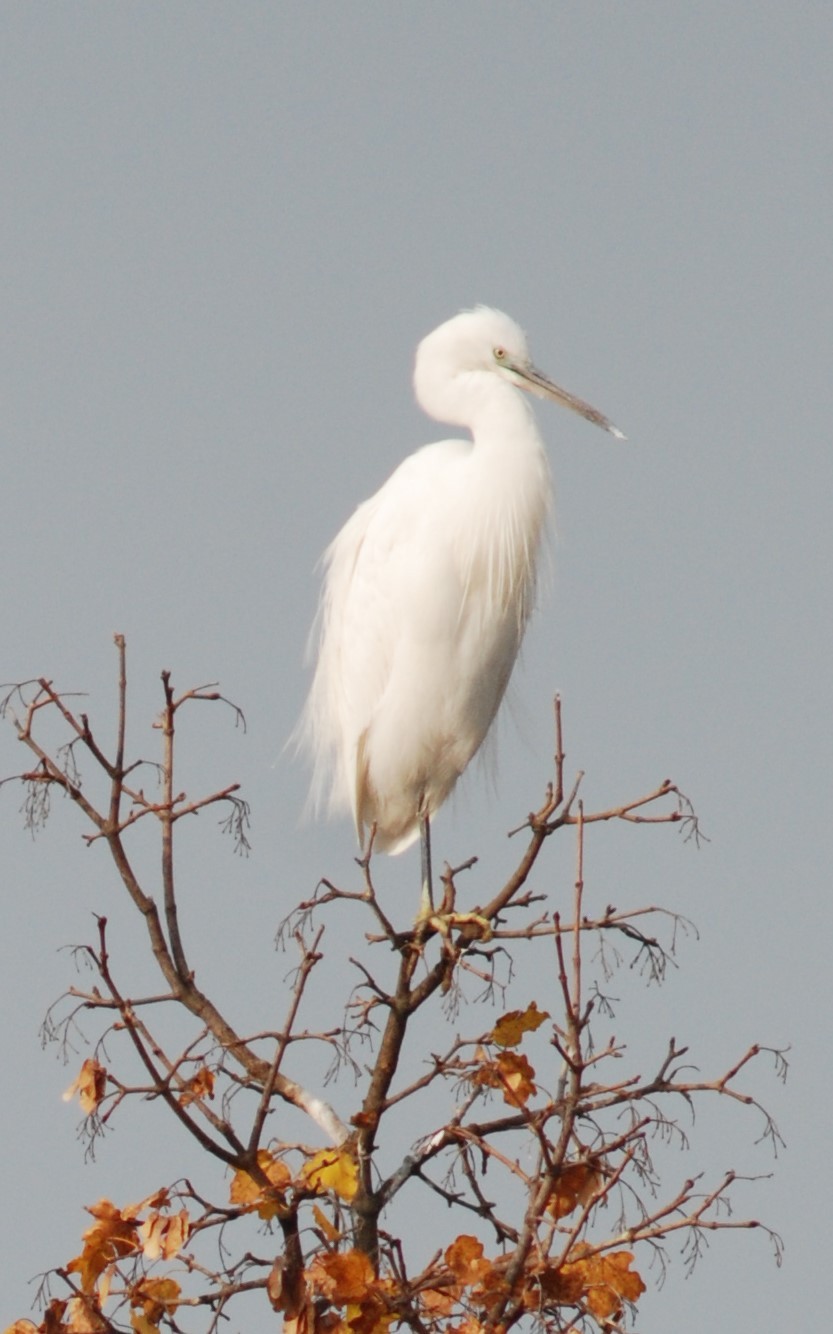
5. Little Egret
The small size of the little Egret makes the bird easily recognizable among larger species that share the same range. The egret is seen almost anywhere there are small fish including marshes, estuaries, and rivers. The bird often searches for food by itself but prefers to build nests in communities, occasionally with other bird species.
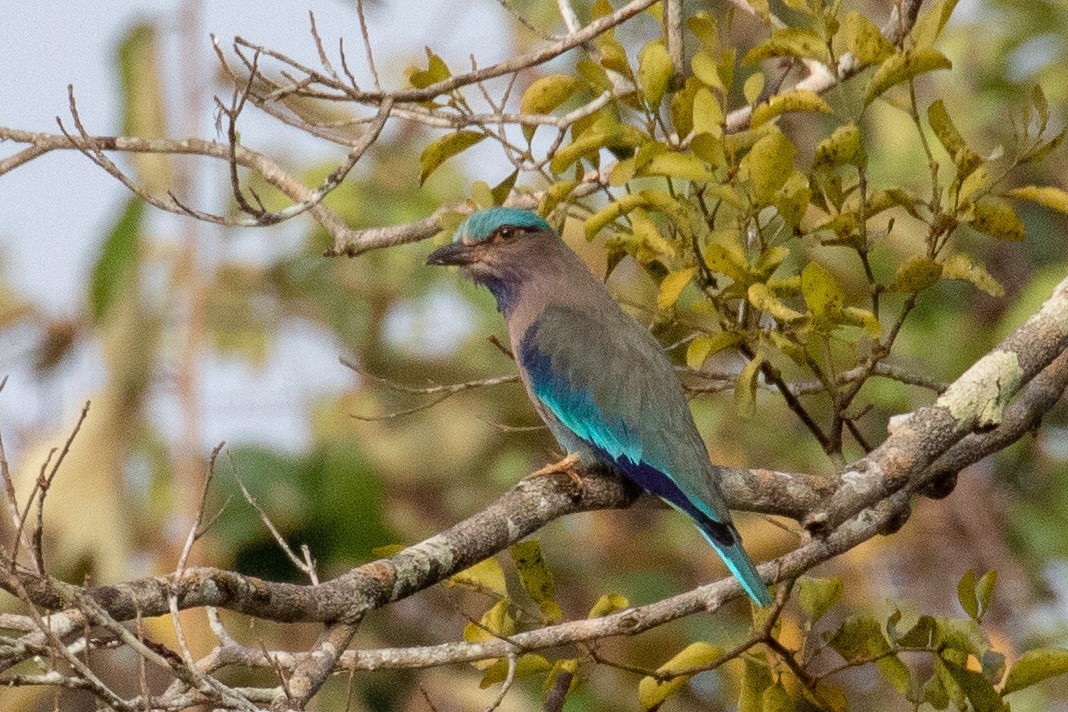
6. Indochinese Roller
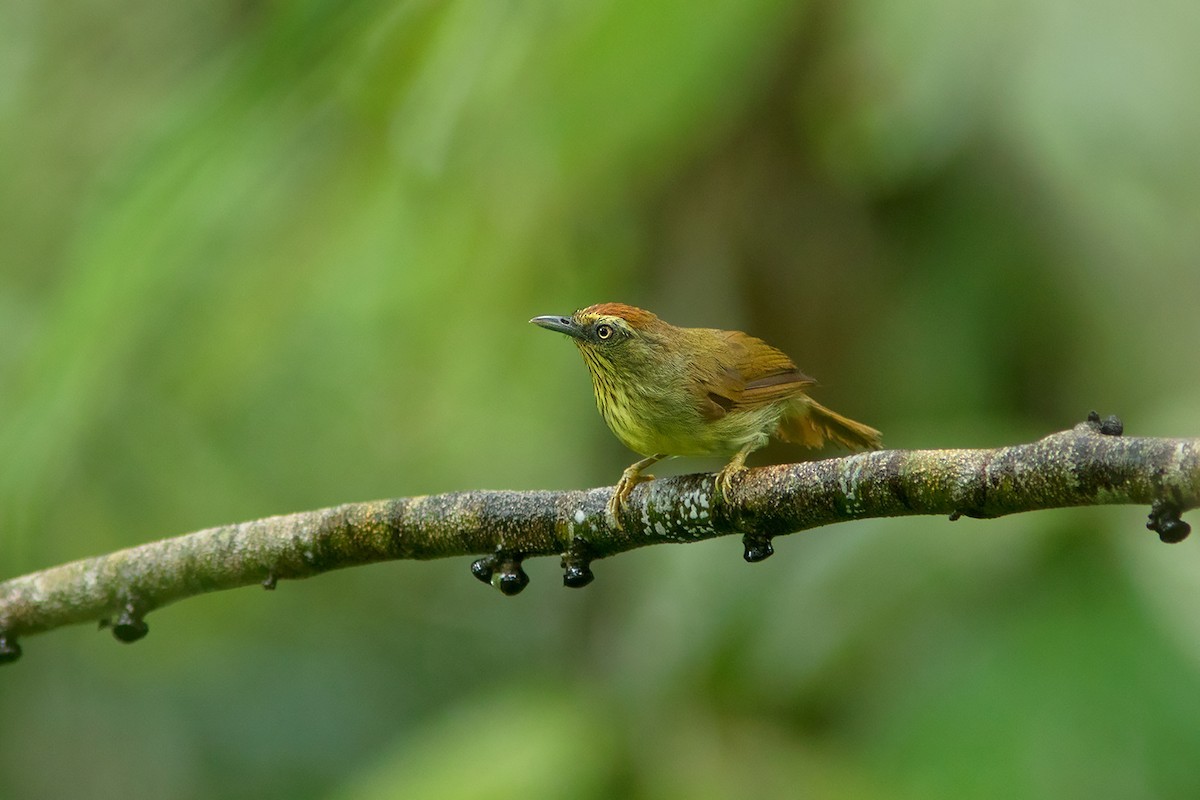
7. Pin-striped Tit-babbler
The species has a distinctive yellowish supercilium and rufous crown. The throat is yellowish with brown streaks. Call is a loud repeated chonk-chonk-chonk-chonk-chonk somewhat reminiscent of a common tailorbird. They forage in small flocks and creep and clamber in low vegetation. They breed in the pre-monsoon season from February to July and build a loose ball shaped nest made from grasses and leaves.
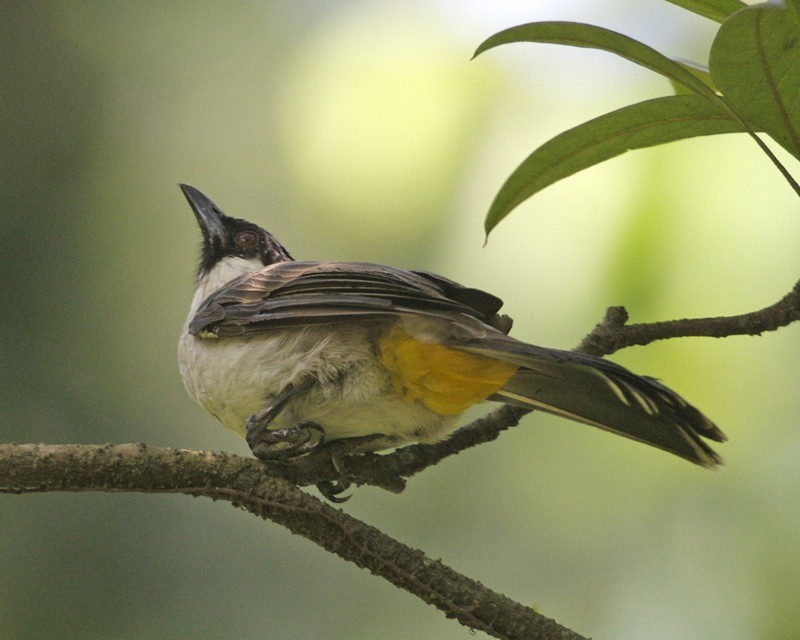
8. Sooty-headed Bulbul
The sooty-headed bulbul (Pycnonotus aurigaster) is a species of songbird in the Bulbul family, Pycnonotidae. It is found in south-eastern Asia. Its natural habitat is subtropical or tropical moist lowland forests.