




Top 20 Most Common Bird in New Brunswick
New Brunswick hosts a variety of habitats, from Atlantic coastal regions to dense, verdant forests, teeming with a diverse bird population. This introduction covers 20 of the most common birds, showcasing their distinctive features, unique behaviors, and adaptations perfectly suited to life in New Brunswick. Keep an eye out for these avian dwellers.

Most Common Bird
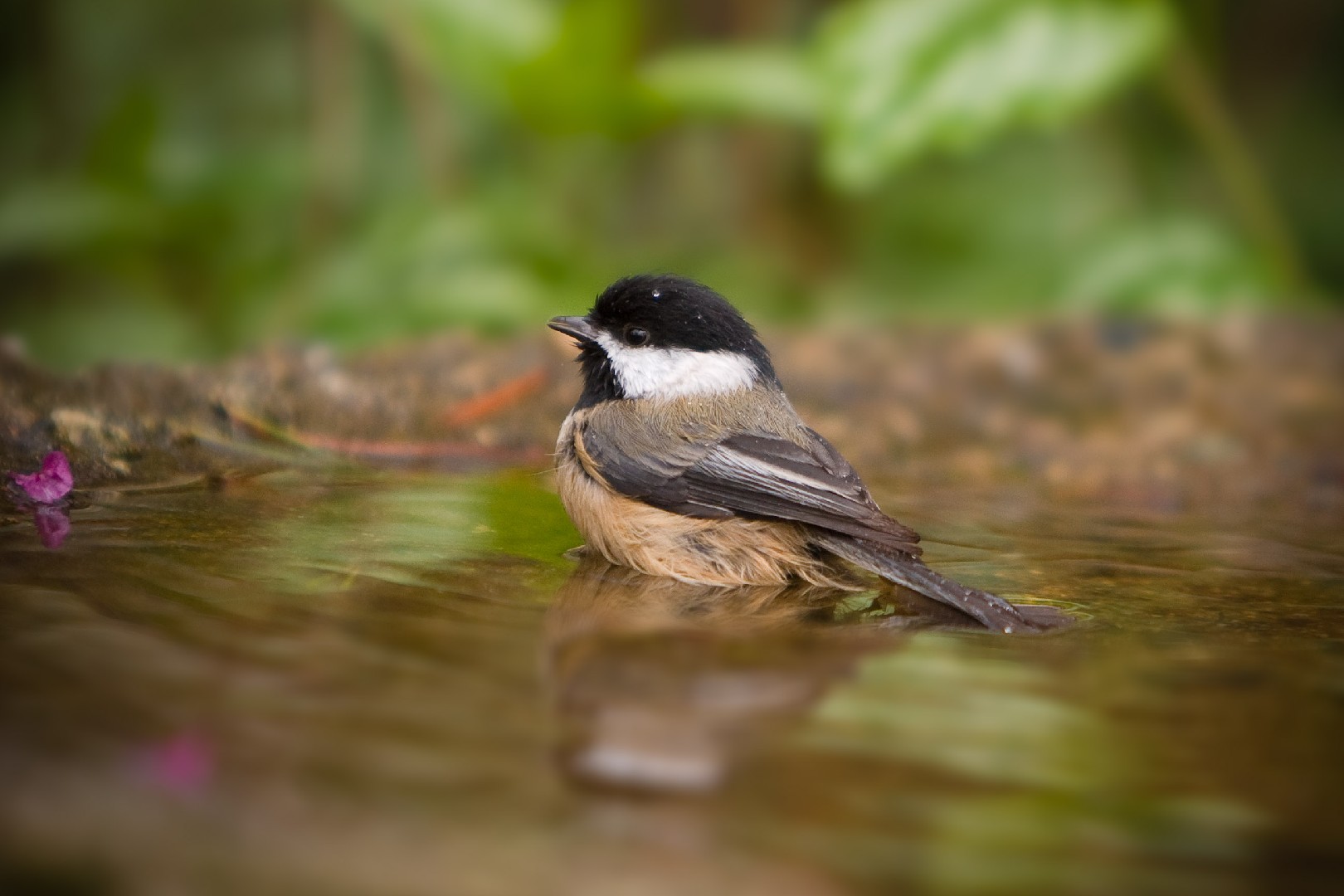
1. Black-capped Chickadee
This small songbird is the most common garden bird in Canada and the northern USA, and also one of the most scientifically studied birds in the world. Able to produce more than 15 complex sounds, the black-capped Chickadee can easily confuse predators with its calls. It's a clever, skillful, and adaptable bird—it can retrieve hidden food after a month and it's able to fly even when its body temperature drops.
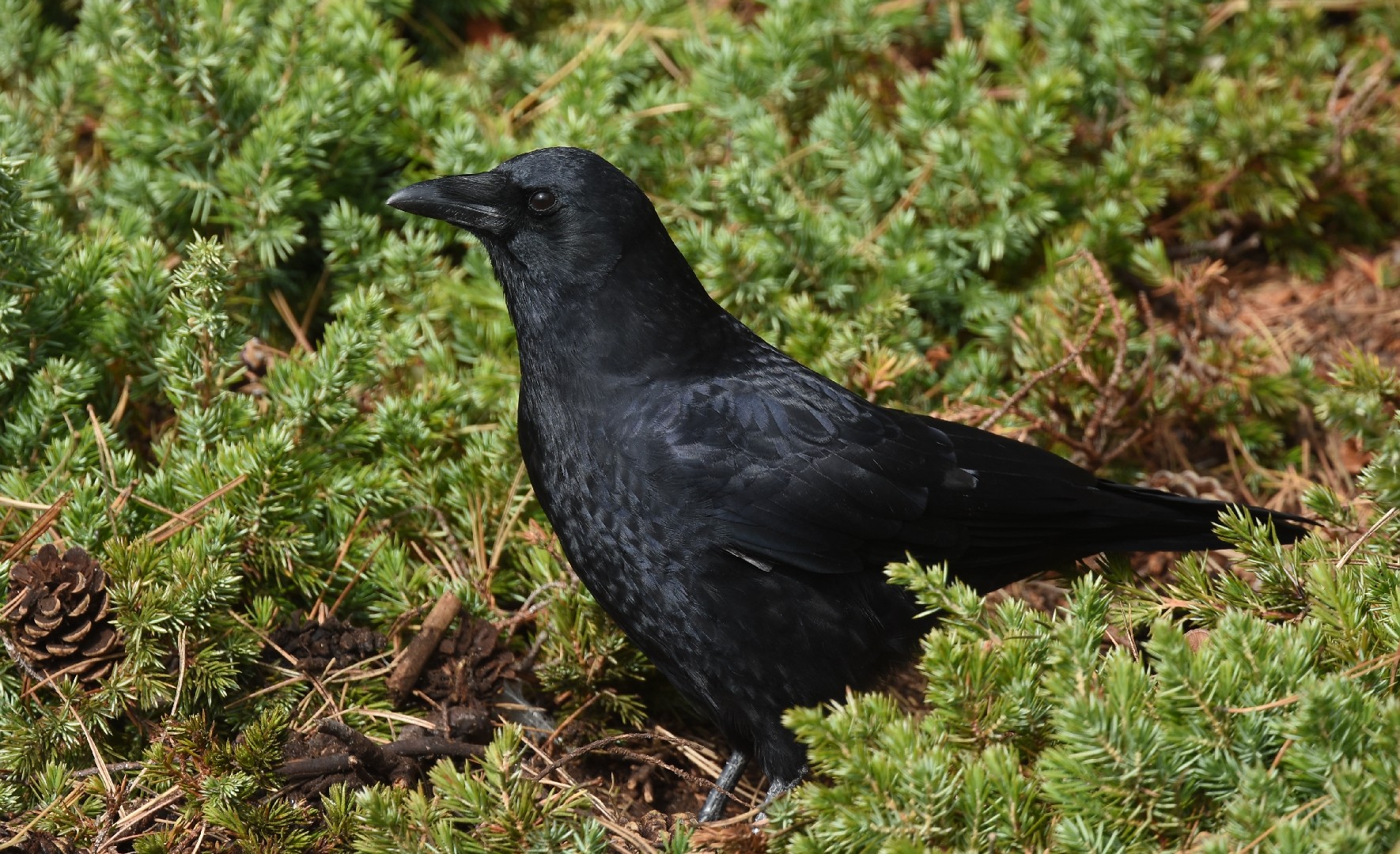
2. American Crow
The american Crow is a big black bird that can be found in forests, fields, river groves, and among human habitations. Interestingly, it is known to stand atop ant hills and allow ants to climb onto its feathers; this apparently discharges their formic acid and makes them more palatable for the crow to eat. Sadly, american Crow numbers have been substantially affected by the West Nile virus in North America. Infected birds die from West Nile in less than a week.

3. Blue Jay
The blue Jay is the largest and the most common Jay in North America. This frequent visitor of birdfeeders is quite opportunistic when it comes to food - it is known as "a nest robber." Able to produce a wide range of musical sounds, this loud songbird can even imitate a Red-shouldered hawk (Buteo lineatus). Intelligent and sociable, the blue Jay is said to form strong family bonds.
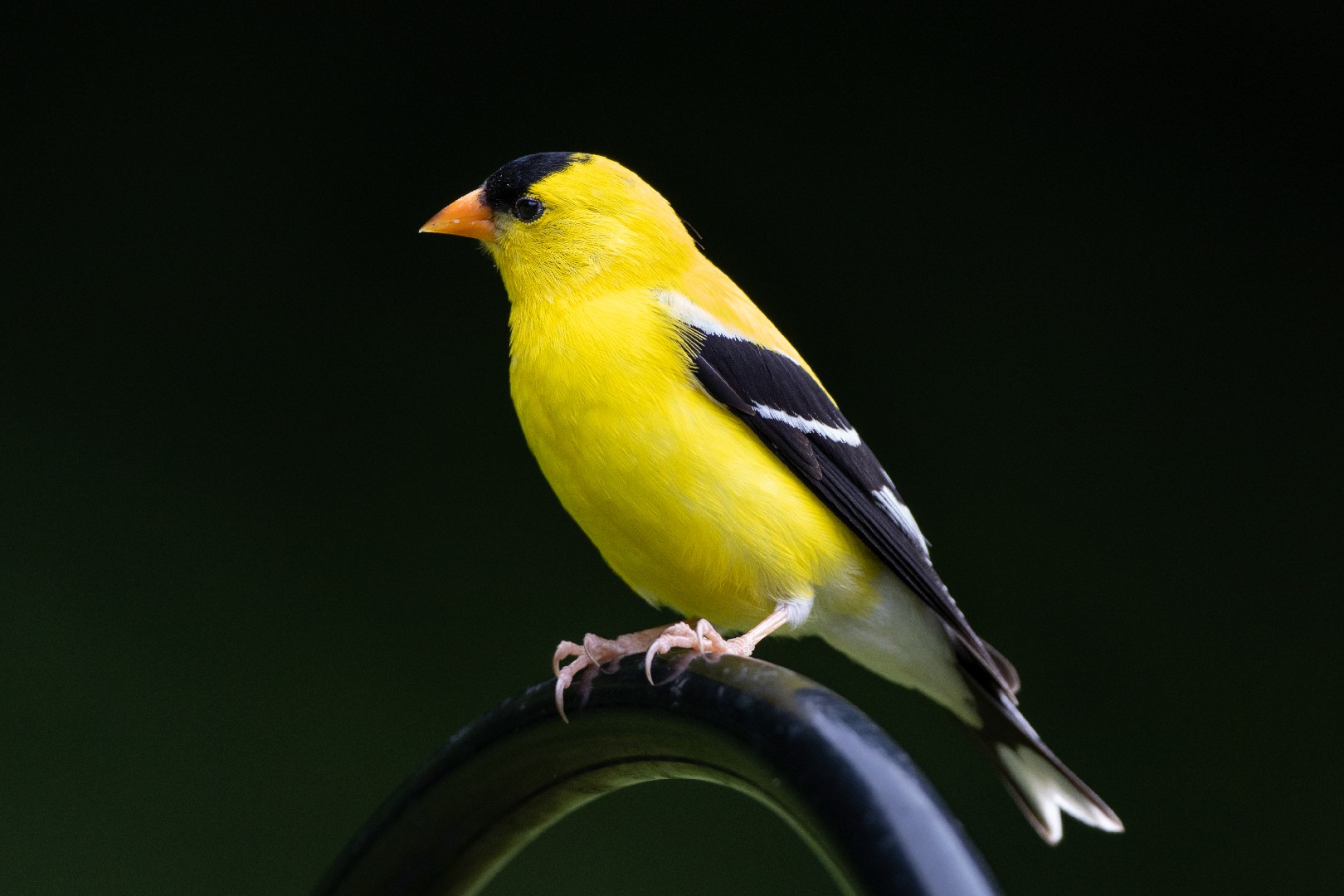
4. American Goldfinch
Brilliant yellow plumage characterizes the small american Goldfinch, but this prominent yellow color is present only in males during the mating season. A strict vegetarian, this bird feeds on seeds and other plant material. The american Goldfinch is an active and acrobatic bird, which can be often seen flying in a bouncy pattern.
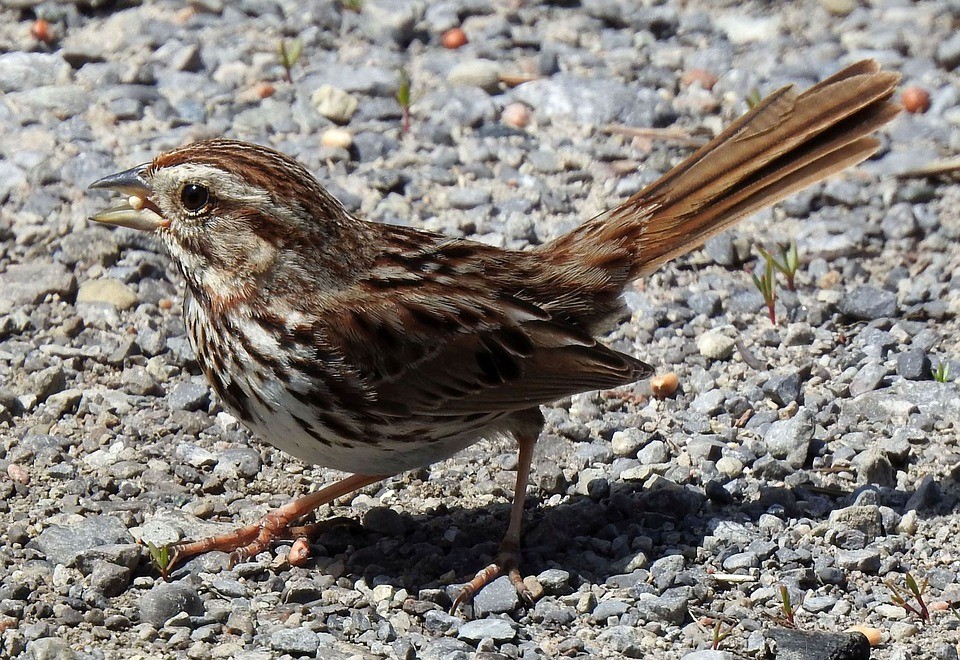
5. Song Sparrow
The song Sparrow can be found low to the ground in vegetation and thickets in nearly all habitat conditions, including suburban areas. They are frequent visitors to home birdfeeders but can also be seen foraging for food on the ground. Their appearance can differ across the 24 known subspecies, but all of them tend to only make short, fluttery flights.
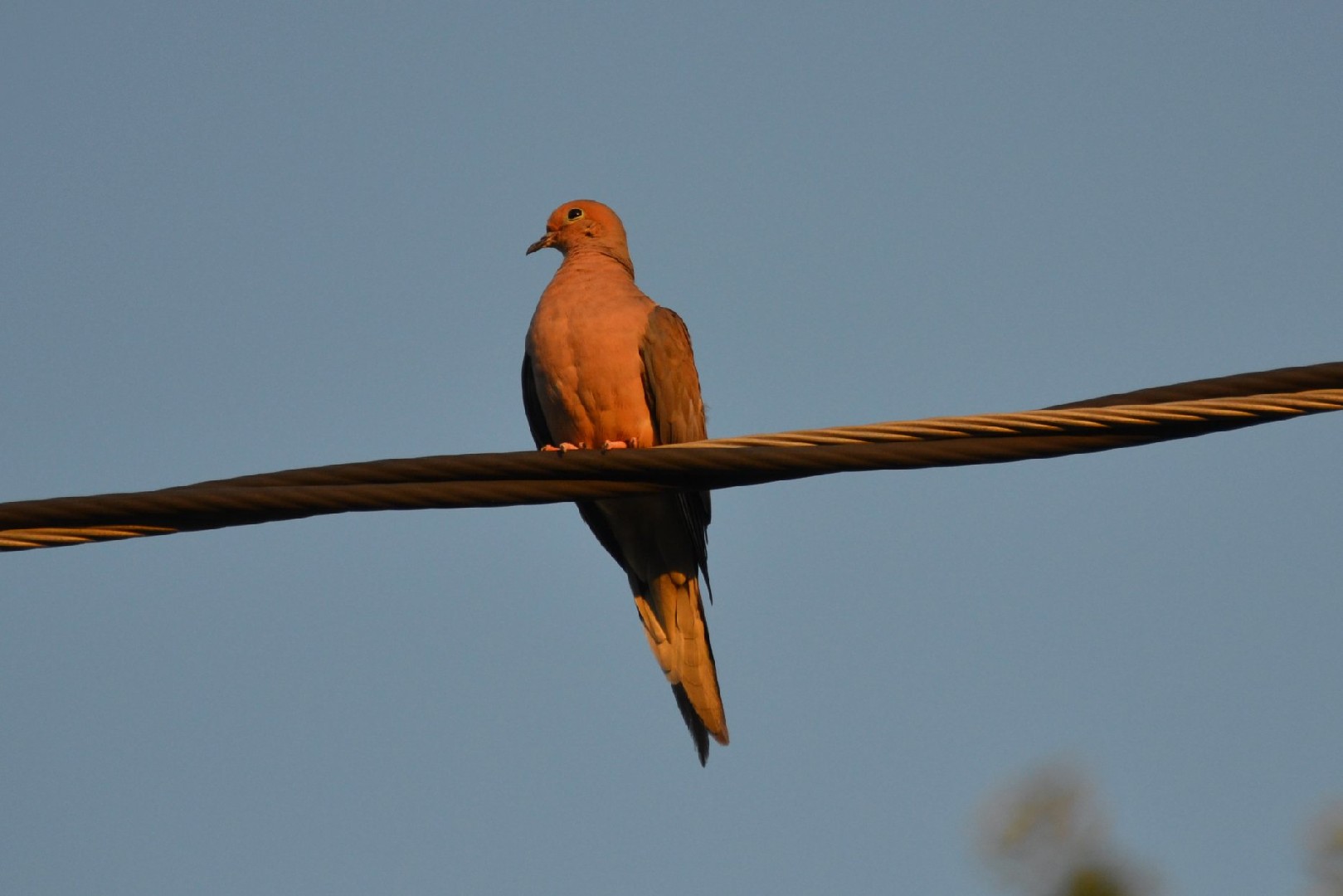
6. Mourning Dove
One of the most famous and widespread doves of North America, the mourning Dove can be often seen in urban areas perching on telephone wires. It is named after its distinctive, plaintive-sounding song. It is also a popular game bird, but its population is still abundant thanks to the prolific breeding and its ability to raise up to five to six broods in a single year.
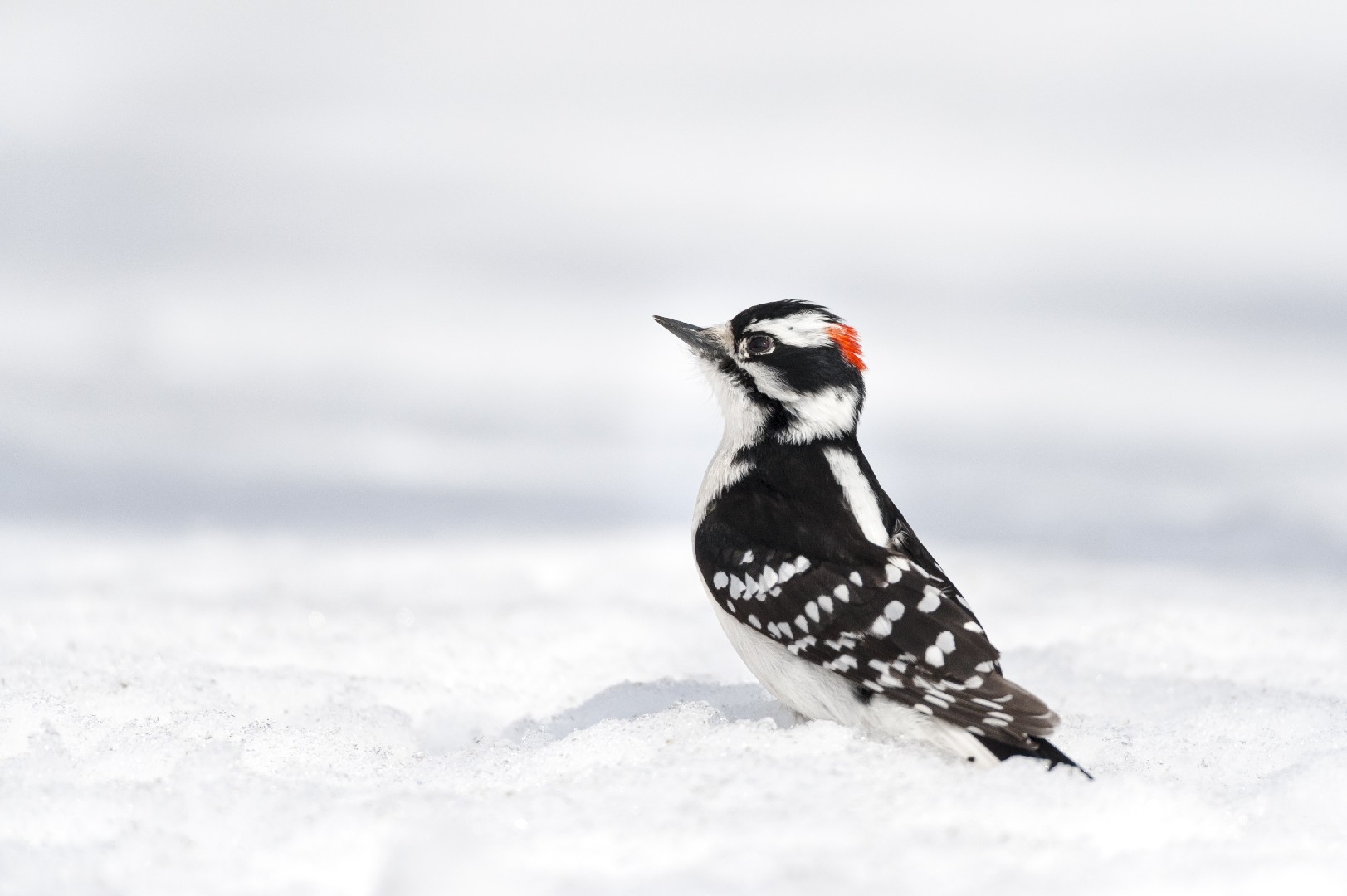
7. Downy Woodpecker
The smallest woodpecker in North America, the downy Woodpecker is almost identical to the Hairy woodpecker (Picoides villosus), but it's significantly smaller and has a shorter bill. It inhabits woods and wooded areas, but is also regularly encountered in urban environments. It often visits birdfeeders, which is an unusual behavior among woodpeckers.
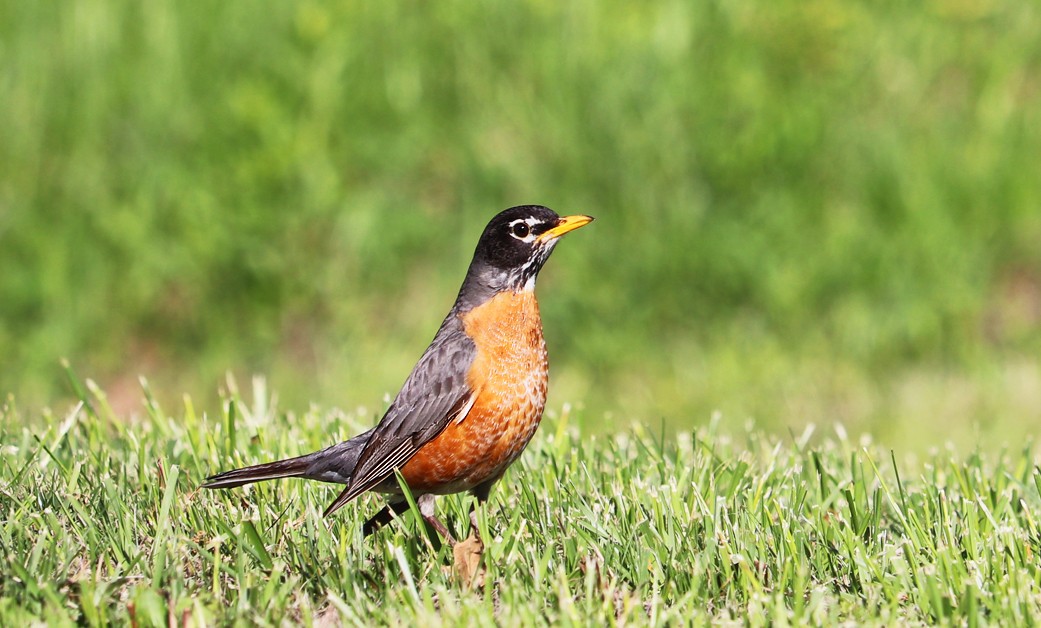
8. American Robin
The american Robin is the most common, and largest, thrush in North America. It's a bird of striking colors, including its vibrant, red-breasted plumage and pale blue eggs. It likes to feed on summer fruit and berries, but worms play an important role in its diet as well. This songbird is a state bird of Connecticut, Michigan, and Wisconsin. Its cheery song is considered one of the first signs of spring.
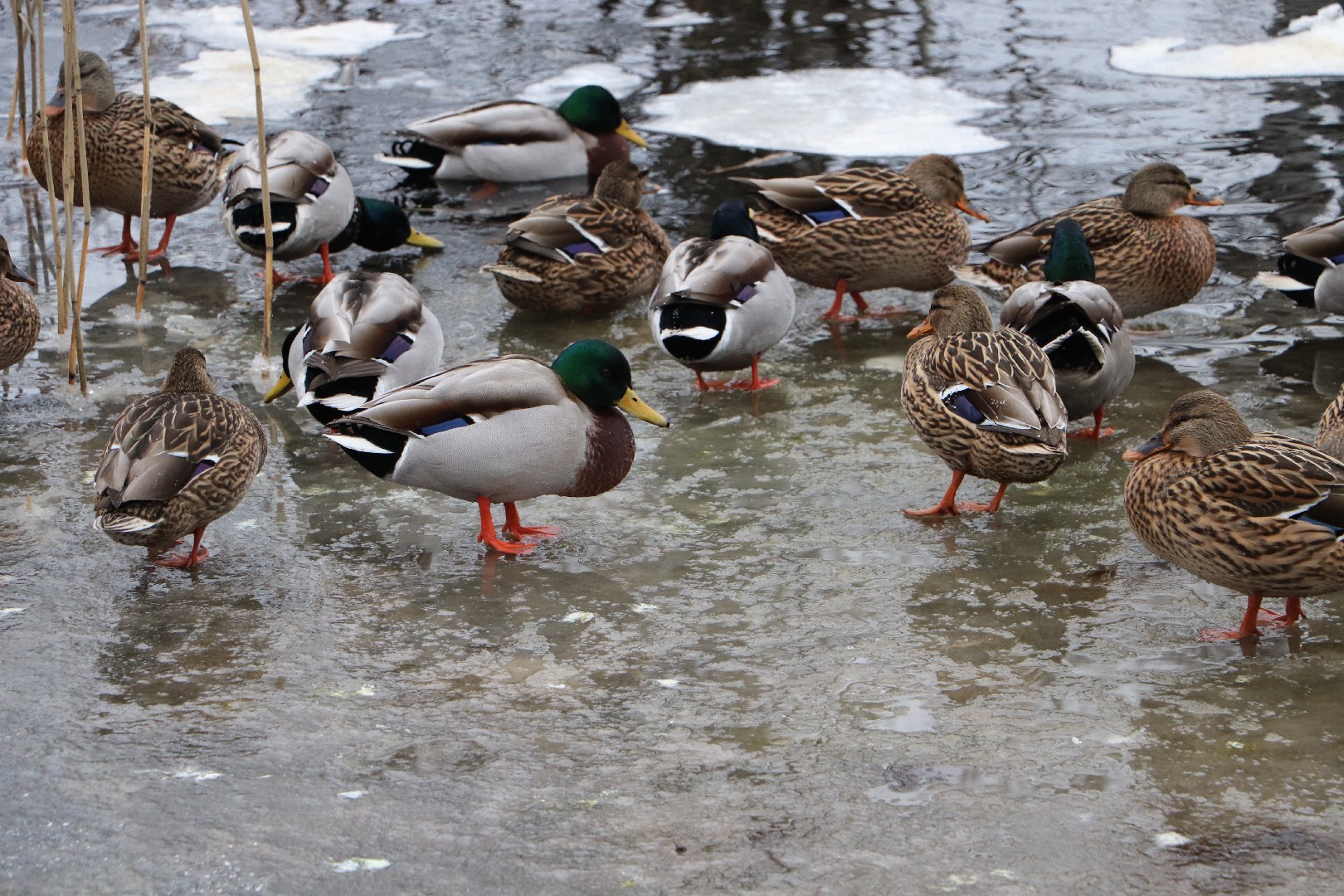
9. Mallard
The mallard is the most abundant duck species in the world, and the ancestor of all domestic ducks. Only the female can produce the distinctive "quack" sound. When the female lays eggs, the male abandons its mate, while the protective mother stays with the ducklings for a long time. This migratory species inhabits shallow waters and it's one of the most popular game birds.
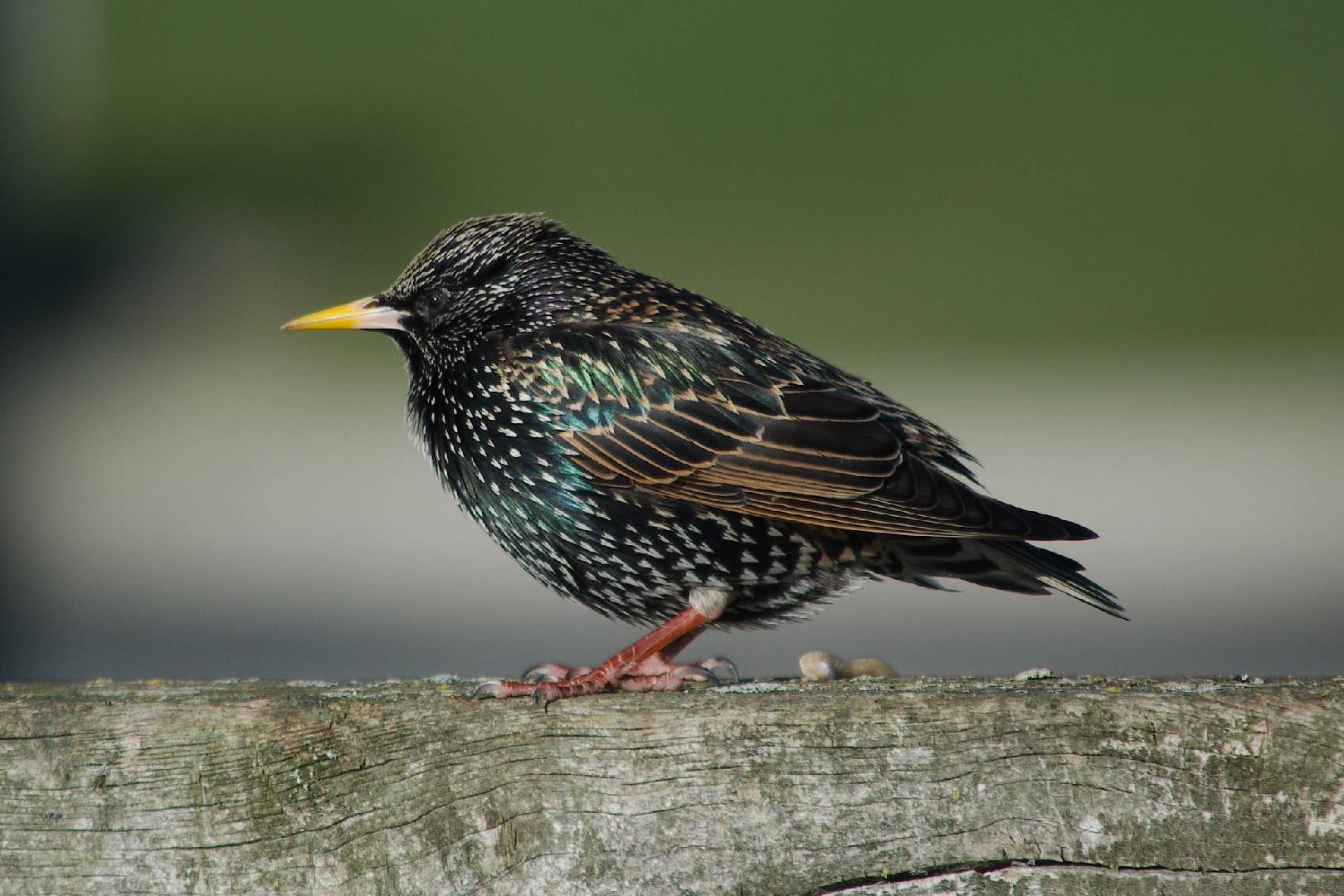
10. European Starling
The european Starling, a large, hardy songbird, is one of the most commonly seen bird species in North America. Originally from Europe, this species was brought to the U.S. in the 1890s by enthusiasts of William Shakespeare, who had the unique goal of bringing over every single species of bird that was mentioned in Shakespeare's collective works. Unfortunately, the european Starling, being an adaptable, generalist species, spread invasively across the continent, hurting many native species' populations in the process.
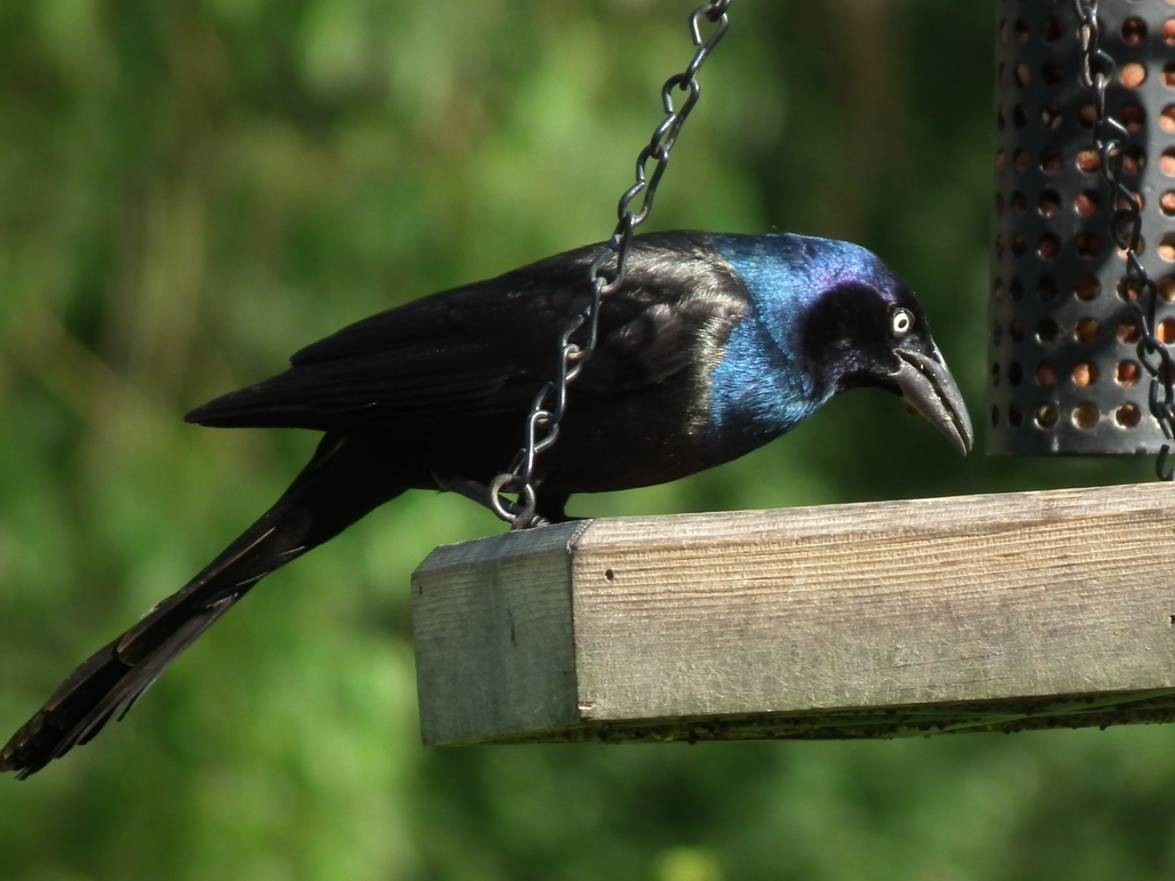
11. Common Grackle
The common Grackle is a medium-sized blackbird that prefers open areas with widely-spaced trees. It produces a distinctive, loud, and unpleasant sound that is said to resemble rusty hinges on the gate. This bird is highly sociable and it's rarely seen alone. Being a regular visitor of urban and suburban areas, this clever crafter uses numerous man-made materials to make its nest. Due to its preference for various foods, including berries and crops, it's considered a pest by farmers.
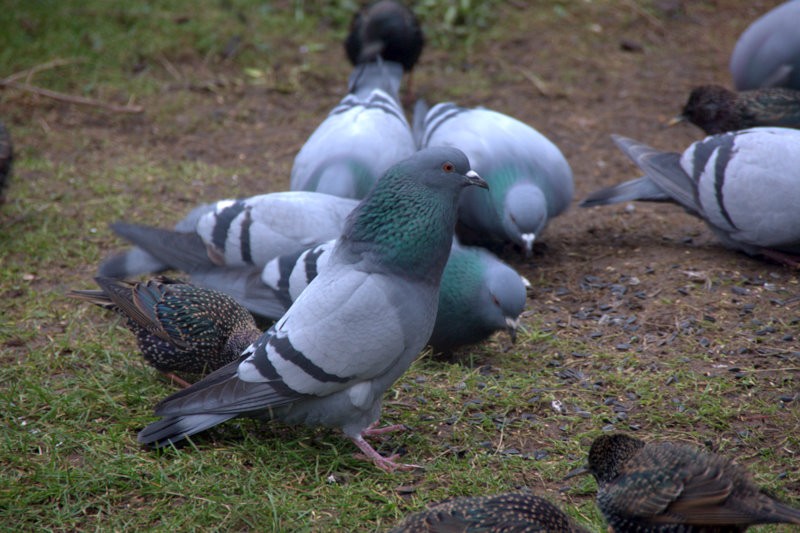
12. Rock Pigeon
The rock Pigeon is a wild ancestor of all domestic and feral pigeons, inhabiting coasts, cliffs, and caves. Pairs nest in rock crevices, often mating for life. They are known for their ability to fly very long distances to return to their homes, navigating using the sun's position and the earth's magnetic fields. Thanks to this ability, pigeons were used as messengers, particularly during World Wars I and II.

13. Hairy Woodpecker
The hairy Woodpecker is small and powerful, with a long bill that it puts to great use. The clean stripes of its head and exceedingly straight posture gives it the look of a soldier in the trees. Its call is more of a “whinny,” that can be heard in forests and parks. This bird is often found with its lookalike counterpart—the Downy woodpecker.
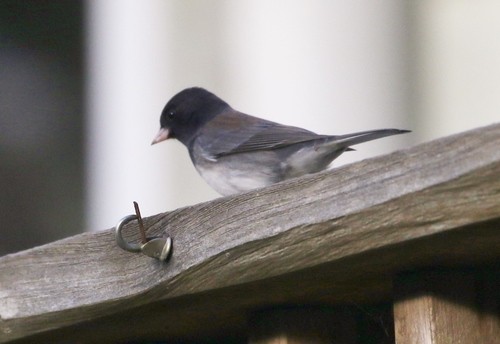
14. Dark-eyed Junco
One of the most common birds of North America, the dark-eyed Junco lives in flocks in open forests, but it's very common in urban areas. This a highly variable species consists of at least five subspecies. This ground bird is often seen during winter, so it's sometimes called the "Snowbird," although it shares the nickname with the Snow bunting (Plectrophenax nivalis).
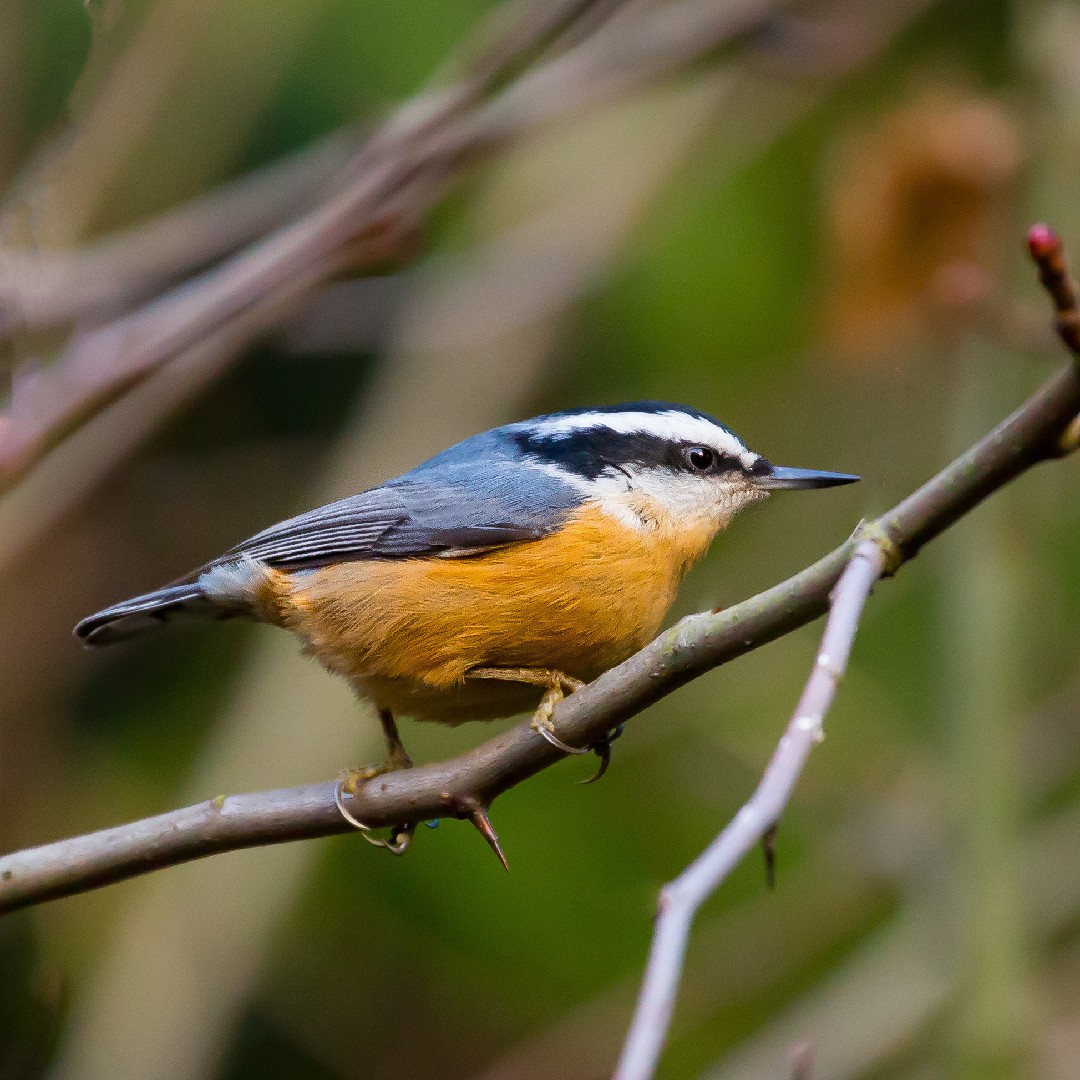
15. Red-breasted Nuthatch
Short and round, the tiny red-breasted Nuthatch attracts notice with its high energy level and the black and white striping on its head. Look for it this little active bird at your bird feeder, or listen for a “yank-yank” call, similar to the sound of a small tin horn honking. This bird is known to collect resin from trees and plaster it in front of its nest as a way to ward off predators.
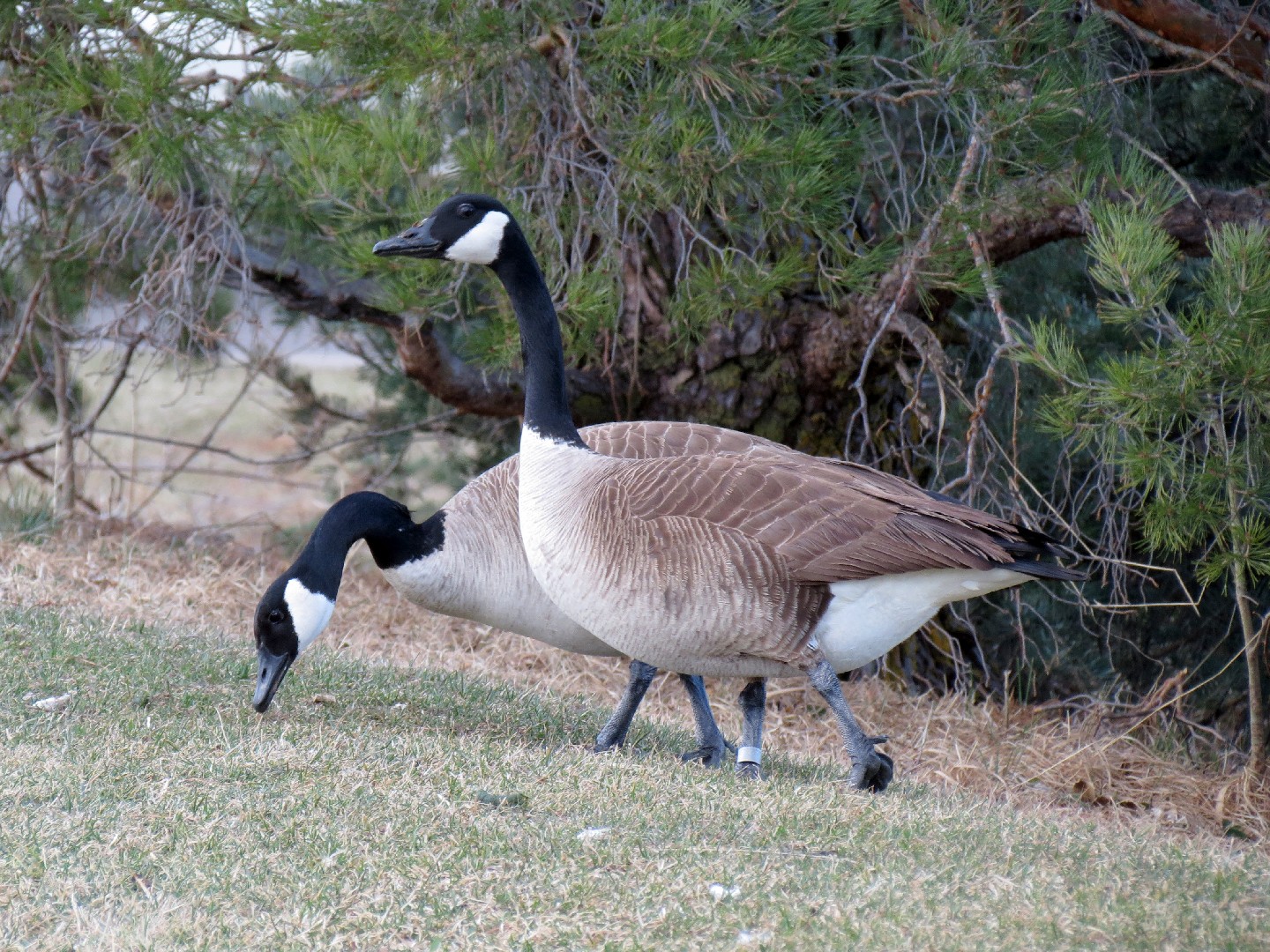
16. Canada Goose
Though this large, widespread bird is mainly known for its aggressively territorial nature, often shown by spitting, chasing, honking, or attacking, the canada Goose does have more loving traits. They mate for life, and this species is one of the birds that has minimal “divorce rates.” Interestingly, they choose mates by size, so smaller geese will mate with other small geese, and larger geese with other large geese.
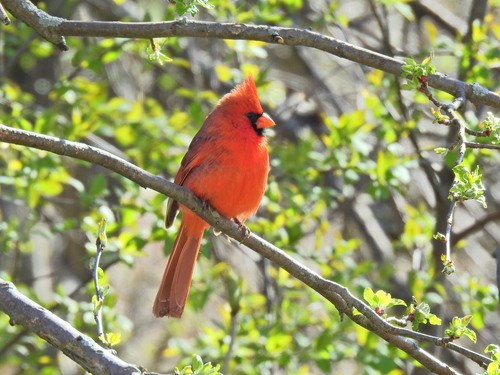
17. Northern Cardinal
The northern Cardinal is a distinctive, medium-sized songbird that inhabits temperate forests and yards. Its name is derived from the male's brilliant red plumage color which resembles red-robed Roman Catholic cardinals, while its crest looks like a bishop's mitre. Compared to the male, the female is much duller in color. The highly territorial males can be quite aggressive. Quite popular, this is the state bird of seven U.S. states.
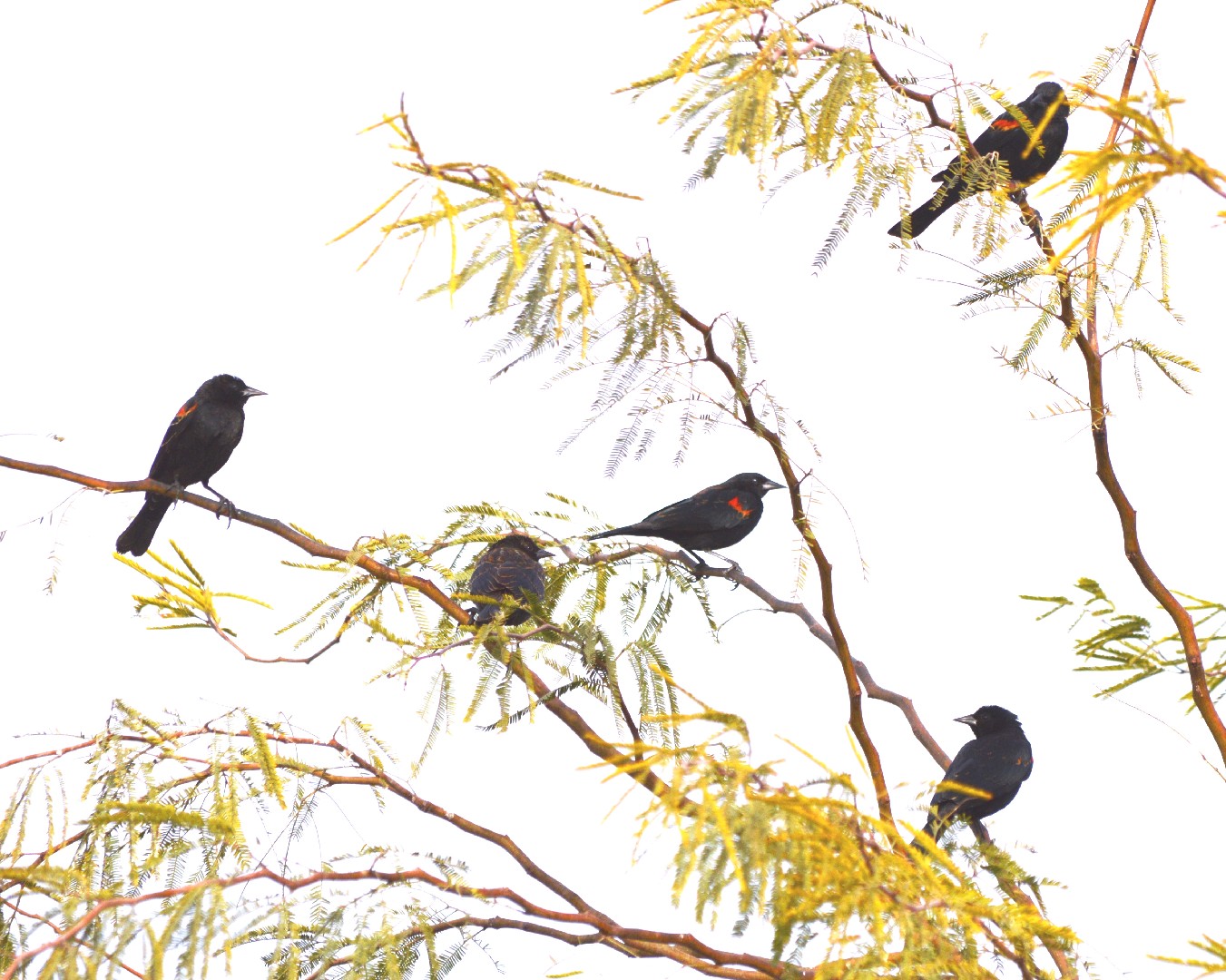
18. Red-winged Blackbird
One of the earliest spring harbingers in North America, the red-winged Blackbird migrates in enormous flocks. Gathered in these large groups, the songbirds produce a loud cacophony. The red-winged Blackbird is an opportunistic omnivore. It feeds on numerous insect species, keeping pests under control, but due to its preference for crops and berries, the red-winged Blackbird is sometimes considered a pest itself.

19. Common Redpoll
The common Redpoll prefers the tundra and open forests, especially during the breeding season. Filling bird feeders with nyjer seeds can attract this small finch to backyard gardens. The bird often gathers in flocks, chattering with each other. When temperatures drop, the bird often builds long tunnels in the snow to keep warm.
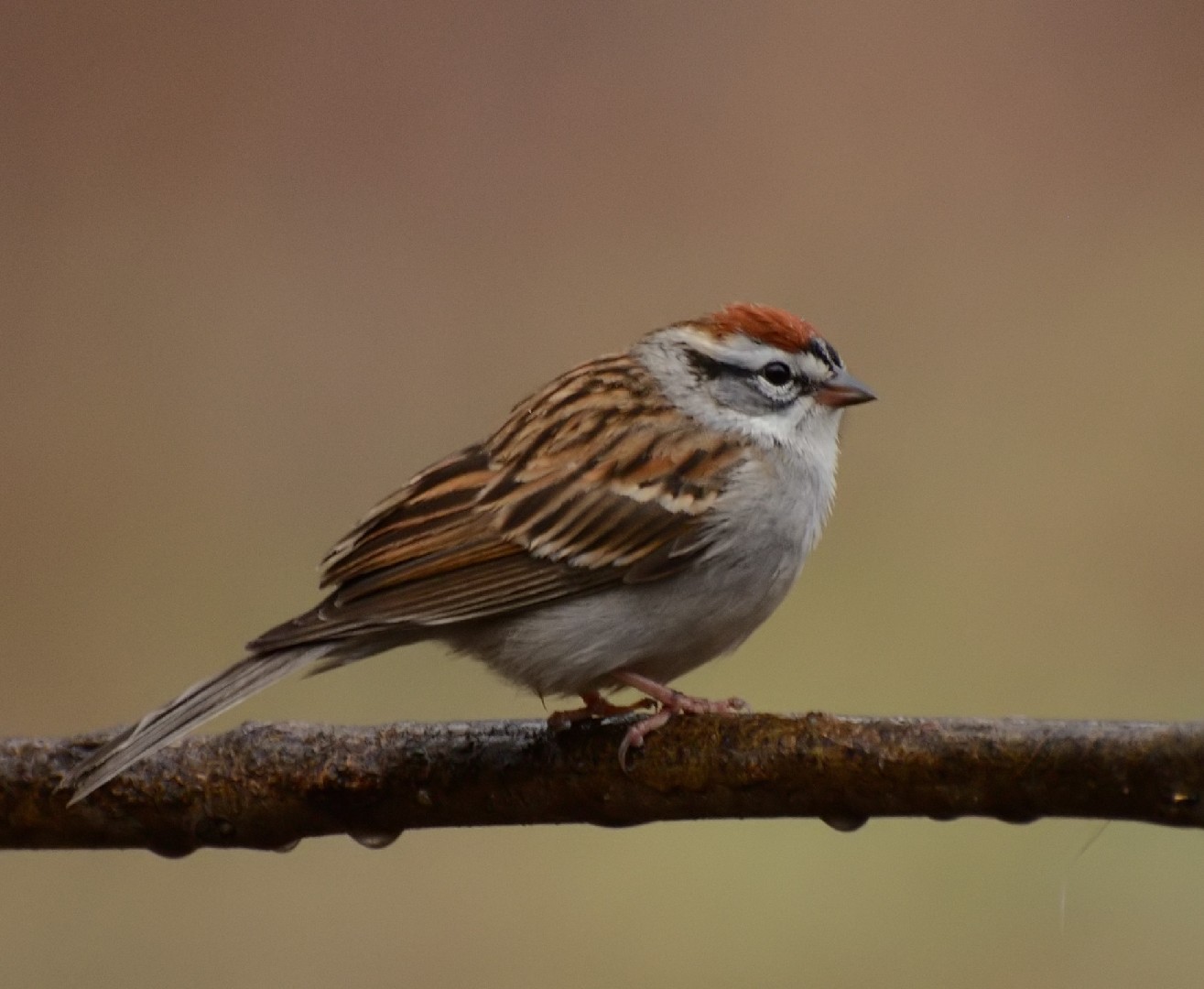
20. Chipping Sparrow
Named after its distinctive "chip-chip" sound, the small chipping Sparrow is one of the most common sparrows in North America. It can be found in a wide range of habitats but it's very common in gardens and backyards throughout the continent. During the non-breeding season, this sparrow is easily confused with other sparrow species, while during the summer, when it mates, it develops recognizable white eyebrows and a rusty crown.