




Top 20 Most Common Bird in Esfahan
Located in central Iran, Esfahan is characterized by a semi-arid climate, providing a unique environment for bird species. The 20 most common birds are characterized by distinct features and behaviors, adapted perfectly to withstand Esfahan's varying temperatures. From the colorful Flamingoes in the Zayandeh river to the agile Eurasian sparrows within city bounds, these birds contribute significantly to the region's ecosystem.

Most Common Bird
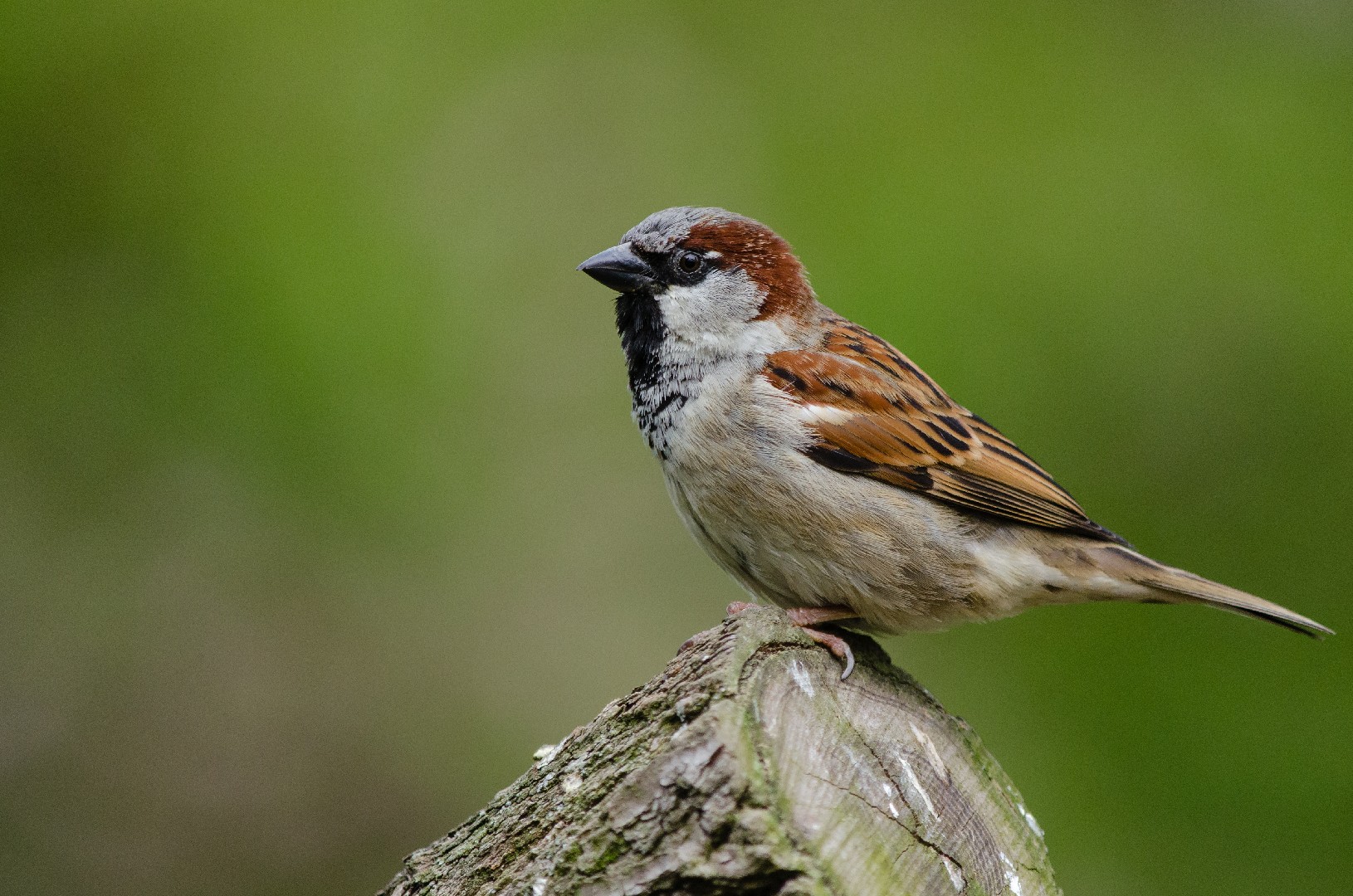
1. House Sparrow
Just as its name implies, the little house Sparrow socializes with humans more than any other bird species. Able to adapt and thrive in almost any habitat, excluding the extremes such as deserts and mountain peaks, this species was once restricted only to North Africa and Eurasia but now is found across the globe. Unfortunately, this opportunistic eater is not completely harmless—it can cause considerable damage to crops.
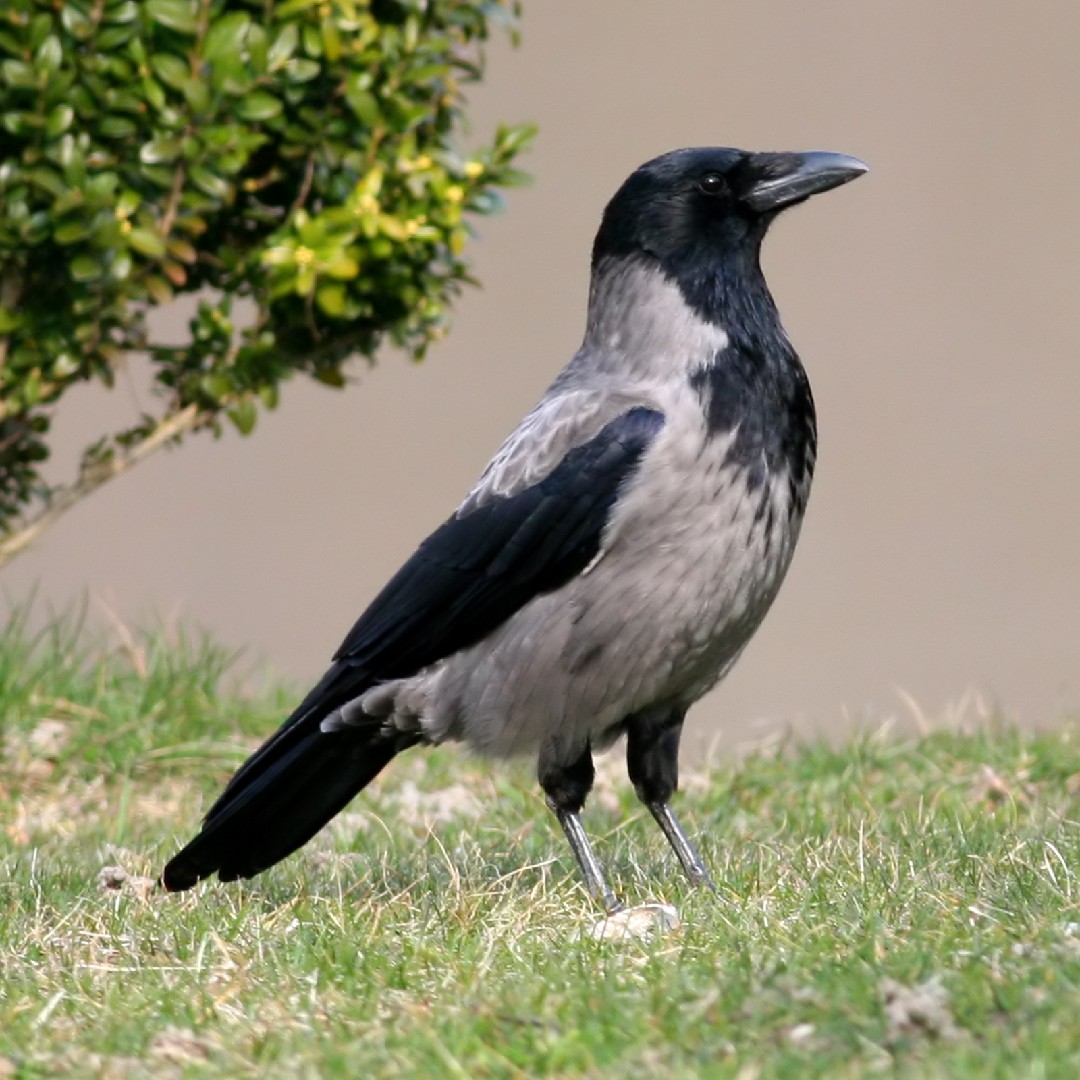
2. Hooded Crow
The hooded Crow is often mistaken for the carrion crow (Corvus corone) and has even been regarded as the same species; indeed, these two species may breed to create a hybrid. The hooded Crow is commonly found in woodlands, farmlands, and suburban areas. They can usually be seen in pairs or small groups, looking to find decaying meat, grain, and other protein.
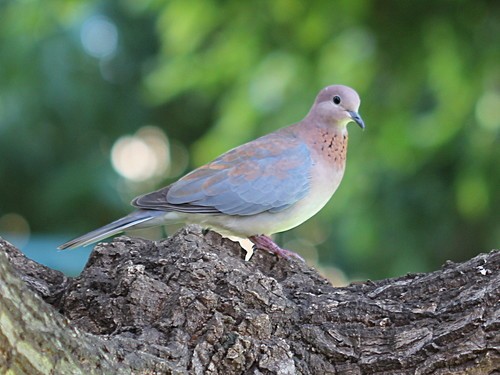
3. Laughing Dove
The laughing Dove is a small dove named after its distinctive laugh-like vocalization. This ground-feeding, non-migratory bird is a regular inhabitant of man-altered environments such as villages, gardens, and orchards. In cities, these doves tend to become quite confident. They pair for life and live in very small communities.
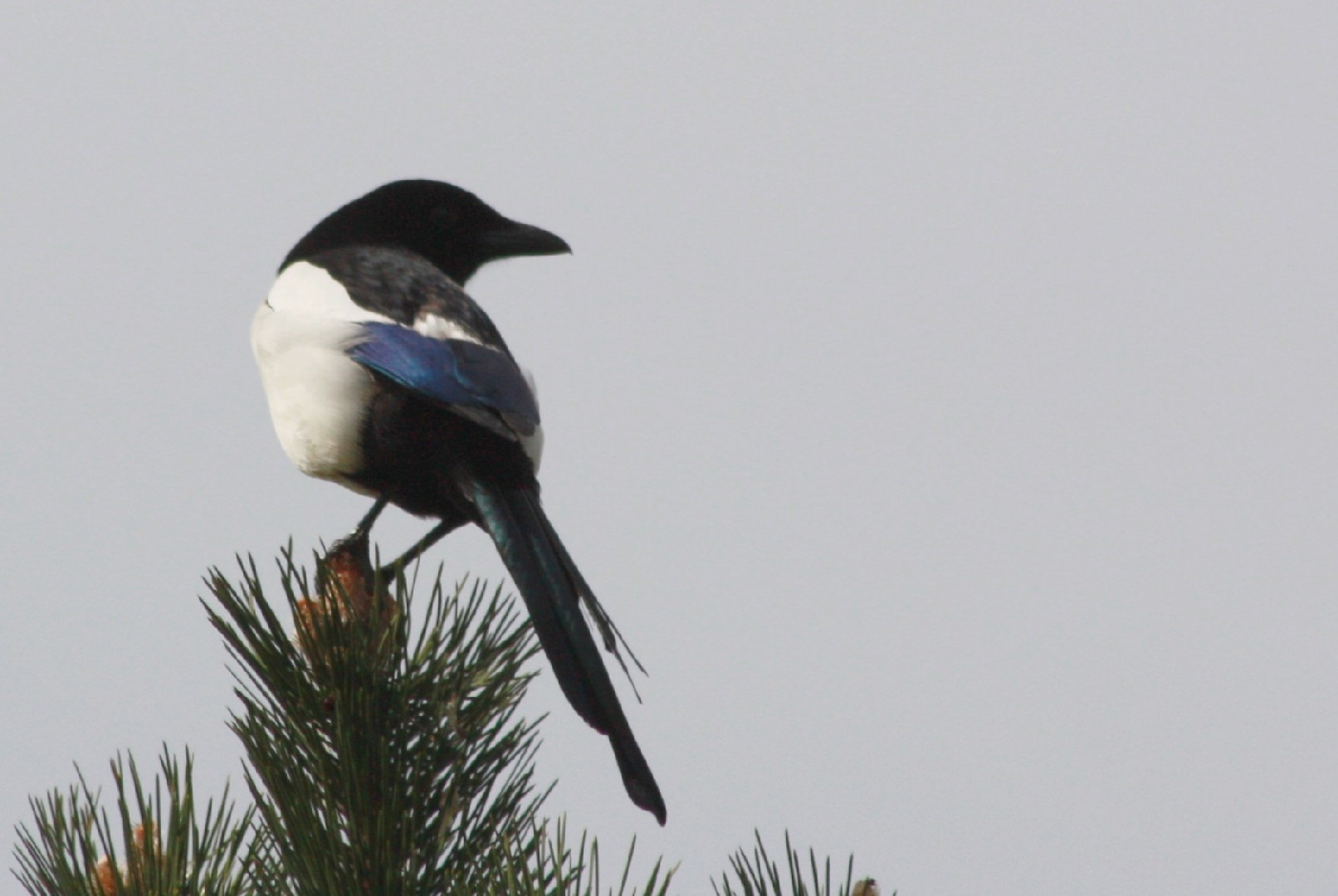
4. Eurasian Magpie
The eurasian Magpie is a striking and intelligent bird known for its black and white plumage and long tail. It is highly adaptable, found in a variety of habitats, and known for its intelligence, similar to that of great apes. It is omnivorous, eating both insects and fruits, and it has a reputation for being mischievous and thieving. 
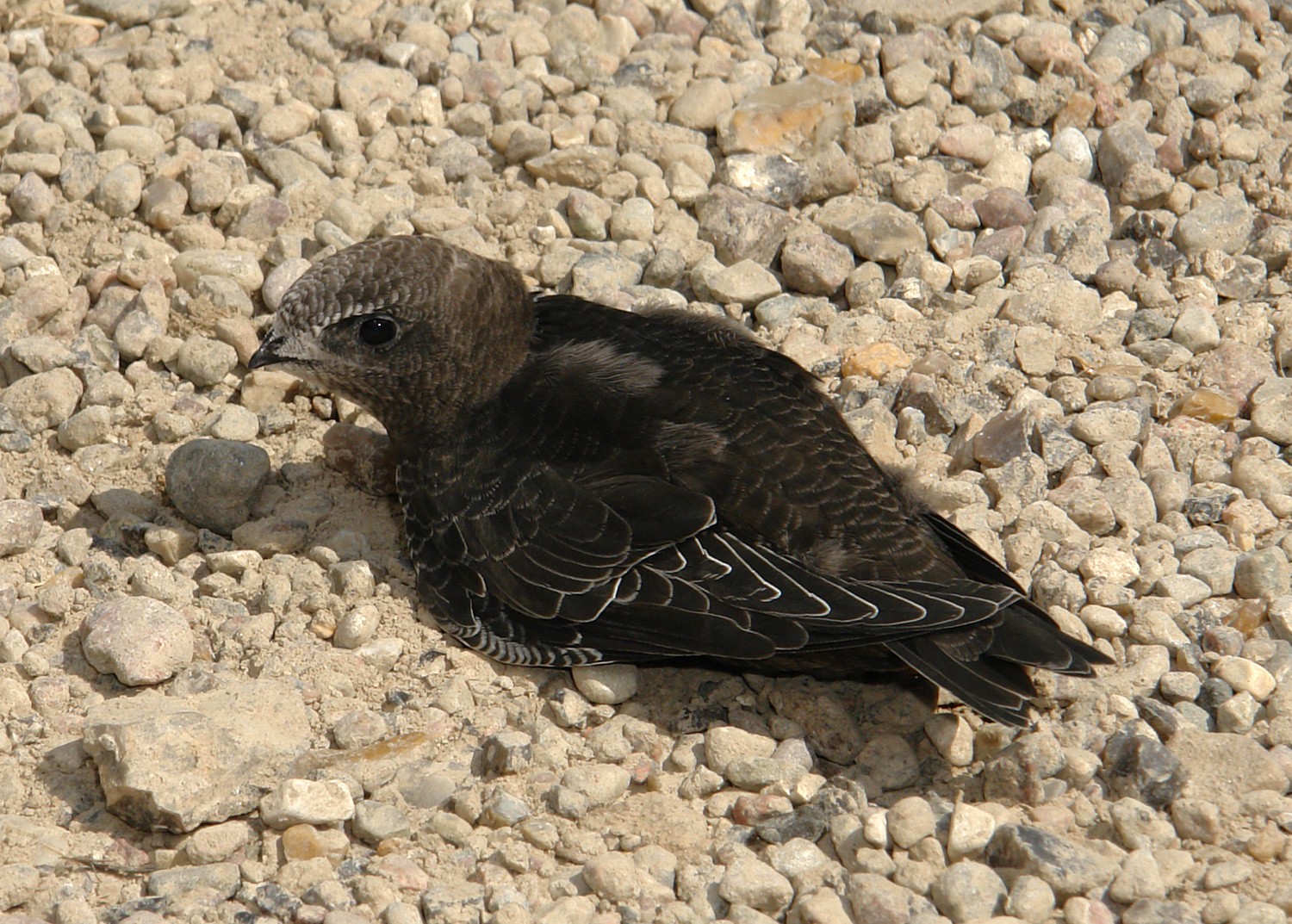
5. Common Swift
Unlike most birds, the common Swift cannot sit stably on a branch but will rather be seen hanging from one. Its scientific name, Apus apus, comes from the Greek word, apous, which means "without feet." These birds are almost always seen only in flight and rarely on the ground.
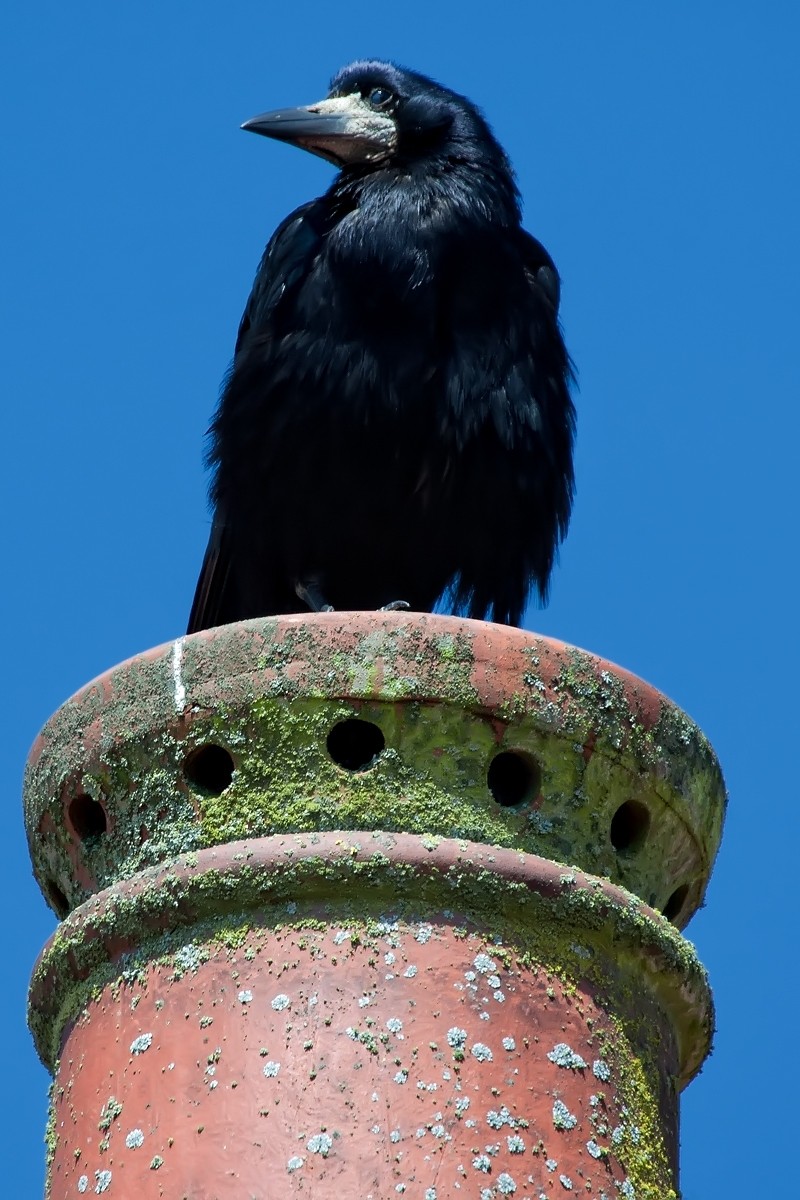
6. Rook
The rook is a species of large black crow with glossy feathers. While it resembles a crow, its high-pitch call sets it apart. The best place to see the bird is in semi-open areas with plenty of trees or hedges. It is where the bird prefers to build its nest.

7. White Wagtail
The white Wagtail is the national bird of Latvia and is featured in traditional folk songs and placed on some postage stamps. These birds can be found in most habitat types besides deserts. As their name suggests, they exhibit a characteristic tail-wagging behavior as they search along the ground and nearby waterways for insects to eat.
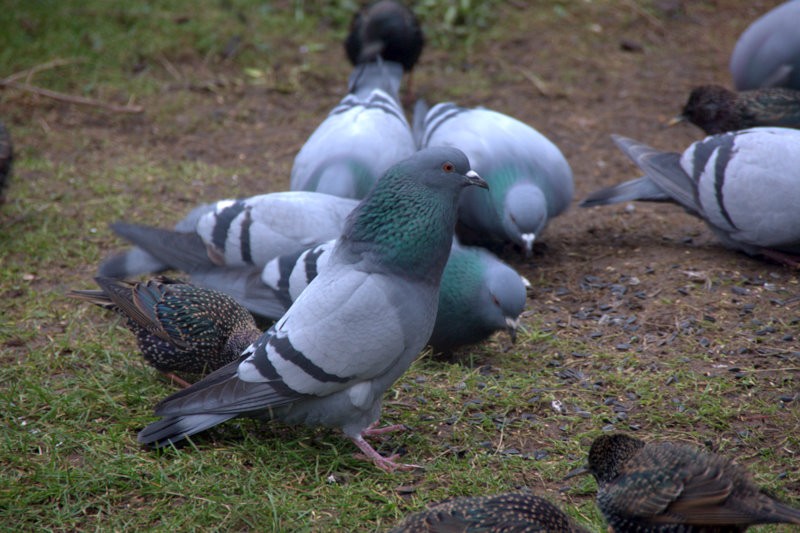
8. Rock Pigeon
The rock Pigeon is a wild ancestor of all domestic and feral pigeons, inhabiting coasts, cliffs, and caves. Pairs nest in rock crevices, often mating for life. They are known for their ability to fly very long distances to return to their homes, navigating using the sun's position and the earth's magnetic fields. Thanks to this ability, pigeons were used as messengers, particularly during World Wars I and II.
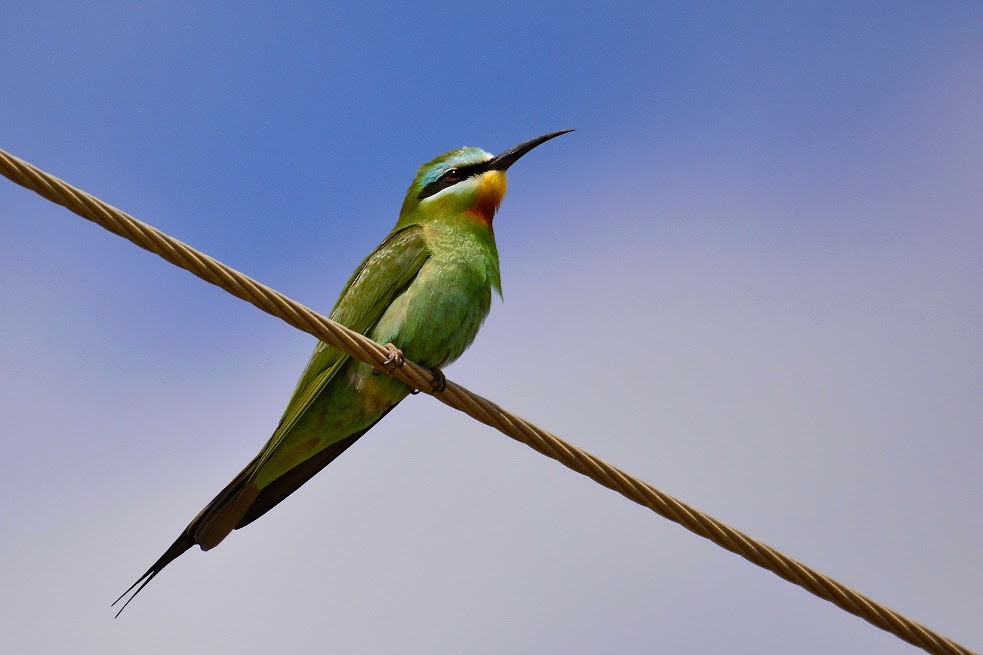
9. European Bee-eater
This species, like other bee-eaters, is a richly coloured, slender bird. It has brown and yellow upper parts, whilst the wings are green and the beak is black. It can reach a length of 27–29 cm (10.6–11.4 in), including the two elongated central tail feathers. Sexes are alike. Female tends to have greener rather than gold feathers on shoulders. Non-breeding plumage is much duller and with a blue-green back and no elongated central tail feathers. Juvenile resembles a non-breeding adult, but with less variation in the feather colours. Adults begin to moult in June or July and complete the process by August or September. There is a further moult into breeding plumage in winter in Africa.
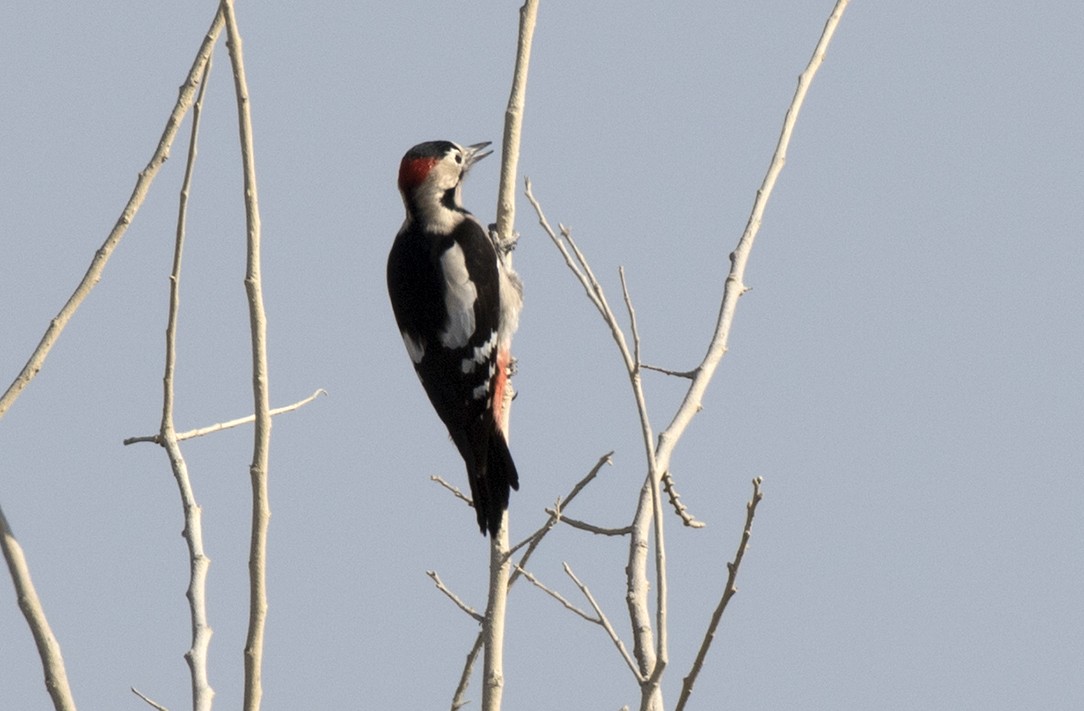
10. Syrian Woodpecker
The woodpecker is 23 cm long, and is very similar to the great spotted woodpecker, Dendrocopos major. The upper parts of the male are glossy black, with a crimson spot on the nape and white on the forehead, sides of the face and neck. On the shoulder is a large white patch and the flight feathers are black with white spots forming three wingbars. The three outer tail feathers show only a few white spots; these show when the short stiff tail is outspread, acting as a support in climbing. The under parts are buffish white, the abdomen and under tail coverts reddish. The long bill is slate black and the legs greenish grey. The female has no crimson on the nape, and in the young this nape spot is absent, but the crown is crimson. It differs from the smaller lesser spotted woodpecker by the crimson on the abdomen. It is much harder to distinguish Syrian woodpecker from great spotted woodpecker. Syrian has a longer bill, has more white on the head, and lacks the white tail barring of great spotted.
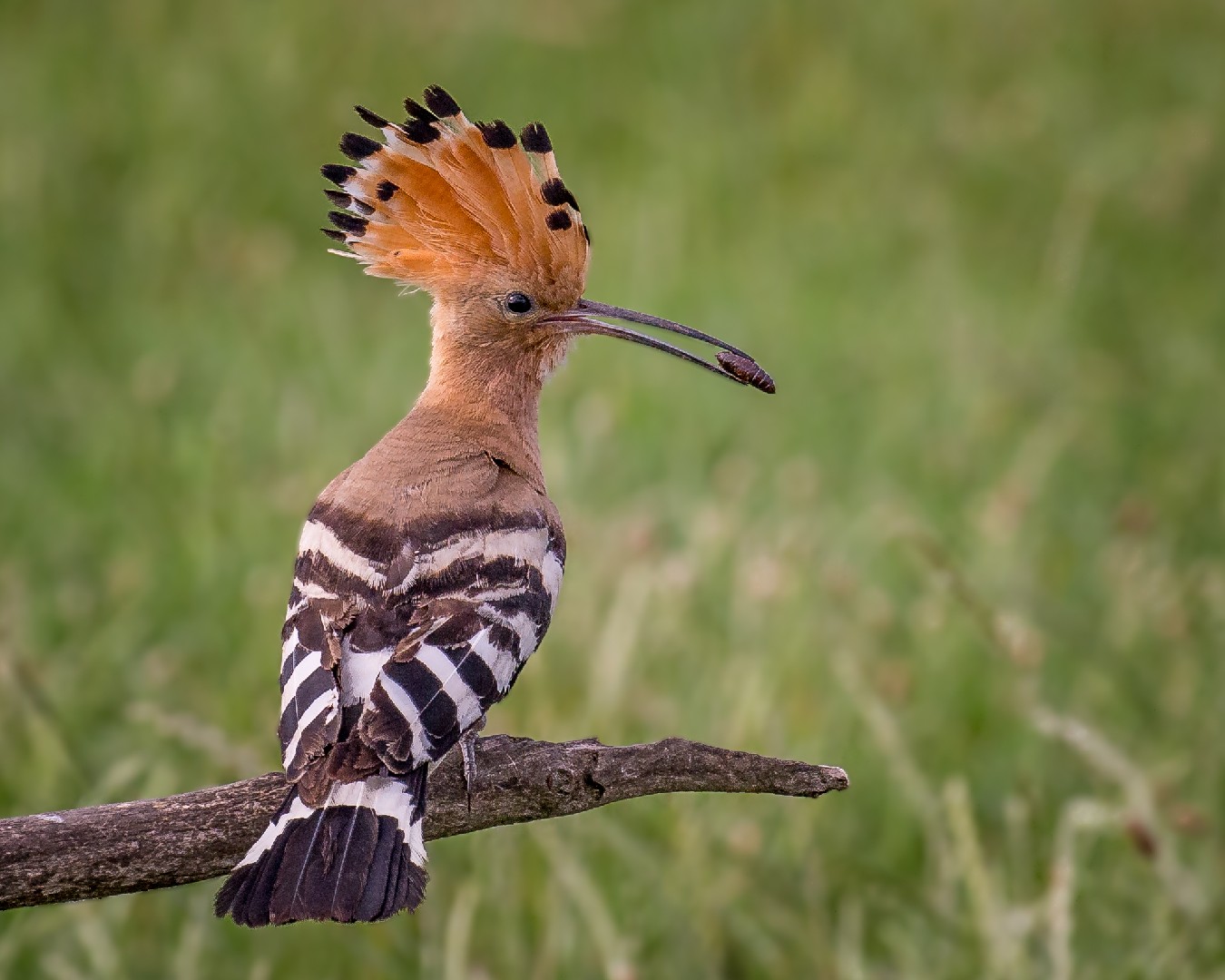
11. Eurasian Hoopoe
Instantly recognizable by its crown-shaped crest and plumage pattern, the eurasian Hoopoe is a medium-sized, ground-feeding bird that reveals the stunning black and white stripes on its wings during flight. When on the ground, this insectivorous bird tends to move somewhat strangely, often changing direction suddenly. This attractive bird has an important significance among many cultures and is the national bird of Israel.
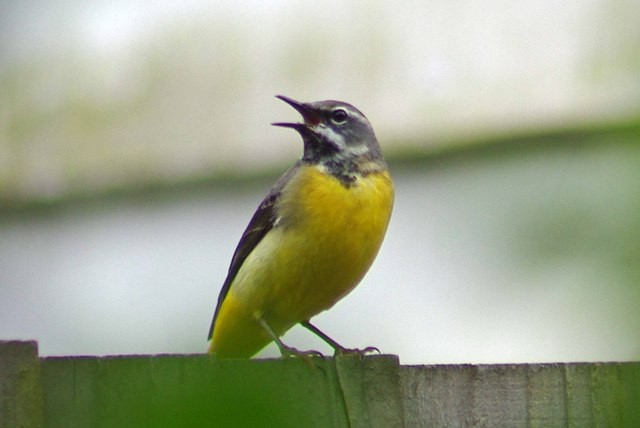
12. Grey Wagtail
A longtail songbird, the grey Wagtail can be vocal whether it is on the ground or in flight. The bird is often seen near running water with a rocky habitat close by. It shares a common characteristic with other birds in the genus. It frequently wags its tail feathers and flies low to the ground.

13. Barn Swallow
A familiar sight in rural and semi-open areas, the small barn Swallow can often be spotted by its distinctly graceful flight as it travels low over fields. Seemingly unbothered by having human neighbors, they nest unafraid in barns, garages, beneath bridges or wharves. Interestingly enough, they have come to prefer these locations so much that you are unlikely to spot a nest in a place that is not a human-made structure.
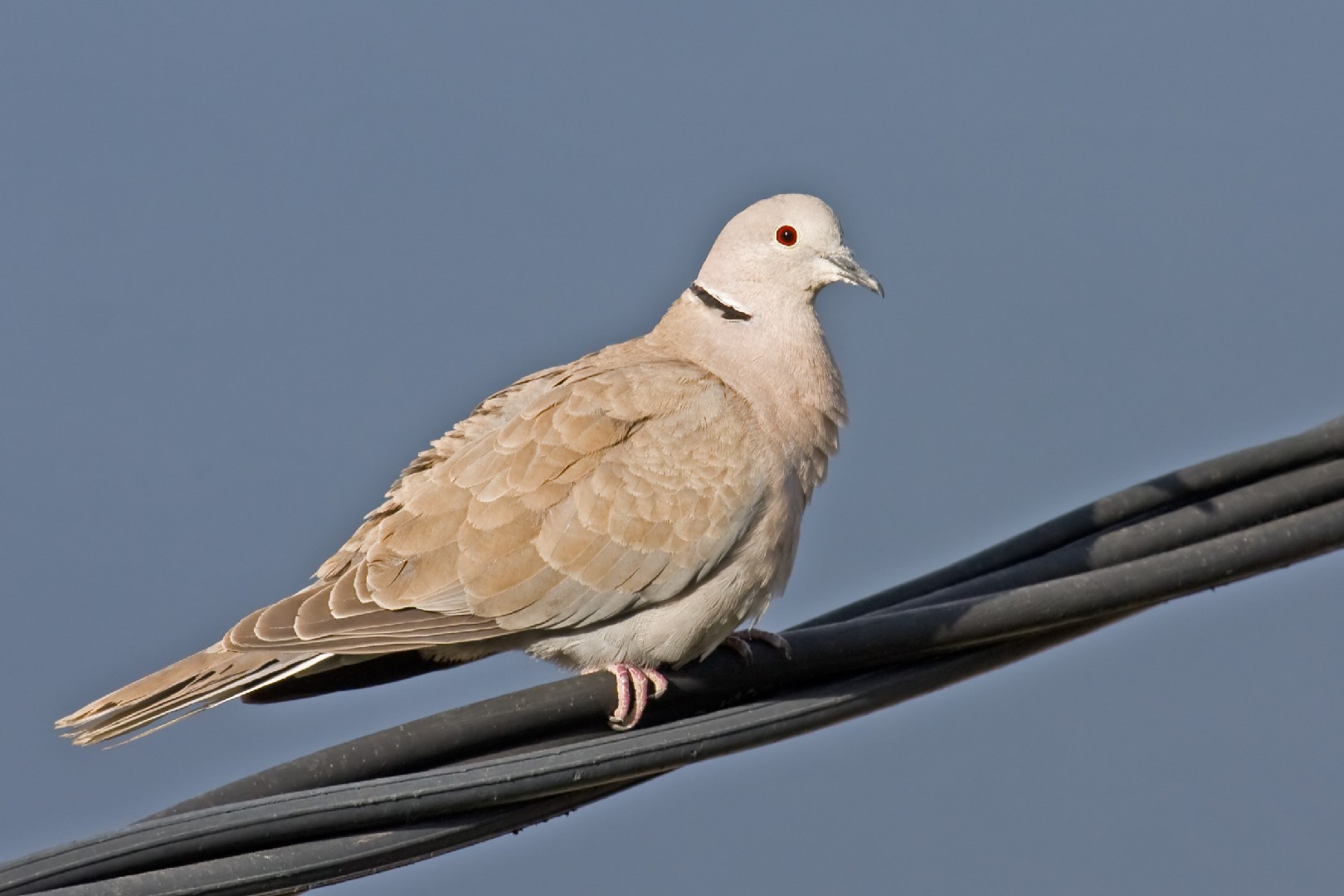
14. Eurasian Collared-dove
This plump, pretty dove with a square-tipped tail is known for bobbing its head and flicking its tail while walking. Though nice to look at, many people are not pleased at the sight of a eurasian Collared-dove walking along. In North America they are considered an invasive species, and one that carries a disease-creating parasite that can spread to native dove populations through birdbaths, feeders, or even through hawks preying on them.
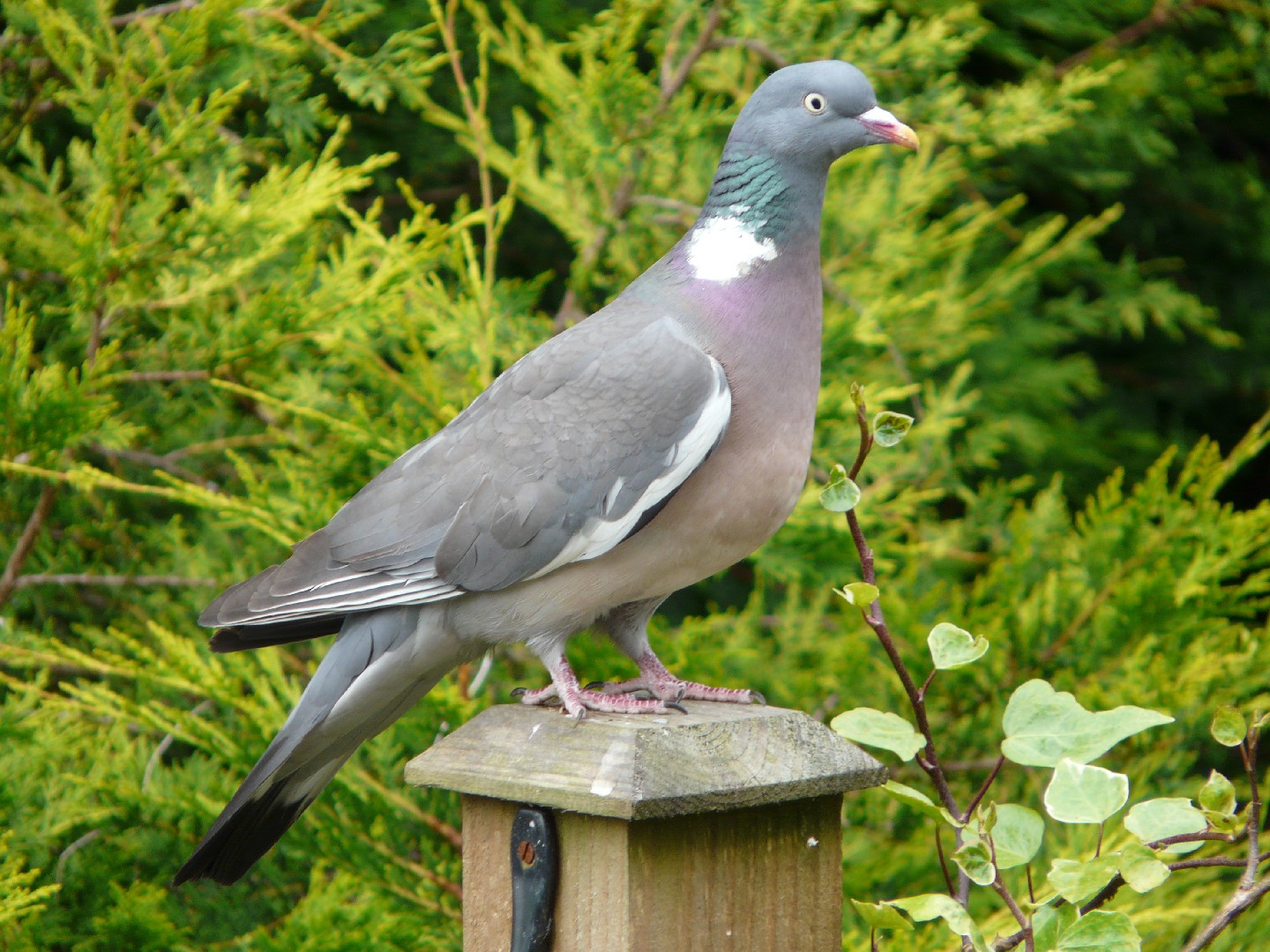
15. Common Wood Pigeon
Although primarily found in woods, the common Wood Pigeon is a large and bulky pigeon that is often seen in towns and cities. Those who inhabit urban areas are quite tame, approachable, and comfortable around humans. This pigeon is a popular game bird, particularly during its migration journeys. Its distinctive call can be heard year-round, particularly at dawn. This ground-dwelling bird gathers in large flocks that feed together.
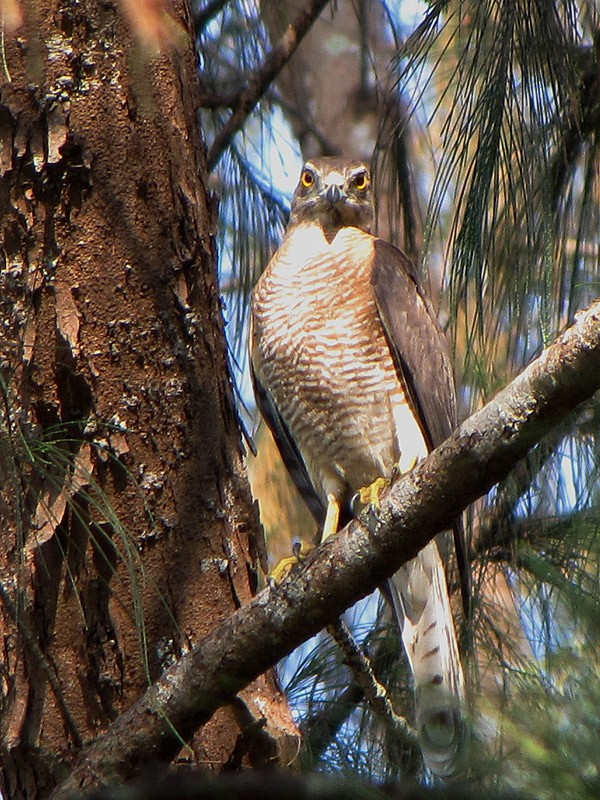
16. Shikra
The Schikrasperber or Schikra (Accipiter badius) belongs to the family of the hawk-like (Accipitridae). The species is considered largely unexplored. It originally occurred in western Central Asia, South Kazakhstan and South Asia. Schikras have also been reported on the African continent.
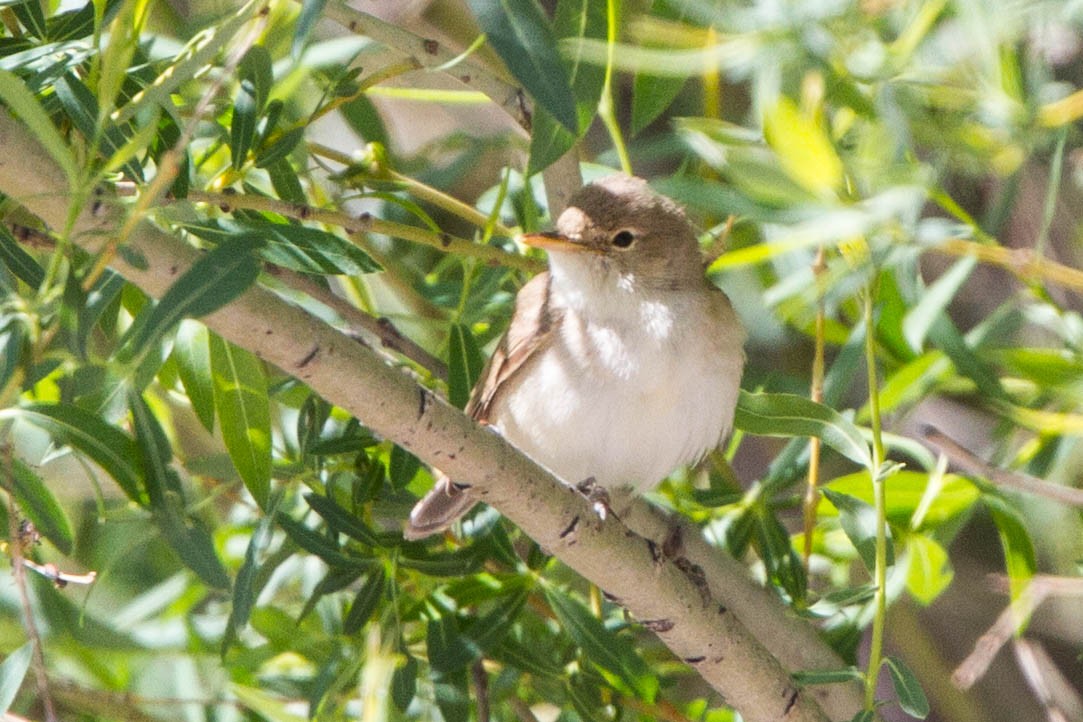
17. Eastern Olivaceous Warbler
It is a medium-sized warbler, more like a very pale reed warbler than its relative the melodious warbler. The adult has a plain pale brown back and whitish underparts. The bill is strong and pointed and the legs grey. The sexes are identical, as with most warblers, but young birds are more buff on the belly. It has a characteristic downward tail flick. Western olivaceous warbler differs from this species in being larger and having a browner tinge to the upperparts; it also has a larger bill. Eastern olivaceous warbler sometimes has a greenish tinge to its upperparts, and can be very difficult to separate from Sykes's warbler, Iduna rama. The song is a fast nasal babbling.
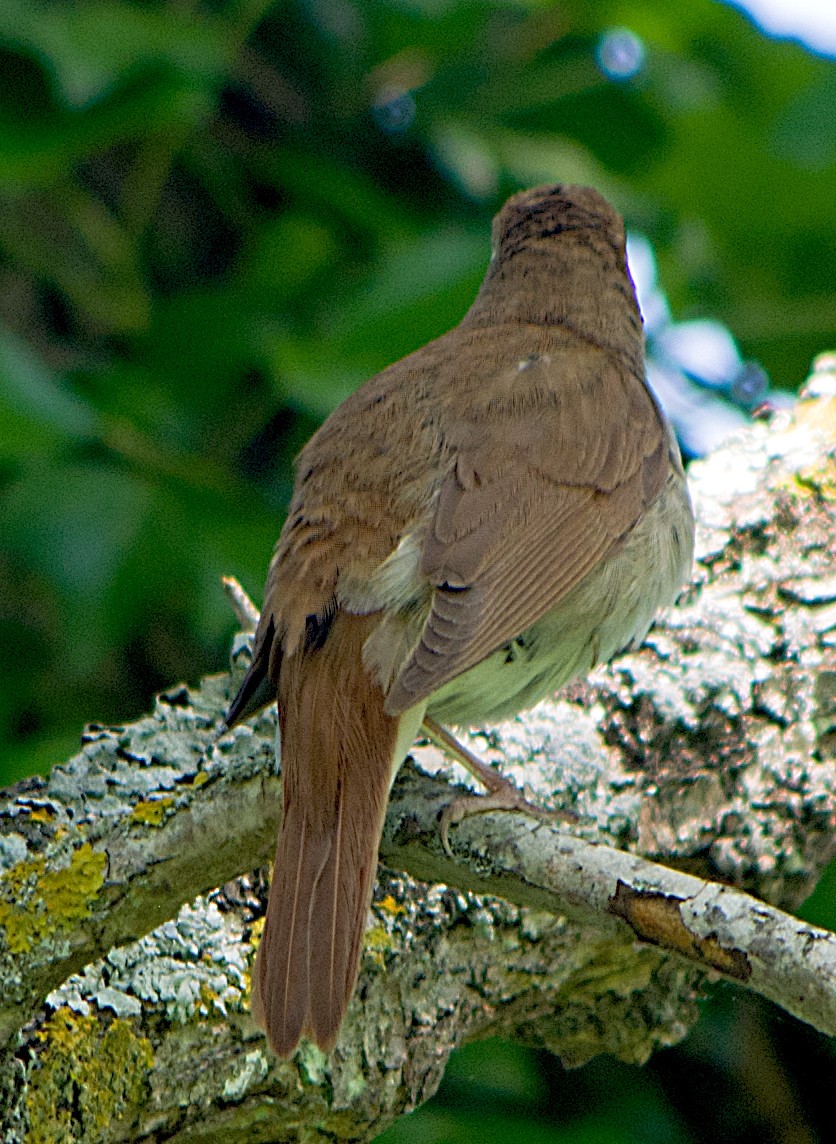
18. Common Nightingale
The common nightingale is slightly larger than the European robin, at 15–16.5 cm (5.9–6.5 in) length. It is plain brown above except for the reddish tail. It is buff to white below. The sexes are similar. The eastern subspecies (L. m. golzi) and the Caucasian subspecies (L. m. africana) have paler upperparts and a stronger face-pattern, including a pale supercilium. The song of the nightingale has been described as one of the most beautiful sounds in nature, inspiring songs, fairy tales, opera, books, and a great deal of poetry.
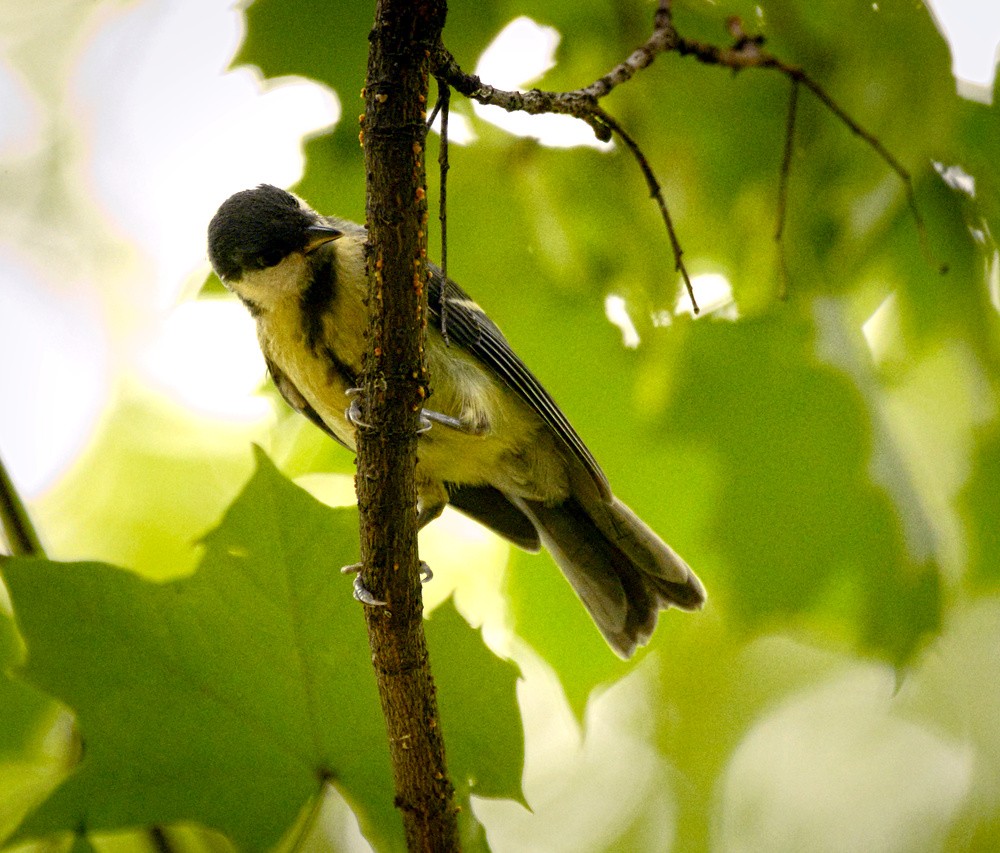
19. Great Tit
Great Tit is a small and plump bird, with a thick black line running through its bright yellow face. It is a common sight in gardens, woodlands, and parks. It is often seen foraging for food in an acrobatic way. Well known for its intelligence, it has been observed using tools, solving problems, and even counting up to five.
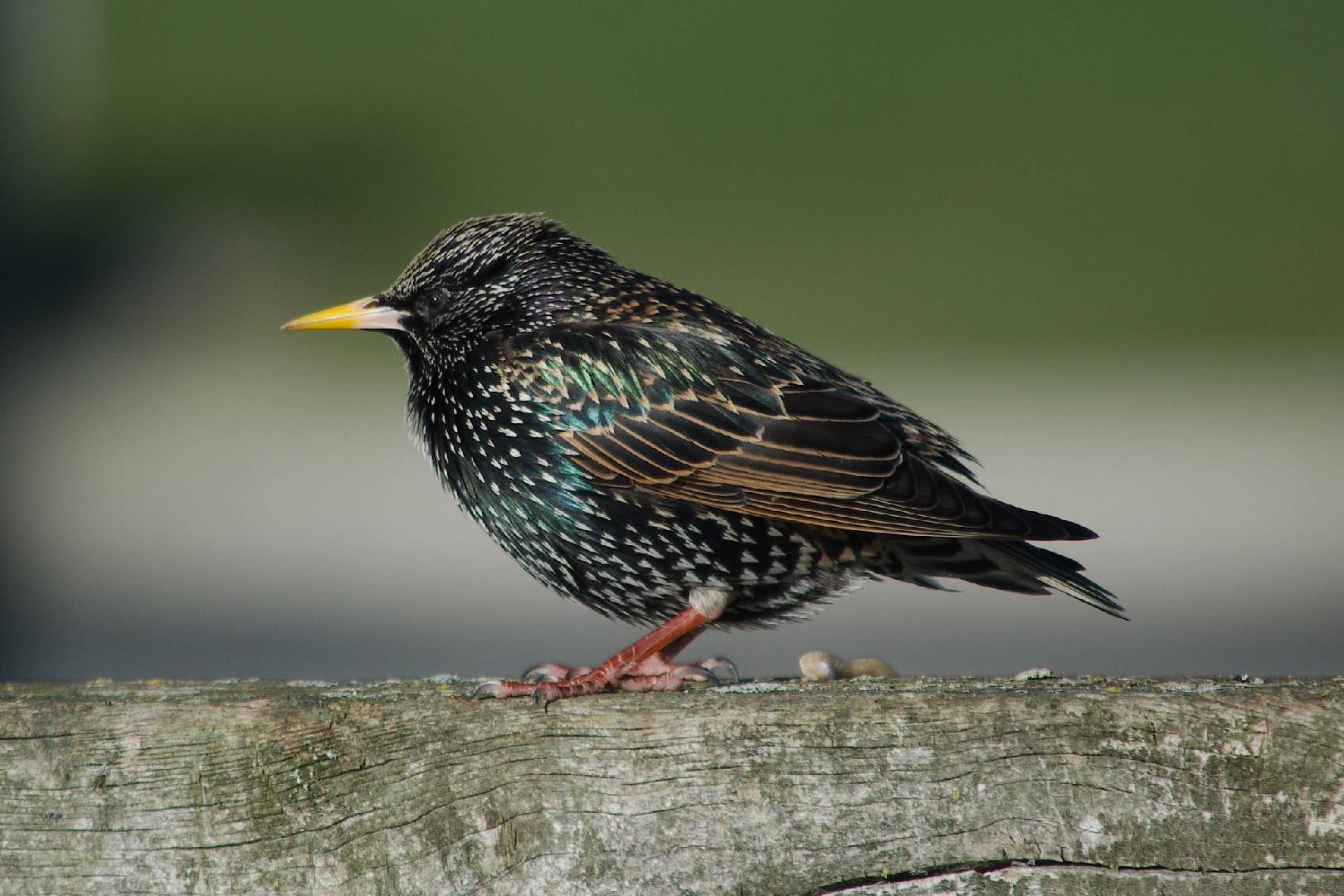
20. European Starling
The european Starling, a large, hardy songbird, is one of the most commonly seen bird species in North America. Originally from Europe, this species was brought to the U.S. in the 1890s by enthusiasts of William Shakespeare, who had the unique goal of bringing over every single species of bird that was mentioned in Shakespeare's collective works. Unfortunately, the european Starling, being an adaptable, generalist species, spread invasively across the continent, hurting many native species' populations in the process.