




Top 20 Most Common Bird in Mont-Liban
The region of Mont-Liban in Lebanon boasts biodiversity fostered by its varied terrain of mountains and valleys. Home to a variety of environments, it hosts a wide range of bird species. Among the 20 most common birds, each possesses unique characteristics, from distinctive plumage or intriguing behaviours to specialized adaptations for the local ecosystems. Further appreciation and understanding of these avian residents can enrich our naturalistic perspective on Mont-Liban.

Most Common Bird
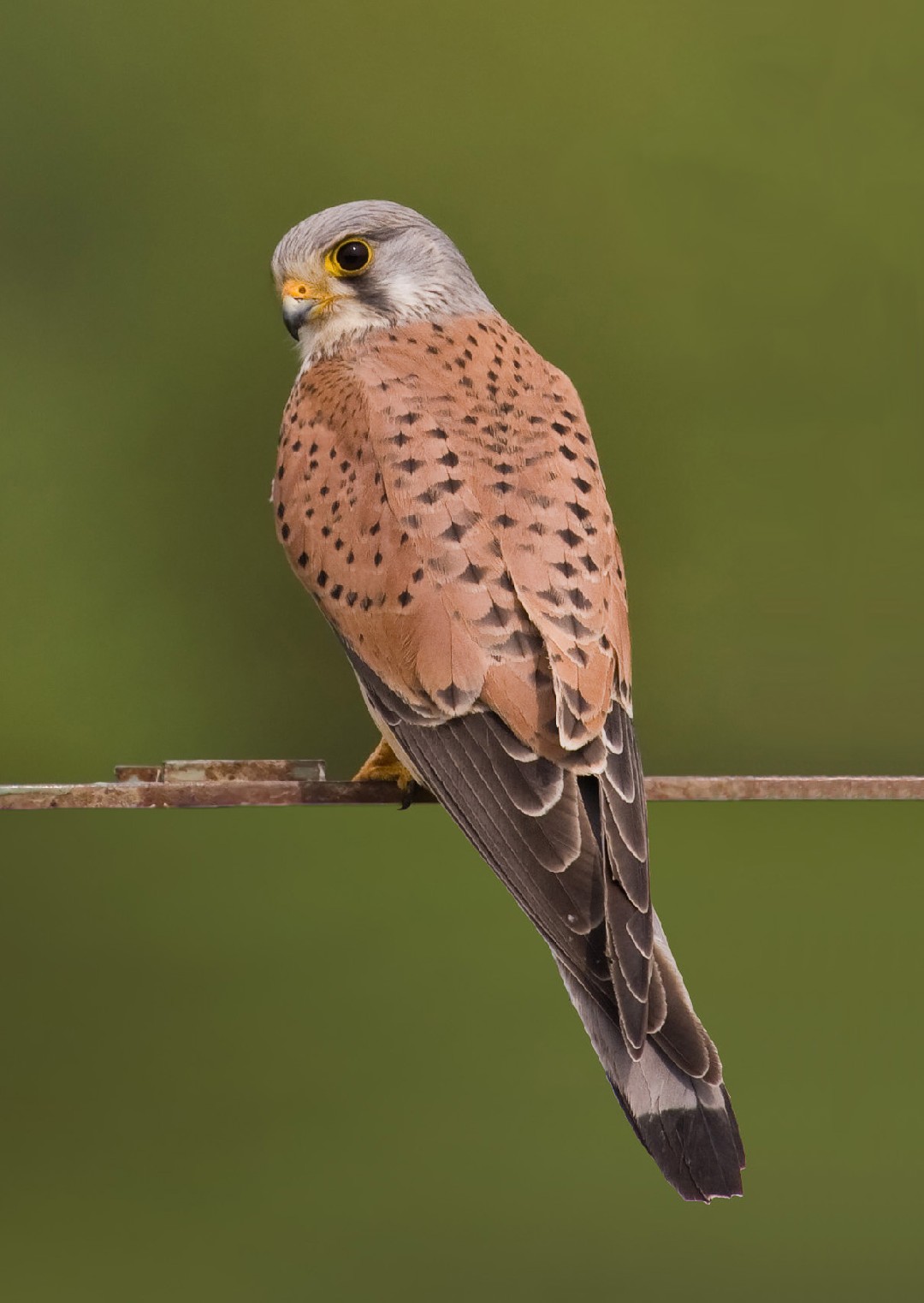
1. Common Kestrel
The common Kestrel is a small falcon found throughout much of Europe, Asia, and Africa. It feeds on small mammals, birds, and insects and is known for its ability to hover in the air to spot prey. It can be found in a variety of habitats. Some populations have declined due to habitat loss. 
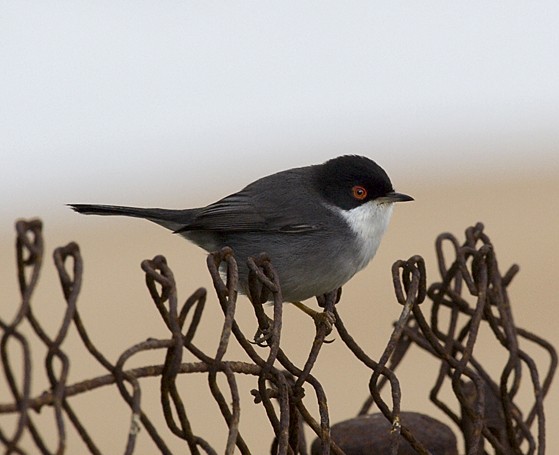
2. Sardinian Warbler
The Sardinian warbler (Curruca melanocephala) is a common and widespread typical warbler from the Mediterranean region. Like most Curruca species, it has distinct male and female plumages. The adult male has a grey back, whitish underparts, black head, white throat and red eyes. Plumages are somewhat variable even in the same locality, with the intensity of a reddish hue on upper- and/or underside varies from absent to (in some subspecies) pronounced. The female is mainly brown above and buff below, with a grey head. The Sardinian warbler's song is fast and rattling, and is very characteristic of the Mediterranean areas where this bird breeds.
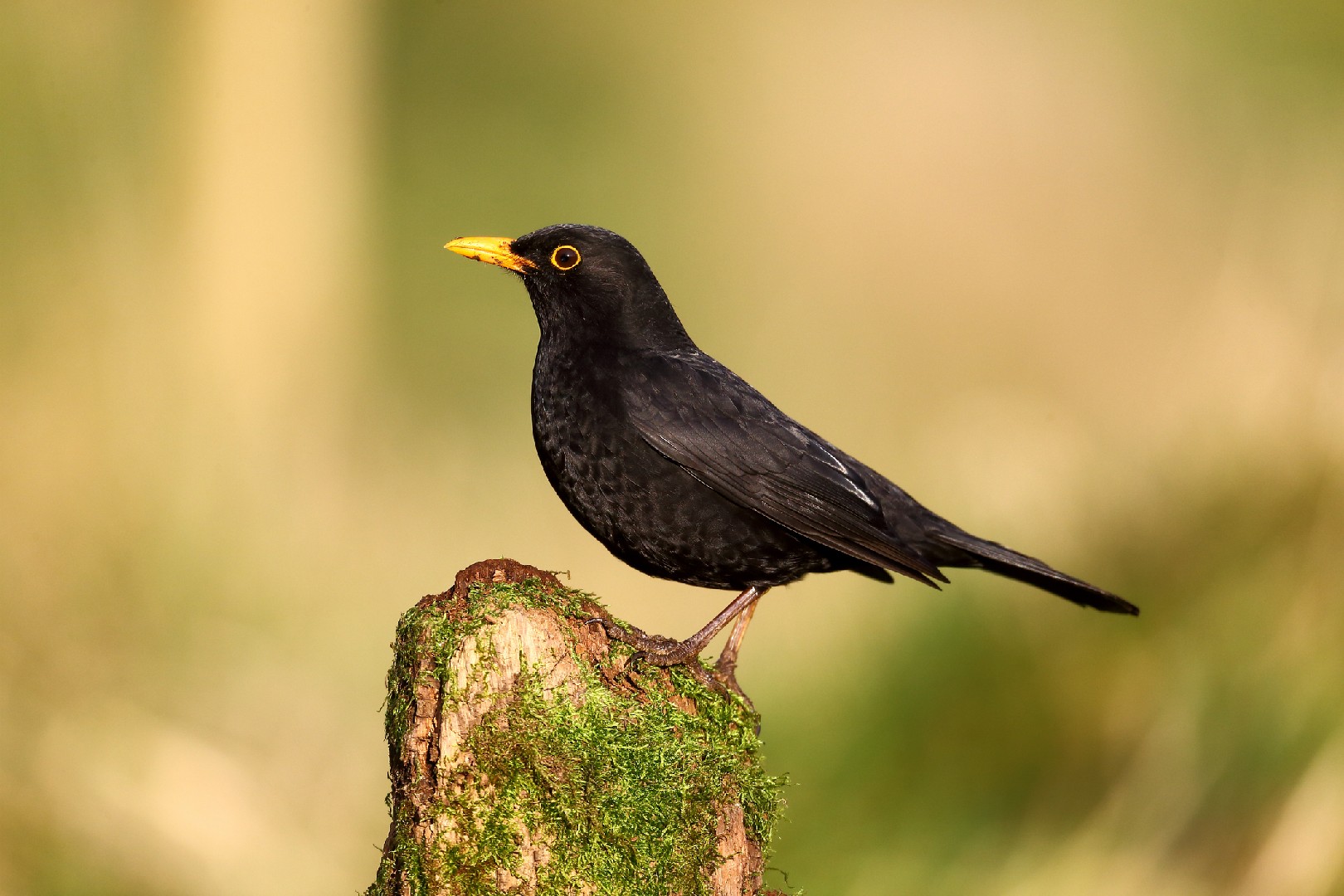
3. Eurasian Blackbird
Unafraid of humans, the dark-winged eurasian Blackbird has gained a great deal of cultural significance, mentioned in popular nursery rhymes and songs across the world. Elegant and with an appealing song, they can be aggressive when they are in their breeding period.
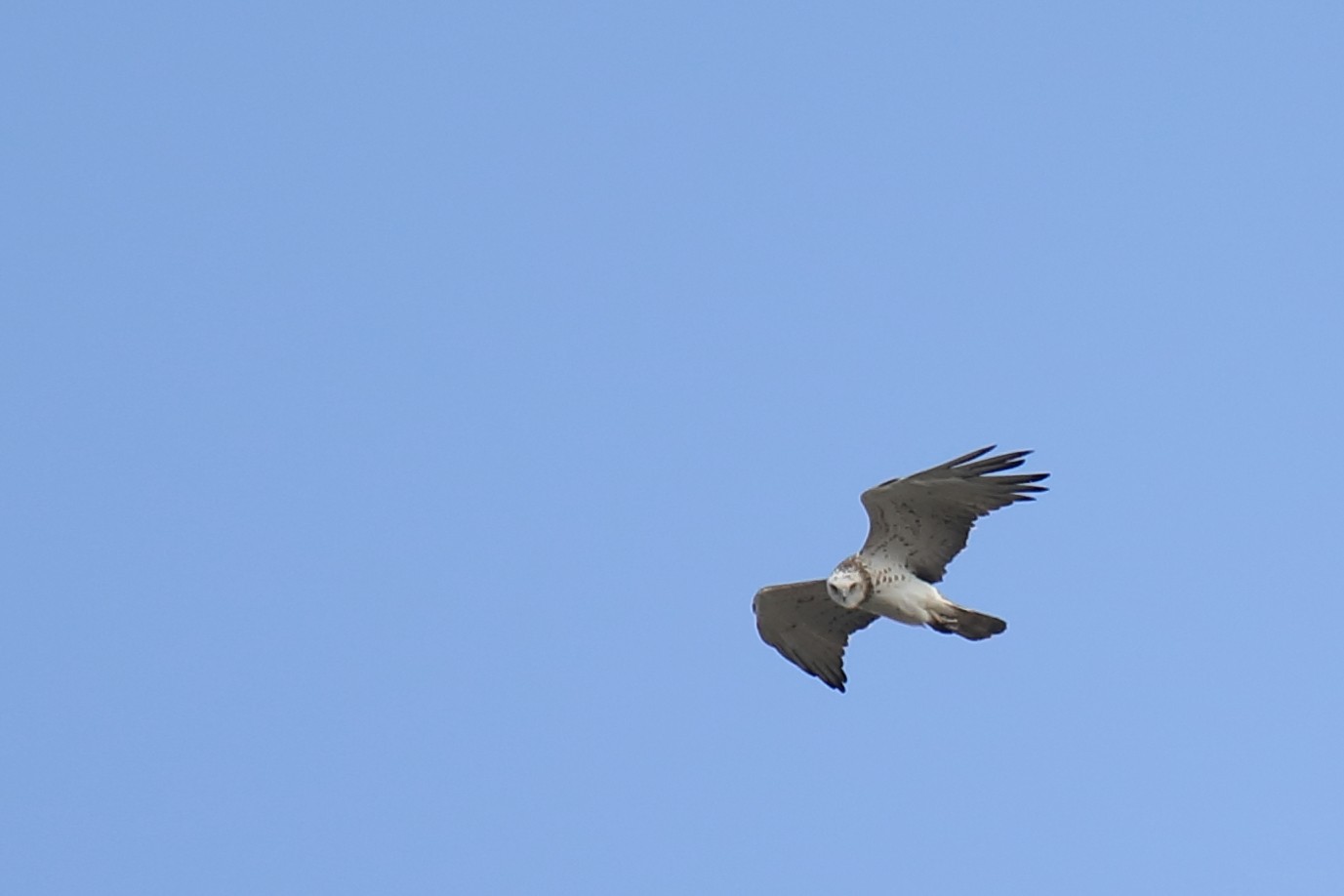
4. Short-toed Snake Eagle
These are relatively large snake eagles. Adults are 59 to 70 cm (23 to 28 in) long with a 162 to 195 cm (5 ft 4 in to 6 ft 5 in) wingspan and weigh 1.2–2.3 kg (2.6–5.1 lb), an average weight for the species is about 1.7 kg (3.7 lb). They can be recognised in the field by their predominantly white underside, the upper parts being greyish brown. The chin, throat and upper breast are a pale, earthy brown. The tail has 3 or 4 bars. Additional indications are an owl-like rounded head, brightly yellow eyes and lightly barred under wing. The short-toed snake eagle spends more time on the wing than do most members of its genus. It favours soaring over hill slopes and hilltops on updraughts, and it does much of its hunting from this position at heights of up to 500 m (1,600 ft). When quartering open country it frequently hovers like a kestrel. When it soars it does so on flattish wings.
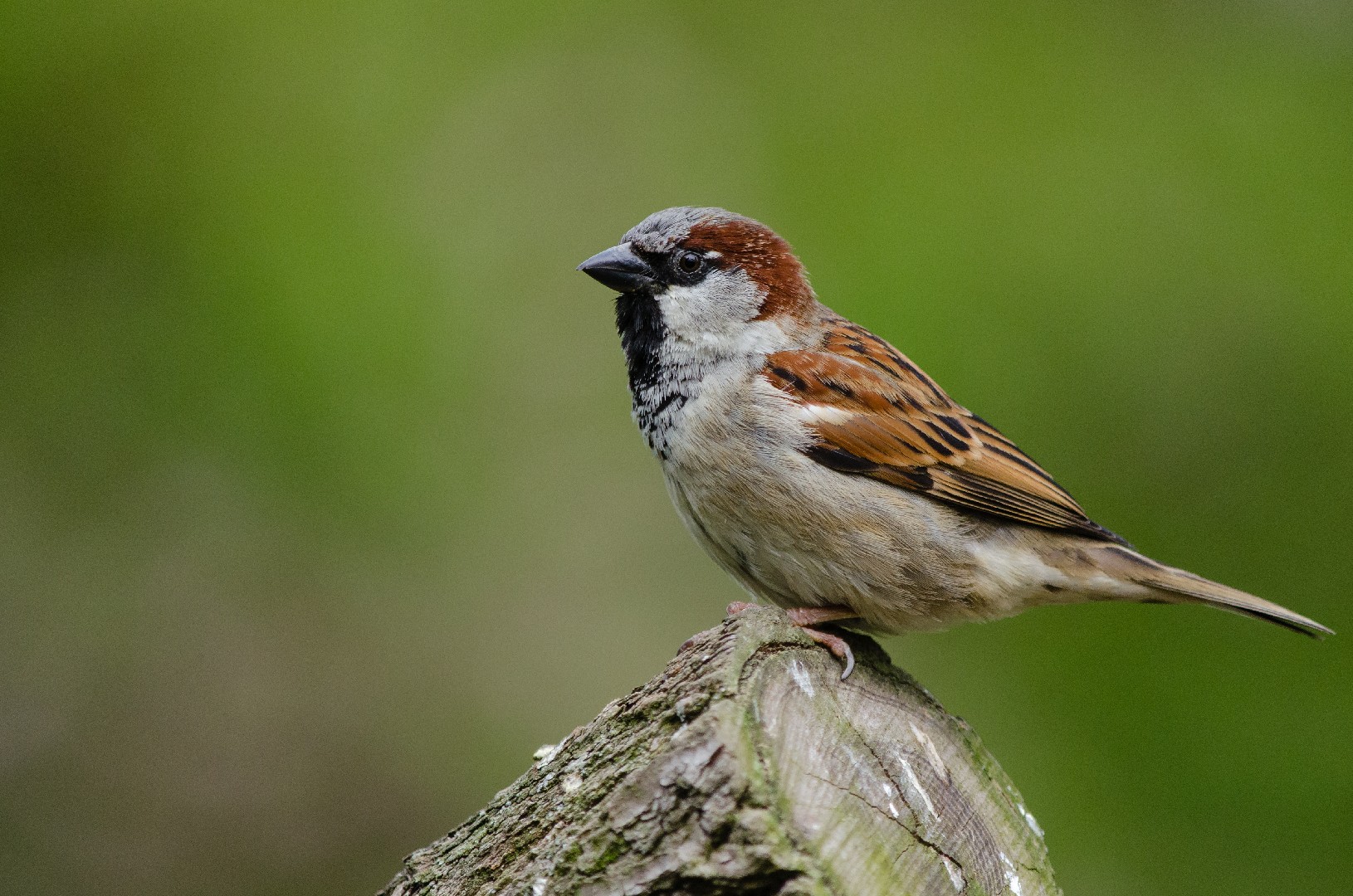
5. House Sparrow
Just as its name implies, the little house Sparrow socializes with humans more than any other bird species. Able to adapt and thrive in almost any habitat, excluding the extremes such as deserts and mountain peaks, this species was once restricted only to North Africa and Eurasia but now is found across the globe. Unfortunately, this opportunistic eater is not completely harmless—it can cause considerable damage to crops.
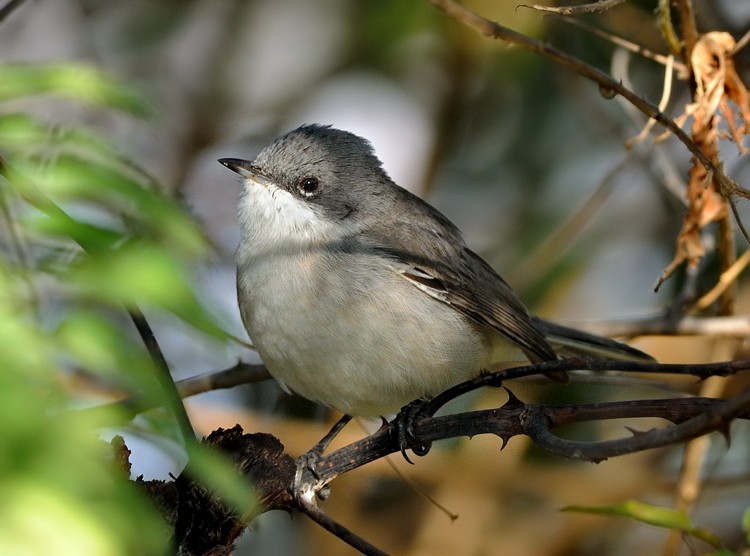
6. Lesser Whitethroat
The lesser whitethroat (Curruca curruca) is a common and widespread typical warbler which breeds in temperate Europe, except the southwest, and in the western and central Palearctic. This small passerine bird is strongly migratory, wintering in Africa just south of the Sahara, Arabia and India. Unlike many typical warblers, the sexes are almost identical. This is a small species with a grey back, whitish underparts, a grey head with a darker "bandit mask" through the eyes and a white throat. It is slightly smaller than the whitethroat, and lacks the chestnut wings and uniform head-face color of that species. The lesser whitethroat's song is a fast and rattling sequence of tet or che calls, quite different from the whitethroat's scolding song. Like most "warblers", it is insectivorous, but will also take berries and other soft fruit. This is a bird of fairly open country and cultivation, with large bushes for nesting and some trees. The nest is built in low shrub or brambles, and 3 to 7 eggs are laid.

7. Common Buzzard
The common Buzzard is a medium-sized bird of prey found in many parts of the world. It inhabits a variety of habitats such as forests, grasslands, and mountains. It is an opportunistic hunter, preying on mammals, birds, reptiles, and insects. They also scavenge on carrion. They are often seen soaring on thermal currents, perching on high vantage points, and performing acrobatic maneuvers during courtship.

8. Barn Swallow
A familiar sight in rural and semi-open areas, the small barn Swallow can often be spotted by its distinctly graceful flight as it travels low over fields. Seemingly unbothered by having human neighbors, they nest unafraid in barns, garages, beneath bridges or wharves. Interestingly enough, they have come to prefer these locations so much that you are unlikely to spot a nest in a place that is not a human-made structure.
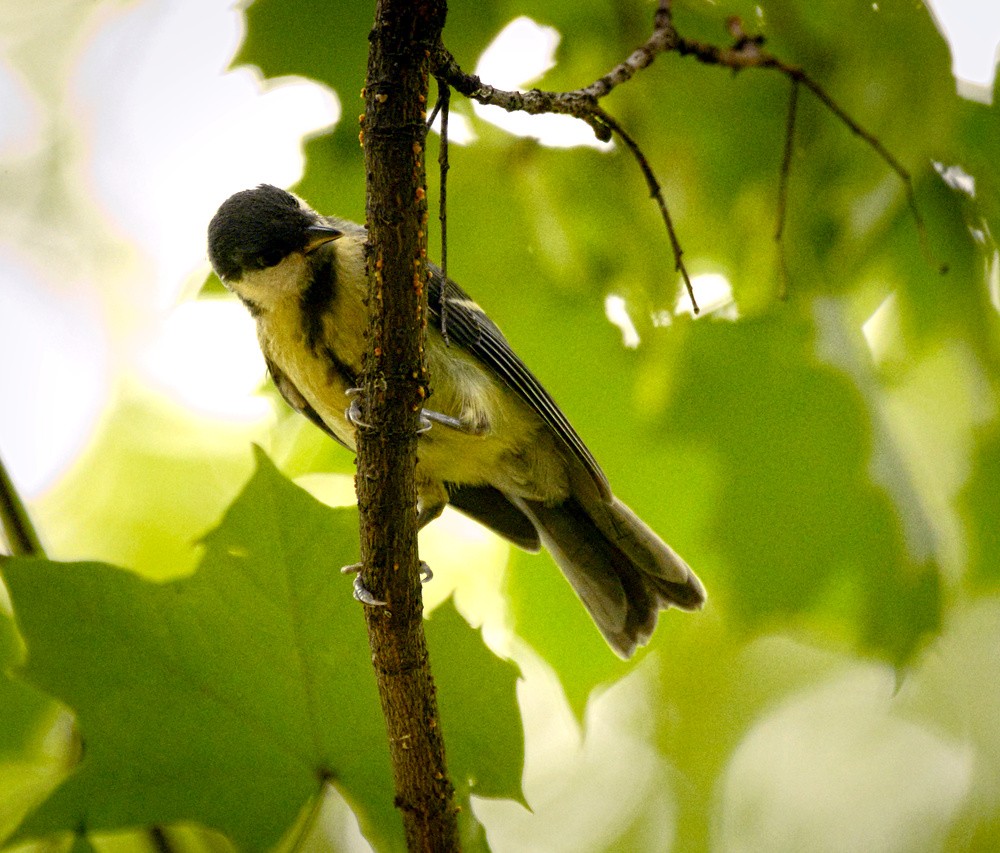
9. Great Tit
Great Tit is a small and plump bird, with a thick black line running through its bright yellow face. It is a common sight in gardens, woodlands, and parks. It is often seen foraging for food in an acrobatic way. Well known for its intelligence, it has been observed using tools, solving problems, and even counting up to five.
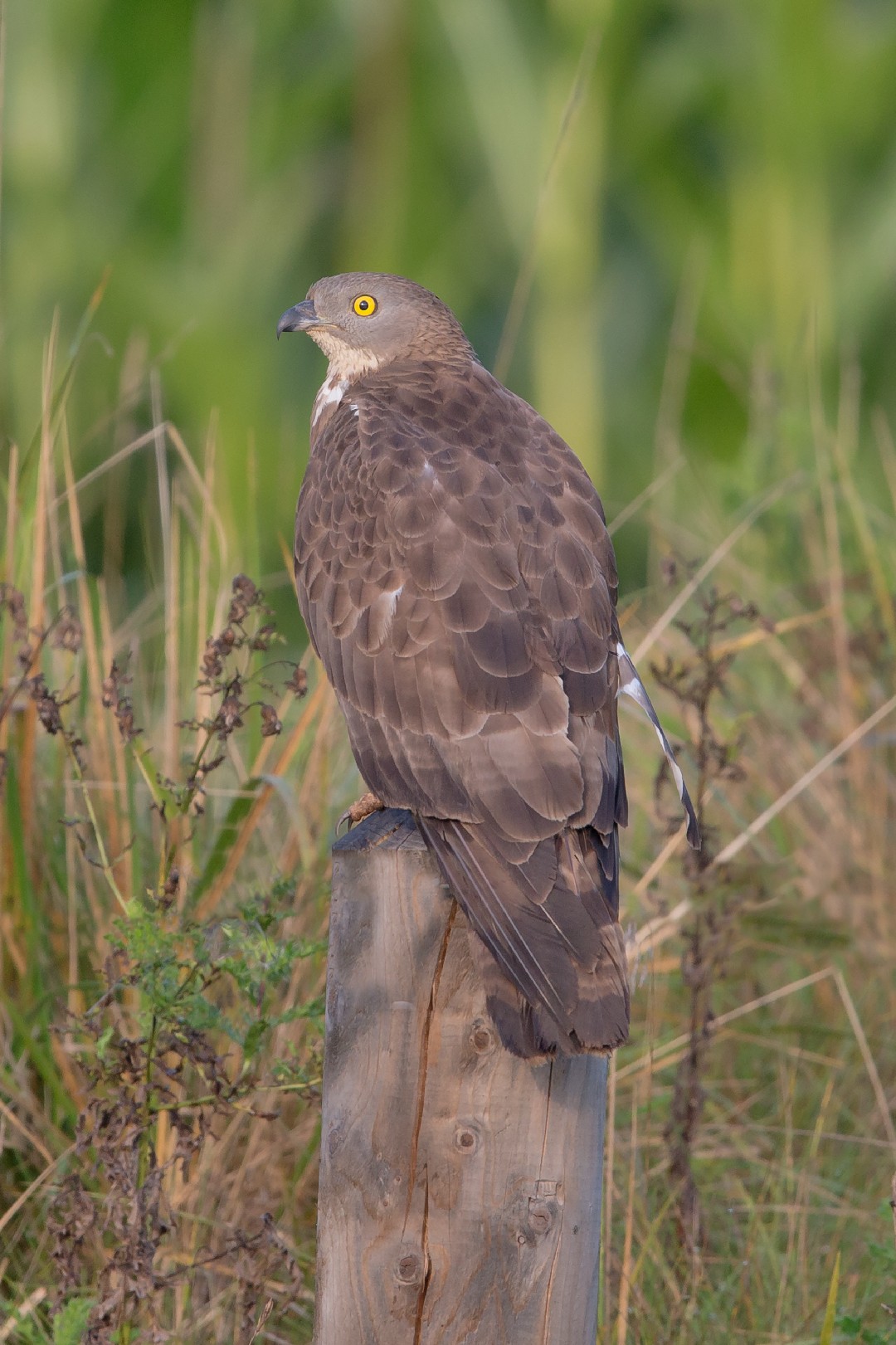
10. European Honey-buzzard
The 52–60-centimetre (20–24 in)-long honey buzzard is larger and longer winged, with a 135–150-centimetre (53–59 in) wingspan, when compared to the smaller common buzzard (Buteo buteo). It appears longer necked with a small head, and soars on flat wings. It has a longer tail, which has fewer bars than the Buteo buzzard, usually with two narrow dark bars and a broad dark subterminal bar. The sexes can be distinguished on plumage, which is unusual for a large bird of prey. The male has a blue-grey head, while the female's head is brown. The female is slightly larger and darker than the male. The soaring jizz is quite diagnostic; the wings are held straight with the wing tips horizontal or sometimes slightly pointed down. The head protrudes forwards with a slight kink downwards and sometimes a very angular chest can be seen, similar to a sparrowhawk, although this may not be diagnostic. The angular chest is most pronounced when seen in direct flight with tail narrowed. The call is a clear peee-lu.
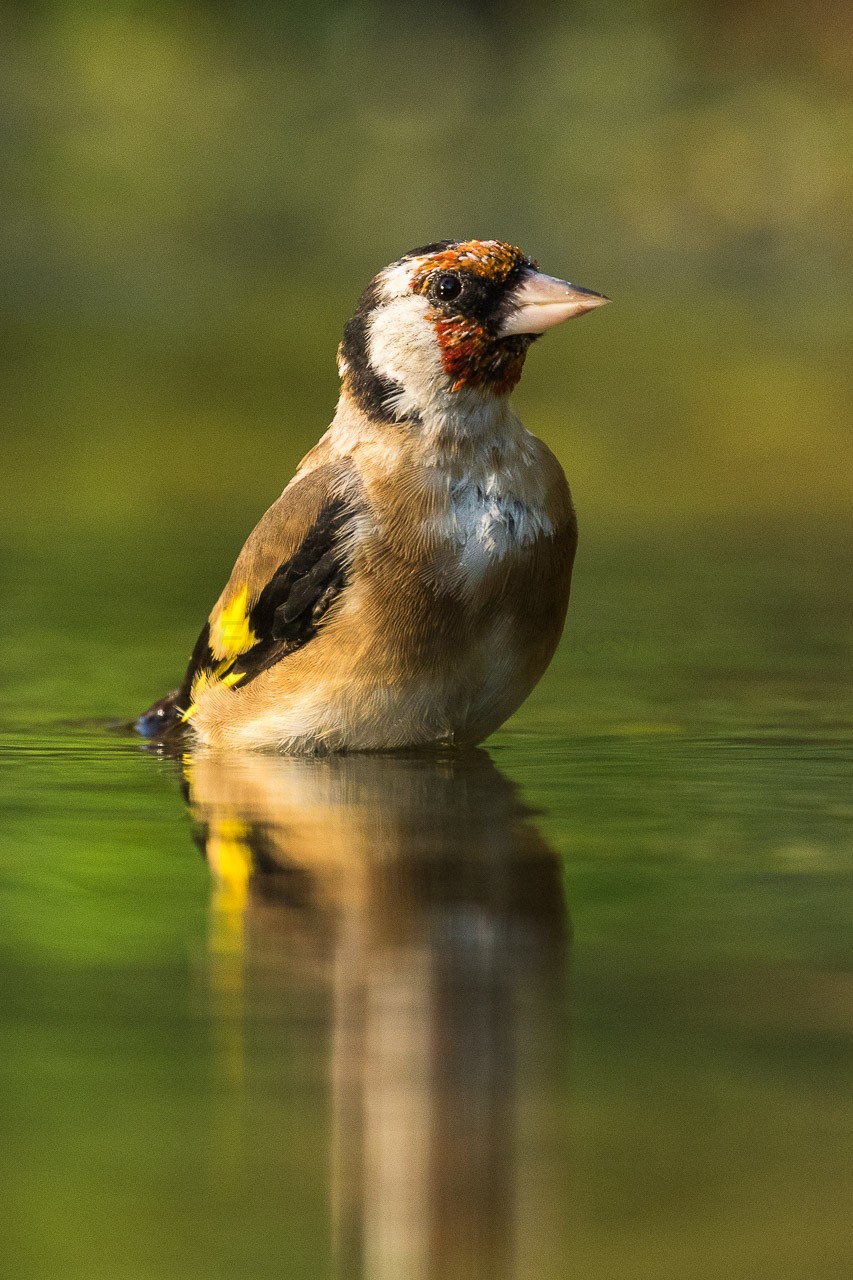
11. European Goldfinch
Prized for its brilliantly colored plumage and pleasant, musical song, the european Goldfinch has been often held in captivity, until this activity became illegal in the 1970s. Native to Europe, the species has been introduced to Australia and New Zealand. It's a very sociable bird that likes to feed on seeds and often visits feeders.
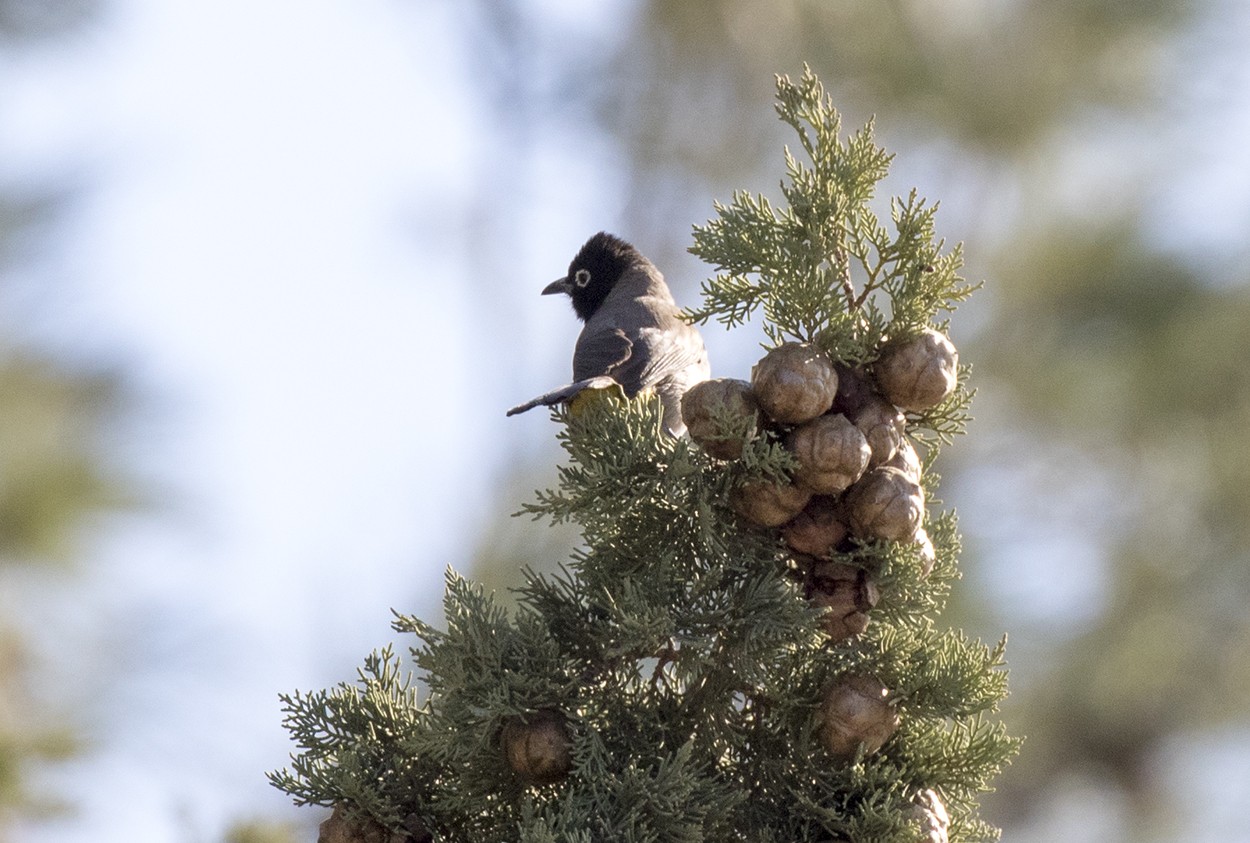
12. White-spectacled Bulbul
The white-spectacled bulbul (Pycnonotus xanthopygos) is a member of the bulbul family. It is 20–25 cm (7.9–9.8 in) in length with a wingspan of 20–25 cm (7.9–9.8 in). These birds live in fruit plantations, gardens, and cities. It is the most common member of the bulbul family in Israel and Lebanon. In Turkey, it is mainly found in the coastal Mediterranean region, but its range extends from Patara/Gelemiş near Kaş in the west to Türkoğlu in the east. Breeding populations are found from Central and Southern Turkey to Western Syria, Lebanon, Western Jordan, Israel, Sinai and western, central and southern Arabia. Both sexes are similar; juveniles have a browner hood and less obvious eye-rings than the adults. The nest – a small cup of thin twigs, grass stems, leaves and moss – is generally located in bushes and lined with hair, shredded bark and small roots.

13. Eurasian Wren
Tiny and usually well-camouflaged with its brown plumage, the eurasian Wren is a fairly populous bird that may sometimes be seen hopping quickly and quietly along a forest floor, rustling sticks and flipping over leaves as it searches for insects. The species, though, is more often heard than seen; though quite small, the eurasian Wren has a loud, melodious song.
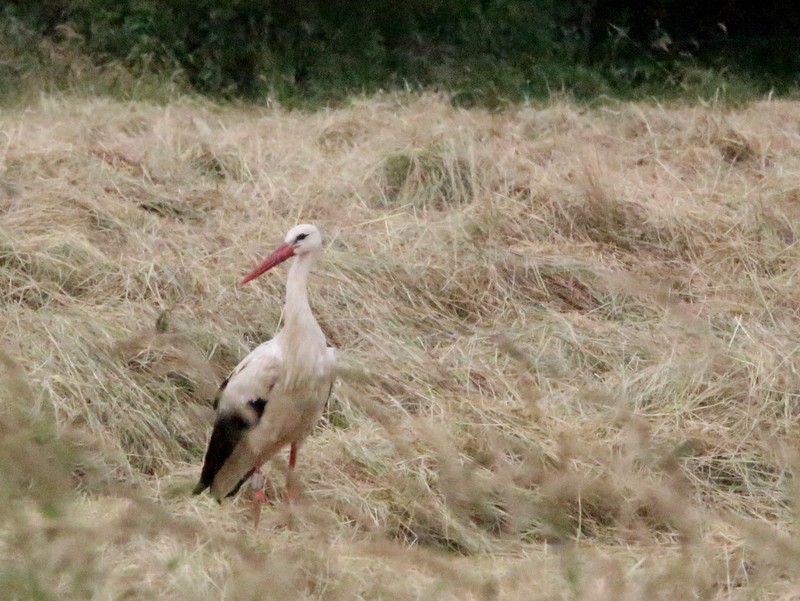
14. White Stork
The white Stork’s white feathers make it easily visible. It is hard to miss this large stork whether it is in wetlands or breeding in open agricultural fields. It is also easy to spot the stork’s large nest. The bird builds large nests on buildings and in trees using sticks and other plant debris.
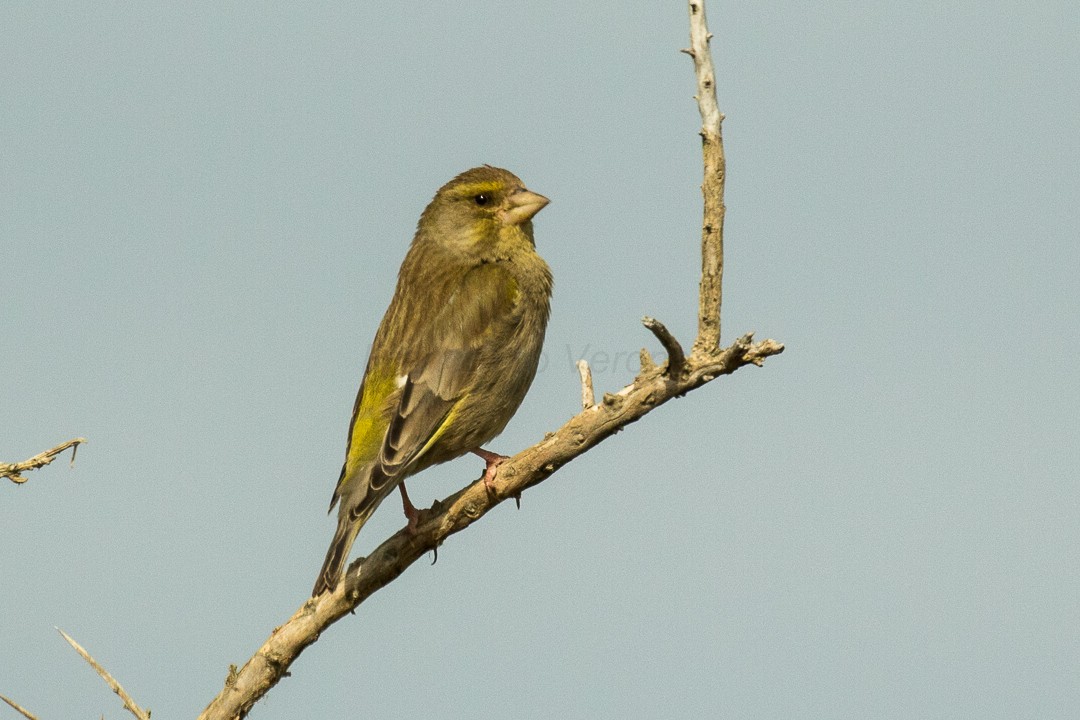
15. European Greenfinch
The european Greenfinch is a sociable bird and often forms flocks, particularly in the winter. The population of this species has been in decline due to loss of habitat and changes in land use. Identify this bird by its bright yellow head and breast on males, and green-brown head on females, and its sociable behavior in open woodlands, gardens, parks, and hedgerows.
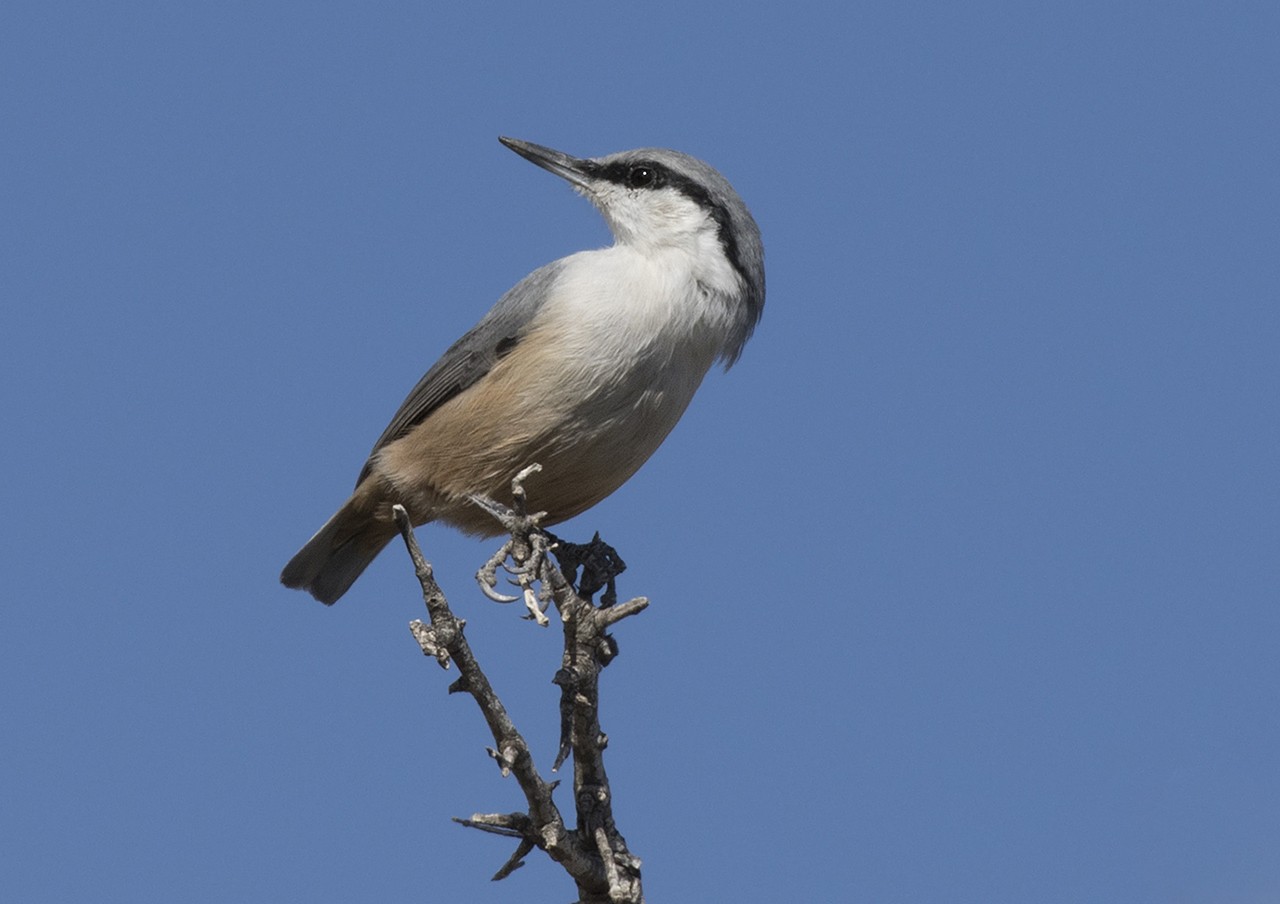
16. Western Rock Nuthatch
The western rock nuthatch (Sitta neumayer) (sometimes known simply as rock nuthatch) is a small passerine bird which breeds from Croatia east through Greece and Turkey to Iran. This nuthatch is largely resident apart from some post-breeding dispersal. The eastern rock nuthatch Sitta tephronota is a separate species, which occurs further east in south-central Asia. The western rock nuthatch is a bird associated with habitats with bare rocks, especially in mountainous areas. Those at the highest altitudes may move lower down in winter. It feeds on insects and spiders in summer, supplemented with seeds and snails in winter. It feeds on the ground, and will wedge larger items in rock crevices while it hammers them open with its strong bill. It will also flycatch. The western rock nuthatch is 13.5 cm long, slightly smaller than Eurasian nuthatch, and has the typical nuthatch big head, short tail and powerful bill and feet. It is long-legged and long-billed compared to most of its relatives. The race S. n. neumayer of southeast Europe is dark grey above, and has a long strong black eyestripe. It has a white throat and underparts shading to buff on the belly. Sexes are similar, and young birds are slightly duller versions of the adults. Two other races in the west of its Asian range are similar but less well marked. S.n. tschitscherini of western Iran is paler grey above and has a much weaker eyestripe. S.n. plumbea of southern Iran resembles tschitscherini, but has grey underparts. This territorial species builds a flask-shaped nest from mud, dung and hair or feathers in a rock crevice, cave, or under an overhang on a rock face. Decorative items may be pushed into crevices and cracks near the entrance to the nest. The nest is lined with softer materials and the entrance is sealed with mud. 4-10 eggs are laid, and are white speckled with yellow. The western rock nuthatch has a tsik call and a trilled tui tui tui song. It is common in suitable habitat in most of its range. Pliny the Elder believed that it was these birds that inspired man to build homes of earth in imitation of the western rock nuthatch's nests.
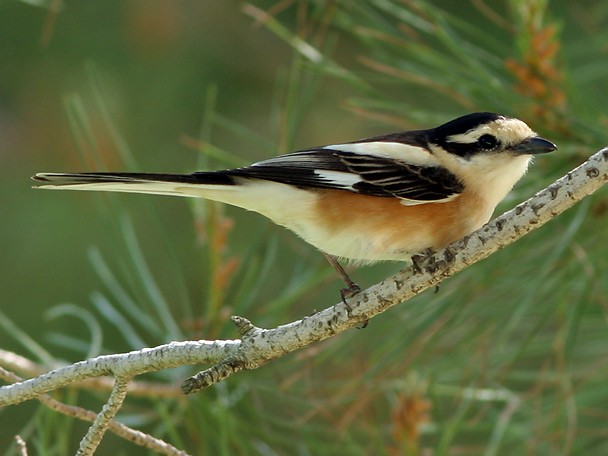
17. Masked Shrike
The masked shrike is the smallest of its genus, a slender bird which usually weighs 20–23 g (0.71–0.81 oz), measuring 17–18.5 cm (6.7–7.3 in) long with a 24–26.5 cm (9.4–10.4 in) wingspan. It has a long tail and relatively small bill, on each side of which is a tomial tooth; the upper mandible bears a triangular ridge which fits a corresponding notch in the lower mandible. This adaptation is otherwise only found in falcons. The male has mainly black upperparts, a white crown, forehead and supercilium. There are large white patches on the shoulders and primaries, and the outermost tail feathers are also white. The throat, neck sides and underparts are white, with orange on the flanks and breast. The iris is brown, the bill is black and the legs are dark brown or black. The female is a duller version of the male, with brownish-black upperparts and a grey or buff tinge to the white shoulder patches and underparts. The juvenile has grey-brown upperparts with darker bars from the head to rump, a paler grey forehead, barred off-white underparts and brown wings with white primary patches. Masked shrikes are most similar in appearance to woodchat shrikes, but are smaller, more slender and longer-tailed. Adults of the two species are easily distinguished, since the masked shrike has white on its head and a dark rump, whereas the woodchat shrike has a black crown, rusty nape and white rump. Juveniles are more similar, but the masked shrike has a longer tail, paler face, and grey back and rump, whereas the woodchat shrike has a sandy back and pale grey rump. Juveniles moult their head, body and some wing feathers a few weeks after fledging, and adults have a complete moult after breeding. In both cases, if the process is not complete by the time of migration it is suspended and completed on the wintering grounds.
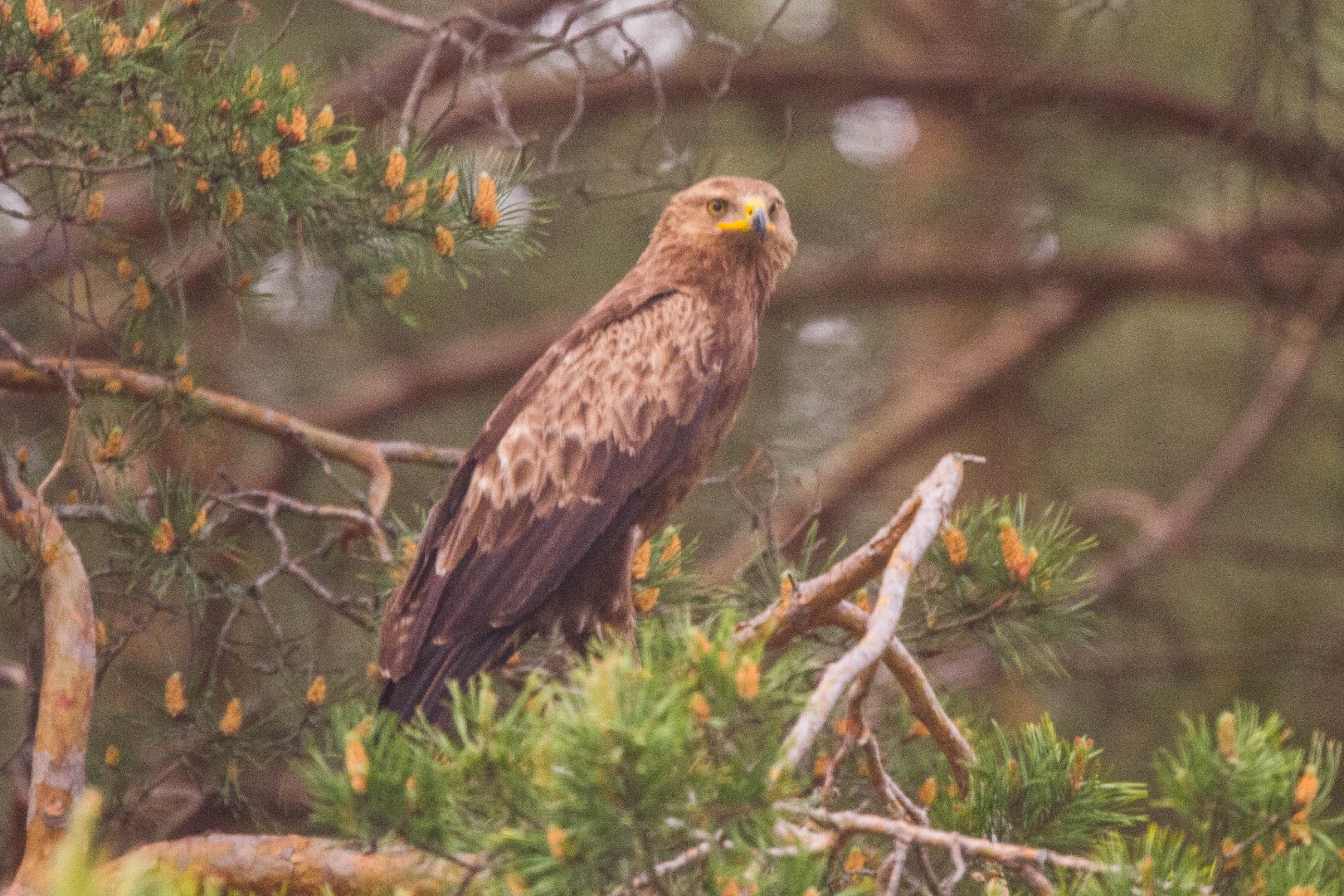
18. Lesser Spotted Eagle
This is a medium-sized eagle, about 60 cm (24 in) in length and with a wingspan of 150 cm (59 in). Its head and wing coverts are pale brown and contrast with the generally dark plumage. The head and bill are small for an eagle. Usually, a white patch occurs on the upper wings, and even adults retain a clearly marked white "V" on the rump; the wing markings are absent and the white "V" is not well-defined in the greater spotted eagle. The juvenile has less contrast in the wings, but the remiges bear prominent white spots. It differs from greater spotted eagle juveniles by a lack of wing covert spotting and the presence of a cream-colored neck patch. The call is a dog-like yip.
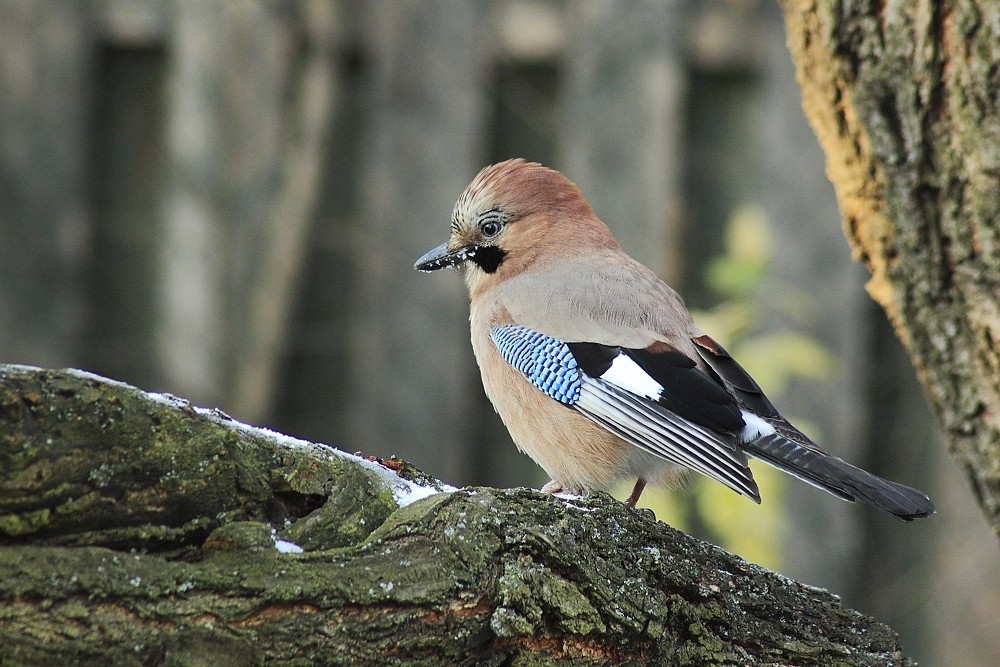
19. Eurasian Jay
The eurasian Jay is a striking bird with distinctive blue, black, and white plumage. It is known for its bold and curious nature, often seen rummaging through gardens and forests for food. Despite its small size, it is very intelligent and able to store food for later consumption. Its sharp calls and acrobatics in the trees make it a joy to observe in the wild.
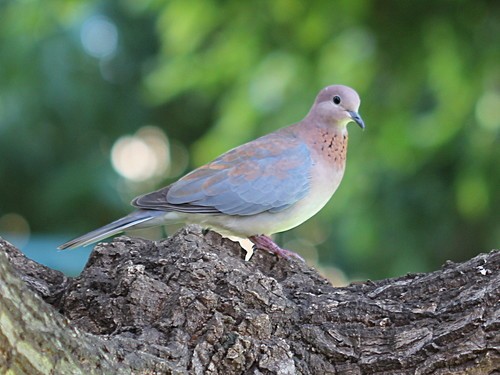
20. Laughing Dove
The laughing Dove is a small dove named after its distinctive laugh-like vocalization. This ground-feeding, non-migratory bird is a regular inhabitant of man-altered environments such as villages, gardens, and orchards. In cities, these doves tend to become quite confident. They pair for life and live in very small communities.