




Top 20 Most Common Bird in Jalisco
Boasting a diverse biosphere thanks to its coastal plains, forests, and highlands, Jalisco is a hotspot for bird lovers. From the vibrantly colorful Rosy Thrush-Tanager, known for its enchanting melody, to the Greater Roadrunner, a quick hunter and fast runner. It's here in Jalisco where 20 of the most common, yet intriguing bird species captivate visitors with their unique behaviours and adaptations.

Most Common Bird
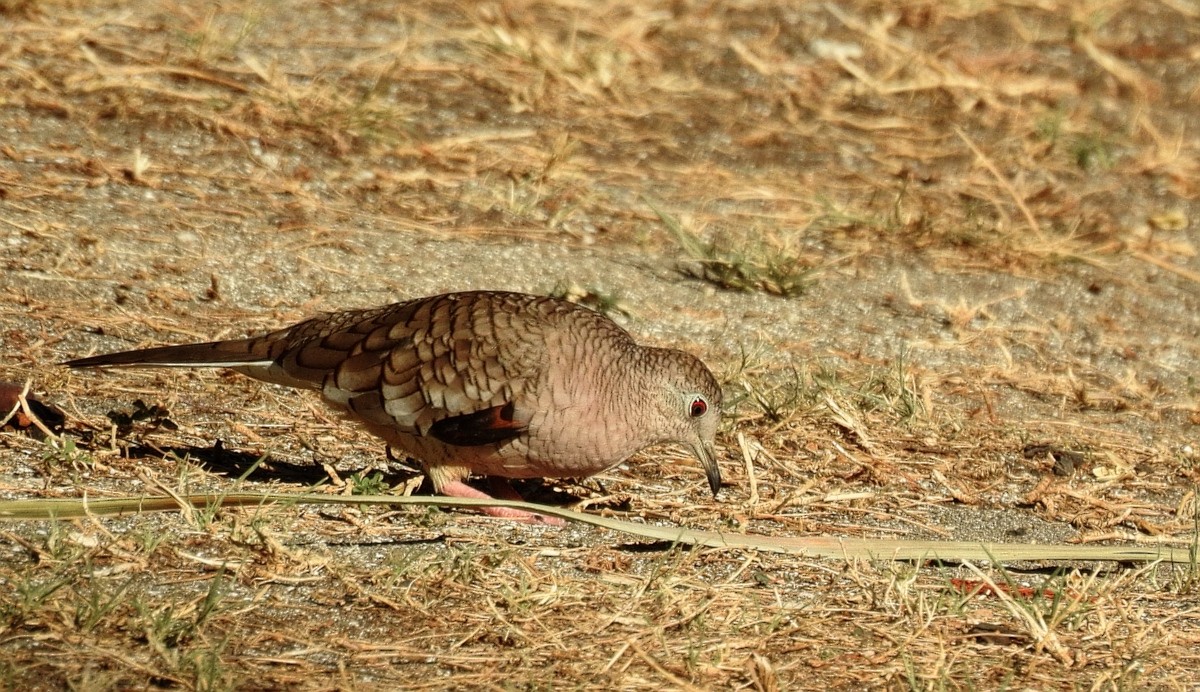
1. Inca Dove
The inca Dove is a small, compact dove with distinctive pale gray plumage and a long tail. It is found in a wide range of habitats, including urban areas, deserts, and grasslands throughout the southwestern United States and northern Mexico. The Inca Dove feeds mainly on seeds, and their cooing call is a common sound in their habitats. They are known for their fast, bouncy flight and their tendency to mate for life. 
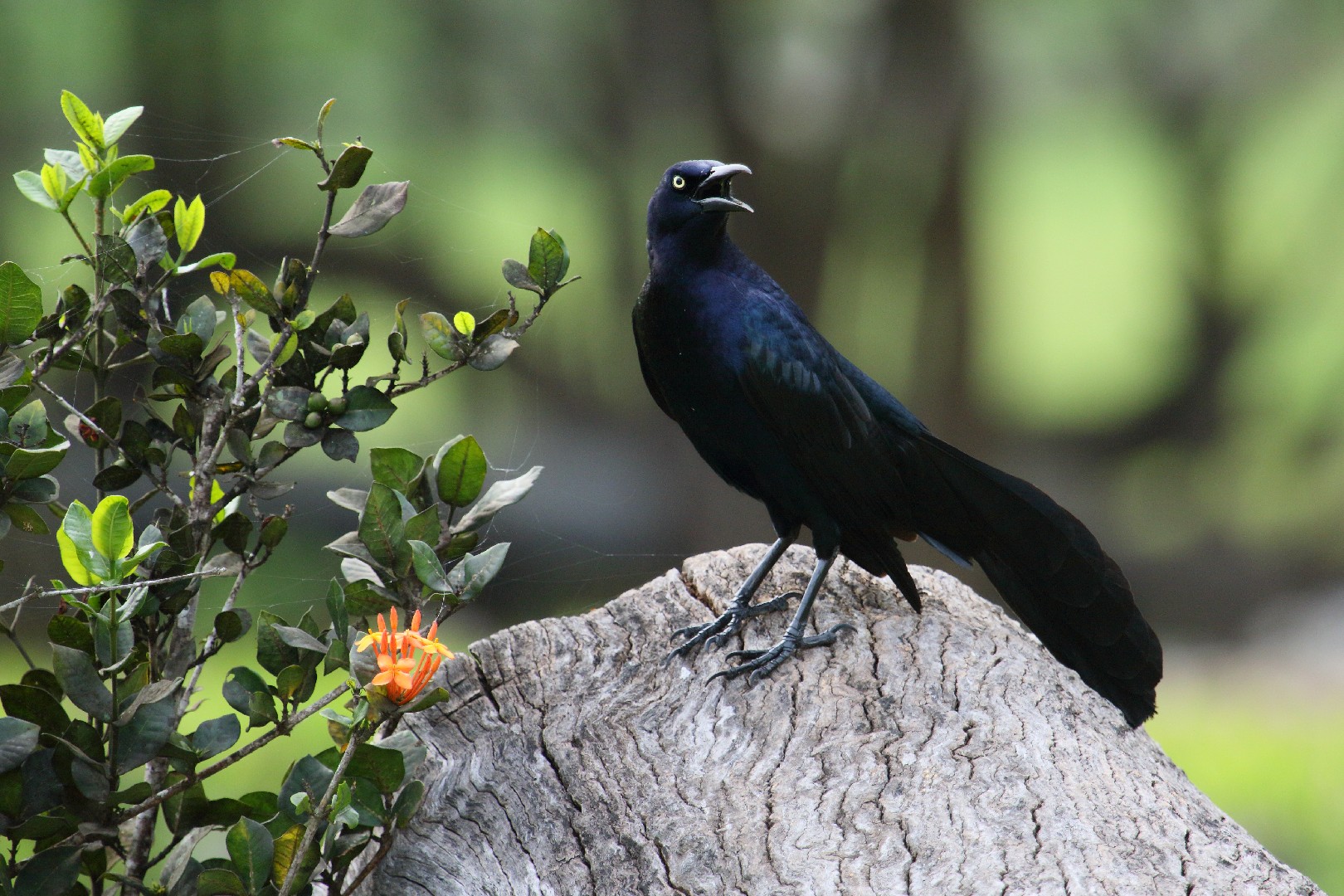
2. Great-tailed Grackle
The medium-sized great-tailed Grackle is notable for its long tail, shaped like a V, and deep black coloring offset by bright yellow eyes. This loud bird can be easily found just by following the sharp sounds of its calls and shrieks. Males in particular shriek and ruffle up their feathers to defend their territory or if they feel threatened.
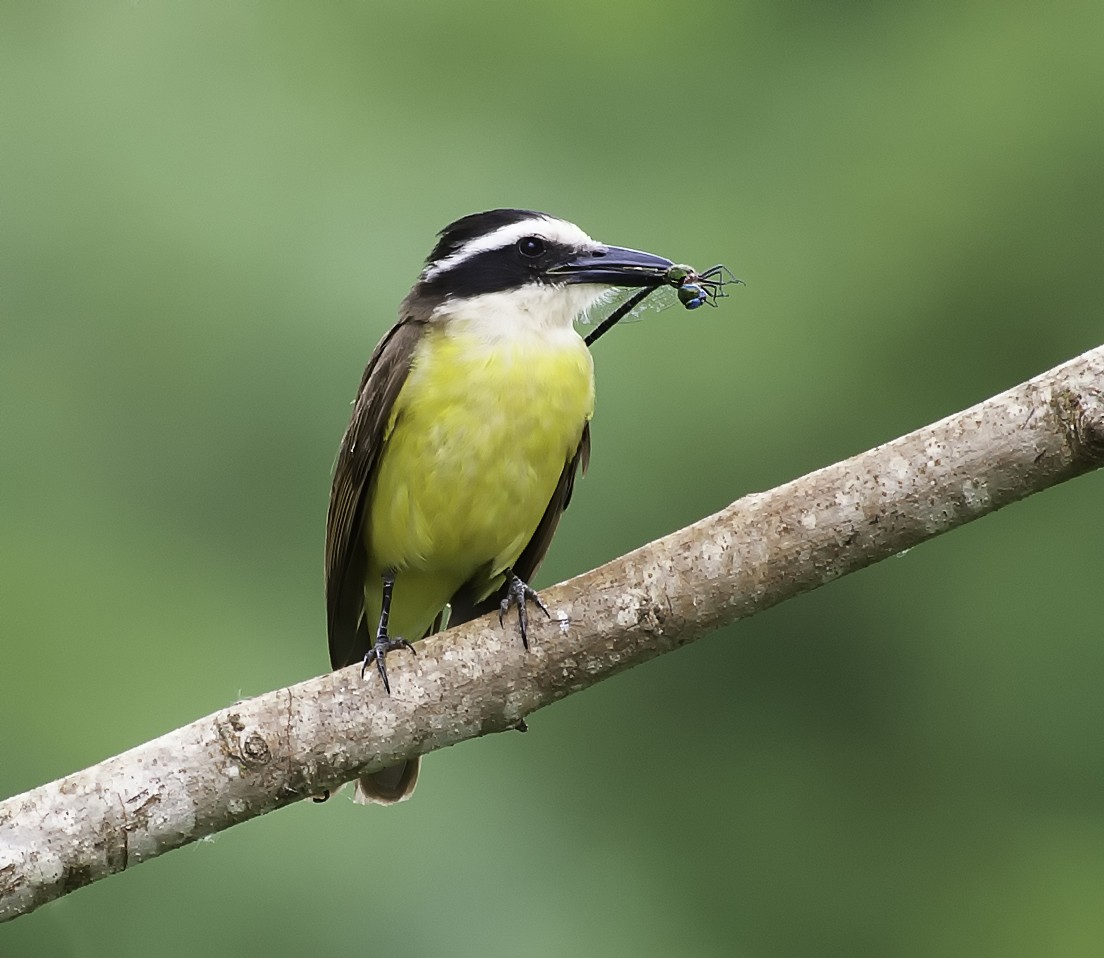
3. Great Kiskadee
The great Kiskadee is a large bird with bold markings that make this flycatcher easily recognizable. is a bright-colored bird that prefers woodland habitats close to water or open areas. It eats a lot of insects, but also forages for seeds and berries and is known to dive into shallow water for small fish.
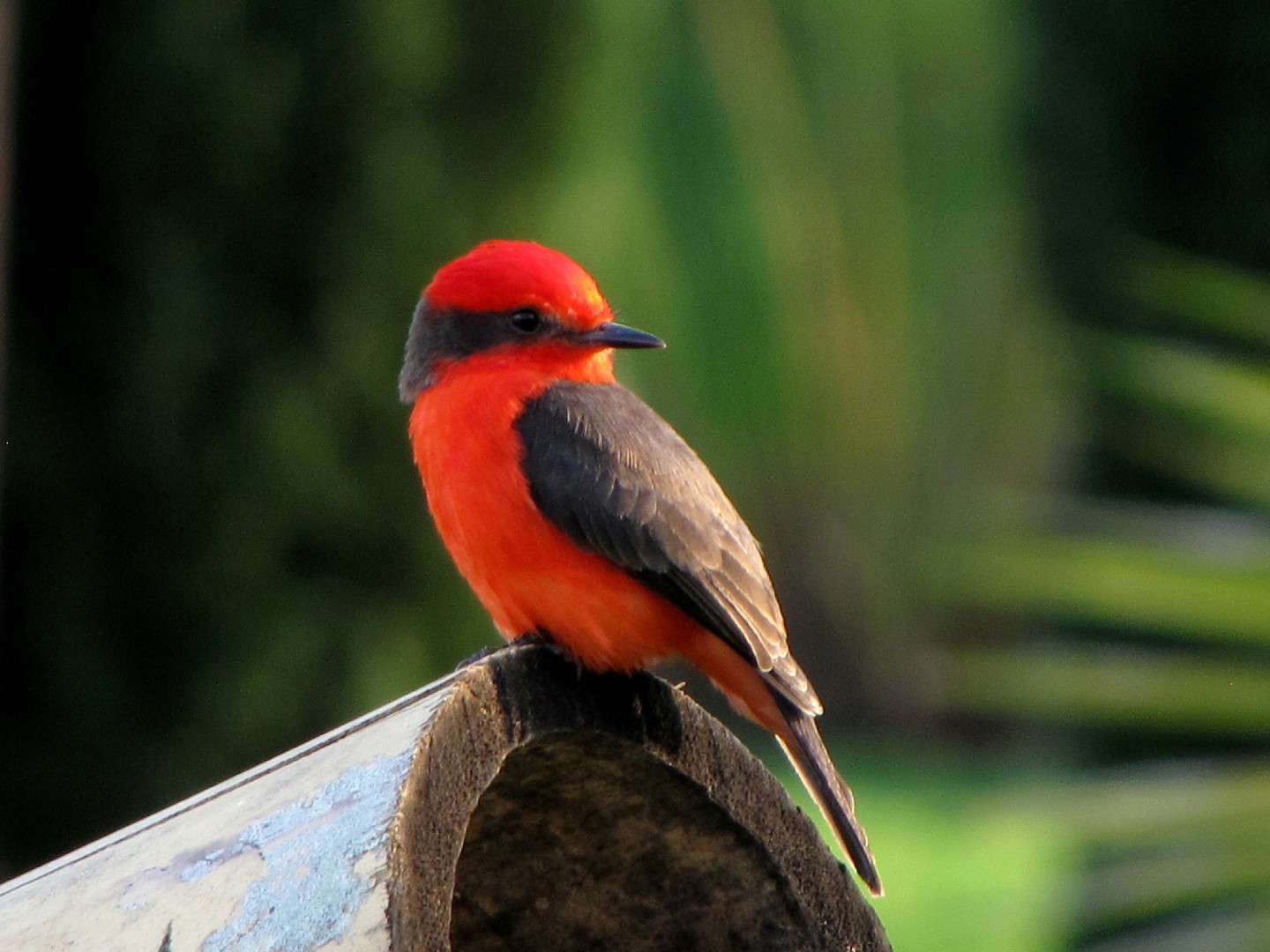
4. Vermilion Flycatcher
The vermilion Flycatcher is a bright species of bird found in many open habitats and rarely seen on the ground. These birds sit on a perch until they're ready to take wing and feed on a variety of insects midflight. The vermilion Flycatcher is not a threatened species, but urbanization that eliminates some of thier natural breeding grounds could affect populations.

5. Barn Swallow
A familiar sight in rural and semi-open areas, the small barn Swallow can often be spotted by its distinctly graceful flight as it travels low over fields. Seemingly unbothered by having human neighbors, they nest unafraid in barns, garages, beneath bridges or wharves. Interestingly enough, they have come to prefer these locations so much that you are unlikely to spot a nest in a place that is not a human-made structure.

6. House Finch
Frequent in urban environments and human-created habitats such as parks and backyards, the little house Finch is known for its loud but pleasant, cheerful singing. It feeds on the ground, mostly on seeds, berries, and other plant material. This bird is highly sociable and very adaptable. It often visits feeders.
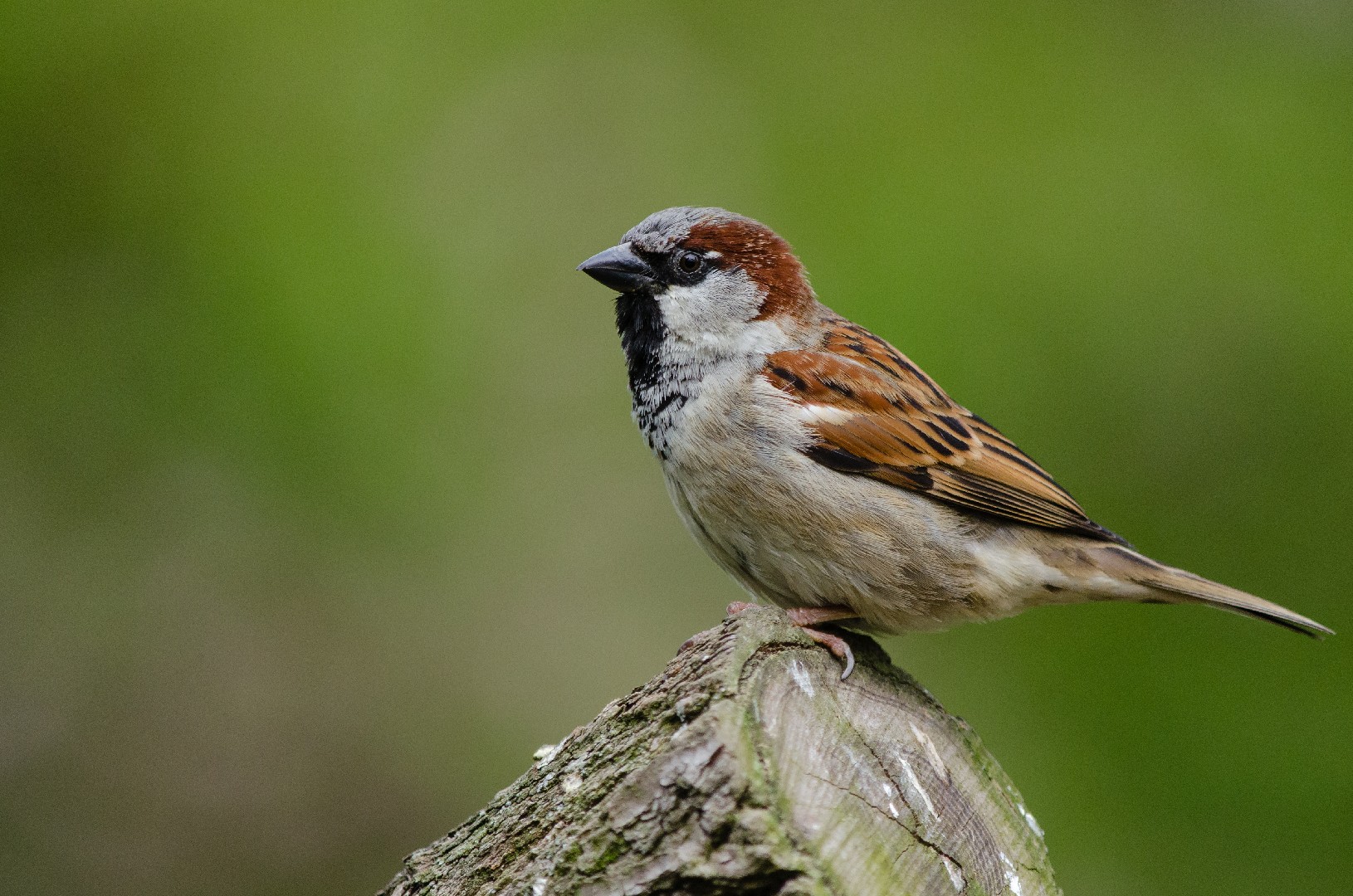
7. House Sparrow
Just as its name implies, the little house Sparrow socializes with humans more than any other bird species. Able to adapt and thrive in almost any habitat, excluding the extremes such as deserts and mountain peaks, this species was once restricted only to North Africa and Eurasia but now is found across the globe. Unfortunately, this opportunistic eater is not completely harmless—it can cause considerable damage to crops.
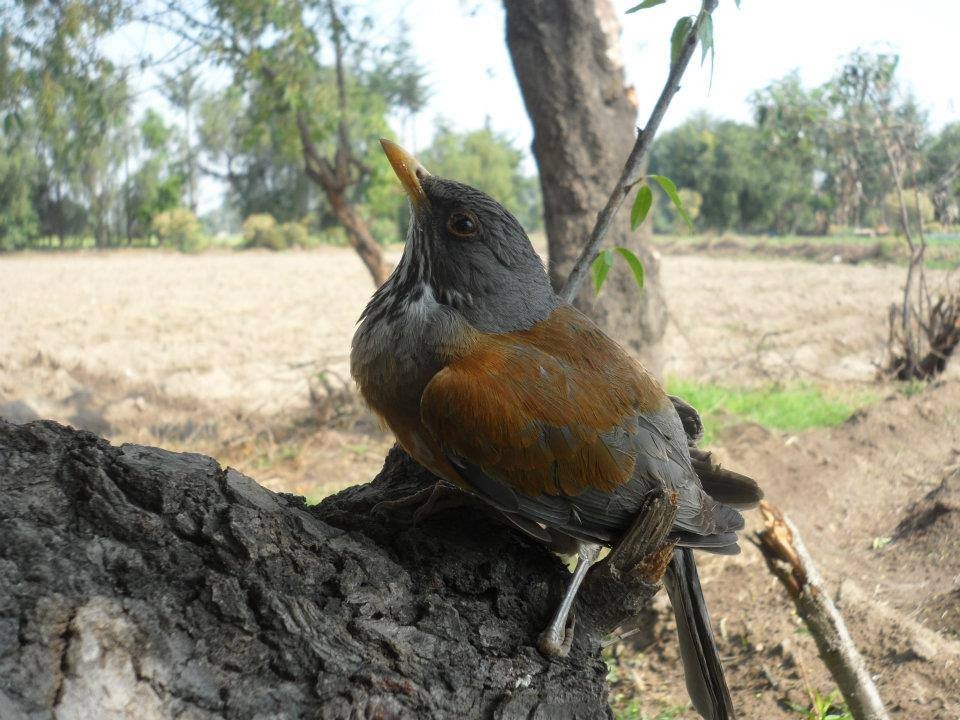
8. Rufous-backed Robin
This species resembles its widespread relative the American robin in general appearance, but is a bit smaller at 21.5–24 cm (8.5–9.4 in) long, with an average wingspan of 39.4 cm (15.5 in) and weight of 74 g (2.6 oz). It is named for the adult's rufous or olive-rufous upper back, which contrasts with the grayish head, nape, and rump. The chest and flanks are also rufous. The belly and undertail coverts are white; the throat is white with many black streaks. The bill and eye-ring are yellow. Females are typically somewhat duller-colored than males. Juveniles, like other juvenile Turdus thrushes, are spotted below; they are browner and have pale flecks above. The subspecies of the Islas Tres Marías, also found around San Blas, Nayarit, is sometimes considered a separate species, Grayson's robin or Grayson's thrush, Turdus graysoni (Ridgway, 1882). It looks "washed out", with little rufous tinting. The song is slow and warbling, with repetition of phrases. An example is "weedele loo loo freerlii..." The alarm call is a long, mellow, descending whistle, "cheeoo or teeeuu". Other calls resemble those of the American robin; the flight call is thinner.
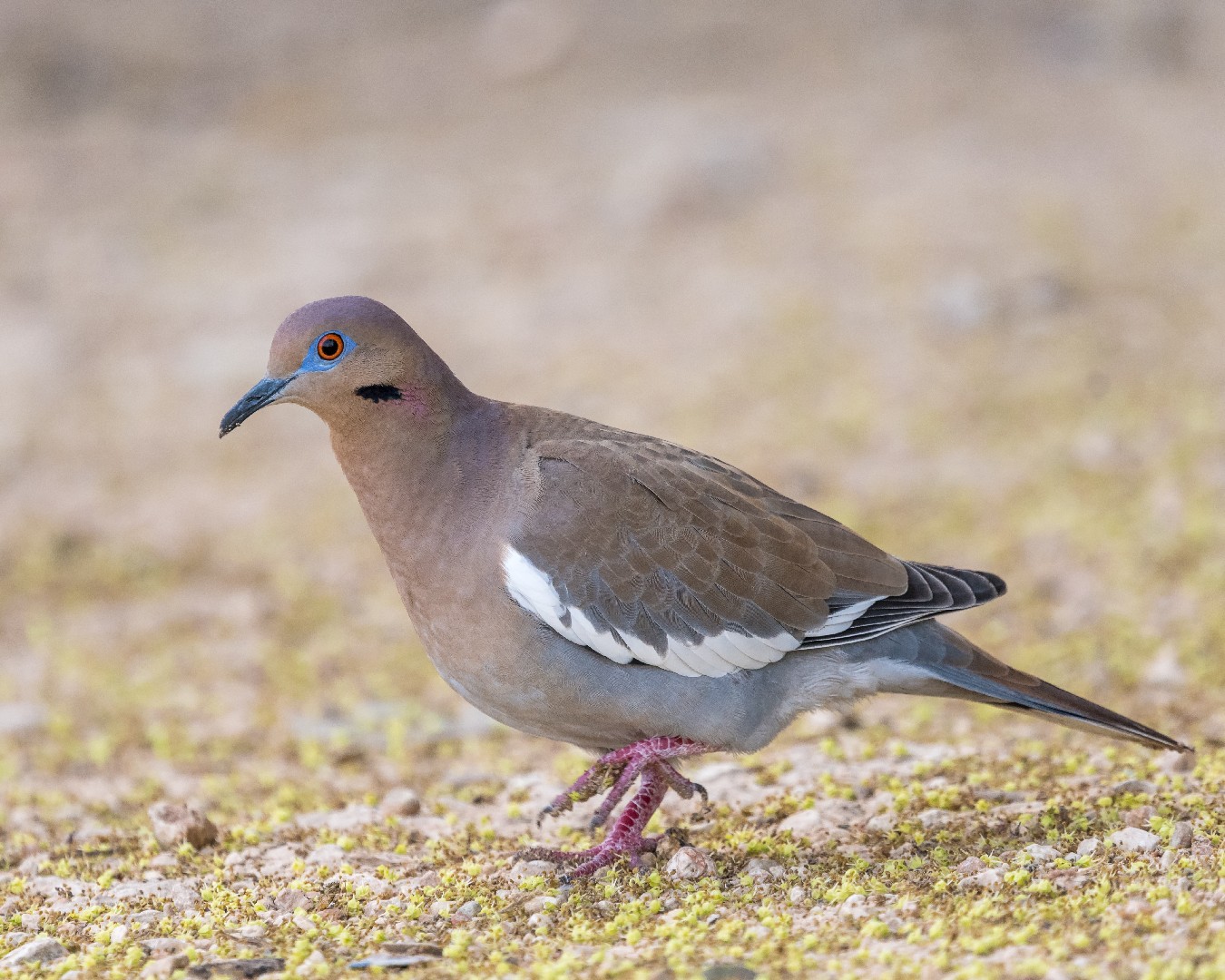
9. White-winged Dove
The medium-sized, distinctively patterned white-winged Doves practically live on Saguaro cactus, consuming its nectar, pollen, fruit, and seeds. In fact, they are so dependent on this plant that they match their migration schedule to its fruiting schedule. White-winged Doves were heavily hunted in Texas in the 20th century and their population dropped from 12 million to fewer than 1 million by 1939. Since then proactive hunting management and the species ability to adapt to urban living has helped their numbers rebound.
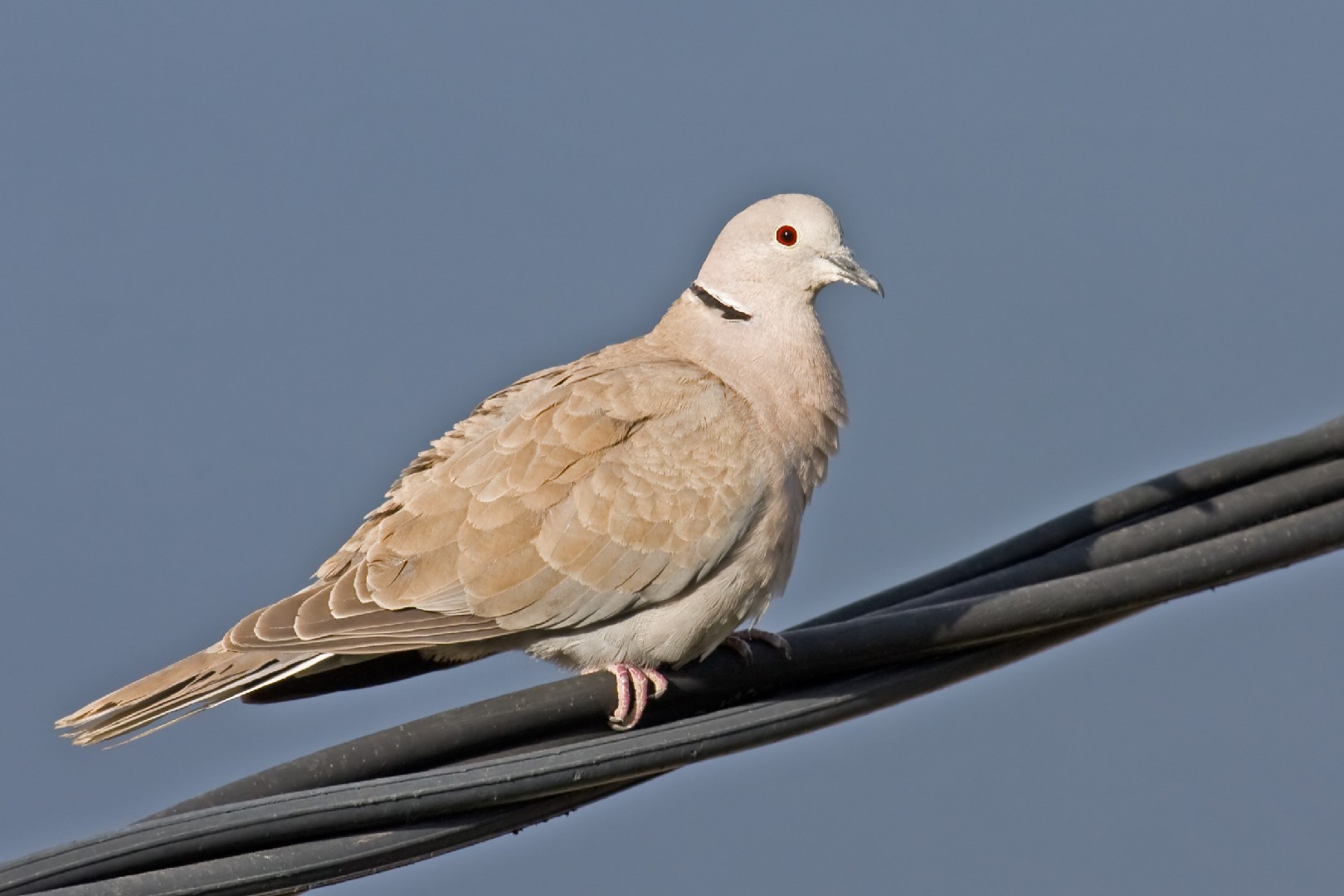
10. Eurasian Collared-dove
This plump, pretty dove with a square-tipped tail is known for bobbing its head and flicking its tail while walking. Though nice to look at, many people are not pleased at the sight of a eurasian Collared-dove walking along. In North America they are considered an invasive species, and one that carries a disease-creating parasite that can spread to native dove populations through birdbaths, feeders, or even through hawks preying on them.
11. Tropical Kingbird
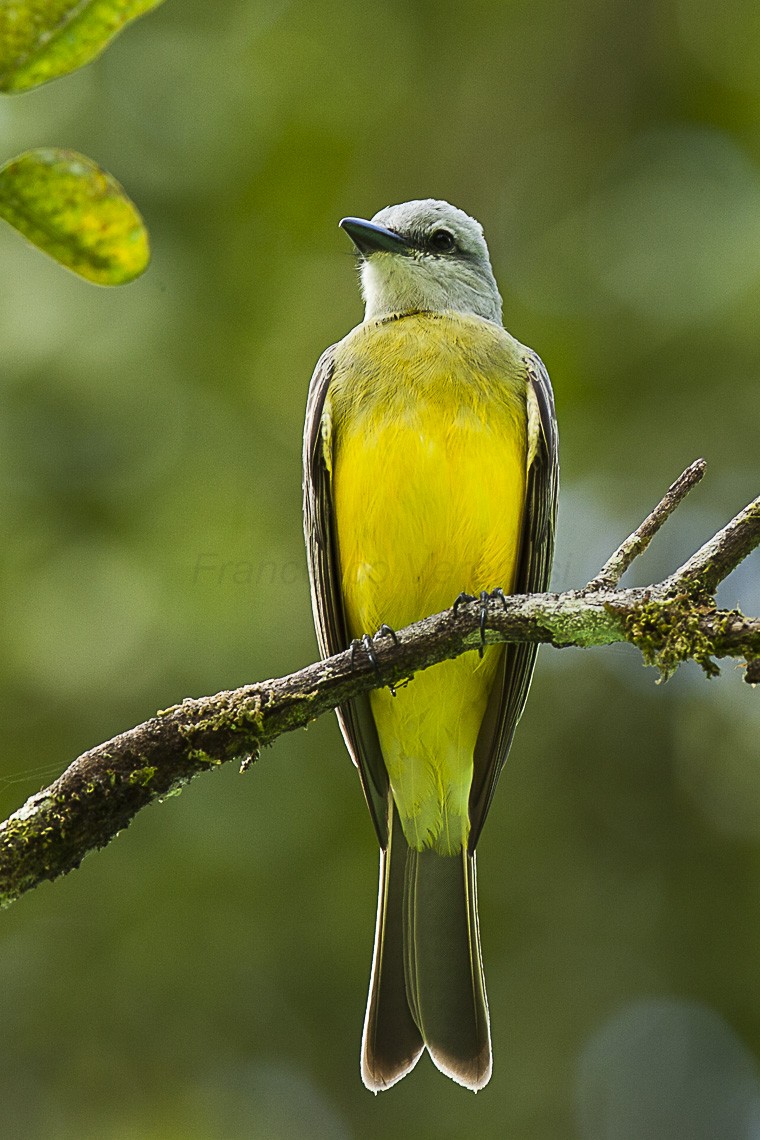
An adult tropical kingbird is 22 cm (8.7 in) long, weighs 39 g (1.4 oz) and has a wingspan range of 38–41 cm. The head is pale gray, with a darker eye mask, an orange crown stripe, and a heavy gray bill. The back is grayish-green, and the wing and forked tail are brown. The throat is pale gray, becoming olive on the breast, with the rest of the underparts being yellow. The sexes are similar, but young birds have pale buff edges on the wing coverts. Tropical Kingbirds appear to be monogamous. In most parts of the species' range, they are permanent residents and remain together in pairs year-round.(Sibley 2014) The call is a high-pitched twittering trill, tree-e-e-e-e-e-e, with a more complex version sung by the male at dawn. Their breeding habitat is semi-open areas with trees and shrubs, including gardens and roadsides. Tropical kingbirds like to observe their surroundings from a prominent open perch, usually high in a tree, undertaking long flights to acrobatically catch insects in mid-air (hawking), sometimes hovering to pick food off vegetation (gleaning). They also eat some fruit from such diverse species as tamanqueiro (Alchornea glandulosa), the Annonaceae, Cymbopetalum mayanum and gumbo-limbo (Bursera simaruba); foraging for these even in disturbed habitat. As they keep mainly to the upper levels of trees, they find little profit in following mixed-species feeding flocks in the understory. These birds aggressively defend their territory against intruders, even much larger birds such as magnificent frigatebirds, toucans, caracaras or hawks. In a study in Parque Nacional de La Macarena of Colombia, parasitism by microfilariae and trypanosomas (presumably T. everetti) was infrequently recorded in tropical kingbirds. The male and female inspect potential sites together before selecting a site, typically a fork or crotch high in a tree (up to 66 feet high) but sometimes just a few feet above water.(Sibley 2014) The female builds a bulky, sloppy-looking, shallow nest of vines, rootlets, twigs, weeds, and grasses; it is unlined or lined with hair. Nests average about 5.2 inches across and 3 inches tall, with interior cup about 3 inches across and 1.6 inches deep. The female incubates the typical clutch of two to four eggs for approximately 16 days, and the nestlings fledge in another 18 or 19 days. The eggs are whitish or pale pink with variable amounts of dark blotching. The tropical kingbird is one of the most widespread and conspicuous inhabitants of open forest, forest edge, scrub and agricultural land from the southwestern United States south to Argentina (Jahn, Stouffer, & Chesser, 2013). As a result, the bird is considered as being of Least Concern and their population is increasing, according to the IUCN. According to Partners in Flight, global estimates of tropical kingbird breeding population is around 200 million. They rate the species as 4 out of 20 on the continental concern scale, indicating that this species is of low conservation concern.
12. Broad-billed Hummingbird
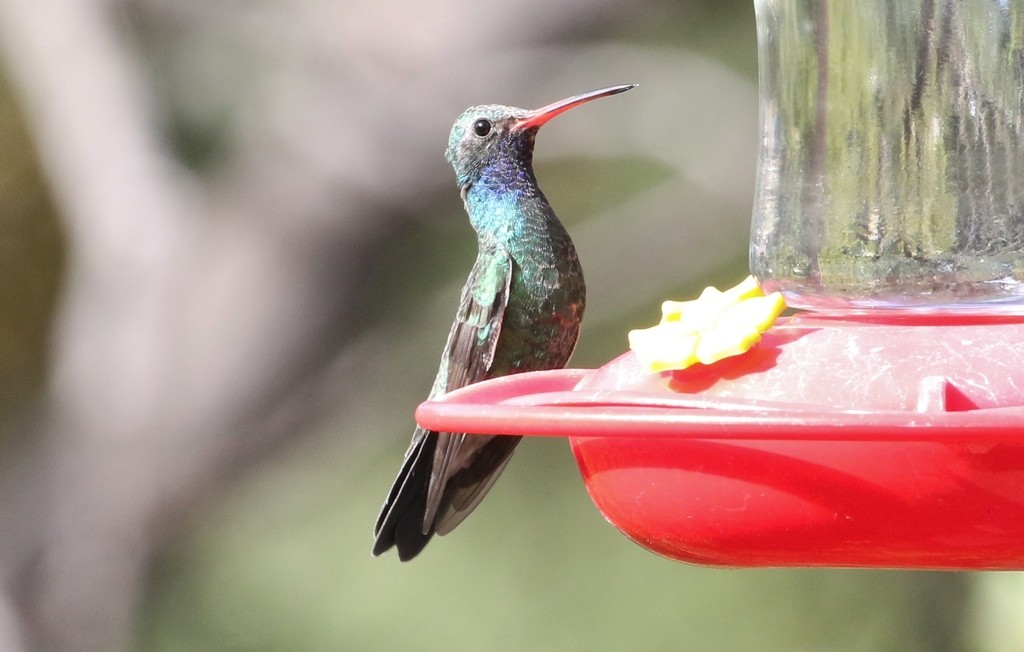
The broad-billed hummingbird is a small-sized hummingbird at about 8–10 cm (3.1–3.9 in) long. It weighs only 3–4 grams, with the male weighing slightly more than the female. The wingspan of the hummingbird is about 13 cm (5.1 in). It has a long, bright reddish coloured bill that has a black tip. The birds are metallic green dorsally with more dull colouring on the crown and forehead. The hummingbird is sexually dimorphic, with the adults appearance varying significantly. The male is dark green with white undertail-coverts and a blue throat. The adult males tail is blackish-blue and broad. The flight feathers are brownish-gray. The adult female has a pale belly and has a white eyestripe behind her eye. Her tail feathers are white-tipped. The bill of the male is shorter but brighter red. As for size, both the juvenile and adult males have larger wings and tails than the female. The colouring of the juveniles tends to resemble the adult female. With time, the bill of the juvenile males will redden, and iridescent feathers will appear on its throat. Unlike the females, the juvenile males do not have a white-tipped tail. The hatchings have a brown body and orange downy feathers and an orange bill. Not much is known about hatchlings, but in captivity, the juvenile birds have been seen to have adult plumage within 6–8 months.
13. Streak-backed Oriole
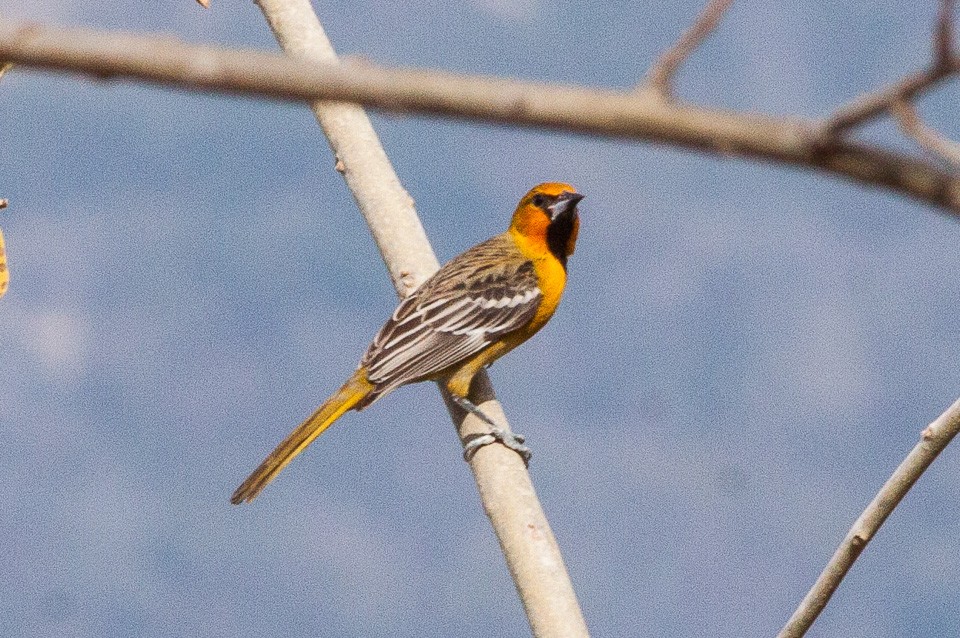
The streak-backed oriole (Icterus pustulatus) is a medium-sized species of passerine bird from the icterid family (the same family as many blackbirds, meadowlarks, cowbirds, grackles, and others, including the New World orioles). It is native to Central America and Mexico and is an occasional visitor to the United States.

14. Turkey Vulture
The turkey Vulture is a common sight, especially around roads, where they keep a sharp eye out for roadkill. Seeing these large birds in the sky can often make you take a second look to see if it’s an eagle or a hawk. Here’s one quick way to tell the difference. When in flight, a turkey Vulture will circle unsteadily, with its wings lifted to make a V shape. Though they are not appreciated, they do the dirty work of the animal kingdom by cleaning up the countryside as they scavenge.
15. Blue-grey Gnatcatcher
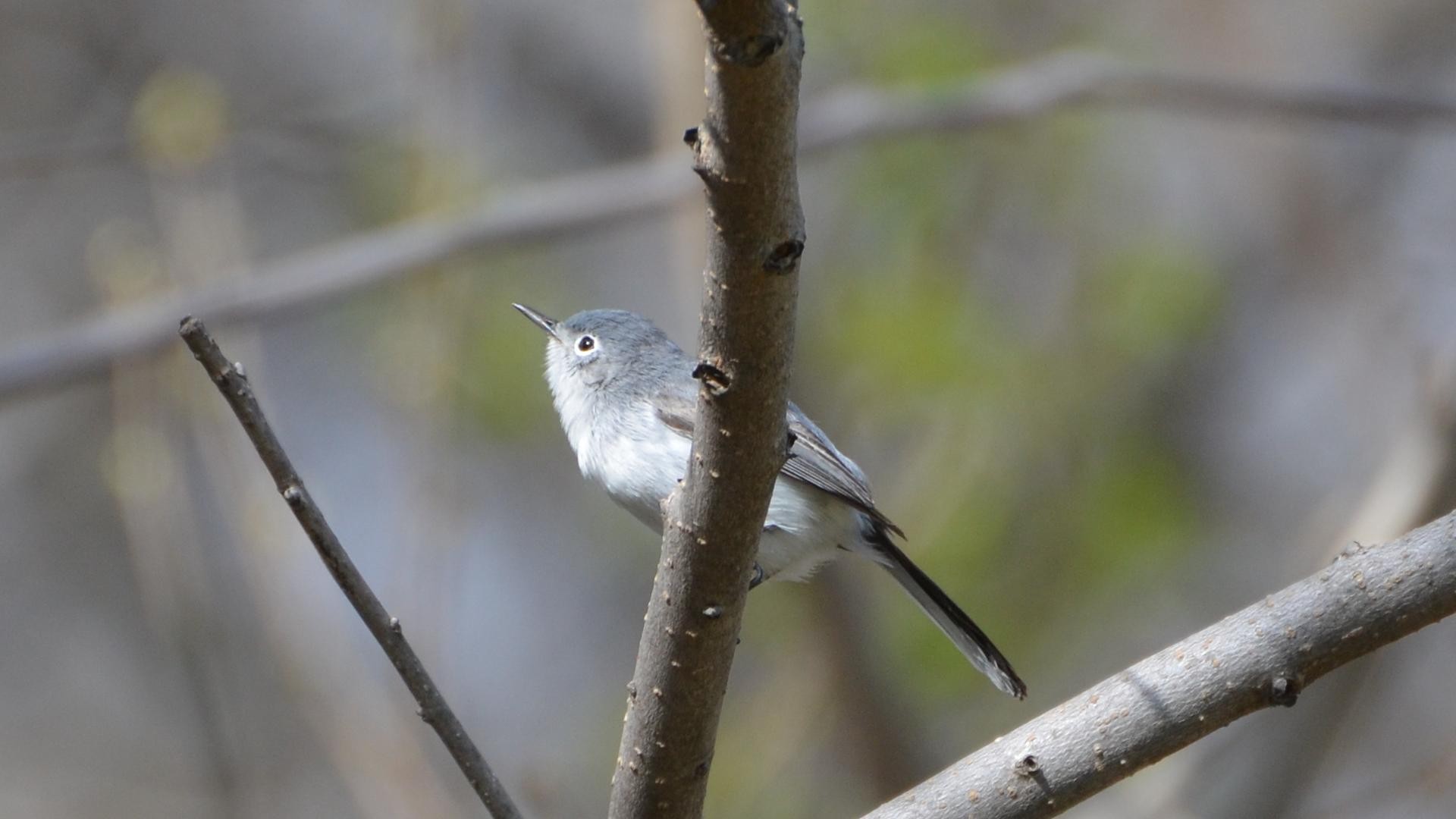
The blue-gray gnatcatcher or blue-grey gnatcatcher (Polioptila caerulea) is a very small songbird, 10–13 cm (3.9–5.1 in) in length, 6.3 in (16 cm) in wingspan, and weighing only 5–7 g (0.18–0.25 oz). Adult males are blue-gray on the upperparts with white underparts, have a slender dark bill, and a long black tail edged in white. Females are less blue, while juveniles are greenish-gray. Both sexes have a white eye ring. The blue-gray gnatcatcher's breeding habitat includes open deciduous woods and shrublands in southern Ontario, the eastern and southwestern United States, and Mexico. Though gnatcatcher species are common and increasing in number while expanding to the northeast, it is the only one to breed in Eastern North America. Both parents build a cone-like nest on a horizontal tree branch, and share feeding the young. The incubation period is 13 days for both sexes, and two broods may be raised in a season. These birds migrate to the southern United States, Mexico, northern Central America-(Belize, Guatemala, and Honduras), Cuba, Bahamas, Turks and Caicos Islands, and the Cayman Islands. They forage actively in trees or shrubs, mainly eating insects, insect eggs and spiders. They may hover over foliage while snatching prey (gleaning), or fly to catch insects in flight (hawking). The tail is often held upright while defending territory or searching for food.
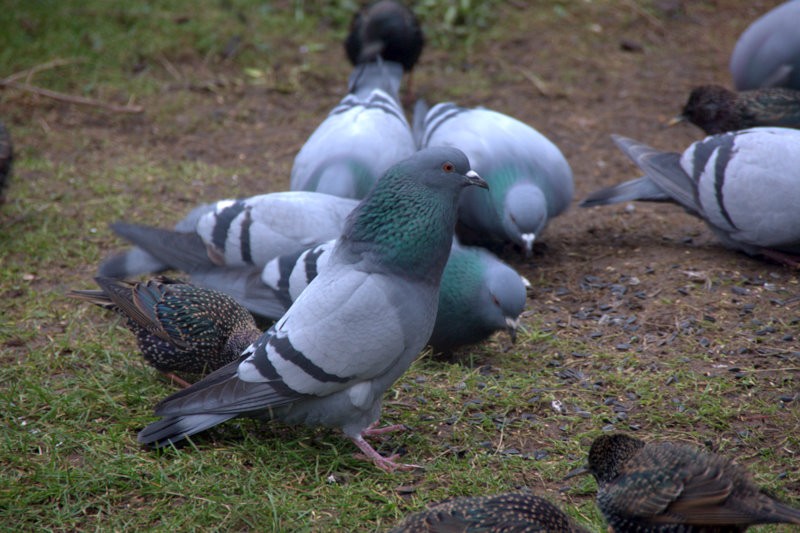
16. Rock Pigeon
The rock Pigeon is a wild ancestor of all domestic and feral pigeons, inhabiting coasts, cliffs, and caves. Pairs nest in rock crevices, often mating for life. They are known for their ability to fly very long distances to return to their homes, navigating using the sun's position and the earth's magnetic fields. Thanks to this ability, pigeons were used as messengers, particularly during World Wars I and II.
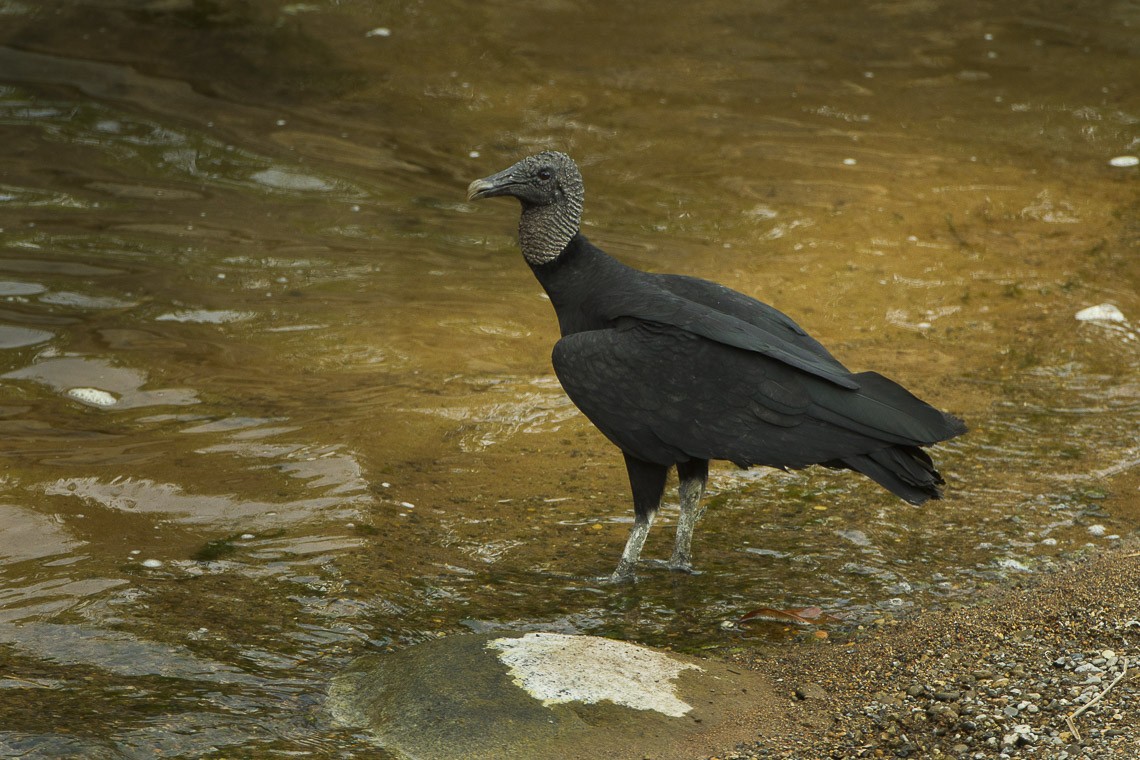
17. Black Vulture
Although quite dapper in appearance, the black Vulture's name comes from the Latin vulturus meaning “tearer" and that is just what that hooked beak is for. These birds are highly social, with fierce family loyalty and will share food with relatives and with their young long after the babies have fledged. Because they lack a voice box, their calls are limited to grunts and hisses.
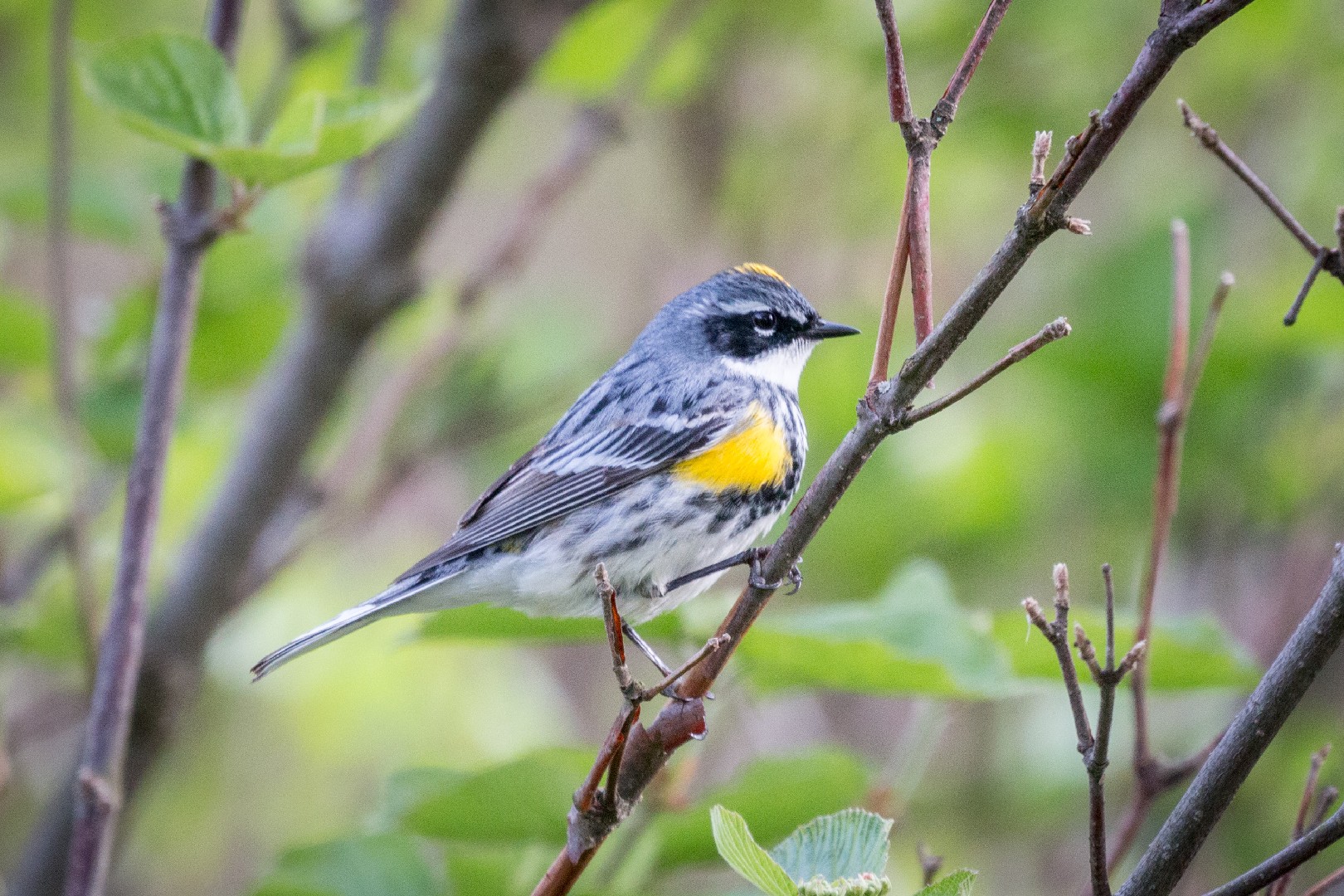
18. Yellow-rumped Warbler
The foraging yellow-rumped Warbler is quick-moving and appealingly colored. Both male and female are a sharp gray, with white on their wings and flashes of yellow on their rump (as the name suggests), sides, and face. Most striking about this bird is the large groups of them that spread across North America in the autumn season.
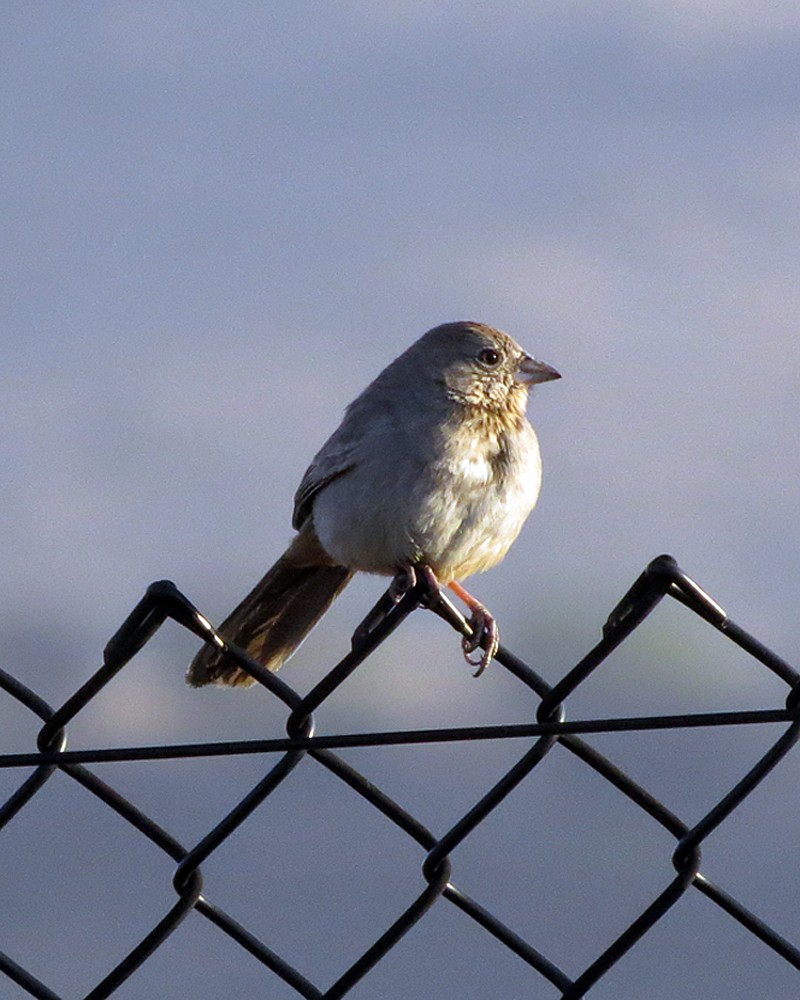
19. Canyon Towhee
It is 19 to 25 cm (7.5 to 9.8 in) long, and has a noticeably long tail, at 8.2 to 11 cm (3.2 to 4.3 in). This species weighs from 36.5 to 67 g (1.29 to 2.36 oz), though on average weigh only around 45 g (1.6 oz). Among standard measurements, the wing chord is 8.2 to 10.1 cm (3.2 to 4.0 in), the bill is 1.4 to 1.7 cm (0.55 to 0.67 in) and the tarsus is 2.3 to 2.7 cm (0.91 to 1.06 in). It is earthy brown in colour, with somewhat lighter underparts and a somewhat darker head with a rufous cap (except that birds in central Mexico have the cap the same color as the back); there is also a slightly reddish area beneath the tail. There is little sexual dimorphism.
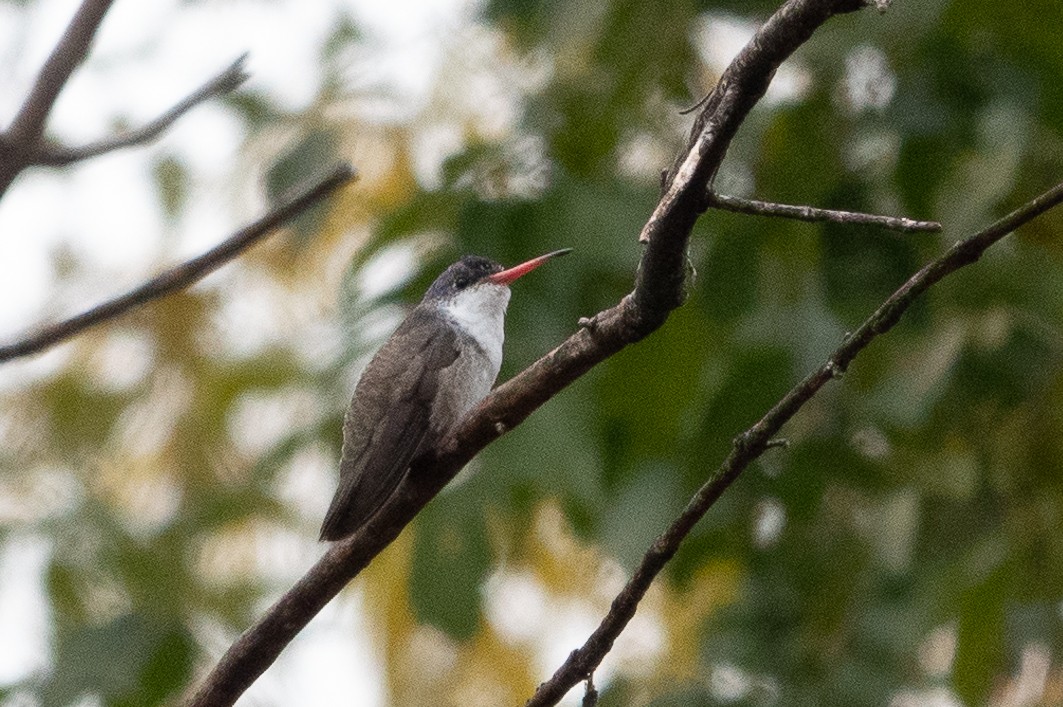
20. Violet-crowned Hummingbird
The violet-crowned hummingbird (Leucolia violiceps) is a medium-sized hummingbird. It is 10 cm long and weighs approximately 5 g. The bird is best distinguished by its violet-colored cap, from where it gets its name. Adults are colored predominantly a dark olive green for their upperparts and tail. The underparts are predominantly white. The bill of the male is straight and very slender. It is red in coloration, and shows a black tip. The female is less colorful than the male. The breeding habitat is in arid scrub of southeastern Arizona in the United States to southwestern Mexico, (the Madrean Sky Islands), and it is typically a mountain species. Outside its breeding range, it will occasionally stray from southernmost California to southwest Texas. The female builds a nest in a protected location in a shrub or tree. Females lay two white eggs. This hummingbird is partially migratory, retreating from northernmost areas during the winter. These birds feed on nectar from flowers and flowering trees using a long extendable tongue or catch insects on the wing. This species was formerly placed in the genus Amazilia. A molecular phylogenetic study published in 2014 found that Amazilia was polyphyletic. In the revised classification to create monophyletic genera, the violet-crowned hummingbird was one of three species to be placed in the resurrected genus Leucolia.