




Top 17 Most Common Bird in Naga
Naga', famed for its rich biodiversity, plays host to a diverse array of avian species. The 17 most common birds exhibit remarkable traits such as vibrant plumages, fascinating calls, and specific ecological adaptations. These captivating creatures perfectly symbolize the lush and dynamic ecosystems of 'Naga', making bird-watching a unique experience.

Most Common Bird
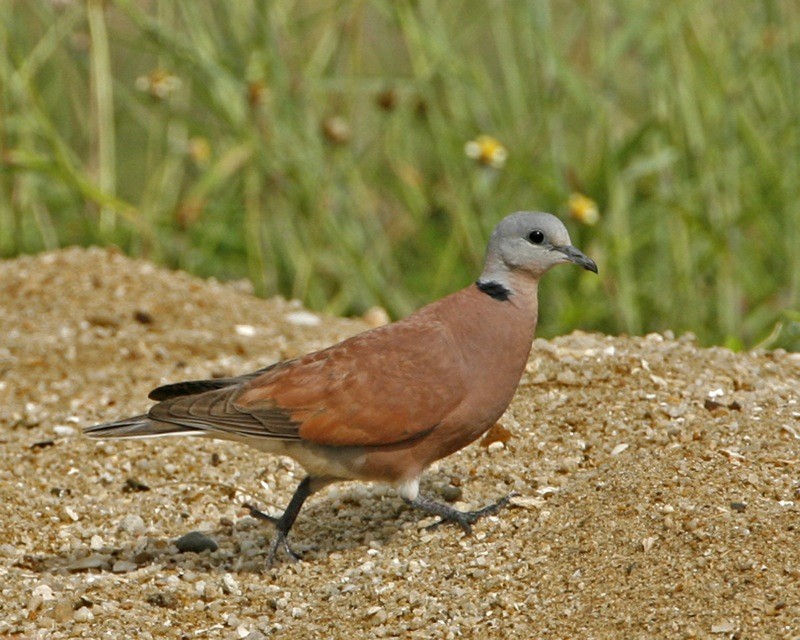
1. Red Collared Dove
The red turtle dove is a relatively small species. The male has a bluish head and light red-brown body with a black ring round its neck, while the female is similar but pinkish all over. 
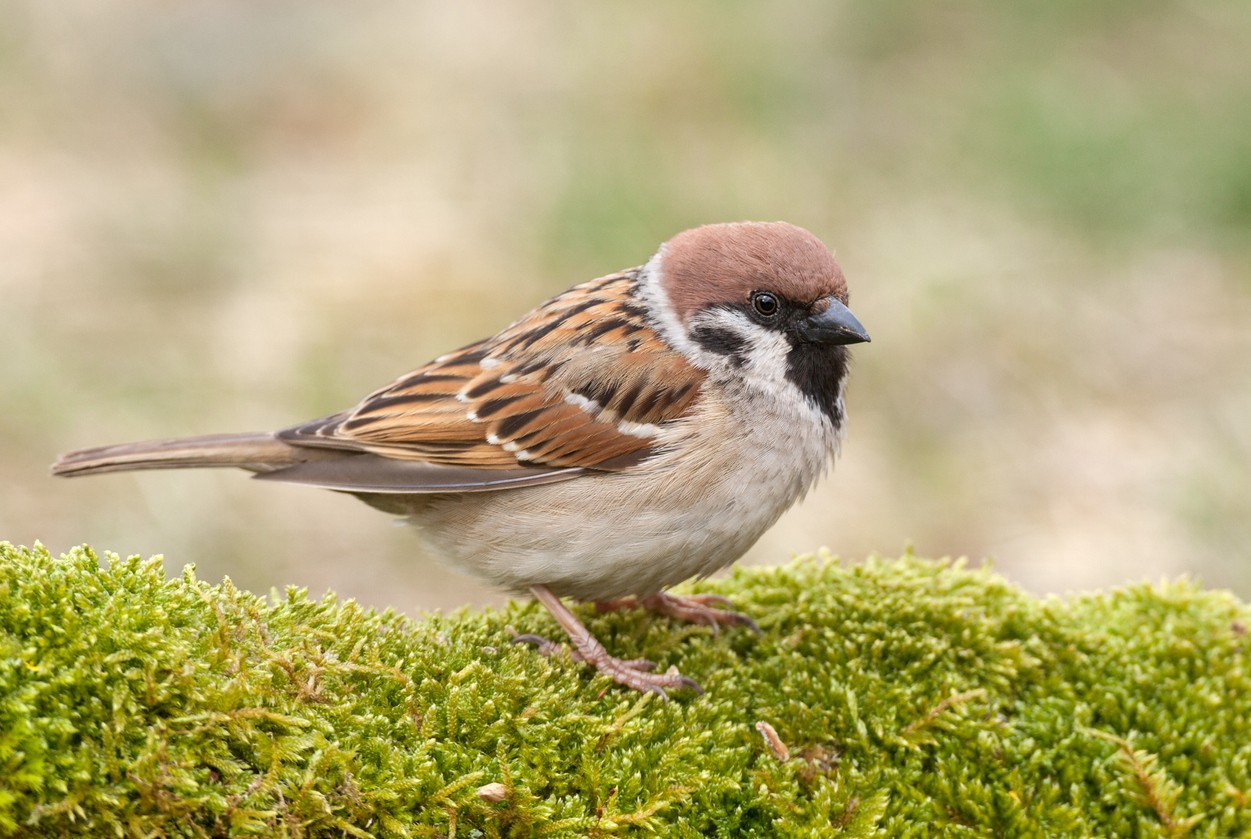
2. Eurasian Tree Sparrow
The eurasian Tree Sparrow (Passer montanus) is a widespread sparrow of the European mainland that has been introduced to some parts of North America. Eurasian Tree Sparrow is very similar to the House sparrow (Passer domesticus) but it's smaller and neater. It prefers more natural habitats, at the edges of human activity, and inhabits farmlands, parklands, and open woods.
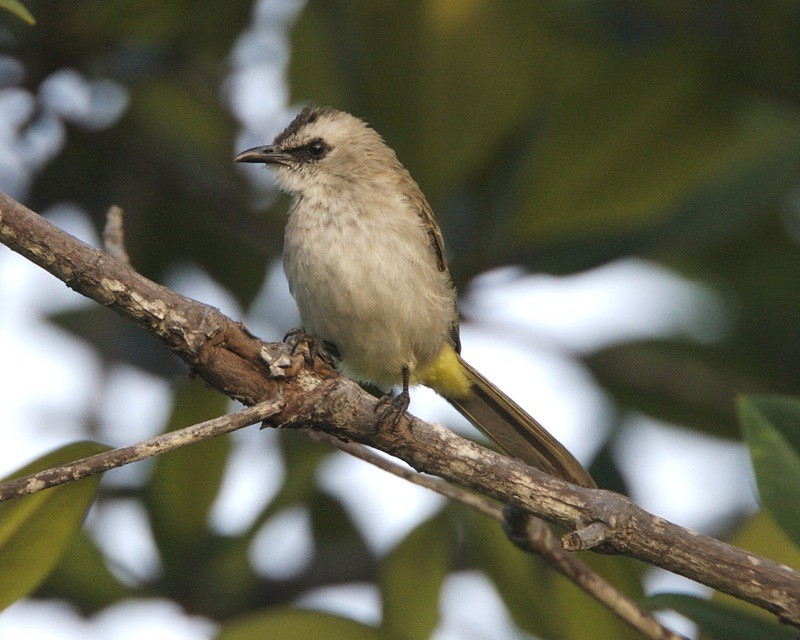
3. Yellow-vented Bulbul
The eyebrow buzz (Pycnonotus goiavier), is a common songbird from the family of the buulbuuls. The eyebrow bulge is found in large parts of Southeast Asia and the Indian Archipelago.
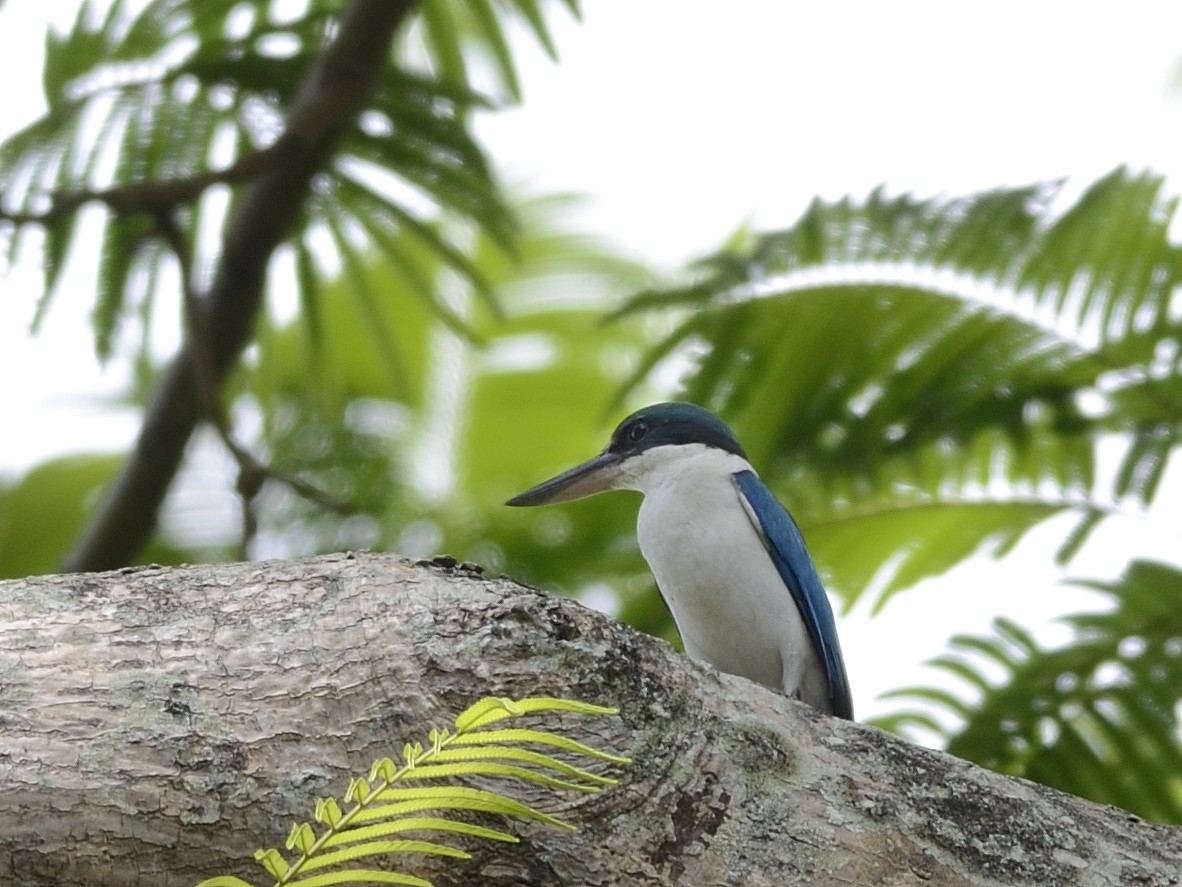
4. Collared Kingfisher
The collared kingfisher is 23 to 25 cm (9.1 to 9.8 in) long and the male weighs 51 to 90 g (1.8 to 3.2 oz), while the female weighs 54–100 g (1.9–3.5 oz). It varies from blue to green above while the underparts can be white or buff. There is a white collar around the neck, giving the bird its name. Some races have a white or buff stripe over the eye while others have a white spot between the eye and bill. There may be a black stripe through the eye. The large bill is black with a pale yellow base to the lower mandible. Females tend to be greener than the males. Immature birds are duller than the adults with dark scaly markings on the neck and breast. It has a variety of calls which vary geographically. The most typical call is a loud, harsh and metallic "kee-kee-kee" repeated several times.
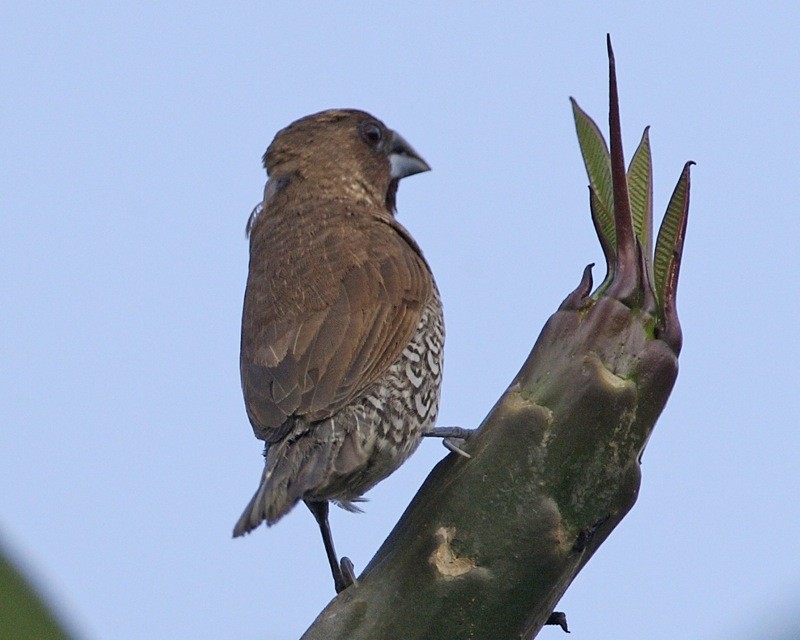
5. Scaly-breasted Munia
The scaly-breasted munia is about 11–12 centimetres (4.3–4.7 in) long and weighs 12–16 grams (0.026–0.035 lb). The adult has a stubby dark bill typical of grain eating birds, brown upperparts and a dark brown head. The underparts are white with dark scale markings. The sexes are similar, although males have darker markings on the underside and a darker throat than females. Immature birds have pale brown upperparts, lack the dark head found in adults, and have uniform buff underparts that can be confused with juveniles of other munia species such as the tricolored munia (Lonchura malacca) across the Asian and island populations and the black-throated munia (Lonchura kelaarti) in parts of India or Sri Lanka. Populations within their wide distribution range show variations in plumage color and size. Along with other Estrildines, these species are thought to have originated in Asia. The species has been introduced to other parts of the world due to its popularity as a cage bird and populations have established in the wild.
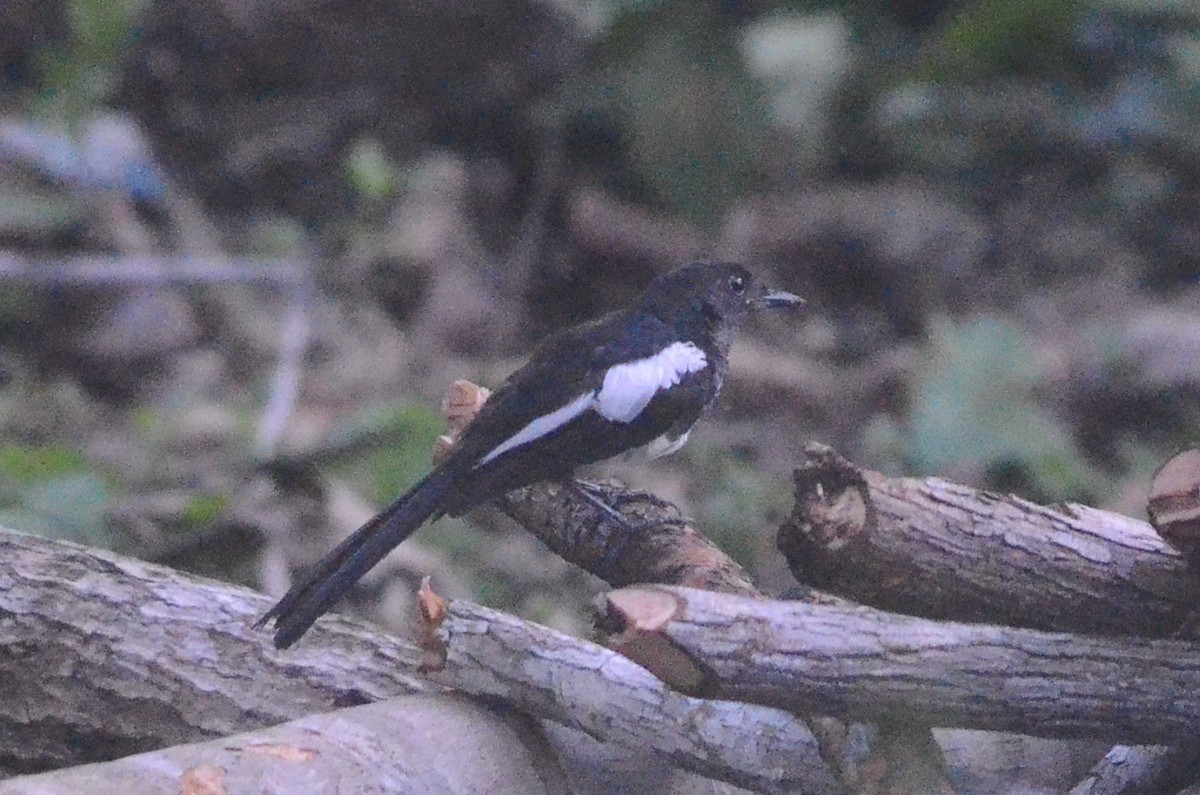
6. Philippine Magpie-robin
The Philippine magpie-robin (Copsychus mindanensis) is a species of bird in the family Muscicapidae. It is endemic to the Philippines. It used to be considered a subspecies of the Oriental magpie-robin. Its natural habitats are subtropical or tropical dry forests and subtropical or tropical moist lowland forests.
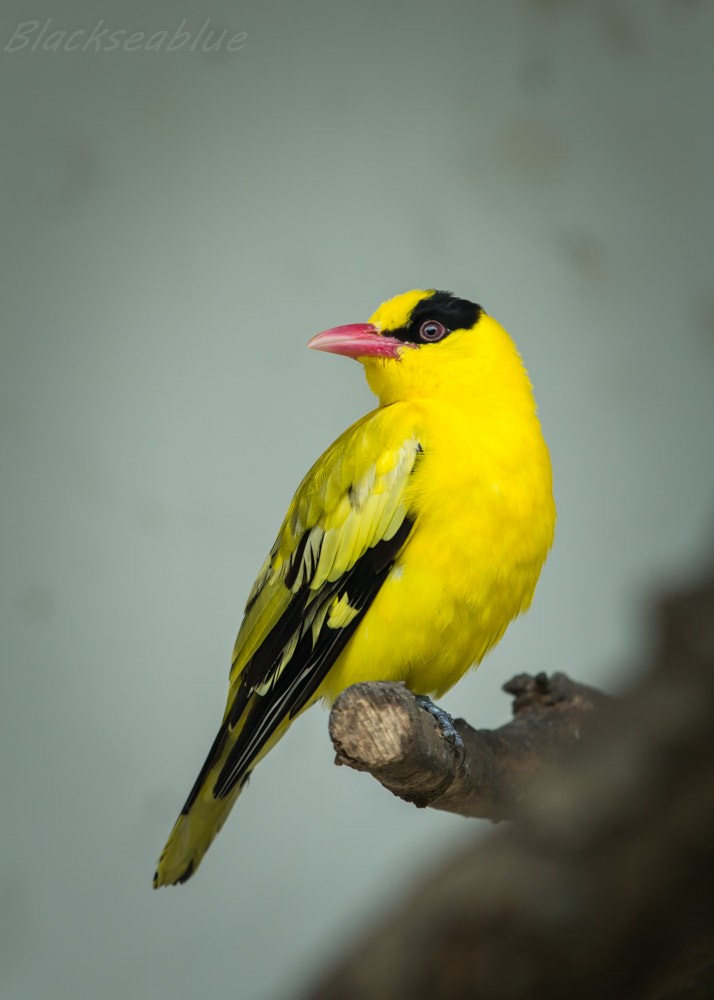
7. Black-naped Oriole
The black-naped oriole is medium-sized and overall golden with a strong pinkish bill and a broad black mask and nape. The adult male has the central tail feathers tipped yellow and the lateral ones are more broadly yellow. The female has the mantle colour more greenish or olive. The juvenile has a streaked underside. The nestling has dull greenish with brown streaks. The head and nape are more yellowish and the undertail coverts are yellow. Several variations exist in the populations that have been separated as subspecies. The subspecies in the Andamans, O. c. andamanensis has all black wings while O. c. macrourus of the Nicobars has a very broad nape band so that only the top of the head is yellow. The wings are all black with a yellow primary covert patch. The calls of the Andaman and the Nicobar subspecies are said to be quite different, the latter having a more modulated call note. In the Southeast Asian populations some geographic trends include a reduction of yellow on the forehead and a decreased brightness in the yellow plumage from north to south. Females from southern populations are more greenish on the back and tail and there are no yellow spots on the tips of the secondaries as in northern populations. The usual call is a nasal niee or myaa and the song (diffusus) is a fluty iwee wee wee-leeow. They have a dipping flight.
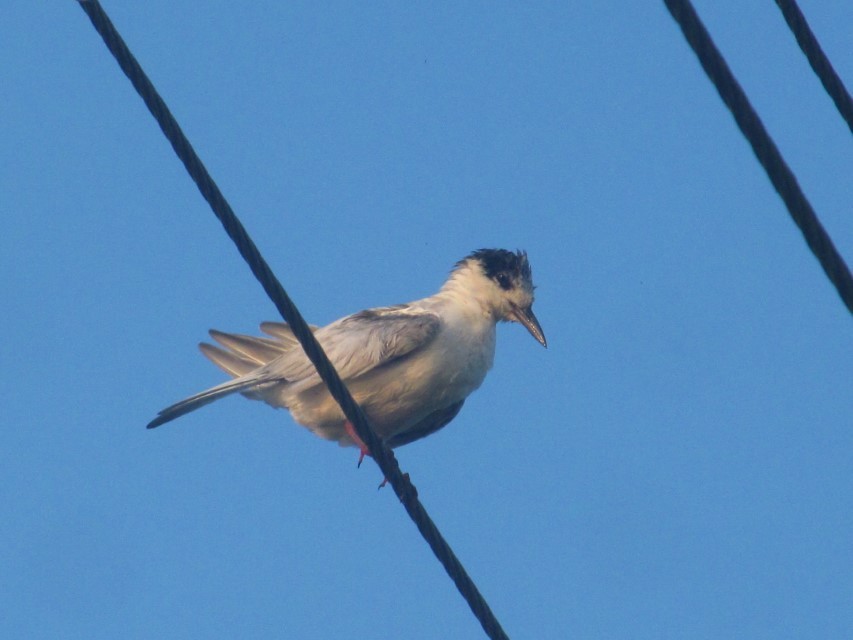
8. Whiskered Tern
The size, black cap, strong bill (29–34 mm in males, 25–27 mm and stubbier in females, with a pronounced gonys) and more positive flight recall common or Arctic tern, but the short, forked-looking tail and dark grey breeding plumage above and below are typically marsh tern characteristics. The summer adult has white cheeks and red legs and bill. The crown is flecked with white in the juvenile, and the hindcrown is more uniformly blackish, though in the winter adult this too is flecked with white. The black ear-coverts are joined to the black of the hindcrown, and the space above is mottled with white, causing the black to appear as a C-shaped band. The sides of the neck are white; this sometimes continues across the nape. The collar is less sharply defined. All through the year the rump is pale grey. In the juvenile, the mantle (279 mm) has a variegated pattern. The feathers of the back and scapulars are dark brown, with prominent broad buff edgings and often subterminal buff bars or centers. There is usually an admixture of new gray feathers, especially on the mantle, quite early in the fall. The mantle is silvery-gray in the adult. The call is a characteristic krekk. In winter, the forehead becomes white and the body plumage a much paler grey. Juvenile whiskered terns have a ginger scaly back, and otherwise look much like winter adults. The first winter plumage is intermediate between juvenile and adult winter, with patchy ginger on the back. The whiskered tern eats small fish, amphibians, insects and crustaceans.
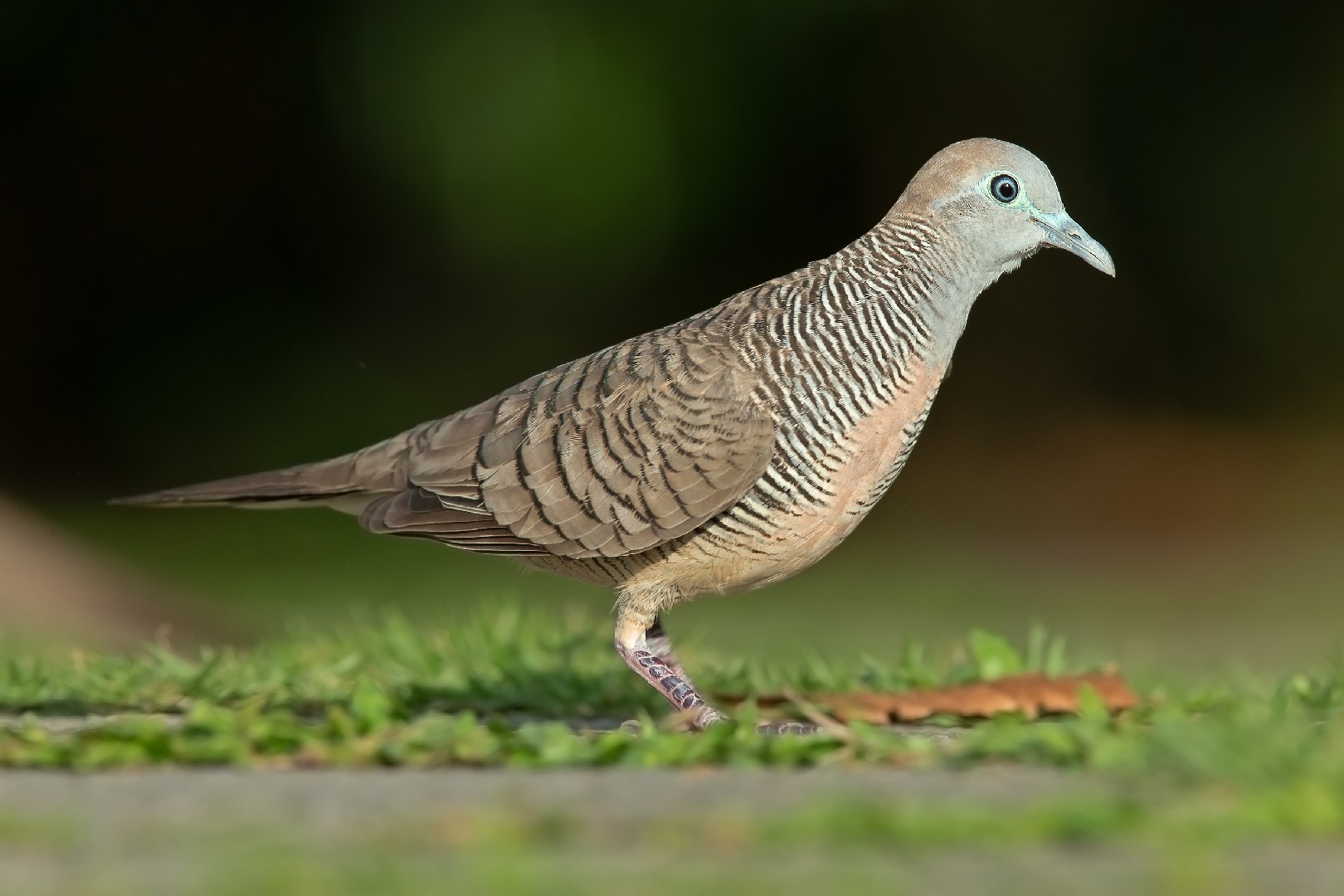
9. Zebra Dove
The zebra Dove is a small dove found in dense forests, open fields, farmlands, and similar suburban areas. Unlike other dove species, this ground-dwelling bird likes to forage alone or in pairs, but not in large groups. The call of this slender dove is often described as very pleasant. Very common in urban areas, they are quite comfortable around humans.
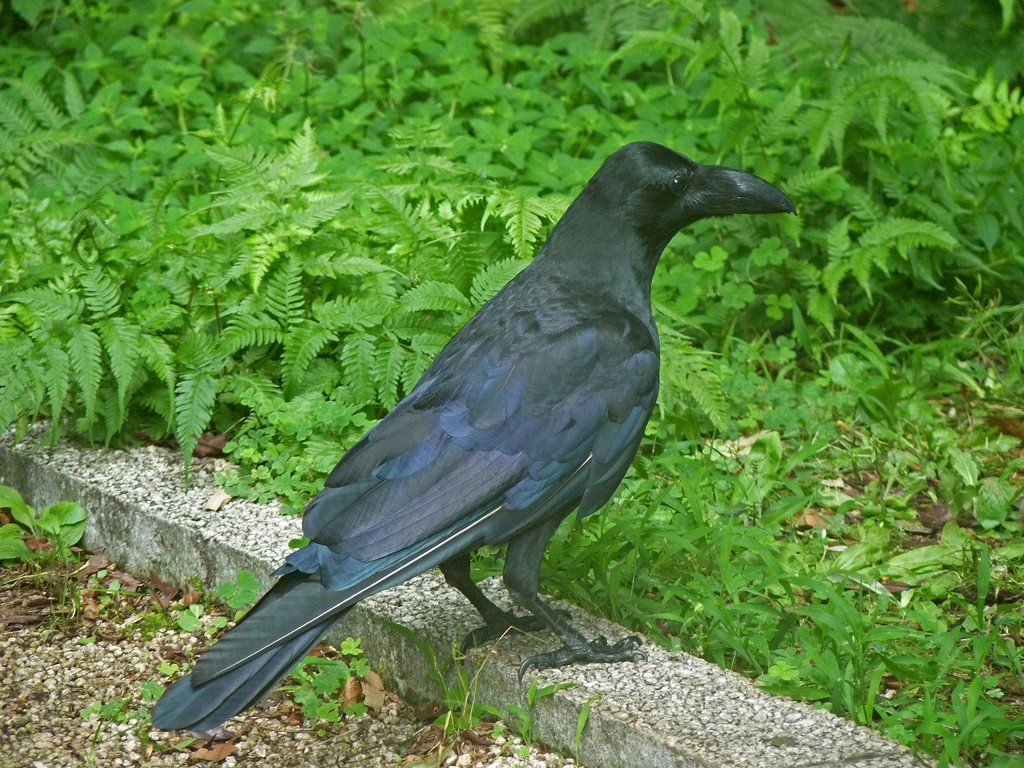
10. Large-billed Crow
The overall size (length: 46–59 cm; 18–23 in.) and body proportions vary regionally. In the far northeast in Japan, the Kuriles and the Sakhalin peninsula, it is somewhat larger than the carrion crow. All taxa have a relatively long bill with the upper one quite thick and arched, making it look heavy and almost raven-like. Generally, all taxa have dark greyish plumage from the back of the head, neck, shoulders and lower body. Their wings, tail, face, and throat are glossy black. The depth of the grey shading varies across its range.
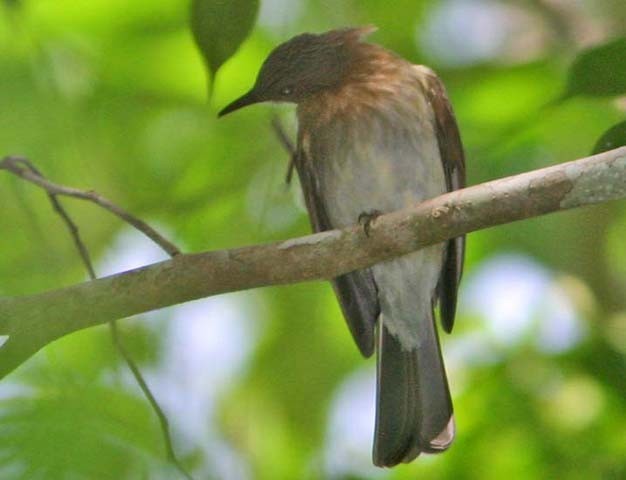
11. Philippine Bulbul
The Philippine bulbul (Hypsipetes philippinus) is a songbird species in the bulbul family, Pycnonotidae. It is endemic to the Philippines. Its natural habitats are subtropical or tropical moist lowland forest and subtropical or tropical moist montane forest; on Mount Kitanglad on Mindanao for example it is abundant in any kind of primary forest at least between 500 and 2,250 m ASL.
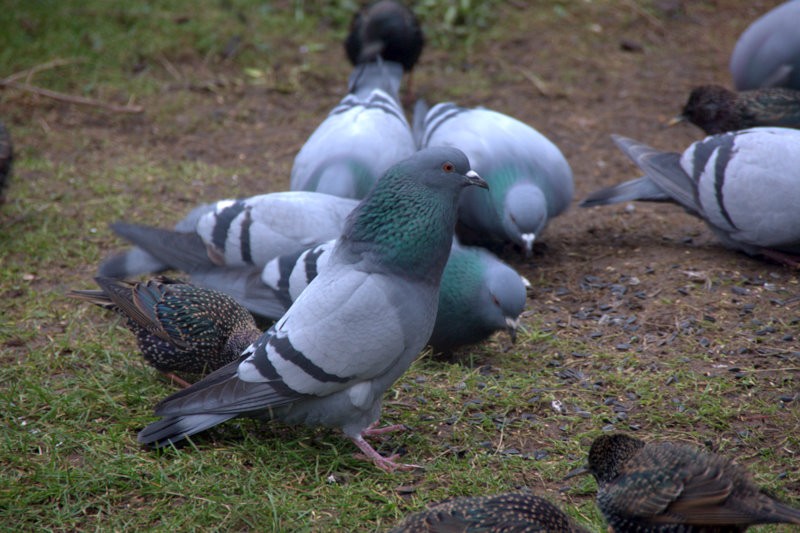
12. Rock Pigeon
The rock Pigeon is a wild ancestor of all domestic and feral pigeons, inhabiting coasts, cliffs, and caves. Pairs nest in rock crevices, often mating for life. They are known for their ability to fly very long distances to return to their homes, navigating using the sun's position and the earth's magnetic fields. Thanks to this ability, pigeons were used as messengers, particularly during World Wars I and II.
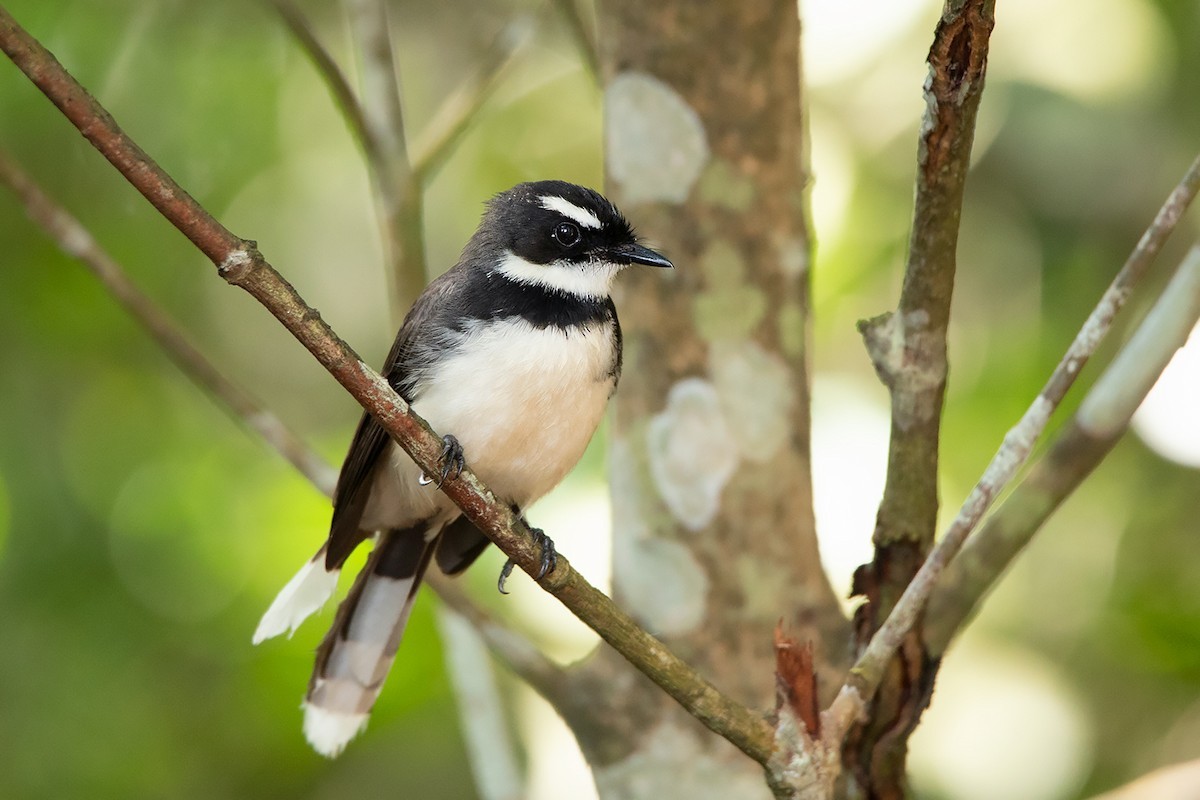
13. Philippine Pied Fantail
The Philippine pied fantail (Rhipidura nigritorquis) is a species of bird in the family Rhipiduridae. It was formerly considered conspecific with the Malaysian pied fantail. Its natural habitat is subtropical or tropical moist lowland forests.
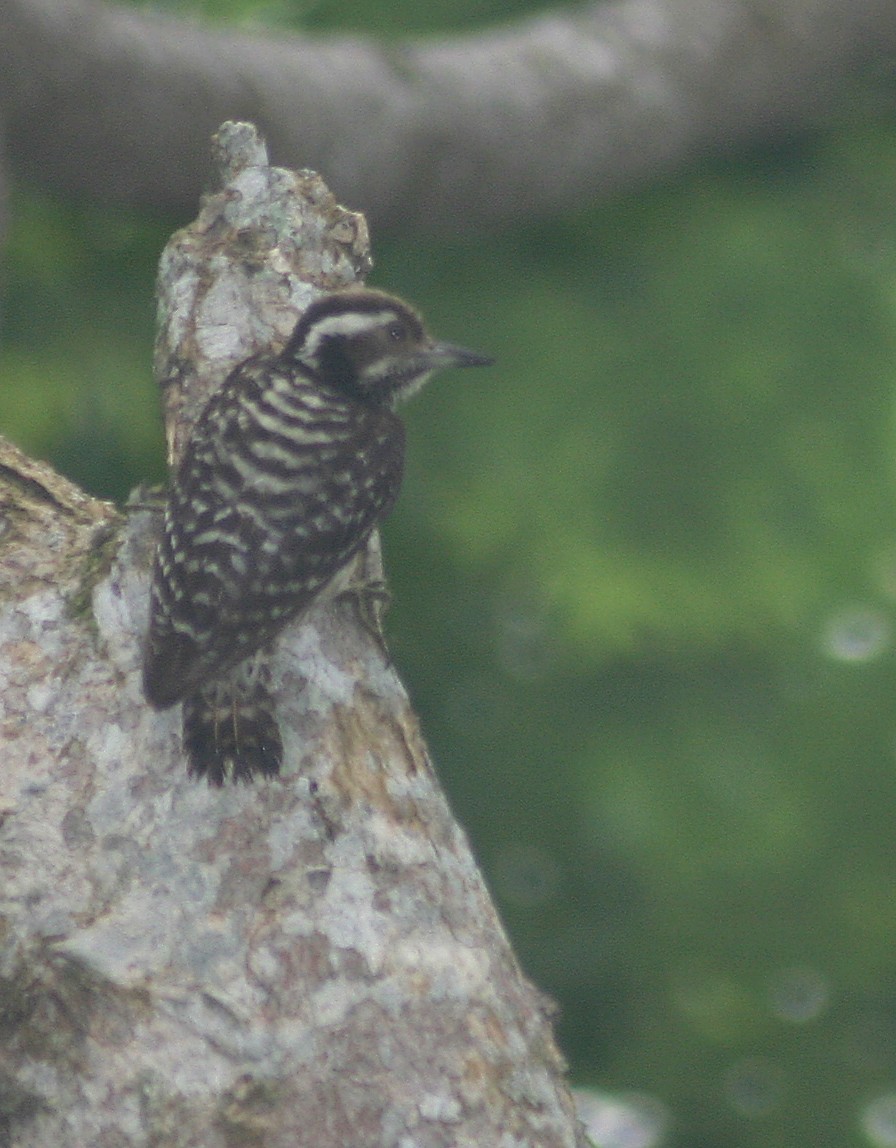
14. Philippine Pygmy Woodpecker
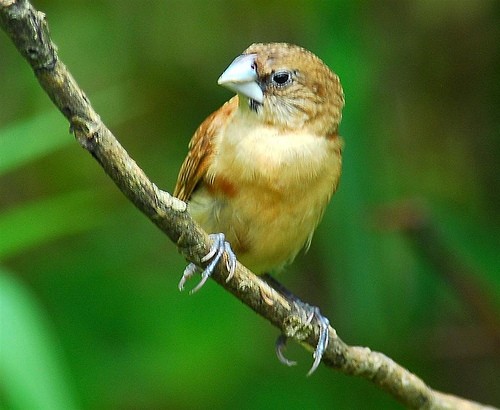
15. Chestnut Munia
The chestnut munia or black-headed munia (Lonchura atricapilla) is a small passerine. It was formerly considered conspecific with the closely related tricoloured munia, but is now widely recognized as a separate species. This estrildid finch is a resident breeding bird in Bangladesh, Brunei, Cambodia, China, India, Indonesia, Laos, Malaysia, Burma, Nepal, the Philippines, Singapore, Taiwan, Thailand, Vietnam and Hawaii. It also has been introduced to all the Greater Antilles and Martinique in the Caribbean. Before 1995, it was the national bird of the Philippines, where it is known as mayang pula ("red maya") because of its brick red patch on the lower back which is visible only when it flies. (This distinguishes it from other birds locally called maya, notably the predominantly brownish "mayang simbahan" (tree sparrow) which is more common in urban areas.)
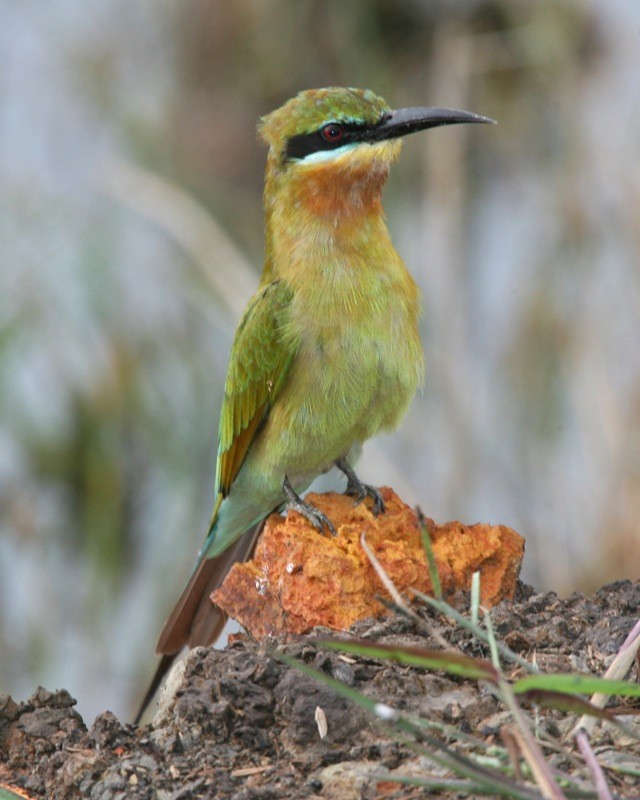
16. Blue-tailed Bee-eater
This species, like other bee-eaters, is a richly coloured, slender bird. It is predominantly green; its face has a narrow blue patch with a black eye stripe, and a yellow and brown throat; the tail is blue and the beak is black. The three outer toes are united around their bases. It can reach a length of 23–26 cm, including the two elongated central tail feathers which can jut two inches more than the remaining ten feathers. Sexes are alike. This species is usually found near water and like other bee-eaters it predominantly eats flying insects, especially bees (as large as the Xylocopa sp.), wasps and hornets, which are caught in the air by sorties from an open perch. They may also forage in flight over estuaries, backwaters and even over the sea but not far from the coast. This species probably takes bees and dragonflies in roughly equal numbers. The insects that are caught are beaten on the perch to kill and break the exoskeleton. This habit is seen in many other members of the order Coraciiformes. They call mainly in flight with a rolling chirping whistling teerp. The only confusable species within its range is the blue-cheeked bee-eater which however tends to be found in drier areas. The blue-tailed differs in having the rump and tail blue rather than green and black. The undertail feathers are bluish rather than green in the blue-cheeked. The blue cheek patch is much smaller while the chestnut on the throat and breast darker and covering a larger area. They breed in April to May in India nesting colonially with closely placed nest holes in a vertical mudbank or even burrowing into gently sloping land. They tend to choose sandy and sandy clay loams but avoid heavier clay loams. They also prefer clear mud banks without any vegetation cover. In Sri Lanka, they have been noted to breed in artificial sand dunes created by dredging of sea sand. The nest tunnel can run nearly 2 metres deep. About 5 to 7 near spherical eggs are laid. Both the male and the female take care of the eggs. The parents guard the nest to prevent intraspecific brood parasitism and extra pair copulation. These birds also feed and roost communally. One or two helpers may join the breeding pair after incubation begins. Although males and females appear similar to the human eye, males tend to have longer central tail feather extensions and UV reflectance studies demonstrate that healthy males had darker chestnut throats and brighter green body plumage while females showed brighter blue rumps and yellow chins.
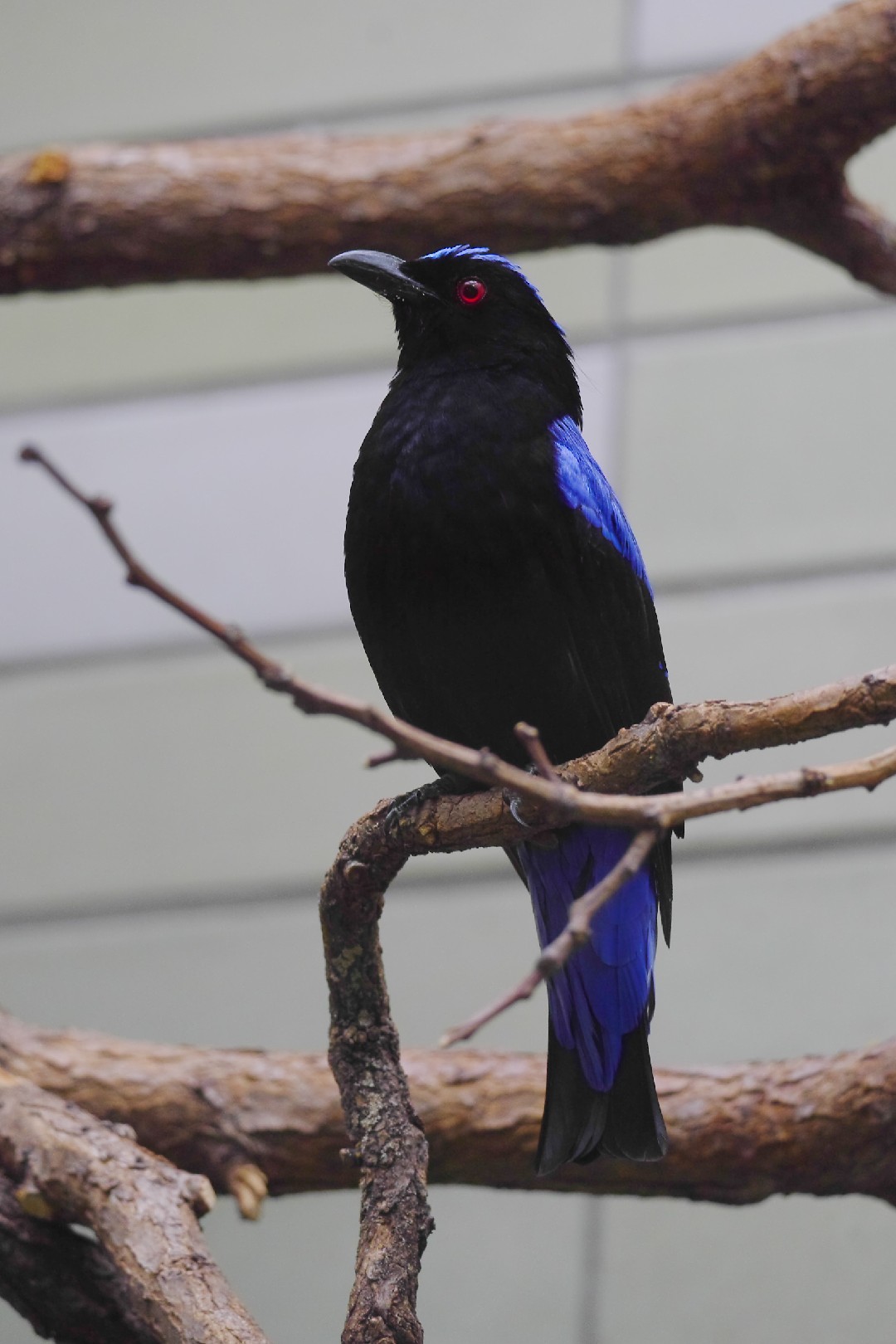
17. Asian Glossy Starling
The Malayan purple starling (Aplonis panayensis) is a starling species from the Indian Subcontinent and the Indian Archipelago. It is a common bird that sometimes occurs en masse in cities. The bird is one of the noisiest bird species.