




Top 20 Most Common Bird in Azores
The lush, volcanic landscape of Azores boasts a diverse range of habitats, making it a haven for many bird species. The 20 most common species exhibit remarkable adaptations and behaviors. From the vibrantly plumed grey herons with their communal nesting, to the chaffinches renowned for their beautiful songs, each species contributes uniquely to Azores's rich biodiversity.

Most Common Bird
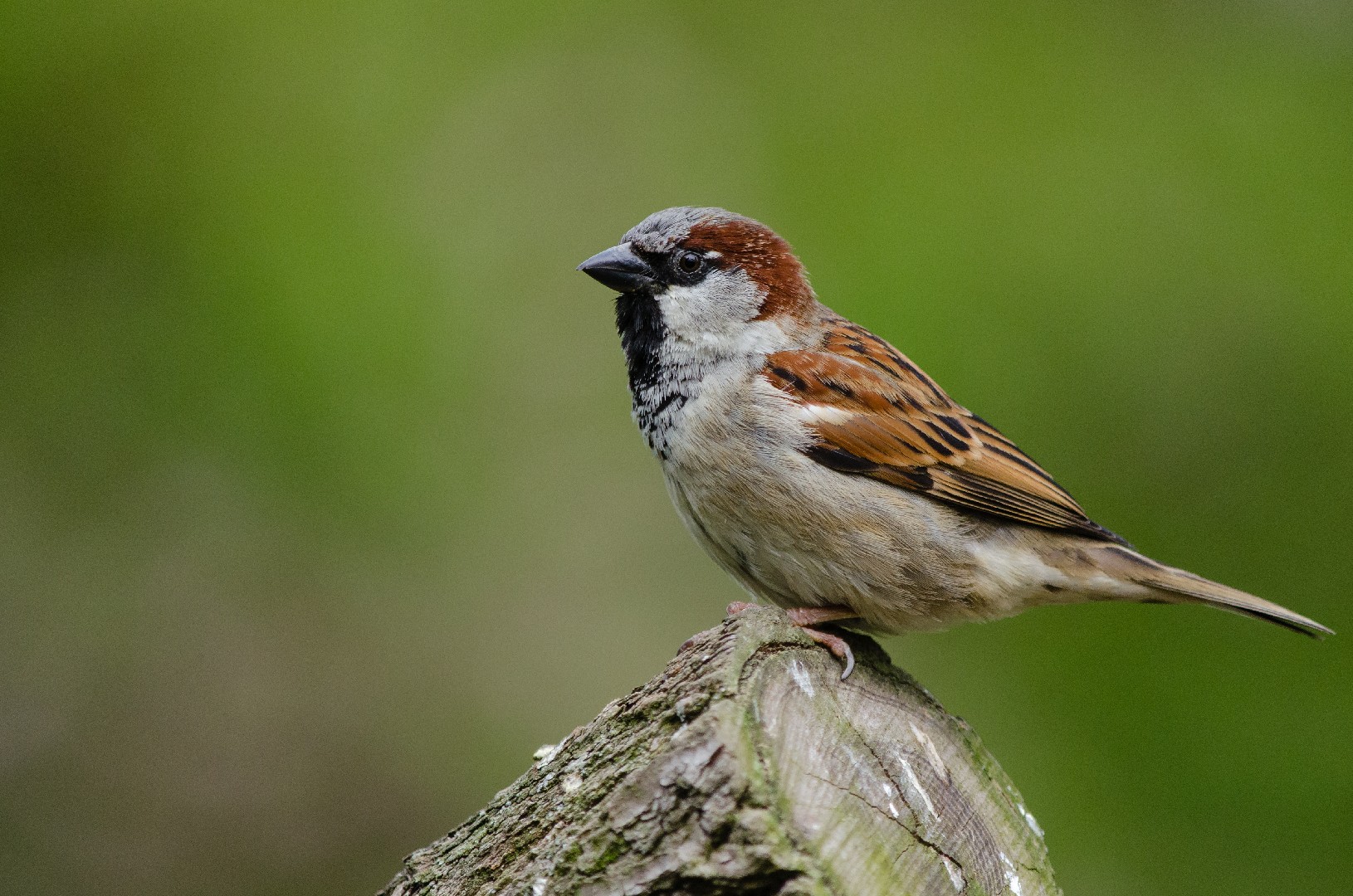
1. House Sparrow
Just as its name implies, the little house Sparrow socializes with humans more than any other bird species. Able to adapt and thrive in almost any habitat, excluding the extremes such as deserts and mountain peaks, this species was once restricted only to North Africa and Eurasia but now is found across the globe. Unfortunately, this opportunistic eater is not completely harmless—it can cause considerable damage to crops.
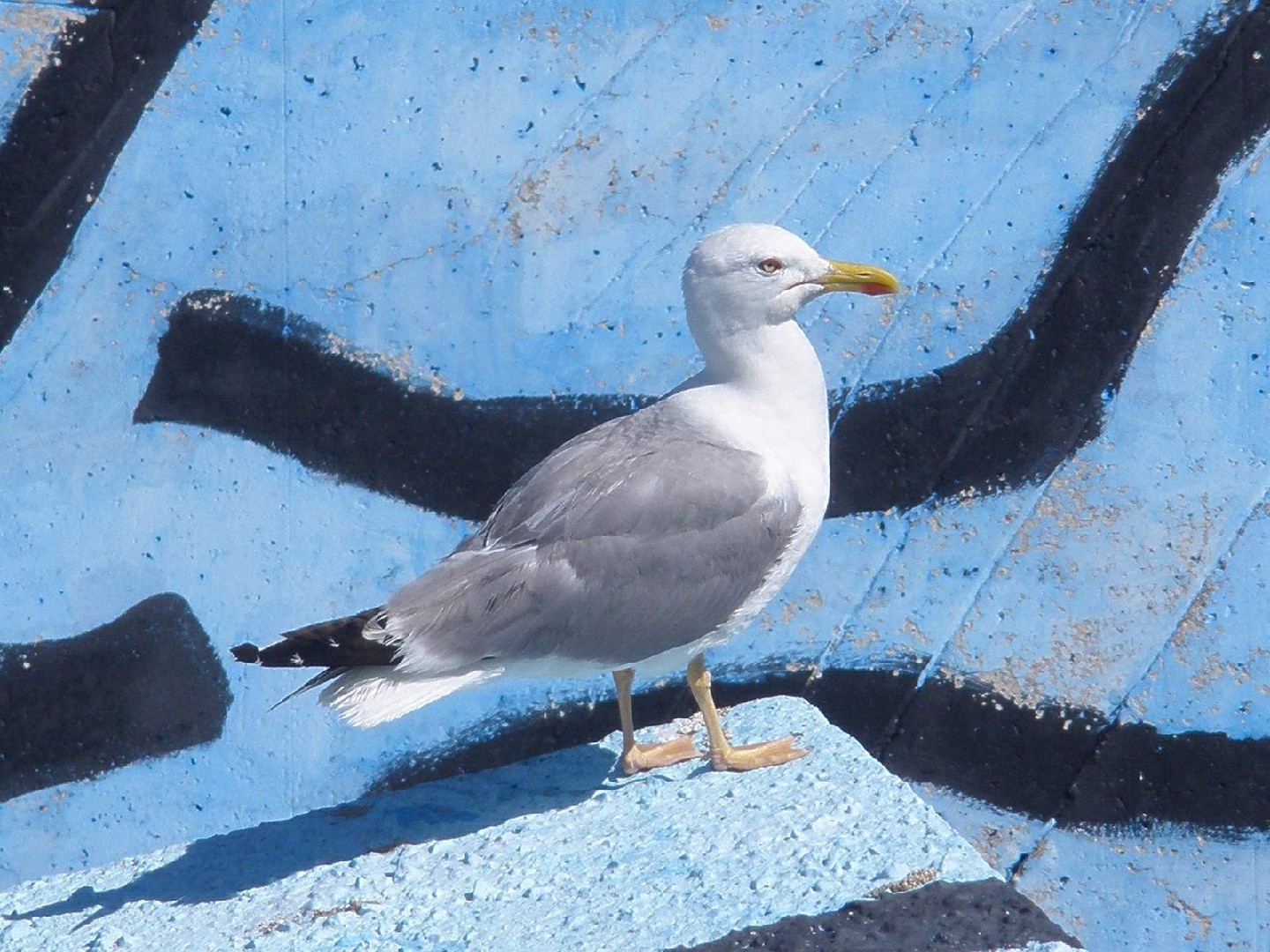
2. Yellow-legged Gull
Yellow-legged Gull is a large seagull that can be found along coastal regions of the Mediterranean Sea and the Atlantic Ocean. It has a distinctive yellow coloration on its legs and beak, giving it its name. It is an opportunistic feeder, and known to be very territorial. Some populations of Yellow-legged Gulls are migratory, traveling long distances to breed during the summer months. 
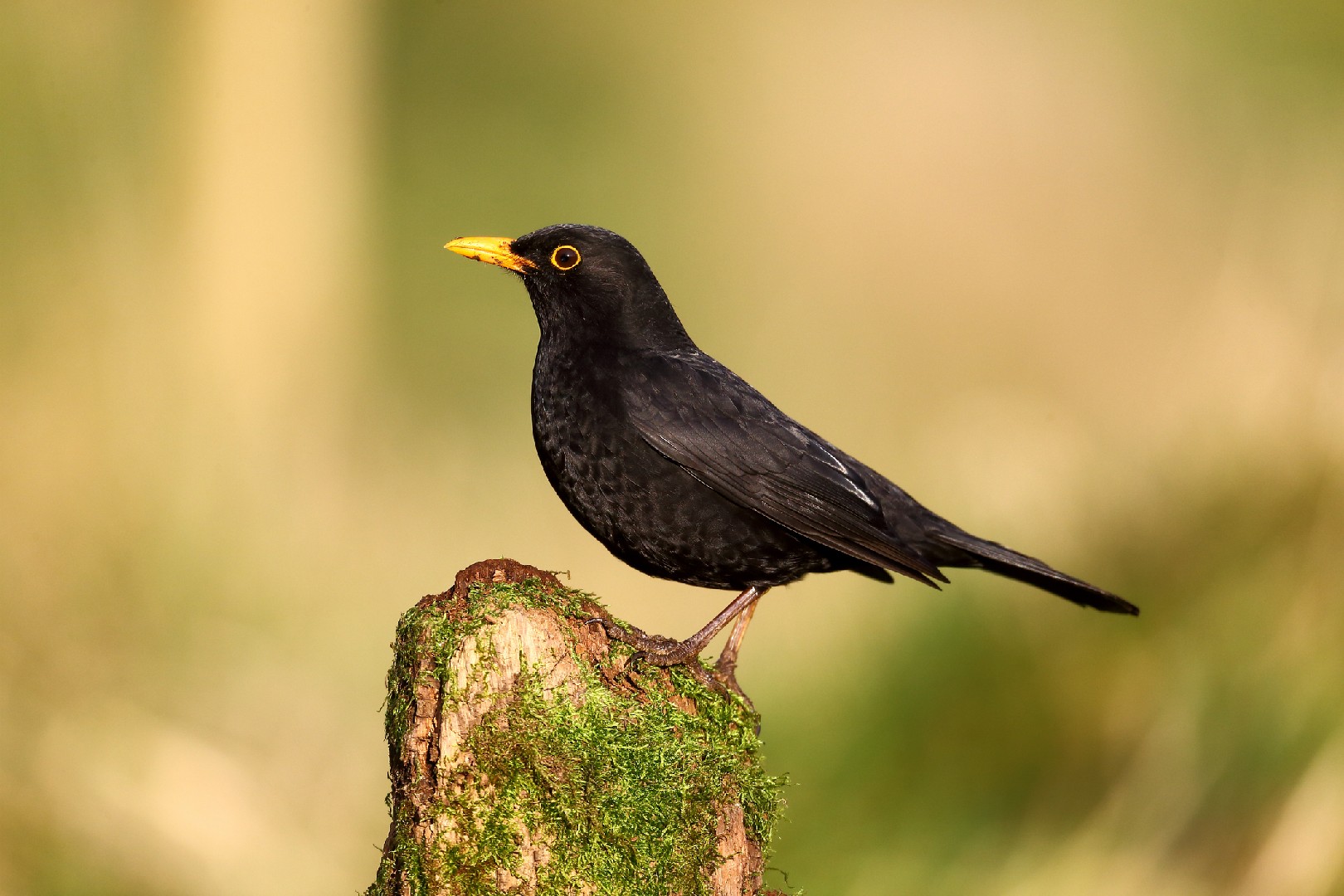
3. Eurasian Blackbird
Unafraid of humans, the dark-winged eurasian Blackbird has gained a great deal of cultural significance, mentioned in popular nursery rhymes and songs across the world. Elegant and with an appealing song, they can be aggressive when they are in their breeding period.
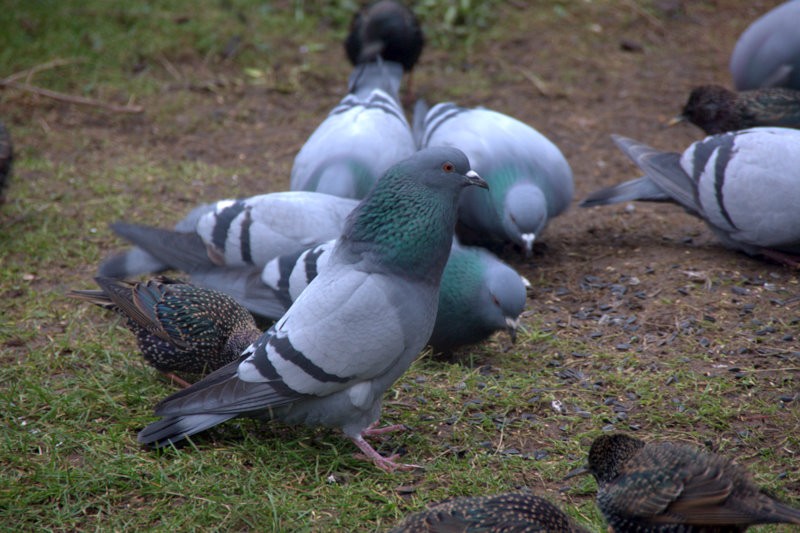
4. Rock Pigeon
The rock Pigeon is a wild ancestor of all domestic and feral pigeons, inhabiting coasts, cliffs, and caves. Pairs nest in rock crevices, often mating for life. They are known for their ability to fly very long distances to return to their homes, navigating using the sun's position and the earth's magnetic fields. Thanks to this ability, pigeons were used as messengers, particularly during World Wars I and II.
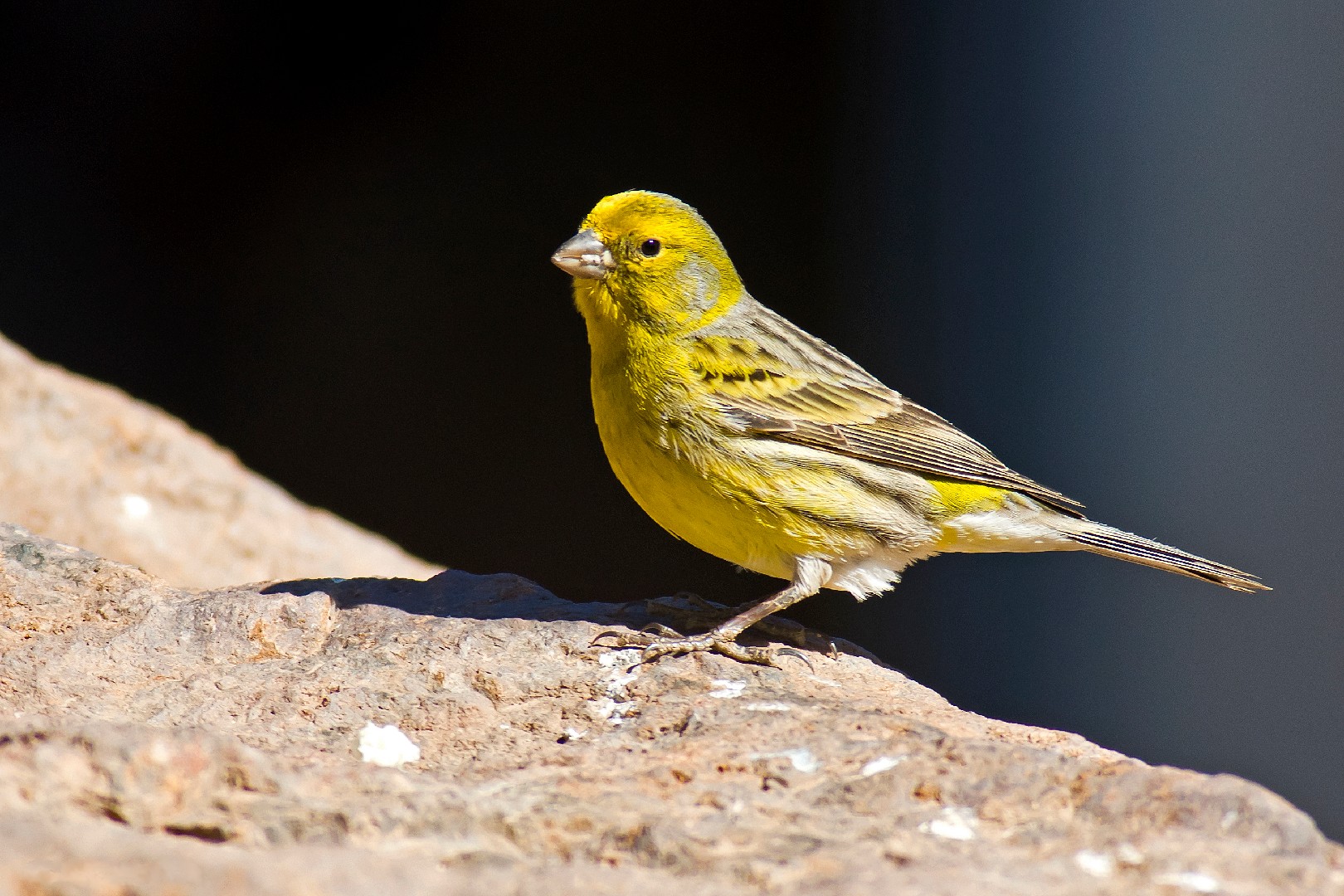
5. Island Canary
The bright yellow island Canary, named after its wild home on the Canary Islands, is one of the most popular caged birds to be kept as a pet. Its song has a melodious, liquidy sound. Some of these birds have curly plumage. Wild birds make their nests out of a combination of moss, cobwebs and straw.
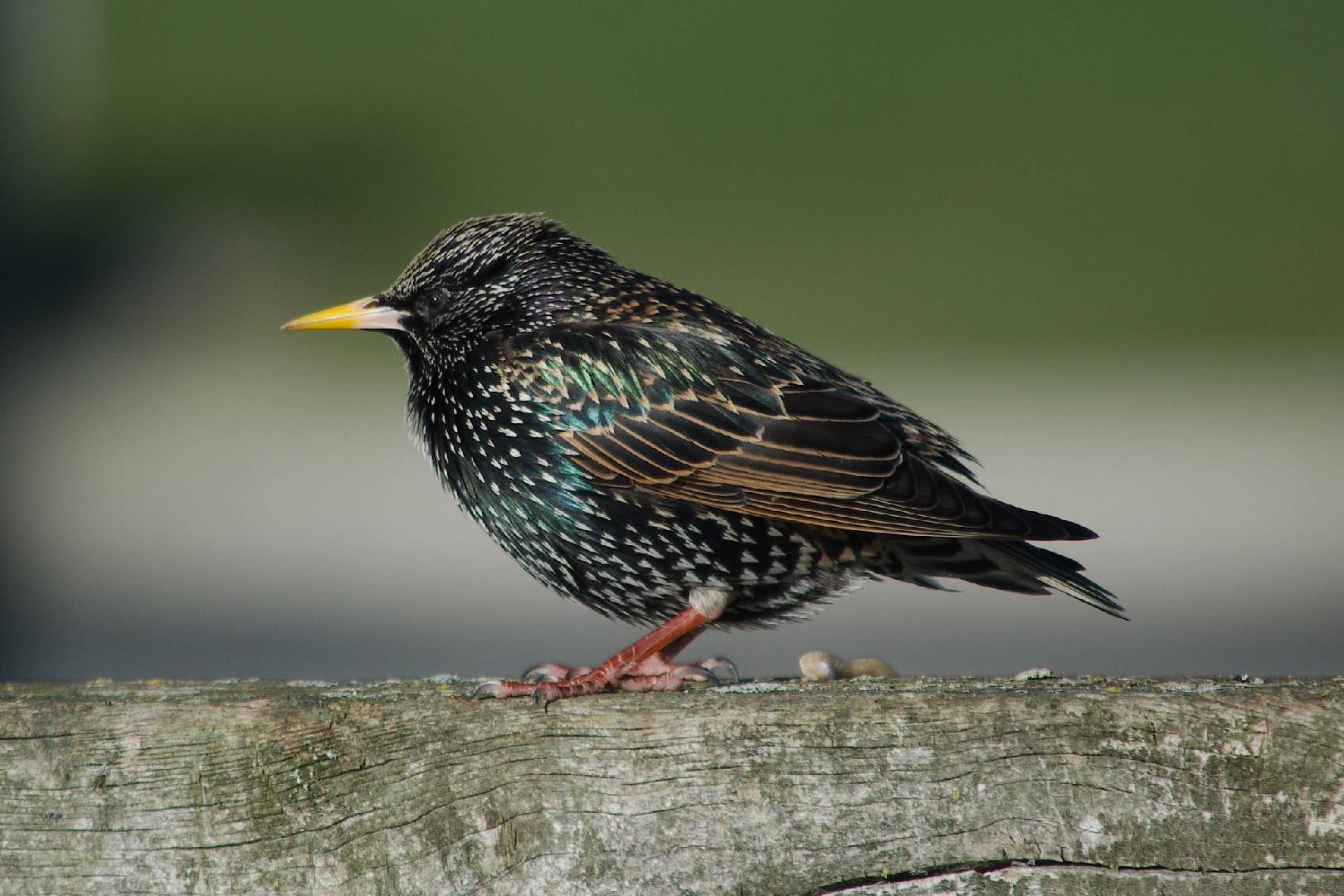
6. European Starling
The european Starling, a large, hardy songbird, is one of the most commonly seen bird species in North America. Originally from Europe, this species was brought to the U.S. in the 1890s by enthusiasts of William Shakespeare, who had the unique goal of bringing over every single species of bird that was mentioned in Shakespeare's collective works. Unfortunately, the european Starling, being an adaptable, generalist species, spread invasively across the continent, hurting many native species' populations in the process.
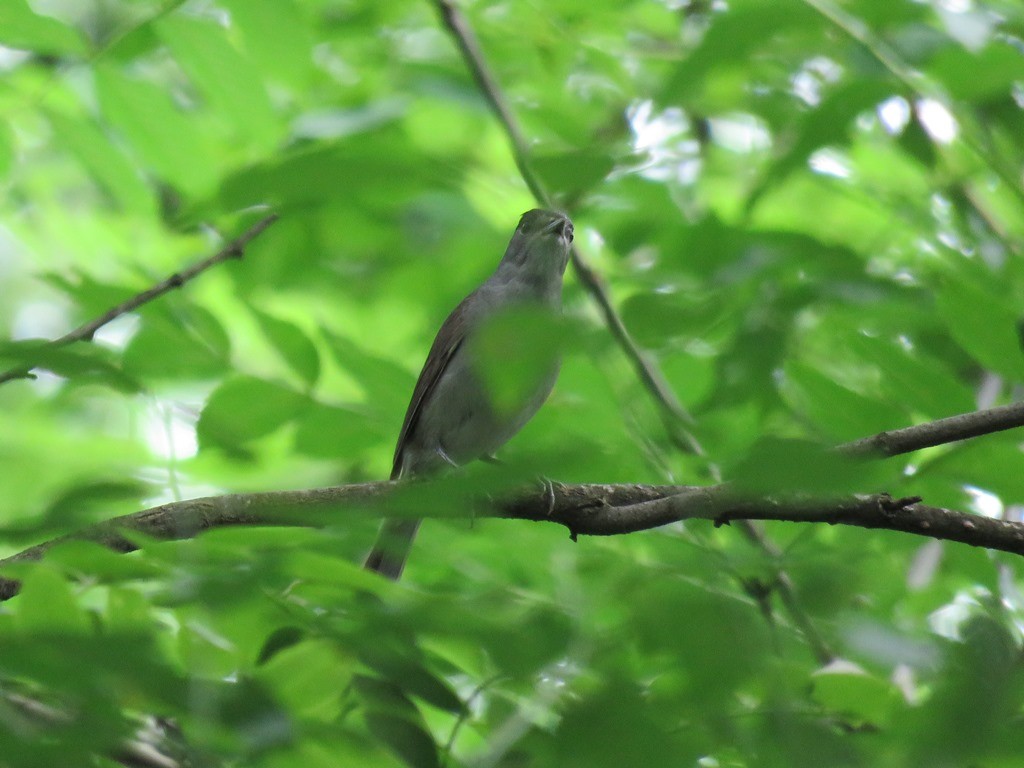
7. Eurasian Blackcap
Eurasian Blackcap is a small bird known for its melodic song and distinctive black cap, and is found in gardens, woodlands, and hedgerows. Its diet consists mainly of insects, fruits, and berries. It is a pleasure to watch and listen to in the wild, and often sings from the top of bushes and trees during the breeding season.
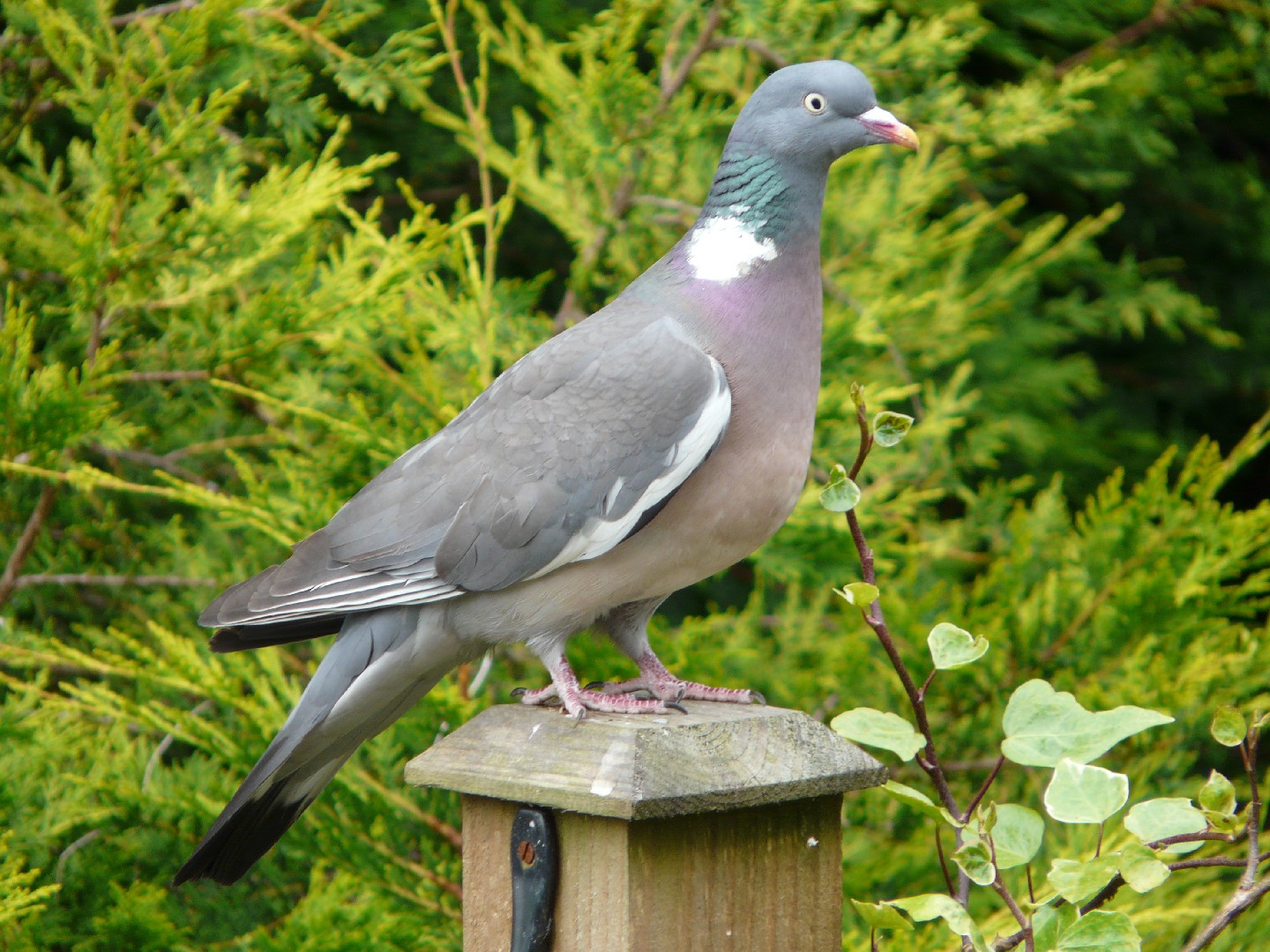
8. Common Wood Pigeon
Although primarily found in woods, the common Wood Pigeon is a large and bulky pigeon that is often seen in towns and cities. Those who inhabit urban areas are quite tame, approachable, and comfortable around humans. This pigeon is a popular game bird, particularly during its migration journeys. Its distinctive call can be heard year-round, particularly at dawn. This ground-dwelling bird gathers in large flocks that feed together.
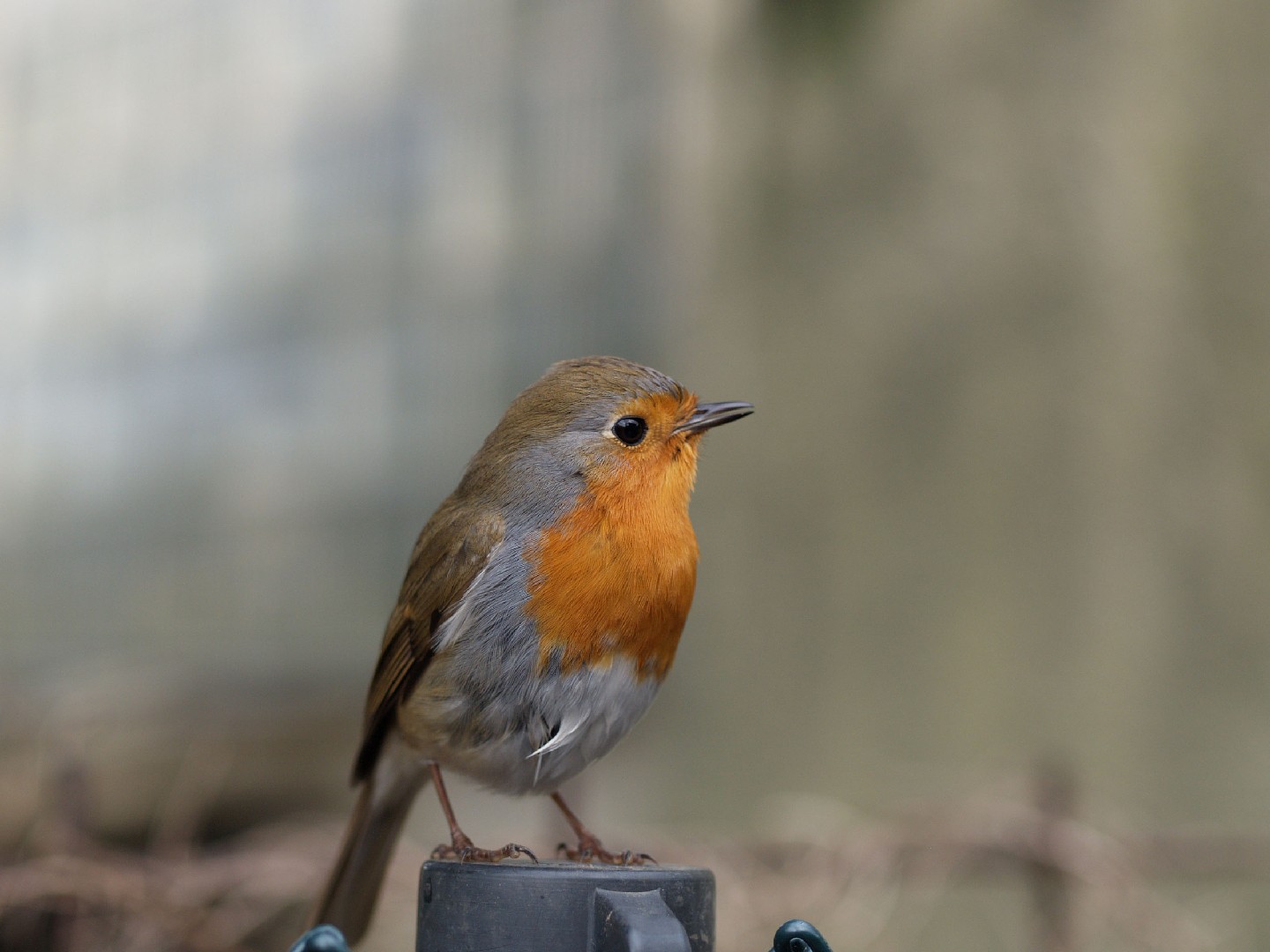
9. European Robin
The european Robin is an aggressive bird that is commonly found throughout farmlands, woodlands, and suburban communities. These birds are mainly helpful insectivores for gardeners, but will also eat various seeds and fruits. The european Robin is used on British Christmas cards to represent postmen from the Victorian era who used to wear red waistcoats while delivering holiday cards.
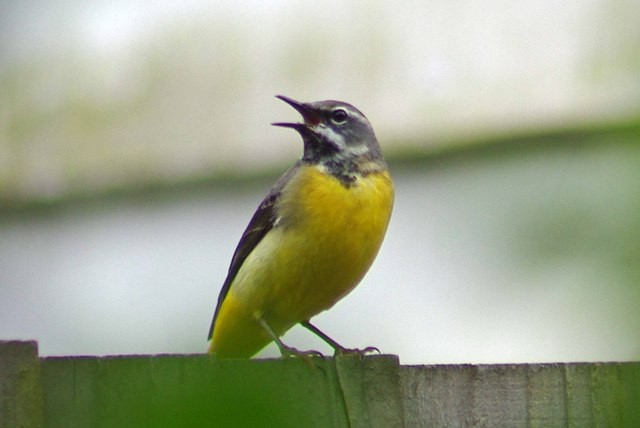
10. Grey Wagtail
A longtail songbird, the grey Wagtail can be vocal whether it is on the ground or in flight. The bird is often seen near running water with a rocky habitat close by. It shares a common characteristic with other birds in the genus. It frequently wags its tail feathers and flies low to the ground.
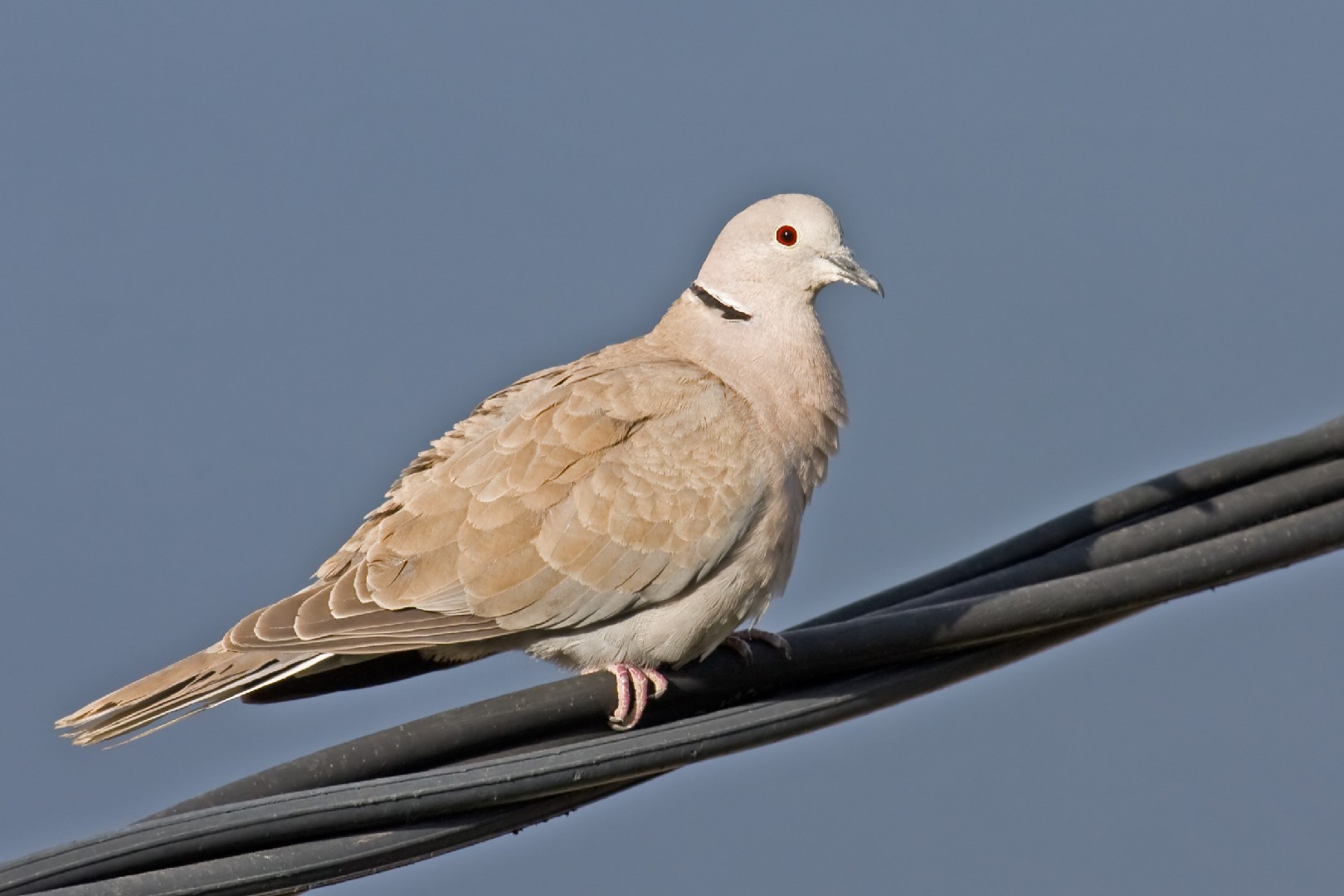
11. Eurasian Collared-dove
This plump, pretty dove with a square-tipped tail is known for bobbing its head and flicking its tail while walking. Though nice to look at, many people are not pleased at the sight of a eurasian Collared-dove walking along. In North America they are considered an invasive species, and one that carries a disease-creating parasite that can spread to native dove populations through birdbaths, feeders, or even through hawks preying on them.
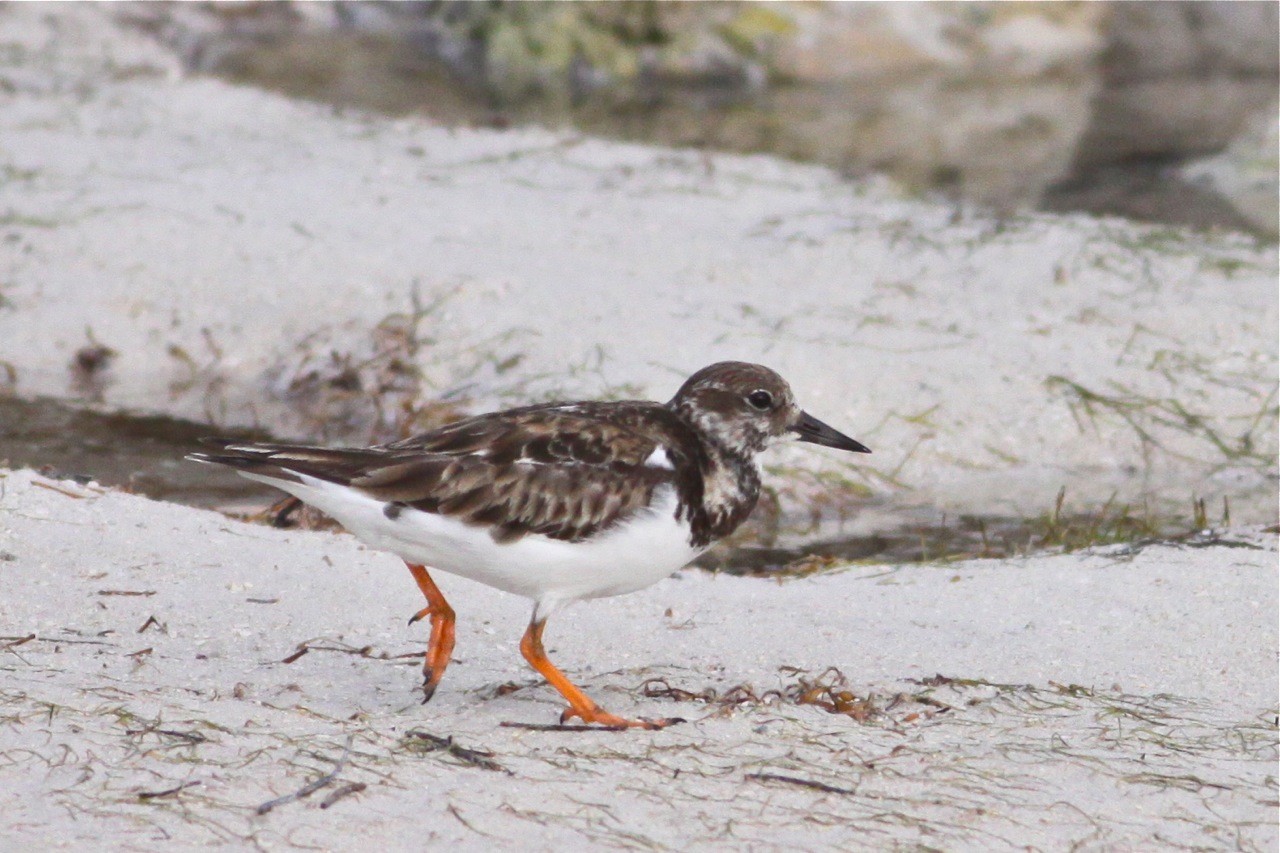
12. Ruddy Turnstone
A small shorebird, the ruddy Turnstone has a unique foraging method. The bird uses its short beak to flip over shells, rocks, and other debris as it searches for invertebrates. It is a common bird on coastlines throughout the world but prefers rocky shorelines. It’s not uncommon for it to mix with other types of shorebirds, but its rattling cry makes it easily identifiable.
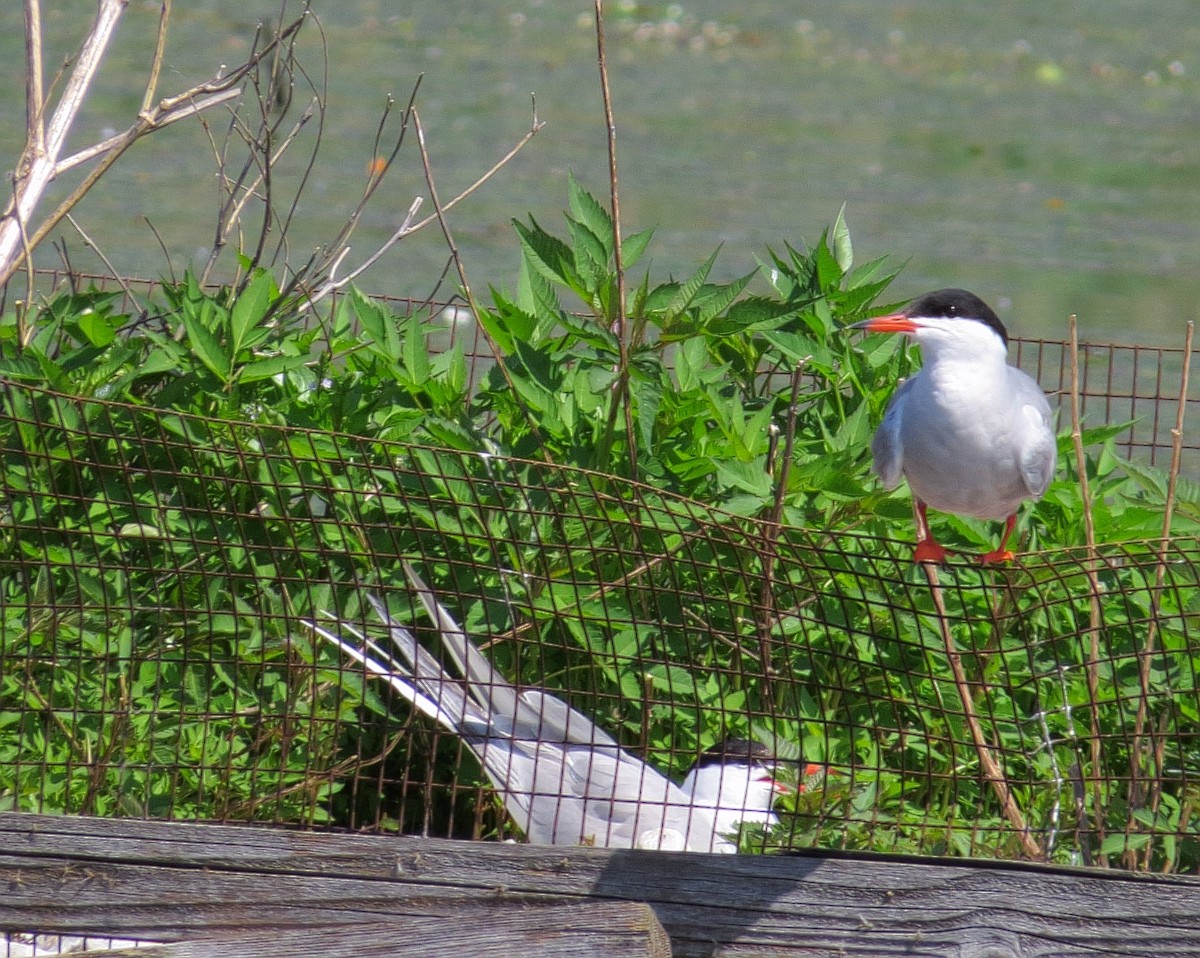
13. Common Tern
A medium-sized tern with attractive coloring, the common Tern is often seen around lakes, beaches, and open ocean areas. It can drink both fresh and saltwater due to its nasal glands. In the summer, the bird joins large flocks for nesting and foraging. While bird feeders rarely attract the birds, creating a suitable nesting place can bring in pairs of the terns.
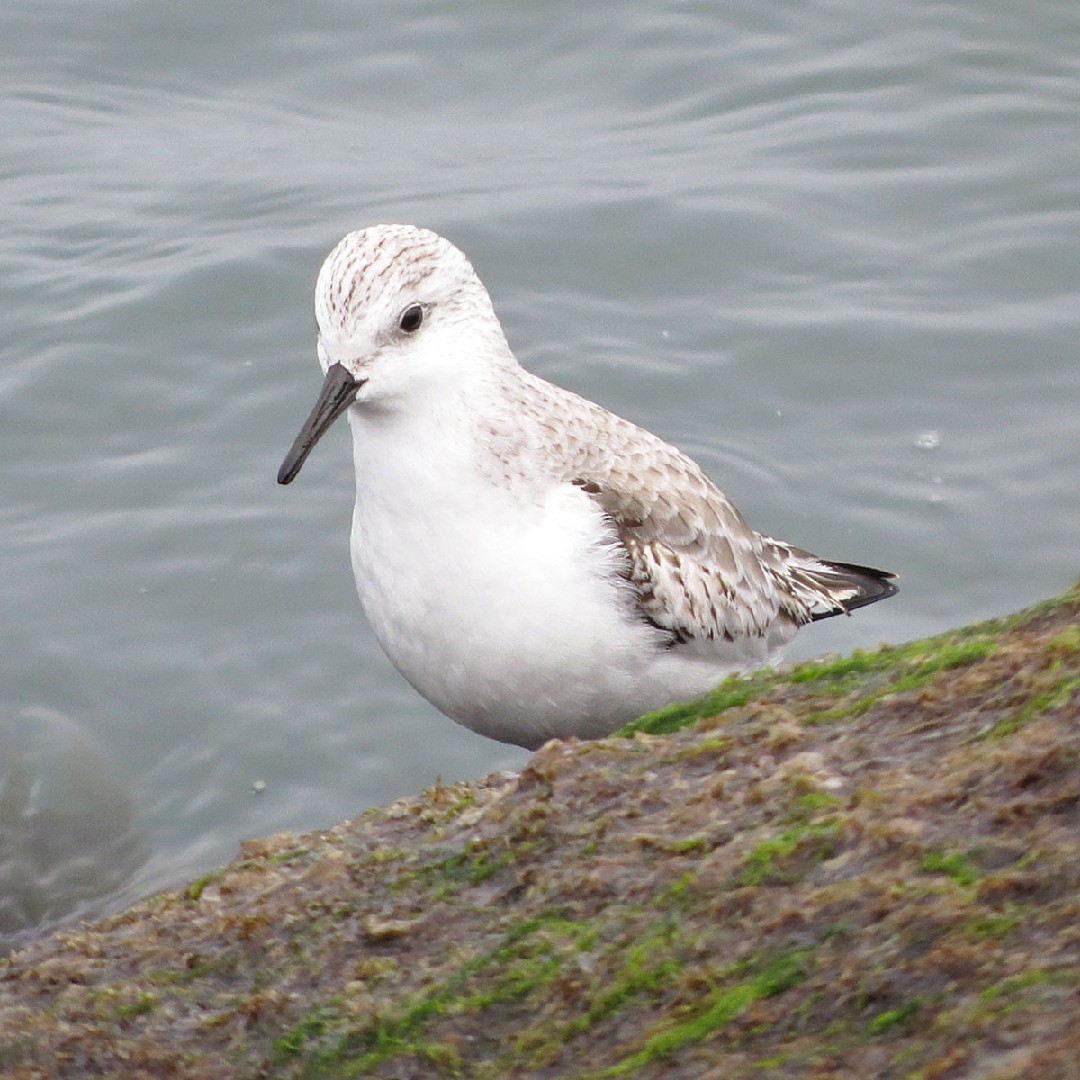
14. Sanderling
A small, fast-moving, wading bird, the sanderling can be spotted scuttling repeatedly down the shore, picking up food exposed by the retreating waves. Probably the most famous shorebird in the world, it's a long-distance migrant that travels halfway around the globe to its wintering site. It breeds in coastal tundra of High Arctic areas. Due to the pollution of the sea and shore, many populations have declined.

15. Common Chaffinch
The common Chaffinch has a varied diet, mainly feeding on seeds and berries, but also eating insects, allowing it to thrive in different habitats. The Common Chaffinch is also known for its melodic song, with the males being particularly vocal during the breeding season. Their songs can often be heard in the spring and early summer.
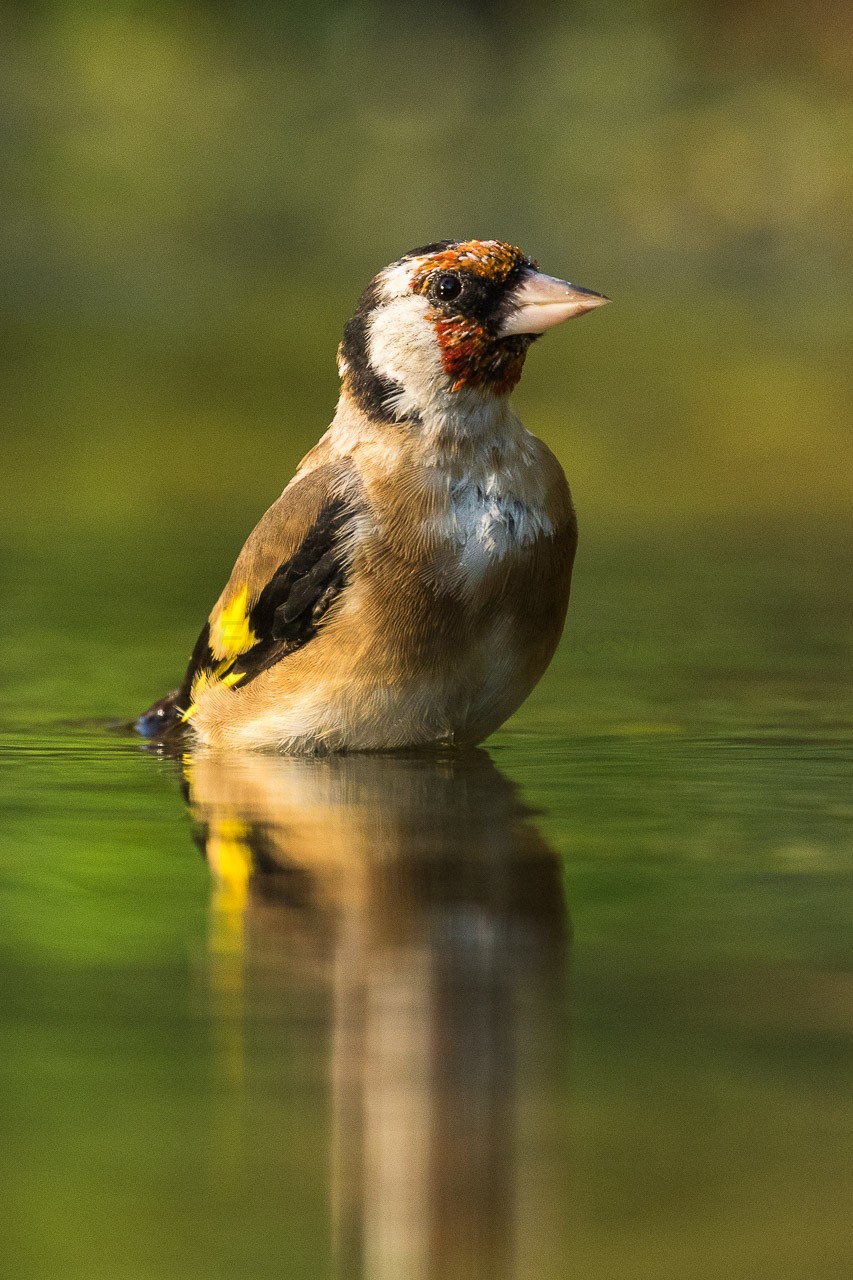
16. European Goldfinch
Prized for its brilliantly colored plumage and pleasant, musical song, the european Goldfinch has been often held in captivity, until this activity became illegal in the 1970s. Native to Europe, the species has been introduced to Australia and New Zealand. It's a very sociable bird that likes to feed on seeds and often visits feeders.
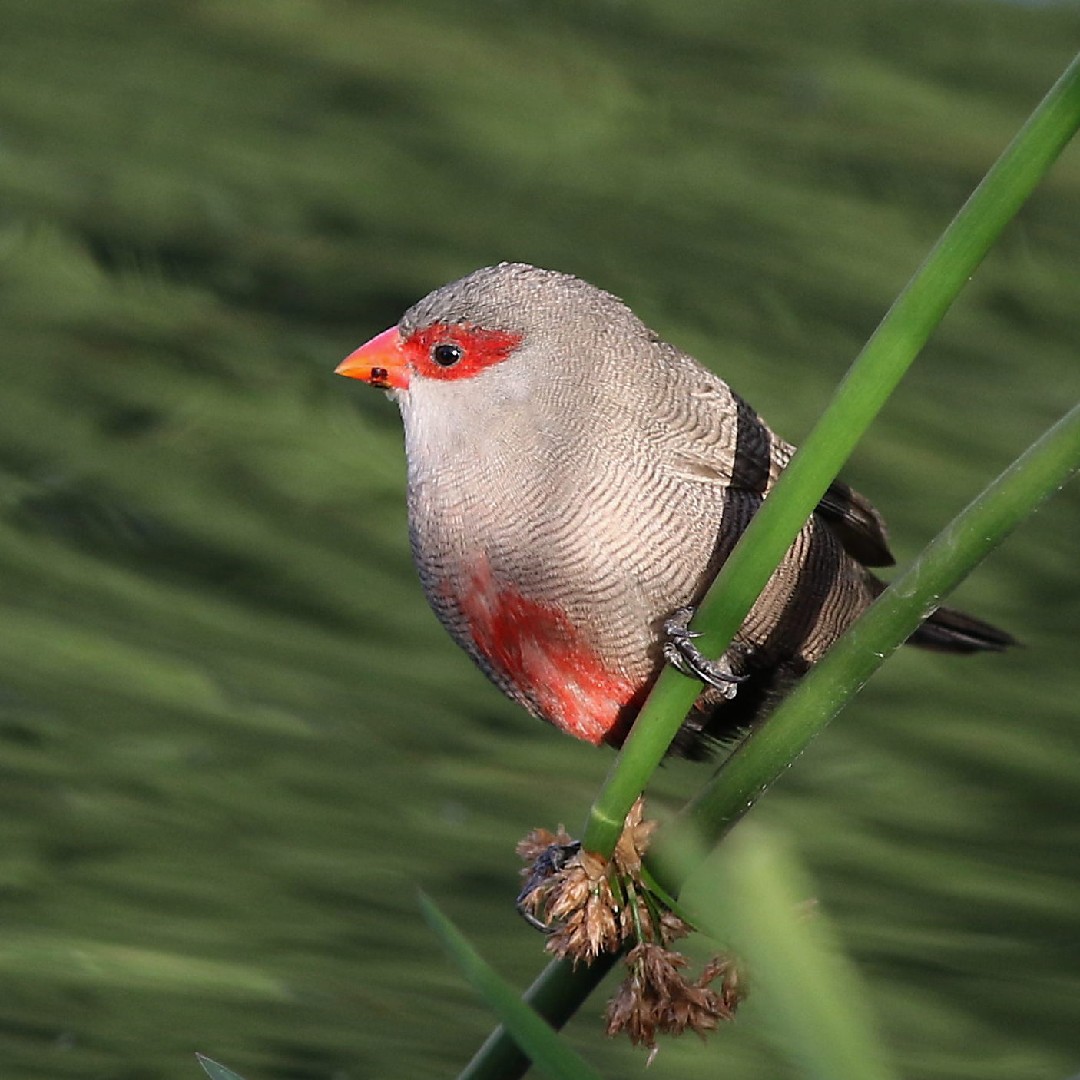
17. Common Waxbill
The common Waxbill is a small and brightly colored bird, native to Africa. It is a highly social bird, often seen in flocks foraging for seeds and insects. With its distinctive red bills and cheerful chirps, the Common Waxbill brings a touch of brightness to its habitat. This charming bird is well-adapted to its environment, making it an important part of the ecosystem. Whether foraging for food or engaging in lively courtship displays, the bird is a delight to observe.
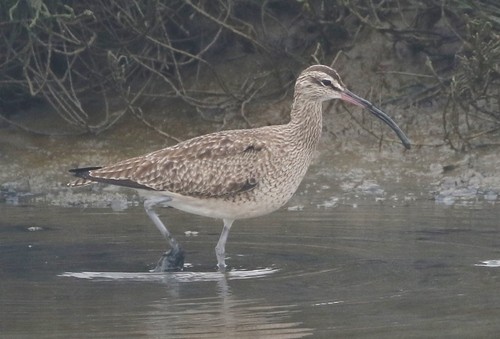
18. Whimbrel
The whimbrel is a shorebird that is often found in coastal areas. It is often present in flocks, mixing with other shorebirds. It is distinguishable by its short, high-pitch whistles that males often emit to warn others of potential predators. A primary food source for the shorebird in the winter is the fiddler crab. Its curved bill allows the bird to easily dig into the crab’s burrow.

19. Cory's Shearwater
The cory's Shearwater is a large seabird found throughout Asia and Africa. It has a distinctive, powerful flight and a buoyant, almost gull-like appearance. This species feeds on small fish and squid, diving into the ocean to catch its prey. The Cory's Shearwater breeds on islands in the Mediterranean and can travel long distances to forage for food. It is also known for its long-distance migrations, traveling from its breeding grounds to winter in warmer waters.
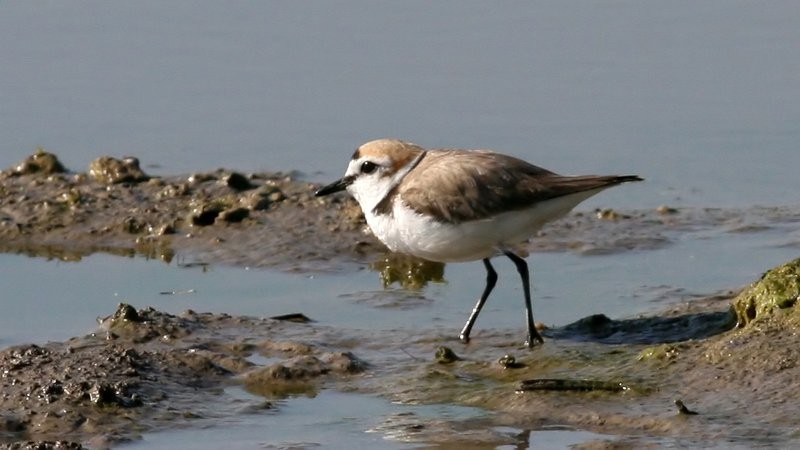
20. Kentish Plover
The kentish Plover is a small shorebird found along sandy beaches and marshes. Its unique appearance includes a black band across its forehead, a pale underbelly, and a dark bill. This bird feeds on small crustaceans and insects, and can often be seen darting along the shoreline in search of food. During the breeding season, the Kentish Plover engages in intricate courtship displays and raises its young on sandy beaches.