




Top 20 Most Common Bird in Leiria
Situated in central Portugal, Leiria is characterized by a Mediterranean climate, diverse habitats ranging from forests to coastal areas, attracting myriad avian species. The 20 most common birds exhibit fascinating characteristics: remarkable migratory patterns, distinctive songs, vibrant feathers or impressive hunting skills. Properly identifying them enriches the experience of any bird-watching enthusiast.

Most Common Bird
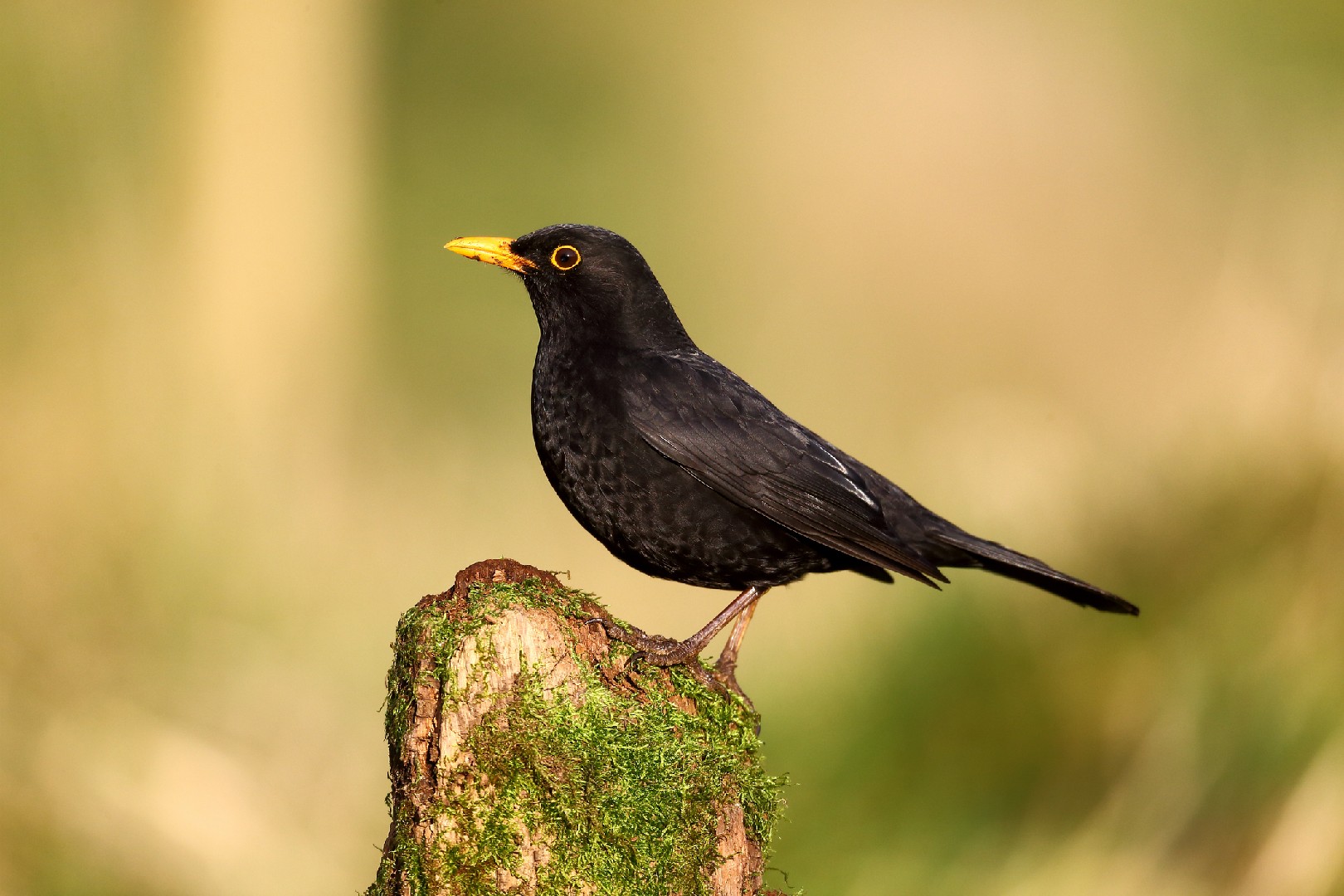
1. Eurasian Blackbird
Unafraid of humans, the dark-winged eurasian Blackbird has gained a great deal of cultural significance, mentioned in popular nursery rhymes and songs across the world. Elegant and with an appealing song, they can be aggressive when they are in their breeding period.
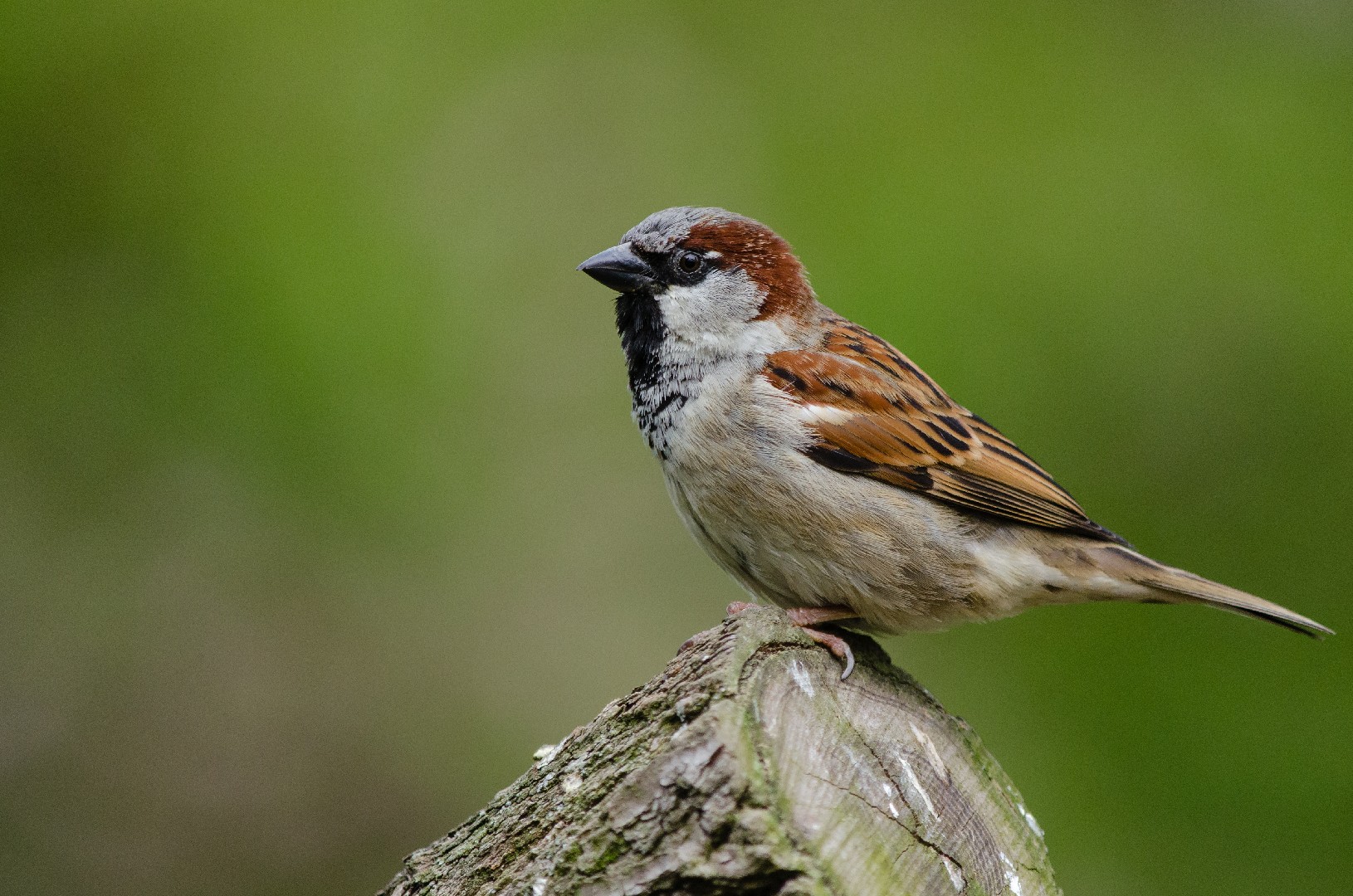
2. House Sparrow
Just as its name implies, the little house Sparrow socializes with humans more than any other bird species. Able to adapt and thrive in almost any habitat, excluding the extremes such as deserts and mountain peaks, this species was once restricted only to North Africa and Eurasia but now is found across the globe. Unfortunately, this opportunistic eater is not completely harmless—it can cause considerable damage to crops.
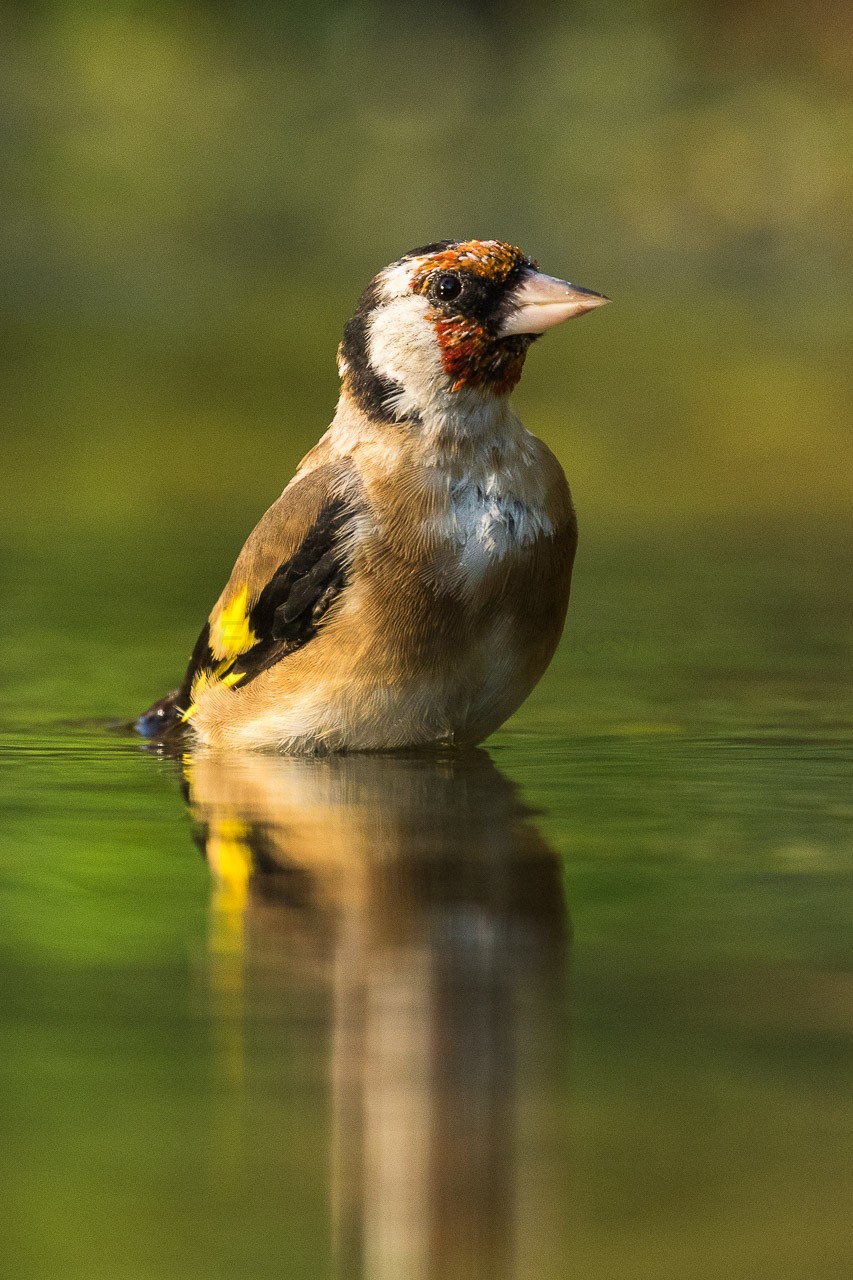
3. European Goldfinch
Prized for its brilliantly colored plumage and pleasant, musical song, the european Goldfinch has been often held in captivity, until this activity became illegal in the 1970s. Native to Europe, the species has been introduced to Australia and New Zealand. It's a very sociable bird that likes to feed on seeds and often visits feeders.

4. Spotless Starling
The adult spotless starling is very similar to the common starling, but marginally larger (21–23 cm length; 70–100 g weight), and has darker, oily-looking black plumage, slightly purple- or green-glossed in bright light, which is entirely spotless in spring and summer, and only with very small pale spots in winter plumage, formed by the pale tips of the feathers. It also differs in having conspicuously longer throat feathers (twice the length of those on common starlings), forming a shaggy "beard" which is particularly obvious when the bird is singing. Its legs are bright pink. In summer, the bill is yellow with a bluish base in males and a pinkish base in females; in winter, it is duller, often blackish. Young birds are dull brown, darker than young common starlings, and have a black bill and brown legs. Confusion with the common starling is particularly easy during the winter, when common starlings are abundant throughout the spotless starling's range, but also in summer where their breeding ranges overlap in northeastern Spain and the far south of France. It can also be confused with the common blackbird (Turdus merula), which differs most obviously in its longer tail and lack of plumage gloss. Like the common starling, it walks rather than hops, and has a strong direct flight, looking triangular-winged and short-tailed. It is a noisy bird and a good mimic; its calls are similar to the common starling's, but louder. 
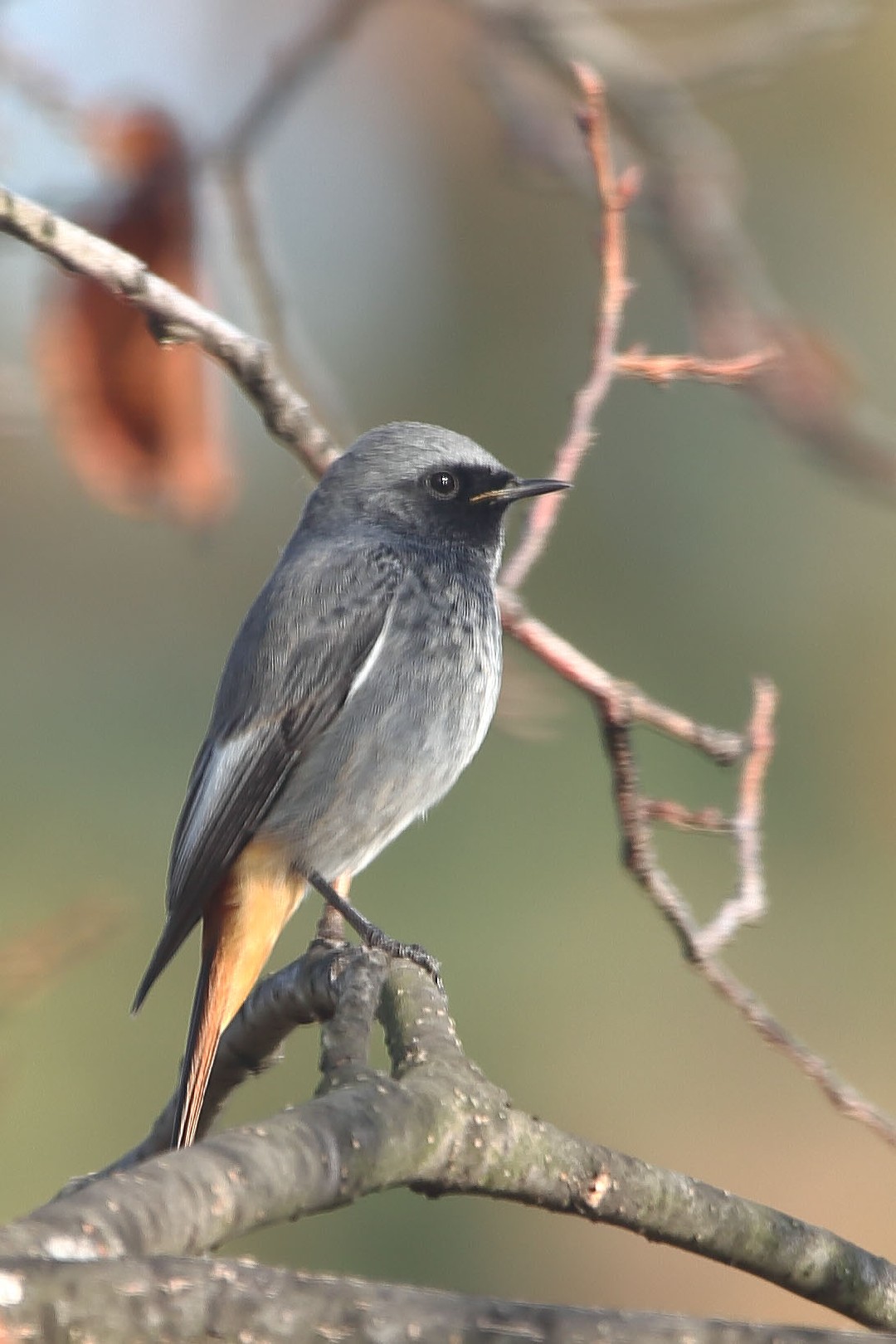
5. Black Redstart
The black Redstart is a small flycatcher that was once present only in natural habitats such as cliffs and rocky, mountainous areas, but now it also inhabits industrial sites, buildings, and rooftops. Although this bird is a remarkable singer, it is quite quiet. The species is very variable in appearance, and dines on insects.
6. Yellow-legged Gull
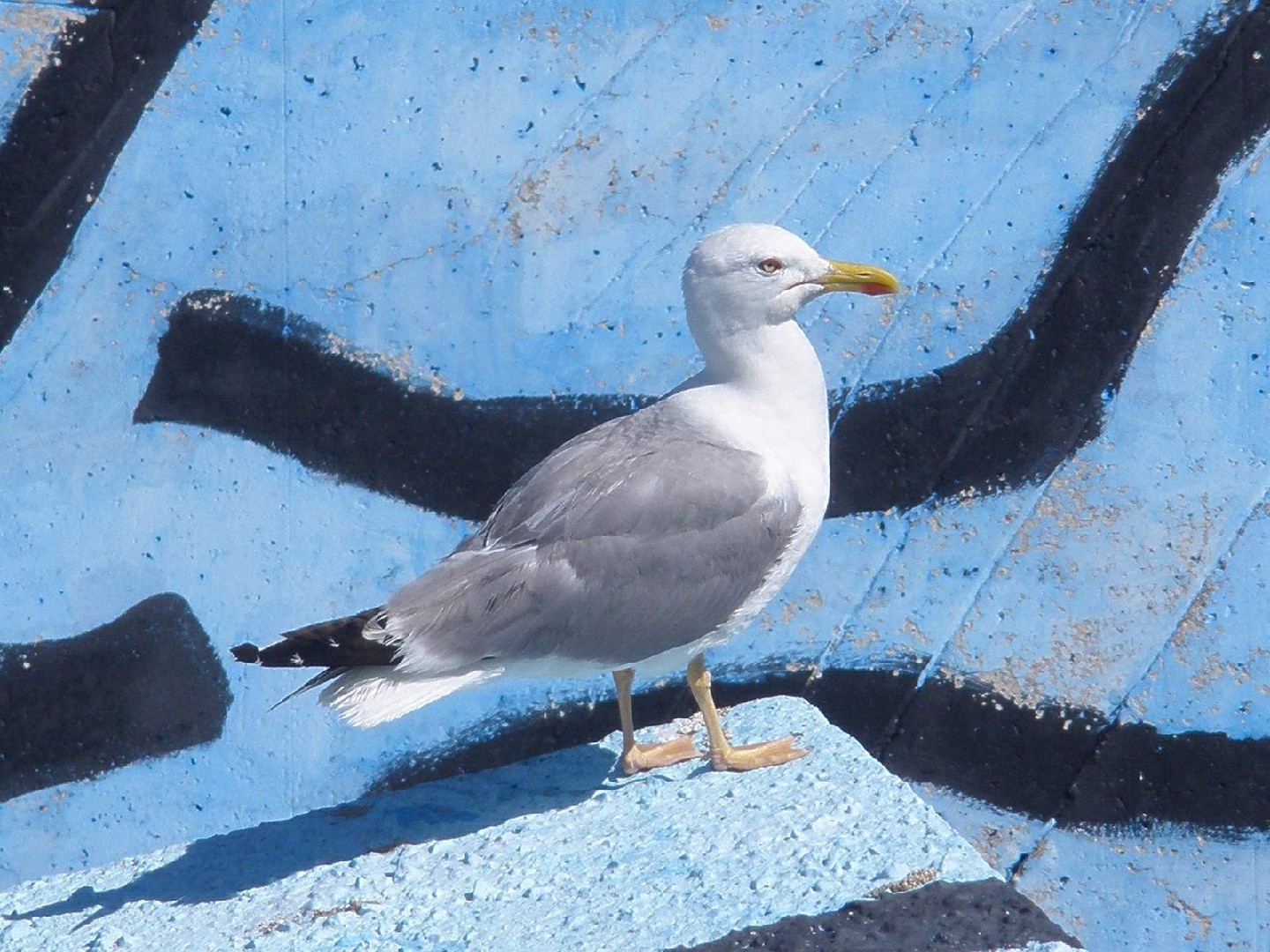
Yellow-legged Gull is a large seagull that can be found along coastal regions of the Mediterranean Sea and the Atlantic Ocean. It has a distinctive yellow coloration on its legs and beak, giving it its name. It is an opportunistic feeder, and known to be very territorial. Some populations of Yellow-legged Gulls are migratory, traveling long distances to breed during the summer months.
7. European Stonechat
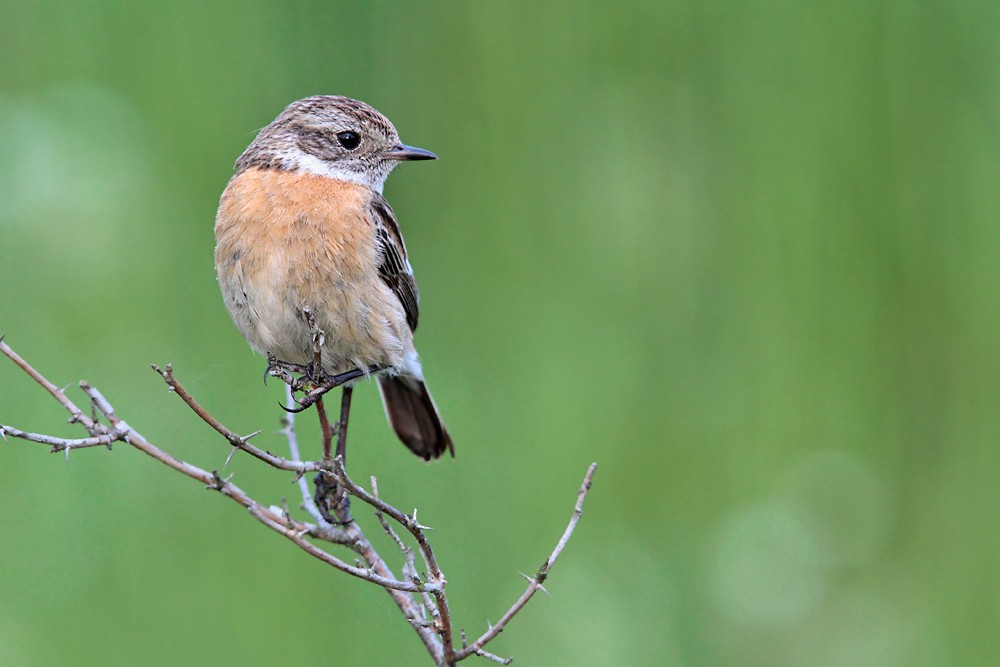
The european Stonechat is a small passerine bird known for its lively, bouncy behavior and loud, musical calls. It has a distinct black head, white collar, and rusty-red breast. It is found in open habitats such as heaths, grasslands, and coastal dunes. It has a unique courtship display called "sky-dancing", where it flies high into the air and dives down while singing.

8. White Wagtail
The white Wagtail is the national bird of Latvia and is featured in traditional folk songs and placed on some postage stamps. These birds can be found in most habitat types besides deserts. As their name suggests, they exhibit a characteristic tail-wagging behavior as they search along the ground and nearby waterways for insects to eat.
9. Eurasian Collared-dove
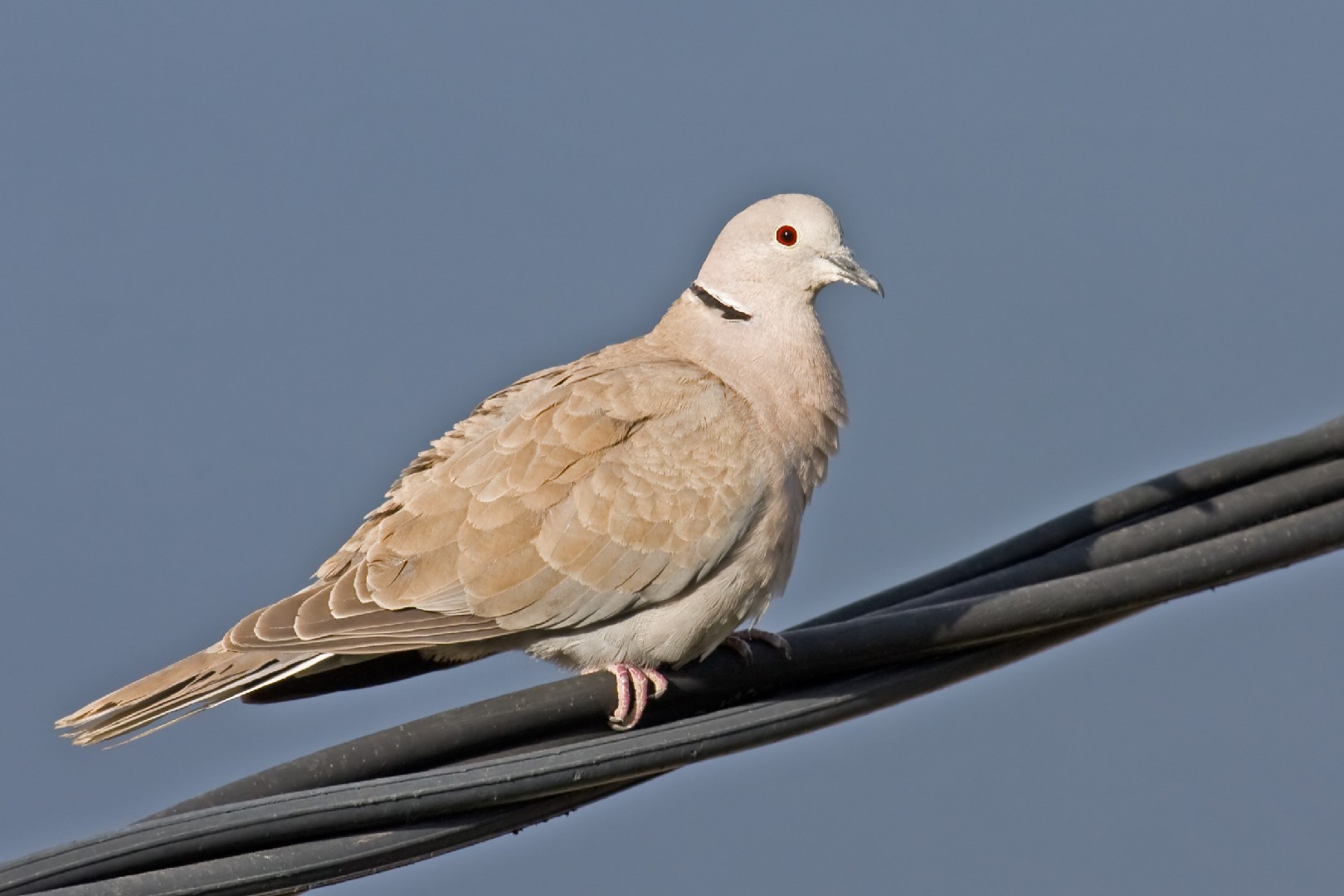
This plump, pretty dove with a square-tipped tail is known for bobbing its head and flicking its tail while walking. Though nice to look at, many people are not pleased at the sight of a eurasian Collared-dove walking along. In North America they are considered an invasive species, and one that carries a disease-creating parasite that can spread to native dove populations through birdbaths, feeders, or even through hawks preying on them.

10. European Serin
A small songbird with a stubby bill, the european Serin is often seen in parks, forest edges, and agricultural fields. It is a talkative bird that often sings from manmade perches like fence posts and electrical wires. While the songbird does feed on invertebrates, it prefers seeds and may visit backyard feeders.
11. European Greenfinch
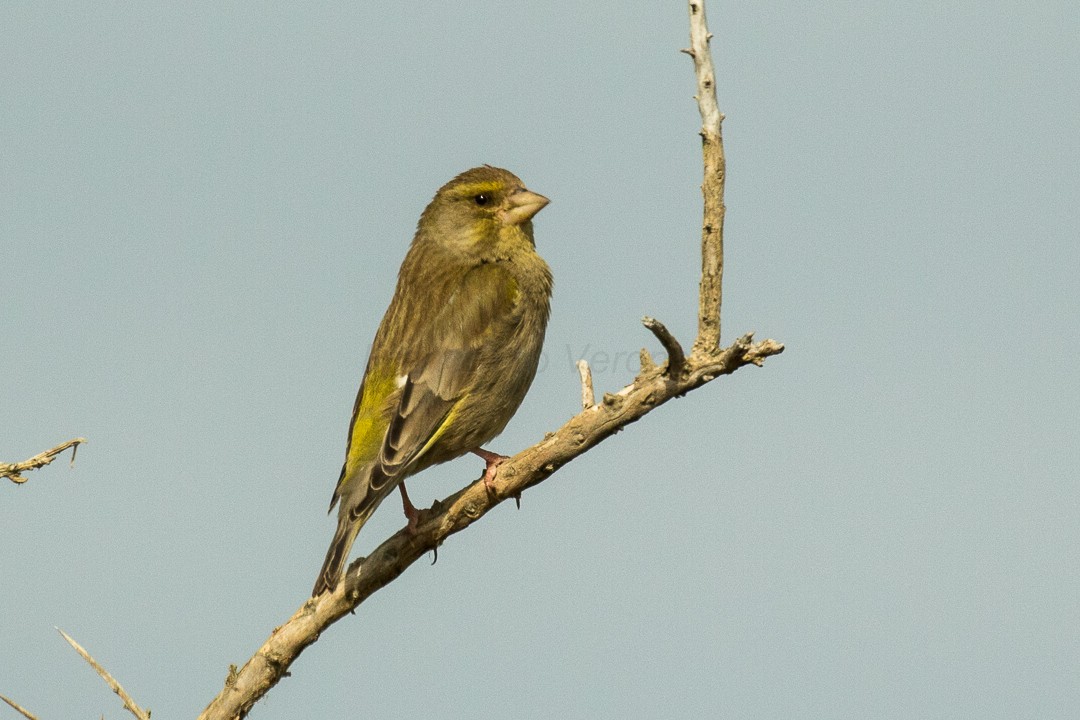
The european Greenfinch is a sociable bird and often forms flocks, particularly in the winter. The population of this species has been in decline due to loss of habitat and changes in land use. Identify this bird by its bright yellow head and breast on males, and green-brown head on females, and its sociable behavior in open woodlands, gardens, parks, and hedgerows.
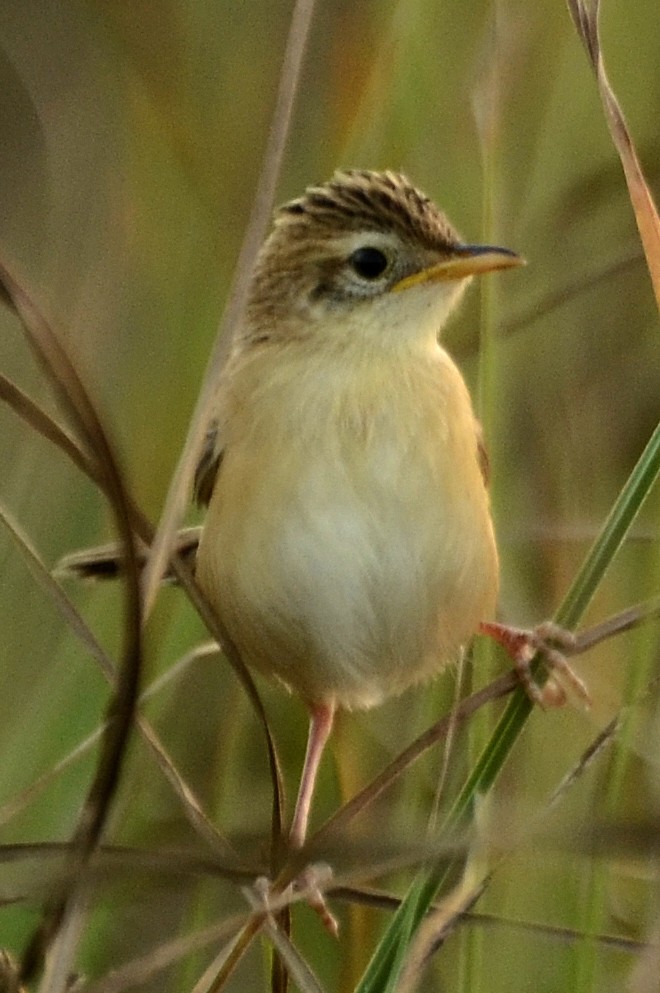
12. Zitting Cisticola
The zitting cisticola is 10 to 12 cm (3.9 to 4.7 in) in length. It is brown above, heavily streaked with black markings. The underparts are whitish, and the tail is broad, white-tipped and flicked frequently, giving rise to the alternative name for the species. The adult males have less crown streaking and more back marking than the females, but there are no great difference between the sexes or the eighteen geographical races. The absence of a nuchal collar separate it from the golden-headed cisticola (Cisticola exilis). In the non-breeding season, they tend to skulk within the grass and can be hard to spot.
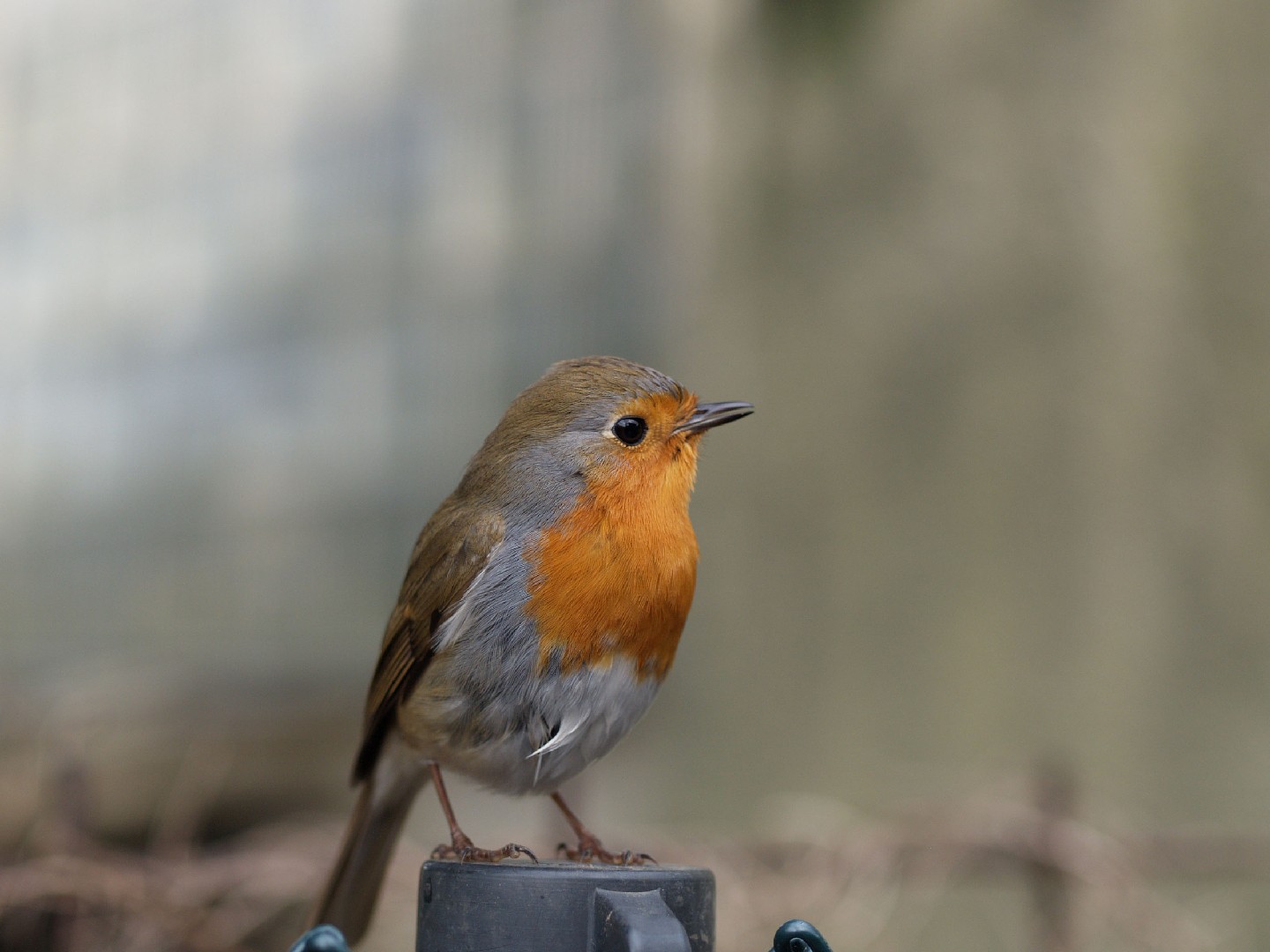
13. European Robin
The european Robin is an aggressive bird that is commonly found throughout farmlands, woodlands, and suburban communities. These birds are mainly helpful insectivores for gardeners, but will also eat various seeds and fruits. The european Robin is used on British Christmas cards to represent postmen from the Victorian era who used to wear red waistcoats while delivering holiday cards.

14. Common Buzzard
The common Buzzard is a medium-sized bird of prey found in many parts of the world. It inhabits a variety of habitats such as forests, grasslands, and mountains. It is an opportunistic hunter, preying on mammals, birds, reptiles, and insects. They also scavenge on carrion. They are often seen soaring on thermal currents, perching on high vantage points, and performing acrobatic maneuvers during courtship.
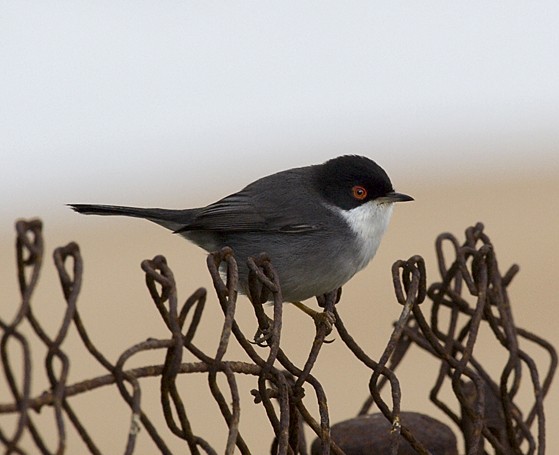
15. Sardinian Warbler
The Sardinian warbler (Curruca melanocephala) is a common and widespread typical warbler from the Mediterranean region. Like most Curruca species, it has distinct male and female plumages. The adult male has a grey back, whitish underparts, black head, white throat and red eyes. Plumages are somewhat variable even in the same locality, with the intensity of a reddish hue on upper- and/or underside varies from absent to (in some subspecies) pronounced. The female is mainly brown above and buff below, with a grey head. The Sardinian warbler's song is fast and rattling, and is very characteristic of the Mediterranean areas where this bird breeds.
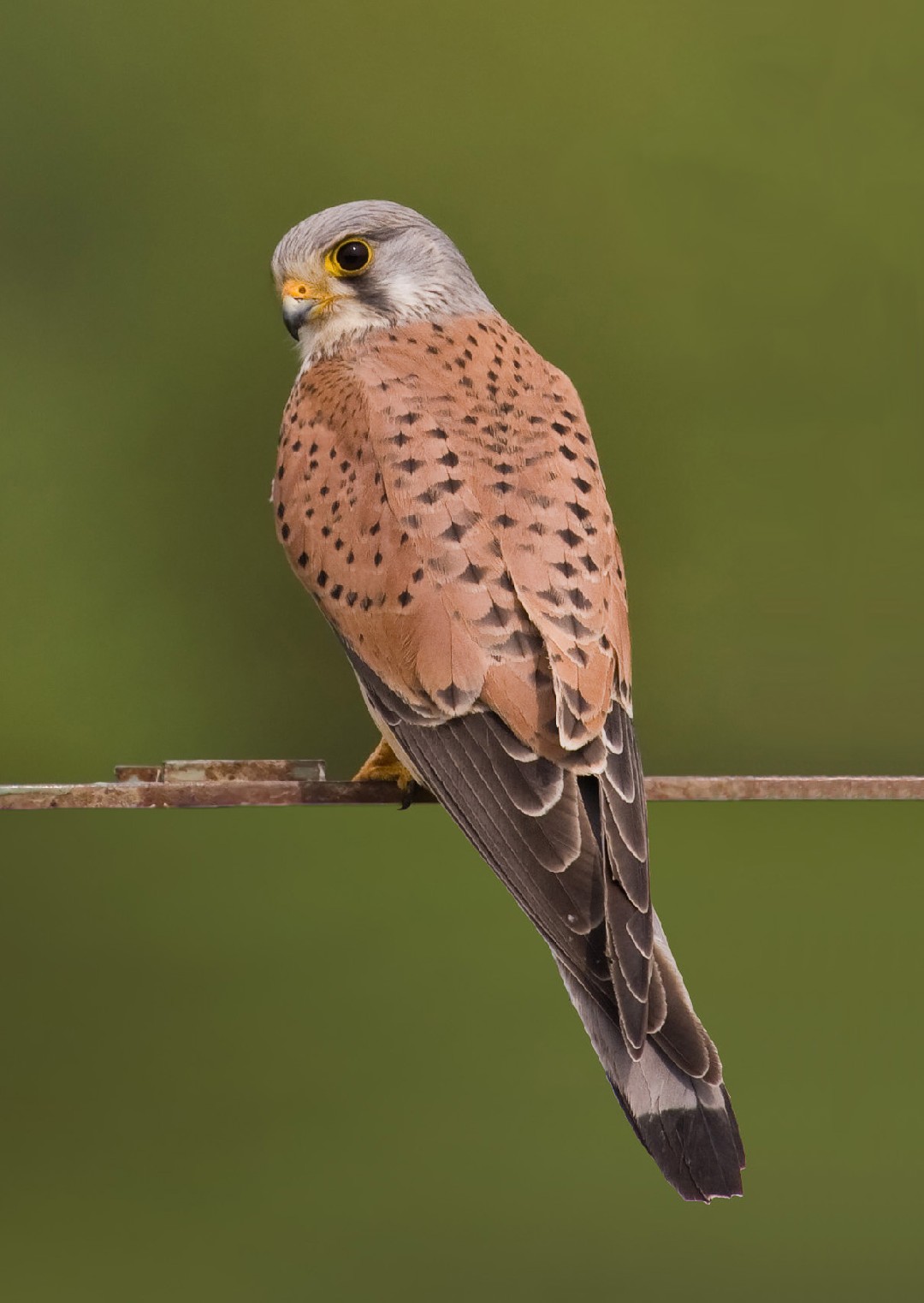
16. Common Kestrel
The common Kestrel is a small falcon found throughout much of Europe, Asia, and Africa. It feeds on small mammals, birds, and insects and is known for its ability to hover in the air to spot prey. It can be found in a variety of habitats. Some populations have declined due to habitat loss.
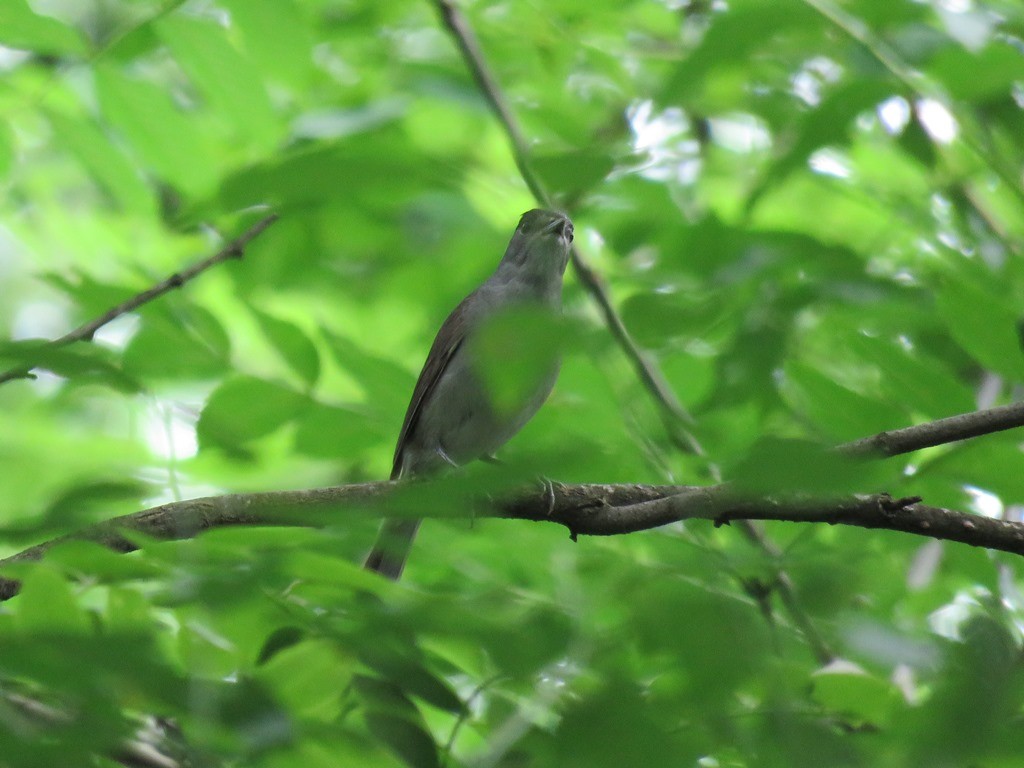
17. Eurasian Blackcap
Eurasian Blackcap is a small bird known for its melodic song and distinctive black cap, and is found in gardens, woodlands, and hedgerows. Its diet consists mainly of insects, fruits, and berries. It is a pleasure to watch and listen to in the wild, and often sings from the top of bushes and trees during the breeding season.

18. Eurasian Wren
Tiny and usually well-camouflaged with its brown plumage, the eurasian Wren is a fairly populous bird that may sometimes be seen hopping quickly and quietly along a forest floor, rustling sticks and flipping over leaves as it searches for insects. The species, though, is more often heard than seen; though quite small, the eurasian Wren has a loud, melodious song.
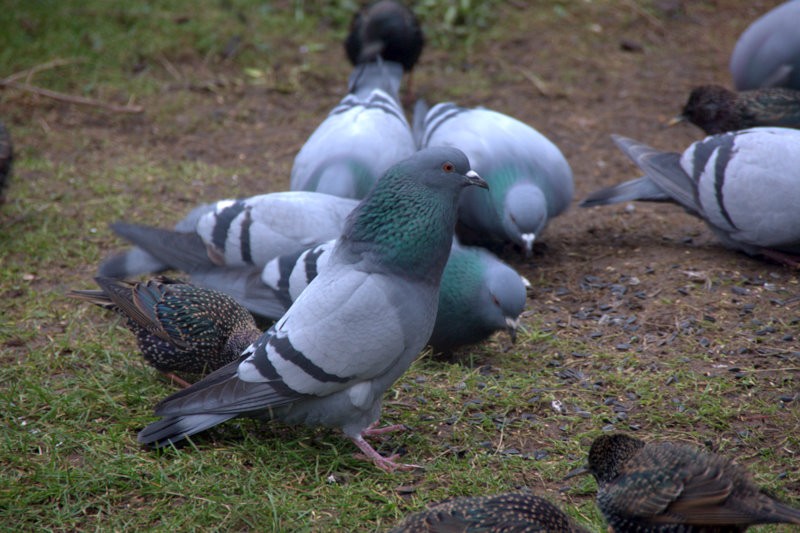
19. Rock Pigeon
The rock Pigeon is a wild ancestor of all domestic and feral pigeons, inhabiting coasts, cliffs, and caves. Pairs nest in rock crevices, often mating for life. They are known for their ability to fly very long distances to return to their homes, navigating using the sun's position and the earth's magnetic fields. Thanks to this ability, pigeons were used as messengers, particularly during World Wars I and II.
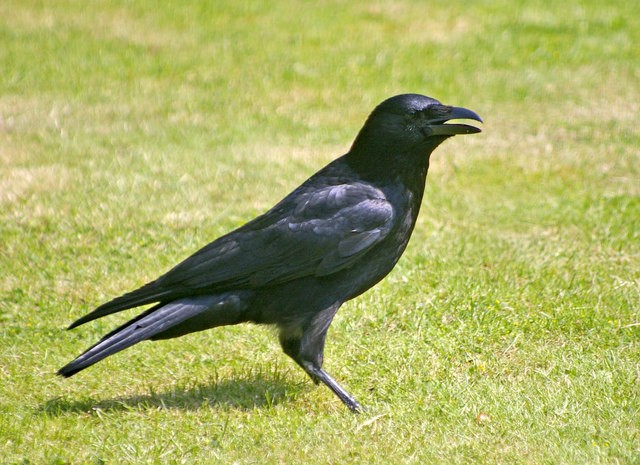
20. Carrion Crow
The loud cry from the carrion Crow lets everyone know the bird is in the area. It is often seen in semi and open habitats that include rural and suburban areas. The black-colored bird only gathers in large flocks when it is time to roost. Otherwise, it flies in pairs or small groups scavenging for insects, seeds, and even small animals.