




Top 20 Most Common Bird in Madrid
In the diverse landscapes of Madrid, you can find a variety of 20 common birds thriving. From the colorful European Goldfinch, recognized for its striking red face and yellow wing flashes, to the Blackbird, a species adapted to urban life, these birds exemplify an array of unique characteristics. Birds like the endangered Spanish Imperial Eagle, a symbol of the region's rich biodiversity, also call this vibrant city home.

Most Common Bird
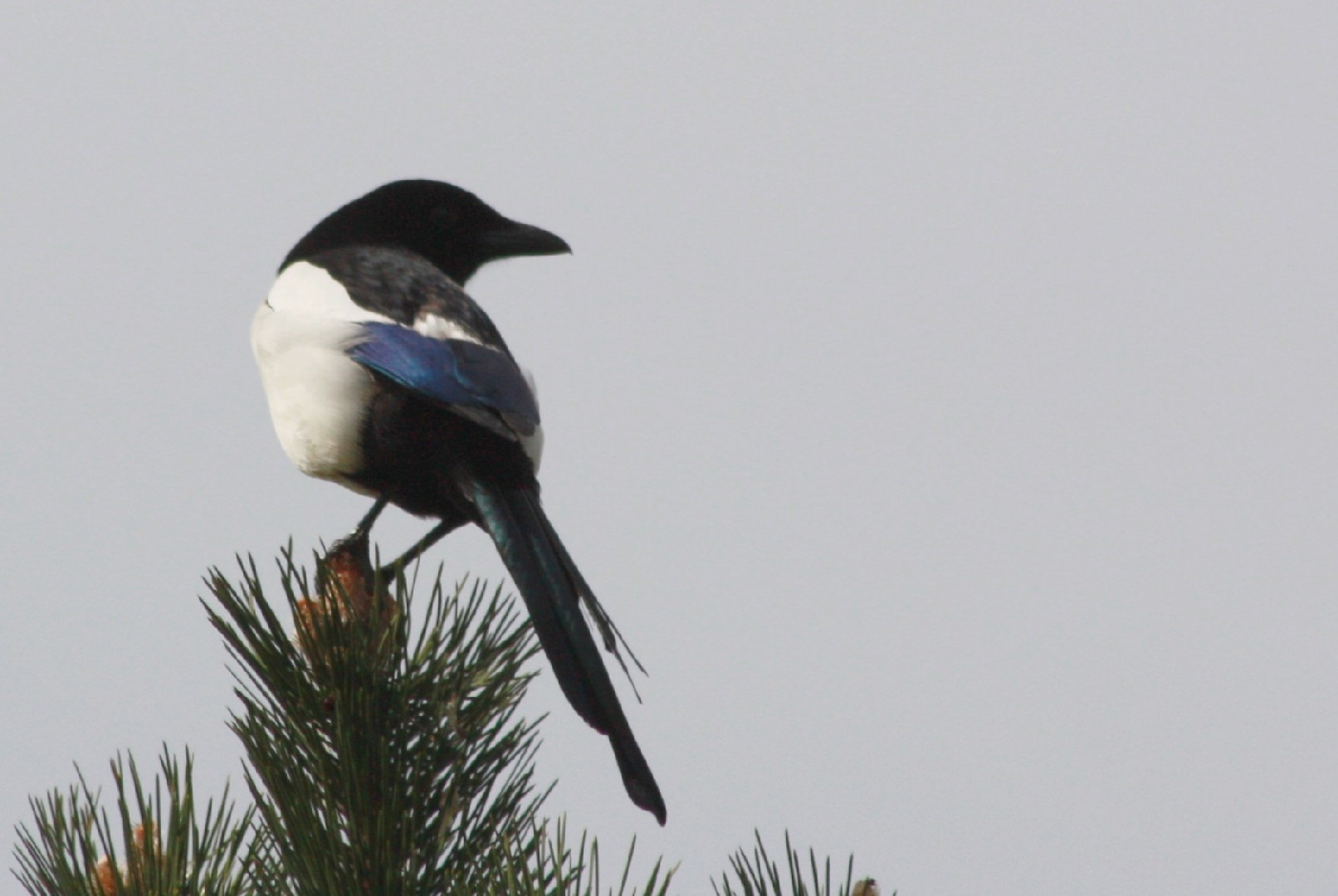
1. Eurasian Magpie
The eurasian Magpie is a striking and intelligent bird known for its black and white plumage and long tail. It is highly adaptable, found in a variety of habitats, and known for its intelligence, similar to that of great apes. It is omnivorous, eating both insects and fruits, and it has a reputation for being mischievous and thieving. 
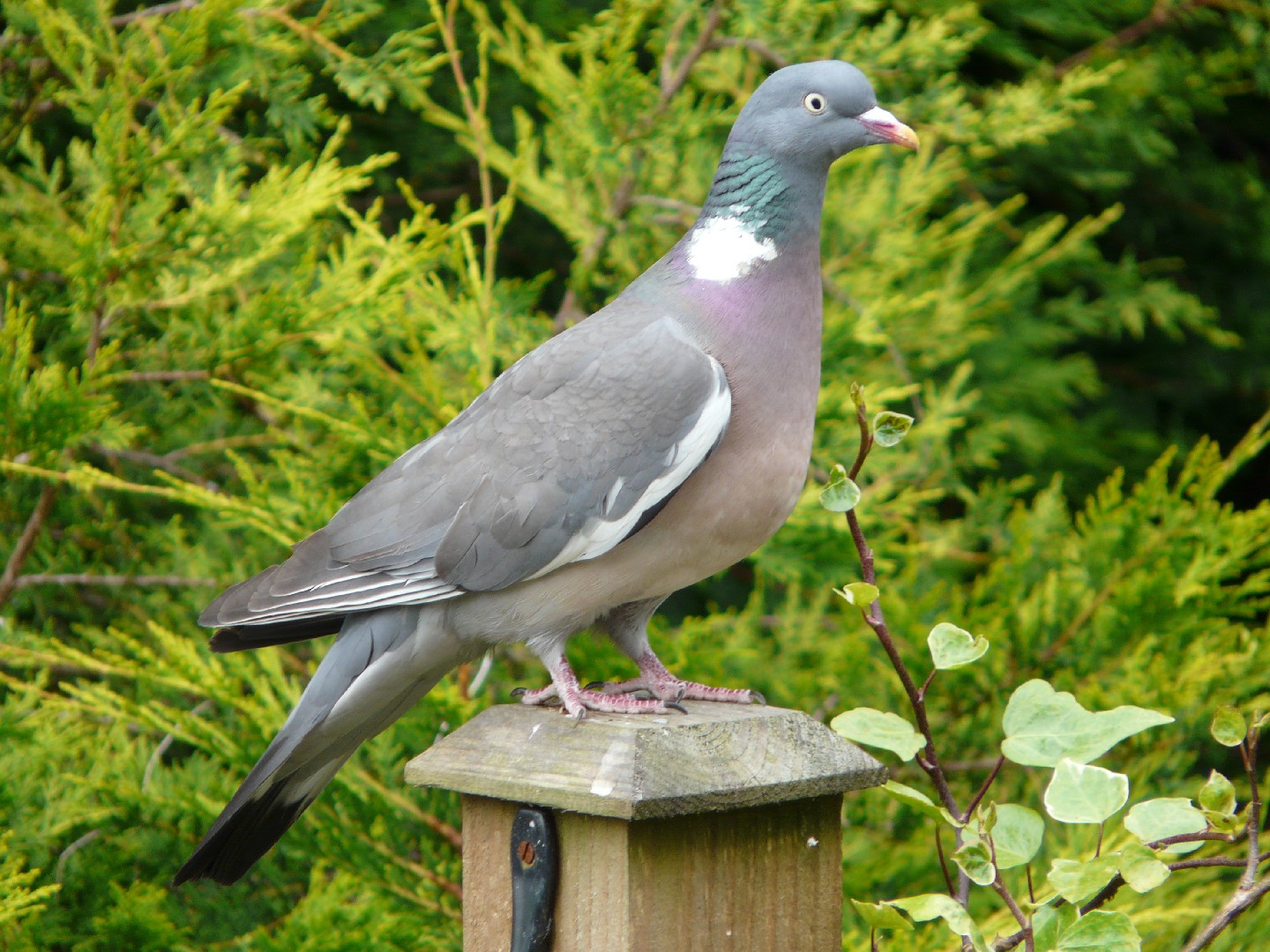
2. Common Wood Pigeon
Although primarily found in woods, the common Wood Pigeon is a large and bulky pigeon that is often seen in towns and cities. Those who inhabit urban areas are quite tame, approachable, and comfortable around humans. This pigeon is a popular game bird, particularly during its migration journeys. Its distinctive call can be heard year-round, particularly at dawn. This ground-dwelling bird gathers in large flocks that feed together.
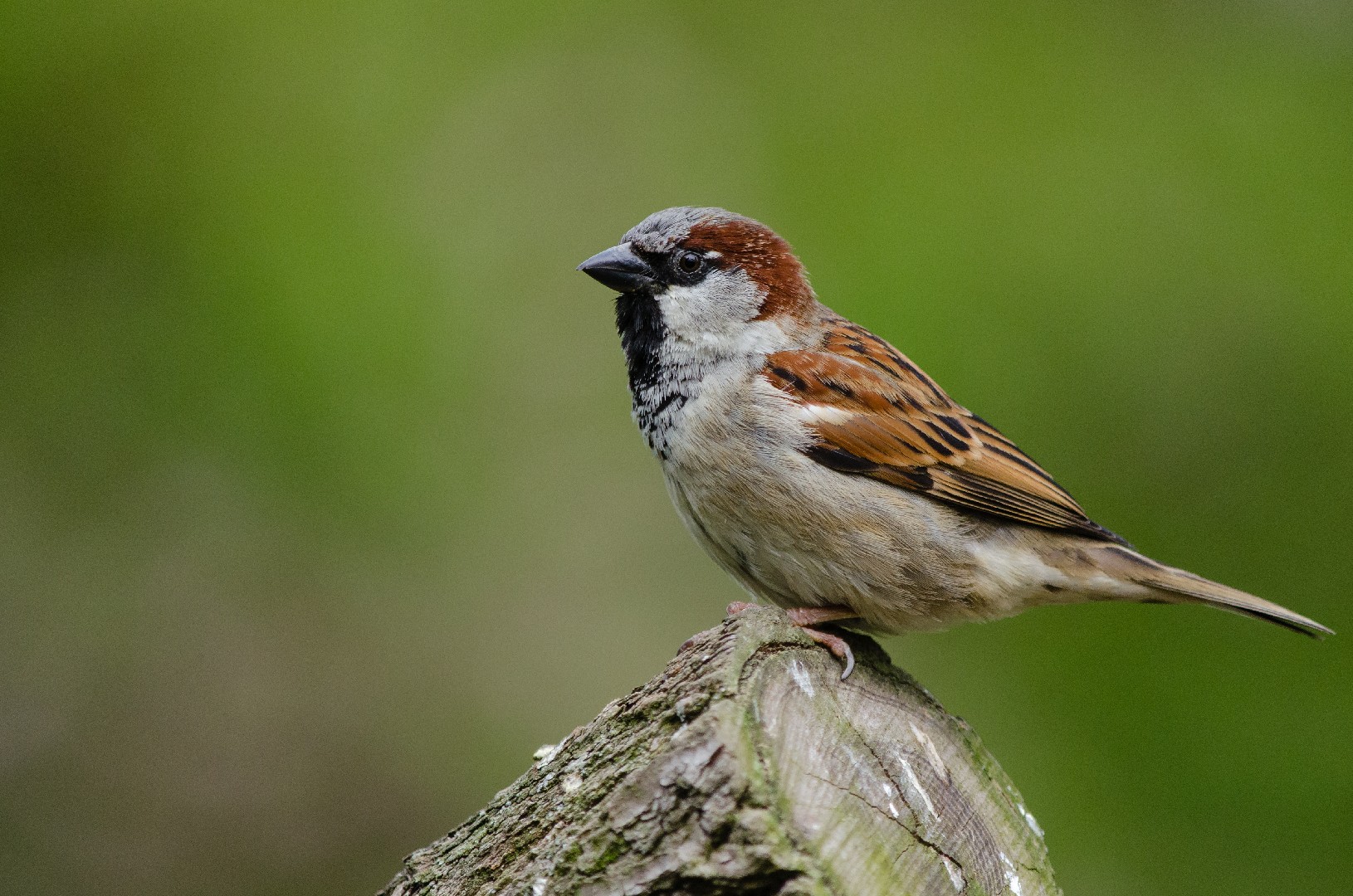
3. House Sparrow
Just as its name implies, the little house Sparrow socializes with humans more than any other bird species. Able to adapt and thrive in almost any habitat, excluding the extremes such as deserts and mountain peaks, this species was once restricted only to North Africa and Eurasia but now is found across the globe. Unfortunately, this opportunistic eater is not completely harmless—it can cause considerable damage to crops.
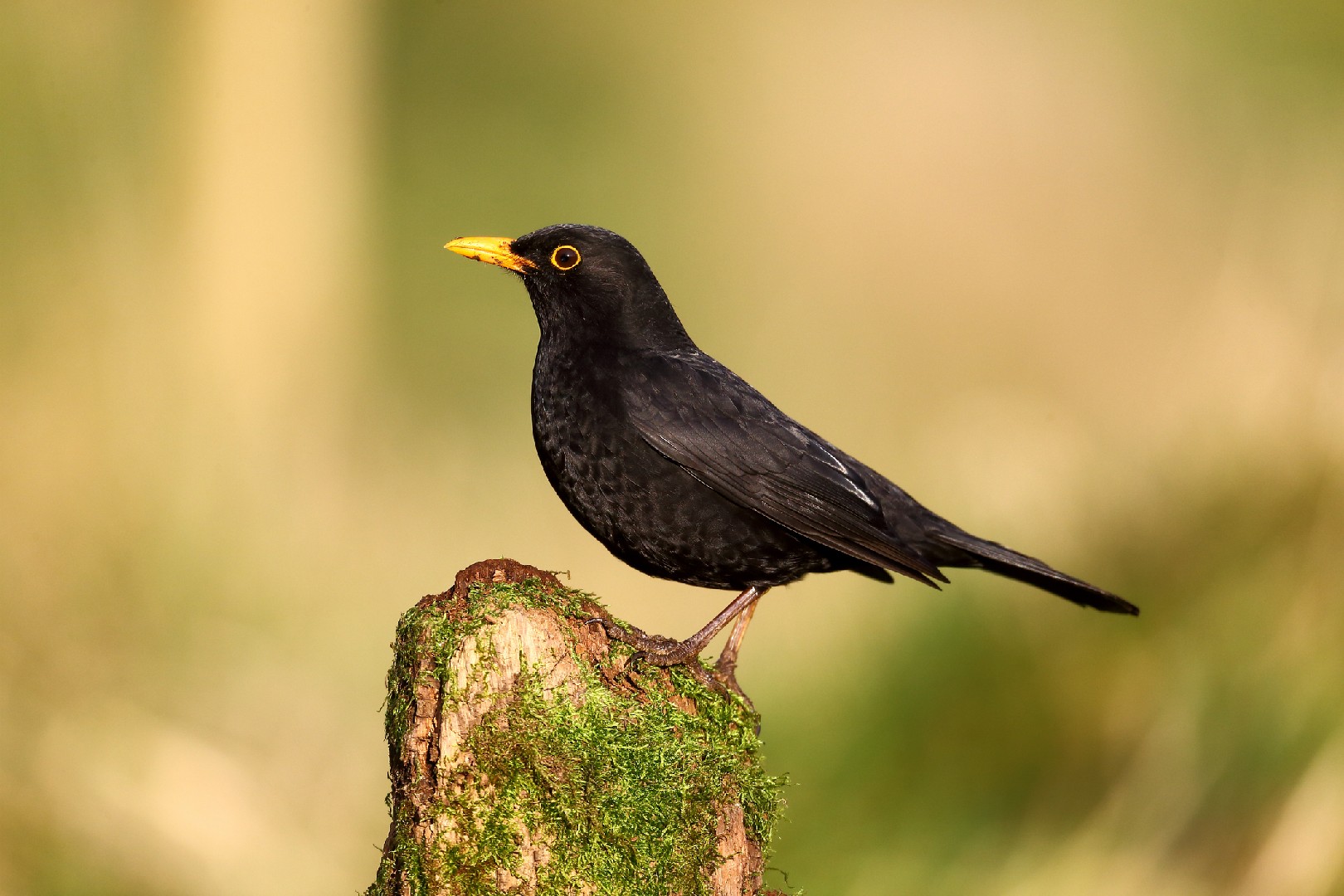
4. Eurasian Blackbird
Unafraid of humans, the dark-winged eurasian Blackbird has gained a great deal of cultural significance, mentioned in popular nursery rhymes and songs across the world. Elegant and with an appealing song, they can be aggressive when they are in their breeding period.

5. Spotless Starling
The adult spotless starling is very similar to the common starling, but marginally larger (21–23 cm length; 70–100 g weight), and has darker, oily-looking black plumage, slightly purple- or green-glossed in bright light, which is entirely spotless in spring and summer, and only with very small pale spots in winter plumage, formed by the pale tips of the feathers. It also differs in having conspicuously longer throat feathers (twice the length of those on common starlings), forming a shaggy "beard" which is particularly obvious when the bird is singing. Its legs are bright pink. In summer, the bill is yellow with a bluish base in males and a pinkish base in females; in winter, it is duller, often blackish. Young birds are dull brown, darker than young common starlings, and have a black bill and brown legs. Confusion with the common starling is particularly easy during the winter, when common starlings are abundant throughout the spotless starling's range, but also in summer where their breeding ranges overlap in northeastern Spain and the far south of France. It can also be confused with the common blackbird (Turdus merula), which differs most obviously in its longer tail and lack of plumage gloss. Like the common starling, it walks rather than hops, and has a strong direct flight, looking triangular-winged and short-tailed. It is a noisy bird and a good mimic; its calls are similar to the common starling's, but louder.
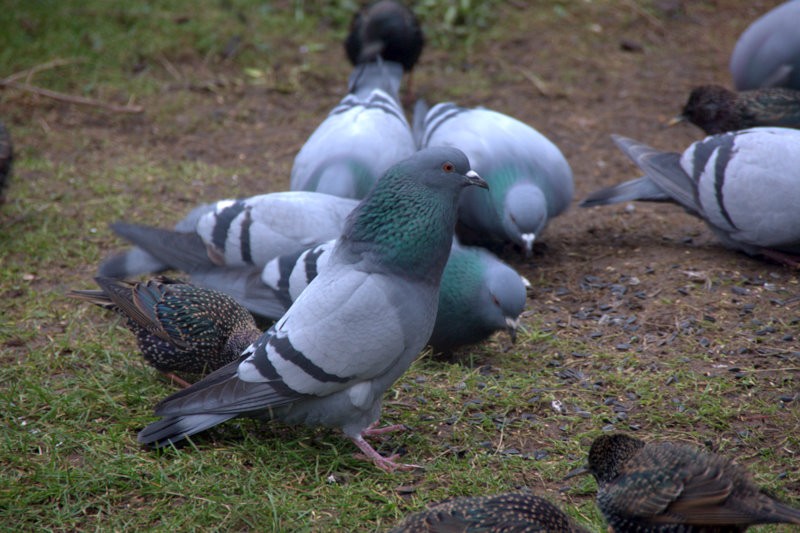
6. Rock Pigeon
The rock Pigeon is a wild ancestor of all domestic and feral pigeons, inhabiting coasts, cliffs, and caves. Pairs nest in rock crevices, often mating for life. They are known for their ability to fly very long distances to return to their homes, navigating using the sun's position and the earth's magnetic fields. Thanks to this ability, pigeons were used as messengers, particularly during World Wars I and II.
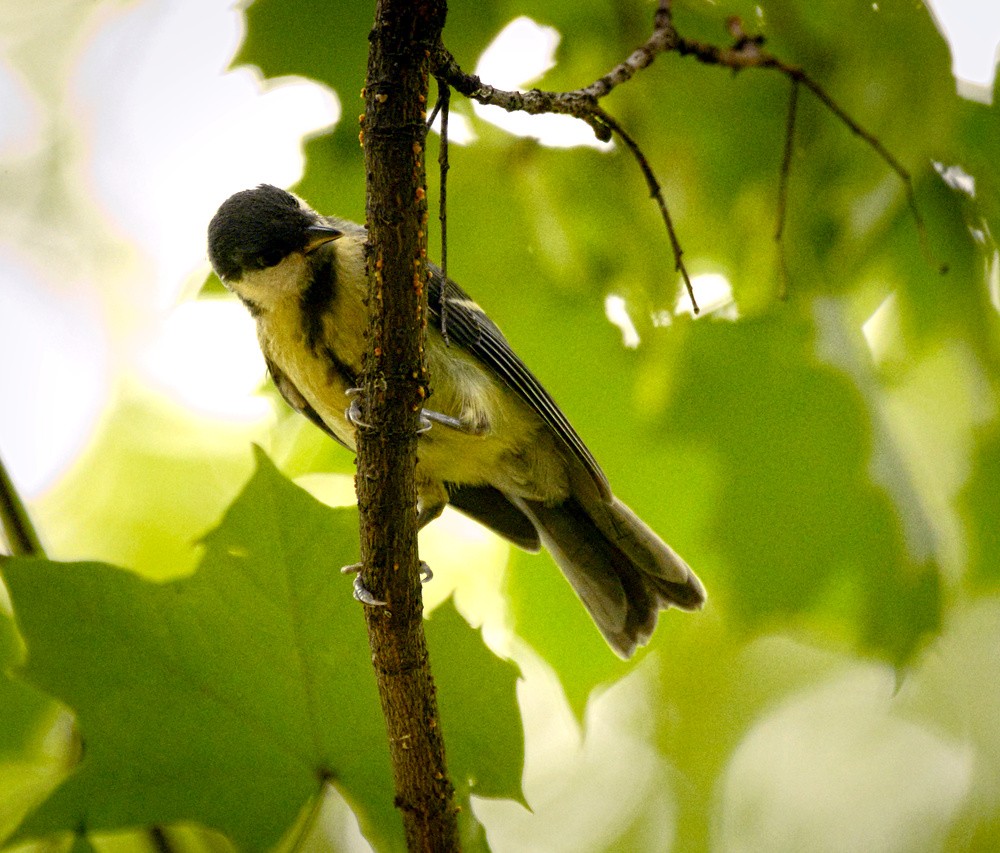
7. Great Tit
Great Tit is a small and plump bird, with a thick black line running through its bright yellow face. It is a common sight in gardens, woodlands, and parks. It is often seen foraging for food in an acrobatic way. Well known for its intelligence, it has been observed using tools, solving problems, and even counting up to five.
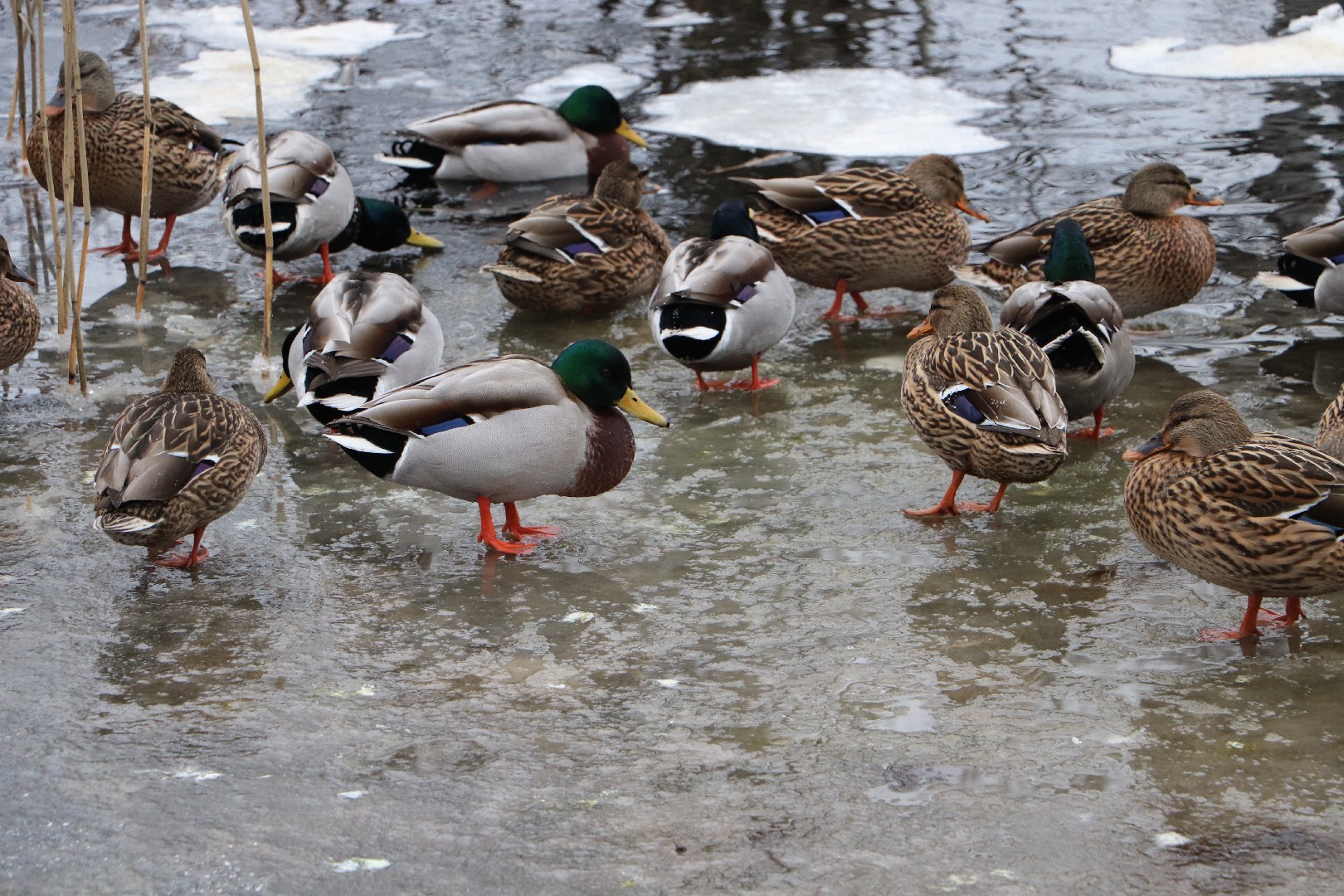
8. Mallard
The mallard is the most abundant duck species in the world, and the ancestor of all domestic ducks. Only the female can produce the distinctive "quack" sound. When the female lays eggs, the male abandons its mate, while the protective mother stays with the ducklings for a long time. This migratory species inhabits shallow waters and it's one of the most popular game birds.
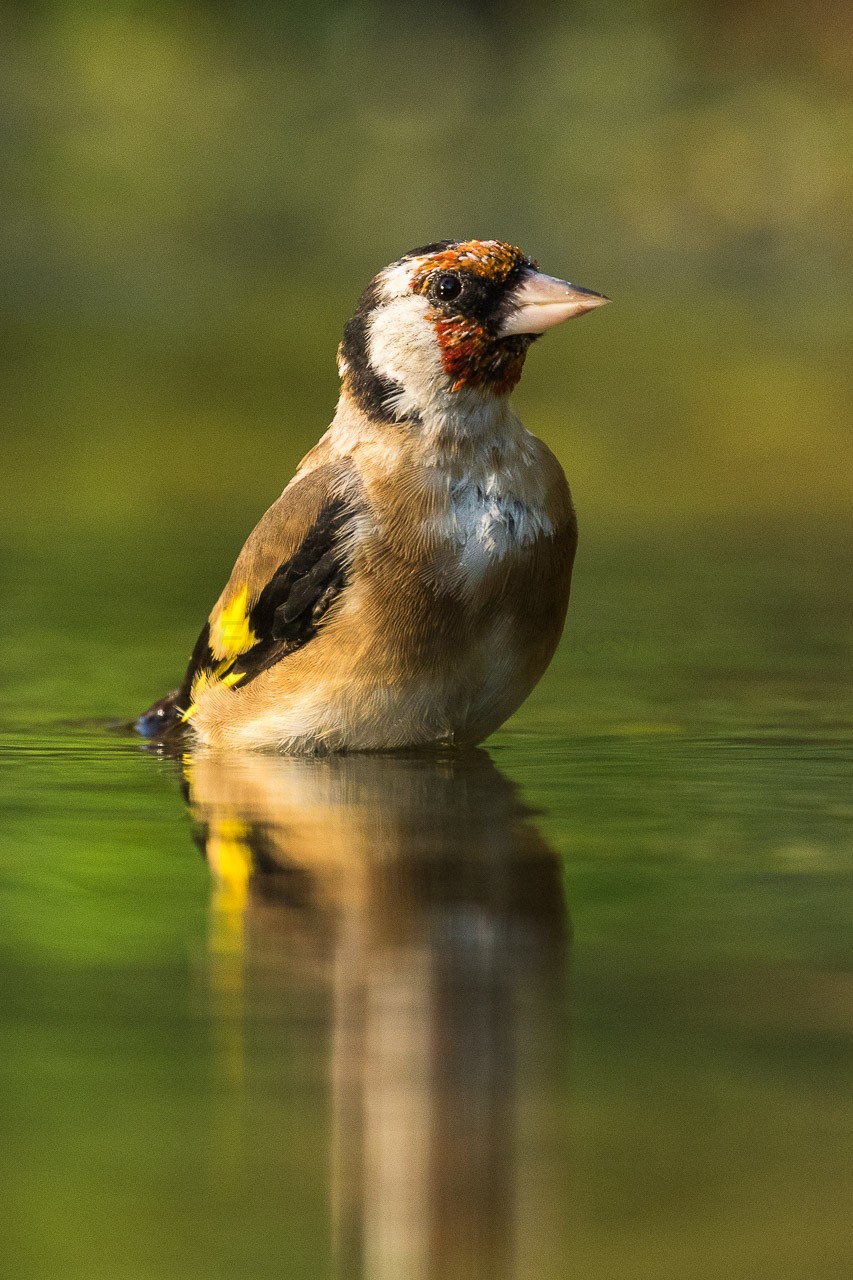
9. European Goldfinch
Prized for its brilliantly colored plumage and pleasant, musical song, the european Goldfinch has been often held in captivity, until this activity became illegal in the 1970s. Native to Europe, the species has been introduced to Australia and New Zealand. It's a very sociable bird that likes to feed on seeds and often visits feeders.

10. European Serin
A small songbird with a stubby bill, the european Serin is often seen in parks, forest edges, and agricultural fields. It is a talkative bird that often sings from manmade perches like fence posts and electrical wires. While the songbird does feed on invertebrates, it prefers seeds and may visit backyard feeders.
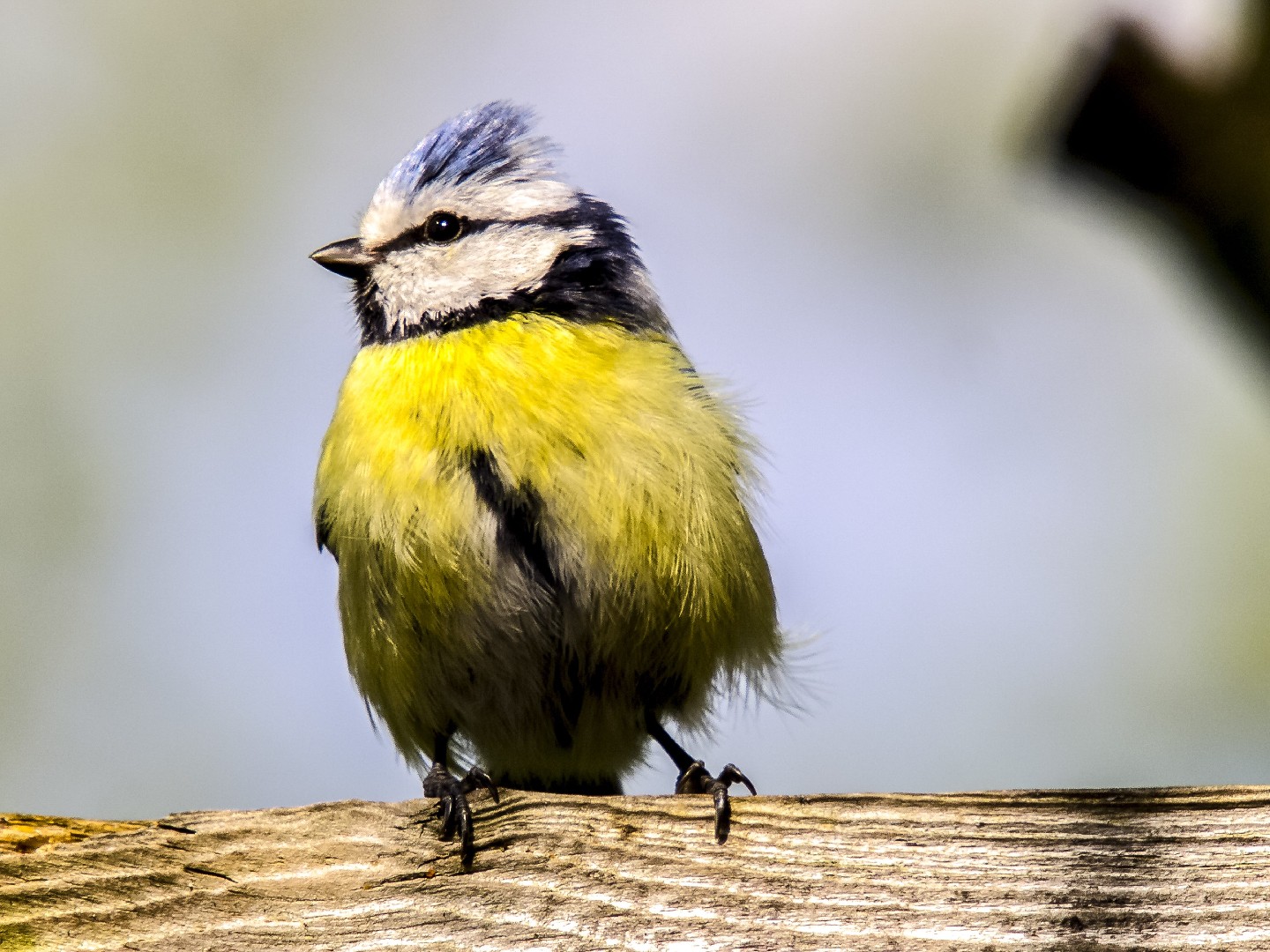
11. Eurasian Blue Tit
The eurasian Blue Tit is a small songbird, very common in urban areas such as parks. This songbird has a wide range of calls and songs, but it's also known for its agility and acrobatic skills - it can hang upside down, reaching food that's not accessible to less-skilled birds. When the bird has young, it spends around 17 hours per day in the search of food for the offspring. It's a frequent visitor of bird feeders.
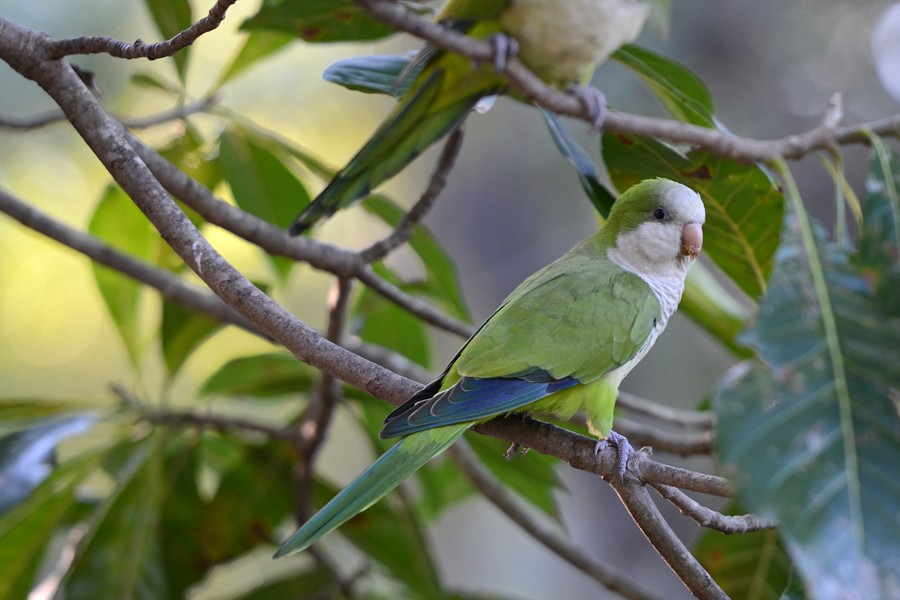
12. Monk Parakeet
Monk Parakeets, popular pet birds originally native to South America, established wild populations in the United States in the 1960s. These noisy, bright green parrots can now be seen flying around together in U.S. cities like Chicago and New York! They nest communally, dozens of them living together in huge multi-family nests atop power poles and in trees. Messy and loud, they are considered a nuisance and invasive species in the United States.

13. White Wagtail
The white Wagtail is the national bird of Latvia and is featured in traditional folk songs and placed on some postage stamps. These birds can be found in most habitat types besides deserts. As their name suggests, they exhibit a characteristic tail-wagging behavior as they search along the ground and nearby waterways for insects to eat.
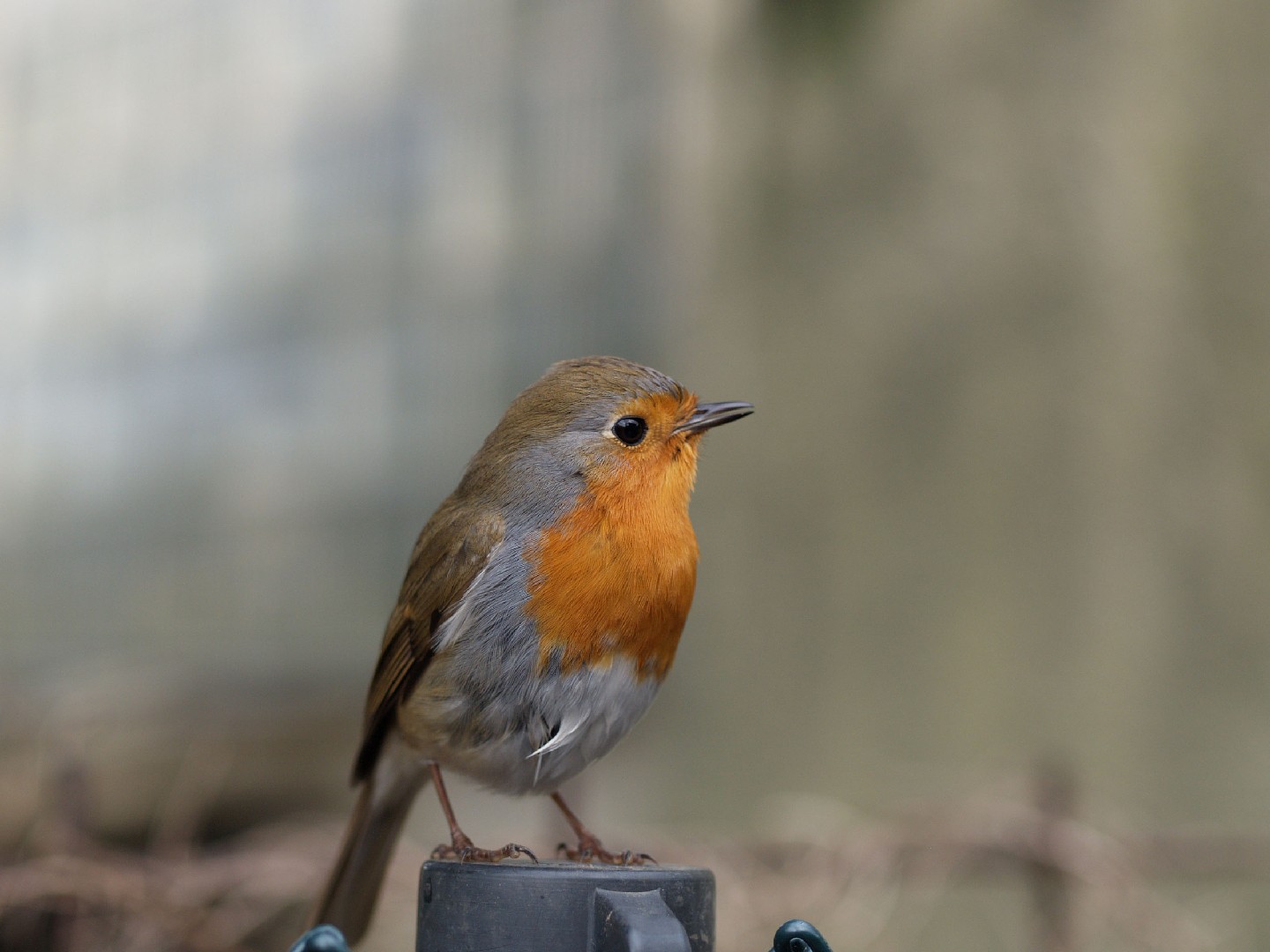
14. European Robin
The european Robin is an aggressive bird that is commonly found throughout farmlands, woodlands, and suburban communities. These birds are mainly helpful insectivores for gardeners, but will also eat various seeds and fruits. The european Robin is used on British Christmas cards to represent postmen from the Victorian era who used to wear red waistcoats while delivering holiday cards.
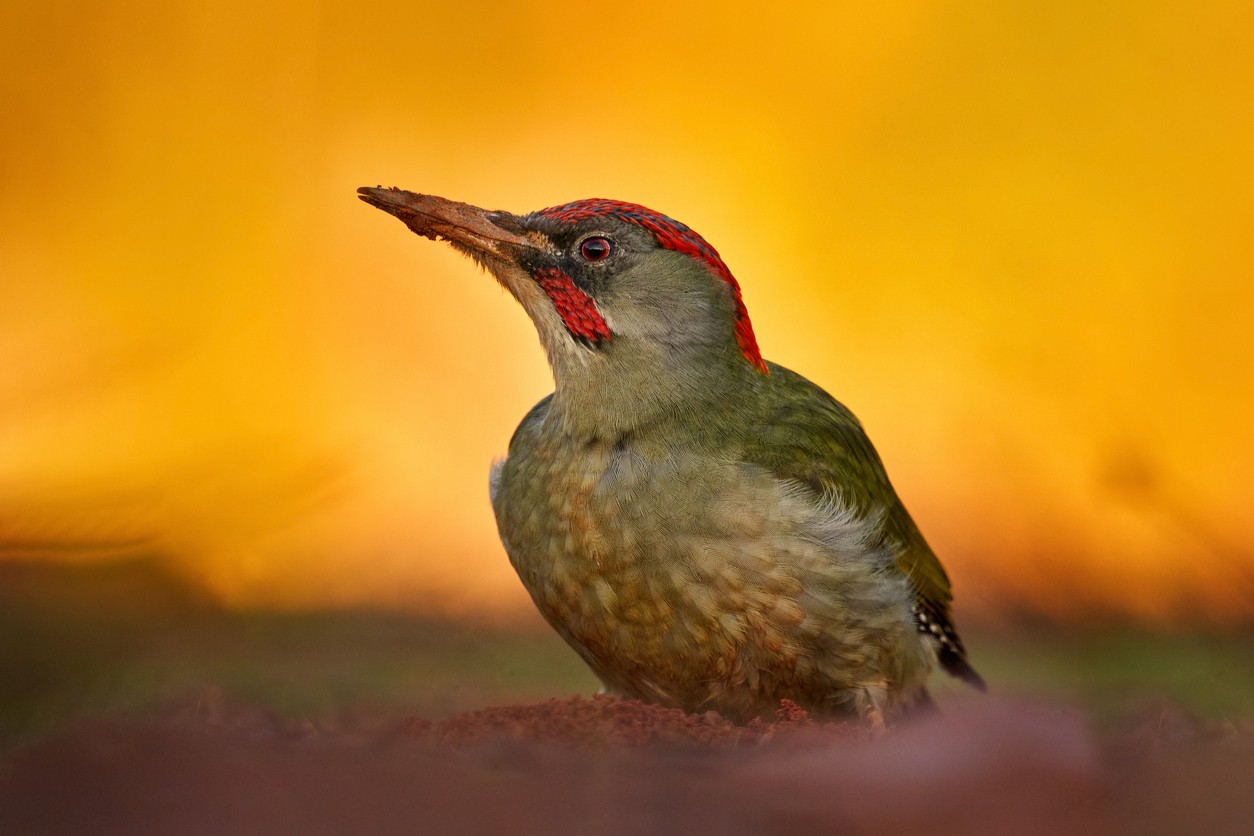
15. Iberian Green Woodpecker
The Iberian green woodpecker (Picus sharpei) is a medium-sized woodpecker endemic to the Iberian peninsula. It was formerly considered as a subspecies of the European green woodpecker but differs in having little black on the head and a dusky rather than a black ring around each eye.

16. Barn Swallow
A familiar sight in rural and semi-open areas, the small barn Swallow can often be spotted by its distinctly graceful flight as it travels low over fields. Seemingly unbothered by having human neighbors, they nest unafraid in barns, garages, beneath bridges or wharves. Interestingly enough, they have come to prefer these locations so much that you are unlikely to spot a nest in a place that is not a human-made structure.
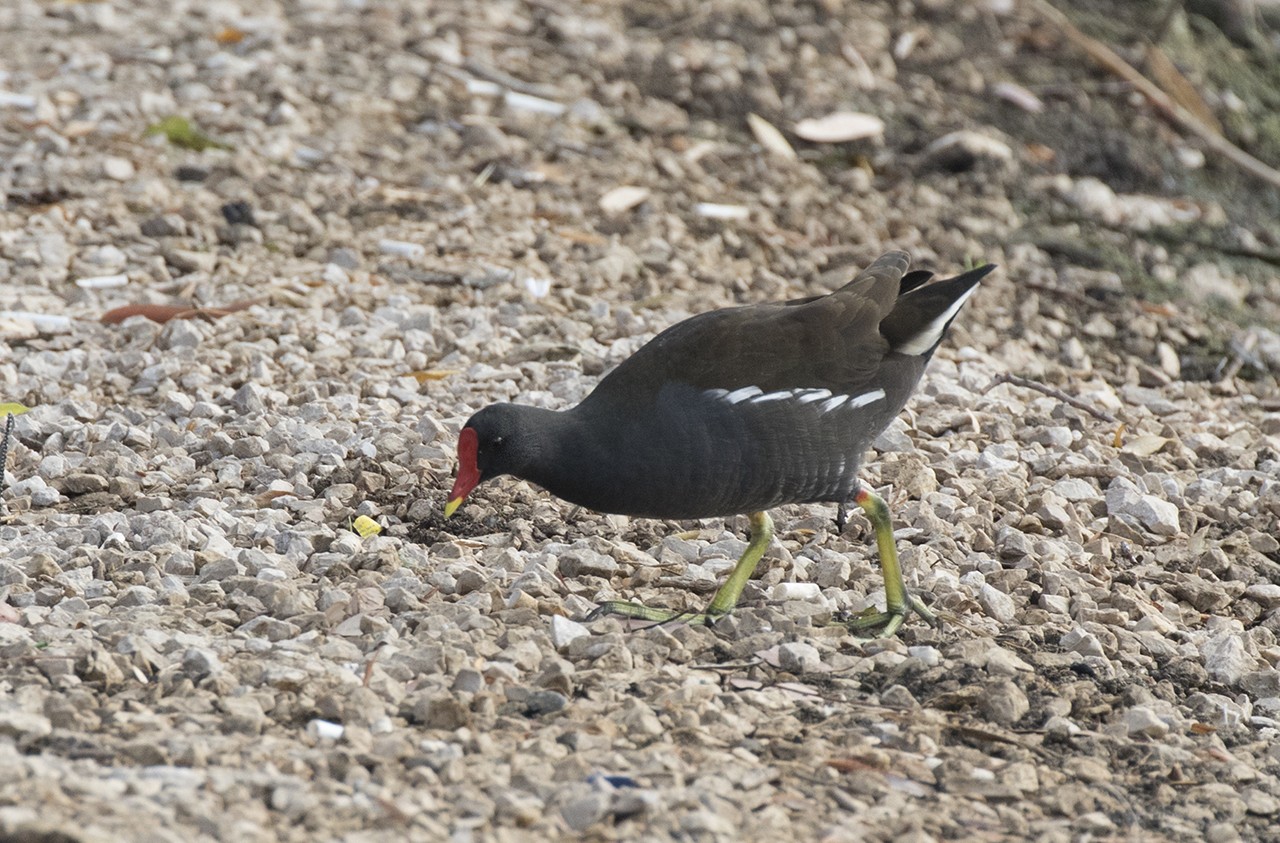
17. Common Moorhen
The common Moorhen is often found in slow-moving or standing-water aquatic ecosystems with dense vegetation coverage where they can hide and forage for food. If vegetation is dense enough, their large feet even enable them to walk across the floating plants. These birds are opportunistic feeders and will eat any food that is currently available.

18. Common Chaffinch
The common Chaffinch has a varied diet, mainly feeding on seeds and berries, but also eating insects, allowing it to thrive in different habitats. The Common Chaffinch is also known for its melodic song, with the males being particularly vocal during the breeding season. Their songs can often be heard in the spring and early summer.
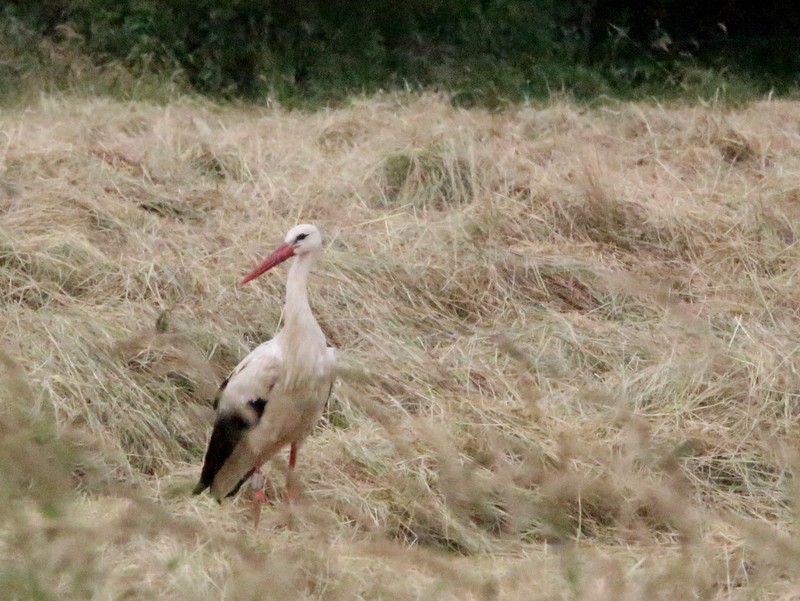
19. White Stork
The white Stork’s white feathers make it easily visible. It is hard to miss this large stork whether it is in wetlands or breeding in open agricultural fields. It is also easy to spot the stork’s large nest. The bird builds large nests on buildings and in trees using sticks and other plant debris.
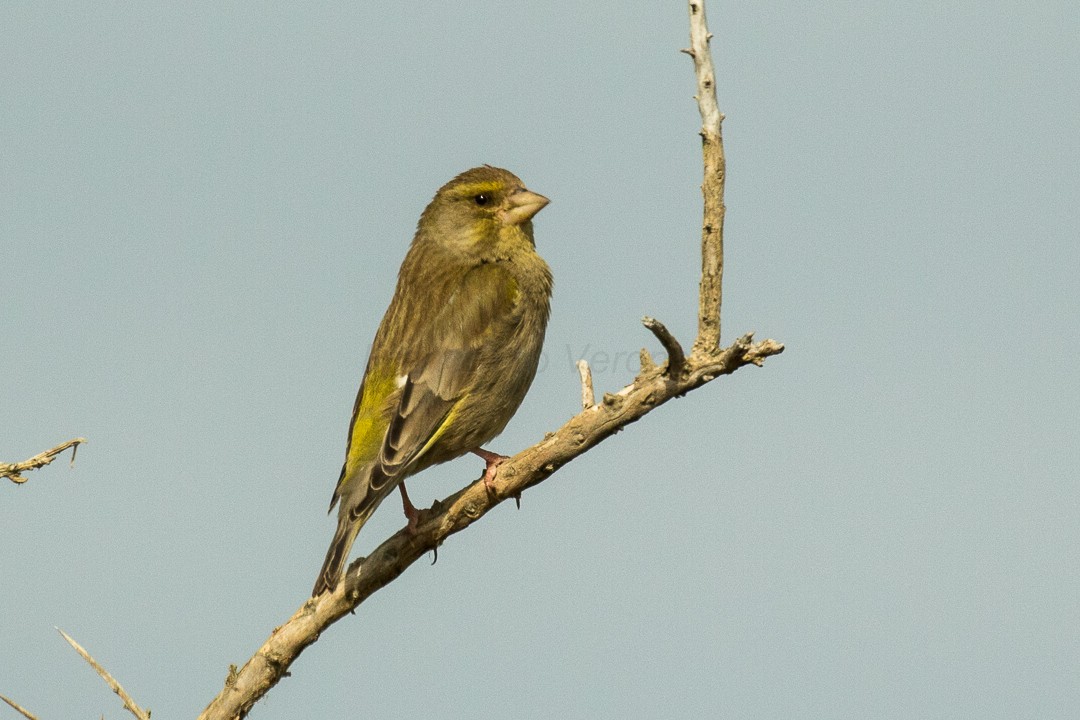
20. European Greenfinch
The european Greenfinch is a sociable bird and often forms flocks, particularly in the winter. The population of this species has been in decline due to loss of habitat and changes in land use. Identify this bird by its bright yellow head and breast on males, and green-brown head on females, and its sociable behavior in open woodlands, gardens, parks, and hedgerows.