



Top 20 Most Common Bird in Swaziland
Swaziland, known for its diverse climates ranging from the high mountains of the Highveld to the Lowveld savannahs, is home to a rich birdlife. The top 20 most common birds here demonstrate fascinating adaptations. These species, unique in their appearance, behaviors, or other remarkable traits, reflect the ecological diversity of this extraordinary landscape.

Most Common Bird
1. Common Bulbul
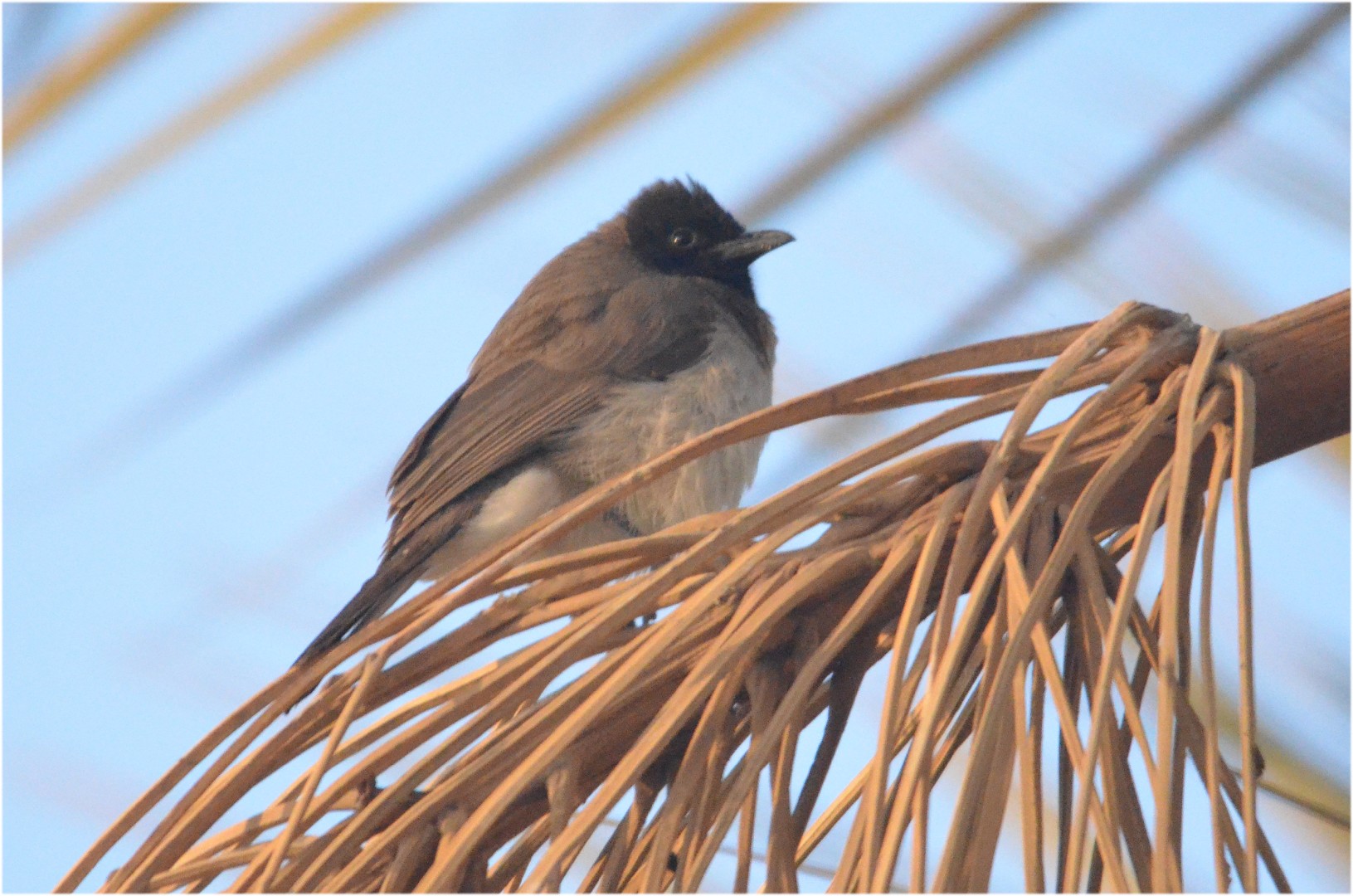
The bill is fairly short and thin, with a slightly downcurving upper mandible. The bill, legs, and feet are black and the eye is dark brown with a dark eye-ring, which is not readily visible. It is about 18 cm in length, with a long tail. It has a dark brown head and upperparts. Sexes are similar in plumage. 
2. Hadada Ibis
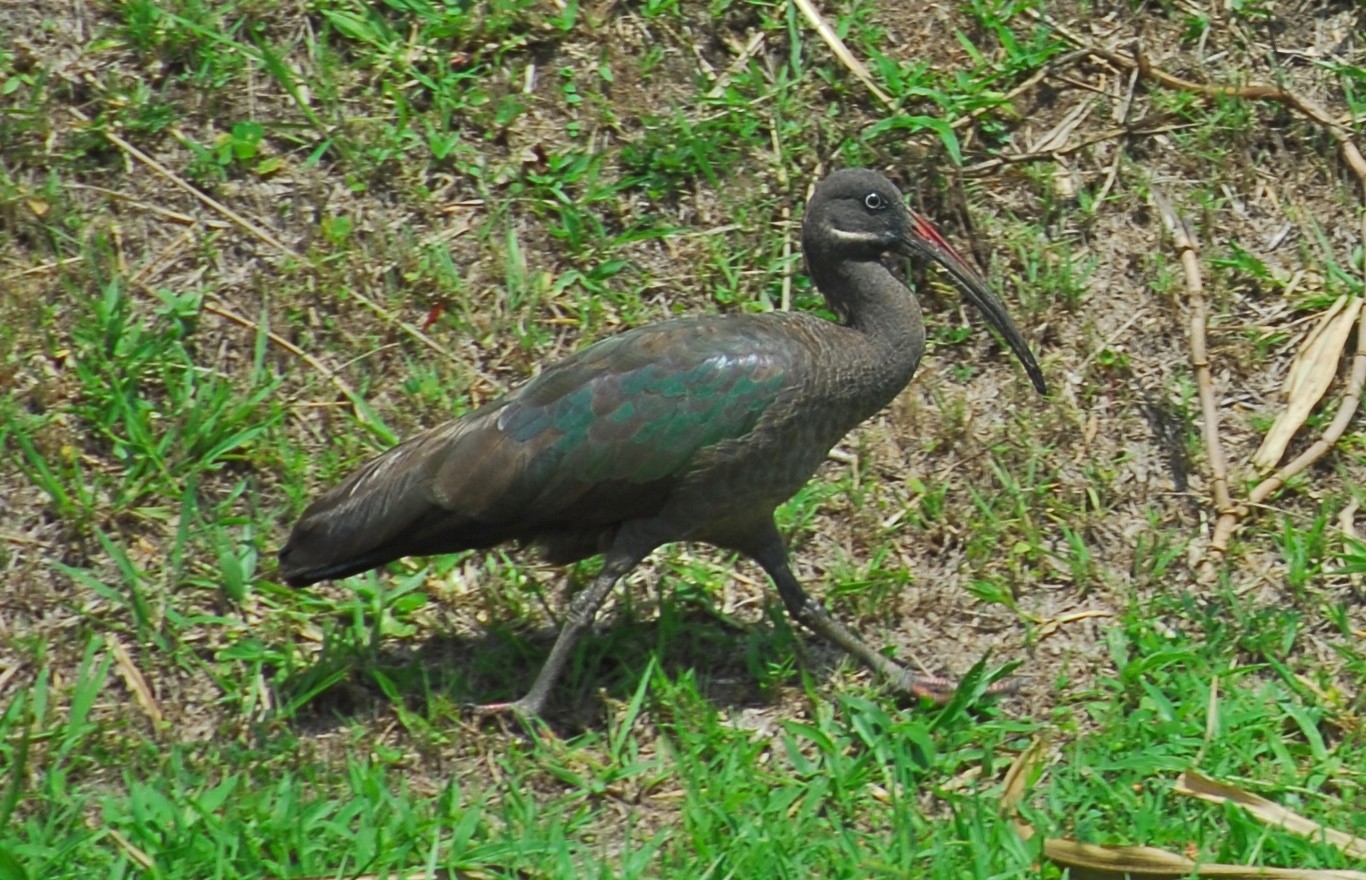
The hadeda is a large (about 76 cm long), grey-to-partly brown species of ibis. Males and females are alike in plumage. It has a narrow, white, roughly horizontal stripe across its cheeks. This is sometimes called the "moustache" though it does not reach the mouth corners. The plumage over the wings has an iridescent purple sheen produced by optical microstructures within the feathers. The bird has blackish legs and a large grey-to-black bill but during the breeding season it has a red culmen on the basal half of the upper mandible. The upper surfaces of the toes are of a similar red during the onset of breeding. The wings are powerful and broad, enabling quick take-offs and easy manoeuvring through dense tree cover. It has an extremely loud and distinctive "haa-haa-haa-de-dah" call—hence the onomatopoetic name. The call is often heard when the birds are flying or are startled, or when the birds communicate socially, for example early in the morning in residential suburbs. While roosting they produce a single loud "haaaa". When foraging, their contact call is a low growl similar to that made by a young puppy.
3. African Pied Wagtail
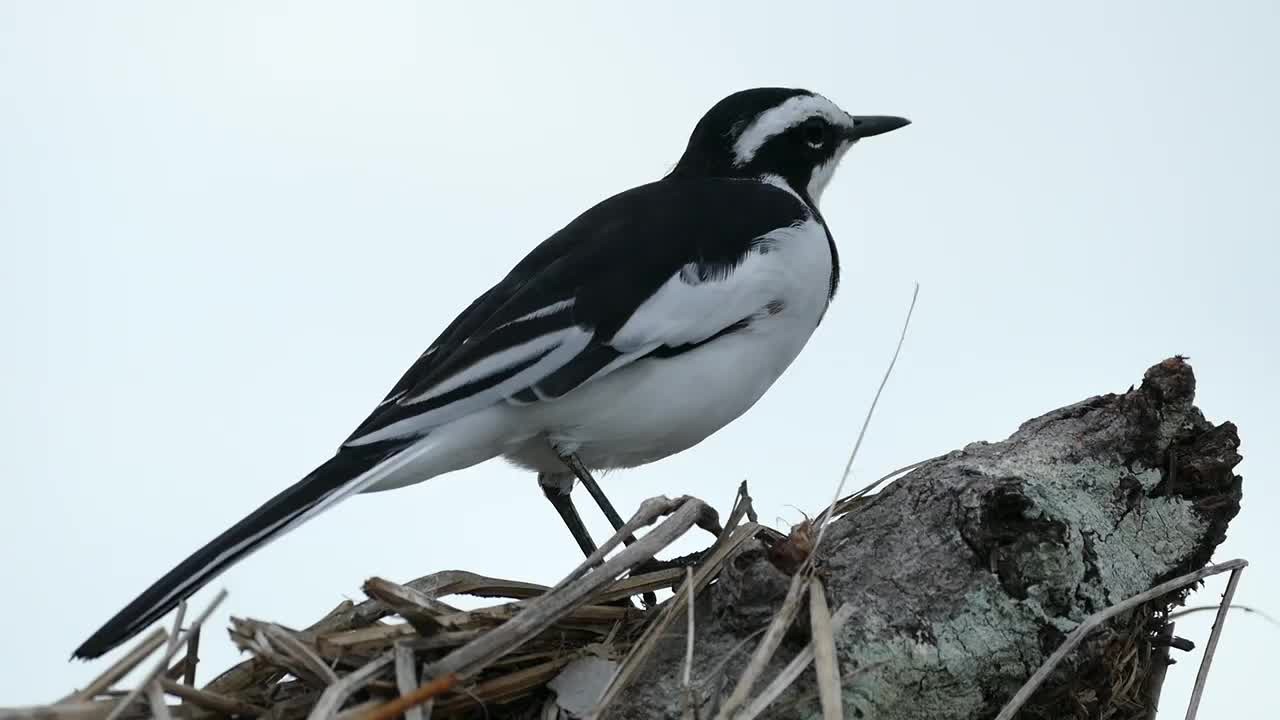
A striking black and white wagtail with black upperparts contrasting with white underparts, a white supercilium and a white patch in the folded wing. Juvenile birds are greyer, while birds of the nominate subspecies show grey flanks. They are 20 cm (7.9 in) long.
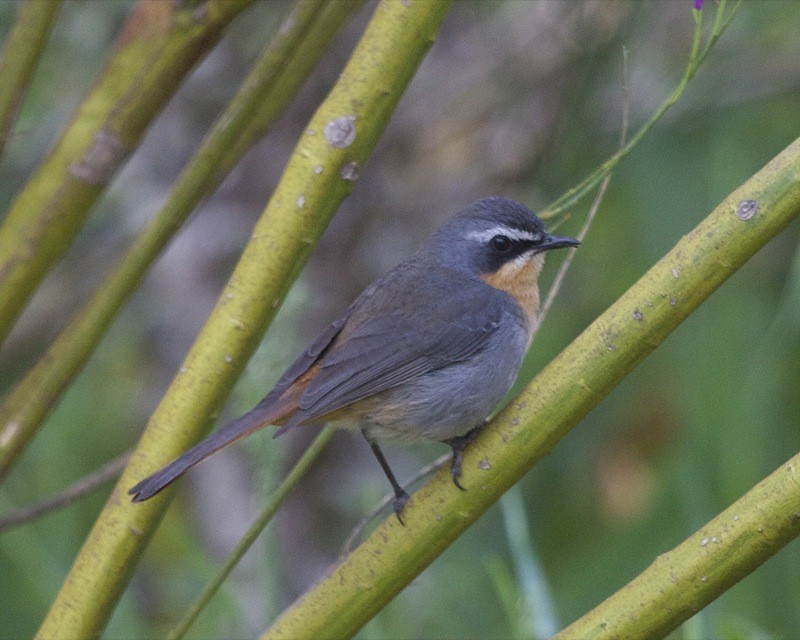
4. Cape Robin-chat
The sexes are similar. The Cape robin-chat measures 16–17 cm from bill tip to tail tip and weighs 28 g. The adult's upper parts are grey, with the mantle and secondary feathers tinged brownish olive. The blackish lores and ear coverts are separated from the crown by a prominent white supercilium. The chin, throat, central breast, rump, upper tail coverts and outer tail feathers are orange. The breast plumage moults to a deeper orange in colour for the non-breeding season. The central tail feathers are greyish-brown, and obscures the bright rufous outer tail feathers when the tail is closed. The belly is pale grey to white, and the undertail coverts buffy. The short, black bill is fairly straight, but with a slightly down-curved upper mandible. The legs and feet are black, and the eye is brown. Juveniles have tails like the adults, but lack a supercilium. They are dark brown above and buff below, heavily marked with buff on the upper parts and grey-brown on the breast. The legs and feet are pinkish grey, and unlike other robin-chats, the soles of their feet are yellow. Immatures are like adults but retain some buff-tipped greater wing coverts.
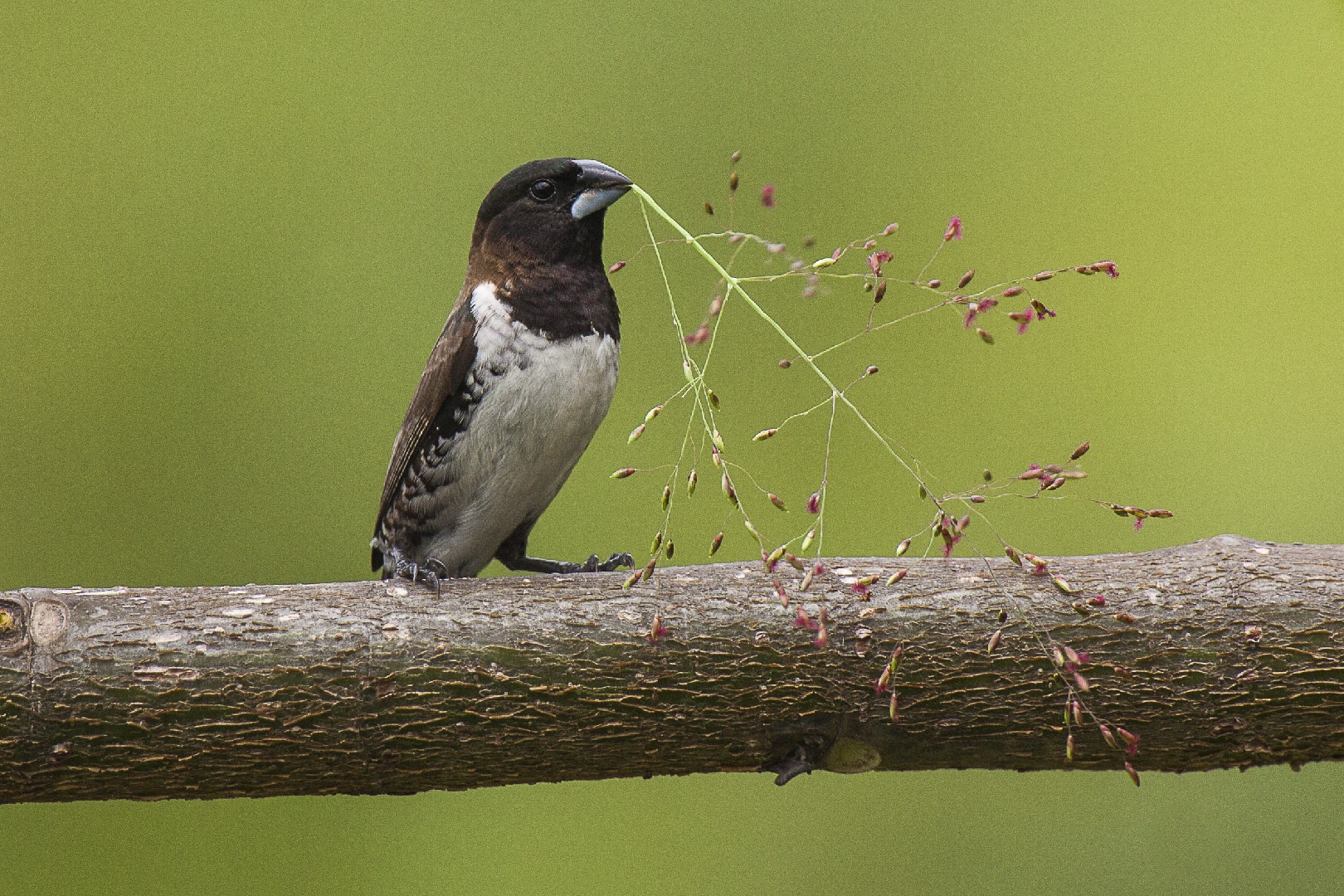
5. Bronze Mannikin
The bronze mannikin is one of the smallest munia species, measuring 9–10 cm in length and weighing 7–12 grams. The adult is a compact bird with a short black tail, and stubby black and pale grey (not distinctly bluish) mandibles. It is black to brownish black on the head, chin, throat and center of the chest, with some purple-green iridescence on the face and sides of the breast. It has greyish brown upper parts and white underparts with irregular barring on the flanks and rump. A small green iridescent patch is present on the outer scapular feathers, besides, especially in the western race, the sides of the lower breast. Wing coverts and remiges are bordered in a paler or warmer tone. The sexes are similar. Immature birds are dun brown above with buff head and underpart plumage. They moult into full adult plumage by age six months, when the males also begin to sing and exhibit breeding behaviour.
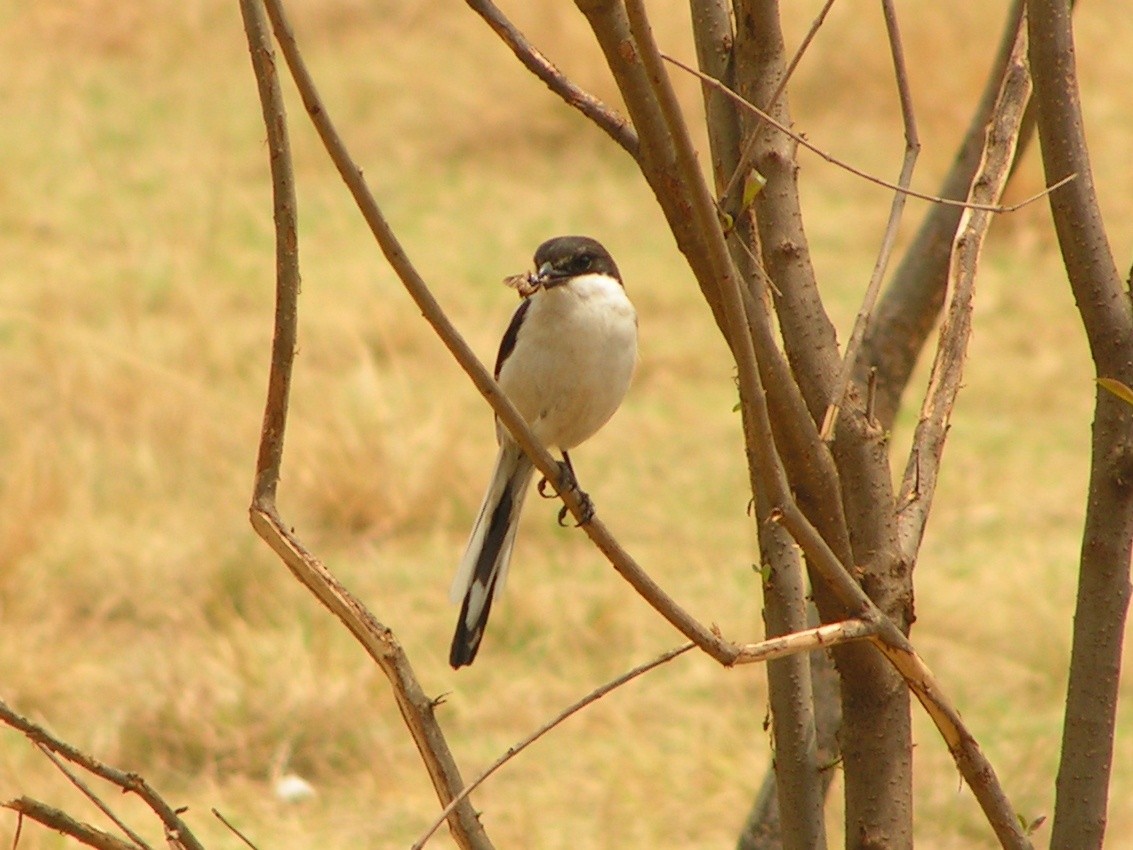
6. Southern Fiscal
This is a fairly distinctive 21–23-cm long passerine with white underparts and black upperparts extending from the top of the head down to the tail. The bird has a characteristic white "V" on the back and a relatively long black tail with white outer feathers and white tips on the other feathers. The bill, eyes and legs are black. Adult male and female common fiscals are quite similar except for the rufous lower flank of the female. The calls are a jumbled mix of shrike-like swizzling sounds including some imitations and a harsh Dzzzttt-dzzzt-dzzzt alarm call. Most of those calls however are either threatening or alarm calls. The species sometimes produces a surprisingly sweet, quiet song, although such song, however sweet it sounds, generally is either territorial or pair-bonding in function.
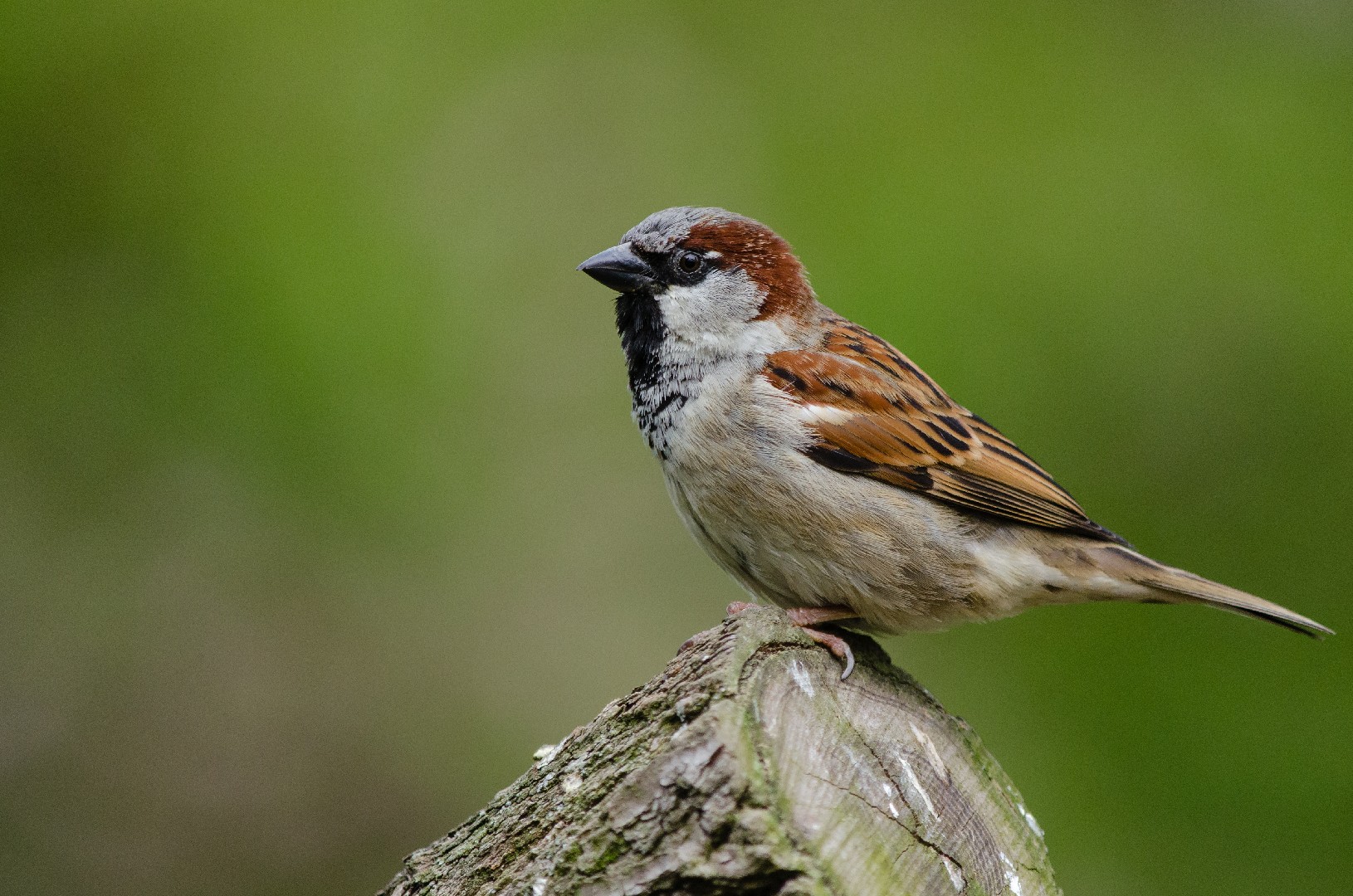
7. House Sparrow
Just as its name implies, the little house Sparrow socializes with humans more than any other bird species. Able to adapt and thrive in almost any habitat, excluding the extremes such as deserts and mountain peaks, this species was once restricted only to North Africa and Eurasia but now is found across the globe. Unfortunately, this opportunistic eater is not completely harmless—it can cause considerable damage to crops.
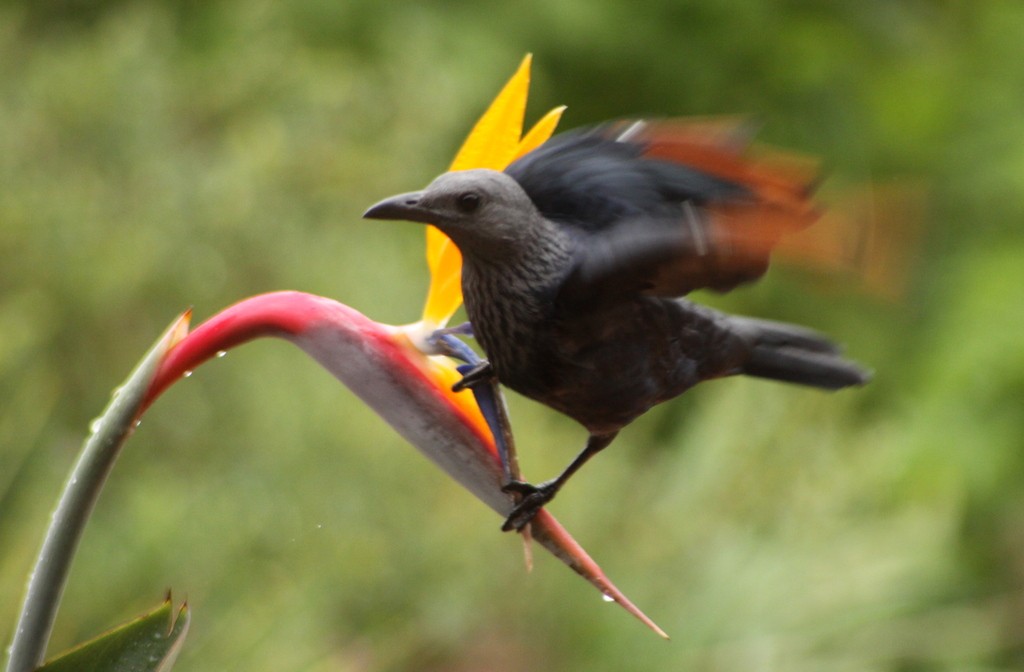
8. Red-winged Starling
The male of this 27–30-centimetre (11–12 in) long starling has mainly iridescent black plumage, with chestnut flight feathers, which are particularly noticeable in flight. The female has an ash-grey head and upper breast. The juvenile resembles the male, but is less glossy than the adults, and has brown rather than dark red eyes. The Ethiopian subspecies O. m. rupellii is longer-tailed than the nominate form and intergrades with it. This species has a number of whistled calls, but the most familiar is the contact call, cher-leeeoo. This starling may be confused with other similar starling species, such as its sister species the pale-winged starling. The difference between the two is that the red-winged has rufous primaries while the pale-winged has whitish primaries edged with orange. The pale-winged has a bright red or orange eye, while the red-winged's is dark, almost black. Only the female of the red-winged has a grey head.
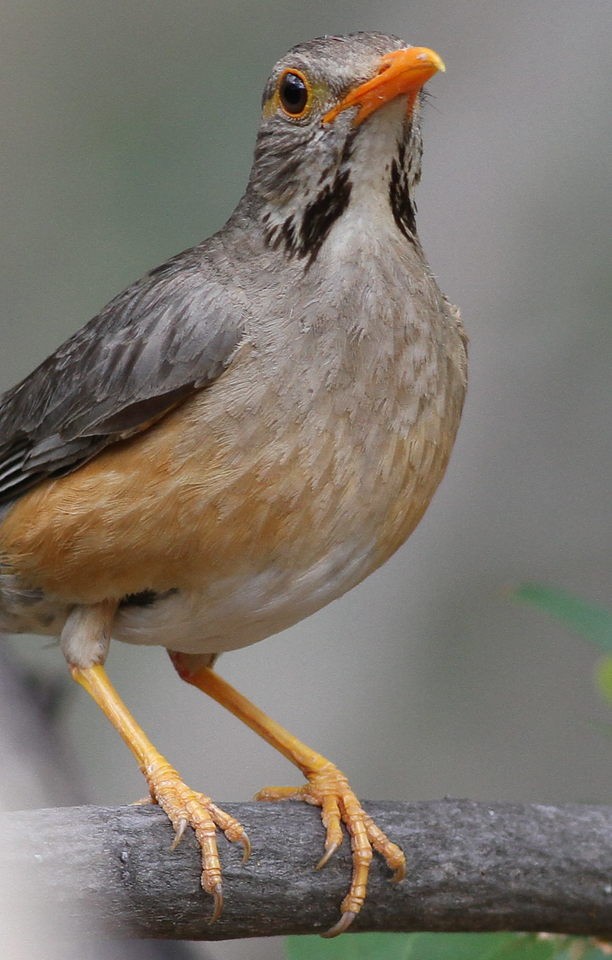
9. Kurrichane Thrush
The Kurrichane thrush is 21 to 23 cm (8.3–9.1 in) long and weighs around 46–82 g (1.6–2.9 oz). The head, upperparts and breast are grey, and the belly is whitish with orange flanks. The throat is white with black streaks on the side. The bill is orange, tending to a paler yellow at the base. The legs tend to vary in colour. Both sexes are alike.
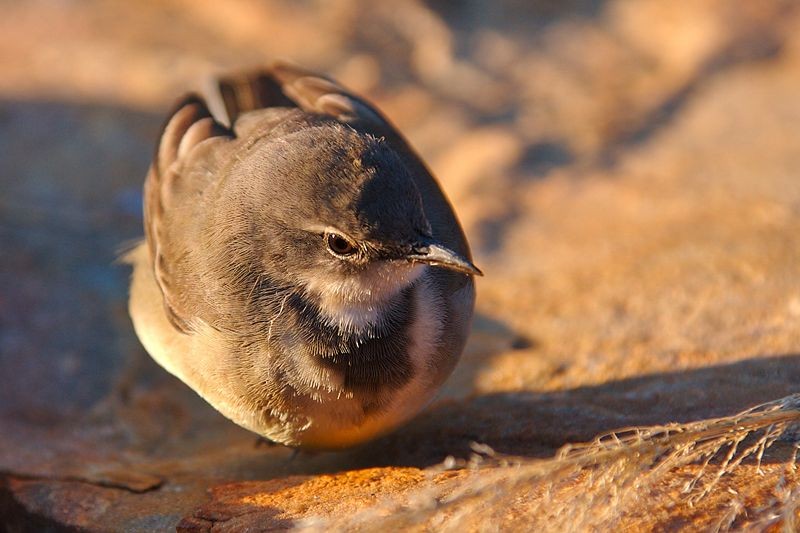
10. Cape Wagtail
The Cape wagtail is a rather dull plumaged and relatively short tailed wagtail with olive grey upperparts and face with a buff supercilium and dark lores. The underparts are creamy white and may show a faint pinkish wash on the lower breast and belly. The breast band is dusky and the sides of the breast and the flanks are olive-grey. The brownish black wings have pale edges to the feathers and the tail is blackish with the two outer tail feathers being white. The juveniles are similar to the adults but browner above and yellower below.
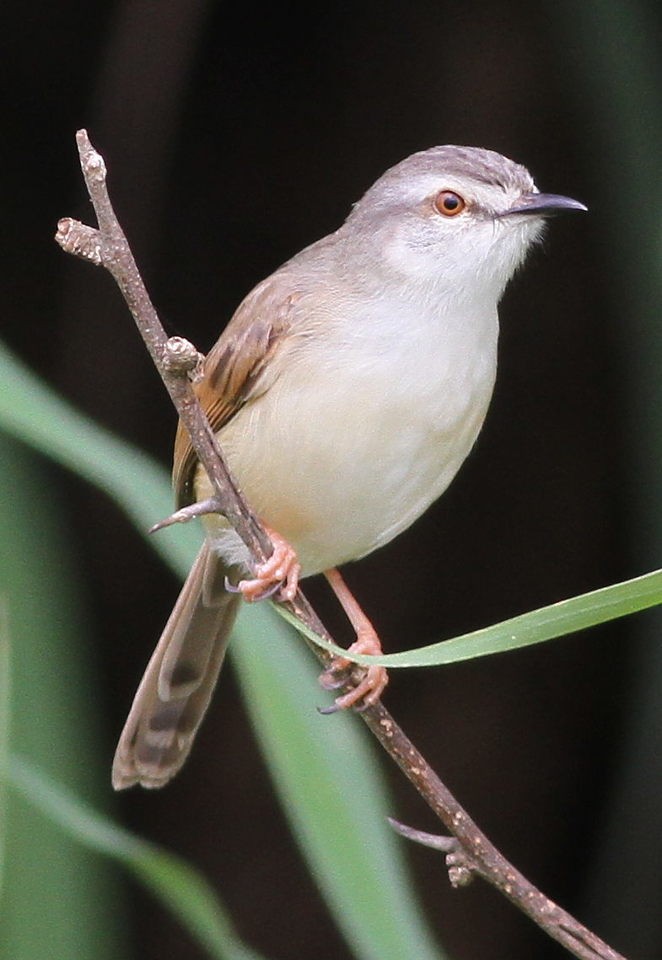
11. Tawny-flanked Prinia
It is 10-13 centimetres in length with a long, narrow, graduated tail and a fairly long, slender bill. The tail is often held erect or waved from side to side. The upperparts are grey-brown with rufous-brown edges to the flight feathers and a rufous tinge to the rump. The throat and breast are whitish while the flanks and vent are warm buff. There is a whitish stripe over the eye and the lores are dark. The tail feathers have a white tip and a dark subterminal band. The sexes are similar in appearance. Non-breeding birds have a longer tail than breeding birds. Juveniles have pale yellow underparts and a yellowish bill. There are many recognised subspecies. The call is short, wheezy and rapidly repeated. The song is a monotonous series of shrill notes. The male often sings from an exposed perch. The pale prinia (P. somalica) of North-east Africa is similar but paler and greyer with whitish flanks. It inhabits drier, more open habitats than the tawny-flanked prinia. The river prinia (P. fluviatilis) of West Africa is also paler and greyer and has a longer tail. It is restricted to waterside vegetation.

12. Black-winged Kite
This long-winged raptor is predominantly grey or white with black shoulder patches, wing tips and eye stripe. The long falcon-like wings extend beyond the tail when the bird is perched. In flight, the short and square tail is visible and it is not forked as in the typical kites of the genus Milvus. When perched, often on roadside wires, it often adjusts its wings and jerks its tail up and down as if to balance itself. The sexes are alike in plumage. Their large forward-facing eyes placed under a bony shelf that shades them is distinctive; their velvety plumage and zygodactyl feet are characters shared with owls and the genus has been considered as a basal group within the Accipitridae. They are thought to have been adapted for living in savanna habitats where seasonal rodent population peaks occur. Such food resources are also favoured by the owls. The inner vanes of the feathers have velvety barbules. They have a diploid chromosome number of 68 (some older studies claimed 64 for E.c.caeruleus and 66 for E.c.vociferus) with a distinct karyotype with resemblances to the kites and honey buzzards and suggesting a basal position within the diurnal birds of prey.
13. Village Weaver
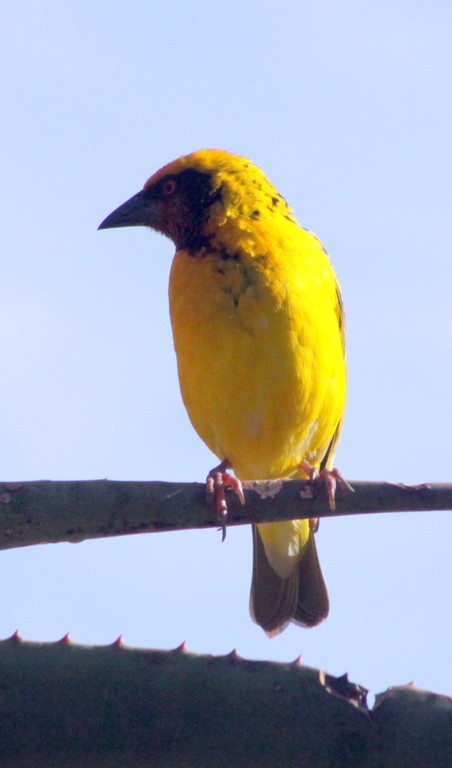
The village weaver is a stocky 15–17 cm bird with a strong conical bill and dark reddish eyes. In the northern part of its range, the breeding male has a black head edged by chestnut (typically most distinct on the nape and chest). Towards the southern part of its range, the amount of black and chestnut diminish, and the breeding males of the southernmost subspecies only have a black face and throat, while the nape and crown are yellow. In all subspecies the breeding male has a black bill, black and yellow upperparts and wings, and yellow underparts. The non-breeding male has a yellow head with an olive crown, grey upperparts and whitish underparts. The wings remain yellow and black. The adult female has streaked olive upperparts, yellow and black wings, and pale yellow underparts. Young birds are like the female but browner on the back.
14. African Palm Swift
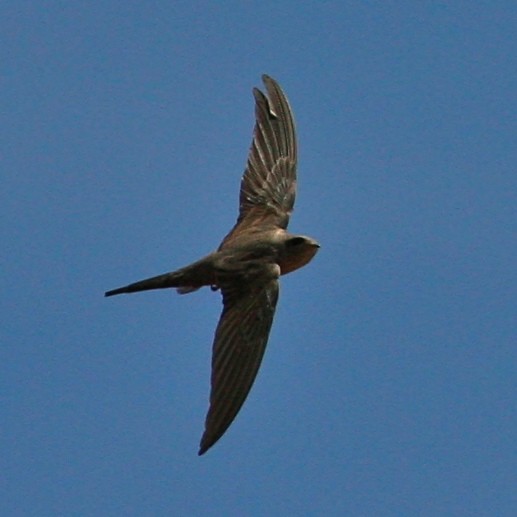
This 16 cm long species is mainly pale brown in colour. It has long swept-back wings that resemble a crescent or a boomerang. The body is slender, and the tail is long and deeply forked, although it is usually held closed. The call is a loud, shrill scream. Sexes are similar, and young birds differ mainly in their shorter tails. Palm swifts have very short legs which they use only for clinging to vertical surfaces, since swifts never settle voluntarily on the ground.
15. Greater Double-collared Sunbird
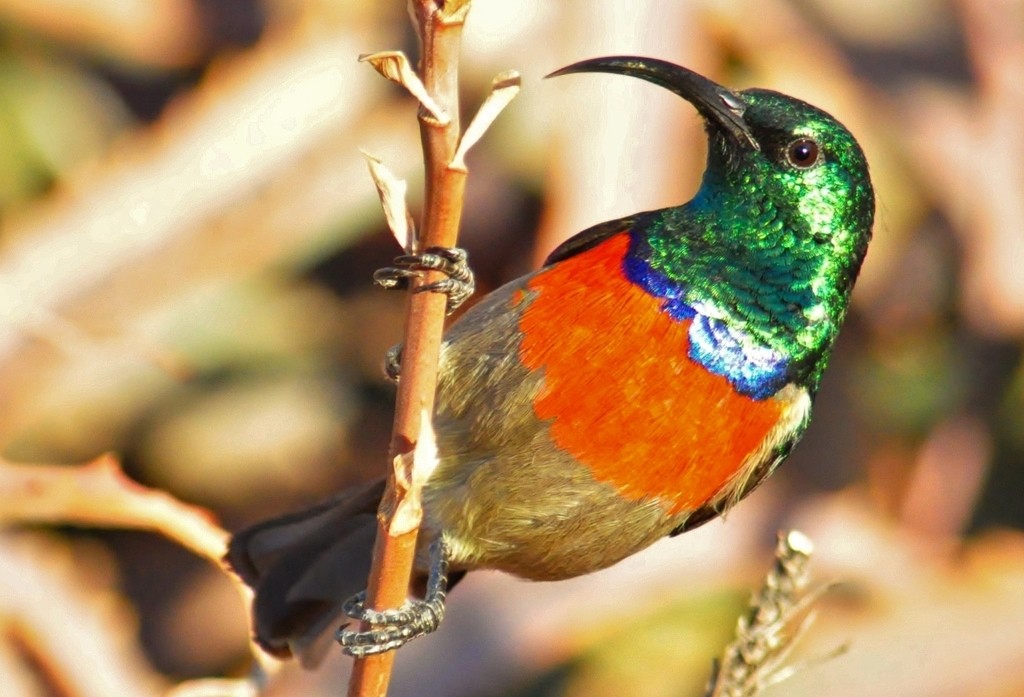
The sunbird is 14 cm long. The adult male has a glossy, metallic green head, throat upper breast and back. It has a broad brilliant red band across the chest, separated from the green breast by a narrow metallic blue band. The rest of the underparts are pale grey. When displaying, yellow feather tufts can be seen on the shoulders. As with other sunbirds the bill is long and decurved. The bill, legs and feet are black. The eye is dark brown. The male can be distinguished from the similar lesser double-collared sunbird by the latter's smaller size, narrower red chest band and shorter bill. The call is a hard chut-chut-chut, and the song is a high pitched jumble of tweets and twitters, richer than the calls of the lesser double-collared sunbird.
16. Amethyst Sunbird
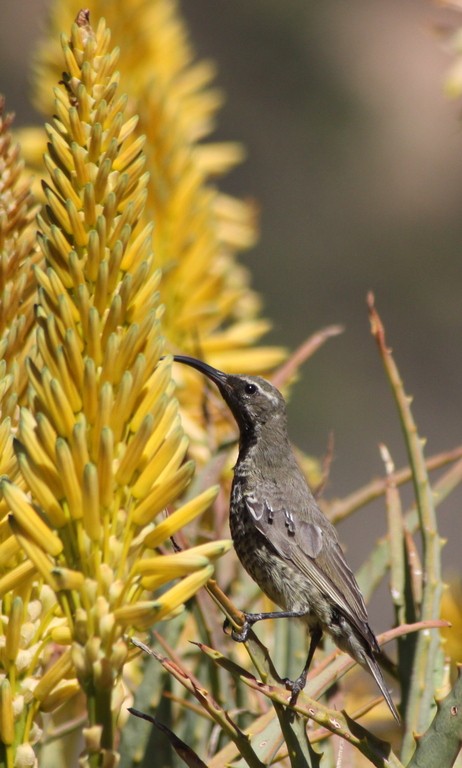
The amethyst sunbird, also called the black sunbird (Chalcomitra amethystina), is a species of passerine bird in the family Nectariniidae. It is native to the Afrotropics, mostly south of the equator. They are commonly found in well-watered habitats, and undertake seasonal movements to visit flowering woodlands. The demise of some woodlands have impacted their numbers locally, but their range has also expanded along with the spread of wooded gardens.
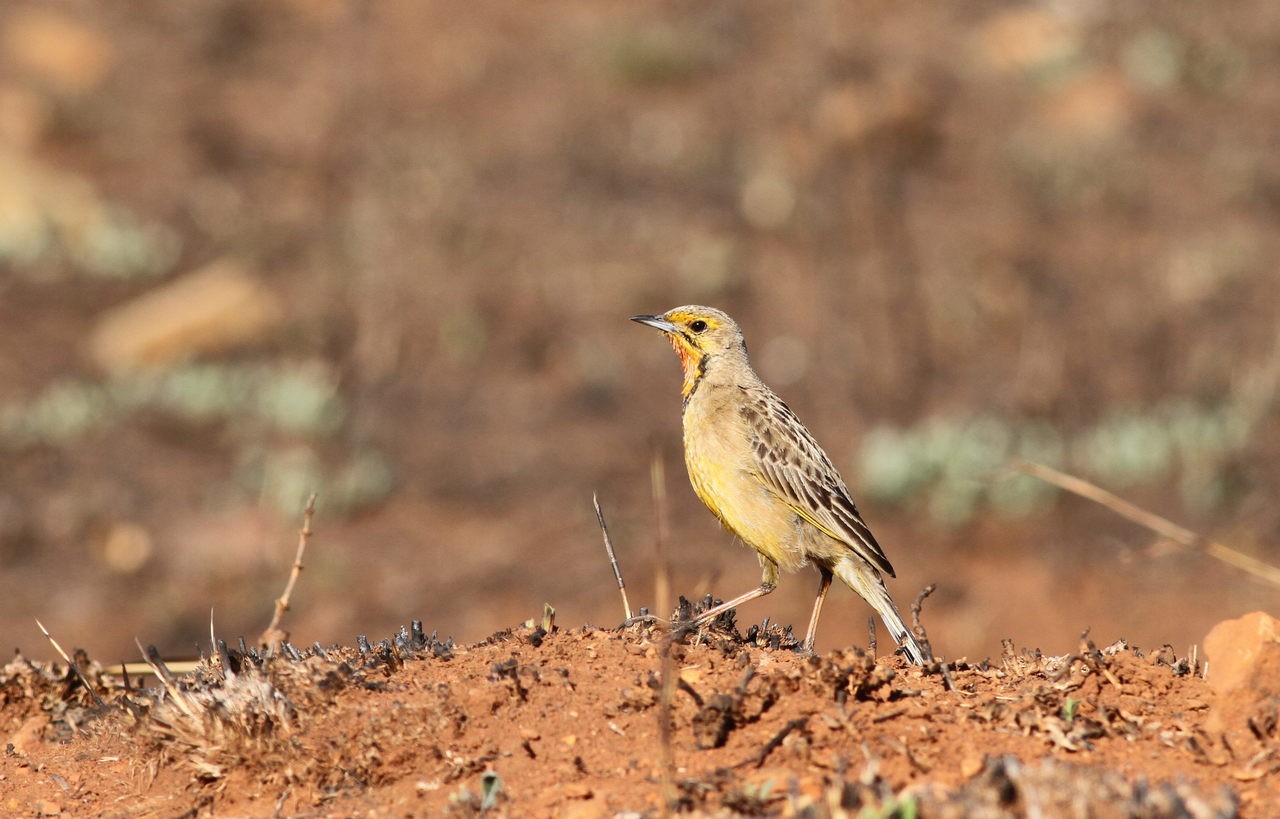
17. Cape Longclaw
The Cape longclaw is a 19–20 cm long. The adult male has a grey head with a buff supercilium and a streaked blackish back. It has a bright orange gorget, black breast band and otherwise yellow underparts. The female is duller, having a yellow throat and much weaker breast band. The juvenile has a dirty yellow throat, indistinct breast band, and yellowish white underparts. The Cape longclaw is usually found in pairs throughout the year. It feeds on the ground on insects and some seeds. The song is a musical cheewit cheewit, the contact call is tsweet, and there is also a mewling alarm call. Typically not found in larger groups than two, a breeding pair or more often singly. Another behavioural characteristic is the tendency of birds to stand on top of stones, anthills or large grass clumps. While doing so birds stand upright with their breast extended. This species has a striking resemblance to the unrelated icterid meadowlarks, grassland birds of the Americas. This is presumably due to convergent evolution.
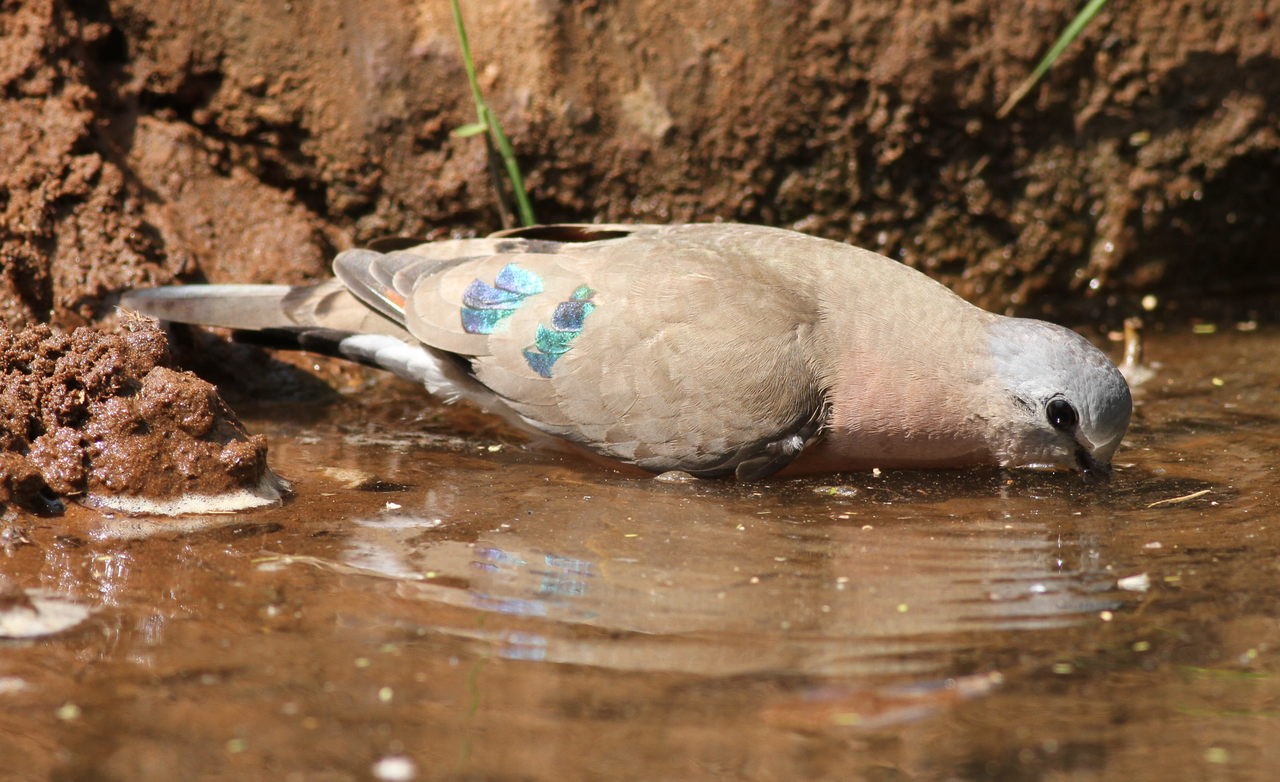
18. Emerald-spotted Wood Dove
Emerald-spotted wood dove is a small plump pigeon, typically 20 cm in length. Its back, hindneck, wings and tail are pale grey brown, and the folded wings have green metallic patches. There are blackish bands on the lower back and tail. The forehead, crown and nape are bluish grey, fading to pinkish grey on the throat. The underparts are mauve-pink, becoming whiter on the belly. The bill of this dove is blackish with a red base. The sexes are similar, but the female may be slightly duller than the male. The immature has duller green spots and buff fringes to the feathers. When flying, black-billed wood dove is told from this species by its bright chestnut underwings. The call is in three parts: two soft long coos, followed by a series of slow descending coos lasting 10 seconds, and concluding with 4 seconds of rapid coos, which decrease in volume. This species shows some geographical variation in plumage, but differences are clinal, and emerald-spotted wood dove is now considered to be monotypic.
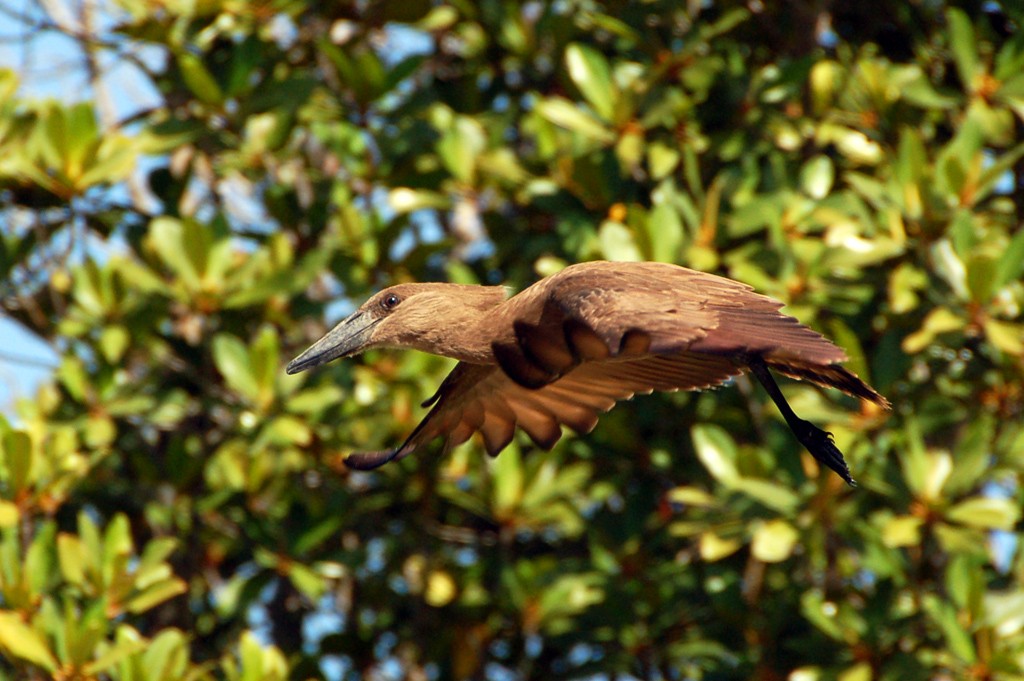
19. Hamerkop
Hamerkop is a medium-sized waterbird found in wetlands in Africa, Arabia, and Madagascar. It is known for its massive nests, which are usually built during the breeding season. During breeding, both parents feed the young and after 50 days of care, the chicks will grow up and leave the nest.
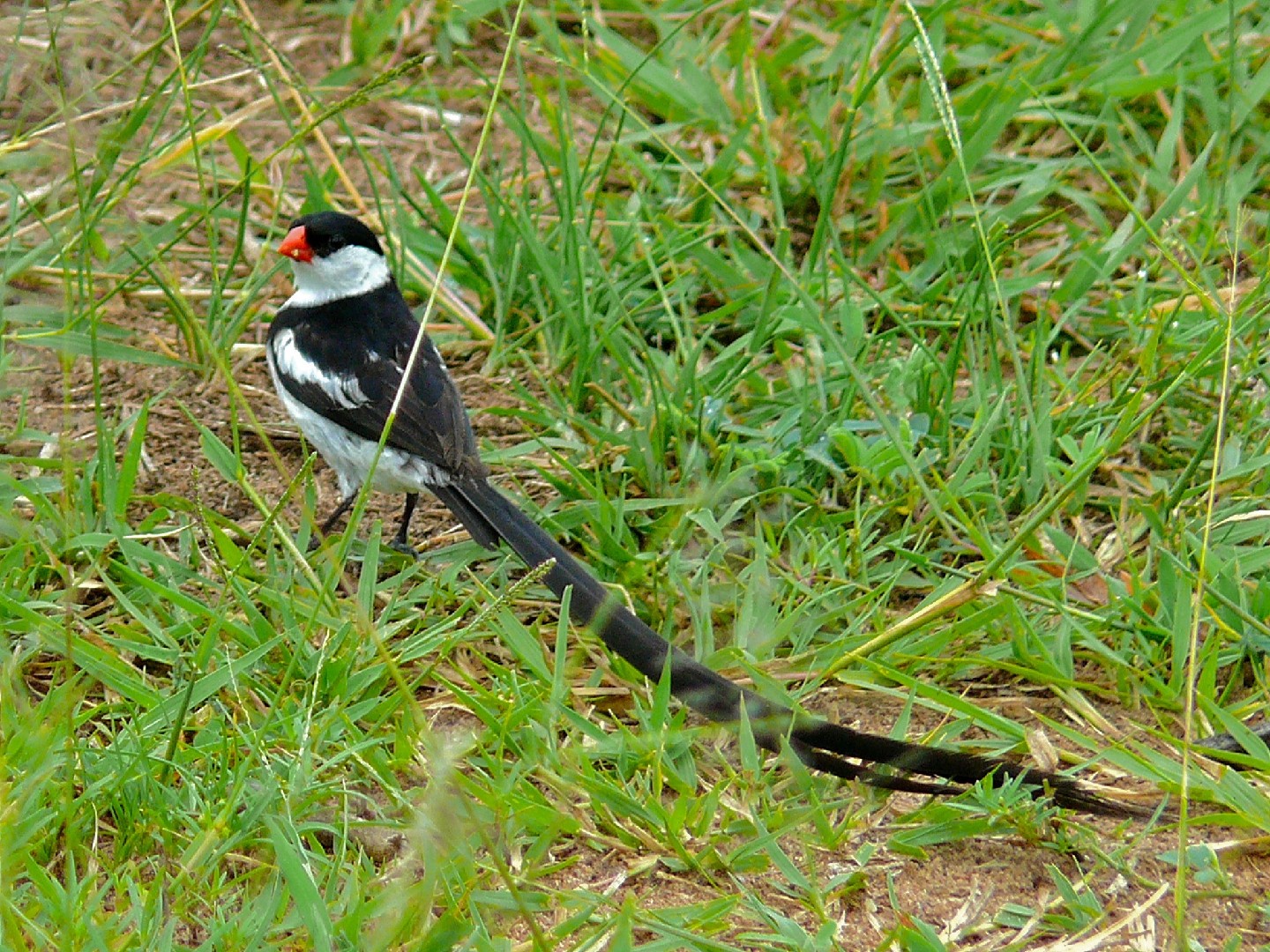
20. Pin-tailed Whydah
The male pin-tailed Whydah has an enormous, unmistakable tail and bright orange-red beak! These small birds can be found in open fields and farmlands, but also make their way into urban terrain. The pin-tailed Whydah has been introduced to a few regions outside of its natural range, including California, but thus far does not appear to pose an immediate threat to local species.