



Top 20 Most Common Bird in Couva/Tabaquite/Talparo
The region of Couva/Tabaquite/Talparo in Trinidad and Tobago boasts a rich, biodiverse ecosystem, home to a profusion of bird species. Its 20 most common avians are distinguished by their distinctive plumage, unique behaviors, and specialized adaptations, each one uniquely suited to the environments they inhabit. These bird species not only exhibit astounding biodiversity but also provide crucial ecological benefits, shaping the habitat that encompasses them.

Most Common Bird
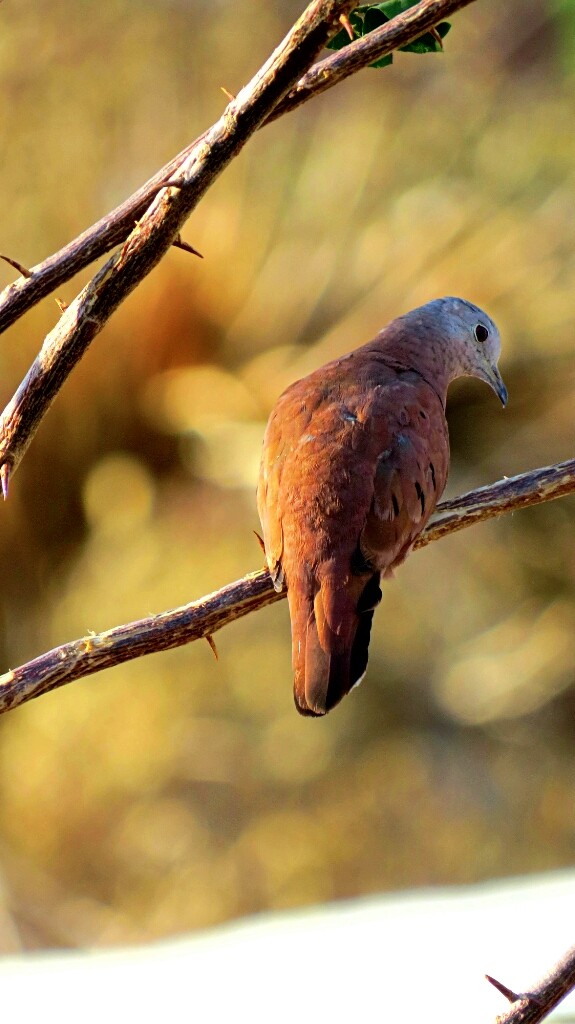
1. Ruddy Ground Dove
The Rosttäubchen (Columbina talpacoti) is a kind of the pigeons birds, which is counted among the subfamily of the American Kleintauben. The species occurs from the extreme south of North America to South America and is considered as not endangered in its population.
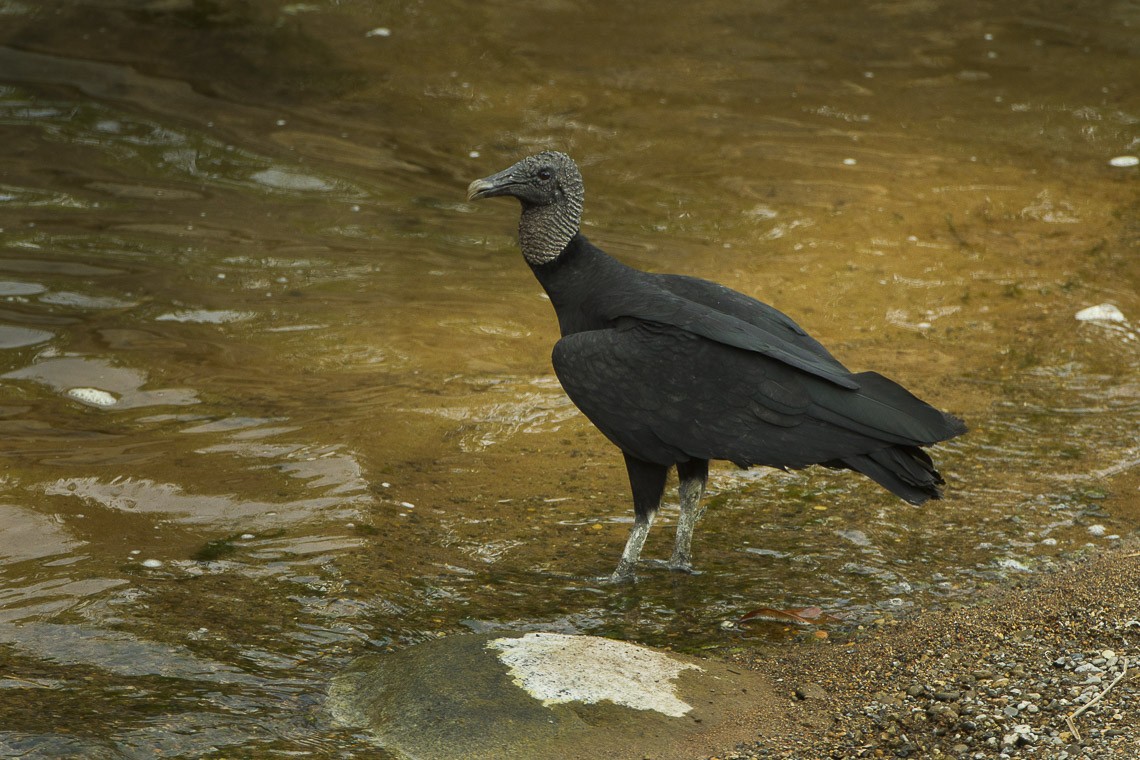
2. Black Vulture
Although quite dapper in appearance, the black Vulture's name comes from the Latin vulturus meaning “tearer" and that is just what that hooked beak is for. These birds are highly social, with fierce family loyalty and will share food with relatives and with their young long after the babies have fledged. Because they lack a voice box, their calls are limited to grunts and hisses.
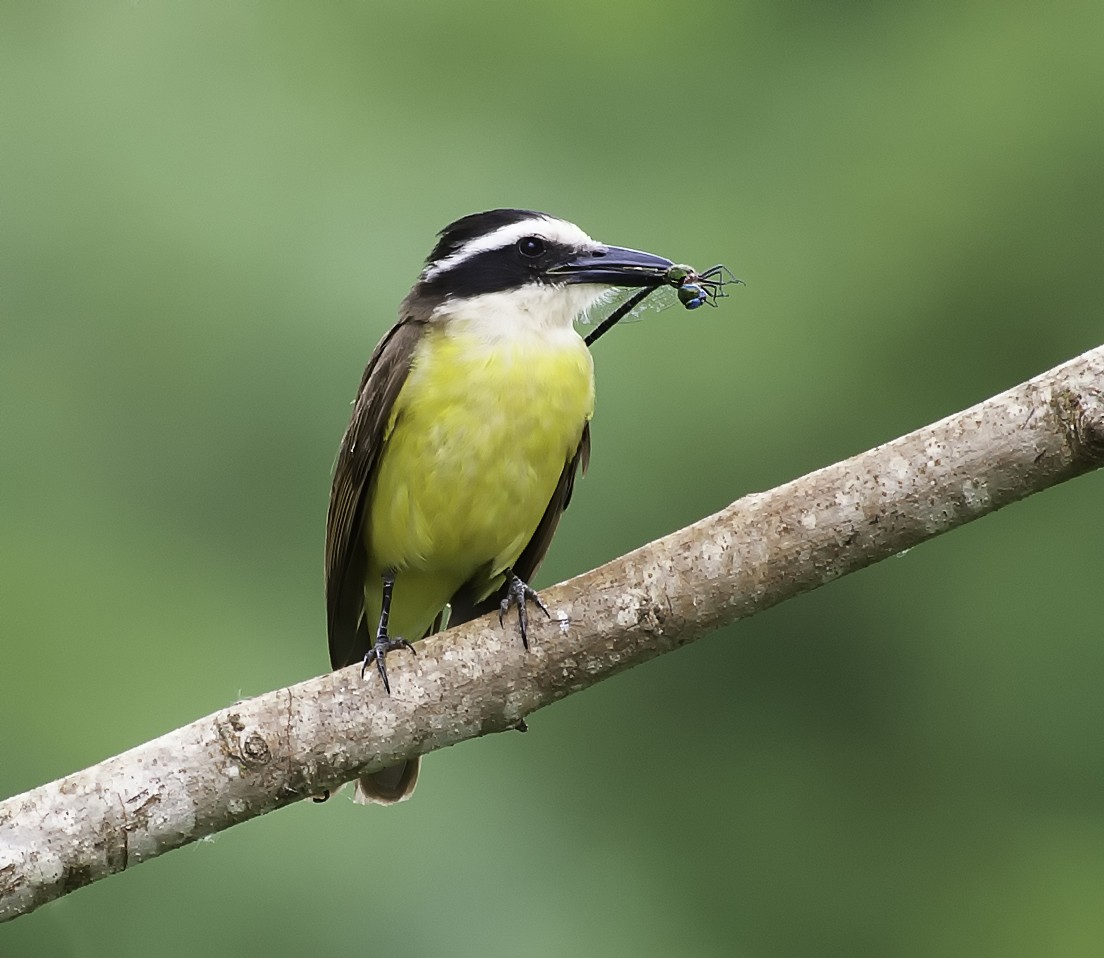
3. Great Kiskadee
The great Kiskadee is a large bird with bold markings that make this flycatcher easily recognizable. is a bright-colored bird that prefers woodland habitats close to water or open areas. It eats a lot of insects, but also forages for seeds and berries and is known to dive into shallow water for small fish.
4. Laughing Gull
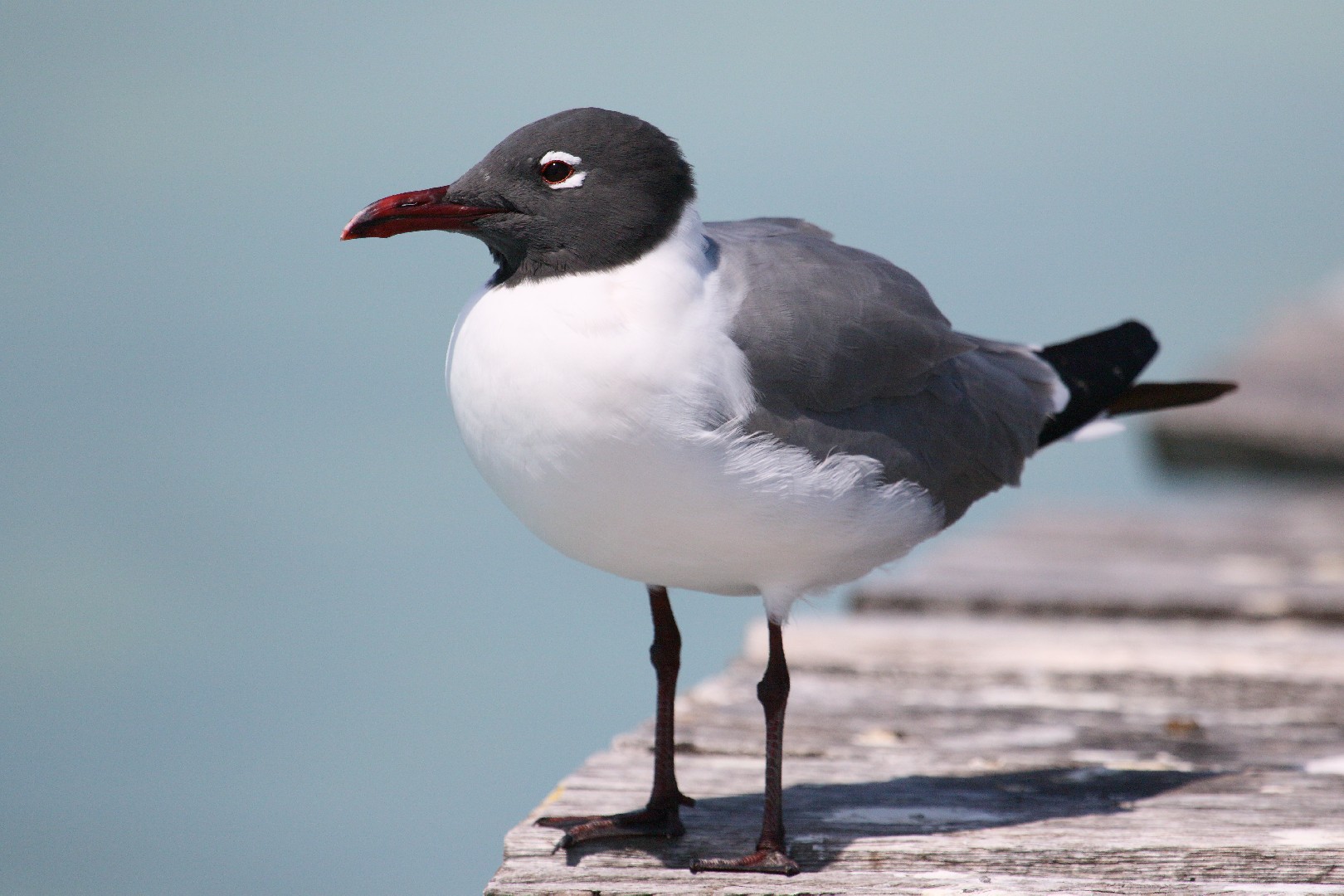
The laughing Gull is the largest of all of the dark-hooded gulls and is aptly named due to its call, "ha ha ha," which of course resembles laughter. Interestingly, gulls will typically stop flying and roost when there is low atmospheric pressure (often indicative of oncoming rain).
5. Carib Grackle
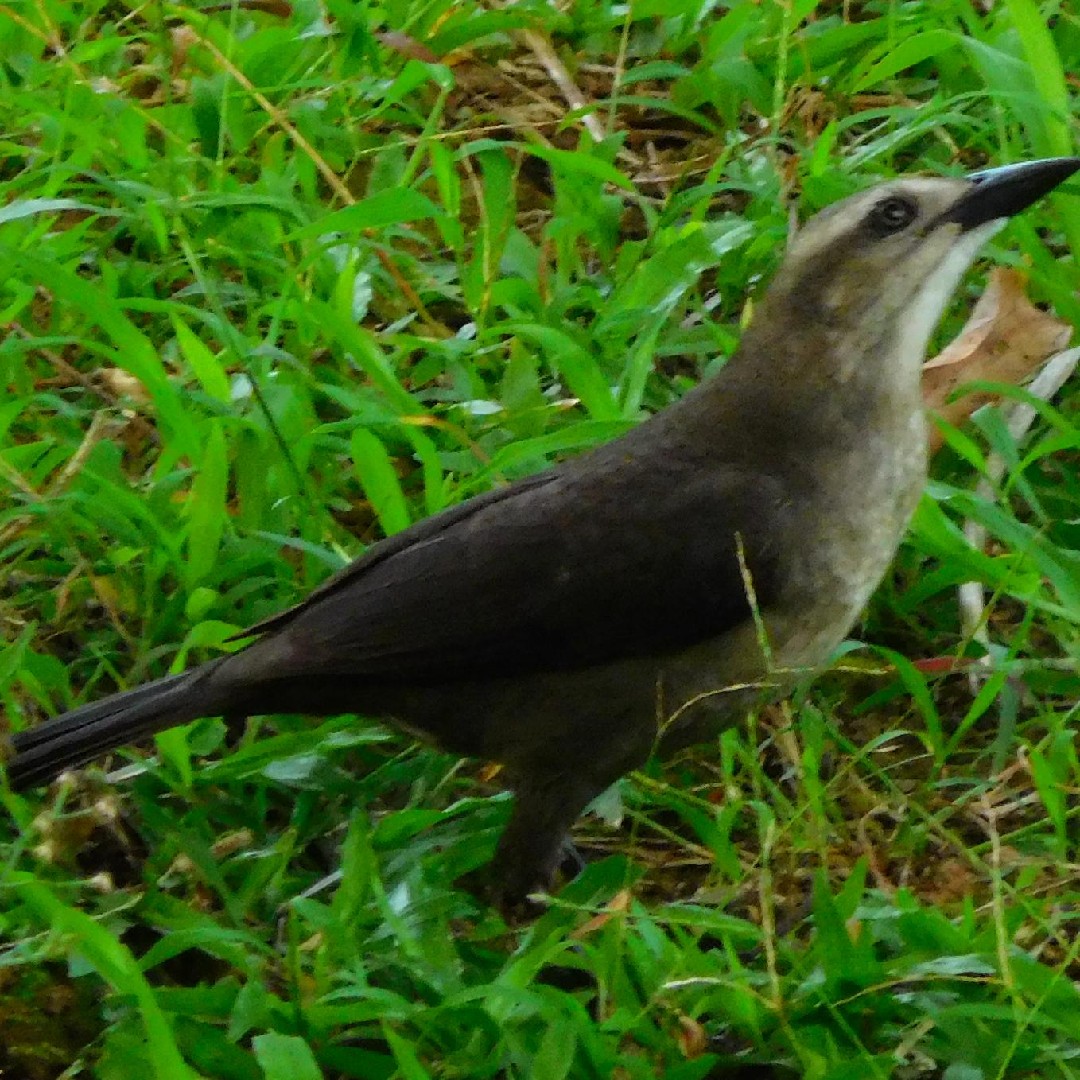
The adult male Carib grackle is 27 cm (11 in) long with a long wedge-shaped tail, although the latter is not so long as other grackles. Its plumage is entirely black with a violet iridescence, its eyes are yellow, and it has a strong dark bill. The adult female is 23 cm (9.1 in) long, with a shorter tail and brown plumage, darker on the upperparts. Young males are shorter tailed than adult males and have some brown in the plumage. Young females are very similar to the adult females. The seven island subspecies differ from the nominate one in size, plumage shade (especially in the browns of the females), and vocalisations. 
6. Brown Pelican
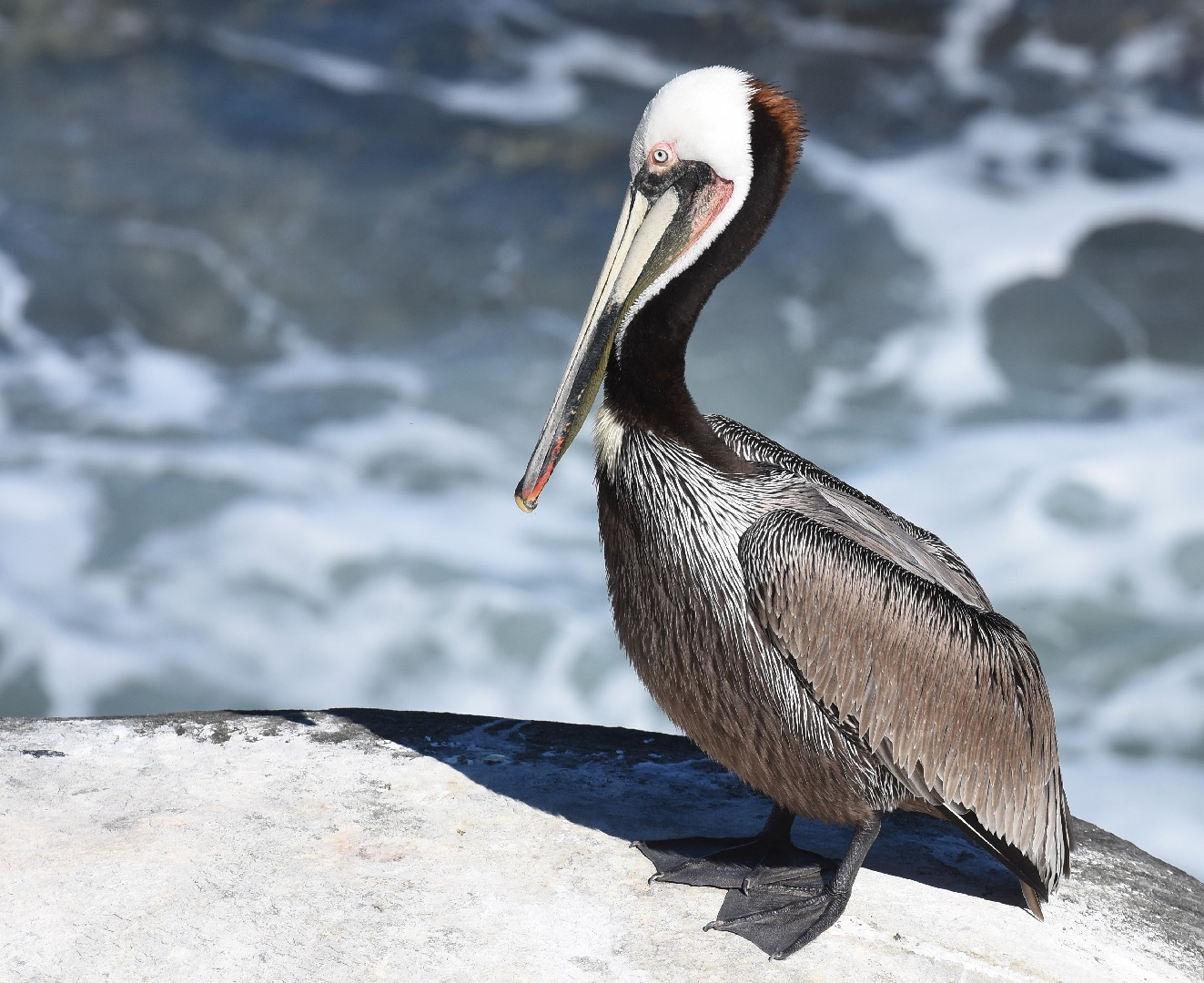
The brown Pelican is a large seabird frequently found in and around marine and estuarine habitats as well as manufactured docks and jetties. They can be seen effortlessly gliding in the air along the coast when not feeding. These birds have a unique feeding behavior where they dive head-first into the water, using their throat pouches to capture their prey. They often nest in large colonies on islands with no natural predators.
7. Palm Tanager
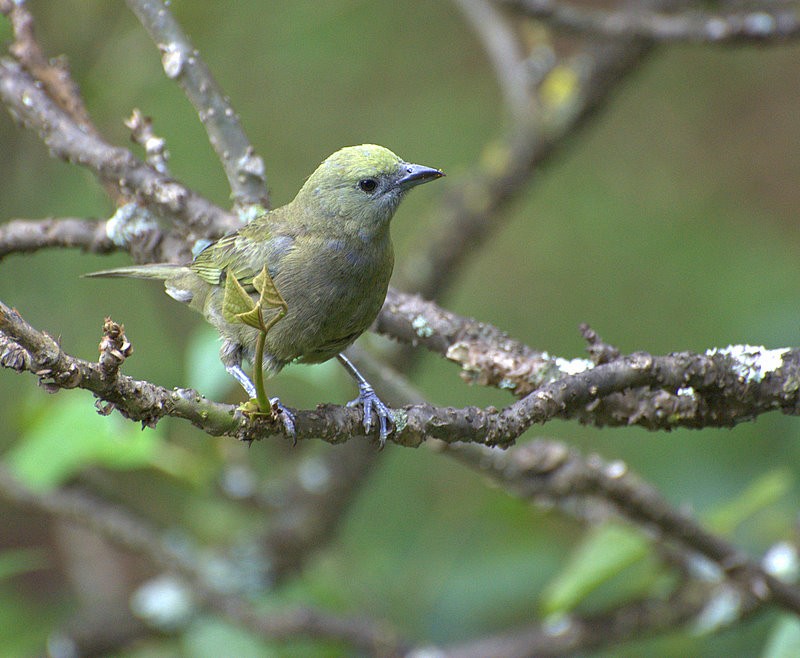
The palm Tanager is a magnificent bird species that steals the show with its olive-green feathers and striking black wings. It is a medium-sized bird that inhabits the palm forests of South America, where it feeds on a diverse diet including fruit, insects, and spiders. The Palm Tanager has a special relationship with palm trees, which provide both food and shelter, and it is perfectly adapted to life in this unique habitat.
8. Tropical Mockingbird
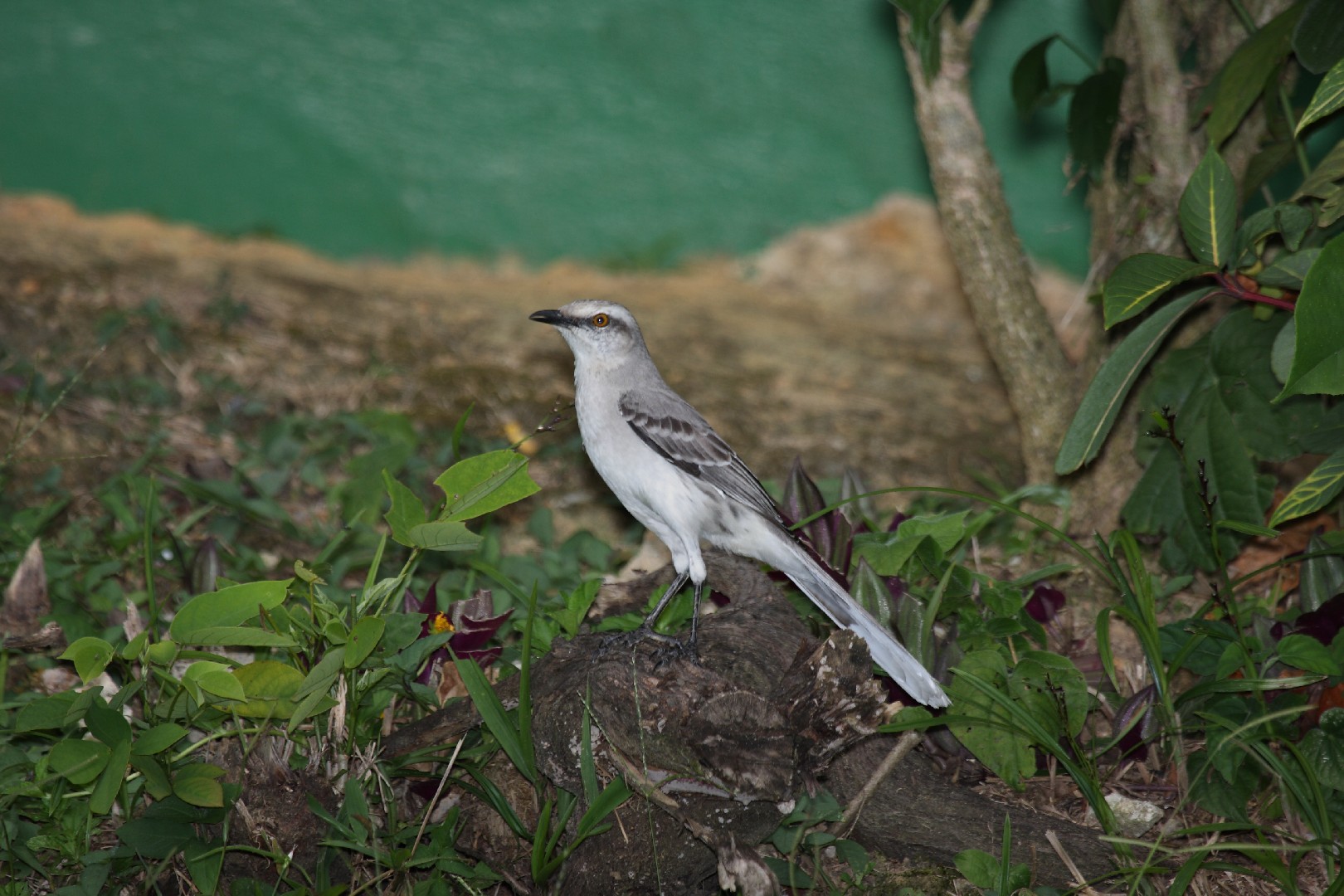
The tropical Mockingbird is named after its wide range throughout the coastal tropics of Central and South America. These birds are common in their natural habitats and can also regularly be seen sitting on telephone wires. They are very similar to the long-tailed mockingbird (Mimus longicaudatus) in appearance and call, but the two ranges do not overlap.
9. Blue-grey Tanager
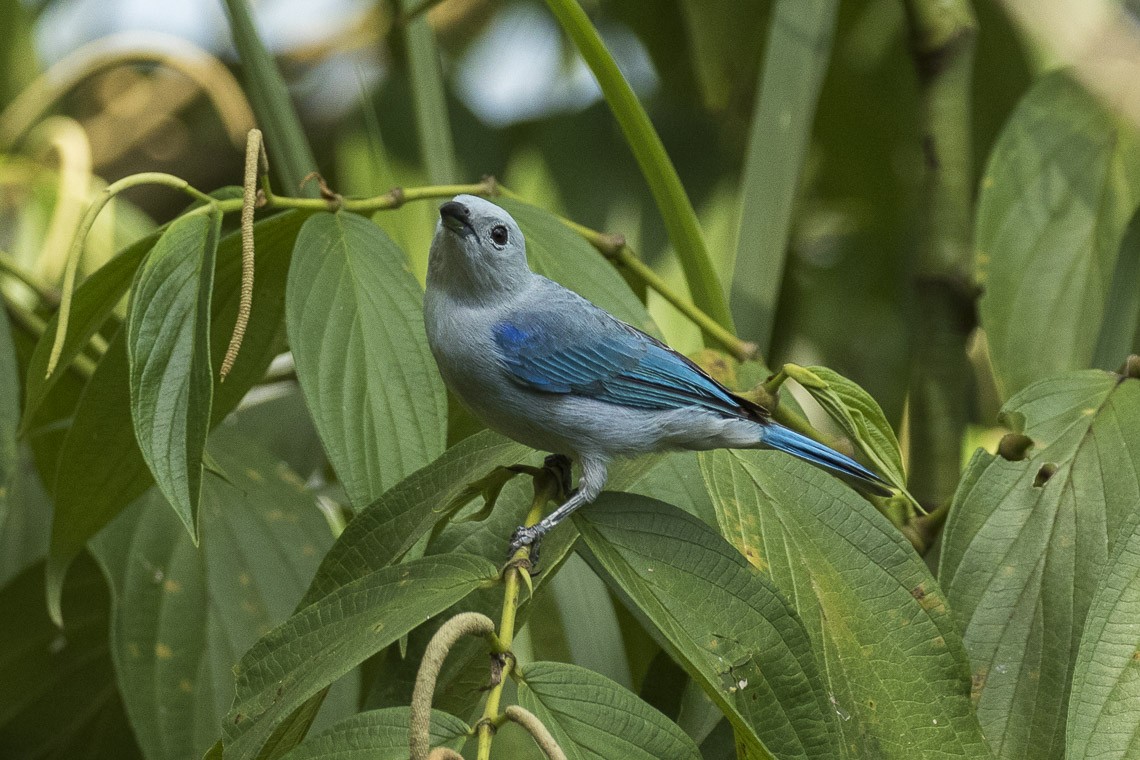
The blue-gray tanager is 16–18 cm (6.3–7.1 in) long and weighs 30–40 g (1.1–1.4 oz). Adults have a light bluish head and underparts, with darker blue upperparts and a shoulder patch colored a different hue of blue. The bill is short and quite thick. Sexes are similar, but the immature is much duller in plumage. The song is a squeaky twittering, interspersed with tseee and tsuup call notes.
10. Spectacled Thrush
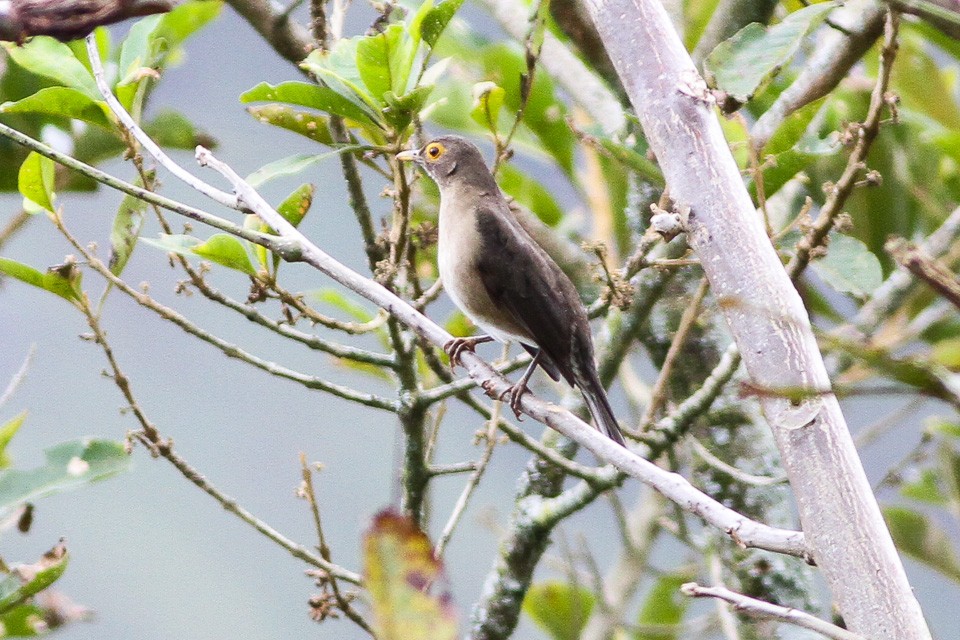
The spectacled thrush is 23–24 cm long and weighs 60 g. It is plain olive-brown above and paler brown below. The throat is brown-streaked off-white, and the lower belly is whitish. It has a prominent yellow eye ring which gives rise to its English and scientific names. There are two poorly defined subspecies, differing mainly in the darkness of the plumage. Sexes are similar, but young birds are flecked above and spotted below, and have a thinner eye ring. The song is a musical warble, slower and lower pitched than that of the cocoa thrush (T. fumigatus), and it also produces a cat-like queeoow call and, when uncomfortable, emits a kereel.
11. Bananaquit
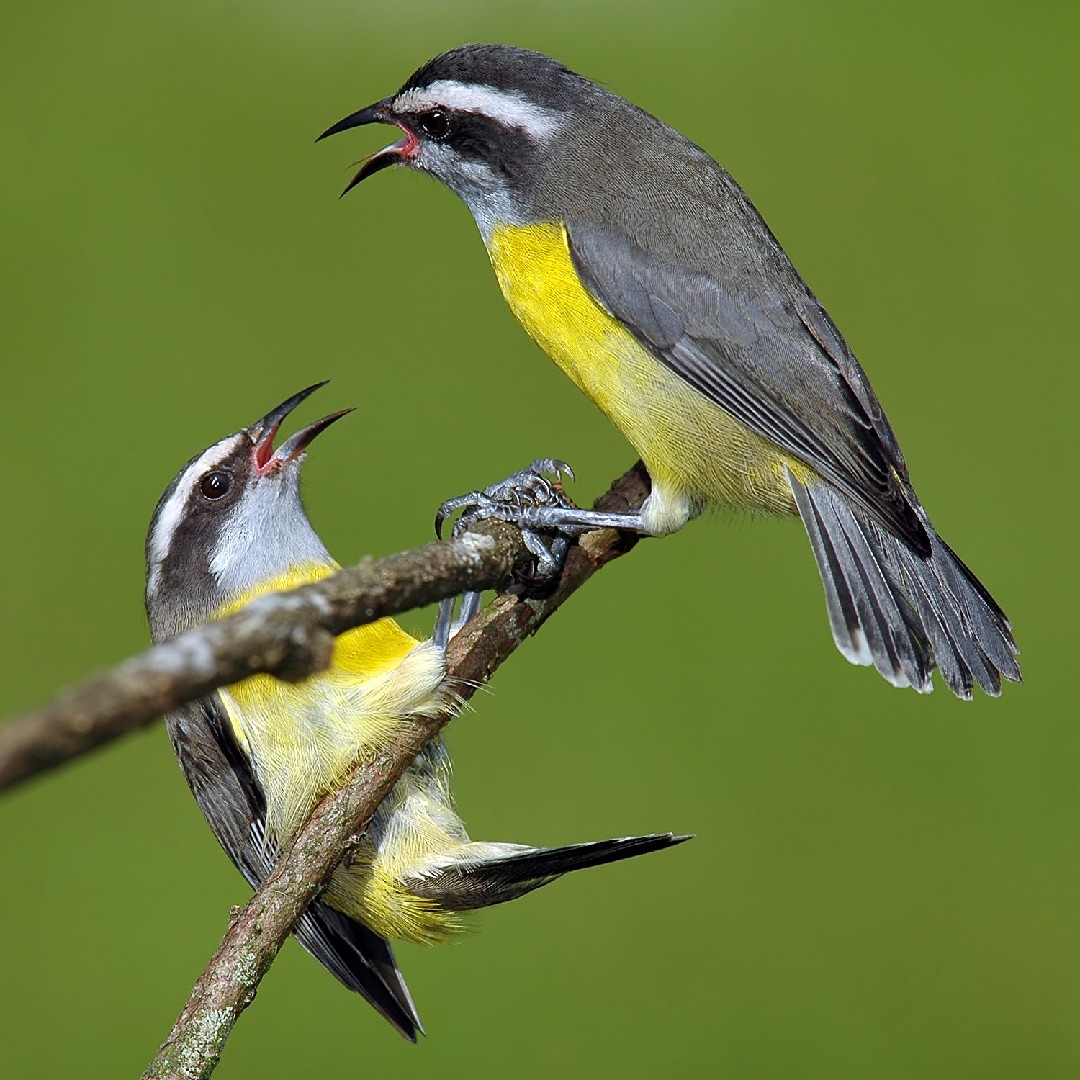
The bananaquit is a common bird found in tropical forests, woodlands, and home gardens where they primarily feed on nectar and fruit. There are over 40 known subspecies endemic to specific regions with noticeable differences in appearance. The exact taxonomic placement of Coereba flaveola is a subject of much debate among ornithologists, with some suggesting it should be split into at least three different species.
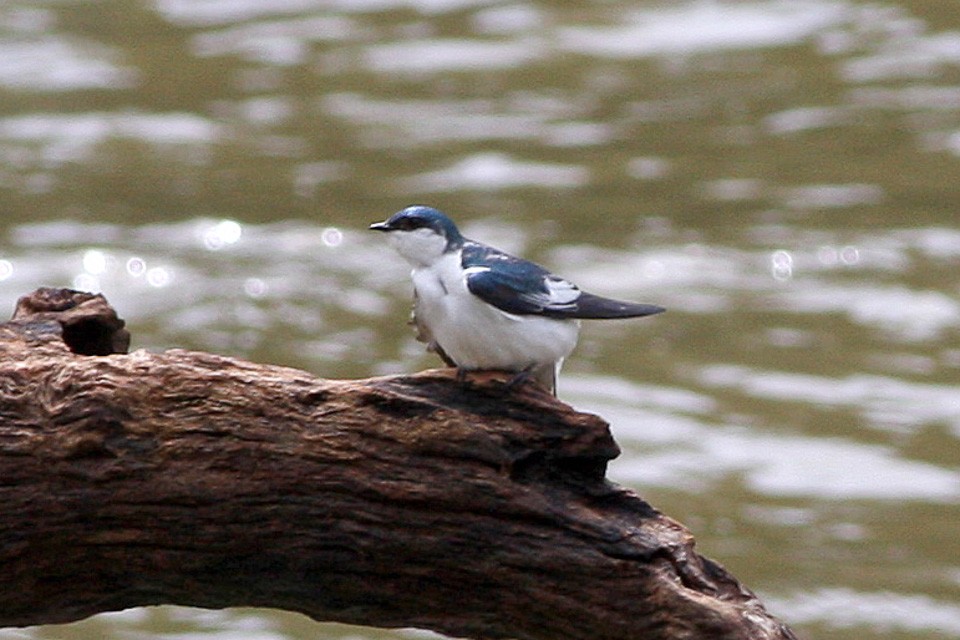
12. White-winged Swallow
The adult white-winged swallow is 14 cm (5.5 in) long and weighs 14–17 g (0.49–0.60 oz). It has iridescent blue-green upperparts, white underparts and rump, and white edgings to the secondary flight feathers. The wings are otherwise black, along with the tail. It has dark brown eyes and a black bill and legs. The sexes are similar, although it is noted that the females have slightly less white on the wing. Juveniles have grayer underparts and are duller in general when compared to the adults. The juvenile also has less white on the wing. White-winged swallows can be distinguished from the similar mangrove swallow by the lack of a white line above its lores and a greater amount of white on its wings. The call is a harsh chirrup or a repeated, rising, buzz-like zweeed. The alarm call is short and harsh.
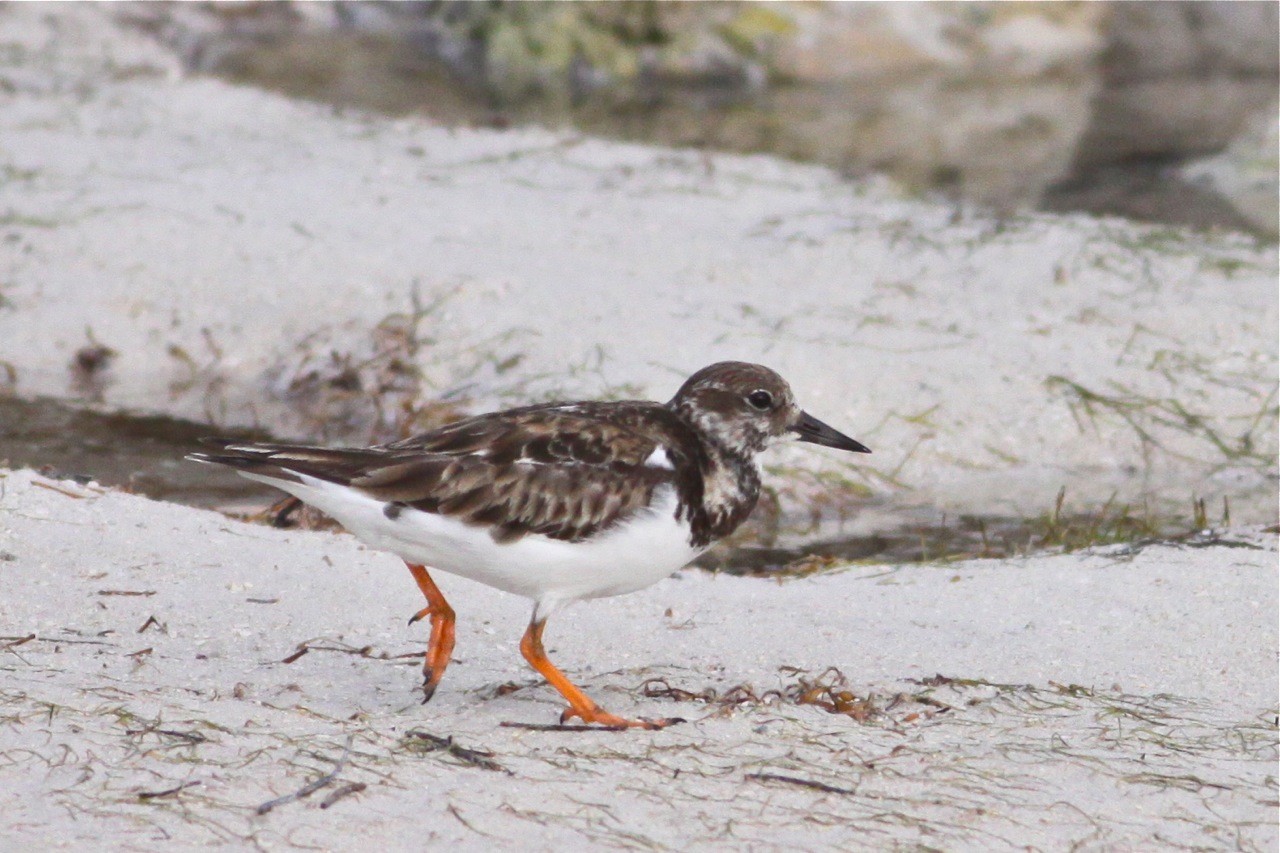
13. Ruddy Turnstone
A small shorebird, the ruddy Turnstone has a unique foraging method. The bird uses its short beak to flip over shells, rocks, and other debris as it searches for invertebrates. It is a common bird on coastlines throughout the world but prefers rocky shorelines. It’s not uncommon for it to mix with other types of shorebirds, but its rattling cry makes it easily identifiable.
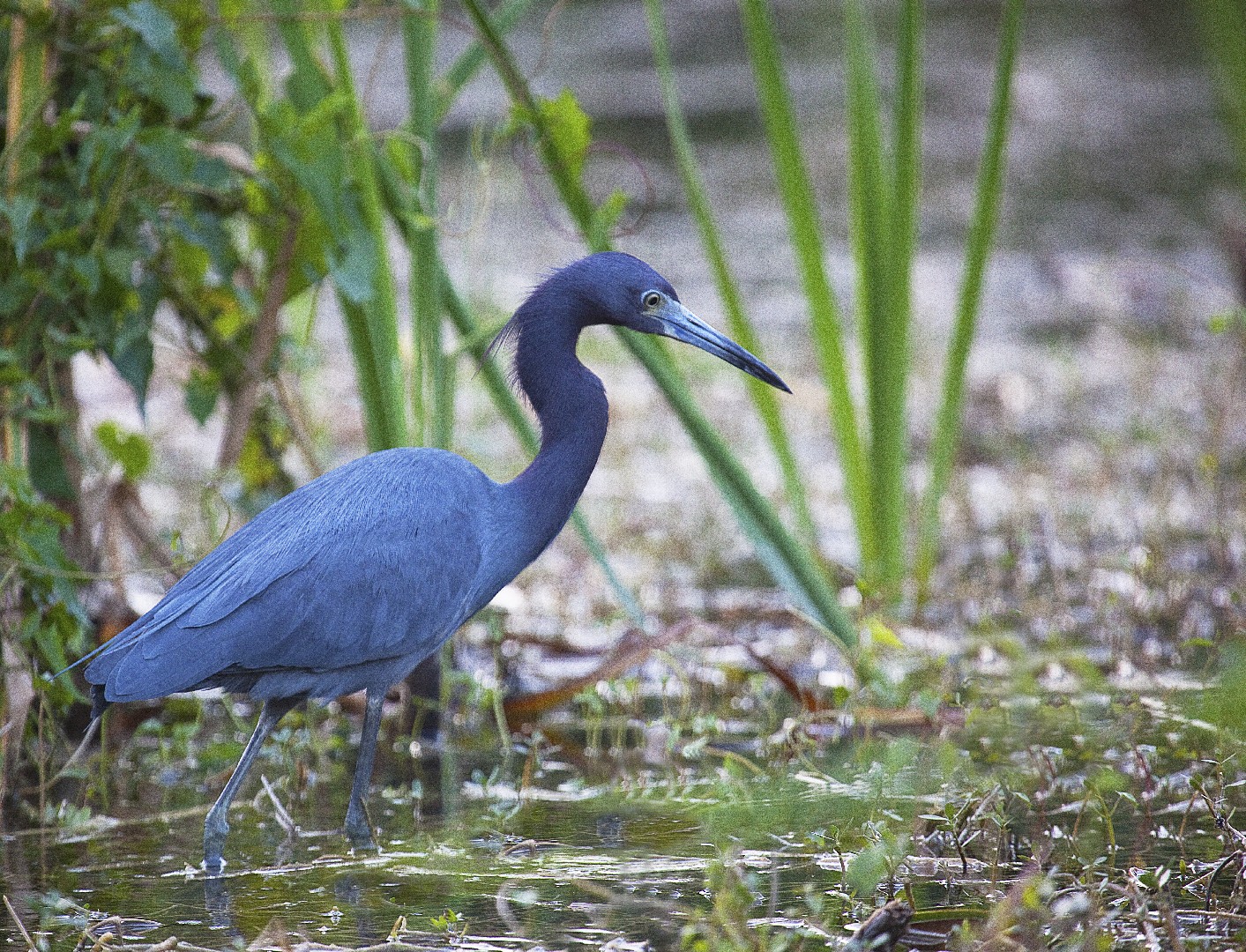
14. Little Blue Heron
A fairly small heron, the little Blue Heron is found in wetland habitats. Born with white feathers, a juvenile goes through a dramatic change to an all-dark adult. During the young stage, it looks very similar to the Snowy egret, with whom juveniles often mix during feeding time to get free food. A quiet and calm feeder, this heron is often overlooked; however, it's not easily approachable.
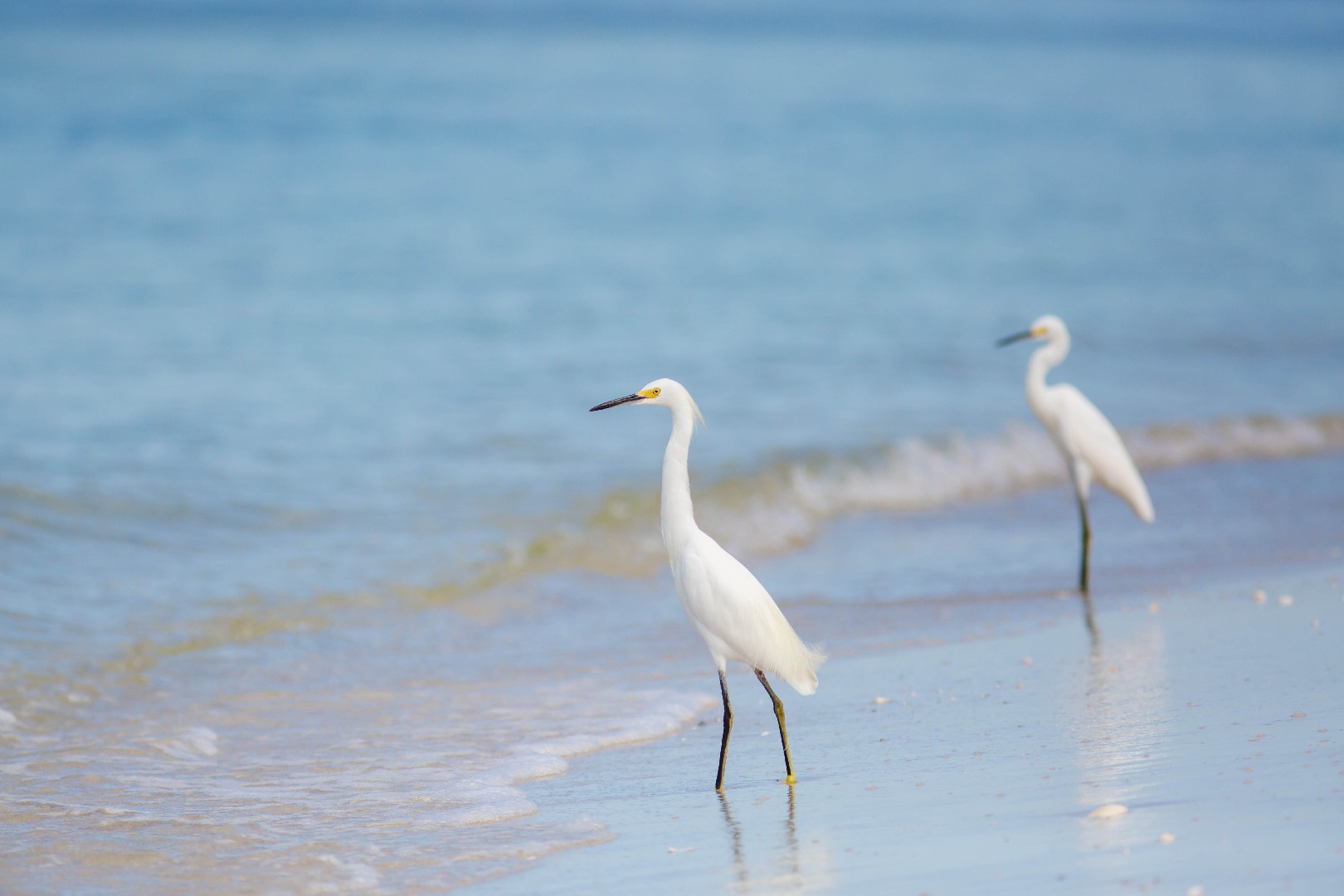
15. Snowy Egret
The snowy Egret is a mid-sized, totally white egret that prefers nesting in urban areas rather than in isolated locations where there are more predators. In the late 1800s, the bird's beautiful plumes were in great demand as decoration for women's hats. Because of this snowy Egrets were hunted to near extinction before laws came into effect to protect them.
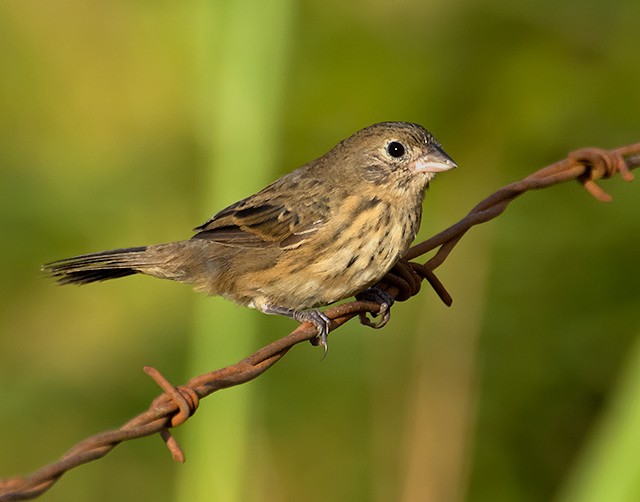
16. Blue-black Grassquit
Adult blue-black grassquits are 10.2 cm (4.0 in) long and weigh 9.3 g (0.33 oz). They have a slender conical black bill. The male is glossy blue-black, with a black tail and wings; the white inner underwing is visible in flight or display. Female and immature birds have brown upperparts and dark-streaked buff underparts.

17. Willet
The willet is a large, stocky, conspicuous shorebird, able to hunt during daytime and night thanks to the ability to sense prey by the tip of its bill. Besides its appearance, it is known for its loud, piercing voice. Once considered a popular game animal, the population significantly dropped in the 19th century, although it has recovered since the hunting ban enacted in 1918.
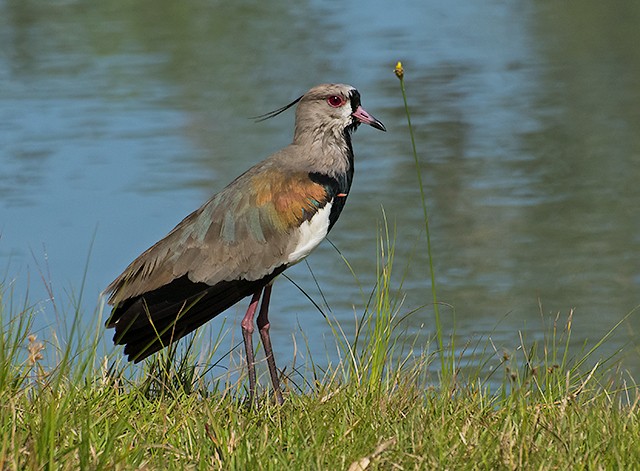
18. Southern Lapwing
This lapwing is the only crested wader in South America. The upperparts are mainly brownish grey. The head is particularly striking; mainly grey with a black forehead and throat patch extending onto the black breast. The rest of the underparts are white, and the eye ring, legs and most of the bill are pink. It is equipped with red bony extensions under the wings (spurs), used to intimidate foes and fight birds of prey. The rump is white and the tail black.
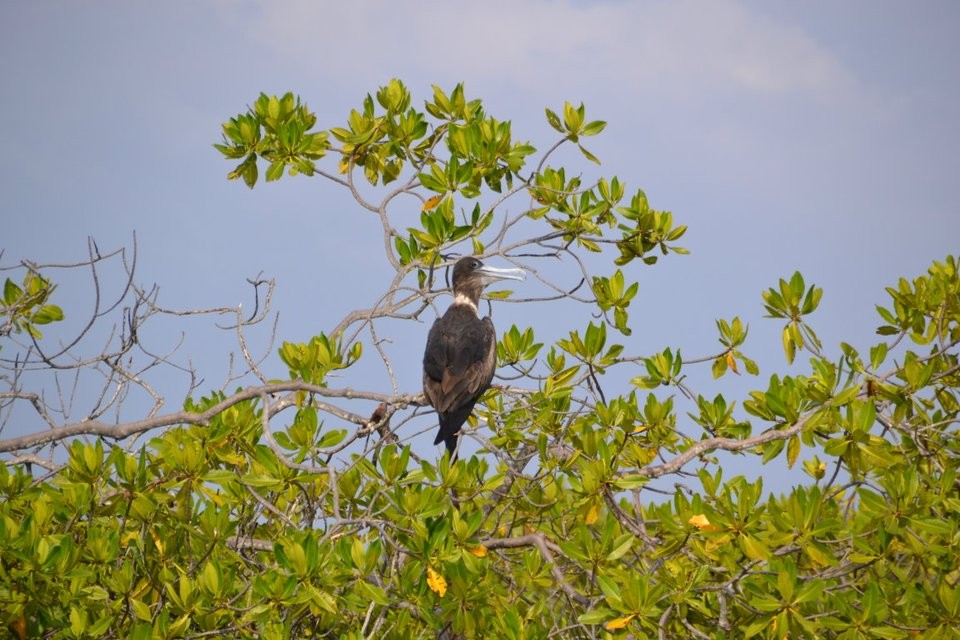
19. Magnificent Frigatebird
The magnificent frigatebird is the largest species of frigatebird. It measures 89–114 cm (35–45 in) in length, has a wingspan of 2.17–2.44 m (7.1–8.0 ft) and weighs 1.1–1.59 kilograms (2.4–3.5 lb). Males are all-black with a scarlet throat pouch that is inflated like a balloon in the breeding season. Although the feathers are black, the scapular feathers produce a purple iridescence when they reflect sunlight, in contrast to the male great frigatebird's green sheen. Females are black but have a white breast and lower neck sides, a brown band on the wings, and a blue eye-ring that is diagnostic of the female of the species. Immature birds have a white head and underparts. This species is very similar to the other frigatebirds and is similarly sized to all but the lesser frigatebird. However, it lacks a white axillary spur, and juveniles show a distinctive diamond-shaped belly patch. The magnificent frigatebird is silent in flight, but makes various rattling sounds at its nest. It spends days and nights on the wing, with an average ground speed of 10 km/h (6.2 mph), covering up to 223 km (139 mi) before landing. They alternately climb in thermals, to altitudes occasionally as high as 2,500 m (8,200 ft), and descend to near the sea surface. The only other bird known to spend days and nights on the wing is the common swift.

20. Osprey
This large raptor is commonly known as osprey and can be found in every continent apart from Antarctica. It nests near bodies of water as its diet is made up of mostly fish and hunts with its clear vision that can see objects in the water while flying. The Pandion haliaetus usually mates for life.