



Top 20 Most Common Bird in Oxnard
Nestled in an enchanting coastal landscape, Oxnard is a haven for a myriad of bird species, iconic in their diversity and splendor. The region's array of habitats, from sandy shores to lush wetlands, acts as a magnet for an impressive 20 common birds. The area is renowned for its Brown Pelicans, Western Gulls, and Allen's Hummingbirds, a testament to the region's environmental richness. This is just a tantalizing glimpse into the avian treasures awaiting discovery in Oxnard.

Most Common Bird
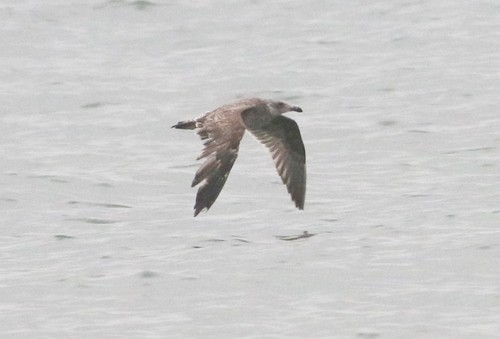
1. Western Gull
The western Gull's dark back feathers and its large size set it apart from other gulls. It is a voracious feeder, eating fish, carrion, and invertebrates. It forages for food along shorelines and in the ocean. The bird is even known to take milk from female seals while they are sleeping.
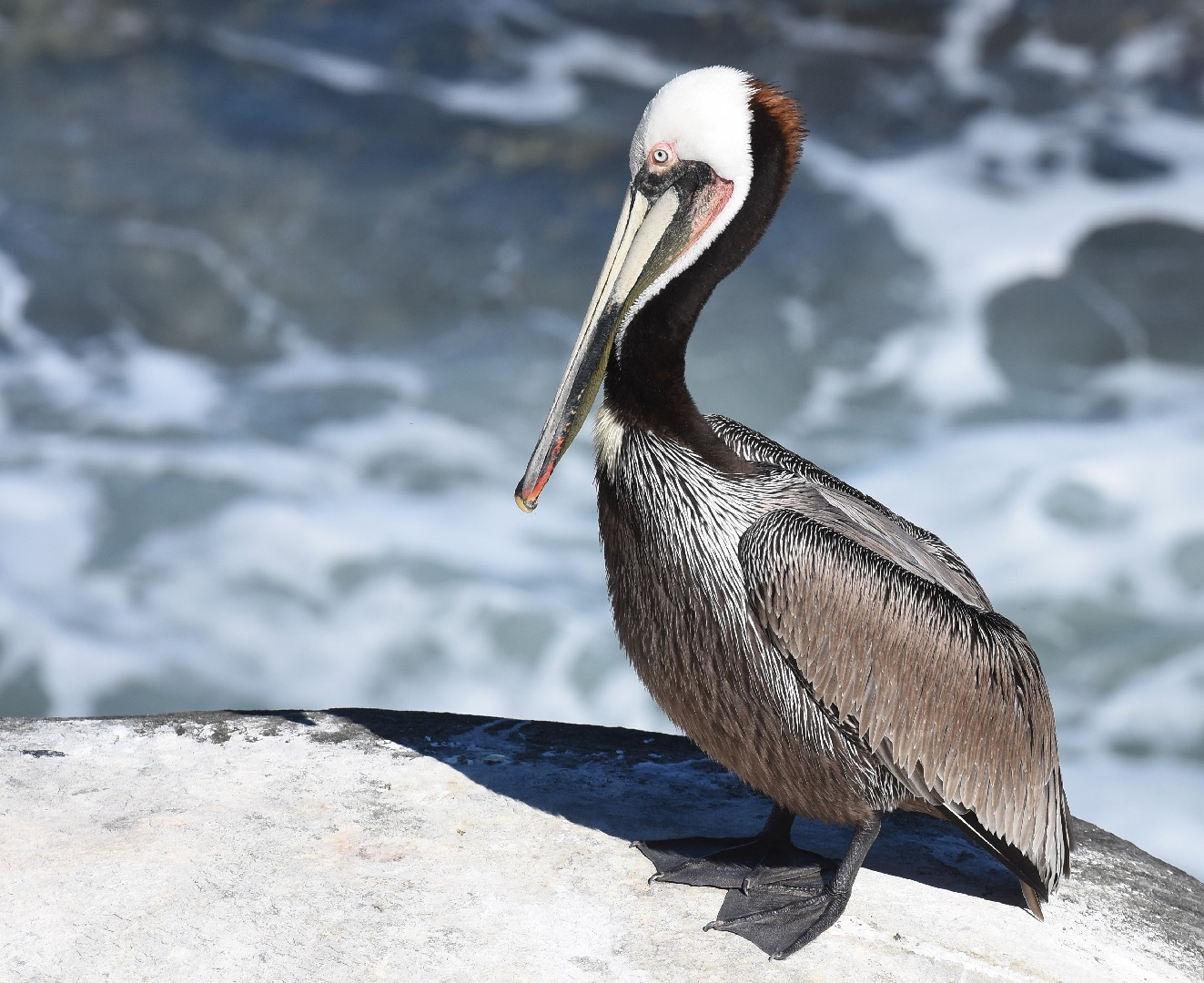
2. Brown Pelican
The brown Pelican is a large seabird frequently found in and around marine and estuarine habitats as well as manufactured docks and jetties. They can be seen effortlessly gliding in the air along the coast when not feeding. These birds have a unique feeding behavior where they dive head-first into the water, using their throat pouches to capture their prey. They often nest in large colonies on islands with no natural predators.
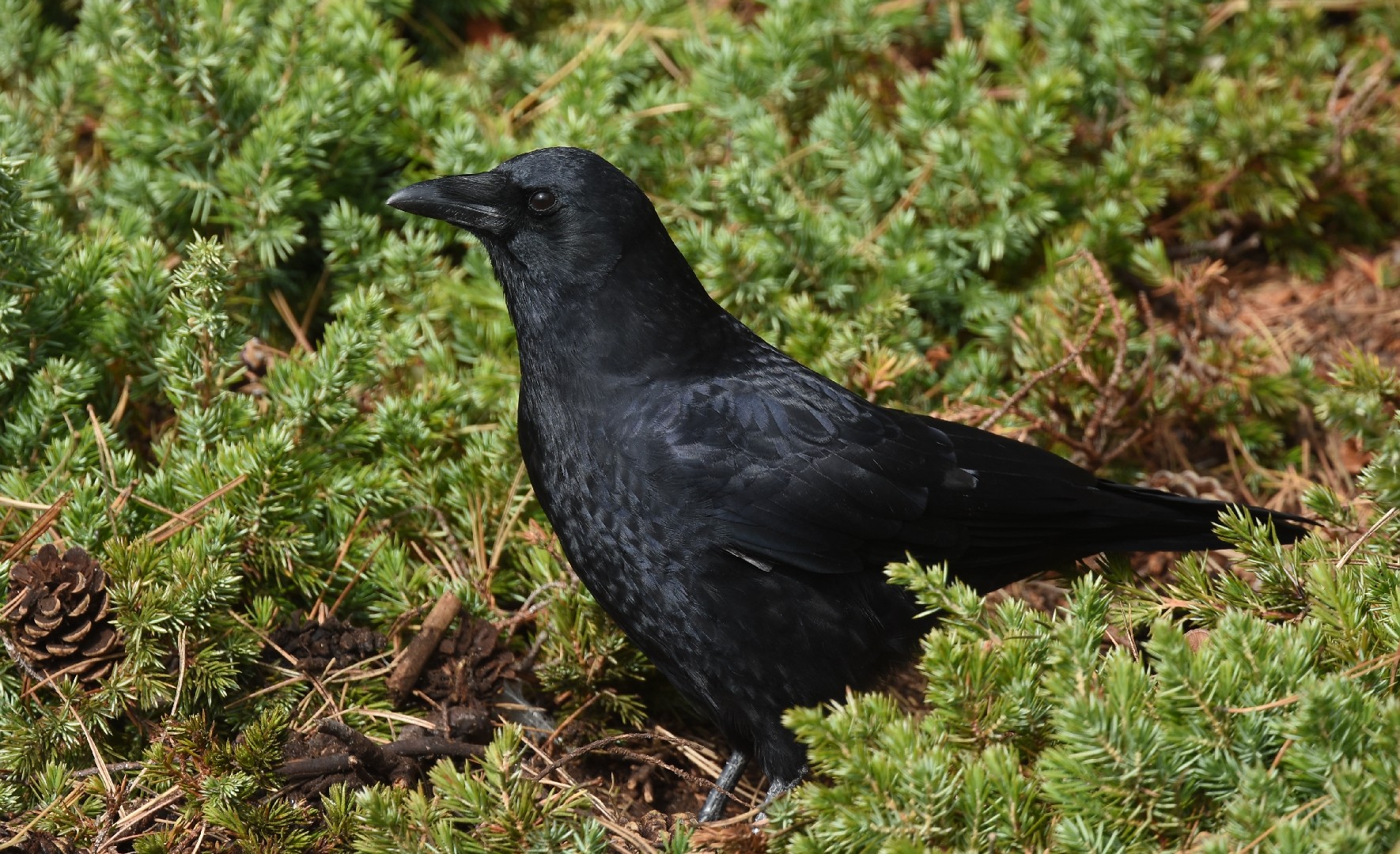
3. American Crow
The american Crow is a big black bird that can be found in forests, fields, river groves, and among human habitations. Interestingly, it is known to stand atop ant hills and allow ants to climb onto its feathers; this apparently discharges their formic acid and makes them more palatable for the crow to eat. Sadly, american Crow numbers have been substantially affected by the West Nile virus in North America. Infected birds die from West Nile in less than a week.

4. House Finch
Frequent in urban environments and human-created habitats such as parks and backyards, the little house Finch is known for its loud but pleasant, cheerful singing. It feeds on the ground, mostly on seeds, berries, and other plant material. This bird is highly sociable and very adaptable. It often visits feeders.
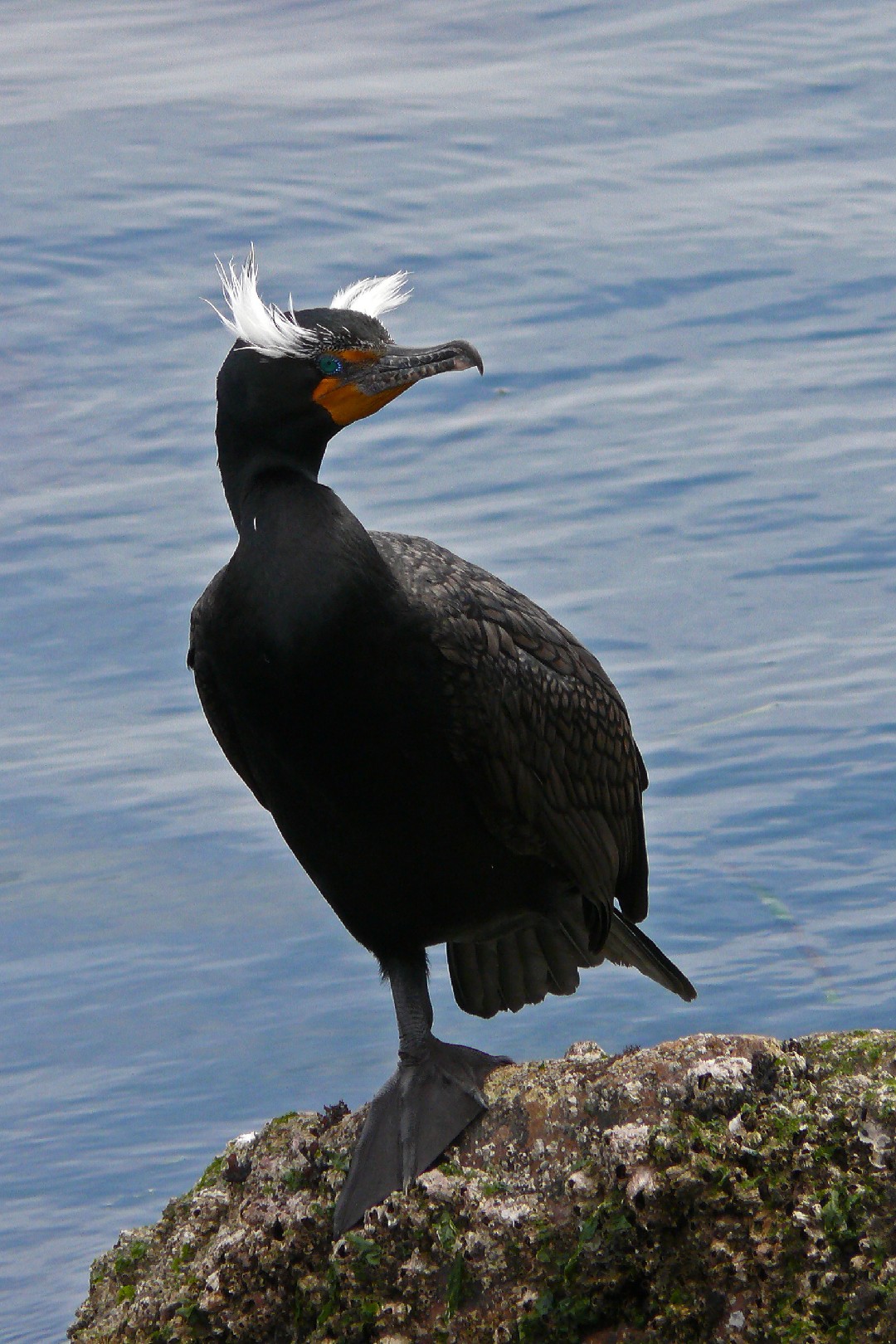
5. Double-crested Cormorant
This large, dinosaur-like bird is the most common form of cormorant. A frequent visitor to bodies of fresh water, look out for double-crested Cormorants at the water's edge when they “wing-spread”. They will stand with their wings opened wide and tilted towards the sun to dry their feathers, because they are not waterproof.
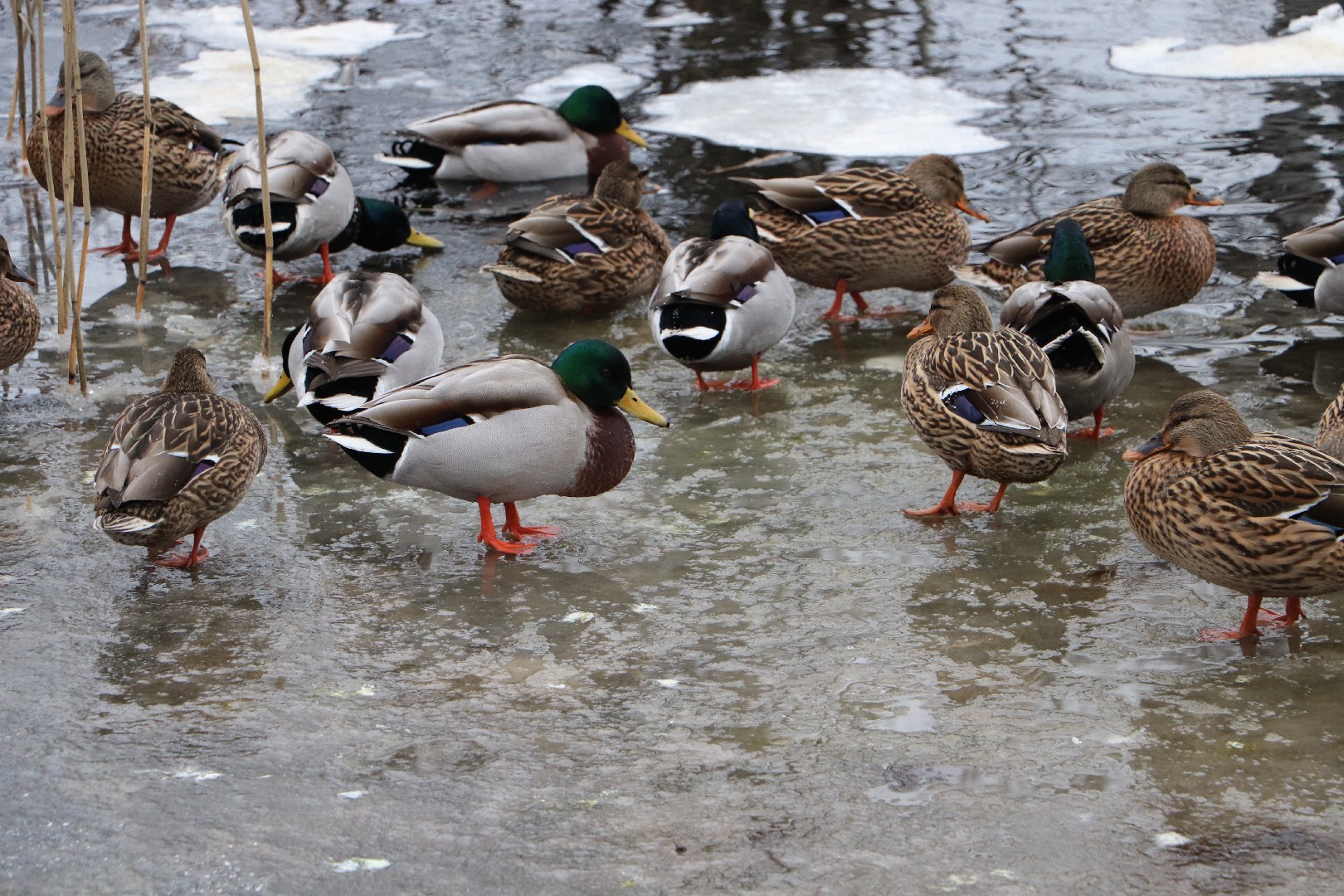
6. Mallard
The mallard is the most abundant duck species in the world, and the ancestor of all domestic ducks. Only the female can produce the distinctive "quack" sound. When the female lays eggs, the male abandons its mate, while the protective mother stays with the ducklings for a long time. This migratory species inhabits shallow waters and it's one of the most popular game birds.
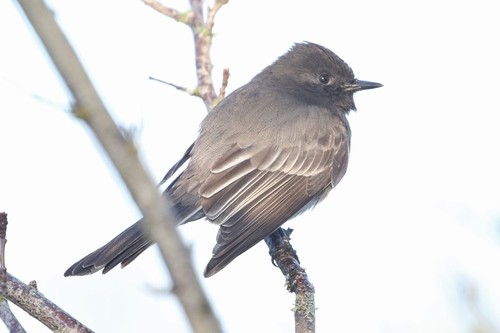
7. Black Phoebe
Often spotted near creeks and ponds after you hear its sharp, whistling call, the small, plump black Phoebe is a sooty gray. Look for its white belly and squared tail to properly identify it. When perched, it wags its tail constantly. This bird feeds by taking short, quick flights to skim the water’s surface and snag an insect.
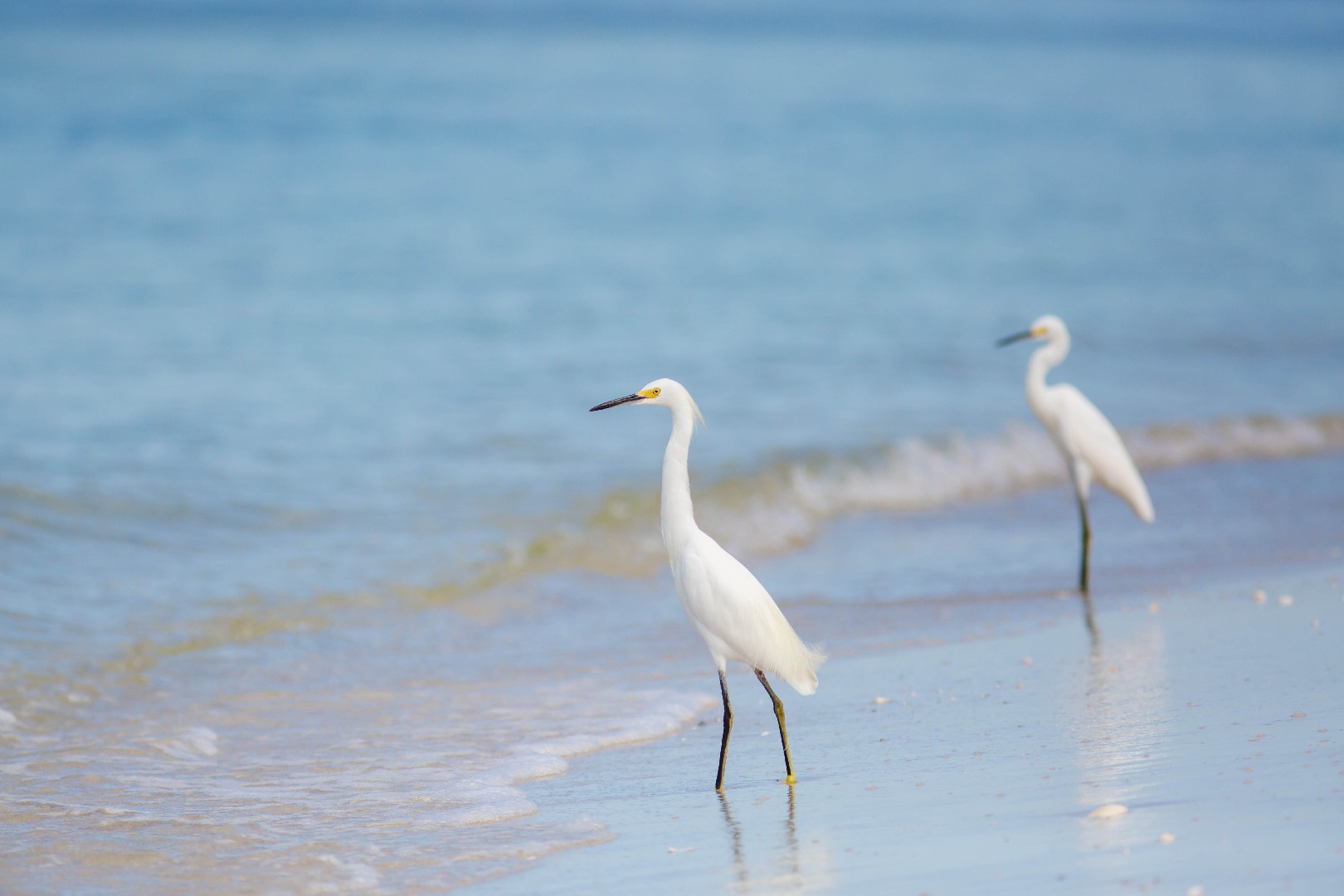
8. Snowy Egret
The snowy Egret is a mid-sized, totally white egret that prefers nesting in urban areas rather than in isolated locations where there are more predators. In the late 1800s, the bird's beautiful plumes were in great demand as decoration for women's hats. Because of this snowy Egrets were hunted to near extinction before laws came into effect to protect them.
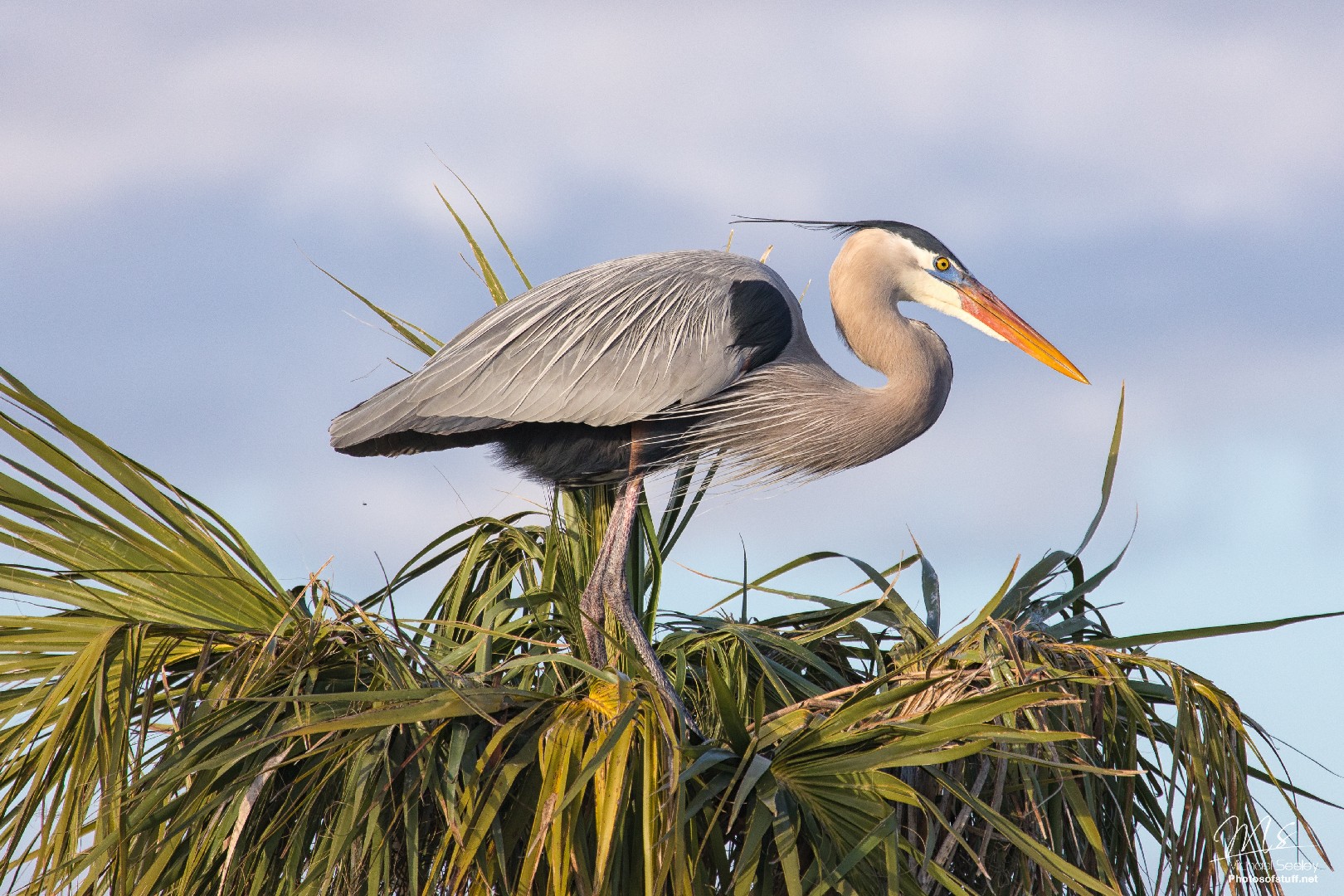
9. Great Blue Heron
The great Blue Heron, the largest such bird in North America, is quite adaptable and thrives in various wet habitats. Silent, patient, and often motionless, this majestic bird always makes a spectacular sight. Thanks to its specially shaped neck and extremely good night vision, this wading bird is a quick and skilled fish predator. Since the great Blue Heron accumulates toxins in its body, researchers use it as an indicator of dangerous contaminants in local wetlands.
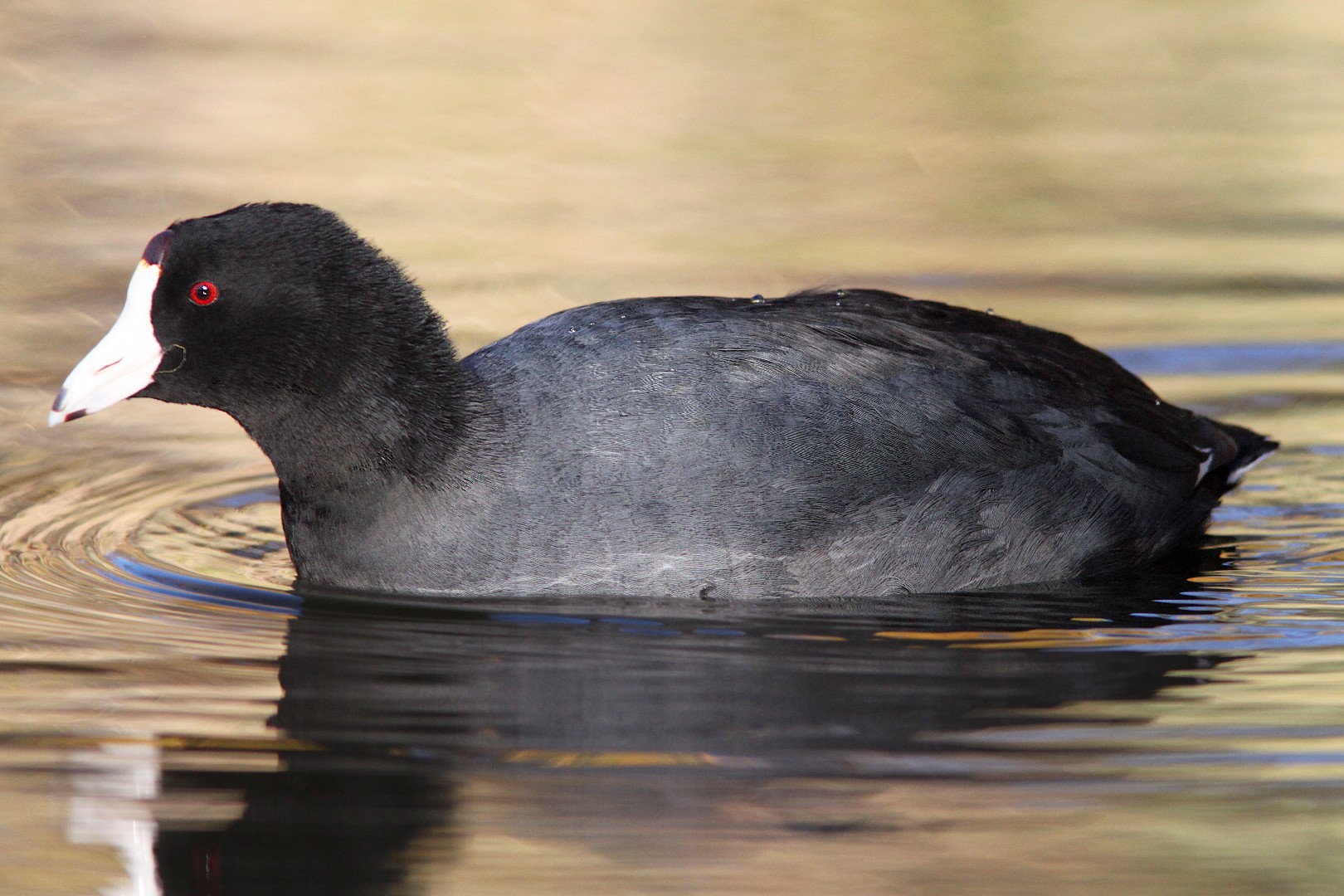
10. American Coot
The american Coot is easily mistaken for a species of duck but does not have webbed feet and does not have a waddling gait. They can be found in and around ponds and lakes and frequently dive under the surface to feed on algae and other vegetation. These birds can live to be 22 years old!
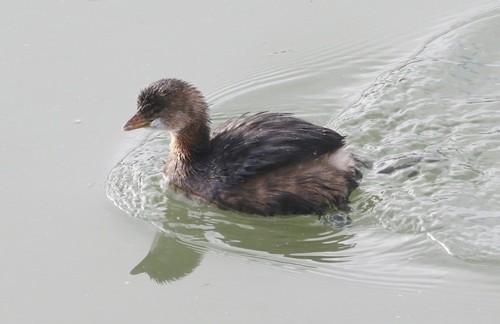
11. Pied-billed Grebe
Pied-billed grebes are small, stocky, and short-necked. They are 31–38 cm (12–15 in) in length, with a wingspan of 45–62 cm (18–24 in) and weigh 253–568 g (8.9–20.0 oz). They are mainly brown, with a darker crown and back. Their brown color serves as camouflage in the marshes they live in. They do not have white visible under their wings when flying, like other grebes. Their undertail is white and they have a short, blunt chicken-like bill that is a light grey color, which in summer is encircled by a broad black band (hence the name). In the summer, its throat is black. There is no sexual dimorphism. Juveniles have black and white stripes and look more like winter adults. This grebe does not have webbed feet. Its toes have lobes that come out of the side of each toe. These lobes allow for easy paddling. When flying, the feet appear behind the body due to the feet's placement in the far back of the body. It may be confused with the least grebe, although that species is much smaller and has a thinner bill. Other similarly sized grebes are very distinct in plumage, i.e. the eared grebe and horned grebe. Both species bear much more colorful breeding plumage, with rufous sides, golden crests along the side of the head against contrasting slaty color (also a rufous neck in the horned); while in winter, both the eared and horned grebes are pied with slaty and cream color and have red eyes. 
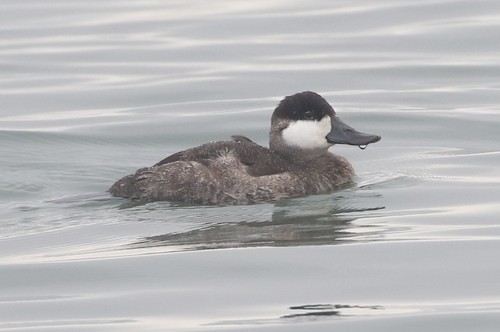
12. Ruddy Duck
These are small, compact ducks with stout, scoop-shaped bills, and long, stiff tails they often hold cocked upward. They have slightly peaked heads and fairly short, thick necks. Male ruddy ducks have blackish caps that contrast with bright white cheeks. In summer, they have rich chestnut bodies with bright blue bills. In winter, they are dull gray-brown above and paler below with dull gray bills. Females and first-year males are brownish, somewhat like winter males but with a blurry stripe across the pale cheek patch. In flight, ruddy ducks show solidly dark tops of the wings.
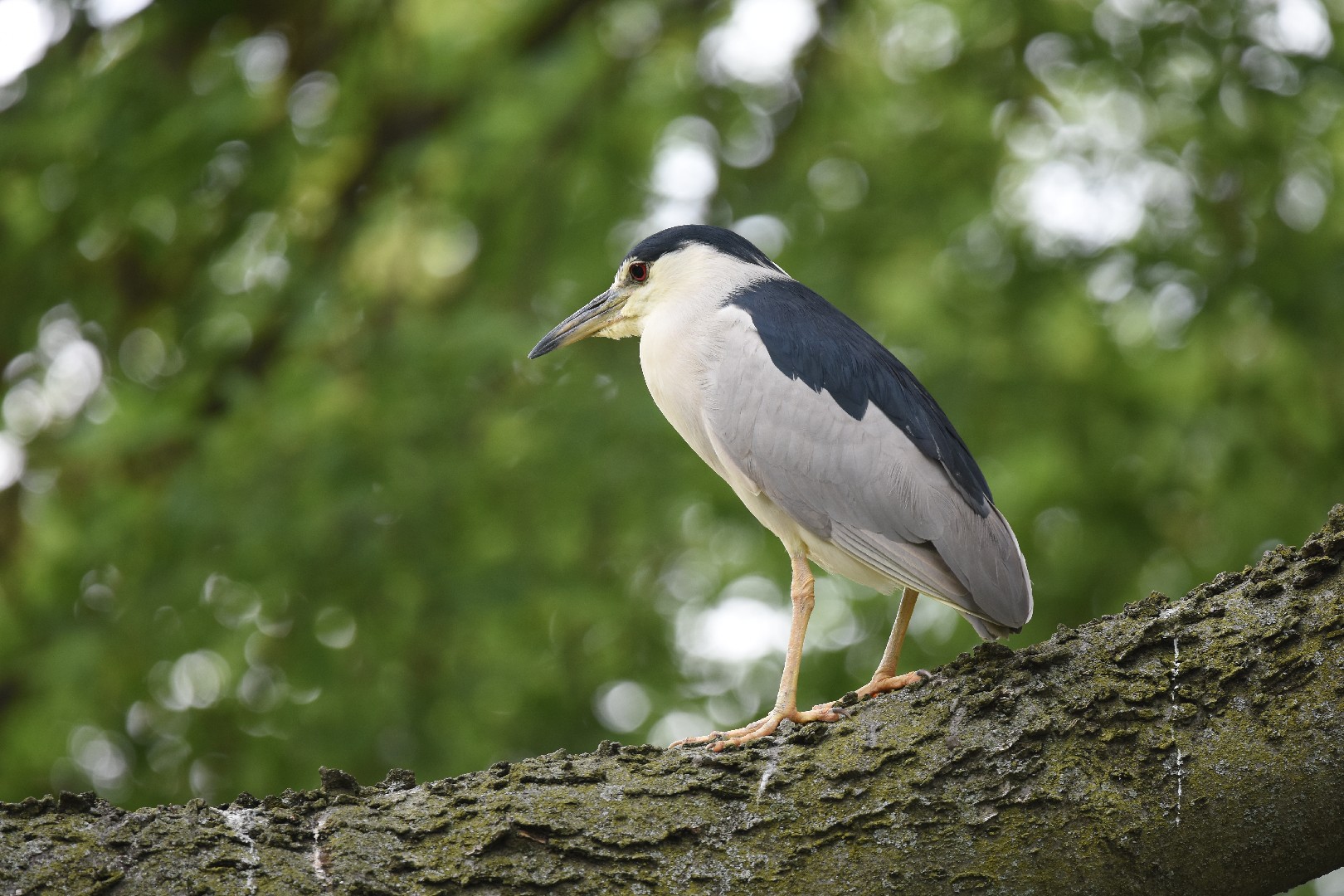
13. Black-crowned Night-heron
The shorter, stockier version of their long-legged heron counterparts, the black-crowned Night-heron is most active in the early evening hours, giving them their name. The most commonly-found heron across the world, you can spot them in wetlands, though they may be more difficult to notice than the taller heron species. Studying their nests can get a bit smelly- startled nestlings tend to eject their food when they are approached by people.
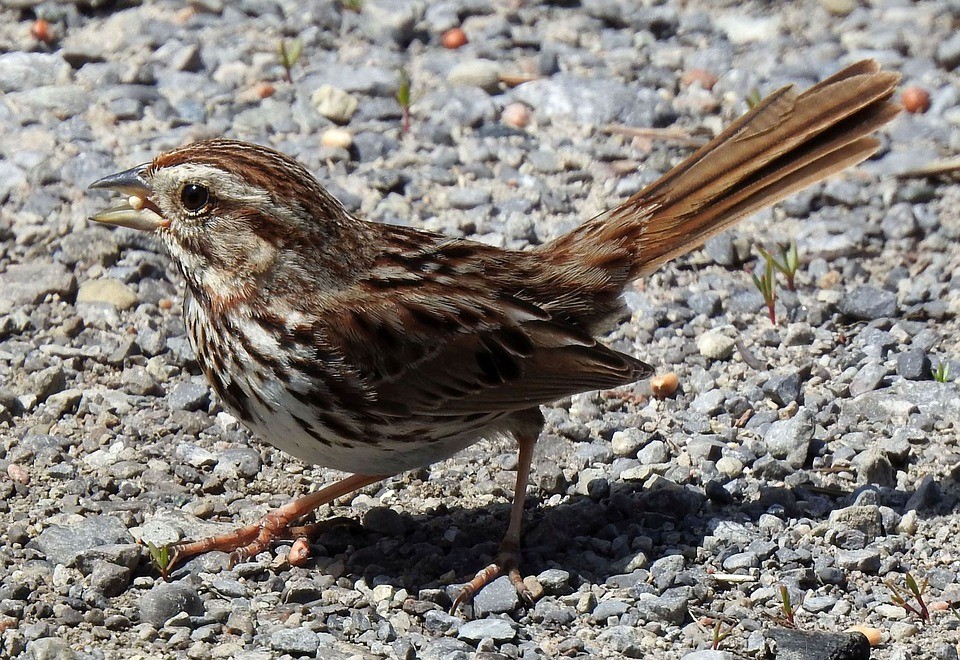
14. Song Sparrow
The song Sparrow can be found low to the ground in vegetation and thickets in nearly all habitat conditions, including suburban areas. They are frequent visitors to home birdfeeders but can also be seen foraging for food on the ground. Their appearance can differ across the 24 known subspecies, but all of them tend to only make short, fluttery flights.
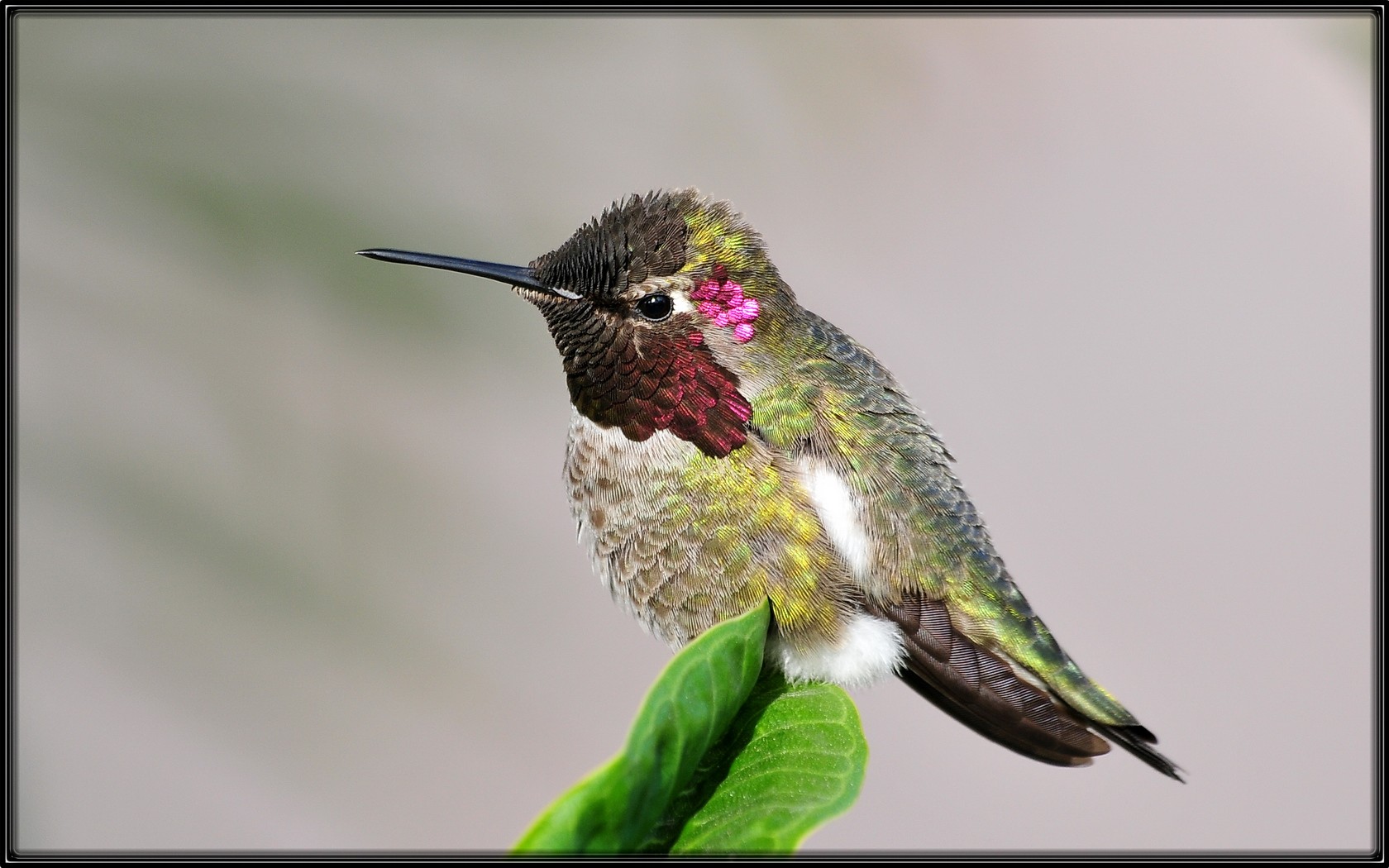
15. Anna's Hummingbird
This hardy bird is a common sight along the Pacific Coast, with a bright, vibrant coloring that is anything but common. Look for their emerald feathers and soft pink throats, which gives them the appearance of a flying jewel. Anna's Hummingbird is more vocal than other hummingbirds, with a buzzy song you may hear from the males when they are perched.
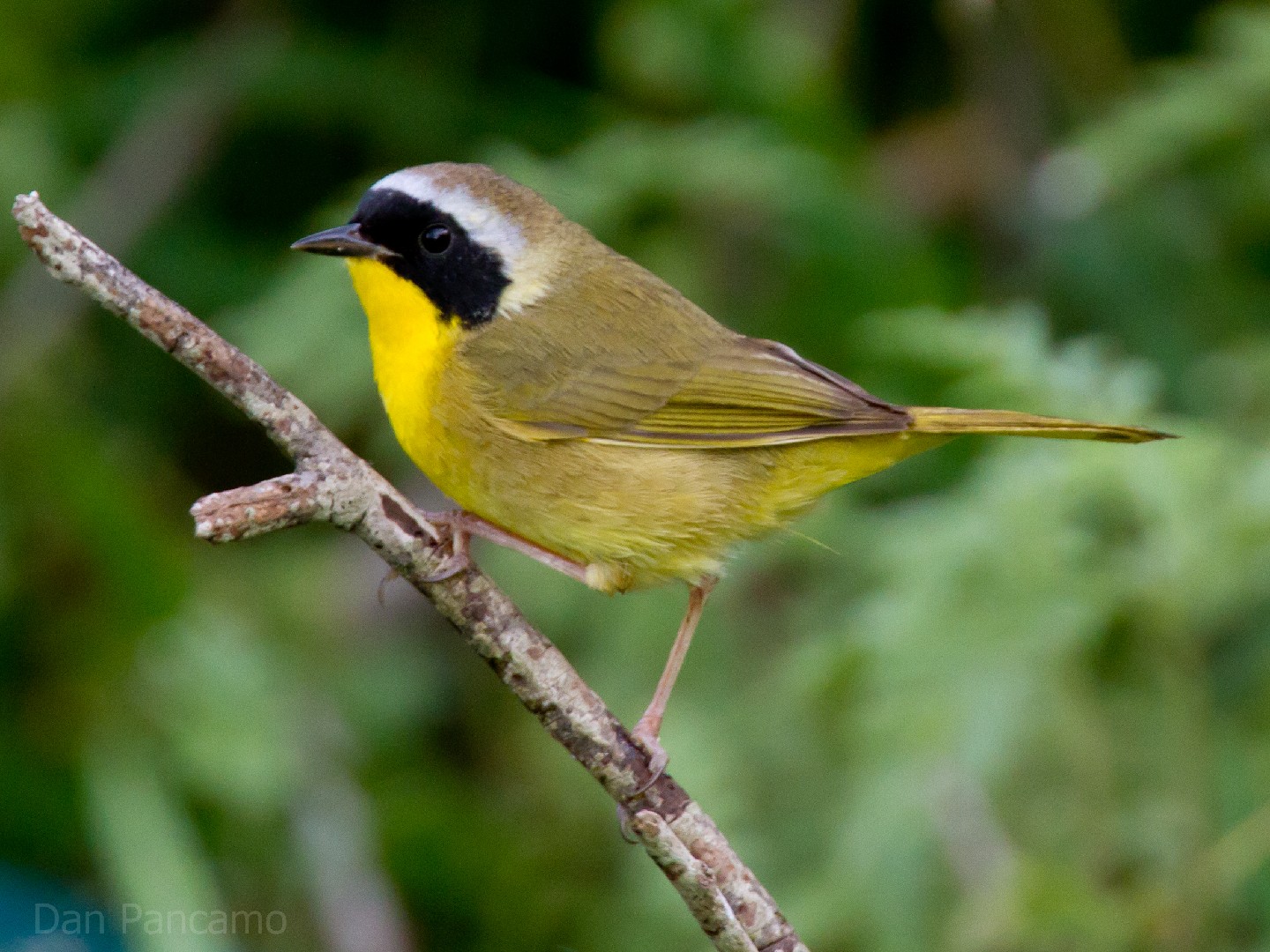
16. Common Yellowthroat
The common Yellowthroat is an inquisitive bird that spends most of its time in marshes and wetlands. The male performs a unique flight song as it rises into the air on its fluttering wings. Sadly, because they are innately curious and tend to pop out into the open whenever they hear a noise, many adult common Yellowthroats fall prey to carnivorous birds like Loggerhead shrikes, as well as fish—one common Yellowthroat was found inside the stomach of a largemouth bass!
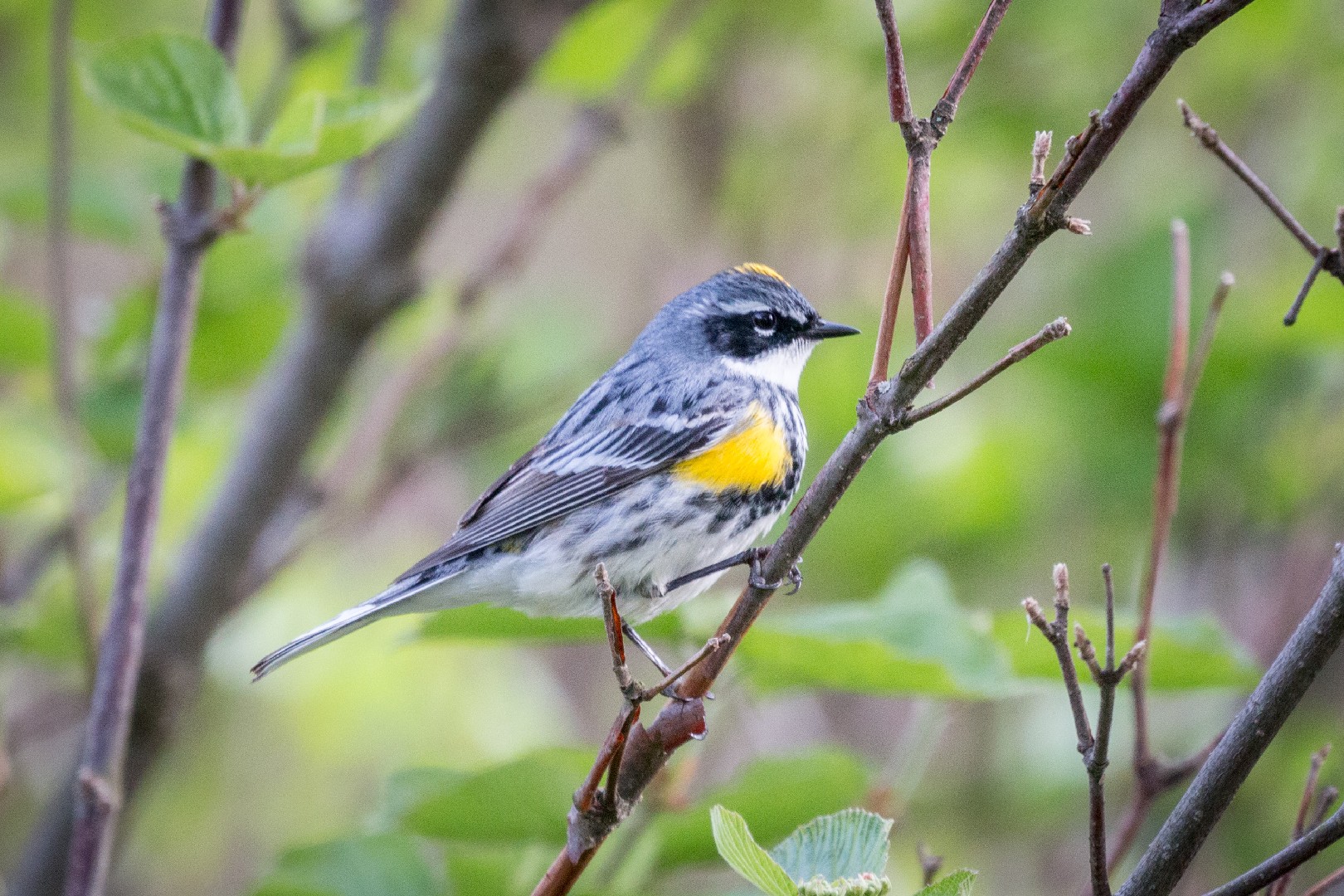
17. Yellow-rumped Warbler
The foraging yellow-rumped Warbler is quick-moving and appealingly colored. Both male and female are a sharp gray, with white on their wings and flashes of yellow on their rump (as the name suggests), sides, and face. Most striking about this bird is the large groups of them that spread across North America in the autumn season.
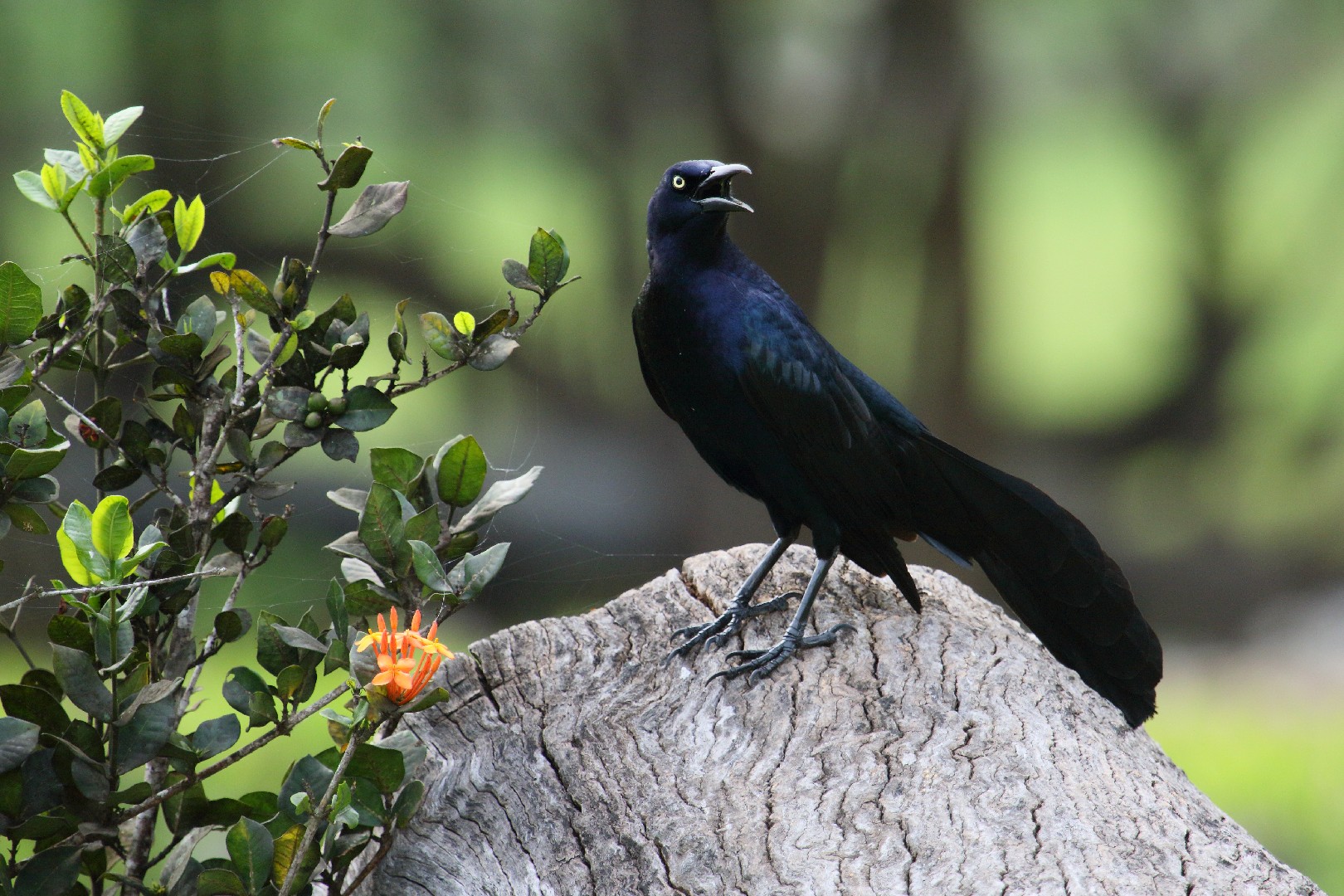
18. Great-tailed Grackle
The medium-sized great-tailed Grackle is notable for its long tail, shaped like a V, and deep black coloring offset by bright yellow eyes. This loud bird can be easily found just by following the sharp sounds of its calls and shrieks. Males in particular shriek and ruffle up their feathers to defend their territory or if they feel threatened.

19. Turkey Vulture
The turkey Vulture is a common sight, especially around roads, where they keep a sharp eye out for roadkill. Seeing these large birds in the sky can often make you take a second look to see if it’s an eagle or a hawk. Here’s one quick way to tell the difference. When in flight, a turkey Vulture will circle unsteadily, with its wings lifted to make a V shape. Though they are not appreciated, they do the dirty work of the animal kingdom by cleaning up the countryside as they scavenge.
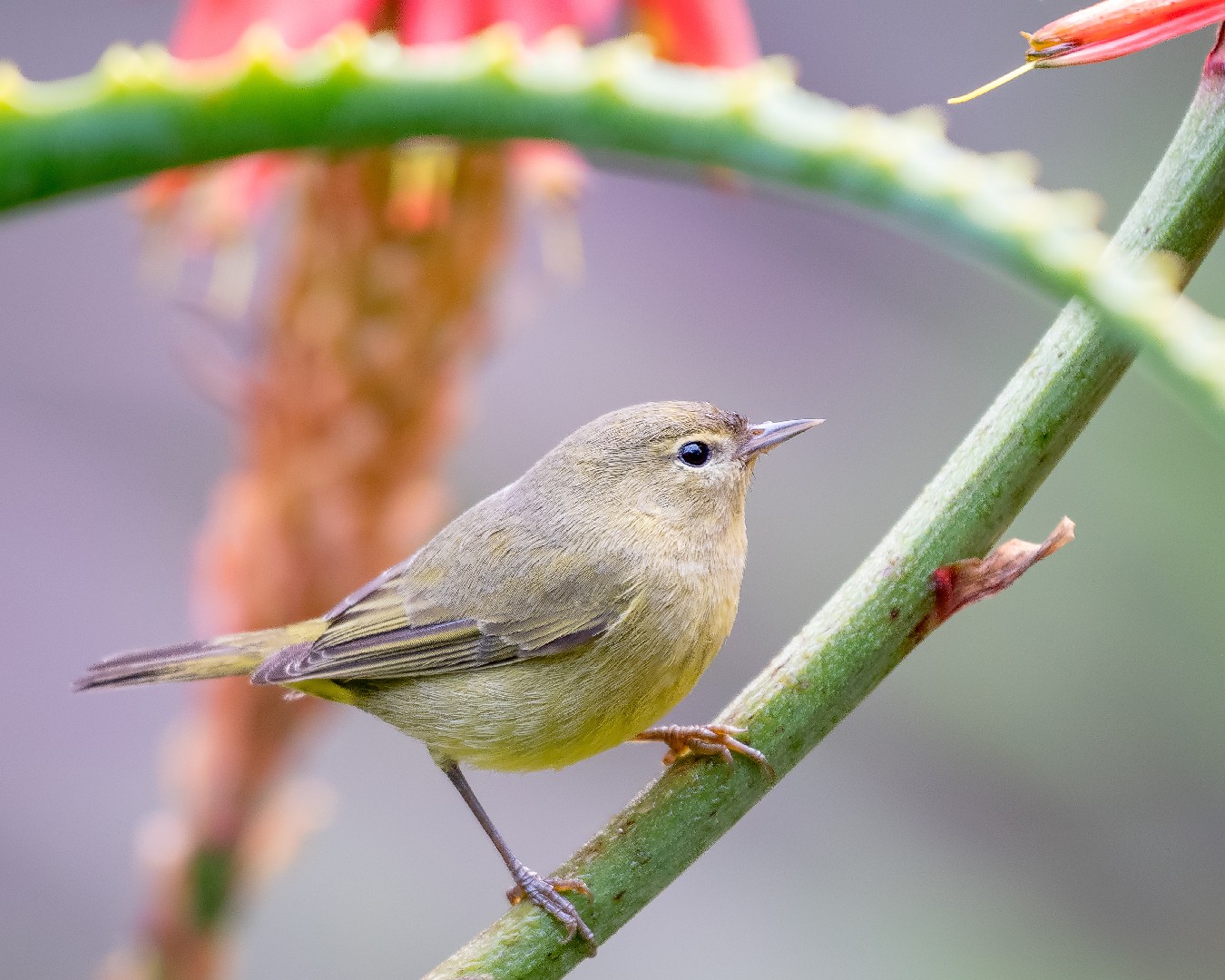
20. Orange-crowned Warbler
The orange-crowned Warbler has a large range but is a rare sight. These birds stay in the coverage of low thickets and dense vegetation in shrubby ecosystems looking for insects and berries. The orange-crowned Warbler also nests on the ground, possibly to avoid other bird species that might commandeer or rob from a nest higher up in the trees.