




Top 20 Most Common Bird in Miami
Welcome to the vibrant birdlife of Miami, a tropical haven humming with a variety of avian species. As a vital junction of coastal, urban, and wetland ecosystems, it's a paradise for 20 common birds. From the iconic American flamingo, threading wetlands pink, to the striking seabirds like the royal tern, each species accentuates Miami's rich biodiversity. Our tour through this feathered tapestry promises a visual and informative treat.

Most Common Bird
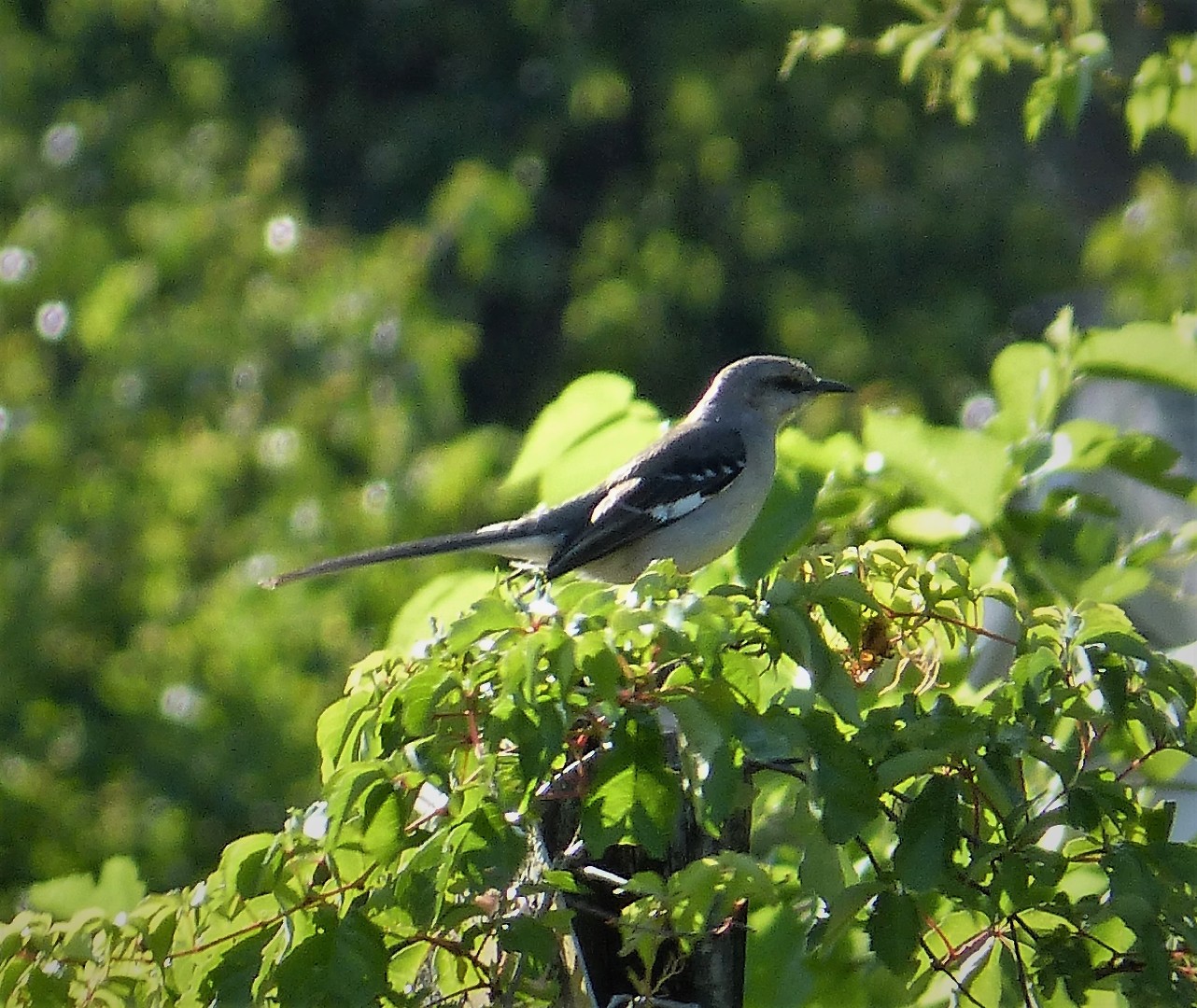
1. Northern Mockingbird
The northern Mockingbird is able to mimic the sound of more than 30 bird species, but this master mocker has also been known to imitate the sounds of a whistle, frog call, or a dog's bark. The mimicry keeps other birds out of the mockingbird's territory, but it also plays an important role in courtship - the male with the best mimicking skills is the most attractive to females. You will often hear this mockingbird singing on moonlit nights. Widespread throughout the US, the northern Mockingbird is a state bird of Arkansas, Florida, Texas, Mississippi, and Tennessee.

2. Blue Jay
The blue Jay is the largest and the most common Jay in North America. This frequent visitor of birdfeeders is quite opportunistic when it comes to food - it is known as "a nest robber." Able to produce a wide range of musical sounds, this loud songbird can even imitate a Red-shouldered hawk (Buteo lineatus). Intelligent and sociable, the blue Jay is said to form strong family bonds.
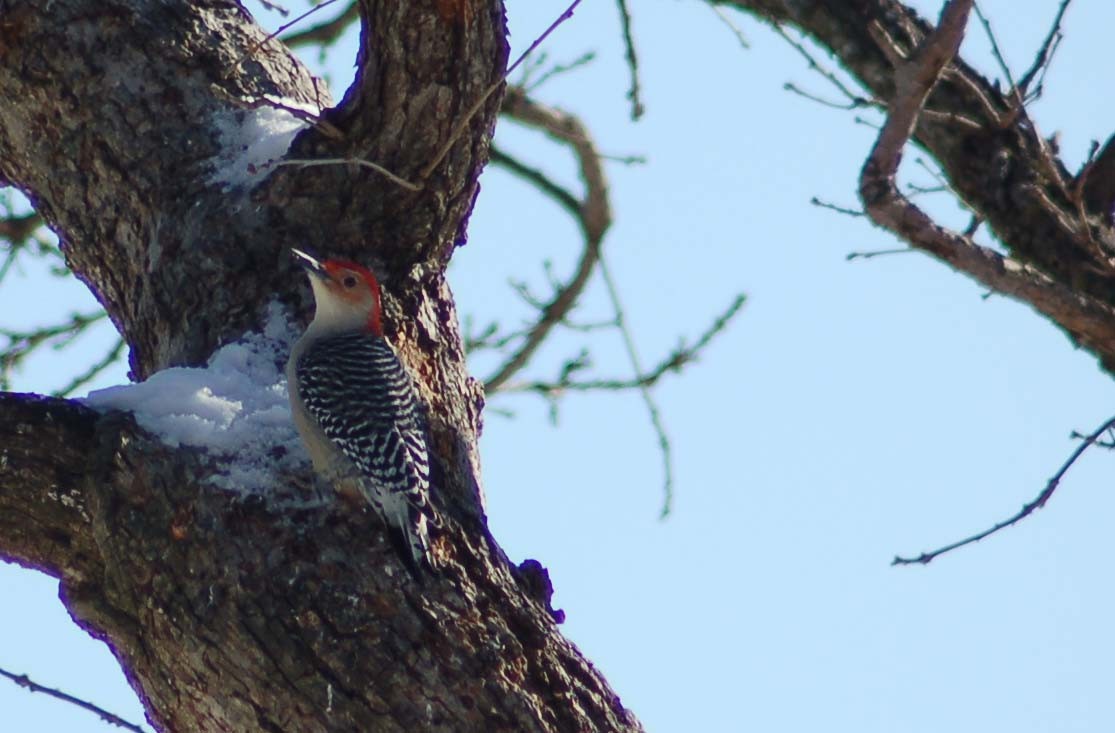
3. Red-bellied Woodpecker
The red-bellied Woodpecker is a medium-sized woodpecker that commonly nests in dead trees, sometimes taking over other birds' nests. In the search of insects inside tree cavities, it can extend its tongue almost 5 cm past its beak. By excavating insects and larvae from tree bark, this bird is able to "clean" the infested tree. The red-bellied Woodpecker is known to hide food in all kinds of places as a store for later use.
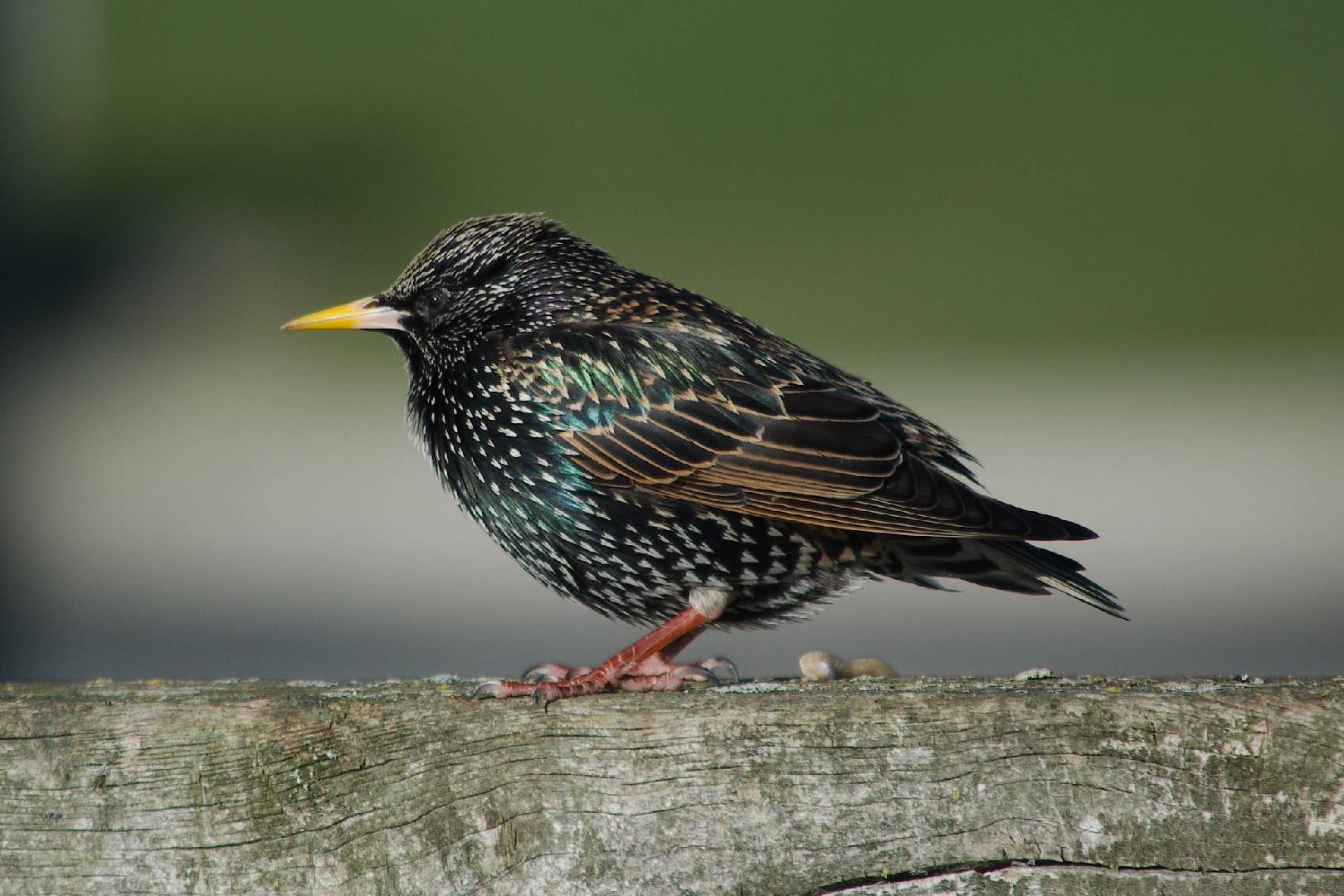
4. European Starling
The european Starling, a large, hardy songbird, is one of the most commonly seen bird species in North America. Originally from Europe, this species was brought to the U.S. in the 1890s by enthusiasts of William Shakespeare, who had the unique goal of bringing over every single species of bird that was mentioned in Shakespeare's collective works. Unfortunately, the european Starling, being an adaptable, generalist species, spread invasively across the continent, hurting many native species' populations in the process.
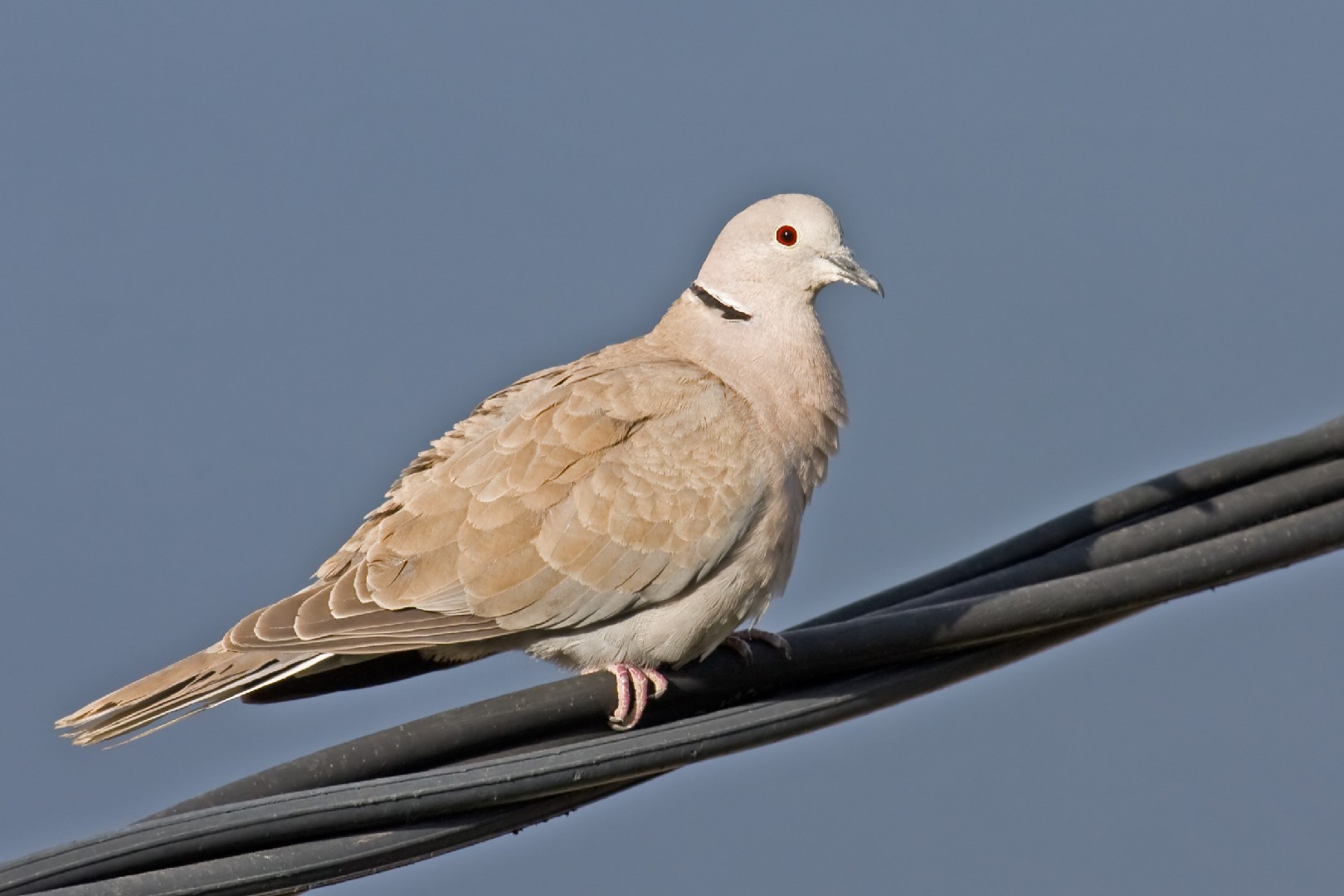
5. Eurasian Collared-dove
This plump, pretty dove with a square-tipped tail is known for bobbing its head and flicking its tail while walking. Though nice to look at, many people are not pleased at the sight of a eurasian Collared-dove walking along. In North America they are considered an invasive species, and one that carries a disease-creating parasite that can spread to native dove populations through birdbaths, feeders, or even through hawks preying on them.
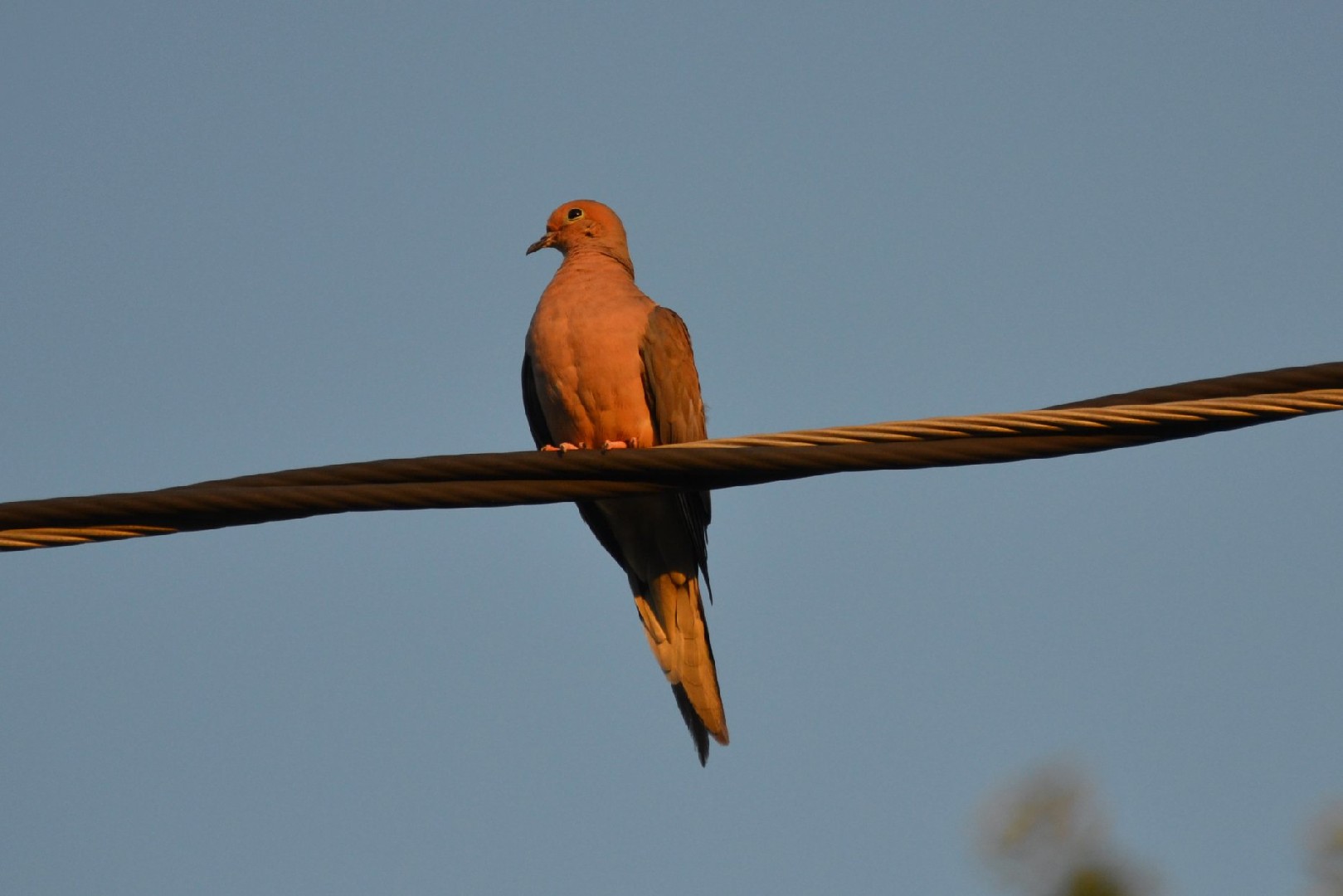
6. Mourning Dove
One of the most famous and widespread doves of North America, the mourning Dove can be often seen in urban areas perching on telephone wires. It is named after its distinctive, plaintive-sounding song. It is also a popular game bird, but its population is still abundant thanks to the prolific breeding and its ability to raise up to five to six broods in a single year.
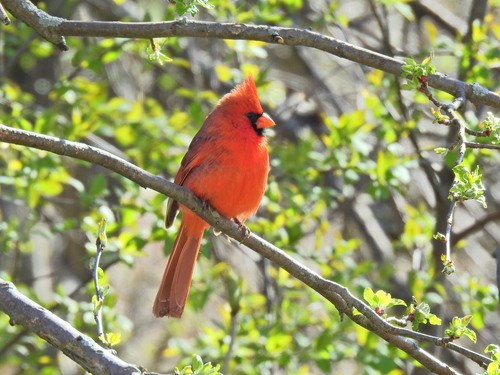
7. Northern Cardinal
The northern Cardinal is a distinctive, medium-sized songbird that inhabits temperate forests and yards. Its name is derived from the male's brilliant red plumage color which resembles red-robed Roman Catholic cardinals, while its crest looks like a bishop's mitre. Compared to the male, the female is much duller in color. The highly territorial males can be quite aggressive. Quite popular, this is the state bird of seven U.S. states.
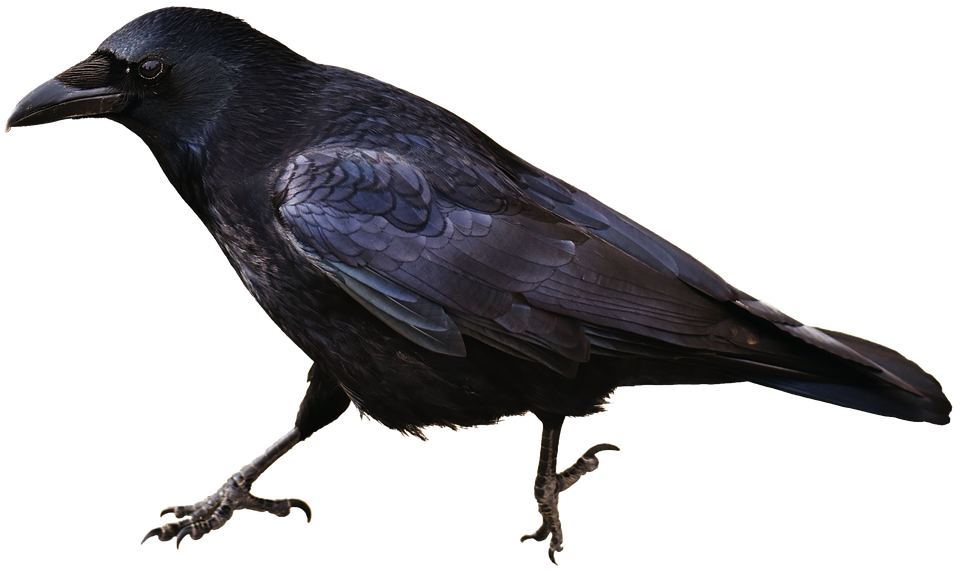
8. Fish Crow
The fish Crow is a social species and may be found alongside American crows (Corvus brachyrhynchos). The fish Crow is slightly smaller and silkier than the American crow and also has a distinct call. As its name suggests, this species is found near fresh, brackish, and saltwater waterways looking for fish and invertebrates to eat.
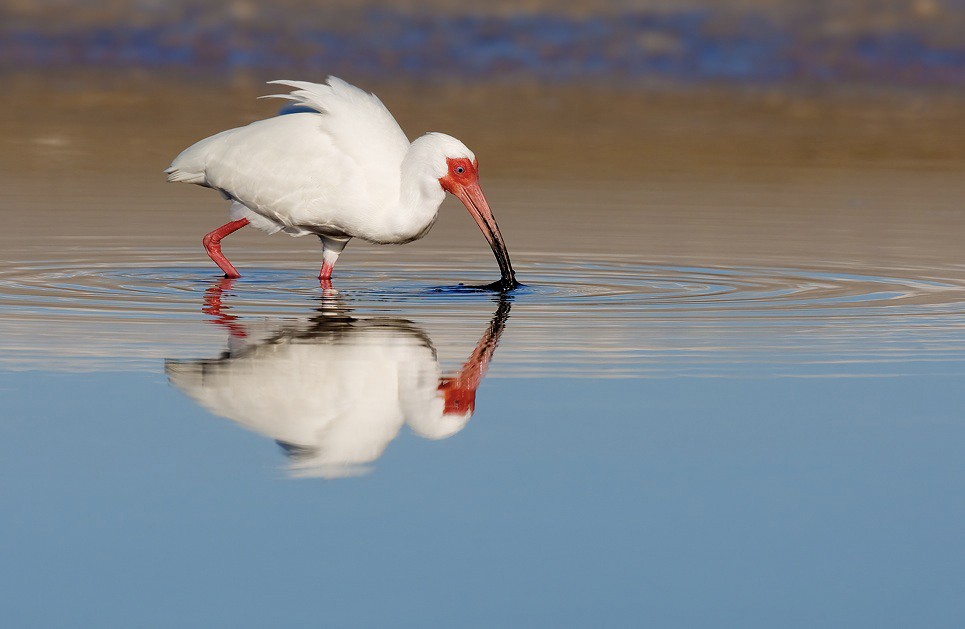
9. White Ibis
The white Ibis is a medium-sized bird with beautiful white plumage that is a known wanderer. It makes a quiet grunting "croo croo" noise as it forages for food. Unfortunately, these birds have been heavily impacted by the pollutant methylmercury. In the Everglades high concentrations of methylmercury from human pollution have greatly impacted the mating behavior and mating frequency of the white Ibis.
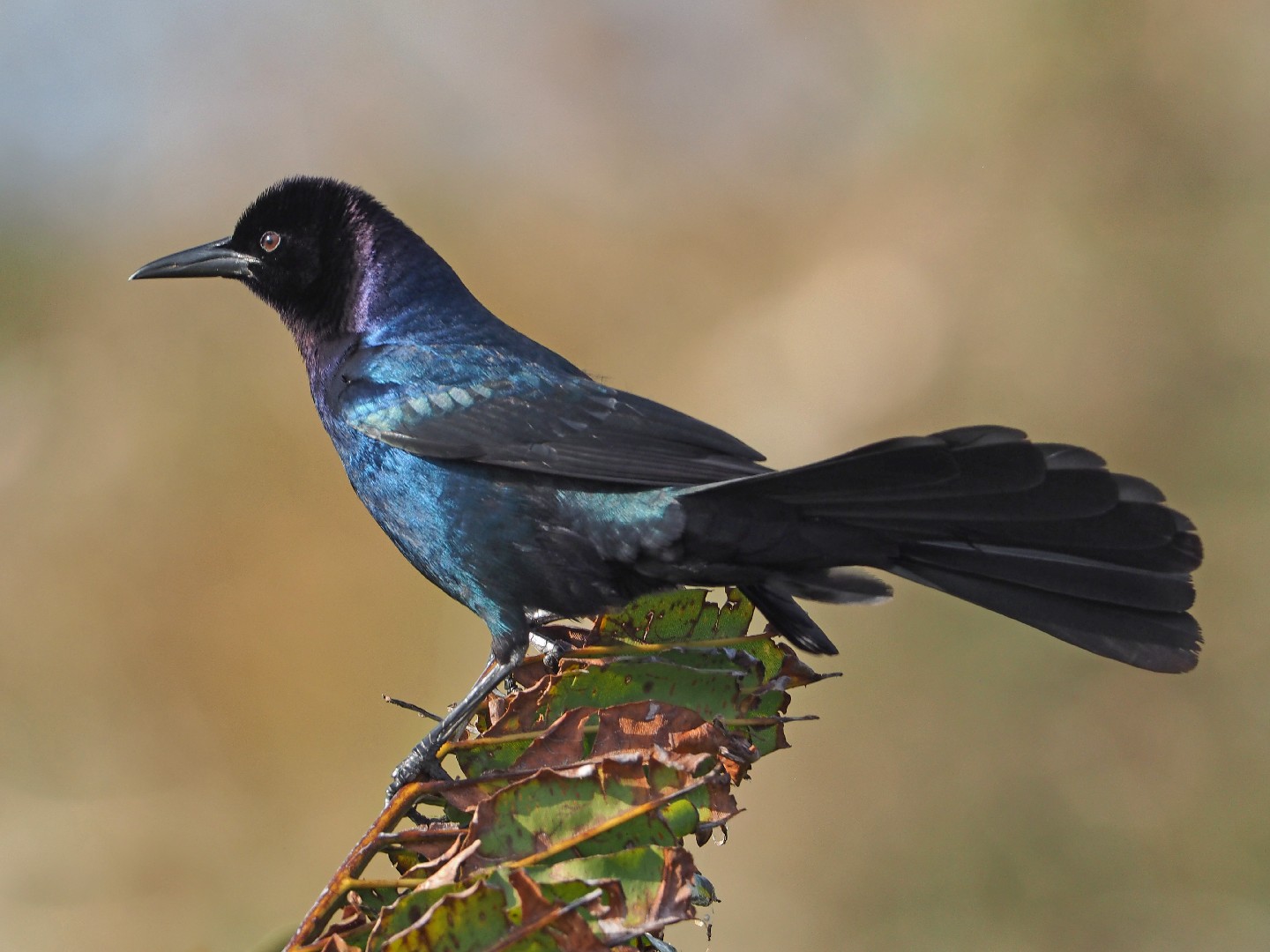
10. Boat-tailed Grackle
Boat-tailed Grackles, with their incredibly long tails, prefer to live near marshes and boat launches. Those found in different regions have different colored eyes. Boat-tailed Grackles have an unusual way of mating called "harem defense polygyny" in which females nest in a cluster colony together as males compete to mate and defend ALL of the females.

11. Turkey Vulture
The turkey Vulture is a common sight, especially around roads, where they keep a sharp eye out for roadkill. Seeing these large birds in the sky can often make you take a second look to see if it’s an eagle or a hawk. Here’s one quick way to tell the difference. When in flight, a turkey Vulture will circle unsteadily, with its wings lifted to make a V shape. Though they are not appreciated, they do the dirty work of the animal kingdom by cleaning up the countryside as they scavenge.
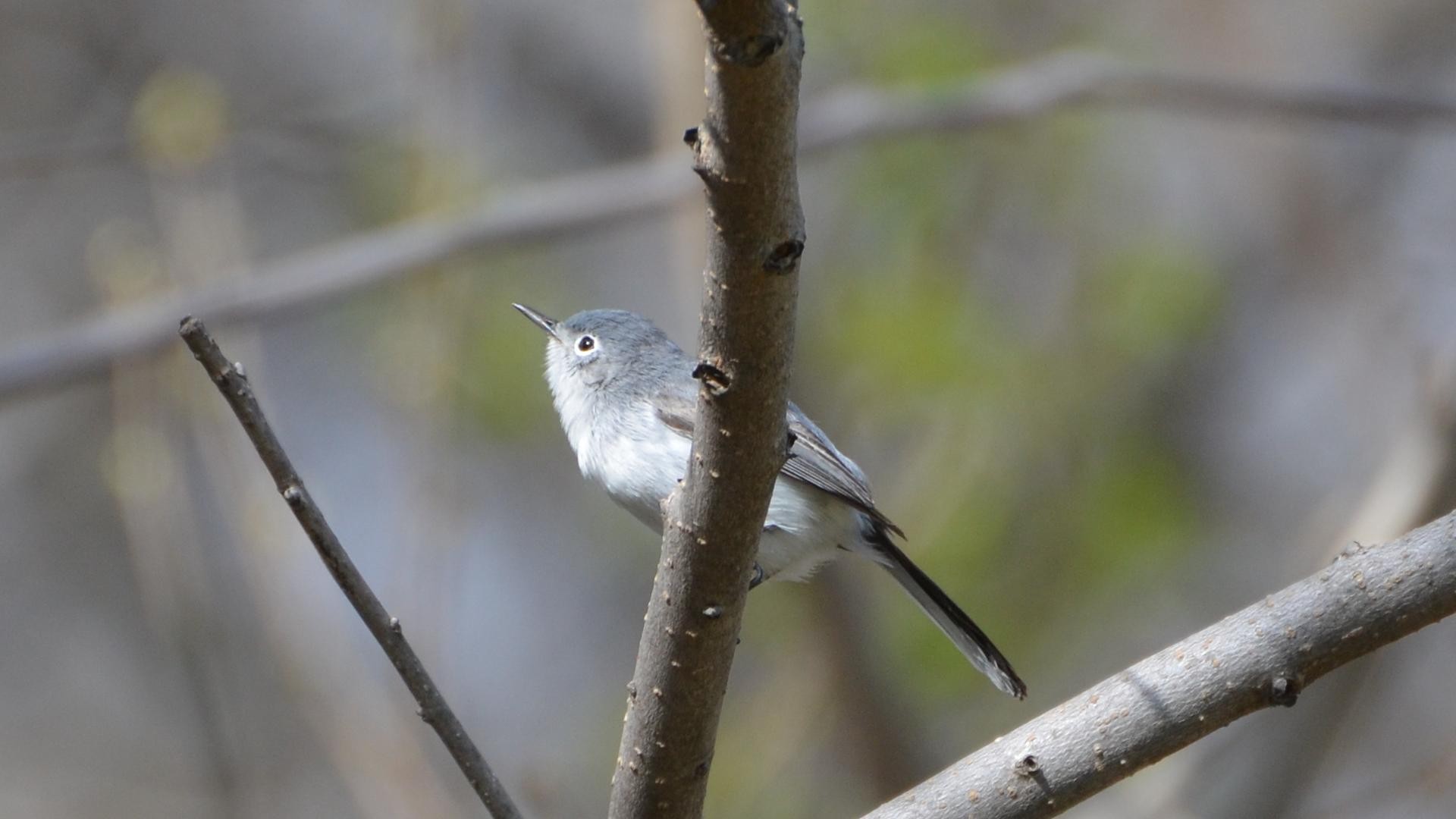
12. Blue-grey Gnatcatcher
The blue-gray gnatcatcher or blue-grey gnatcatcher (Polioptila caerulea) is a very small songbird, 10–13 cm (3.9–5.1 in) in length, 6.3 in (16 cm) in wingspan, and weighing only 5–7 g (0.18–0.25 oz). Adult males are blue-gray on the upperparts with white underparts, have a slender dark bill, and a long black tail edged in white. Females are less blue, while juveniles are greenish-gray. Both sexes have a white eye ring. The blue-gray gnatcatcher's breeding habitat includes open deciduous woods and shrublands in southern Ontario, the eastern and southwestern United States, and Mexico. Though gnatcatcher species are common and increasing in number while expanding to the northeast, it is the only one to breed in Eastern North America. Both parents build a cone-like nest on a horizontal tree branch, and share feeding the young. The incubation period is 13 days for both sexes, and two broods may be raised in a season. These birds migrate to the southern United States, Mexico, northern Central America-(Belize, Guatemala, and Honduras), Cuba, Bahamas, Turks and Caicos Islands, and the Cayman Islands. They forage actively in trees or shrubs, mainly eating insects, insect eggs and spiders. They may hover over foliage while snatching prey (gleaning), or fly to catch insects in flight (hawking). The tail is often held upright while defending territory or searching for food. 

13. Muscovy Duck
The muscovy Duck has a very distinctive appearance that has long intrigued and confused birdwatchers, with its warty face, strange and unique coloring, and widely variable plumage. Its common name is thought to come from the London Muscovy Company back in the 1500s. In traditional Aztec culture, rulers wore cloaks with the feathers of this duck, as a way to honor the Wind God, Ehecatl. Today they can be found both wild and domesticated.
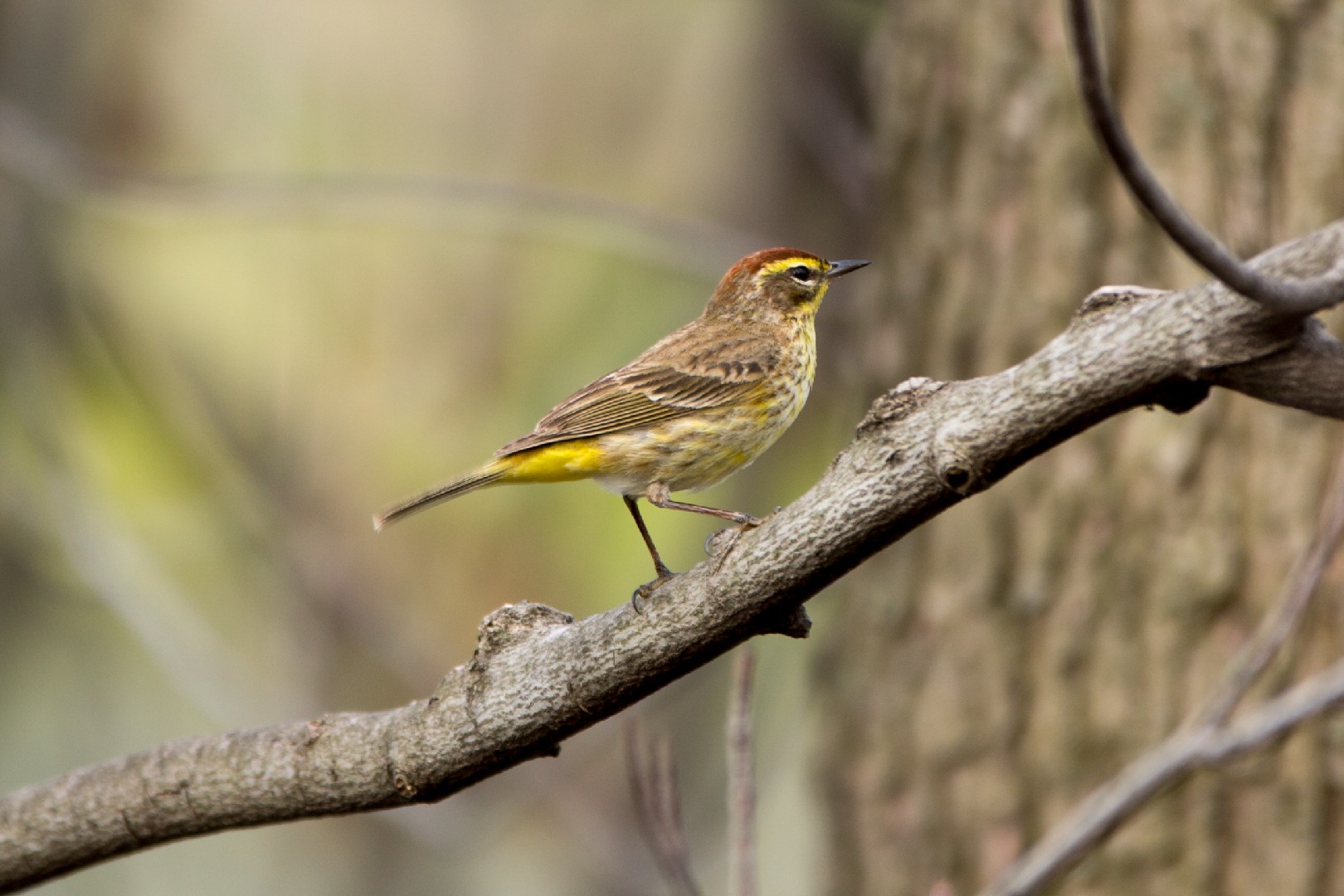
14. Palm Warbler
The palm Warbler is a large warbler known for wagging its tail as it forages. These birds look for insects and berries on and near the ground, unlike other related species that stick to the trees. The palm Warbler is a migratory species that travels to the denser coverage in boreal forests in the north for breeding.
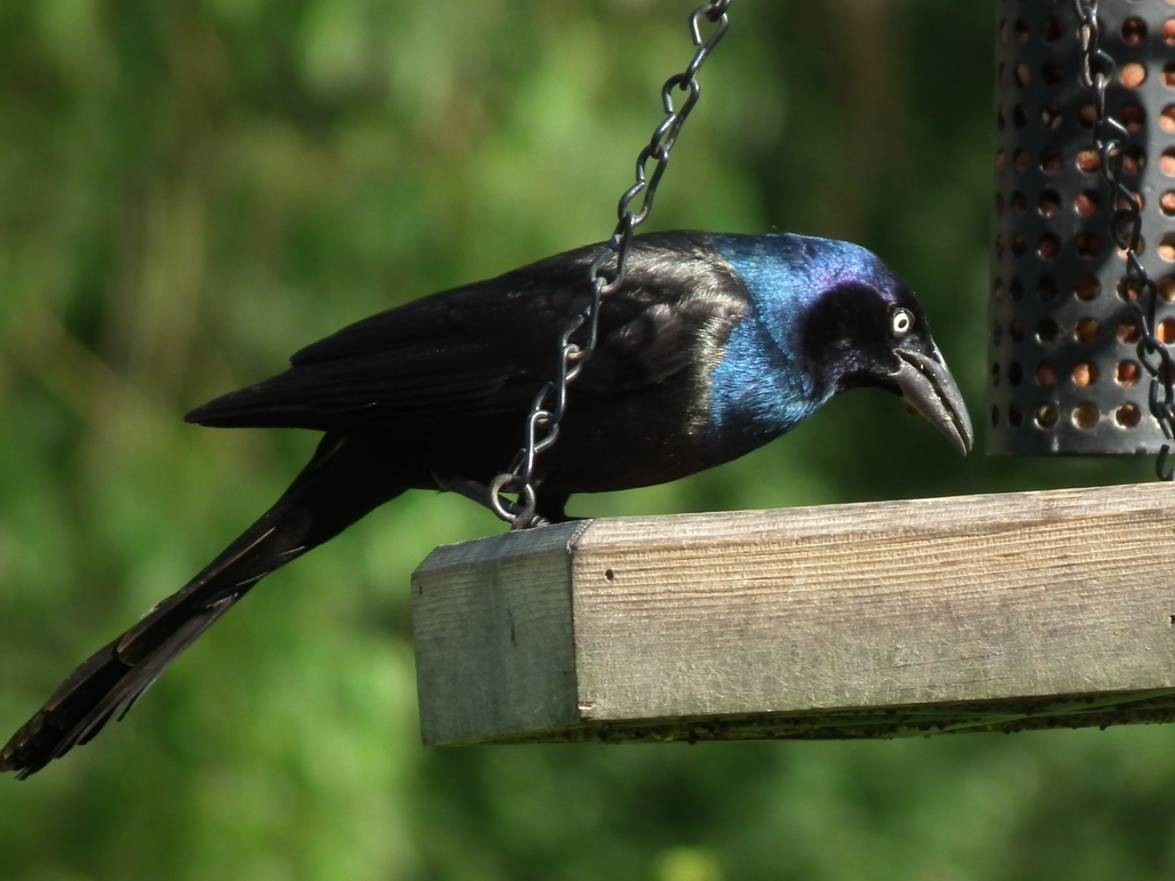
15. Common Grackle
The common Grackle is a medium-sized blackbird that prefers open areas with widely-spaced trees. It produces a distinctive, loud, and unpleasant sound that is said to resemble rusty hinges on the gate. This bird is highly sociable and it's rarely seen alone. Being a regular visitor of urban and suburban areas, this clever crafter uses numerous man-made materials to make its nest. Due to its preference for various foods, including berries and crops, it's considered a pest by farmers.
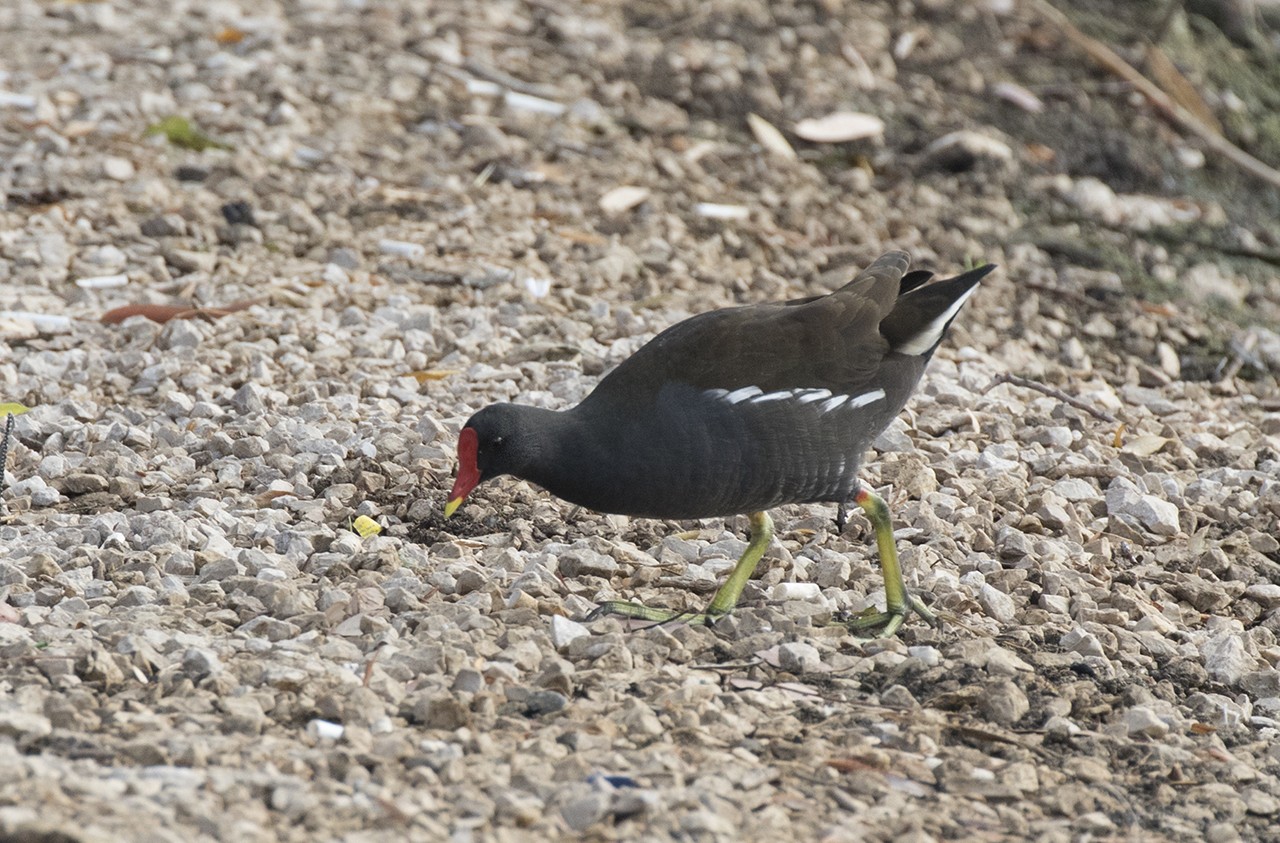
16. Common Moorhen
The common Moorhen is often found in slow-moving or standing-water aquatic ecosystems with dense vegetation coverage where they can hide and forage for food. If vegetation is dense enough, their large feet even enable them to walk across the floating plants. These birds are opportunistic feeders and will eat any food that is currently available.
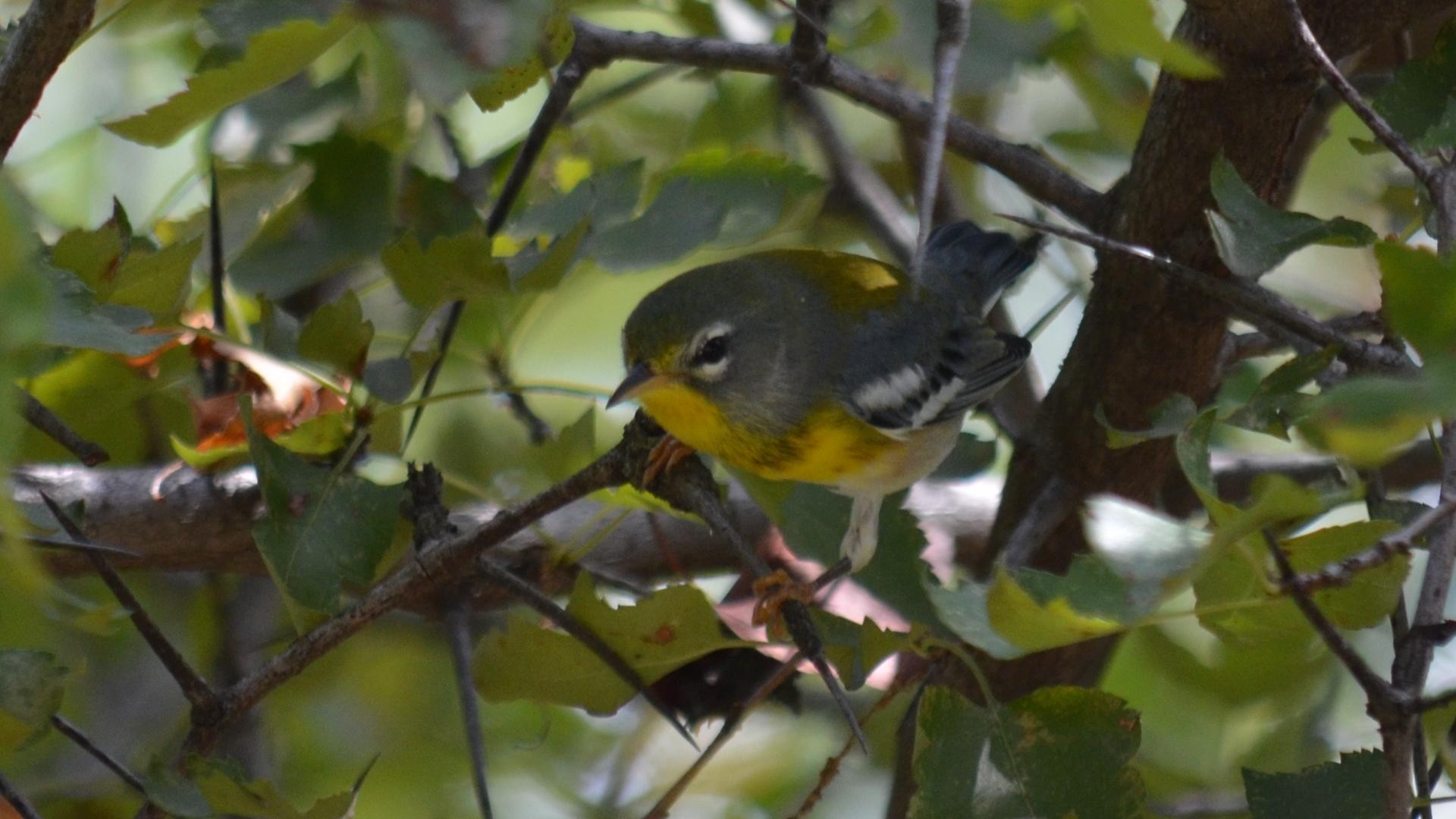
17. Northern Parula
The northern parula is one of the smaller North American migratory warblers, often being one of the smallest birds in a mixed feeding flock besides kinglets or gnatcatchers. Length is 10.8 to 12.4 cm (4.3 to 4.9 in), wingspan is 16 to 18 cm (6.3 to 7.1 in) and body mass is 5 to 11 g (0.18 to 0.39 oz). Among standard measurements, the wing chord is 5.1 to 6.5 cm (2.0 to 2.6 in), the tail is 3.7 to 4.5 cm (1.5 to 1.8 in), the bill is 0.8 to 1.1 cm (0.31 to 0.43 in) and the tarsus is 1.5 to 1.8 cm (0.59 to 0.71 in). This species has mainly blue-gray upper parts, with a greenish back patch and two white wing bars. The breast is yellowish shading into the white belly. The summer male has bluish and rufous breast bands and prominent white eye crescents. At the end of the breeding season, individuals molt into a duller version of the breeding plumage. Females are similar-looking but tend to be duller and lack the breast bands. The unique breastband fades in males and may disappear altogether in females. Its song is a click-like trill or buzz, zeeeeee-yip and the call is a soft chip.
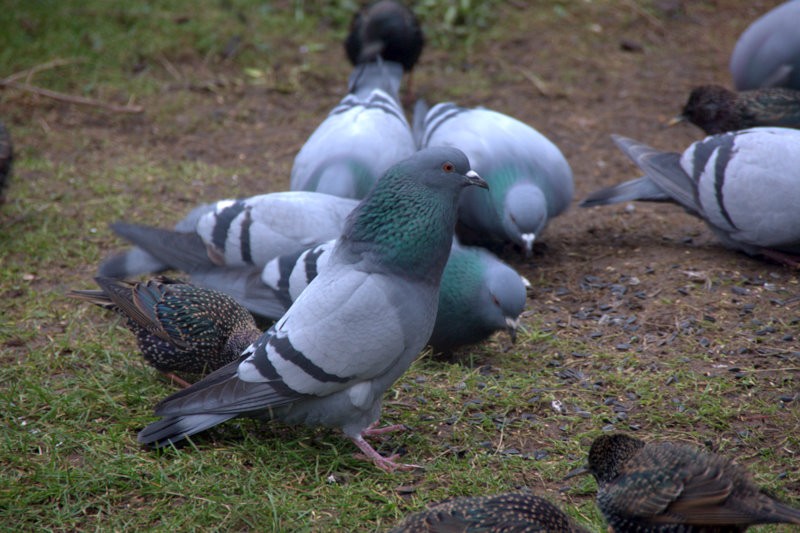
18. Rock Pigeon
The rock Pigeon is a wild ancestor of all domestic and feral pigeons, inhabiting coasts, cliffs, and caves. Pairs nest in rock crevices, often mating for life. They are known for their ability to fly very long distances to return to their homes, navigating using the sun's position and the earth's magnetic fields. Thanks to this ability, pigeons were used as messengers, particularly during World Wars I and II.
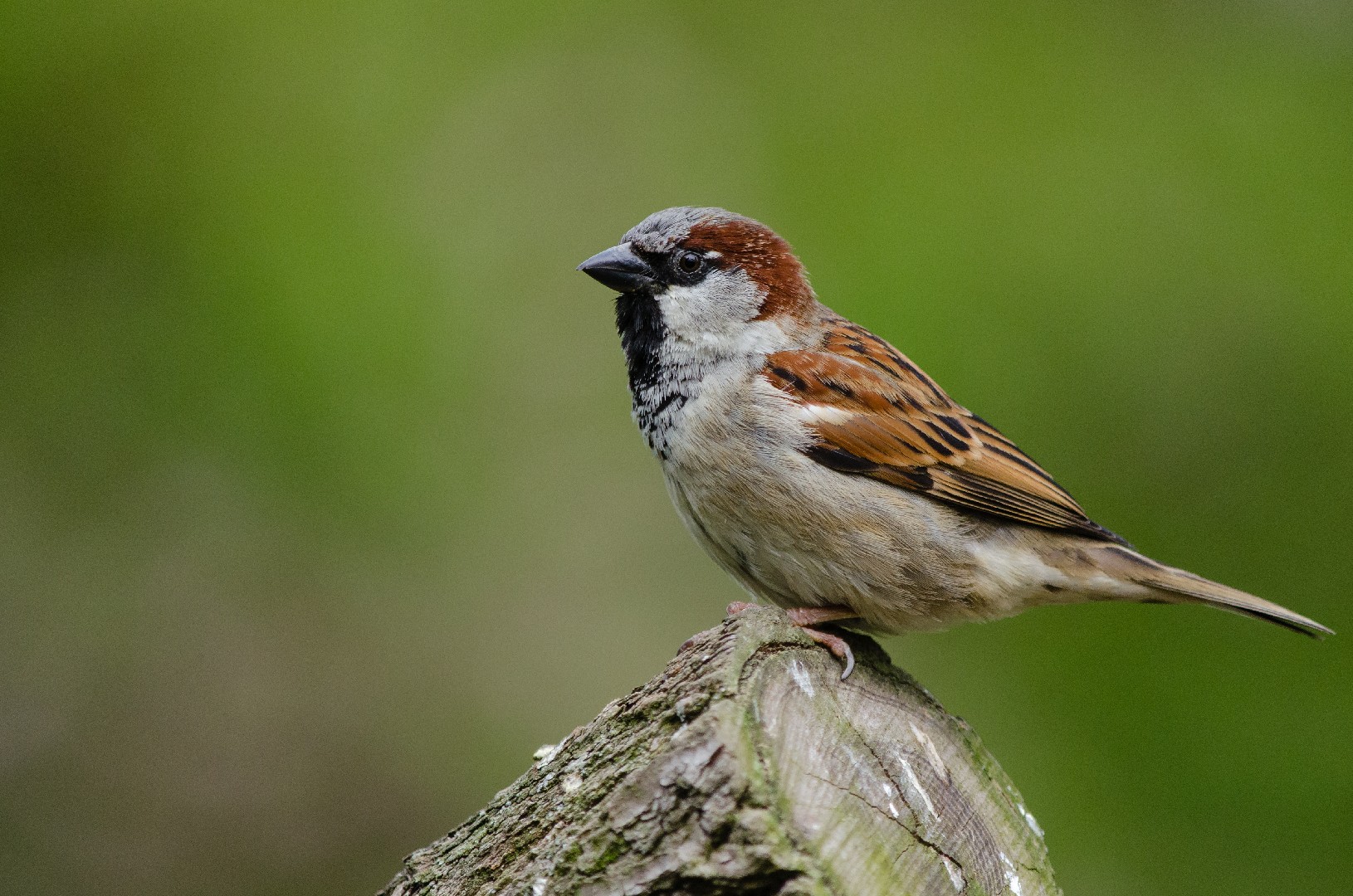
19. House Sparrow
Just as its name implies, the little house Sparrow socializes with humans more than any other bird species. Able to adapt and thrive in almost any habitat, excluding the extremes such as deserts and mountain peaks, this species was once restricted only to North Africa and Eurasia but now is found across the globe. Unfortunately, this opportunistic eater is not completely harmless—it can cause considerable damage to crops.
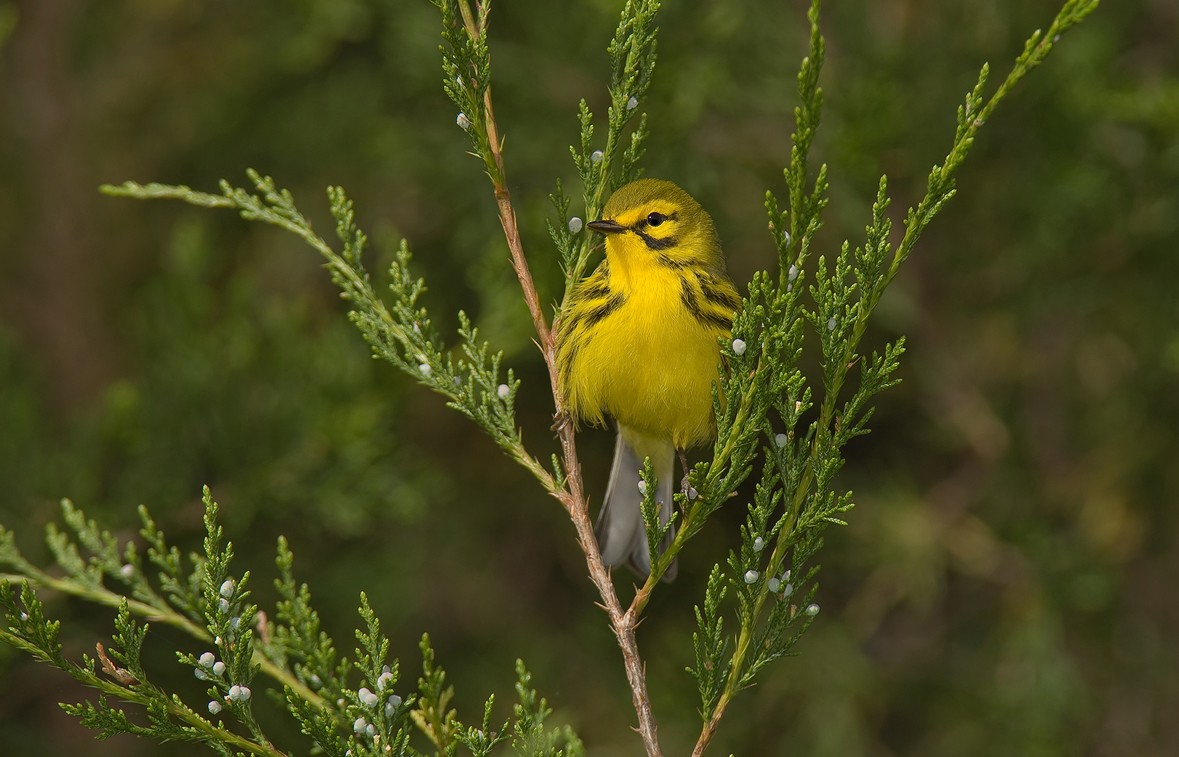
20. Prairie Warbler
These birds have yellow underparts with dark streaks on the flanks, and olive upperparts with rusty streaks on the back; they have a yellow line above the eye, a dark line through it, and a yellow spot below it. These birds have black legs, long tails, two pale wing bars, and thin pointed bills. Coloring is duller in female and immatures.