




Top 20 Most Common Bird in New Orleans
The birdlife around New Orleans is as colorful and diverse as the city's vibrant history. With 20 common species inhabiting the area's distinct wetland ecosystems like the marshes and bayous, the region showcases a unique confluence of bird species. Iconic birds of New Orleans such as Brown Pelican, Louisiana Waterthrush, and the Prothonotary Warbler, offer a testament to the natural wealth and vibrancy of this region. A paradise for bird-watchers, New Orleans offers a captivating peek into the world of these winged wonders.

Most Common Bird
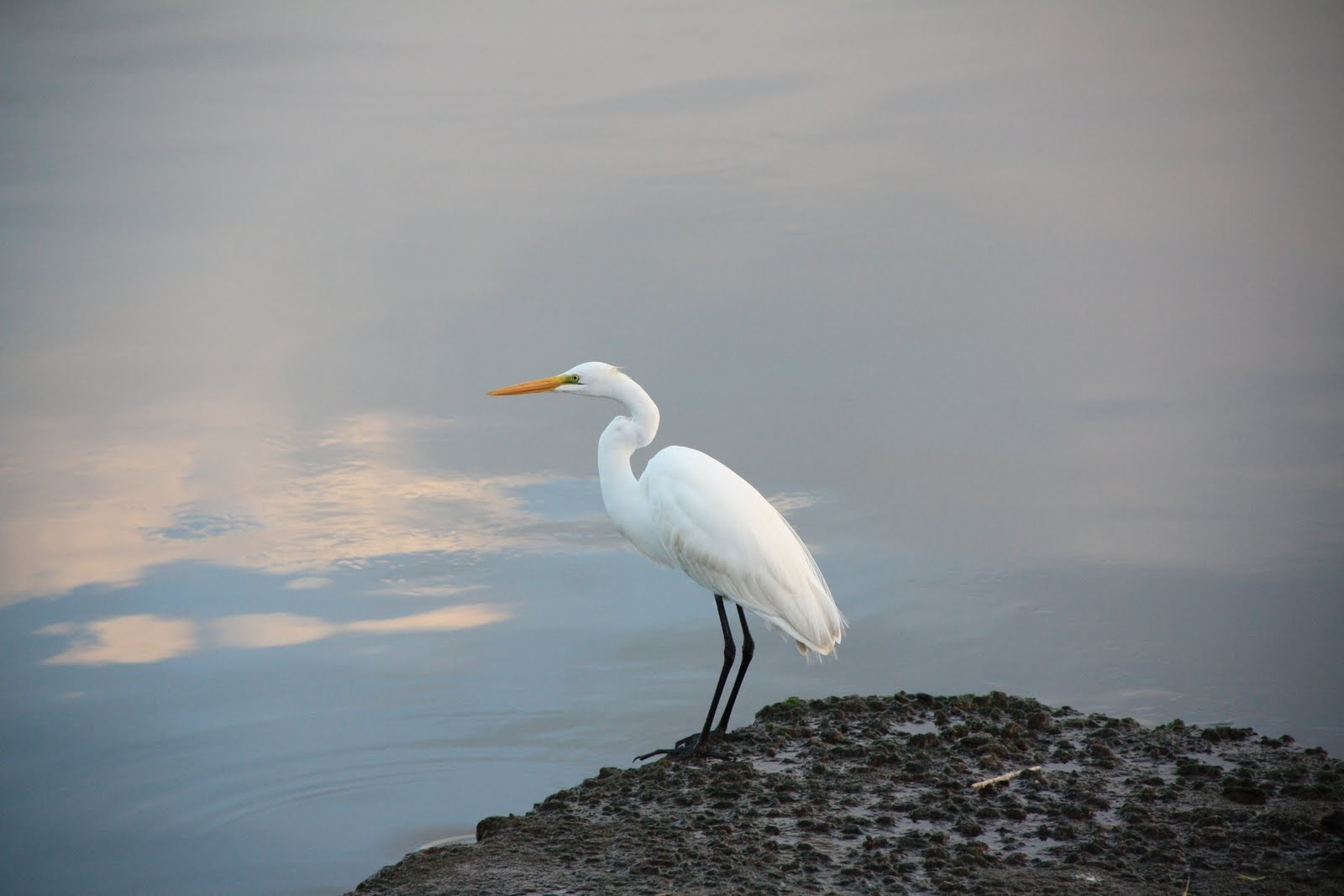
1. Great Egret
These tall birds are quite distinctive with their bright white feathers, black legs, and orange beaks. Great Egrets live near both fresh and saltwater, nesting high in trees to protect their eggs from predatory mammals. They are colonial nesters, living in large groups (colonies), and they find the majority of their food in the nearest body of water.
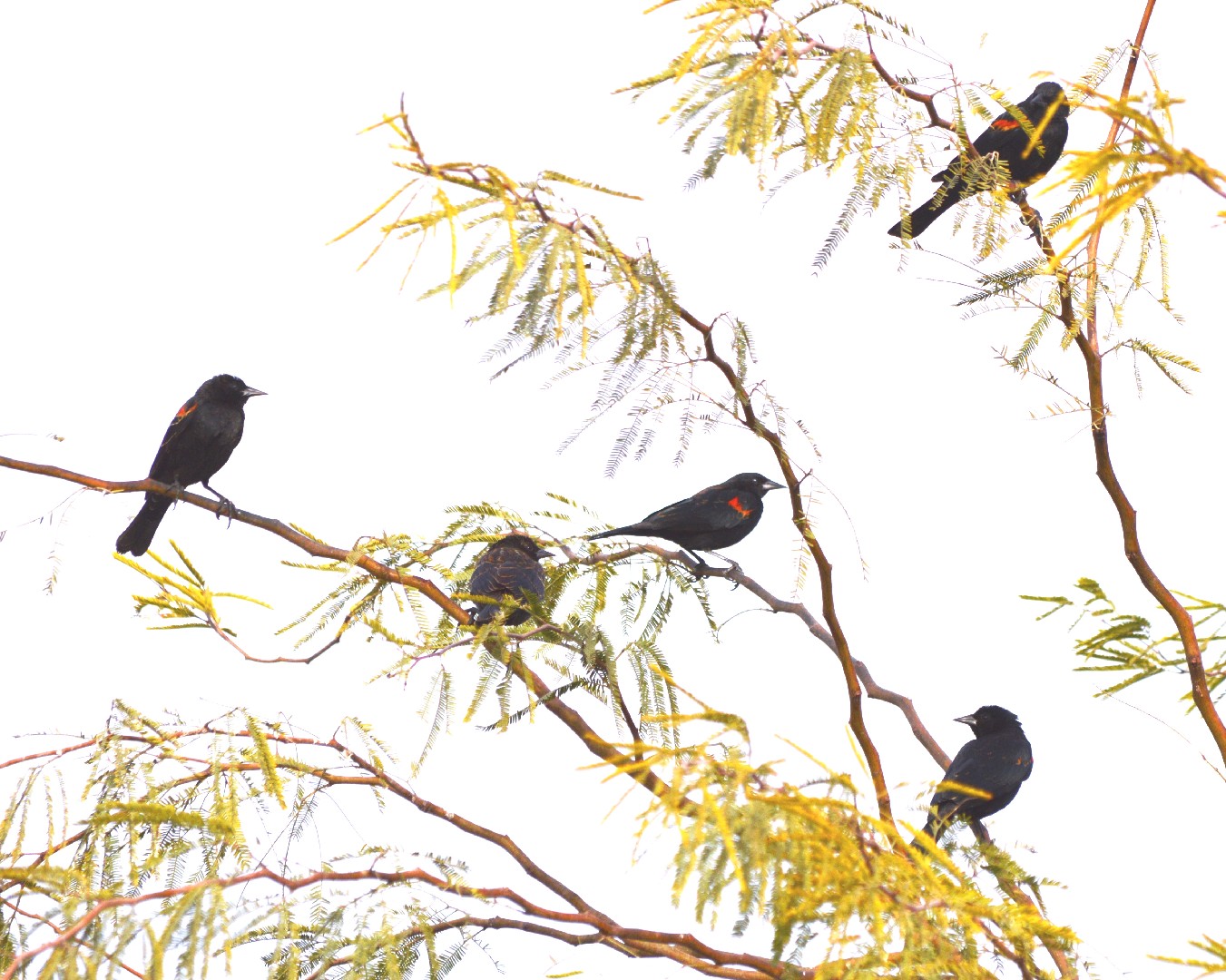
2. Red-winged Blackbird
One of the earliest spring harbingers in North America, the red-winged Blackbird migrates in enormous flocks. Gathered in these large groups, the songbirds produce a loud cacophony. The red-winged Blackbird is an opportunistic omnivore. It feeds on numerous insect species, keeping pests under control, but due to its preference for crops and berries, the red-winged Blackbird is sometimes considered a pest itself.
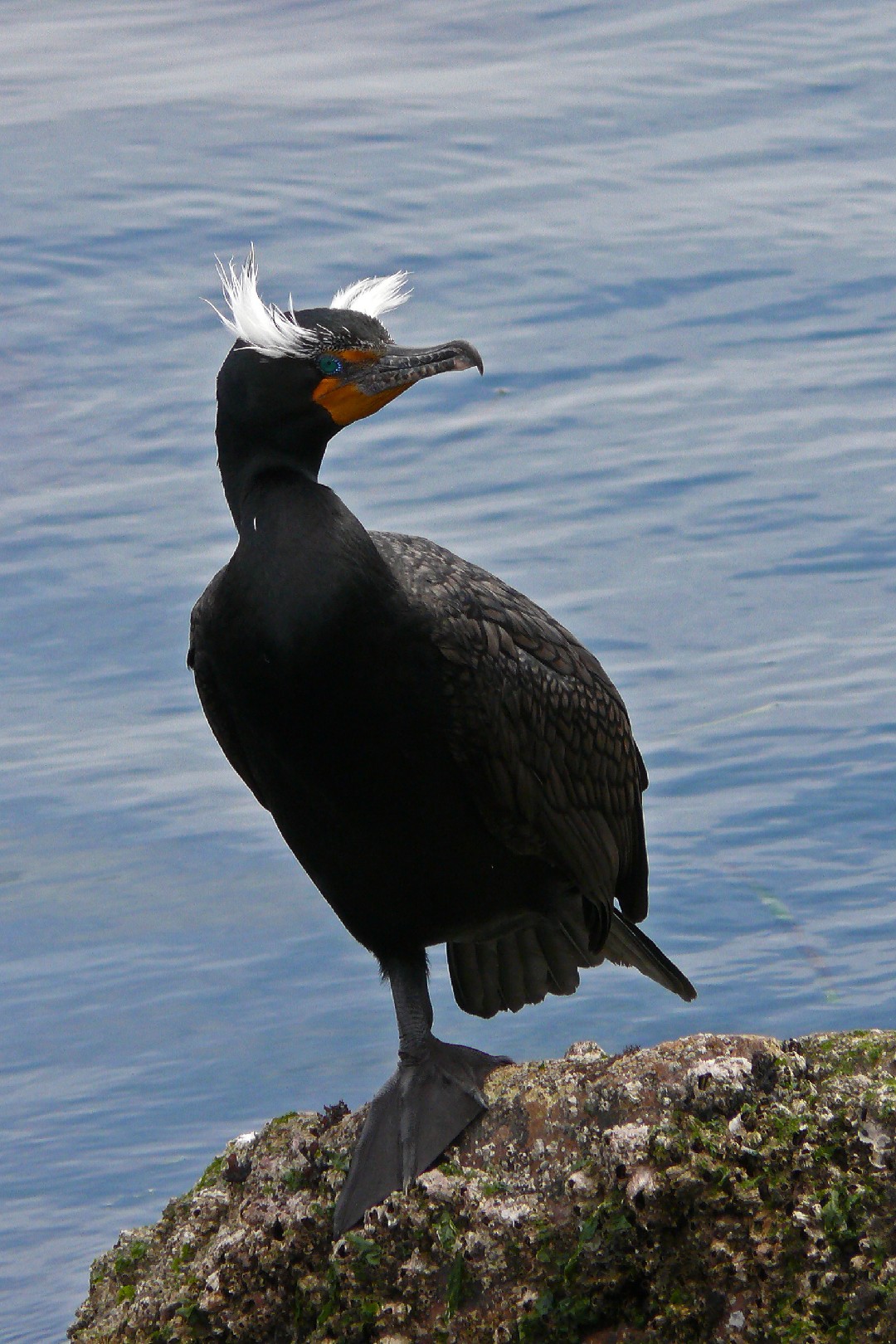
3. Double-crested Cormorant
This large, dinosaur-like bird is the most common form of cormorant. A frequent visitor to bodies of fresh water, look out for double-crested Cormorants at the water's edge when they “wing-spread”. They will stand with their wings opened wide and tilted towards the sun to dry their feathers, because they are not waterproof.
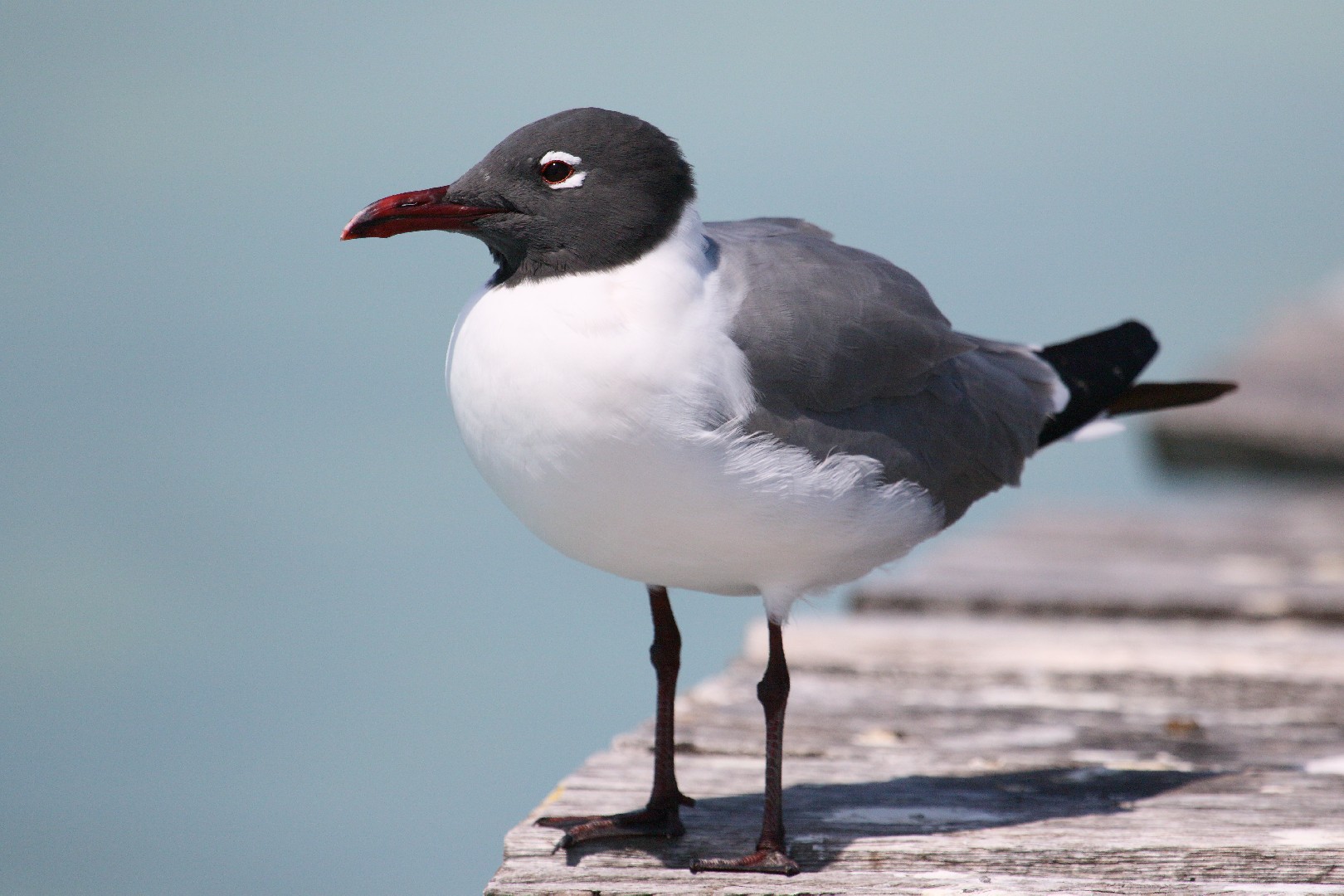
4. Laughing Gull
The laughing Gull is the largest of all of the dark-hooded gulls and is aptly named due to its call, "ha ha ha," which of course resembles laughter. Interestingly, gulls will typically stop flying and roost when there is low atmospheric pressure (often indicative of oncoming rain).
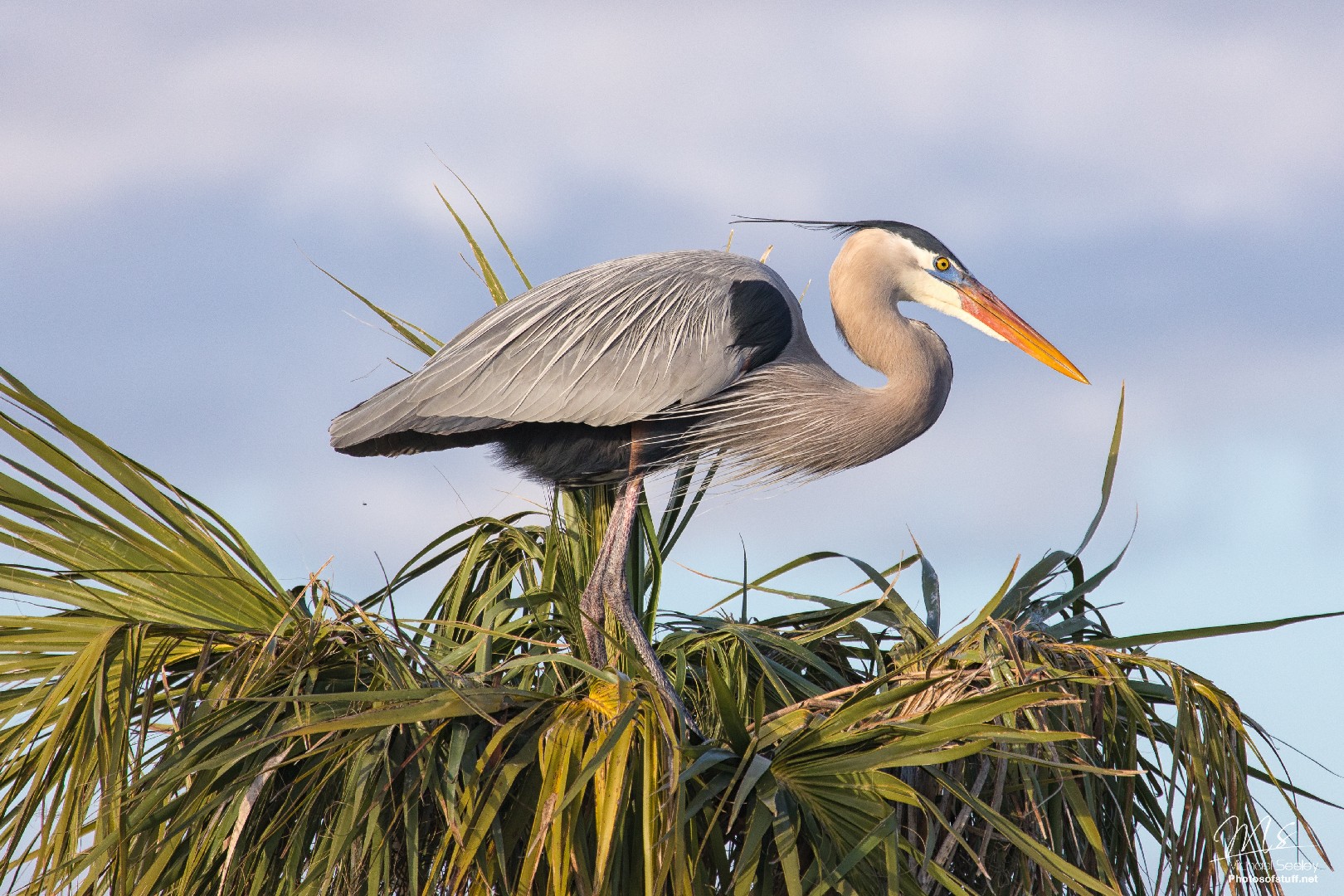
5. Great Blue Heron
The great Blue Heron, the largest such bird in North America, is quite adaptable and thrives in various wet habitats. Silent, patient, and often motionless, this majestic bird always makes a spectacular sight. Thanks to its specially shaped neck and extremely good night vision, this wading bird is a quick and skilled fish predator. Since the great Blue Heron accumulates toxins in its body, researchers use it as an indicator of dangerous contaminants in local wetlands.
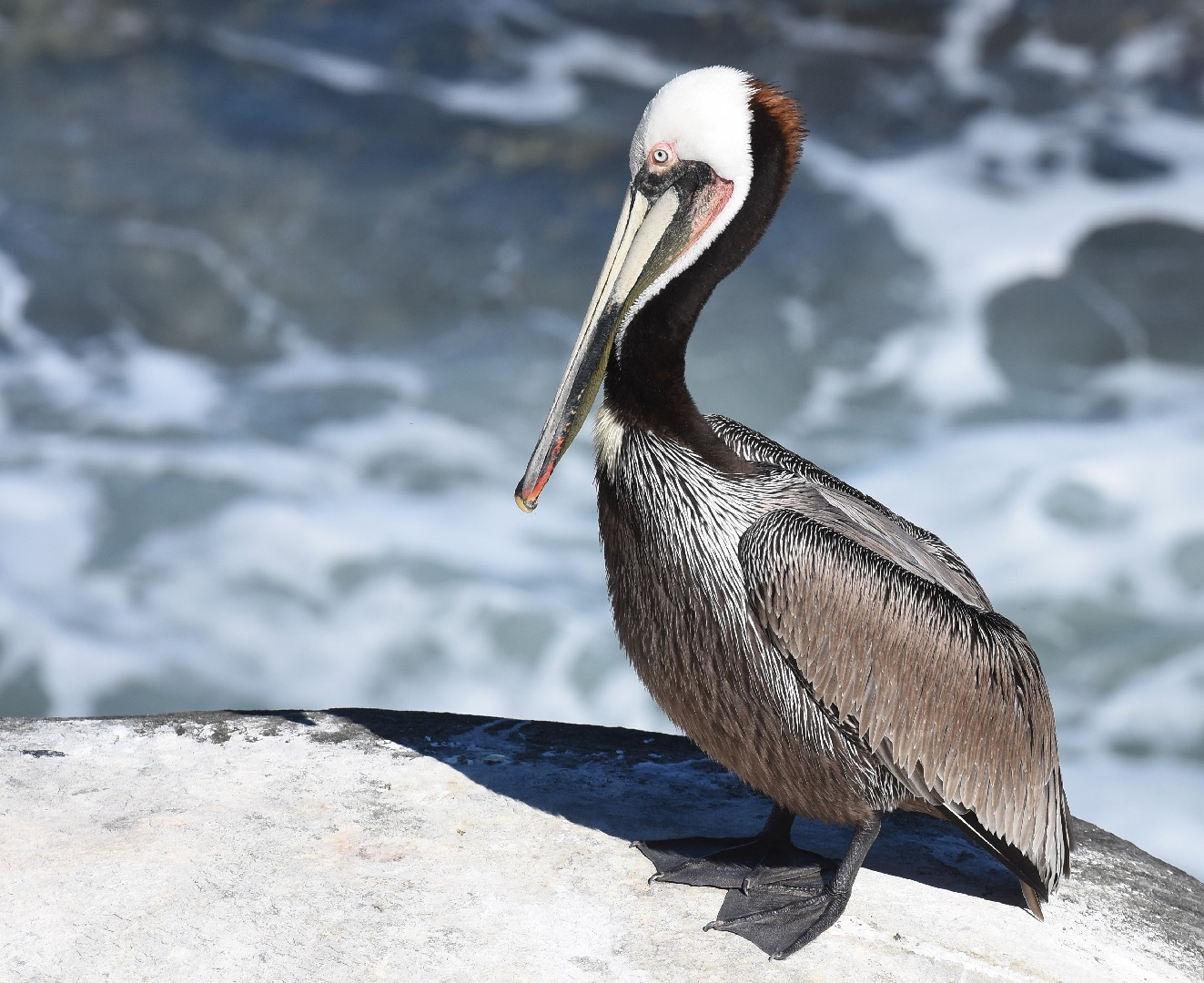
6. Brown Pelican
The brown Pelican is a large seabird frequently found in and around marine and estuarine habitats as well as manufactured docks and jetties. They can be seen effortlessly gliding in the air along the coast when not feeding. These birds have a unique feeding behavior where they dive head-first into the water, using their throat pouches to capture their prey. They often nest in large colonies on islands with no natural predators.
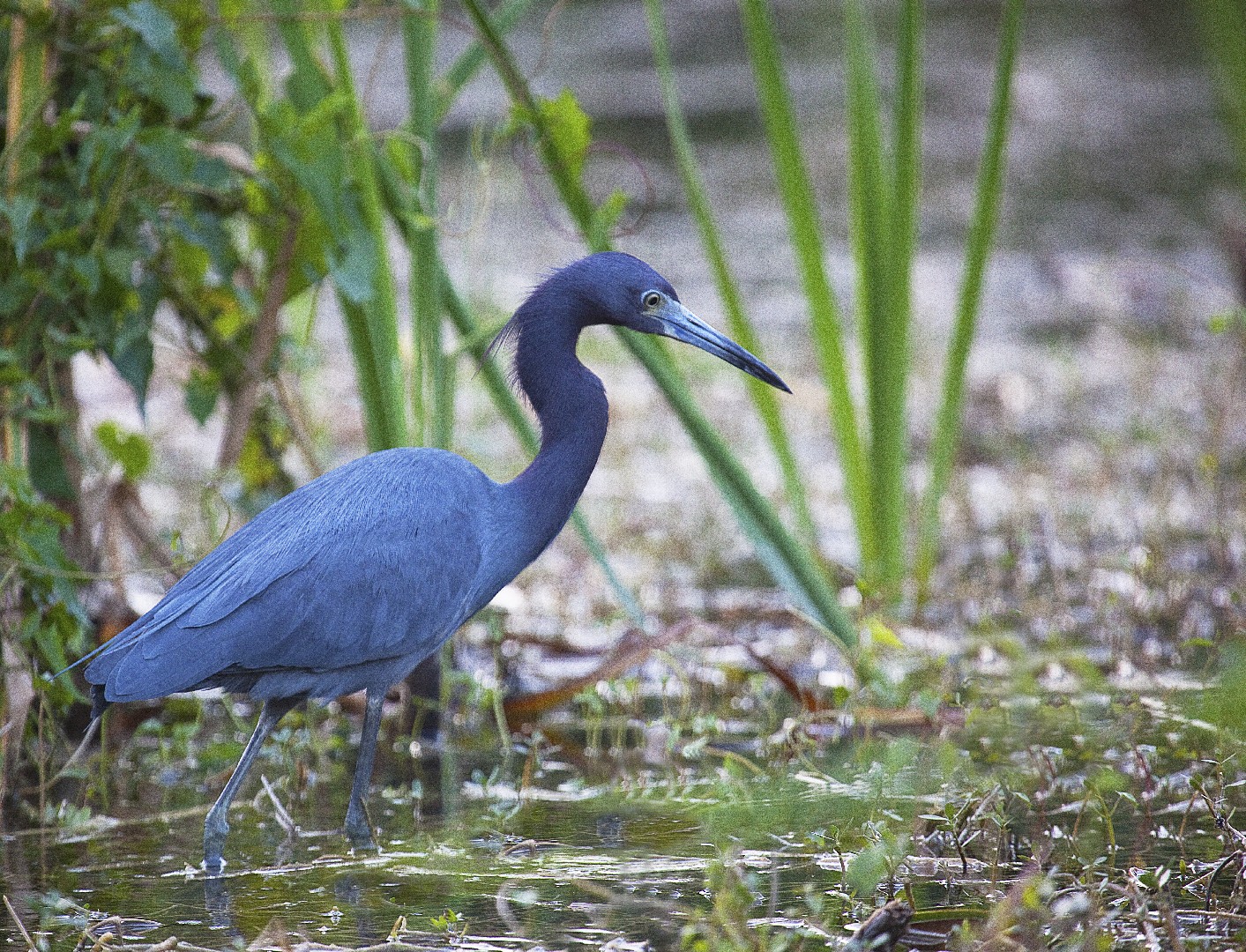
7. Little Blue Heron
A fairly small heron, the little Blue Heron is found in wetland habitats. Born with white feathers, a juvenile goes through a dramatic change to an all-dark adult. During the young stage, it looks very similar to the Snowy egret, with whom juveniles often mix during feeding time to get free food. A quiet and calm feeder, this heron is often overlooked; however, it's not easily approachable.
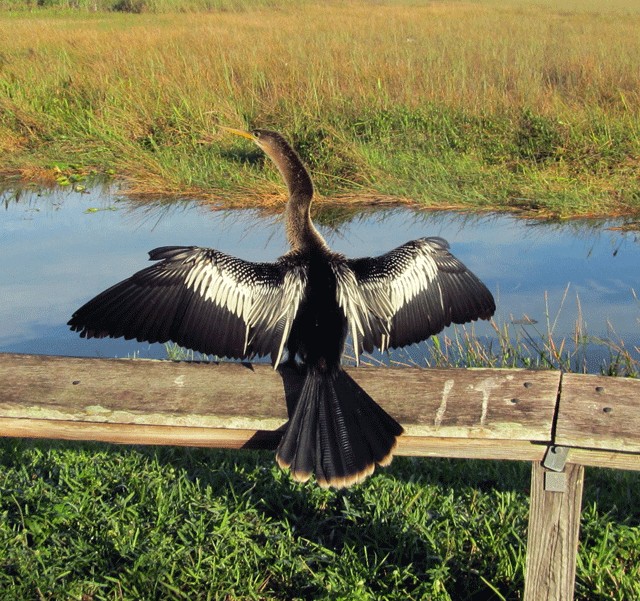
8. Anhinga
The anhinga uses its long beak to spear fish. Sometimes the fish gets stuck. and the bird has to swim to shore to pry it off. Unlike most other water birds, the anhinga doesn't have oil glands and therefore its feathers are not waterproof. While the lack of oil does allow the bird to move more efficiently underwater, after swimming it must spread its wings and dry them in the sun.
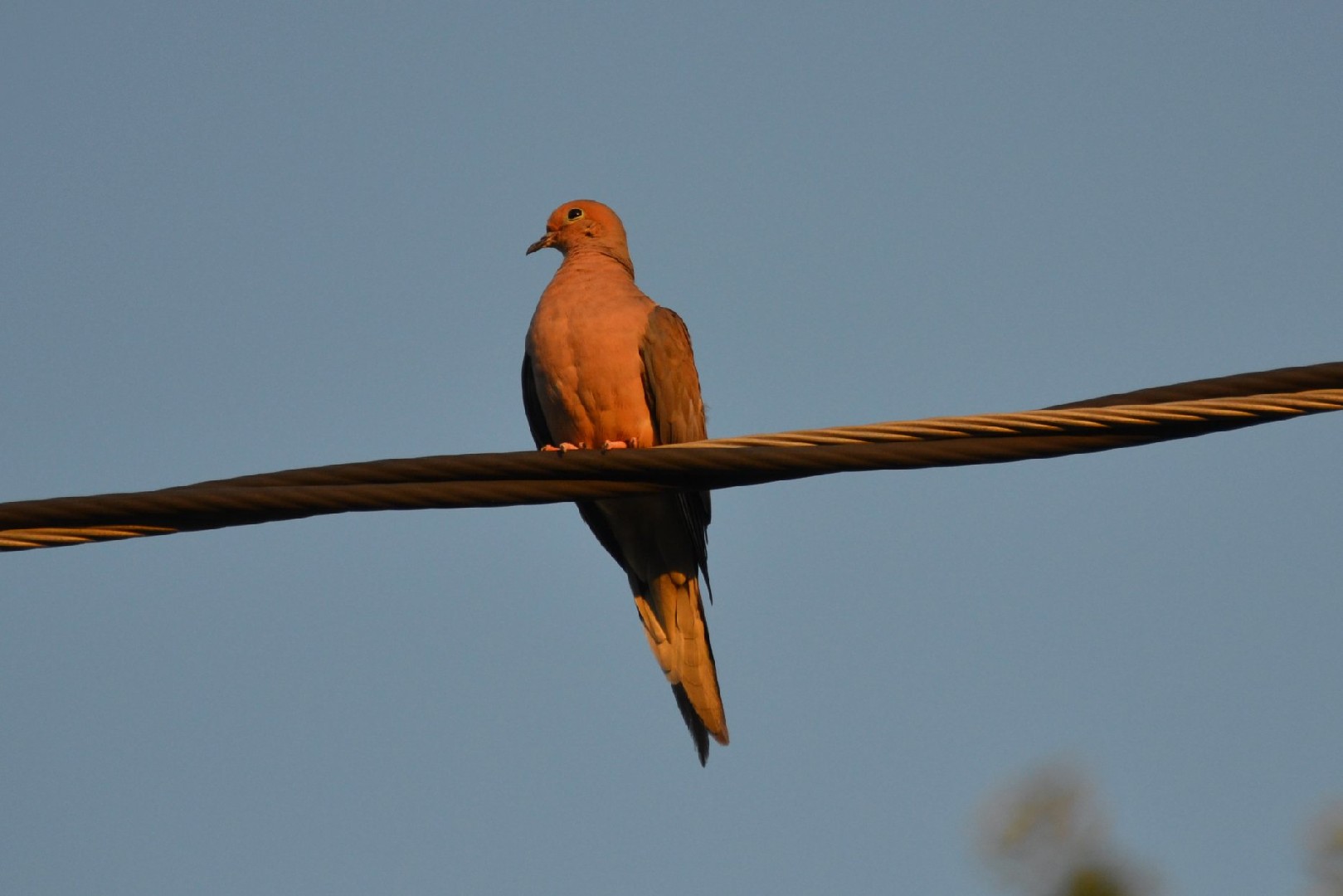
9. Mourning Dove
One of the most famous and widespread doves of North America, the mourning Dove can be often seen in urban areas perching on telephone wires. It is named after its distinctive, plaintive-sounding song. It is also a popular game bird, but its population is still abundant thanks to the prolific breeding and its ability to raise up to five to six broods in a single year.
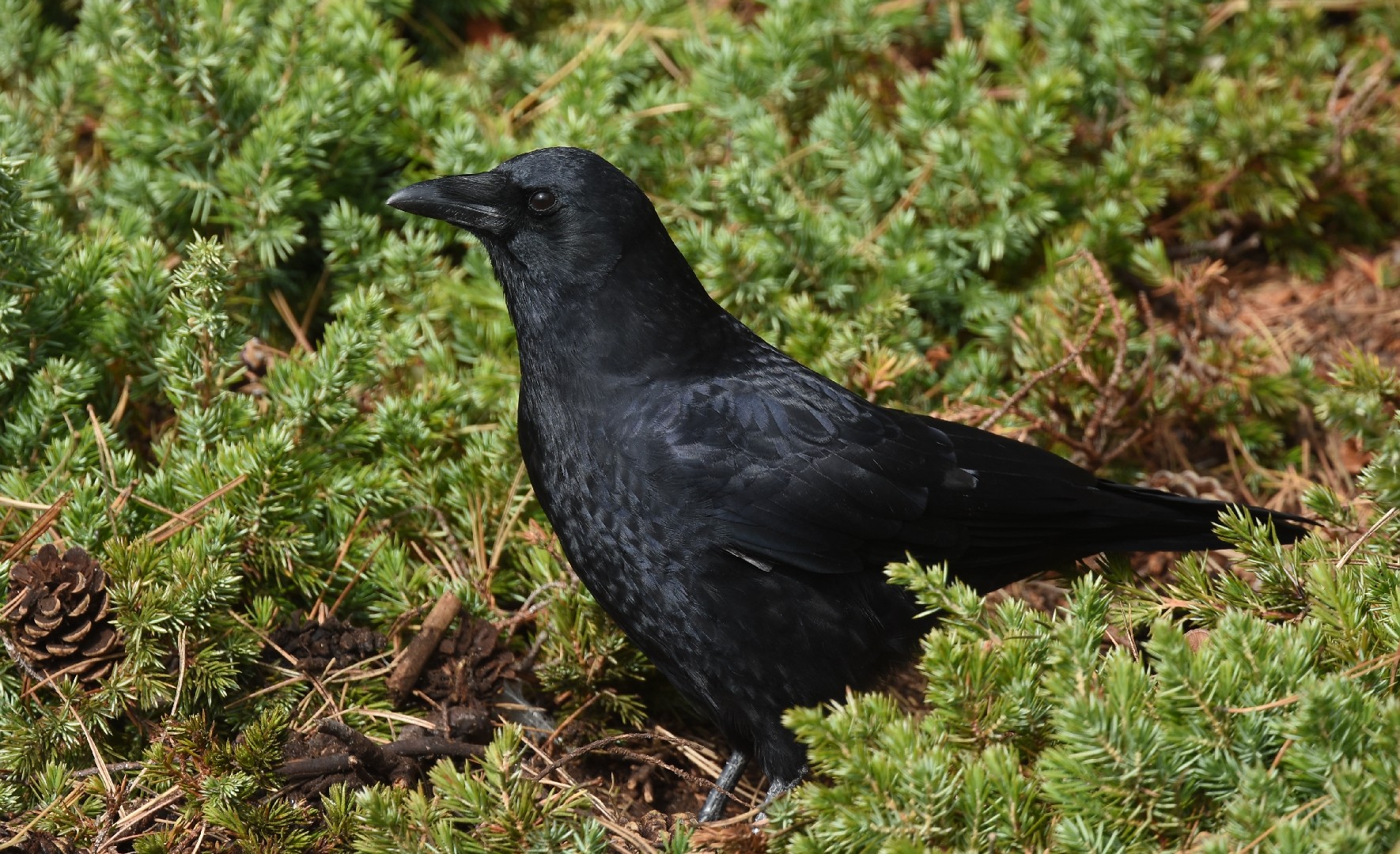
10. American Crow
The american Crow is a big black bird that can be found in forests, fields, river groves, and among human habitations. Interestingly, it is known to stand atop ant hills and allow ants to climb onto its feathers; this apparently discharges their formic acid and makes them more palatable for the crow to eat. Sadly, american Crow numbers have been substantially affected by the West Nile virus in North America. Infected birds die from West Nile in less than a week.
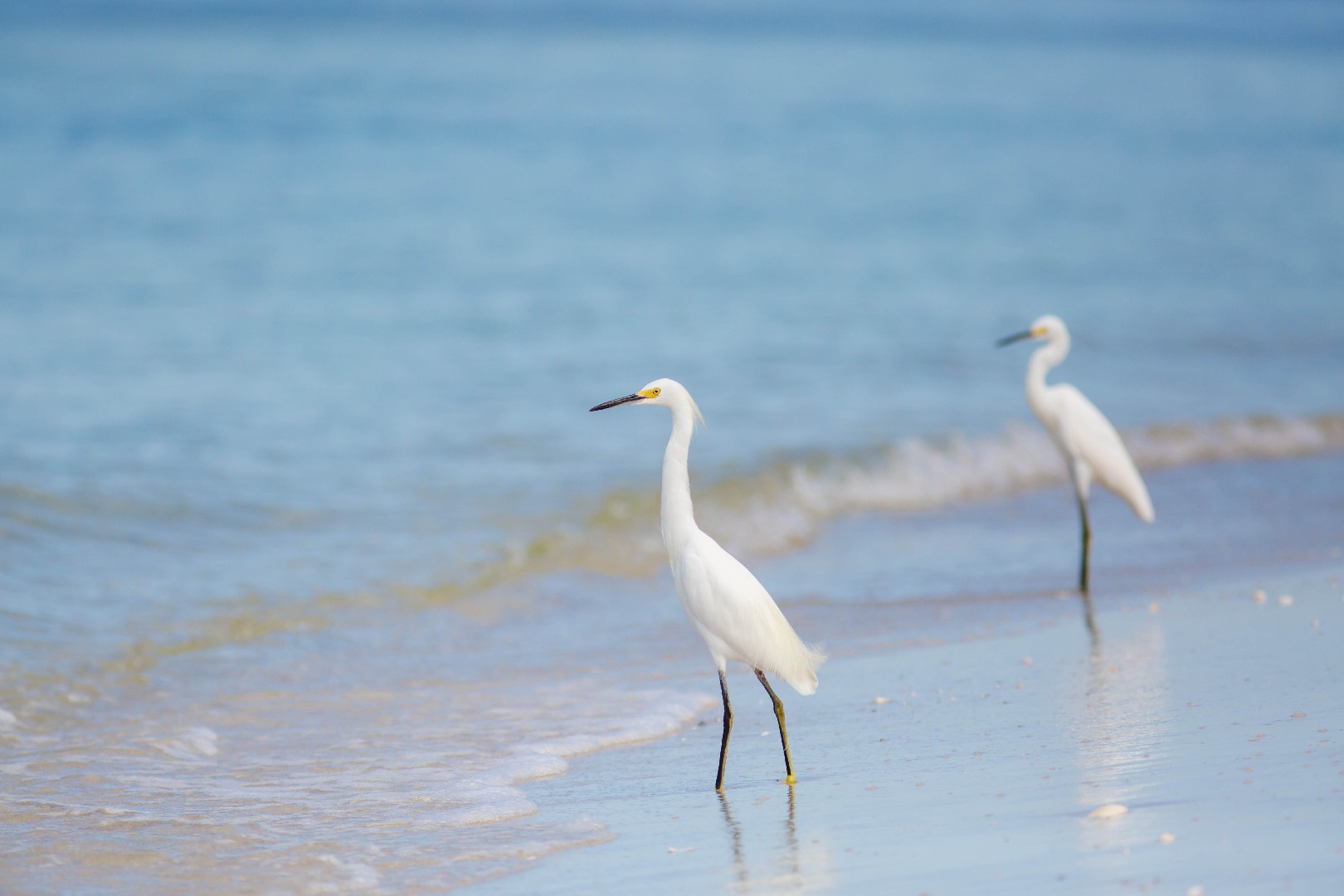
11. Snowy Egret
The snowy Egret is a mid-sized, totally white egret that prefers nesting in urban areas rather than in isolated locations where there are more predators. In the late 1800s, the bird's beautiful plumes were in great demand as decoration for women's hats. Because of this snowy Egrets were hunted to near extinction before laws came into effect to protect them.
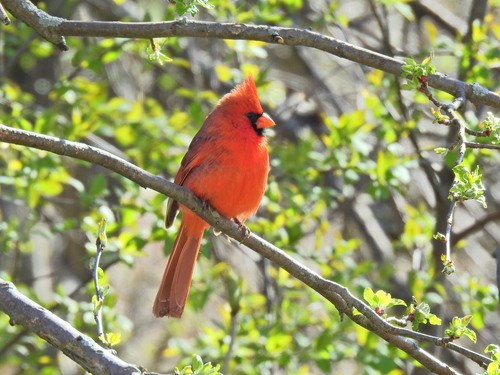
12. Northern Cardinal
The northern Cardinal is a distinctive, medium-sized songbird that inhabits temperate forests and yards. Its name is derived from the male's brilliant red plumage color which resembles red-robed Roman Catholic cardinals, while its crest looks like a bishop's mitre. Compared to the male, the female is much duller in color. The highly territorial males can be quite aggressive. Quite popular, this is the state bird of seven U.S. states.
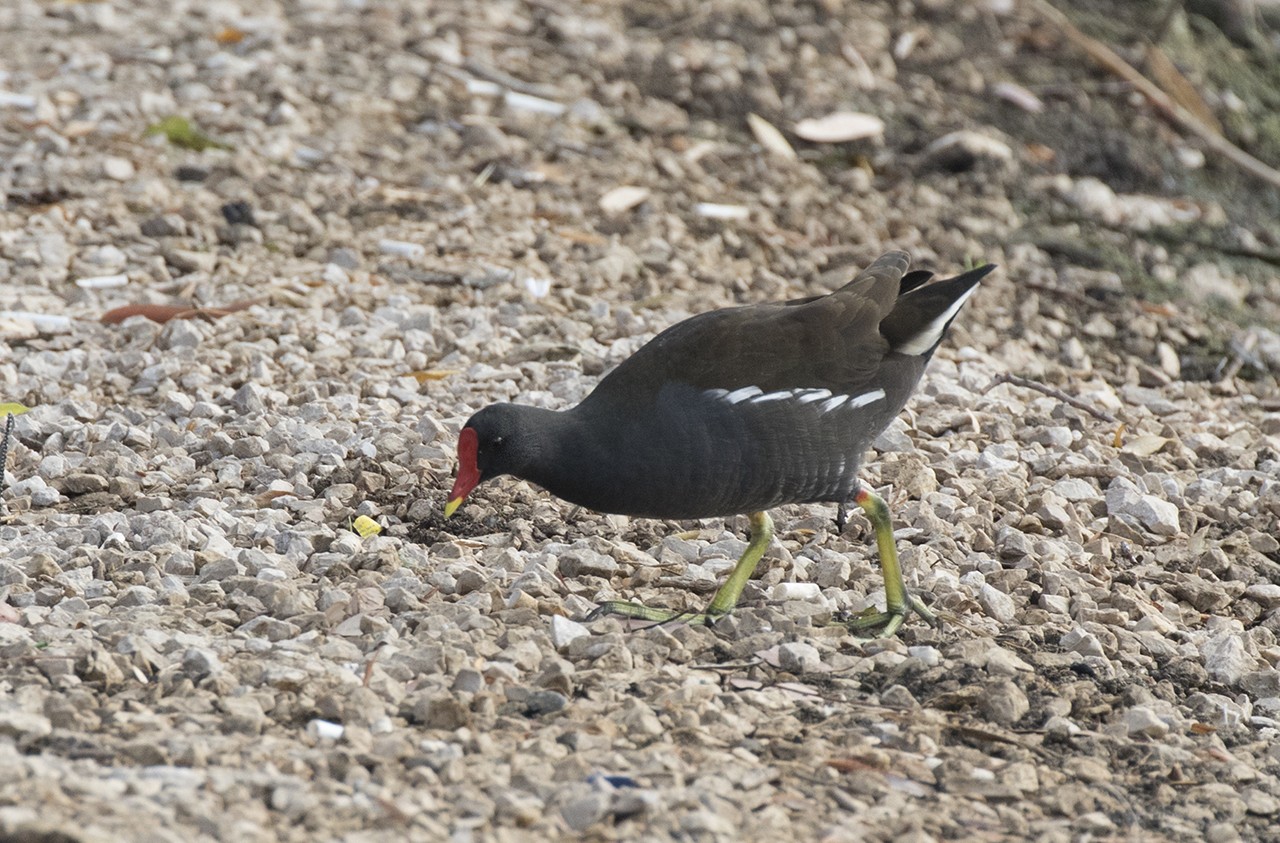
13. Common Moorhen
The common Moorhen is often found in slow-moving or standing-water aquatic ecosystems with dense vegetation coverage where they can hide and forage for food. If vegetation is dense enough, their large feet even enable them to walk across the floating plants. These birds are opportunistic feeders and will eat any food that is currently available.
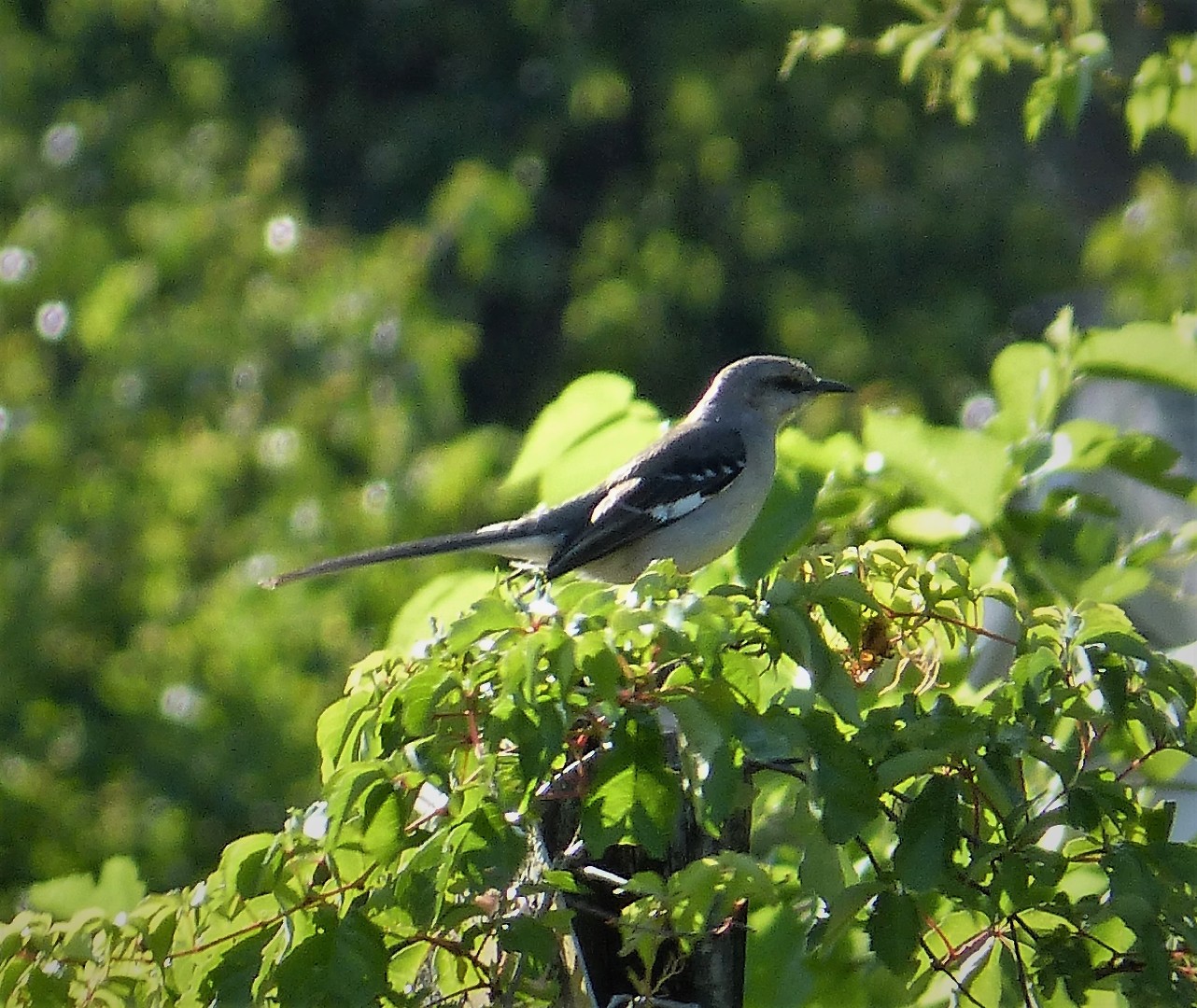
14. Northern Mockingbird
The northern Mockingbird is able to mimic the sound of more than 30 bird species, but this master mocker has also been known to imitate the sounds of a whistle, frog call, or a dog's bark. The mimicry keeps other birds out of the mockingbird's territory, but it also plays an important role in courtship - the male with the best mimicking skills is the most attractive to females. You will often hear this mockingbird singing on moonlit nights. Widespread throughout the US, the northern Mockingbird is a state bird of Arkansas, Florida, Texas, Mississippi, and Tennessee.
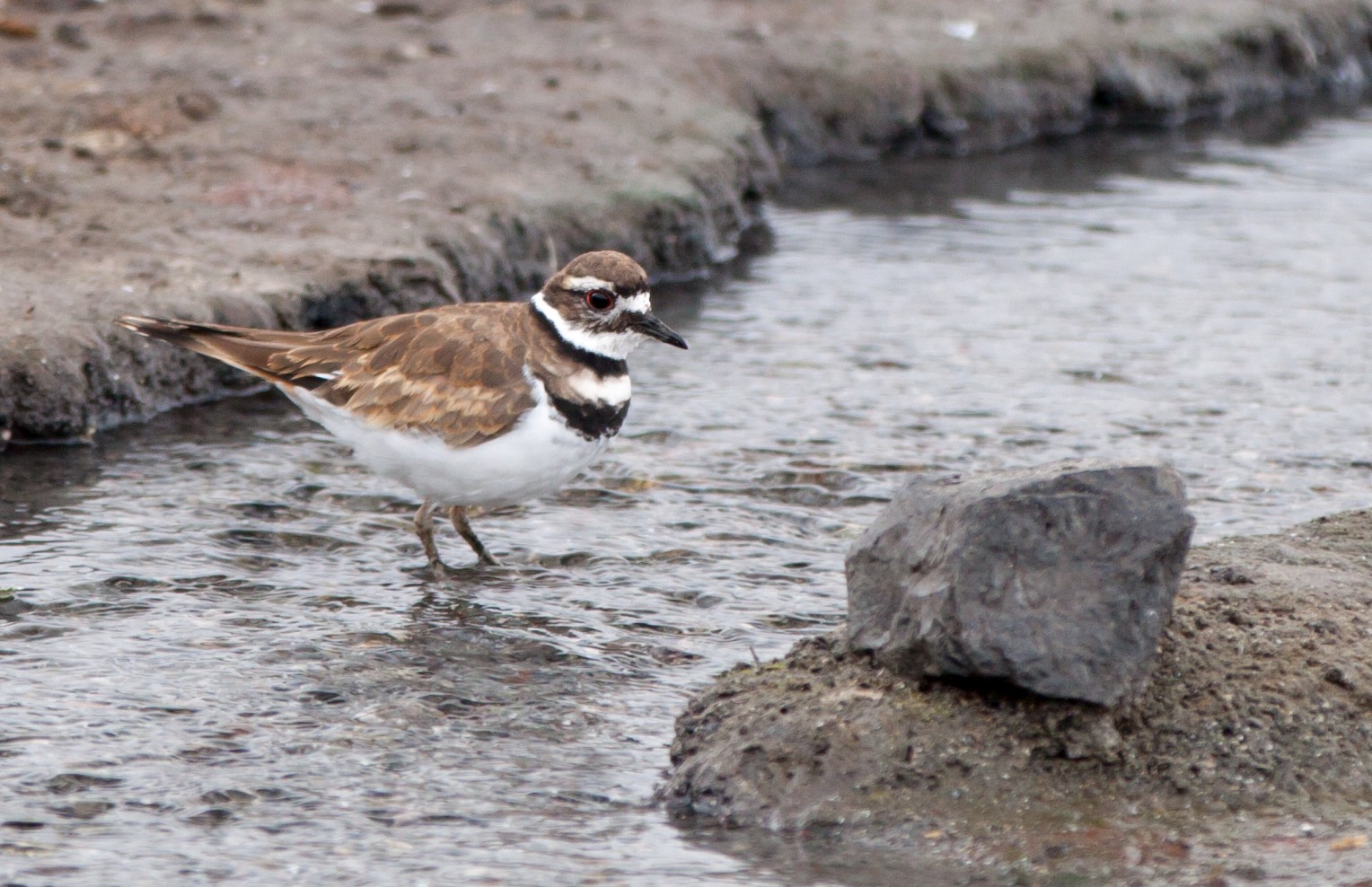
15. Killdeer
This shorebird is slender and lanky, with long wings and a long tail that ends at a point. If its nest is being threatened by a predator, the killdeer is known to pretend that it has a broken wing, making itself a target in order to lure the predator away from the nest. They have the curious habit of collecting mostly light colored items to build their nests.
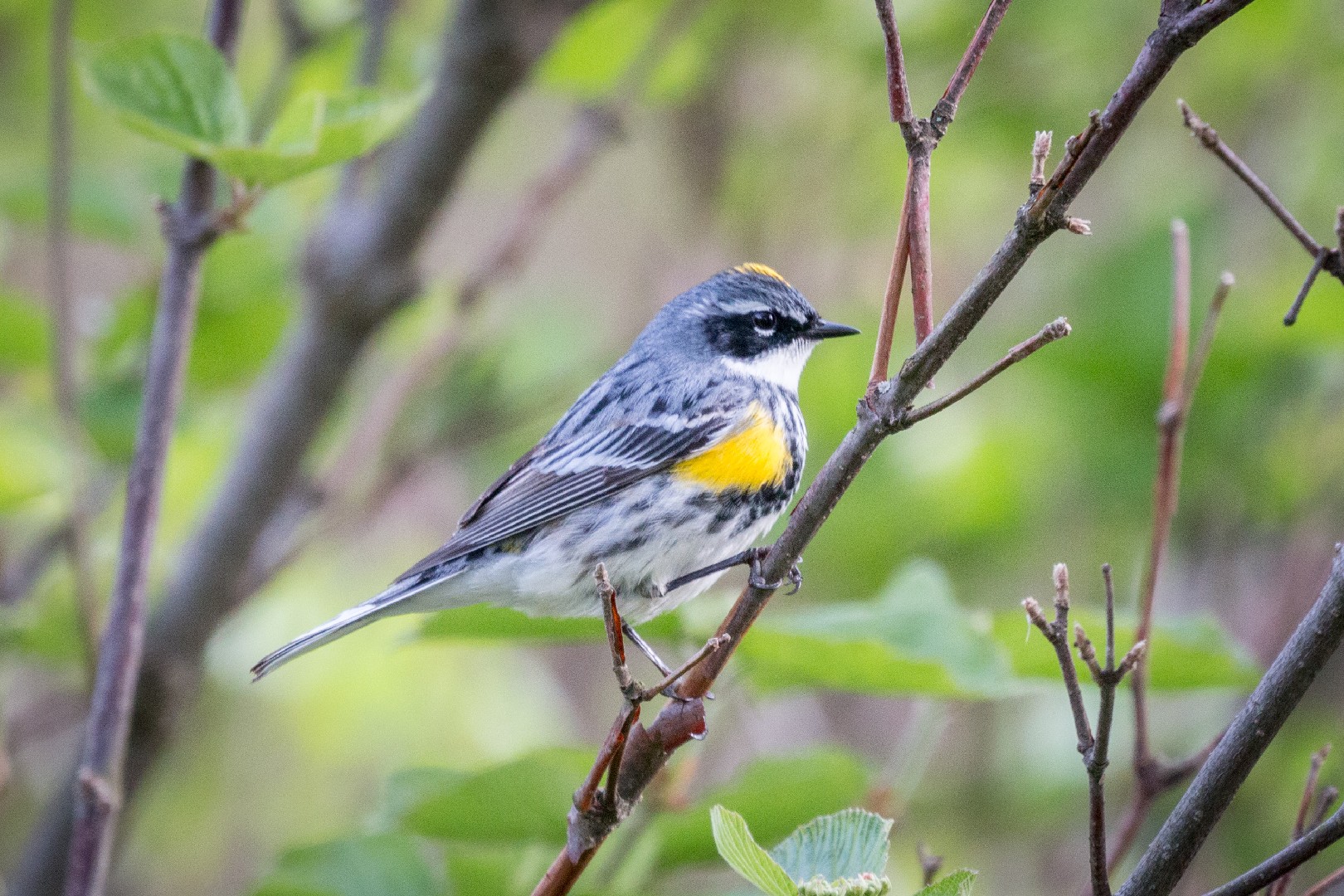
16. Yellow-rumped Warbler
The foraging yellow-rumped Warbler is quick-moving and appealingly colored. Both male and female are a sharp gray, with white on their wings and flashes of yellow on their rump (as the name suggests), sides, and face. Most striking about this bird is the large groups of them that spread across North America in the autumn season.

17. Blue Jay
The blue Jay is the largest and the most common Jay in North America. This frequent visitor of birdfeeders is quite opportunistic when it comes to food - it is known as "a nest robber." Able to produce a wide range of musical sounds, this loud songbird can even imitate a Red-shouldered hawk (Buteo lineatus). Intelligent and sociable, the blue Jay is said to form strong family bonds.
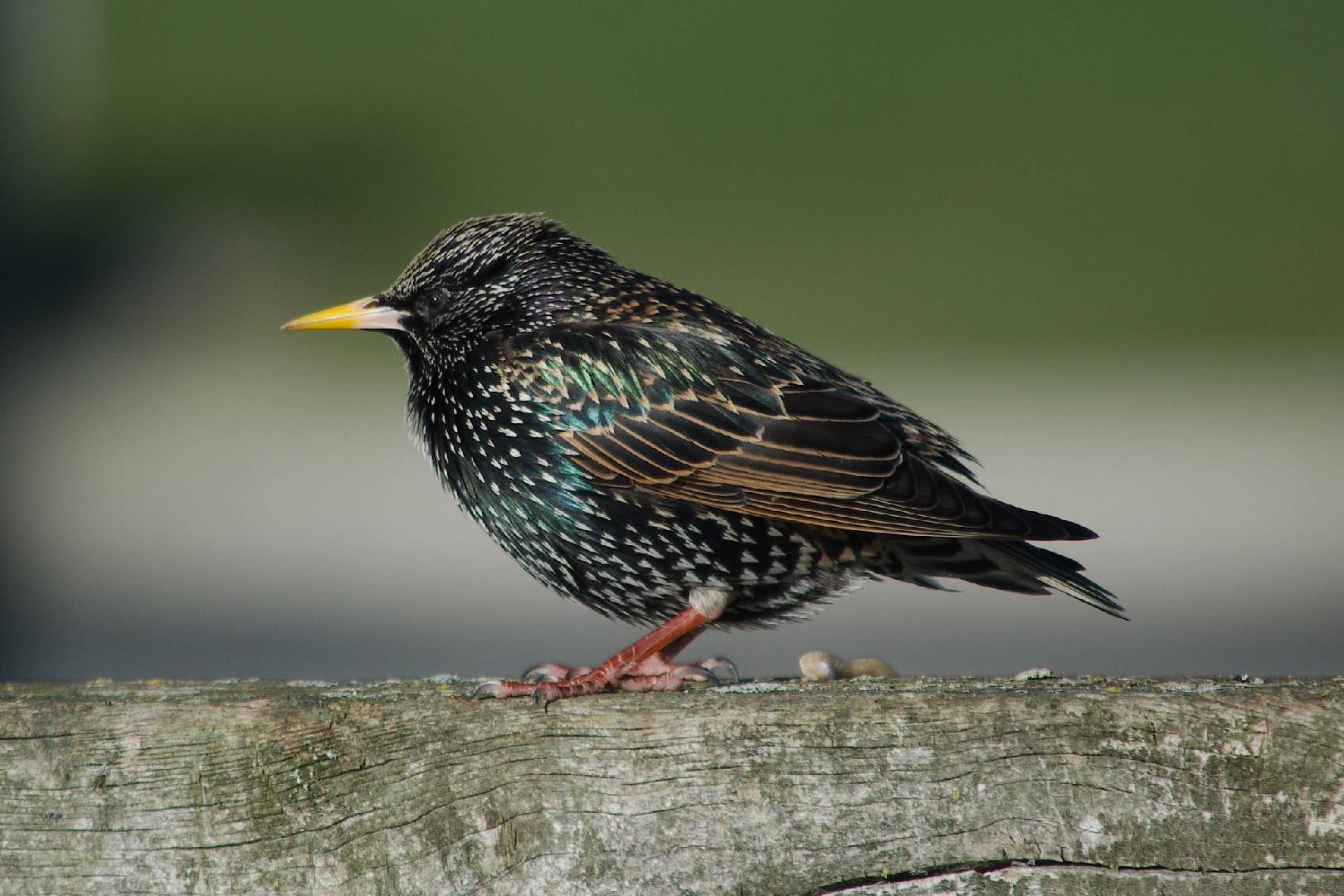
18. European Starling
The european Starling, a large, hardy songbird, is one of the most commonly seen bird species in North America. Originally from Europe, this species was brought to the U.S. in the 1890s by enthusiasts of William Shakespeare, who had the unique goal of bringing over every single species of bird that was mentioned in Shakespeare's collective works. Unfortunately, the european Starling, being an adaptable, generalist species, spread invasively across the continent, hurting many native species' populations in the process.
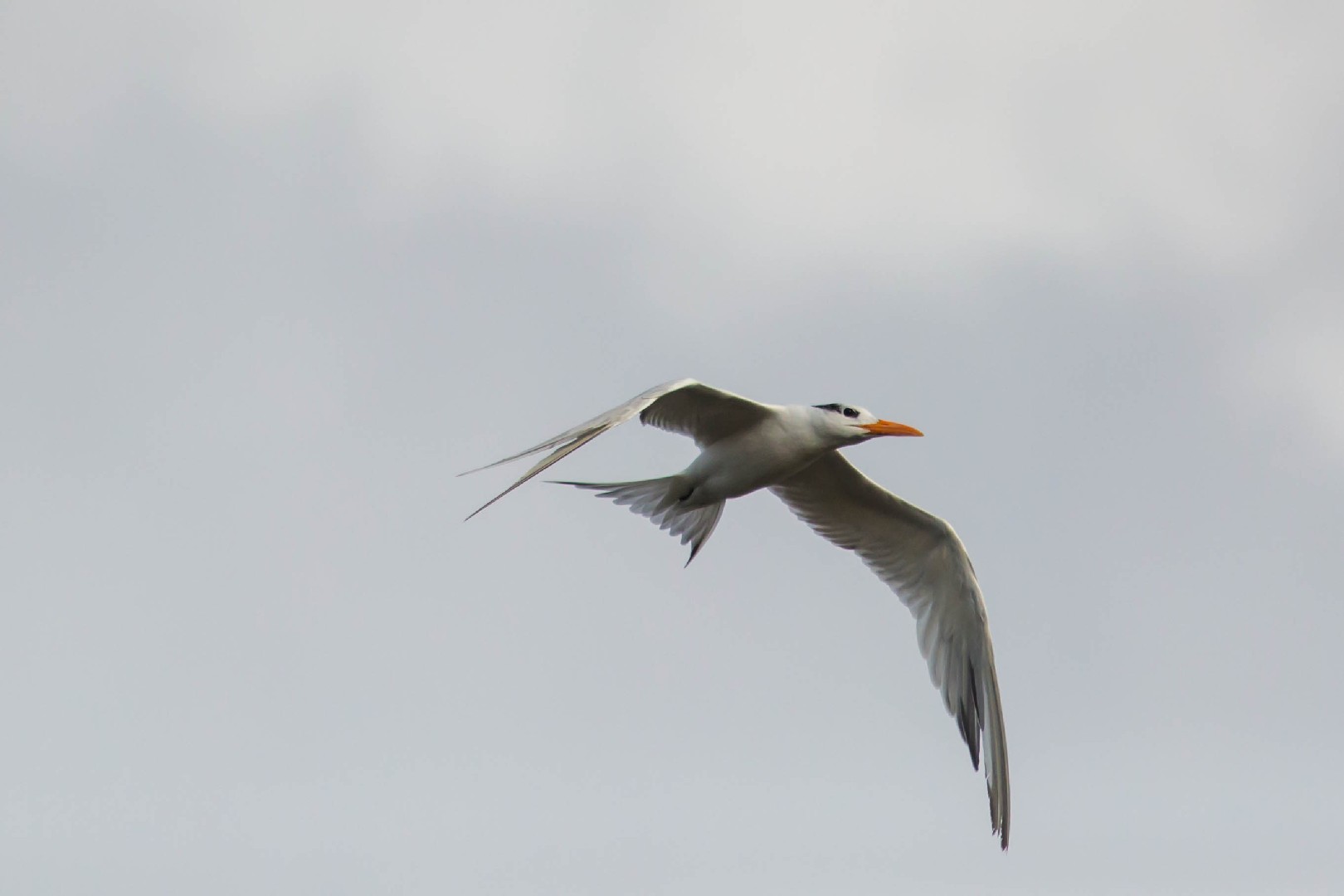
19. Royal Tern
This is a large tern, second only to Caspian tern but is unlikely to be confused with the carrot-billed giant, which has extensive dark under wing patches. The royal tern has an orange-red bill, pale grey upper parts and white under parts. Its legs are black. In winter, the black cap becomes patchy. Juvenile royal terns are similar to non-breeding adults. Differences include juveniles having black splotched wings and a yellower bill. An adult royal tern has an average wingspan of 130 cm (51 in), for both sexes, but their wingspan can range from 125–135 cm (49–53 in). The royal tern's length ranges from 45–50 cm (18–20 in) and their average weight is anywhere from 350–450 g (12–16 oz). The calls of the royal tern are usually short, clear shrills. Some of the shrills sound like kree or tsirr; the royal tern also has a more plover like whistle that is longer, rolling and is more melodious. In various parts of its range, the royal tern could be confused with the elegant tern, lesser crested tern (the other orange-billed terns), and the greater crested tern. It is paler above than lesser crested tern and the yellow-billed great crested tern. The elegant tern has a longer more curved bill and shows more white on the forehead in winter. 
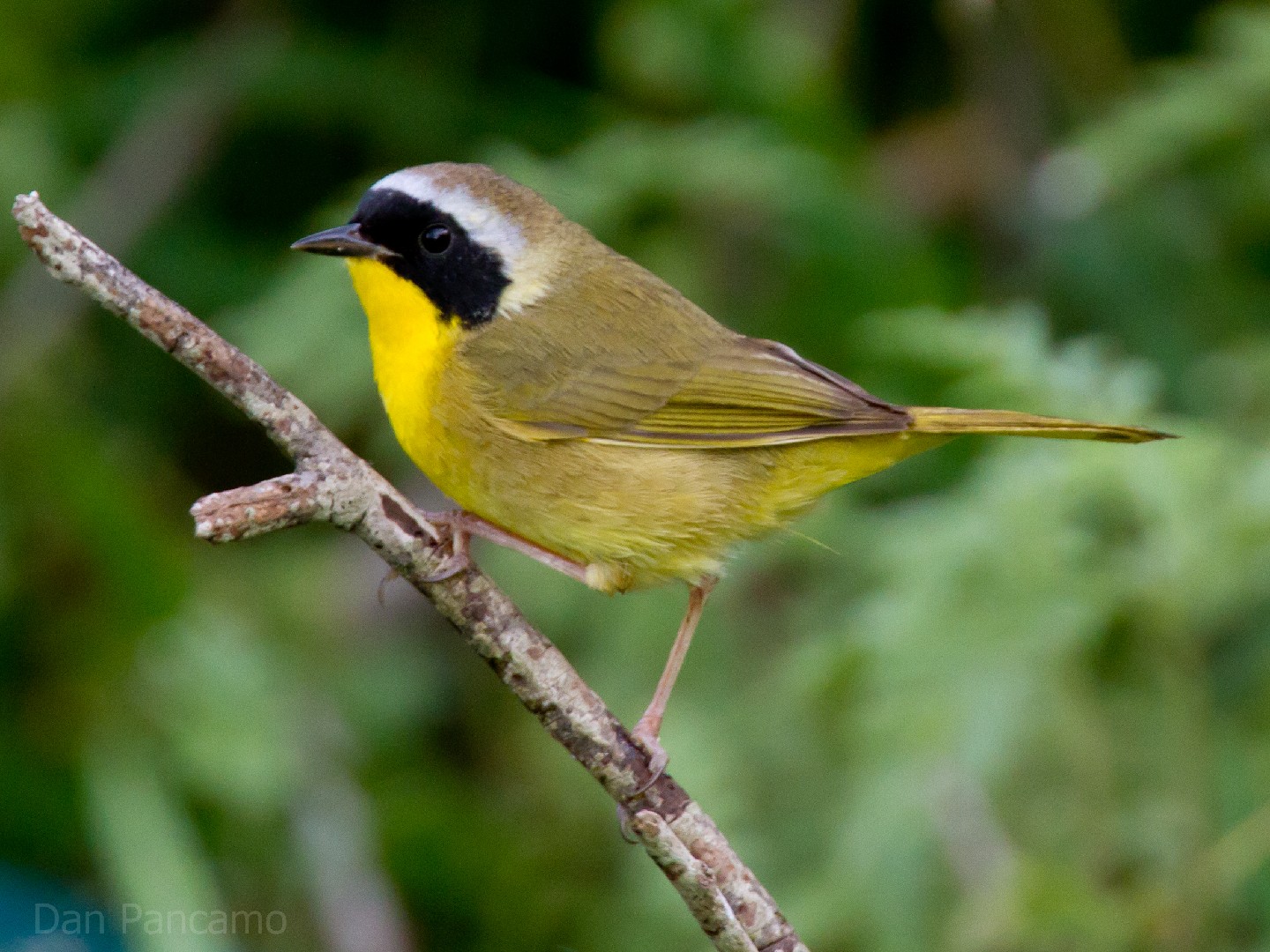
20. Common Yellowthroat
The common Yellowthroat is an inquisitive bird that spends most of its time in marshes and wetlands. The male performs a unique flight song as it rises into the air on its fluttering wings. Sadly, because they are innately curious and tend to pop out into the open whenever they hear a noise, many adult common Yellowthroats fall prey to carnivorous birds like Loggerhead shrikes, as well as fish—one common Yellowthroat was found inside the stomach of a largemouth bass!