




Top 20 Most Common Bird in Toms River
The skies and waterways of Toms River are alive with a veritable symphony of bird song, fluttering wings, and vivid colors as 20 different bird species grace this region with their presence. Blessed with diverse habitats such as the serene Barnegat Bay, dense pine forests, and expansive marshlands, Toms River attracts a wide variety of birdlife. Highlighted species range from the distinctive Red-tailed Hawk to the melodious Song Sparrow and the majestic Great Blue Heron, setting the stage for an exciting exploration of avian diversity.

Most Common Bird
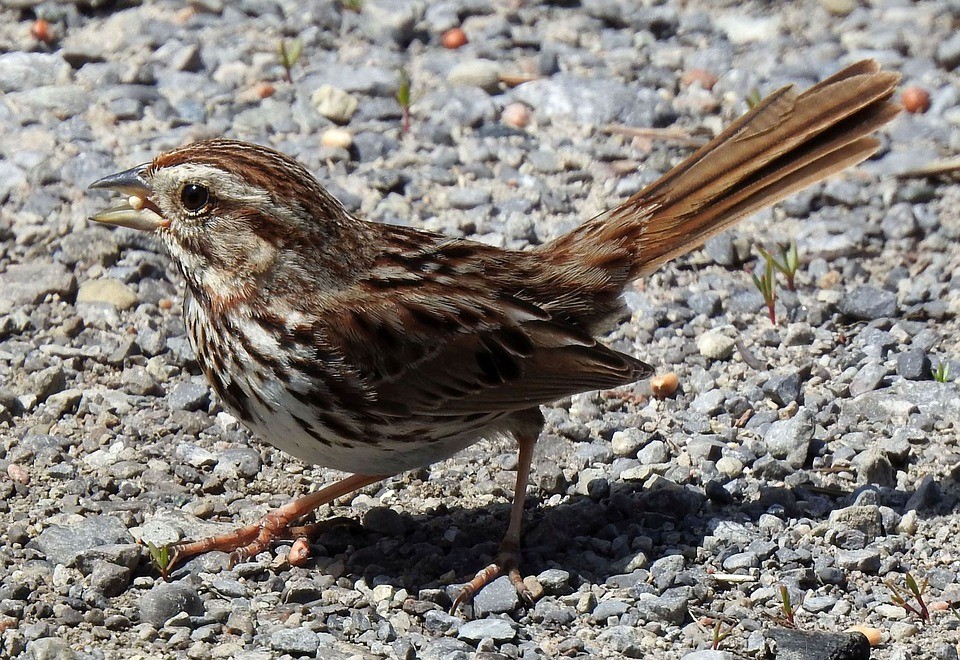
1. Song Sparrow
The song Sparrow can be found low to the ground in vegetation and thickets in nearly all habitat conditions, including suburban areas. They are frequent visitors to home birdfeeders but can also be seen foraging for food on the ground. Their appearance can differ across the 24 known subspecies, but all of them tend to only make short, fluttery flights.
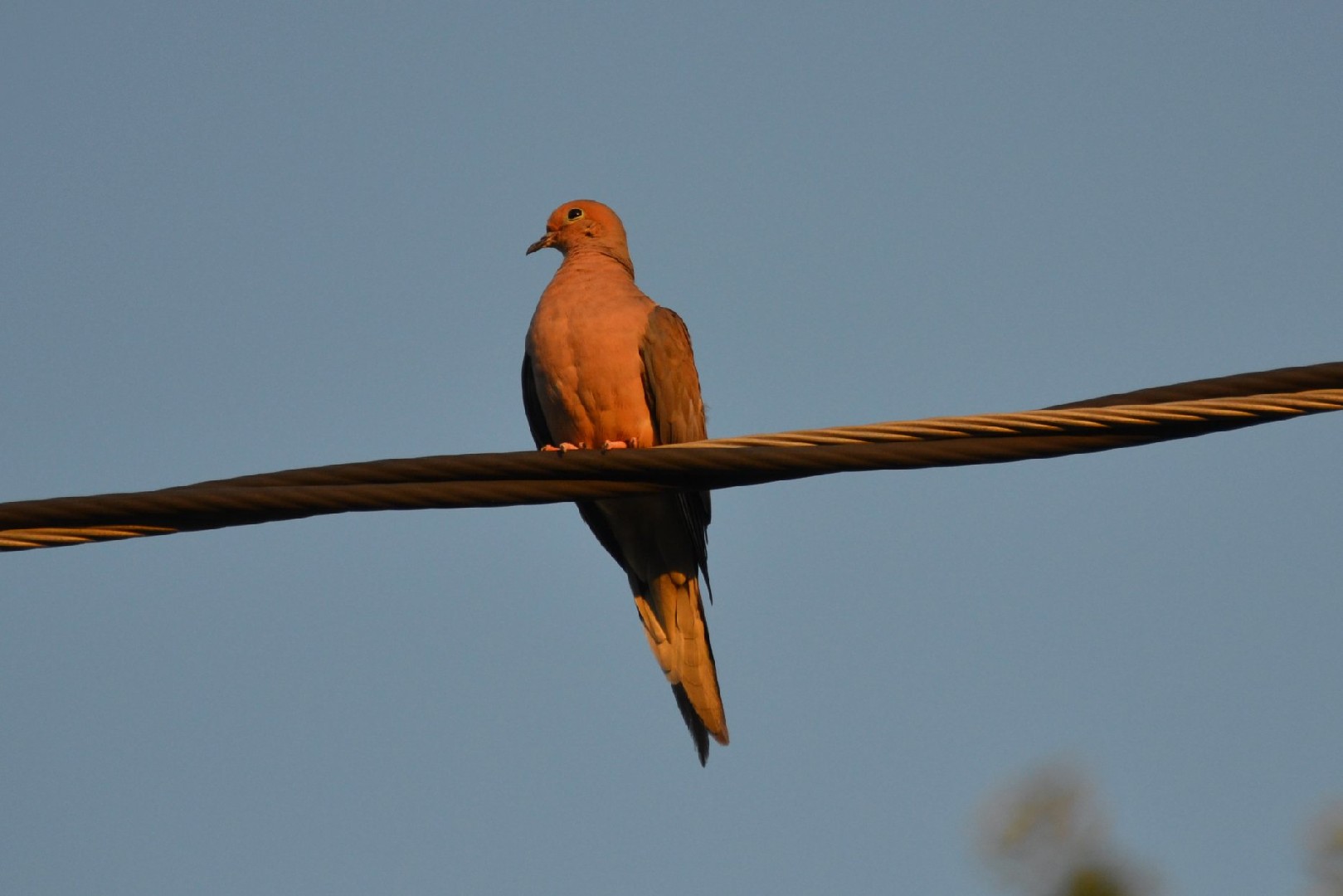
2. Mourning Dove
One of the most famous and widespread doves of North America, the mourning Dove can be often seen in urban areas perching on telephone wires. It is named after its distinctive, plaintive-sounding song. It is also a popular game bird, but its population is still abundant thanks to the prolific breeding and its ability to raise up to five to six broods in a single year.
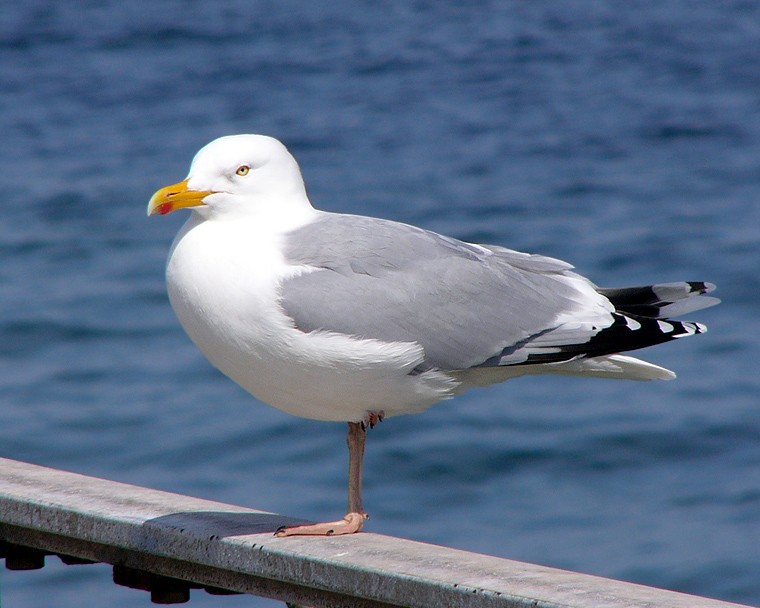
3. Herring Gull
The herring Gull is a large common seabird often found on and near coastlines. These birds nest in colonies and create a hierarchy. They may travel considerable distances for food, which usually comes in the form of fish, insects, and other small invertebrates. Surprisingly, the herring Gull can live to be 30 years old, but is often injured or even poisoned before then.
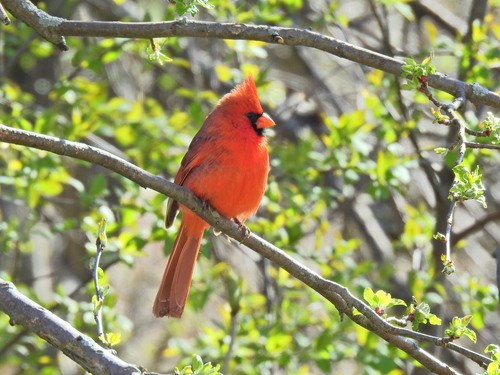
4. Northern Cardinal
The northern Cardinal is a distinctive, medium-sized songbird that inhabits temperate forests and yards. Its name is derived from the male's brilliant red plumage color which resembles red-robed Roman Catholic cardinals, while its crest looks like a bishop's mitre. Compared to the male, the female is much duller in color. The highly territorial males can be quite aggressive. Quite popular, this is the state bird of seven U.S. states.
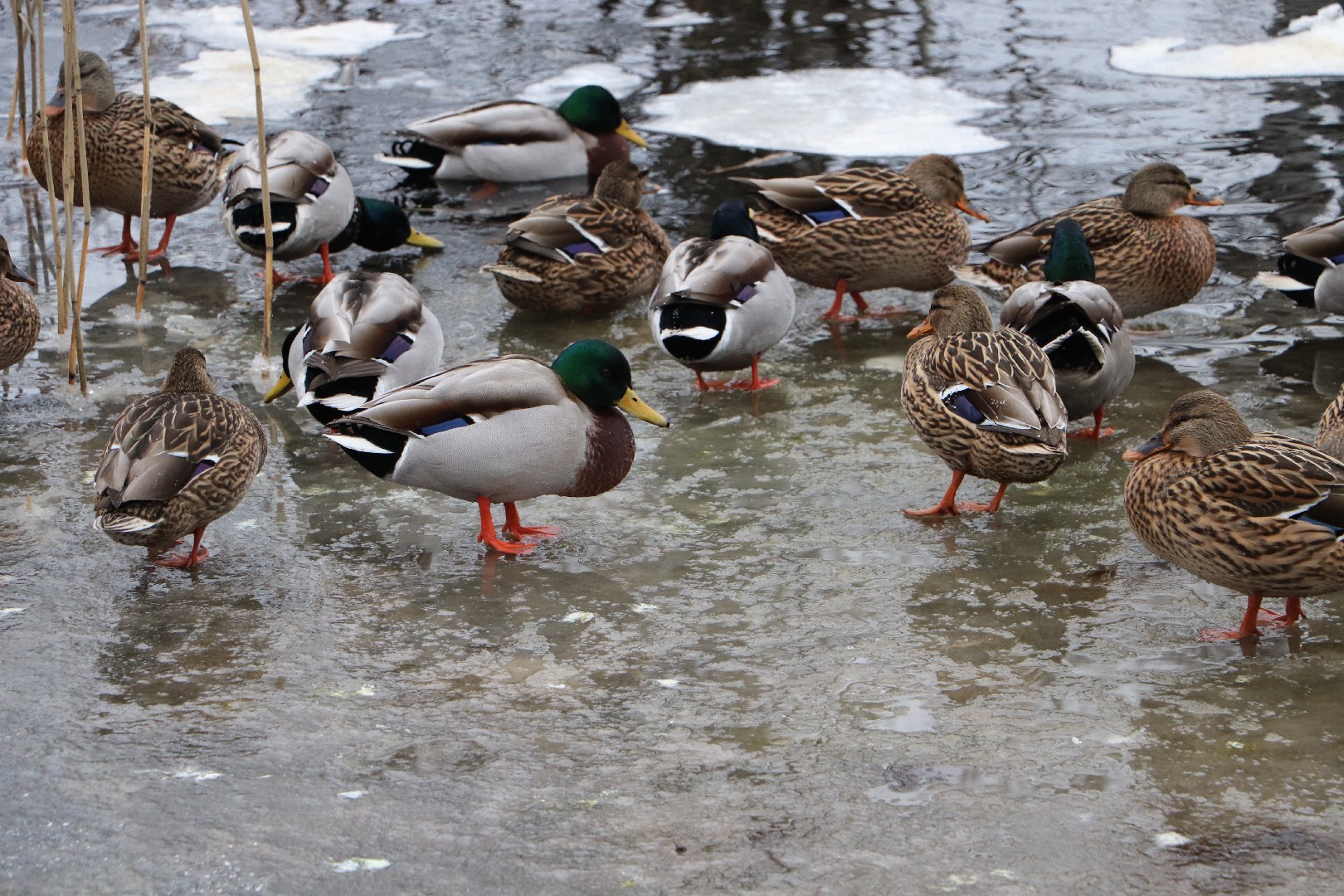
5. Mallard
The mallard is the most abundant duck species in the world, and the ancestor of all domestic ducks. Only the female can produce the distinctive "quack" sound. When the female lays eggs, the male abandons its mate, while the protective mother stays with the ducklings for a long time. This migratory species inhabits shallow waters and it's one of the most popular game birds.

6. House Finch
Frequent in urban environments and human-created habitats such as parks and backyards, the little house Finch is known for its loud but pleasant, cheerful singing. It feeds on the ground, mostly on seeds, berries, and other plant material. This bird is highly sociable and very adaptable. It often visits feeders.
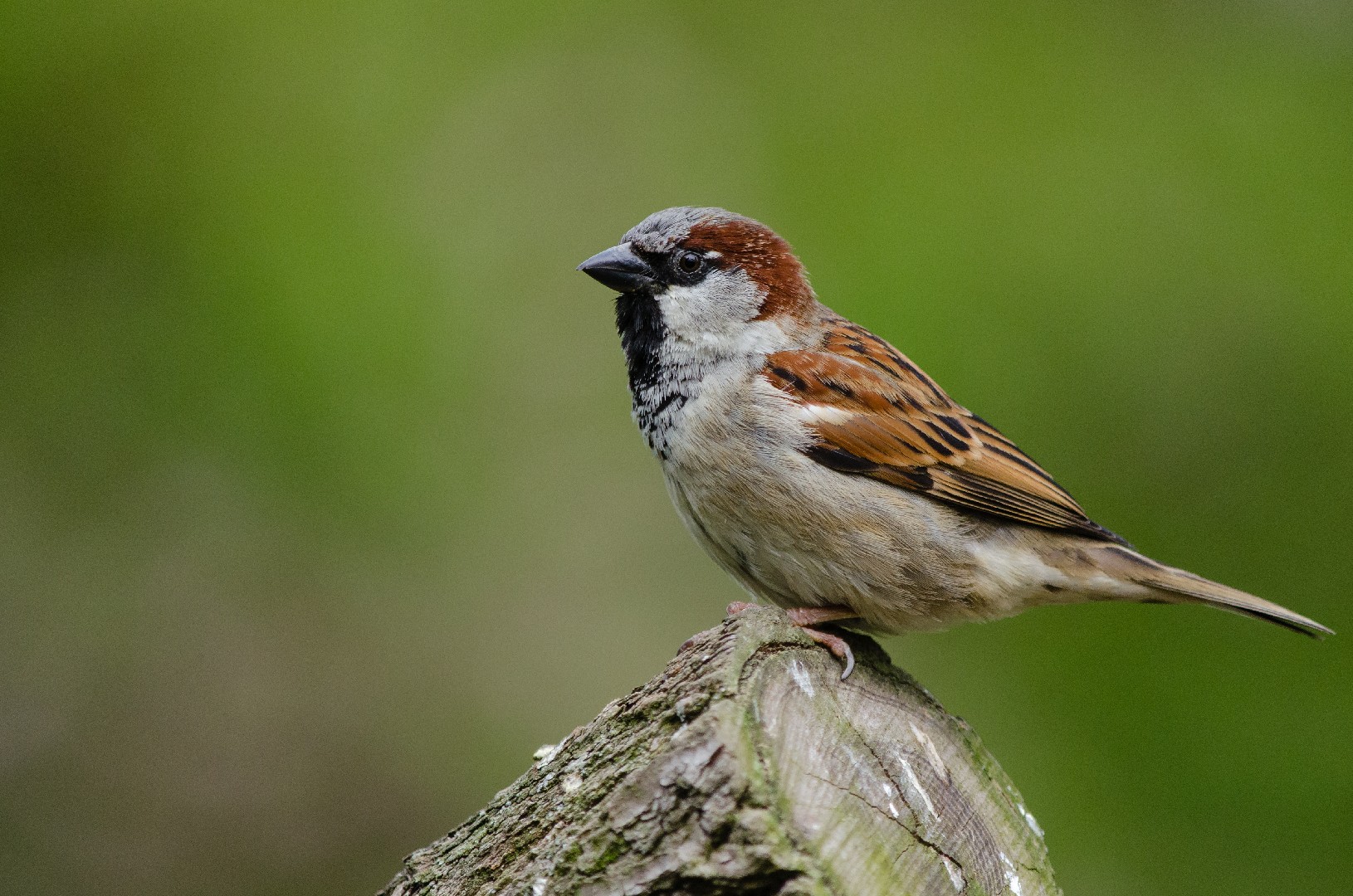
7. House Sparrow
Just as its name implies, the little house Sparrow socializes with humans more than any other bird species. Able to adapt and thrive in almost any habitat, excluding the extremes such as deserts and mountain peaks, this species was once restricted only to North Africa and Eurasia but now is found across the globe. Unfortunately, this opportunistic eater is not completely harmless—it can cause considerable damage to crops.
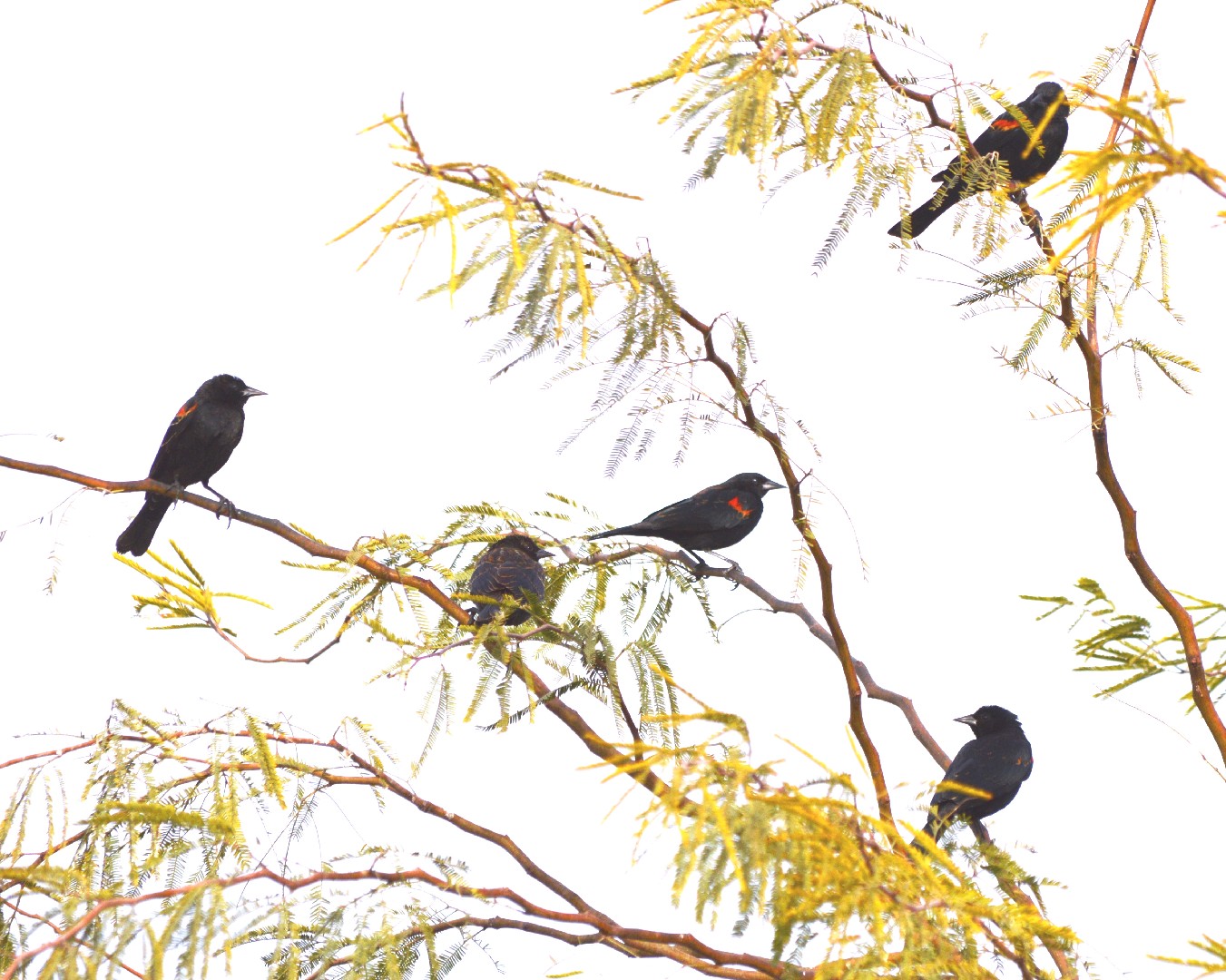
8. Red-winged Blackbird
One of the earliest spring harbingers in North America, the red-winged Blackbird migrates in enormous flocks. Gathered in these large groups, the songbirds produce a loud cacophony. The red-winged Blackbird is an opportunistic omnivore. It feeds on numerous insect species, keeping pests under control, but due to its preference for crops and berries, the red-winged Blackbird is sometimes considered a pest itself.
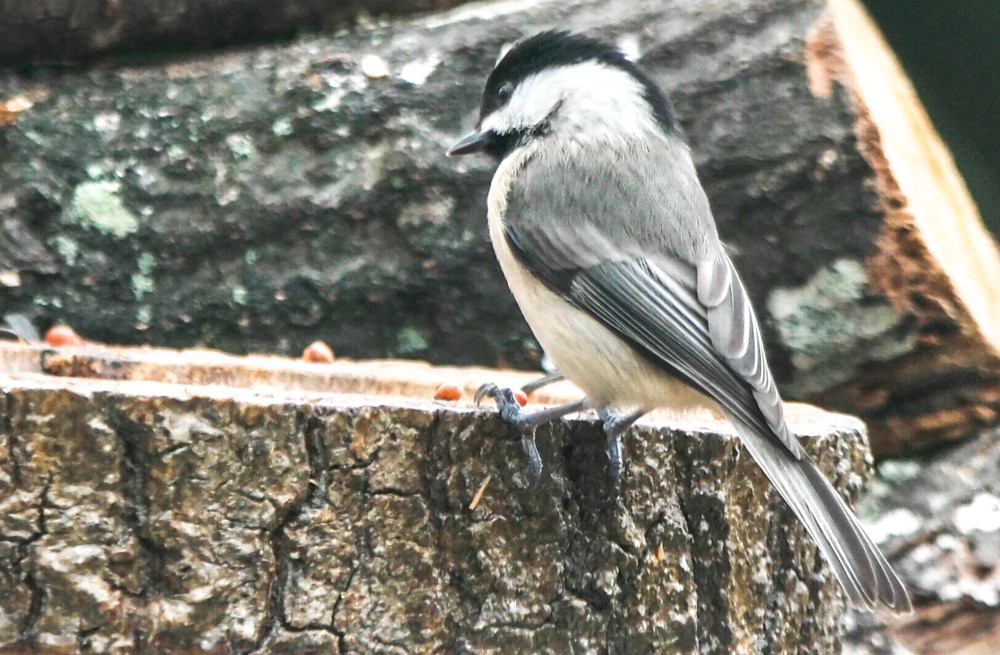
9. Carolina Chickadee
This tiny and round songbird is often seen in urban environments, although the carolina Chickadee primarily inhabits woodlands. These birds mate for life, but the pairs live in a larger flock. The carolina Chickadee (Poecile carolinensis) is almost identical to the Black-capped chickadee (Poecile atricapillus), but their distribution rarely overlaps. In places where it does, the two species commonly interbreed, producing hybrids that can confuse birdwatchers.
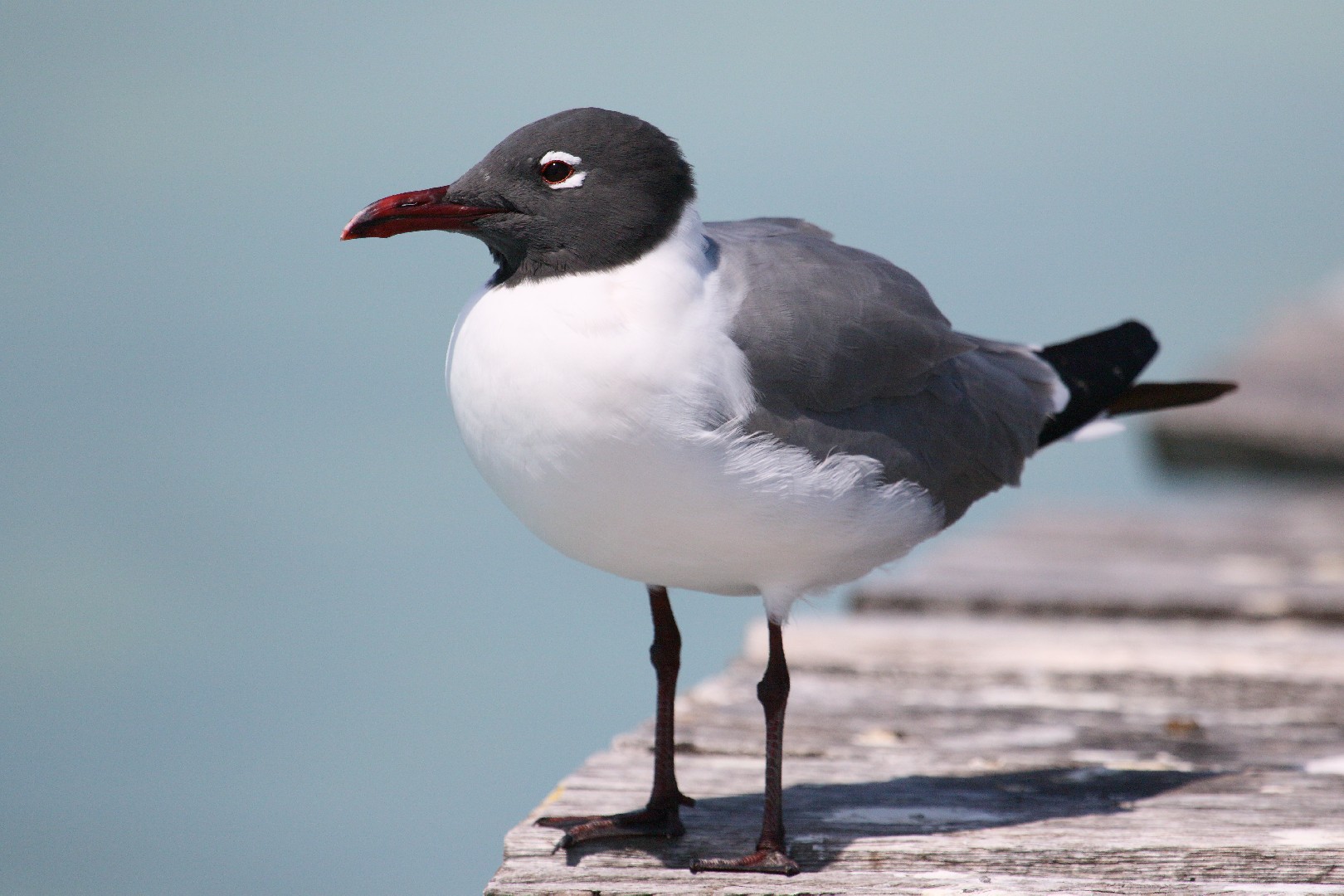
10. Laughing Gull
The laughing Gull is the largest of all of the dark-hooded gulls and is aptly named due to its call, "ha ha ha," which of course resembles laughter. Interestingly, gulls will typically stop flying and roost when there is low atmospheric pressure (often indicative of oncoming rain).

11. Blue Jay
The blue Jay is the largest and the most common Jay in North America. This frequent visitor of birdfeeders is quite opportunistic when it comes to food - it is known as "a nest robber." Able to produce a wide range of musical sounds, this loud songbird can even imitate a Red-shouldered hawk (Buteo lineatus). Intelligent and sociable, the blue Jay is said to form strong family bonds.
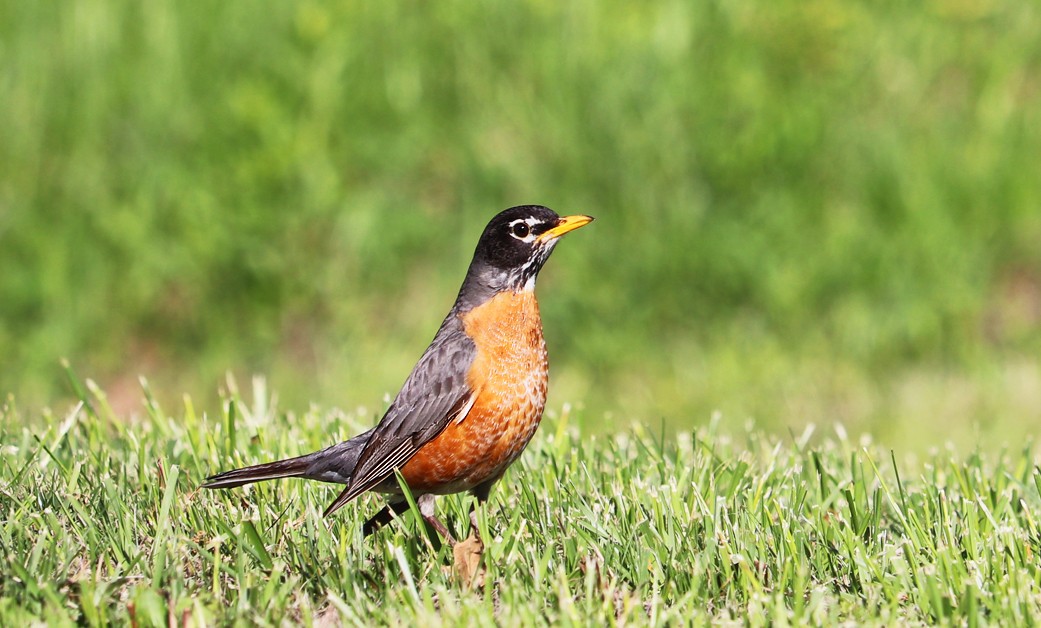
12. American Robin
The american Robin is the most common, and largest, thrush in North America. It's a bird of striking colors, including its vibrant, red-breasted plumage and pale blue eggs. It likes to feed on summer fruit and berries, but worms play an important role in its diet as well. This songbird is a state bird of Connecticut, Michigan, and Wisconsin. Its cheery song is considered one of the first signs of spring.
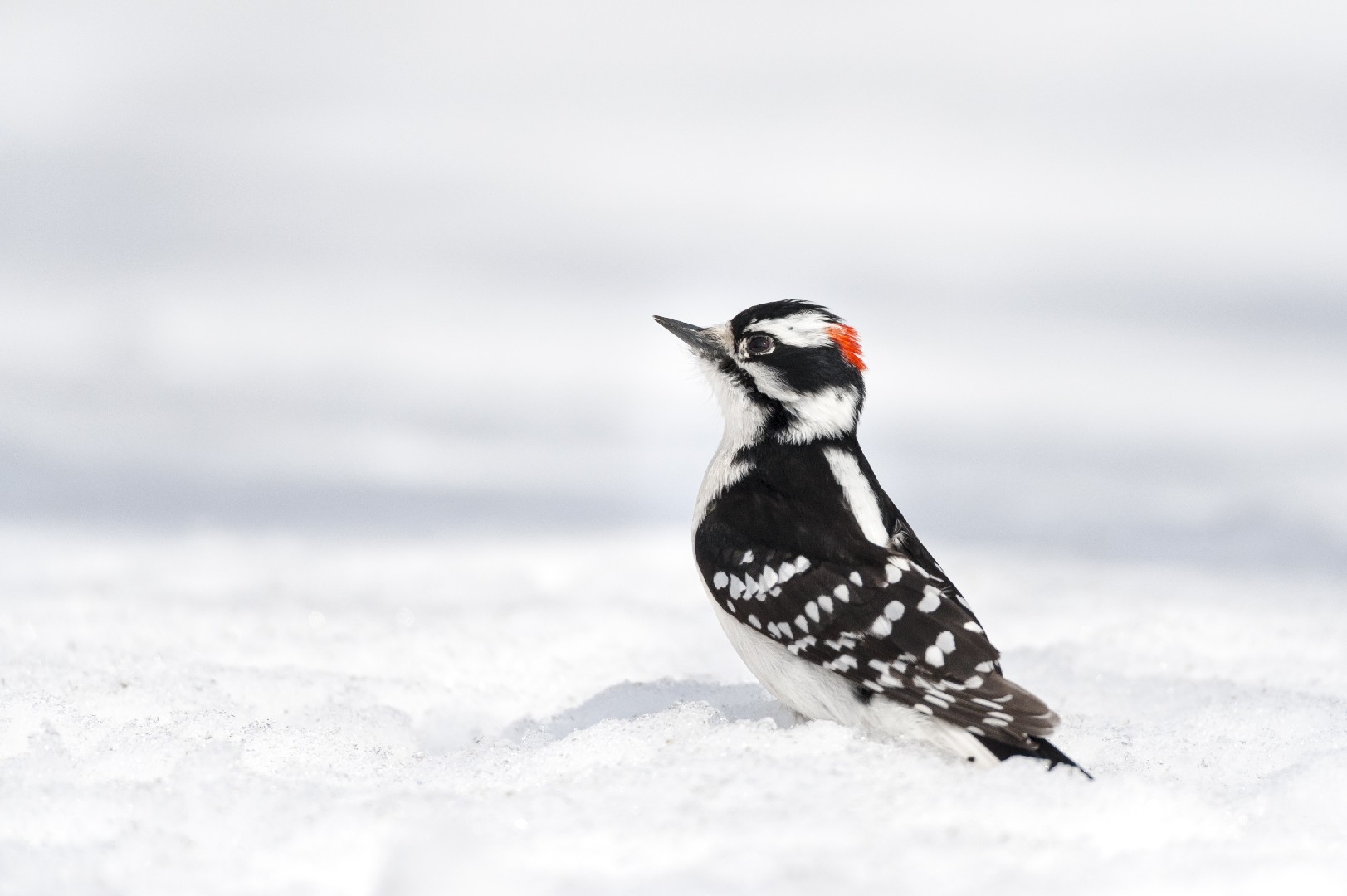
13. Downy Woodpecker
The smallest woodpecker in North America, the downy Woodpecker is almost identical to the Hairy woodpecker (Picoides villosus), but it's significantly smaller and has a shorter bill. It inhabits woods and wooded areas, but is also regularly encountered in urban environments. It often visits birdfeeders, which is an unusual behavior among woodpeckers.
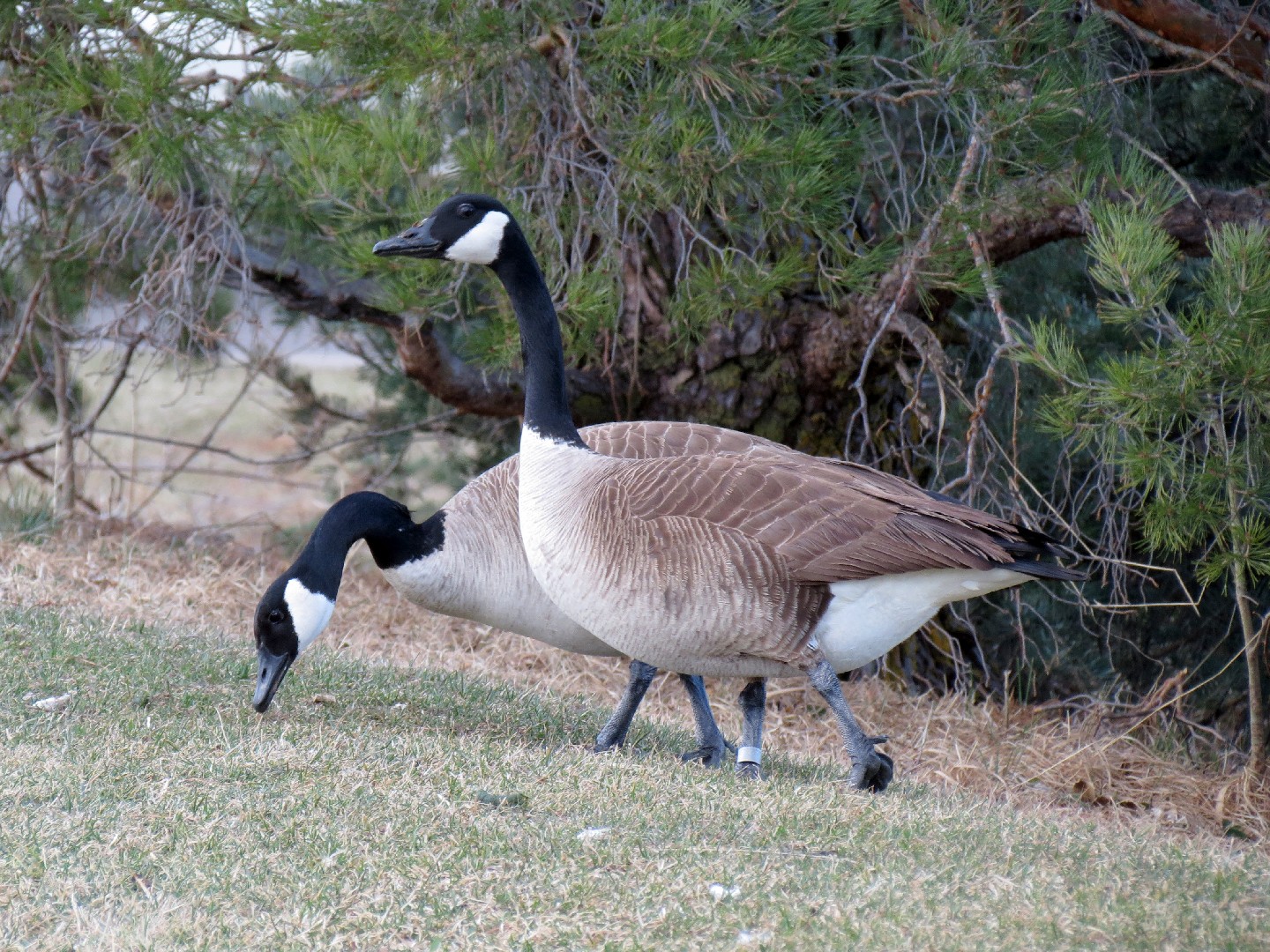
14. Canada Goose
Though this large, widespread bird is mainly known for its aggressively territorial nature, often shown by spitting, chasing, honking, or attacking, the canada Goose does have more loving traits. They mate for life, and this species is one of the birds that has minimal “divorce rates.” Interestingly, they choose mates by size, so smaller geese will mate with other small geese, and larger geese with other large geese.
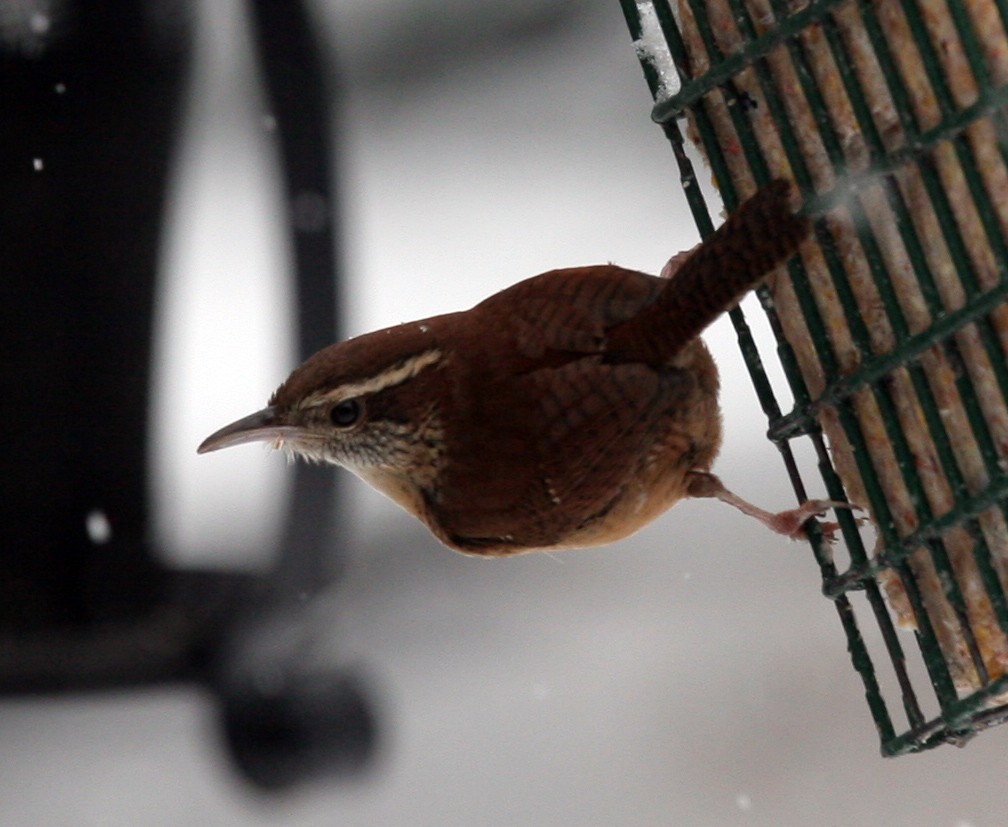
15. Carolina Wren
The musical song of the carolina Wren can be heard all year round. This small, chunky songbird inhabits undergrowth, dense vegetation, and low tangles. Its nests can be found in backyards, often in most unusual places such as drain pipes. They live in pairs and do not migrate, so you can enjoy their love songs all winter.

16. Osprey
This large raptor is commonly known as osprey and can be found in every continent apart from Antarctica. It nests near bodies of water as its diet is made up of mostly fish and hunts with its clear vision that can see objects in the water while flying. The Pandion haliaetus usually mates for life.
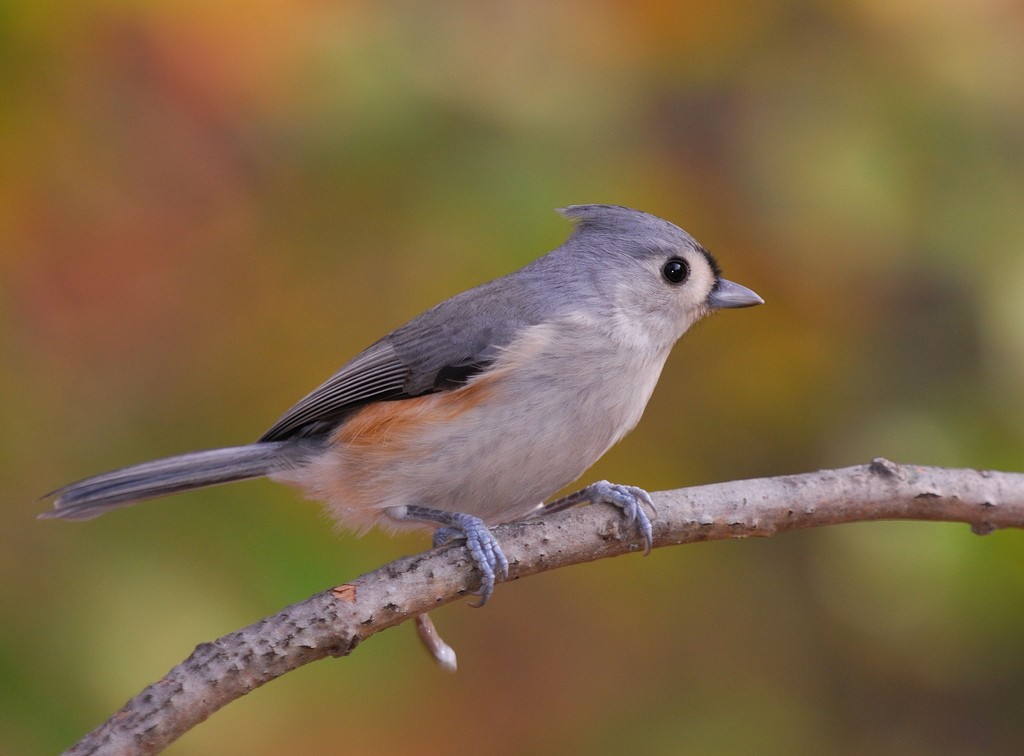
17. Tufted Titmouse
The tufted Titmouse is the largest of all titmouse species. Quite plain in appearance, but known for its echoing song, this woodland bird is a frequent visitor to urban areas, particularly during winter. It's a highly territorial bird that mostly feeds on insects, but won't shy away from seeds when need be. As a non-migratory species, it prepares food supplies for the winter by hiding seeds from birdfeeders for later use.
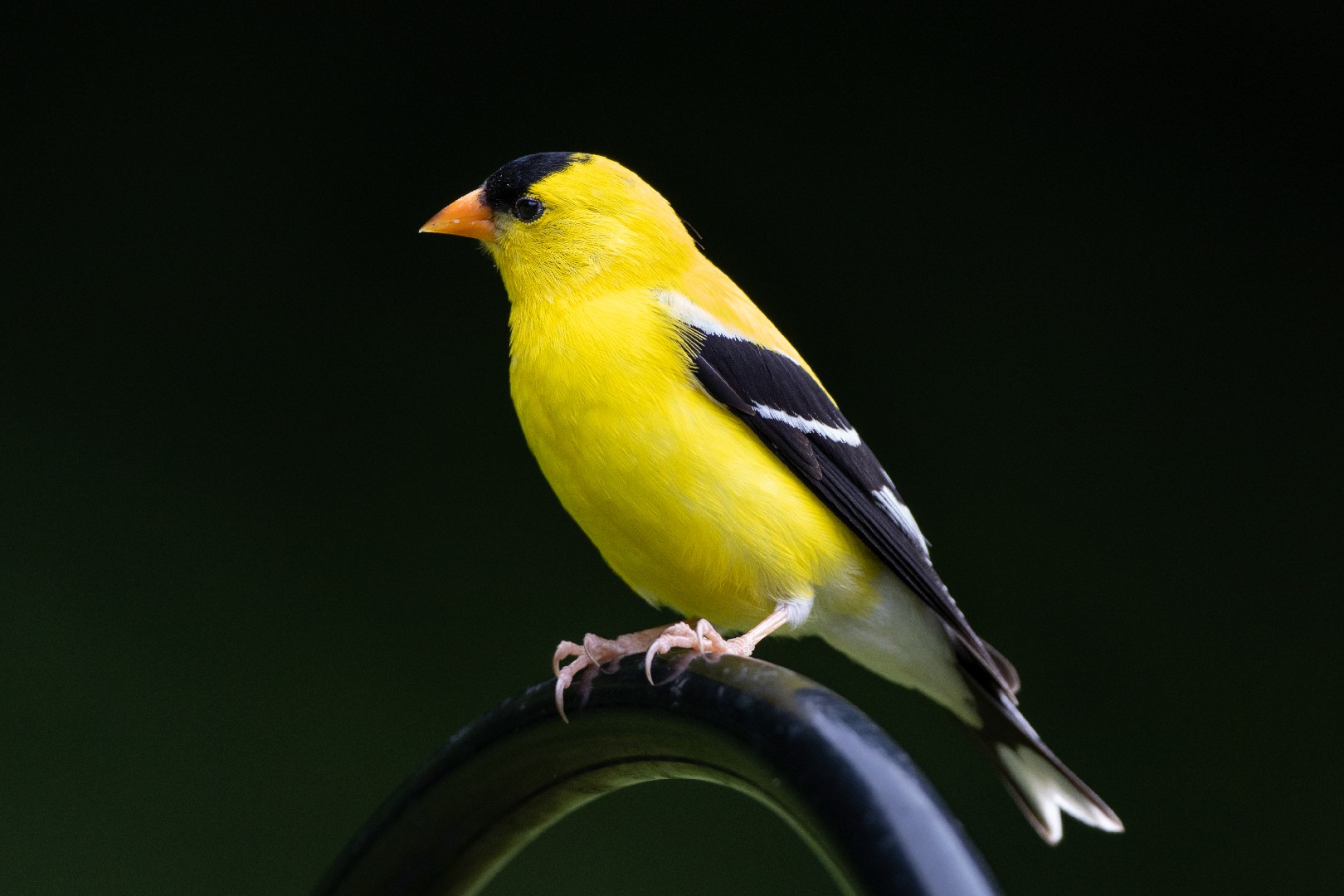
18. American Goldfinch
Brilliant yellow plumage characterizes the small american Goldfinch, but this prominent yellow color is present only in males during the mating season. A strict vegetarian, this bird feeds on seeds and other plant material. The american Goldfinch is an active and acrobatic bird, which can be often seen flying in a bouncy pattern.
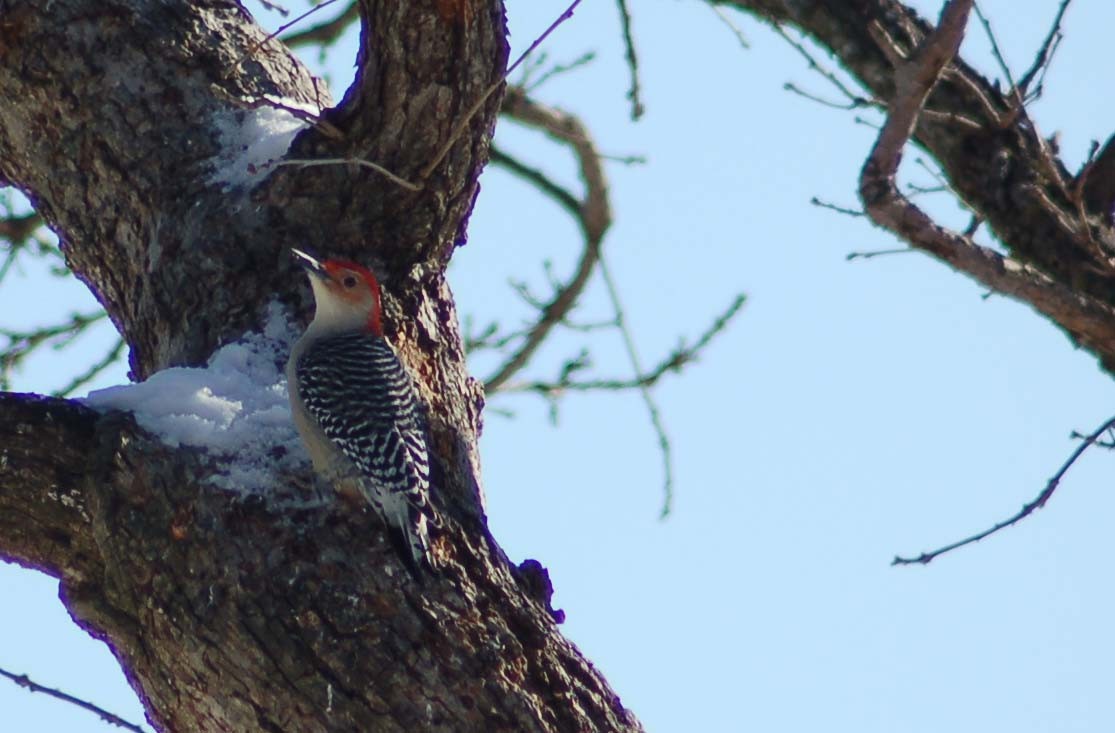
19. Red-bellied Woodpecker
The red-bellied Woodpecker is a medium-sized woodpecker that commonly nests in dead trees, sometimes taking over other birds' nests. In the search of insects inside tree cavities, it can extend its tongue almost 5 cm past its beak. By excavating insects and larvae from tree bark, this bird is able to "clean" the infested tree. The red-bellied Woodpecker is known to hide food in all kinds of places as a store for later use.
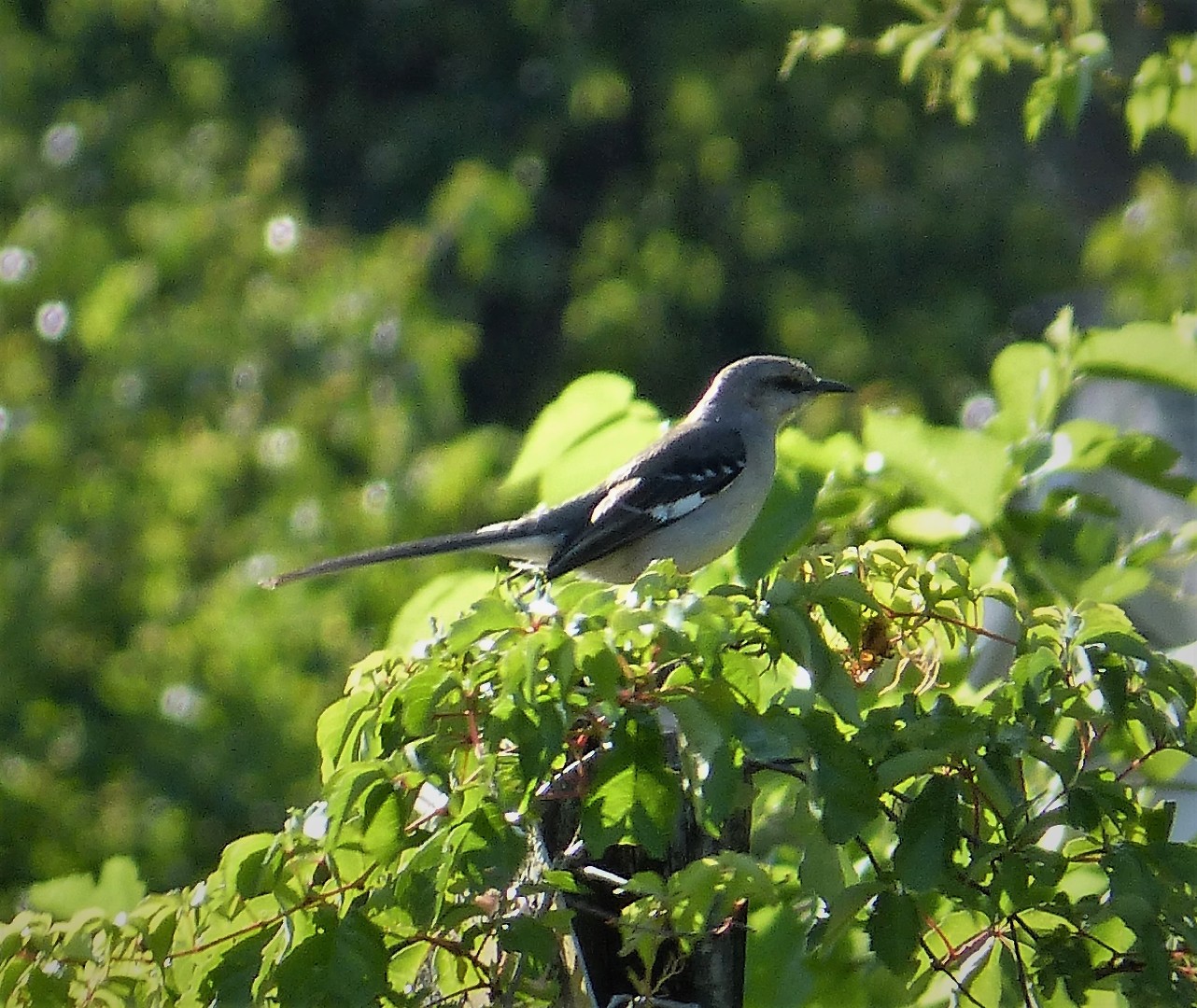
20. Northern Mockingbird
The northern Mockingbird is able to mimic the sound of more than 30 bird species, but this master mocker has also been known to imitate the sounds of a whistle, frog call, or a dog's bark. The mimicry keeps other birds out of the mockingbird's territory, but it also plays an important role in courtship - the male with the best mimicking skills is the most attractive to females. You will often hear this mockingbird singing on moonlit nights. Widespread throughout the US, the northern Mockingbird is a state bird of Arkansas, Florida, Texas, Mississippi, and Tennessee.