




Top 20 Most Common Bird in Charlotte
Discover the birdlover's paradise of Charlotte, a vibrant haven for an estimated 20 species of our feathered friends. Intricate ecosystems, from dense forests to serene wetlands, provide unique habitats fostering a distinctive avian diversity. Keynotes of this avian symphony include the iconic Carolina Chickadee, distinguished Red-tailed Hawks, and the elusive Barred Owls. This sweeping cornucopia of birdlife forms an integral part of Charlotte's rich biodiversity tapestry.

Most Common Bird
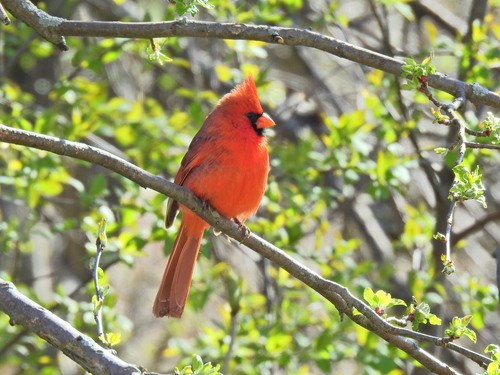
1. Northern Cardinal
The northern Cardinal is a distinctive, medium-sized songbird that inhabits temperate forests and yards. Its name is derived from the male's brilliant red plumage color which resembles red-robed Roman Catholic cardinals, while its crest looks like a bishop's mitre. Compared to the male, the female is much duller in color. The highly territorial males can be quite aggressive. Quite popular, this is the state bird of seven U.S. states.
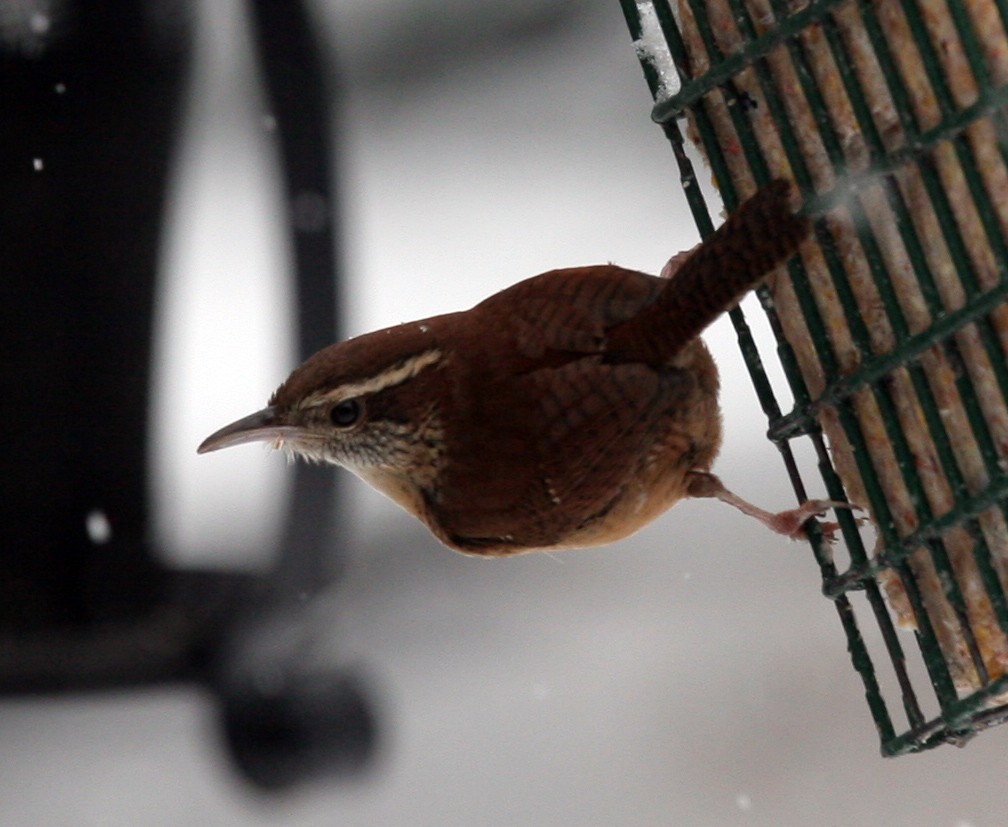
2. Carolina Wren
The musical song of the carolina Wren can be heard all year round. This small, chunky songbird inhabits undergrowth, dense vegetation, and low tangles. Its nests can be found in backyards, often in most unusual places such as drain pipes. They live in pairs and do not migrate, so you can enjoy their love songs all winter.
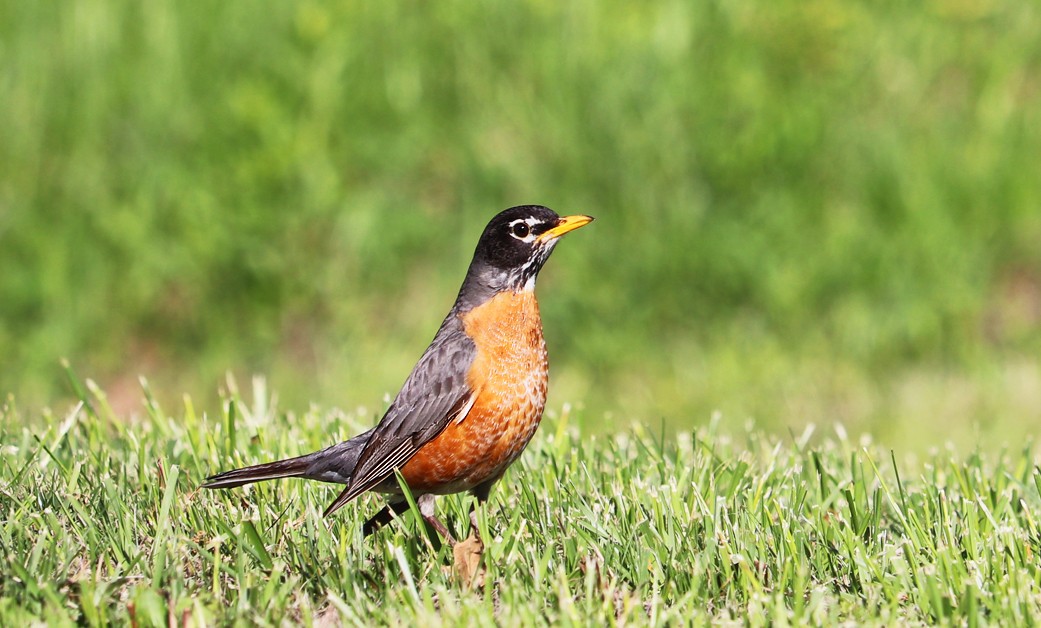
3. American Robin
The american Robin is the most common, and largest, thrush in North America. It's a bird of striking colors, including its vibrant, red-breasted plumage and pale blue eggs. It likes to feed on summer fruit and berries, but worms play an important role in its diet as well. This songbird is a state bird of Connecticut, Michigan, and Wisconsin. Its cheery song is considered one of the first signs of spring.

4. House Finch
Frequent in urban environments and human-created habitats such as parks and backyards, the little house Finch is known for its loud but pleasant, cheerful singing. It feeds on the ground, mostly on seeds, berries, and other plant material. This bird is highly sociable and very adaptable. It often visits feeders.
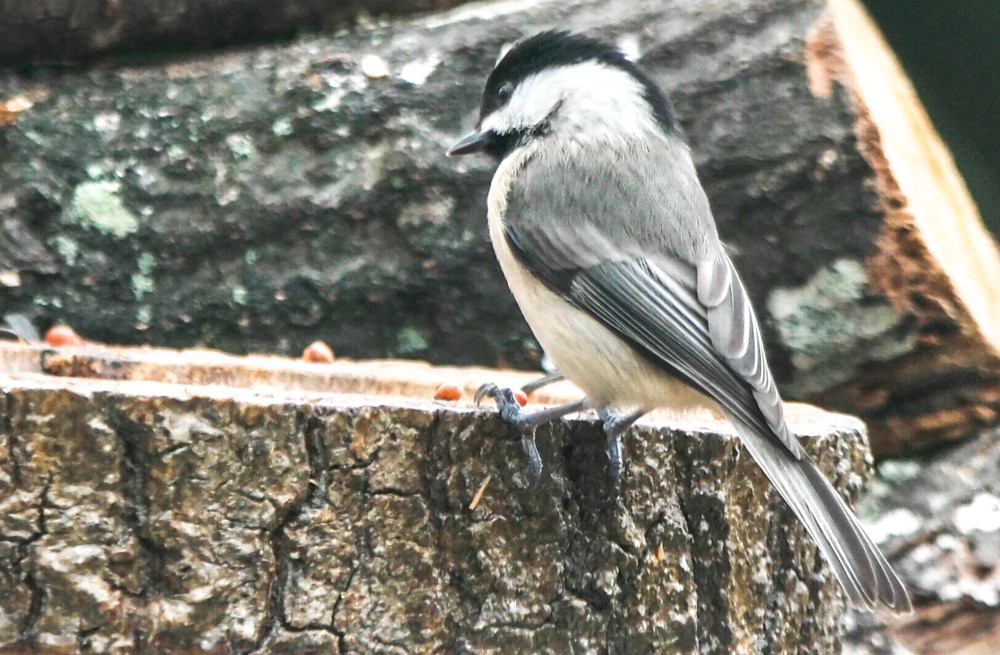
5. Carolina Chickadee
This tiny and round songbird is often seen in urban environments, although the carolina Chickadee primarily inhabits woodlands. These birds mate for life, but the pairs live in a larger flock. The carolina Chickadee (Poecile carolinensis) is almost identical to the Black-capped chickadee (Poecile atricapillus), but their distribution rarely overlaps. In places where it does, the two species commonly interbreed, producing hybrids that can confuse birdwatchers.
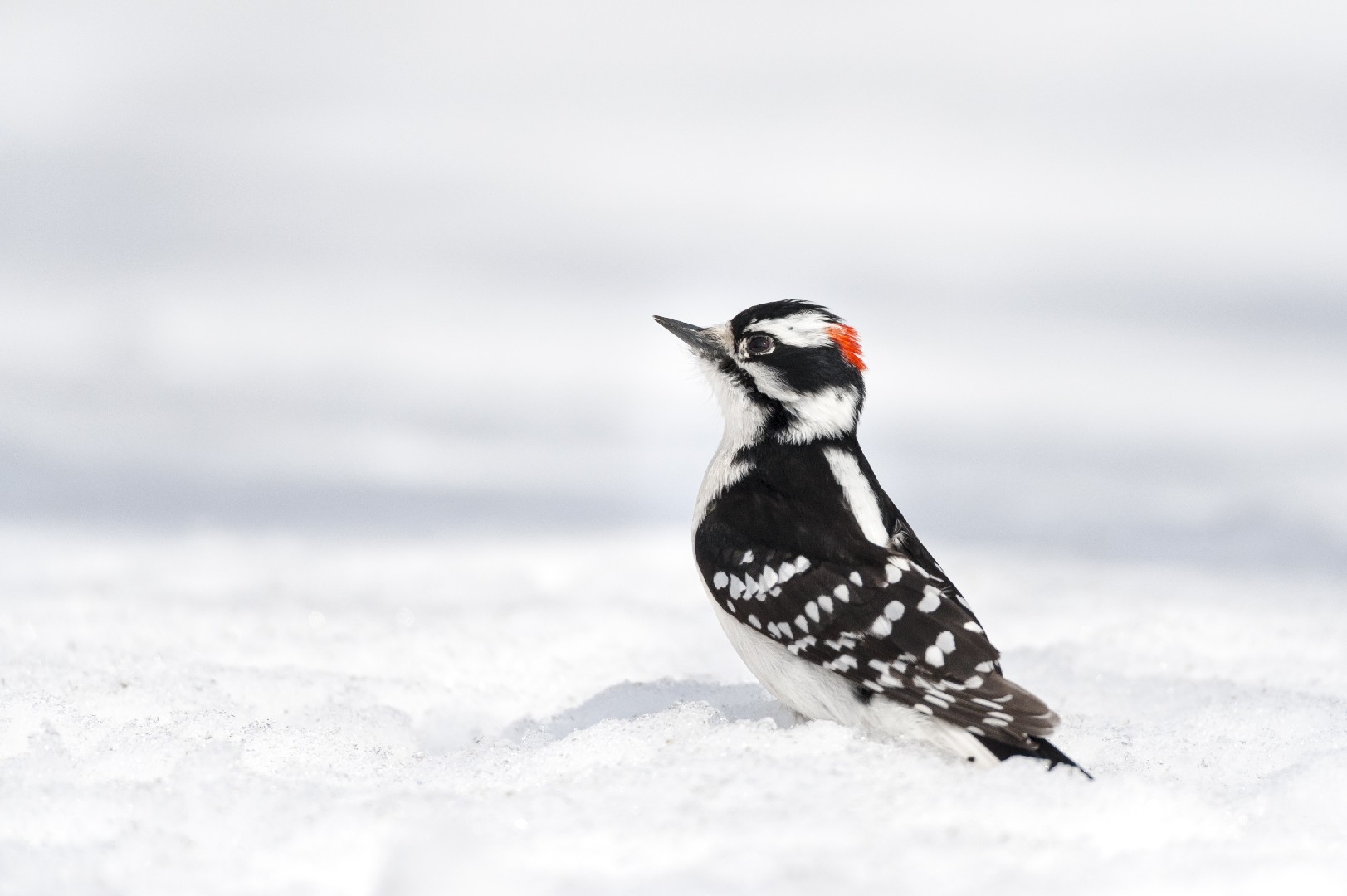
6. Downy Woodpecker
The smallest woodpecker in North America, the downy Woodpecker is almost identical to the Hairy woodpecker (Picoides villosus), but it's significantly smaller and has a shorter bill. It inhabits woods and wooded areas, but is also regularly encountered in urban environments. It often visits birdfeeders, which is an unusual behavior among woodpeckers.
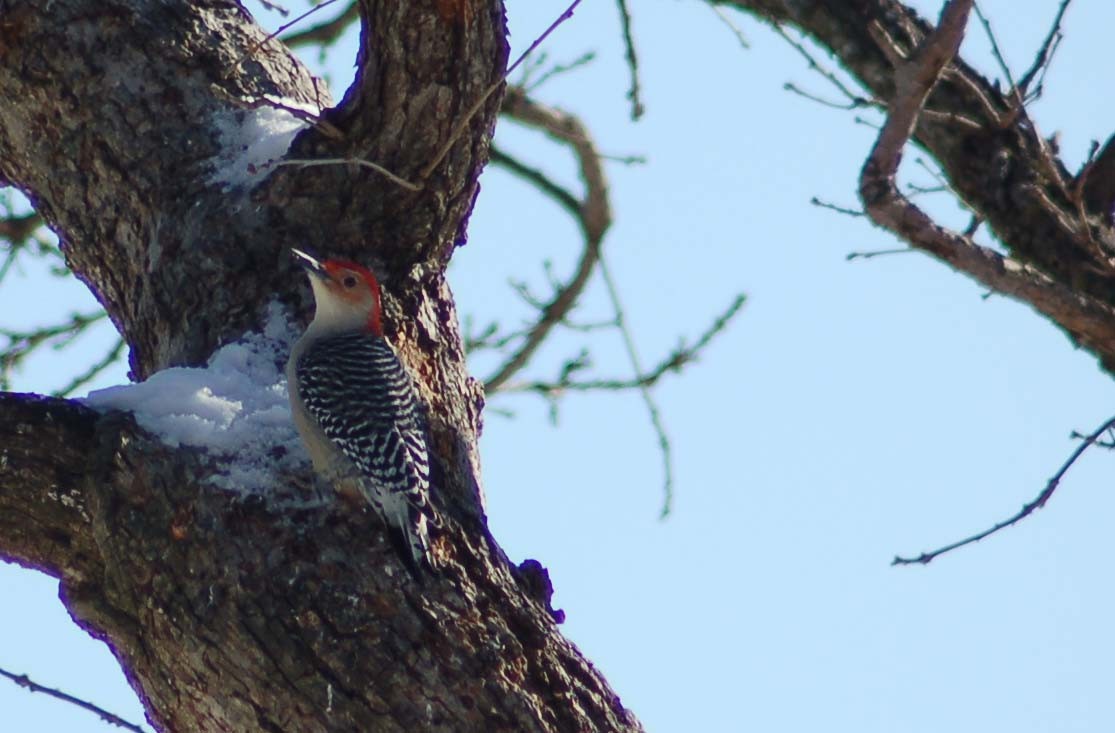
7. Red-bellied Woodpecker
The red-bellied Woodpecker is a medium-sized woodpecker that commonly nests in dead trees, sometimes taking over other birds' nests. In the search of insects inside tree cavities, it can extend its tongue almost 5 cm past its beak. By excavating insects and larvae from tree bark, this bird is able to "clean" the infested tree. The red-bellied Woodpecker is known to hide food in all kinds of places as a store for later use.
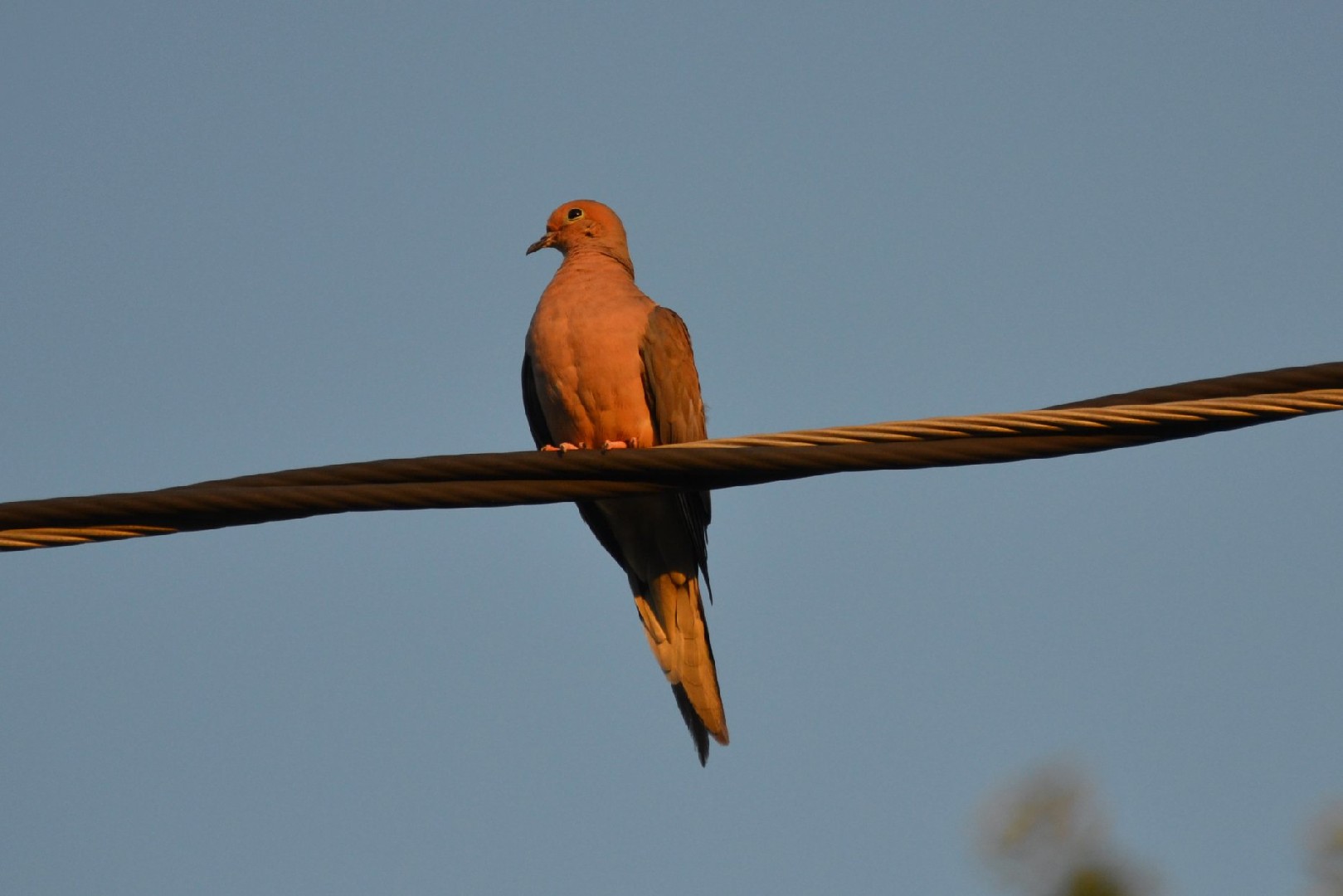
8. Mourning Dove
One of the most famous and widespread doves of North America, the mourning Dove can be often seen in urban areas perching on telephone wires. It is named after its distinctive, plaintive-sounding song. It is also a popular game bird, but its population is still abundant thanks to the prolific breeding and its ability to raise up to five to six broods in a single year.
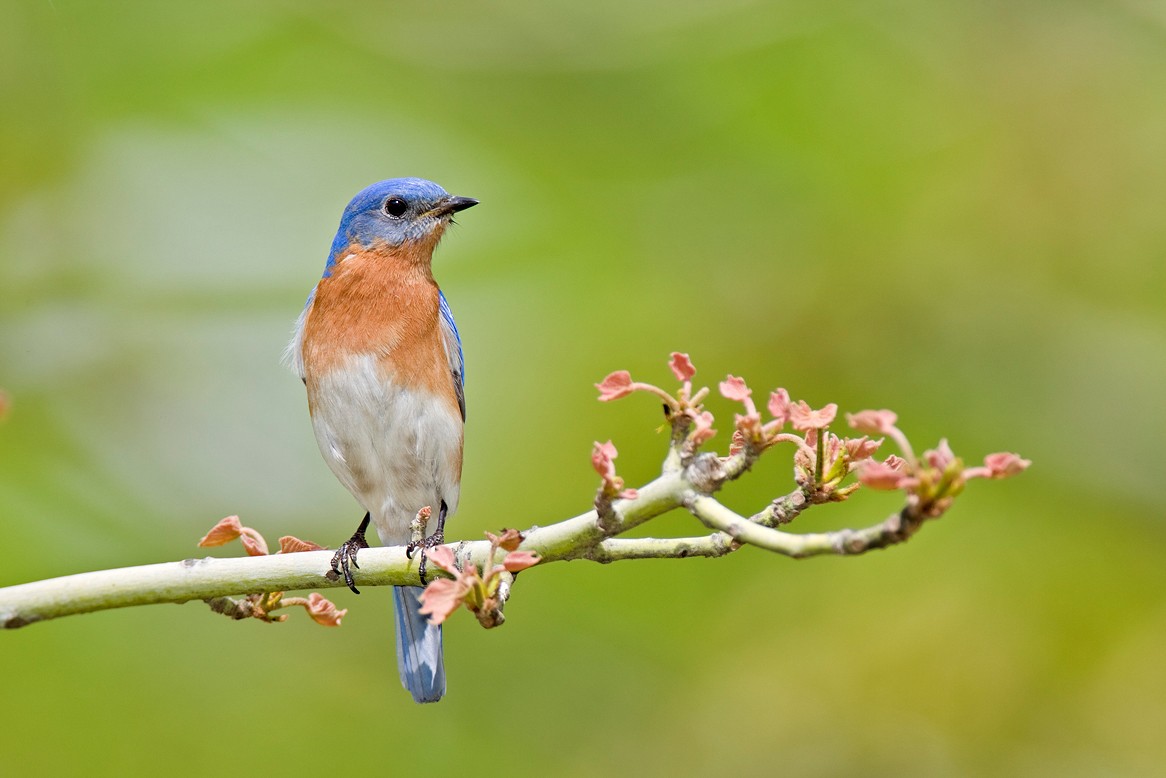
9. Eastern Bluebird
The tiny, distinctively-colored eastern Bluebird can often be seen in the countryside and other suburban, open areas. These small thrushes love nest boxes and so-called "bluebird trails" - a series of birdhouses put up especially for them along a certain route. These trails are part of conservation efforts that have helped to reverse their decline in population between the 1940s and the 1970s.
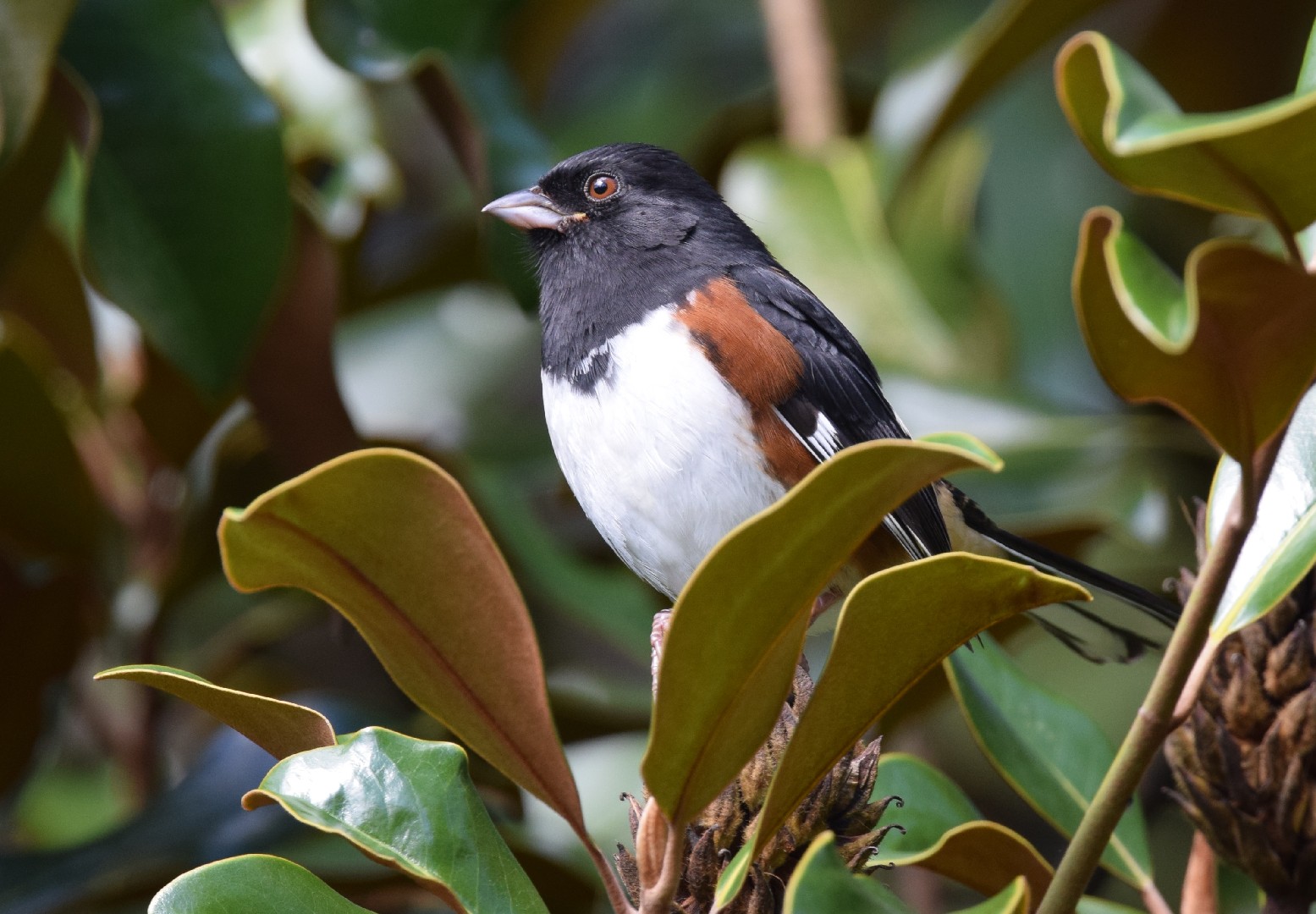
10. Eastern Towhee
This larger sparrow has distinctly striking markings, ranging in color from a deep black to a warmer russet. The eastern Towhee typically sticks to the undergrowth both for protection and to rummage for food. Many observers have noticed that for a small bird, it makes an impressive amount of noise as it rummages around.
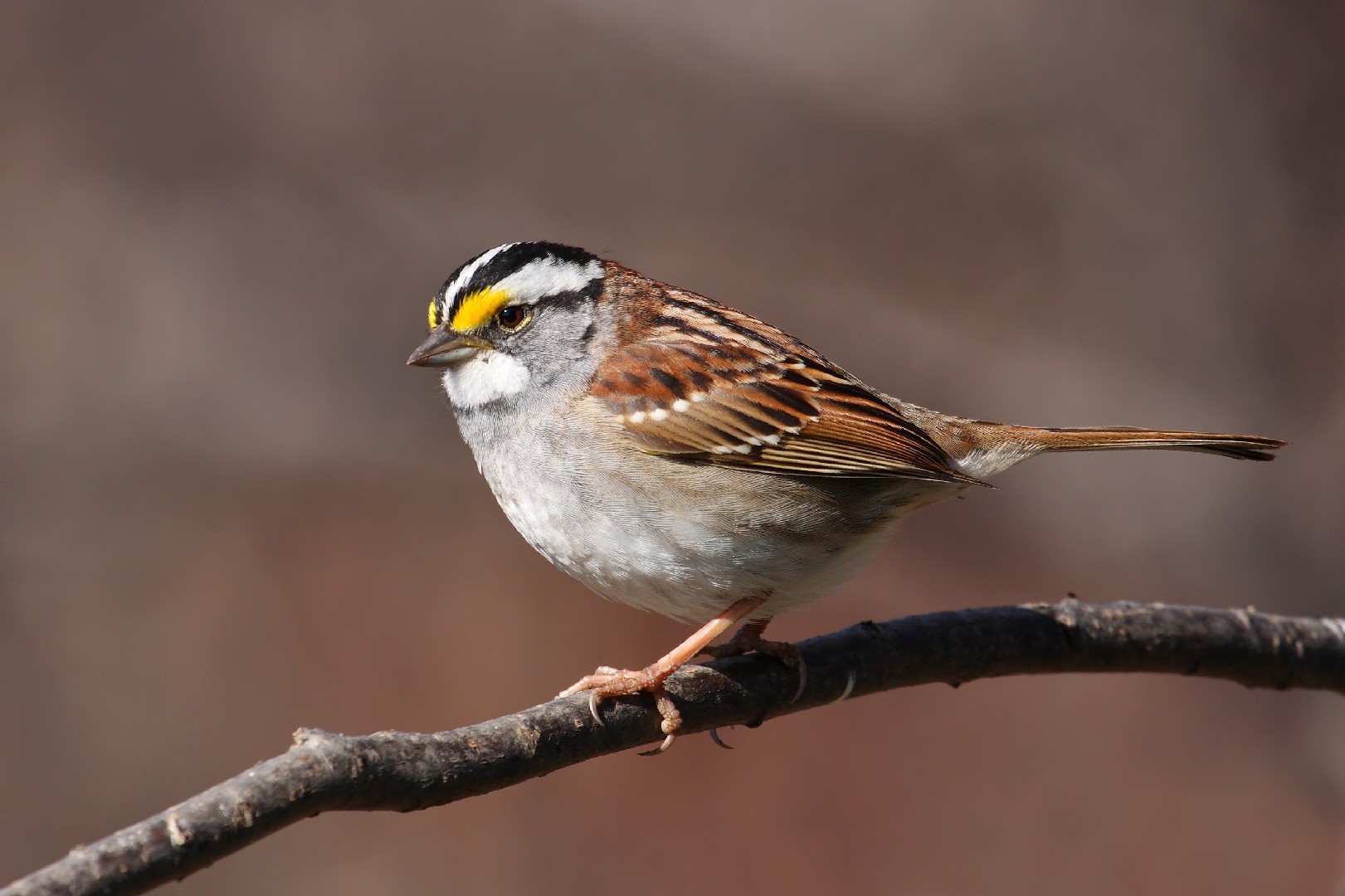
11. White-throated Sparrow
The pretty little white-throated Sparrow has sharp markings on its face along with its white throat and crown. Its wavering, whistling call sounds, to some ears, like its homeland's anthem, “Oh Canada.” There are two color forms of the white-throated Sparrow: white-crowned and tan-crowned. The white-crowned are known to be more aggressive, and the males of both crown colors prefer the white-crowned females.
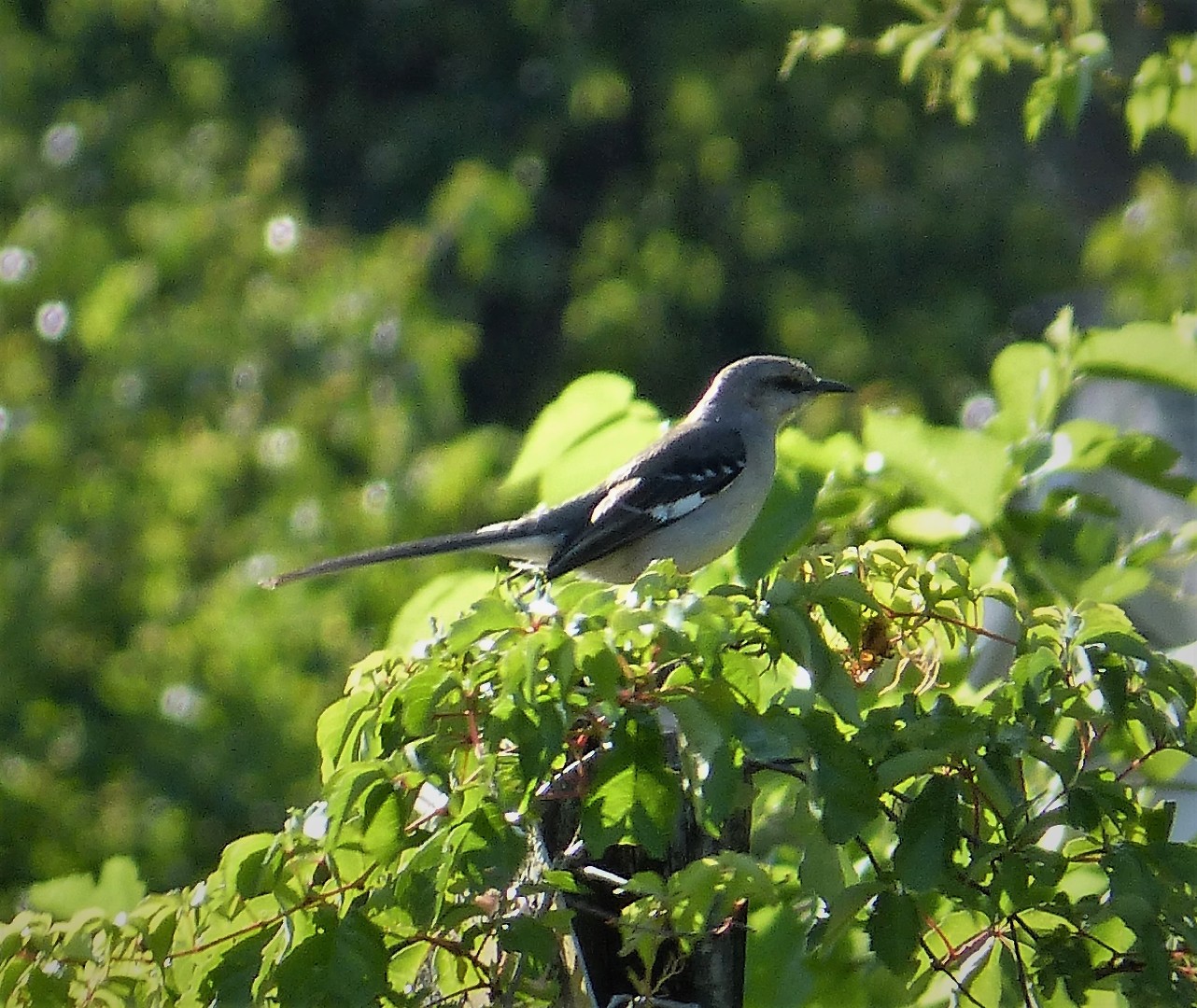
12. Northern Mockingbird
The northern Mockingbird is able to mimic the sound of more than 30 bird species, but this master mocker has also been known to imitate the sounds of a whistle, frog call, or a dog's bark. The mimicry keeps other birds out of the mockingbird's territory, but it also plays an important role in courtship - the male with the best mimicking skills is the most attractive to females. You will often hear this mockingbird singing on moonlit nights. Widespread throughout the US, the northern Mockingbird is a state bird of Arkansas, Florida, Texas, Mississippi, and Tennessee.
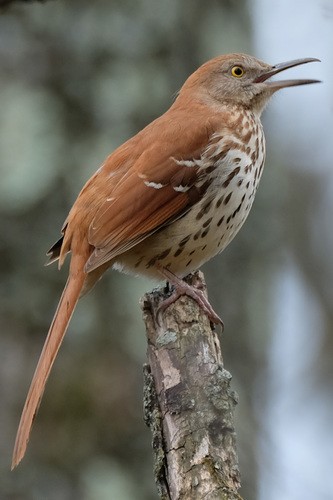
13. Brown Thrasher
A very inconspicuous bird, the brown Thrasher is hard to spot hidden in dense vegetation and underbrush. Rarely seen flying, this long-tailed songbird prefers hopping and running. Although it belongs to the group of mockingbirds, its imitations of other birds are considered inaccurate; however, the brown Thrasher is known for its wide repertoire of its own songs and calls.
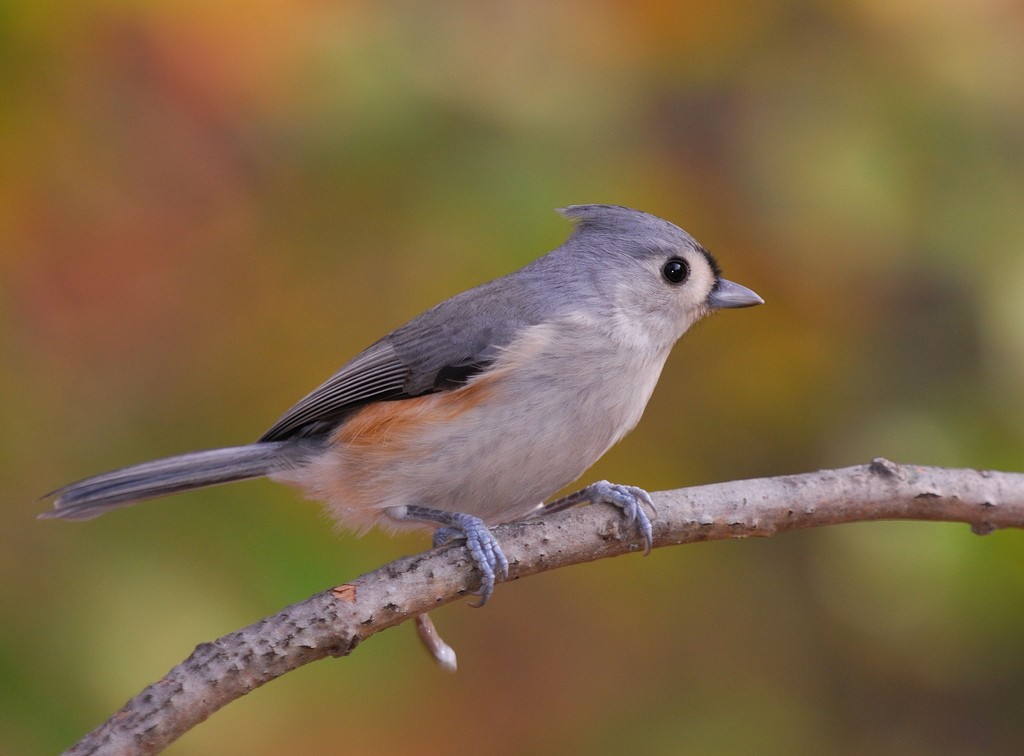
14. Tufted Titmouse
The tufted Titmouse is the largest of all titmouse species. Quite plain in appearance, but known for its echoing song, this woodland bird is a frequent visitor to urban areas, particularly during winter. It's a highly territorial bird that mostly feeds on insects, but won't shy away from seeds when need be. As a non-migratory species, it prepares food supplies for the winter by hiding seeds from birdfeeders for later use.
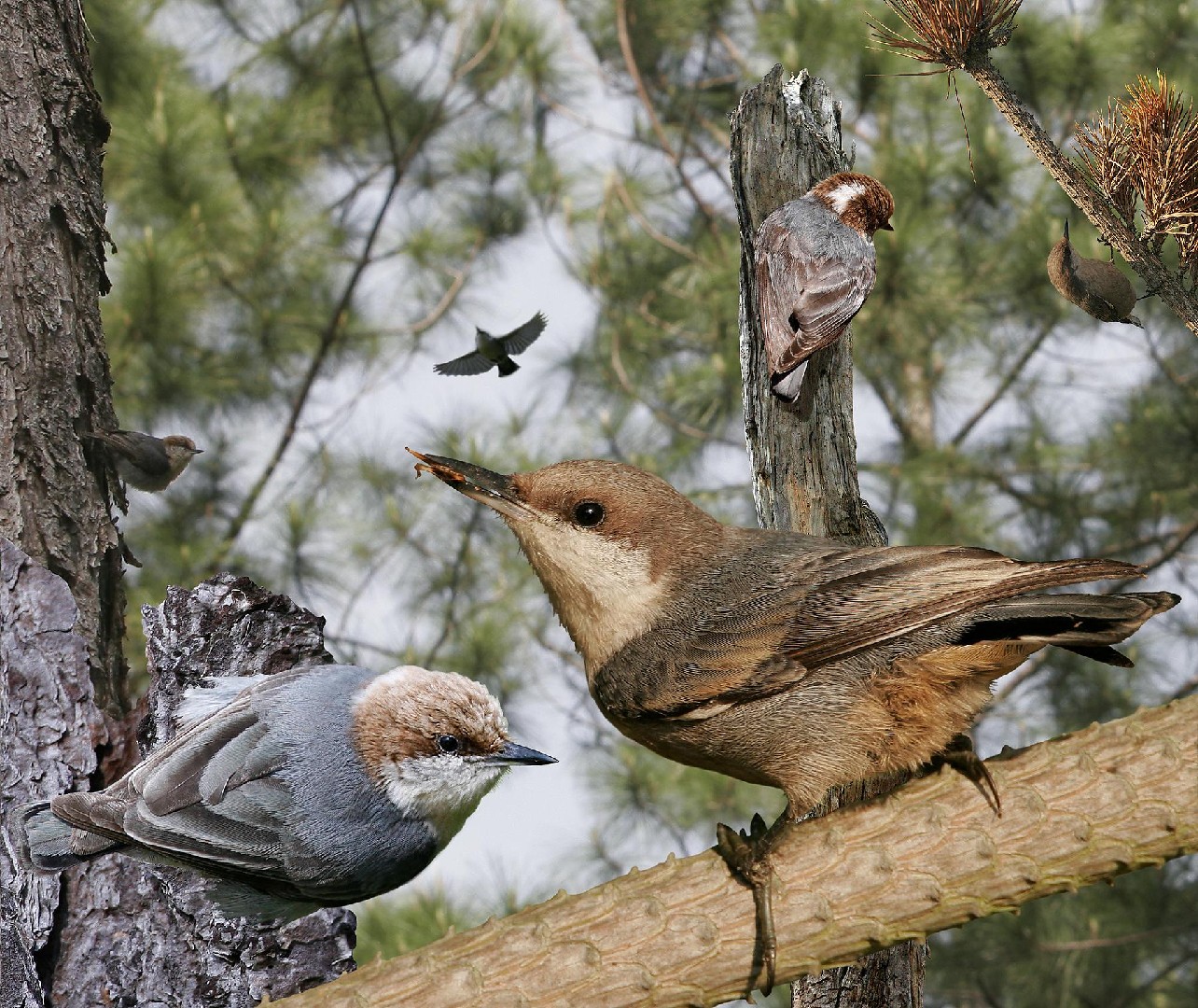
15. Brown-headed Nuthatch
Like all nuthatches, the brown-headed Nuthatch is able to climb head-down and zigzag across tree trunks, which distinguishes them from treecreepers and woodpeckers. This small songbird is more often heard than seen. It produces squeaky sounds. The brown-headed Nuthatch has an important ecological role - by foraging for parasitic larvae embedded in trees, it helps to keep them healthy.

16. Blue Jay
The blue Jay is the largest and the most common Jay in North America. This frequent visitor of birdfeeders is quite opportunistic when it comes to food - it is known as "a nest robber." Able to produce a wide range of musical sounds, this loud songbird can even imitate a Red-shouldered hawk (Buteo lineatus). Intelligent and sociable, the blue Jay is said to form strong family bonds.
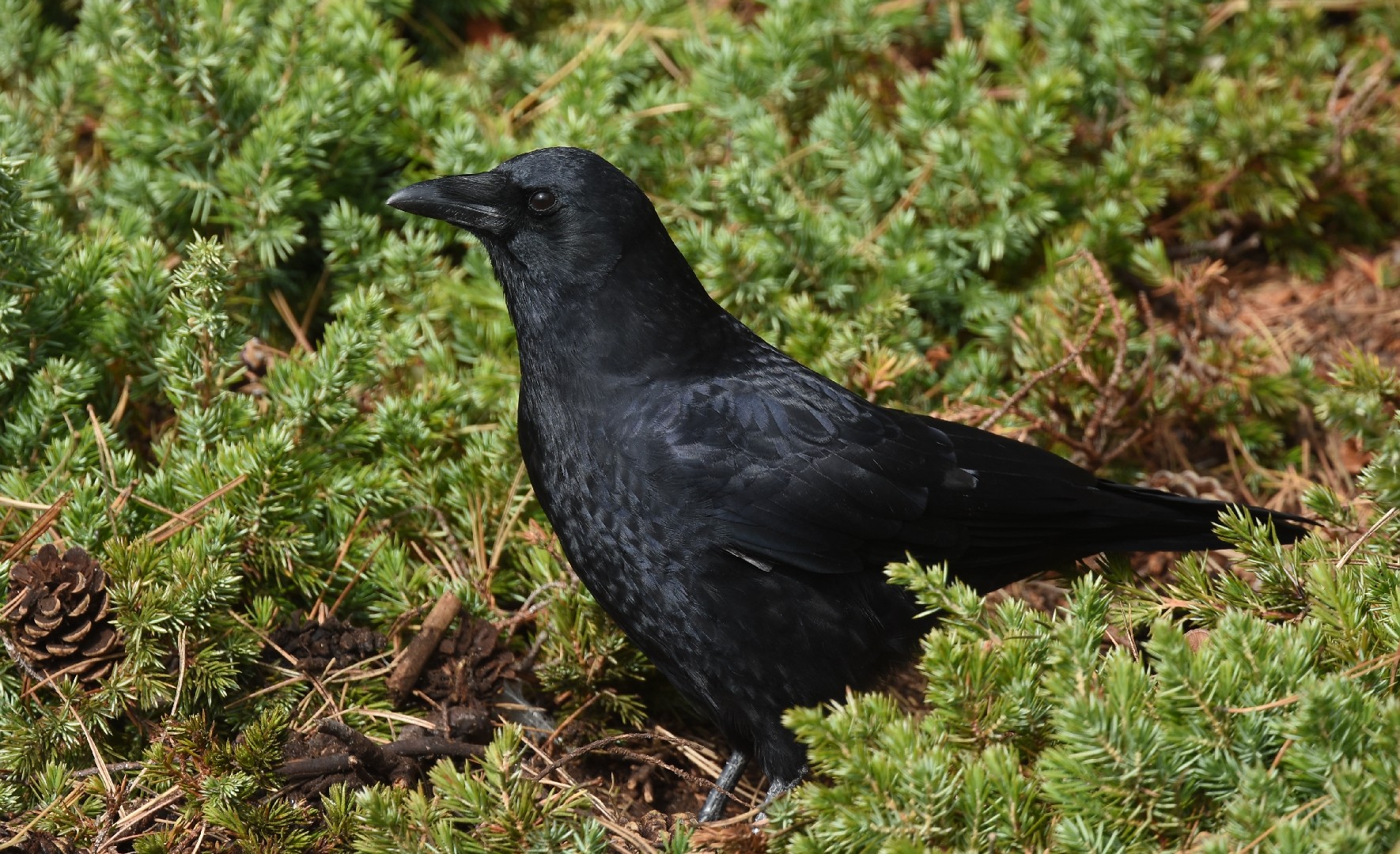
17. American Crow
The american Crow is a big black bird that can be found in forests, fields, river groves, and among human habitations. Interestingly, it is known to stand atop ant hills and allow ants to climb onto its feathers; this apparently discharges their formic acid and makes them more palatable for the crow to eat. Sadly, american Crow numbers have been substantially affected by the West Nile virus in North America. Infected birds die from West Nile in less than a week.
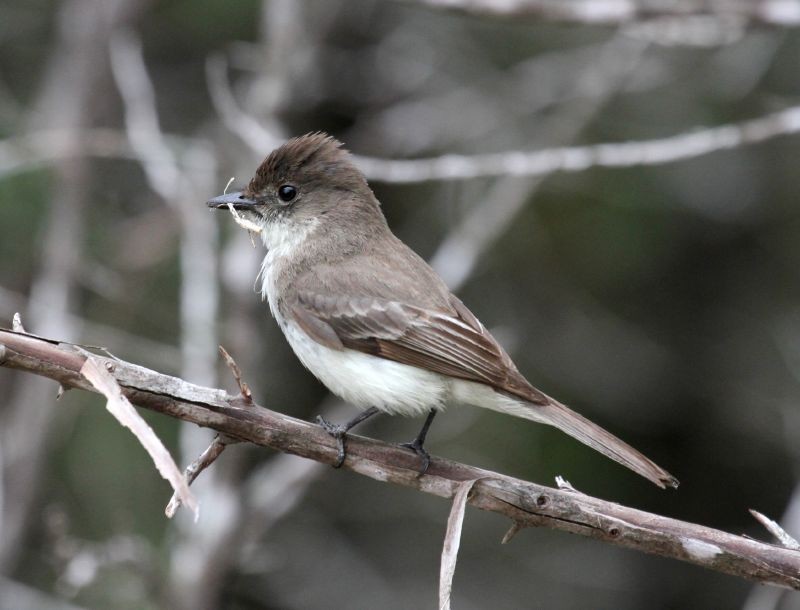
18. Eastern Phoebe
The eastern Phoebe is a familiar songbird in North America. It often nests in urban areas, particularly around buildings and bridges. It can be seen on exposed perches, constantly moving its long, dark tail. The species is partially migratory, with the northern populations migrating south. They return early in spring, being one the first messengers of warmer weather.
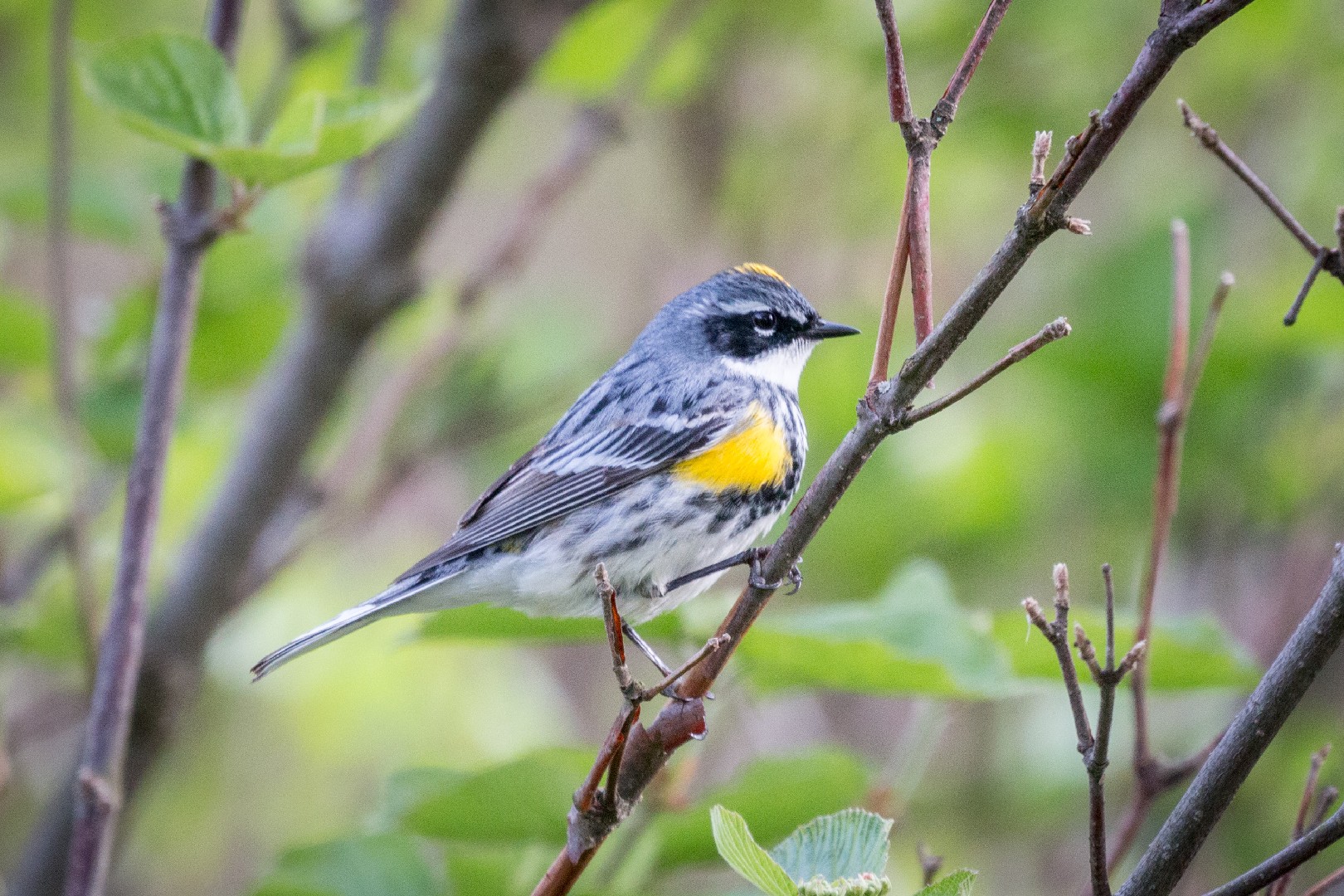
19. Yellow-rumped Warbler
The foraging yellow-rumped Warbler is quick-moving and appealingly colored. Both male and female are a sharp gray, with white on their wings and flashes of yellow on their rump (as the name suggests), sides, and face. Most striking about this bird is the large groups of them that spread across North America in the autumn season.
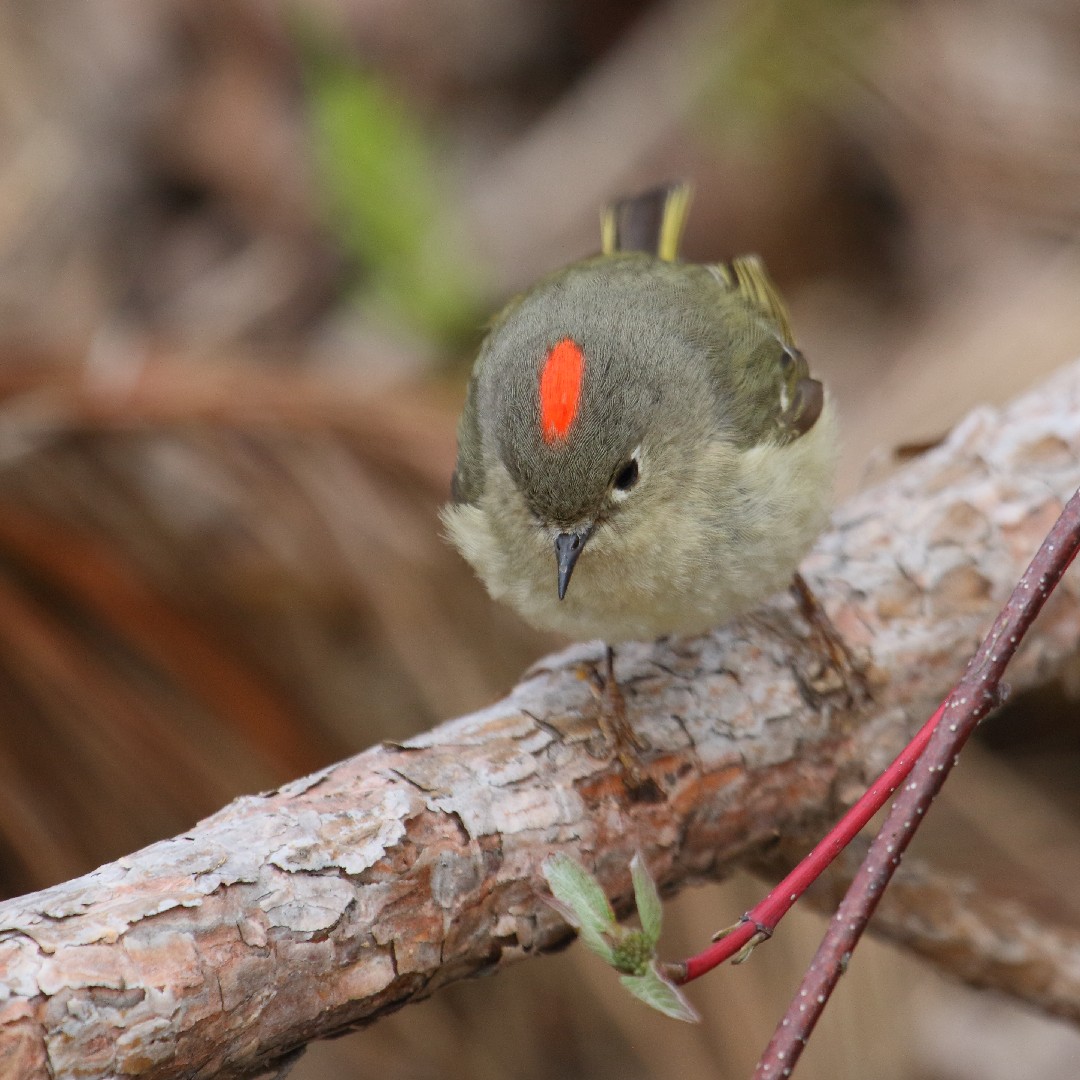
20. Ruby-crowned Kinglet
The ruby-crowned Kinglet is a tiny kinglet bird that only weighs up to 10 g. Its song is very complex and quite loud for an extremely small bird. This kinglet is easily recognizable not only by its size but also by its constant wing flicking, especially while foraging for food. The distinctive red patch on its head is often concealed and appears when the bird is excited.