



Top 20 Most Common Bird in Manvel
In the vast landscapes of Manvel, avian life flourishes in astounding variety. Thanks to its unique combination of wetland habitats and woodlands, Manvel supports an impressive diversity of bird species, creating a birder's paradise. Species such as the Red-tailed Hawk and Northern Cardinal are particularly iconic, making up part of the 20 common birds in this region. This remarkable biodiversity offers a delightful glimpse into the region's vibrant avifauna.

Most Common Bird
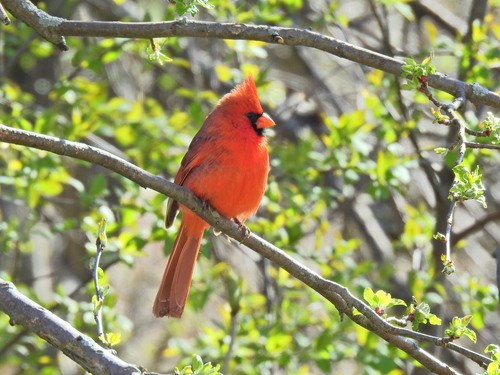
1. Northern Cardinal
The northern Cardinal is a distinctive, medium-sized songbird that inhabits temperate forests and yards. Its name is derived from the male's brilliant red plumage color which resembles red-robed Roman Catholic cardinals, while its crest looks like a bishop's mitre. Compared to the male, the female is much duller in color. The highly territorial males can be quite aggressive. Quite popular, this is the state bird of seven U.S. states.
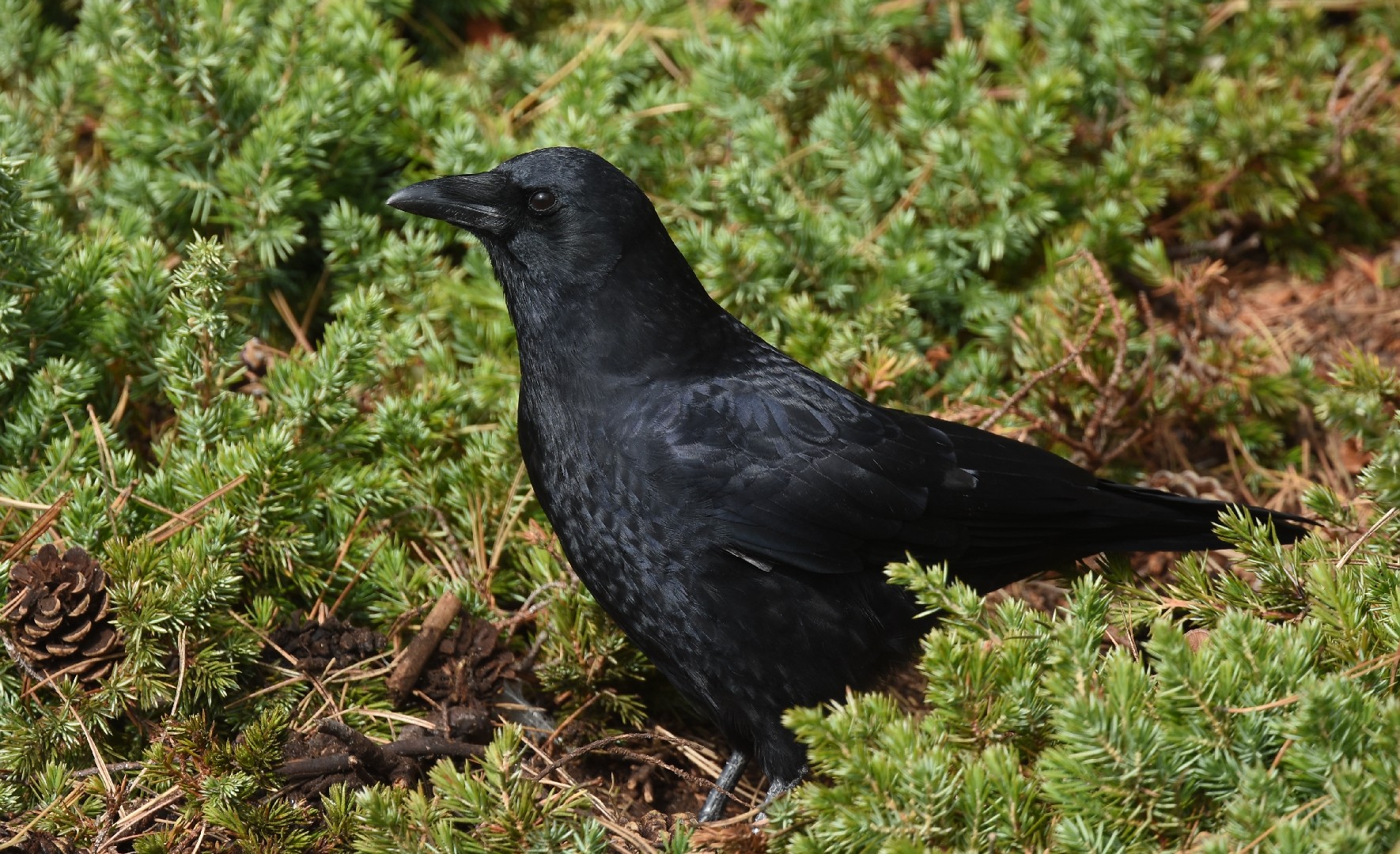
2. American Crow
The american Crow is a big black bird that can be found in forests, fields, river groves, and among human habitations. Interestingly, it is known to stand atop ant hills and allow ants to climb onto its feathers; this apparently discharges their formic acid and makes them more palatable for the crow to eat. Sadly, american Crow numbers have been substantially affected by the West Nile virus in North America. Infected birds die from West Nile in less than a week.
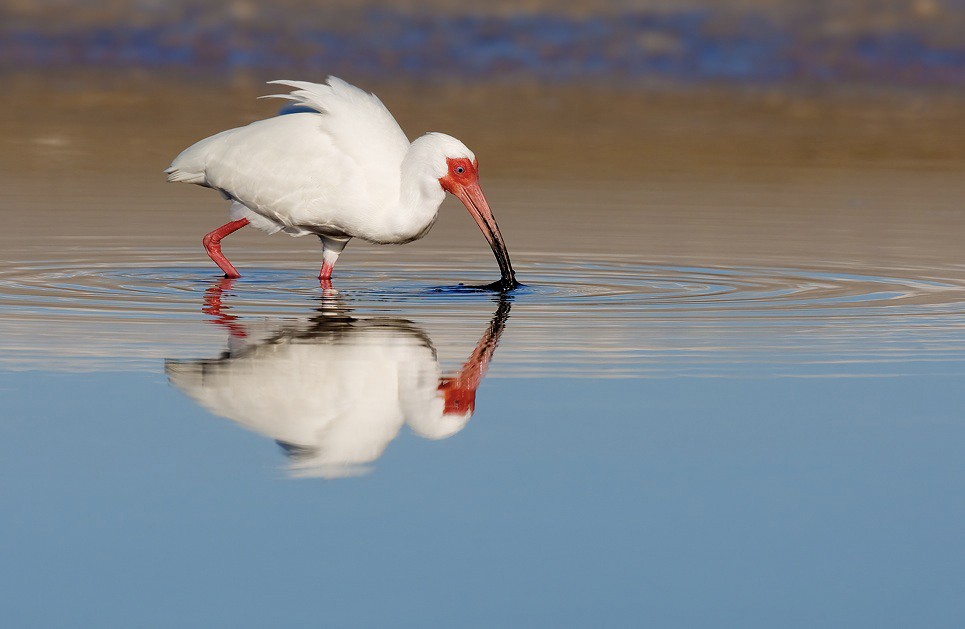
3. White Ibis
The white Ibis is a medium-sized bird with beautiful white plumage that is a known wanderer. It makes a quiet grunting "croo croo" noise as it forages for food. Unfortunately, these birds have been heavily impacted by the pollutant methylmercury. In the Everglades high concentrations of methylmercury from human pollution have greatly impacted the mating behavior and mating frequency of the white Ibis.
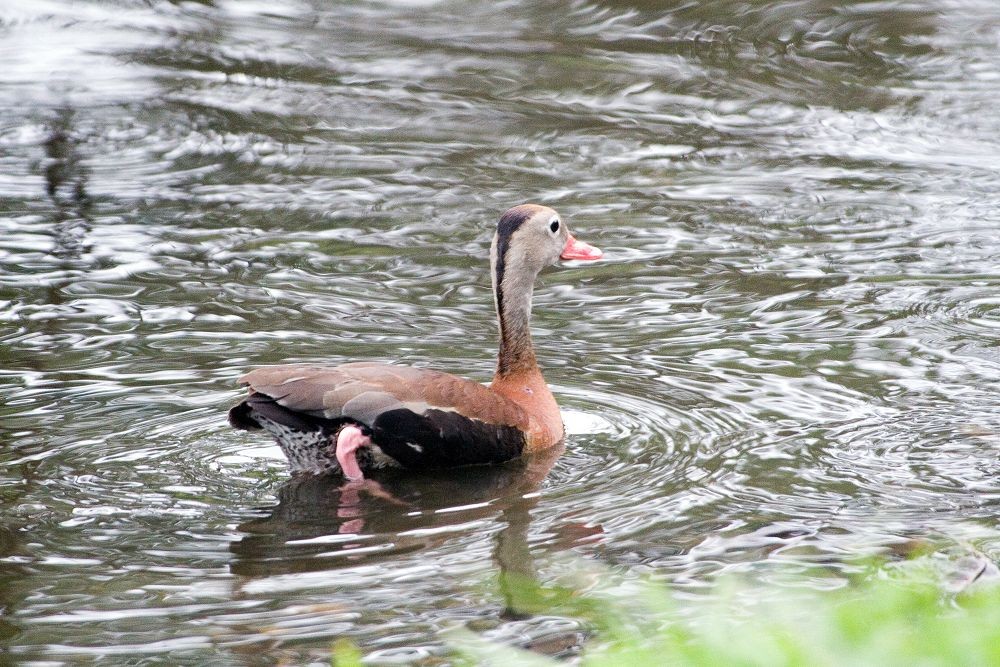
4. Black-bellied Whistling-duck
It has a long red bill, long head and longish legs, pale gray head and mostly gray-brown plumage. The belly and tail are black, and the body plumage, back of the neck and cap are a rich chestnut brown. The face and upper neck are gray, and they sport a thin but distinct white eye-ring. The extensive white in the wings is obvious in flight, less so on the ground; it is formed by the secondary remiges while the primaries are black; the wing-coverts are brown. Males and females look alike. 
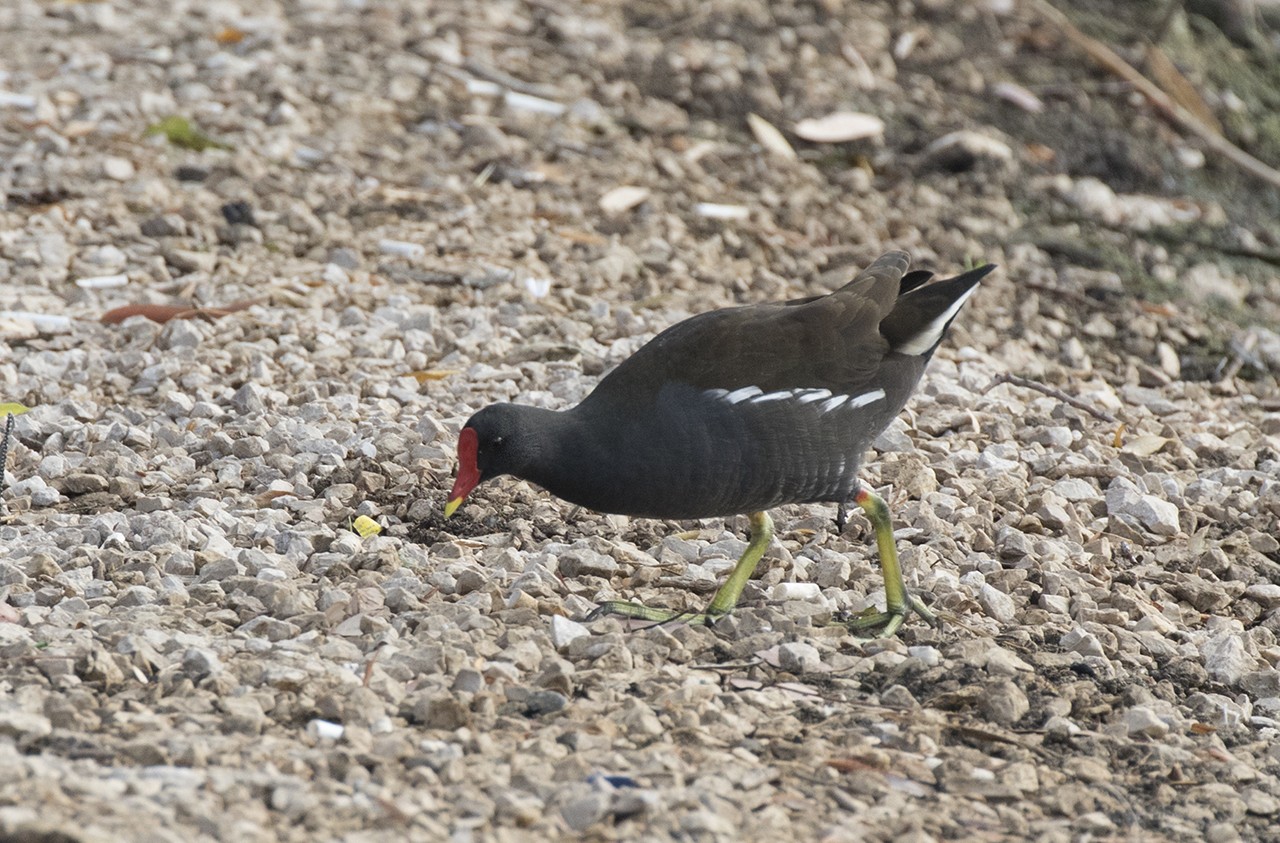
5. Common Moorhen
The common Moorhen is often found in slow-moving or standing-water aquatic ecosystems with dense vegetation coverage where they can hide and forage for food. If vegetation is dense enough, their large feet even enable them to walk across the floating plants. These birds are opportunistic feeders and will eat any food that is currently available.
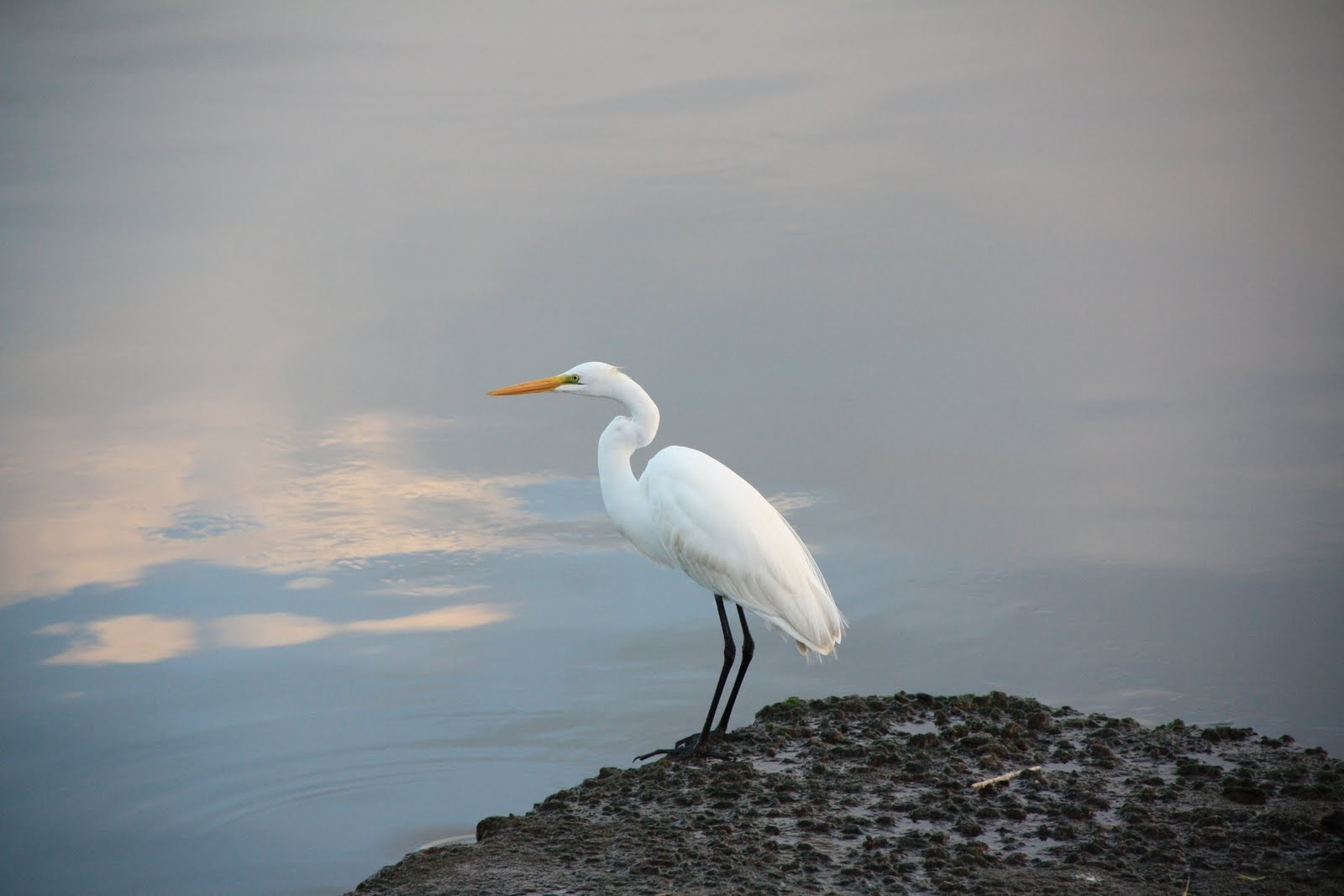
6. Great Egret
These tall birds are quite distinctive with their bright white feathers, black legs, and orange beaks. Great Egrets live near both fresh and saltwater, nesting high in trees to protect their eggs from predatory mammals. They are colonial nesters, living in large groups (colonies), and they find the majority of their food in the nearest body of water.
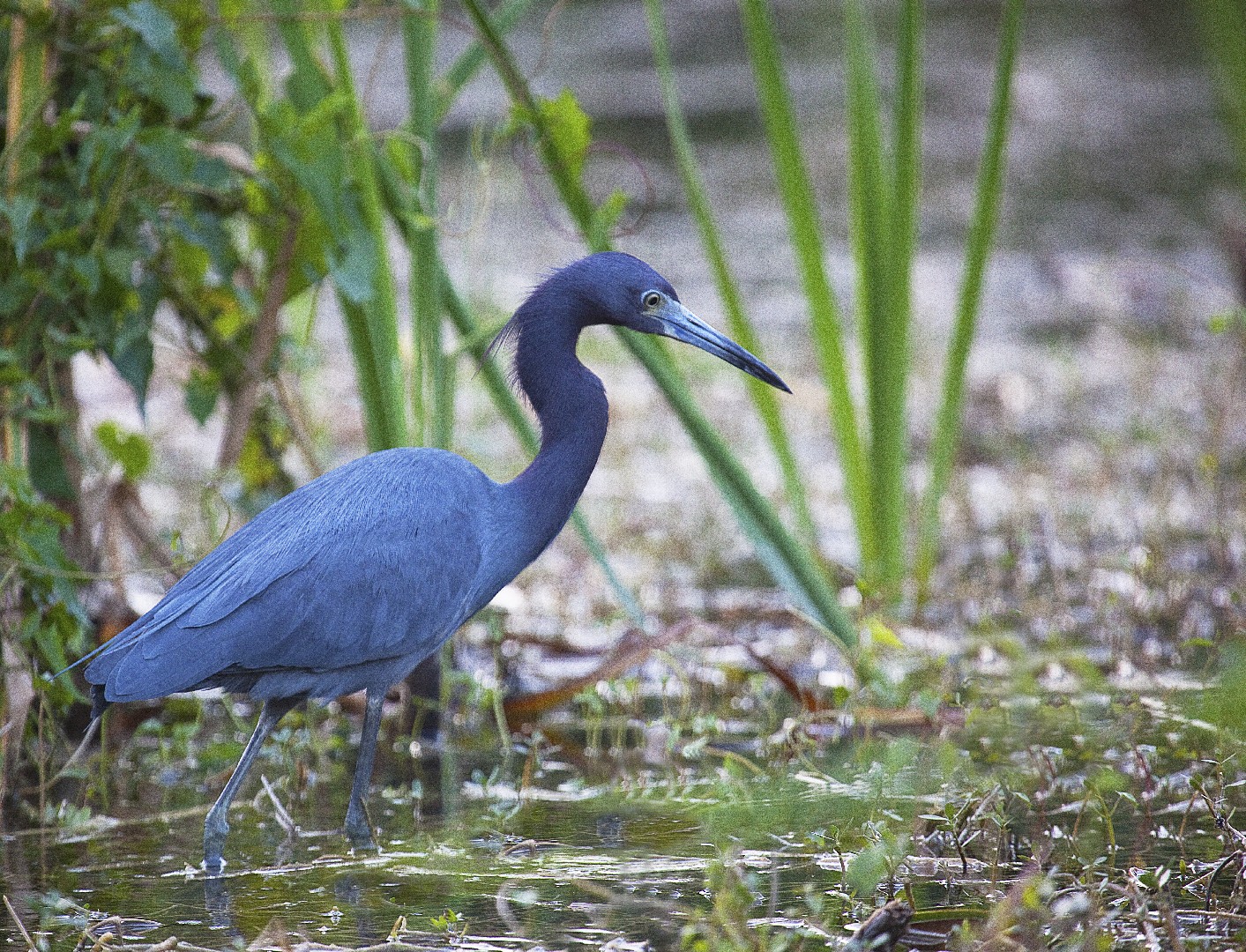
7. Little Blue Heron
A fairly small heron, the little Blue Heron is found in wetland habitats. Born with white feathers, a juvenile goes through a dramatic change to an all-dark adult. During the young stage, it looks very similar to the Snowy egret, with whom juveniles often mix during feeding time to get free food. A quiet and calm feeder, this heron is often overlooked; however, it's not easily approachable.
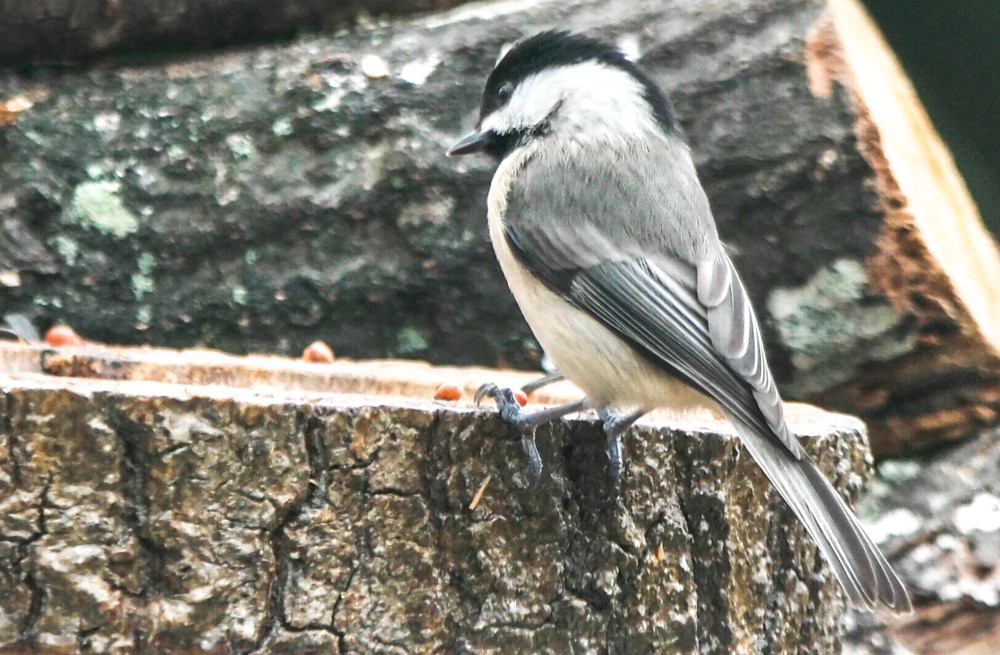
8. Carolina Chickadee
This tiny and round songbird is often seen in urban environments, although the carolina Chickadee primarily inhabits woodlands. These birds mate for life, but the pairs live in a larger flock. The carolina Chickadee (Poecile carolinensis) is almost identical to the Black-capped chickadee (Poecile atricapillus), but their distribution rarely overlaps. In places where it does, the two species commonly interbreed, producing hybrids that can confuse birdwatchers.

9. Turkey Vulture
The turkey Vulture is a common sight, especially around roads, where they keep a sharp eye out for roadkill. Seeing these large birds in the sky can often make you take a second look to see if it’s an eagle or a hawk. Here’s one quick way to tell the difference. When in flight, a turkey Vulture will circle unsteadily, with its wings lifted to make a V shape. Though they are not appreciated, they do the dirty work of the animal kingdom by cleaning up the countryside as they scavenge.
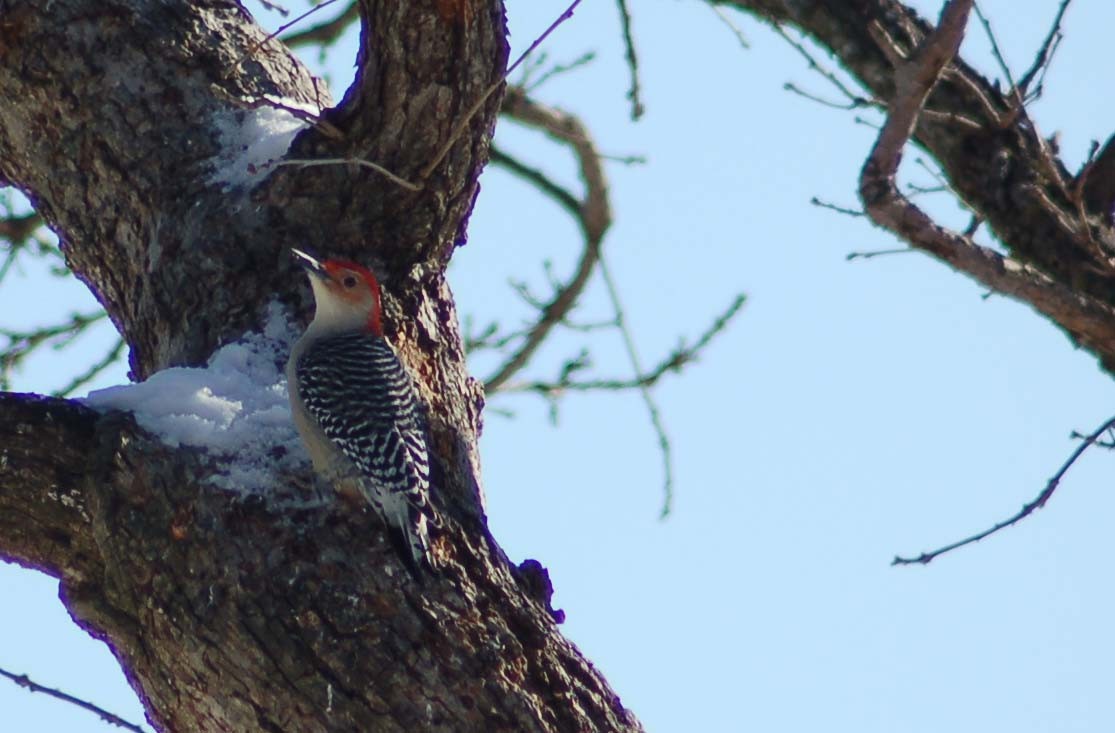
10. Red-bellied Woodpecker
The red-bellied Woodpecker is a medium-sized woodpecker that commonly nests in dead trees, sometimes taking over other birds' nests. In the search of insects inside tree cavities, it can extend its tongue almost 5 cm past its beak. By excavating insects and larvae from tree bark, this bird is able to "clean" the infested tree. The red-bellied Woodpecker is known to hide food in all kinds of places as a store for later use.
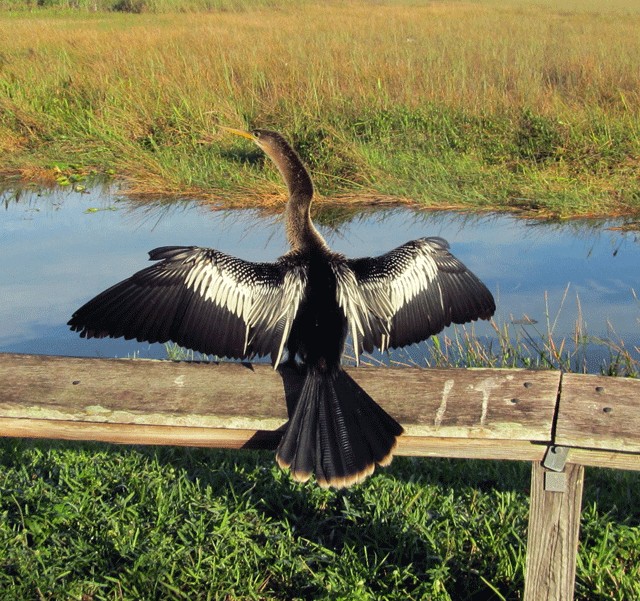
11. Anhinga
The anhinga uses its long beak to spear fish. Sometimes the fish gets stuck. and the bird has to swim to shore to pry it off. Unlike most other water birds, the anhinga doesn't have oil glands and therefore its feathers are not waterproof. While the lack of oil does allow the bird to move more efficiently underwater, after swimming it must spread its wings and dry them in the sun.
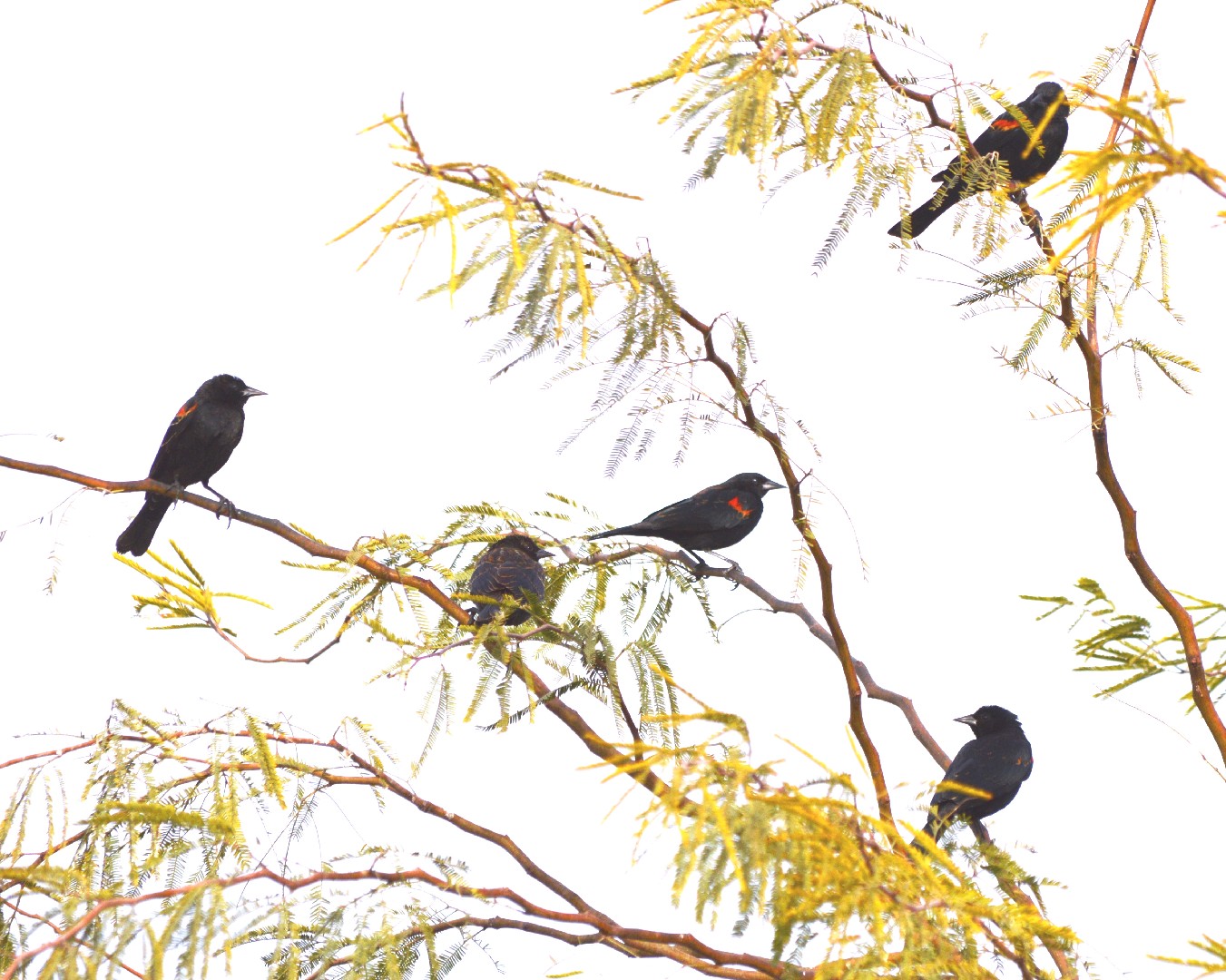
12. Red-winged Blackbird
One of the earliest spring harbingers in North America, the red-winged Blackbird migrates in enormous flocks. Gathered in these large groups, the songbirds produce a loud cacophony. The red-winged Blackbird is an opportunistic omnivore. It feeds on numerous insect species, keeping pests under control, but due to its preference for crops and berries, the red-winged Blackbird is sometimes considered a pest itself.
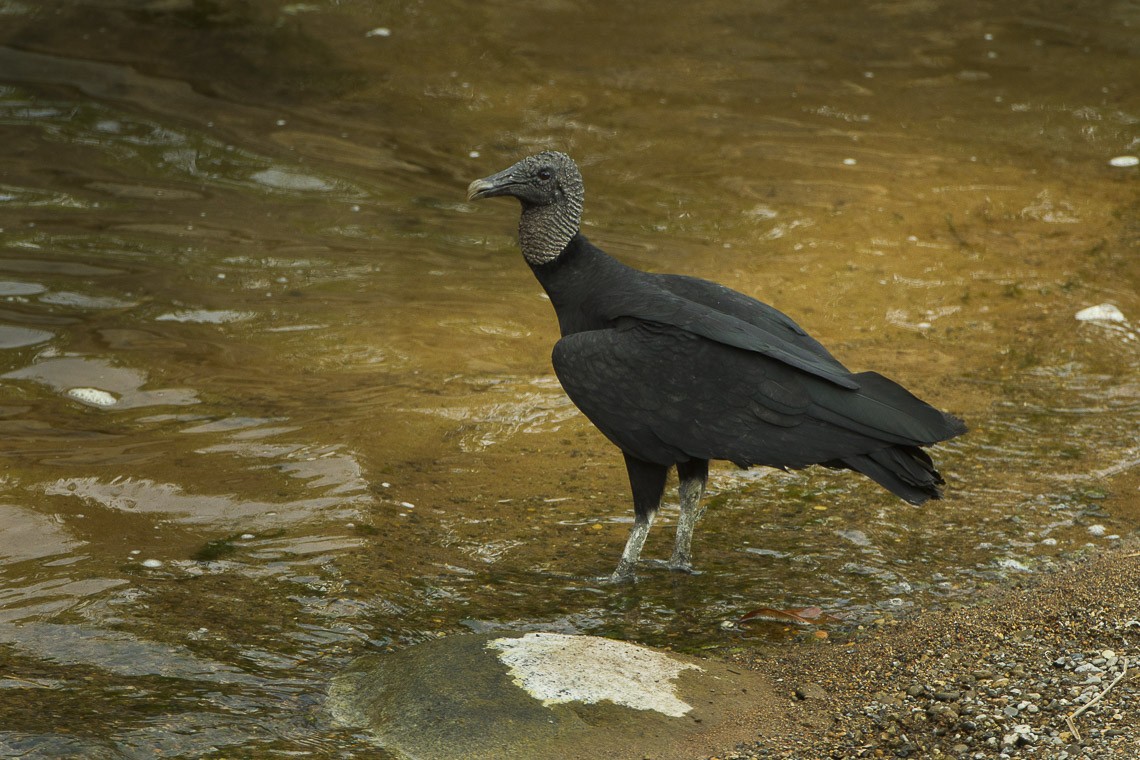
13. Black Vulture
Although quite dapper in appearance, the black Vulture's name comes from the Latin vulturus meaning “tearer" and that is just what that hooked beak is for. These birds are highly social, with fierce family loyalty and will share food with relatives and with their young long after the babies have fledged. Because they lack a voice box, their calls are limited to grunts and hisses.
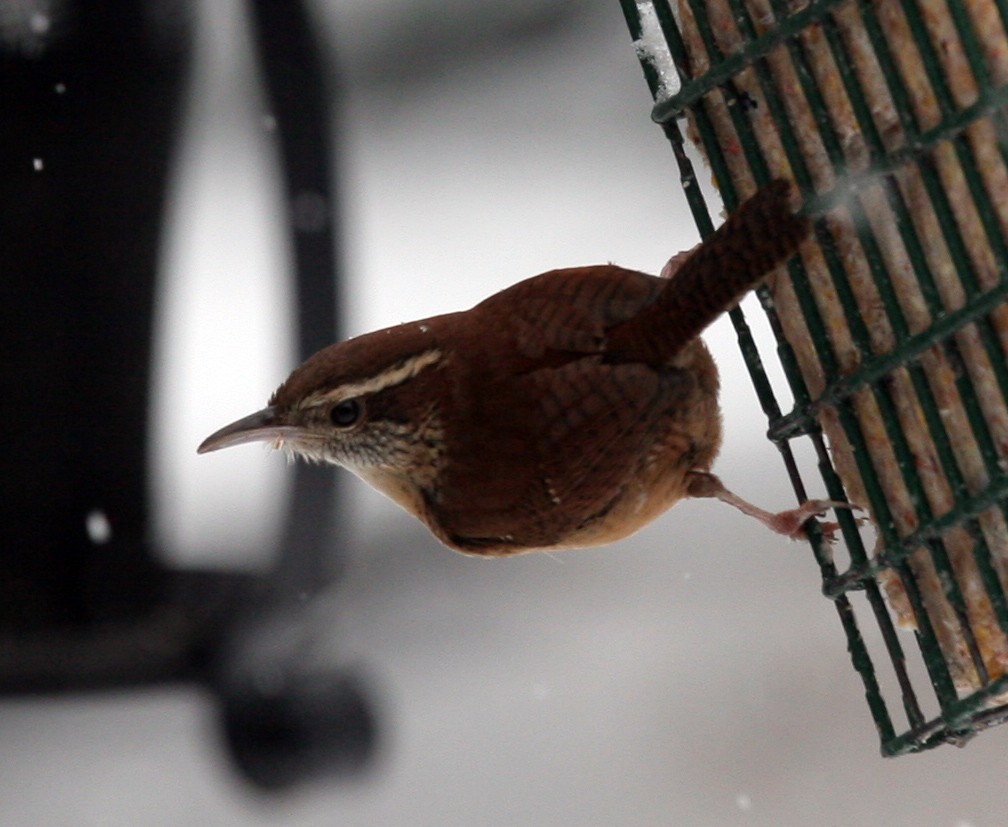
14. Carolina Wren
The musical song of the carolina Wren can be heard all year round. This small, chunky songbird inhabits undergrowth, dense vegetation, and low tangles. Its nests can be found in backyards, often in most unusual places such as drain pipes. They live in pairs and do not migrate, so you can enjoy their love songs all winter.
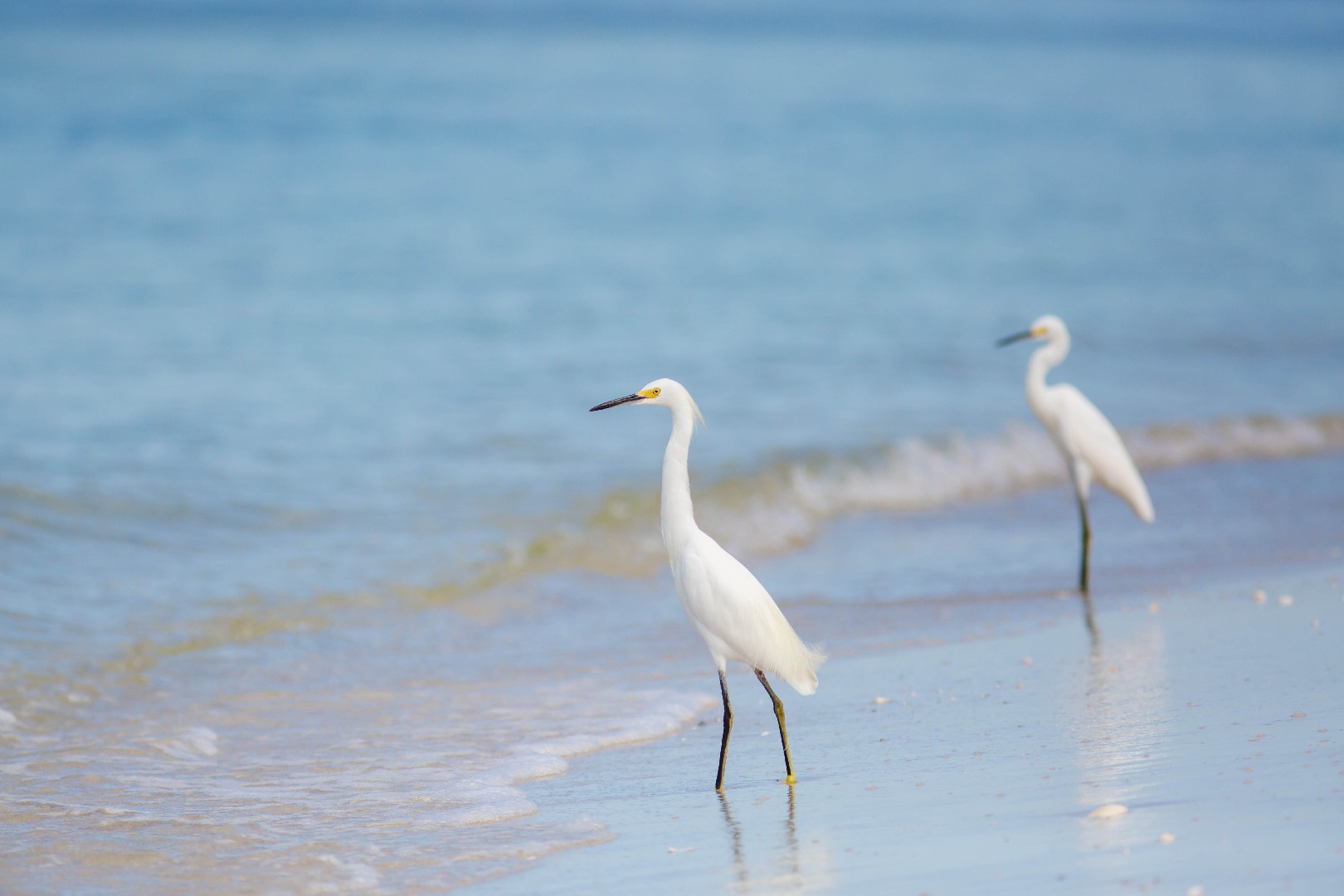
15. Snowy Egret
The snowy Egret is a mid-sized, totally white egret that prefers nesting in urban areas rather than in isolated locations where there are more predators. In the late 1800s, the bird's beautiful plumes were in great demand as decoration for women's hats. Because of this snowy Egrets were hunted to near extinction before laws came into effect to protect them.
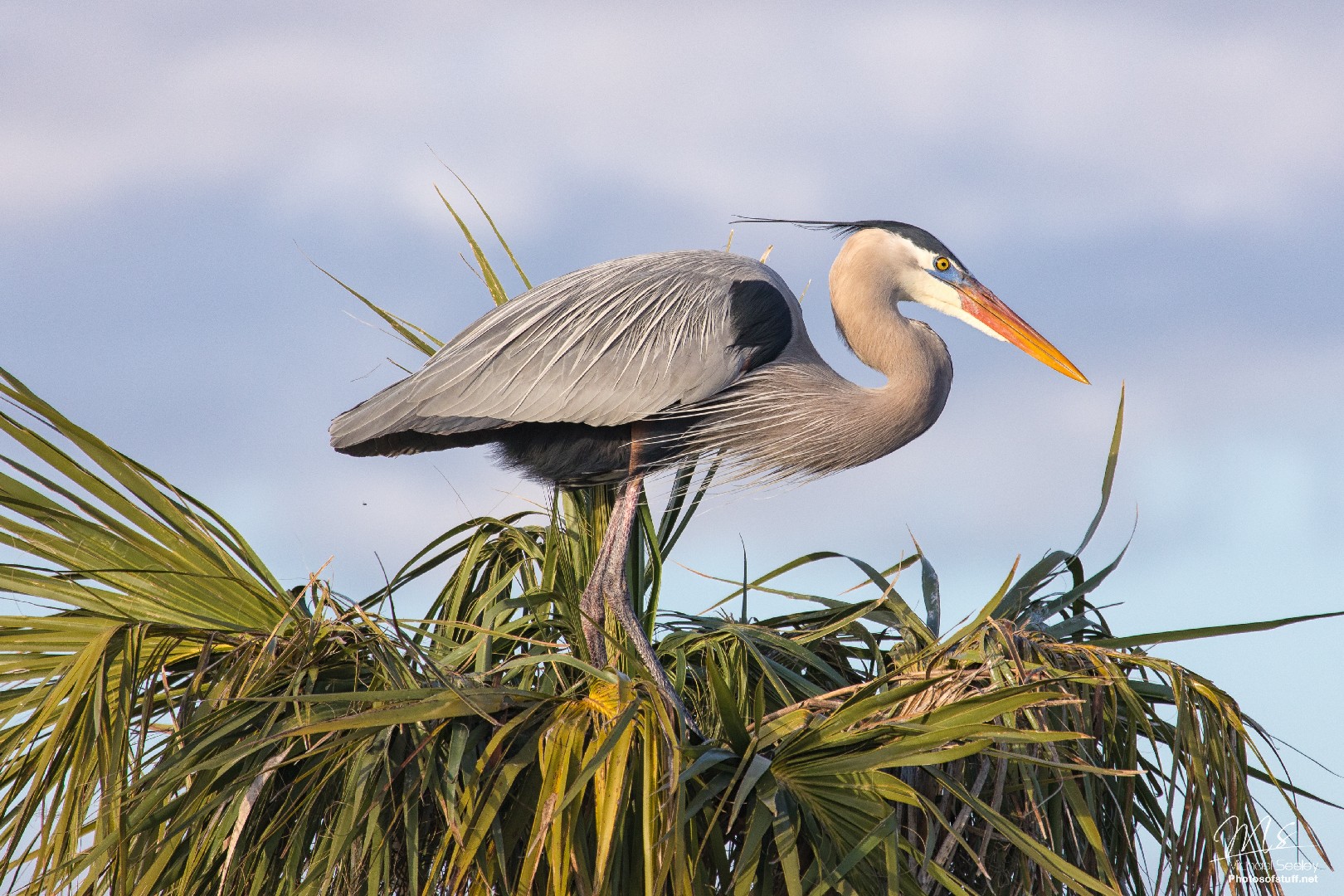
16. Great Blue Heron
The great Blue Heron, the largest such bird in North America, is quite adaptable and thrives in various wet habitats. Silent, patient, and often motionless, this majestic bird always makes a spectacular sight. Thanks to its specially shaped neck and extremely good night vision, this wading bird is a quick and skilled fish predator. Since the great Blue Heron accumulates toxins in its body, researchers use it as an indicator of dangerous contaminants in local wetlands.
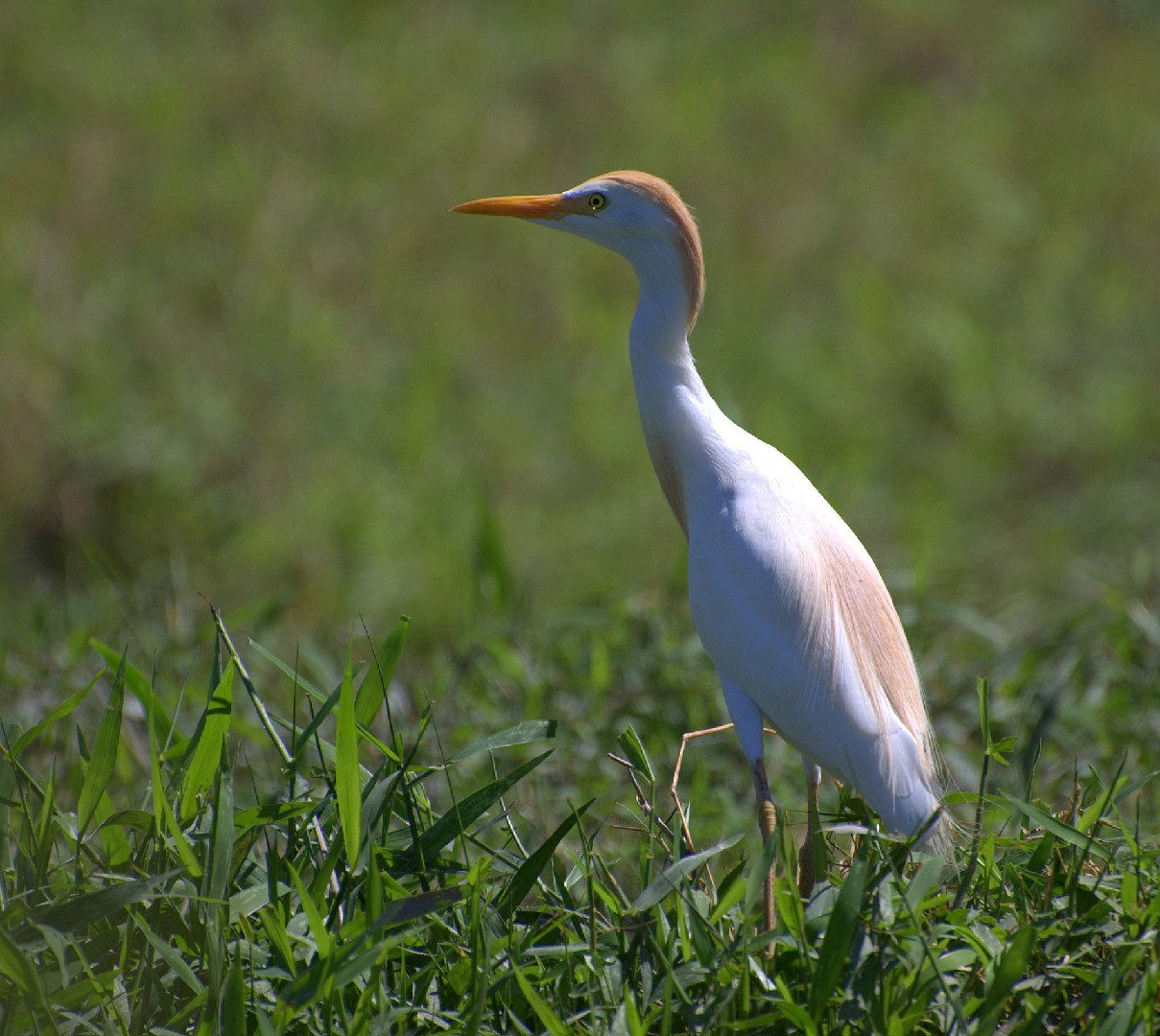
17. Cattle Egret
Cattle Egrets are short, thick-necked egrets. Their name refers to their preference to follow along with livestock as they forage in fields. Cattle Egrets were native only to Africa until the late 1800s when they somehow made their way throughout the Americas. They can often be found along airport runways waiting for planes to take off and blow insects out of the grass and weeds. They also follow behind farm equipment and do the same thing.
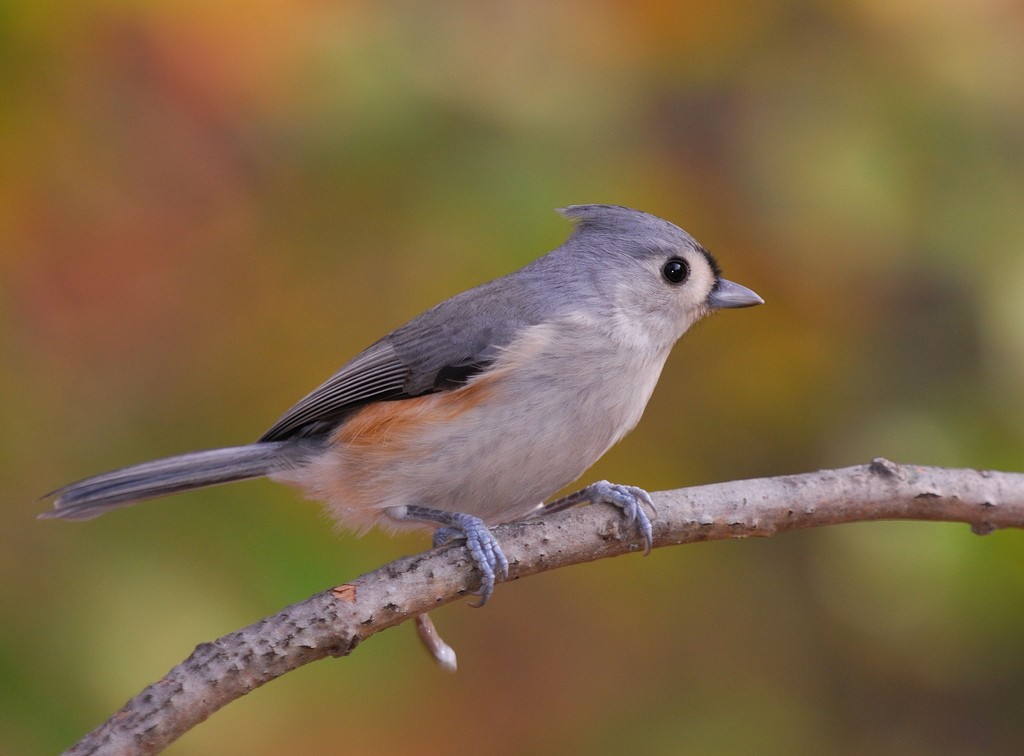
18. Tufted Titmouse
The tufted Titmouse is the largest of all titmouse species. Quite plain in appearance, but known for its echoing song, this woodland bird is a frequent visitor to urban areas, particularly during winter. It's a highly territorial bird that mostly feeds on insects, but won't shy away from seeds when need be. As a non-migratory species, it prepares food supplies for the winter by hiding seeds from birdfeeders for later use.
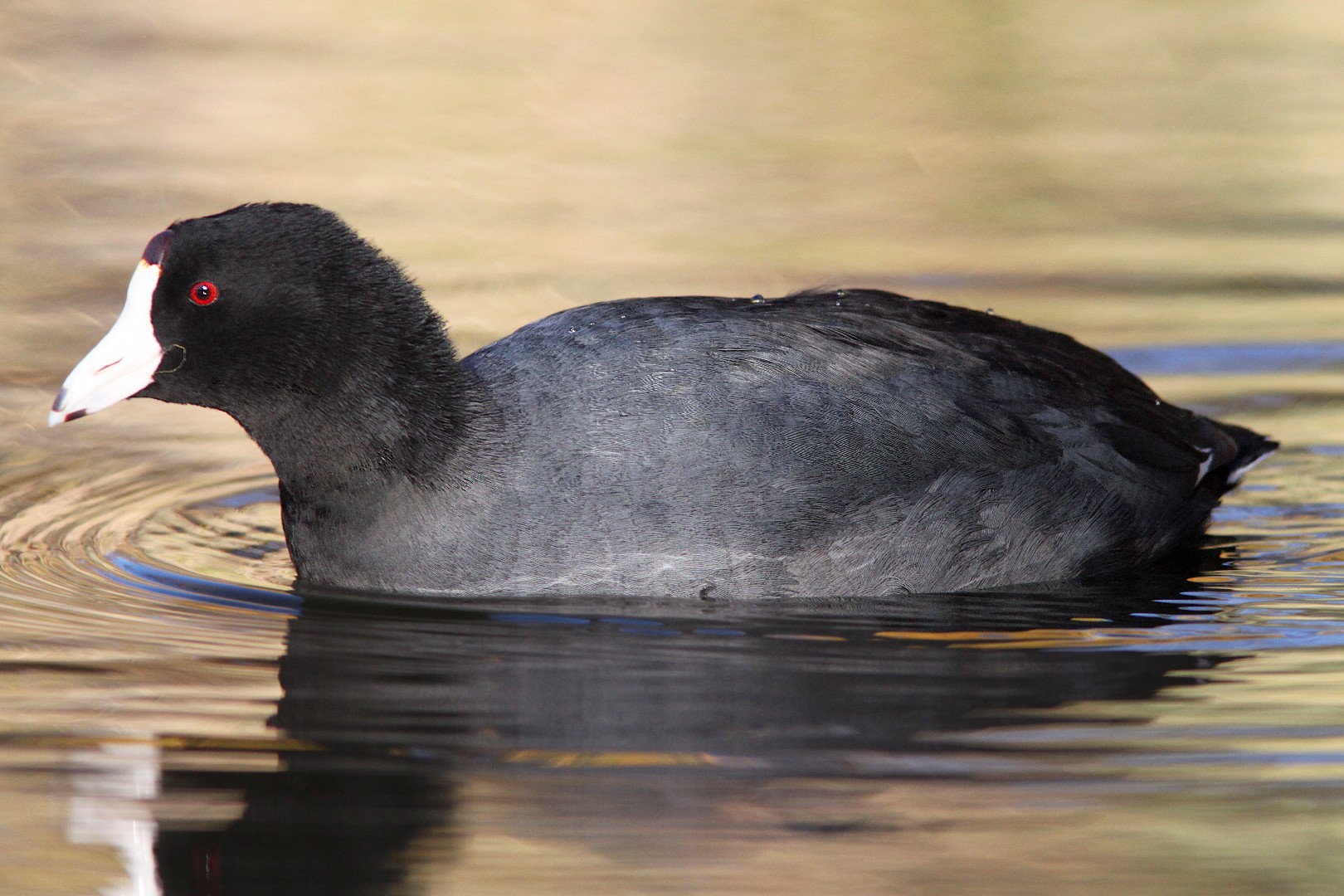
19. American Coot
The american Coot is easily mistaken for a species of duck but does not have webbed feet and does not have a waddling gait. They can be found in and around ponds and lakes and frequently dive under the surface to feed on algae and other vegetation. These birds can live to be 22 years old!
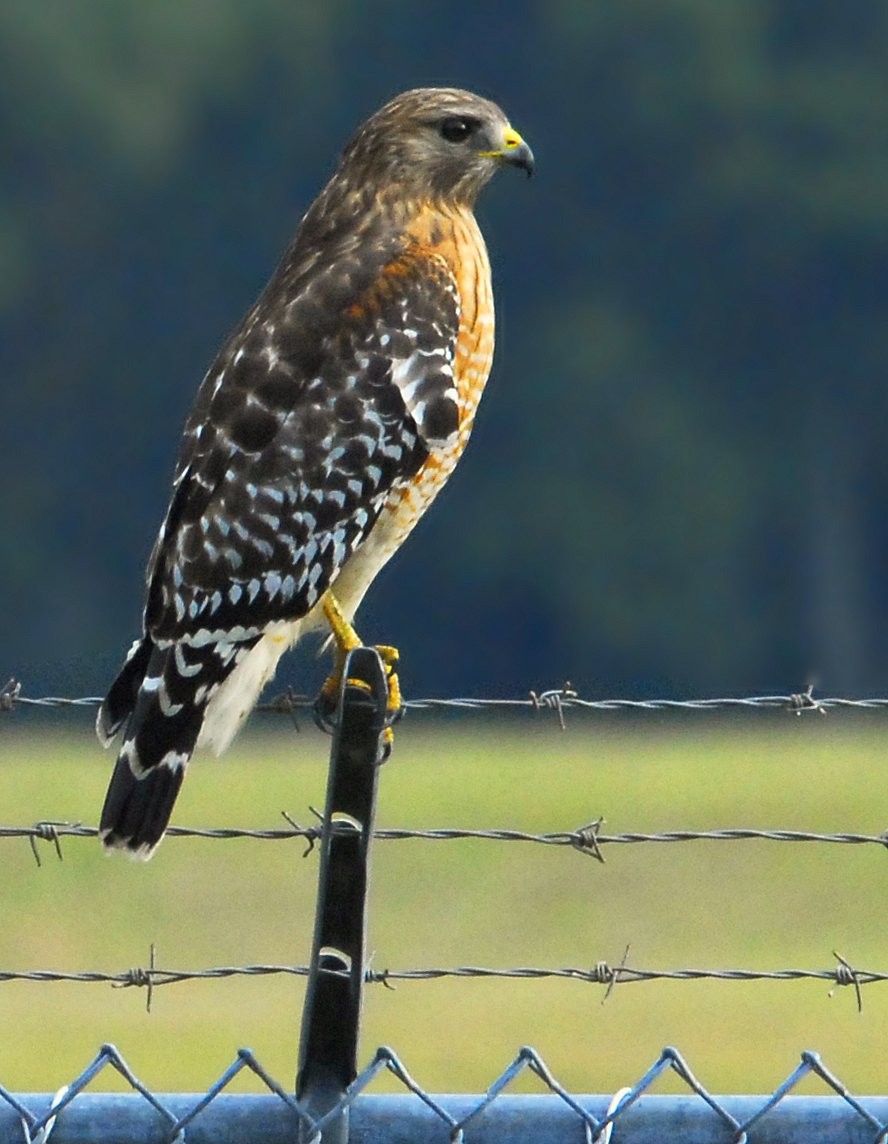
20. Red-shouldered Hawk
The red-shouldered Hawk is a medium-sized hawk and can be found as a permanent resident in most parts of North America. The hawk species is scientifically called Buteo lineatus and is known for being territorial and monogamous. To attract a mate, the hawk takes part in a courtship flight where it dances by flying high and making steep dives.