




Top 20 Most Common Bird in San Angelo
The skies of San Angelo are a vibrant spectacle, teeming with an array of diverse bird species. Thanks to diverse habitats stretching from riparian woodlands to grasslands, San Angelo is a haven, nurturing 20 bird species. Iconic species such as the Scissor-tailed Flycatcher, Red-tailed Hawk, and Painted Bunting add to its ecological richness. Witnessing this fluttering spectacle is a riveting experience, offering a glimpse into San Angelo's unique ornithological tapestry.

Most Common Bird
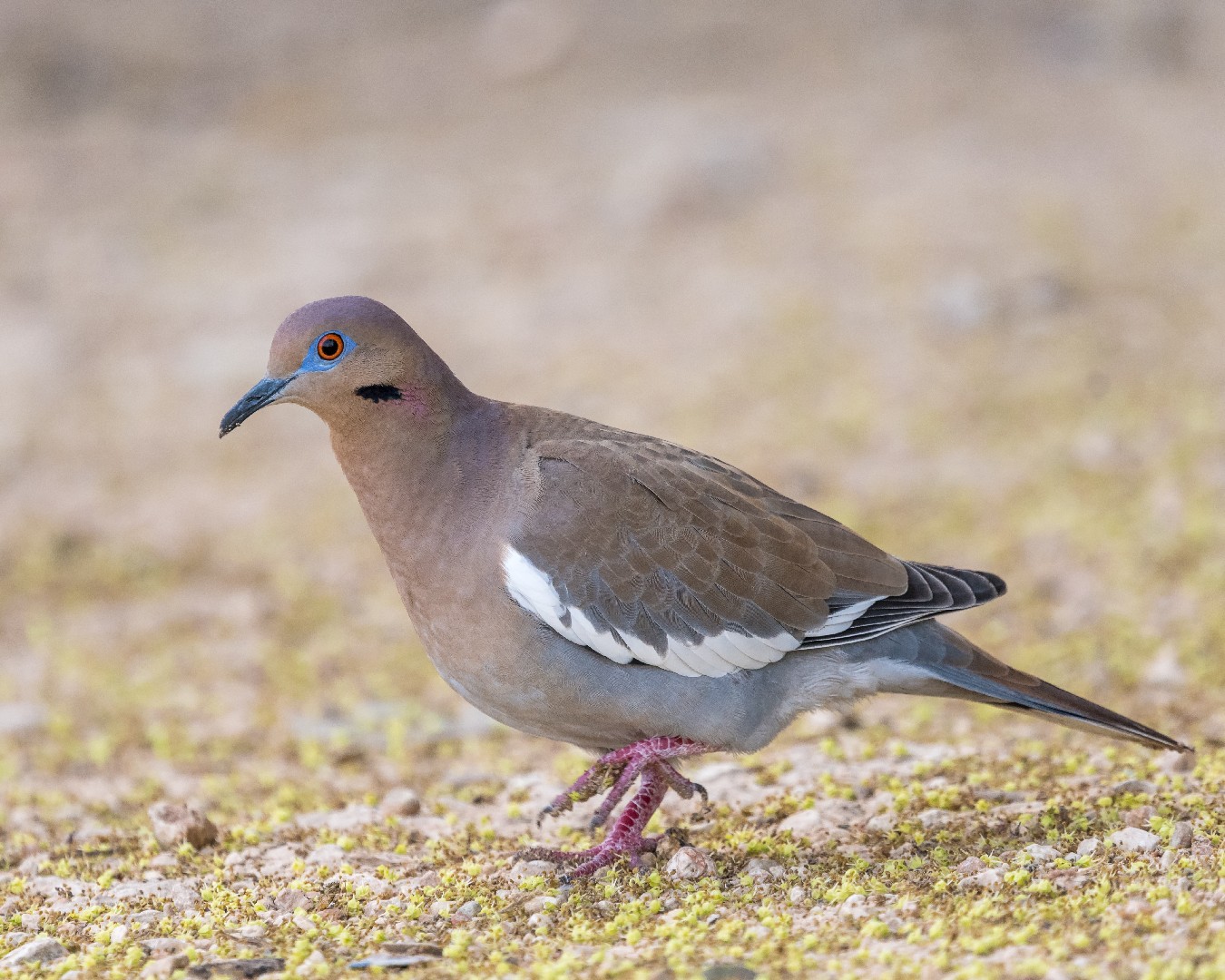
1. White-winged Dove
The medium-sized, distinctively patterned white-winged Doves practically live on Saguaro cactus, consuming its nectar, pollen, fruit, and seeds. In fact, they are so dependent on this plant that they match their migration schedule to its fruiting schedule. White-winged Doves were heavily hunted in Texas in the 20th century and their population dropped from 12 million to fewer than 1 million by 1939. Since then proactive hunting management and the species ability to adapt to urban living has helped their numbers rebound.
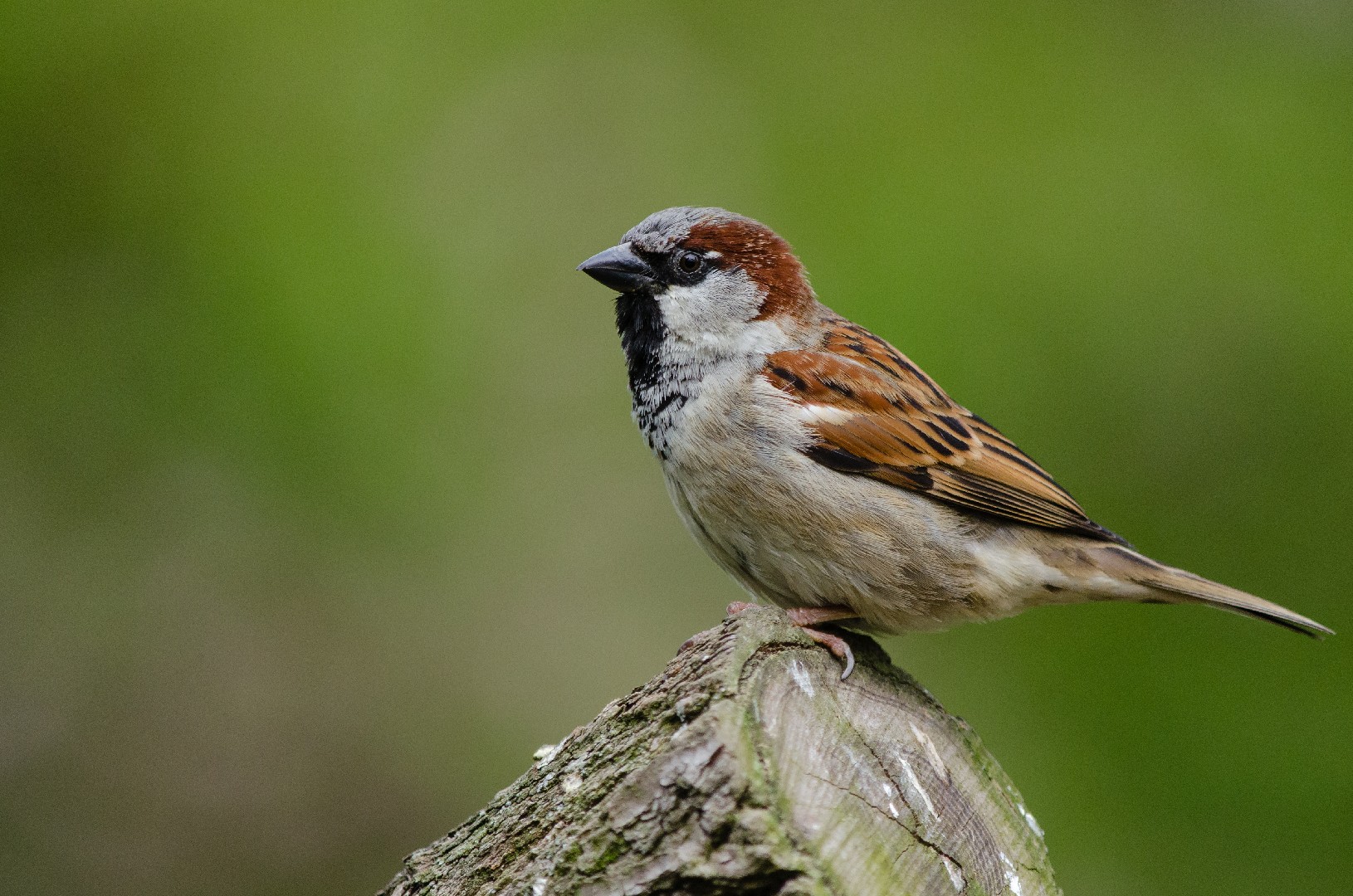
2. House Sparrow
Just as its name implies, the little house Sparrow socializes with humans more than any other bird species. Able to adapt and thrive in almost any habitat, excluding the extremes such as deserts and mountain peaks, this species was once restricted only to North Africa and Eurasia but now is found across the globe. Unfortunately, this opportunistic eater is not completely harmless—it can cause considerable damage to crops.
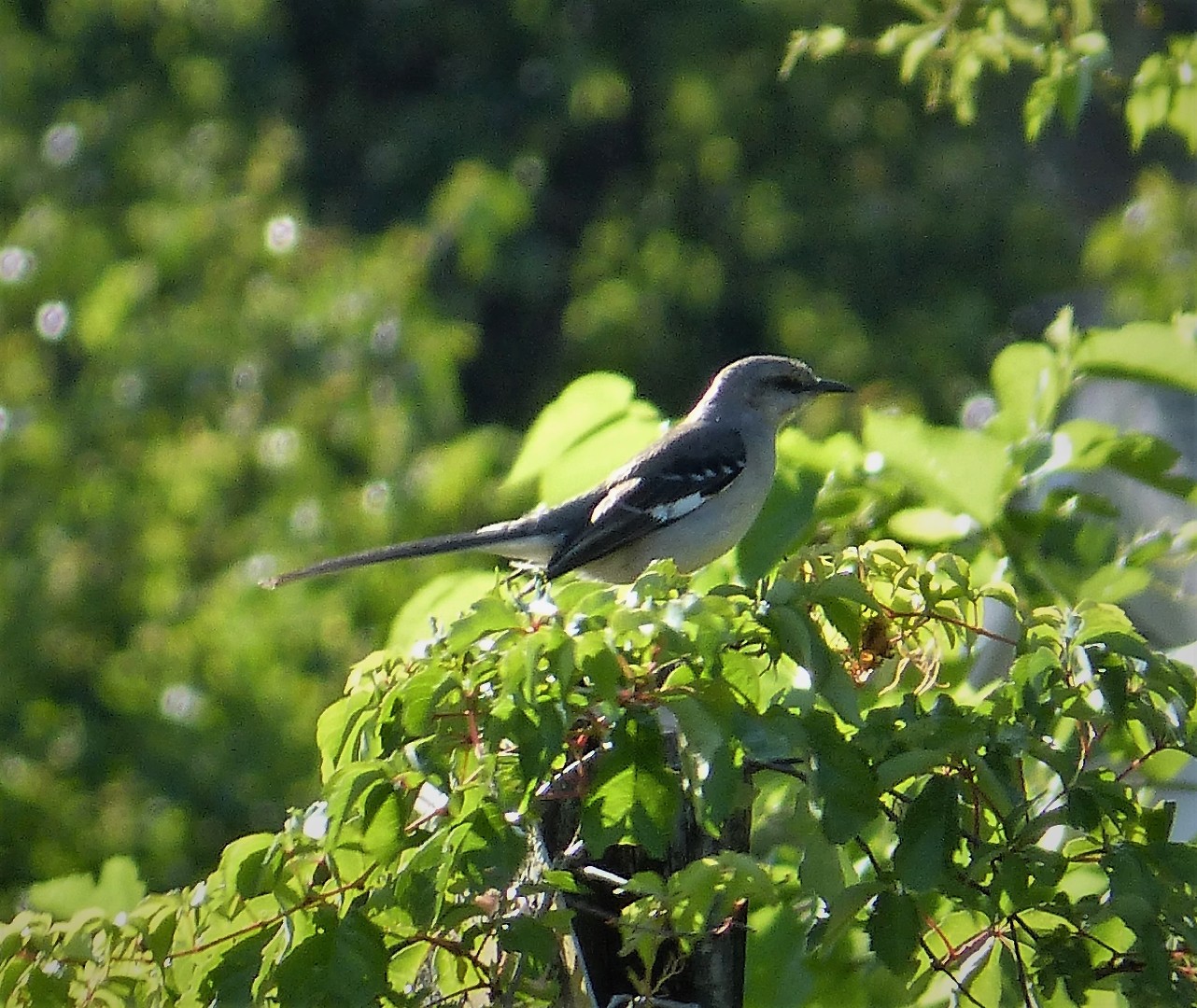
3. Northern Mockingbird
The northern Mockingbird is able to mimic the sound of more than 30 bird species, but this master mocker has also been known to imitate the sounds of a whistle, frog call, or a dog's bark. The mimicry keeps other birds out of the mockingbird's territory, but it also plays an important role in courtship - the male with the best mimicking skills is the most attractive to females. You will often hear this mockingbird singing on moonlit nights. Widespread throughout the US, the northern Mockingbird is a state bird of Arkansas, Florida, Texas, Mississippi, and Tennessee.
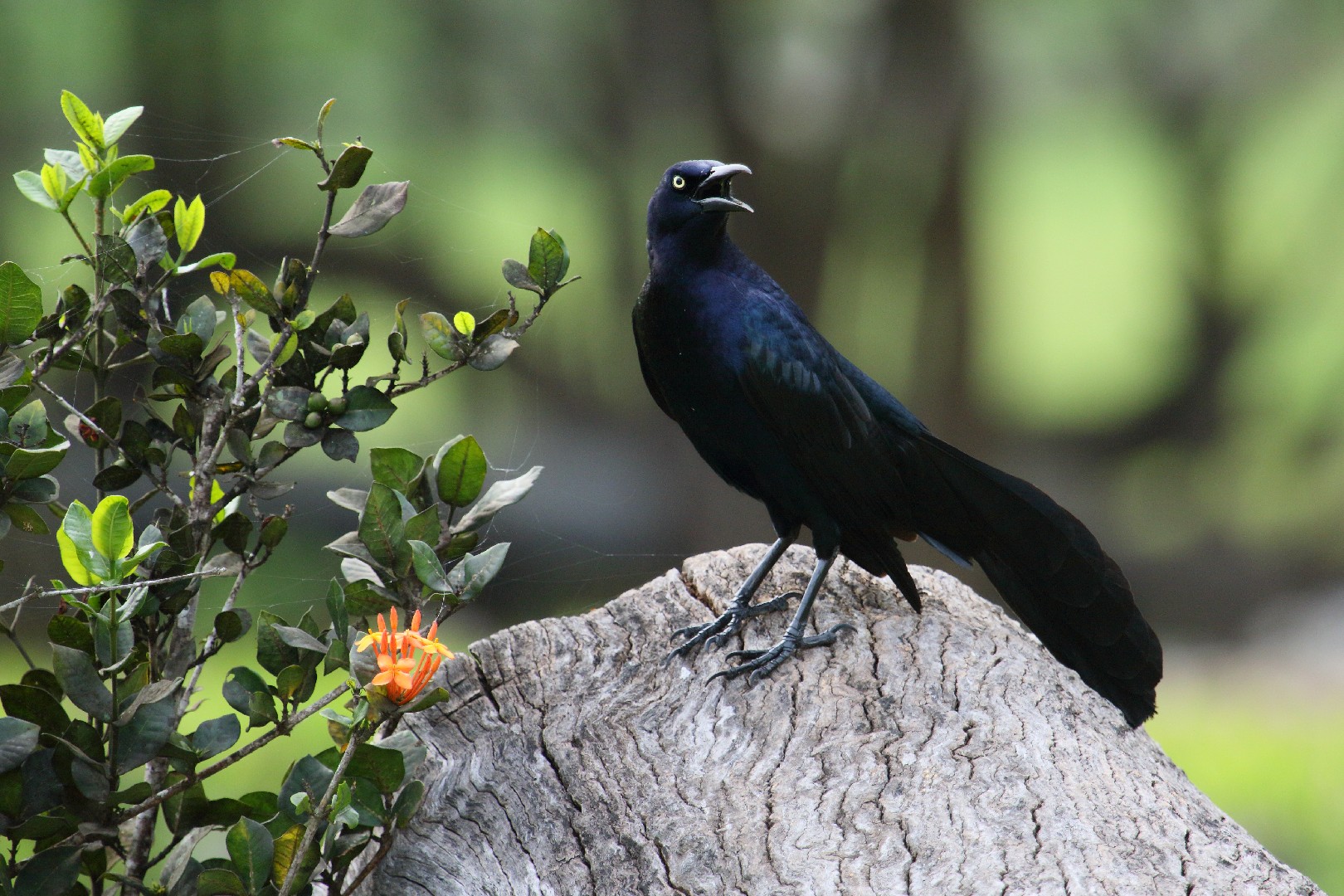
4. Great-tailed Grackle
The medium-sized great-tailed Grackle is notable for its long tail, shaped like a V, and deep black coloring offset by bright yellow eyes. This loud bird can be easily found just by following the sharp sounds of its calls and shrieks. Males in particular shriek and ruffle up their feathers to defend their territory or if they feel threatened.
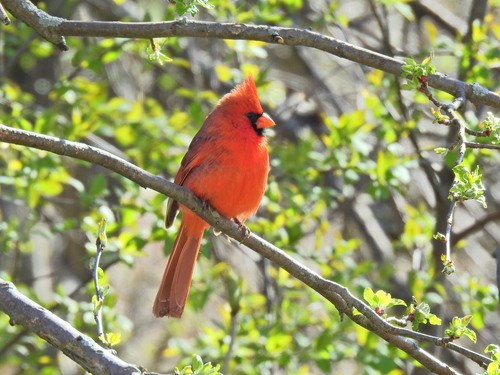
5. Northern Cardinal
The northern Cardinal is a distinctive, medium-sized songbird that inhabits temperate forests and yards. Its name is derived from the male's brilliant red plumage color which resembles red-robed Roman Catholic cardinals, while its crest looks like a bishop's mitre. Compared to the male, the female is much duller in color. The highly territorial males can be quite aggressive. Quite popular, this is the state bird of seven U.S. states.

6. Turkey Vulture
The turkey Vulture is a common sight, especially around roads, where they keep a sharp eye out for roadkill. Seeing these large birds in the sky can often make you take a second look to see if it’s an eagle or a hawk. Here’s one quick way to tell the difference. When in flight, a turkey Vulture will circle unsteadily, with its wings lifted to make a V shape. Though they are not appreciated, they do the dirty work of the animal kingdom by cleaning up the countryside as they scavenge.

7. House Finch
Frequent in urban environments and human-created habitats such as parks and backyards, the little house Finch is known for its loud but pleasant, cheerful singing. It feeds on the ground, mostly on seeds, berries, and other plant material. This bird is highly sociable and very adaptable. It often visits feeders.

8. Blue Jay
The blue Jay is the largest and the most common Jay in North America. This frequent visitor of birdfeeders is quite opportunistic when it comes to food - it is known as "a nest robber." Able to produce a wide range of musical sounds, this loud songbird can even imitate a Red-shouldered hawk (Buteo lineatus). Intelligent and sociable, the blue Jay is said to form strong family bonds.
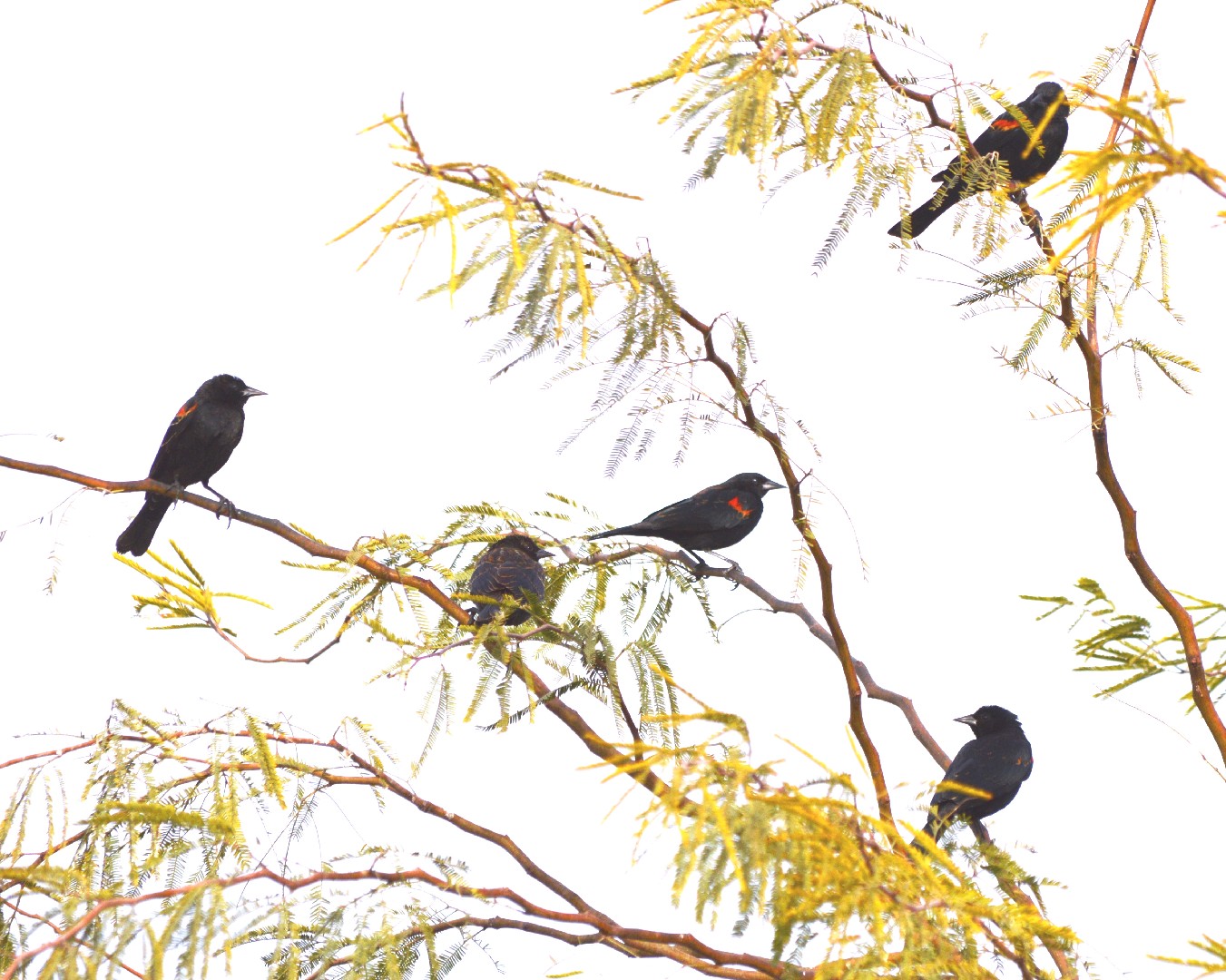
9. Red-winged Blackbird
One of the earliest spring harbingers in North America, the red-winged Blackbird migrates in enormous flocks. Gathered in these large groups, the songbirds produce a loud cacophony. The red-winged Blackbird is an opportunistic omnivore. It feeds on numerous insect species, keeping pests under control, but due to its preference for crops and berries, the red-winged Blackbird is sometimes considered a pest itself.
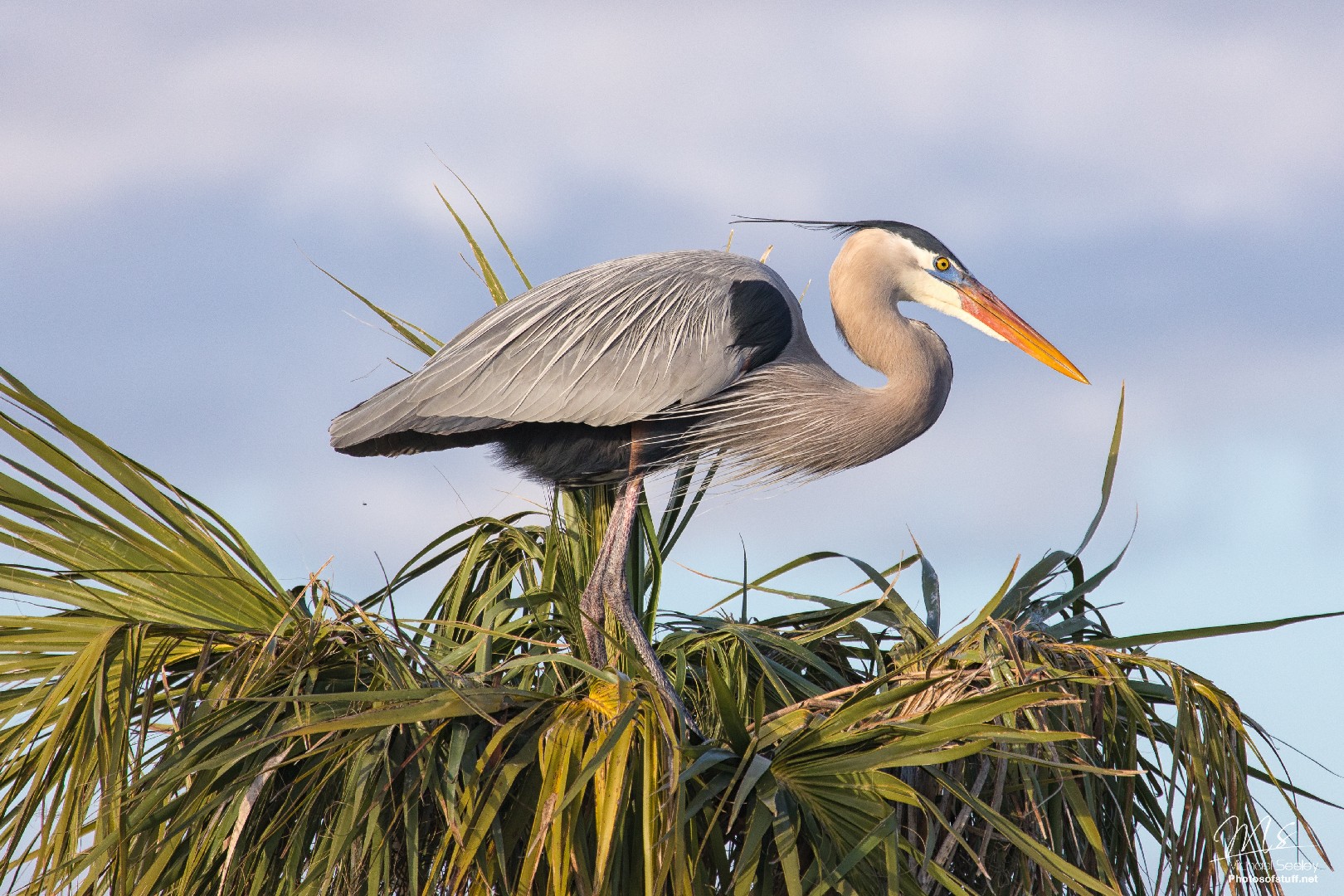
10. Great Blue Heron
The great Blue Heron, the largest such bird in North America, is quite adaptable and thrives in various wet habitats. Silent, patient, and often motionless, this majestic bird always makes a spectacular sight. Thanks to its specially shaped neck and extremely good night vision, this wading bird is a quick and skilled fish predator. Since the great Blue Heron accumulates toxins in its body, researchers use it as an indicator of dangerous contaminants in local wetlands.
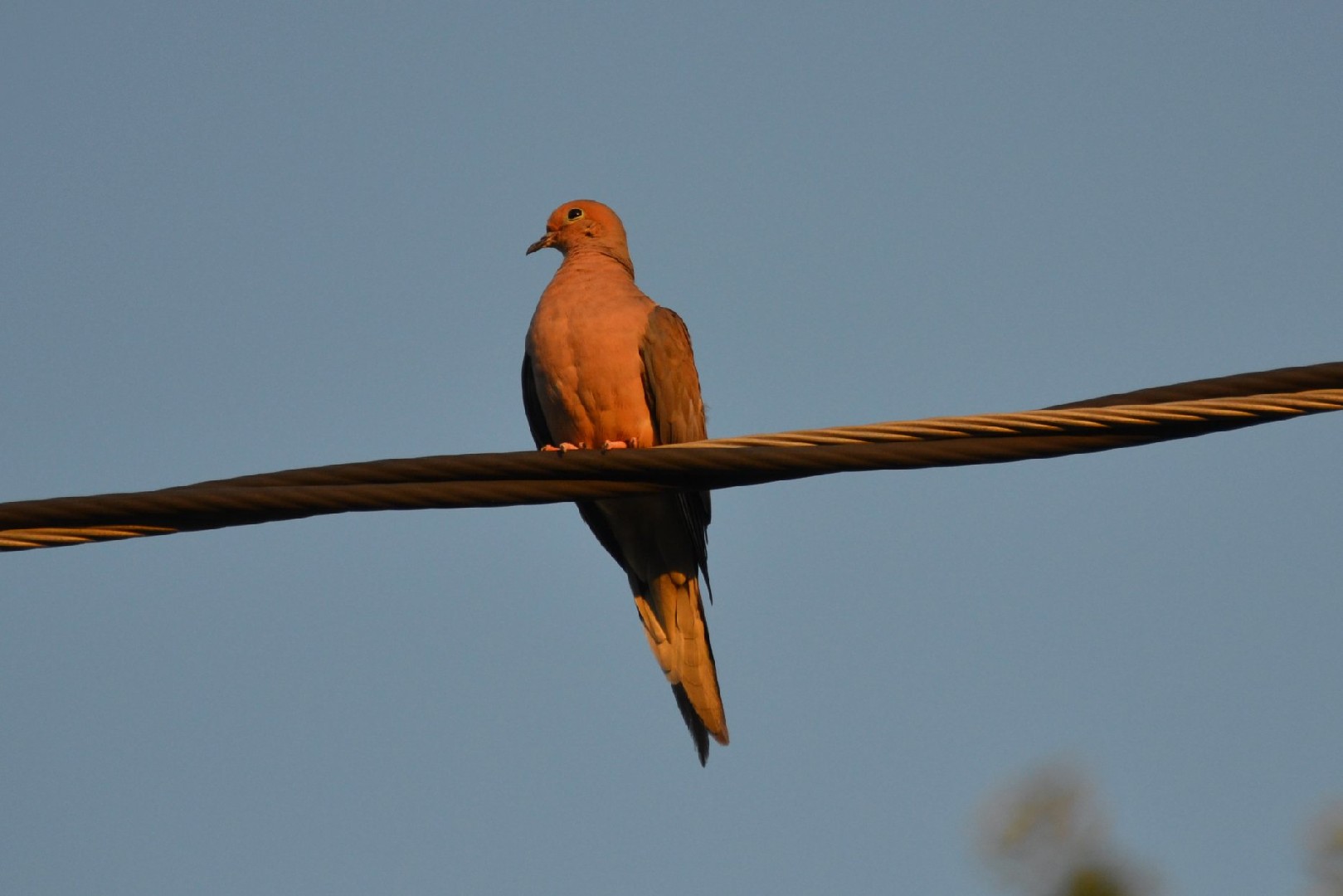
11. Mourning Dove
One of the most famous and widespread doves of North America, the mourning Dove can be often seen in urban areas perching on telephone wires. It is named after its distinctive, plaintive-sounding song. It is also a popular game bird, but its population is still abundant thanks to the prolific breeding and its ability to raise up to five to six broods in a single year.
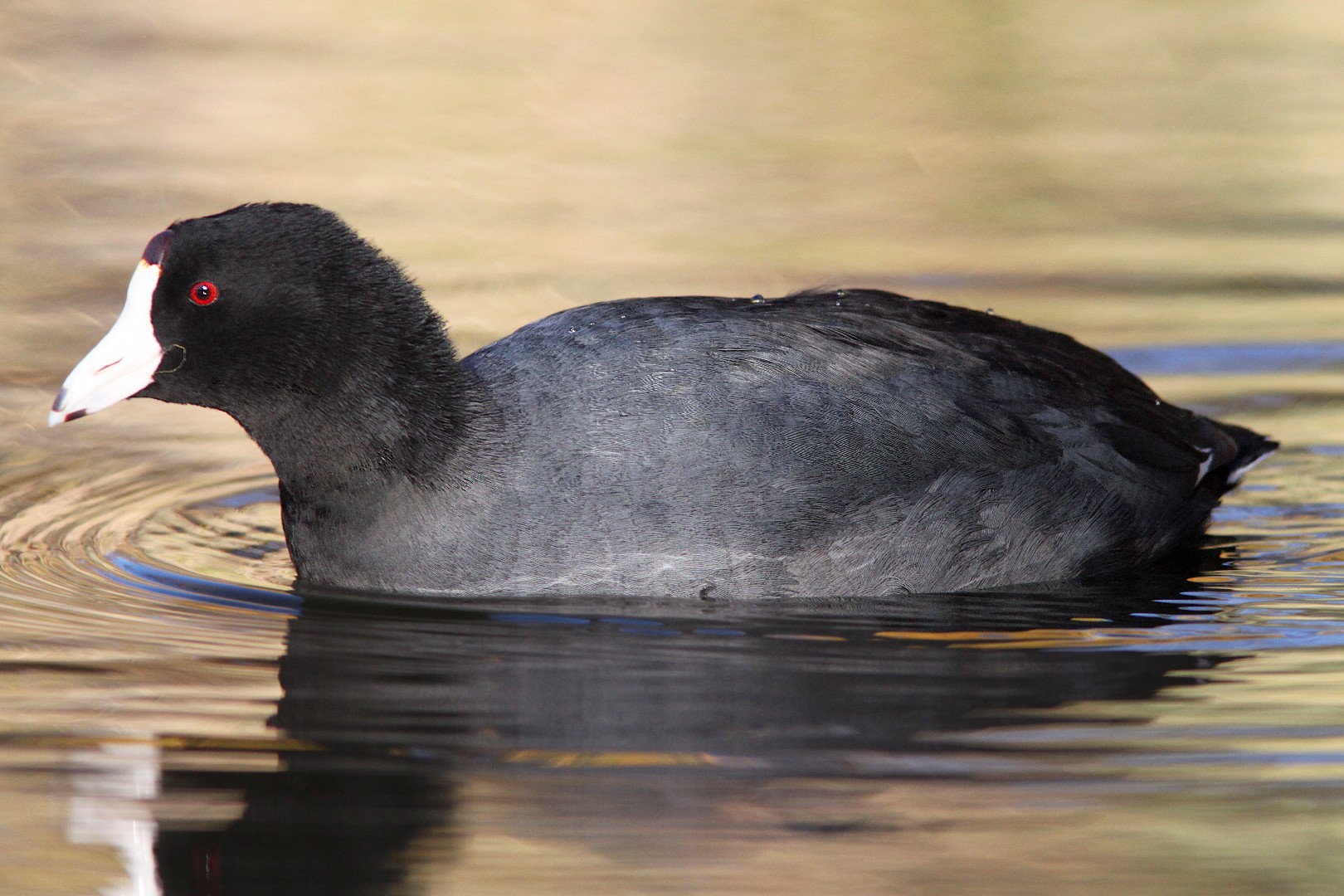
12. American Coot
The american Coot is easily mistaken for a species of duck but does not have webbed feet and does not have a waddling gait. They can be found in and around ponds and lakes and frequently dive under the surface to feed on algae and other vegetation. These birds can live to be 22 years old!
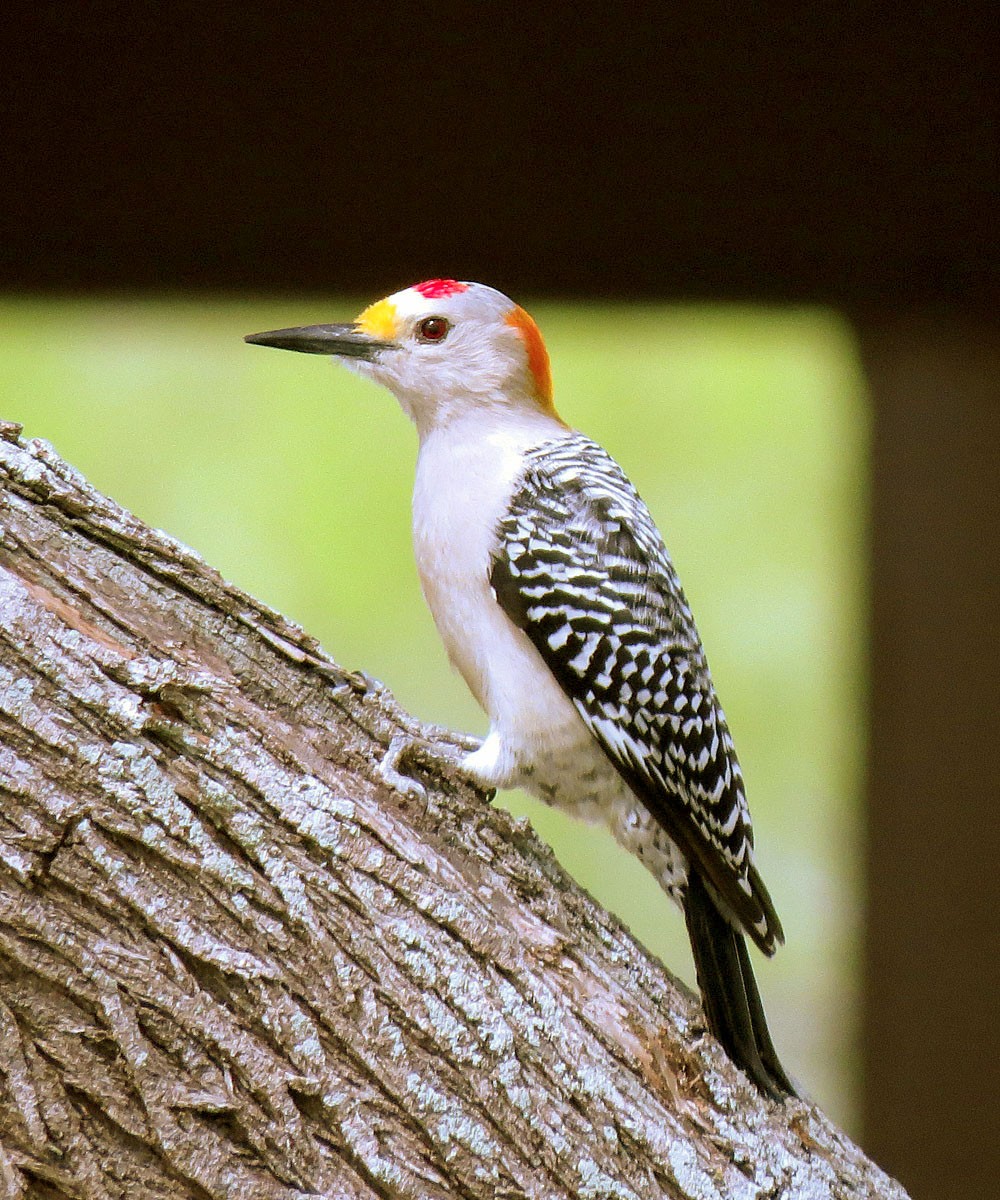
13. Golden-fronted Woodpecker
The golden-fronted woodpecker (Melanerpes aurifrons) is a North American woodpecker. Its preferred habitat is mesquite, riparian woodlands, and tropical rainforest. It is distributed from Texas and Oklahoma in the United States through Mexico to Honduras and northern Nicaragua. Cooke listed this species as an abundant resident of the lower Rio Grande Valley, Texas, in 1884. 
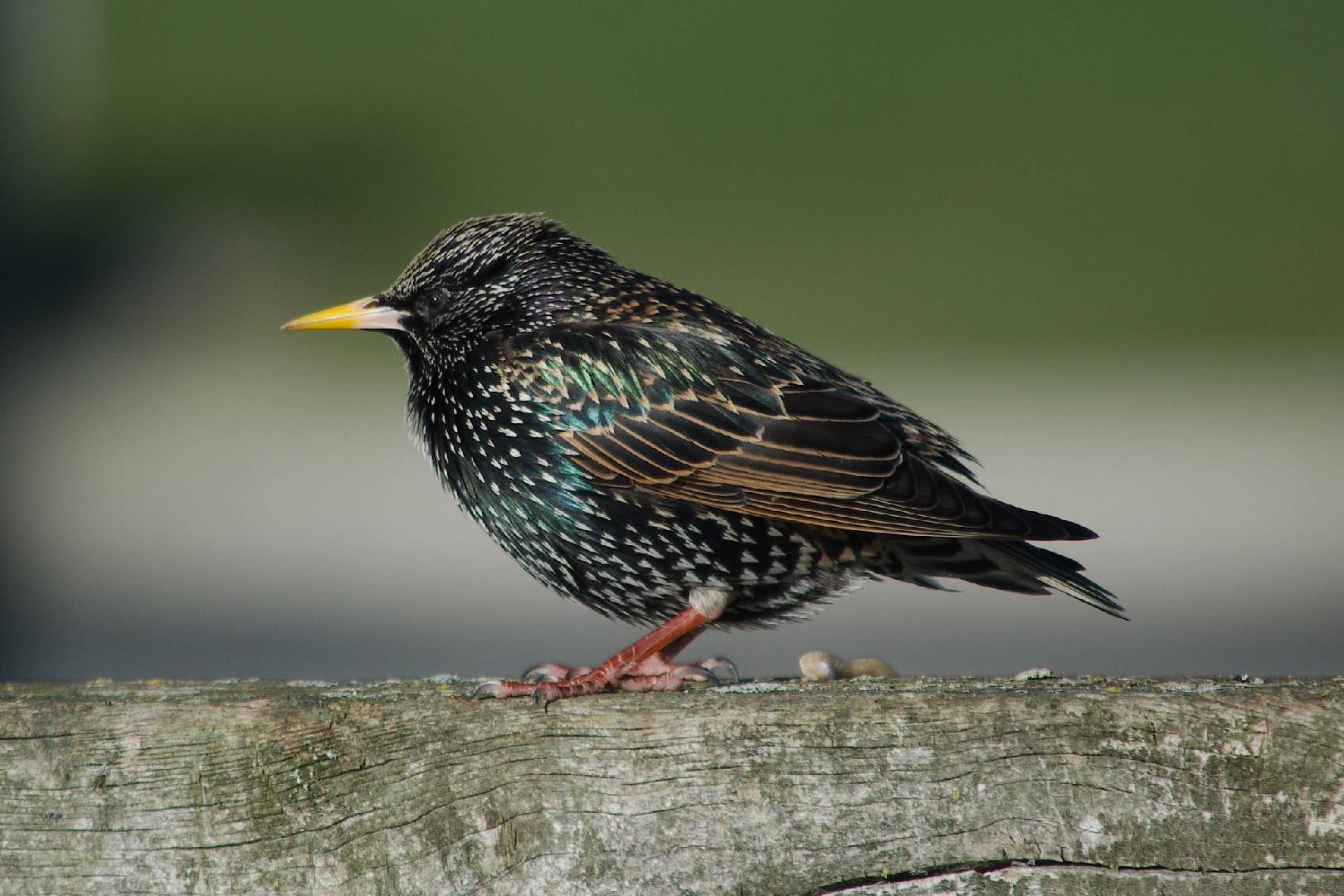
14. European Starling
The european Starling, a large, hardy songbird, is one of the most commonly seen bird species in North America. Originally from Europe, this species was brought to the U.S. in the 1890s by enthusiasts of William Shakespeare, who had the unique goal of bringing over every single species of bird that was mentioned in Shakespeare's collective works. Unfortunately, the european Starling, being an adaptable, generalist species, spread invasively across the continent, hurting many native species' populations in the process.

15. Barn Swallow
A familiar sight in rural and semi-open areas, the small barn Swallow can often be spotted by its distinctly graceful flight as it travels low over fields. Seemingly unbothered by having human neighbors, they nest unafraid in barns, garages, beneath bridges or wharves. Interestingly enough, they have come to prefer these locations so much that you are unlikely to spot a nest in a place that is not a human-made structure.
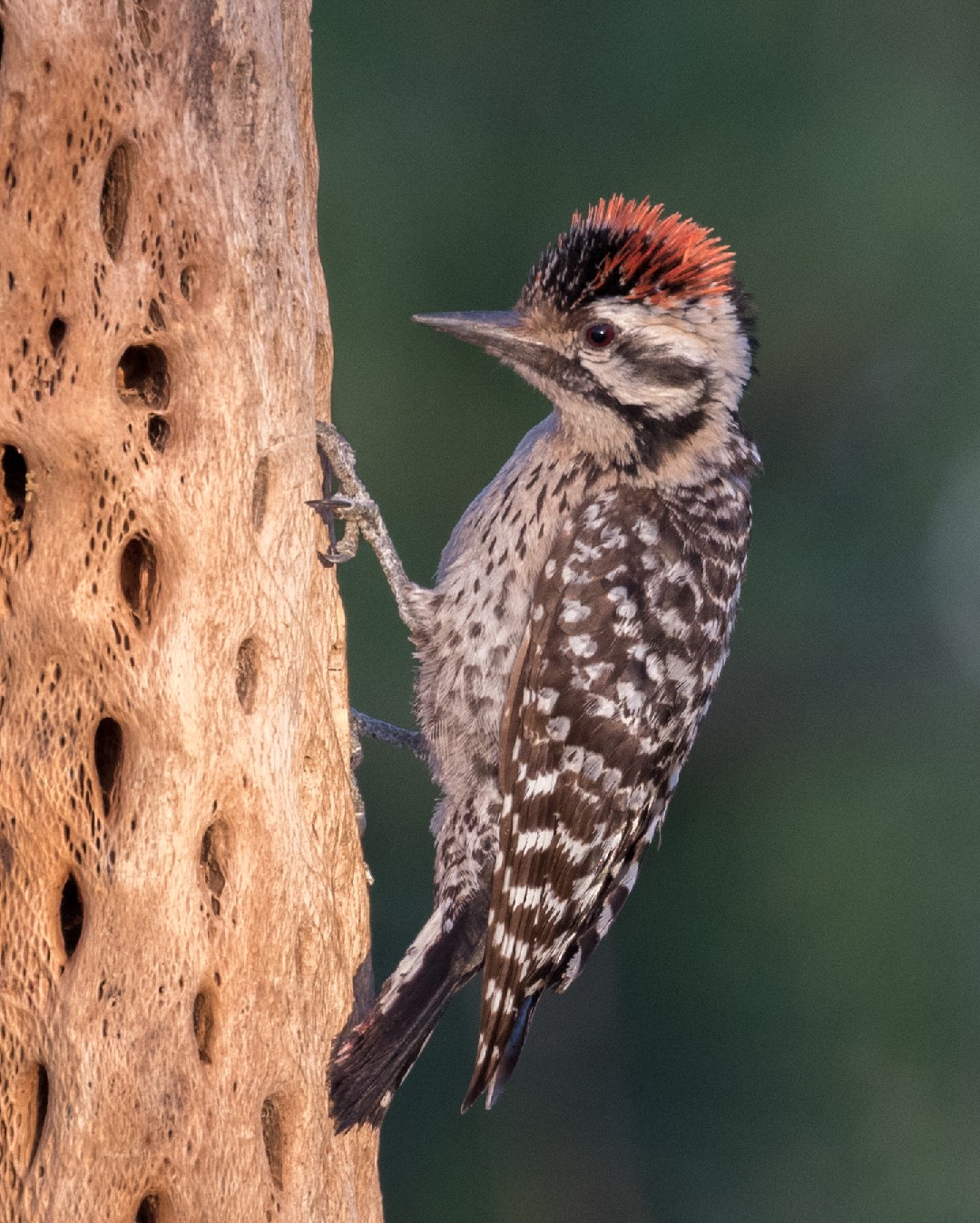
16. Ladder-backed Woodpecker
The ladder-backed woodpecker is a small woodpecker about 16.5 to 19 cm (6½ to 7½ inches) in length. It is primarily colored black and white, with a barred pattern on its back and wings resembling the rungs of a ladder. Its rump is speckled with black, as are its cream-colored underparts on the breast and flanks. Southern populations have duskier buff breasts and distinctly smaller bills. Adult males have a red crown patch that is smaller in immatures and lacking in adult females. The ladder-backed woodpecker is very similar in appearance to Nuttall's woodpecker, but has much less black on its head and upper back, and the range of the two species only intersects a minimal amount in southern California and northern Baja California. Hybrids are known. Ladder-backed woodpeckers nest in cavities excavated from tree trunks, or in more arid environments a large cactus will do. The female lays between 2 and 7 eggs, which are plain white. The eggs are incubated by both sexes, but the nesting period and other details are unknown. Like most other woodpeckers the ladder-backed woodpecker bores into tree-trunks with its chisel-like bill to hunt for insects and their larva, but it also feeds on fruit produced by cacti.
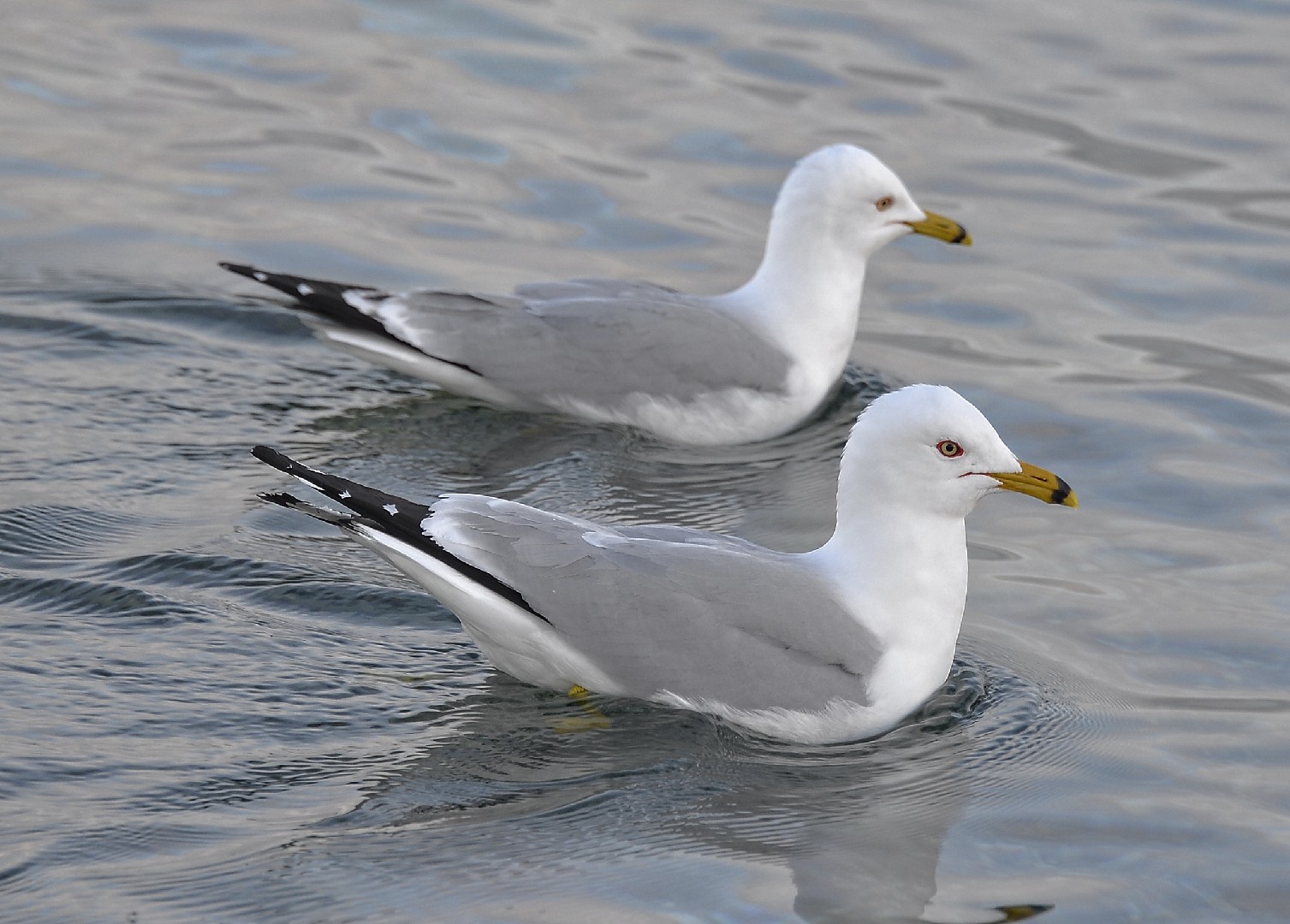
17. Ring-billed Gull
The ring-billed Gull is a medium-sized gull and the most widespread gull of North America. Extremely well-adapted to humans, these omnivorous birds can be regularly seen in parking lots and garbage dumps, feeding on a wide range of foods. They are agile flyers, able to pick up food mid-flight. Many of them return to breed in the colony where they were born.
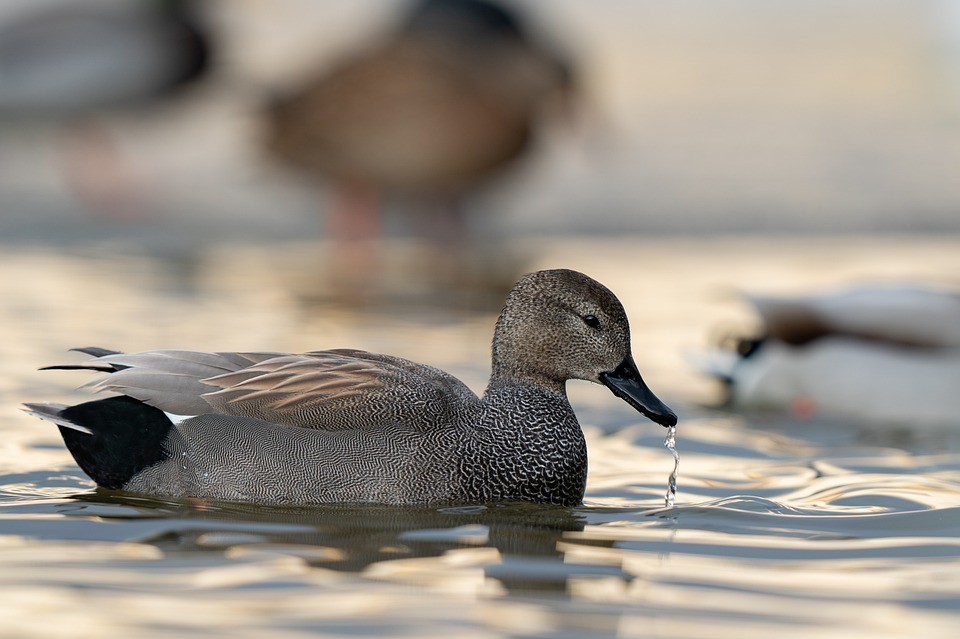
18. Gadwall
The gadwall is a larger duck commonly spotted in ponds and shallow wetlands in the Northern Hemisphere. The duck is usually seen in small flocks that can include others species. It also appears in pairs. It is a monogamous duck, often renewing its pairing the following year.
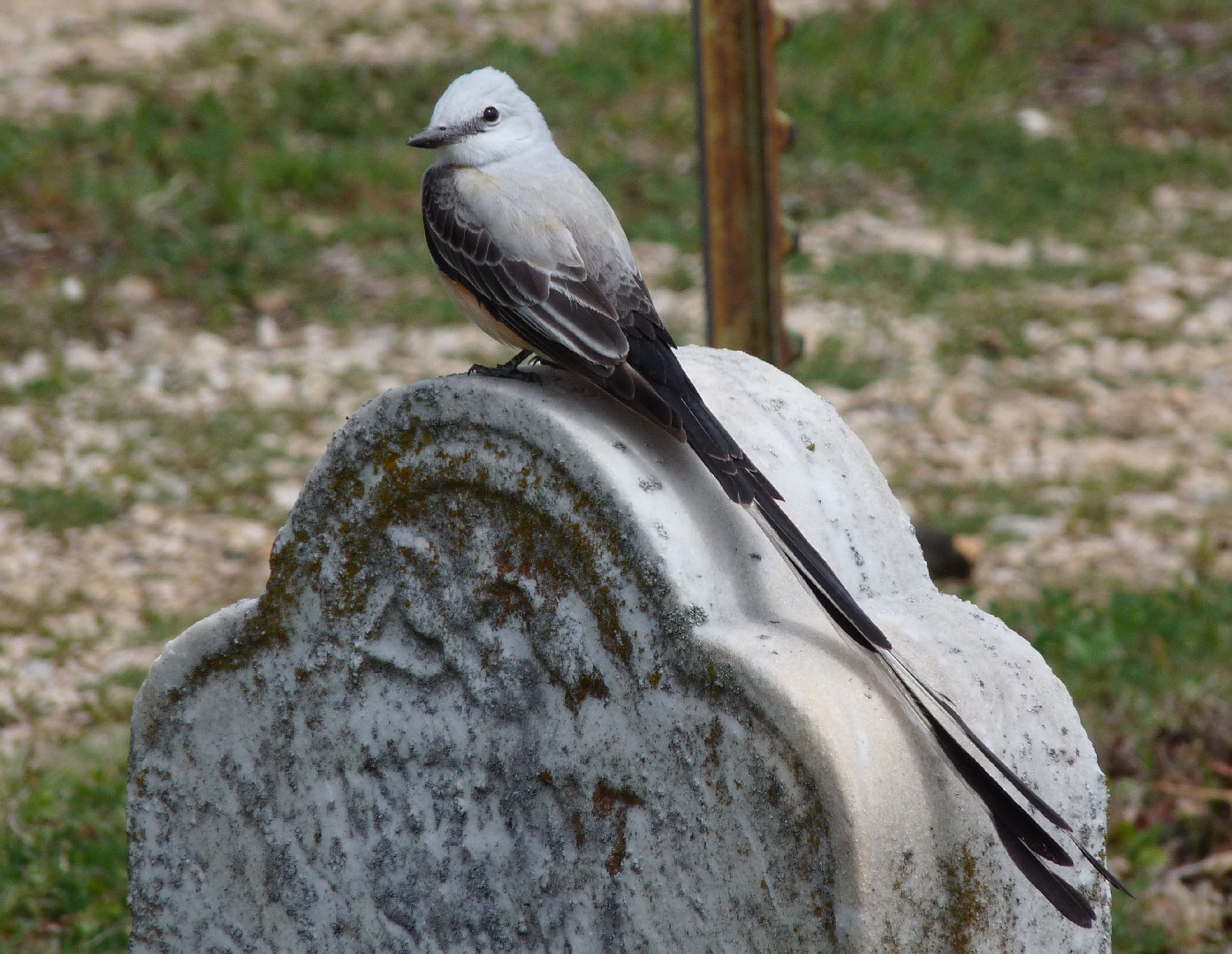
19. Scissor-tailed Flycatcher
The scissor-tailed Flycatcher has a relatively small range in the southern United States and migrates to Central America for the winter months. Otherwise, these birds can be found in savanna and grassland habitats with little to no foliage. The scissor-tailed Flycatcher is territorial but is a useful insectivore for farmers dealing with pest species.
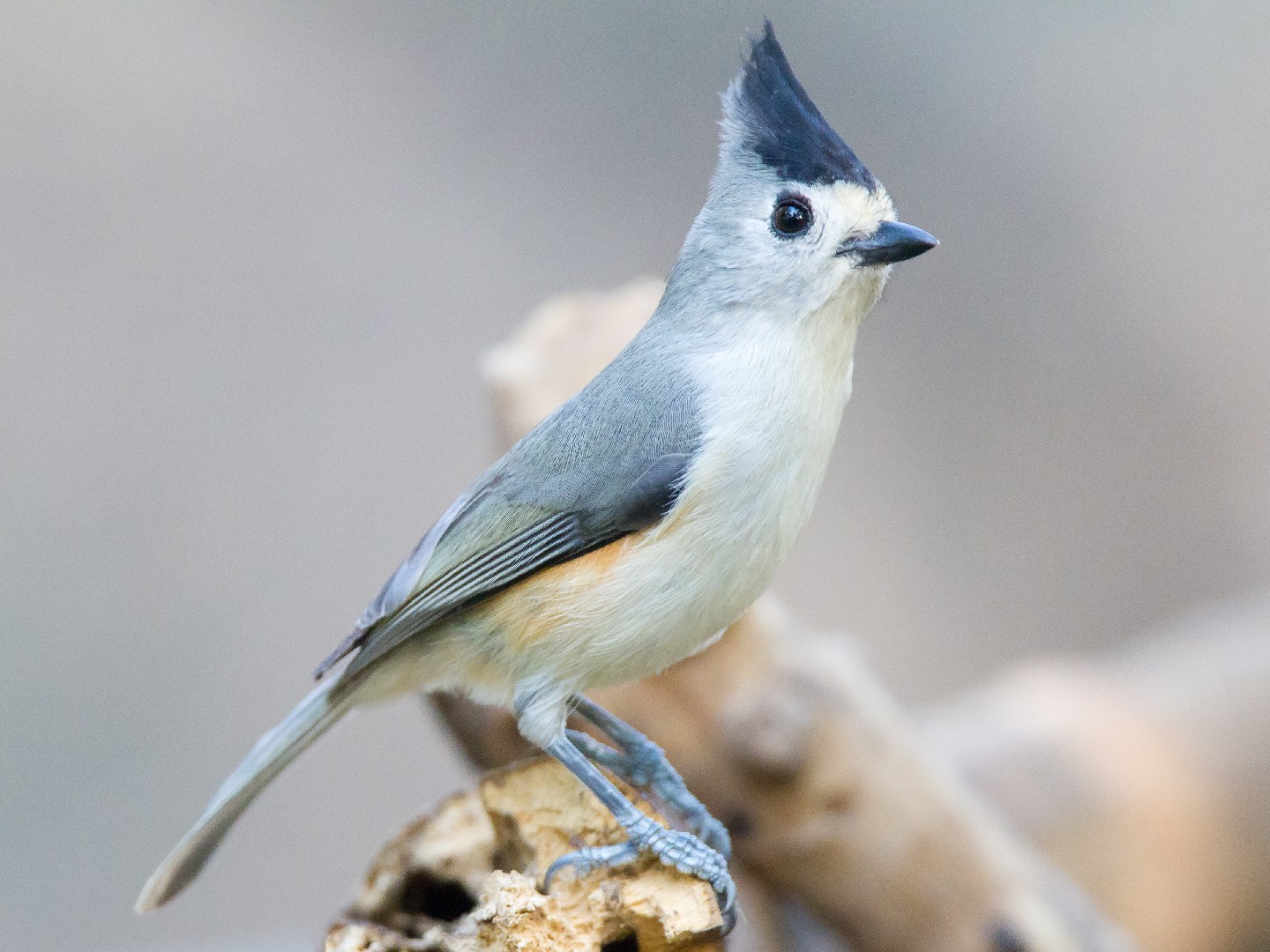
20. Black-crested Titmouse
The black-crested Titmouse is a small species of songbird with a relatively small distribution in North America. These birds are easy to find in their oak woodland habitats, but difficult to find anywhere else. They like to travel with other small birds and can be differentiated by their clear whistle call.