




Top 20 Most Common Bird in Ellensburg
Nestled in the heart of Central Washington, Ellensburg boasts an incredible array of bird species, exhibiting a spectacular showcase of nature’s diversity. This region's unique ecological tapestry merges forest, shrub-steppe, and riparian habitats, painting an enticing canvas for a multitude of adaptable birds. Among the many species found here, their avian symphony is often starred by the melodious Western Meadowlark, the regal Golden Eagle, and the agile American Kestrel. With an estimated 20 common birds gracing this region, Ellensburg is truly a birdwatcher’s haven.

Most Common Bird
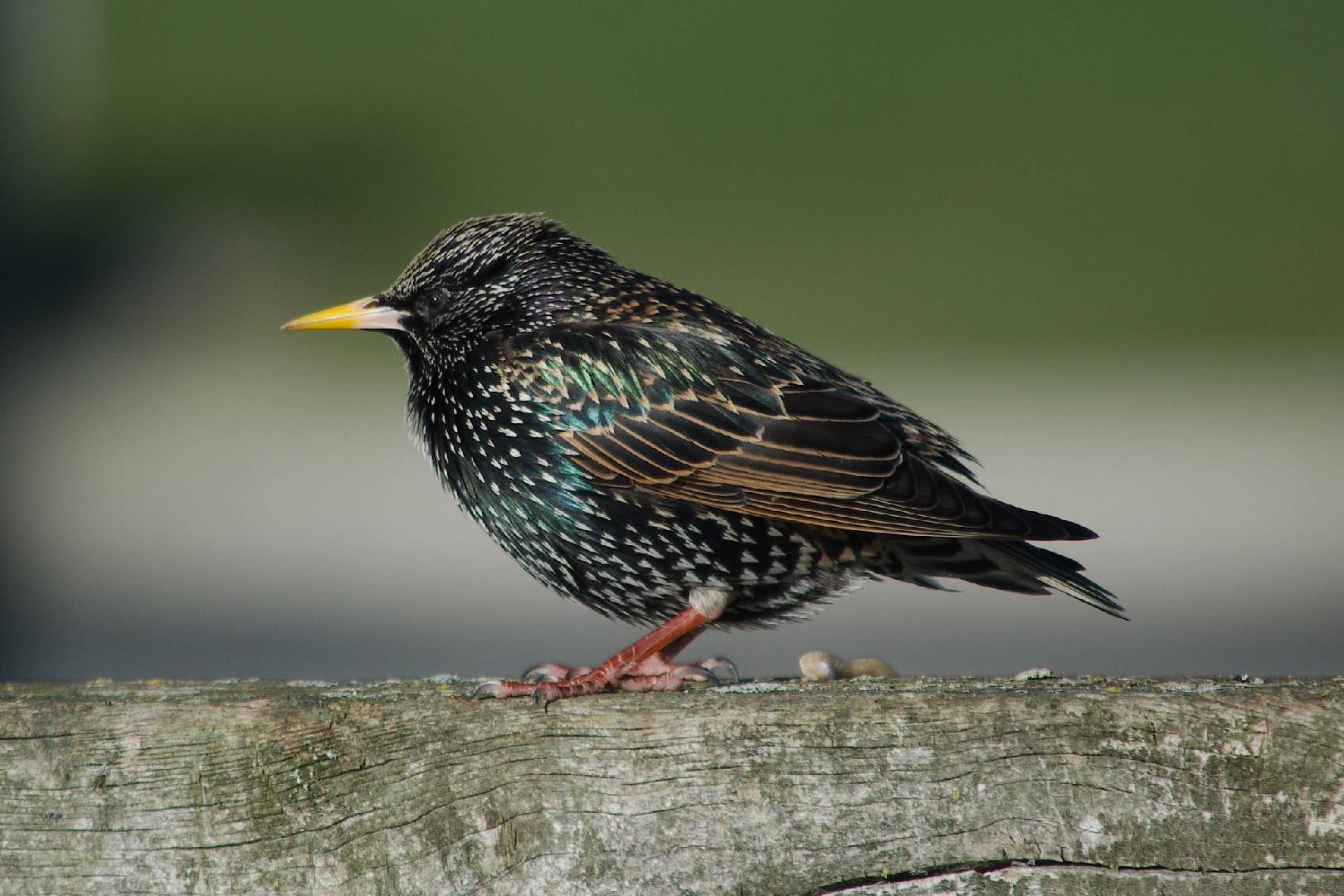
1. European Starling
The european Starling, a large, hardy songbird, is one of the most commonly seen bird species in North America. Originally from Europe, this species was brought to the U.S. in the 1890s by enthusiasts of William Shakespeare, who had the unique goal of bringing over every single species of bird that was mentioned in Shakespeare's collective works. Unfortunately, the european Starling, being an adaptable, generalist species, spread invasively across the continent, hurting many native species' populations in the process.
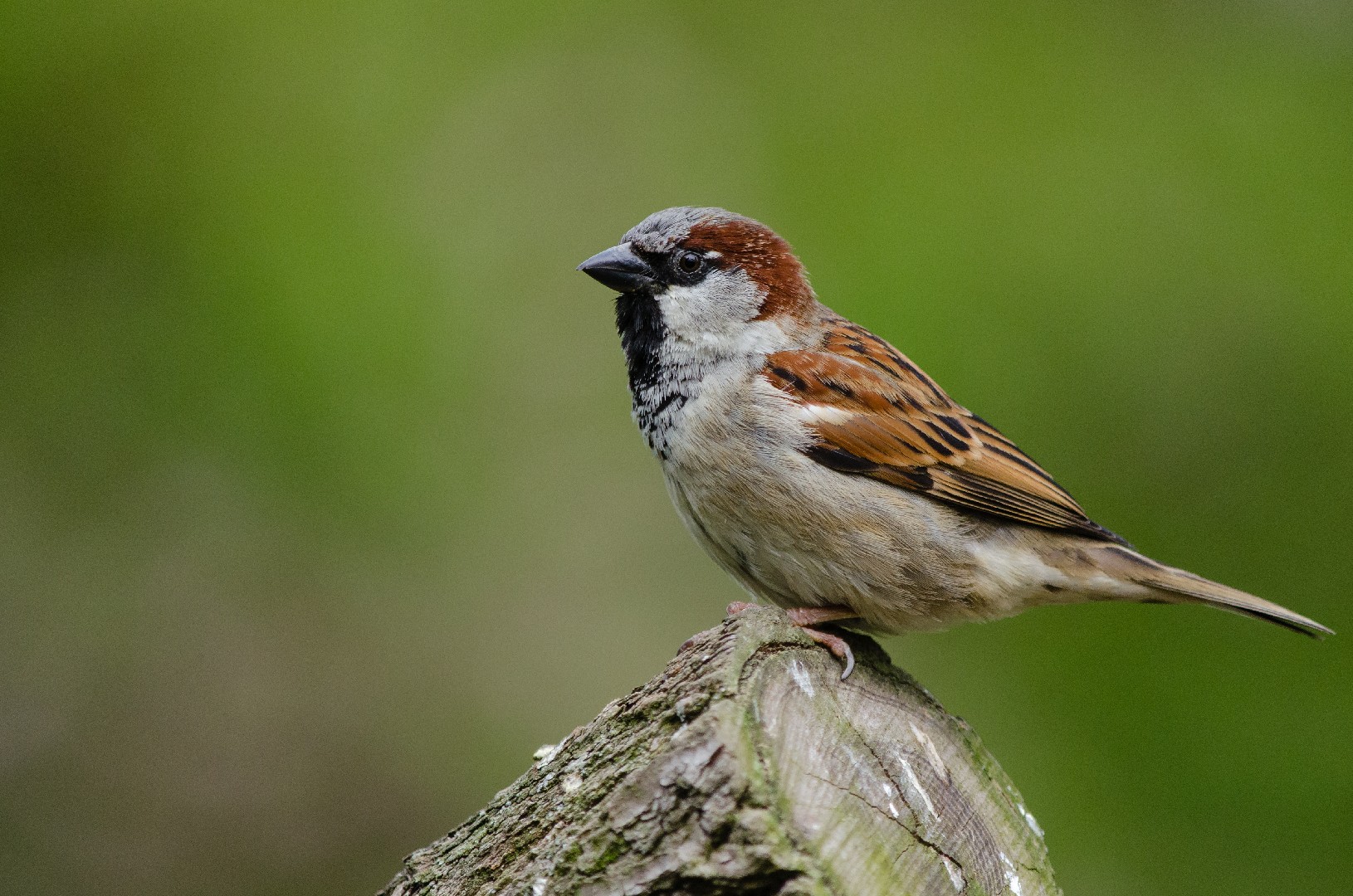
2. House Sparrow
Just as its name implies, the little house Sparrow socializes with humans more than any other bird species. Able to adapt and thrive in almost any habitat, excluding the extremes such as deserts and mountain peaks, this species was once restricted only to North Africa and Eurasia but now is found across the globe. Unfortunately, this opportunistic eater is not completely harmless—it can cause considerable damage to crops.
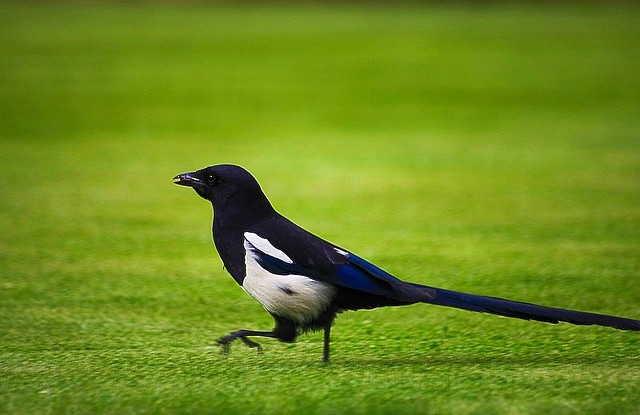
3. Black-billed Magpie
A large, familiar bird of urban and suburban areas, this black-billed Magpie is often seen standing on road signs and fence posts. This opportunistic bird is known as the "raider" of other birds' nests. Thanks to its long tail, it is able to change the direction of flight suddenly. In some cultures, the black-billed Magpie is considered a bad omen.
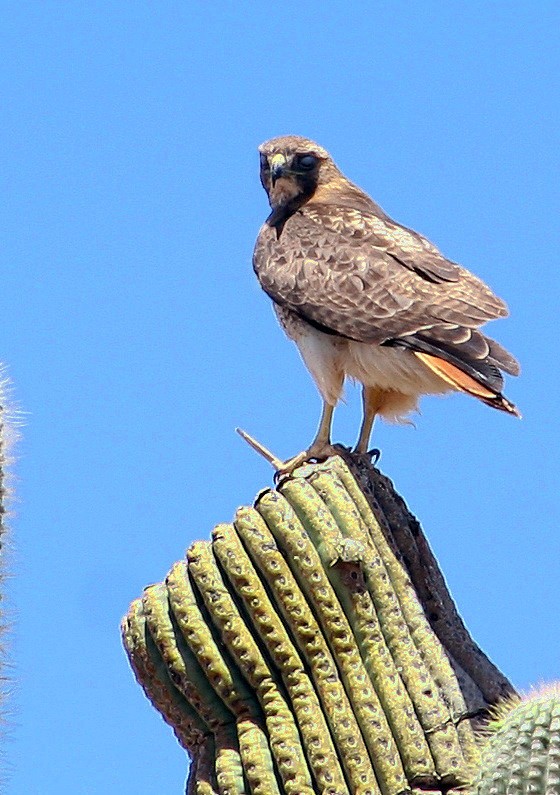
4. Red-tailed Hawk
Perched high in trees, the red-tailed Hawk watches for its prey: mammals, reptiles, birds, amphibians, large insects, and occasionally fish. It's the most common hawk in North America. Highly territorial and monogamous, the red-tailed Hawk is relatively long-lived. Many of them die young, but those who survive can live up to 20 years.
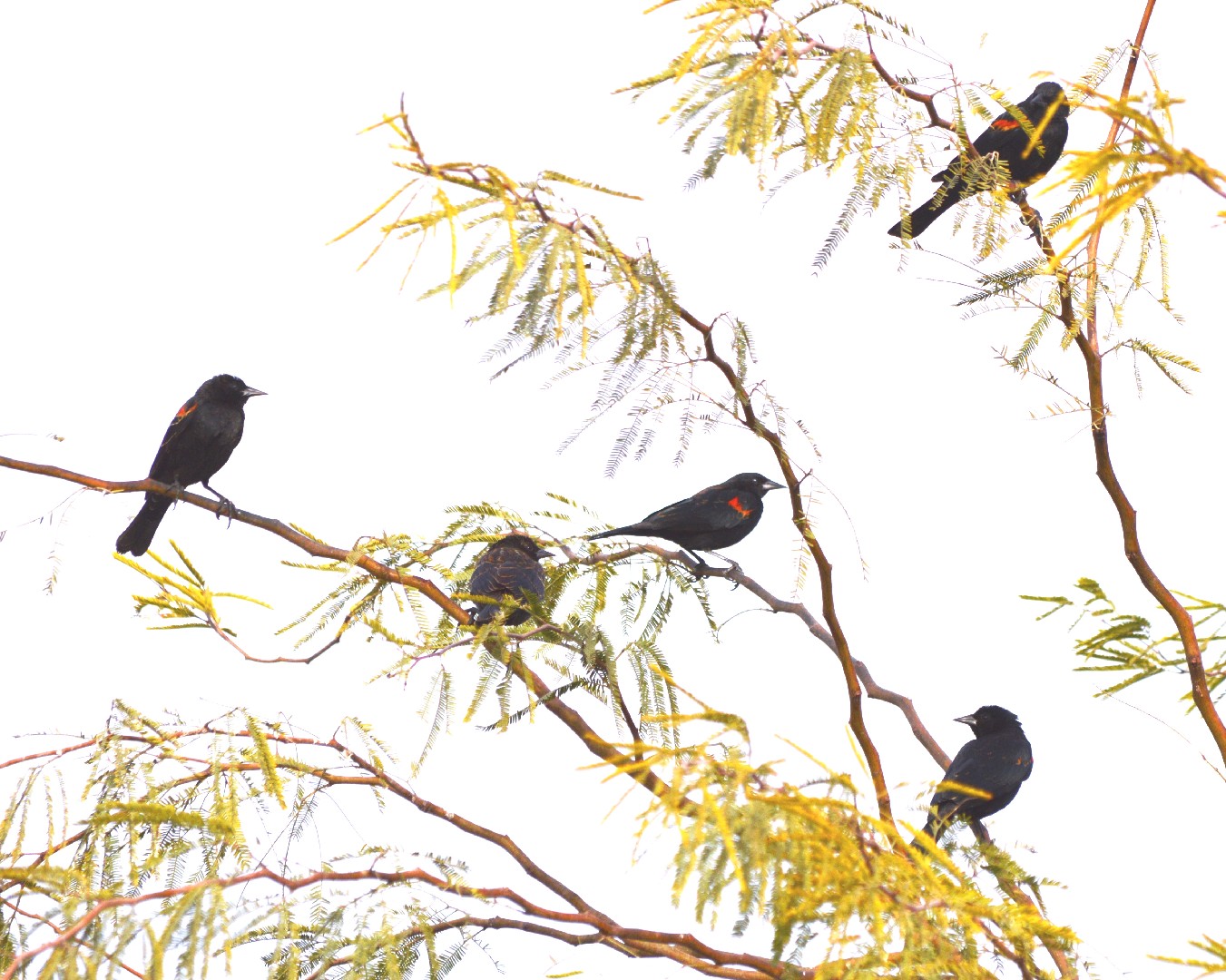
5. Red-winged Blackbird
One of the earliest spring harbingers in North America, the red-winged Blackbird migrates in enormous flocks. Gathered in these large groups, the songbirds produce a loud cacophony. The red-winged Blackbird is an opportunistic omnivore. It feeds on numerous insect species, keeping pests under control, but due to its preference for crops and berries, the red-winged Blackbird is sometimes considered a pest itself.
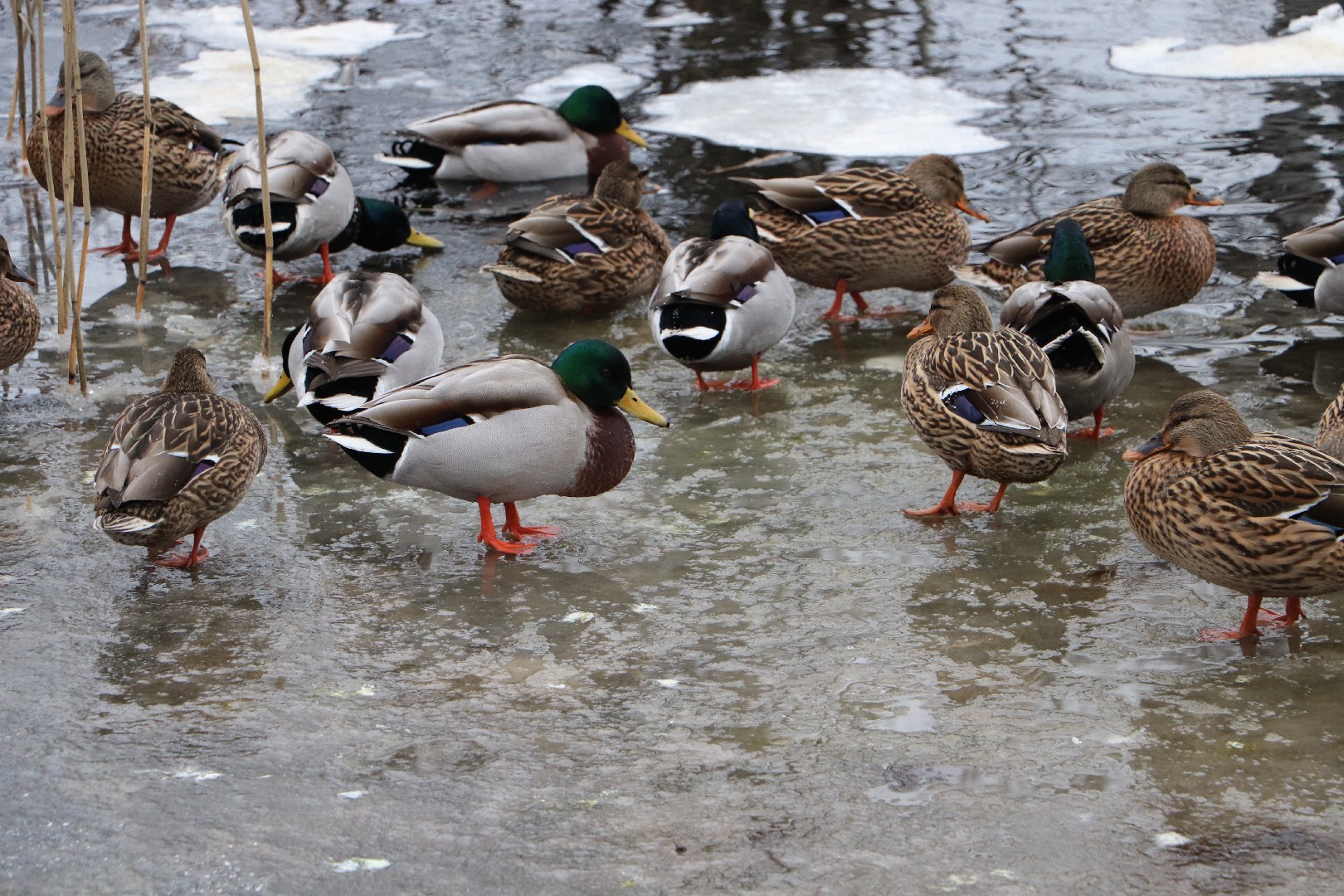
6. Mallard
The mallard is the most abundant duck species in the world, and the ancestor of all domestic ducks. Only the female can produce the distinctive "quack" sound. When the female lays eggs, the male abandons its mate, while the protective mother stays with the ducklings for a long time. This migratory species inhabits shallow waters and it's one of the most popular game birds.
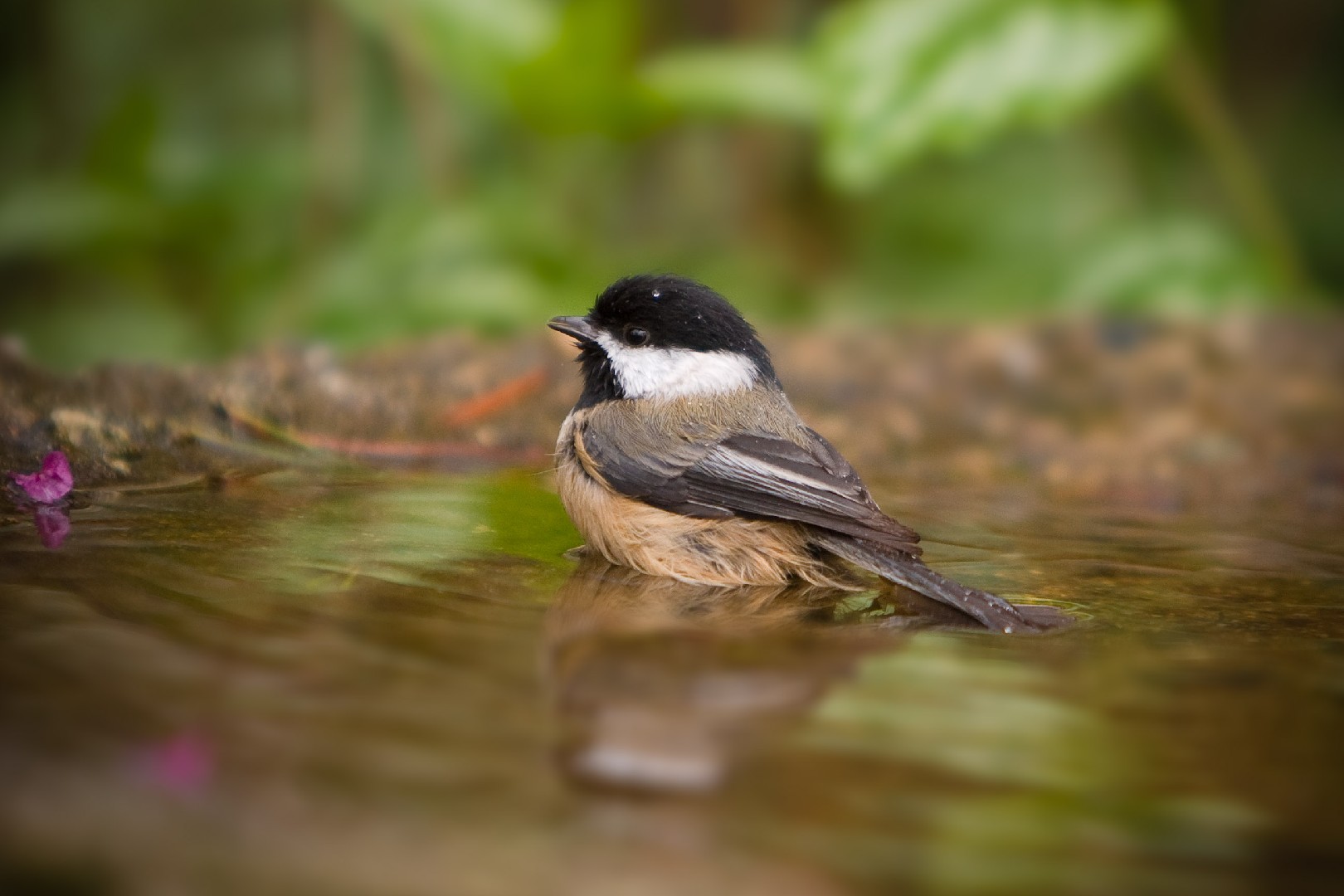
7. Black-capped Chickadee
This small songbird is the most common garden bird in Canada and the northern USA, and also one of the most scientifically studied birds in the world. Able to produce more than 15 complex sounds, the black-capped Chickadee can easily confuse predators with its calls. It's a clever, skillful, and adaptable bird—it can retrieve hidden food after a month and it's able to fly even when its body temperature drops.

8. House Finch
Frequent in urban environments and human-created habitats such as parks and backyards, the little house Finch is known for its loud but pleasant, cheerful singing. It feeds on the ground, mostly on seeds, berries, and other plant material. This bird is highly sociable and very adaptable. It often visits feeders.
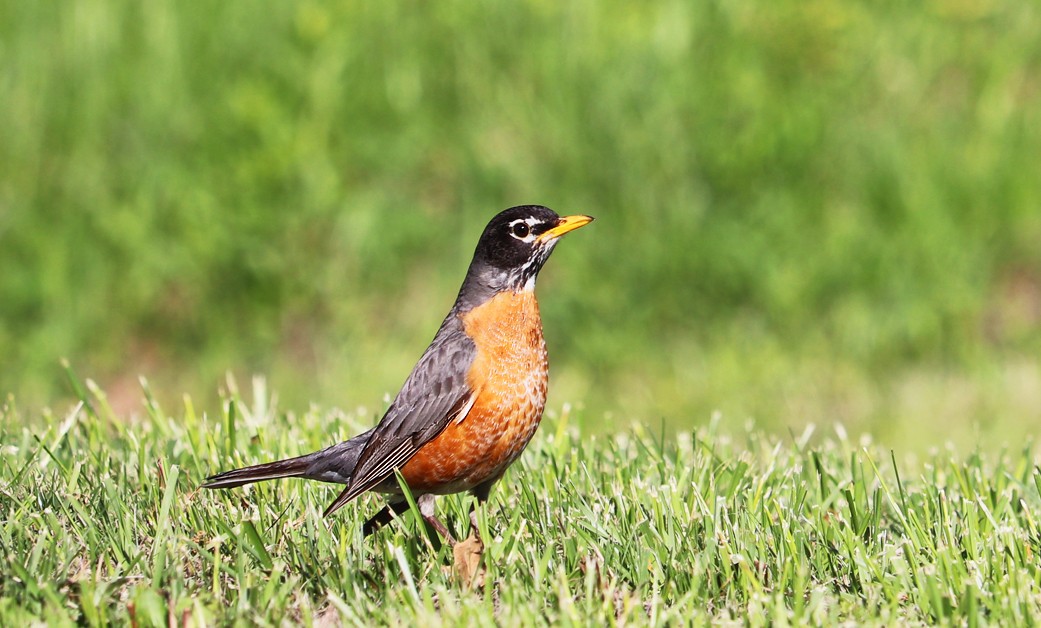
9. American Robin
The american Robin is the most common, and largest, thrush in North America. It's a bird of striking colors, including its vibrant, red-breasted plumage and pale blue eggs. It likes to feed on summer fruit and berries, but worms play an important role in its diet as well. This songbird is a state bird of Connecticut, Michigan, and Wisconsin. Its cheery song is considered one of the first signs of spring.
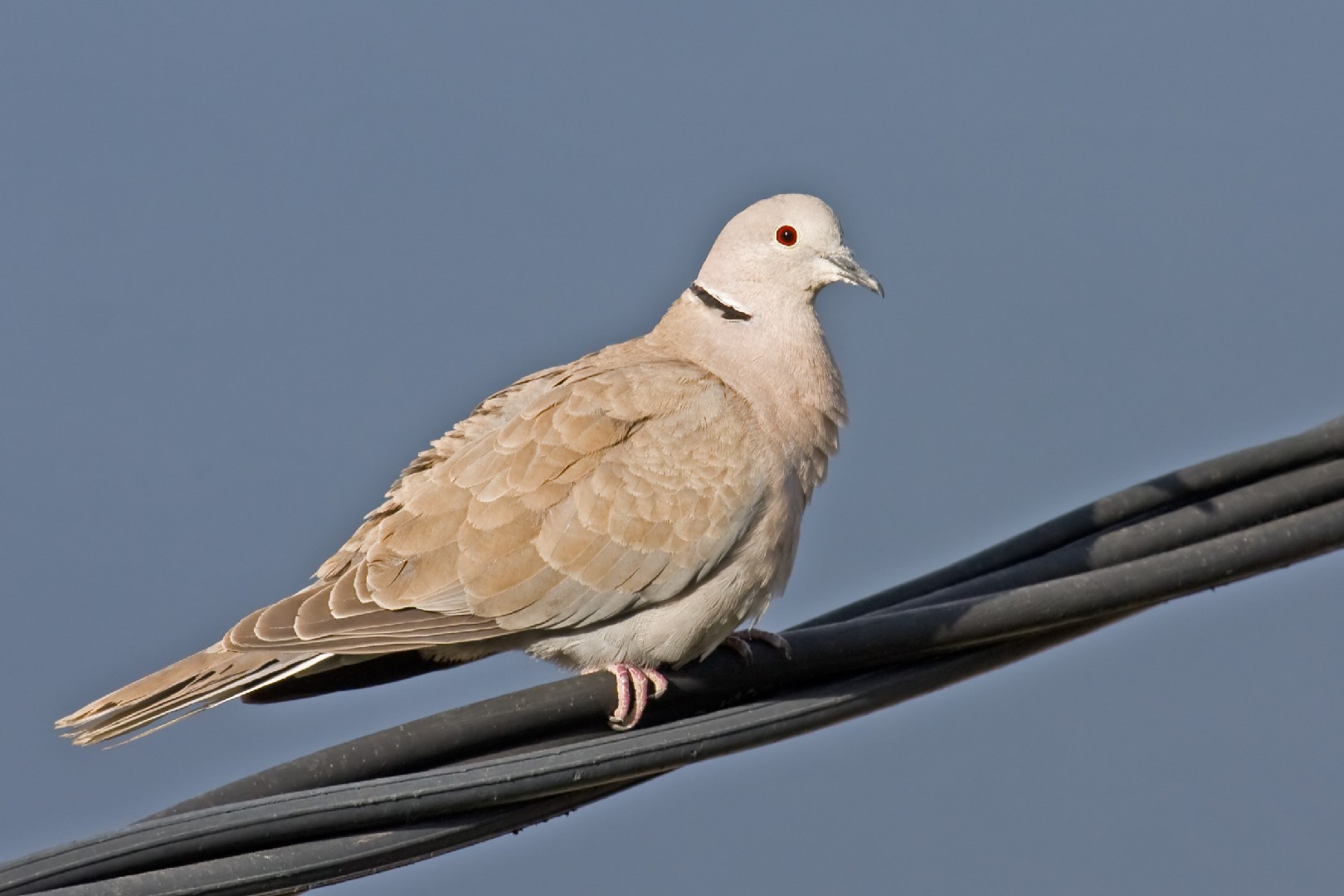
10. Eurasian Collared-dove
This plump, pretty dove with a square-tipped tail is known for bobbing its head and flicking its tail while walking. Though nice to look at, many people are not pleased at the sight of a eurasian Collared-dove walking along. In North America they are considered an invasive species, and one that carries a disease-creating parasite that can spread to native dove populations through birdbaths, feeders, or even through hawks preying on them.
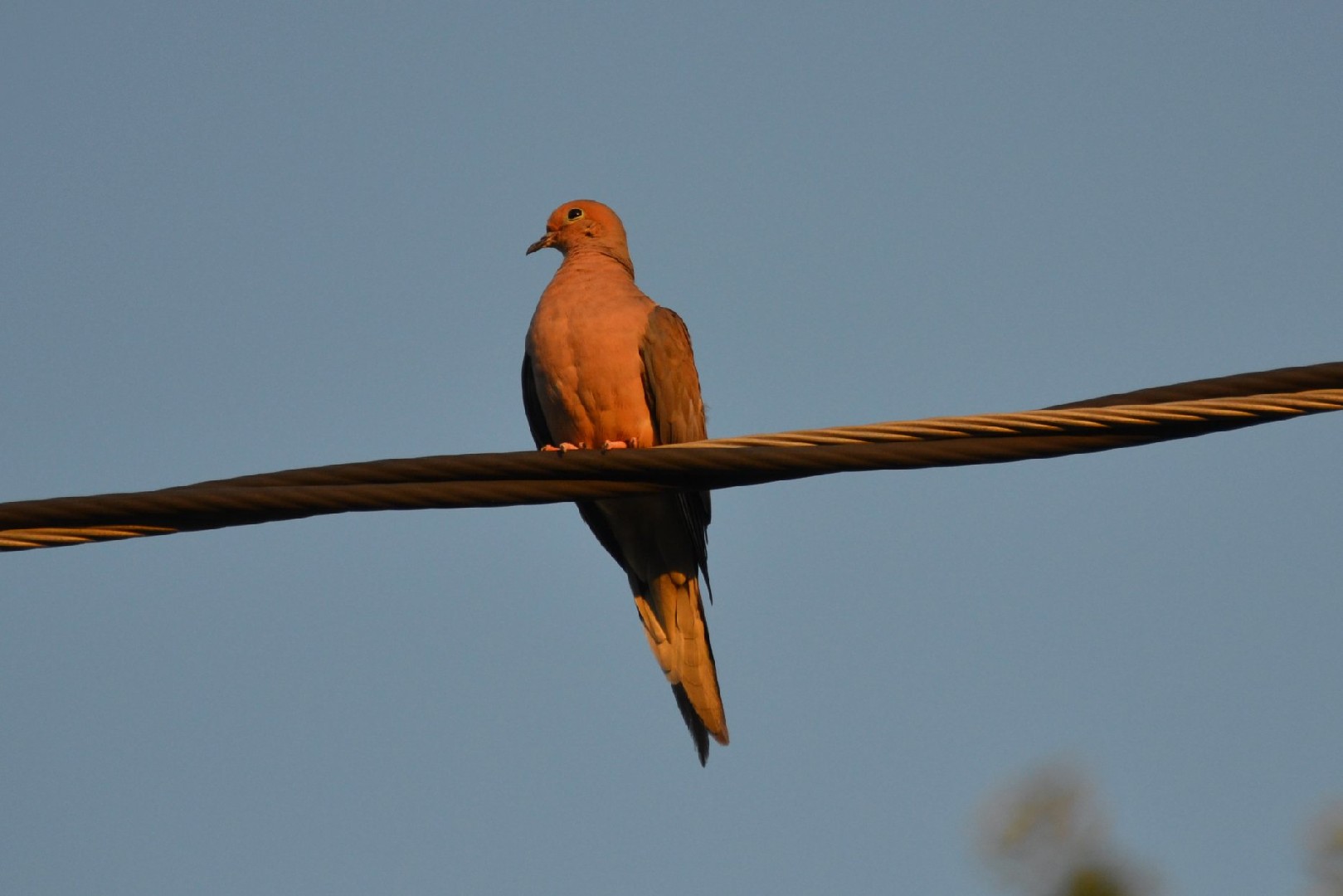
11. Mourning Dove
One of the most famous and widespread doves of North America, the mourning Dove can be often seen in urban areas perching on telephone wires. It is named after its distinctive, plaintive-sounding song. It is also a popular game bird, but its population is still abundant thanks to the prolific breeding and its ability to raise up to five to six broods in a single year.
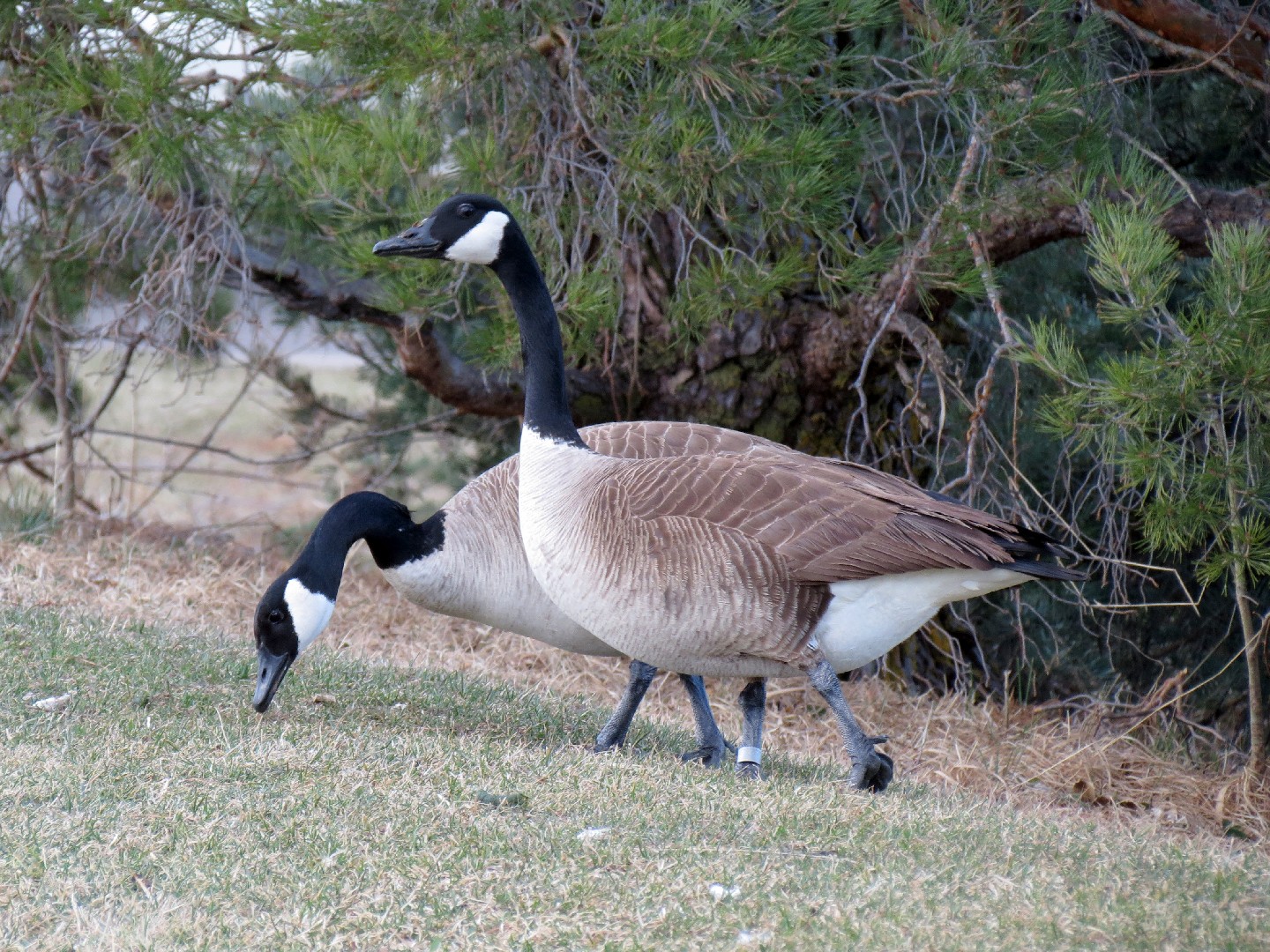
12. Canada Goose
Though this large, widespread bird is mainly known for its aggressively territorial nature, often shown by spitting, chasing, honking, or attacking, the canada Goose does have more loving traits. They mate for life, and this species is one of the birds that has minimal “divorce rates.” Interestingly, they choose mates by size, so smaller geese will mate with other small geese, and larger geese with other large geese.
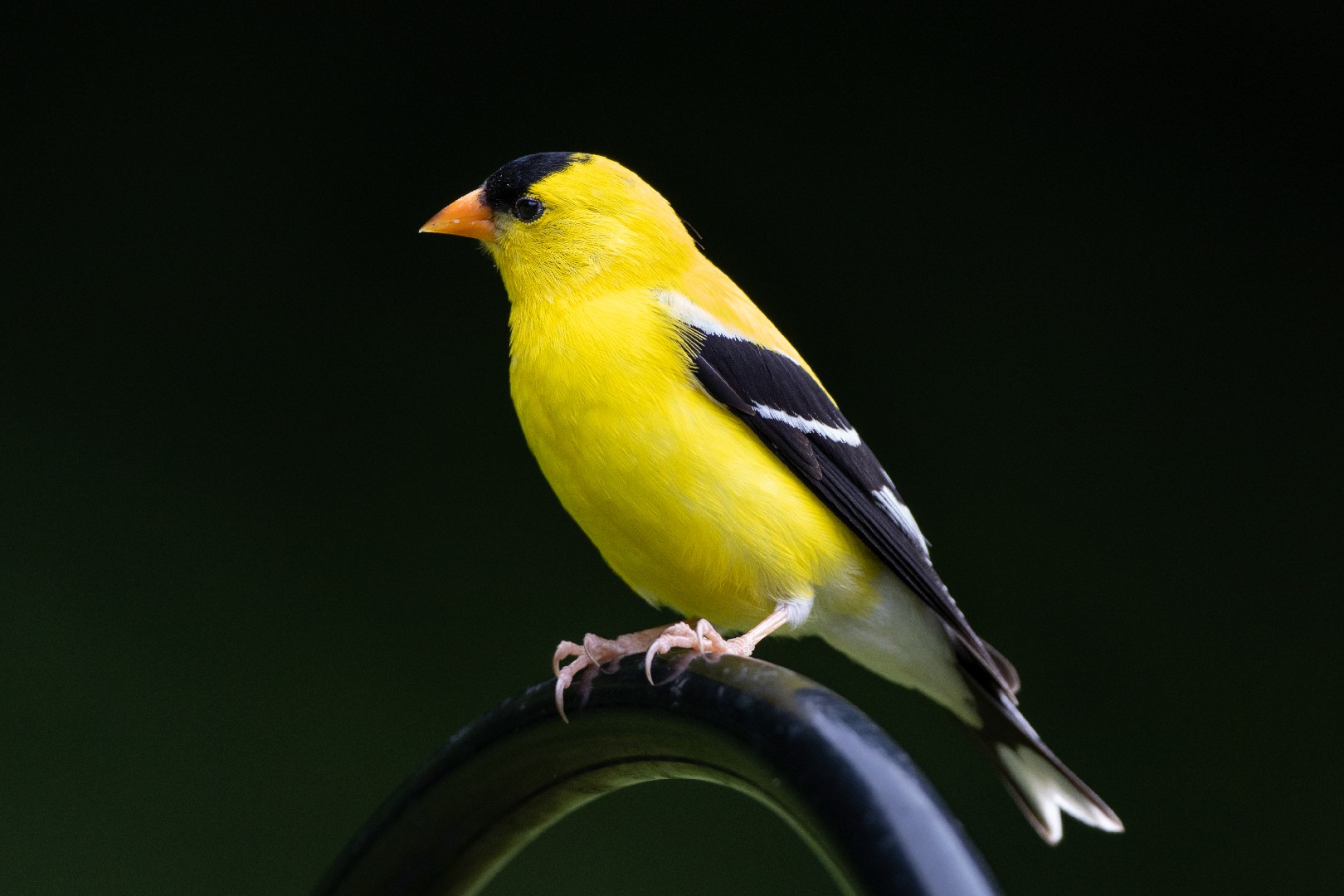
13. American Goldfinch
Brilliant yellow plumage characterizes the small american Goldfinch, but this prominent yellow color is present only in males during the mating season. A strict vegetarian, this bird feeds on seeds and other plant material. The american Goldfinch is an active and acrobatic bird, which can be often seen flying in a bouncy pattern.
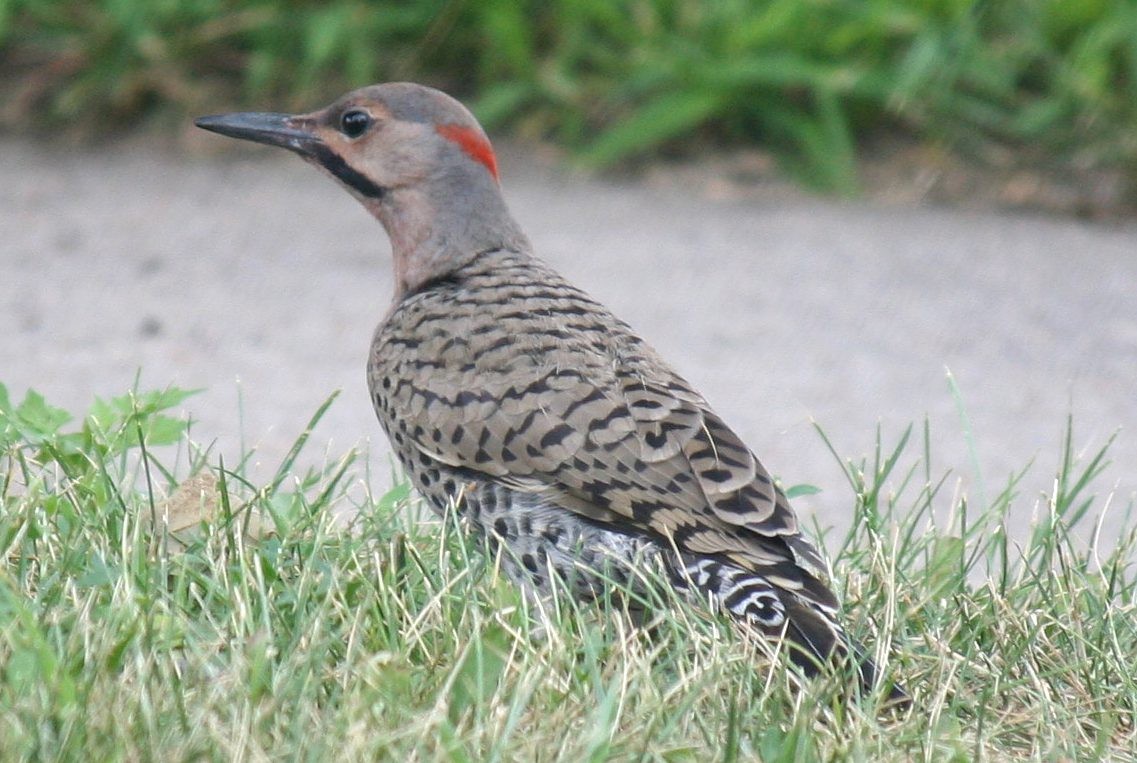
14. Northern Flicker
In the search of its favorite food—ants—the northern Flicker often forages leaf litter and tree bark, which makes it the only ground forager in the woodpecker group. It's a migratory species, which is quite a rare behavior for woodpeckers, as well. The northern Flicker has an eastern (yellow-shafted) and a western (red-shafted) form. It lays a large number of eggs - the known record is 71 eggs in 73 days.
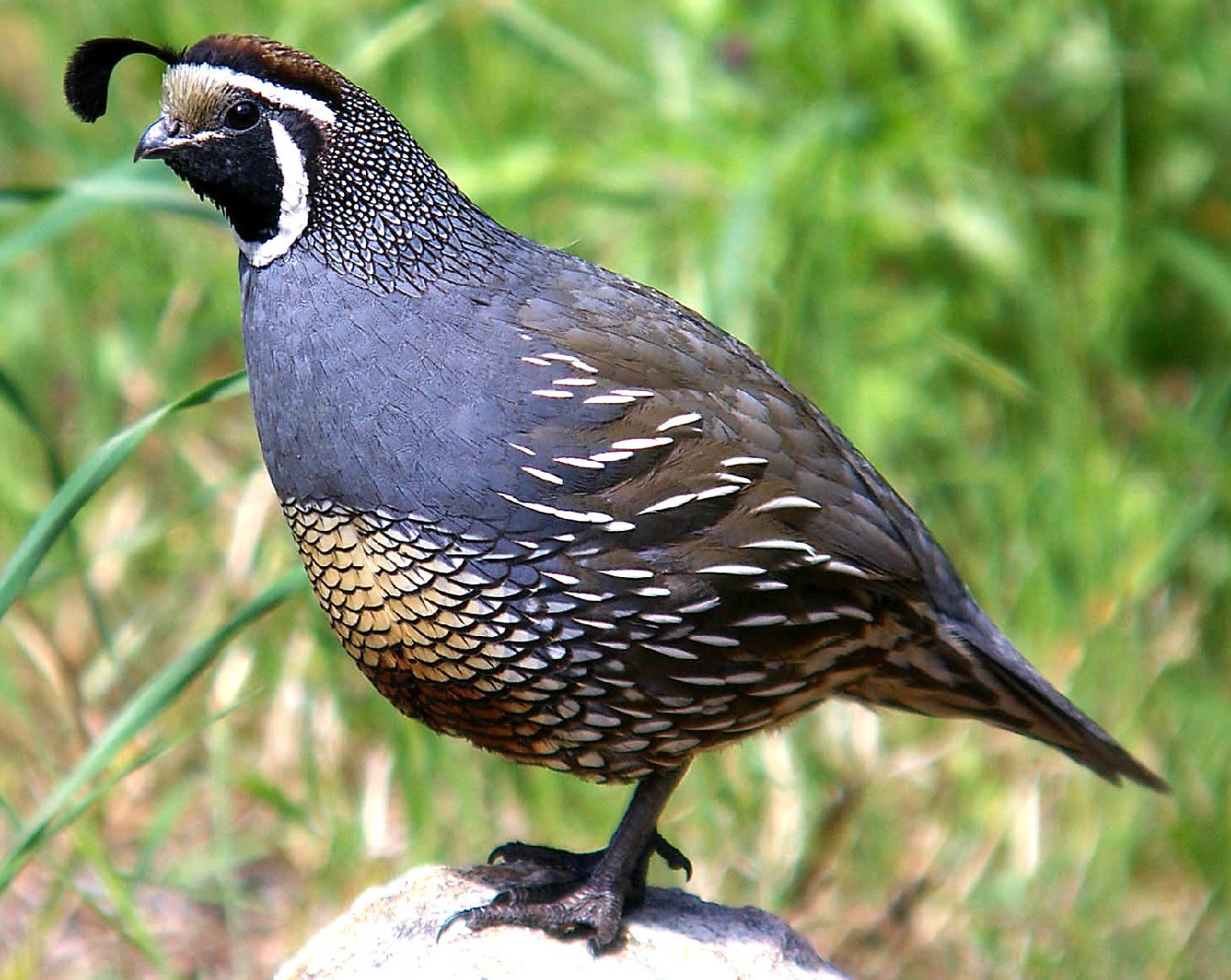
15. California Quail
The california Quail is a small, ground-dwelling bird that is well adapted to urban environments. This unobtrusive and highly sociable bird lives in large flocks that sometimes count more than 70 individuals. The male and the female produce different calls, often singing in "orchestral patterns". A state bird of California, a california Quail appeared as a character in Walt Disney's "Bambi."
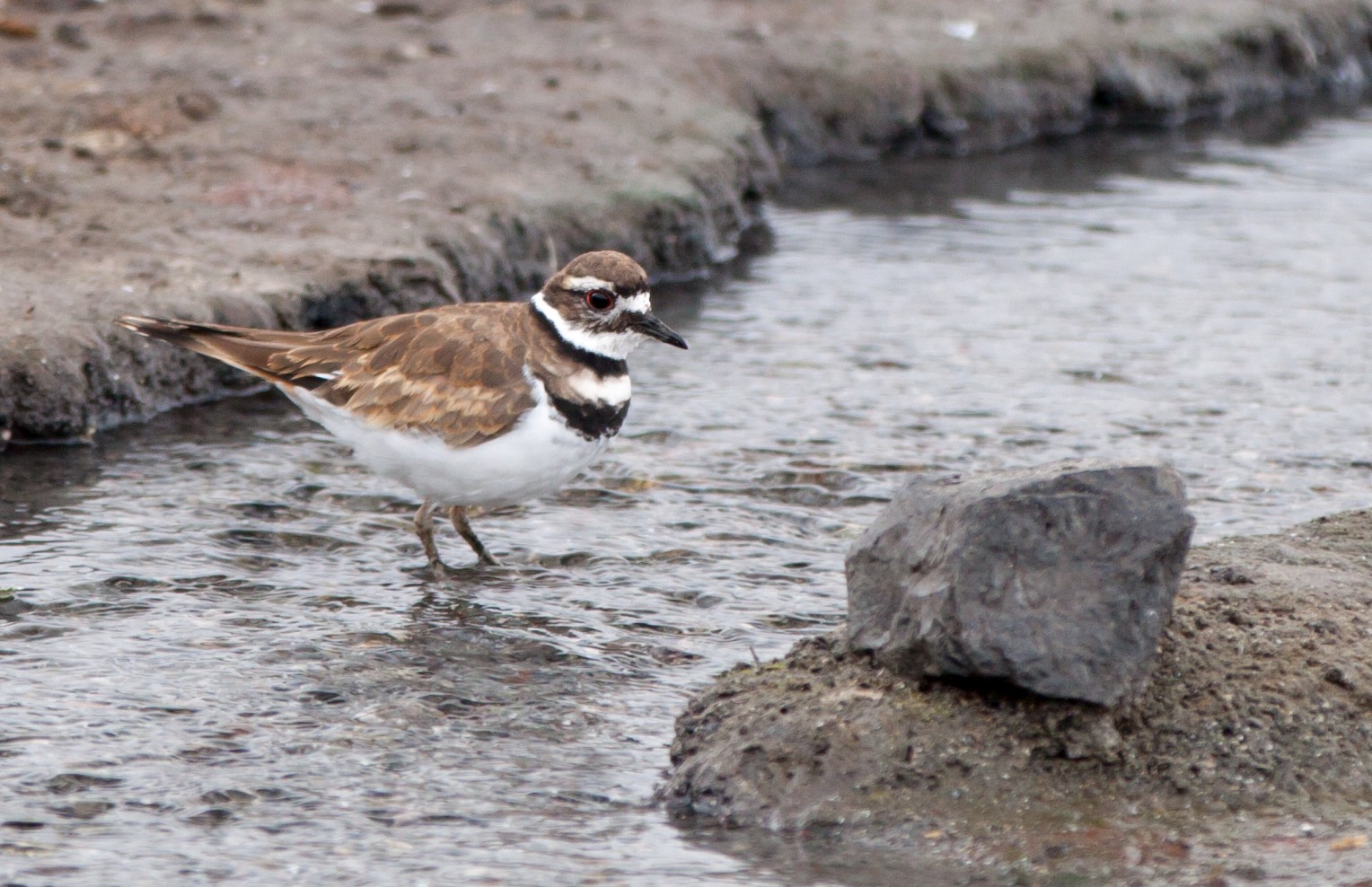
16. Killdeer
This shorebird is slender and lanky, with long wings and a long tail that ends at a point. If its nest is being threatened by a predator, the killdeer is known to pretend that it has a broken wing, making itself a target in order to lure the predator away from the nest. They have the curious habit of collecting mostly light colored items to build their nests.
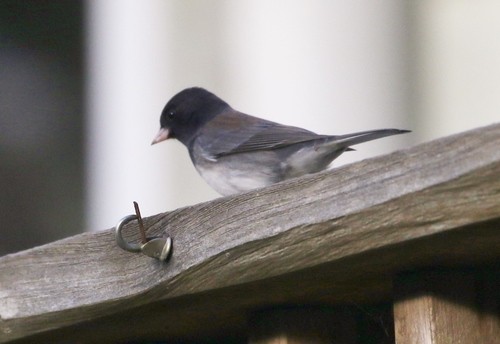
17. Dark-eyed Junco
One of the most common birds of North America, the dark-eyed Junco lives in flocks in open forests, but it's very common in urban areas. This a highly variable species consists of at least five subspecies. This ground bird is often seen during winter, so it's sometimes called the "Snowbird," although it shares the nickname with the Snow bunting (Plectrophenax nivalis).
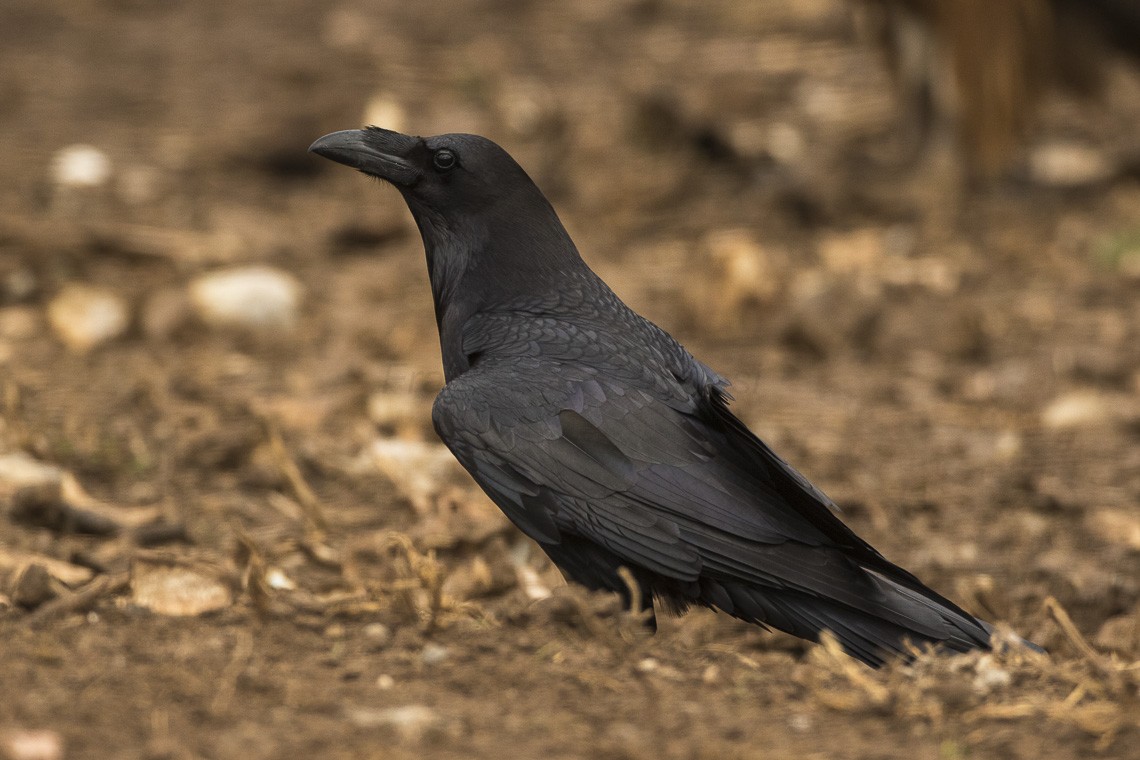
18. Common Raven
The common Raven is one of the most ubiquitous species of birds and is revered for its high intelligence. These birds prefer open habitats, but can be found in nearly all environmental conditions besides rainforests. As a social species, some subspecies of common Raven have been known to have 15 to 33 different categories of calls!
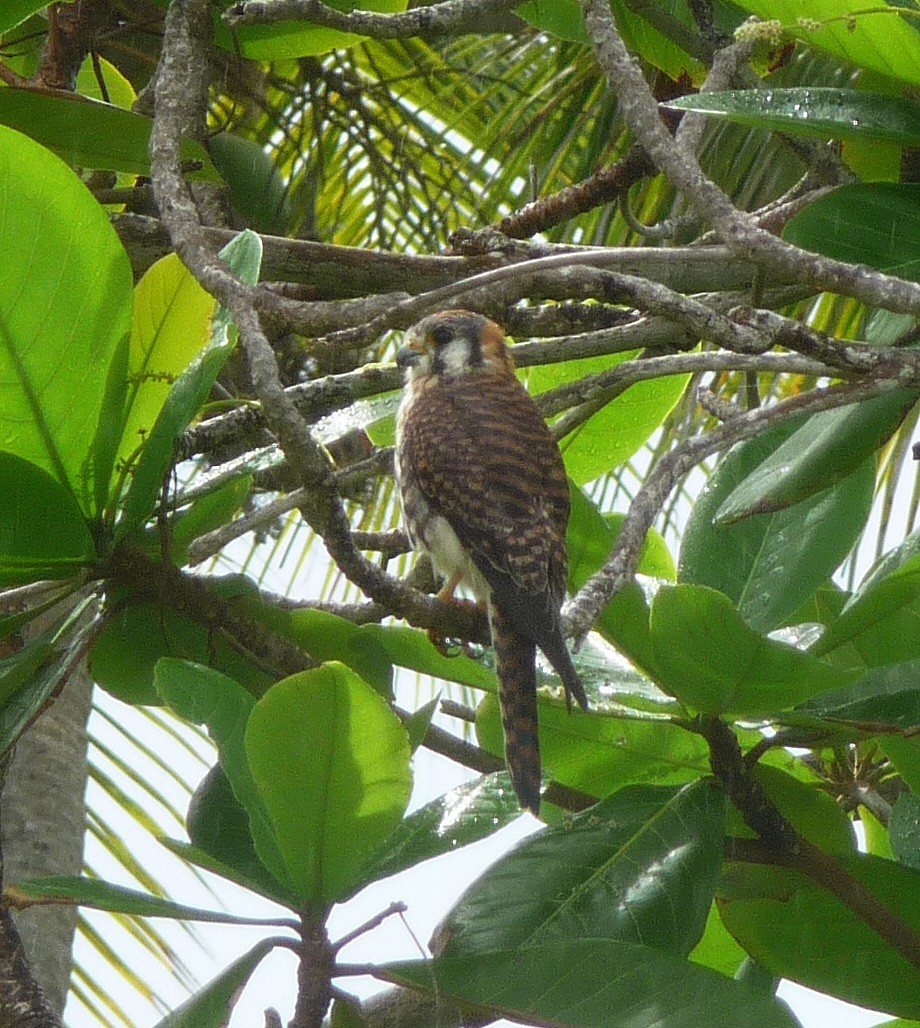
19. American Kestrel
The american Kestrel (Falco sparverius) is the smallest falcon in North America, but also the most common. It can also be found in South America and usually hunts from the ground rather than in the air. The female is allowed to choose their mates when on the breeding ground, so the males attract them with dances and displays.
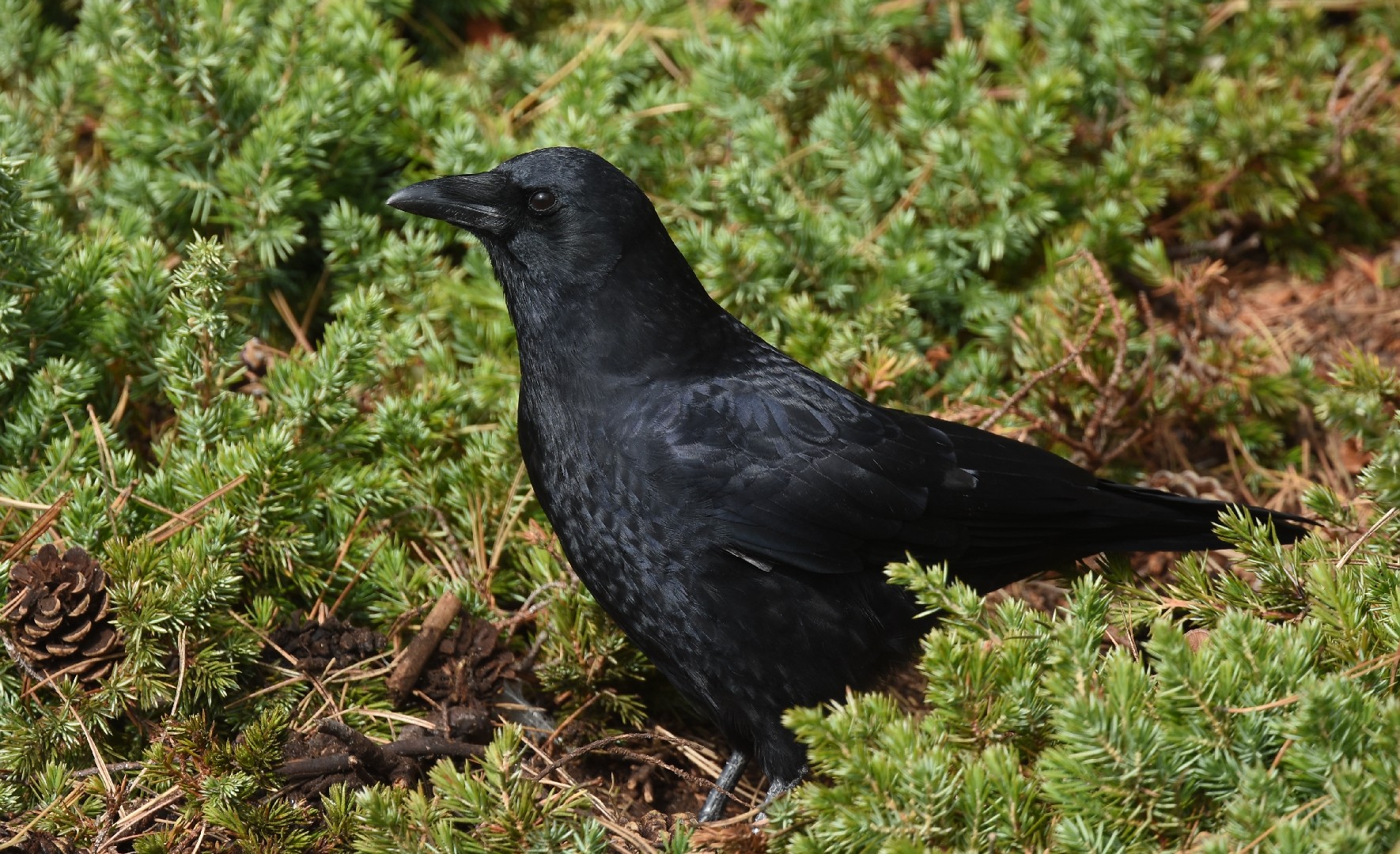
20. American Crow
The american Crow is a big black bird that can be found in forests, fields, river groves, and among human habitations. Interestingly, it is known to stand atop ant hills and allow ants to climb onto its feathers; this apparently discharges their formic acid and makes them more palatable for the crow to eat. Sadly, american Crow numbers have been substantially affected by the West Nile virus in North America. Infected birds die from West Nile in less than a week.