



Top 20 Most Common Bird in Salzburg
Nestled in the heart of Europe, Salzburg boasts diverse natural landscapes from rugged peaks to verdant plains. These ecosystems are home to an array of bird species. The 20 most common birds showcase exceptional adaptability to urban and wilderness environments alike, with distinct characteristics such as colorful plumage, unique songs, or migratory behaviors. These avian residents provide essential ecological services and add charm to Salzburg's rich biodiversity.

Most Common Bird
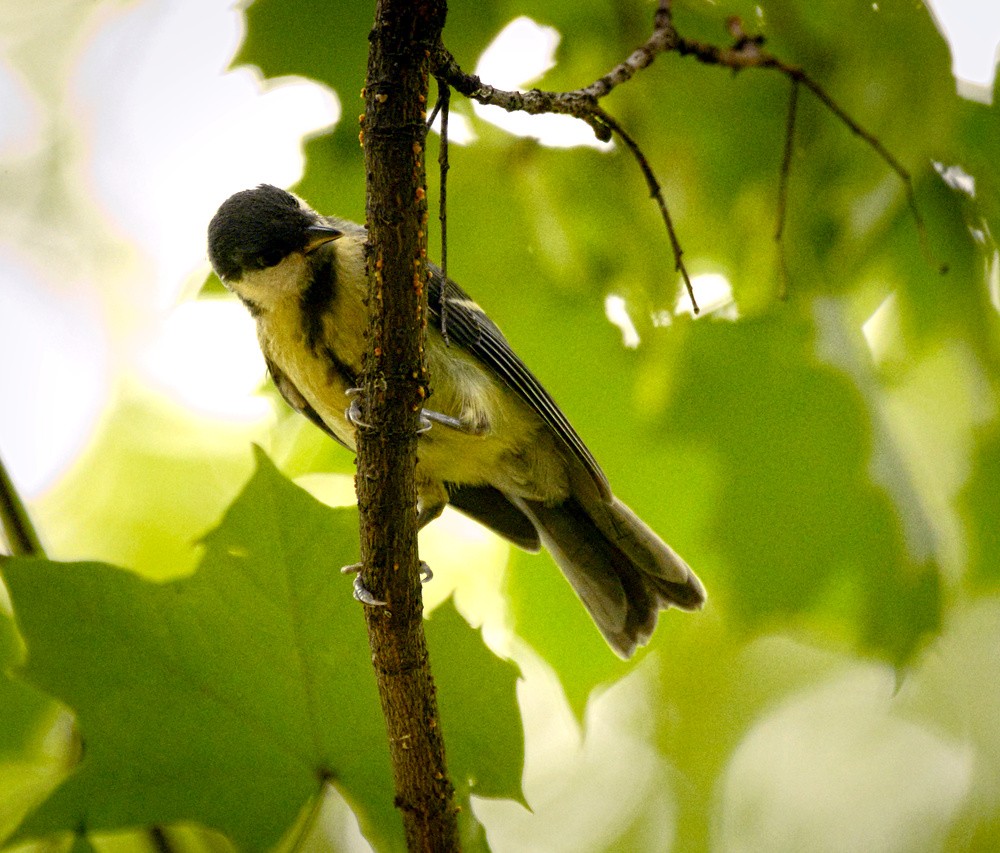
1. Great Tit
Great Tit is a small and plump bird, with a thick black line running through its bright yellow face. It is a common sight in gardens, woodlands, and parks. It is often seen foraging for food in an acrobatic way. Well known for its intelligence, it has been observed using tools, solving problems, and even counting up to five. 
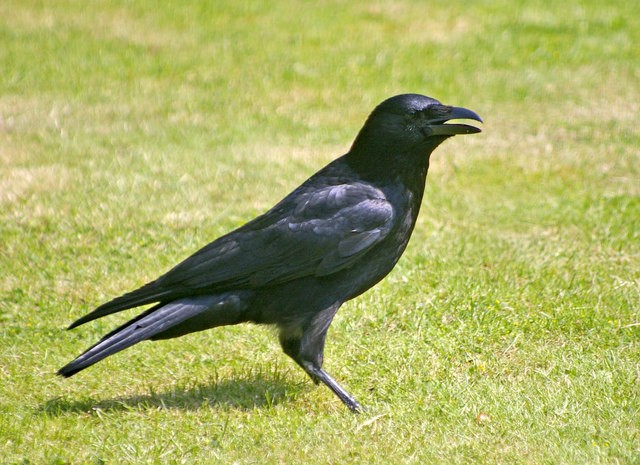
2. Carrion Crow
The loud cry from the carrion Crow lets everyone know the bird is in the area. It is often seen in semi and open habitats that include rural and suburban areas. The black-colored bird only gathers in large flocks when it is time to roost. Otherwise, it flies in pairs or small groups scavenging for insects, seeds, and even small animals.
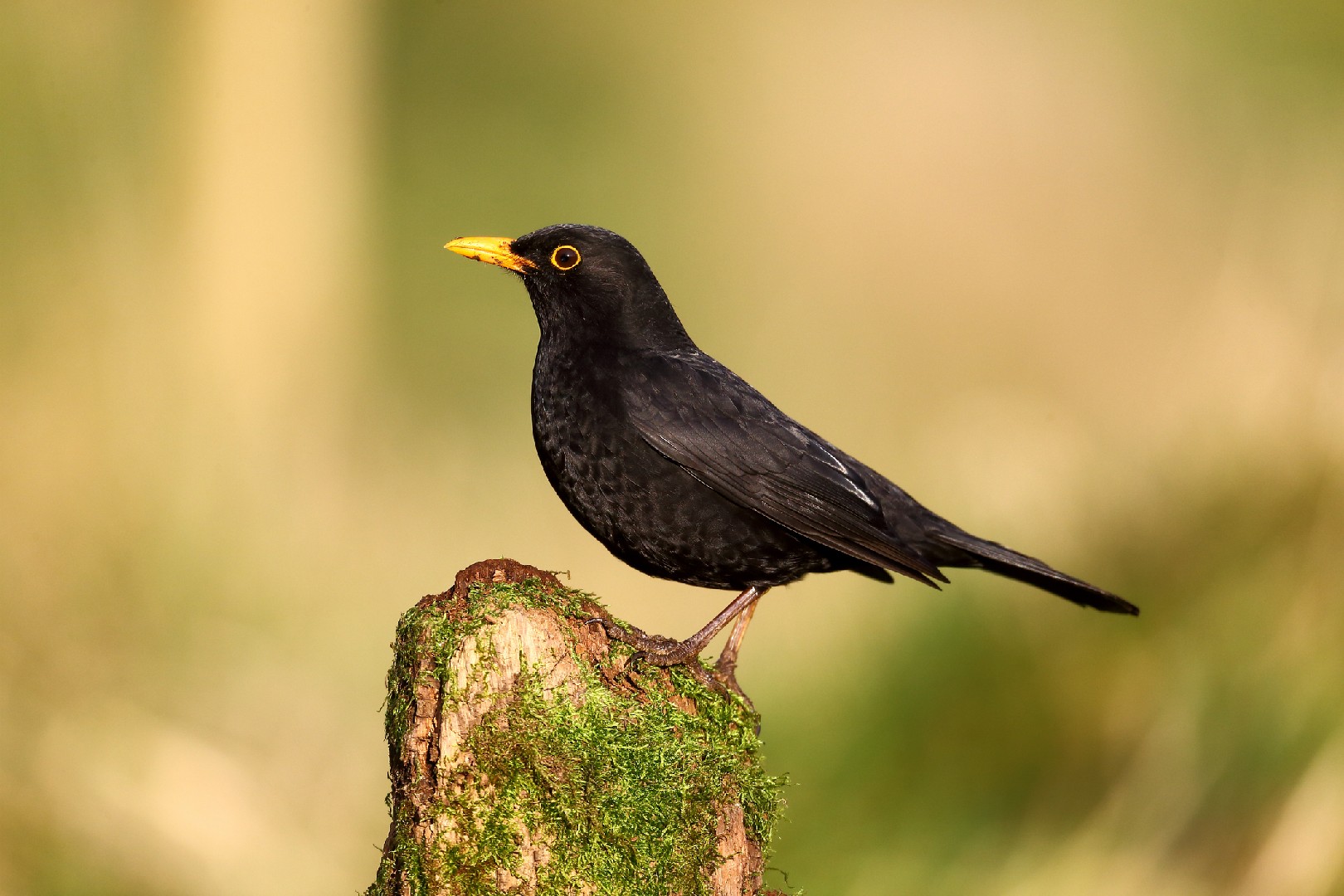
3. Eurasian Blackbird
Unafraid of humans, the dark-winged eurasian Blackbird has gained a great deal of cultural significance, mentioned in popular nursery rhymes and songs across the world. Elegant and with an appealing song, they can be aggressive when they are in their breeding period.

4. Common Chaffinch
The common Chaffinch has a varied diet, mainly feeding on seeds and berries, but also eating insects, allowing it to thrive in different habitats. The Common Chaffinch is also known for its melodic song, with the males being particularly vocal during the breeding season. Their songs can often be heard in the spring and early summer.
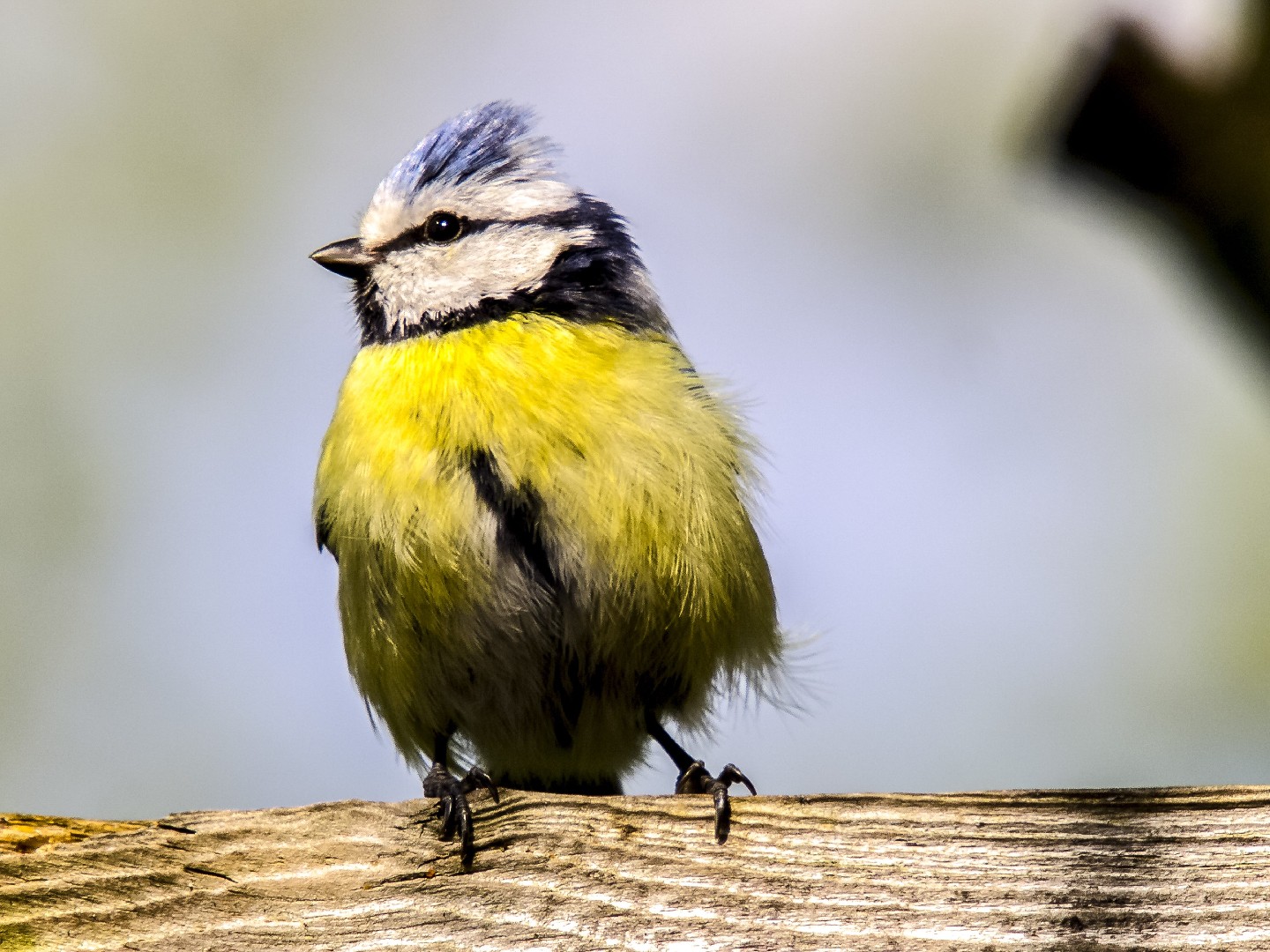
5. Eurasian Blue Tit
The eurasian Blue Tit is a small songbird, very common in urban areas such as parks. This songbird has a wide range of calls and songs, but it's also known for its agility and acrobatic skills - it can hang upside down, reaching food that's not accessible to less-skilled birds. When the bird has young, it spends around 17 hours per day in the search of food for the offspring. It's a frequent visitor of bird feeders.
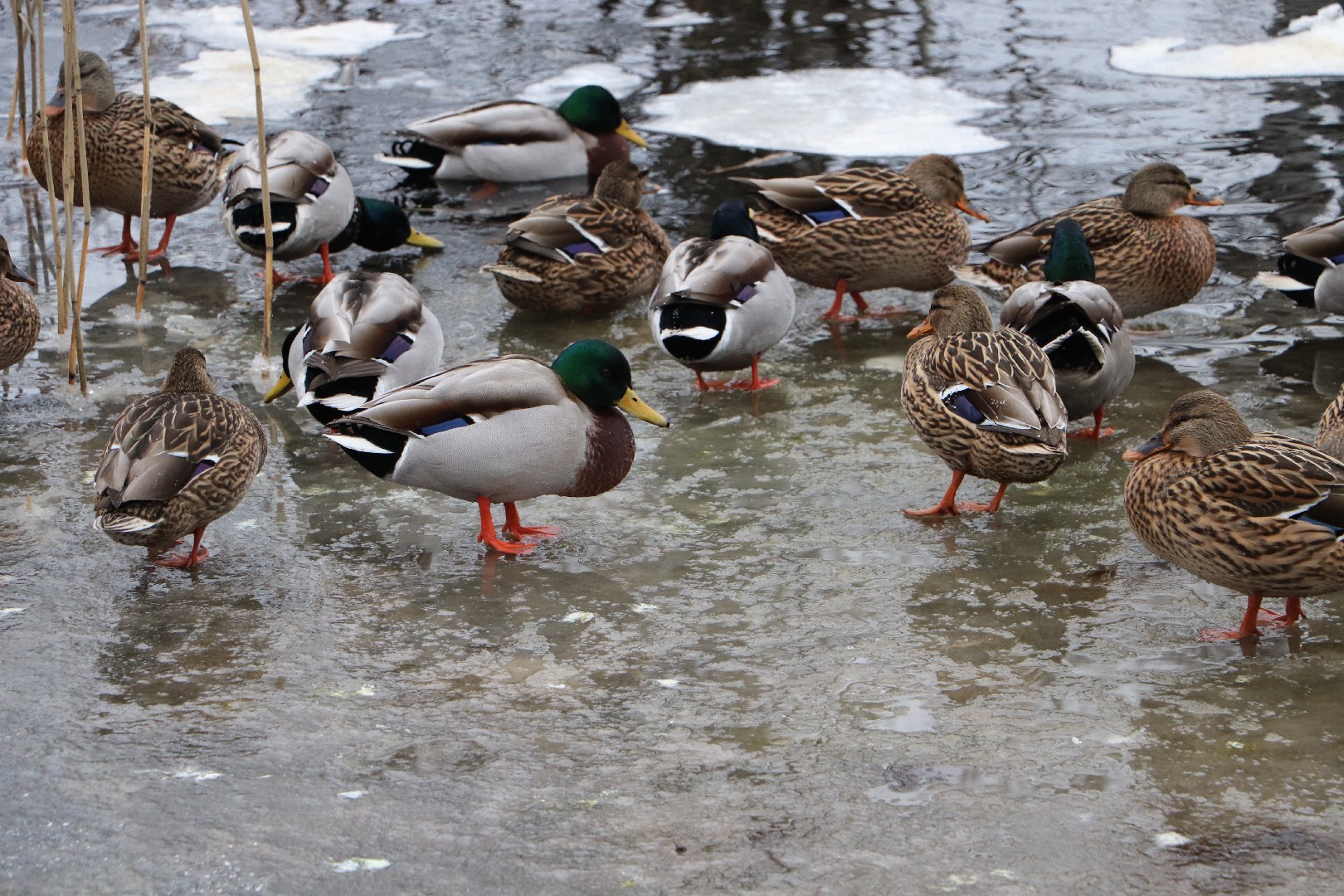
6. Mallard
The mallard is the most abundant duck species in the world, and the ancestor of all domestic ducks. Only the female can produce the distinctive "quack" sound. When the female lays eggs, the male abandons its mate, while the protective mother stays with the ducklings for a long time. This migratory species inhabits shallow waters and it's one of the most popular game birds.

7. Common Buzzard
The common Buzzard is a medium-sized bird of prey found in many parts of the world. It inhabits a variety of habitats such as forests, grasslands, and mountains. It is an opportunistic hunter, preying on mammals, birds, reptiles, and insects. They also scavenge on carrion. They are often seen soaring on thermal currents, perching on high vantage points, and performing acrobatic maneuvers during courtship.
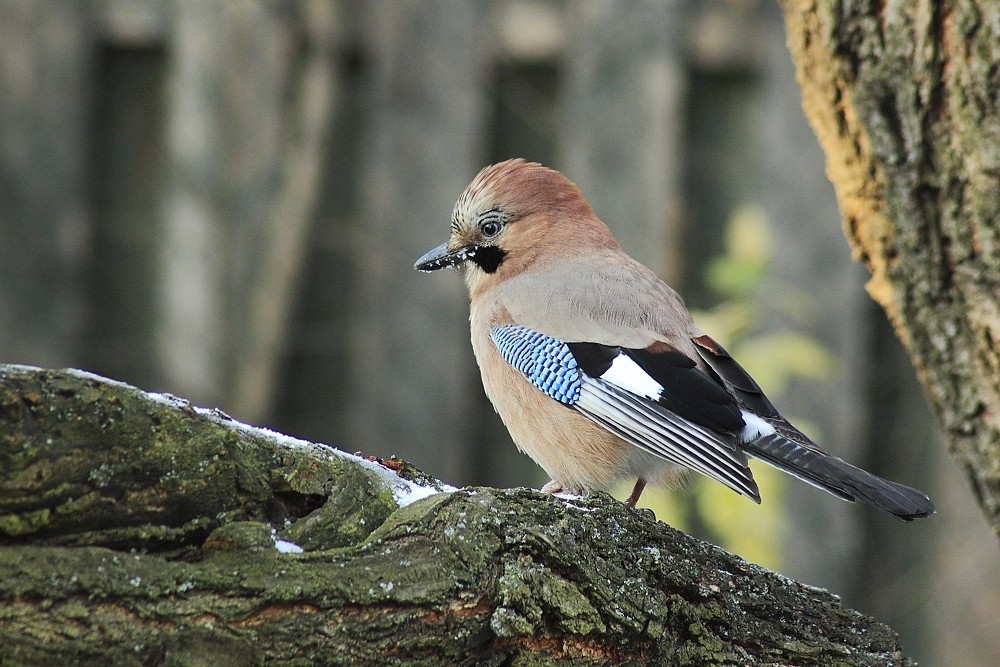
8. Eurasian Jay
The eurasian Jay is a striking bird with distinctive blue, black, and white plumage. It is known for its bold and curious nature, often seen rummaging through gardens and forests for food. Despite its small size, it is very intelligent and able to store food for later consumption. Its sharp calls and acrobatics in the trees make it a joy to observe in the wild.
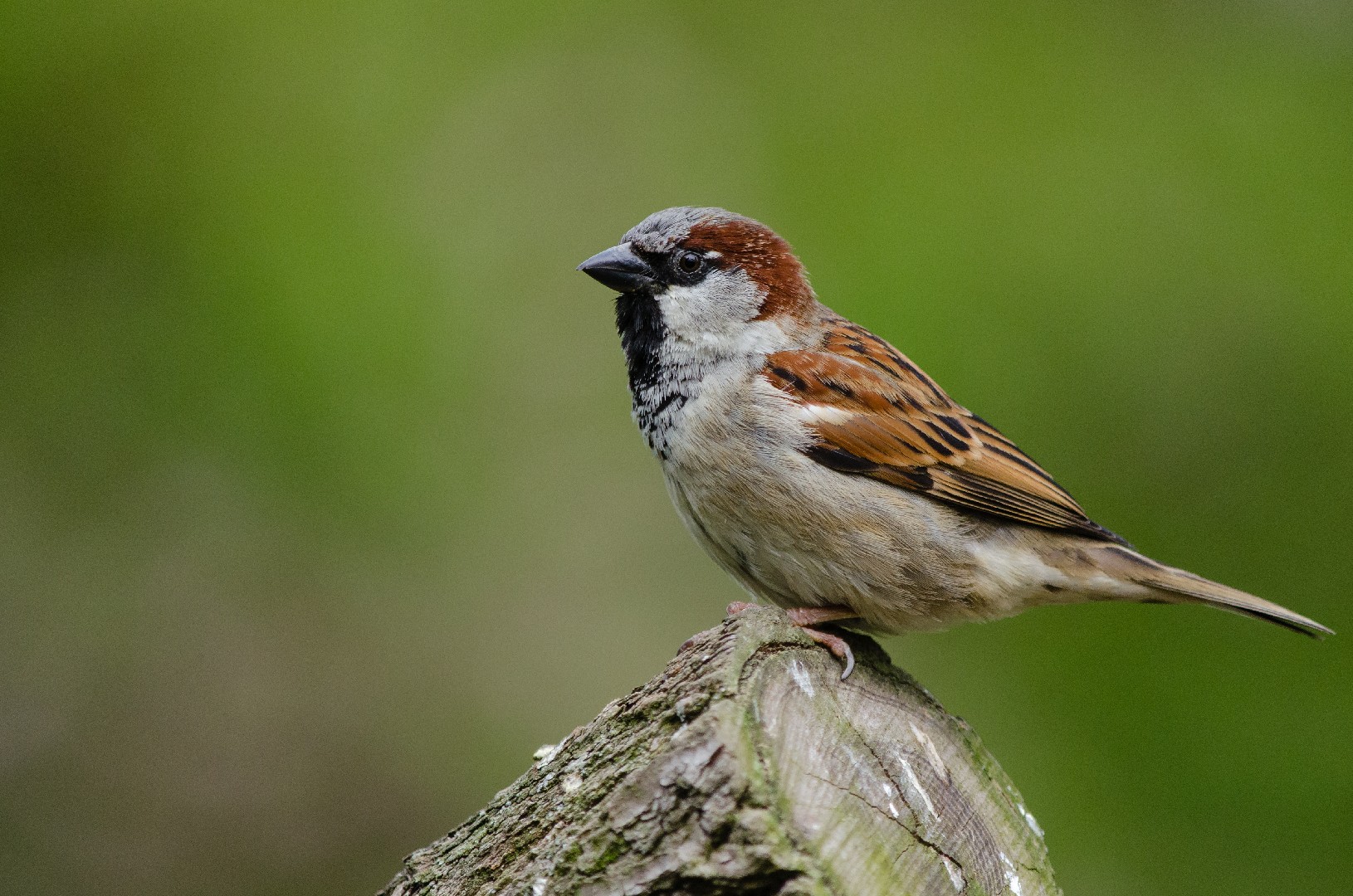
9. House Sparrow
Just as its name implies, the little house Sparrow socializes with humans more than any other bird species. Able to adapt and thrive in almost any habitat, excluding the extremes such as deserts and mountain peaks, this species was once restricted only to North Africa and Eurasia but now is found across the globe. Unfortunately, this opportunistic eater is not completely harmless—it can cause considerable damage to crops.
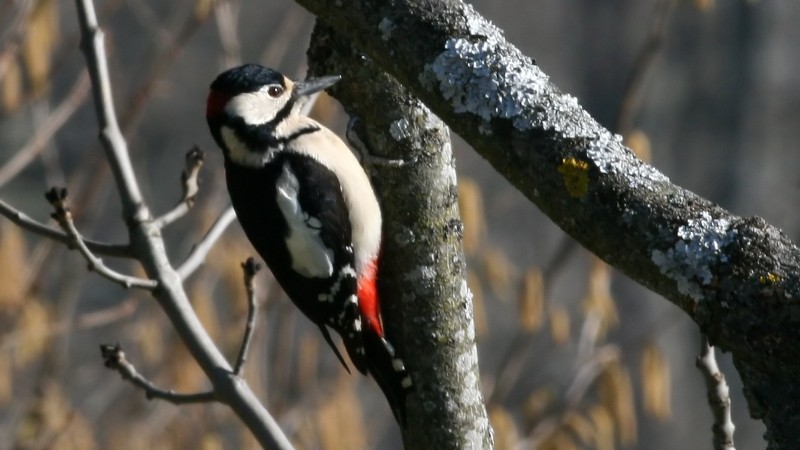
10. Great Spotted Woodpecker
The great Spotted Woodpecker is a fairly common species to find in the trees of its native woodlands. Populations in the colder portions of their range migrate while others stay put year-round. They drill into tree bark not only to access insects but also to build nests. The great Spotted Woodpecker is sometimes confused with the smallest European woodpecker, the lesser spotted woodpecker (Dryobates minor), though they are noticeably different in size.
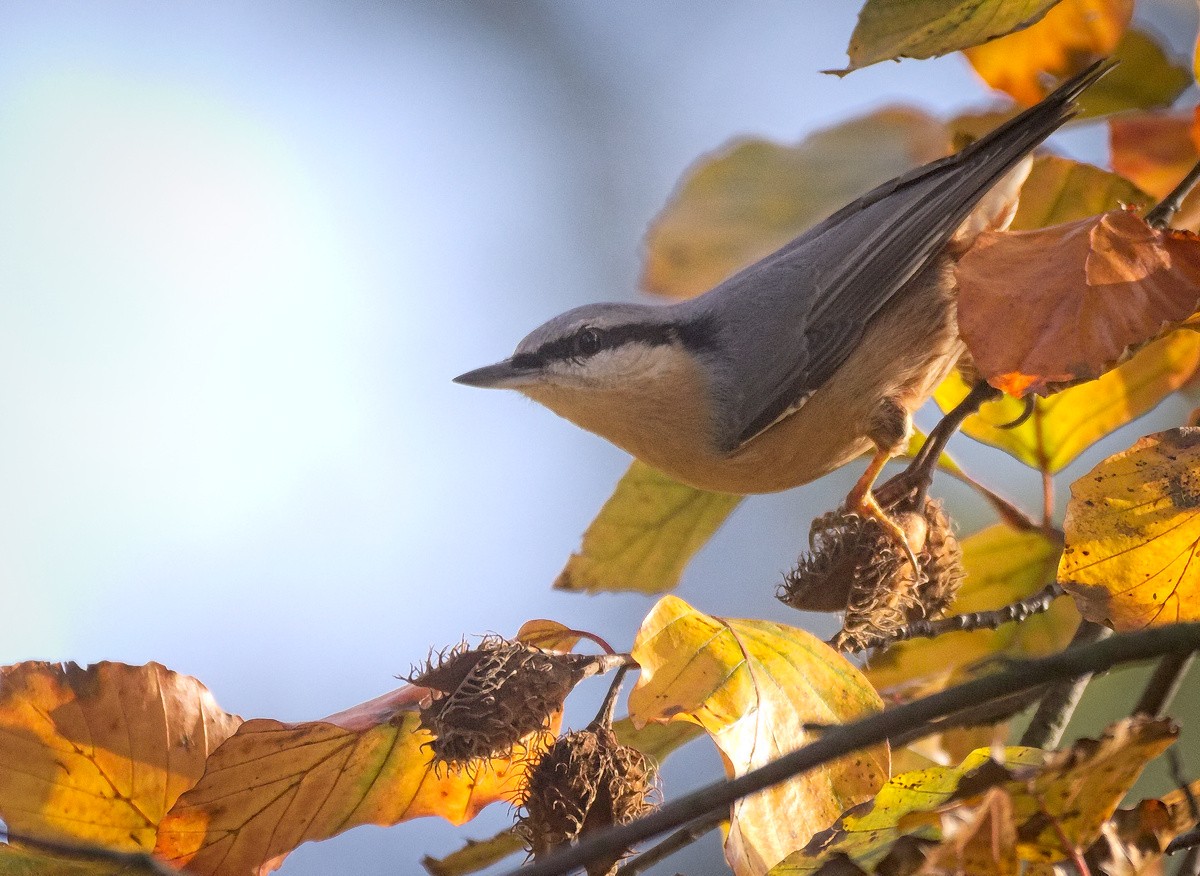
11. Eurasian Nuthatch
The eurasian Nuthatch is a petite songbird common to deciduous forests. This species can often be seen nimbly hopping along branches and trunks - sometimes straight up or straight down - as it searches for insects. Like a woodpecker, it will peel away bark or drill into outer layers of wood.
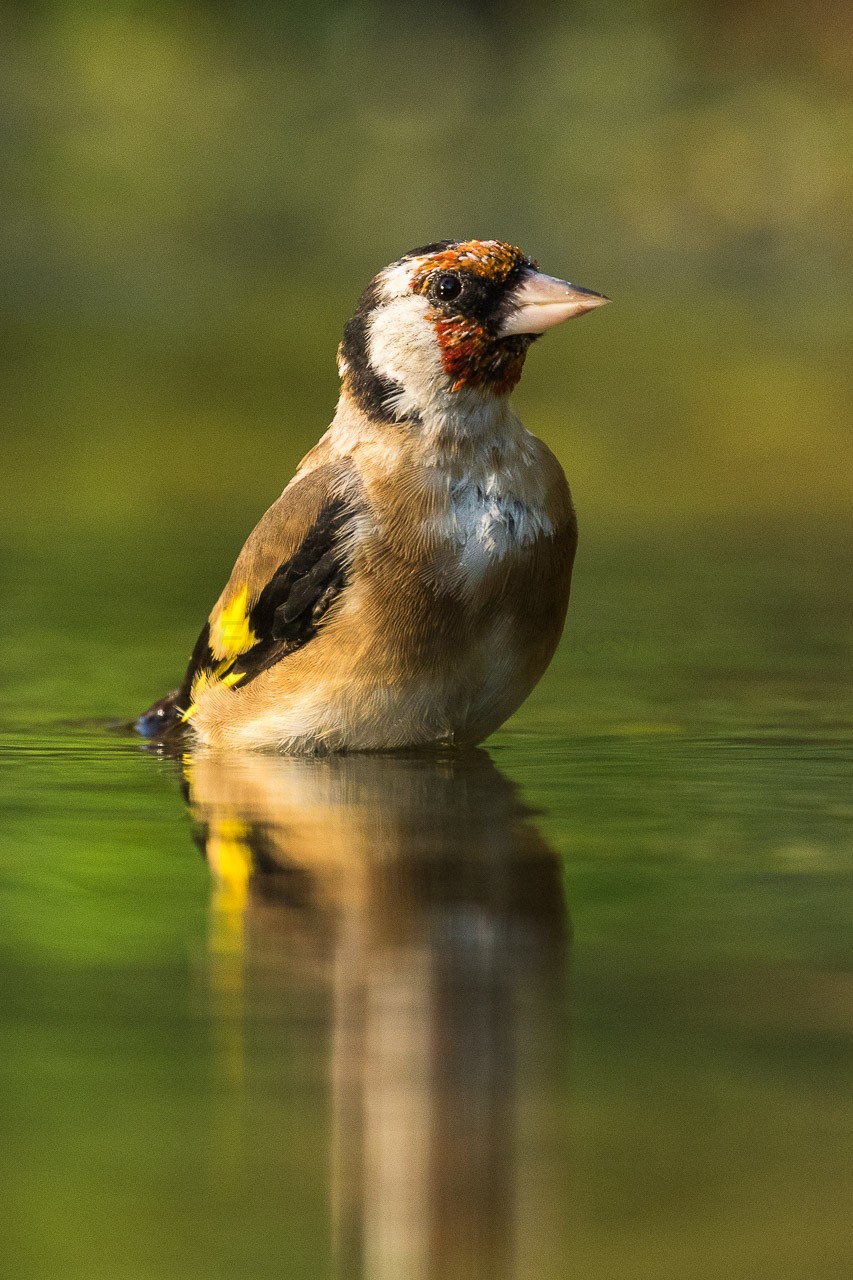
12. European Goldfinch
Prized for its brilliantly colored plumage and pleasant, musical song, the european Goldfinch has been often held in captivity, until this activity became illegal in the 1970s. Native to Europe, the species has been introduced to Australia and New Zealand. It's a very sociable bird that likes to feed on seeds and often visits feeders.
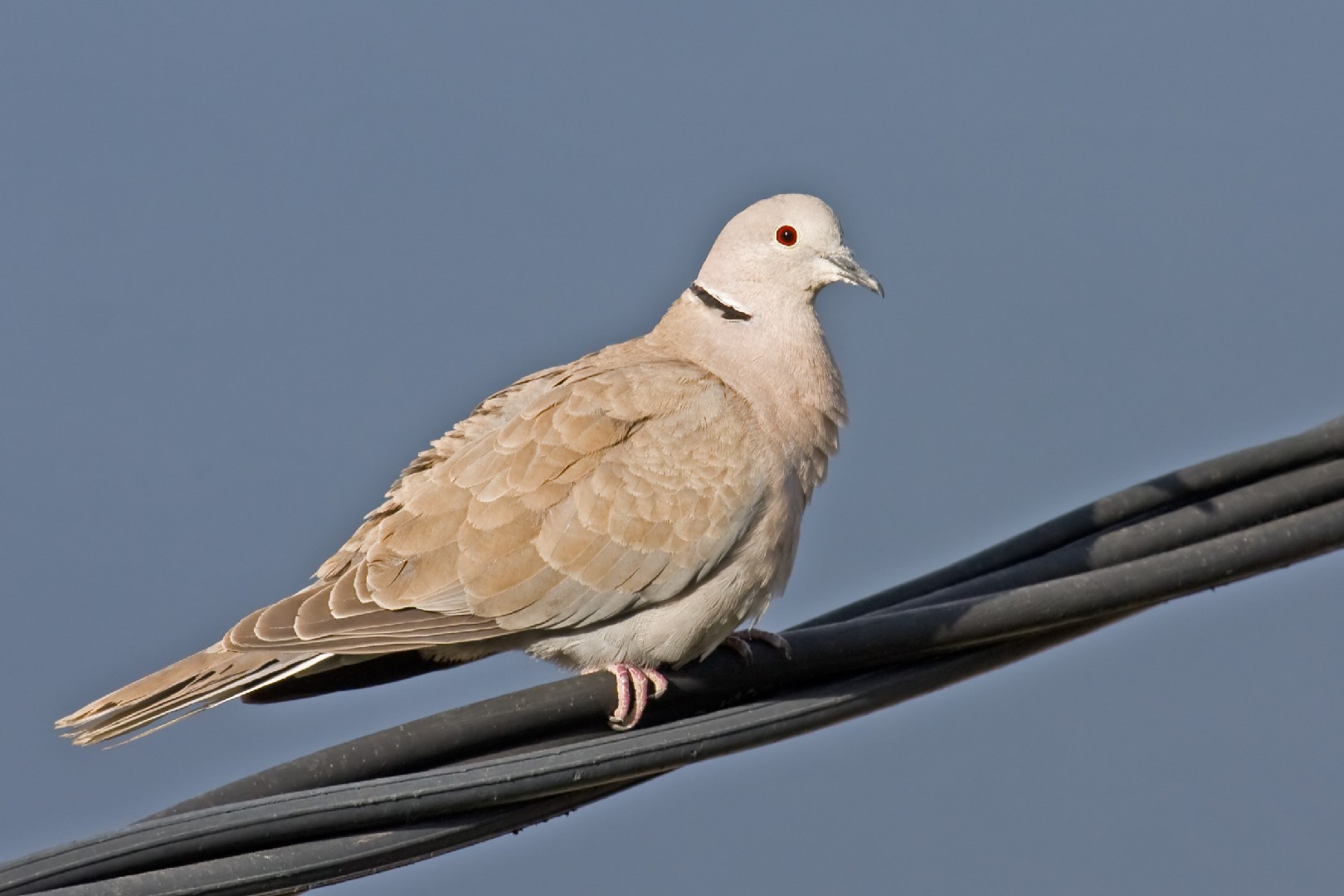
13. Eurasian Collared-dove
This plump, pretty dove with a square-tipped tail is known for bobbing its head and flicking its tail while walking. Though nice to look at, many people are not pleased at the sight of a eurasian Collared-dove walking along. In North America they are considered an invasive species, and one that carries a disease-creating parasite that can spread to native dove populations through birdbaths, feeders, or even through hawks preying on them.
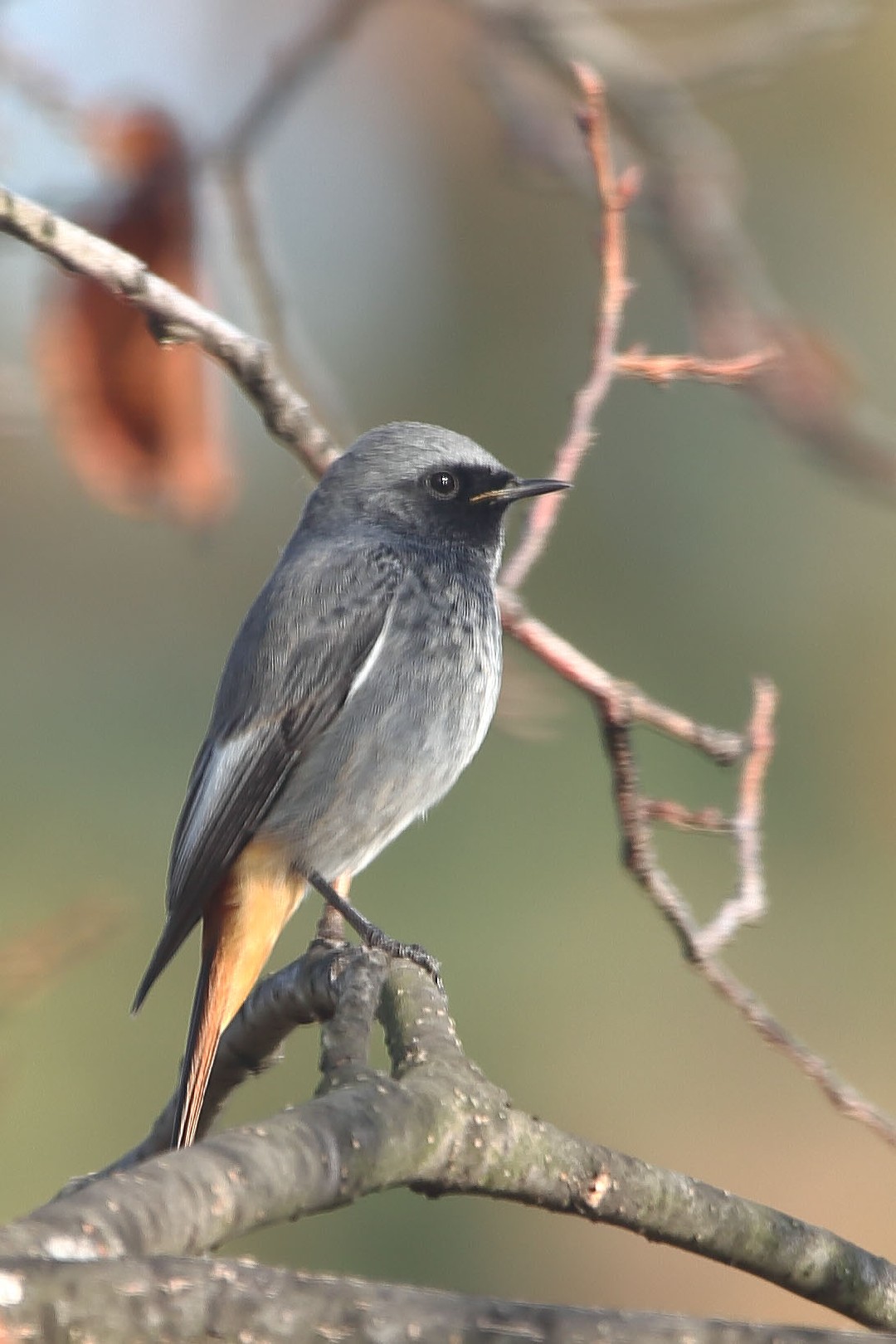
14. Black Redstart
The black Redstart is a small flycatcher that was once present only in natural habitats such as cliffs and rocky, mountainous areas, but now it also inhabits industrial sites, buildings, and rooftops. Although this bird is a remarkable singer, it is quite quiet. The species is very variable in appearance, and dines on insects.
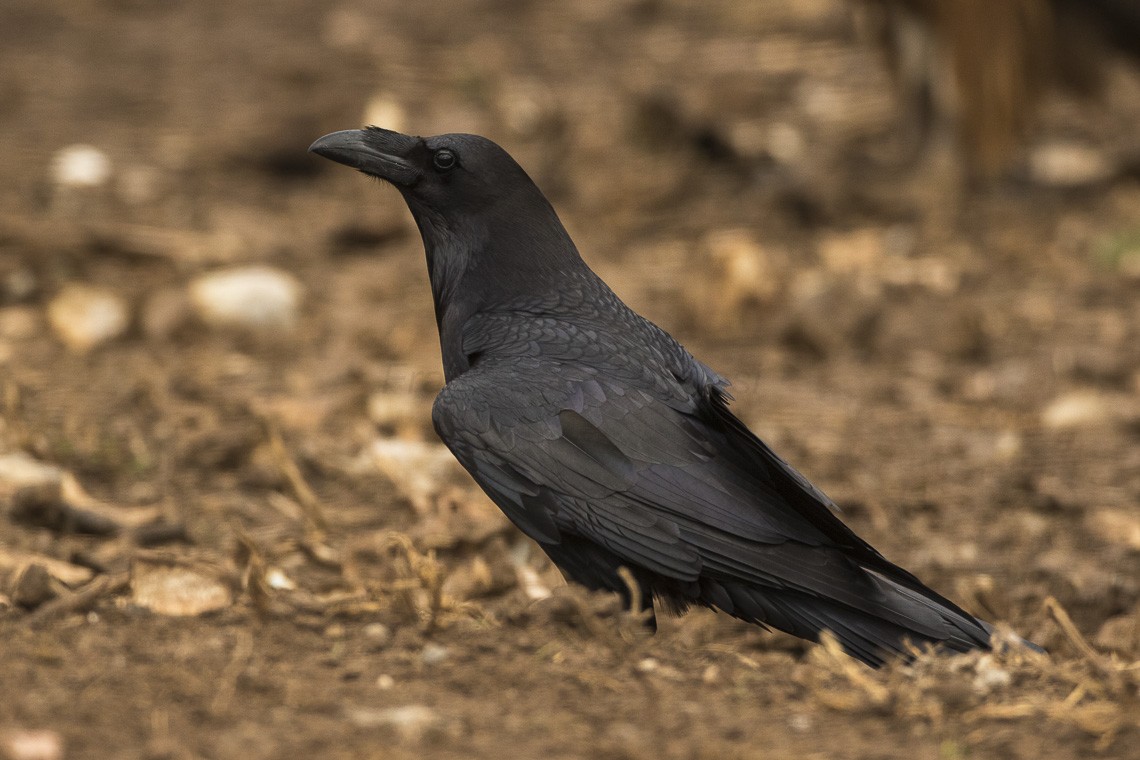
15. Common Raven
The common Raven is one of the most ubiquitous species of birds and is revered for its high intelligence. These birds prefer open habitats, but can be found in nearly all environmental conditions besides rainforests. As a social species, some subspecies of common Raven have been known to have 15 to 33 different categories of calls!

16. Barn Swallow
A familiar sight in rural and semi-open areas, the small barn Swallow can often be spotted by its distinctly graceful flight as it travels low over fields. Seemingly unbothered by having human neighbors, they nest unafraid in barns, garages, beneath bridges or wharves. Interestingly enough, they have come to prefer these locations so much that you are unlikely to spot a nest in a place that is not a human-made structure.
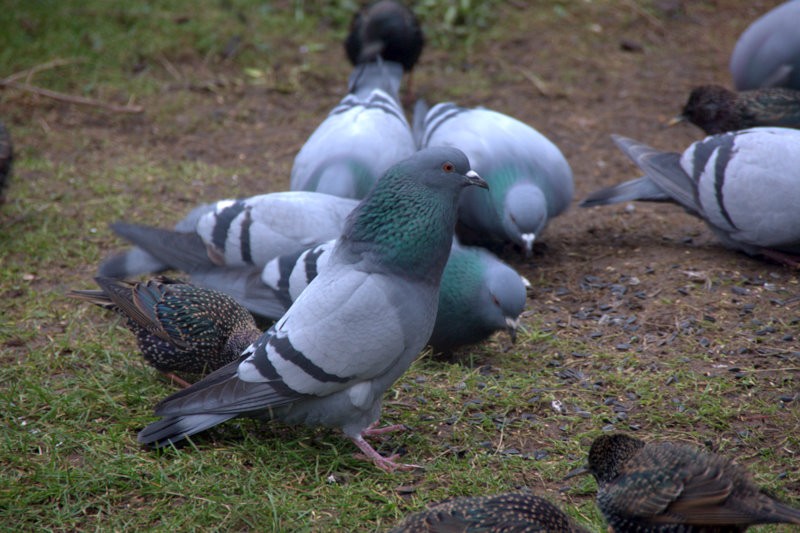
17. Rock Pigeon
The rock Pigeon is a wild ancestor of all domestic and feral pigeons, inhabiting coasts, cliffs, and caves. Pairs nest in rock crevices, often mating for life. They are known for their ability to fly very long distances to return to their homes, navigating using the sun's position and the earth's magnetic fields. Thanks to this ability, pigeons were used as messengers, particularly during World Wars I and II.
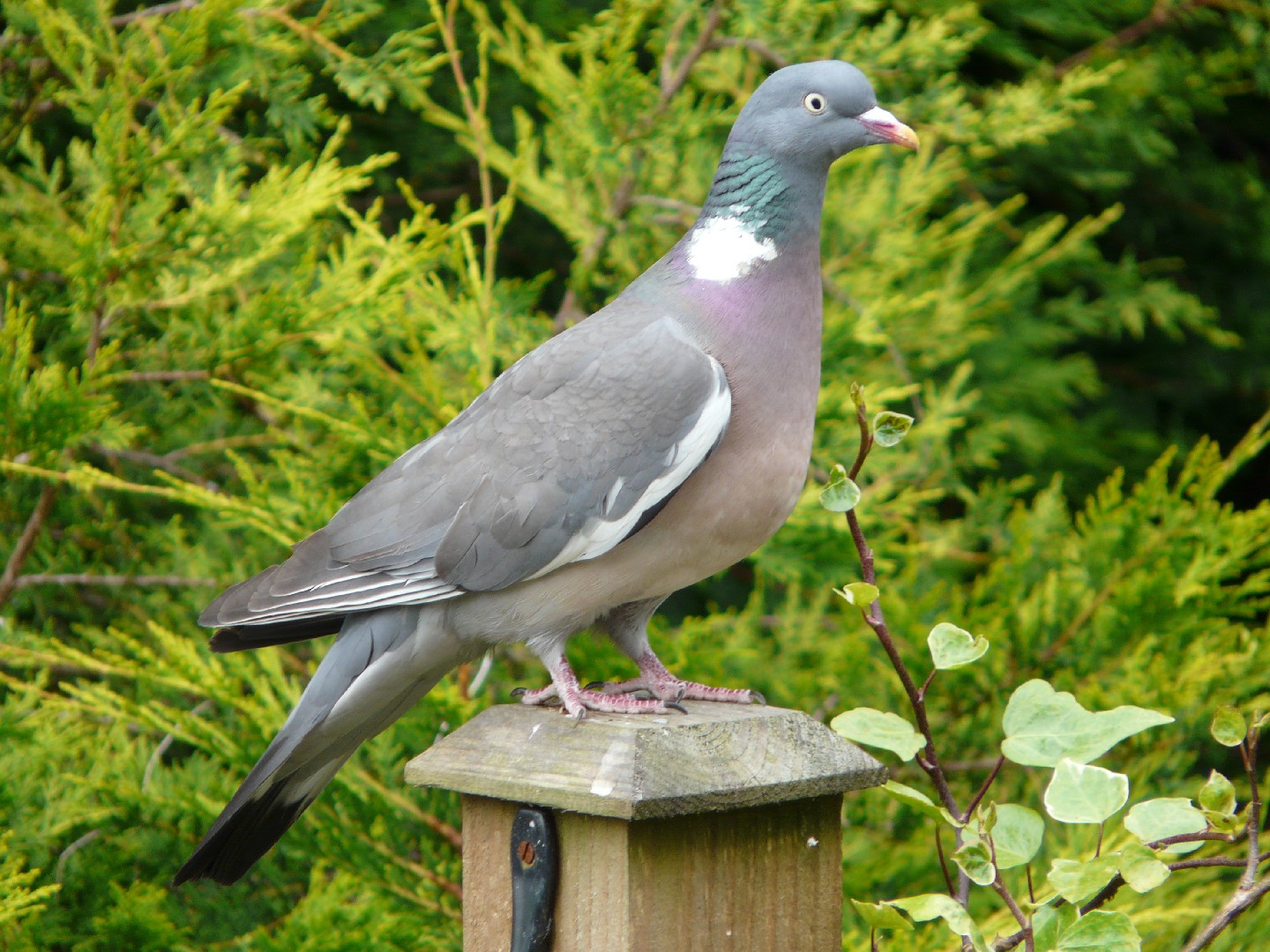
18. Common Wood Pigeon
Although primarily found in woods, the common Wood Pigeon is a large and bulky pigeon that is often seen in towns and cities. Those who inhabit urban areas are quite tame, approachable, and comfortable around humans. This pigeon is a popular game bird, particularly during its migration journeys. Its distinctive call can be heard year-round, particularly at dawn. This ground-dwelling bird gathers in large flocks that feed together.
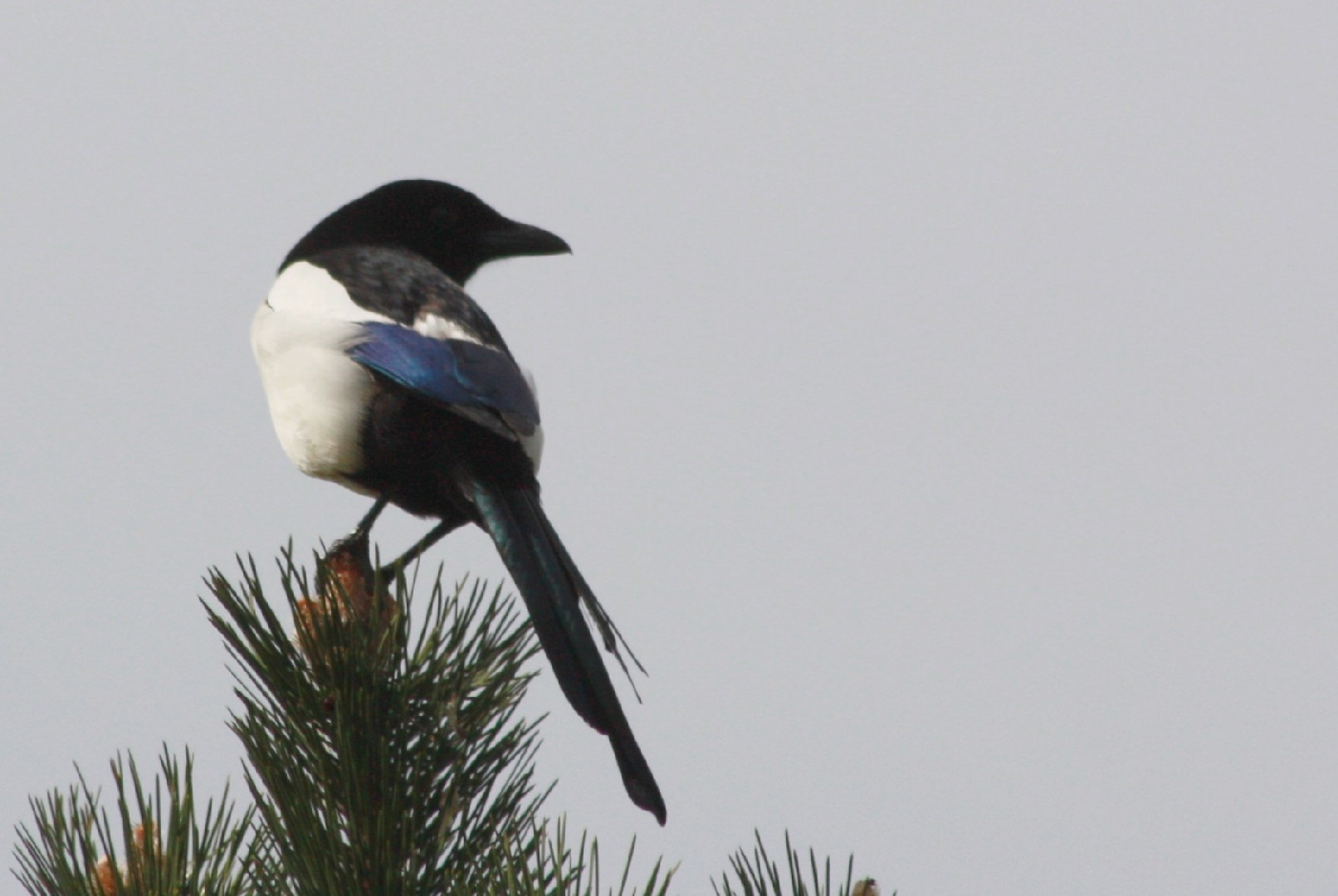
19. Eurasian Magpie
The eurasian Magpie is a striking and intelligent bird known for its black and white plumage and long tail. It is highly adaptable, found in a variety of habitats, and known for its intelligence, similar to that of great apes. It is omnivorous, eating both insects and fruits, and it has a reputation for being mischievous and thieving.
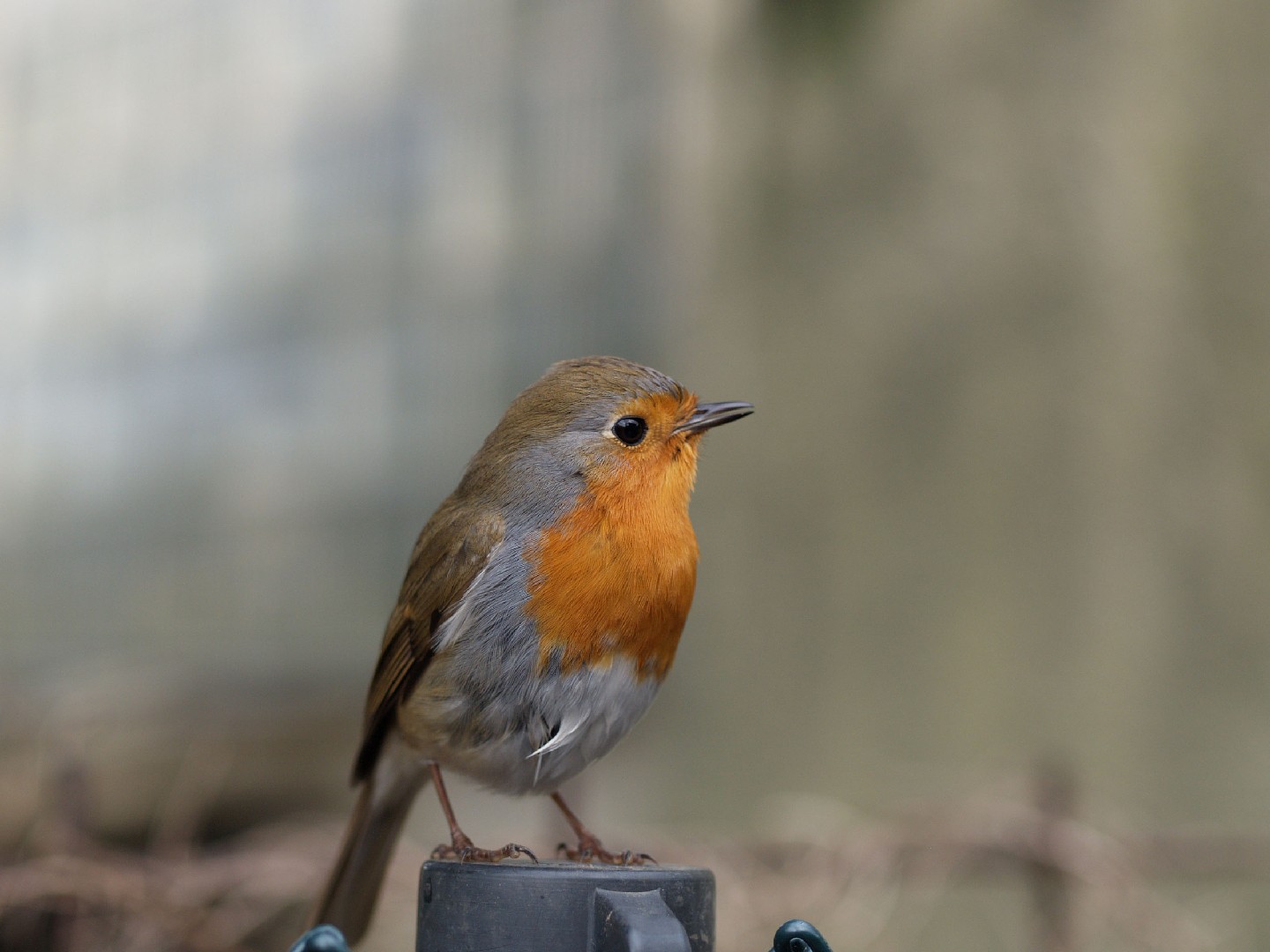
20. European Robin
The european Robin is an aggressive bird that is commonly found throughout farmlands, woodlands, and suburban communities. These birds are mainly helpful insectivores for gardeners, but will also eat various seeds and fruits. The european Robin is used on British Christmas cards to represent postmen from the Victorian era who used to wear red waistcoats while delivering holiday cards.