




Top 20 Most Common Bird in Azerbaijan
Azerbaijan is endowed with a varied landscape, with a biodiversity rich in avian species. This article focuses on 20 of the most commonly sighted birds in the region, fascinating in their unique characteristics - ranging from distinct appearances, behavioral traits to special adaptations, offering an intriguing glimpse into Azerbaijan's ecological wealth.

Most Common Bird

1. White Wagtail
The white Wagtail is the national bird of Latvia and is featured in traditional folk songs and placed on some postage stamps. These birds can be found in most habitat types besides deserts. As their name suggests, they exhibit a characteristic tail-wagging behavior as they search along the ground and nearby waterways for insects to eat.
2. Crested Lark
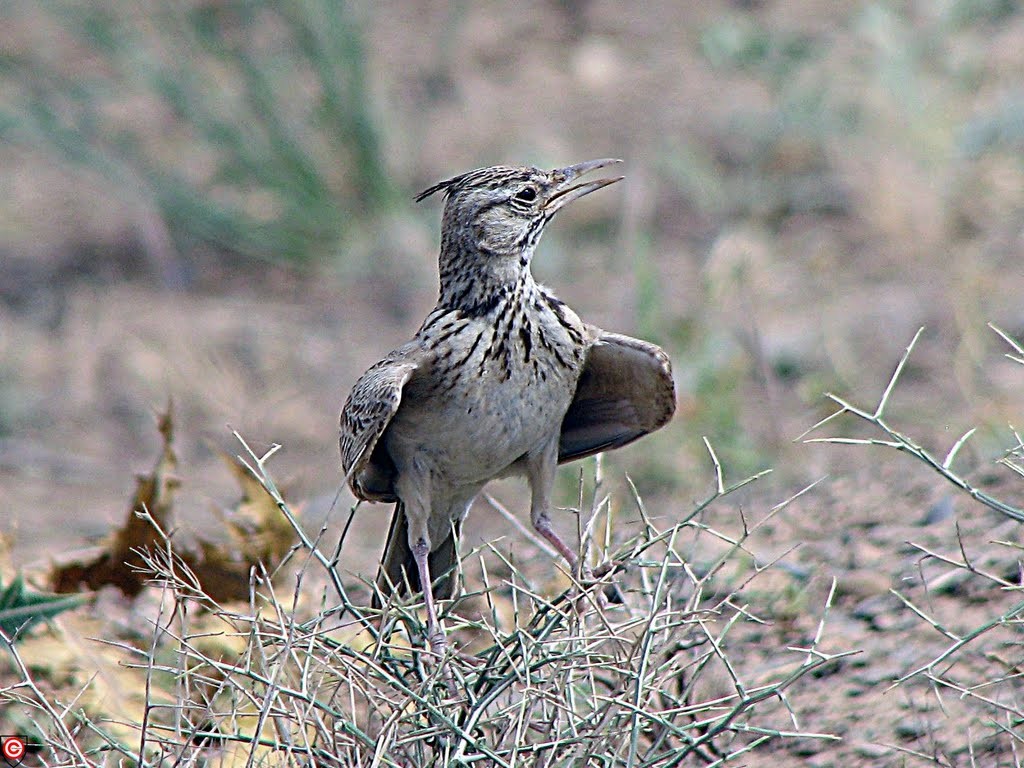
A fairly small lark, the crested lark is roughly the same size as a Eurasian skylark, but shorter overall and bulkier around the head and body, and very similar in appearance, with a height of 17 cm (6.7 in) and a wingspan of 29 to 38 cm (11 to 15 in), weighing between 37 and 55 g (1.3 and 1.9 oz). It is a small, brown bird which has a short tail with light brown outer feathers. Male and females have no real differences, but young crested larks have more spots on their back than their older counterparts. Its plumage is downy but sparse and appears whitish. The distinct crest from which the crested lark gets its name is conspicuous at all times but is more pronounced during territorial or courtship displays and when singing. In flight it shows reddish underwings. It shares many characteristics with the Thekla lark, with the main distinctions between the two being the beak, the Thekla's heavier black-brown streaks and its grey underwing, present in European specimens. 
3. Hooded Crow
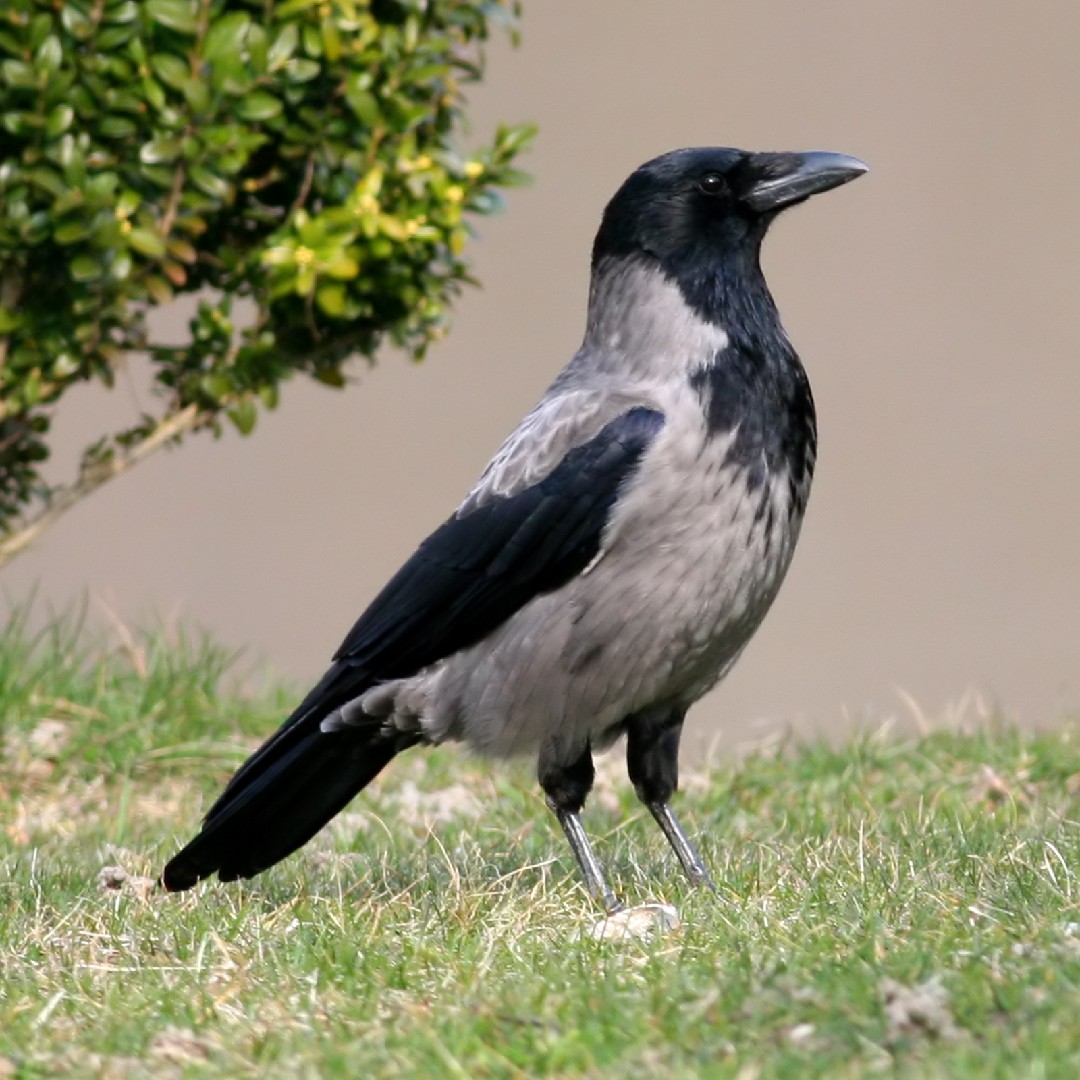
The hooded Crow is often mistaken for the carrion crow (Corvus corone) and has even been regarded as the same species; indeed, these two species may breed to create a hybrid. The hooded Crow is commonly found in woodlands, farmlands, and suburban areas. They can usually be seen in pairs or small groups, looking to find decaying meat, grain, and other protein.
4. Western Marsh Harrier
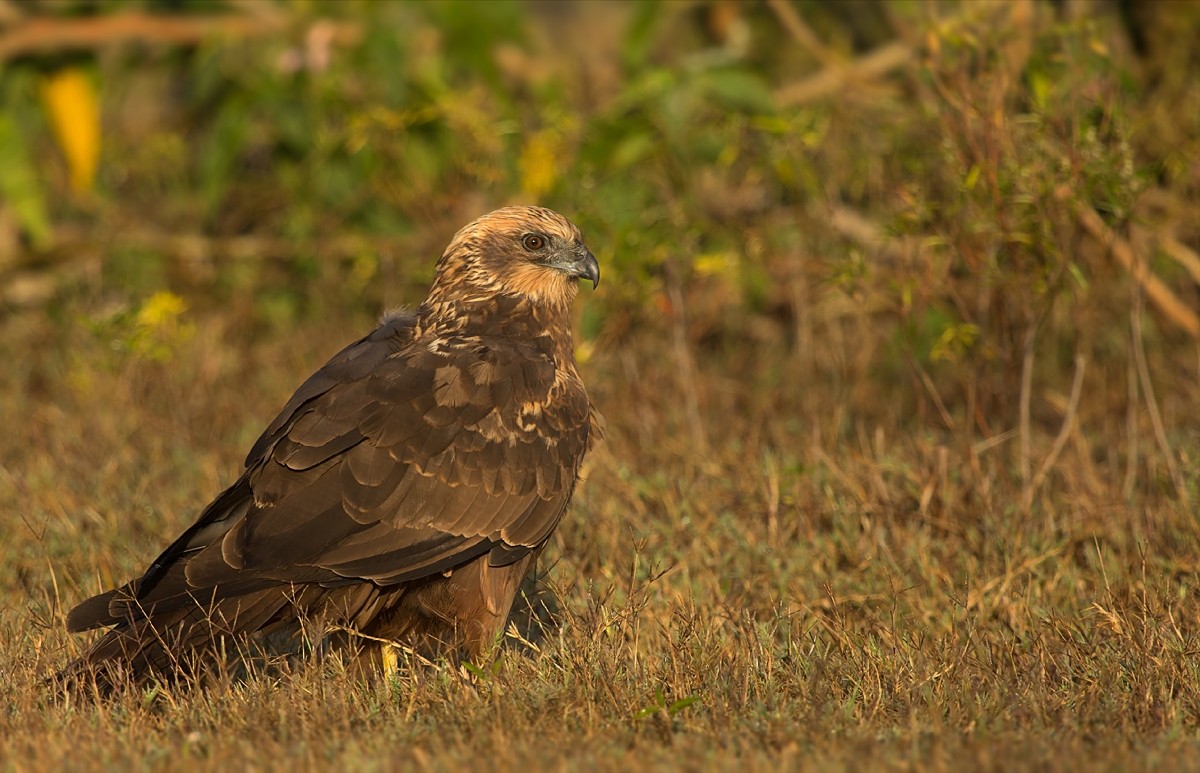
The western Marsh Harrier’s long tail and wings give the raptor a gangly appearance. It is commonly seen flying low over wetlands and marshes in search of prey. The preferred food sources are small birds and mammals that it catches in its beak or talons. While in flight, the raptor holds its wings in a ‘V’ shape.
5. European Starling
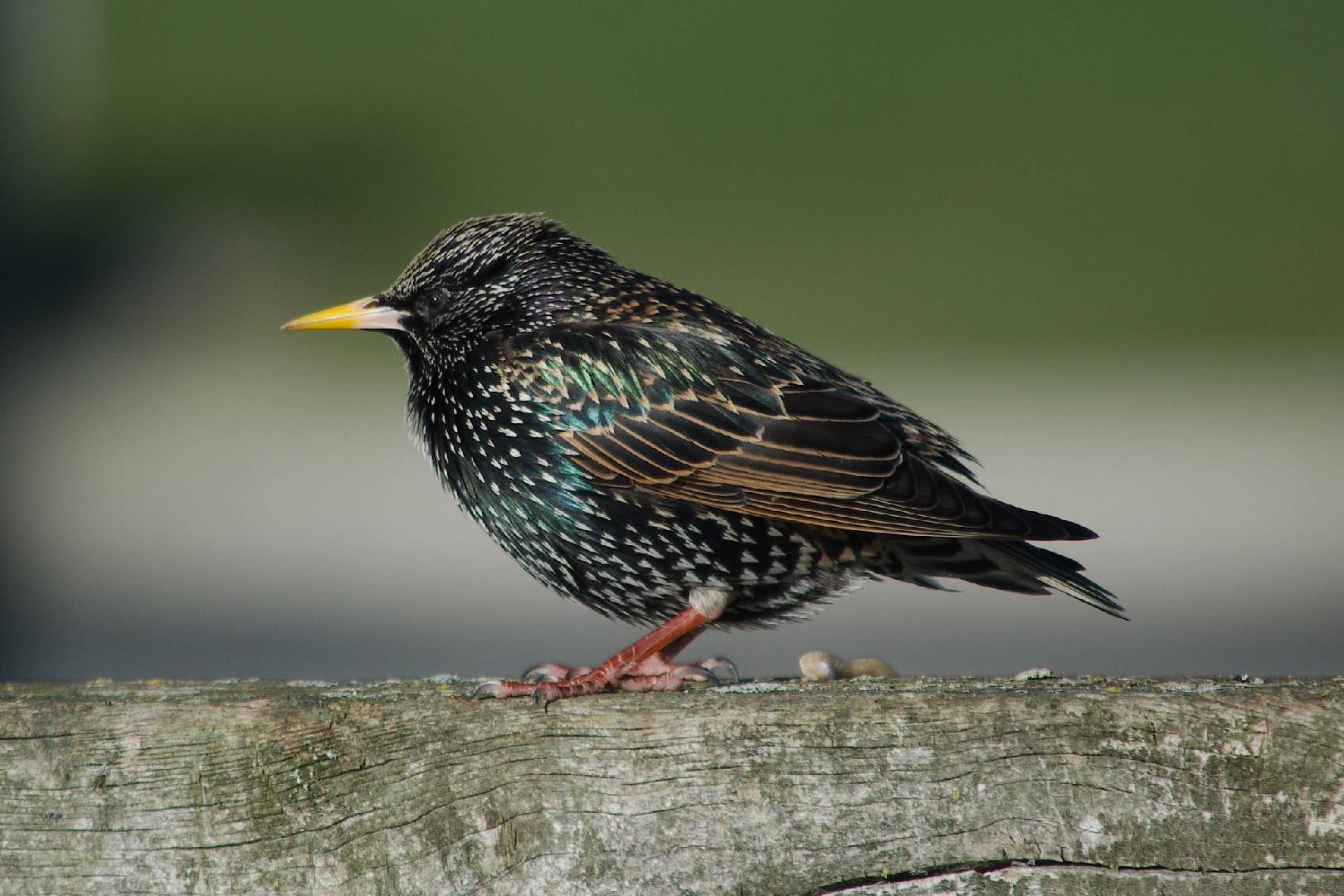
The european Starling, a large, hardy songbird, is one of the most commonly seen bird species in North America. Originally from Europe, this species was brought to the U.S. in the 1890s by enthusiasts of William Shakespeare, who had the unique goal of bringing over every single species of bird that was mentioned in Shakespeare's collective works. Unfortunately, the european Starling, being an adaptable, generalist species, spread invasively across the continent, hurting many native species' populations in the process.
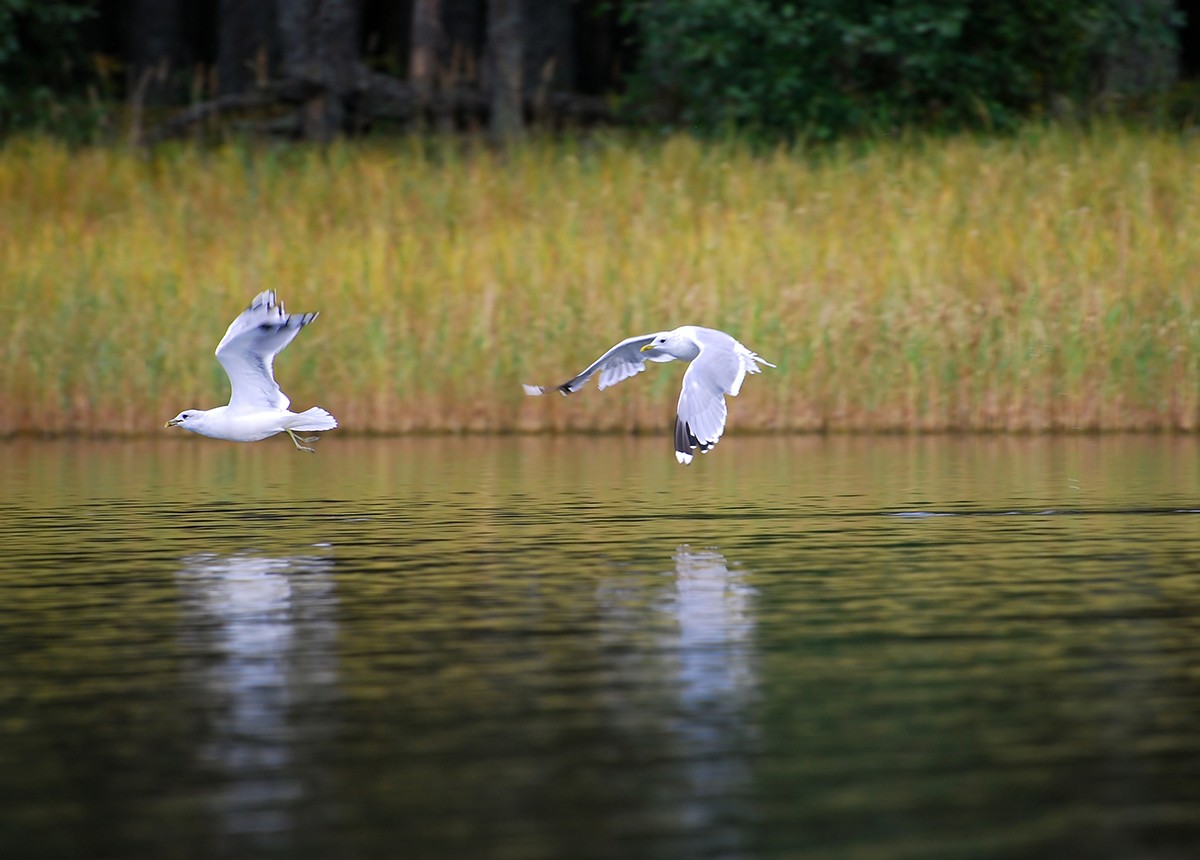
6. Caspian Gull
The caspian Gull is a majestic bird. This gull is a common sight in the coastal areas around the Black and Caspian Seas, where it feeds on a variety of food including fish, insects, and rodents. It is known for its agility and can be seen soaring high in search of food.
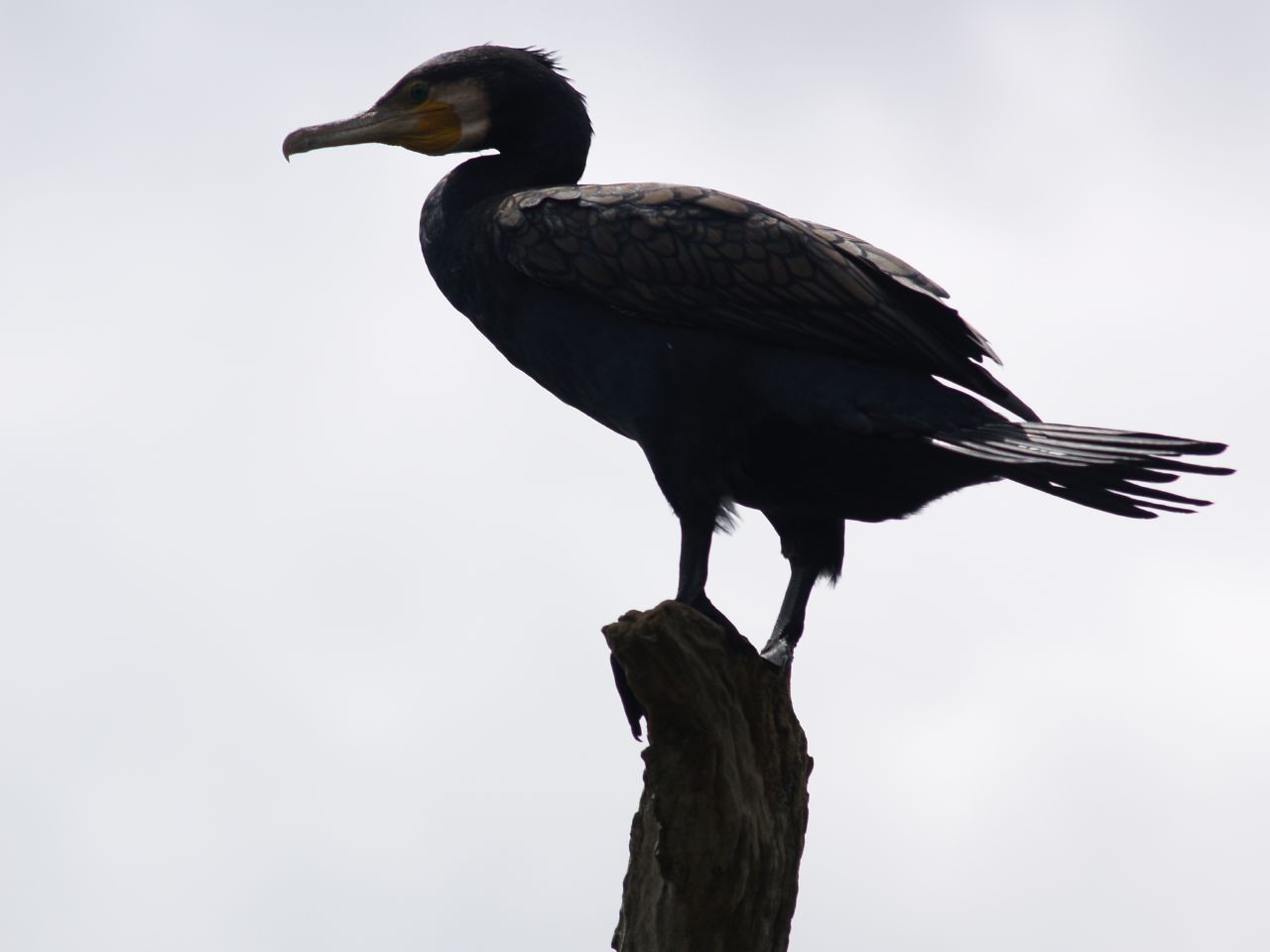
7. Great Cormorant
The great Cormorant is a charismatic bird known for its diving abilities and fishing prowess. It has a glossy black plumage, a long neck, and a hooked beak. It is strong swimmers and divers, capable of reaching depths up to 30 feet to catch fish. It has a unique habit of spreading their wings in the sun to dry them after fishing, helping to maintain their waterproof feathers.
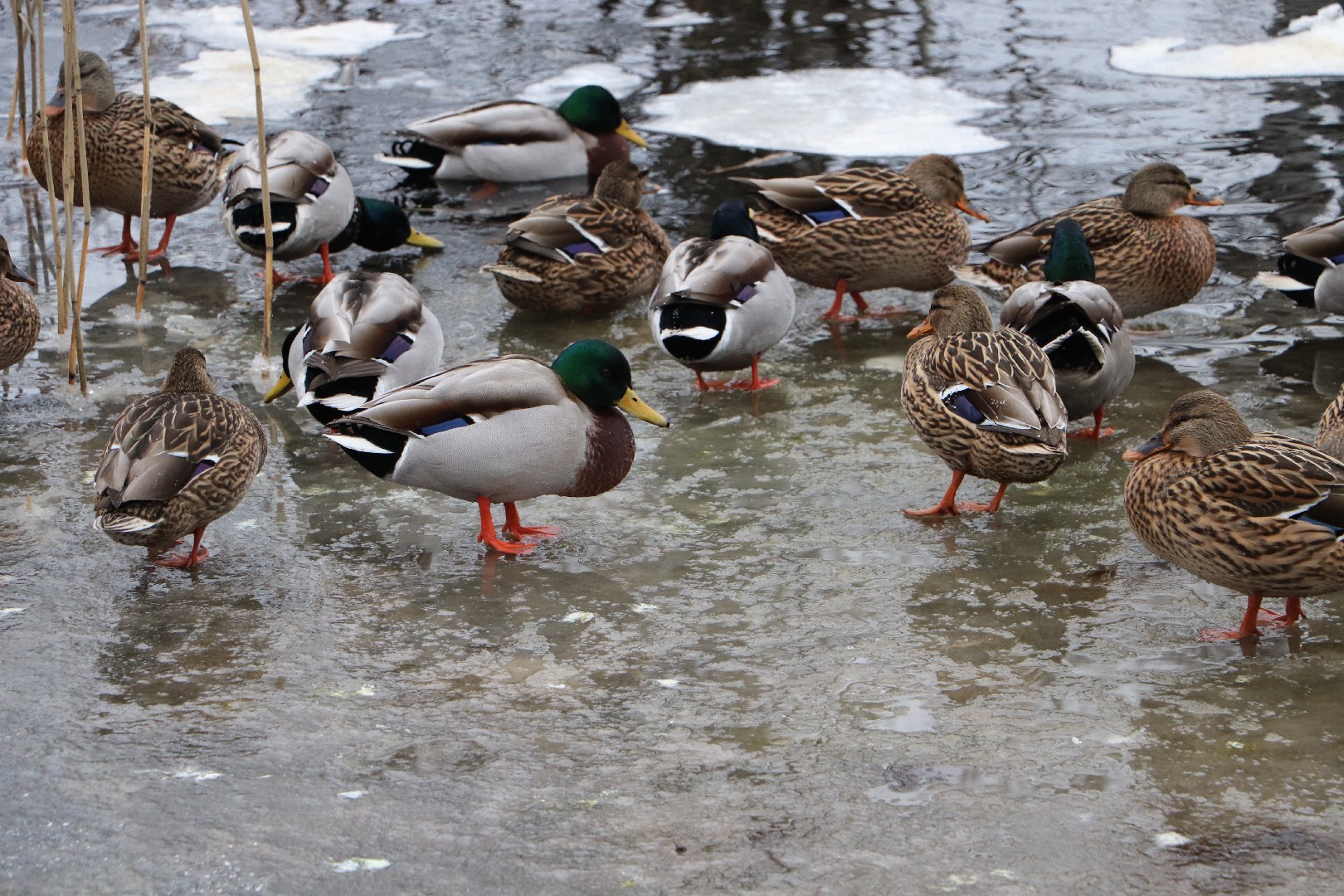
8. Mallard
The mallard is the most abundant duck species in the world, and the ancestor of all domestic ducks. Only the female can produce the distinctive "quack" sound. When the female lays eggs, the male abandons its mate, while the protective mother stays with the ducklings for a long time. This migratory species inhabits shallow waters and it's one of the most popular game birds.
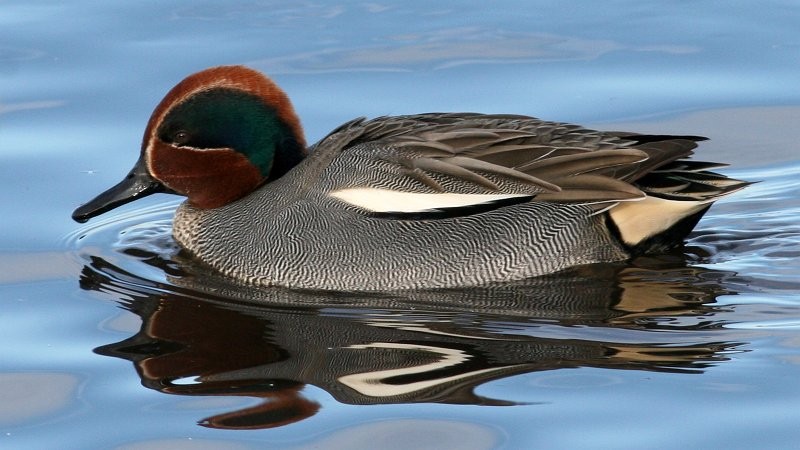
9. Green-winged Teal
The green-winged Teal is a small duck primarily found around aquatic areas. It can also occasionally be seen on mudflats searching for vegetation. The duck often forages for submerged vegetation by tipping its slender beak in the water. It has a wide range that includes most continents including Asia, North America, and Europe.
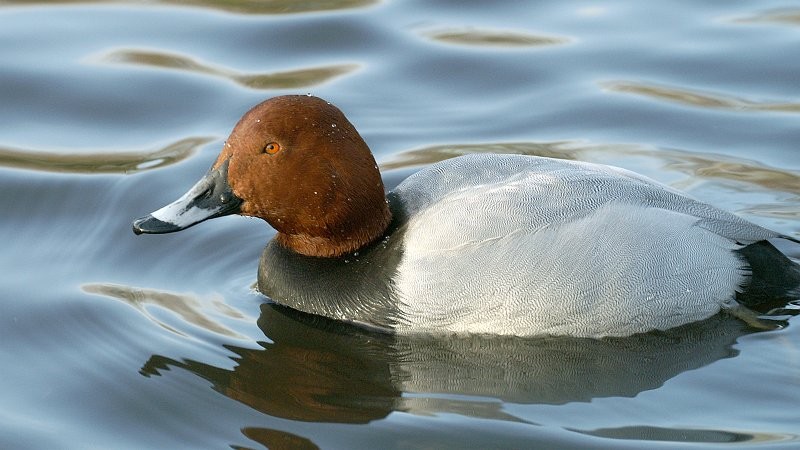
10. Common Pochard
The common Pochard is a mid-sized duck that dives into the water in search of food. It is often seen in reservoirs and lakes edged with reeds. During the winter, the diving duck can even be found in the ocean searching for aquatic plants, small fish, and snails.
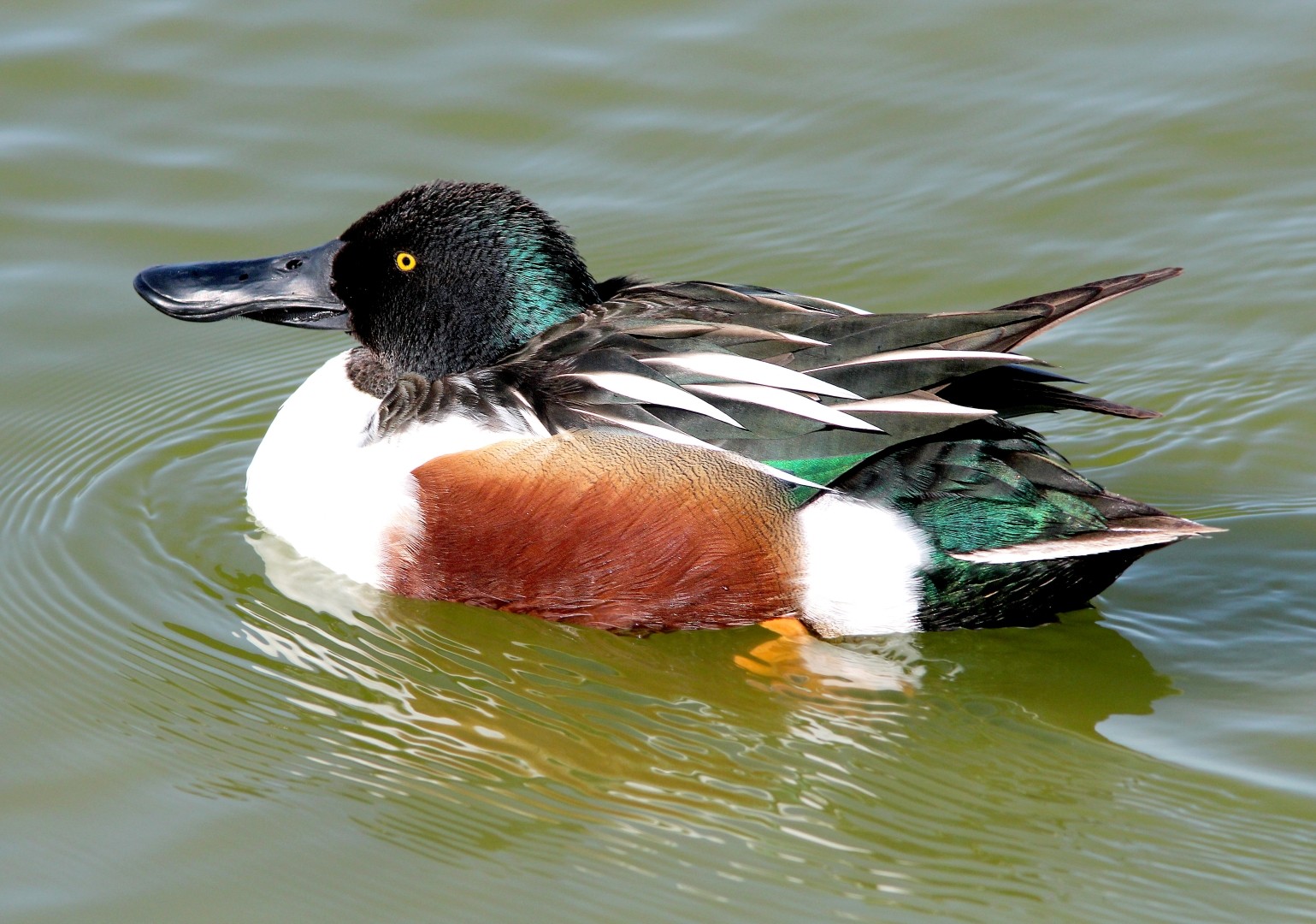
11. Northern Shoveler
The northern Shoveler is primarily seen in freshwater habitats, where it forages for feed with its large bill. The spoon-shaped bill is often clearly visible on the duck, even when it is in flight. It’s not uncommon to see the duck in groups swimming in circles as it searches for food.
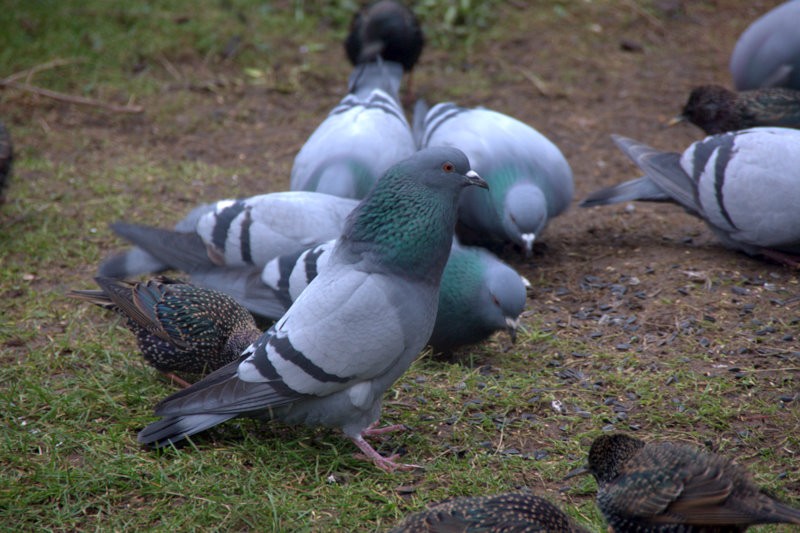
12. Rock Pigeon
The rock Pigeon is a wild ancestor of all domestic and feral pigeons, inhabiting coasts, cliffs, and caves. Pairs nest in rock crevices, often mating for life. They are known for their ability to fly very long distances to return to their homes, navigating using the sun's position and the earth's magnetic fields. Thanks to this ability, pigeons were used as messengers, particularly during World Wars I and II.
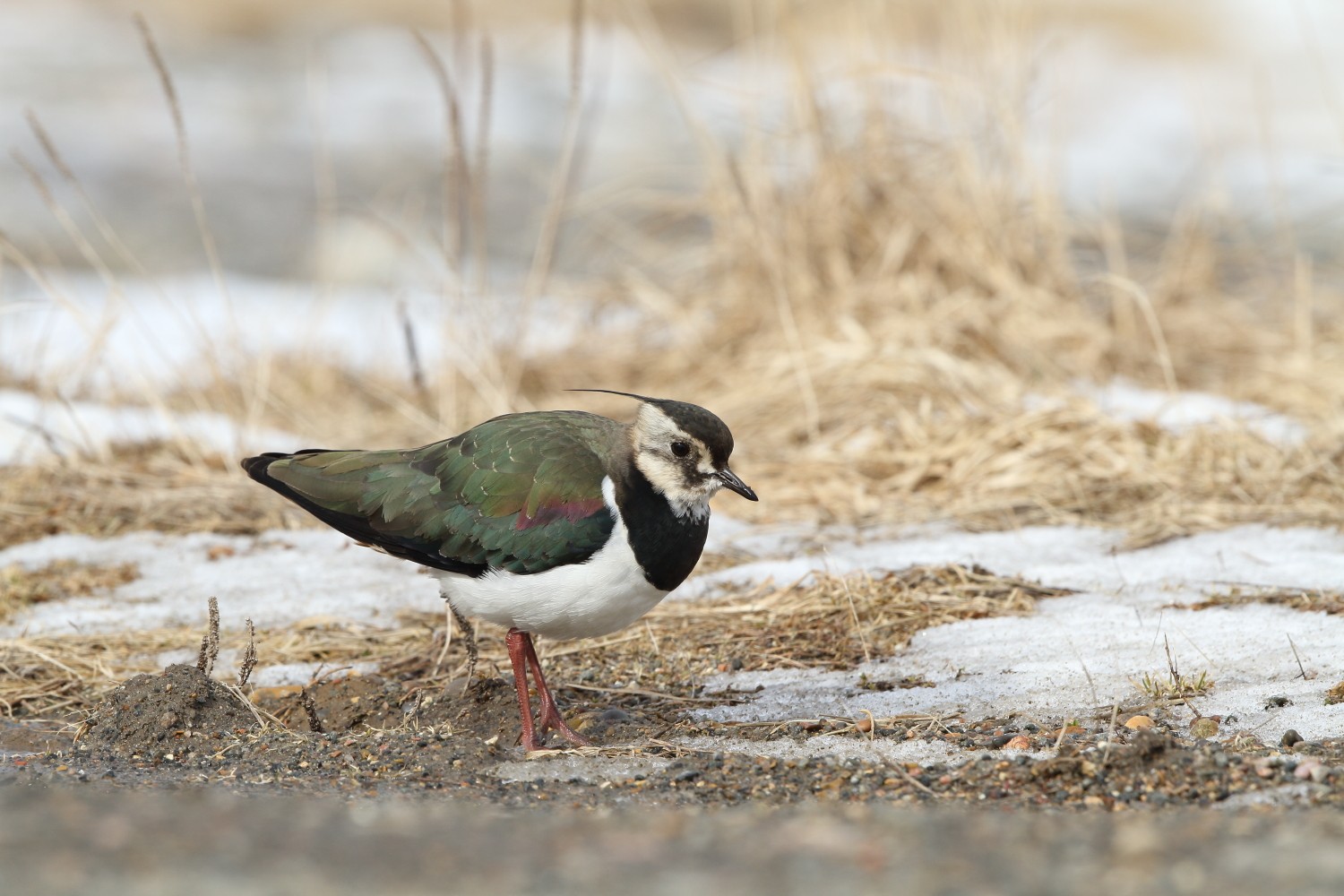
13. Northern Lapwing
The northern Lapwing is a large shorebird with a striking appearance. Its black feathers have a greenish appearance in bright light. The wader is common in open areas, including wetlands, grassy fields, and agricultural areas. While often solitary in the spring, the shorebird typically forms small flocks in the fall and winter.
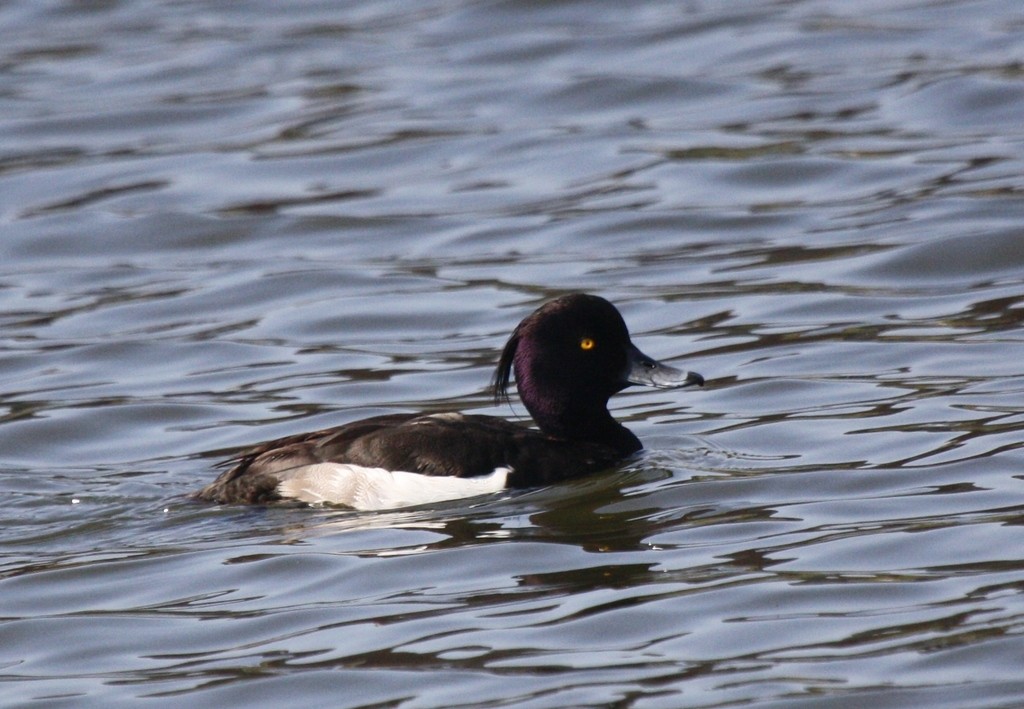
14. Tufted Duck
The tufted Duck’s distinctive plumage sets it apart from other species. During the warmer months, the duck is commonly found on lakes and marshes but moves to the sea in the winter. It typically forms flocks in the winter where it spends the day sleeping. The duck often dives into the water in search of aquatic plants and insects.
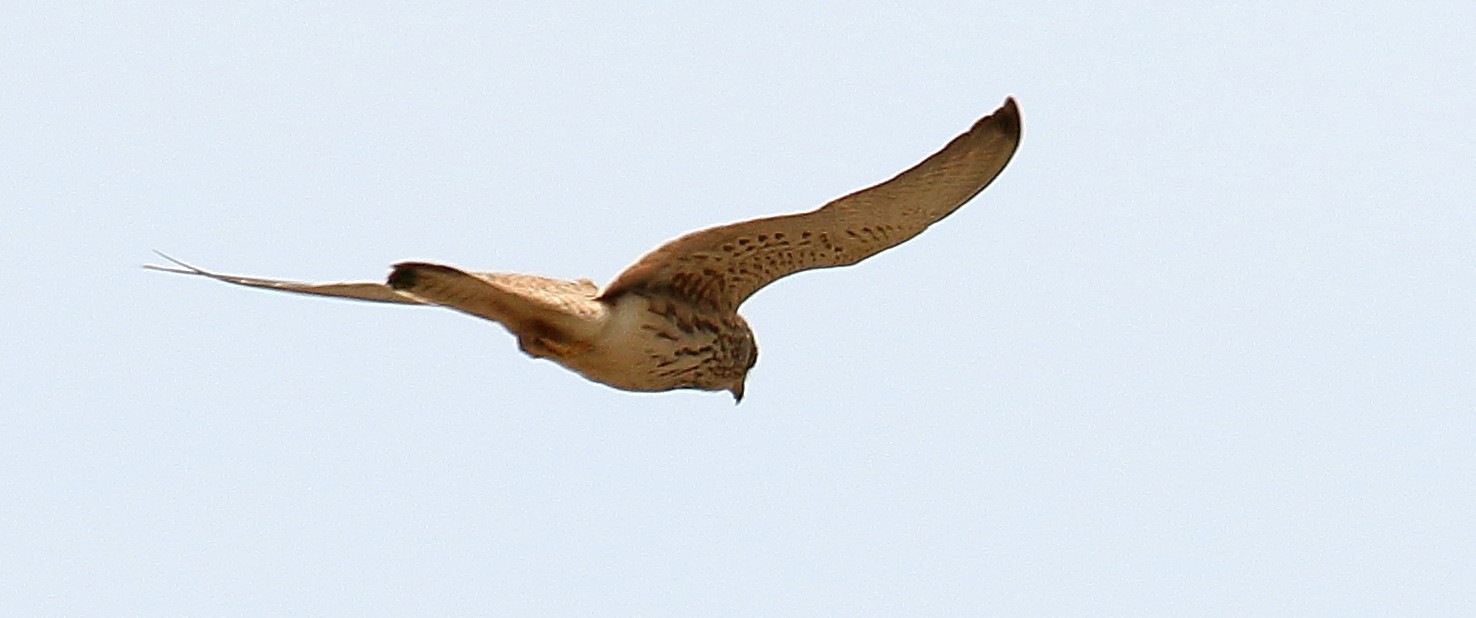
15. Lesser Kestrel
It shares a brown back and barred grey underparts with the larger species. The male has a grey head and tail like male common kestrels, but lacks the dark spotting on the back, the black malar stripe, and has grey patches in the wings. The call is a diagnostic harsh chay-chay-chay, unlike the common kestrel's kee-kee-kee. Neither sex has dark talons as is usual in falcons; those of this species are a peculiar whitish-horn color.
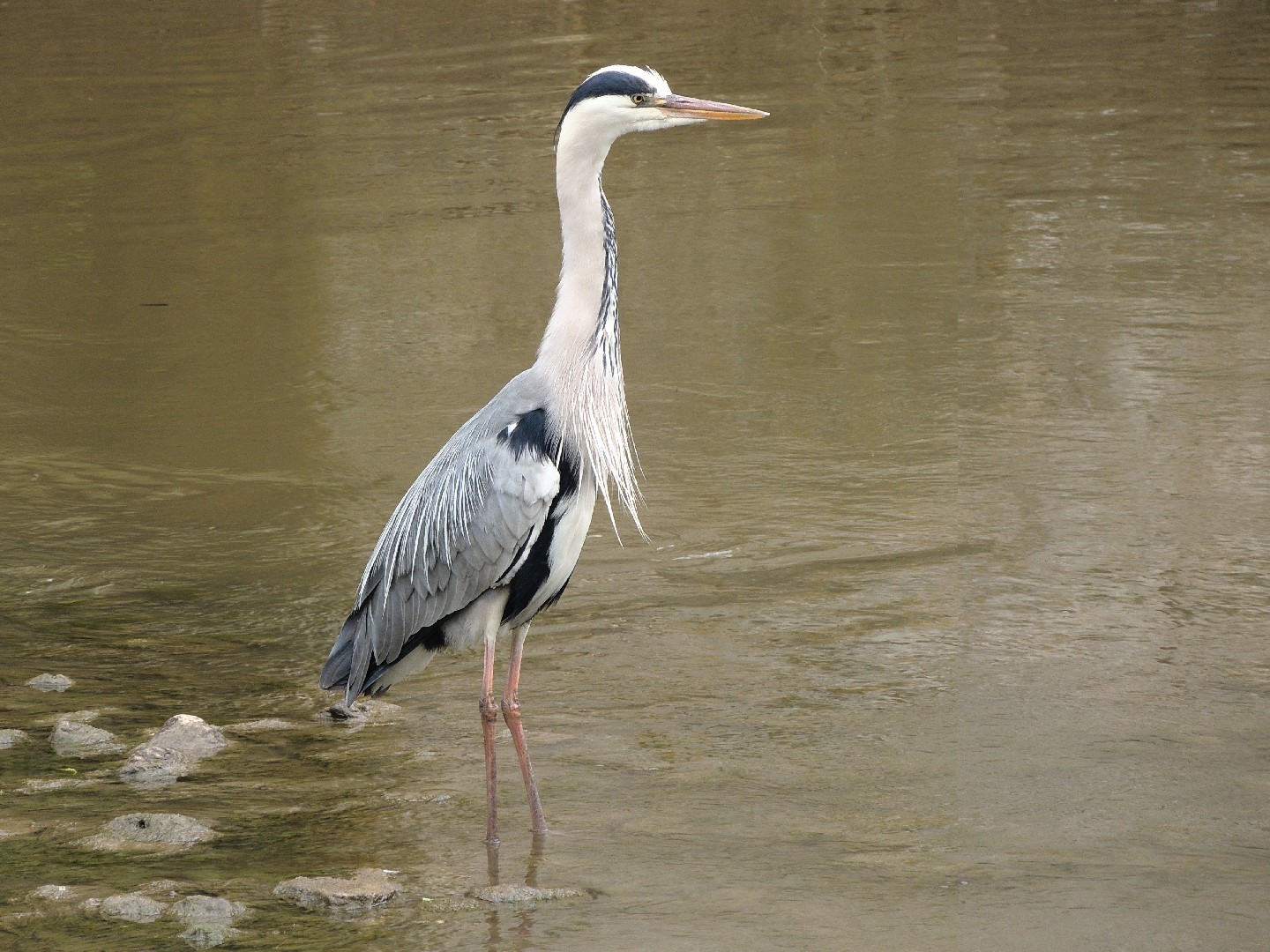
16. Grey Heron
The grey Heron is a very common species to come across in marine, brackish, and freshwater ecosystems; these habitats must have at least four months of warm weather or else these birds will migrate for new breeding grounds. The grey Heron hunts by wading through shallow waters looking for fish and various invertebrates; their natural diet helps control some aquatic species populations.
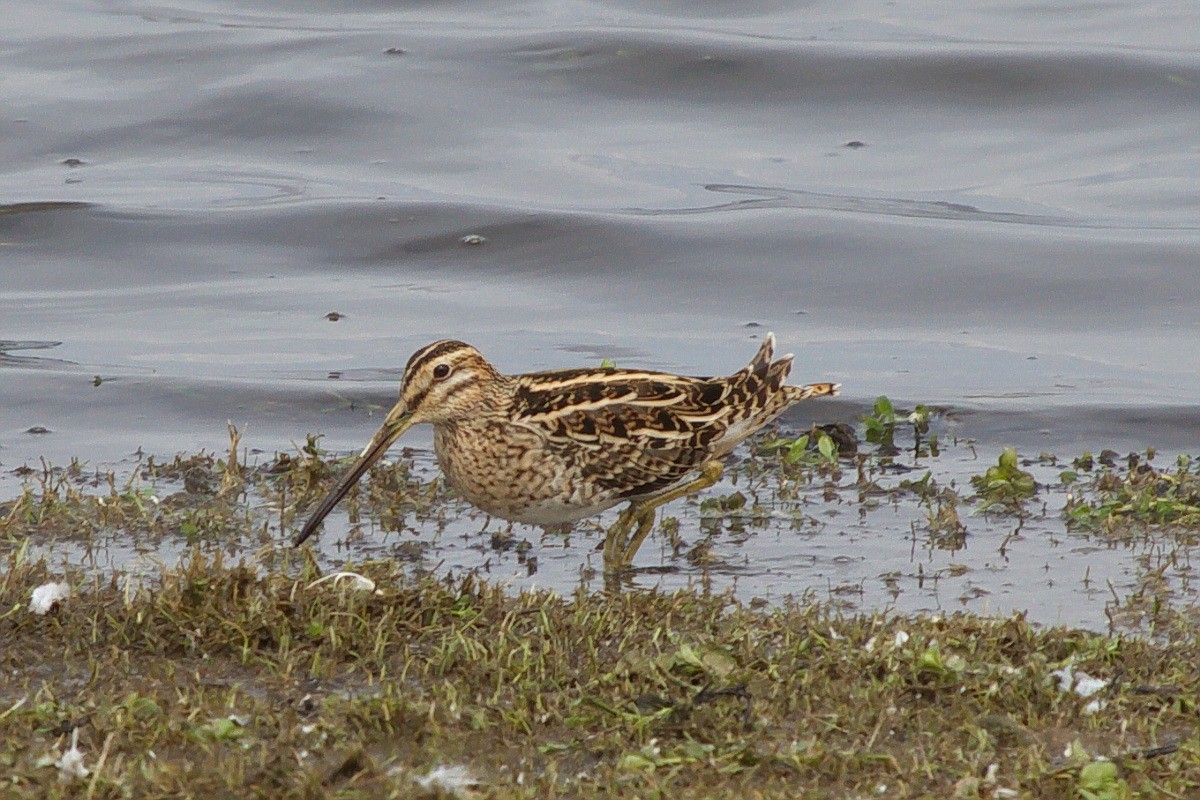
17. Common Snipe
Adults are 25–27 cm (9.8–10.6 in) in length with a 44–47 cm (17–19 in) wingspan and a weight of 80–140 g (2.8–4.9 oz) (up to 180 g (6.3 oz) pre-migration). They have short greenish-grey legs and a very long (5.5–7 cm (2.2–2.8 in)) straight dark bill. The body is mottled brown with straw-yellow stripes on top and pale underneath. They have a dark stripe through the eye, with light stripes above and below it. The wings are pointed. It is the most widespread of several similar snipes. It most closely resembles the Wilson's snipe (G. delicata) of North America, which was until recently considered to be a subspecies — G. g. delicata — of common snipe. They differ in the number of tail feathers, with seven pairs in G. gallinago and eight pairs in G. delicata; the North American species also has a slightly thinner white trailing edge to the wings (the white is mostly on the tips of the secondaries). Both species breed in the Aleutian Islands. It is also very similar to the pin-tailed snipe (G. stenura) and Swinhoe's snipe (G. megala) of eastern Asia; identification of these species there is complex. There are two subspecies of common snipe, G. g. faeroeensis in Iceland, the Faroes, Shetland and Orkney (wintering in Britain and Ireland), and G. g. gallinago in the rest of the Old World. The faeroeensis normally is more richly toned on the breast, its upperparts and the head than the gallinago.
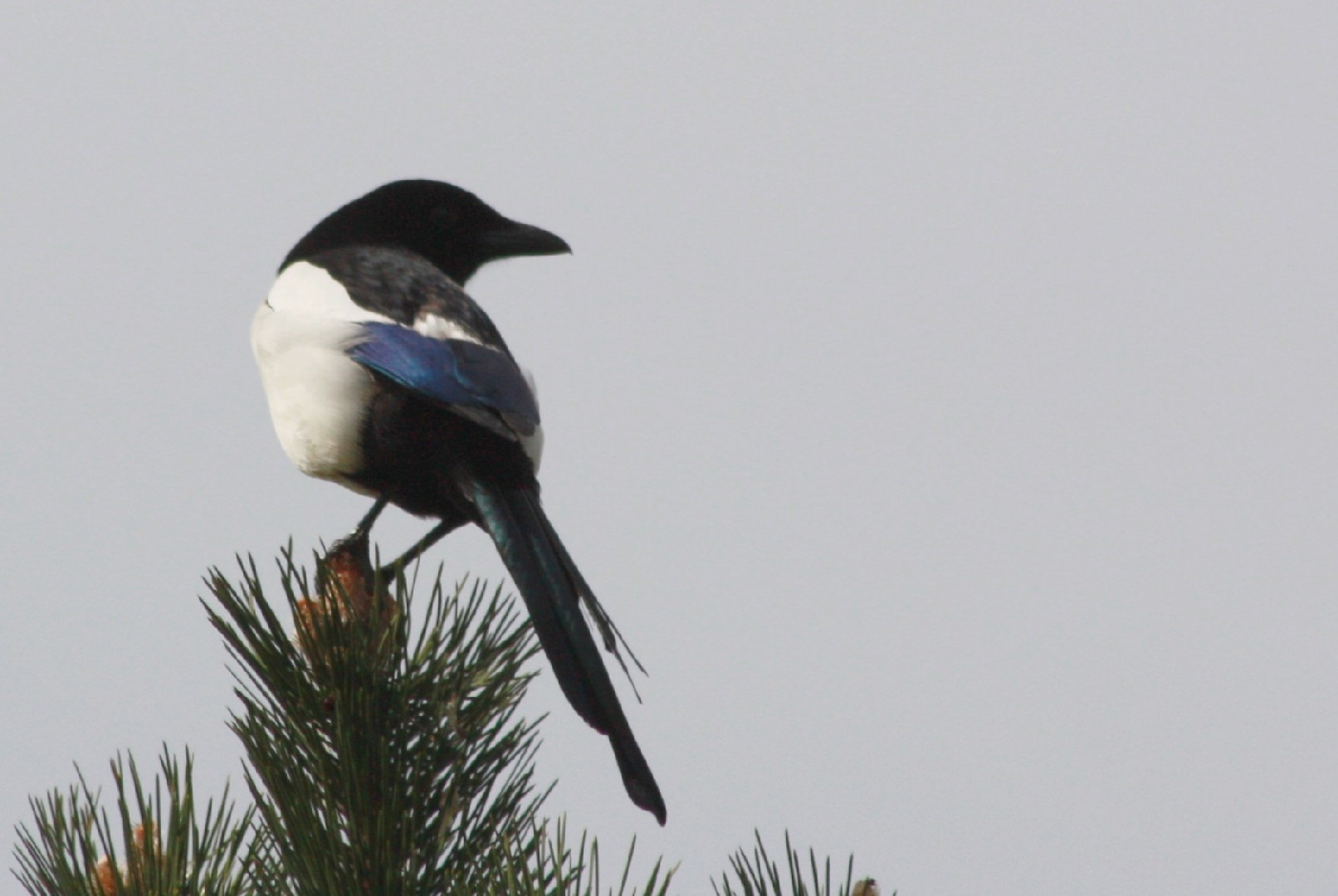
18. Eurasian Magpie
The eurasian Magpie is a striking and intelligent bird known for its black and white plumage and long tail. It is highly adaptable, found in a variety of habitats, and known for its intelligence, similar to that of great apes. It is omnivorous, eating both insects and fruits, and it has a reputation for being mischievous and thieving.
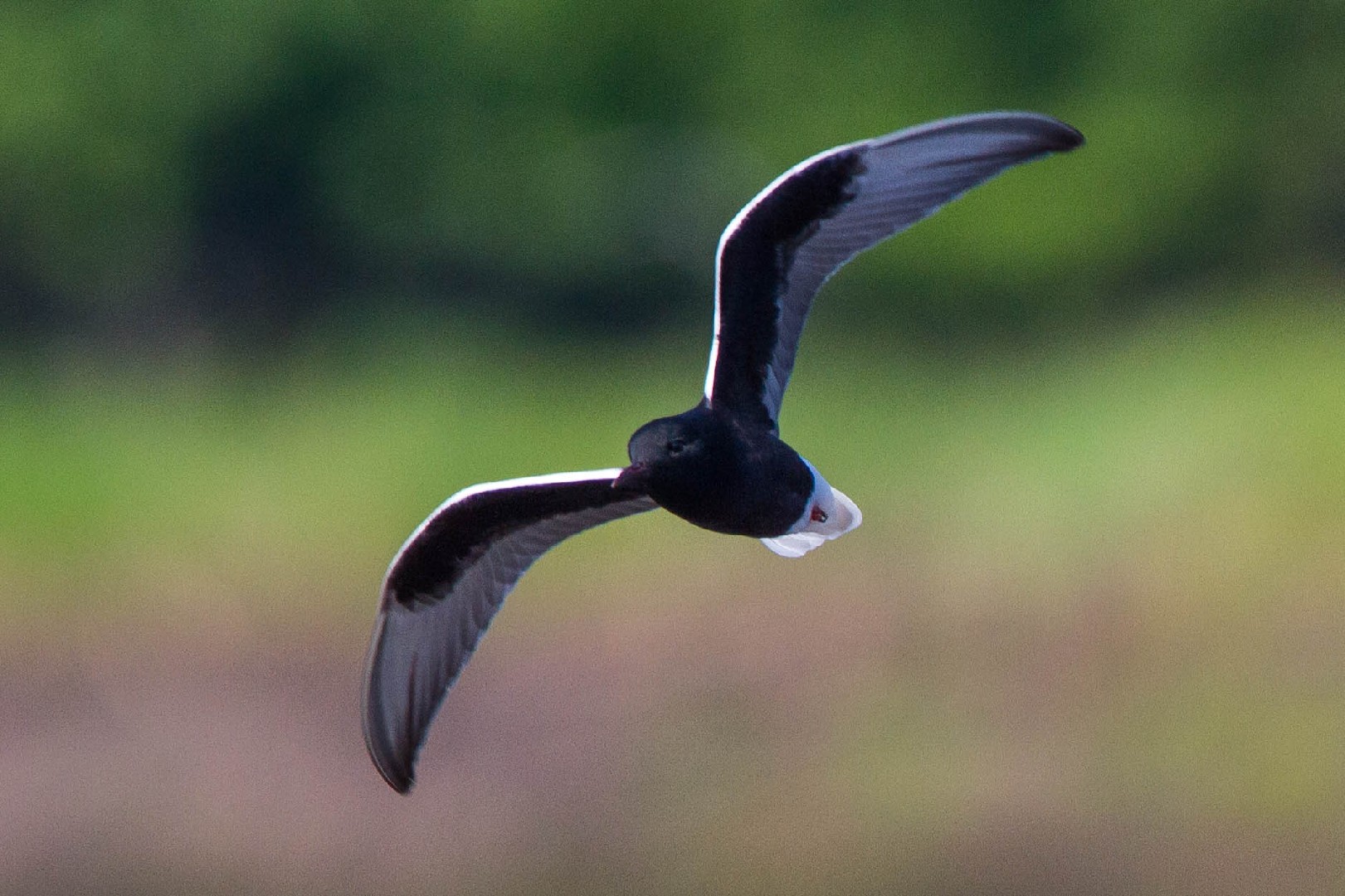
19. White-winged Tern
Adult birds in summer have short red legs and a short black bill (small and stubby, measuring 22–25 mm from the feathers, decidedly shorter than the head), a black neck (often with a pale gray back) and belly, very dark grey back, with a white rump and light grey (almost white) tail, which often looks 'square' in juveniles. The face is tinged yellowish. The wings, as the name implies, are mainly white. The inner wing is grayish with brown-tipped coverts. In non-breeding plumage, most of the black is replaced by white or pale grey, though a few blackish feathers may be retained, admixed with white underparts. A good deal of black shows in the underwing-coverts. The head is black, with a white forehead. The crown is blackish-brown, flecked with white, and the hindcrown is blackish with a certain amount of white flecking. These white markings are pronounced in the winter adult. There is a dark triangular patch forward of the eye. The collar is fairly broad and white. In juveniles and moulting adults, the rump is pale gray, becoming grey in both phases late in the year. The clear white collar and rump isolate the mantle as a dark brown 'saddle'. The mantle feathers have narrow paler brown tips, as have the tertials and scapulars.
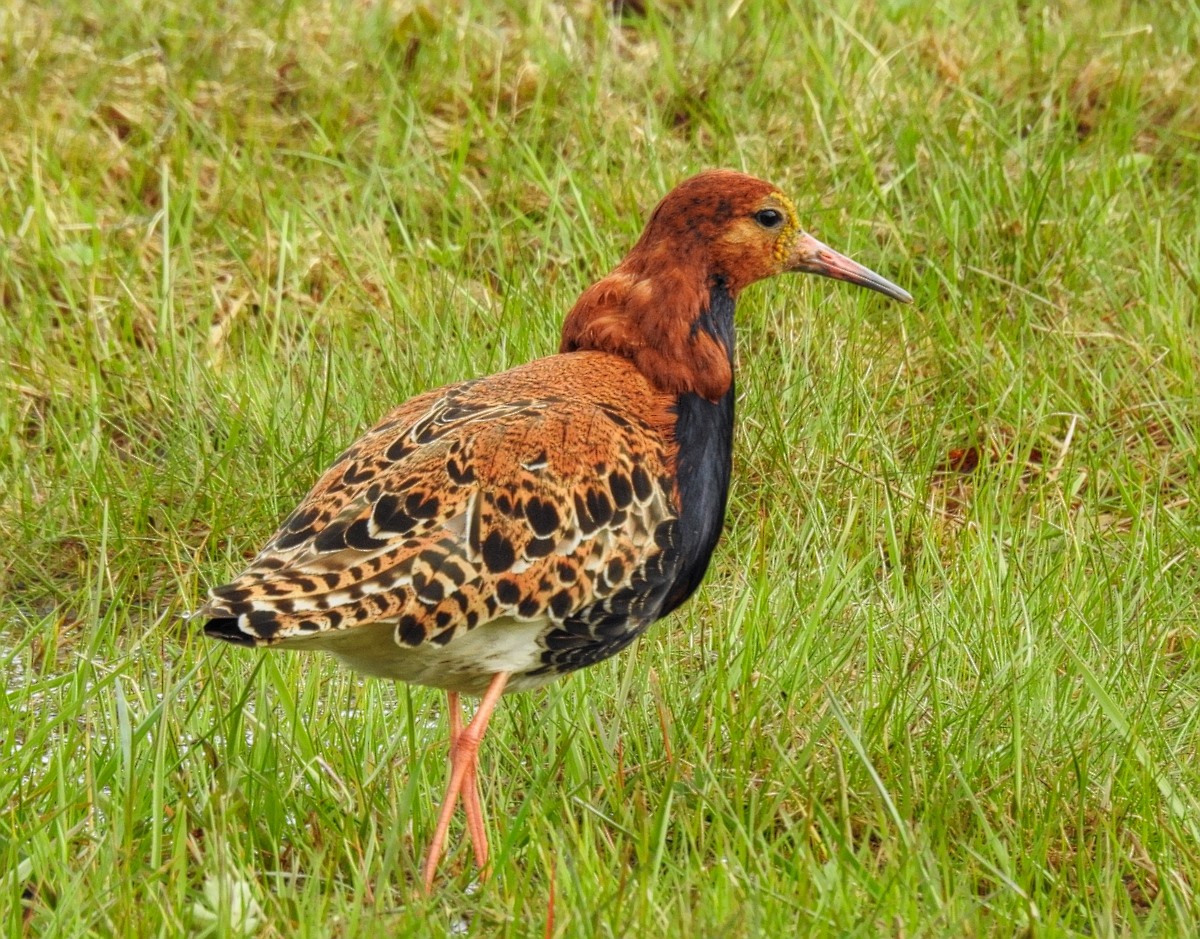
20. Ruff
The ruff is a medium-sized shorebird with a unique appearance. Breeding males typically have fluffy neck ruffs. The shorebird has a wide range of habitats that include fields, reservoirs, and coastal areas. It feeds in shallow water, probing and picking at insects, frogs, and small fish.