




Top 20 Most Common Bird in Sardegna
In the diverse ecosystem of Sardegna, majestic landscapes meet unique bird species. The 20 most common birds of this region exhibit remarkable traits. From flamboyant plumage, peculiar behaviors, to evolved adaptability settings, these birds symbolize the vibrancy of wildlife. Using vast fields, dense forests and breathtaking coasts as their habitats, they bring life to Sardegna's natural scenery.

Most Common Bird
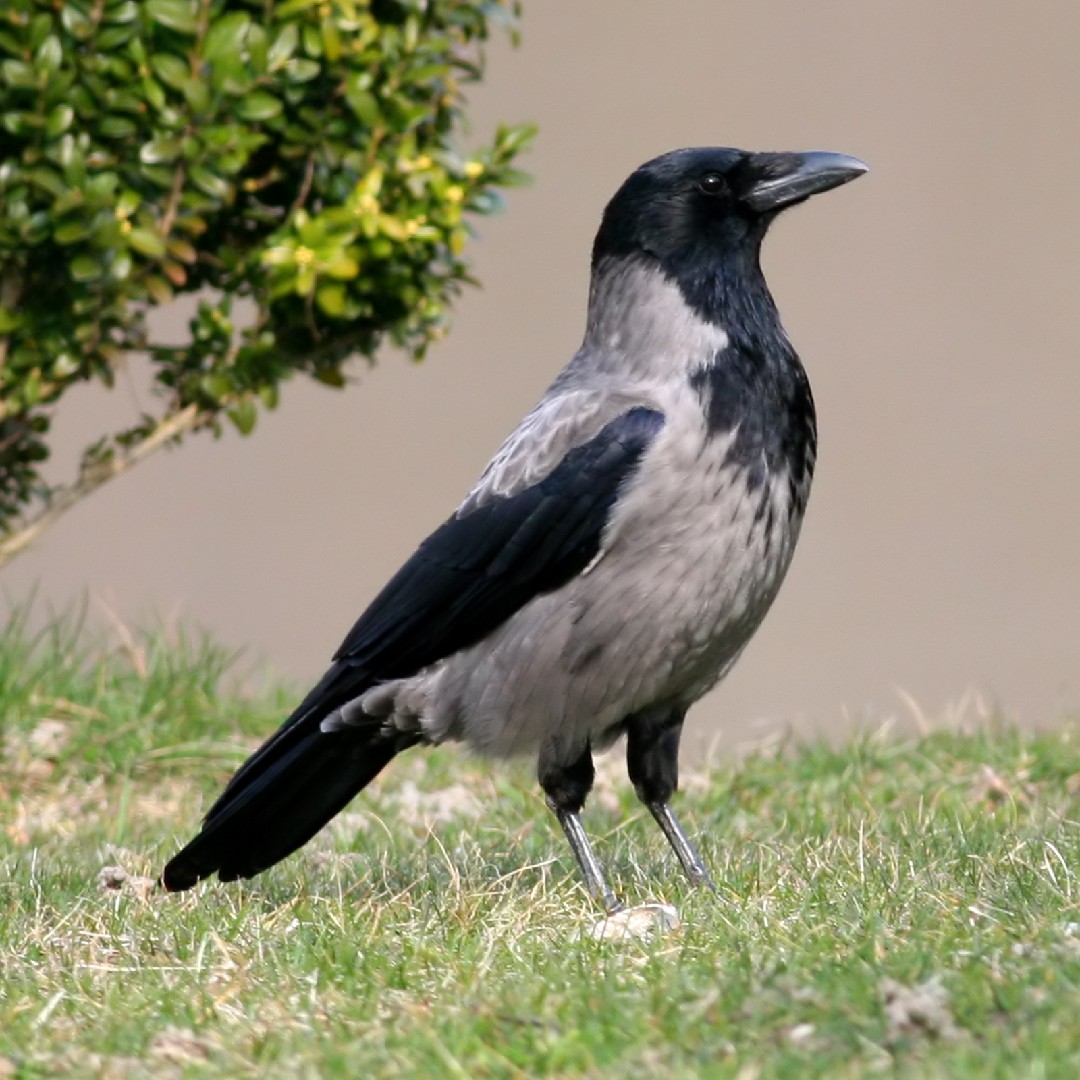
1. Hooded Crow
The hooded Crow is often mistaken for the carrion crow (Corvus corone) and has even been regarded as the same species; indeed, these two species may breed to create a hybrid. The hooded Crow is commonly found in woodlands, farmlands, and suburban areas. They can usually be seen in pairs or small groups, looking to find decaying meat, grain, and other protein.
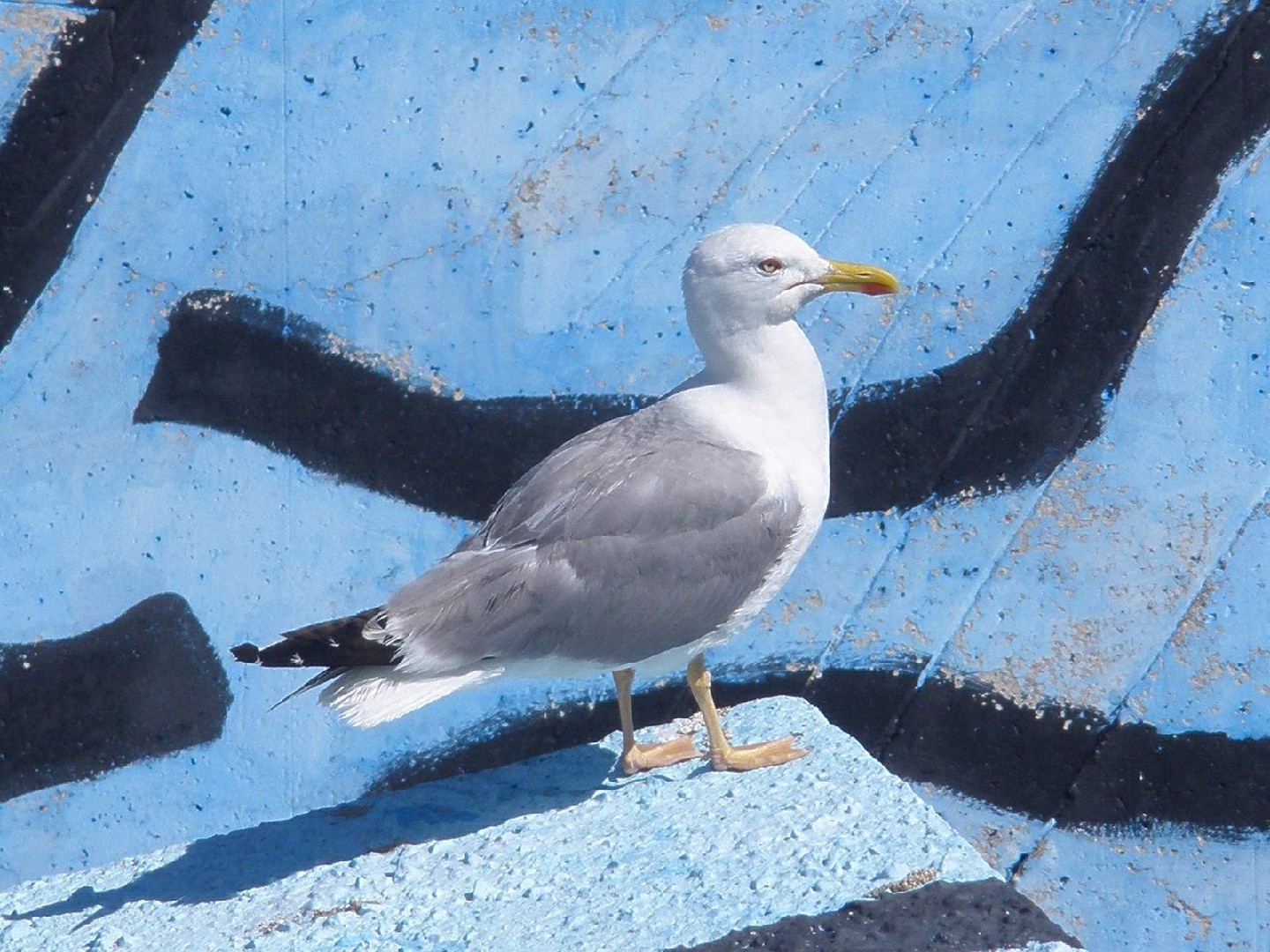
2. Yellow-legged Gull
Yellow-legged Gull is a large seagull that can be found along coastal regions of the Mediterranean Sea and the Atlantic Ocean. It has a distinctive yellow coloration on its legs and beak, giving it its name. It is an opportunistic feeder, and known to be very territorial. Some populations of Yellow-legged Gulls are migratory, traveling long distances to breed during the summer months. 
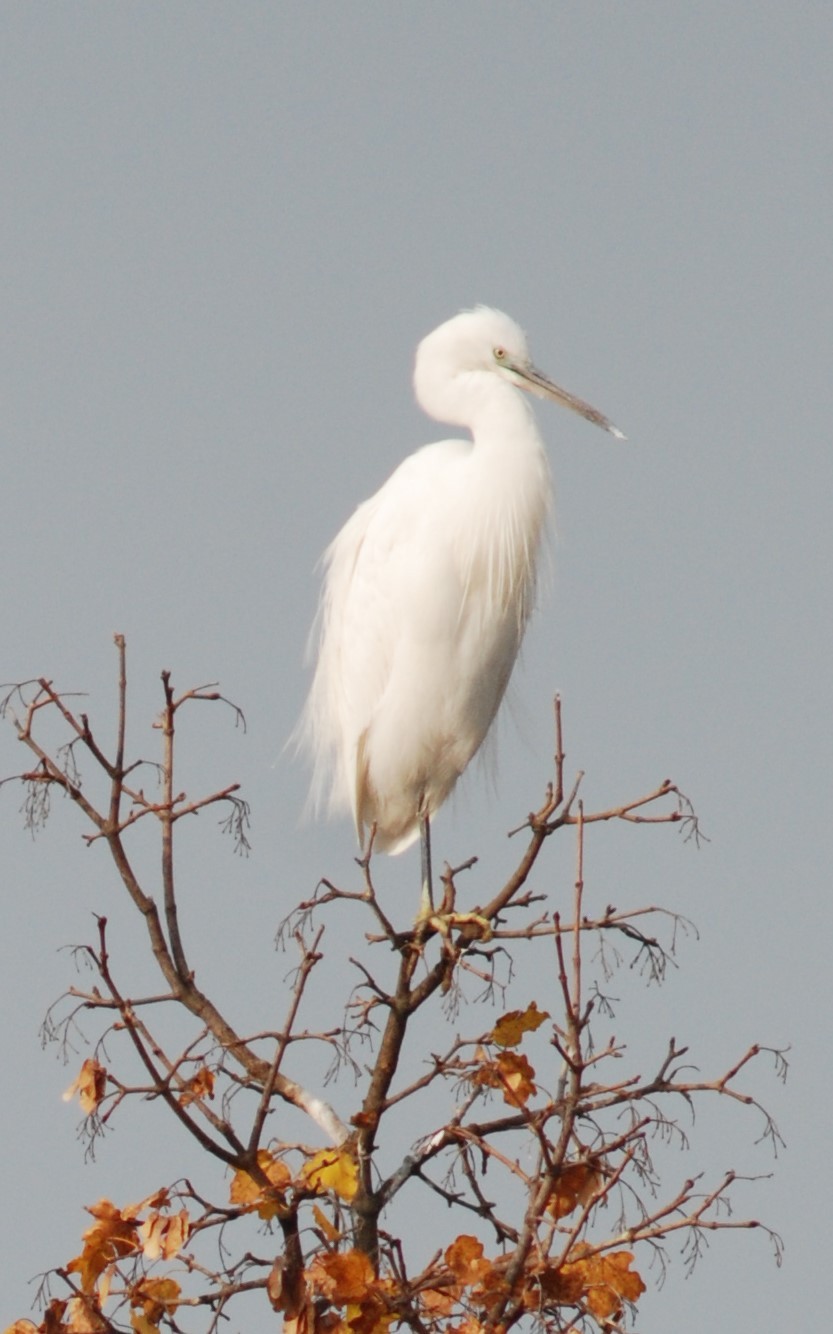
3. Little Egret
The small size of the little Egret makes the bird easily recognizable among larger species that share the same range. The egret is seen almost anywhere there are small fish including marshes, estuaries, and rivers. The bird often searches for food by itself but prefers to build nests in communities, occasionally with other bird species.
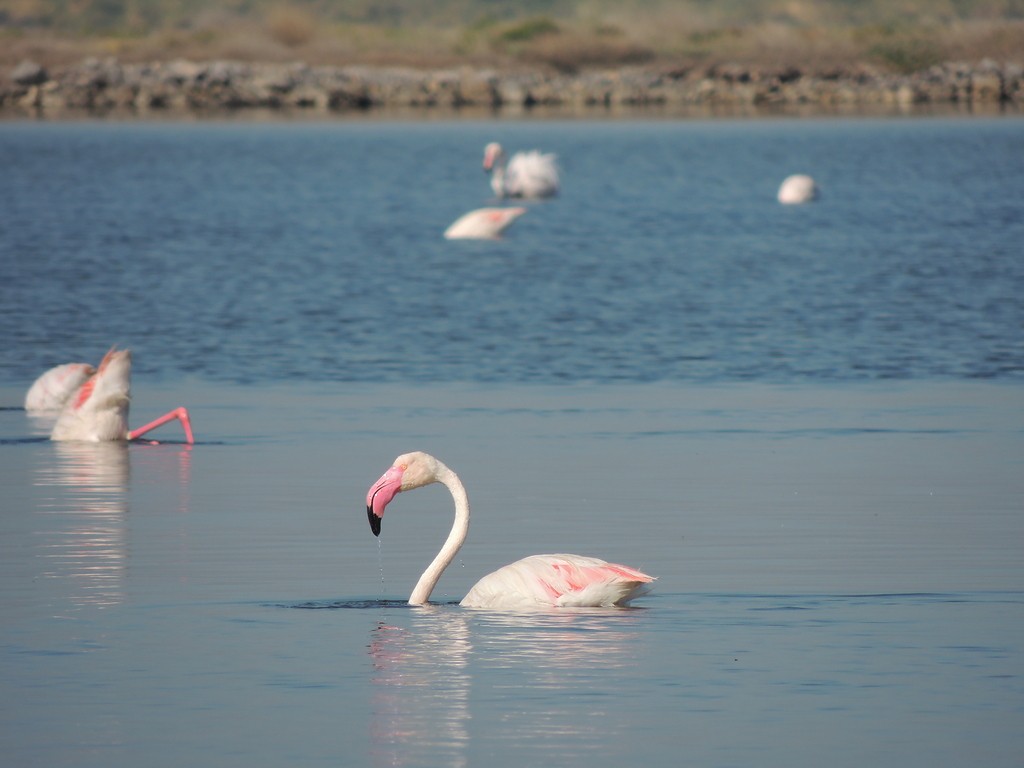
4. Greater Flamingo
The greater flamingo is the largest living species of flamingo, averaging 110–150 cm (43–59 in) tall and weighing 2–4 kg (4.4–8.8 lb). The largest male flamingos have been recorded at up to 187 cm (74 in) tall and 4.5 kg (9.9 lb). Most of the plumage is pinkish-white, but the wing coverts are red and the primary and secondary flight feathers are black. The bill is pink with a restricted black tip, and the legs are entirely pink. The call is a goose-like honking. Chicks are covered in gray fluffy down. Subadult flamingos are paler with dark legs. Adults feeding chicks also become paler, but retain the bright pink legs. The coloration comes from the carotenoid pigments in the organisms that live in their feeding grounds. Secretions of the uropygial gland also contain carotenoids. During the breeding season, greater flamingos increase the frequency of their spreading uropygial secretions over their feathers and thereby enhance their color. This cosmetic use of uropygial secretions has been described as applying "make-up".
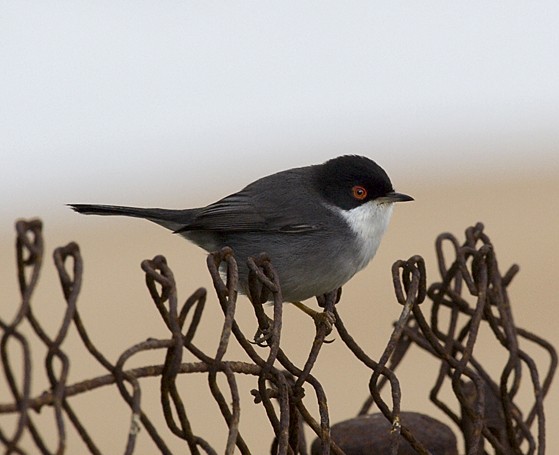
5. Sardinian Warbler
The Sardinian warbler (Curruca melanocephala) is a common and widespread typical warbler from the Mediterranean region. Like most Curruca species, it has distinct male and female plumages. The adult male has a grey back, whitish underparts, black head, white throat and red eyes. Plumages are somewhat variable even in the same locality, with the intensity of a reddish hue on upper- and/or underside varies from absent to (in some subspecies) pronounced. The female is mainly brown above and buff below, with a grey head. The Sardinian warbler's song is fast and rattling, and is very characteristic of the Mediterranean areas where this bird breeds.
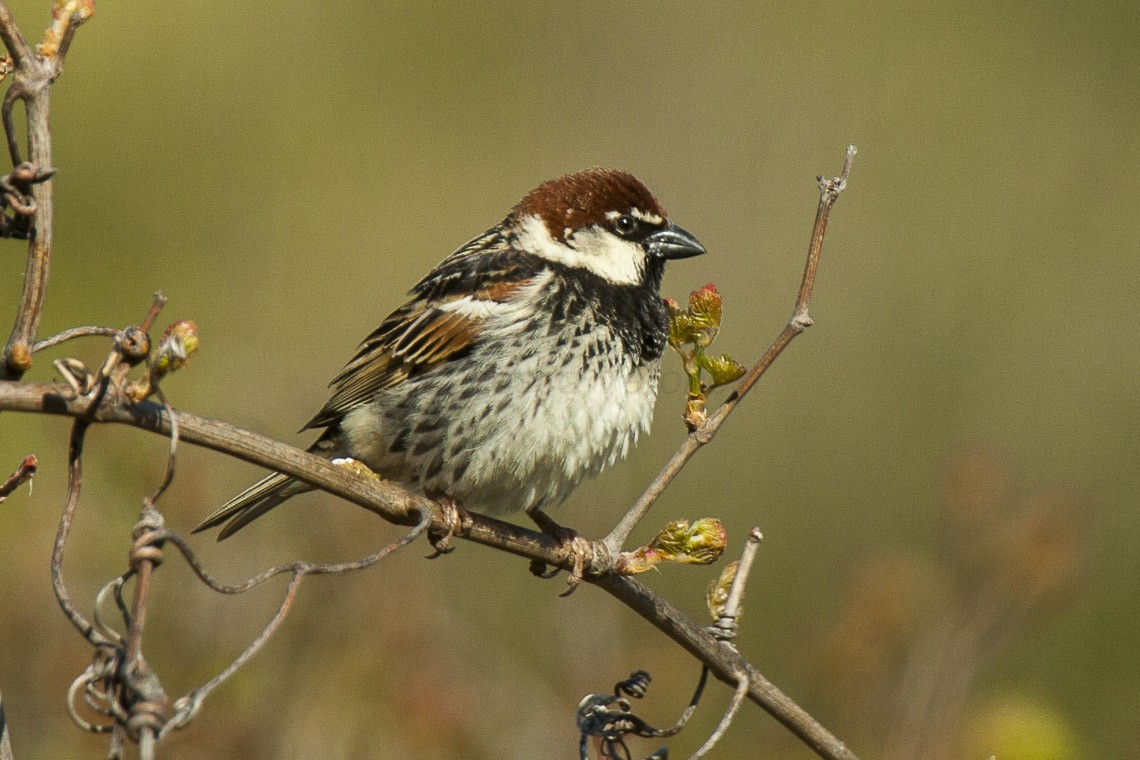
6. Spanish Sparrow
The Spanish sparrow is a rather large sparrow, at 15–16 cm (6–6.5 in) in length, and 22–36 g (0.78–1.27 oz) in weight. It is slightly larger and heavier than house sparrows, and also has a slightly longer and stouter bill. The male is similar to the house sparrow in plumage, but differs in that its underparts are heavily streaked with black, has a chestnut rather than grey crown, and has white rather than grey cheeks. The female is effectively inseparable from the house sparrow in its basic plumage, which is grey-brown overall but more boldly marked. The female has light streaking on its sides, a pale cream supercilium, and broad cream streaks on its back. Two subspecies of the Spanish sparrow – the western Spanish sparrow (P. h. hispaniolensis) and eastern Spanish sparrow (P. h. transcaspicus) – are recognised, with little visible difference between them in worn breeding plumage. They are more easily distinguished in fresh winter plumage, with the eastern subspecies P. h. transcaspicus being paler with less chestnut.
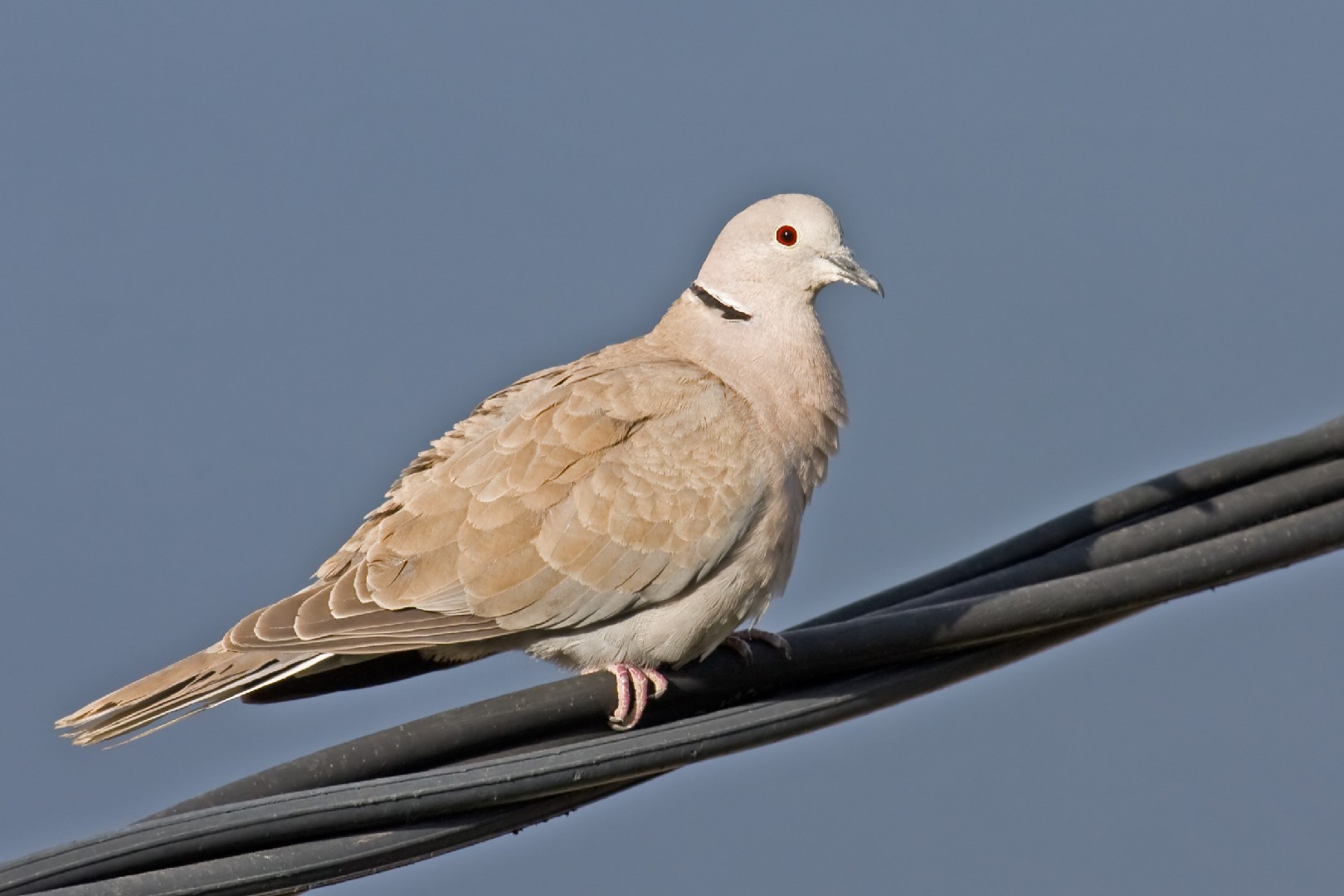
7. Eurasian Collared-dove
This plump, pretty dove with a square-tipped tail is known for bobbing its head and flicking its tail while walking. Though nice to look at, many people are not pleased at the sight of a eurasian Collared-dove walking along. In North America they are considered an invasive species, and one that carries a disease-creating parasite that can spread to native dove populations through birdbaths, feeders, or even through hawks preying on them.
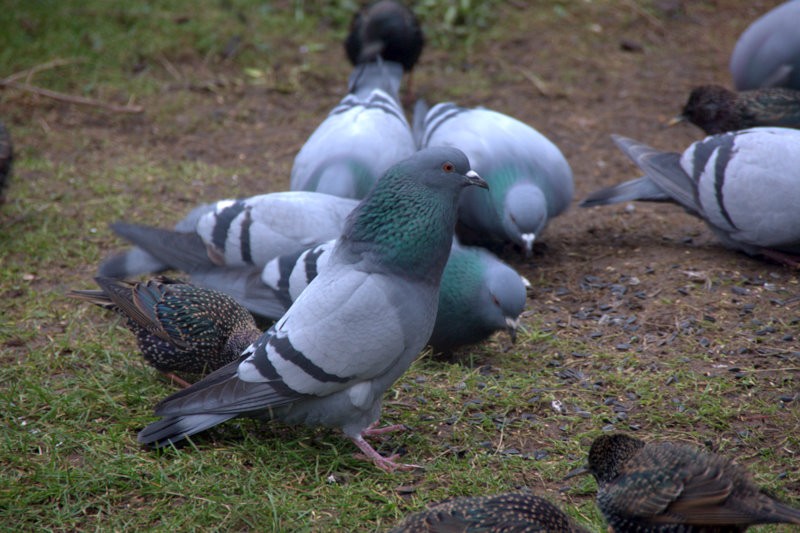
8. Rock Pigeon
The rock Pigeon is a wild ancestor of all domestic and feral pigeons, inhabiting coasts, cliffs, and caves. Pairs nest in rock crevices, often mating for life. They are known for their ability to fly very long distances to return to their homes, navigating using the sun's position and the earth's magnetic fields. Thanks to this ability, pigeons were used as messengers, particularly during World Wars I and II.

9. Spotless Starling
The adult spotless starling is very similar to the common starling, but marginally larger (21–23 cm length; 70–100 g weight), and has darker, oily-looking black plumage, slightly purple- or green-glossed in bright light, which is entirely spotless in spring and summer, and only with very small pale spots in winter plumage, formed by the pale tips of the feathers. It also differs in having conspicuously longer throat feathers (twice the length of those on common starlings), forming a shaggy "beard" which is particularly obvious when the bird is singing. Its legs are bright pink. In summer, the bill is yellow with a bluish base in males and a pinkish base in females; in winter, it is duller, often blackish. Young birds are dull brown, darker than young common starlings, and have a black bill and brown legs. Confusion with the common starling is particularly easy during the winter, when common starlings are abundant throughout the spotless starling's range, but also in summer where their breeding ranges overlap in northeastern Spain and the far south of France. It can also be confused with the common blackbird (Turdus merula), which differs most obviously in its longer tail and lack of plumage gloss. Like the common starling, it walks rather than hops, and has a strong direct flight, looking triangular-winged and short-tailed. It is a noisy bird and a good mimic; its calls are similar to the common starling's, but louder.
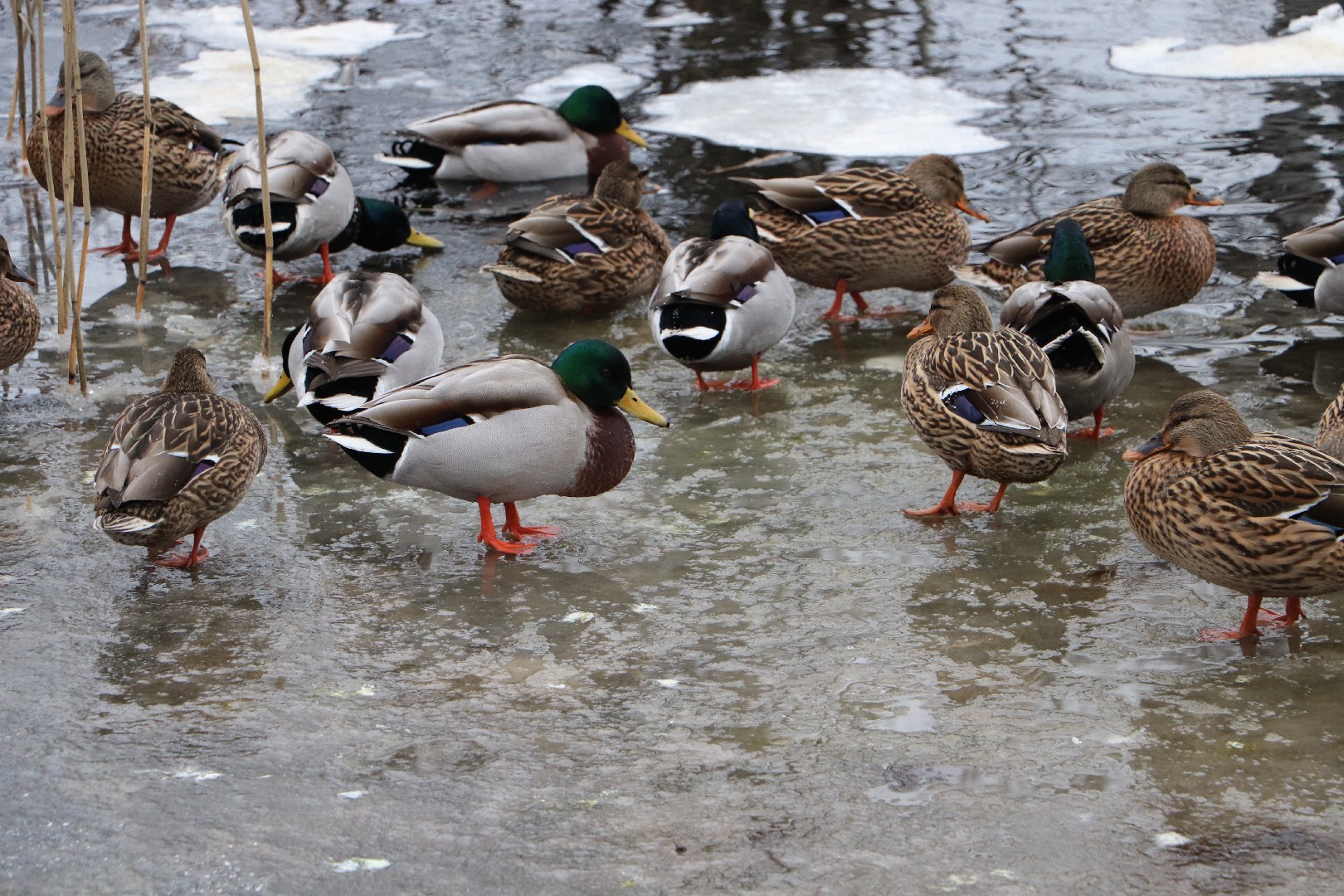
10. Mallard
The mallard is the most abundant duck species in the world, and the ancestor of all domestic ducks. Only the female can produce the distinctive "quack" sound. When the female lays eggs, the male abandons its mate, while the protective mother stays with the ducklings for a long time. This migratory species inhabits shallow waters and it's one of the most popular game birds.

11. Barn Swallow
A familiar sight in rural and semi-open areas, the small barn Swallow can often be spotted by its distinctly graceful flight as it travels low over fields. Seemingly unbothered by having human neighbors, they nest unafraid in barns, garages, beneath bridges or wharves. Interestingly enough, they have come to prefer these locations so much that you are unlikely to spot a nest in a place that is not a human-made structure.
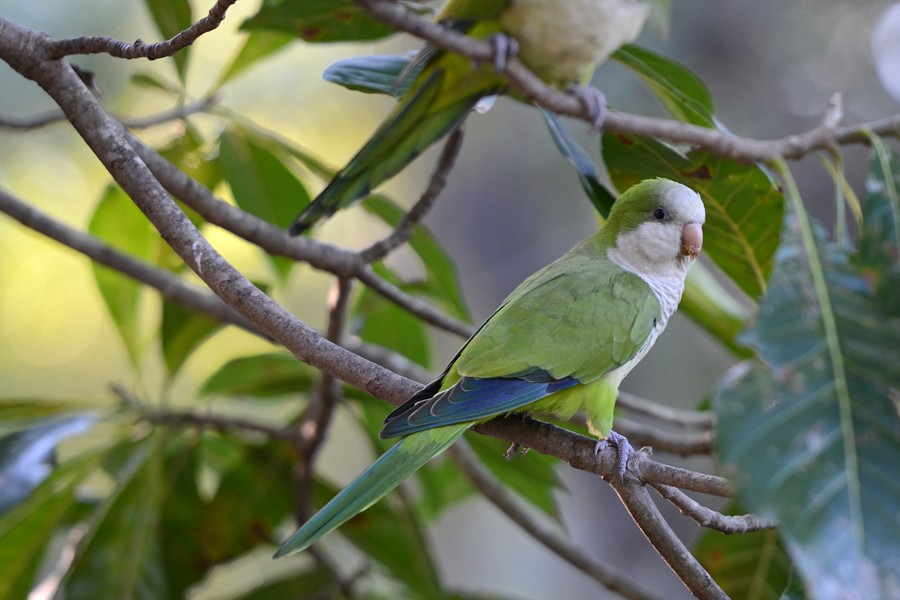
12. Monk Parakeet
Monk Parakeets, popular pet birds originally native to South America, established wild populations in the United States in the 1960s. These noisy, bright green parrots can now be seen flying around together in U.S. cities like Chicago and New York! They nest communally, dozens of them living together in huge multi-family nests atop power poles and in trees. Messy and loud, they are considered a nuisance and invasive species in the United States.
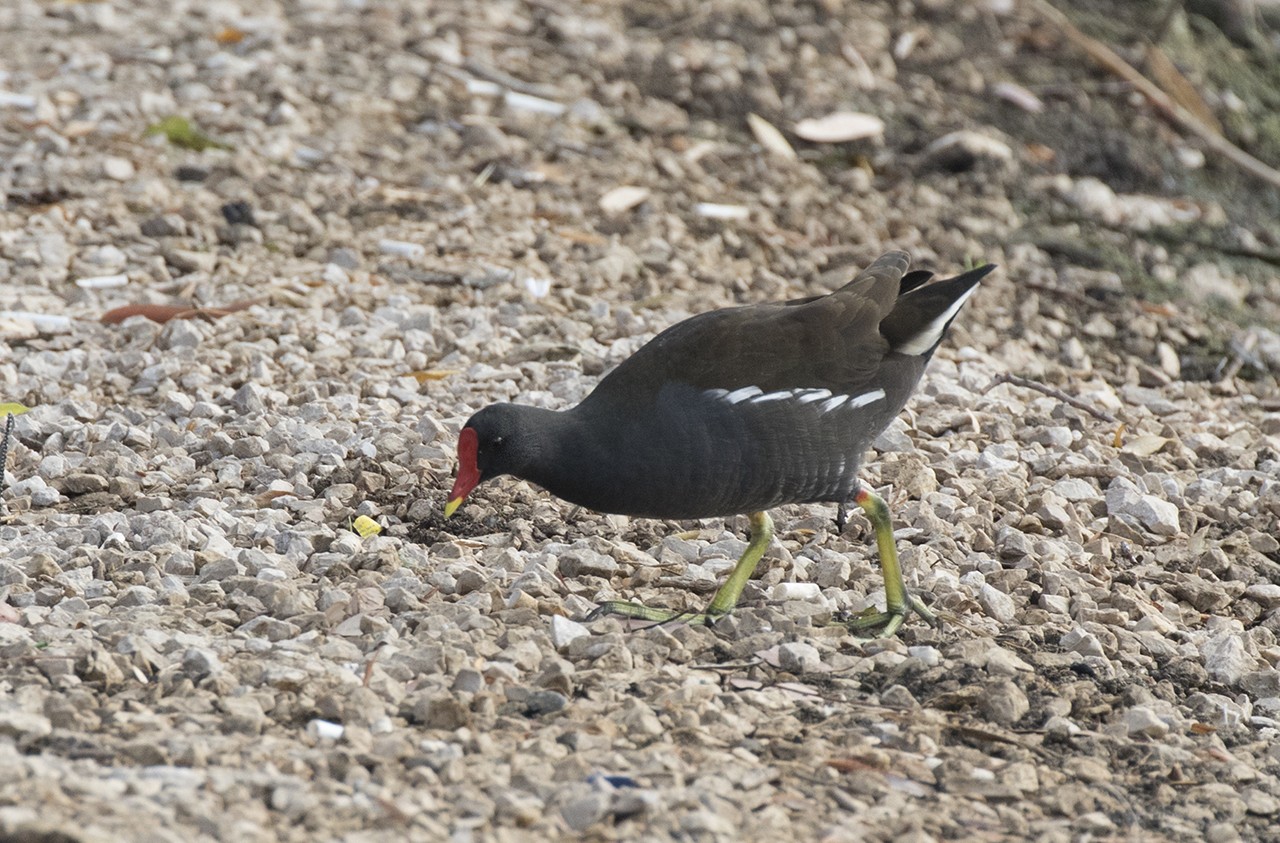
13. Common Moorhen
The common Moorhen is often found in slow-moving or standing-water aquatic ecosystems with dense vegetation coverage where they can hide and forage for food. If vegetation is dense enough, their large feet even enable them to walk across the floating plants. These birds are opportunistic feeders and will eat any food that is currently available.
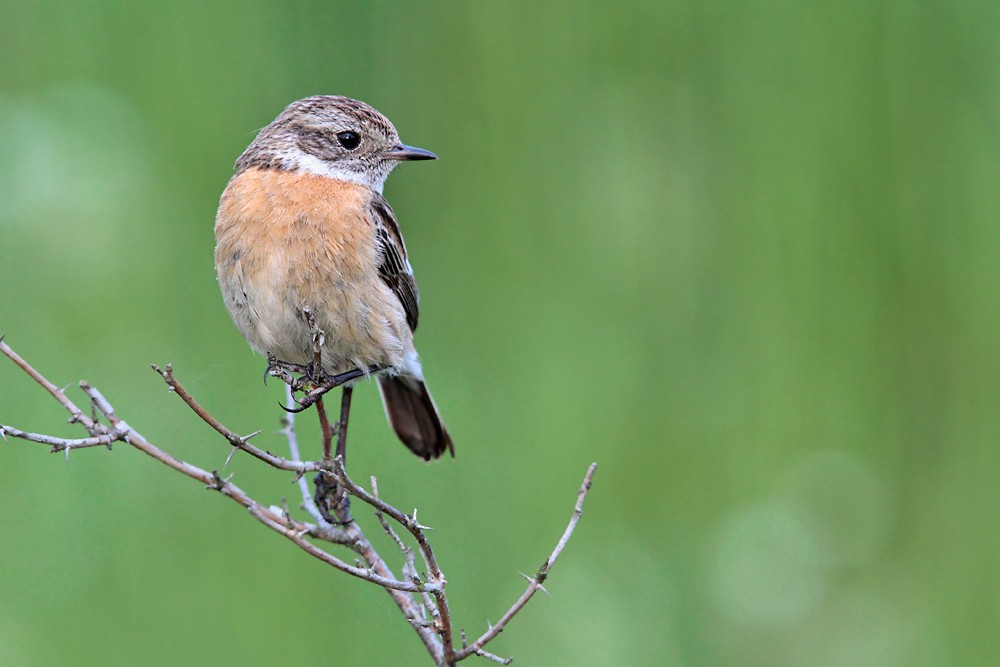
14. European Stonechat
The european Stonechat is a small passerine bird known for its lively, bouncy behavior and loud, musical calls. It has a distinct black head, white collar, and rusty-red breast. It is found in open habitats such as heaths, grasslands, and coastal dunes. It has a unique courtship display called "sky-dancing", where it flies high into the air and dives down while singing.
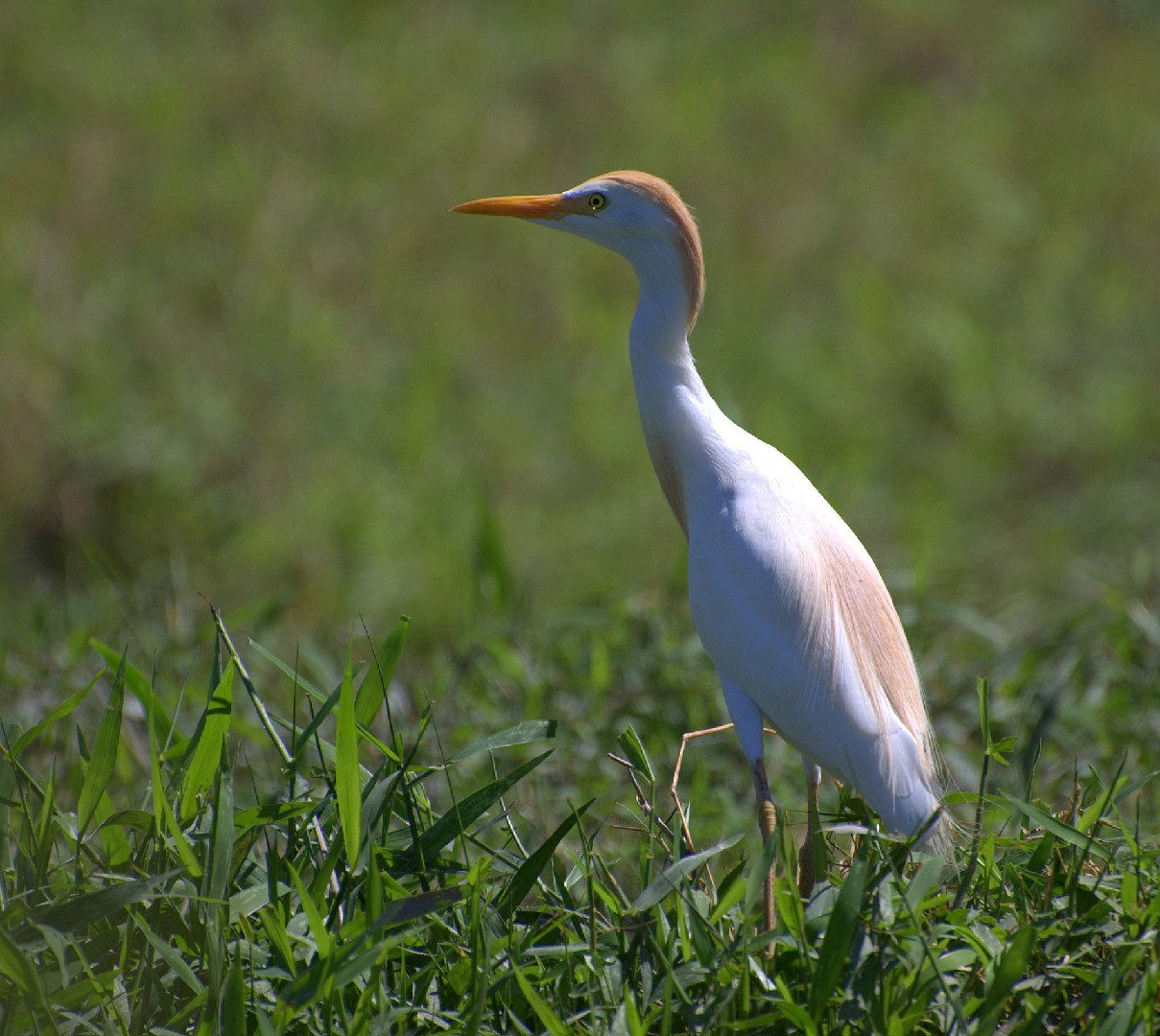
15. Cattle Egret
Cattle Egrets are short, thick-necked egrets. Their name refers to their preference to follow along with livestock as they forage in fields. Cattle Egrets were native only to Africa until the late 1800s when they somehow made their way throughout the Americas. They can often be found along airport runways waiting for planes to take off and blow insects out of the grass and weeds. They also follow behind farm equipment and do the same thing.
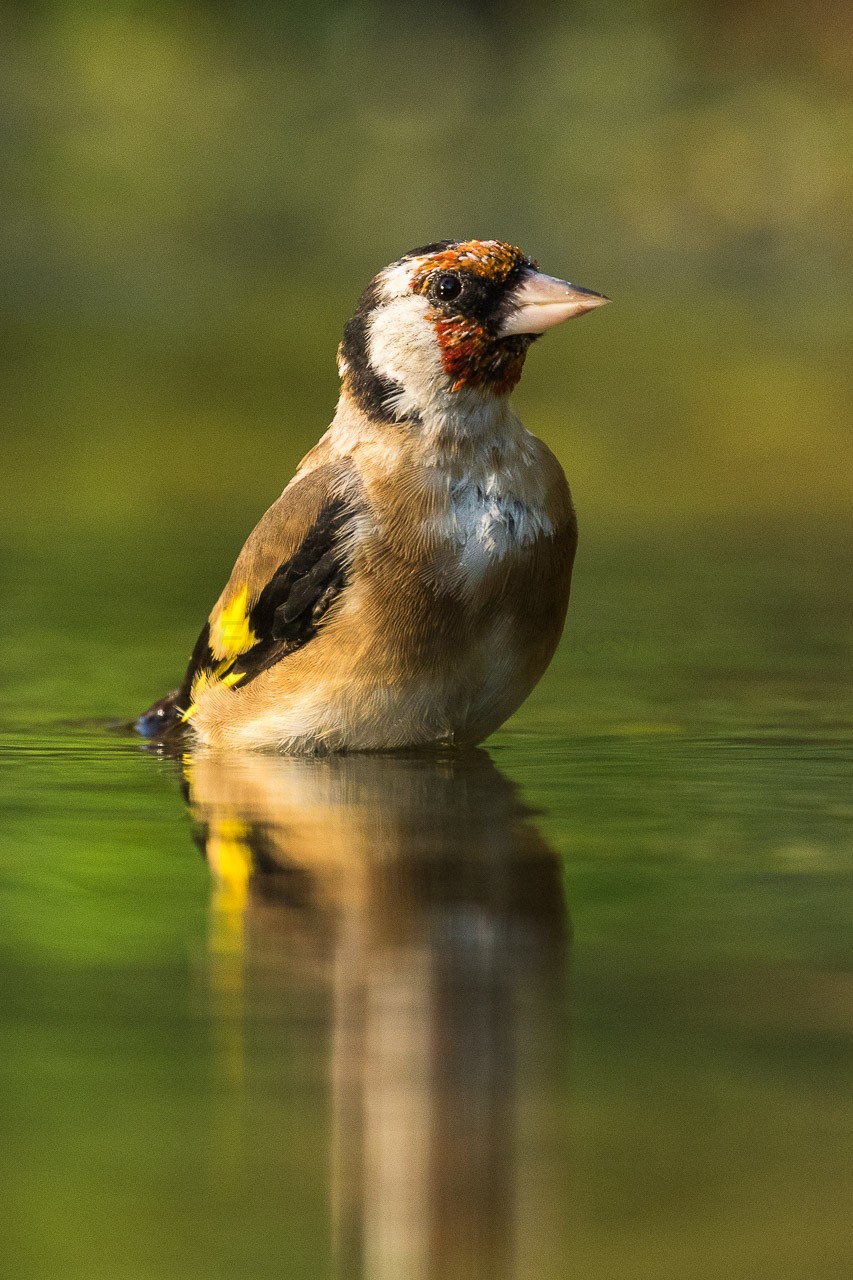
16. European Goldfinch
Prized for its brilliantly colored plumage and pleasant, musical song, the european Goldfinch has been often held in captivity, until this activity became illegal in the 1970s. Native to Europe, the species has been introduced to Australia and New Zealand. It's a very sociable bird that likes to feed on seeds and often visits feeders.
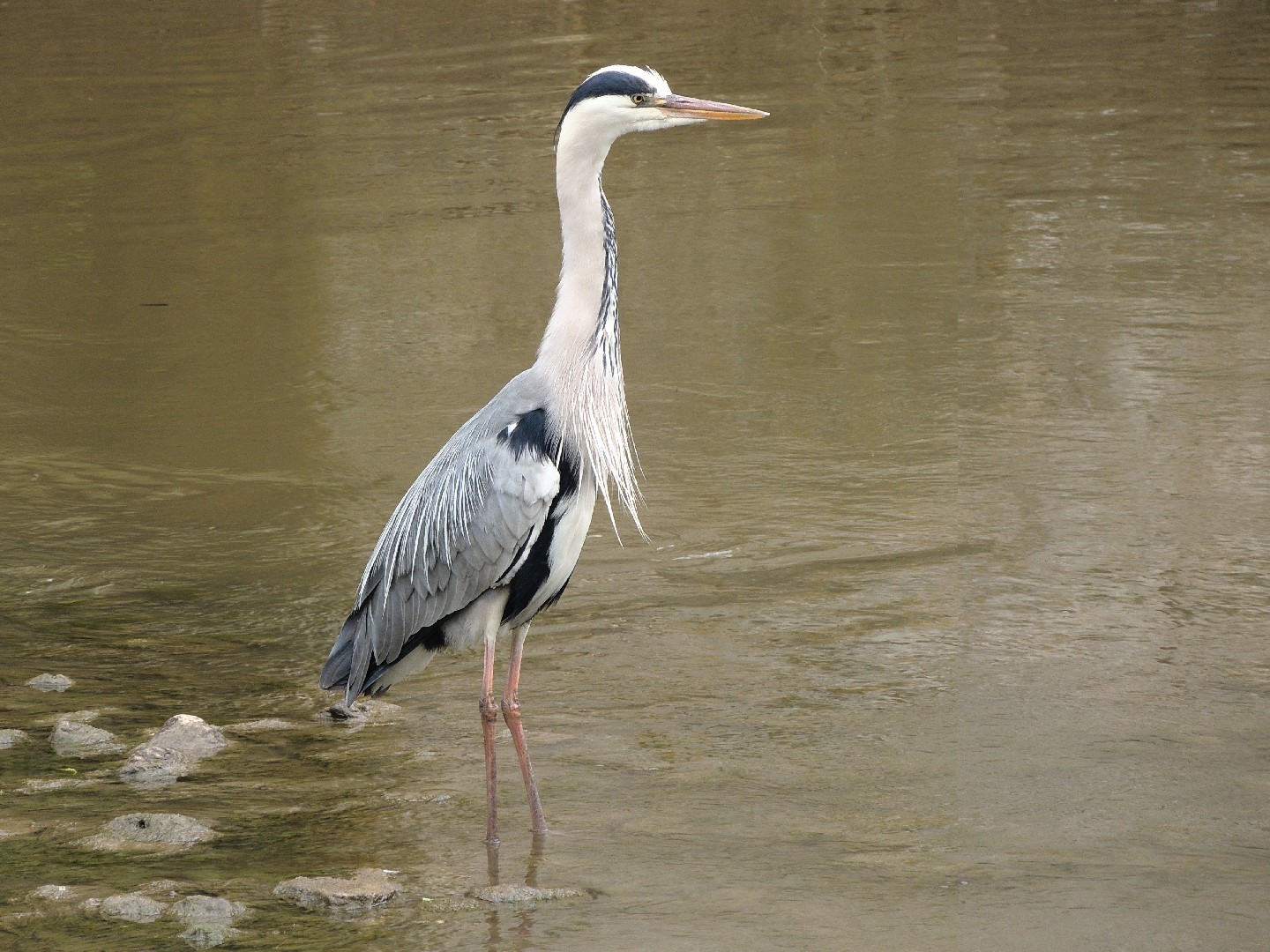
17. Grey Heron
The grey Heron is a very common species to come across in marine, brackish, and freshwater ecosystems; these habitats must have at least four months of warm weather or else these birds will migrate for new breeding grounds. The grey Heron hunts by wading through shallow waters looking for fish and various invertebrates; their natural diet helps control some aquatic species populations.
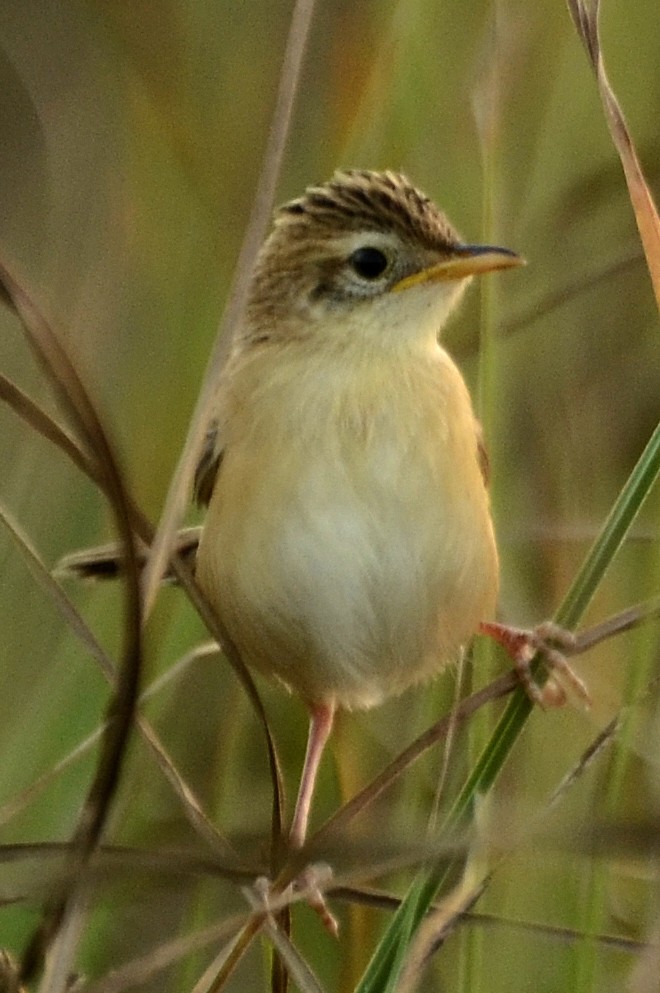
18. Zitting Cisticola
The zitting cisticola is 10 to 12 cm (3.9 to 4.7 in) in length. It is brown above, heavily streaked with black markings. The underparts are whitish, and the tail is broad, white-tipped and flicked frequently, giving rise to the alternative name for the species. The adult males have less crown streaking and more back marking than the females, but there are no great difference between the sexes or the eighteen geographical races. The absence of a nuchal collar separate it from the golden-headed cisticola (Cisticola exilis). In the non-breeding season, they tend to skulk within the grass and can be hard to spot.
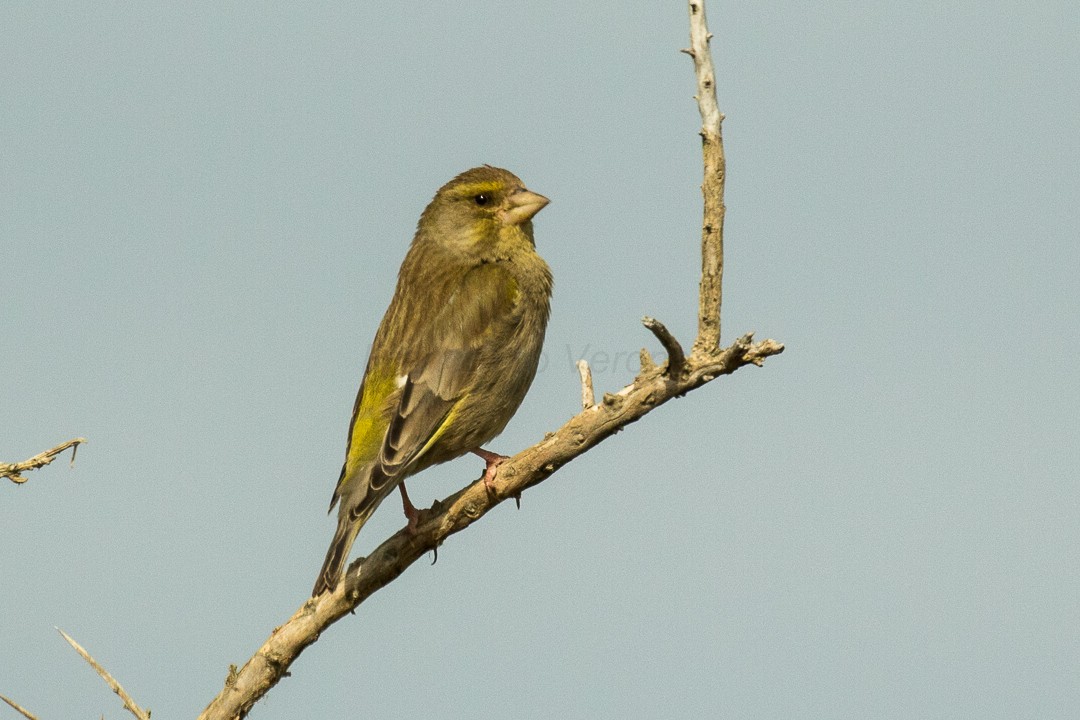
19. European Greenfinch
The european Greenfinch is a sociable bird and often forms flocks, particularly in the winter. The population of this species has been in decline due to loss of habitat and changes in land use. Identify this bird by its bright yellow head and breast on males, and green-brown head on females, and its sociable behavior in open woodlands, gardens, parks, and hedgerows.
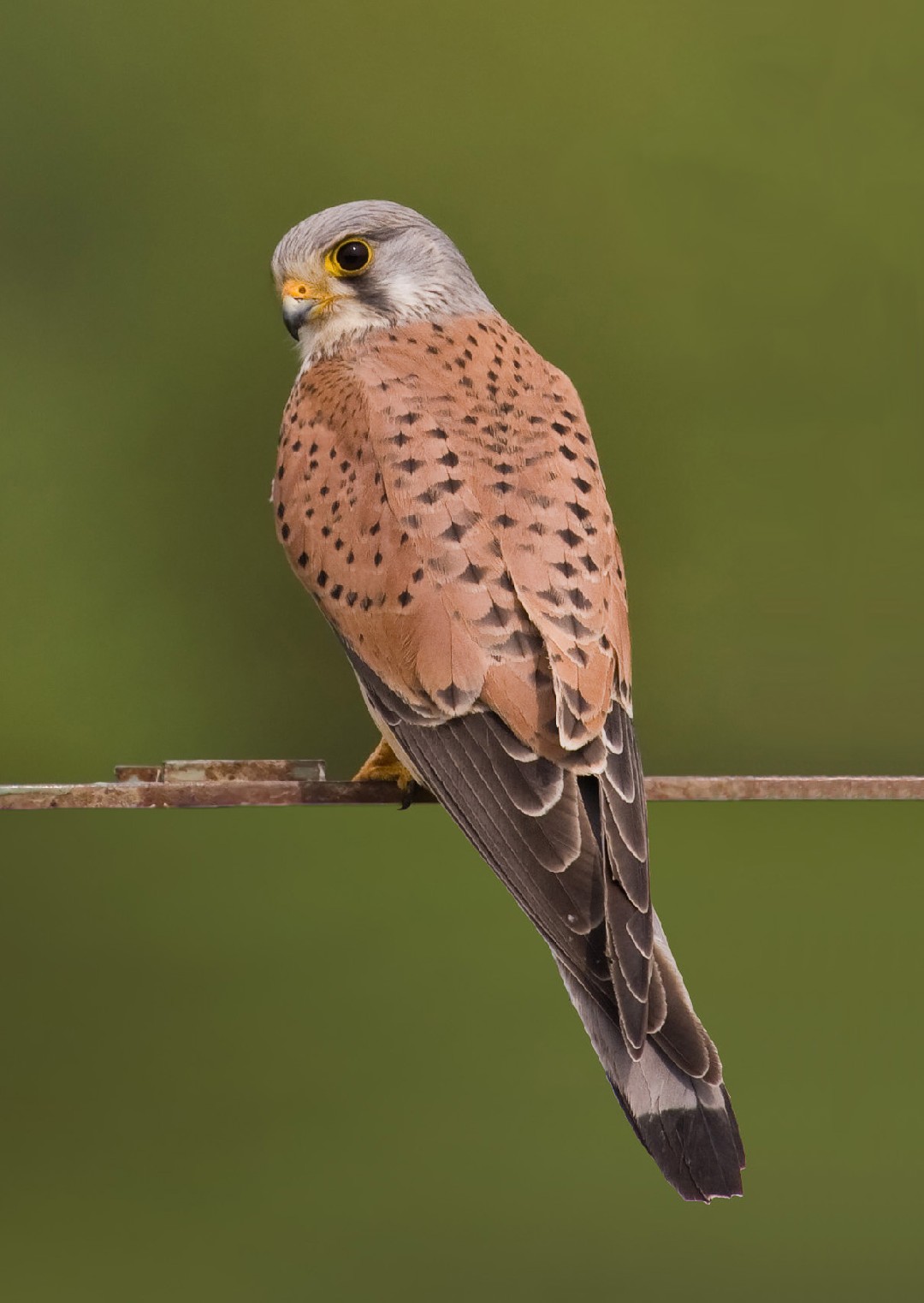
20. Common Kestrel
The common Kestrel is a small falcon found throughout much of Europe, Asia, and Africa. It feeds on small mammals, birds, and insects and is known for its ability to hover in the air to spot prey. It can be found in a variety of habitats. Some populations have declined due to habitat loss.