



Top 20 Most Common Bird in Nandi
Nestled within the lush landscapes of Nandi, a thrilling diversity of avian life flourishes. 20 common species grace the region with splashes of vibrant color and melodious songs, each exhibiting distinct features. These birds range from the petite sunbirds with their iridescent plumage, to the towering crowned cranes, known for their iconic courtship dances. Adaptations to Nandi's environment speak to their versatility, from acacia-dwelling weavers to swift swallows in the hunt.

Most Common Bird
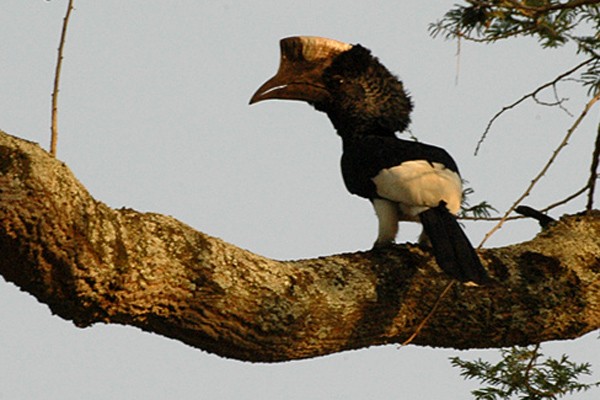
1. Black-and-white-casqued Hornbill
Bycanistes subcylindricus is a moderately large bird of 60 to 70 cm with a wingspan of 28 to 38 cm. It is recognizable by its black plummage for the higher body and wings alongside and white plummage on the lower body and wings with black feathers amongst the white feathers of the tail, particularly the top tail feathers and the base of the tail feathers. It has a yellow-brownish bill and flattened casque, which are enlarged in males. Females have a smaller casque and a black bill. The purpose of the casque is unknown for males, although suggested to be for sexual characterization. The black-and-white-casqued hornbill has very mobile eyes which is not a common trait in birds. This means that its eyes themselves can move in their socket, while other birds tend to have to move their heads to see. It is capable of displaying emotions through the feathers at the top of the head, which allows it to communicate its emotional state. While males weight between 1 kg and 1.5 kg, the females weight between 1 kg and 1.25 kg. 
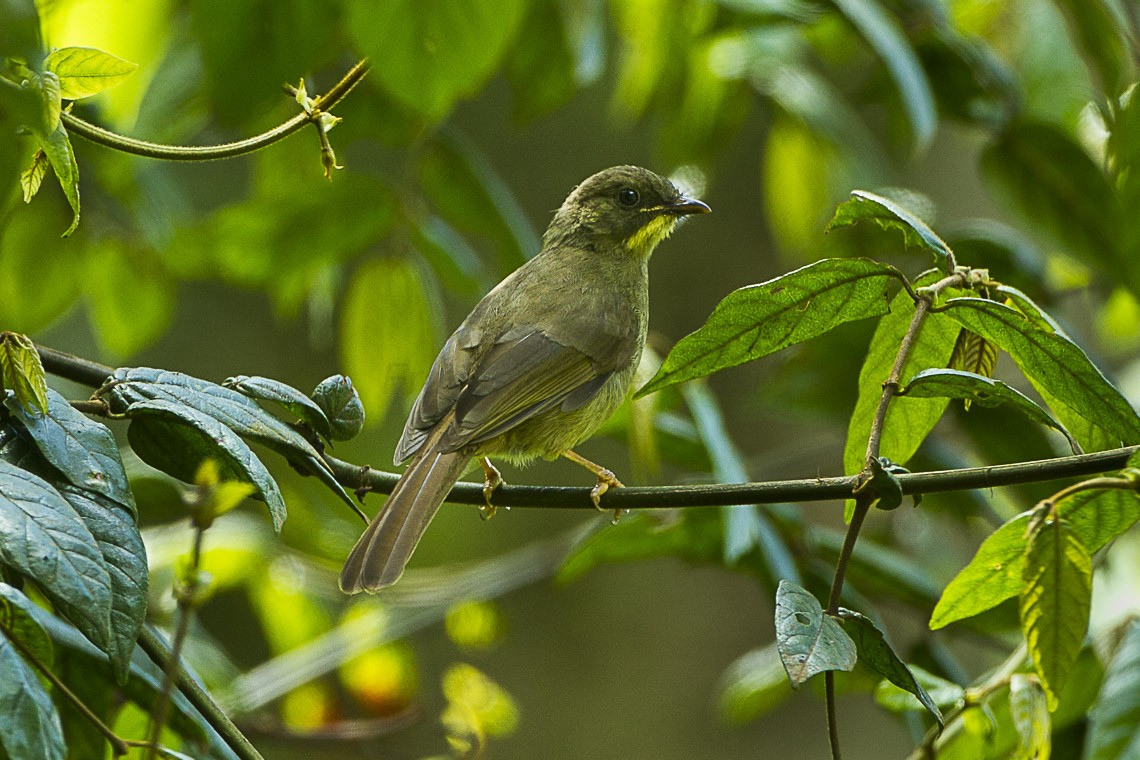
2. Yellow-whiskered Greenbul
The yellow-whiskered greenbul or yellow-whiskered bulbul (Eurillas latirostris) is a species of the bulbul family of passerine birds. It is found in western and central Africa. Its natural habitats are subtropical or tropical dry forest, subtropical or tropical moist lowland forest, subtropical or tropical moist montane forest, and subtropical or tropical moist shrubland.
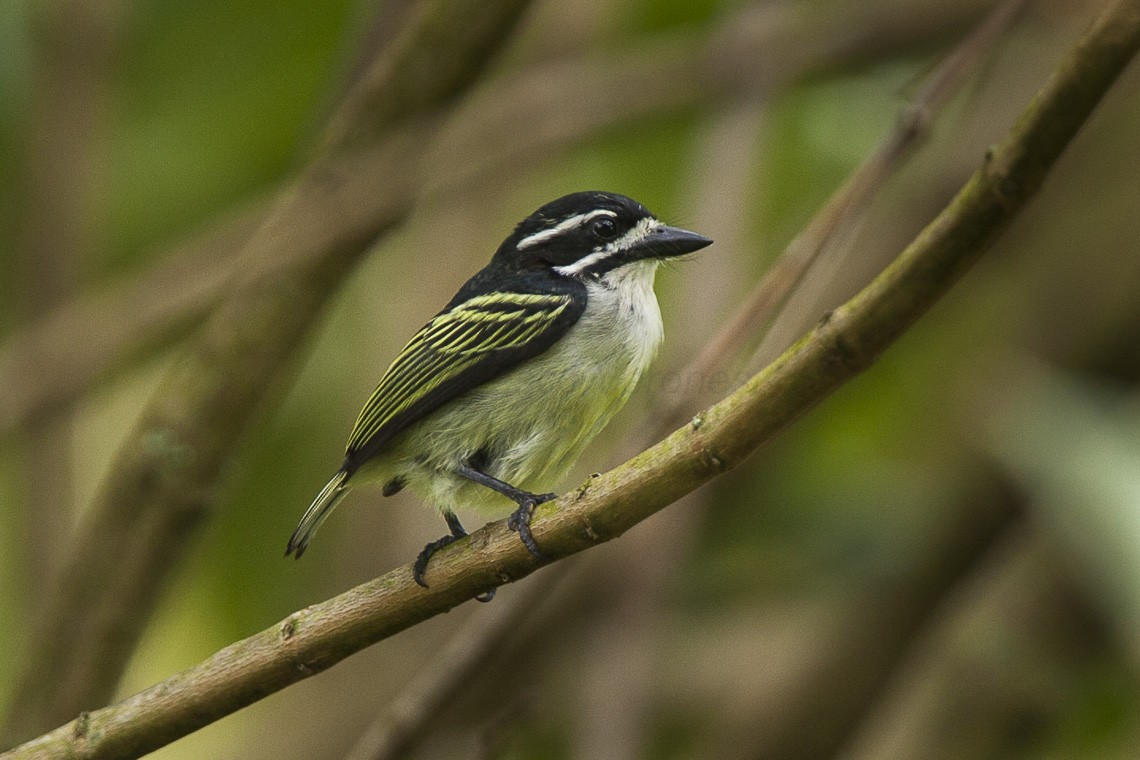
3. Yellow-rumped Tinkerbird
The yellow-rumped tinkerbird (Pogoniulus bilineatus) is a bird species in the family Lybiidae (African barbets), which is native to the moist tropical and subtropical regions of sub-Saharan Africa.
4. Common Bulbul
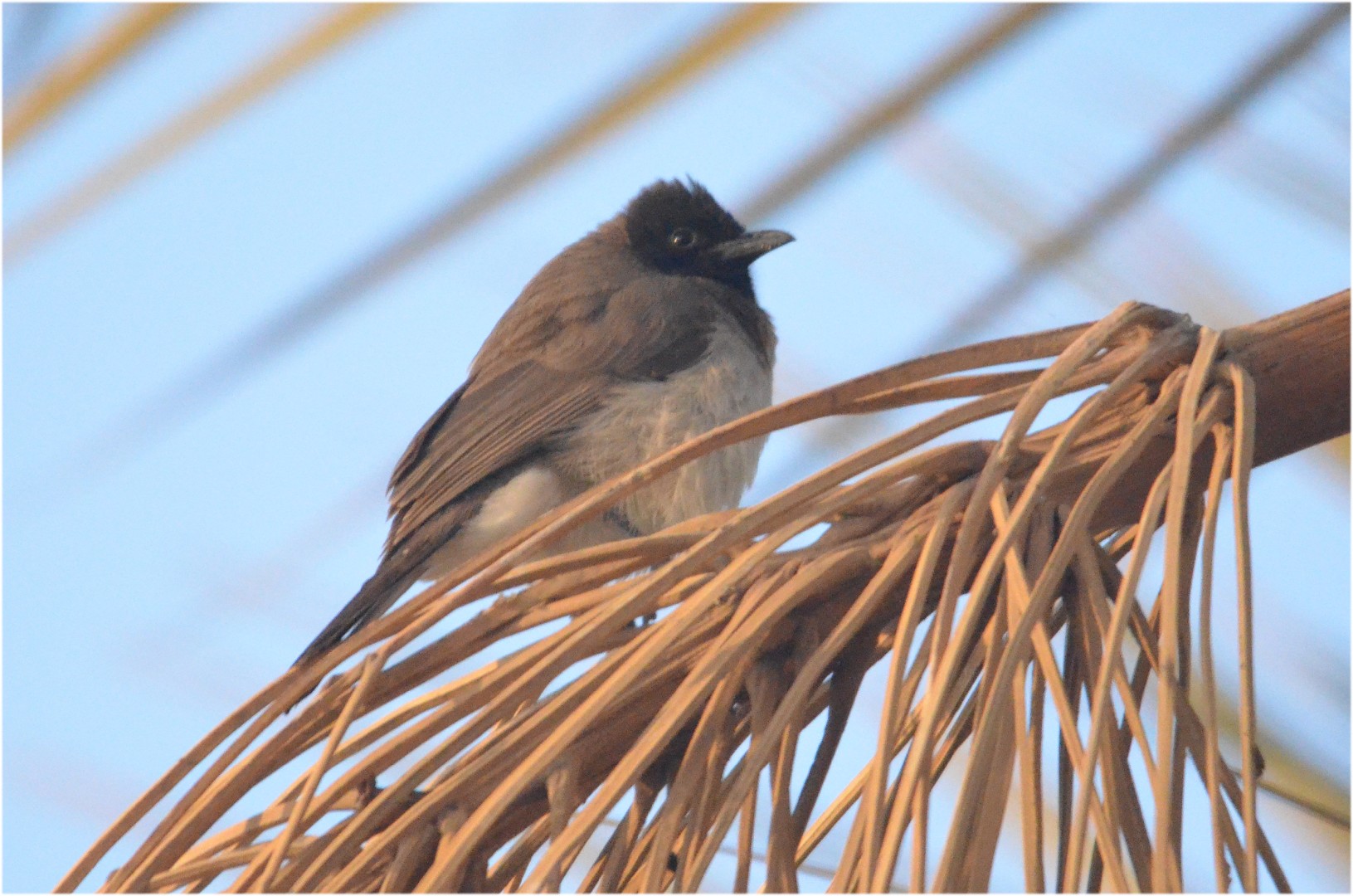
The bill is fairly short and thin, with a slightly downcurving upper mandible. The bill, legs, and feet are black and the eye is dark brown with a dark eye-ring, which is not readily visible. It is about 18 cm in length, with a long tail. It has a dark brown head and upperparts. Sexes are similar in plumage.
5. Cinnamon-chested Bee-eater
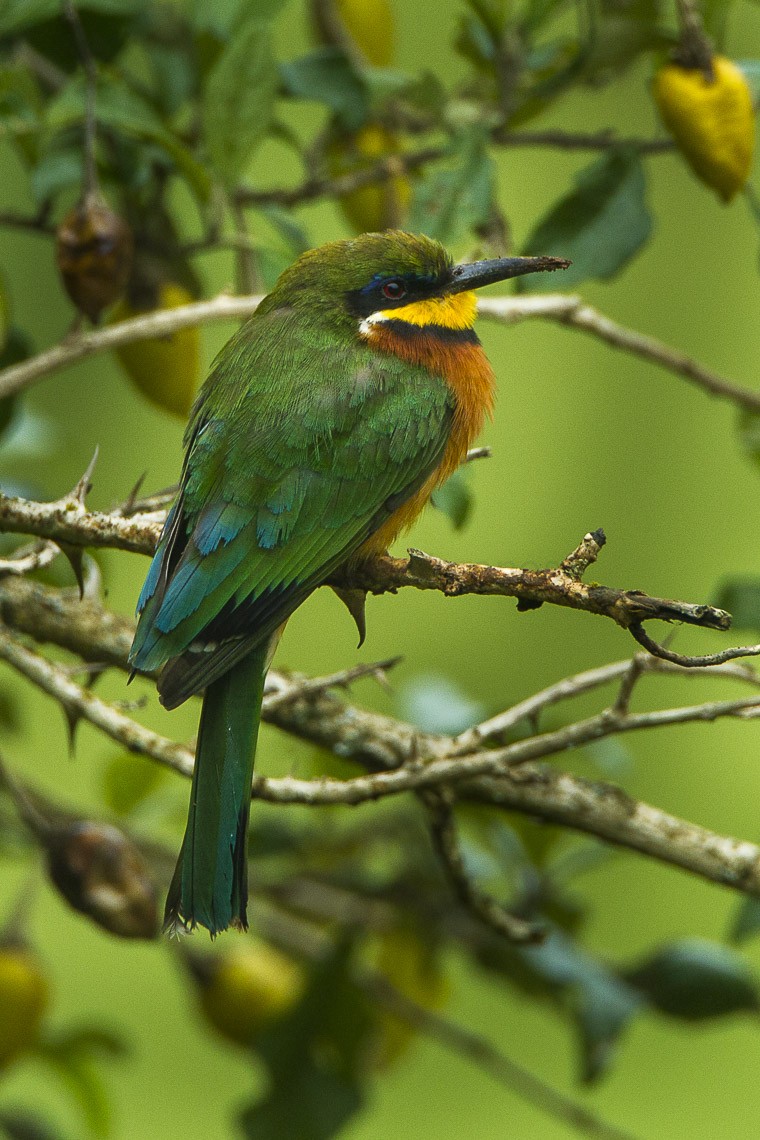
The sexes are alike in the cinnamon-chested bee-eater. They have bright green heads, upper parts, and tails; their chins and throats are yellow and outlined in black, with a white extension to the side; their breasts are cinnamon-brown, darkening towards the belly. When perched, their stance is upright with the tail pointing downward. The tail is blackish with an orange base and white tip when seen from the front, while from the back it is mainly green, with black edges visible when it is flared. This bird can be distinguished from the somewhat similar little bee-eater by their larger size, darker colouring, white cheek patches, and the upland habitat where they are found.
6. Yellow-billed barbet
7. Dark-backed Weaver
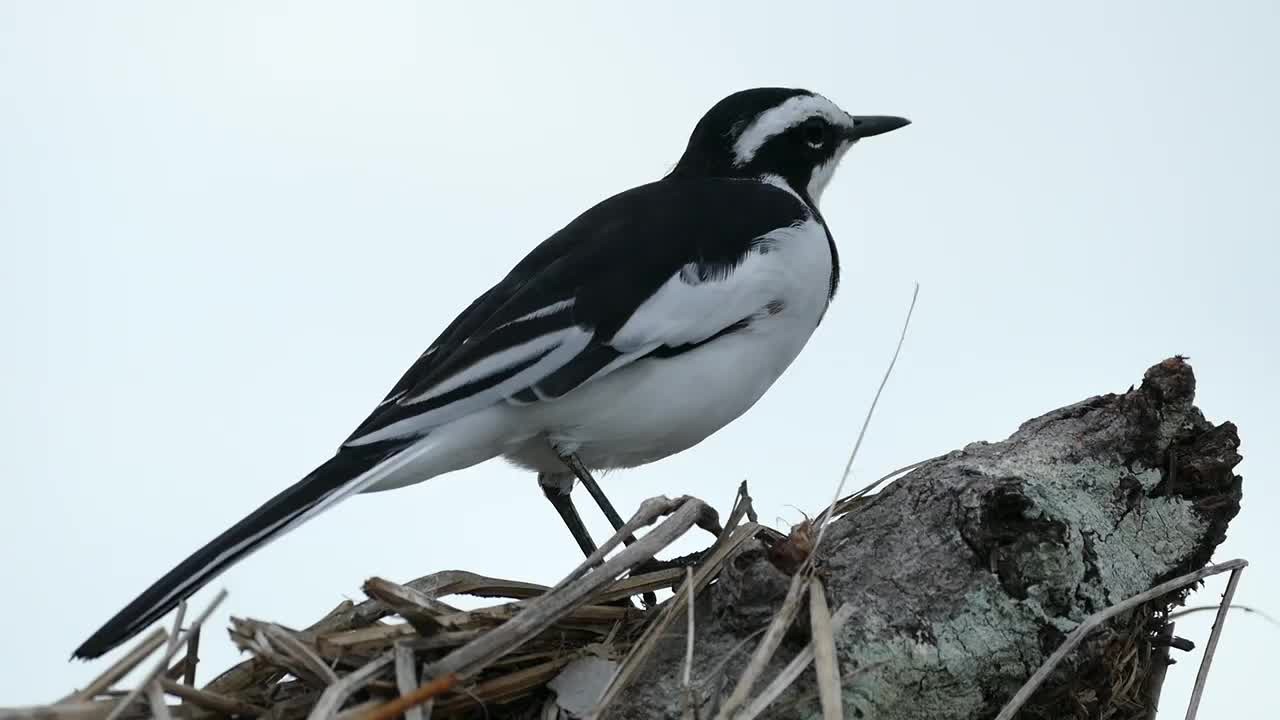
8. African Pied Wagtail
A striking black and white wagtail with black upperparts contrasting with white underparts, a white supercilium and a white patch in the folded wing. Juvenile birds are greyer, while birds of the nominate subspecies show grey flanks. They are 20 cm (7.9 in) long.
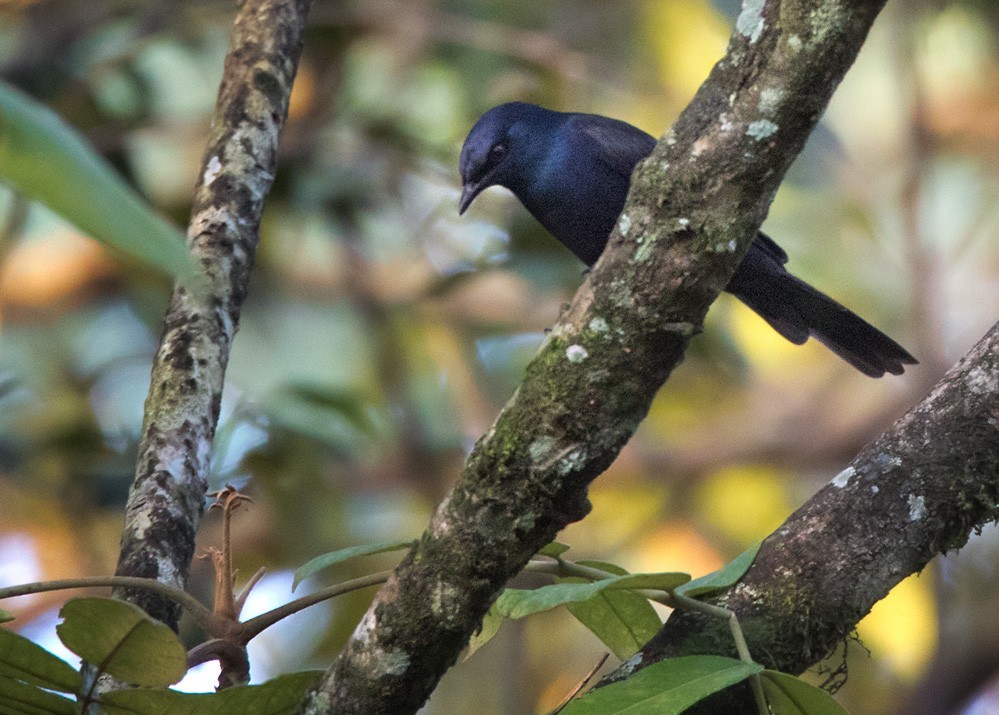
9. Stuhlmann's starling
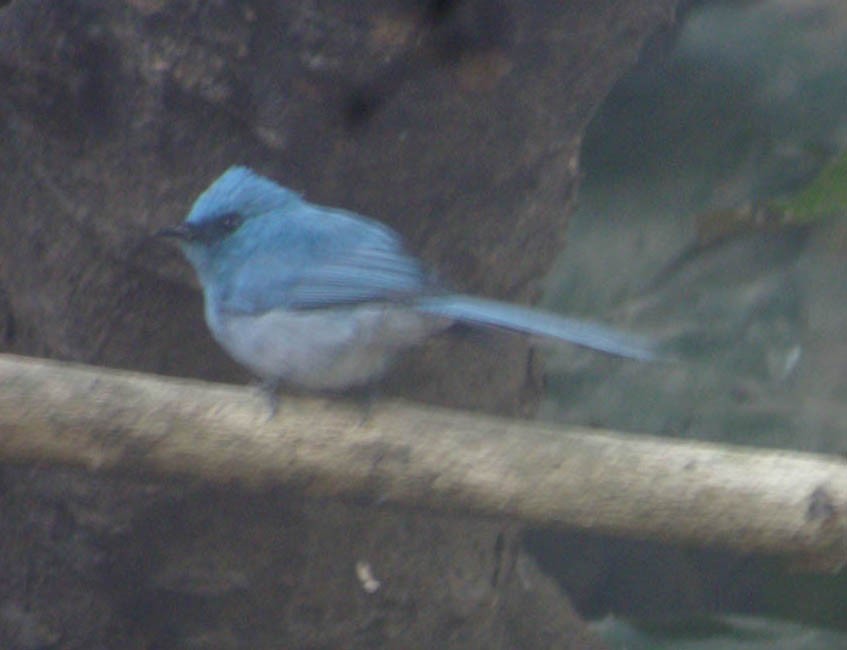
10. African Blue Flycatcher
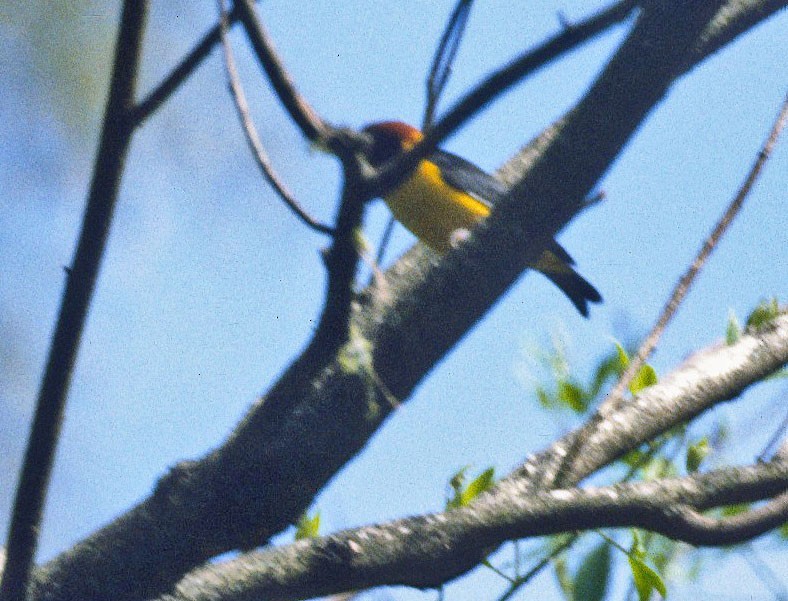
11. Brown-capped Weaver
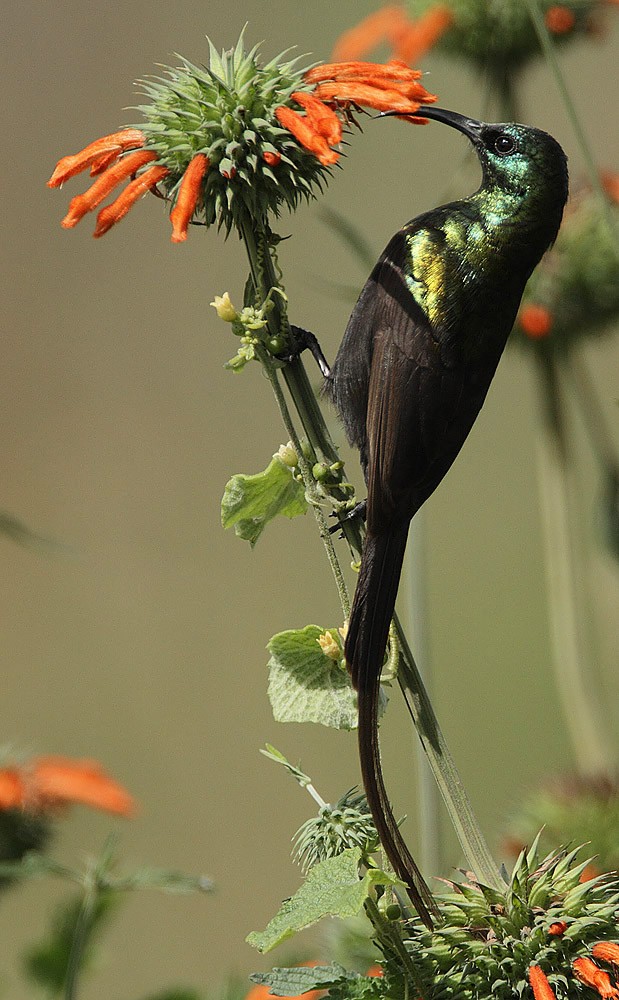
12. Bronze Sunbird
The bronzy sunbird (Nectarinia kilimensis) is a species of bird in the family Nectariniidae. It is found in Angola, Burundi, Democratic Republic of the Congo, Ethiopia, Kenya, Malawi, Mozambique, Rwanda, Tanzania, Uganda, Zambia, and Zimbabwe.
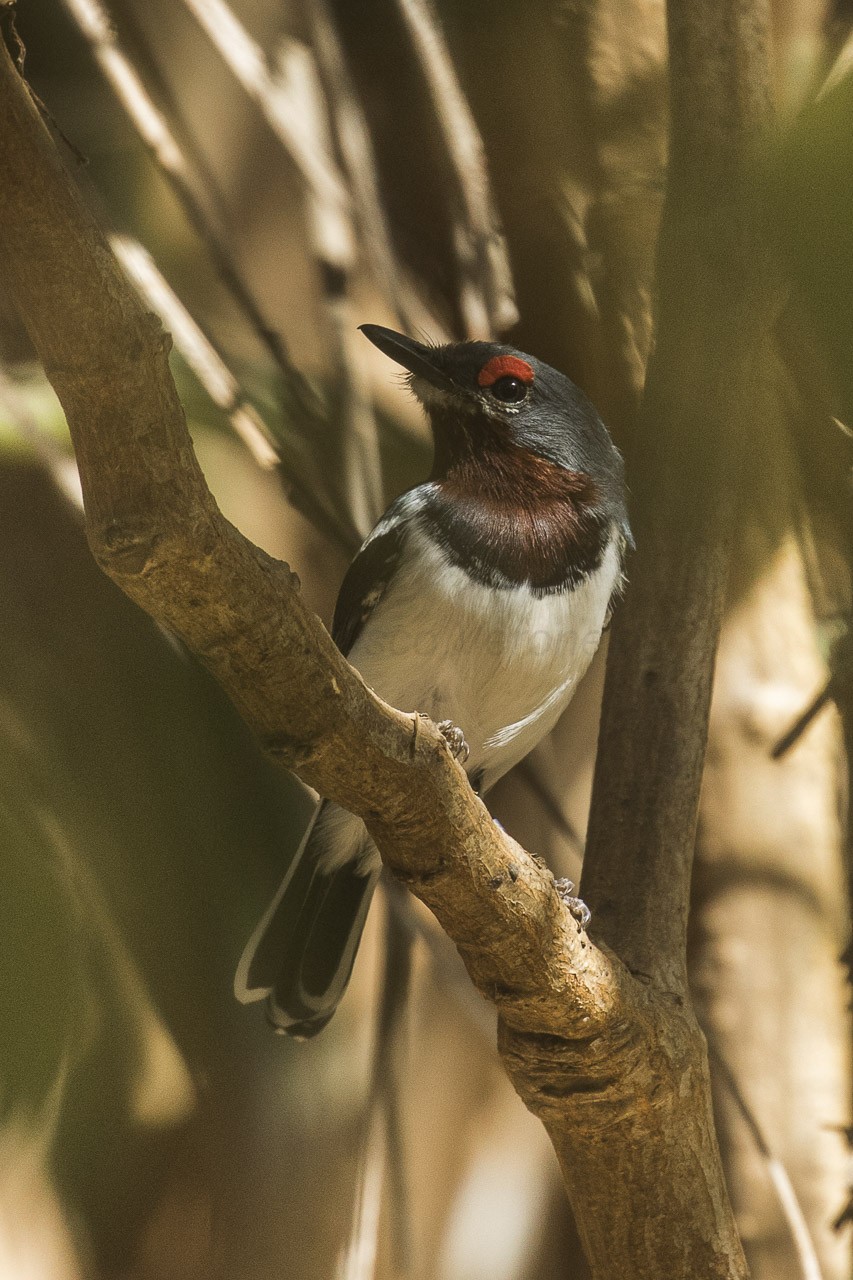
13. Brown-throated Wattle-eye
The brown-throated wattle-eye (Platysteira cyanea), also known as the common wattle-eye or scarlet-spectacled wattle-eye, is a small, insectivorous passerine bird. The wattle-eyes were previously classed as a subfamily of the Old World flycatcher family Muscicapidae, but are now usually separated from that group. This species breeds in west, central and northeast tropical Africa. This common species is found in secondary forest and other woodland areas, including gardens. The eggs are laid in a small neat lichen and cobweb cup low in a tree or bush. The adult brown-throated wattle-eye is a stout bird about 14 cm (5.5 in) long. The breeding male has glossy black upperparts, and white underparts with a neat black breast band. There is a strong white wingbar, and fleshy red wattles above the eye. The females are grey-black above, and also have the white wing bar and red wattles. There is a small patch of white below the bill, and the throat and breast are maroon, separated from the white belly by the black breast band. Young males are washed-out, greyer versions of the female. These active insect-eating birds are found in pairs or small groups. The ringing call of the brown-throated wattle-eye is a very characteristic six note doo-dd-dum-di-do-do.
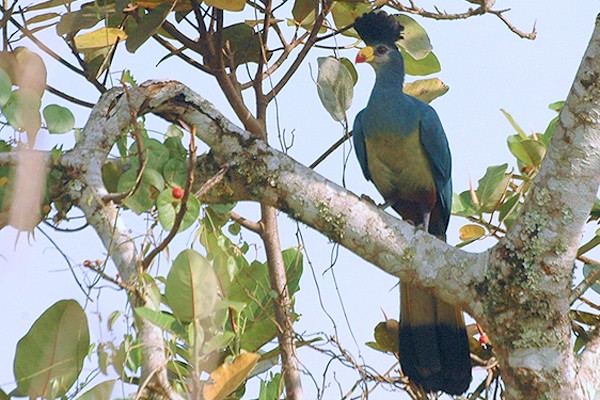
14. Great Blue Turaco
The great blue turaco (Corythaeola cristata) is a bird species of the family Musophagidae. It is the largest species of turaco. It is widespread throughout the African tropical rainforest. Generally, the great blue turaco is 70–76 cm (28–30 in) in length with a mass of 800–1,231 g (1.764–2.714 lb). In the Bandundu province of the Democratic Republic of the Congo, the great blue turaco is actively hunted for meat and feathers. The blue and yellow tail feathers are prized for making good luck talismans. In the area of Bandundu around the city of Kikwit, it is called "Kolonvo".
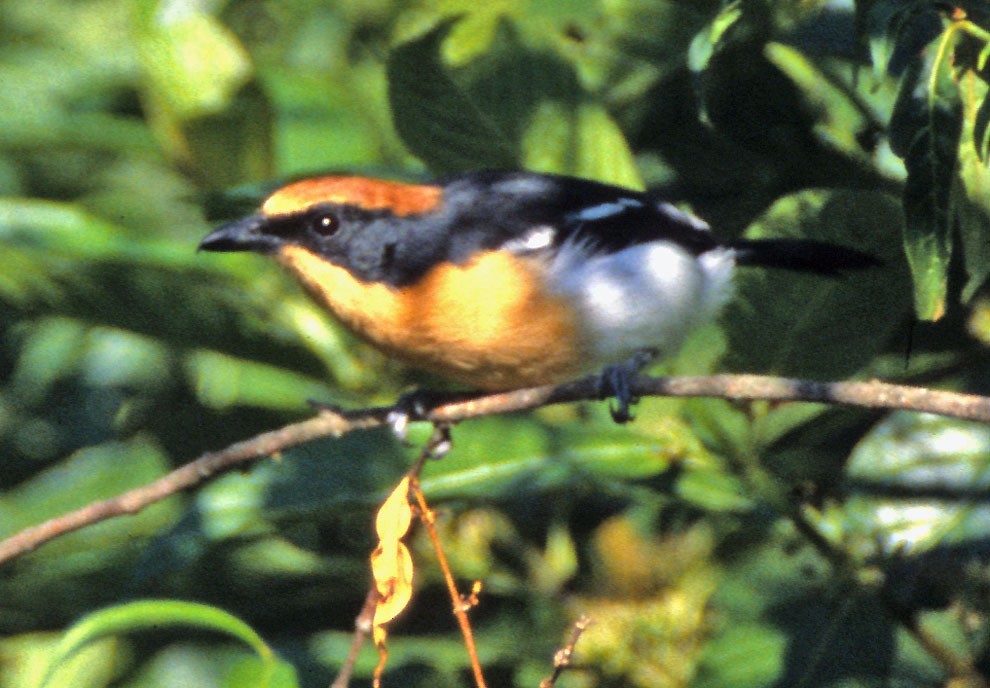
15. Lühder's Bushshrike
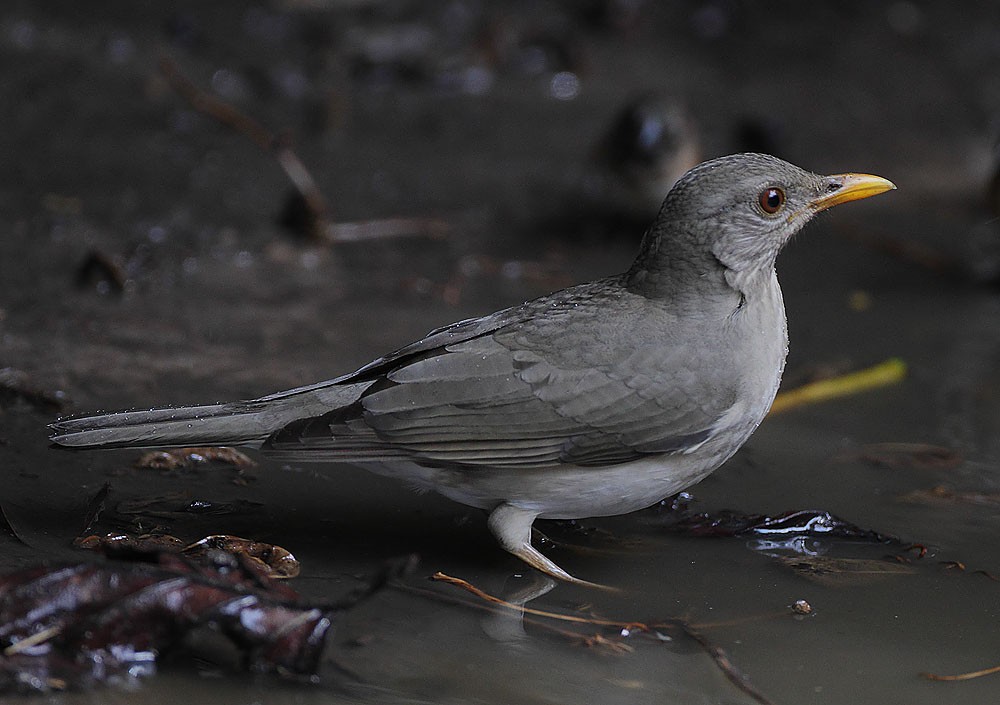
16. African Thrush
The African Thrush has dark olive-grey upperparts. The underparts show a whitish evenly brown- streaked side throat, the breast is greyish brown and the flanks are pale buff-orange with this colour not extending on to the lower breast, the belly and vent are white. It has a yellow-orange bill. It weighs 46–78g and measures 21–23 cm in length.
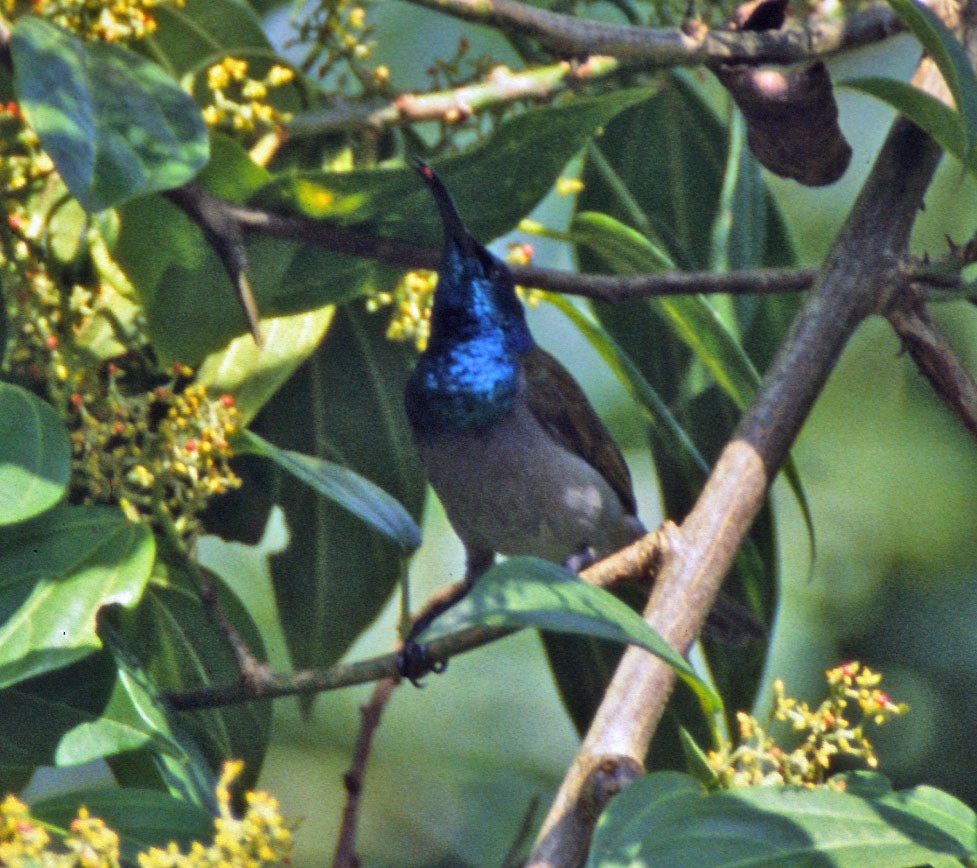
17. Green-headed Sunbird

18. White-chinned Prinia
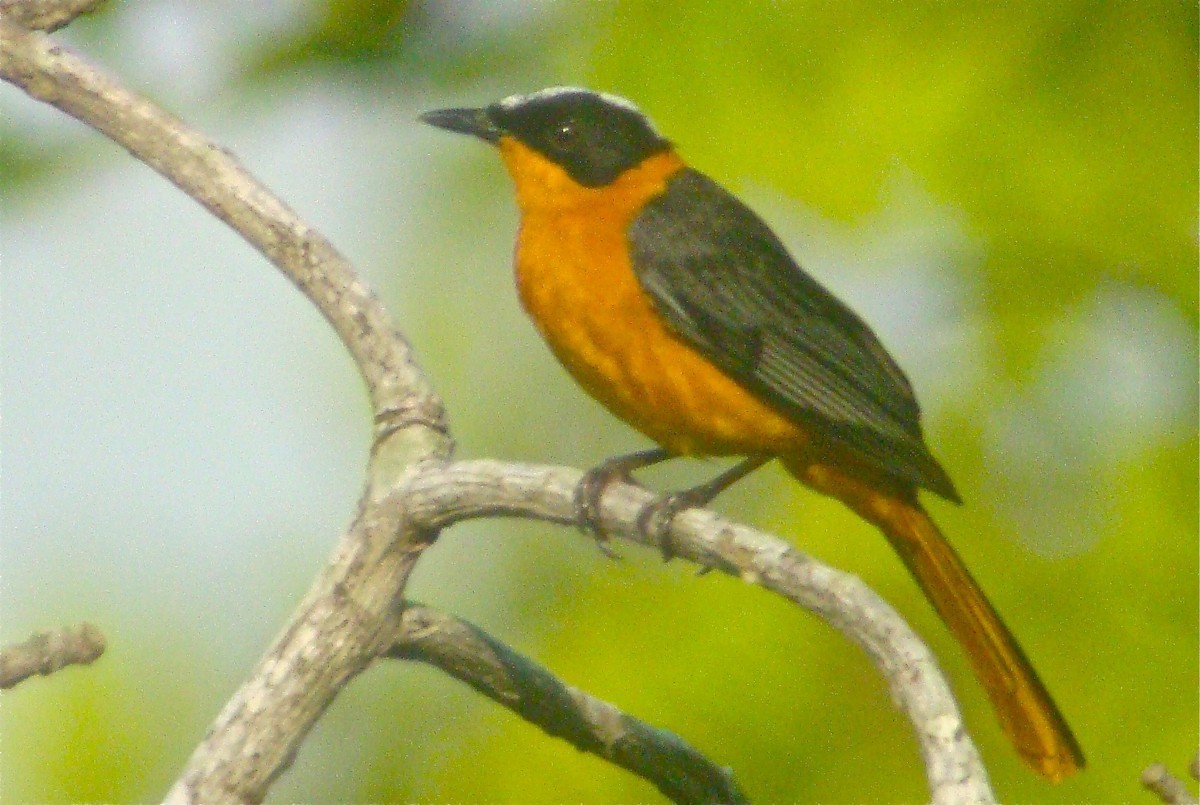
19. Snowy-crowned Robin-chat
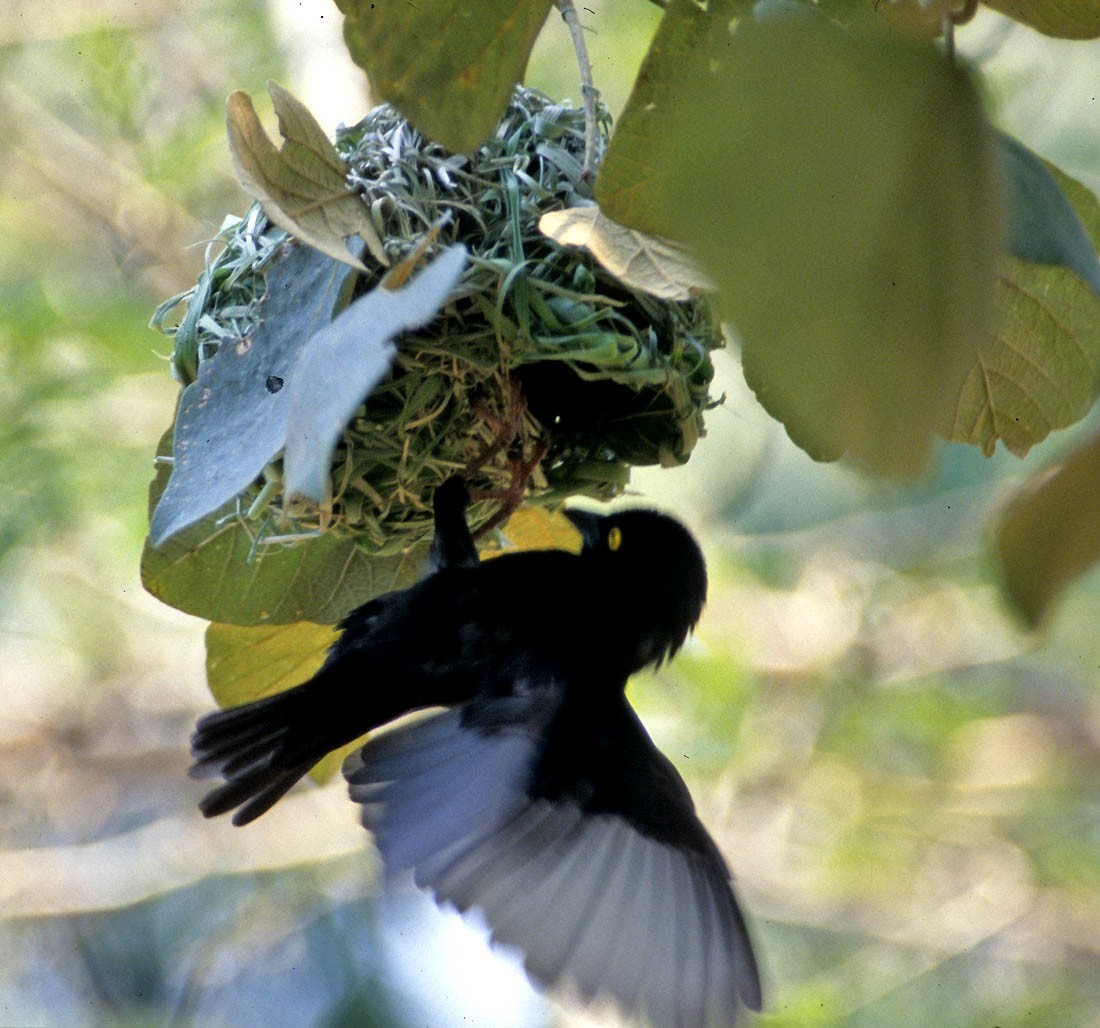
20. Vieillot's Black Weaver