




Top 20 Most Common Bird in Baalbek-Hermel
Located in Eastern Lebanon, the Baalbek-Hermel region is an eco-rich landscape, presenting a multitude of bird species. A home to 20 common birds, Baalbek-Hermel's avian population is a spectacular ensemble of distinct colors, fascinating behavior, and unique adaptations suited to Mediterranean climates. From impressive migratory patterns to survival in diverse habitats, these birds contribute significantly to Baalbek-Hermel's thriving biodiversity.

Most Common Bird
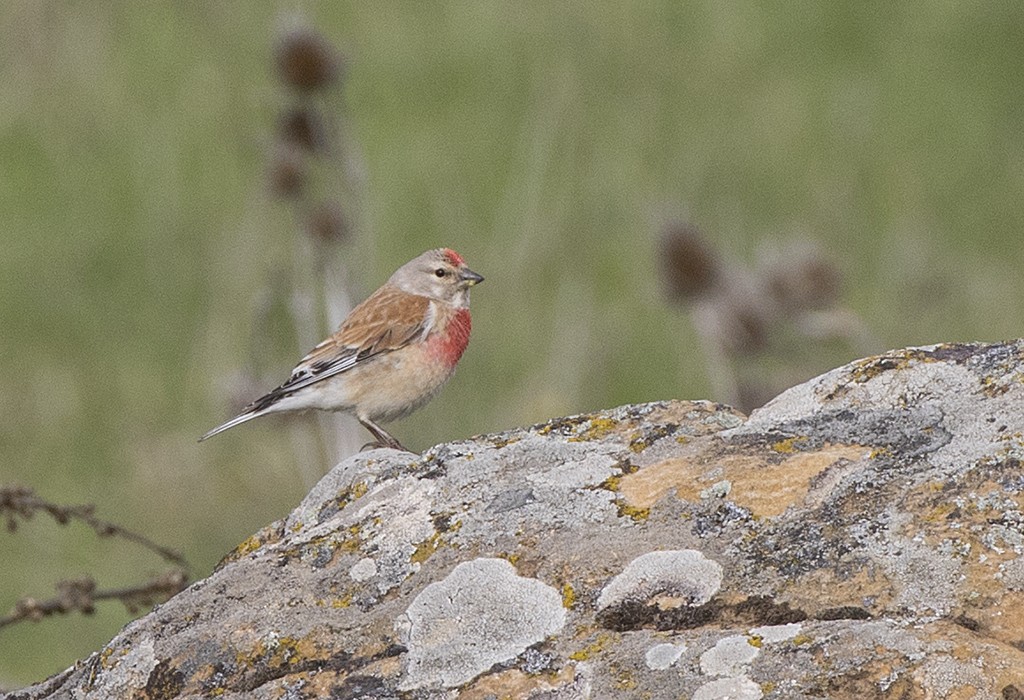
1. Eurasian Linnet
The eurasian Linnet is a musical bird in flight. It is primarily found in weedy or grassy urban areas and is a rare visitor to bird feeders, preferring to forage for its food. It often joins flocks in the autumn and winter, making the small bird easier to spot. While females are drab in color, males have red breasts.
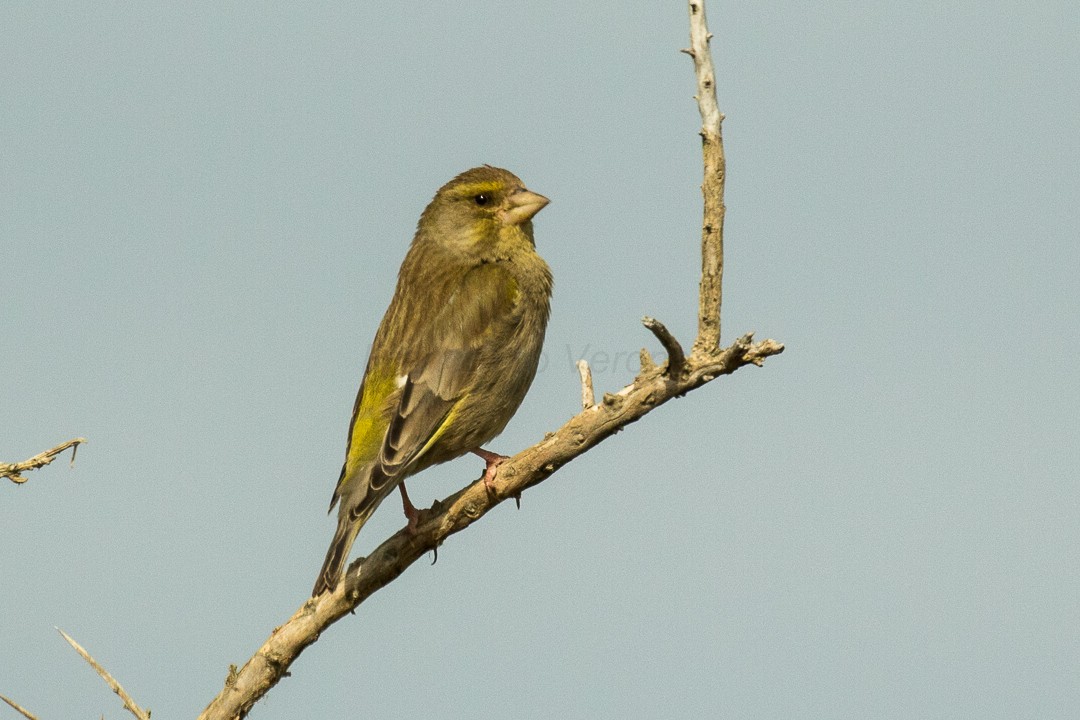
2. European Greenfinch
The european Greenfinch is a sociable bird and often forms flocks, particularly in the winter. The population of this species has been in decline due to loss of habitat and changes in land use. Identify this bird by its bright yellow head and breast on males, and green-brown head on females, and its sociable behavior in open woodlands, gardens, parks, and hedgerows. 
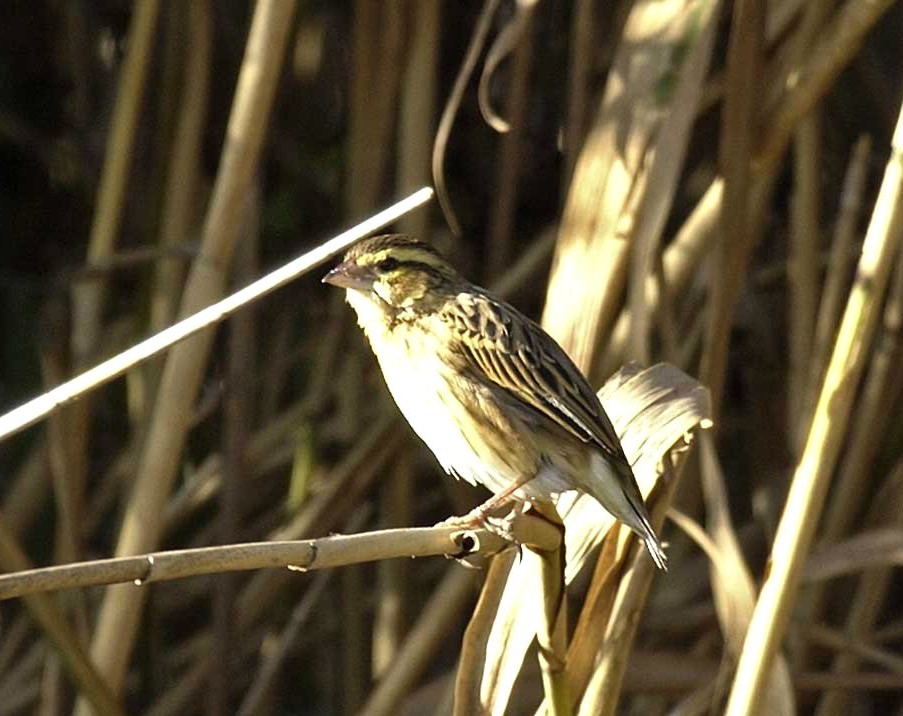
3. Rock Sparrow
The rock sparrow is similar in size to a house sparrow but with a larger more conical bill. It is around 14 cm (5.5 in) in length, with a strong whitish supercilium and weaker crown stripe. It has a patterned brown back and wings, streaked underparts, and a diagnostic, but hard-to-see, yellow throat spot. Petronia petronia are monochromatic, with a distinctive yellow patch on their upper breast that starkly contrasts the earth tones of their plumage. This carotenoid-based trait is present in both sexes, and plays an important role during the breeding season, signalling both attractiveness and social status. This bird has a loud wheezy song.
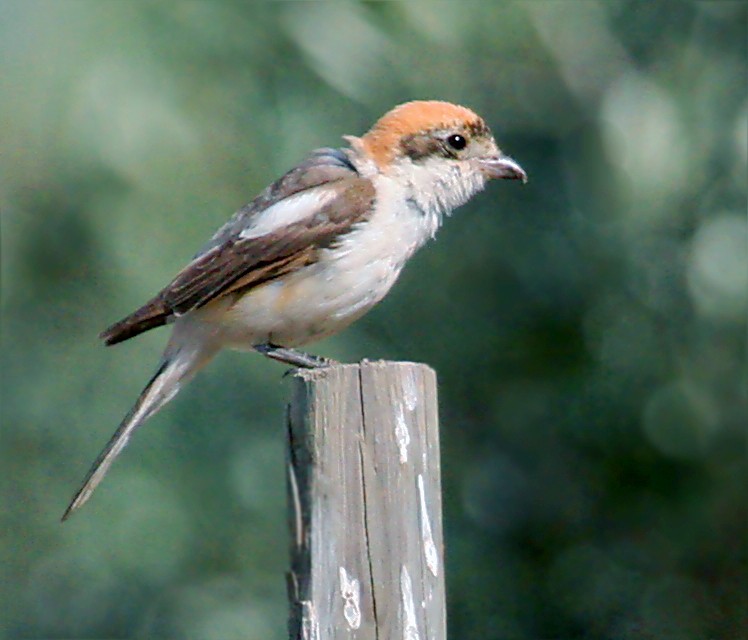
4. Woodchat Shrike
The male is a striking bird with black and white upper parts, a chestnut crown and pure white underparts. The race L. s. badius of the western Mediterranean lacks the large white wing patches. In the female and young birds, the upperparts are brown and white and vermiculated. Underparts are buff and also vermiculated.
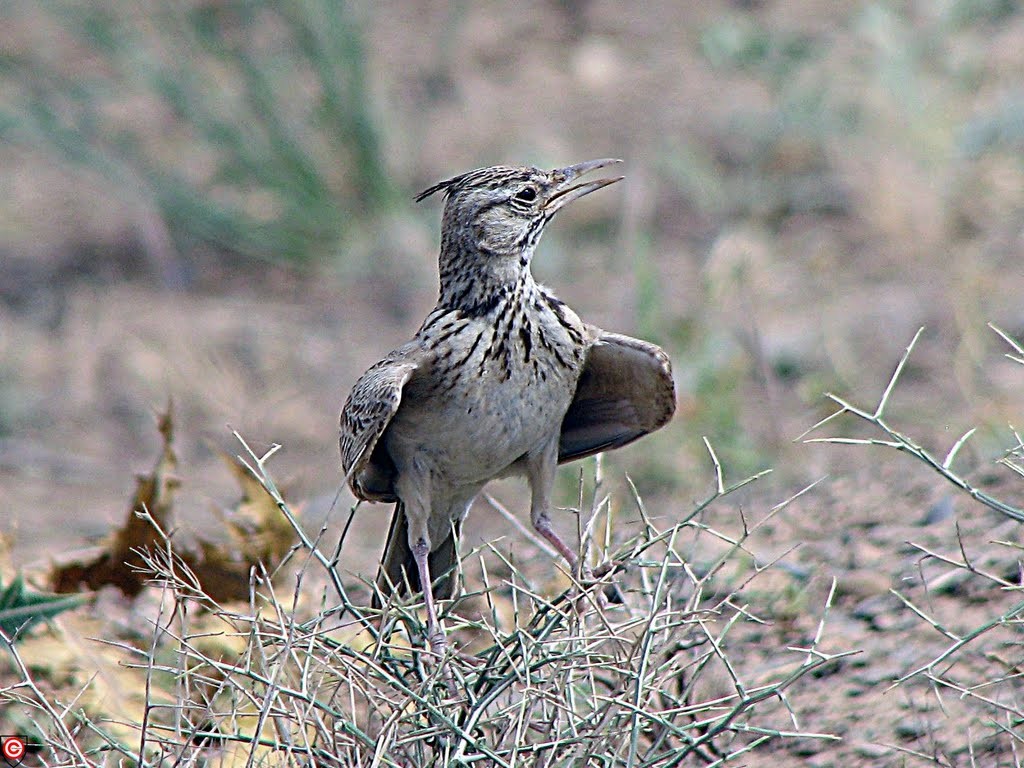
5. Crested Lark
A fairly small lark, the crested lark is roughly the same size as a Eurasian skylark, but shorter overall and bulkier around the head and body, and very similar in appearance, with a height of 17 cm (6.7 in) and a wingspan of 29 to 38 cm (11 to 15 in), weighing between 37 and 55 g (1.3 and 1.9 oz). It is a small, brown bird which has a short tail with light brown outer feathers. Male and females have no real differences, but young crested larks have more spots on their back than their older counterparts. Its plumage is downy but sparse and appears whitish. The distinct crest from which the crested lark gets its name is conspicuous at all times but is more pronounced during territorial or courtship displays and when singing. In flight it shows reddish underwings. It shares many characteristics with the Thekla lark, with the main distinctions between the two being the beak, the Thekla's heavier black-brown streaks and its grey underwing, present in European specimens.
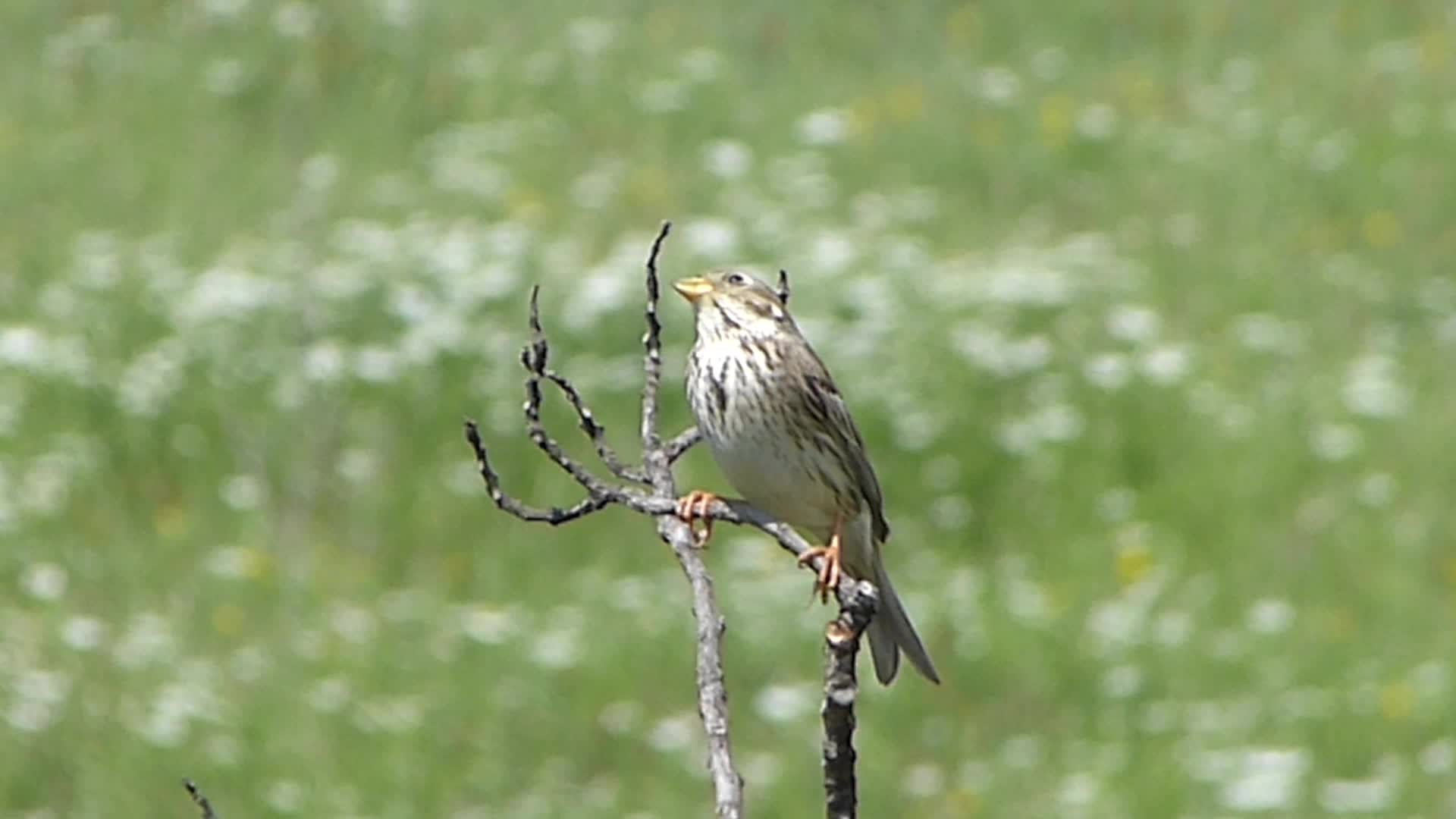
6. Corn Bunting
This is an unusual bunting because the plumages of the sexes are similar in appearance, though the male is approximately 20% larger than the female. This large bulky bunting is 16–19 cm long, with a conspicuously dark eye and yellowish mandibles. Males lack any showy colours, especially on the head, which is otherwise typical of genus Emberiza. Both sexes look something like larks, being streaked grey-brown above with whitish underparts. The underparts are streaked over the flanks and breast, and the streaking forms gorget around the throat. The lesser wing coverts are distinctively dark and white-tipped. The tail is plain brown. The song of the male is a repetitive metallic sound, usually likened to jangling keys, which is given from a low bush, fence post or telephone wires.
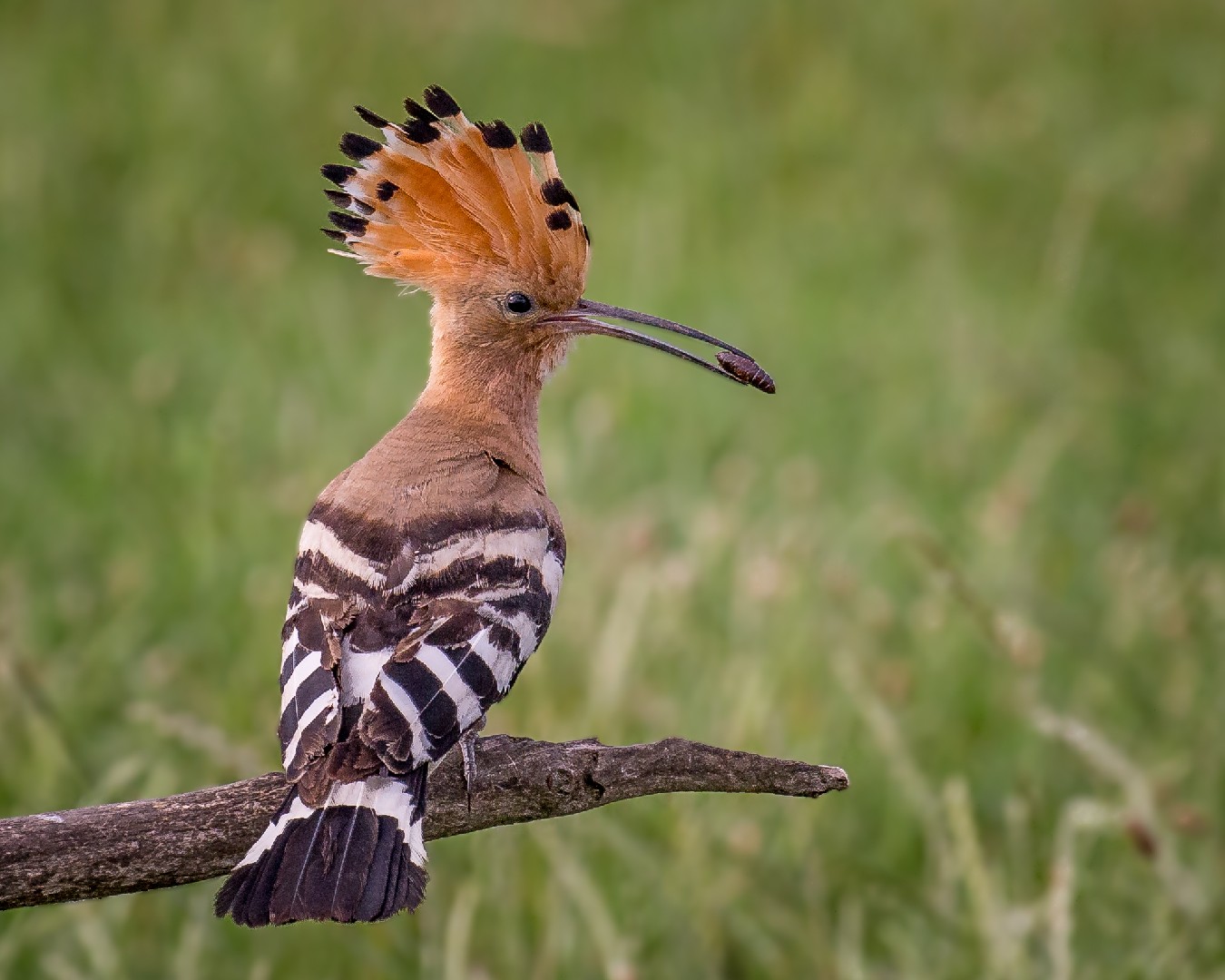
7. Eurasian Hoopoe
Instantly recognizable by its crown-shaped crest and plumage pattern, the eurasian Hoopoe is a medium-sized, ground-feeding bird that reveals the stunning black and white stripes on its wings during flight. When on the ground, this insectivorous bird tends to move somewhat strangely, often changing direction suddenly. This attractive bird has an important significance among many cultures and is the national bird of Israel.

8. Common Chaffinch
The common Chaffinch has a varied diet, mainly feeding on seeds and berries, but also eating insects, allowing it to thrive in different habitats. The Common Chaffinch is also known for its melodic song, with the males being particularly vocal during the breeding season. Their songs can often be heard in the spring and early summer.
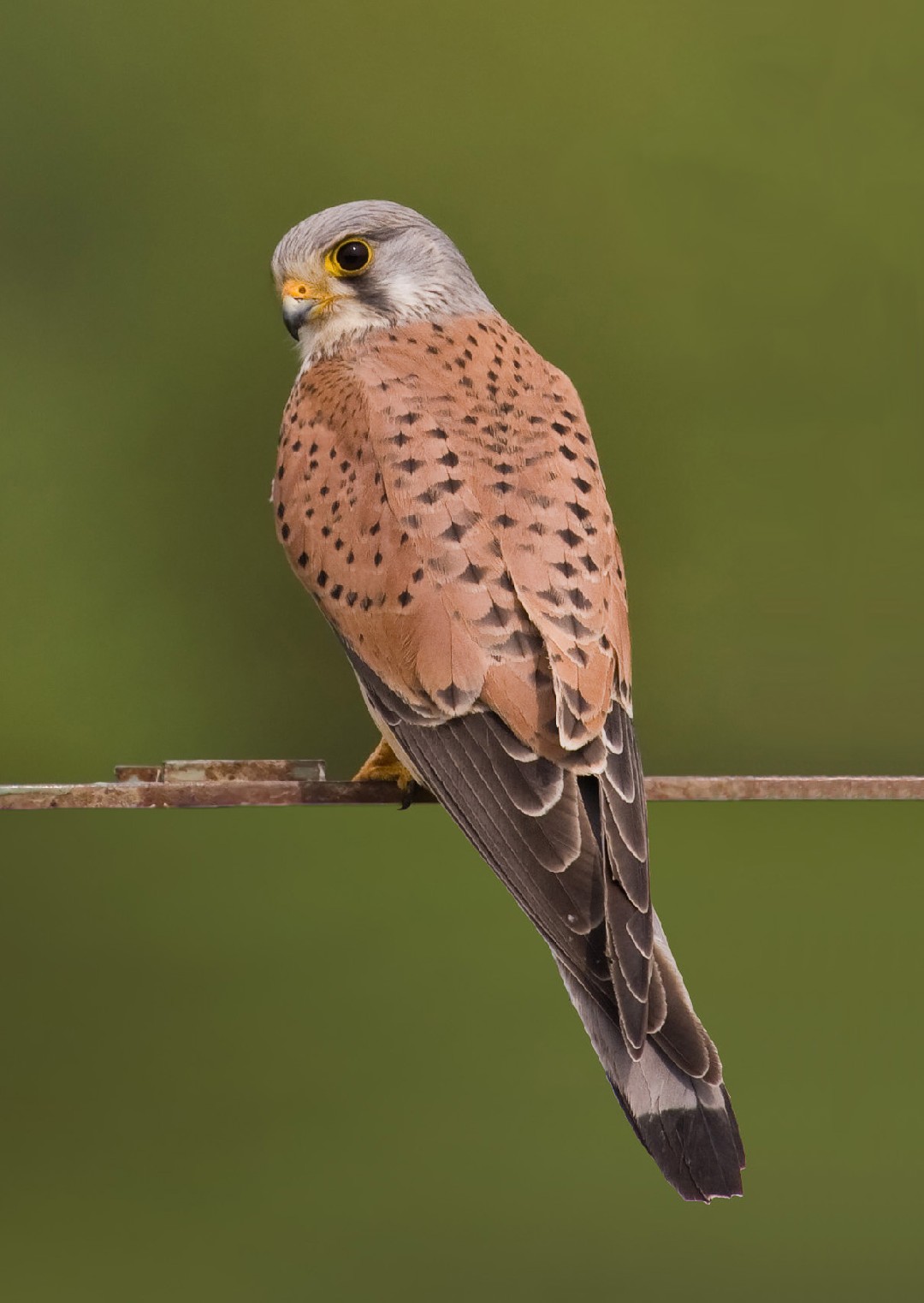
9. Common Kestrel
The common Kestrel is a small falcon found throughout much of Europe, Asia, and Africa. It feeds on small mammals, birds, and insects and is known for its ability to hover in the air to spot prey. It can be found in a variety of habitats. Some populations have declined due to habitat loss.
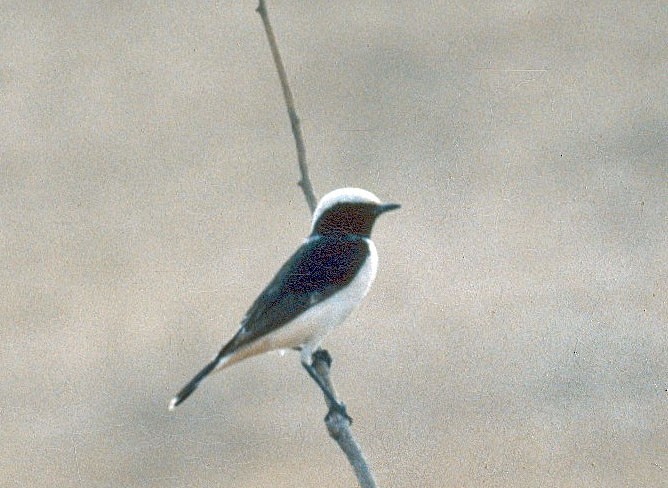
10. Mourning Wheatear
The mourning wheatear (Oenanthe lugens) is a bird, one of 14 species of wheatear found in northern Africa and the Middle East. It is a small passerine in a group formerly classed as members of the thrush family Turdidae, but now more generally considered to be part of the Old World flycatcher family Muscicapidae. The mourning wheatear was first described by Martin Lichtenstein in 1823. It is found in semi-desert areas in North Africa and the Middle East. It is sexually dimorphic with the females sporting more subtle plumage. An intriguing dark morph of the mourning wheatear (the so-called basalt wheatear) occurs in the basalt desert of northeast Jordan. The north African subspecies halophila, considered by some to be a separate species, western mourning wheatear, occurs from Morocco east to western Egypt. The Egyptian populations are discussed in Baha El Din and Baha El Din (2000). These birds differ from typical halophila in exhibiting less sexual dimorphism, and displaying a prominent white wingbar, and thus are closer to the nominate race. Panov (Wheatears of Palearctic, 2005) discusses the latest taxonomy for the mourning wheatear superspecies. The mourning wheatear is split from Abyssinian wheatear (Oenanthe lugubris), which is the species found south of the Sahara. It has been recorded in the following countries: Algeria, Bahrain, Cyprus, Egypt, Iran, Iraq, Israel, Jordan, Kuwait, Lebanon, Libya, Morocco, Oman, Pakistan, Qatar, Saudi Arabia, Syria, Tunisia, Turkey, the United Arab Emirates, and Yemen.
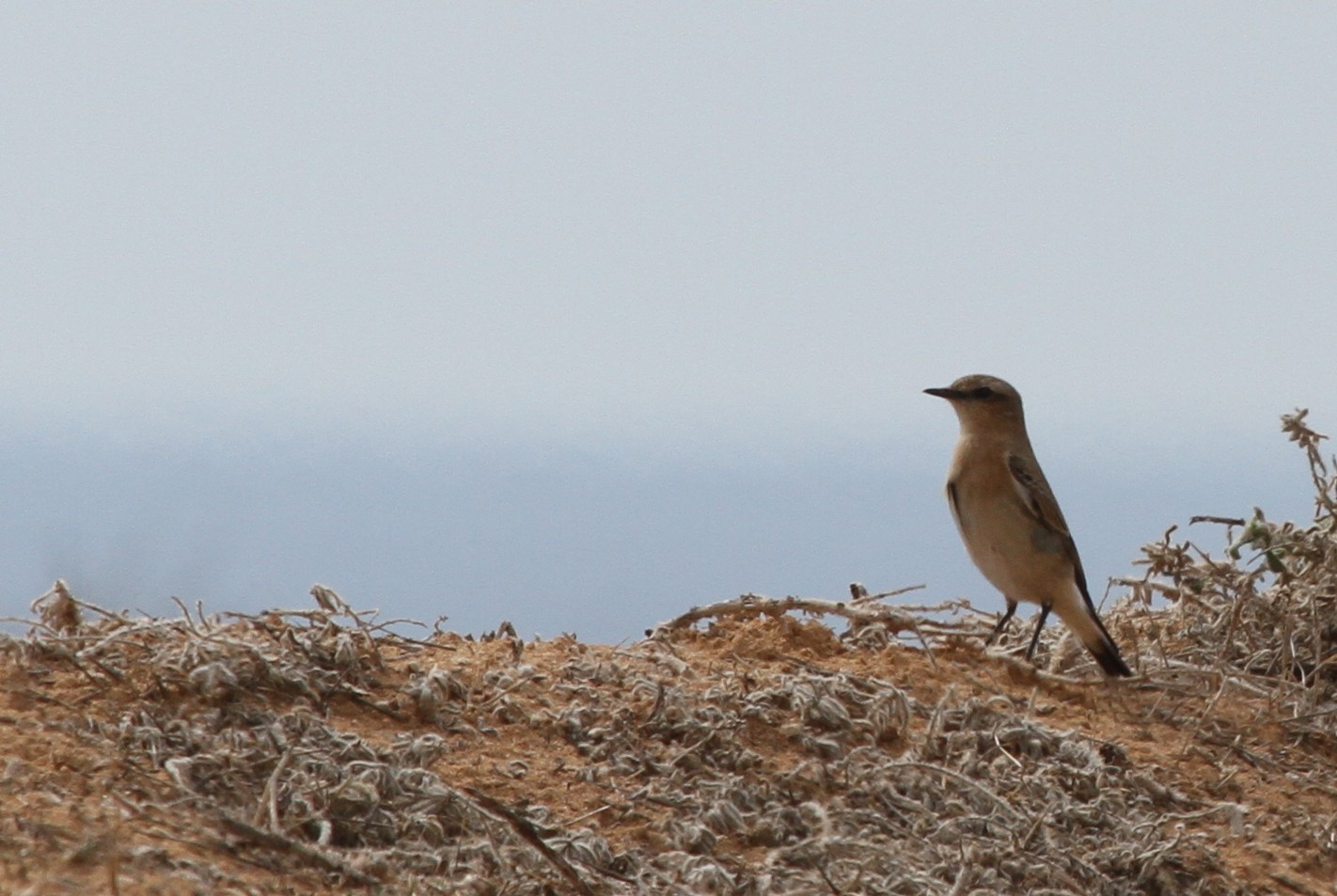
11. Northern Wheatear
A small thrush, the northern Wheatear is capable of producing multiple sounds that range from whistles to trills, and even mimicking other bird species. The Eurasian bird prefers open habitats during the non-breeding season. When breeding, the thrush looks for areas with grass or rocks. Its primary food sources are insects and their larvae.
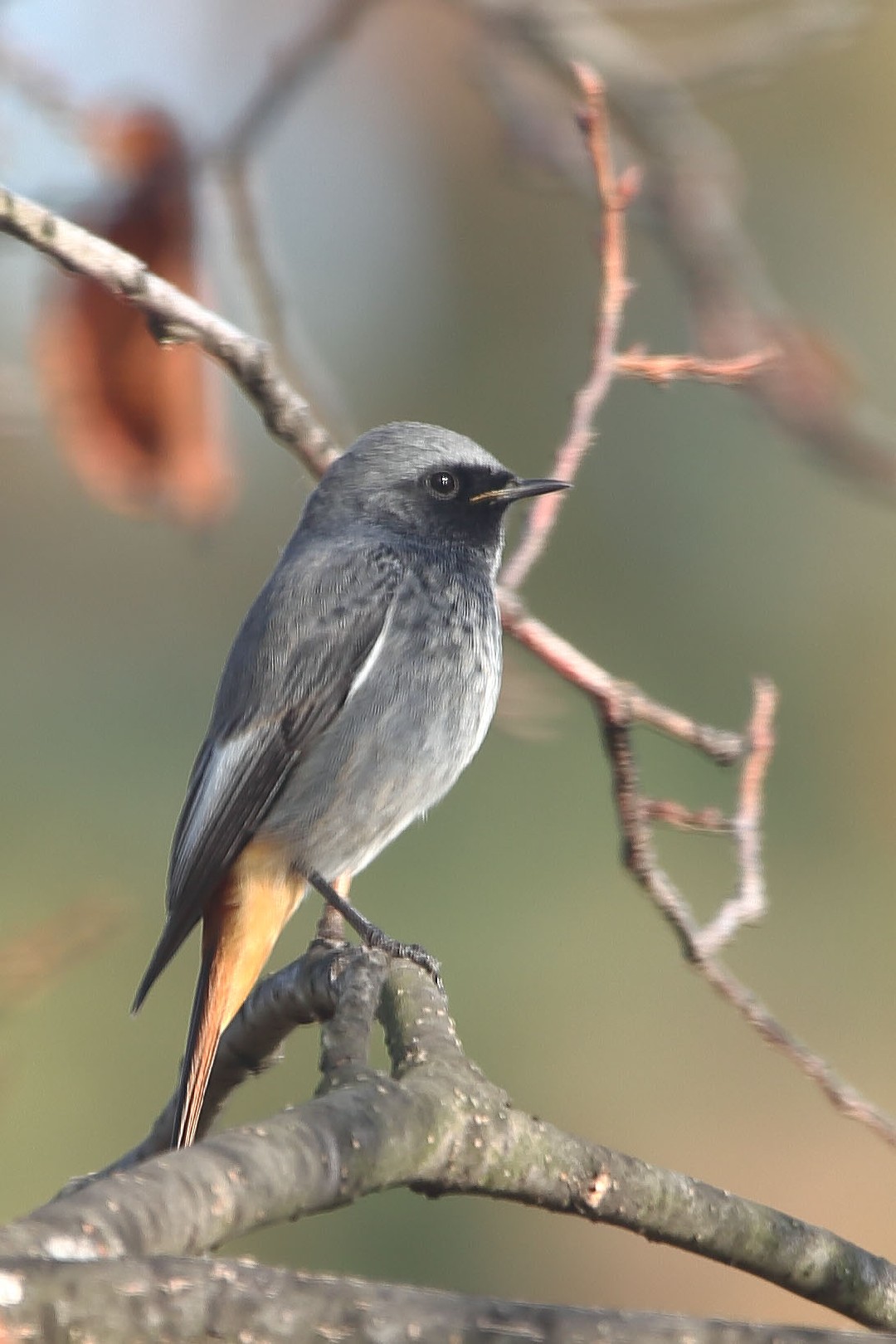
12. Black Redstart
The black Redstart is a small flycatcher that was once present only in natural habitats such as cliffs and rocky, mountainous areas, but now it also inhabits industrial sites, buildings, and rooftops. Although this bird is a remarkable singer, it is quite quiet. The species is very variable in appearance, and dines on insects.
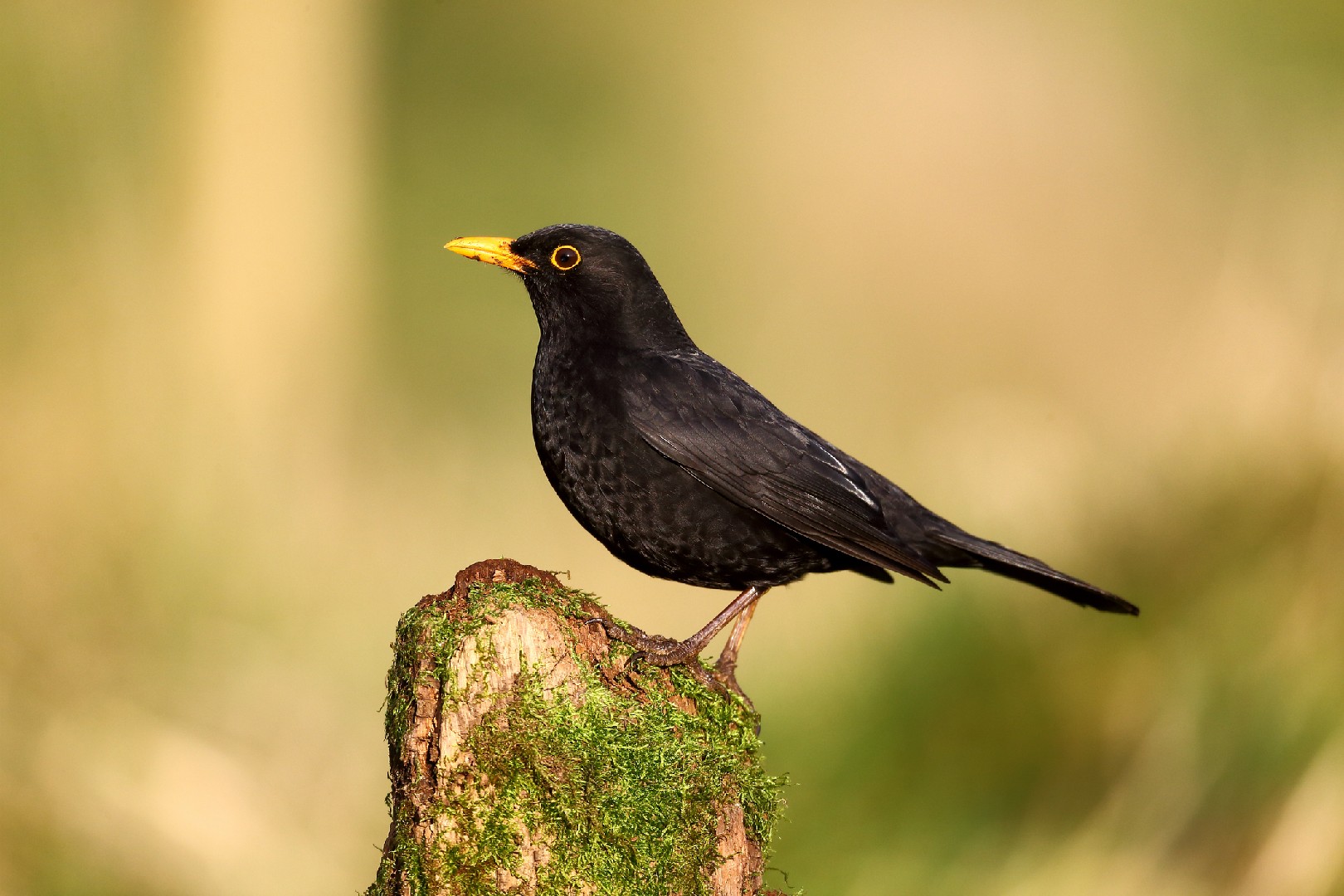
13. Eurasian Blackbird
Unafraid of humans, the dark-winged eurasian Blackbird has gained a great deal of cultural significance, mentioned in popular nursery rhymes and songs across the world. Elegant and with an appealing song, they can be aggressive when they are in their breeding period.
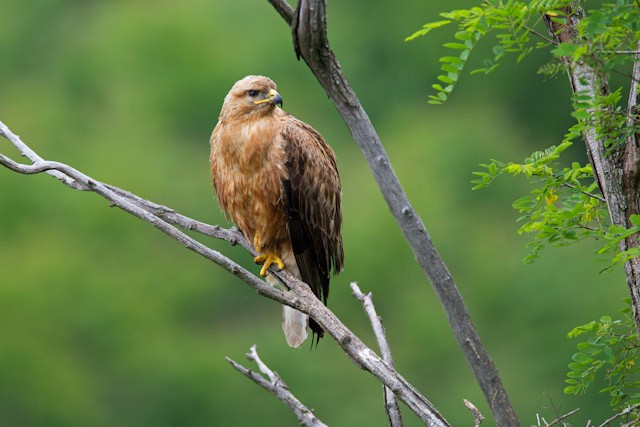
14. Long-legged Buzzard
The long-legged buzzard (Buteo rufinus) is a bird of prey found widely in several parts of Eurasia and in North Africa. This species ranges from Southeastern Europe down to East Africa to the northern part of the Indian subcontinent. The long-legged buzzard is a member of the genus Buteo, being one of the larger species therein. Despite being relatively powerful, it is considered a rather sluggish raptor overall. Like most buzzards, it prefers small mammals such as rodents, including gerbils, ground squirrels, voles and rats, also taking to reptiles, birds and insects as well as carrion. Adaptable to a variety of habitats, long-legged buzzards may nest on a variety of surfaces, including rocks, cliffs and trees. it is a typical buzzard in its reproductive biology. The long-legged buzzard is widely distributed and appears to be quite stable in population. Therefore, it is considered as Least Concern by the IUCN.

15. Common Buzzard
The common Buzzard is a medium-sized bird of prey found in many parts of the world. It inhabits a variety of habitats such as forests, grasslands, and mountains. It is an opportunistic hunter, preying on mammals, birds, reptiles, and insects. They also scavenge on carrion. They are often seen soaring on thermal currents, perching on high vantage points, and performing acrobatic maneuvers during courtship.
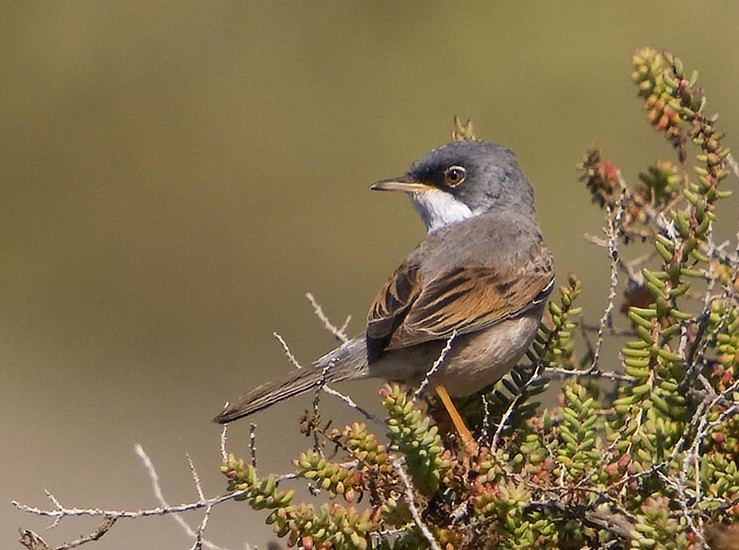
16. Spectacled Warbler
The spectacled warbler (Curruca conspicillata) is a species in the typical warbler genus, Curruca. The specific conspicillata is from Latin conspicillum, a place to look from, equivalent to "spectacled". It breeds in north west Africa, southwest Europe from Iberia to Italy, and then further east on the eastern Mediterranean islands and coastal regions. It is mainly resident in Africa, but other populations migrate to winter in more widely in north and west Africa and Egypt. This bird is a rare vagrant to northern and western Europe. It also occurs in some Atlantic islands. The subspecies orbitalis has been proposed for those of the Cape Verde Islands. The presumed subspecies for the Madeira birds, bella is today usually included in this taxon, as are the birds of the Canary Islands, where the species is quite common except on El Hierro and known as zarzalero y ratonero. These are very small "warblers" and are intermediate between whitethroats and Tristram's warbler in coloration. Spectacled warblers are brown above and buff below, with chestnut wing patches and a white throat. Adult males have a grey head and the white eye ring which gives the species its name. Immature birds can be confused with both the whitethroat and the subalpine warbler, and identification is difficult in the field. The song is a fast high warble. About the precise relationships of this bird, not much can be said with certainty. It seems though as if its intermediate appearance, apart from the autapomorphic white eye ring, indicates its relationships reasonably well. It is not the closest living relative of at least Tristram's warbler though. These small passerine birds are found in dry open country with bushes. 3-6 eggs are laid in a nest in a bush. Like their relatives, the spectacled warbler is insectivorous.
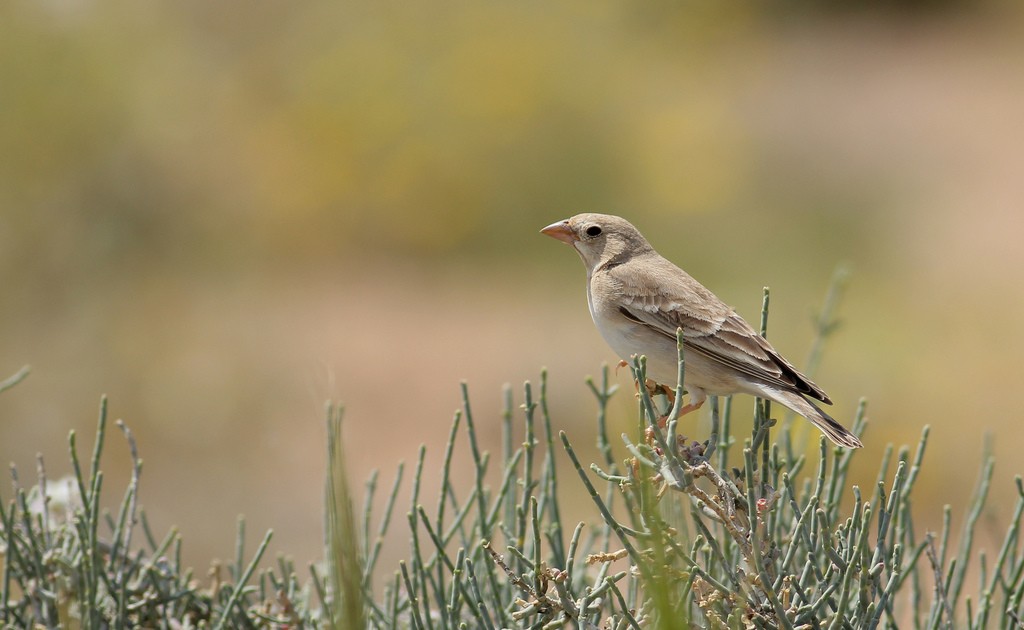
17. Pale Rockfinch
The pale rockfinch or pale rock sparrow (Carpospiza brachydactyla) is a small sparrow found in the Middle East and Central Asia. It is the only member of the genus Carpospiza. Some authorities include it in the genus Petronia. Others have placed it in the finch family due to some similarities in behaviour and form, but the anatomy of its tongue exhibits characteristic sparrow features. The range of pale rockfinch extends from eastern Turkey to Afghanistan, and south into the Arabian Peninsula and northern Africa as far as Ethiopia. Its natural habitats are subtropical or tropical dry shrubland and temperate grassland.
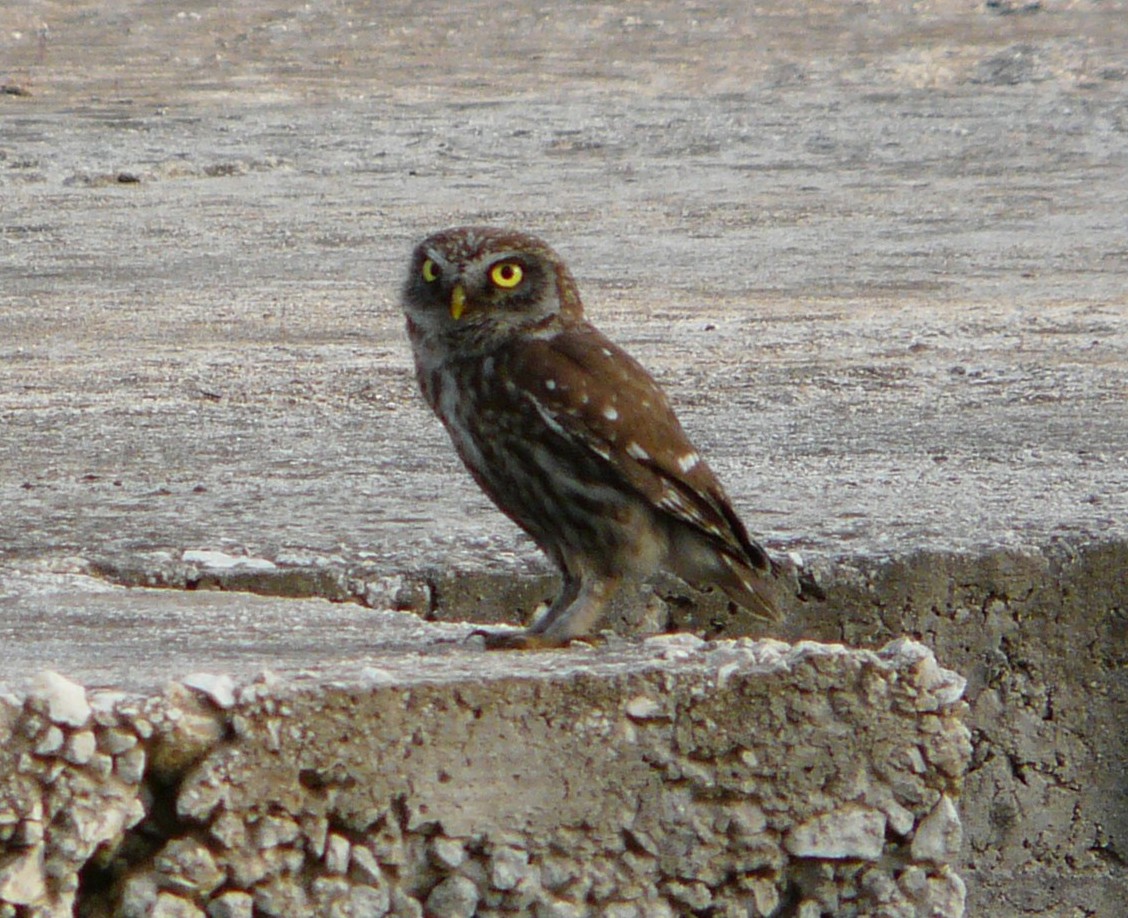
18. Little Owl
The little owl is a small owl with a flat-topped head, a plump, compact body and a short tail. The facial disc is flattened above the eyes giving the bird a frowning expression. The plumage is greyish-brown, spotted, streaked and barred with white. The underparts are pale and streaked with darker colour.
19. Temminck's Lark
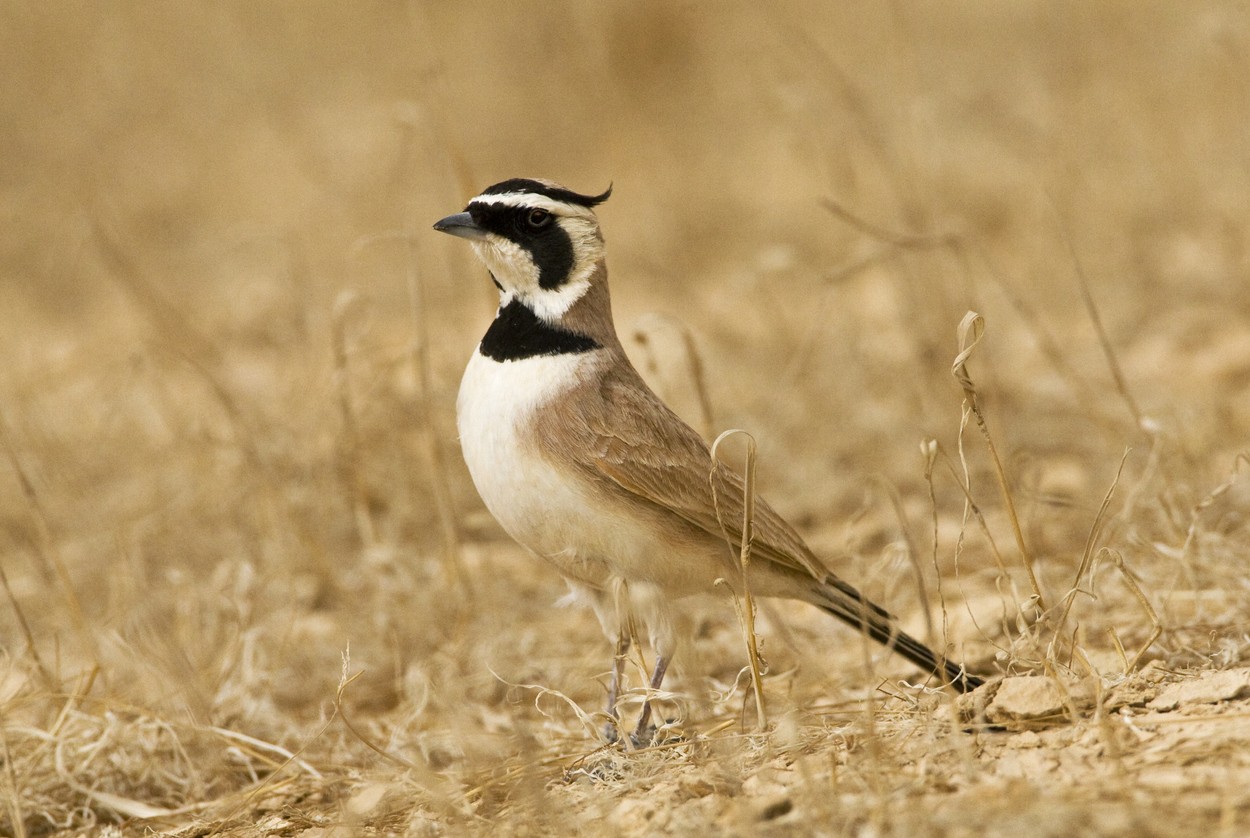
Unlike most other larks, Temminck's lark is a distinctive looking species on the ground, similar to the other, larger, member of its genus, the horned lark. The 14 to 15 cm (5.5 to 5.9 in) adult is mainly reddish brown-grey above and pale below, and it has a striking black and white face pattern and a distinctive black patch on its breast. The summer male has black "horns", which give this species its alternative name. The juvenile of this species is reddish above and pale below, quite unlike the juvenile horned lark. The adult Temminck's lark differs from the horned lark in its reddish, rather than brown-grey plumage, and the lack of yellow in the face pattern. It has a similar but less harsh metallic call.
20. Isabelline Wheatear
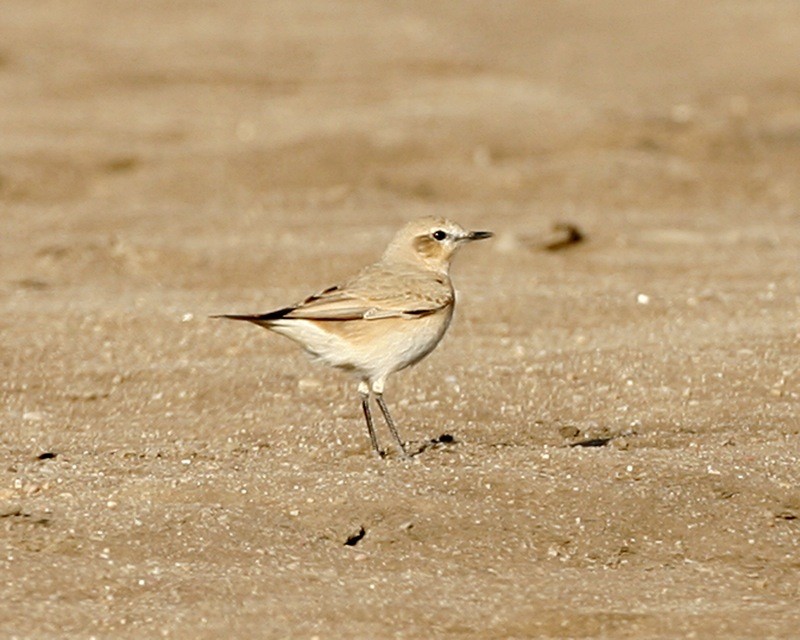
Male and female isabelline wheatear are similar in appearance. The upper-parts are a pale sandy brown with an isabelline tinge (isabelline is a pale grey-yellow, fawn, cream-brown or parchment colour). The lower back is isabelline and the rump and upper tail-coverts are white. The tail feathers are brownish-black with a narrow edge and tip of buff and a large white base. In the outer tail feathers this occupies more than half the length of the feather but in the central feathers it is about one third. There is an over-eye streak of creamy white and the ear-coverts are pale brown. The chin is pale cream and the throat pale buff. The breast is sandy or isabelline buff and the belly creamy white. The under tail-coverts are pale buff and the under wing-coverts and axilliaries white with dark bases. The wing feathers are brownish-black, tipped and edged with creamy buff. The beak, legs and feet are black and the irises are brown. At a length of 16.5 centimetres (6.5 in) it is rather larger and also paler in colour than the northern wheatear (Oenanthe oenanthe). The beak is longer than that bird and the ear-coverts are paler but otherwise the birds are very similar in appearance and could be confused. The plumage is moulted twice a year, there being a complete moult in late summer and a partial moult of the body feathers in mid-winter. The call note is a chirp, and a loud whistle is sometimes emitted. The song has been described as lark-like and starts with a croaking noise followed by various whistles and includes mimicry of the voices of other birds.