




Top 20 Most Common Bird in Kedah
Kedah is characterized by diverse habitats, from lush forests to coastal areas and paddy fields. It hosts a variety of bird species. Among the 20 most frequently spotted birds, their unique traits range from vibrant plumage, distinctive calls, intricate nesting behaviors to specialized habitats adaptations. They play critical roles in the region's ecological balance, intriguing birdwatchers and ecologists alike.

Most Common Bird
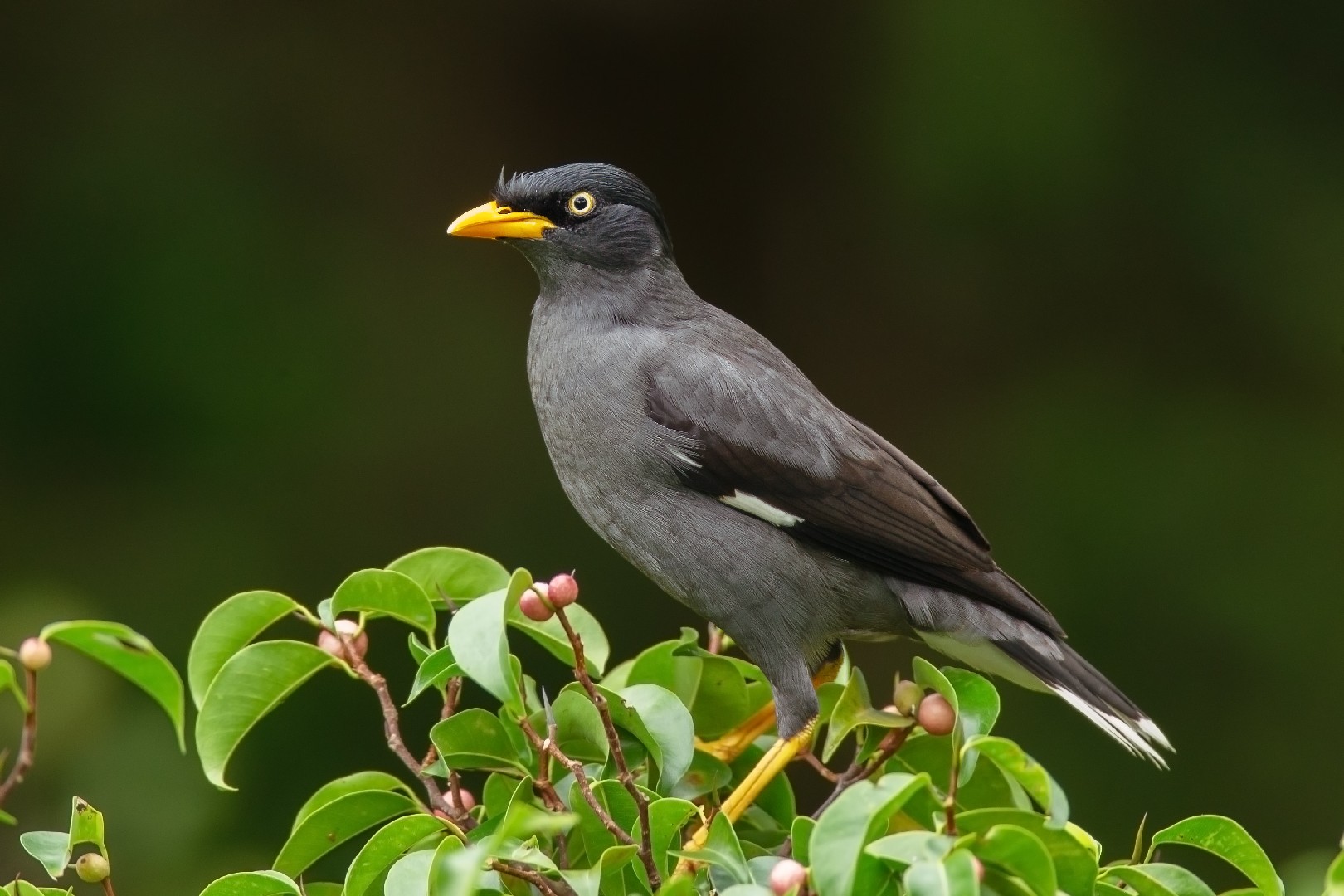
1. Javan Myna
The bold and social javan Myna is known for foraging in farms, parks, and gardens. It prefers to roost in large and noisy flocks near humans. The javan Myna eats seeds, nectar, insects, and fruit, as well as human waste. In Malaysia and Indonesia, they are kept in cages where they sometimes learn to mimic human speech.
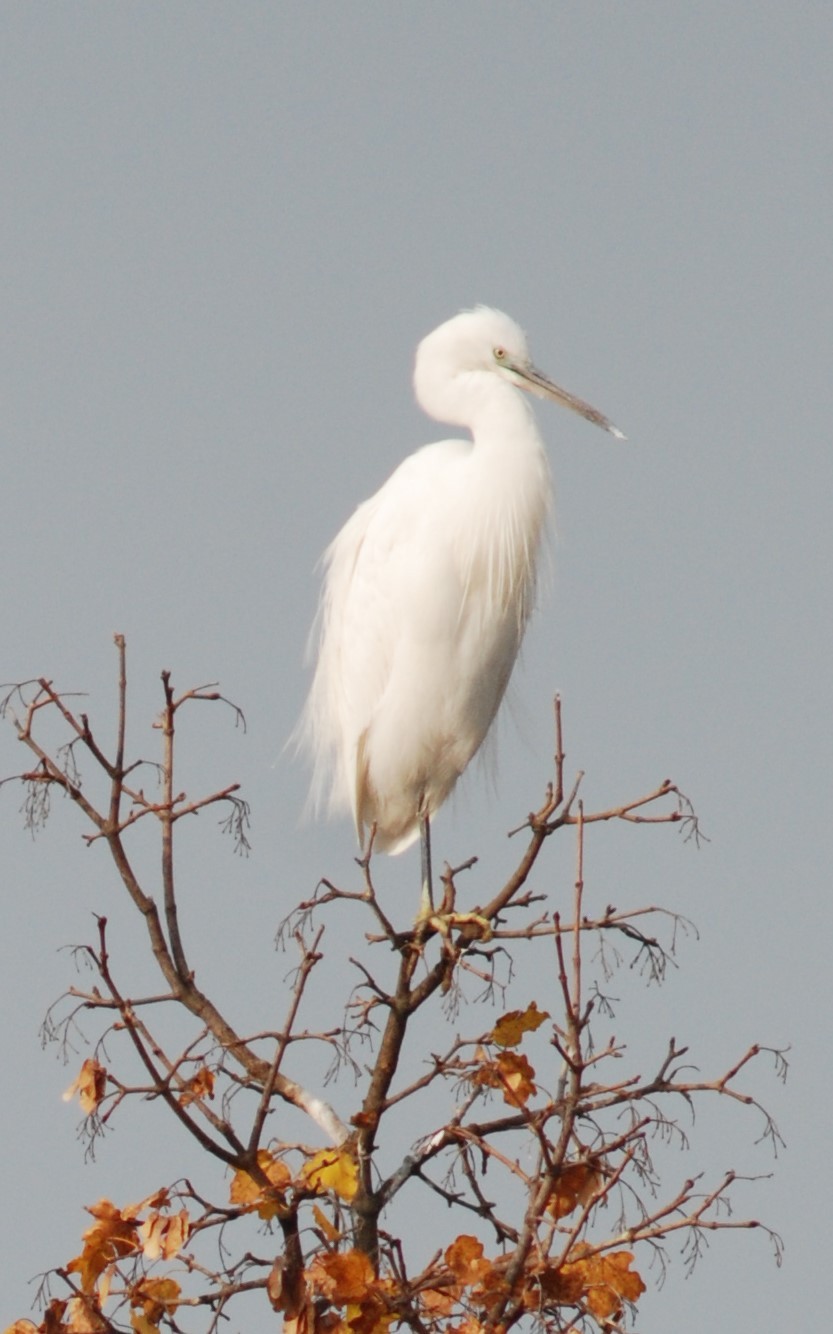
2. Little Egret
The small size of the little Egret makes the bird easily recognizable among larger species that share the same range. The egret is seen almost anywhere there are small fish including marshes, estuaries, and rivers. The bird often searches for food by itself but prefers to build nests in communities, occasionally with other bird species.
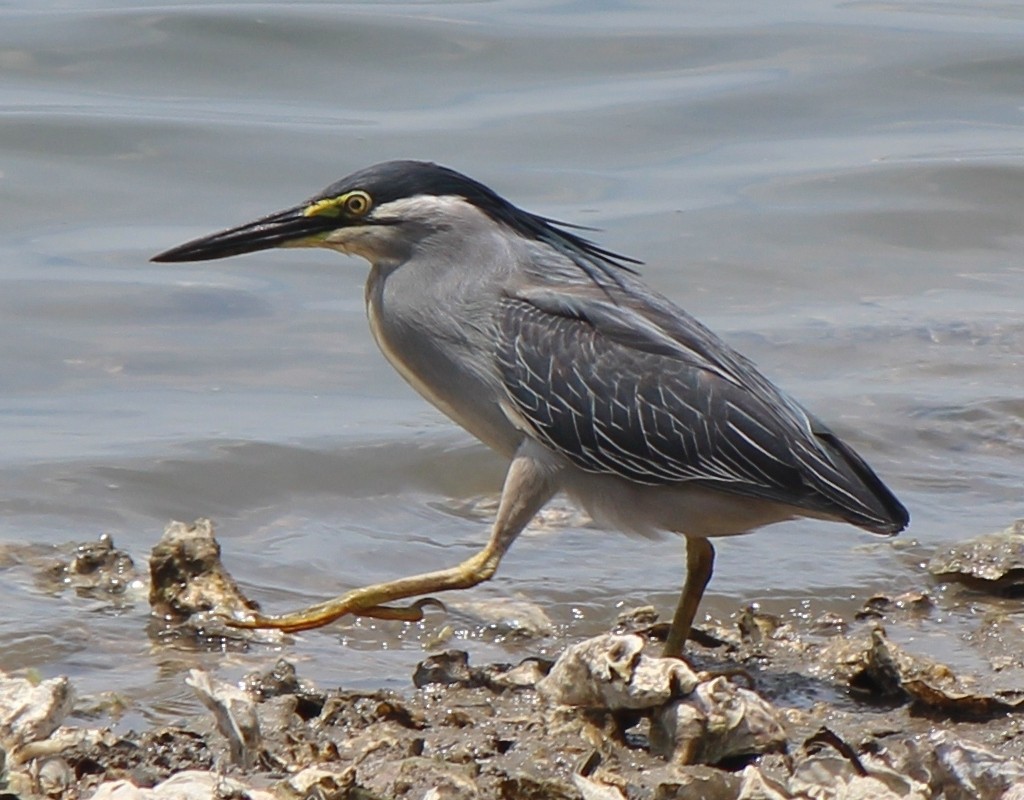
3. Striated Heron
Adults have a blue-grey back and wings, white underparts, a black cap, a dark line extends from the bill to under the eye and short yellow legs. Juveniles are browner above and streaked below. These birds stand still at the water's edge and wait to ambush prey, but are easier to see than many small heron species. They mainly eat small fish, frogs and aquatic insects. 
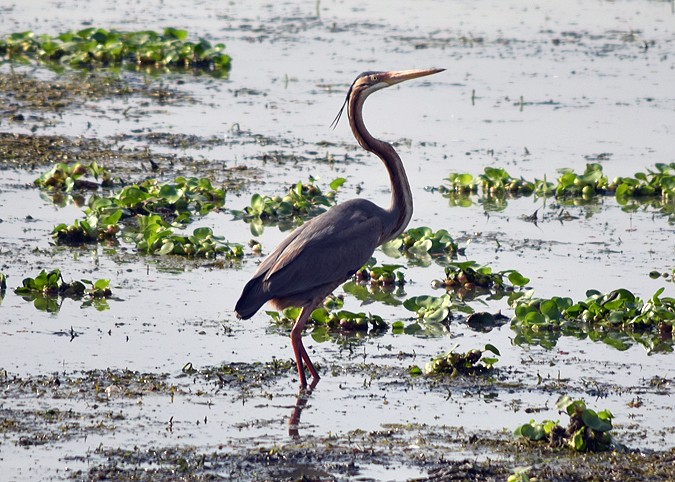
4. Purple Heron
The purple Heron is a beautiful bird that is highly adapted to its wetland habitat, where it primarily feeds on fish and other prey. Its long neck and sharp beak make it a skilled hunter of fish and small prey in shallow waters. It is easily recognizable.
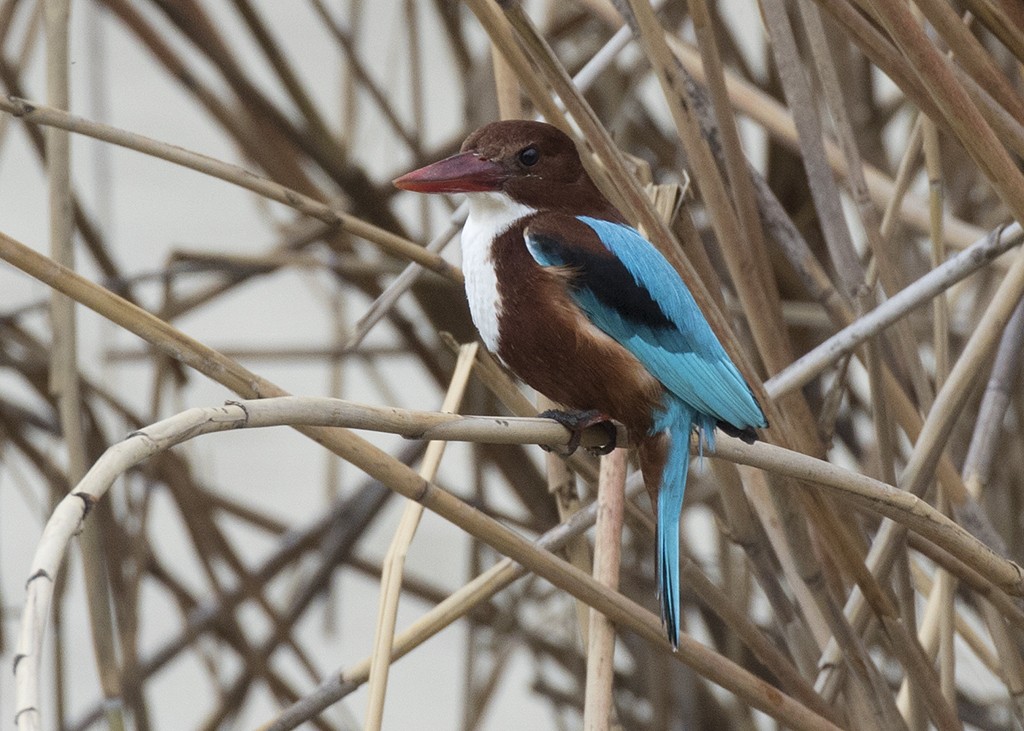
5. White-throated Kingfisher
The white-throated Kingfisher is a brightly colored bird with a distinctive white throat and blue wings. It inhabits rivers, lakes, and coastal areas, and feeds on a variety of prey such as fish, frogs, and insects. The kingfisher is known for its bold, dive-bombing hunting style, diving from a perch to catch prey in the water. During the breeding season, the White-throated Kingfisher is known for its loud, cackling call. This species is widely distributed across Asia.
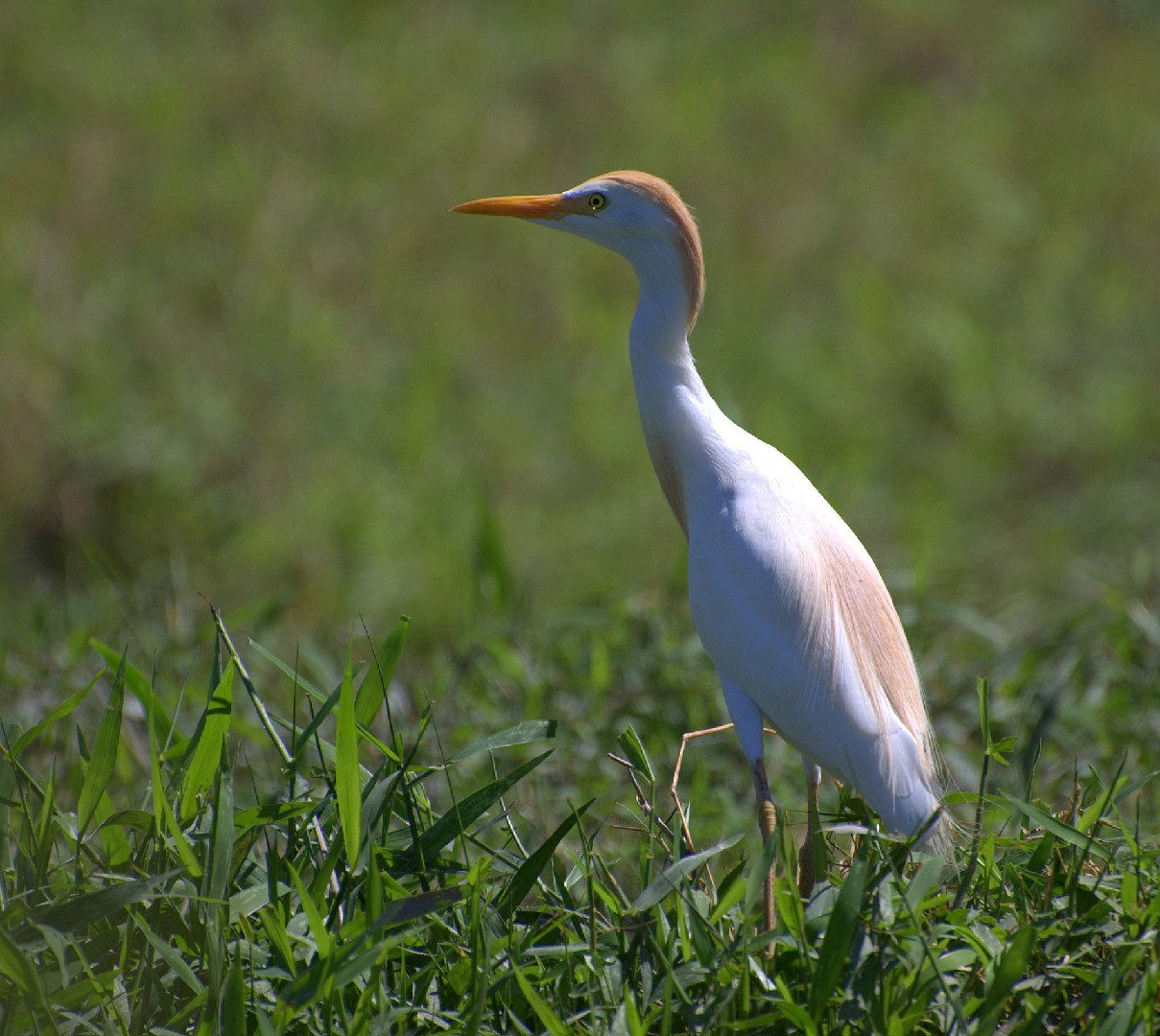
6. Cattle Egret
Cattle Egrets are short, thick-necked egrets. Their name refers to their preference to follow along with livestock as they forage in fields. Cattle Egrets were native only to Africa until the late 1800s when they somehow made their way throughout the Americas. They can often be found along airport runways waiting for planes to take off and blow insects out of the grass and weeds. They also follow behind farm equipment and do the same thing.
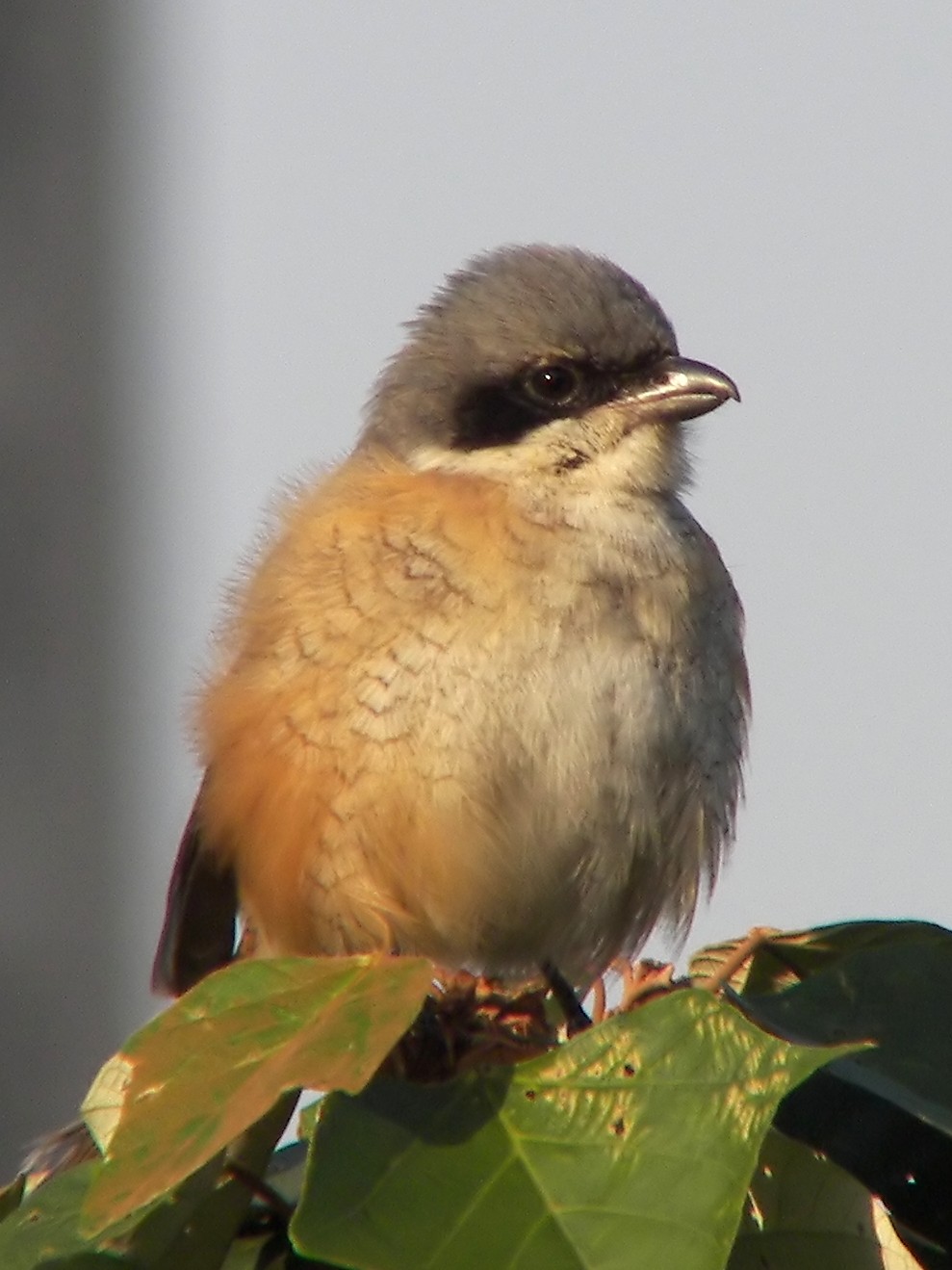
7. Brown Shrike
This shrike is mainly brown on the upper parts and the tail is rounded. The black mask can be paler in winter and has a white brow over it. The underside is creamy with rufous flanks and belly. The wings are brown and lack any white "mirror" patches. Females tend to have fine scalloping on the underside and the mask is dark brown and not as well marked as in the male. The distinction is not easy to use in the field but has been tested with breeding birds in Japan where the female can be identified from the presence of a brood patch. The use of multiple measurements allows discrimination of the sex of about 90% of the birds. Subspecies lucionensis has a grey crown shading into the brown upperparts and the rump appears more rufous than the rest of the upper back. The tail is more brownish and not as reddish as in the red-backed shrike. Younger birds of lucionensis have a brown crown and lack the grey on the head. Subspecies superciliosus has a broad white supercilium and a richer reddish crown. The tail is redder and tipped in white. A number of confusing forms are known from central Asia where the populations of cristatus, isabellinus and collurio overlap. The taxonomy has been in a state of flux and some forms such as phoenicuroides formerly considered as subspecies of L. cristatus have been moved to the species L. isabellinus. Subspecies lucionensis has been recorded interbreeding with superciliosus in Ishikawa, Japan while superciliosus has interbred with Lanius tigrinus in central Japan.
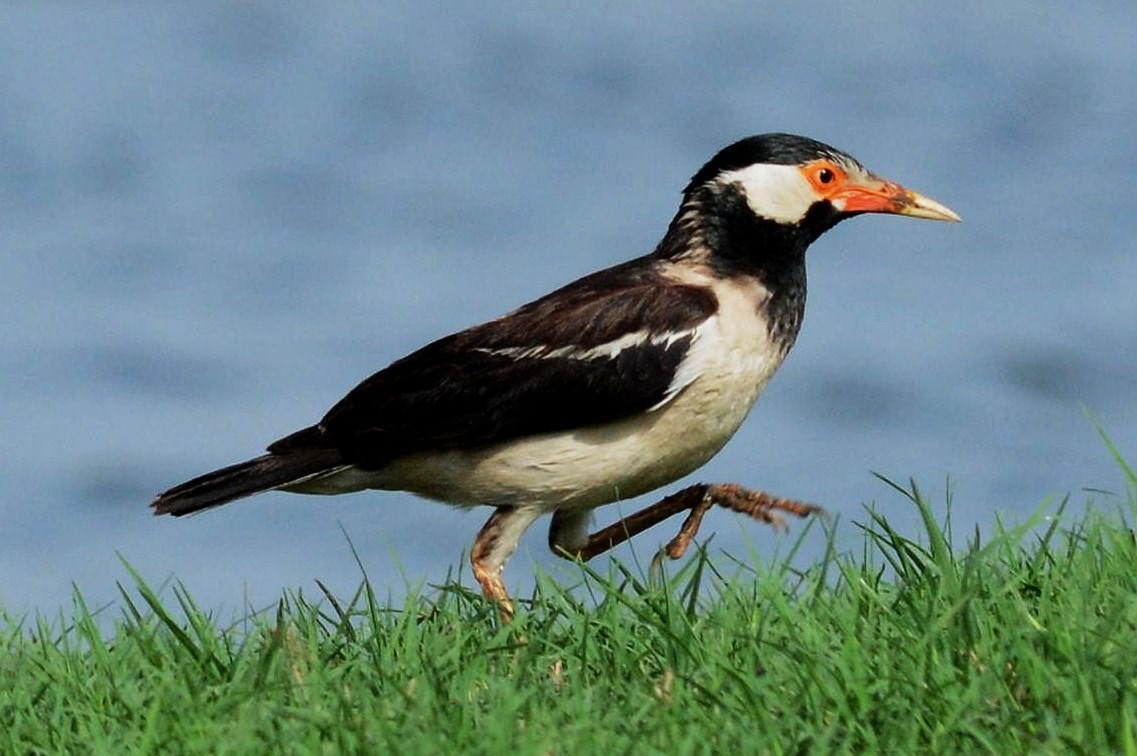
8. Asian Pied Starling
This myna is strikingly marked in black and white and has a yellowish bill with a reddish bill base. The bare skin around the eye is reddish. The upper body, throat and breast are black while the cheek, lores, wing coverts and rump are contrastingly white. The sexes are similar in plumage but young birds have dark brown in place of black. The subspecies vary slightly in plumage, extent of streaking of the feathers and in measurements. The flight is slow and butterfly-like on round wings. Leucistic individuals have been recorded.
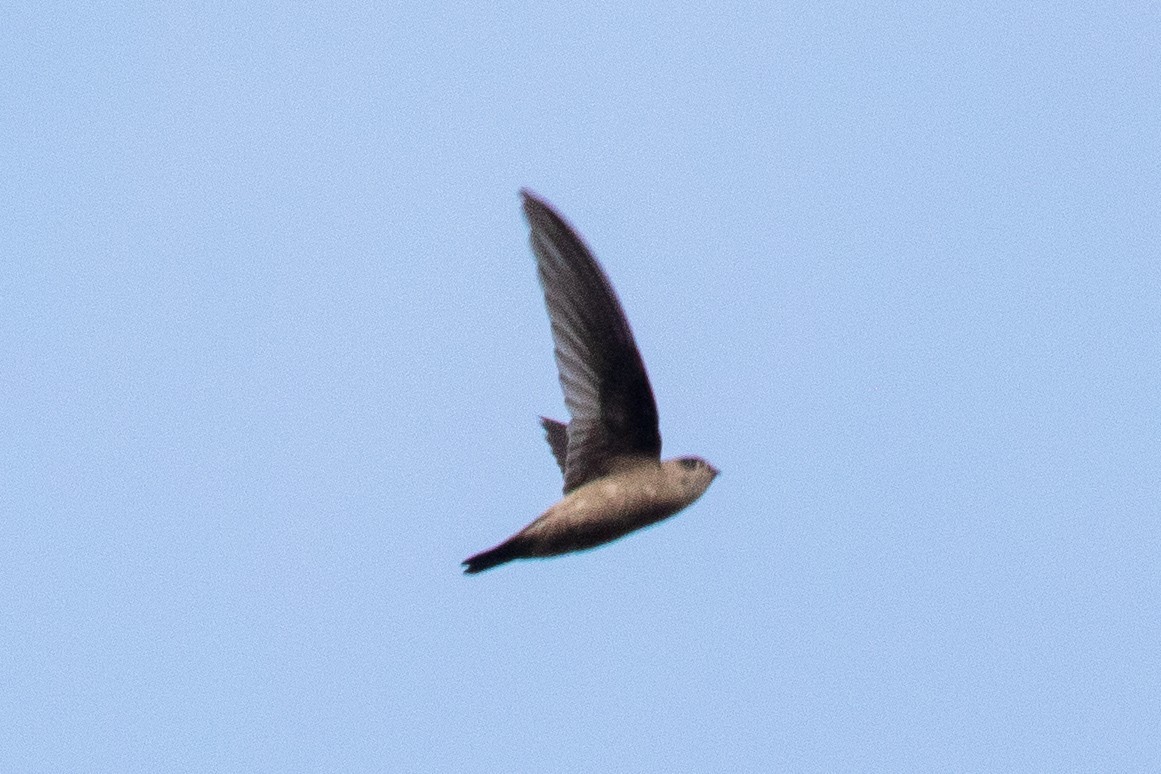
9. Germain's Swiftlet
This swiftlet is 12 cm long and weighs 13 to 14 grams. The plumage is blackish-brown above, but much paler on the underparts. The tail is slightly forked and the wings are long and narrow. The bill and feet are black. The nominate subspecies C. g. germani from Hainan south to Thailand and northern Malaysia has a whitish rump, but C. g. amechanus of the rest of Malaysia has a grey rump. These two forms are sometimes considered to be subspecies of the edible-nest swiftlet. Several calls are uttered including a loud zwing and various chip calls used for echolocation in dark caves. Himalayan swiftlet winters within the range of Germain's swiftlet, but is larger and bulkier, and has a greyer rump than C. g. germani.
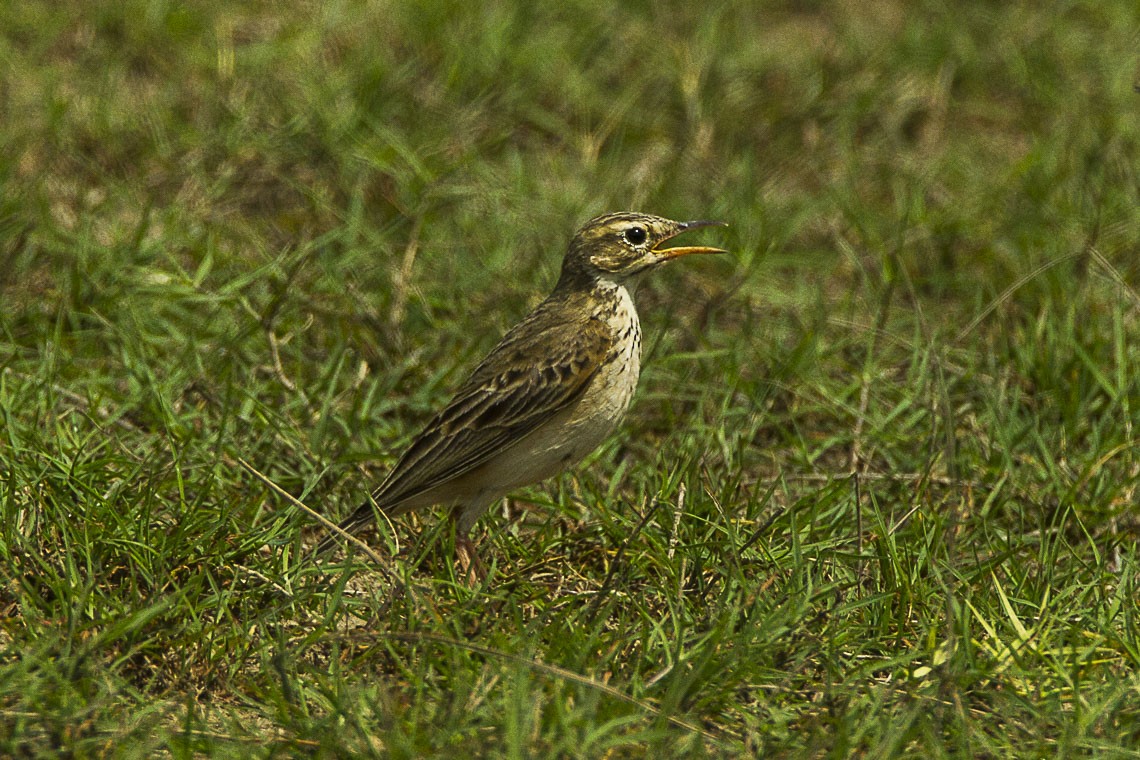
10. Paddyfield Pipit
This is a large pipit at 15 cm, but is otherwise an undistinguished looking bird, mainly streaked grey-brown above and pale below with breast streaking. It is long legged with a long tail and a long dark bill. Sexes are similar. Summer and winter plumages are similar. Young birds are more richly coloured below than adults and have the pale edges to the feathers of the upper parts more conspicuous with more prominent spotting on the breast. The population waitei from north-western India and Pakistan is pale while the population malayensis from the Western Ghats is larger, darker and more heavily streaked with the nominate rufulus intermediate. In winter some care must be taken to distinguish this from other pipits that winter in the area, such as Richard's pipit, Anthus richardi and Blyth's pipit, Anthus godlewskii. The paddyfield pipit is smaller and dumpier, has a shorter looking tail and has weaker fluttering flight. The usually uttered characteristic chip-chip-chip call is quite different from usual calls of Richard's pipit (an explosive shreep) and Blyth's pipit (a nasal pschreen). The tawny pipit has less streaking on the mantle and has a black loreal stripe and a longer tail. The Western Ghats population can appear very similar to the Nilgiri pipit.
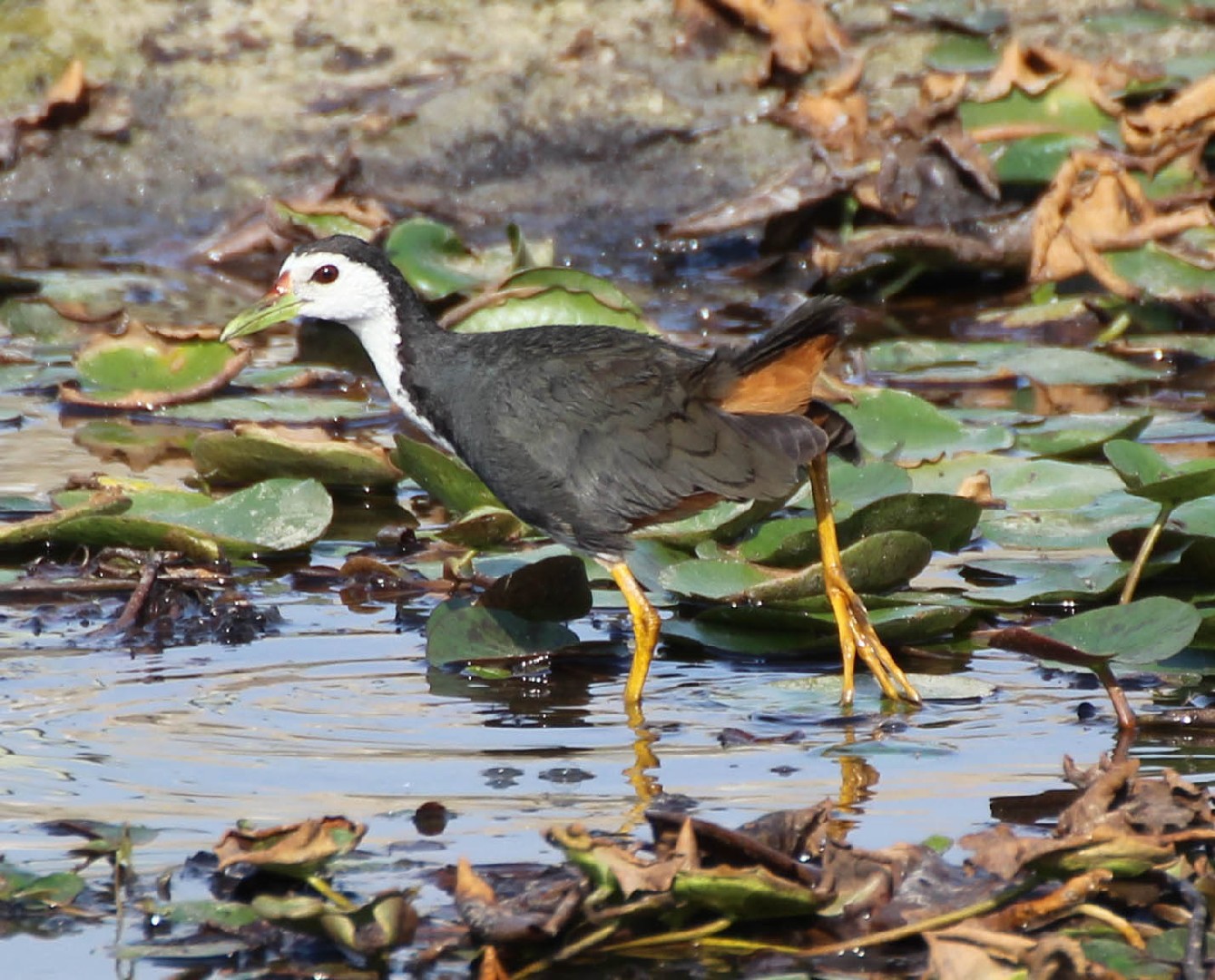
11. White-breasted Waterhen
Adult white-breasted waterhens have mainly dark grey upperparts and flanks, and a white face, neck and breast. The lower belly and undertail are cinnamon coloured. The body is flattened laterally to allow easier passage through the reeds or undergrowth. They have long toes, a short tail and a yellow bill and legs. Sexes are similar but females measure slightly smaller. Immature birds are much duller versions of the adults. The downy chicks are black, as with all rails.
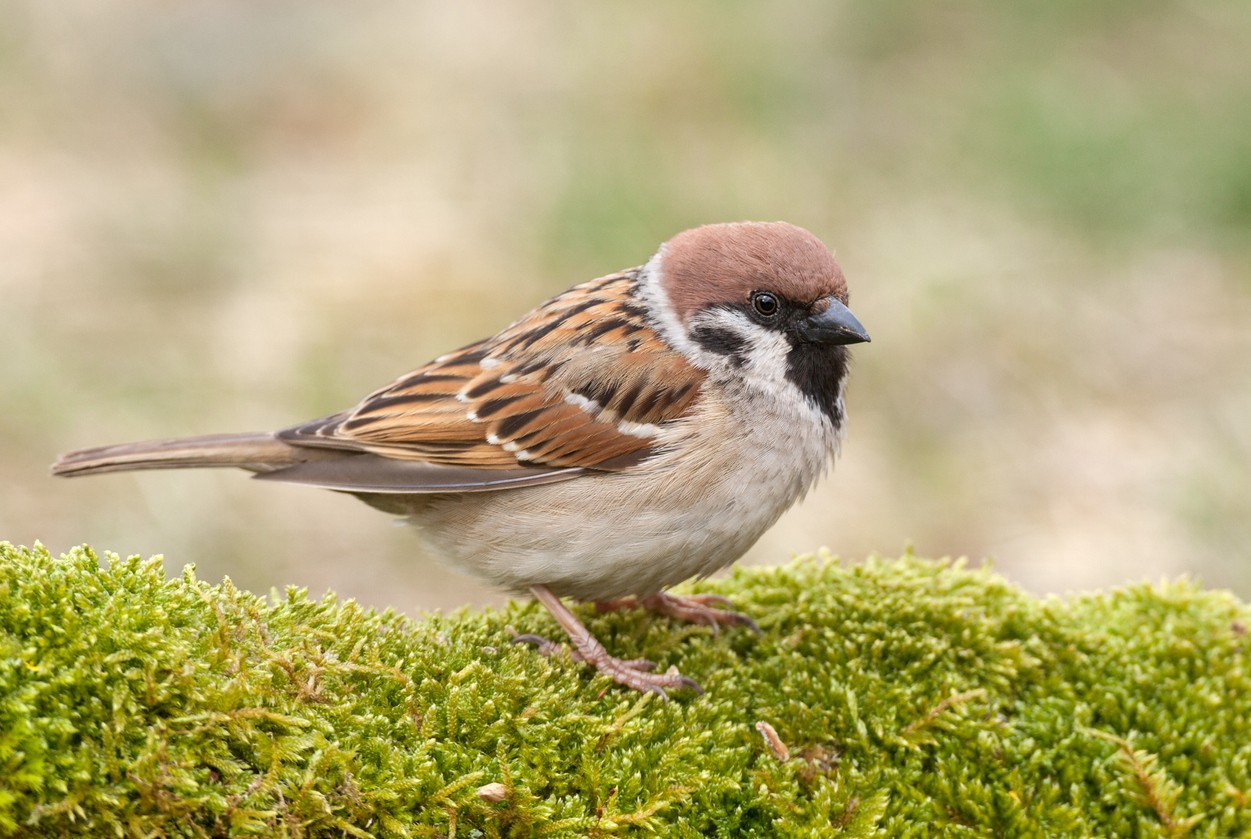
12. Eurasian Tree Sparrow
The eurasian Tree Sparrow (Passer montanus) is a widespread sparrow of the European mainland that has been introduced to some parts of North America. Eurasian Tree Sparrow is very similar to the House sparrow (Passer domesticus) but it's smaller and neater. It prefers more natural habitats, at the edges of human activity, and inhabits farmlands, parklands, and open woods.
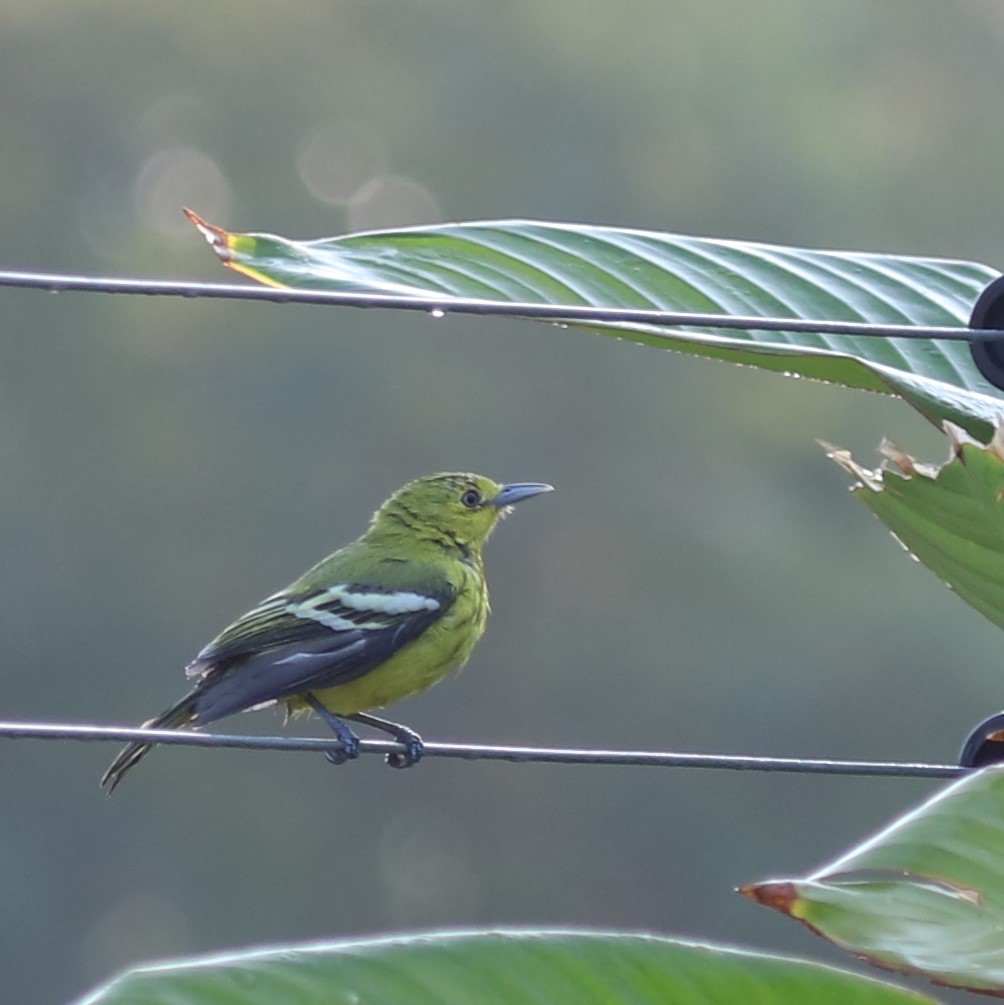
13. Common Iora
Ioras have a pointed and notched beak with a culmen that is straight. The common iora is sexually dimorphic, males in the breeding season have a black cap and back adding to a black wing and tail at all seasons. Females have greenish wings and an olive tail. The undersides of both are yellow and the two white bars on the wings of the male are particularly prominent in their breeding plumage. The males in breeding plumage have a very variable distribution of the black on the upperparts and can be confused with Marshall's iora, however, the latter always has white tips to the tail. The nominate subspecies is found along the Himalayas and males of this population are very similar to females or have only a small amount of black on the crown. In northwestern India, septentrionalis is brighter yellow than others and in the northern plains of India humei males in breeding plumage have a black cap and olive on the upper mantle. In southwestern India and Sri Lanka multicolor has the breeding males with a jet black cap and mantle. The forms in the rest of southern India are intermediate between multicolor and humei with more grey-green on the rump (formerly considered as deignani but now used for the Burmese population). Several other populations across Southeast Asia are designated as subspecies including philipi of southern China and northern Thailand/Laos, deignani of Myanmar, horizoptera of southern Myanmar and the island chain of Sumatra, cambodiana of Cambodia, aeqanimis of Palawan and northern Borneo, viridis of Borneo and scapularis of Java and Bali.
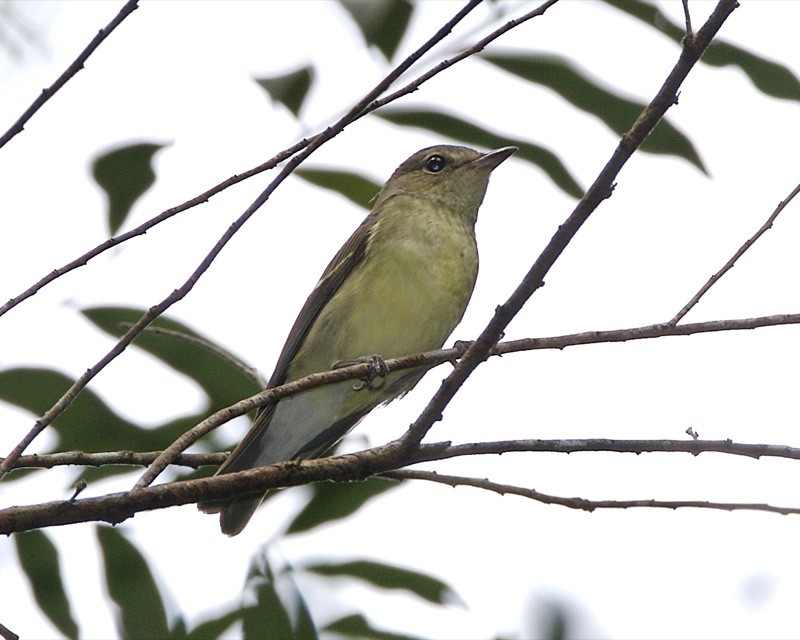
14. Yellow-rumped Flycatcher
The yellow-rumped flycatcher, Korean flycatcher or tricolor flycatcher (Ficedula zanthopygia) is a species of flycatcher found in eastern Asia. A distinctive species with almost no look-alike other than the narcissus flycatcher. It breeds in eastern Asia including parts of Mongolia, Transbaikal, southern China, Korea and western Japan. They winter in parts of the Malay Peninsula and South Asia.
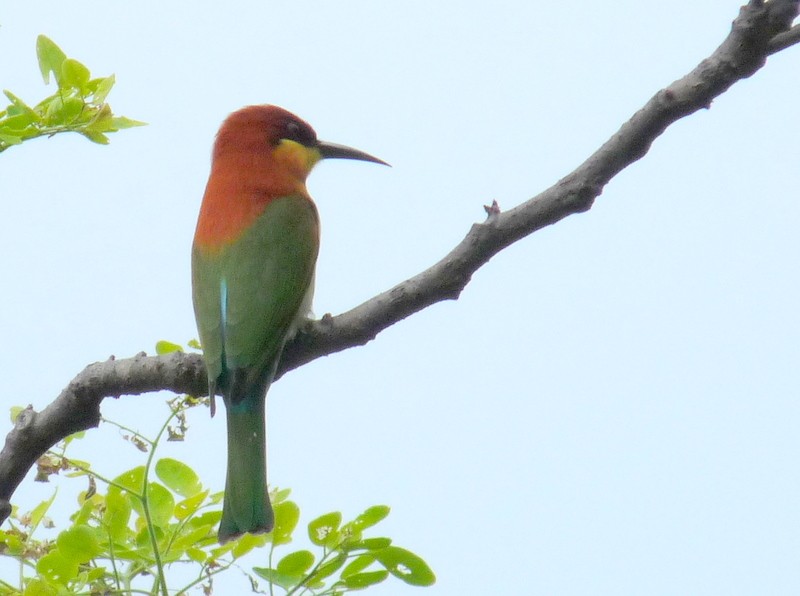
15. Chestnut-headed Bee-eater
Forehead, crown, nape, lower face and ear-coverts bright chestnut ; lores black, continued as a band under the eye and ear-coverts ; wing-coverts, lower back and tertiaries green, the latter tipped with bluish; rump and upper tail-coverts pale shining blue; primaries and secondaries green, rufous on the inner webs, and all tipped dusky ; central tail-feathers bluish on the outer, and green on the inner webs ; the others green, margined on the inner web with brown and all tipped dusky ; sides of face, chin and throat yellow ; below this a broad band of chestnut extending to the sides of the neck and meeting the chestnut of the upper plumage ; below this again a short distinct band of black and then an ill-defined band of yellow ; remainder of lower plumage green, tipped with blue, especially on the vent and under tail-coverts. The Javan sub-species, M. l. quinticolor, differs in having the whole space from the bill down to the black pectoral band pure yellow without any chestnut, and in having the tail blue. Race andamanensis found in the Andamans is slightly larger than the Indian race. Iris crimson ; bill black ; legs dusky black ; claws dark horn-colour.

16. Little Grebe
The little Grebe is a diving bird that is easy to miss. Not only is it a small bird with inconspicuous coloring, but it is also shy. The bird prefers hiding in grasses and reeds, instead of being out on the open water. However, the bird is identifiable by its loud trills.
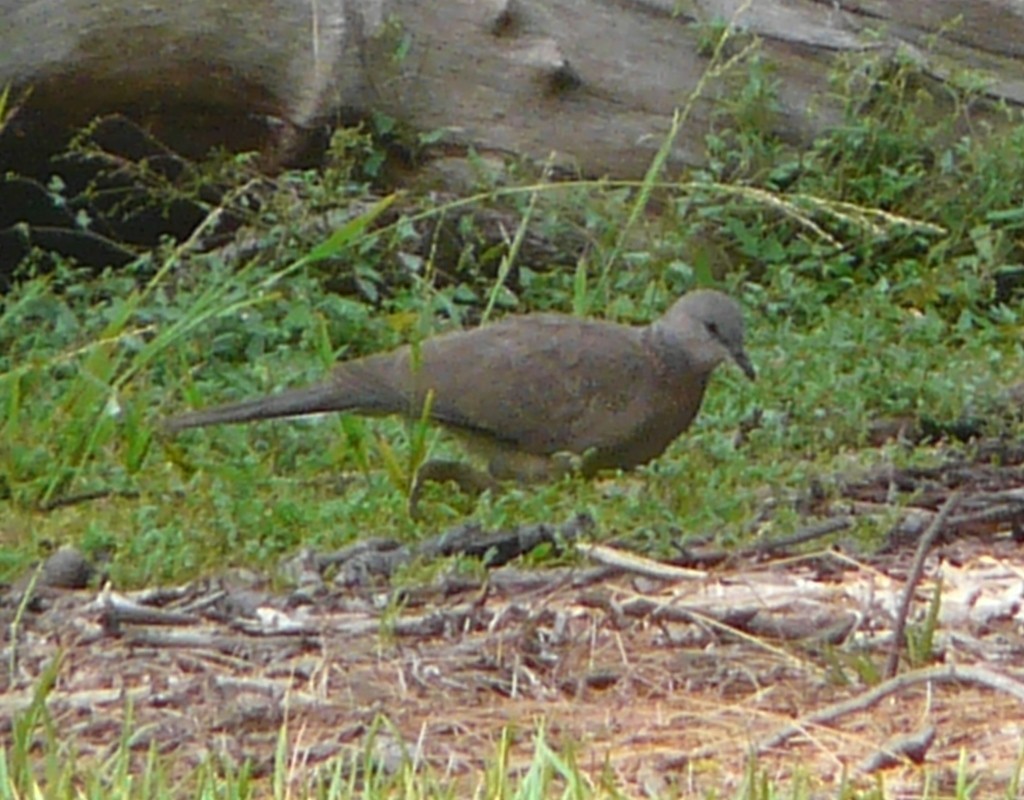
17. Spotted Dove
The spotted Dove is a medium-sized bird that is swift in flight. It prefers to live year-round in warm climates in suburban areas, especially in parks. Their nests are mostly made out of sticks and they like to dine on insects and seeds.
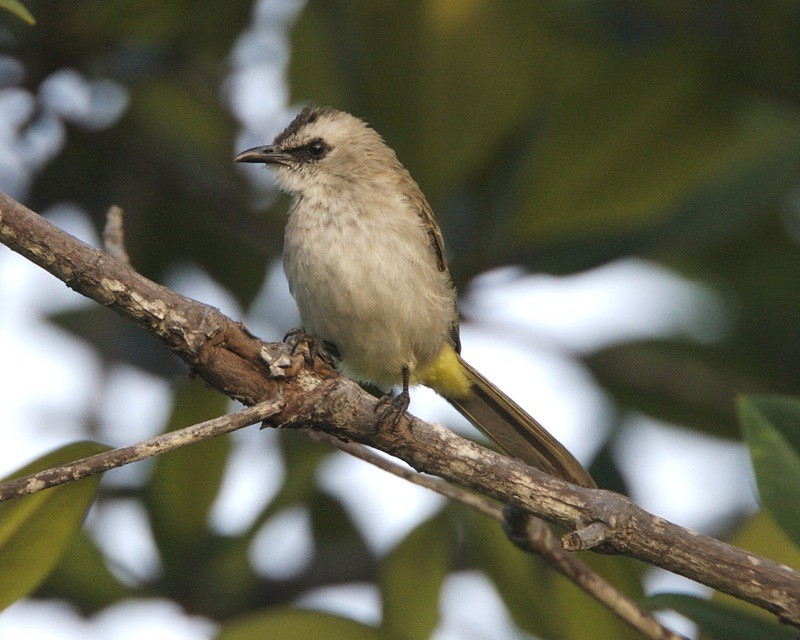
18. Yellow-vented Bulbul
The eyebrow buzz (Pycnonotus goiavier), is a common songbird from the family of the buulbuuls. The eyebrow bulge is found in large parts of Southeast Asia and the Indian Archipelago.
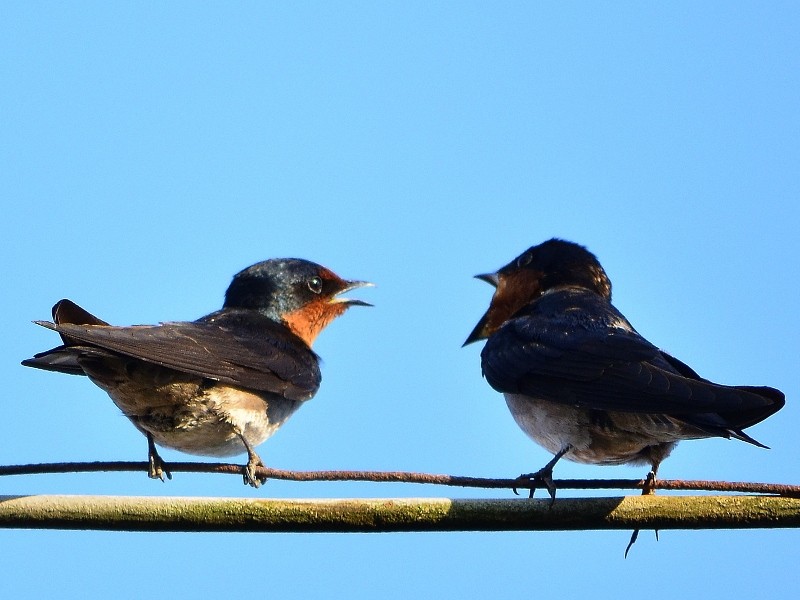
19. Pacific Swallow
The Pacific swallow (Hirundo tahitica) is a small passerine bird in the swallow family. It breeds in tropical southern Asia and the islands of the south Pacific. It is resident apart from some local seasonal movements. This bird is associated with coasts, but is increasingly spreading to forested uplands. The hill swallow was formerly considered conspecific. This species is a small swallow at 13 cm. It has a blue back with browner wings and tail, a red face and throat, and dusky underparts. It differs from the barn swallow and the closely related welcome swallow in its shorter and less forked tail. The Pacific swallow builds a neat cup-shaped nest, constructed with mud pellets collected in the beak, under a cliff ledge or on a man-made structures such as a building, bridge or tunnel. The nest is lined with softer material, and the clutch is two to three eggs. It is similar in behaviour to other aerial insectivores, such as other swallows and the unrelated swifts. It is a fast flyer and feeds on insects, especially flies, while airborne.
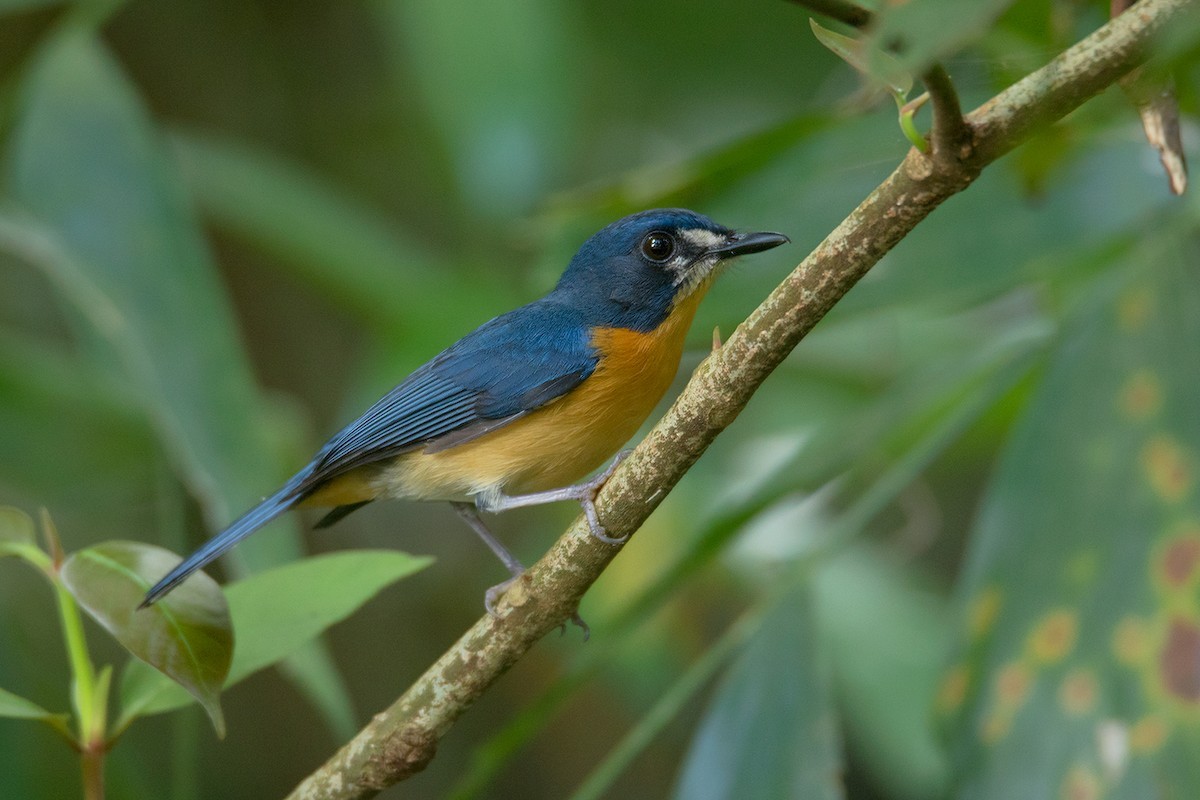
20. Mangrove Blue Flycatcher
The mangrove blue flycatcher (Cyornis rufigastra) is a species of bird in the family Muscicapidae. It is found in Brunei, Indonesia, Malaysia, the Philippines, Singapore, and Thailand. Its natural habitat is subtropical or tropical mangrove forests.