




Top 20 Most Common Bird in Montenegro
Montenegro is a mountainous Balkan country, known for its diverse habitats that include rocky coastlines, deep forests, and riparian wetlands. The 20 most common bird species found here are noted for their unique characteristics and incredible adaptations, reflecting the country's rich biodiversity and providing an ideal destination for birdwatchers.

Most Common Bird
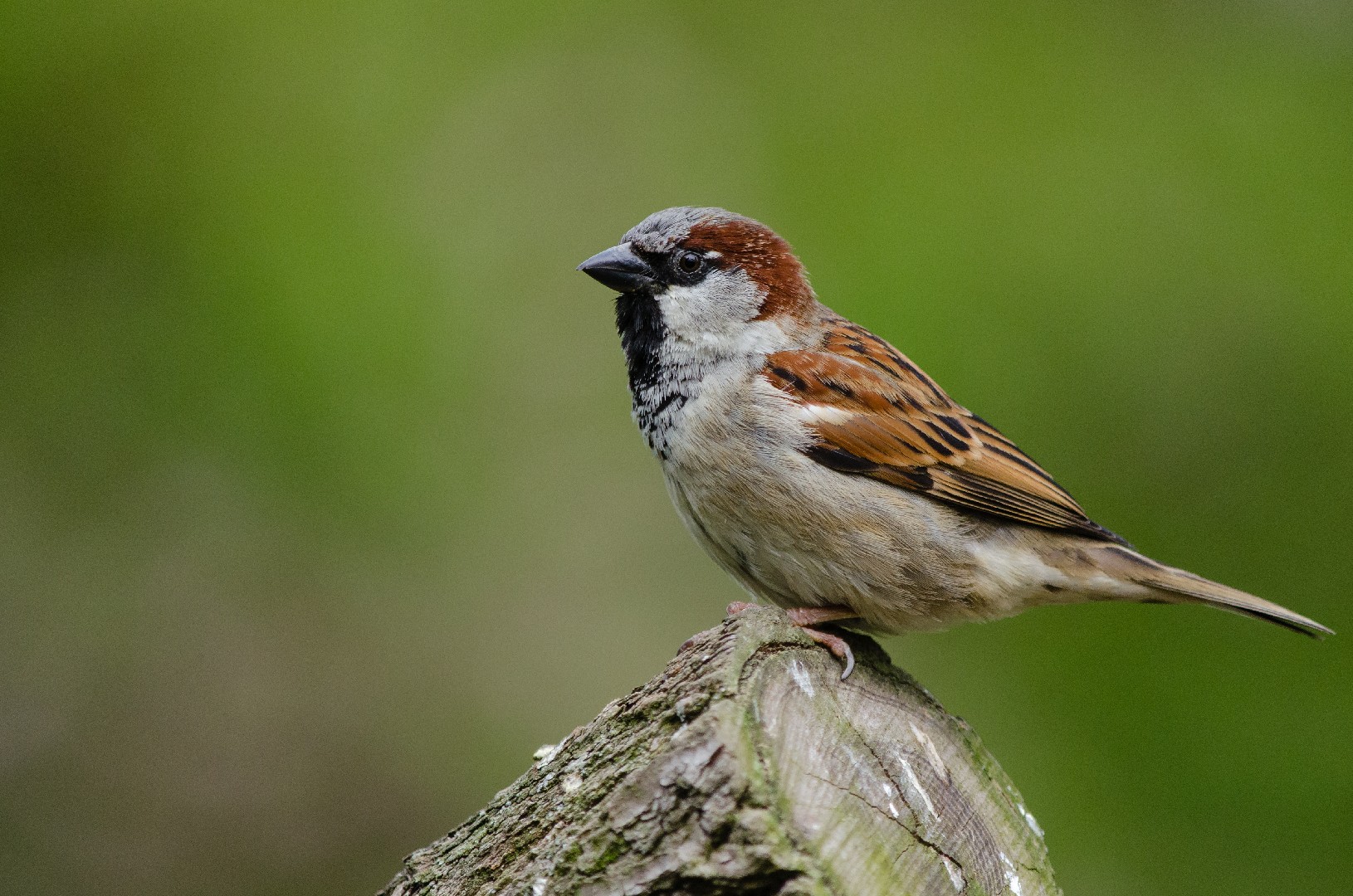
1. House Sparrow
Just as its name implies, the little house Sparrow socializes with humans more than any other bird species. Able to adapt and thrive in almost any habitat, excluding the extremes such as deserts and mountain peaks, this species was once restricted only to North Africa and Eurasia but now is found across the globe. Unfortunately, this opportunistic eater is not completely harmless—it can cause considerable damage to crops.
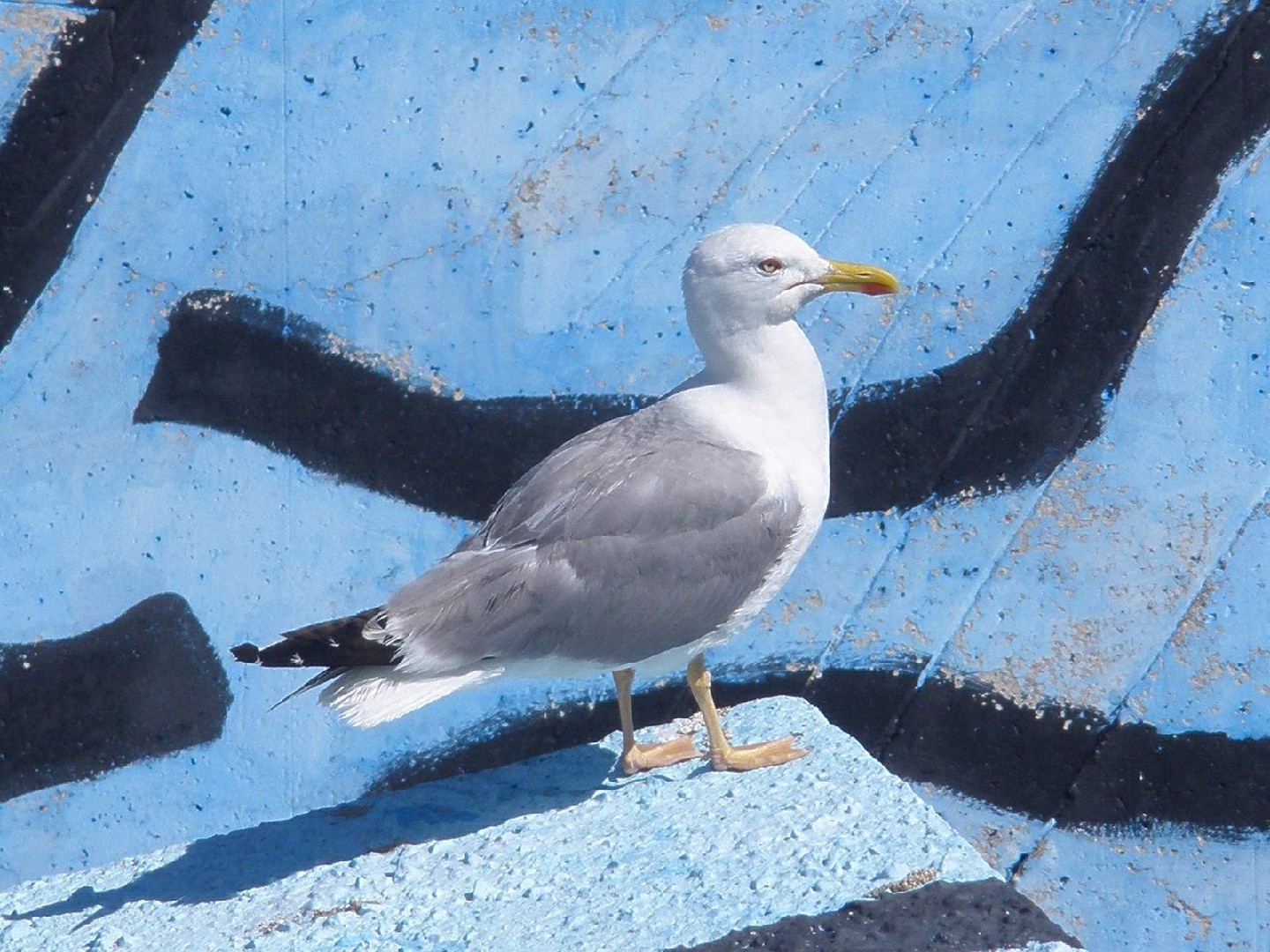
2. Yellow-legged Gull
Yellow-legged Gull is a large seagull that can be found along coastal regions of the Mediterranean Sea and the Atlantic Ocean. It has a distinctive yellow coloration on its legs and beak, giving it its name. It is an opportunistic feeder, and known to be very territorial. Some populations of Yellow-legged Gulls are migratory, traveling long distances to breed during the summer months. 

3. Barn Swallow
A familiar sight in rural and semi-open areas, the small barn Swallow can often be spotted by its distinctly graceful flight as it travels low over fields. Seemingly unbothered by having human neighbors, they nest unafraid in barns, garages, beneath bridges or wharves. Interestingly enough, they have come to prefer these locations so much that you are unlikely to spot a nest in a place that is not a human-made structure.
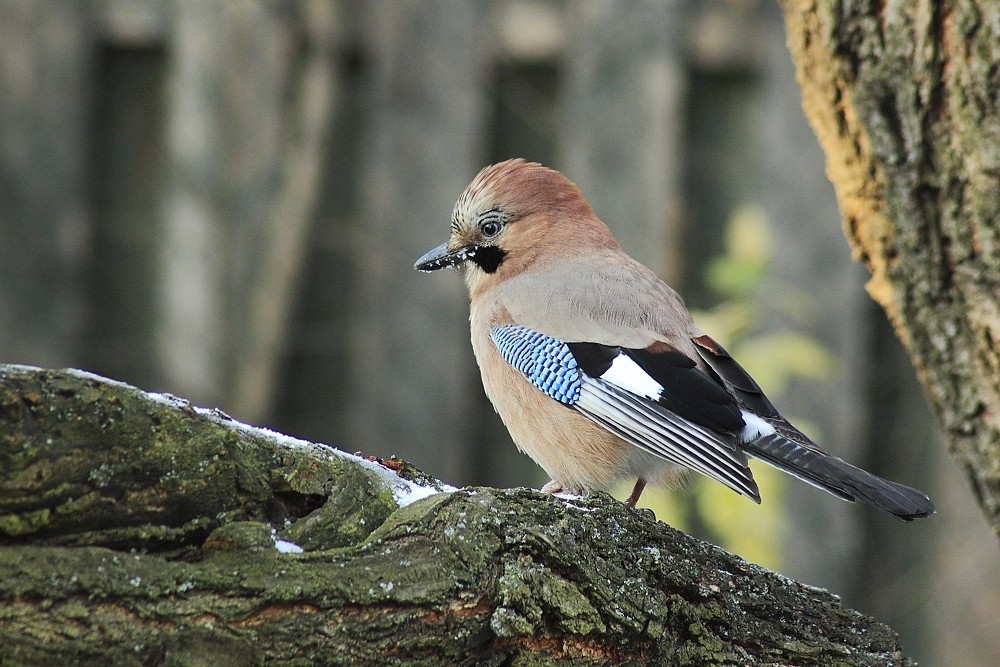
4. Eurasian Jay
The eurasian Jay is a striking bird with distinctive blue, black, and white plumage. It is known for its bold and curious nature, often seen rummaging through gardens and forests for food. Despite its small size, it is very intelligent and able to store food for later consumption. Its sharp calls and acrobatics in the trees make it a joy to observe in the wild.
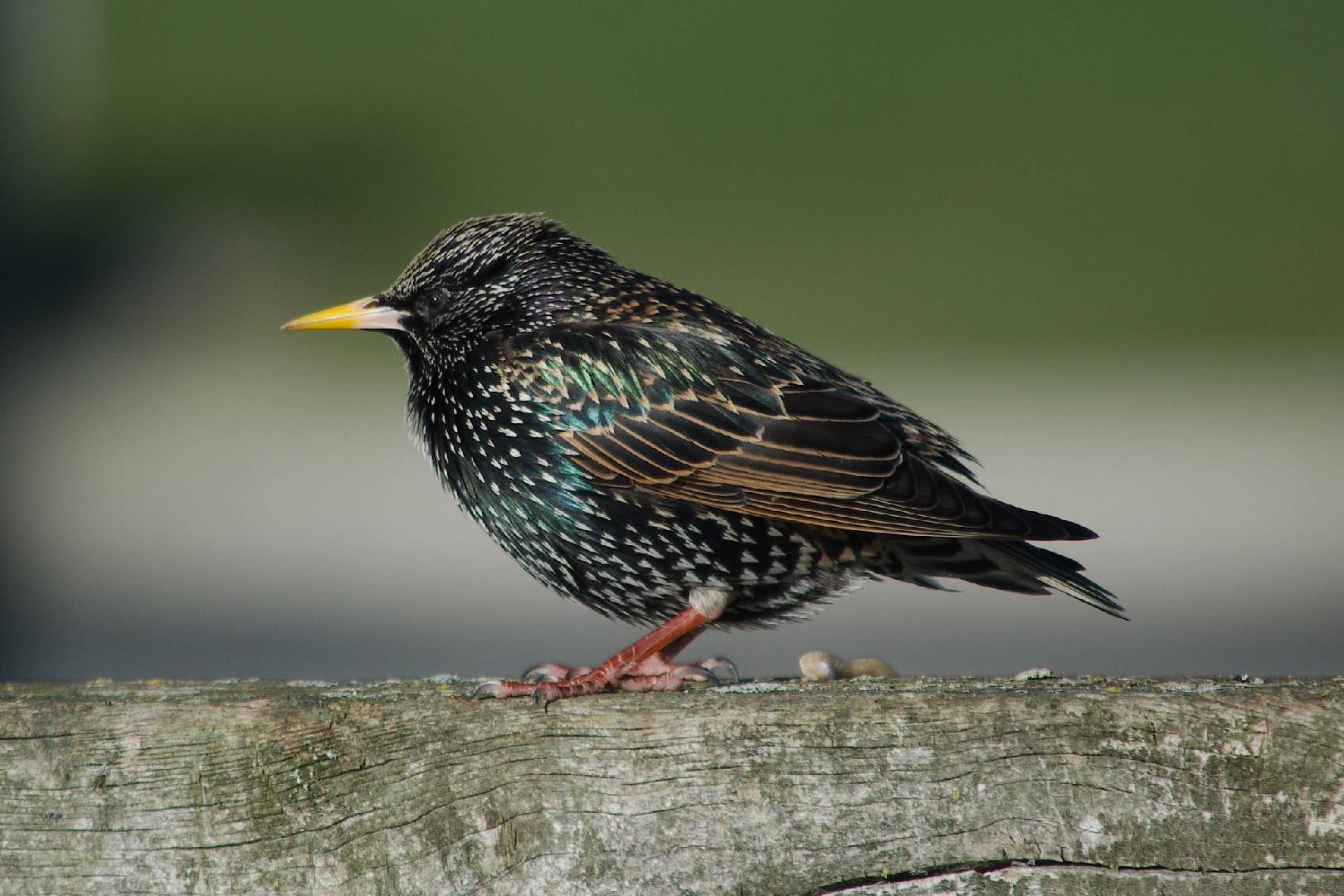
5. European Starling
The european Starling, a large, hardy songbird, is one of the most commonly seen bird species in North America. Originally from Europe, this species was brought to the U.S. in the 1890s by enthusiasts of William Shakespeare, who had the unique goal of bringing over every single species of bird that was mentioned in Shakespeare's collective works. Unfortunately, the european Starling, being an adaptable, generalist species, spread invasively across the continent, hurting many native species' populations in the process.
6. Great Tit
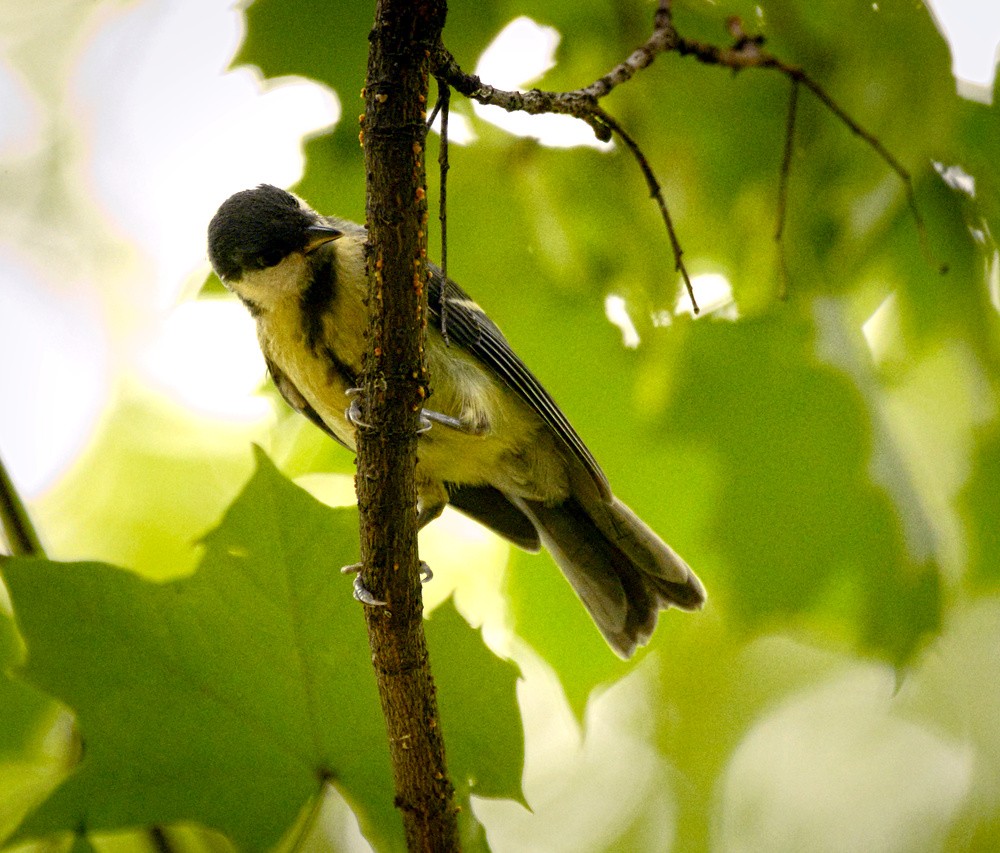
Great Tit is a small and plump bird, with a thick black line running through its bright yellow face. It is a common sight in gardens, woodlands, and parks. It is often seen foraging for food in an acrobatic way. Well known for its intelligence, it has been observed using tools, solving problems, and even counting up to five.

7. White Wagtail
The white Wagtail is the national bird of Latvia and is featured in traditional folk songs and placed on some postage stamps. These birds can be found in most habitat types besides deserts. As their name suggests, they exhibit a characteristic tail-wagging behavior as they search along the ground and nearby waterways for insects to eat.
8. Eurasian Collared-dove
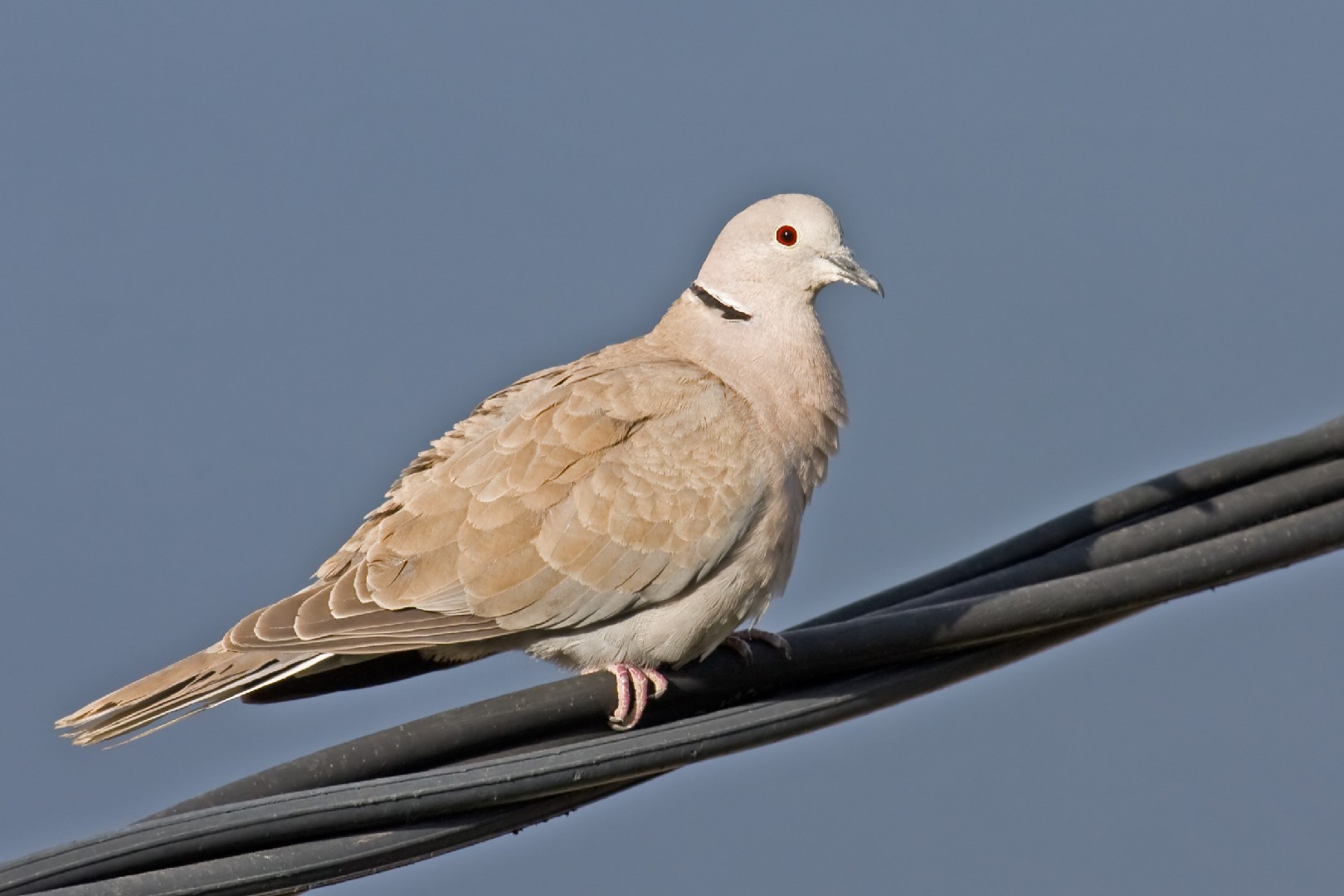
This plump, pretty dove with a square-tipped tail is known for bobbing its head and flicking its tail while walking. Though nice to look at, many people are not pleased at the sight of a eurasian Collared-dove walking along. In North America they are considered an invasive species, and one that carries a disease-creating parasite that can spread to native dove populations through birdbaths, feeders, or even through hawks preying on them.
9. Hooded Crow
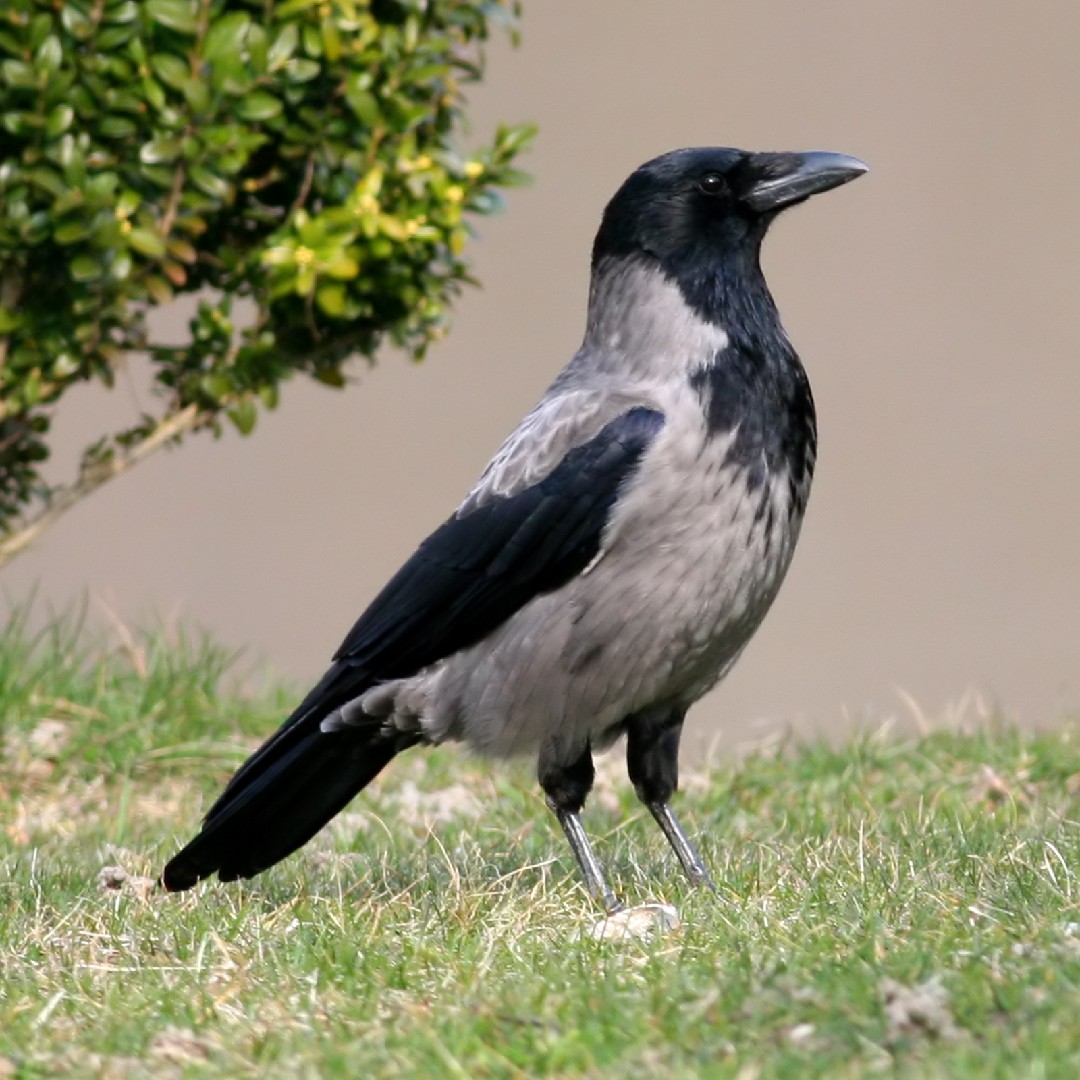
The hooded Crow is often mistaken for the carrion crow (Corvus corone) and has even been regarded as the same species; indeed, these two species may breed to create a hybrid. The hooded Crow is commonly found in woodlands, farmlands, and suburban areas. They can usually be seen in pairs or small groups, looking to find decaying meat, grain, and other protein.
10. Common House-martin
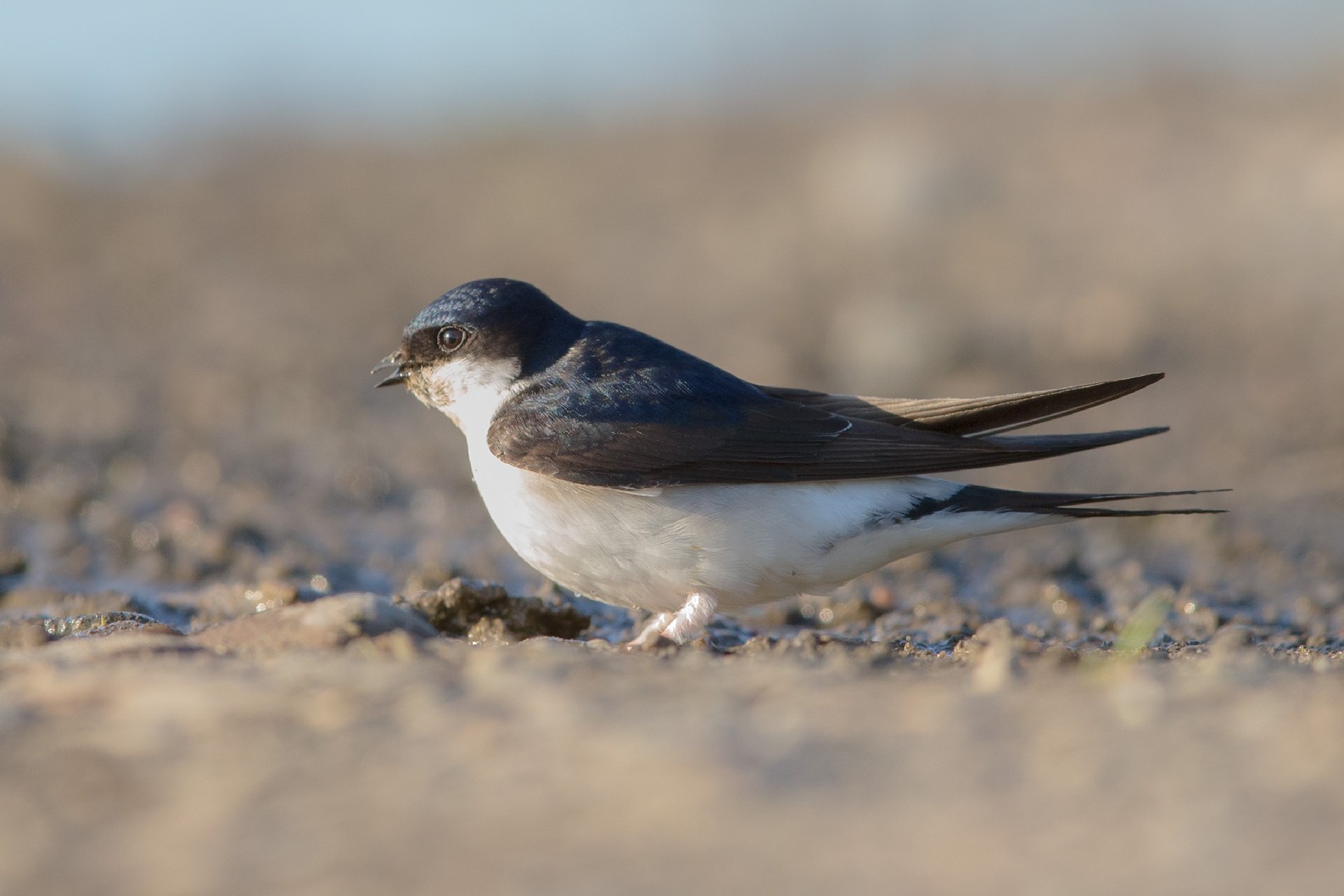
A small, multicolored swallow, the common House-martin has benefited greatly from human habitation and forest clearing, which has created the open habitats and safe man-made nests it prefers. These birds almost always make their homes near water and often perch on utility wires.
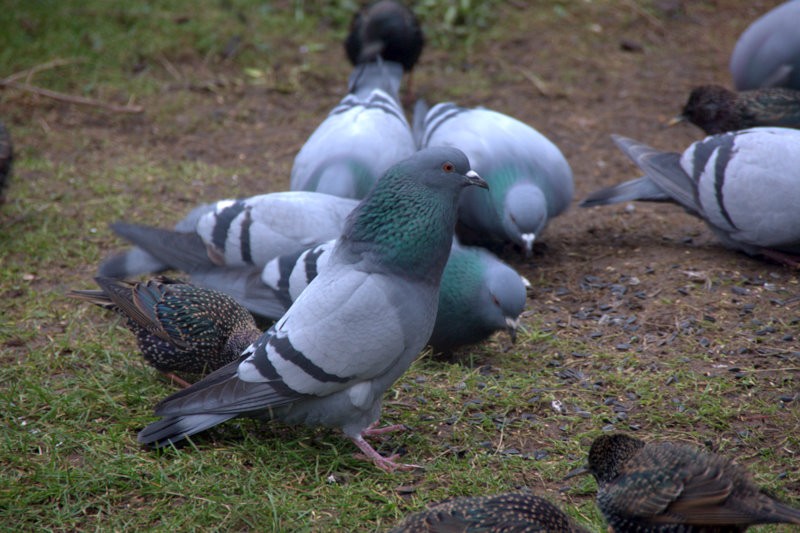
11. Rock Pigeon
The rock Pigeon is a wild ancestor of all domestic and feral pigeons, inhabiting coasts, cliffs, and caves. Pairs nest in rock crevices, often mating for life. They are known for their ability to fly very long distances to return to their homes, navigating using the sun's position and the earth's magnetic fields. Thanks to this ability, pigeons were used as messengers, particularly during World Wars I and II.

12. Common Buzzard
The common Buzzard is a medium-sized bird of prey found in many parts of the world. It inhabits a variety of habitats such as forests, grasslands, and mountains. It is an opportunistic hunter, preying on mammals, birds, reptiles, and insects. They also scavenge on carrion. They are often seen soaring on thermal currents, perching on high vantage points, and performing acrobatic maneuvers during courtship.
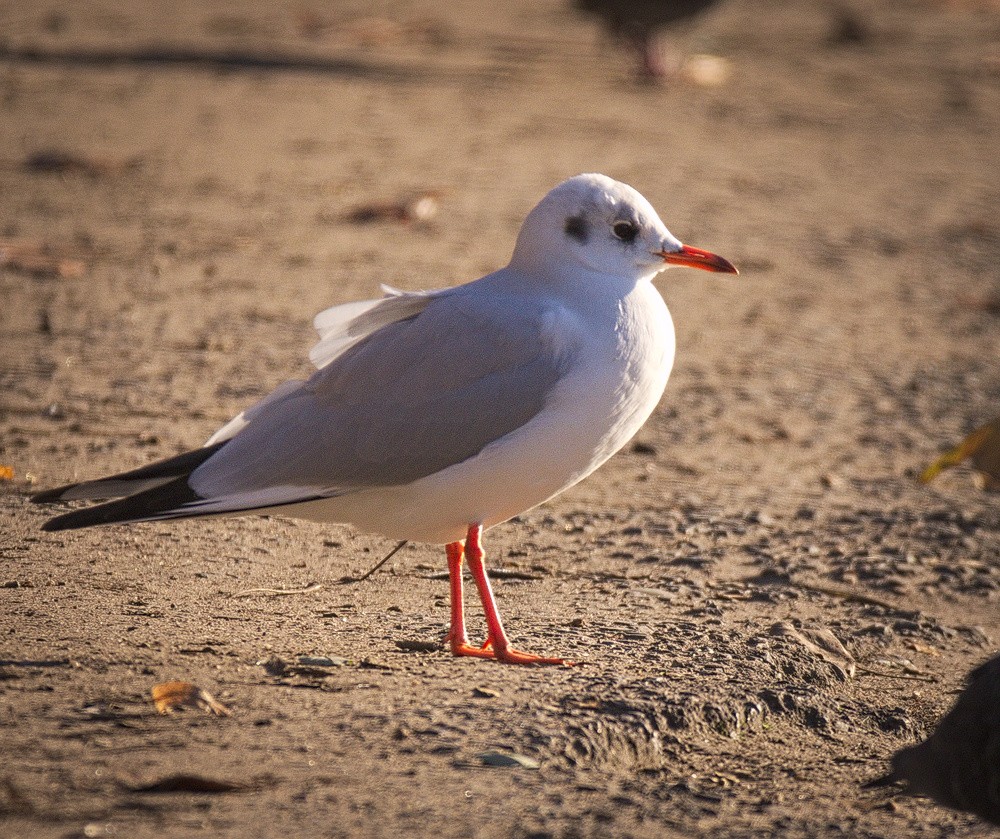
13. Black-headed Gull
Black-headed Gull is a medium-sized gull found in Europe and Asia. It has a white body and grey wings, and a black head that turns chocolate brown in the summer. It is found in a variety of habitats, including coastal areas, lakes, and wetlands. It is migratory, wintering in southern Europe and parts of Africa.
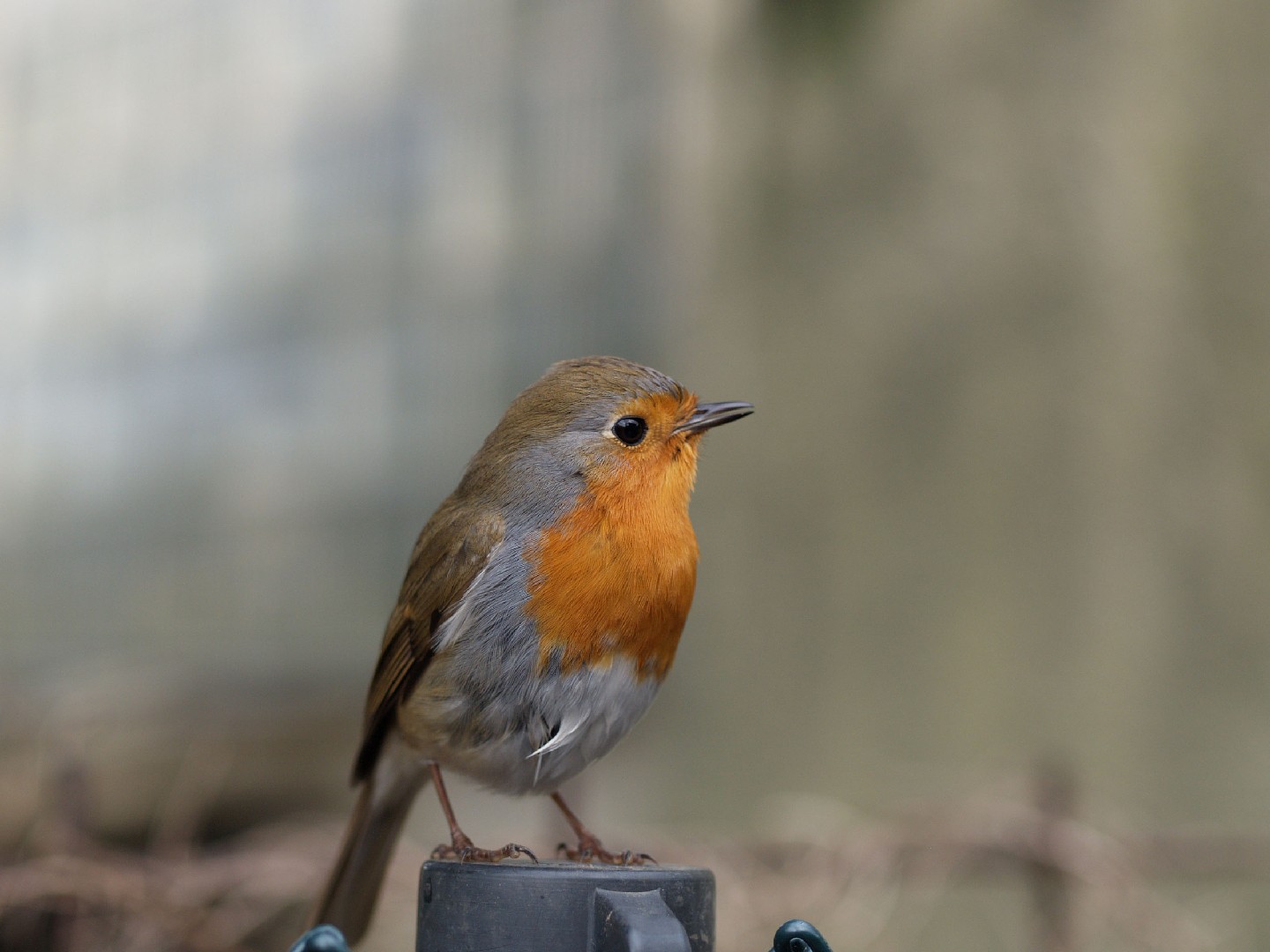
14. European Robin
The european Robin is an aggressive bird that is commonly found throughout farmlands, woodlands, and suburban communities. These birds are mainly helpful insectivores for gardeners, but will also eat various seeds and fruits. The european Robin is used on British Christmas cards to represent postmen from the Victorian era who used to wear red waistcoats while delivering holiday cards.
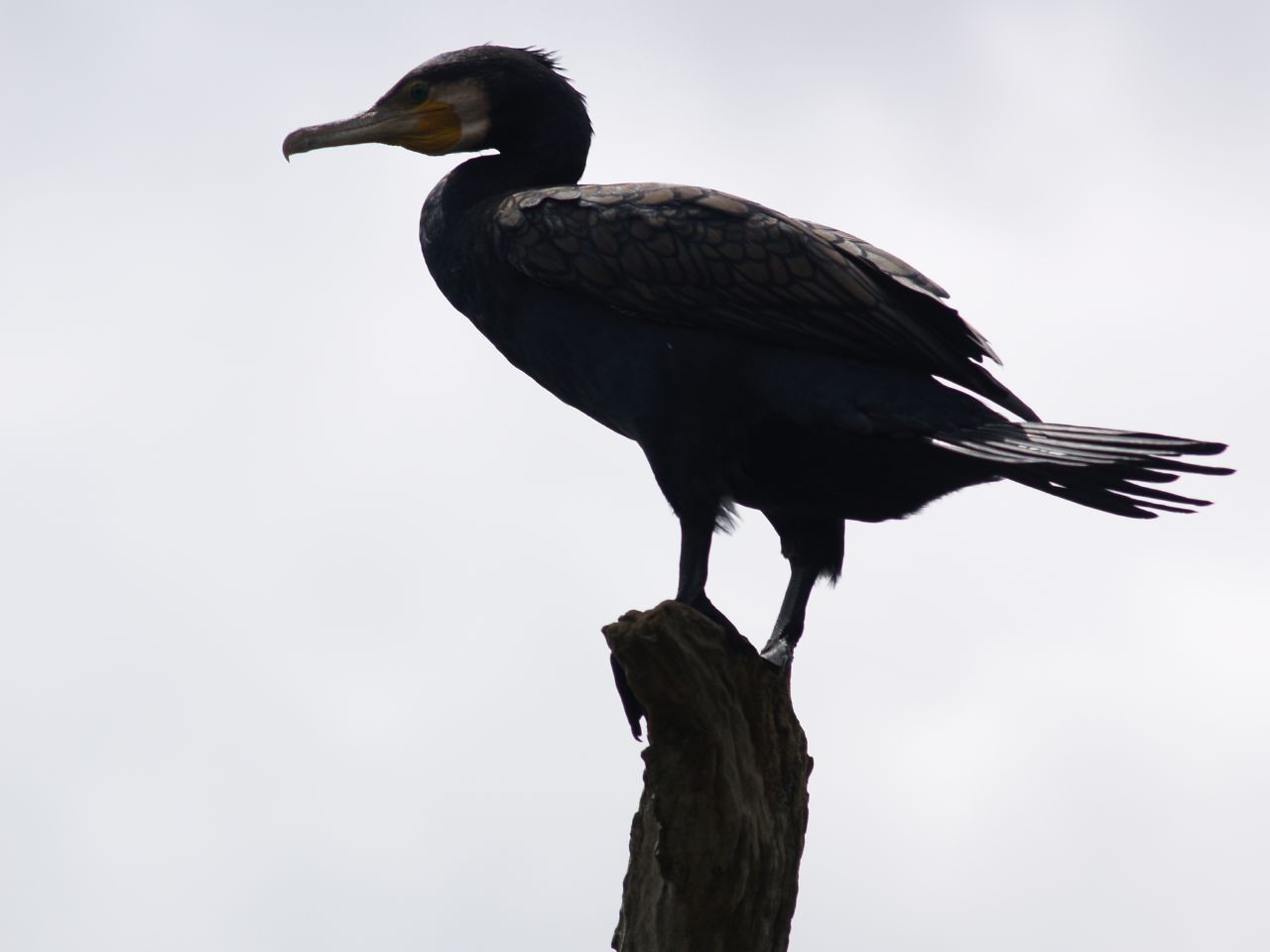
15. Great Cormorant
The great Cormorant is a charismatic bird known for its diving abilities and fishing prowess. It has a glossy black plumage, a long neck, and a hooked beak. It is strong swimmers and divers, capable of reaching depths up to 30 feet to catch fish. It has a unique habit of spreading their wings in the sun to dry them after fishing, helping to maintain their waterproof feathers.
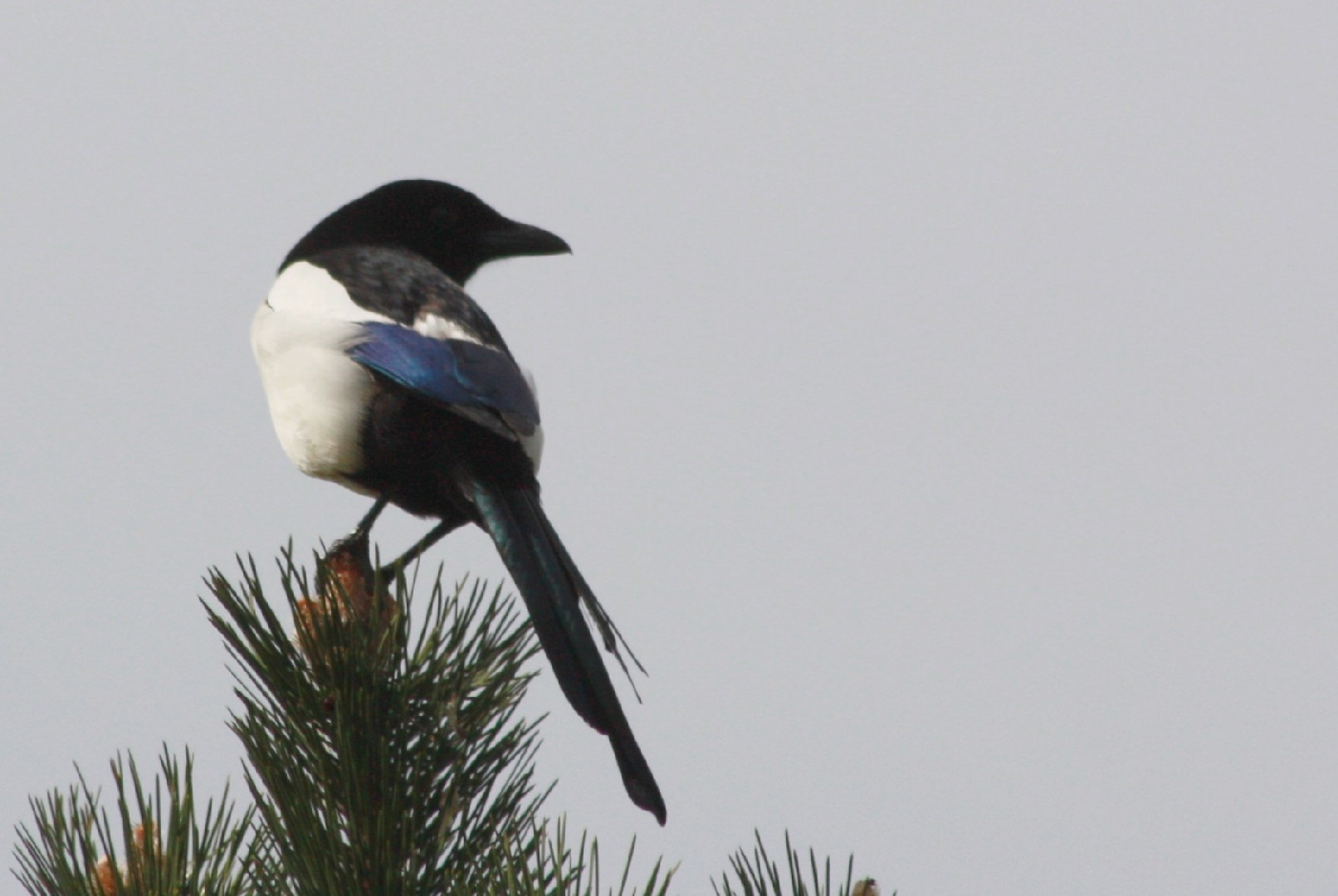
16. Eurasian Magpie
The eurasian Magpie is a striking and intelligent bird known for its black and white plumage and long tail. It is highly adaptable, found in a variety of habitats, and known for its intelligence, similar to that of great apes. It is omnivorous, eating both insects and fruits, and it has a reputation for being mischievous and thieving.
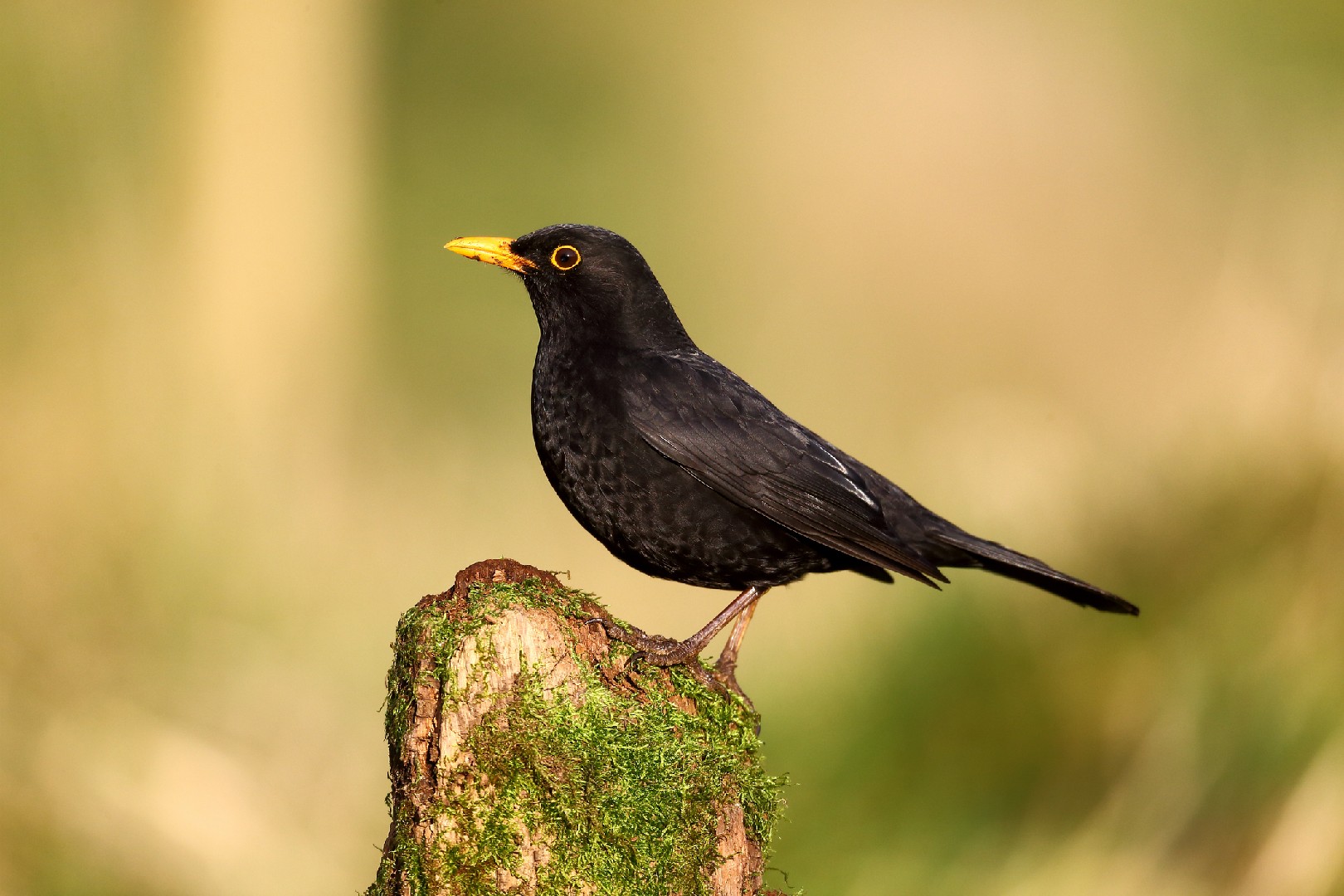
17. Eurasian Blackbird
Unafraid of humans, the dark-winged eurasian Blackbird has gained a great deal of cultural significance, mentioned in popular nursery rhymes and songs across the world. Elegant and with an appealing song, they can be aggressive when they are in their breeding period.

18. Common Chaffinch
The common Chaffinch has a varied diet, mainly feeding on seeds and berries, but also eating insects, allowing it to thrive in different habitats. The Common Chaffinch is also known for its melodic song, with the males being particularly vocal during the breeding season. Their songs can often be heard in the spring and early summer.
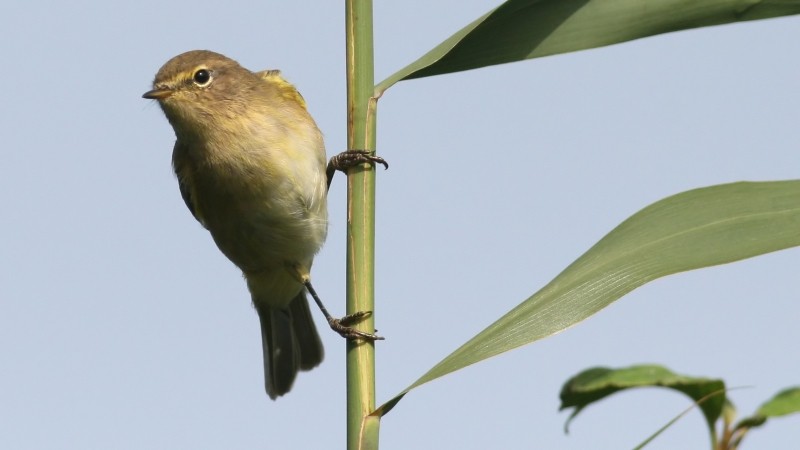
19. Common Chiffchaff
The common Chiffchaff is a small warbler known for its distinctive "chiff-chaff" call. It can be found in woodlands, gardens, and parks throughout Europe and Asia. It feeds on small insects, spiders and other invertebrates, which it catches by gleaning from leaves and branches. In the breeding season, males will sing to attract females and defend their territories.
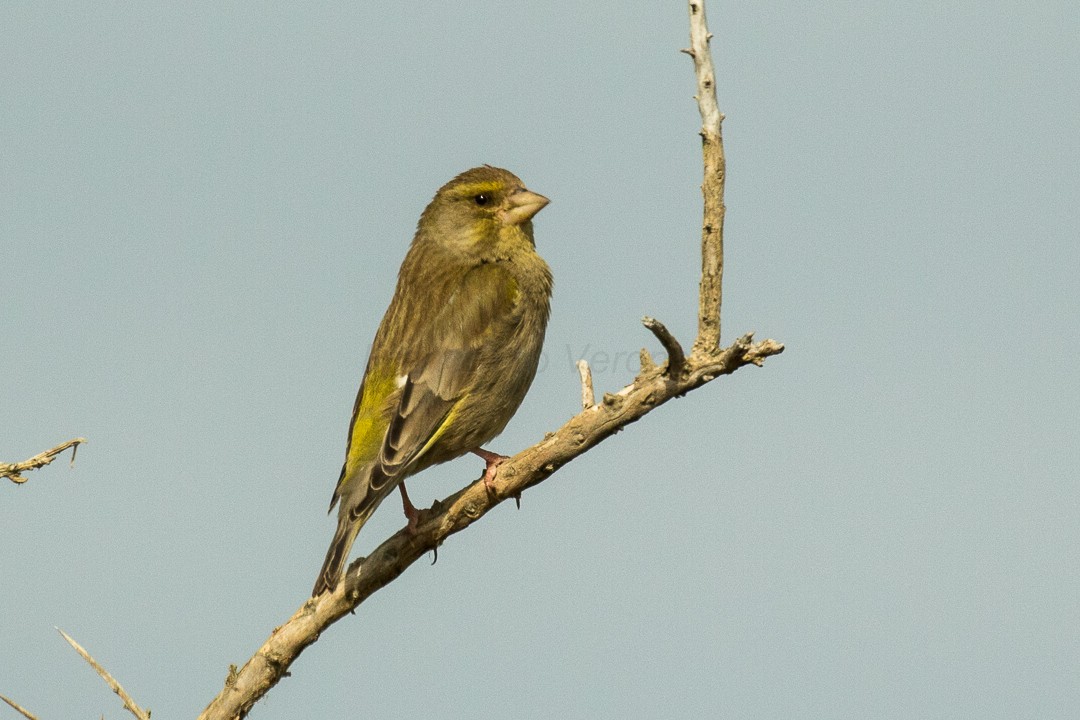
20. European Greenfinch
The european Greenfinch is a sociable bird and often forms flocks, particularly in the winter. The population of this species has been in decline due to loss of habitat and changes in land use. Identify this bird by its bright yellow head and breast on males, and green-brown head on females, and its sociable behavior in open woodlands, gardens, parks, and hedgerows.