




Top 20 Most Common Bird in Podgorica
Podgorica' is a rich environment renowned for its diverse bird life. This introduction aims to familiarize you with the top '20' most often seen species. Thriving within the city's eco-regions, these birds display unique characteristics, captivating behaviors, and specific adaptations that allow them to prosper in the region.

Most Common Bird
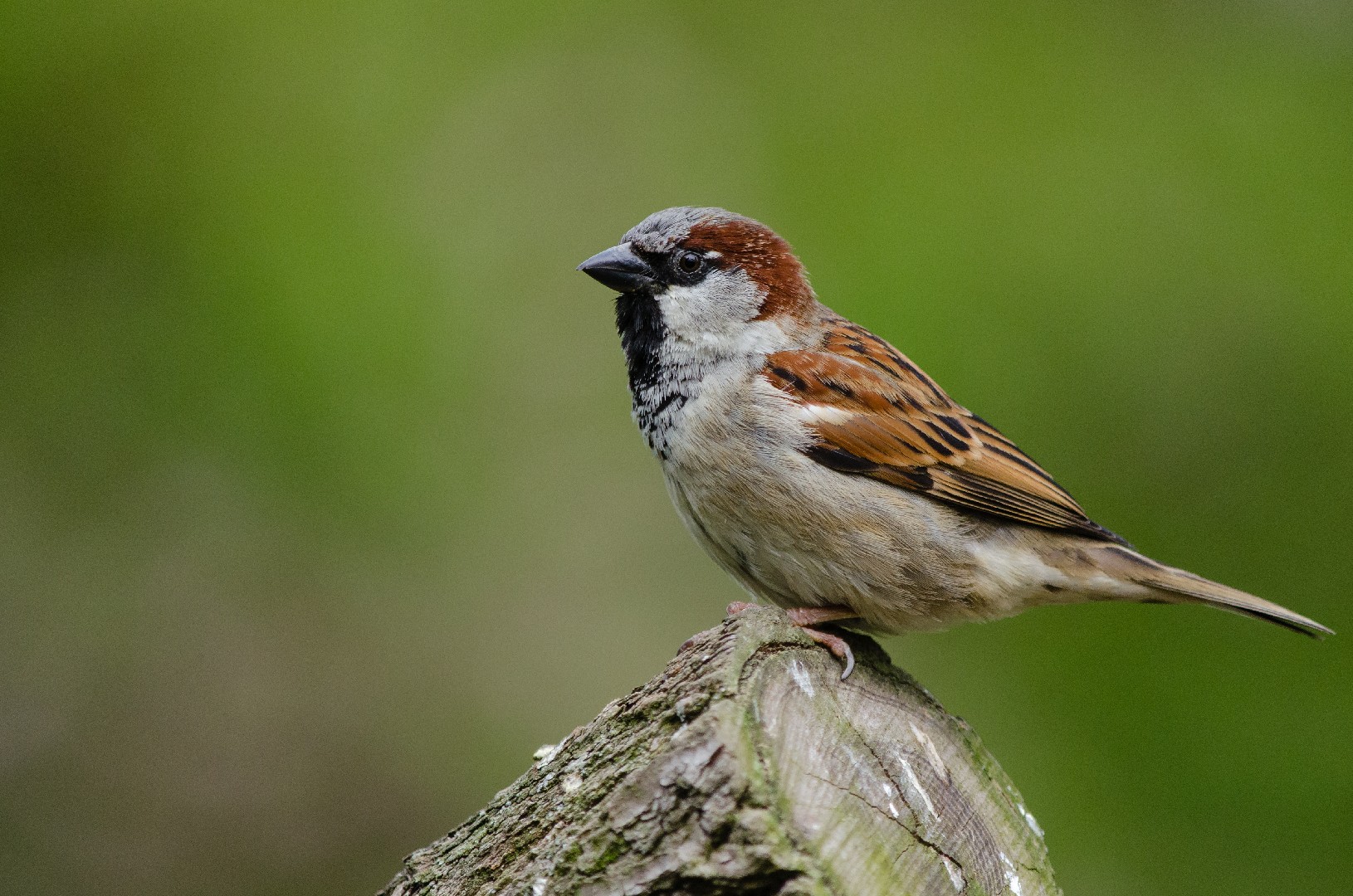
1. House Sparrow
Just as its name implies, the little house Sparrow socializes with humans more than any other bird species. Able to adapt and thrive in almost any habitat, excluding the extremes such as deserts and mountain peaks, this species was once restricted only to North Africa and Eurasia but now is found across the globe. Unfortunately, this opportunistic eater is not completely harmless—it can cause considerable damage to crops.
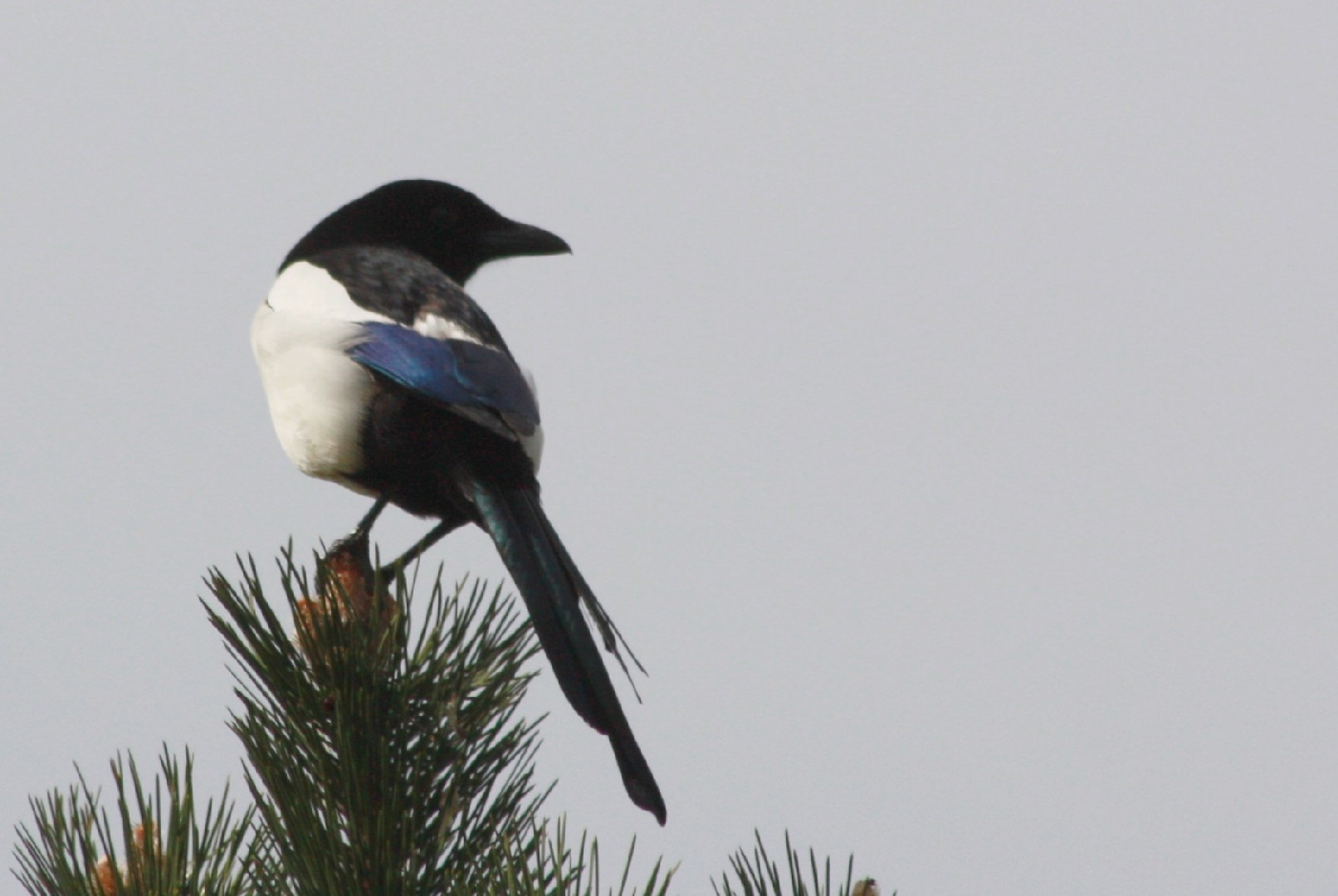
2. Eurasian Magpie
The eurasian Magpie is a striking and intelligent bird known for its black and white plumage and long tail. It is highly adaptable, found in a variety of habitats, and known for its intelligence, similar to that of great apes. It is omnivorous, eating both insects and fruits, and it has a reputation for being mischievous and thieving. 
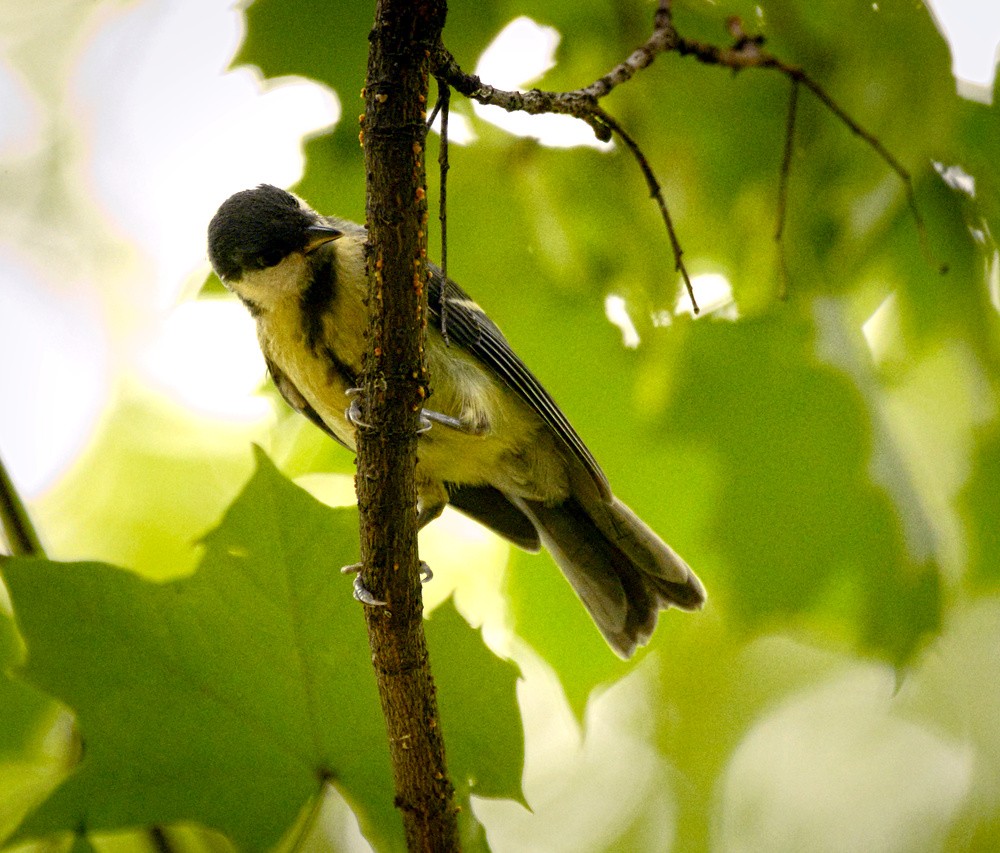
3. Great Tit
Great Tit is a small and plump bird, with a thick black line running through its bright yellow face. It is a common sight in gardens, woodlands, and parks. It is often seen foraging for food in an acrobatic way. Well known for its intelligence, it has been observed using tools, solving problems, and even counting up to five.

4. Common Chaffinch
The common Chaffinch has a varied diet, mainly feeding on seeds and berries, but also eating insects, allowing it to thrive in different habitats. The Common Chaffinch is also known for its melodic song, with the males being particularly vocal during the breeding season. Their songs can often be heard in the spring and early summer.
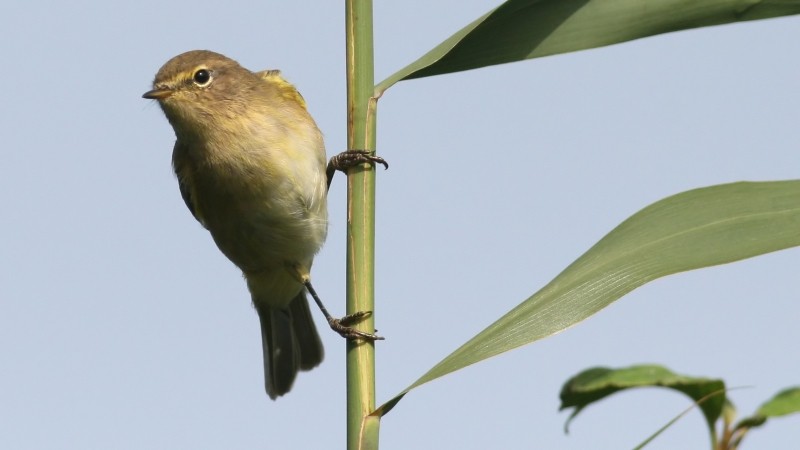
5. Common Chiffchaff
The common Chiffchaff is a small warbler known for its distinctive "chiff-chaff" call. It can be found in woodlands, gardens, and parks throughout Europe and Asia. It feeds on small insects, spiders and other invertebrates, which it catches by gleaning from leaves and branches. In the breeding season, males will sing to attract females and defend their territories.
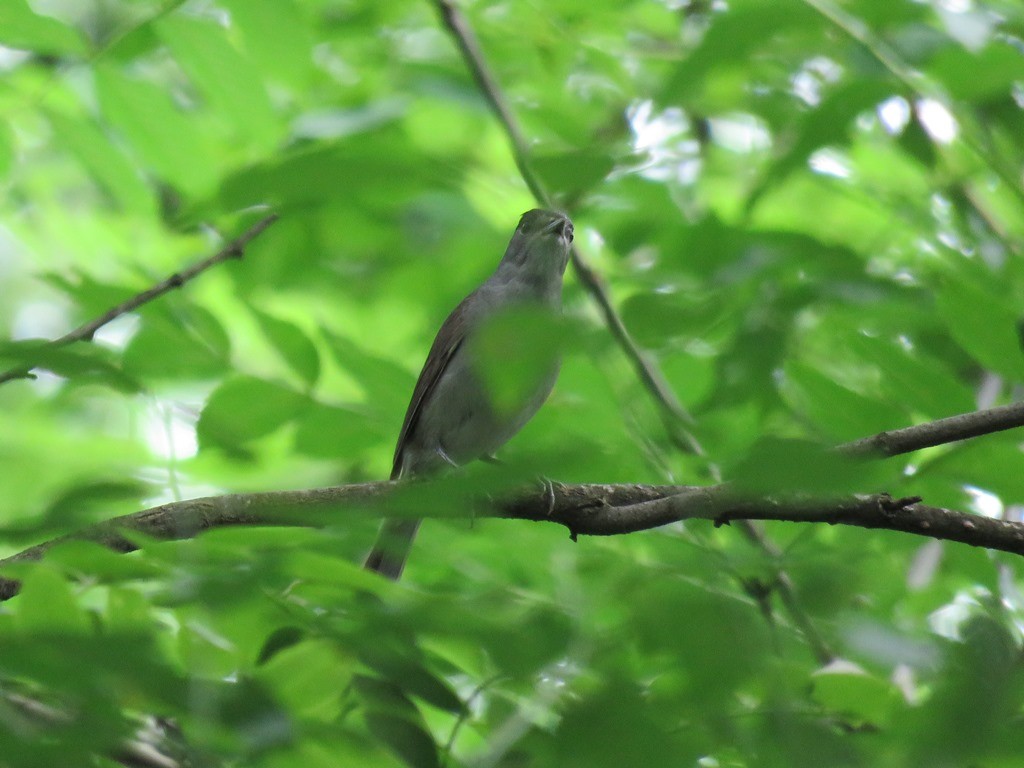
6. Eurasian Blackcap
Eurasian Blackcap is a small bird known for its melodic song and distinctive black cap, and is found in gardens, woodlands, and hedgerows. Its diet consists mainly of insects, fruits, and berries. It is a pleasure to watch and listen to in the wild, and often sings from the top of bushes and trees during the breeding season.
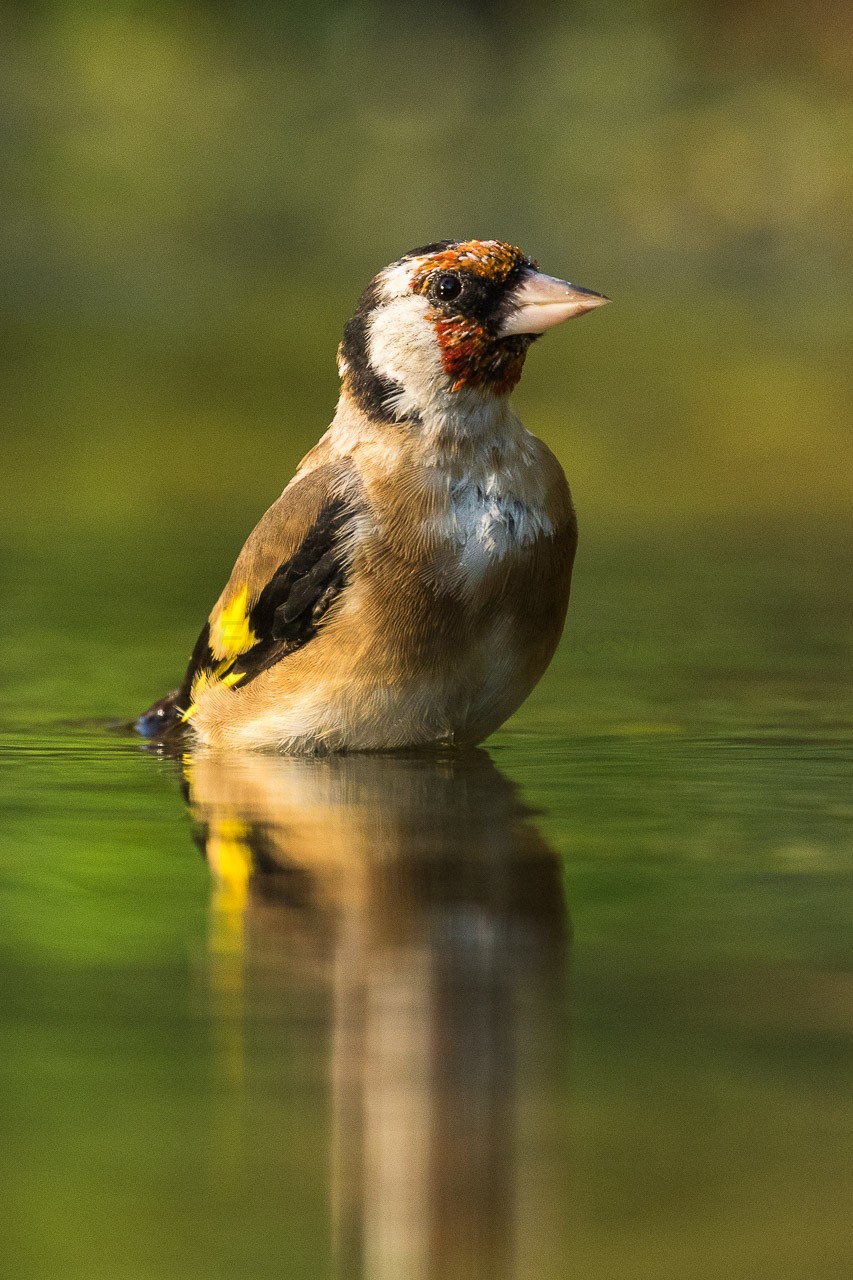
7. European Goldfinch
Prized for its brilliantly colored plumage and pleasant, musical song, the european Goldfinch has been often held in captivity, until this activity became illegal in the 1970s. Native to Europe, the species has been introduced to Australia and New Zealand. It's a very sociable bird that likes to feed on seeds and often visits feeders.
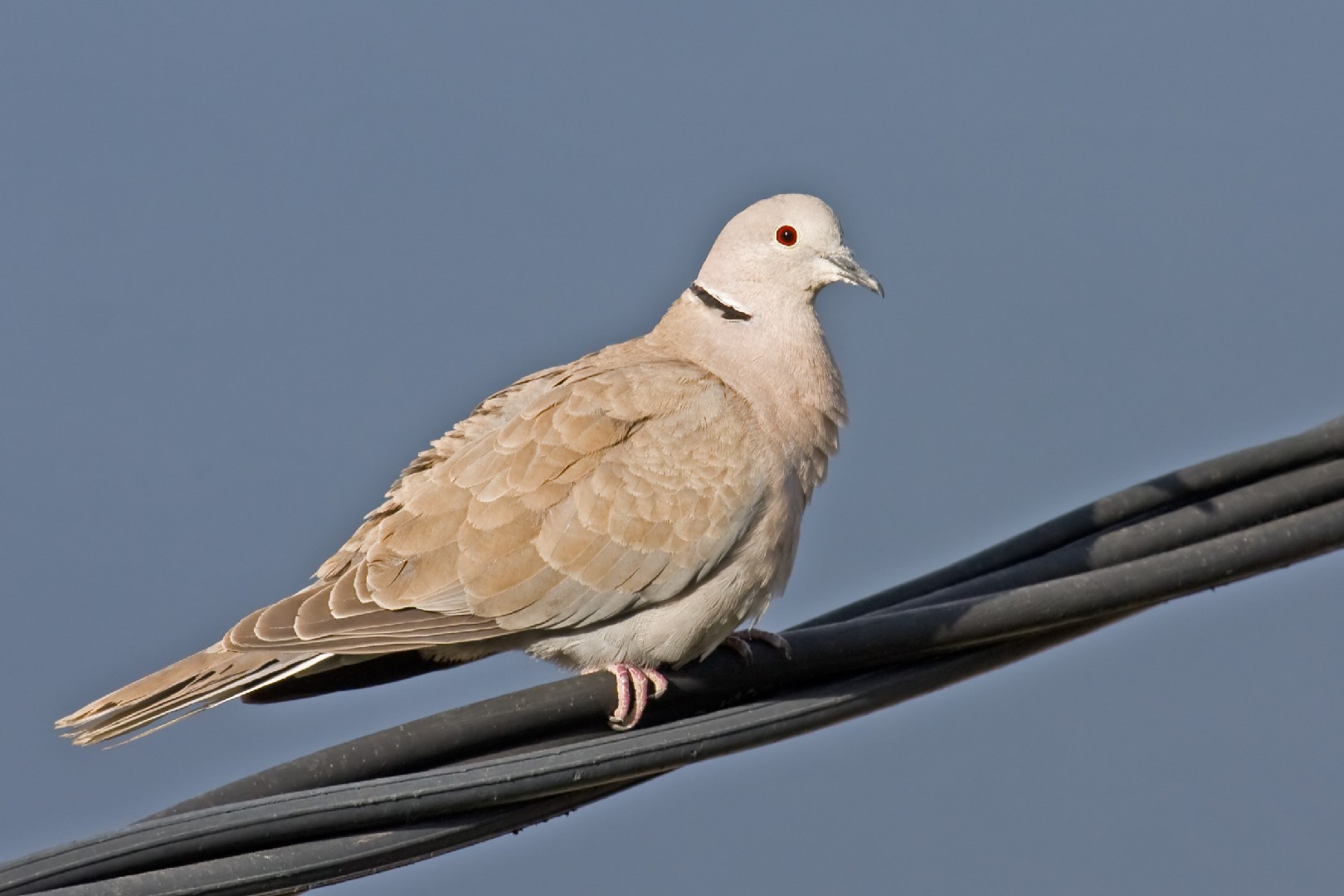
8. Eurasian Collared-dove
This plump, pretty dove with a square-tipped tail is known for bobbing its head and flicking its tail while walking. Though nice to look at, many people are not pleased at the sight of a eurasian Collared-dove walking along. In North America they are considered an invasive species, and one that carries a disease-creating parasite that can spread to native dove populations through birdbaths, feeders, or even through hawks preying on them.
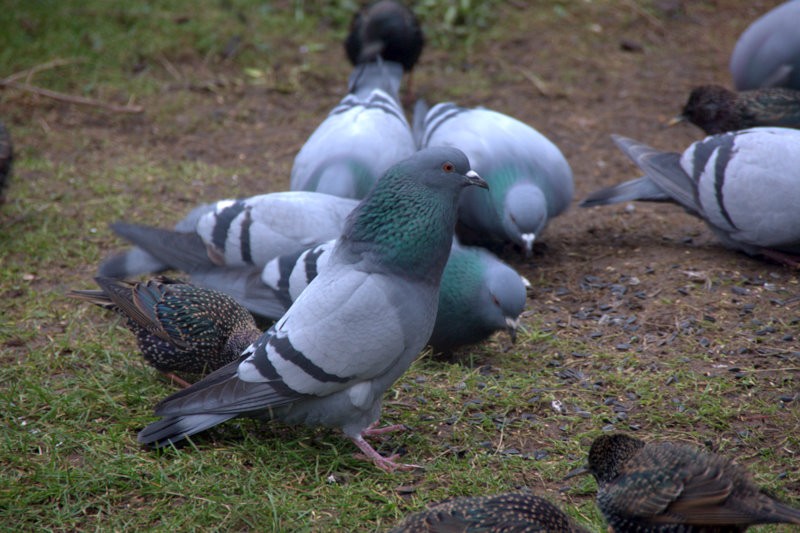
9. Rock Pigeon
The rock Pigeon is a wild ancestor of all domestic and feral pigeons, inhabiting coasts, cliffs, and caves. Pairs nest in rock crevices, often mating for life. They are known for their ability to fly very long distances to return to their homes, navigating using the sun's position and the earth's magnetic fields. Thanks to this ability, pigeons were used as messengers, particularly during World Wars I and II.
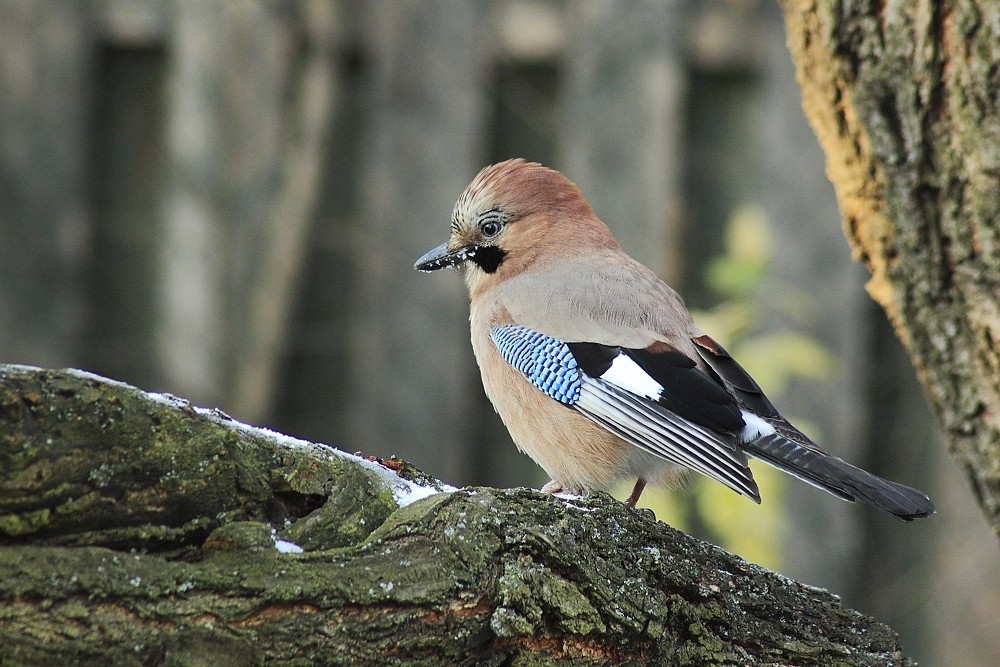
10. Eurasian Jay
The eurasian Jay is a striking bird with distinctive blue, black, and white plumage. It is known for its bold and curious nature, often seen rummaging through gardens and forests for food. Despite its small size, it is very intelligent and able to store food for later consumption. Its sharp calls and acrobatics in the trees make it a joy to observe in the wild.
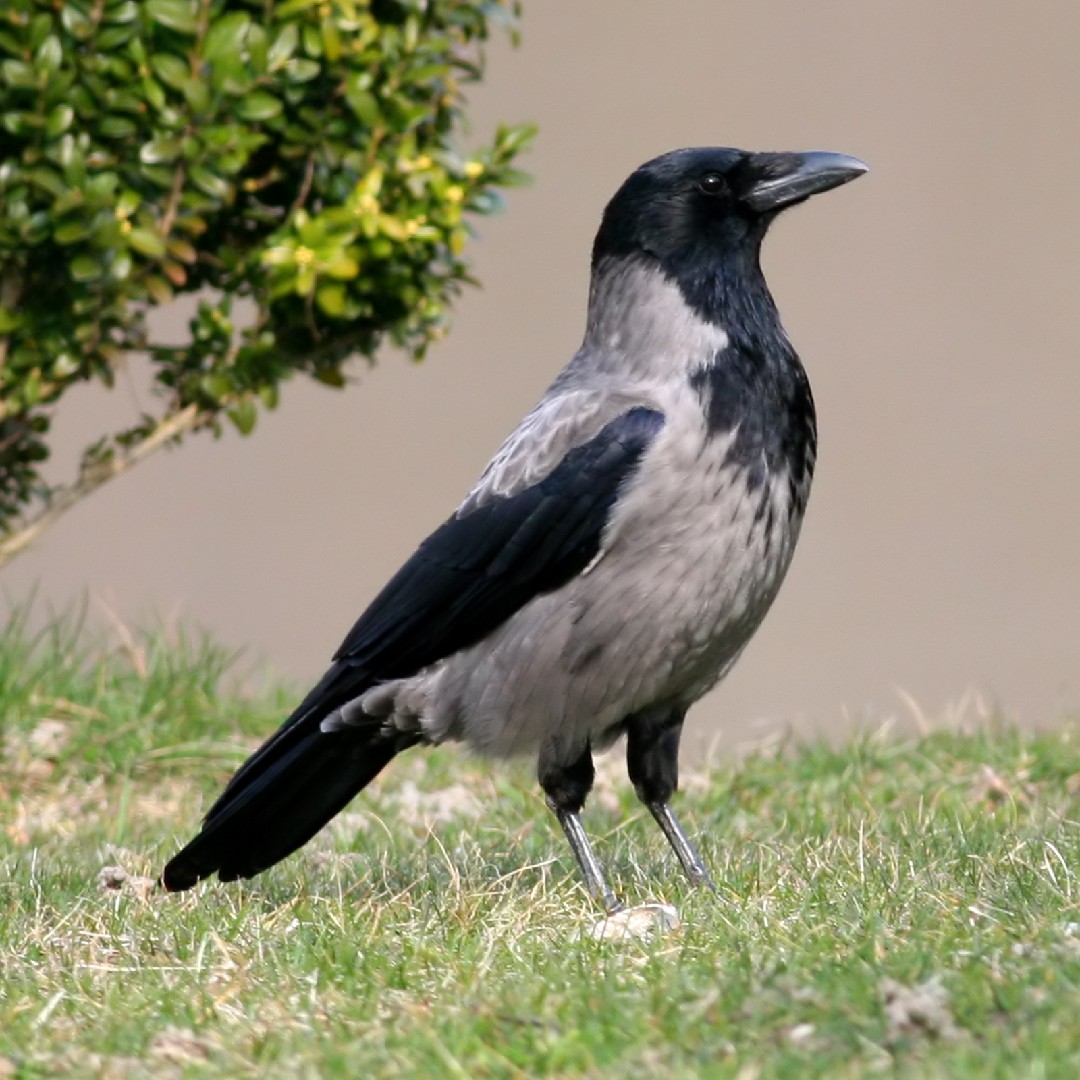
11. Hooded Crow
The hooded Crow is often mistaken for the carrion crow (Corvus corone) and has even been regarded as the same species; indeed, these two species may breed to create a hybrid. The hooded Crow is commonly found in woodlands, farmlands, and suburban areas. They can usually be seen in pairs or small groups, looking to find decaying meat, grain, and other protein.
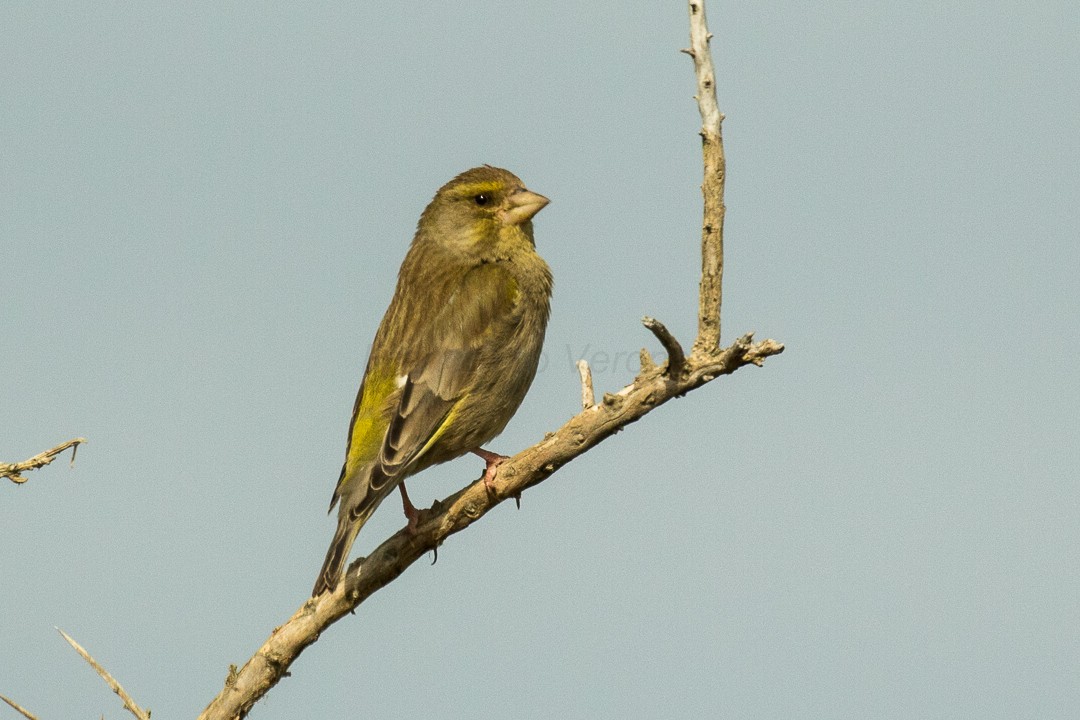
12. European Greenfinch
The european Greenfinch is a sociable bird and often forms flocks, particularly in the winter. The population of this species has been in decline due to loss of habitat and changes in land use. Identify this bird by its bright yellow head and breast on males, and green-brown head on females, and its sociable behavior in open woodlands, gardens, parks, and hedgerows.
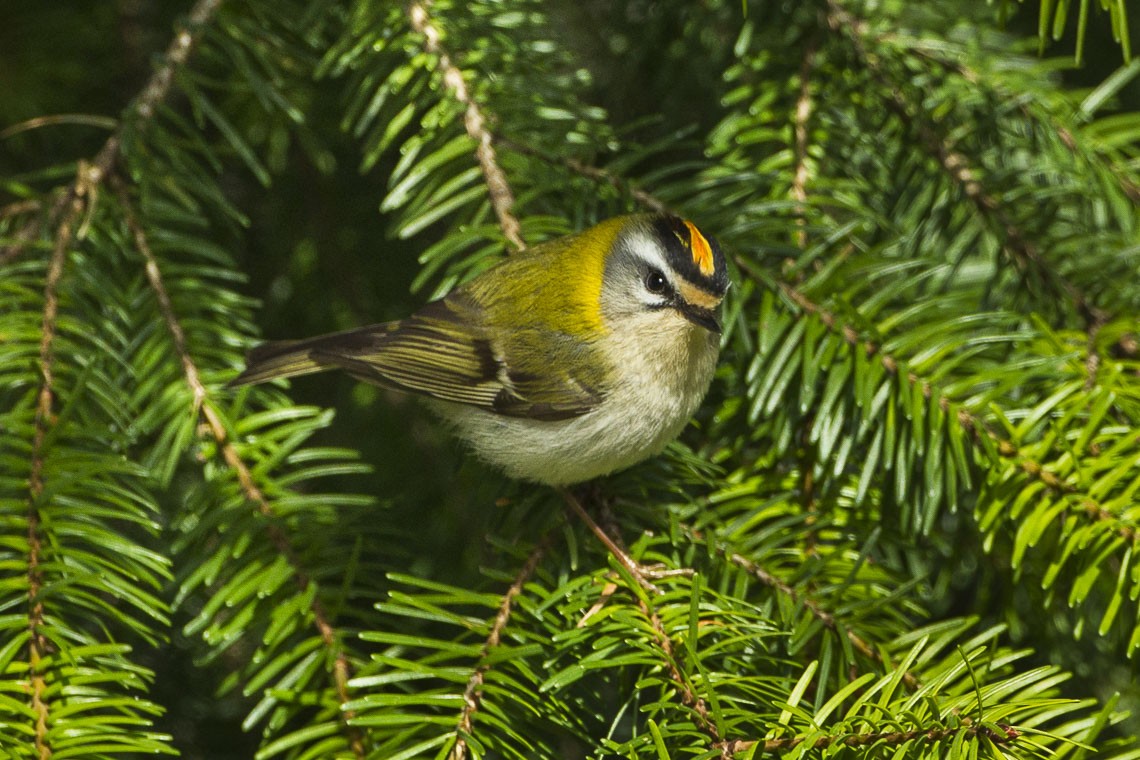
13. Common Firecrest
The common firecrest is a small plump bird, 9 cm (3.5 in) in length with a wingspan of 13–16 cm (5.1–6.3 in), and weighs 4–7 grams (0.14–0.25 oz). It has bright olive-green upperparts with a bronze-coloured patch on each shoulder, and whitish underparts washed with brownish-grey on the breast and flanks. It has two white wingbars, a tiny black pointed bill, and brownish-black legs. The head pattern is striking, with a black eye stripe, long white supercilium, and a crest which is bright yellow in the female and mainly orange in the male. The sexes are very similar, apart from the crest colour, although the female is a little duller in plumage and on average slightly smaller. Juveniles have a grey tinge to the duller upperparts, and lack the coloured crown; the other head markings are present, but duller than in the adult. By their first winter, only the flight and tail feathers remain unmoulted, and the young birds are virtually indistinguishable from the adults in the field. This kinglet usually hops with its body held horizontally, and its flight is weak and whirring, with occasional quick evasive turns. Adult firecrests are unlikely to be confused with any other species; Pallas's warbler has a similar head and wing pattern, but its crown stripe is pale lemon, not bright yellow or orange, and its supercilium is also pale yellow, not bright white. The juvenile common firecrest might be confused with the goldcrest, but usually shows enough face pattern to distinguish it from its relative, which has a very plain face at all ages. The firecrest can also be separated from Pallas's warbler by the warbler's pale crown stripe and yellow rump. There is more likelihood of confusing the juvenile firecrest with the yellow-browed warbler, which has a similar head pattern; the warbler (an Asiatic species) has pale fringes to the feathers of the closed wing, a whitish belly and darker brown legs. The yellow-browed warbler also lacks the pale half circle present below the young firecrest's eye.
14. European Robin
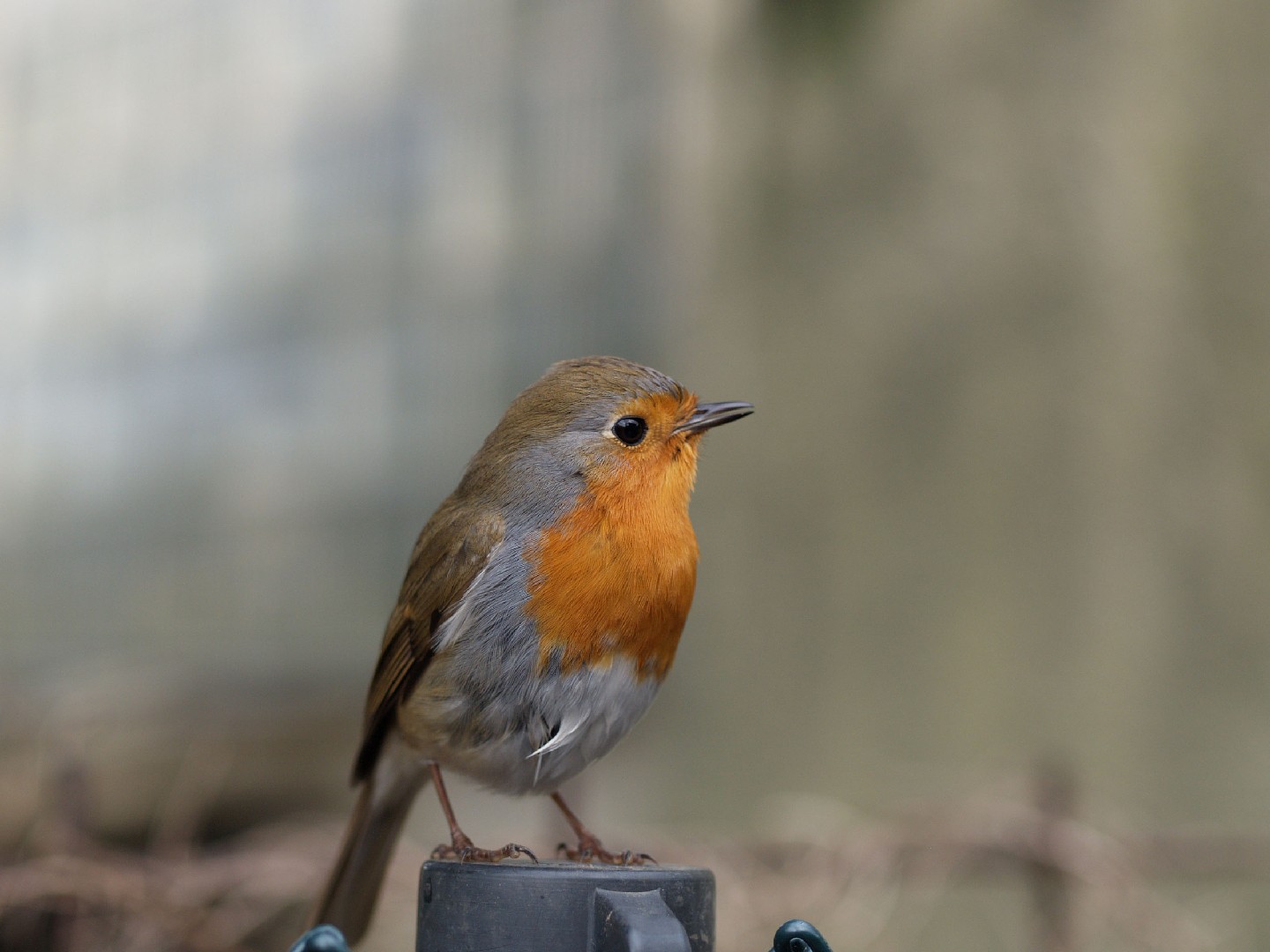
The european Robin is an aggressive bird that is commonly found throughout farmlands, woodlands, and suburban communities. These birds are mainly helpful insectivores for gardeners, but will also eat various seeds and fruits. The european Robin is used on British Christmas cards to represent postmen from the Victorian era who used to wear red waistcoats while delivering holiday cards.

15. White Wagtail
The white Wagtail is the national bird of Latvia and is featured in traditional folk songs and placed on some postage stamps. These birds can be found in most habitat types besides deserts. As their name suggests, they exhibit a characteristic tail-wagging behavior as they search along the ground and nearby waterways for insects to eat.

16. Barn Swallow
A familiar sight in rural and semi-open areas, the small barn Swallow can often be spotted by its distinctly graceful flight as it travels low over fields. Seemingly unbothered by having human neighbors, they nest unafraid in barns, garages, beneath bridges or wharves. Interestingly enough, they have come to prefer these locations so much that you are unlikely to spot a nest in a place that is not a human-made structure.
17. Common House-martin
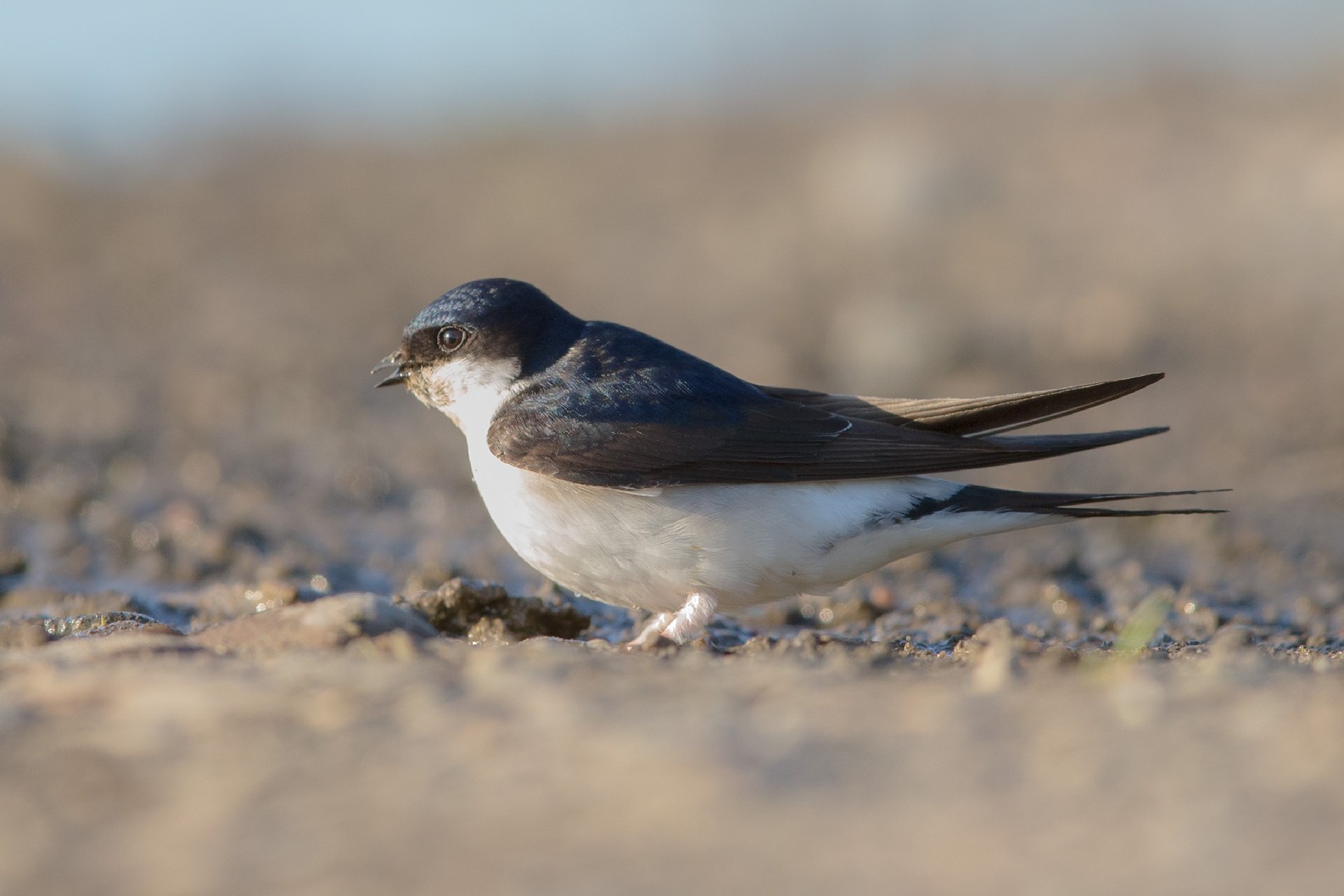
A small, multicolored swallow, the common House-martin has benefited greatly from human habitation and forest clearing, which has created the open habitats and safe man-made nests it prefers. These birds almost always make their homes near water and often perch on utility wires.
18. Black Redstart
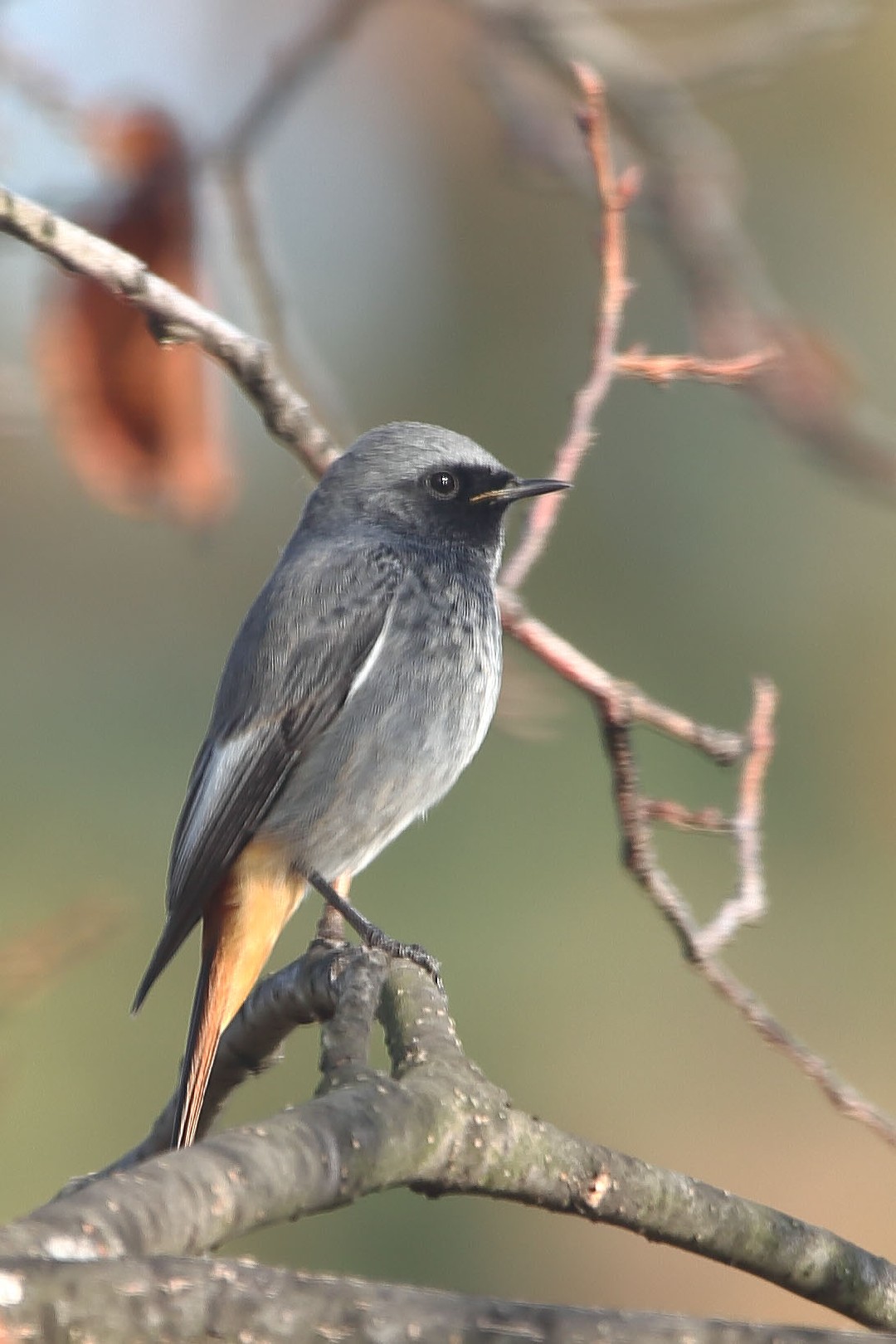
The black Redstart is a small flycatcher that was once present only in natural habitats such as cliffs and rocky, mountainous areas, but now it also inhabits industrial sites, buildings, and rooftops. Although this bird is a remarkable singer, it is quite quiet. The species is very variable in appearance, and dines on insects.
19. European Starling
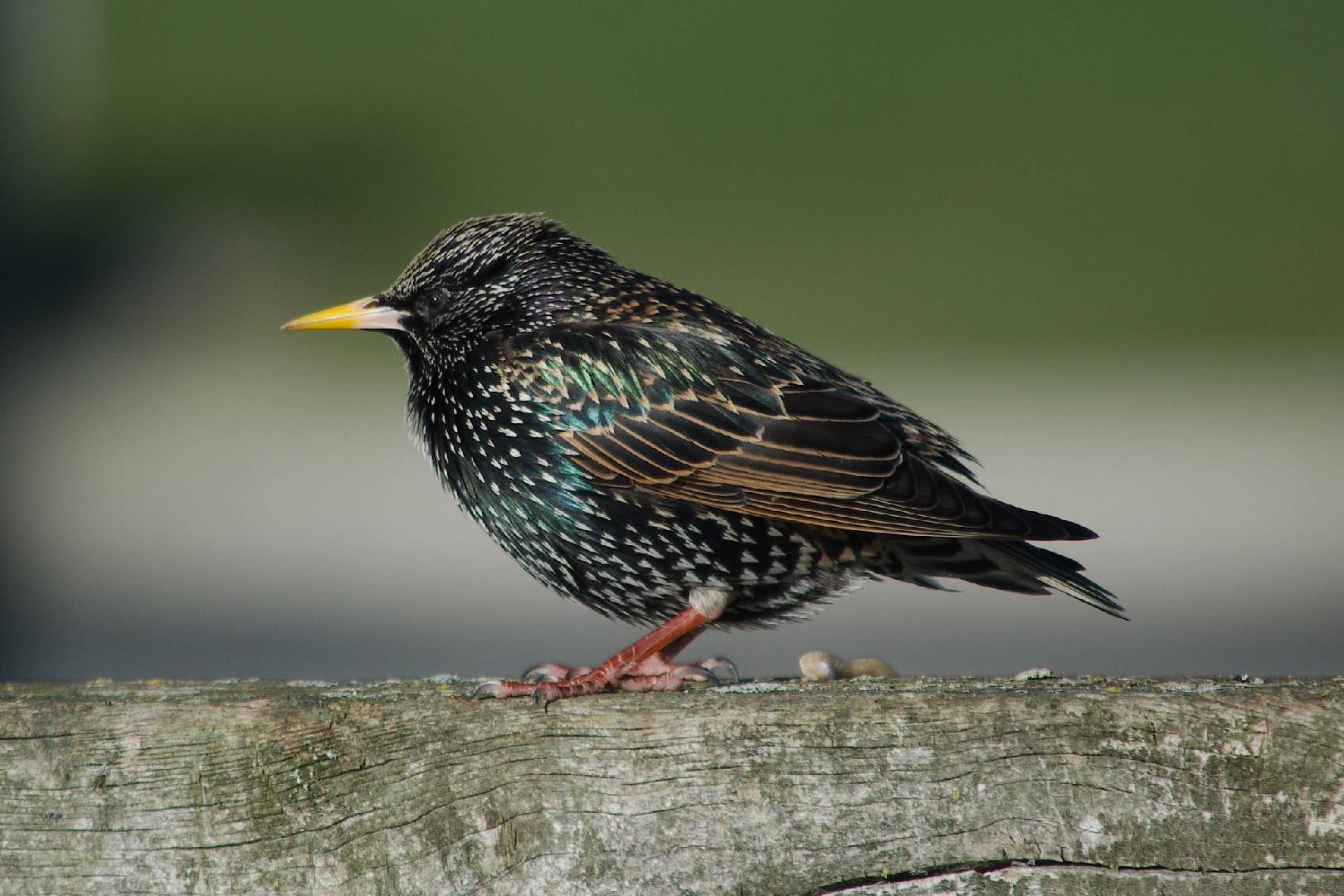
The european Starling, a large, hardy songbird, is one of the most commonly seen bird species in North America. Originally from Europe, this species was brought to the U.S. in the 1890s by enthusiasts of William Shakespeare, who had the unique goal of bringing over every single species of bird that was mentioned in Shakespeare's collective works. Unfortunately, the european Starling, being an adaptable, generalist species, spread invasively across the continent, hurting many native species' populations in the process.
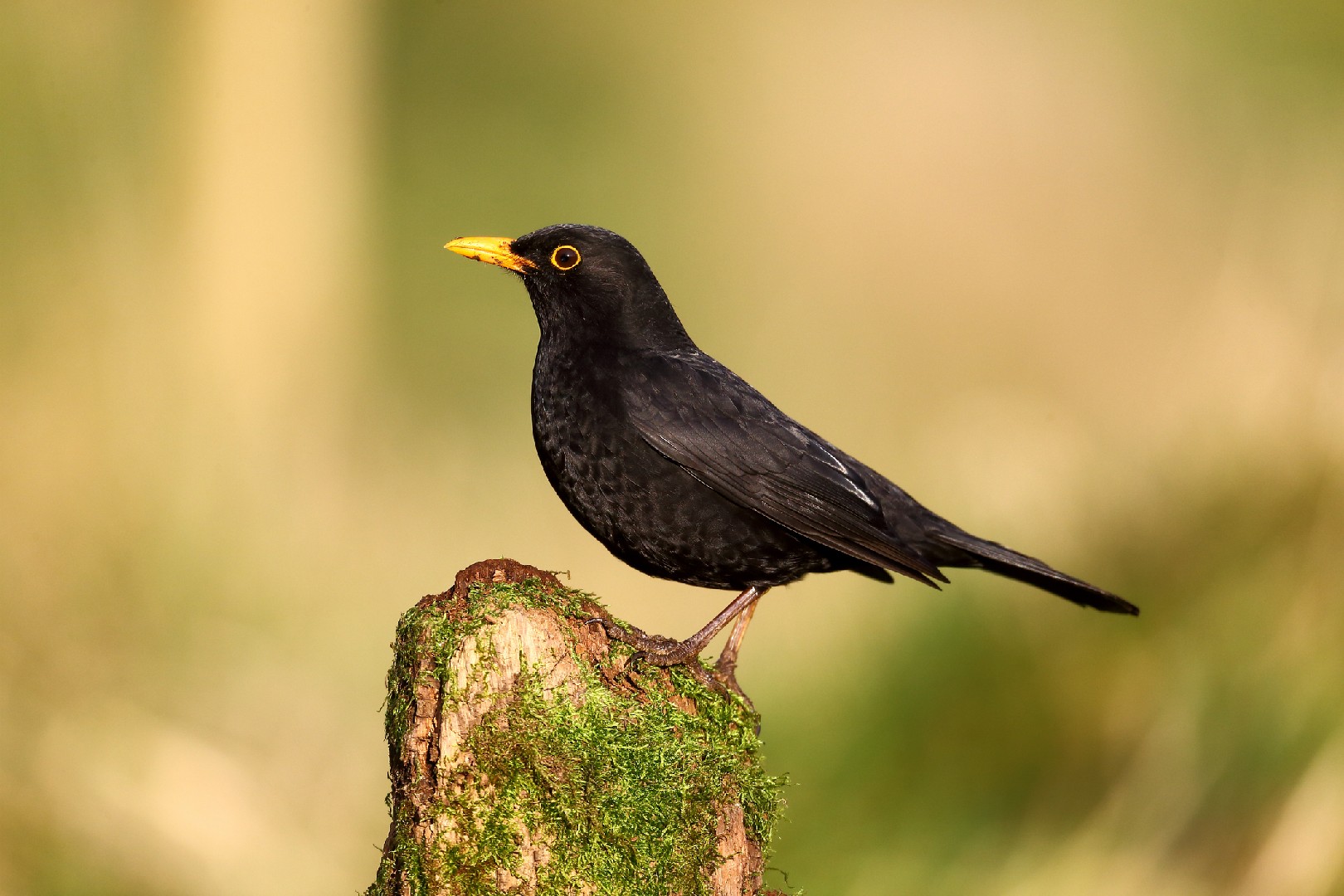
20. Eurasian Blackbird
Unafraid of humans, the dark-winged eurasian Blackbird has gained a great deal of cultural significance, mentioned in popular nursery rhymes and songs across the world. Elegant and with an appealing song, they can be aggressive when they are in their breeding period.