



Top 20 Most Common Bird in Oslo
Oslo harbors a rich avian biodiversity, with unique and varied ecosystems where the 20 most common birds thrive. Each bird displays distinguishing features, from vibrant plumage to peculiar behaviors, and has special adaptations for the city's seasonal variations, creating an intriguing ornithological tableau.

Most Common Bird
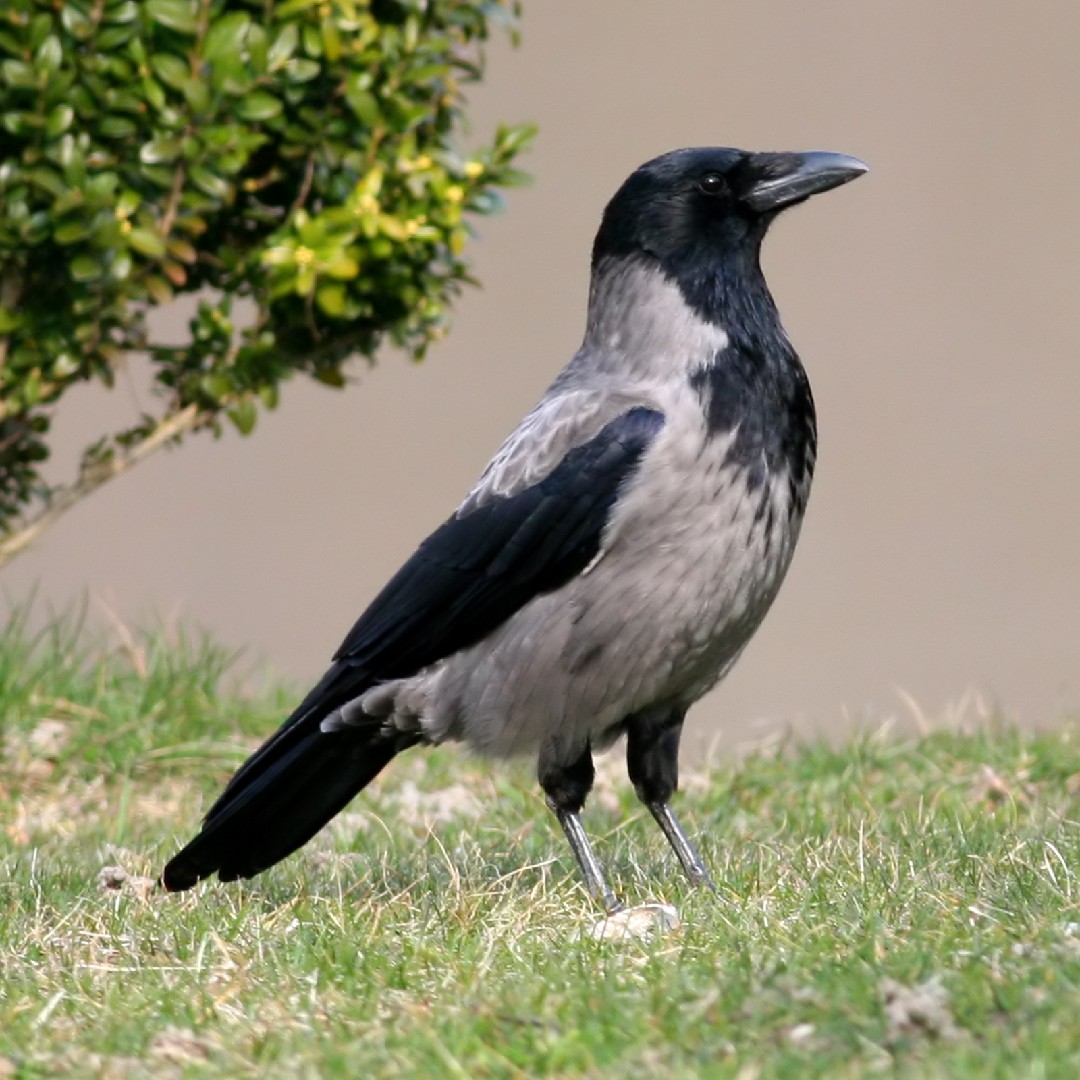
1. Hooded Crow
The hooded Crow is often mistaken for the carrion crow (Corvus corone) and has even been regarded as the same species; indeed, these two species may breed to create a hybrid. The hooded Crow is commonly found in woodlands, farmlands, and suburban areas. They can usually be seen in pairs or small groups, looking to find decaying meat, grain, and other protein.
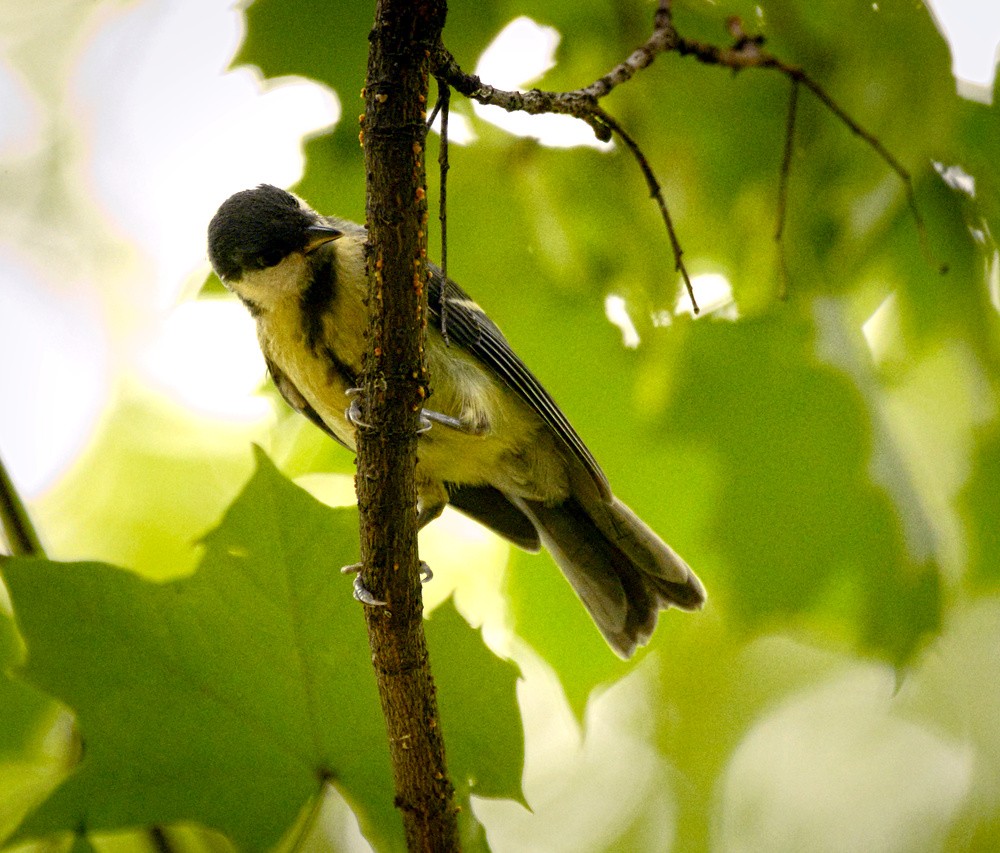
2. Great Tit
Great Tit is a small and plump bird, with a thick black line running through its bright yellow face. It is a common sight in gardens, woodlands, and parks. It is often seen foraging for food in an acrobatic way. Well known for its intelligence, it has been observed using tools, solving problems, and even counting up to five. 
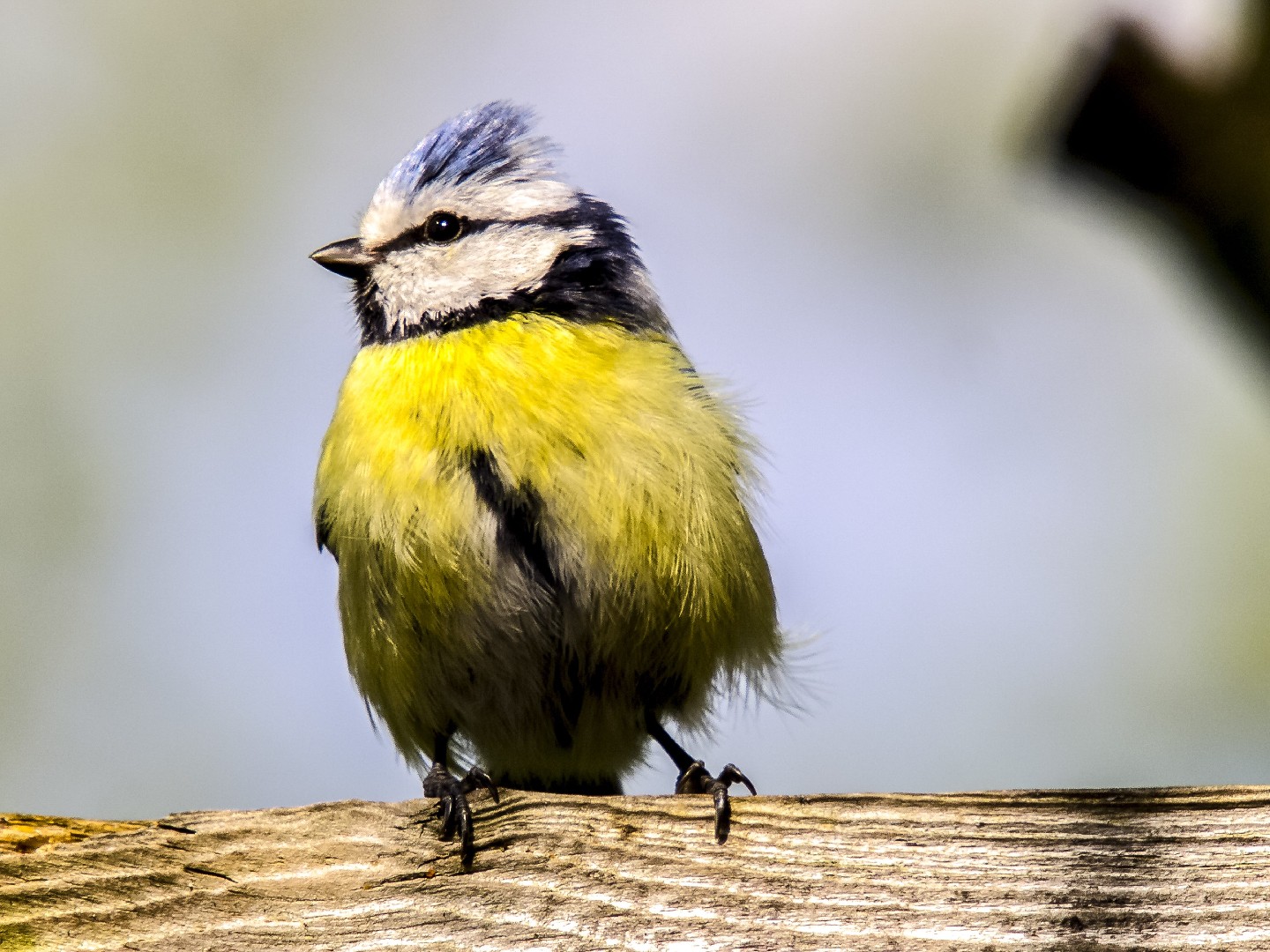
3. Eurasian Blue Tit
The eurasian Blue Tit is a small songbird, very common in urban areas such as parks. This songbird has a wide range of calls and songs, but it's also known for its agility and acrobatic skills - it can hang upside down, reaching food that's not accessible to less-skilled birds. When the bird has young, it spends around 17 hours per day in the search of food for the offspring. It's a frequent visitor of bird feeders.
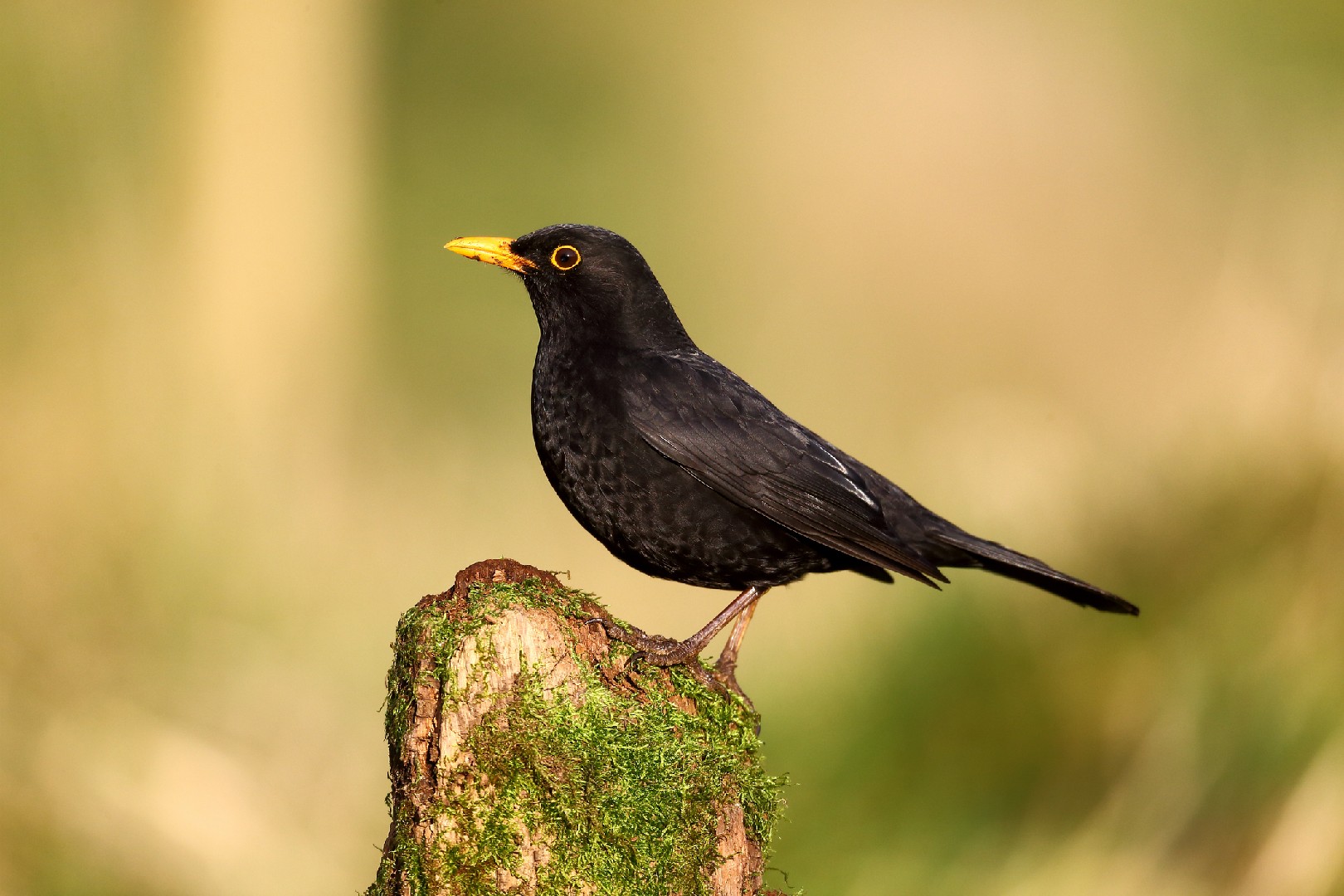
4. Eurasian Blackbird
Unafraid of humans, the dark-winged eurasian Blackbird has gained a great deal of cultural significance, mentioned in popular nursery rhymes and songs across the world. Elegant and with an appealing song, they can be aggressive when they are in their breeding period.
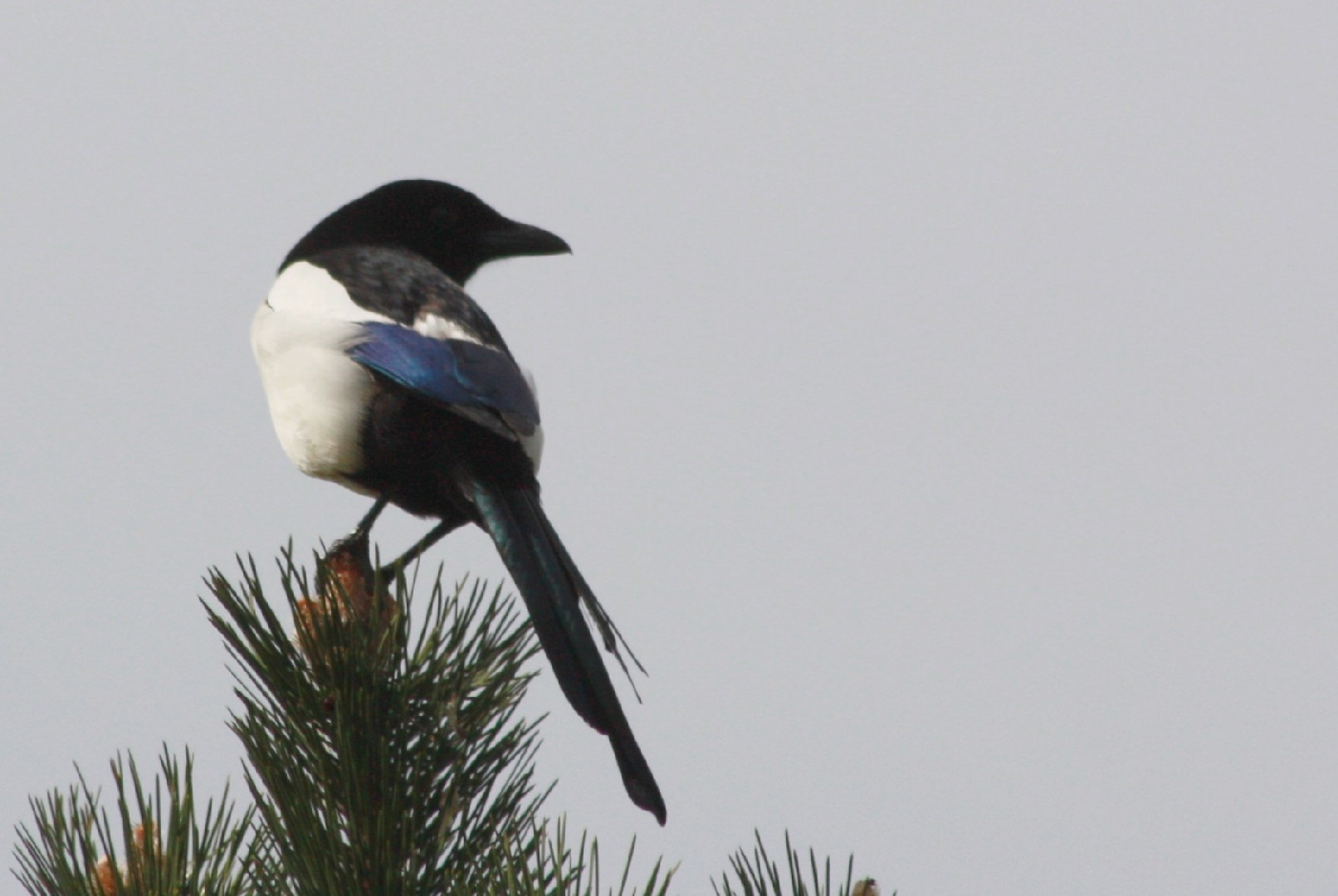
5. Eurasian Magpie
The eurasian Magpie is a striking and intelligent bird known for its black and white plumage and long tail. It is highly adaptable, found in a variety of habitats, and known for its intelligence, similar to that of great apes. It is omnivorous, eating both insects and fruits, and it has a reputation for being mischievous and thieving.
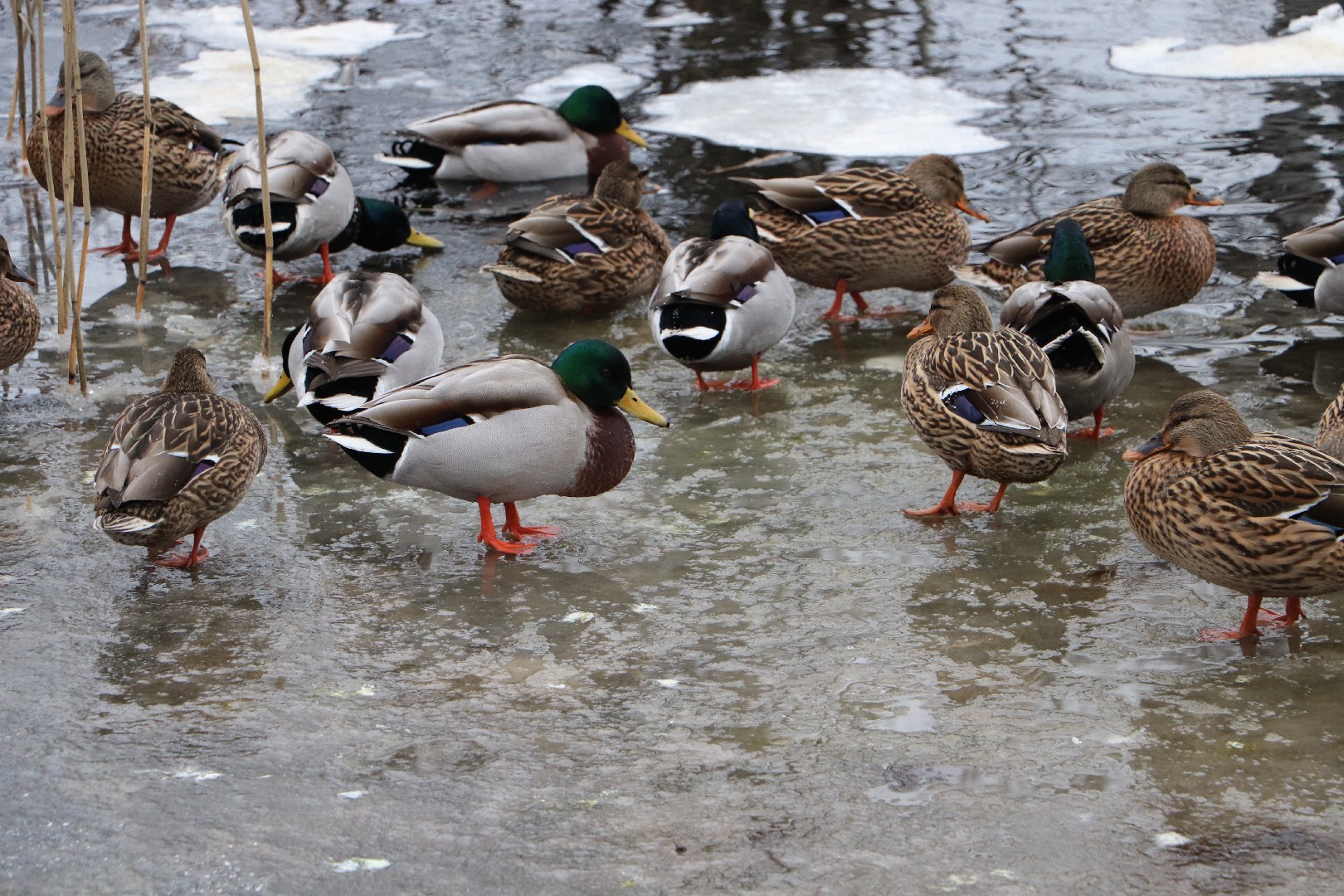
6. Mallard
The mallard is the most abundant duck species in the world, and the ancestor of all domestic ducks. Only the female can produce the distinctive "quack" sound. When the female lays eggs, the male abandons its mate, while the protective mother stays with the ducklings for a long time. This migratory species inhabits shallow waters and it's one of the most popular game birds.
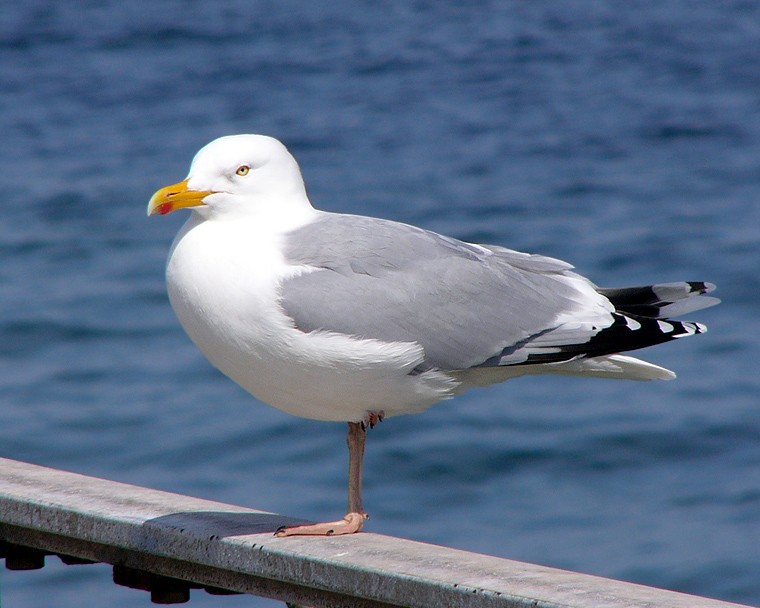
7. Herring Gull
The herring Gull is a large common seabird often found on and near coastlines. These birds nest in colonies and create a hierarchy. They may travel considerable distances for food, which usually comes in the form of fish, insects, and other small invertebrates. Surprisingly, the herring Gull can live to be 30 years old, but is often injured or even poisoned before then.
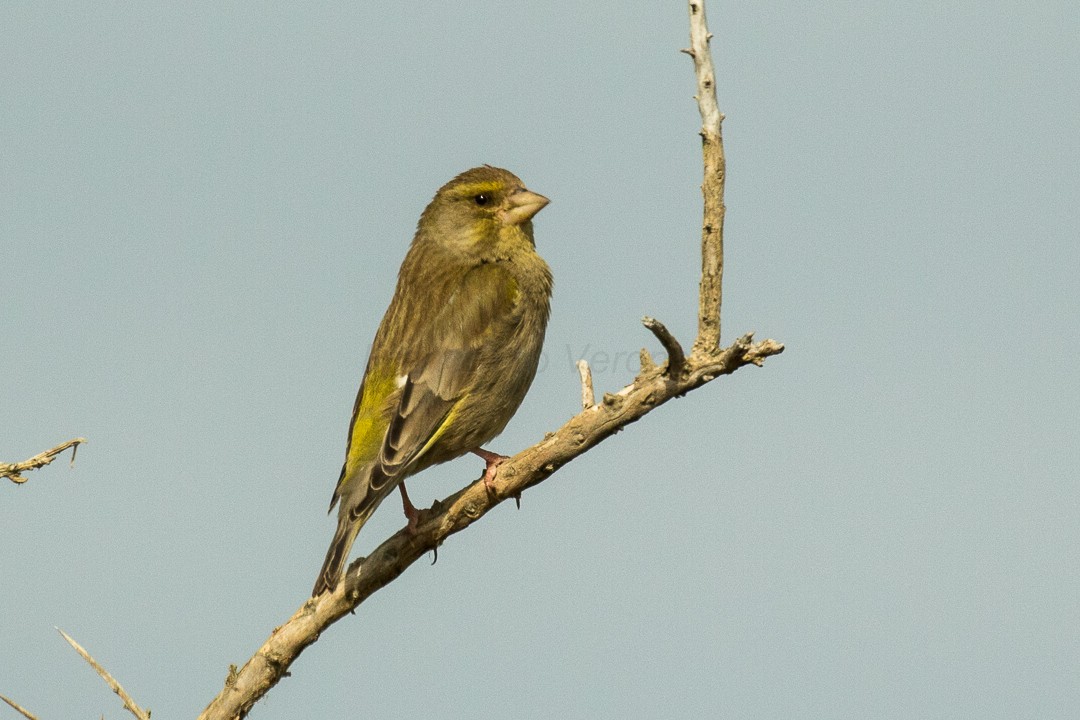
8. European Greenfinch
The european Greenfinch is a sociable bird and often forms flocks, particularly in the winter. The population of this species has been in decline due to loss of habitat and changes in land use. Identify this bird by its bright yellow head and breast on males, and green-brown head on females, and its sociable behavior in open woodlands, gardens, parks, and hedgerows.
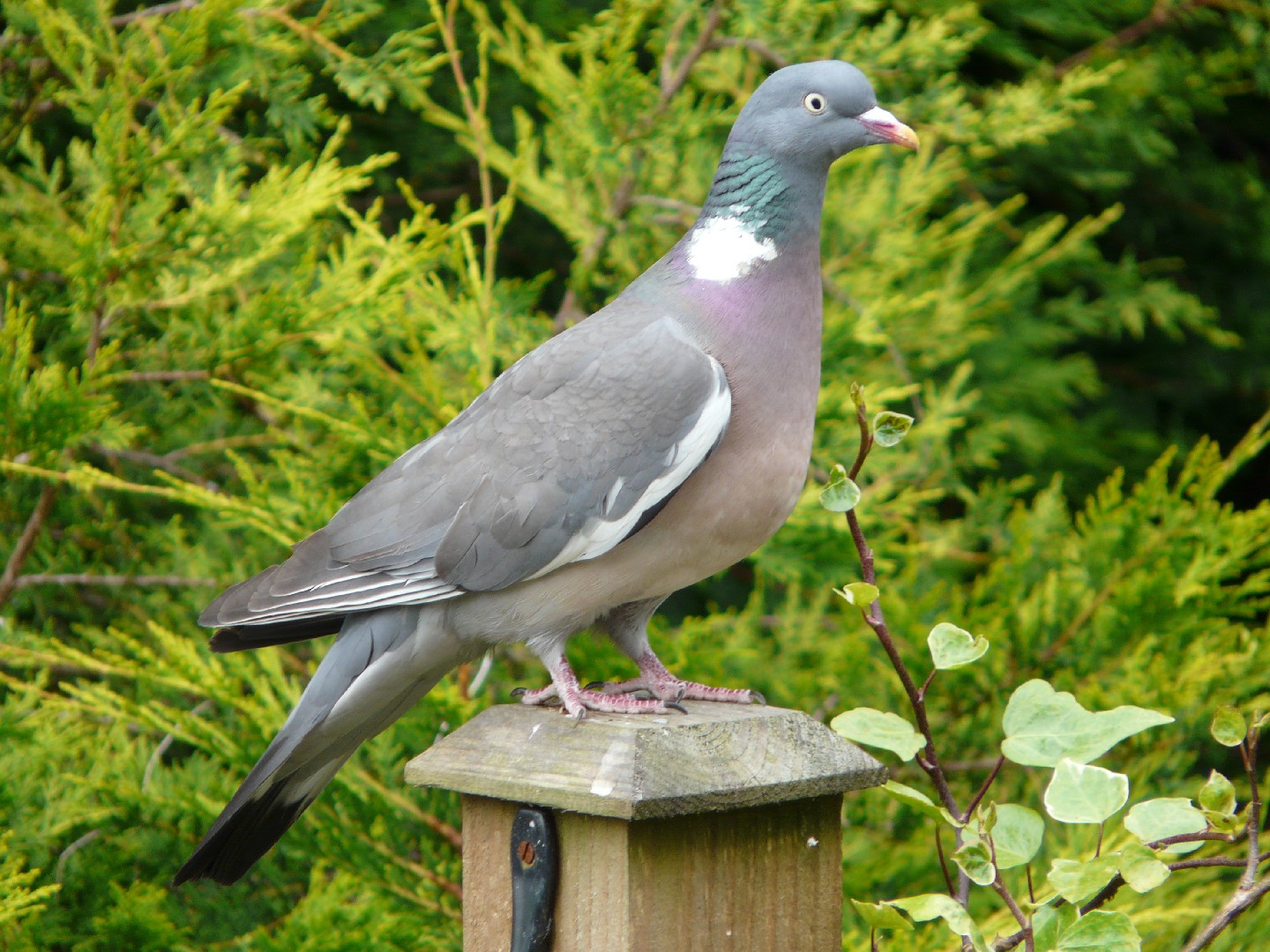
9. Common Wood Pigeon
Although primarily found in woods, the common Wood Pigeon is a large and bulky pigeon that is often seen in towns and cities. Those who inhabit urban areas are quite tame, approachable, and comfortable around humans. This pigeon is a popular game bird, particularly during its migration journeys. Its distinctive call can be heard year-round, particularly at dawn. This ground-dwelling bird gathers in large flocks that feed together.
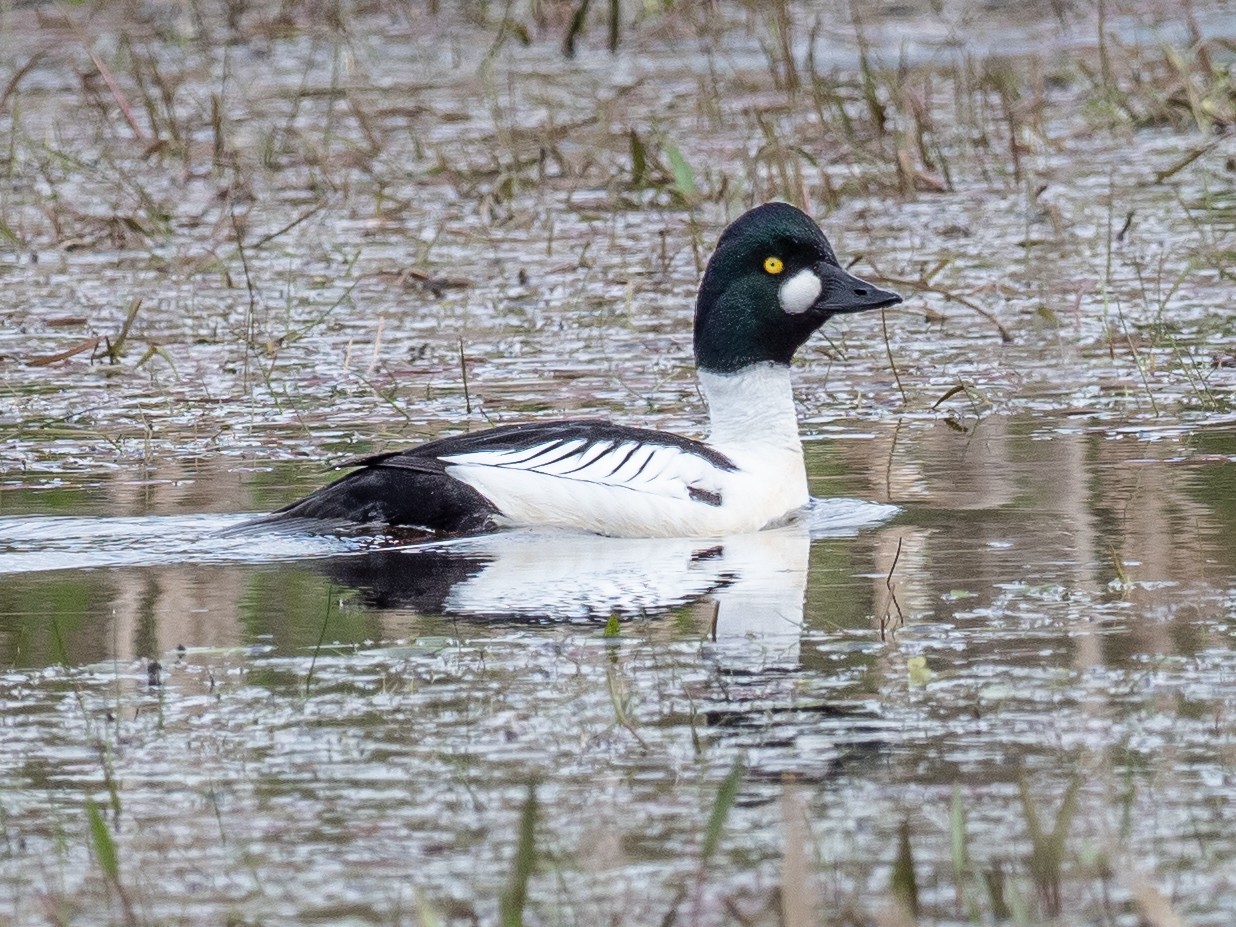
10. Common Goldeneye
The common Goldeneye has bright-colored eyes which give this duck its occasional name of 'Common Goldeneye'. The duck dives for food in rivers, lakes, and along the coast searching for fish and invertebrates. It builds its nest in tree cavities to protect the young from predators, but gardeners can build nesting boxes to attract breeding pairs to their yards.
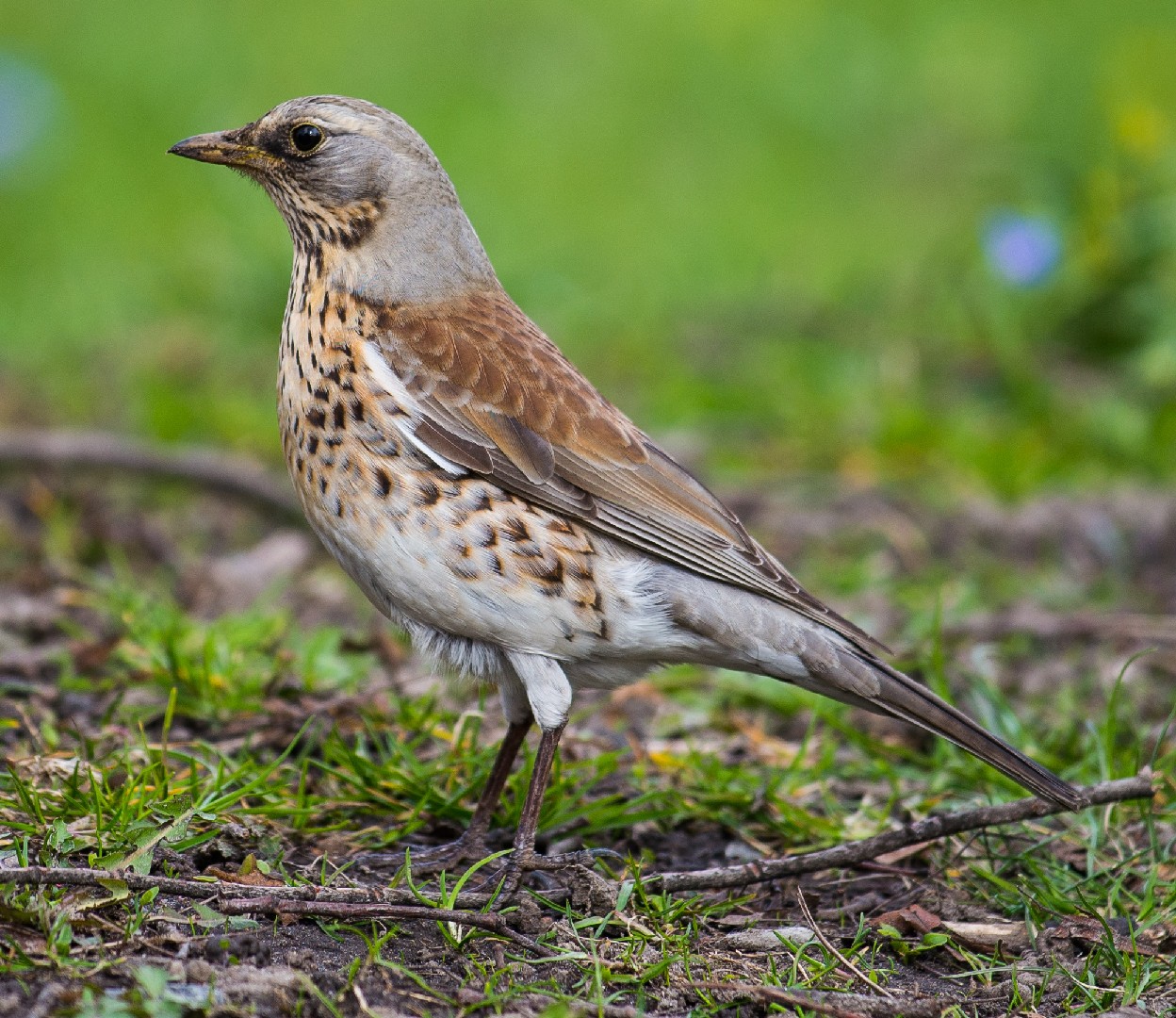
11. Fieldfare
It is not uncommon to see flocks of fieldfare numbering in the hundreds during the winter season, inhabiting urban and suburban areas. It is a social bird and one of the largest of its species. Its upright pose gives it an imposing appearance and it uses hopping motions to move forward on the ground.
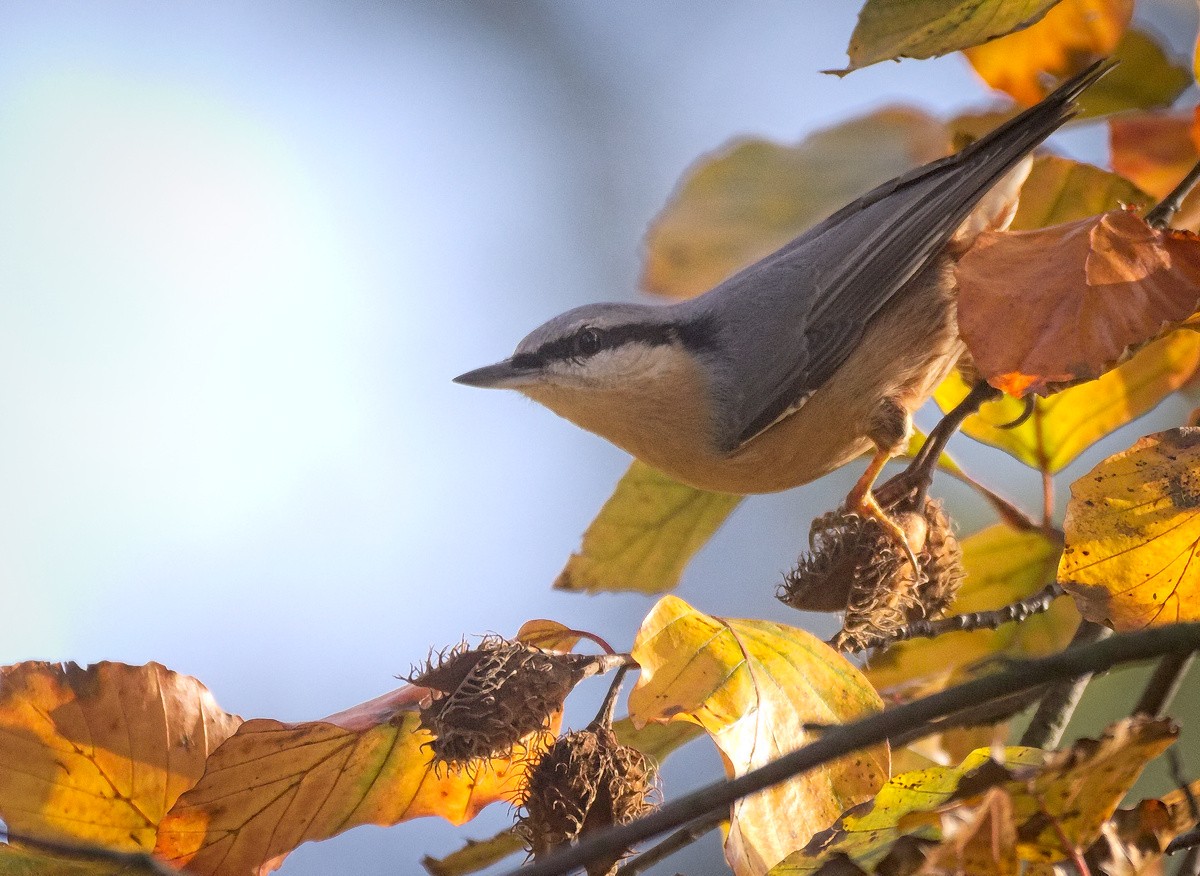
12. Eurasian Nuthatch
The eurasian Nuthatch is a petite songbird common to deciduous forests. This species can often be seen nimbly hopping along branches and trunks - sometimes straight up or straight down - as it searches for insects. Like a woodpecker, it will peel away bark or drill into outer layers of wood.
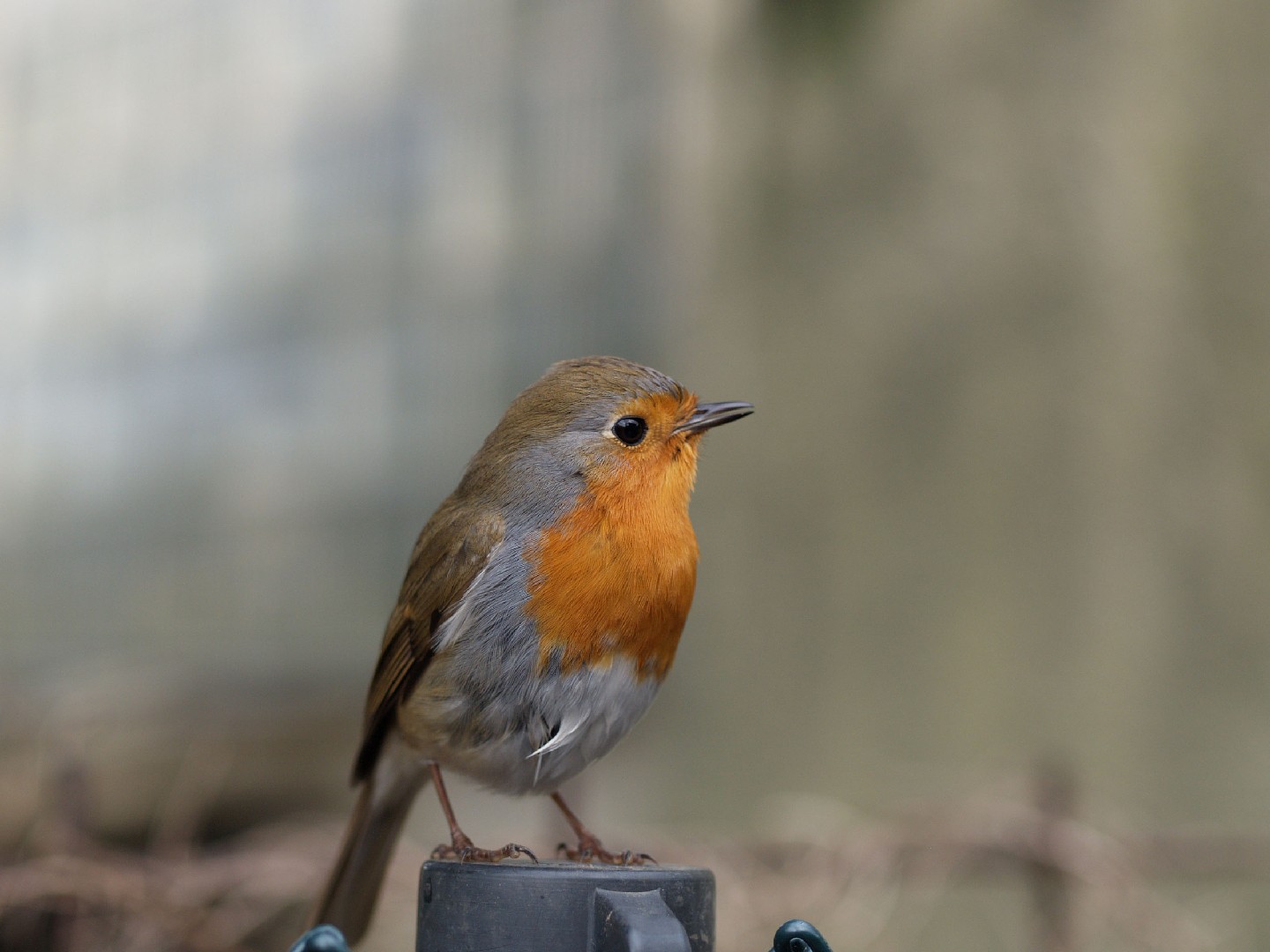
13. European Robin
The european Robin is an aggressive bird that is commonly found throughout farmlands, woodlands, and suburban communities. These birds are mainly helpful insectivores for gardeners, but will also eat various seeds and fruits. The european Robin is used on British Christmas cards to represent postmen from the Victorian era who used to wear red waistcoats while delivering holiday cards.
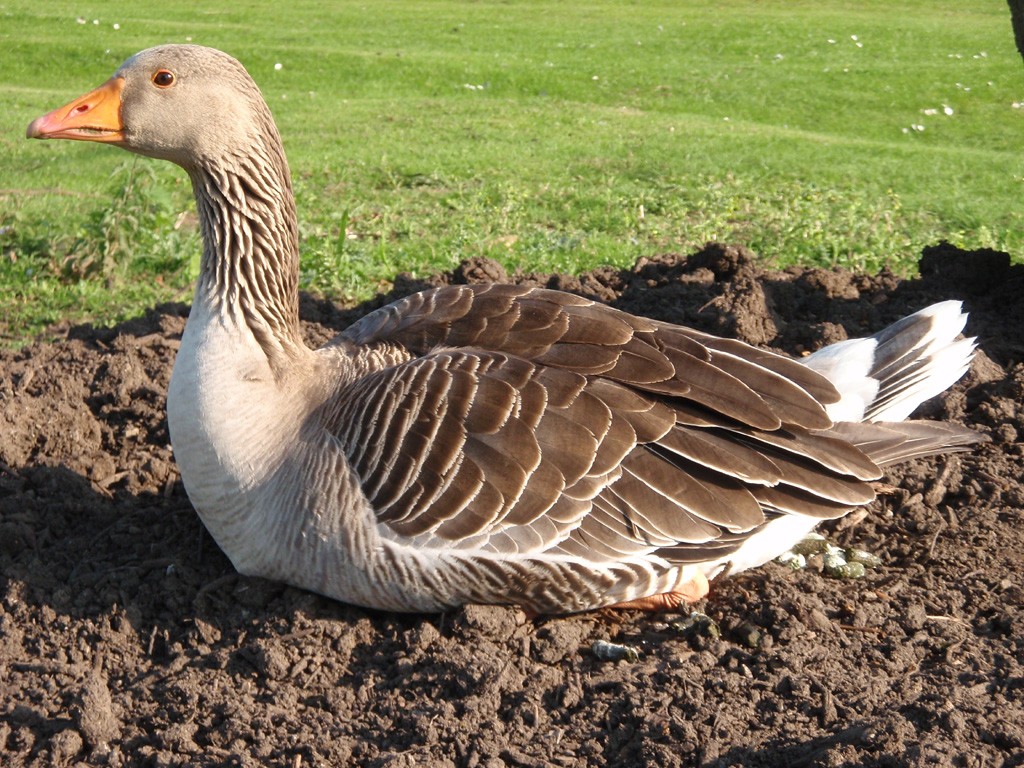
14. Greylag Goose
The greylag Goose is a large, bulky bird primarily found around marshes, lakes, and wetlands. It has even been spotted inhabiting European parks. The bird migrates south in the winter to warmer climates. It also has an interesting claim to fame. The bird is one of the first domesticated geese and is the ancestor of most modern breeds.
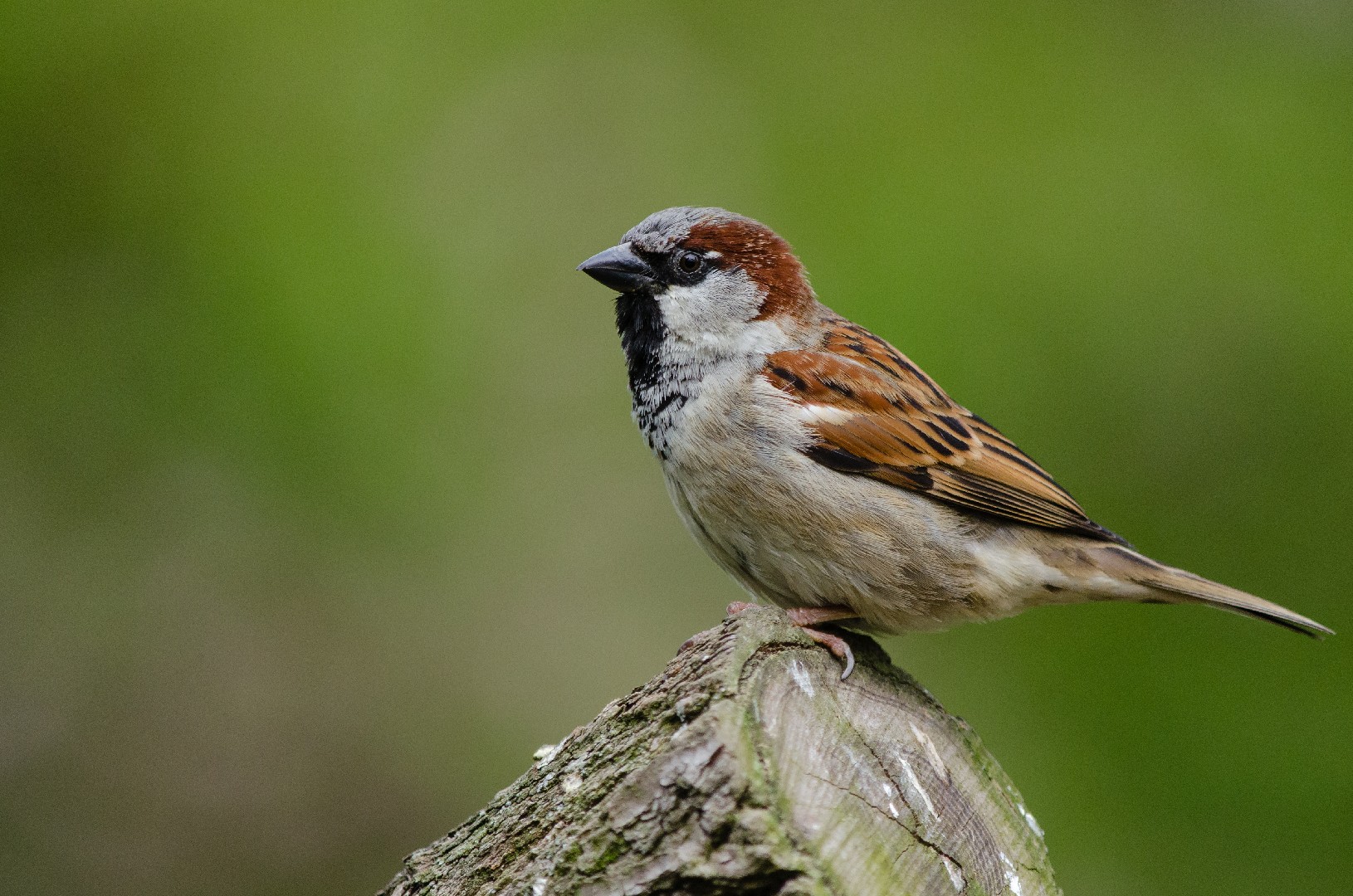
15. House Sparrow
Just as its name implies, the little house Sparrow socializes with humans more than any other bird species. Able to adapt and thrive in almost any habitat, excluding the extremes such as deserts and mountain peaks, this species was once restricted only to North Africa and Eurasia but now is found across the globe. Unfortunately, this opportunistic eater is not completely harmless—it can cause considerable damage to crops.
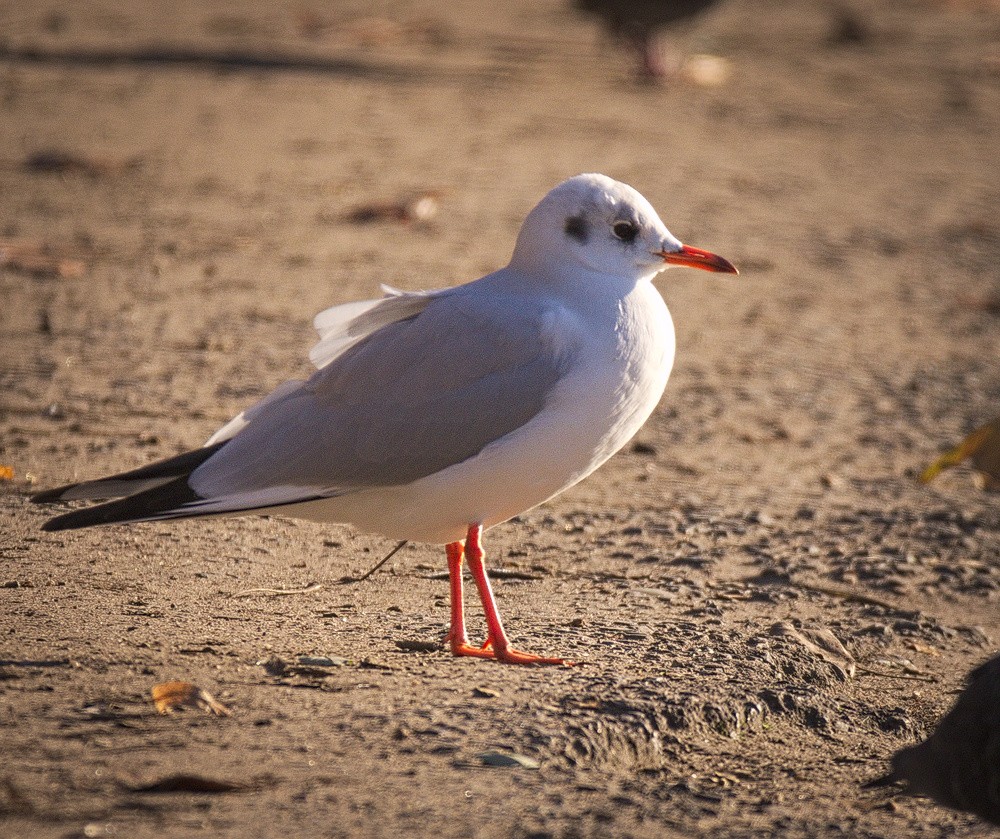
16. Black-headed Gull
Black-headed Gull is a medium-sized gull found in Europe and Asia. It has a white body and grey wings, and a black head that turns chocolate brown in the summer. It is found in a variety of habitats, including coastal areas, lakes, and wetlands. It is migratory, wintering in southern Europe and parts of Africa.
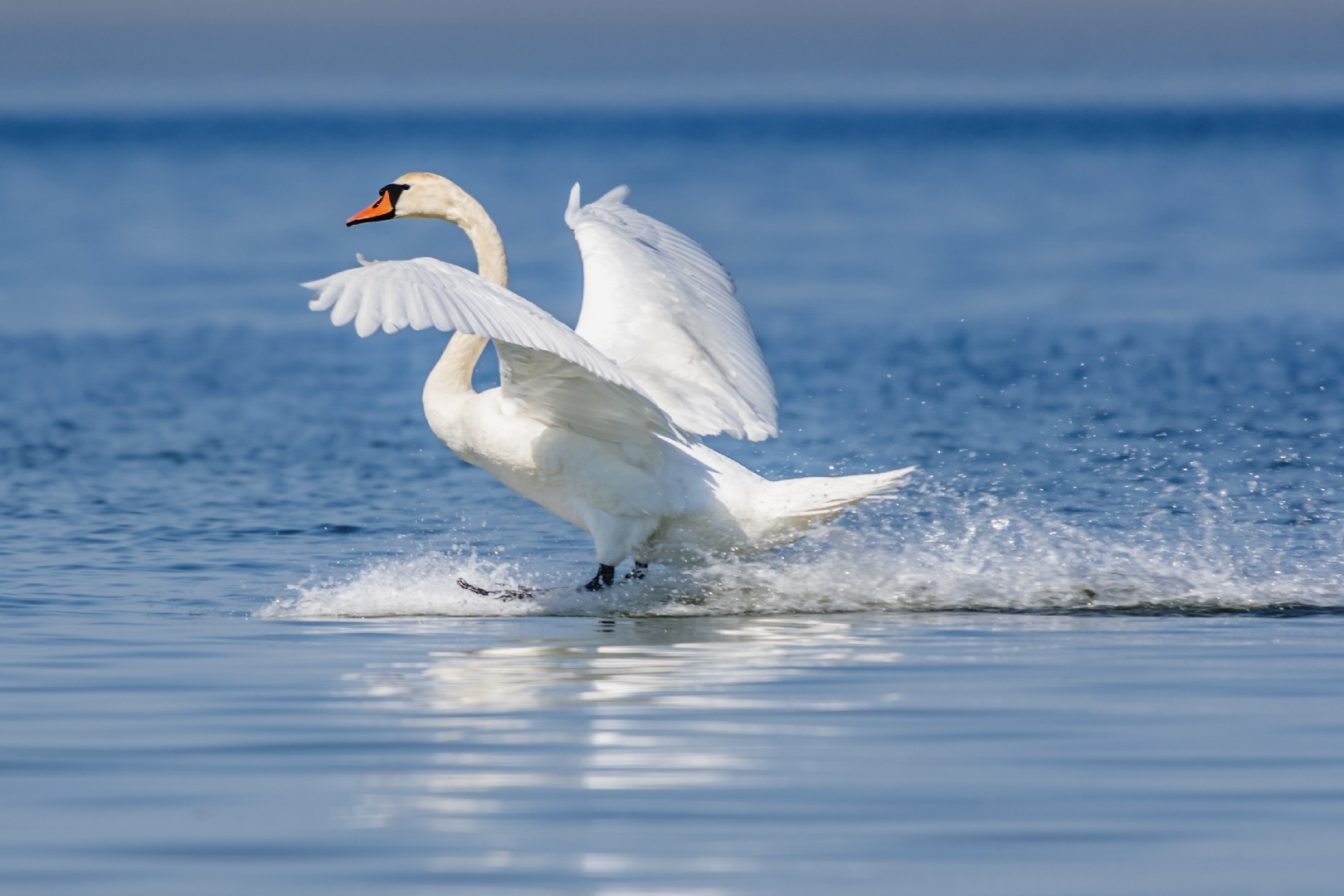
17. Mute Swan
The most common inhabitant of urban lakes and one of the heaviest of all flying birds, the mute Swan got its name by being less noisy than other swan species. Although stunningly beautiful and graceful, it is also quite aggressive and territorial. The national bird of Denmark, the mute Swan is famously portrayed in Hans Christian Andersen's fairytale "Ugly Duckling" and Tchaikovsky's ballet "Swan Lake".
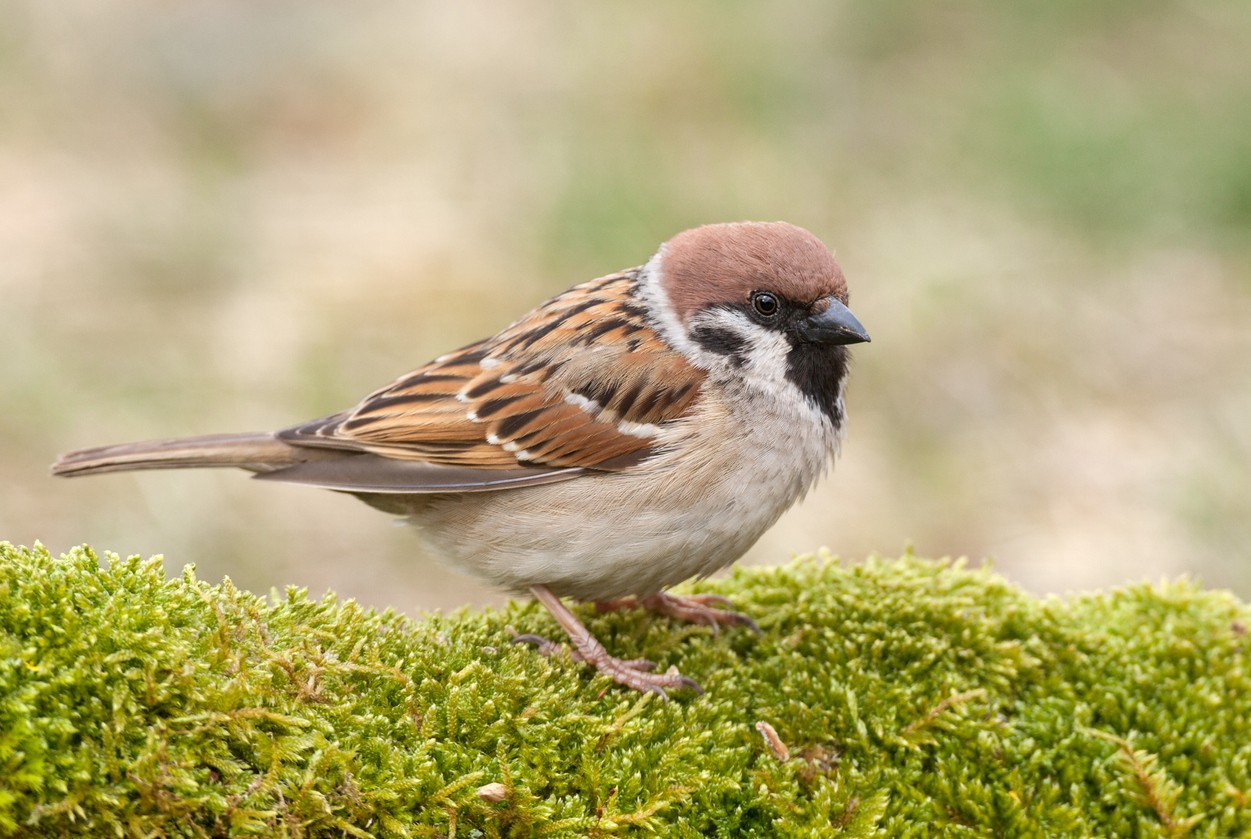
18. Eurasian Tree Sparrow
The eurasian Tree Sparrow (Passer montanus) is a widespread sparrow of the European mainland that has been introduced to some parts of North America. Eurasian Tree Sparrow is very similar to the House sparrow (Passer domesticus) but it's smaller and neater. It prefers more natural habitats, at the edges of human activity, and inhabits farmlands, parklands, and open woods.
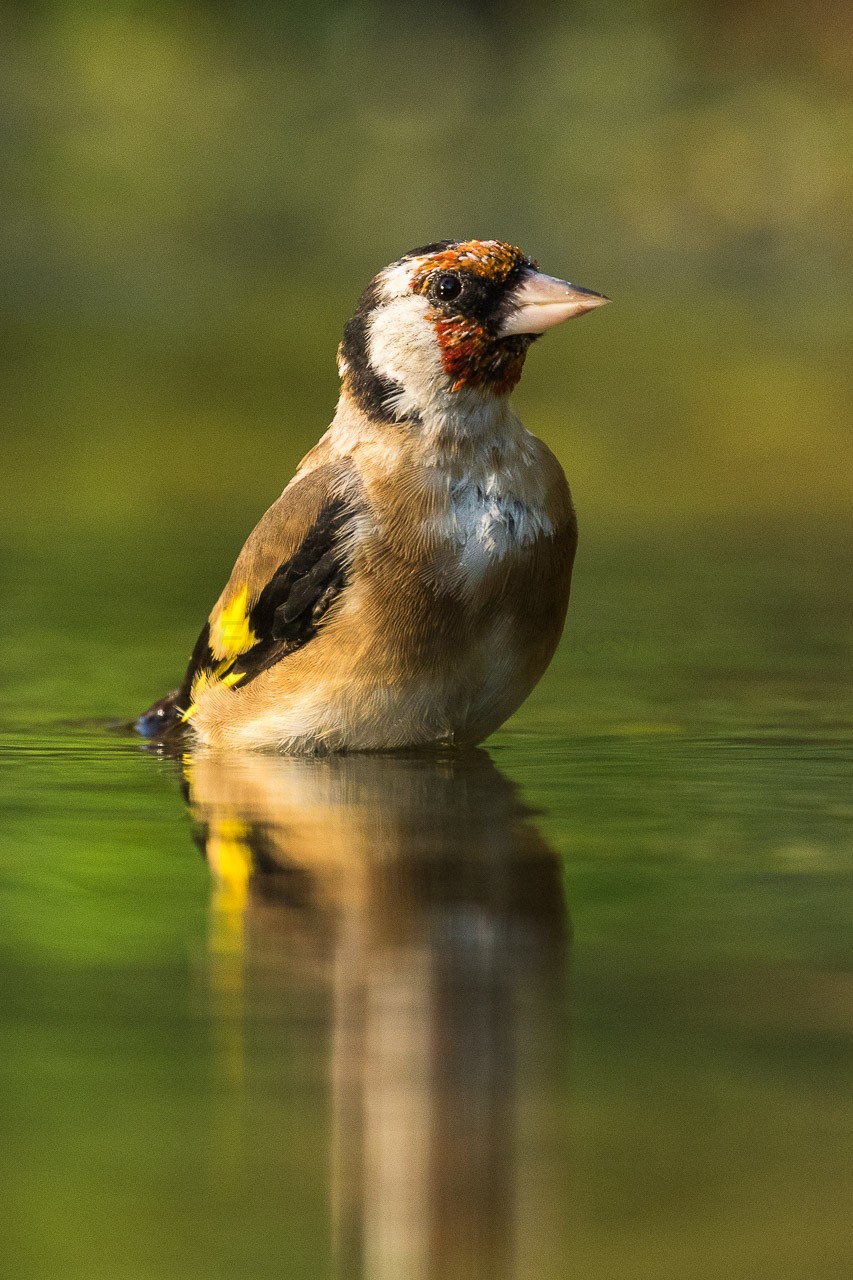
19. European Goldfinch
Prized for its brilliantly colored plumage and pleasant, musical song, the european Goldfinch has been often held in captivity, until this activity became illegal in the 1970s. Native to Europe, the species has been introduced to Australia and New Zealand. It's a very sociable bird that likes to feed on seeds and often visits feeders.
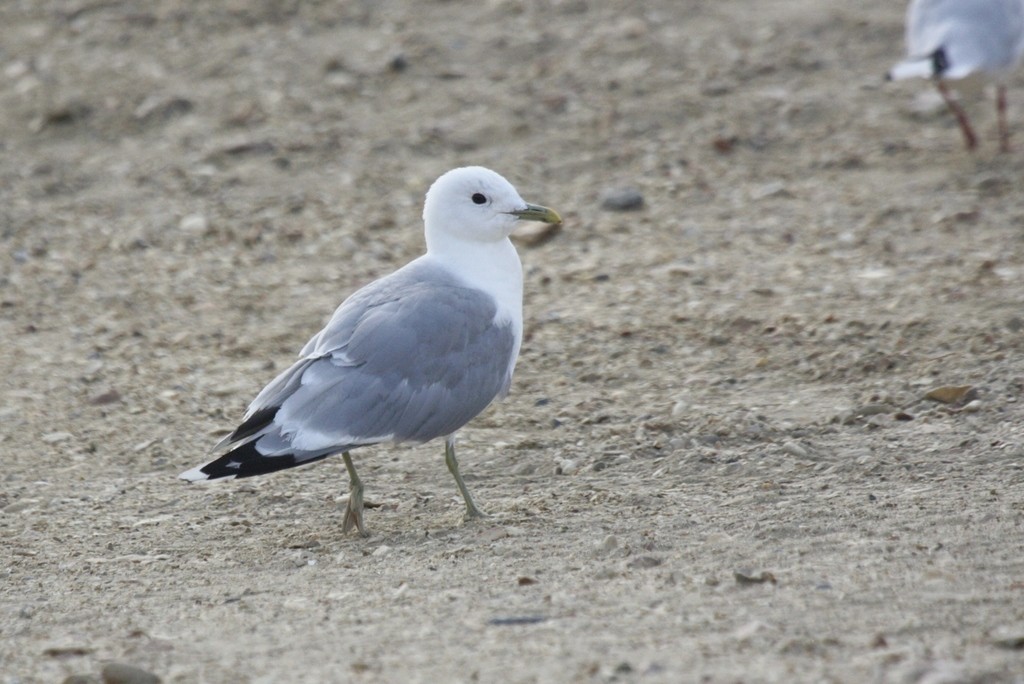
20. Common Gull
Adult common gulls are 40–46 cm (16–18 in) long, noticeably smaller than the herring gull and slightly smaller than the ring-billed gull. It is further distinguished from the ring-billed gull by its shorter, more tapered bill, which is a more greenish shade of yellow and is unmarked during the breeding season. The body is grey above and white below. The legs are greenish-yellow. In winter, the head is streaked grey and the bill often has a poorly defined blackish band near the tip, which is sometimes sufficiently obvious to cause confusion with ring-billed gull. They have black wingtips with large white "mirrors". Young birds have scaly black-brown upperparts and a neat wing pattern, and grey legs. They take two to three years to reach maturity. The call is a high-pitched "laughing" cry.