




Top 20 Most Common Bird in General Santos
Nestled in the Philippines, General Santos hosts diverse natural habitats: from lush greenery, oceanic bodies to flourishing jungles. This makes it a haven for 20 common bird species. Known for their vibrant plumage, melodious songs, and peculiar behaviors, these birds have intriguing adaptations, making them unique to General Santos. Tracing their distinctive trails helps us appreciate General Santos's rich biodiversity and the ecological balance it upholds.

Most Common Bird
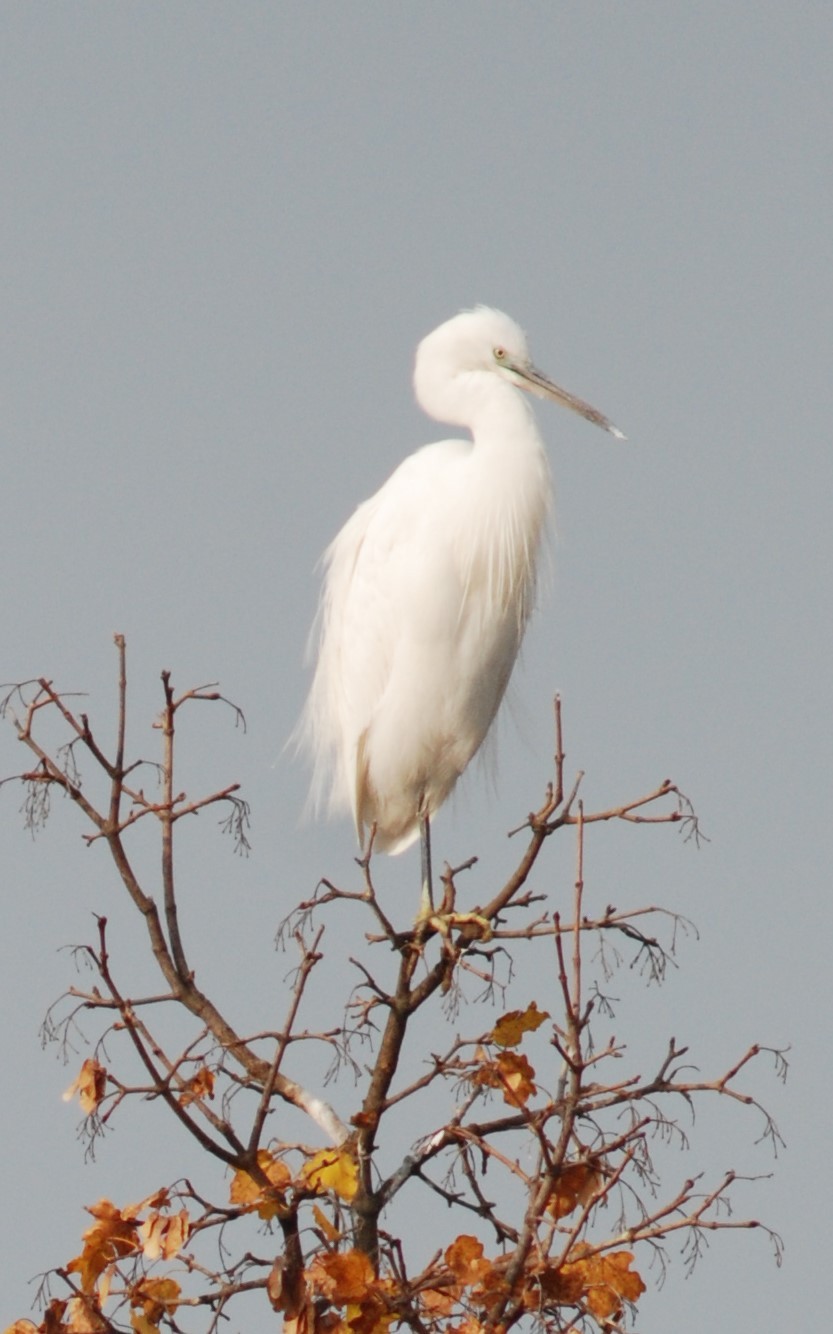
1. Little Egret
The small size of the little Egret makes the bird easily recognizable among larger species that share the same range. The egret is seen almost anywhere there are small fish including marshes, estuaries, and rivers. The bird often searches for food by itself but prefers to build nests in communities, occasionally with other bird species.
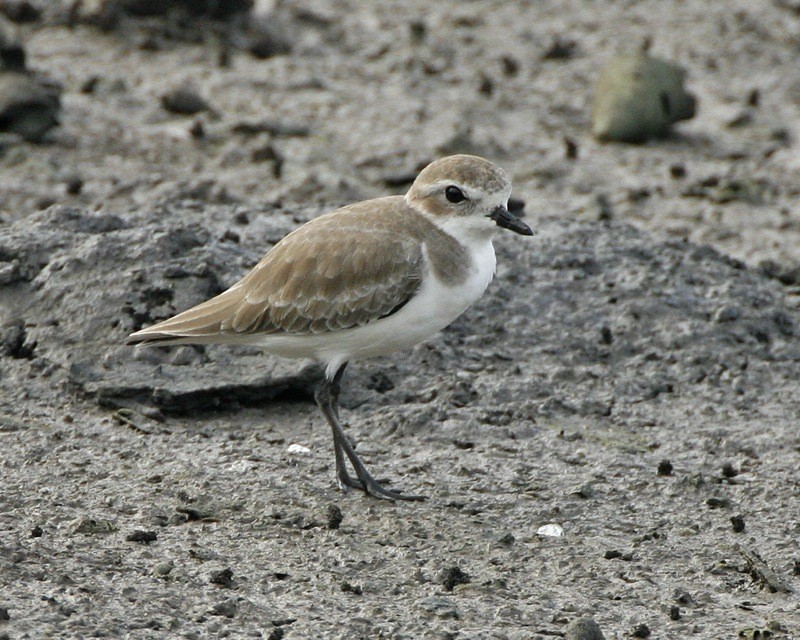
2. Lesser Sand Plover
This chunky plover is long-legged and long-billed. Breeding males have grey backs and white underparts. The breast, forehead and nape are chestnut, and there is a black eye mask. The female is duller, and winter and juvenile birds lack the chestnut, apart from a hint of rufous on the head. Legs are dark and the bill black. In all plumages, this species is very similar to the greater sand plover, Charadrius leschenaultii. Separating the species may be straightforward in mixed wintering flocks on an Indian beach, where the difference in size and structure is obvious; it is more difficult to identify a lone vagrant to western Europe, where both species are very rare. The problem is compounded in that the Middle Eastern race of greater sand plover is the most similar to the lesser. The lesser usually has darker legs, a white forehead, and a more even white wing bar than the greater. 

3. Common Greenshank
A larger-sized wading bird, the common Greenshank has wide eyes that give it a gentle-looking appearance. It is often seen wading along shorelines picking up small aquatic insects and fish with its upturned beak. It is a vocal bird with a mellow call it emits whether it is searching for food in a small group or by itself.
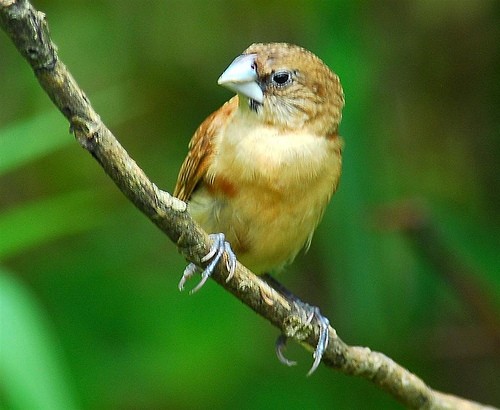
4. Chestnut Munia
The chestnut munia or black-headed munia (Lonchura atricapilla) is a small passerine. It was formerly considered conspecific with the closely related tricoloured munia, but is now widely recognized as a separate species. This estrildid finch is a resident breeding bird in Bangladesh, Brunei, Cambodia, China, India, Indonesia, Laos, Malaysia, Burma, Nepal, the Philippines, Singapore, Taiwan, Thailand, Vietnam and Hawaii. It also has been introduced to all the Greater Antilles and Martinique in the Caribbean. Before 1995, it was the national bird of the Philippines, where it is known as mayang pula ("red maya") because of its brick red patch on the lower back which is visible only when it flies. (This distinguishes it from other birds locally called maya, notably the predominantly brownish "mayang simbahan" (tree sparrow) which is more common in urban areas.)
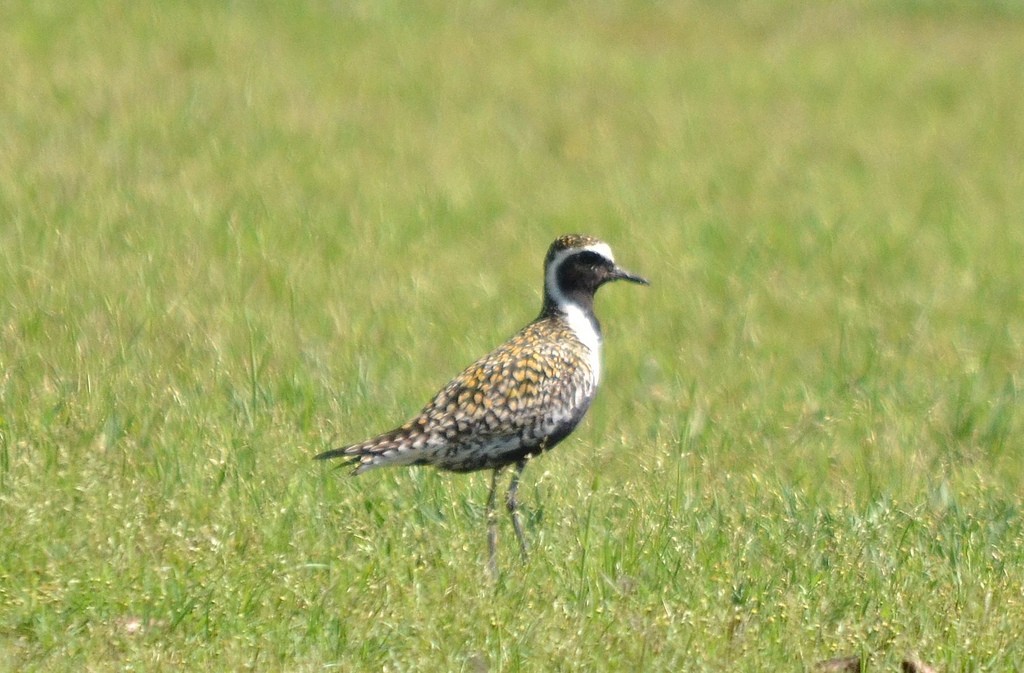
5. Pacific Golden-plover
The pacific Golden-plover is a small, migratory shorebird known for its golden-brown plumage and unique, elegant flight. Found across the Pacific rim, it inhabits grasslands, marshes, and coastal areas. During the non-breeding season, it feeds on insects and invertebrates. During the breeding season, it primarily feeds on small crustaceans. This bird is a strong flier, capable of covering vast distances during migration.
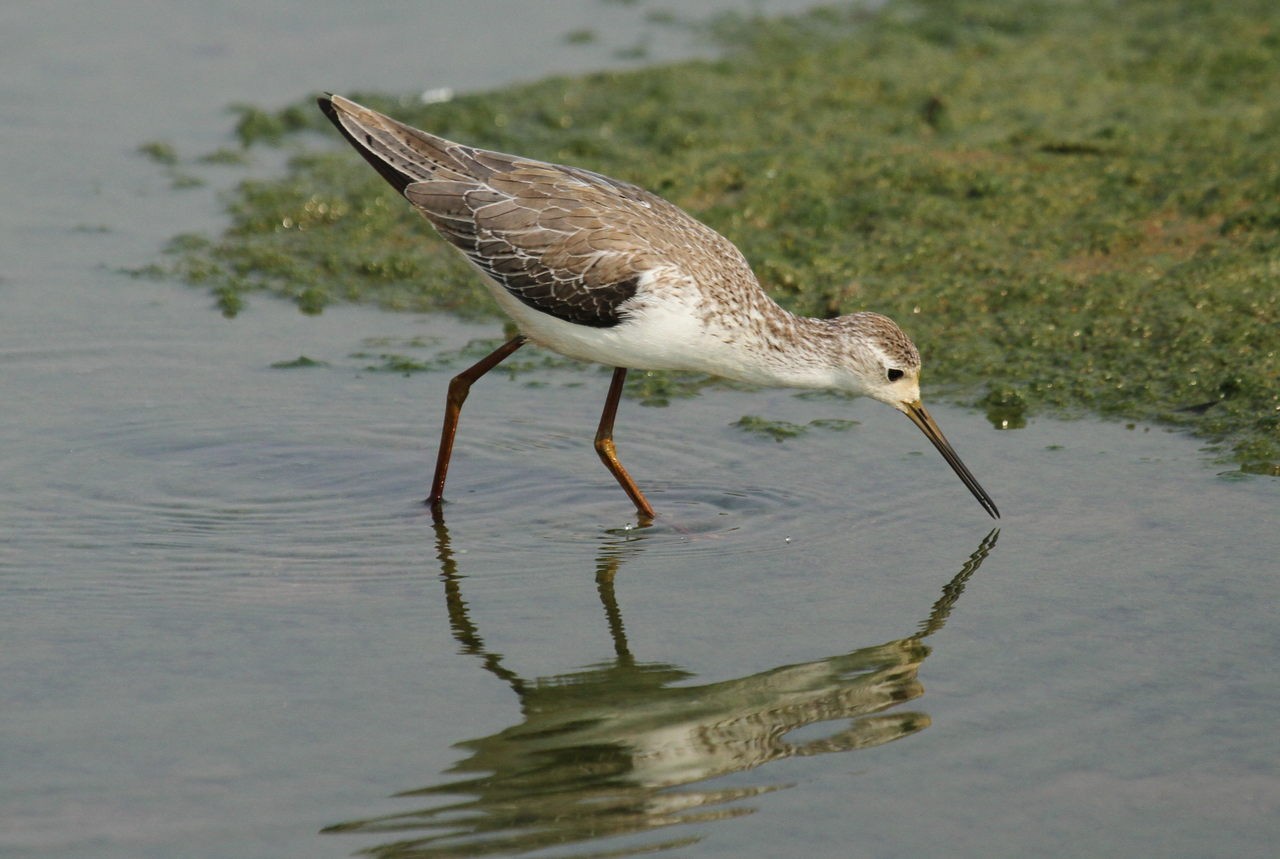
6. Marsh Sandpiper
It resembles a small elegant greenshank, with a long fine bill and very long yellowish legs. Like the greenshank, it is greyish brown in breeding plumage, paler in winter, and has a white wedge up its back that is visible in flight. However, it is more closely related to the common redshank and the wood sandpiper. Together, they form a group of smallish shanks which tend to have red or reddish legs, and in breeding plumage are generally a subdued, light brown above with some darker mottling, with a pattern of somewhat diffuse small brownish spots on the breast and neck. The length is 22–26 cm (8.7–10.2 in), wingspan is 55–59 cm (22–23 in) and weight is 45–120 g (1.6–4.2 oz).
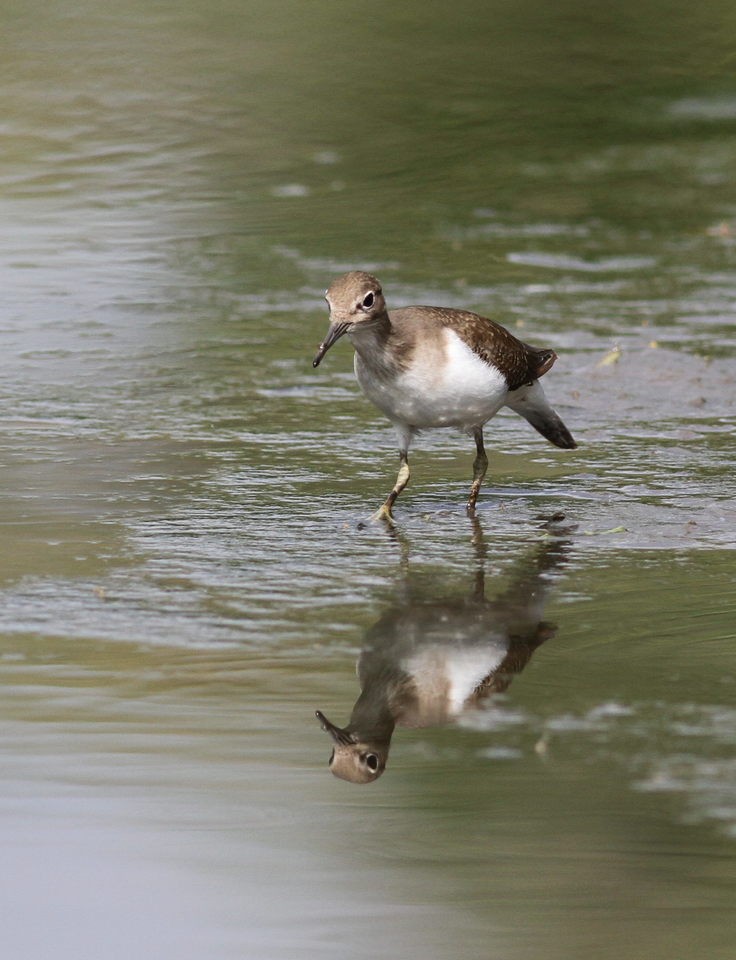
7. Common Sandpiper
While the common Sandpiper is considered a common shorebird around lakes and rivers, it does have a unique trait. The small bird bobs its tail, giving the appearance of wagging. The bird communicates with others by chirping in the air, but is silent when feeding on small crustaceans and invertebrates.
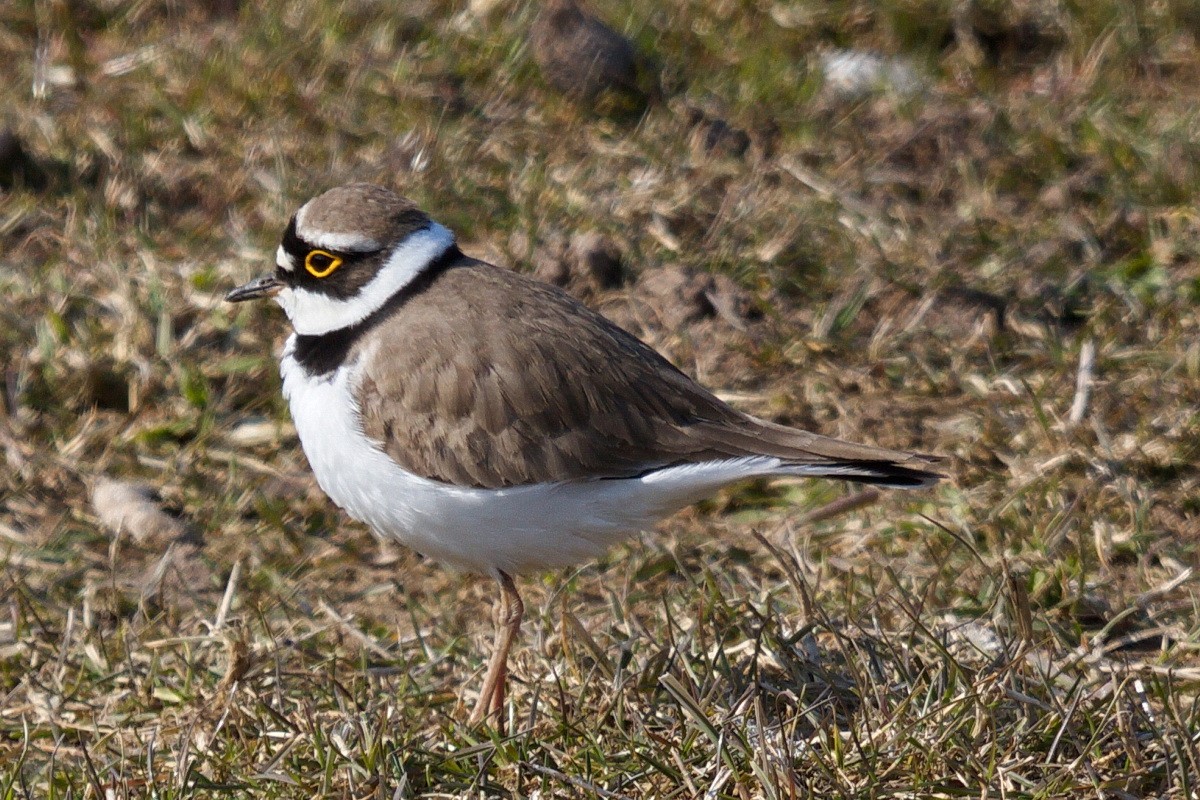
8. Little Ringed Plover
The little Ringed Plover has bright yellow rings around its eyes that help to identify this small plover. It is a small bird that prefers breeding in rocky areas around rivers, lakes, and gravel pits where it searches for insects and aquatic invertebrates. It occasionally migrates to brackish and freshwater habitats but prefers to avoid open coastal areas.
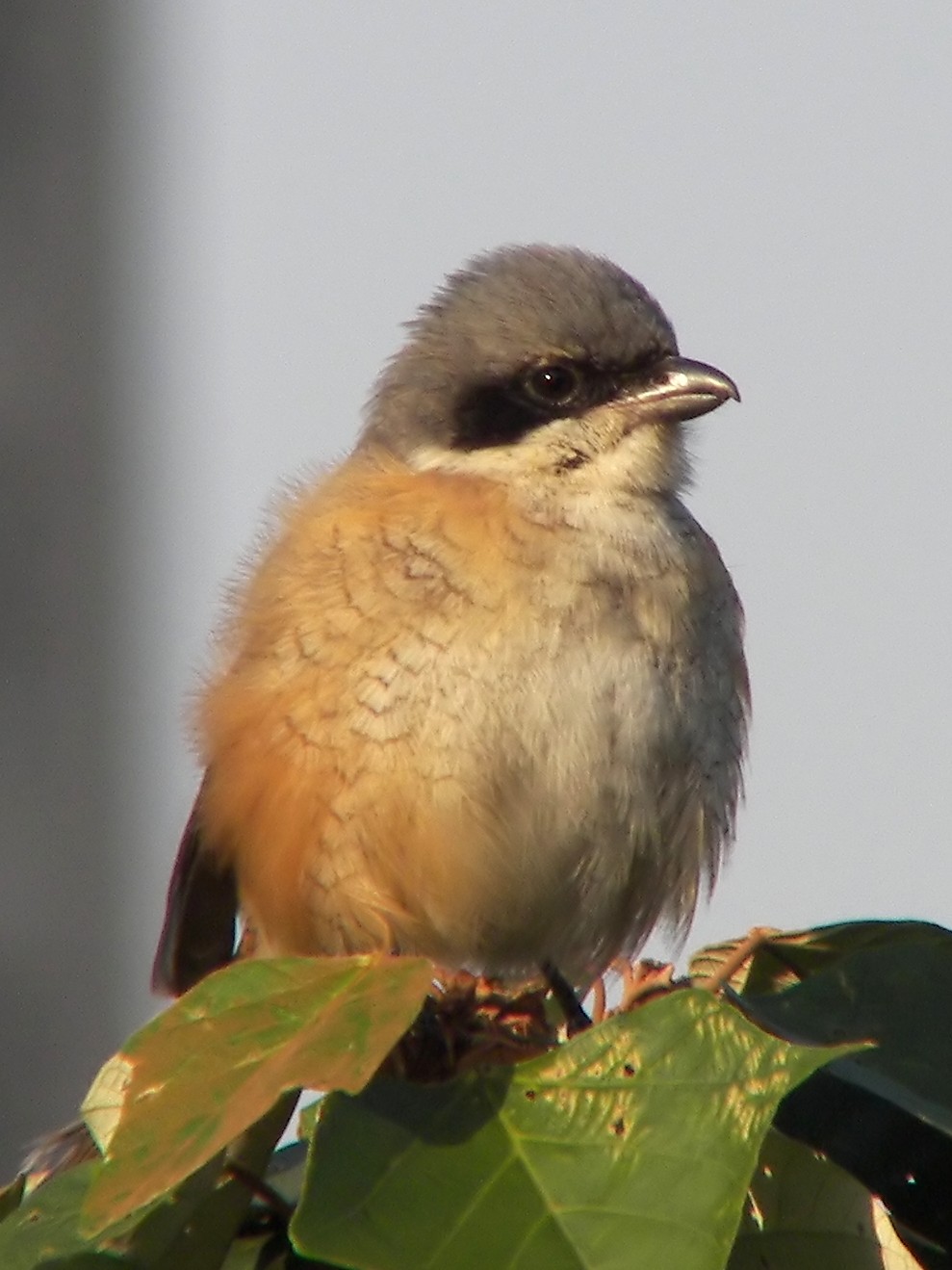
9. Brown Shrike
This shrike is mainly brown on the upper parts and the tail is rounded. The black mask can be paler in winter and has a white brow over it. The underside is creamy with rufous flanks and belly. The wings are brown and lack any white "mirror" patches. Females tend to have fine scalloping on the underside and the mask is dark brown and not as well marked as in the male. The distinction is not easy to use in the field but has been tested with breeding birds in Japan where the female can be identified from the presence of a brood patch. The use of multiple measurements allows discrimination of the sex of about 90% of the birds. Subspecies lucionensis has a grey crown shading into the brown upperparts and the rump appears more rufous than the rest of the upper back. The tail is more brownish and not as reddish as in the red-backed shrike. Younger birds of lucionensis have a brown crown and lack the grey on the head. Subspecies superciliosus has a broad white supercilium and a richer reddish crown. The tail is redder and tipped in white. A number of confusing forms are known from central Asia where the populations of cristatus, isabellinus and collurio overlap. The taxonomy has been in a state of flux and some forms such as phoenicuroides formerly considered as subspecies of L. cristatus have been moved to the species L. isabellinus. Subspecies lucionensis has been recorded interbreeding with superciliosus in Ishikawa, Japan while superciliosus has interbred with Lanius tigrinus in central Japan.
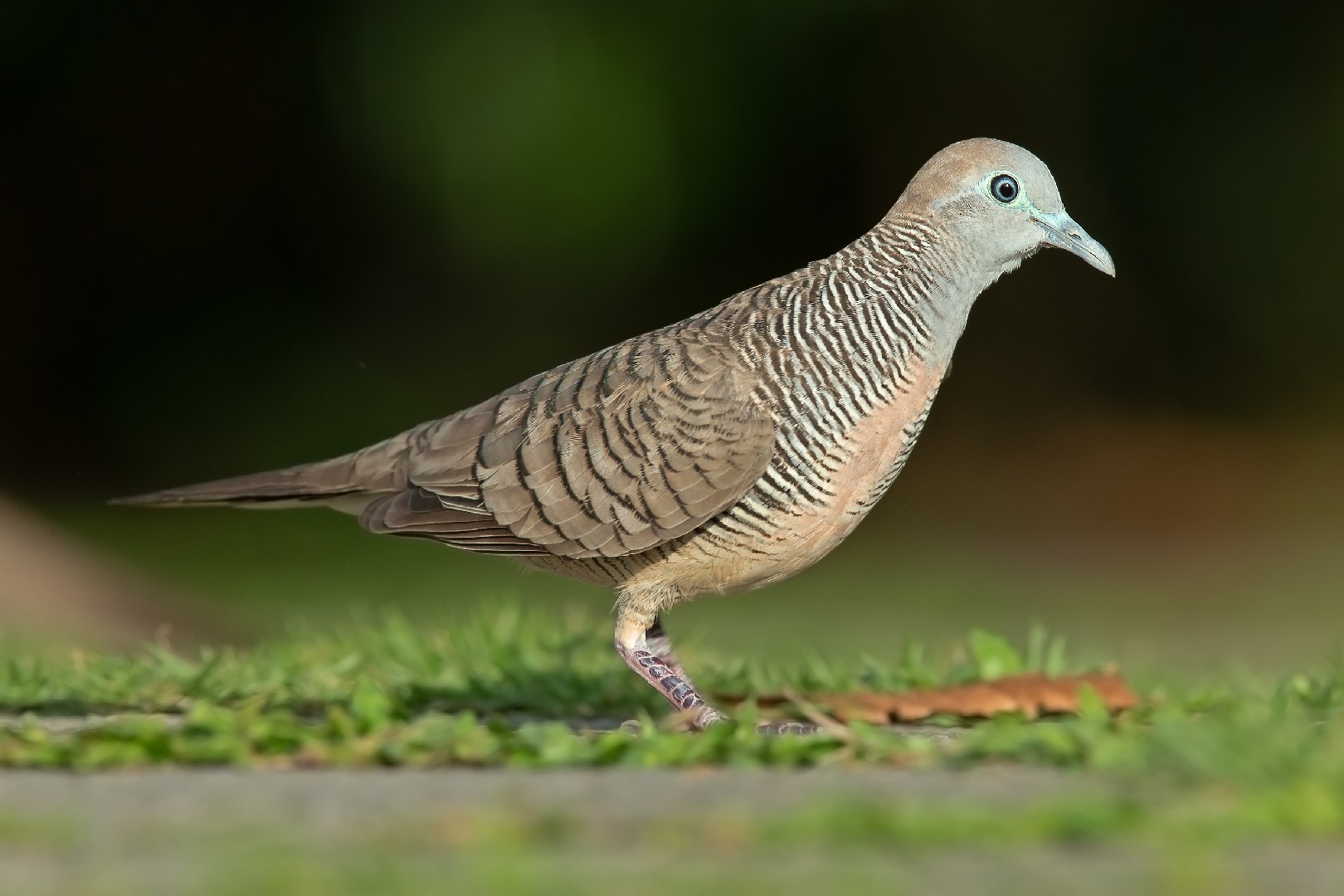
10. Zebra Dove
The zebra Dove is a small dove found in dense forests, open fields, farmlands, and similar suburban areas. Unlike other dove species, this ground-dwelling bird likes to forage alone or in pairs, but not in large groups. The call of this slender dove is often described as very pleasant. Very common in urban areas, they are quite comfortable around humans.
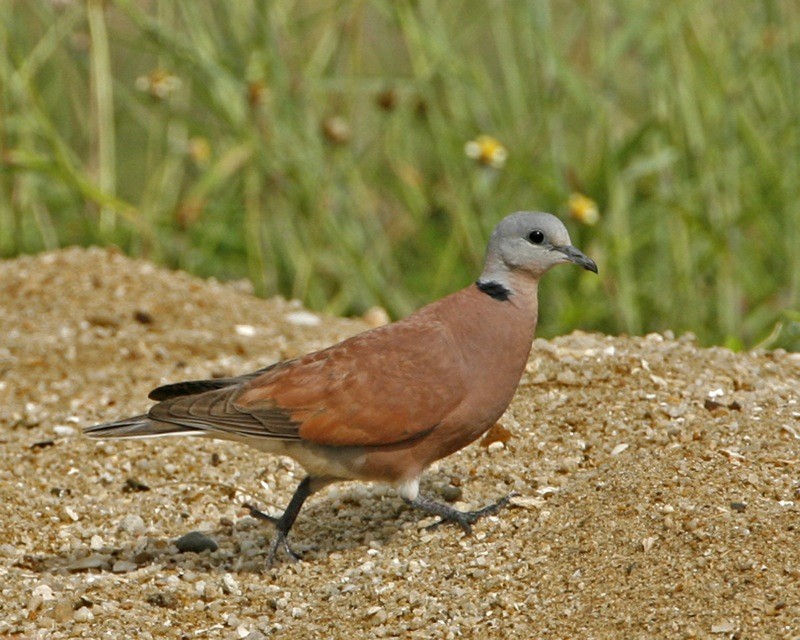
11. Red Collared Dove
The red turtle dove is a relatively small species. The male has a bluish head and light red-brown body with a black ring round its neck, while the female is similar but pinkish all over.
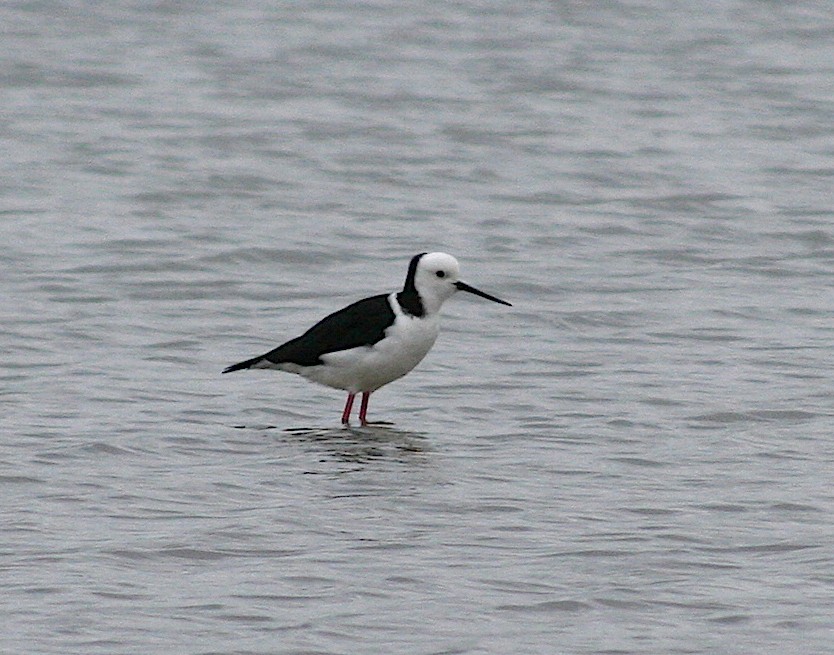
12. Pied Stilt
The pied stilt grows to a length of about 14 in (36 cm) with a wingspan of about 26.5 in (67 cm). The back of the head and neck, the back and the upper surfaces of the wings are glossy greenish-black. The undersides of the wings are plain black and the remainder of the plumage is white, apart from the tail feathers which are tinged with grey. The long, thin legs are pink and the toes have black claws. The long slender beak is black and the irises and the eyelids are red.
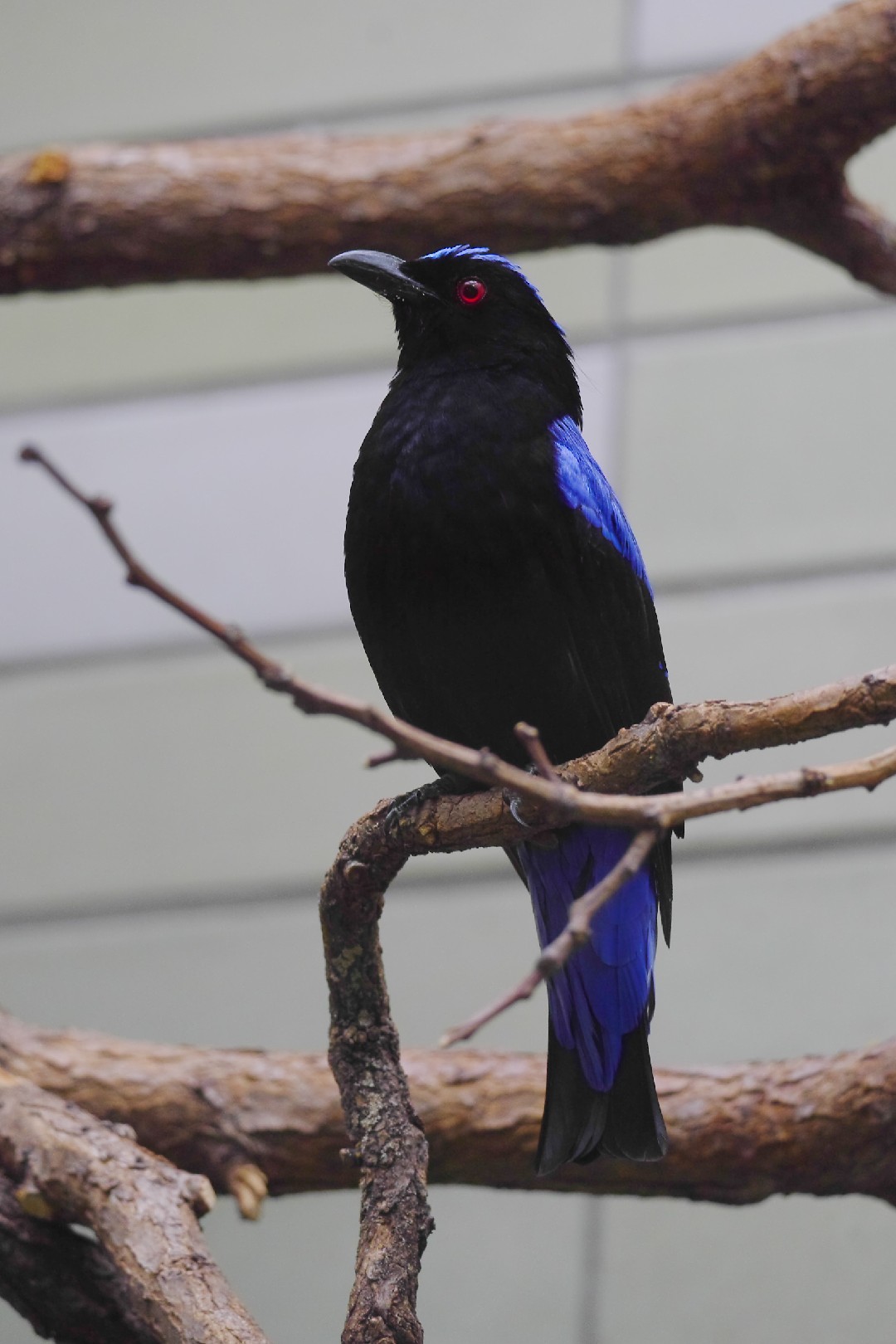
13. Asian Glossy Starling
The Malayan purple starling (Aplonis panayensis) is a starling species from the Indian Subcontinent and the Indian Archipelago. It is a common bird that sometimes occurs en masse in cities. The bird is one of the noisiest bird species.
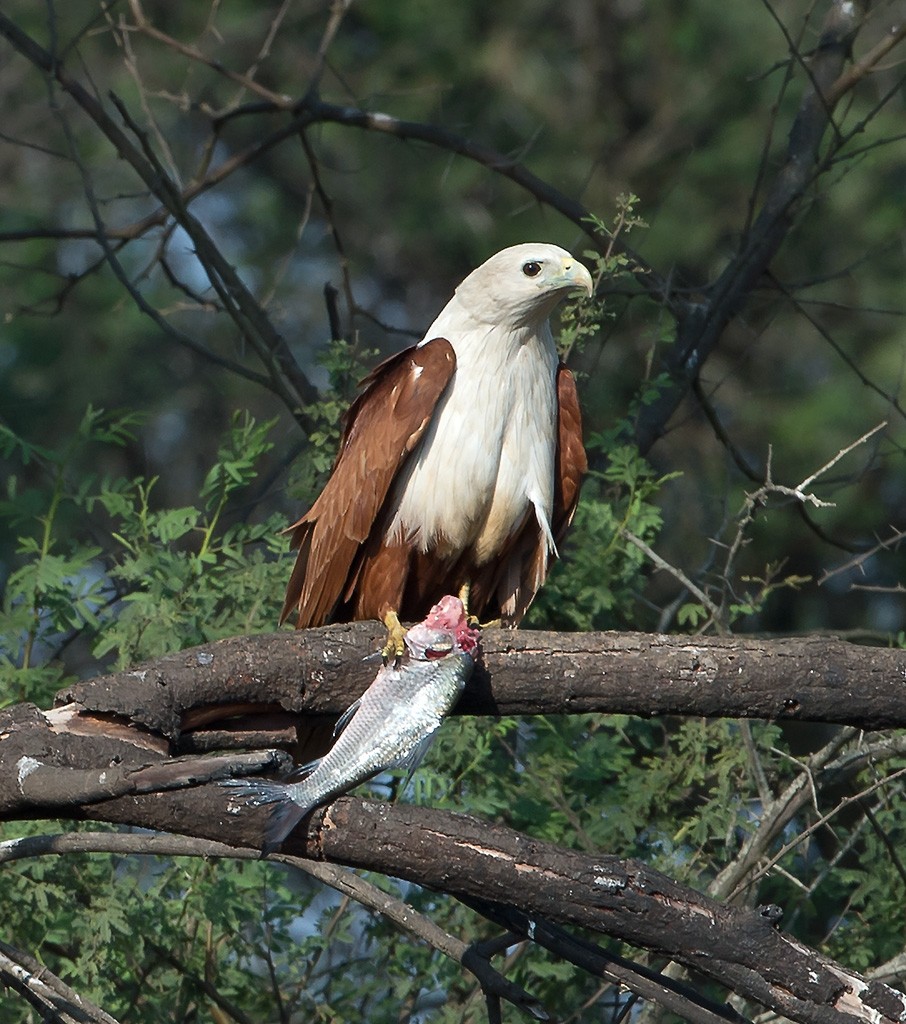
14. Brahminy Kite
The brahminy kite is distinctive and contrastingly coloured, with chestnut plumage except for the white head and breast and black wing tips. The juveniles are browner, but can be distinguished from both the resident and migratory races of black kites in Asia by the paler appearance, shorter wings, and rounded tail. The pale patch on the underwing carpal region is of a squarish shape and separated from Buteo buzzards. The brahminy kite is about the same size as the black kite (Milvus migrans) and has a typical kite flight, with wings angled, but its tail is rounded unlike the Milvus species, red kite, and black kite, which have forked tails. The two genera are, however, very close. The call is a mewing keeyew.
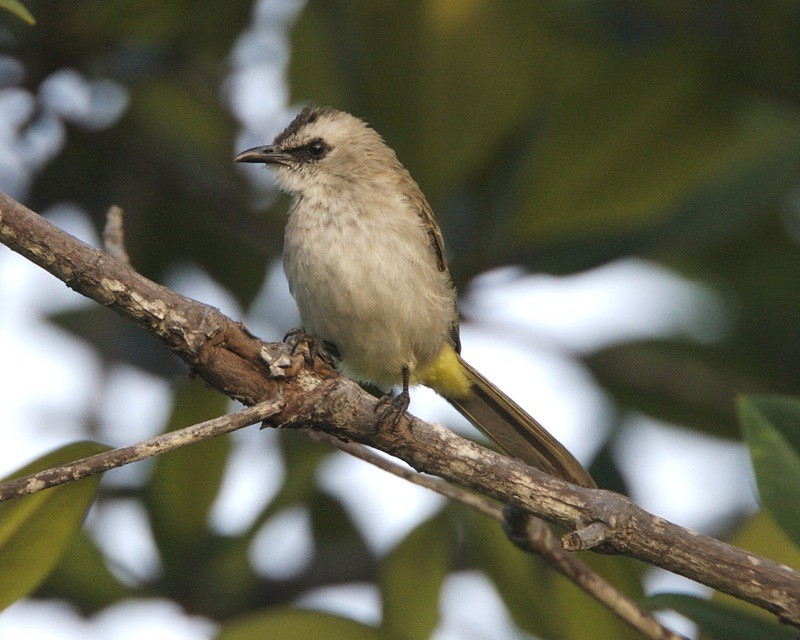
15. Yellow-vented Bulbul
The eyebrow buzz (Pycnonotus goiavier), is a common songbird from the family of the buulbuuls. The eyebrow bulge is found in large parts of Southeast Asia and the Indian Archipelago.
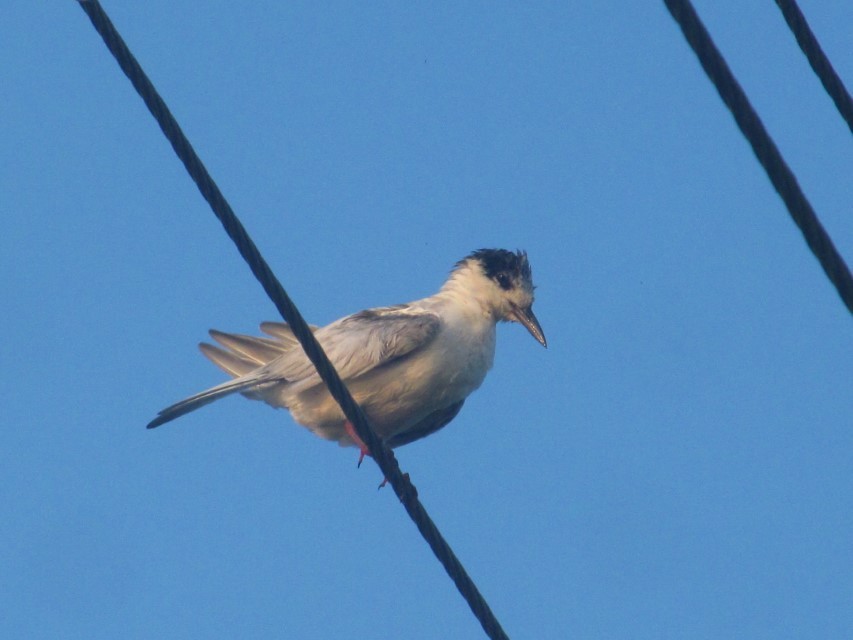
16. Whiskered Tern
The size, black cap, strong bill (29–34 mm in males, 25–27 mm and stubbier in females, with a pronounced gonys) and more positive flight recall common or Arctic tern, but the short, forked-looking tail and dark grey breeding plumage above and below are typically marsh tern characteristics. The summer adult has white cheeks and red legs and bill. The crown is flecked with white in the juvenile, and the hindcrown is more uniformly blackish, though in the winter adult this too is flecked with white. The black ear-coverts are joined to the black of the hindcrown, and the space above is mottled with white, causing the black to appear as a C-shaped band. The sides of the neck are white; this sometimes continues across the nape. The collar is less sharply defined. All through the year the rump is pale grey. In the juvenile, the mantle (279 mm) has a variegated pattern. The feathers of the back and scapulars are dark brown, with prominent broad buff edgings and often subterminal buff bars or centers. There is usually an admixture of new gray feathers, especially on the mantle, quite early in the fall. The mantle is silvery-gray in the adult. The call is a characteristic krekk. In winter, the forehead becomes white and the body plumage a much paler grey. Juvenile whiskered terns have a ginger scaly back, and otherwise look much like winter adults. The first winter plumage is intermediate between juvenile and adult winter, with patchy ginger on the back. The whiskered tern eats small fish, amphibians, insects and crustaceans.
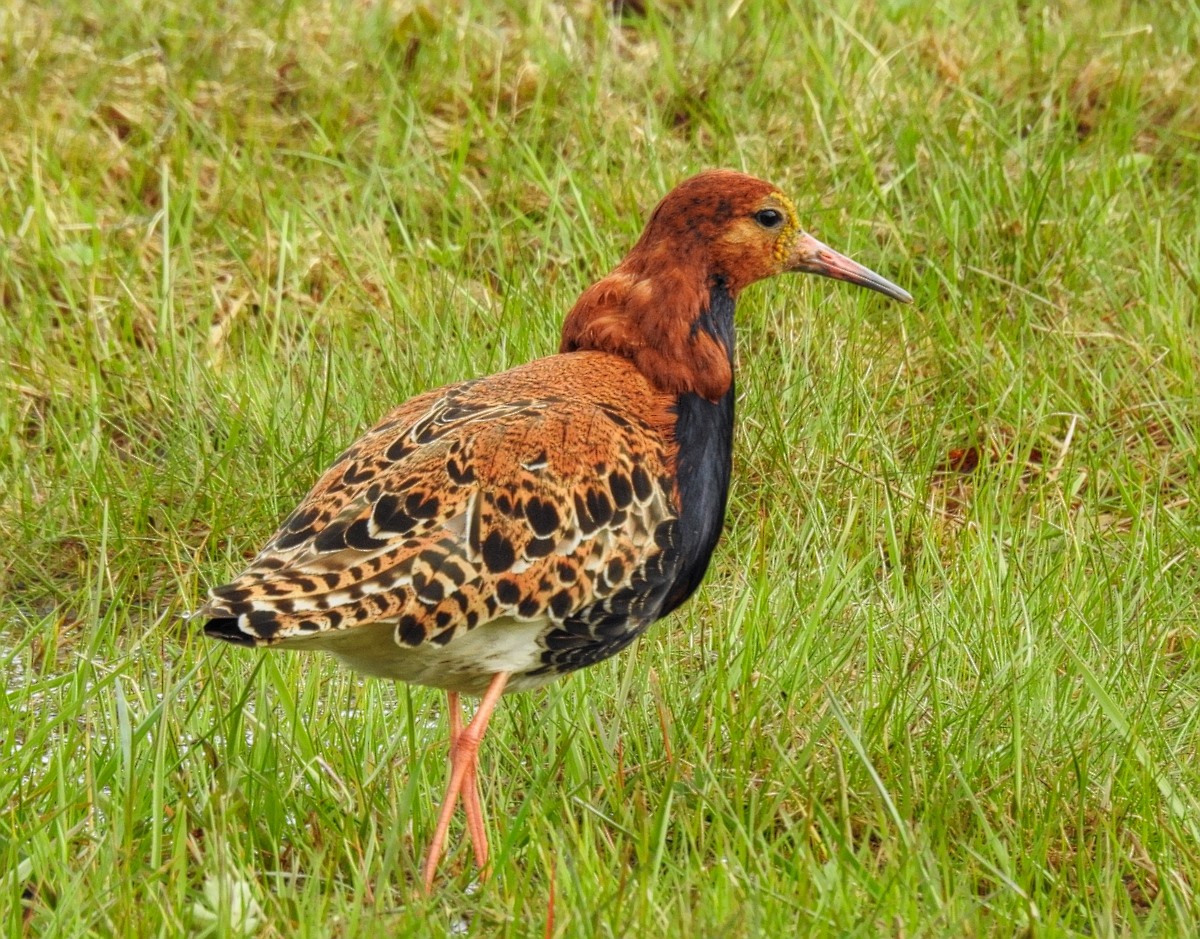
17. Ruff
The ruff is a medium-sized shorebird with a unique appearance. Breeding males typically have fluffy neck ruffs. The shorebird has a wide range of habitats that include fields, reservoirs, and coastal areas. It feeds in shallow water, probing and picking at insects, frogs, and small fish.
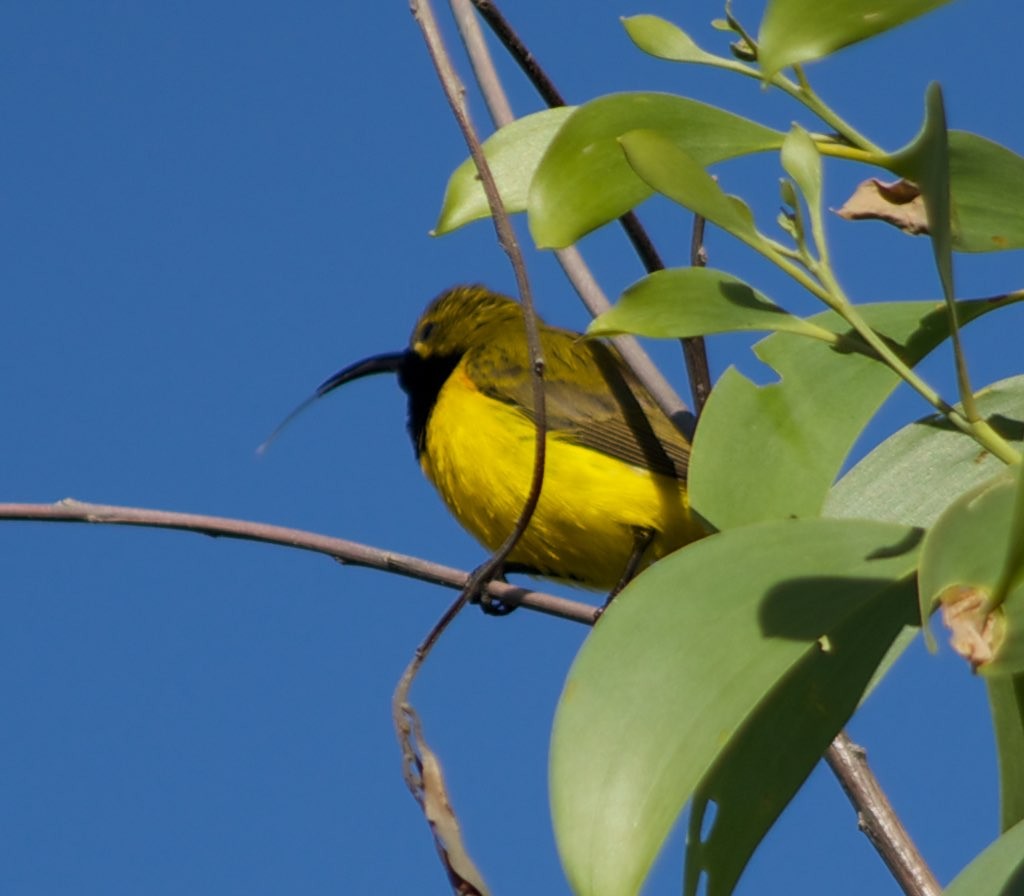
18. Olive-backed Sunbird
In most subspecies, the underparts of both male and female are bright yellow, the backs are a dull brown colour. The forehead, throat and upper breast of the adult male is a dark, metallic blue-black. In the Philippines the males of some subspecies have an orange band on the chest, in Wallacea and northern New Guinea some subspecies have most of the underparts blackish, and in southern China and adjacent parts of Vietnam most of the underparts of the male are greyish-white.

19. Barn Swallow
A familiar sight in rural and semi-open areas, the small barn Swallow can often be spotted by its distinctly graceful flight as it travels low over fields. Seemingly unbothered by having human neighbors, they nest unafraid in barns, garages, beneath bridges or wharves. Interestingly enough, they have come to prefer these locations so much that you are unlikely to spot a nest in a place that is not a human-made structure.
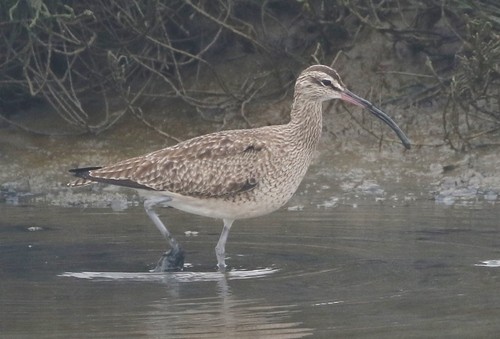
20. Whimbrel
The whimbrel is a shorebird that is often found in coastal areas. It is often present in flocks, mixing with other shorebirds. It is distinguishable by its short, high-pitch whistles that males often emit to warn others of potential predators. A primary food source for the shorebird in the winter is the fiddler crab. Its curved bill allows the bird to easily dig into the crab’s burrow.