




Top 20 Most Common Bird in Ifugao
Known for its vibrant biodiversity, Ifugao is home to an array of bird species, nesting within its rich forests and navigable waterways. The 20 most common species flaunt unique traits linking to their survival and behavior. All showcase vibrant colors, distinct calls, or intriguing reproductive tactics, defying commonplace bird characteristics. Evidence of their unique adaptations is reflected in their harmonious existence with the region's ecological system.

Most Common Bird
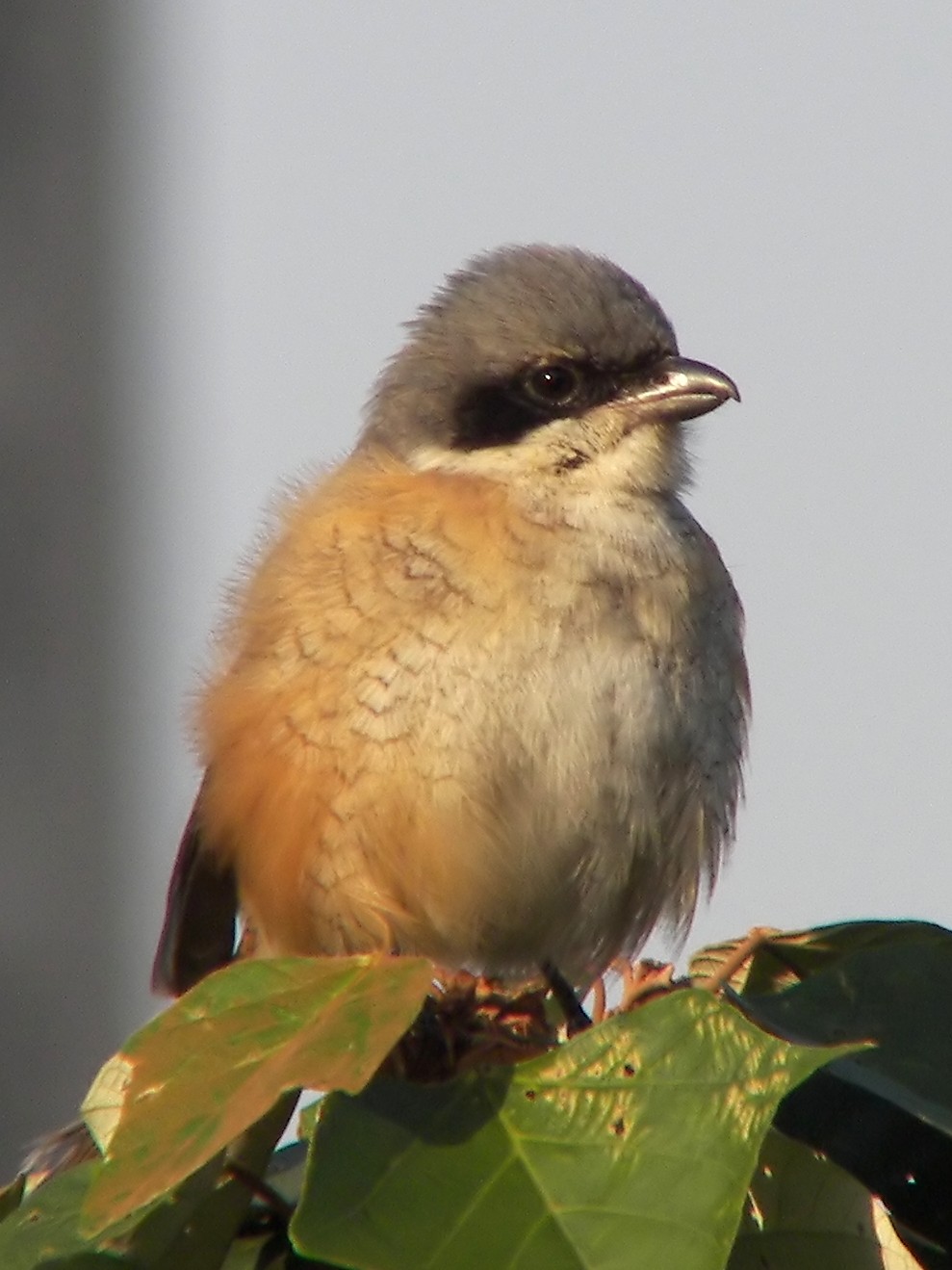
1. Brown Shrike
This shrike is mainly brown on the upper parts and the tail is rounded. The black mask can be paler in winter and has a white brow over it. The underside is creamy with rufous flanks and belly. The wings are brown and lack any white "mirror" patches. Females tend to have fine scalloping on the underside and the mask is dark brown and not as well marked as in the male. The distinction is not easy to use in the field but has been tested with breeding birds in Japan where the female can be identified from the presence of a brood patch. The use of multiple measurements allows discrimination of the sex of about 90% of the birds. Subspecies lucionensis has a grey crown shading into the brown upperparts and the rump appears more rufous than the rest of the upper back. The tail is more brownish and not as reddish as in the red-backed shrike. Younger birds of lucionensis have a brown crown and lack the grey on the head. Subspecies superciliosus has a broad white supercilium and a richer reddish crown. The tail is redder and tipped in white. A number of confusing forms are known from central Asia where the populations of cristatus, isabellinus and collurio overlap. The taxonomy has been in a state of flux and some forms such as phoenicuroides formerly considered as subspecies of L. cristatus have been moved to the species L. isabellinus. Subspecies lucionensis has been recorded interbreeding with superciliosus in Ishikawa, Japan while superciliosus has interbred with Lanius tigrinus in central Japan. 
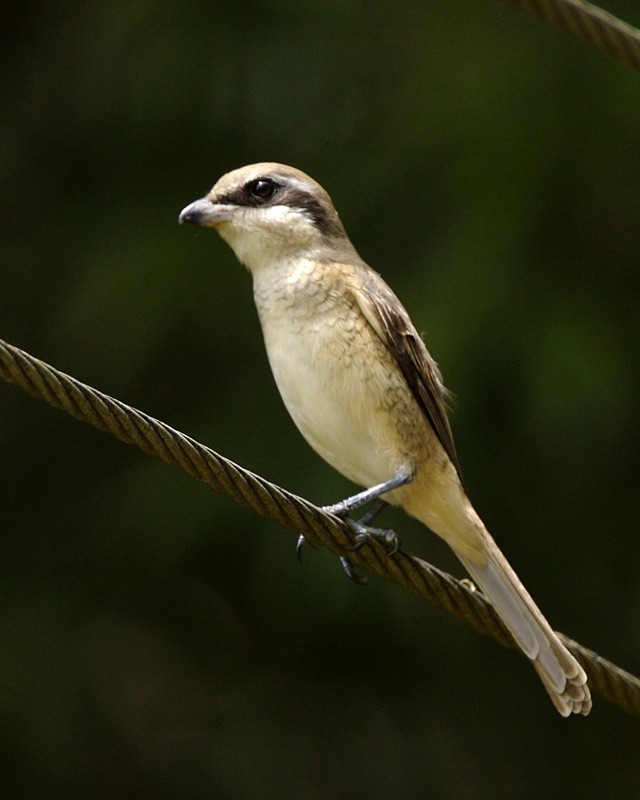
2. Long-tailed Shrike
The long-tailed shrike is a typical shrike, favouring dry open habitats and found perched prominently atop a bush or on a wire. The dark mask through the eye is broad and covers the forehead in most subspecies and the whole head is black in subspecies tricolor and nasutus. The tail is narrow and graduated with pale rufous on the outer feathers. Subspecies erythronotus has the grey of the mantle and upper back suffused with rufous while the southern Indian caniceps has pure grey. A small amount of white is present at the base of the primaries. The bay-backed shrike is smaller and more contrastingly patterned and has a more prominent white patch on the wing. The sexes are alike in plumage.
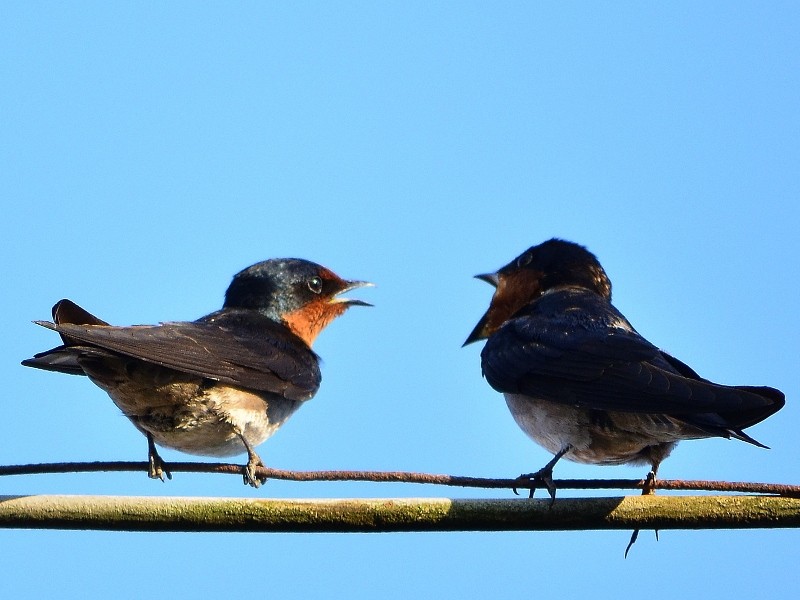
3. Pacific Swallow
The Pacific swallow (Hirundo tahitica) is a small passerine bird in the swallow family. It breeds in tropical southern Asia and the islands of the south Pacific. It is resident apart from some local seasonal movements. This bird is associated with coasts, but is increasingly spreading to forested uplands. The hill swallow was formerly considered conspecific. This species is a small swallow at 13 cm. It has a blue back with browner wings and tail, a red face and throat, and dusky underparts. It differs from the barn swallow and the closely related welcome swallow in its shorter and less forked tail. The Pacific swallow builds a neat cup-shaped nest, constructed with mud pellets collected in the beak, under a cliff ledge or on a man-made structures such as a building, bridge or tunnel. The nest is lined with softer material, and the clutch is two to three eggs. It is similar in behaviour to other aerial insectivores, such as other swallows and the unrelated swifts. It is a fast flyer and feeds on insects, especially flies, while airborne.
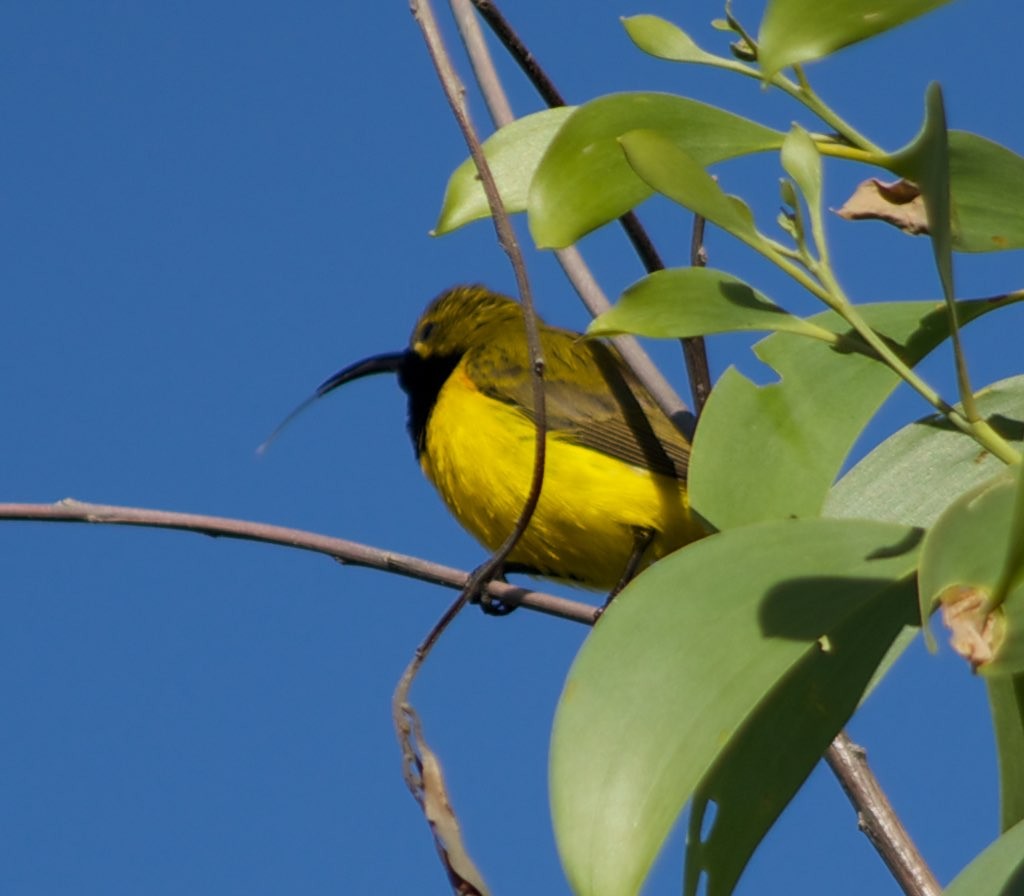
4. Olive-backed Sunbird
In most subspecies, the underparts of both male and female are bright yellow, the backs are a dull brown colour. The forehead, throat and upper breast of the adult male is a dark, metallic blue-black. In the Philippines the males of some subspecies have an orange band on the chest, in Wallacea and northern New Guinea some subspecies have most of the underparts blackish, and in southern China and adjacent parts of Vietnam most of the underparts of the male are greyish-white.
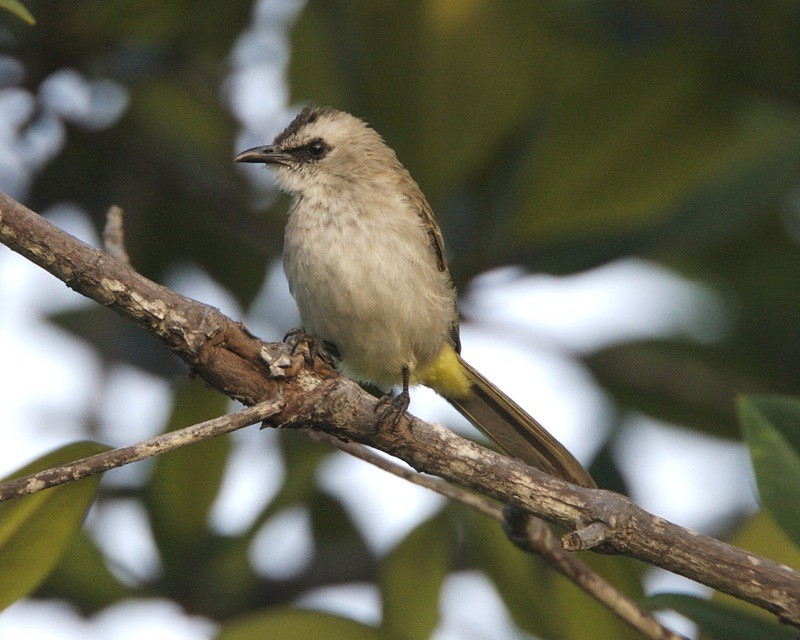
5. Yellow-vented Bulbul
The eyebrow buzz (Pycnonotus goiavier), is a common songbird from the family of the buulbuuls. The eyebrow bulge is found in large parts of Southeast Asia and the Indian Archipelago.
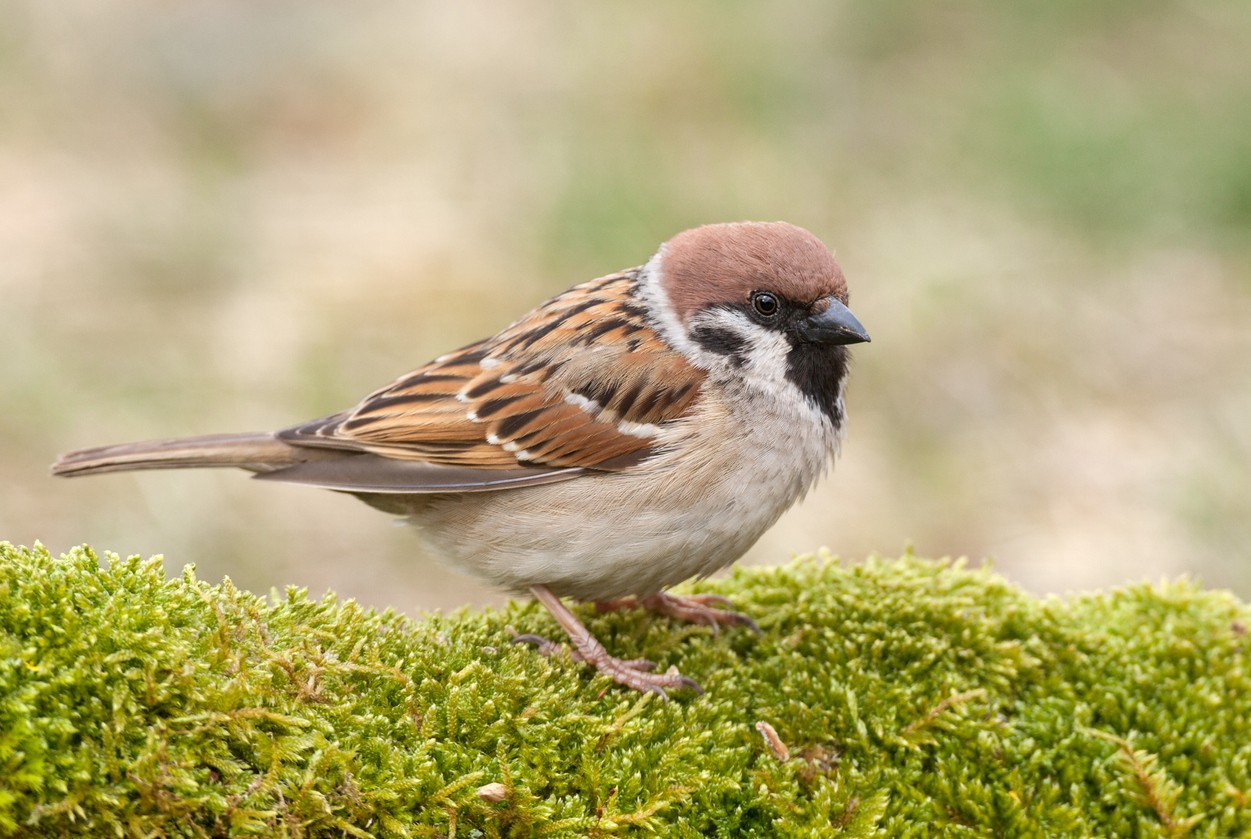
6. Eurasian Tree Sparrow
The eurasian Tree Sparrow (Passer montanus) is a widespread sparrow of the European mainland that has been introduced to some parts of North America. Eurasian Tree Sparrow is very similar to the House sparrow (Passer domesticus) but it's smaller and neater. It prefers more natural habitats, at the edges of human activity, and inhabits farmlands, parklands, and open woods.
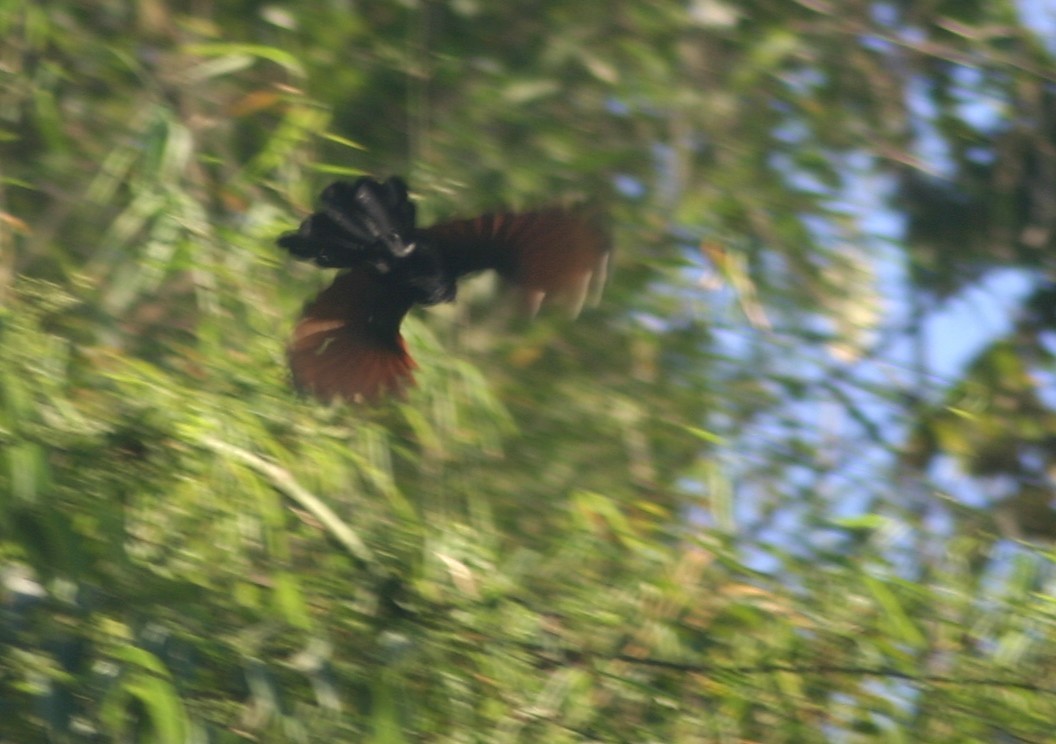
7. Philippine Coucal
The Philippine coucal (Centropus viridis) is a species of cuckoo in the family Cuculidae. It is endemic to the Philippines.
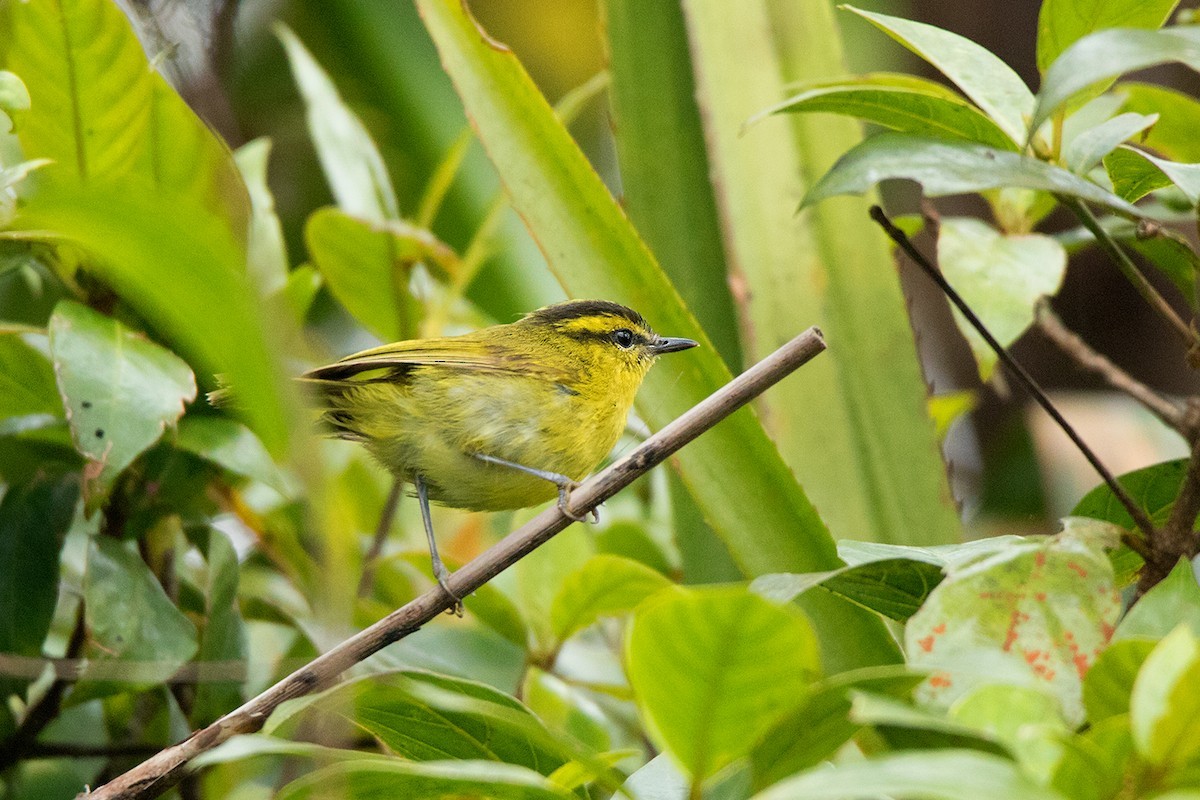
8. Mountain Leaf Warbler
The mountain leaf warbler (Phylloscopus trivirgatus) is a songbird species from the leaf warbler family (Phylloscopidae). It was formerly included in the "Old World warbler" assemblage. It is found in Indonesia and Malaysia. Its natural habitats are subtropical or tropical moist lowland forest and subtropical or tropical moist montane forest.
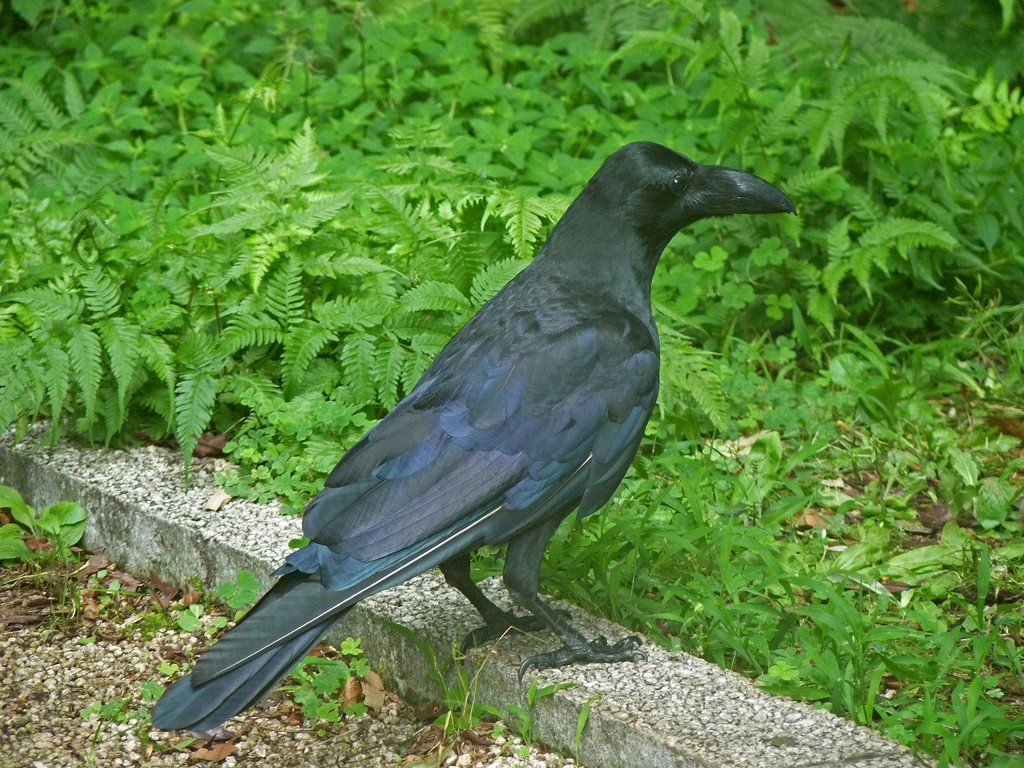
9. Large-billed Crow
The overall size (length: 46–59 cm; 18–23 in.) and body proportions vary regionally. In the far northeast in Japan, the Kuriles and the Sakhalin peninsula, it is somewhat larger than the carrion crow. All taxa have a relatively long bill with the upper one quite thick and arched, making it look heavy and almost raven-like. Generally, all taxa have dark greyish plumage from the back of the head, neck, shoulders and lower body. Their wings, tail, face, and throat are glossy black. The depth of the grey shading varies across its range.
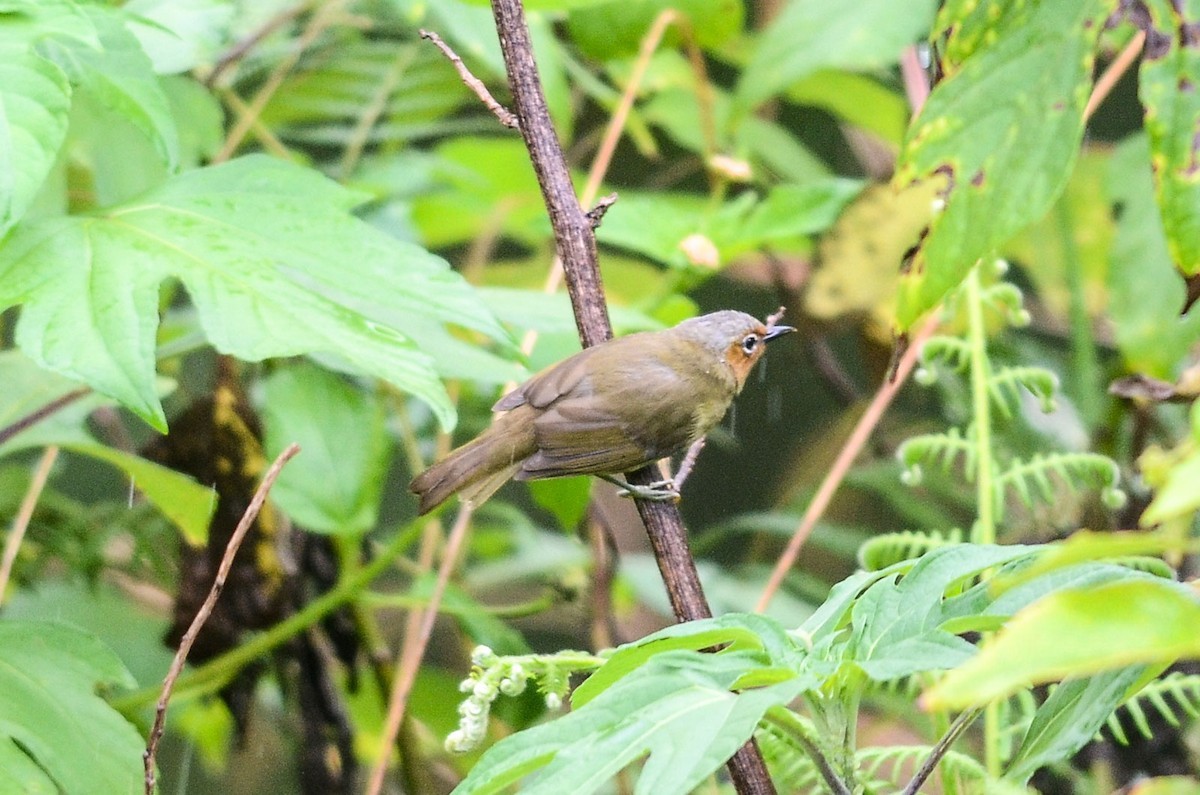
10. Chestnut-faced Babbler
The chestnut-faced babbler (Zosterornis whiteheadi) is a species of bird in the white-eye family Zosteropidae. It is endemic to the island of Luzon in the Philippines. There are two subspecies, Z. w. whiteheadi in northern and central Luzon, and Z. w. sorsogonensis in south eastern Luzon. The species is generally found in mountain forests, generally above 1000 m (although occasionally down to 100m. Within its range is catholic in its choice of habitat, frequenting broadleaf forests, moist mossy forests, pine forest, open forest, scrub and human modified habitat as well. The chestnut-faced babbler is a medium-sized babbler, 15 cm in length and weighing between 17–28 g. The plumage of this species is not sexually dimorphic, and that of juveniles has not been described. They have a chestnut face with a grey crown and nape, and an incomplete white eye ring. The wings and tail are olive-brown and the flanks paler olive, tending towards buff-yellow on the breast. The subspecies Z. w. sorsogonensis is similar, but the crown and nape are edged in black. The call is described as rapid, busy and metallic. The species feeds on seeds, fruit, insects (particularly beetles) and spiders. Single birds, pairs or flocks of up to thirty will feed, usually in the lower growth of the forest, but occasionally up to the canopy. They will join mixed-species feeding flocks with other species. Water is obtained from pitcher plants.
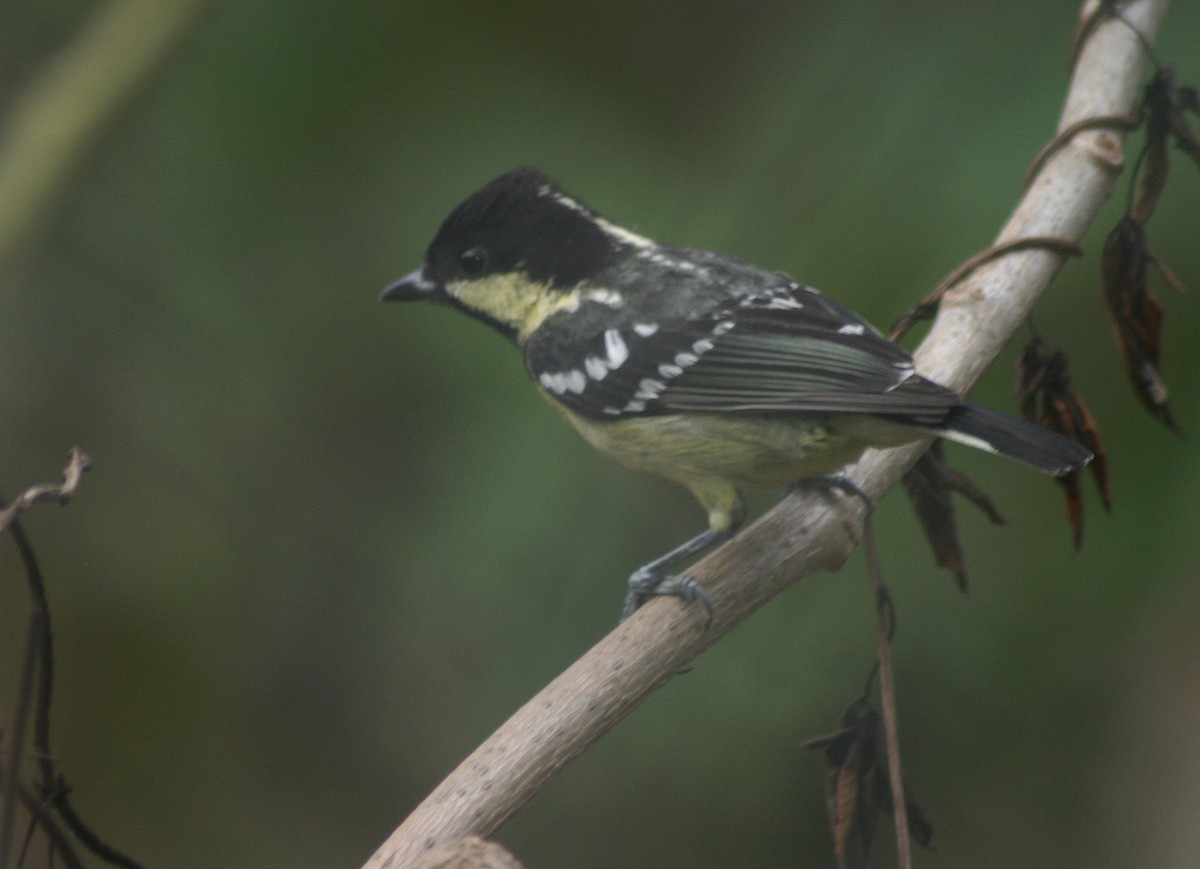
11. Elegant Tit
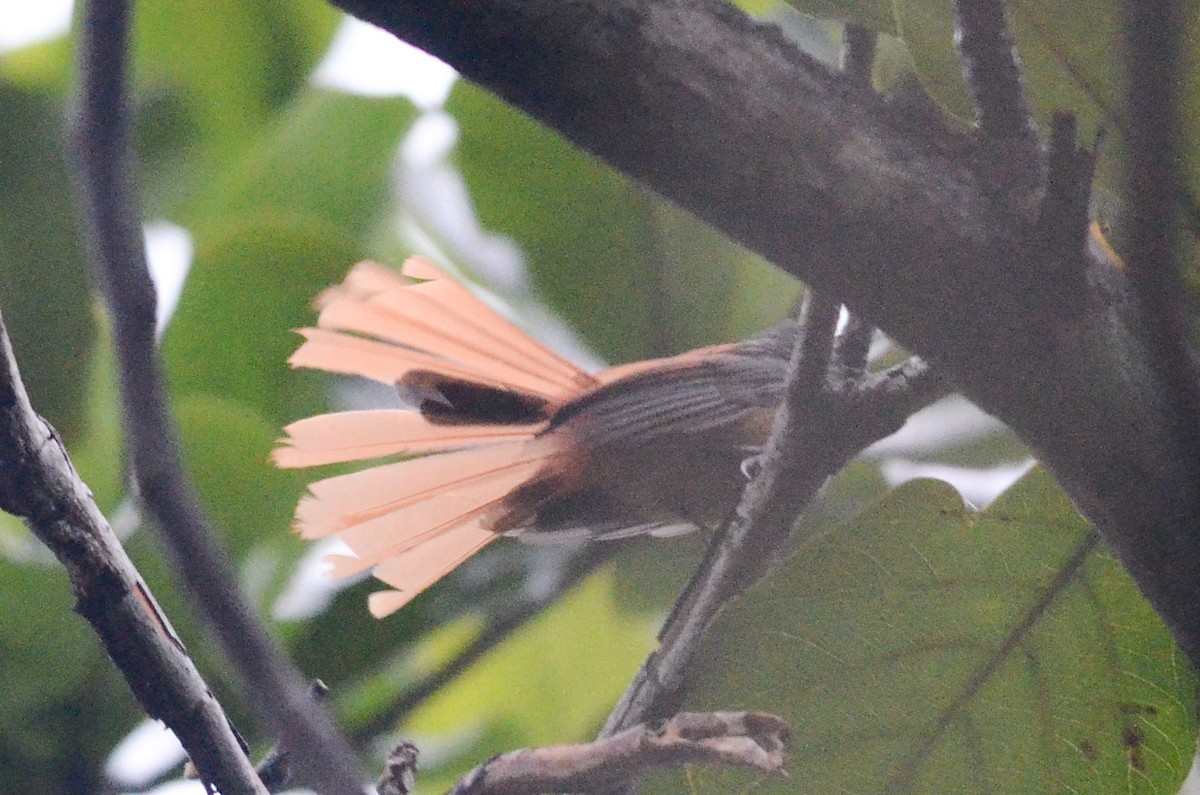
12. Blue-headed Fantail
The blue-headed fantail (Rhipidura cyaniceps) is a fantail endemic to the northern Philippines where it is found on the islands of Luzon and Catanduanes. Until recently, it was considered conspecific with the Tablas fantail and Visayan fantail.
13. Warbling White-eye
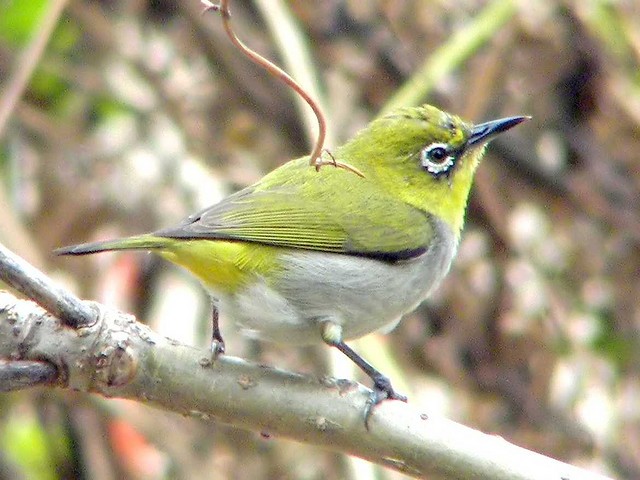
The warbling white-eye is olive green on its back, from anterior to posterior, and is pale green on its underside. Its feet, legs, and bill range from black to brown. It has a green forehead and a yellow throat. The white-eye has rounded wings and a long, slender bill – both of which indicate this bird to be very acrobatic. Its wings are dark brown, but outlined in green. Like other white-eyes, this species exhibits the distinctive white eyering that gives it its name.
14. Ridgetop Swiftlet
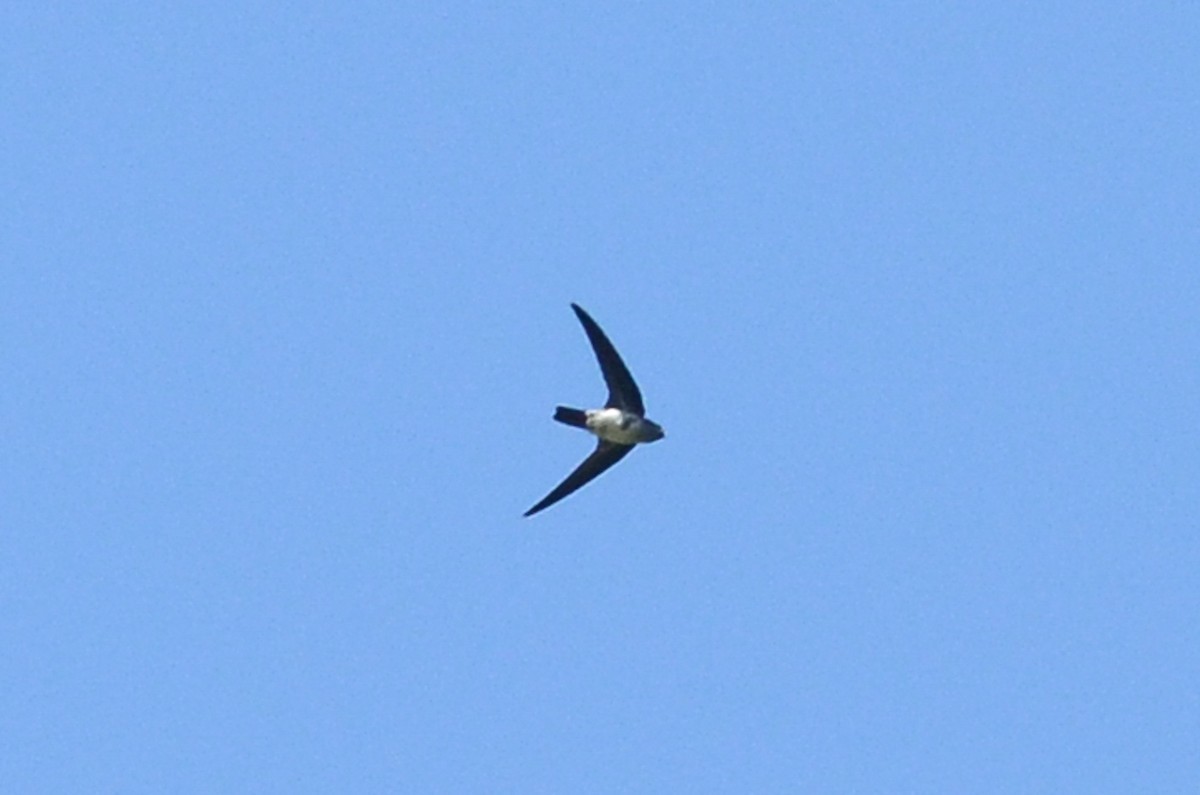
The ridgetop swiftlet is 9–10 cm (3.5–3.9 in) in length with a square tail. The back and upper surface of the wings are a dark dull blue with a moderate green gloss. The rump is sometimes slightly paler due to the white margins of feathers forming the uppertail coverts. The throat and upper breast are dark grey with fine white scalloping merging into larger greyish chevrons over the lower breast and flanks, becoming white over the belly. There is sometimes a tuft of small feathers on the hallux, the rear facing toe. This species lacks the white spots on the inner webs of the tail feathers that are present in some Collocalia species.
15. Mountain Sunbird
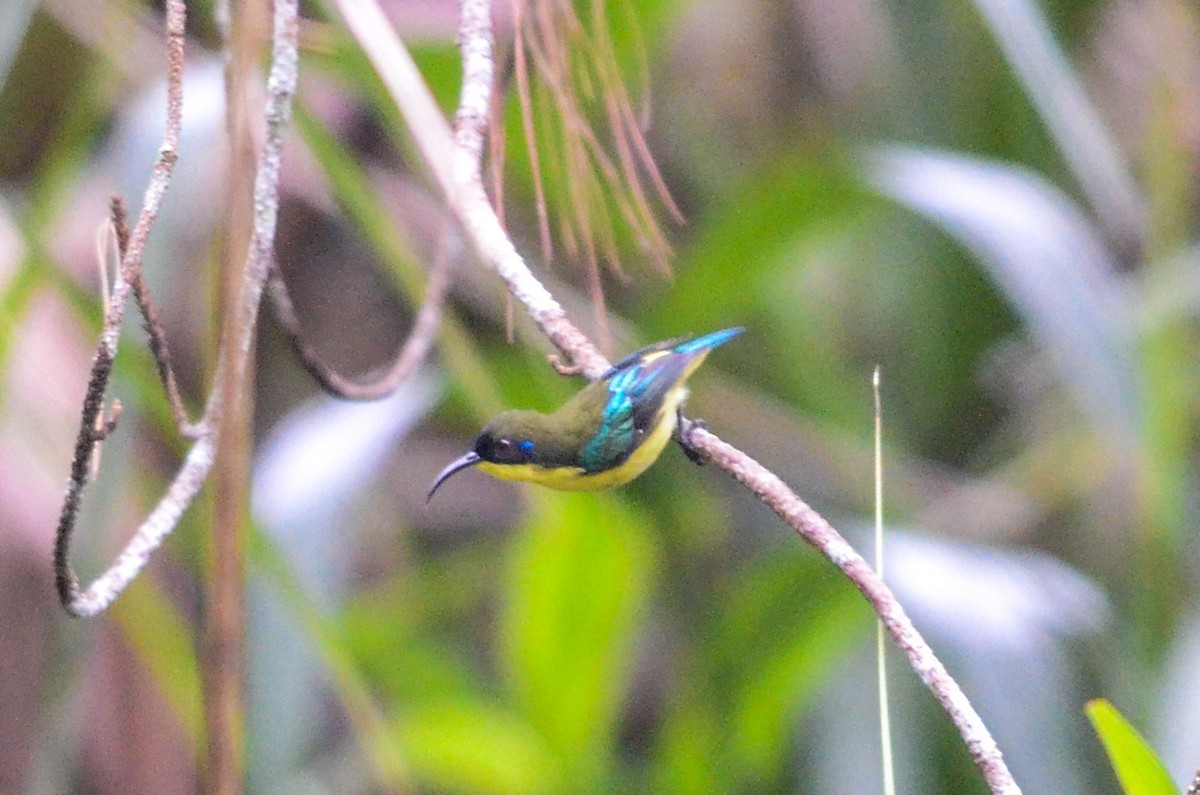
The Luzon sunbird or mountain sunbird (Aethopyga jefferyi) is a species of bird in the family Nectariniidae. It is endemic to the Philippines. Its natural habitats are subtropical or tropical moist lowland forests and subtropical or tropical moist montane forests.
16. Philippine Serpent Eagle
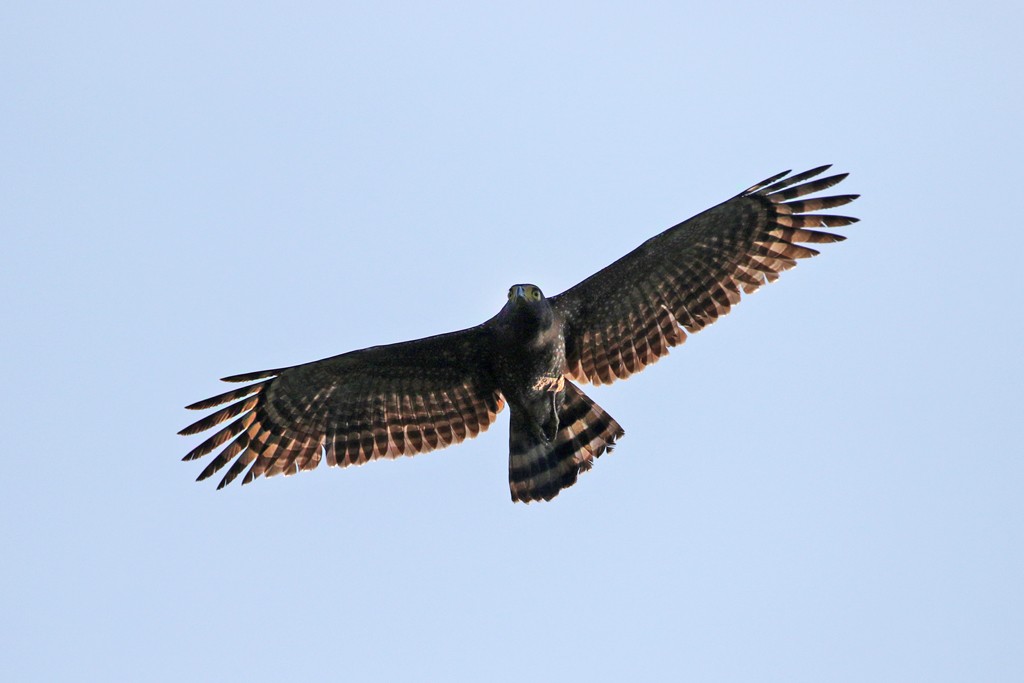
The Philippine serpent eagle is distinguished from other species of serpent eagle by more well-defined spots on the underparts and wings.
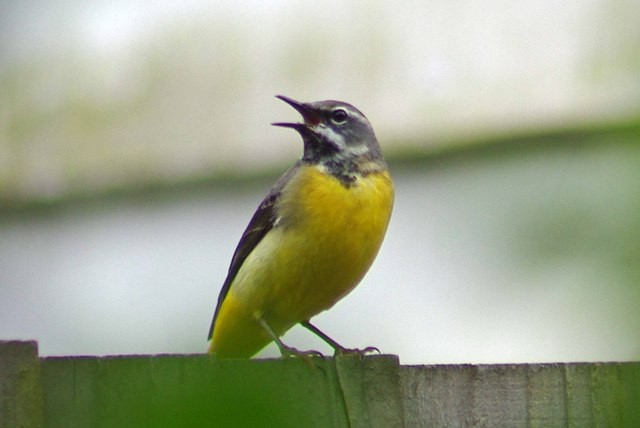
17. Grey Wagtail
A longtail songbird, the grey Wagtail can be vocal whether it is on the ground or in flight. The bird is often seen near running water with a rocky habitat close by. It shares a common characteristic with other birds in the genus. It frequently wags its tail feathers and flies low to the ground.
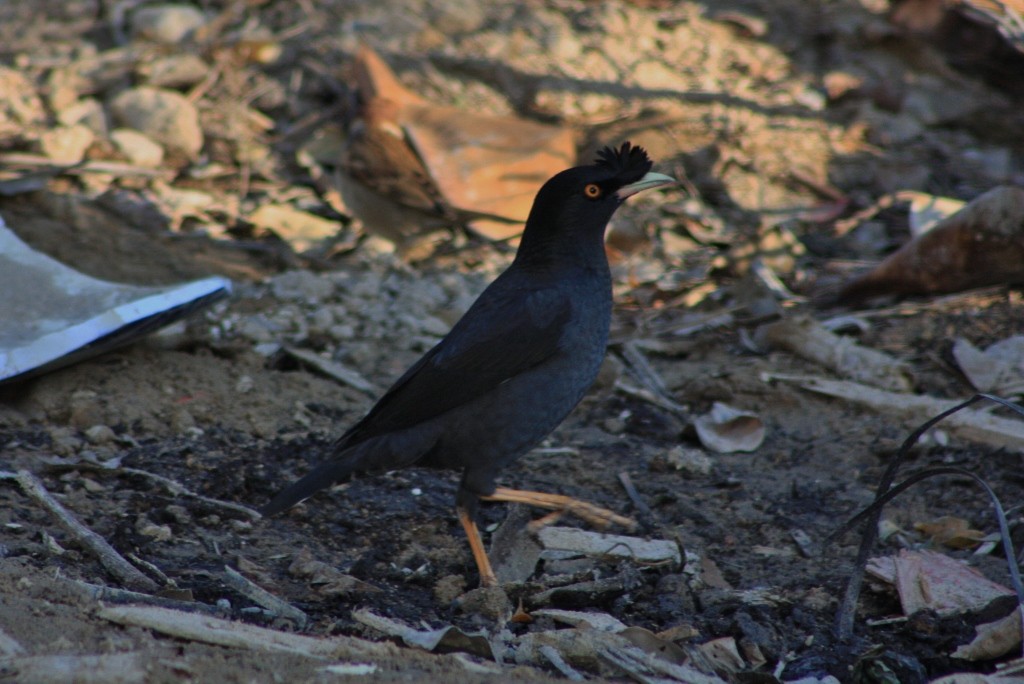
18. Crested Myna
The crested myna is named after the tuft of feathers that form a crest-like structure on its forehead that covers the bird's nostrils. It is mostly black with a slight green sheen. It has a couple of white wing patches under its wings which are more visible during flight. The tips and the base of the primaries are white. The tail feathers also have white tips with the exception of the middle pair. The under-tail coverts are black with a white tip. The adult's eyes are orange, its bill is pale yellow, and its legs are a dull dark yellow. Its bill is slender and very sharp. The males are slightly larger than the females. The female's crest is slightly less well developed. Otherwise, there is no sexual dimorphism. The hatchlings are born naked except for of a short gray down found on certain parts of the bird. In about 18 to 20 days, the juveniles become fully covered with brown feathers. The crest is usually not well developed at this stage. Immature crested mynas have blue-gray eyes.
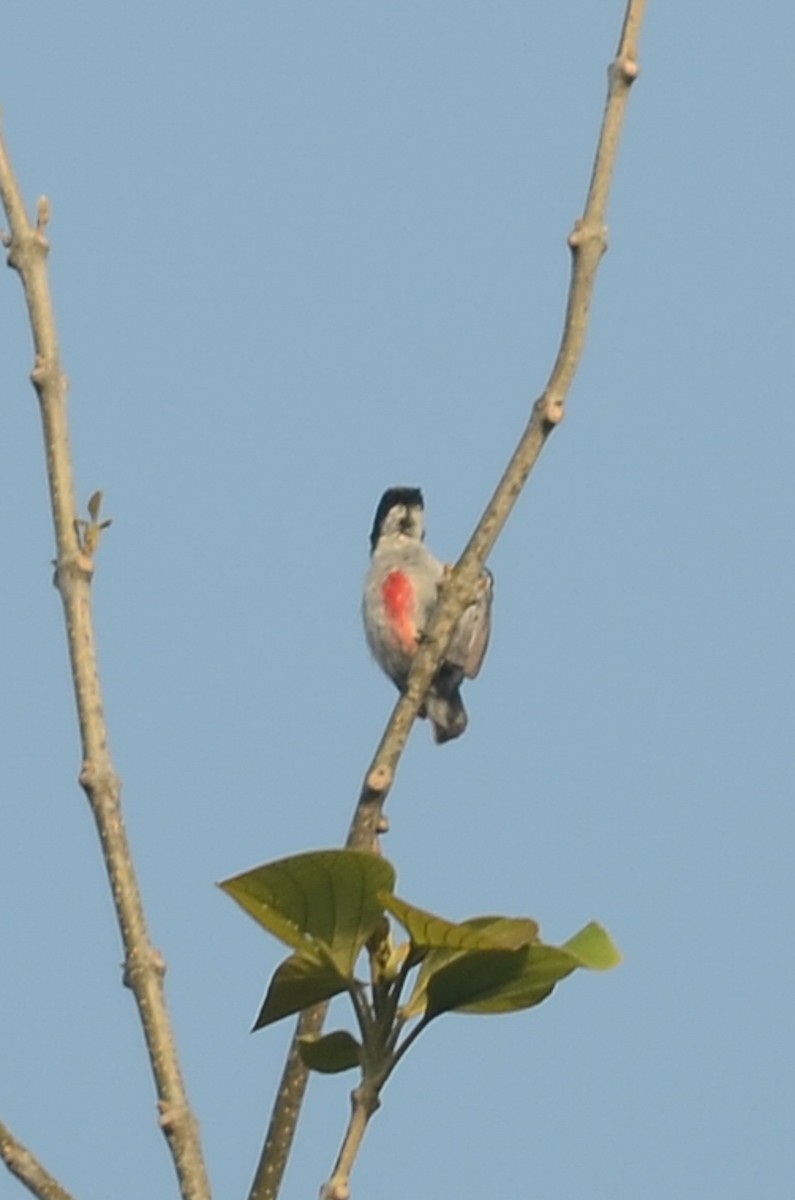
19. Red-keeled Flowerpecker
The red-keeled flowerpecker or red-striped flowerpecker (Dicaeum australe) is a species of bird in the family Dicaeidae. It is endemic to the Philippines. Its natural habitat is subtropical or tropical moist lowland forests. The black-belted flowerpecker (D. haematostictum) was formerly regarded as a subspecies of this bird.
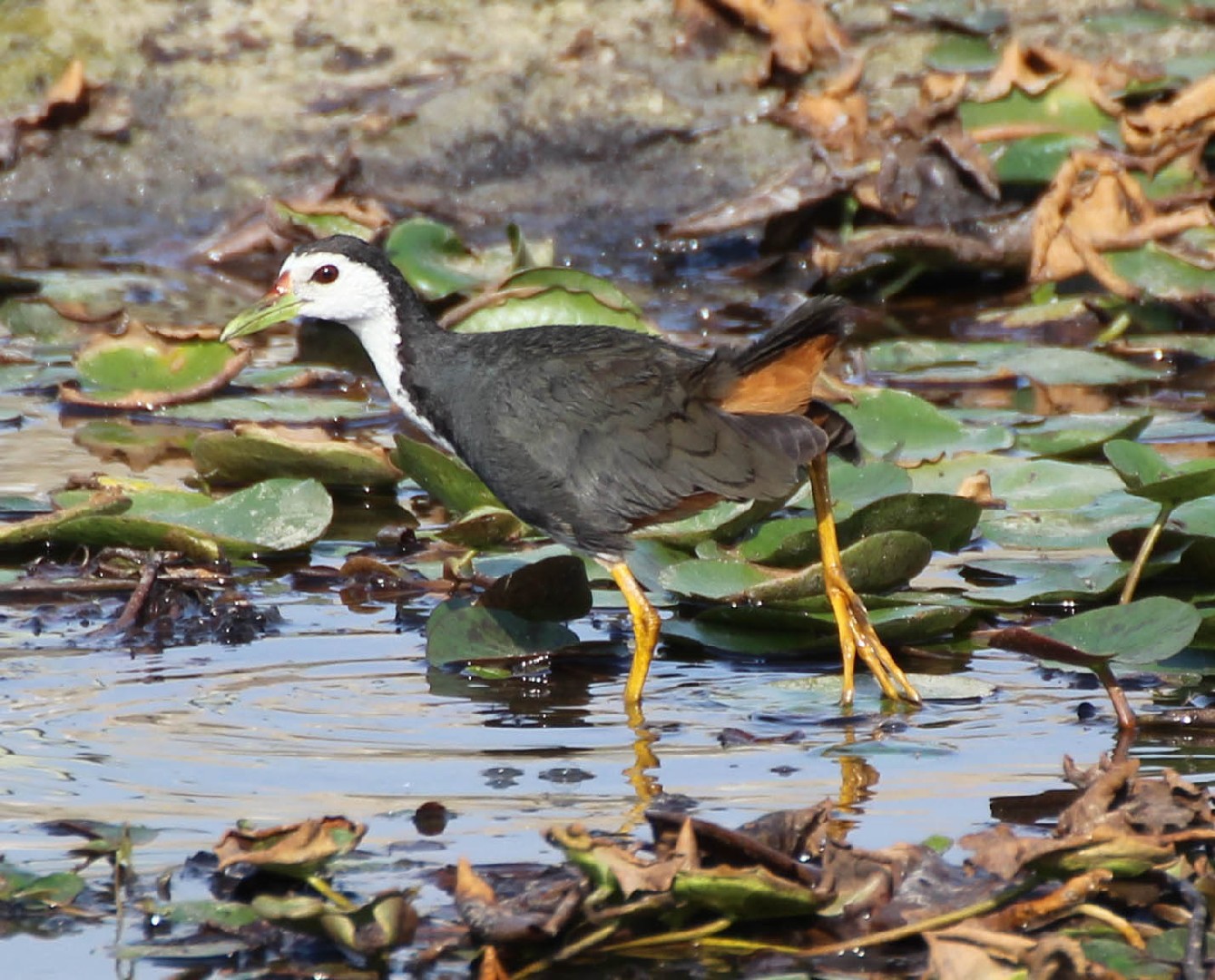
20. White-breasted Waterhen
Adult white-breasted waterhens have mainly dark grey upperparts and flanks, and a white face, neck and breast. The lower belly and undertail are cinnamon coloured. The body is flattened laterally to allow easier passage through the reeds or undergrowth. They have long toes, a short tail and a yellow bill and legs. Sexes are similar but females measure slightly smaller. Immature birds are much duller versions of the adults. The downy chicks are black, as with all rails.