




Top 20 Most Common Bird in Sahuarita
Boasting an array of diverse avian inhabitants, Sahuarita is a veritable aviary in the heart of Arizona. Teeming with a variety of habitats, including the distinctive Sonoran Desert, riparian zones, and lofty mountain ranges, Sahuarita's enriched ecosystems contribute to the vital biodiversity, sheltering a unique collection of 20 bird species. From iconic birds like the Vermilion Flycatcher, to the Greater Roadrunner and the Cactus Wren, Sahuarita delivers a true ornithological paradise.

Most Common Bird

1. House Finch
Frequent in urban environments and human-created habitats such as parks and backyards, the little house Finch is known for its loud but pleasant, cheerful singing. It feeds on the ground, mostly on seeds, berries, and other plant material. This bird is highly sociable and very adaptable. It often visits feeders.
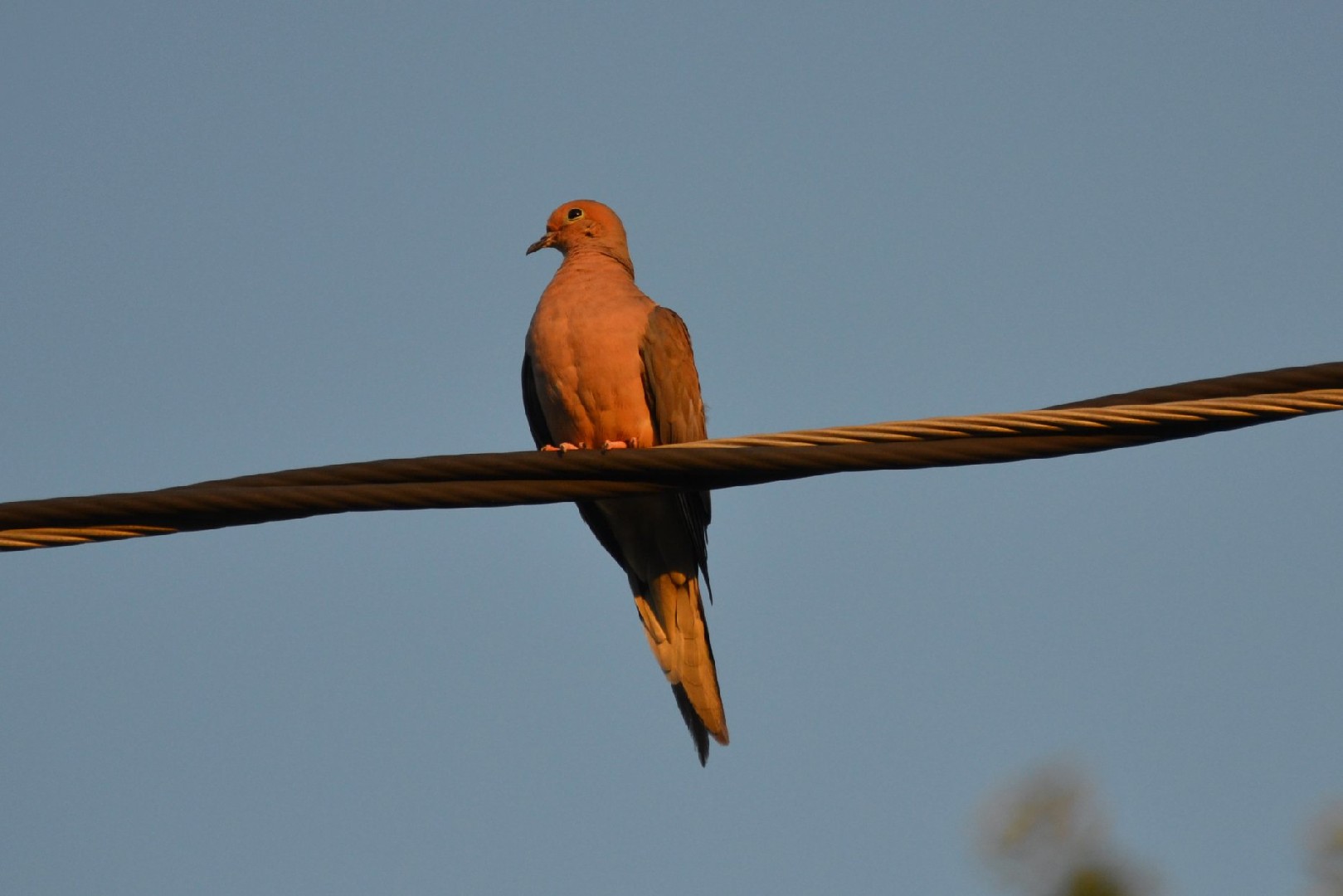
2. Mourning Dove
One of the most famous and widespread doves of North America, the mourning Dove can be often seen in urban areas perching on telephone wires. It is named after its distinctive, plaintive-sounding song. It is also a popular game bird, but its population is still abundant thanks to the prolific breeding and its ability to raise up to five to six broods in a single year.
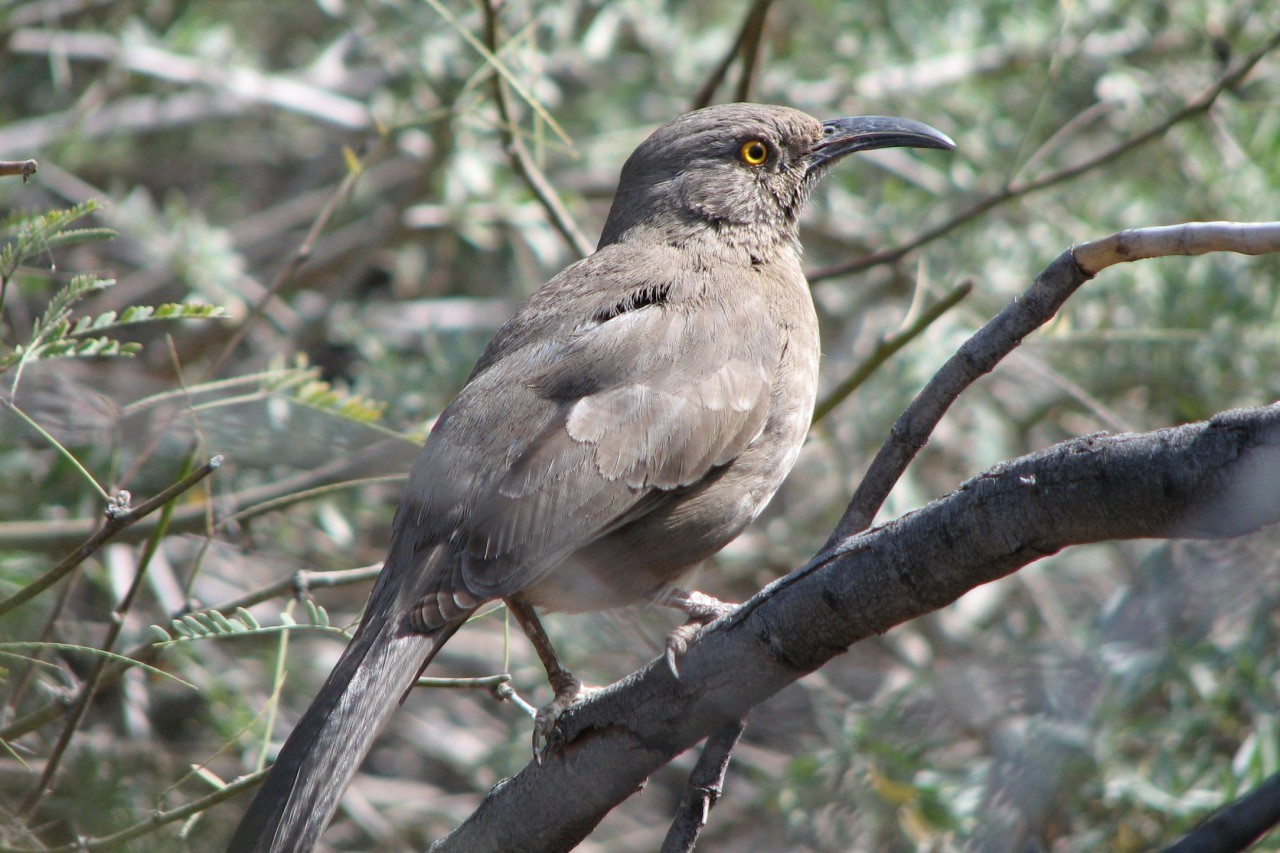
3. Curve-billed Thrasher
The curve-billed thrasher generally measures 25 to 28 cm (10 to 11 in) long, and is immediately recognized as a thrasher by its long tail and short wings. It is also recognized for its sickle-shaped bill, almost as long as its head width and brownish black in color. The body is compact with a large head, short wings and long tail. However, the tail is short relative to other thrasher species. The chest is grayish brown with circular brown-gray spots. The eyes are generally orange, shading to golden in adulthood. Juveniles are lacking in pale tips, rectrices, abdominal feathers are unkempt and upper parts and chest are washed rufously. Variations are markedly different with each subspecies. The eastern subspecies has more distinct spots on its chest, more white along the tips and retraces and obvious wing bars. T.c. palmeri has less spotting on chest and tips and less obvious wing bars. Other examples include T.c. curvirostre possessing longer wings and a tail than T.c. oberholseri; T.c. insularum is paler with more grey than T.c. palmeri and has more visible spotting on its breast. One study published in 2003 suggested that curve-billed speciation was due to climate, which could be explained by molt and feather wear. The same study suggested that the Sierra Madre Occidental acts as a barrier to initiate differentiation within the species. 
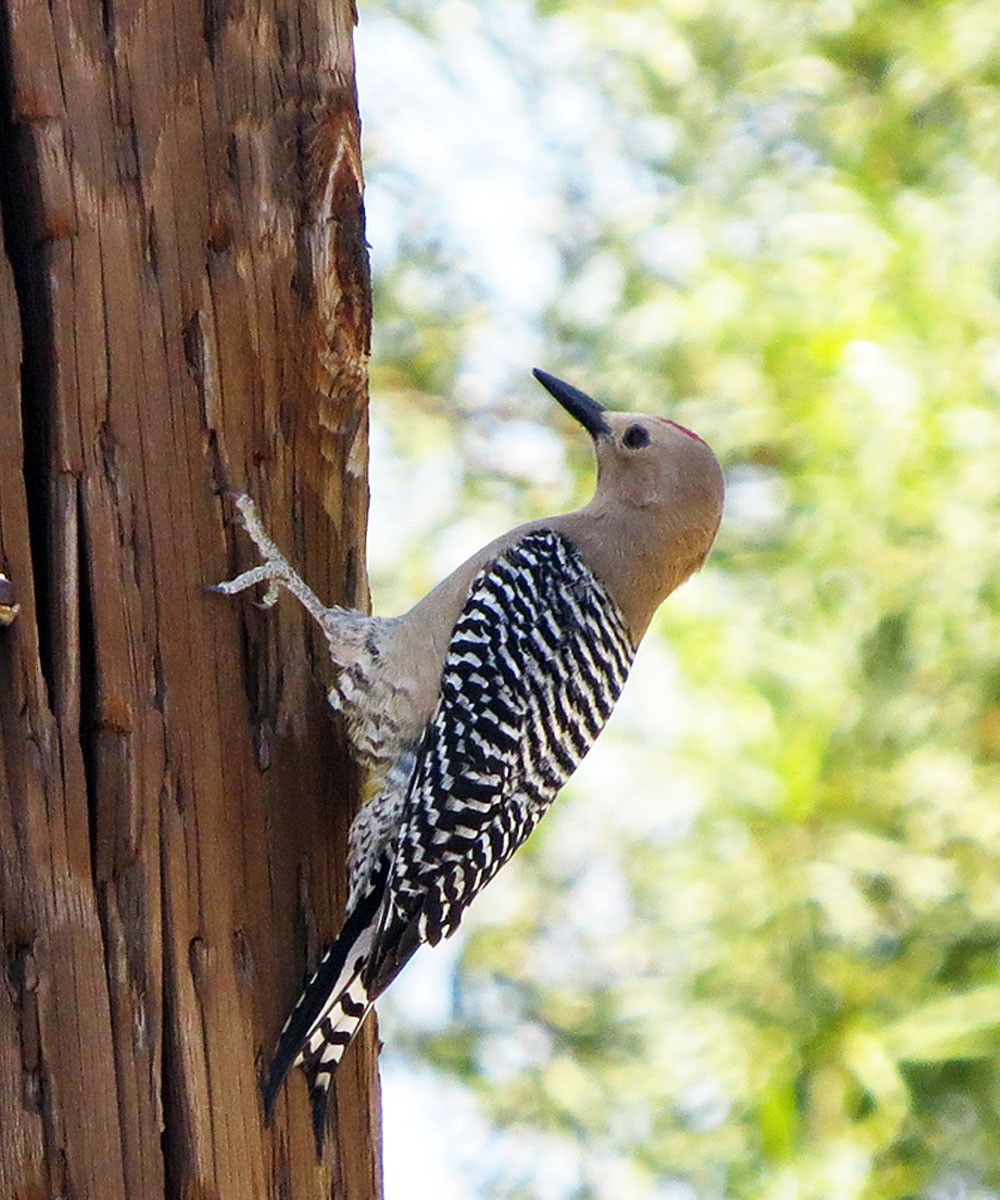
4. Gila Woodpecker
The back and wings of this bird are spotted and barred with a black and white zebra-like pattern. The neck, throat, belly and head are greyish-tan in color. The male has a small red cap on the top of the head. Females and juveniles are similar, but both lack the red cap of the adult male. White wing patches are prominent in flight. The dark tail has white bars on the central tail feathers. They range from 8–10 in (20–25 cm) in length. This woodpecker's voice is a rolling churr sound. It also makes a yip yip yip sound and a kee-u, kee-u, kee-u sound. Its drum is long and steady.
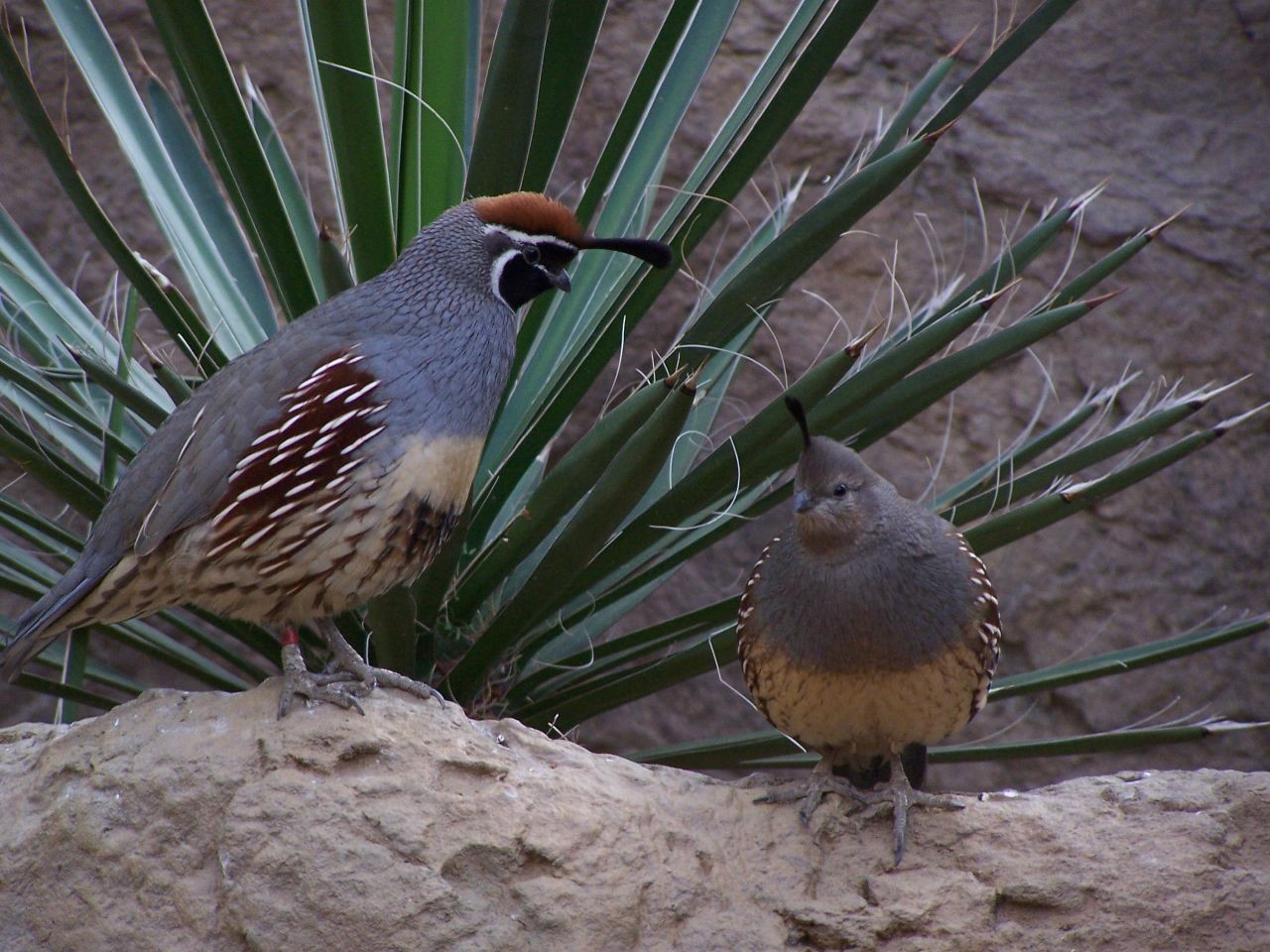
5. Gambel's Quail
The Callipepla gambelii birds are easily recognized by their top knots and scaly plumage on their undersides. Gambel's quail have bluish-gray plumage on much of their bodies, and males have copper feathers on the top of their heads, black faces, and white stripes above their eyes. The bird's average length is 11 in (28 cm) with a wingspan of 14–16 in (36–41 cm). These birds have relatively short, rounded wings and long, featherless legs. Its diet consists primarily of plant matter and seeds. Gambel's quail can be commonly confused with California quail due to similar plumage. They can usually be distinguished by range, but when this does not suffice, California quail have a more scaly appearance and the black patch on the lower breast of the male Gambel's quail is absent in the California quail. The two species are sister taxa which diverged during the Late Pliocene or Early Pleistocene, 1 to 2 mya.
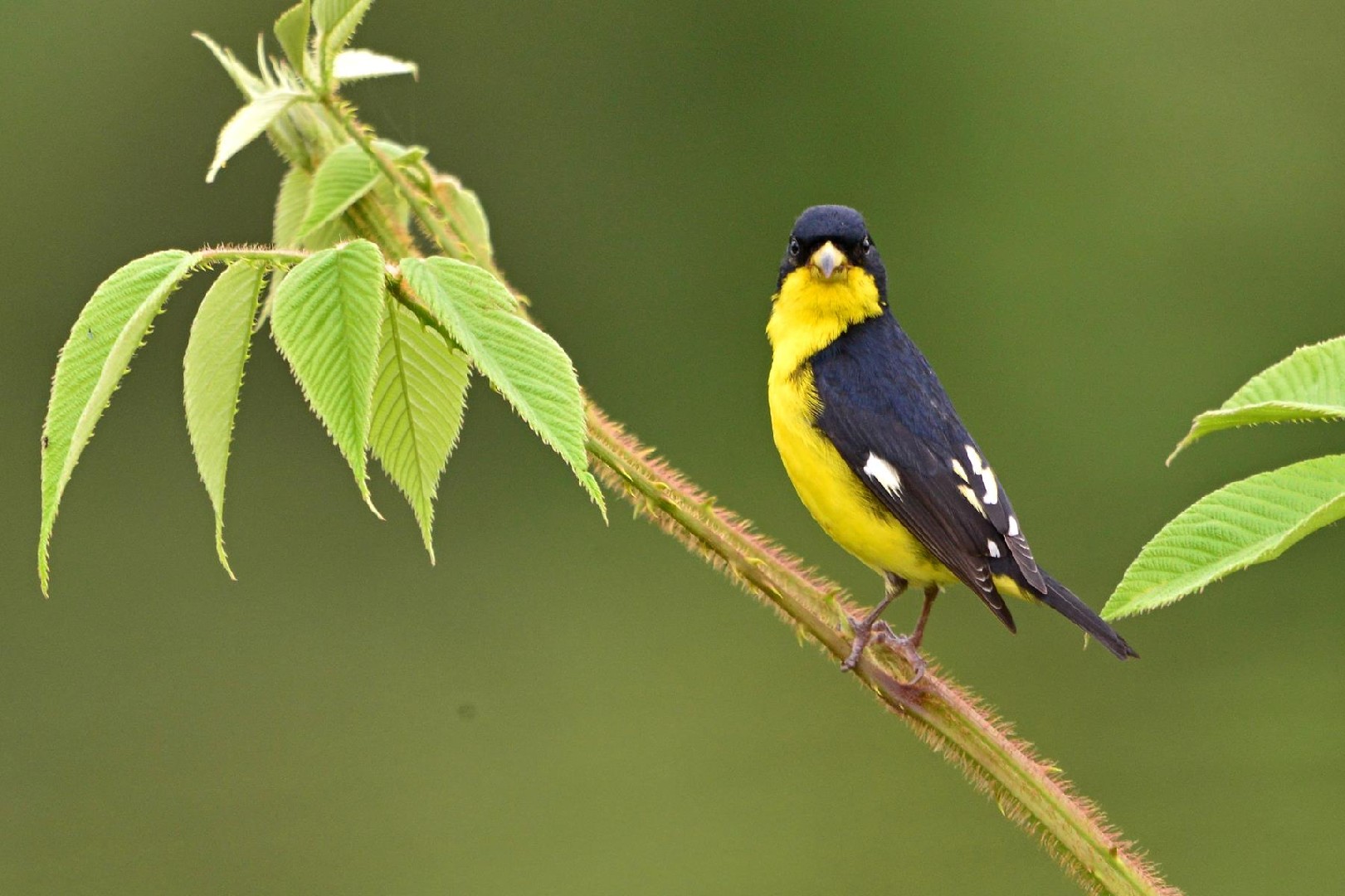
6. Lesser Goldfinch
A common visitor of birdhouses or anywhere with birdseed, the lesser Goldfinch is a small, notch-tailed bird that enjoys gardens and open wooded areas. Its size has made it commonly overlooked, but listen out for its charming, chiming song. Social birds, they are often seen in large groups of hundreds traveling together at a time.
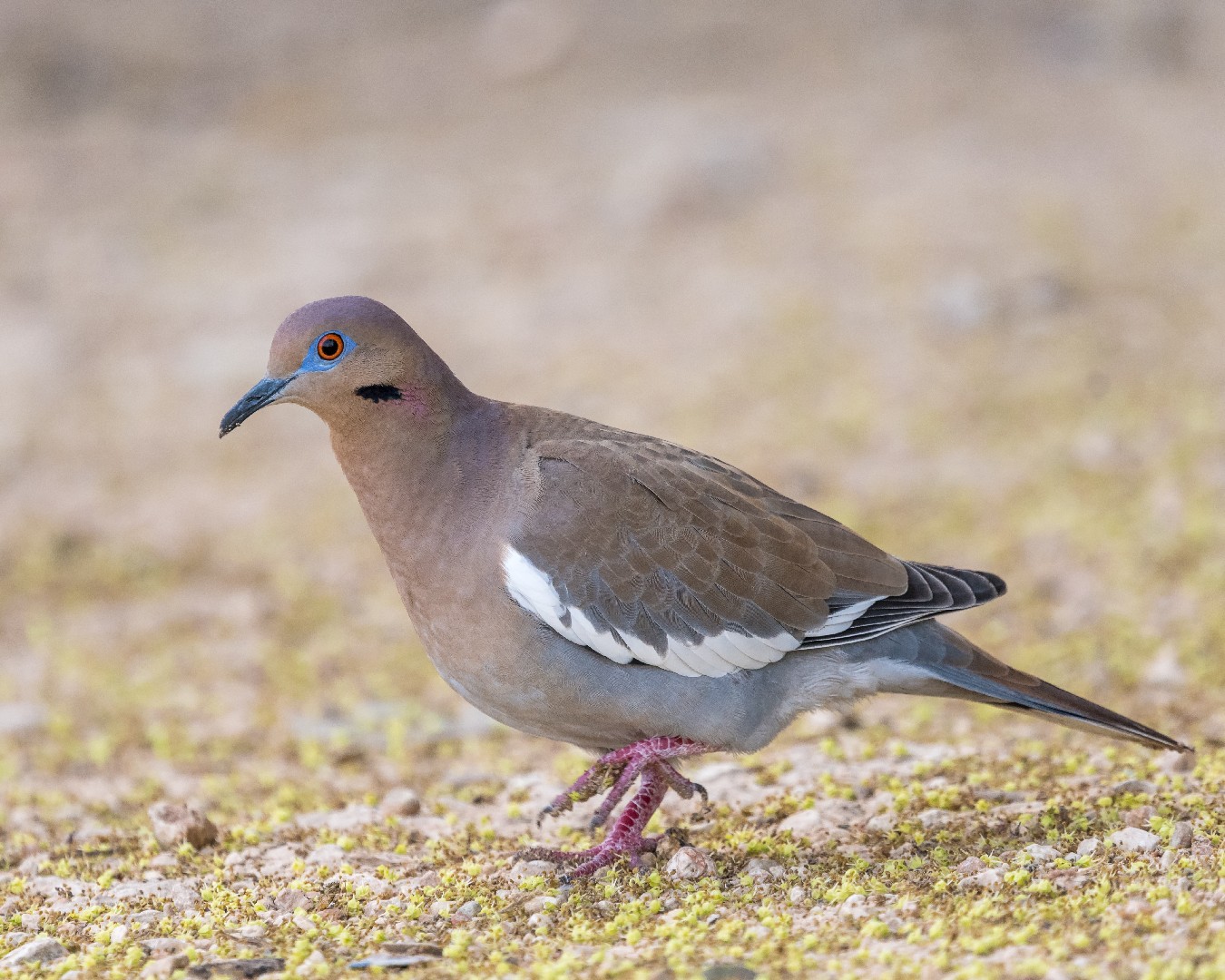
7. White-winged Dove
The medium-sized, distinctively patterned white-winged Doves practically live on Saguaro cactus, consuming its nectar, pollen, fruit, and seeds. In fact, they are so dependent on this plant that they match their migration schedule to its fruiting schedule. White-winged Doves were heavily hunted in Texas in the 20th century and their population dropped from 12 million to fewer than 1 million by 1939. Since then proactive hunting management and the species ability to adapt to urban living has helped their numbers rebound.
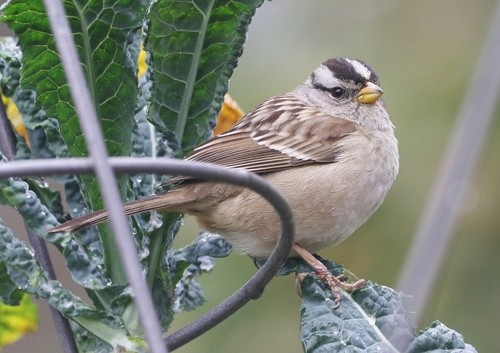
8. White-crowned Sparrow
This common sparrow has a white crown atop its head, which gave it its name, as well as a neat pattern down its wings and a long tail. Some groups of white-crowned Sparrows migrate, while others remain in coastal habitats year-round. Across different groups of these birds are different song “dialects” which are widely studied.
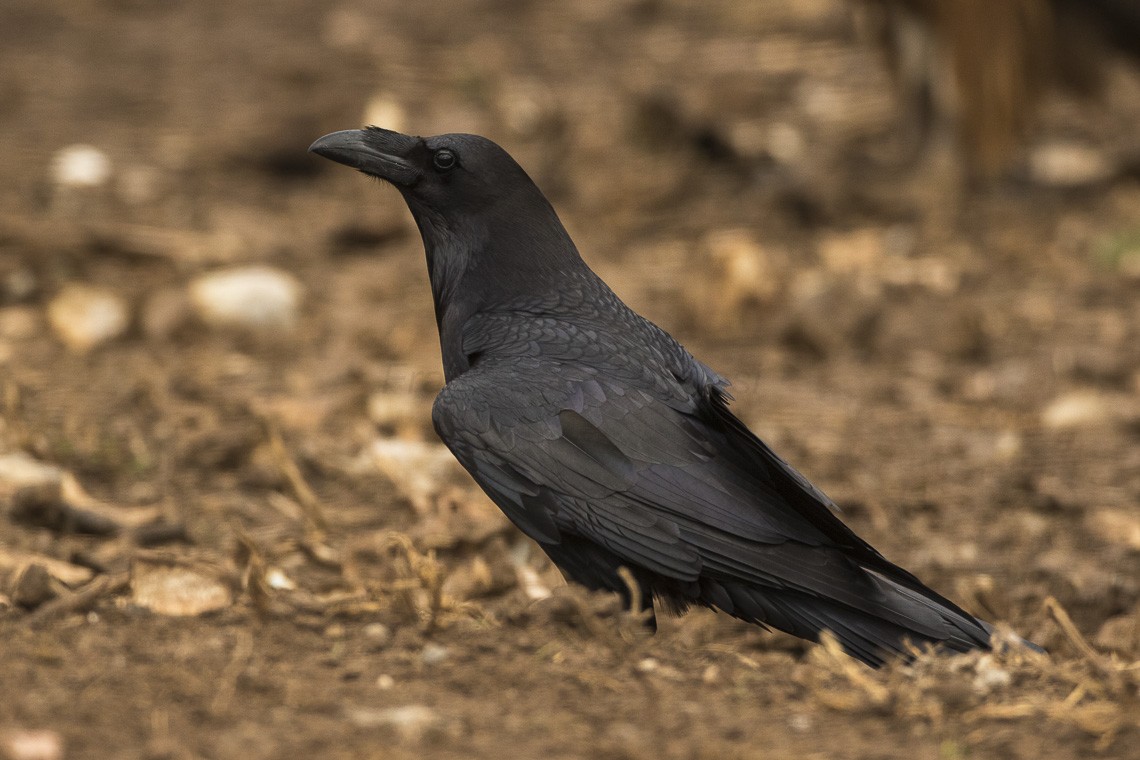
9. Common Raven
The common Raven is one of the most ubiquitous species of birds and is revered for its high intelligence. These birds prefer open habitats, but can be found in nearly all environmental conditions besides rainforests. As a social species, some subspecies of common Raven have been known to have 15 to 33 different categories of calls!
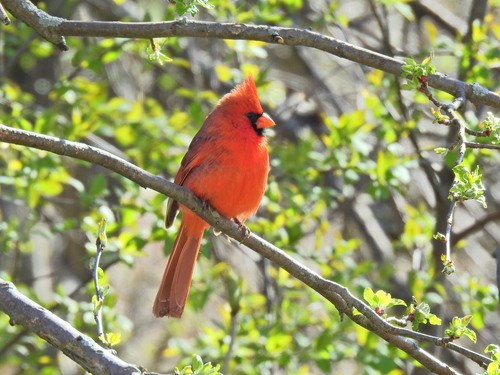
10. Northern Cardinal
The northern Cardinal is a distinctive, medium-sized songbird that inhabits temperate forests and yards. Its name is derived from the male's brilliant red plumage color which resembles red-robed Roman Catholic cardinals, while its crest looks like a bishop's mitre. Compared to the male, the female is much duller in color. The highly territorial males can be quite aggressive. Quite popular, this is the state bird of seven U.S. states.
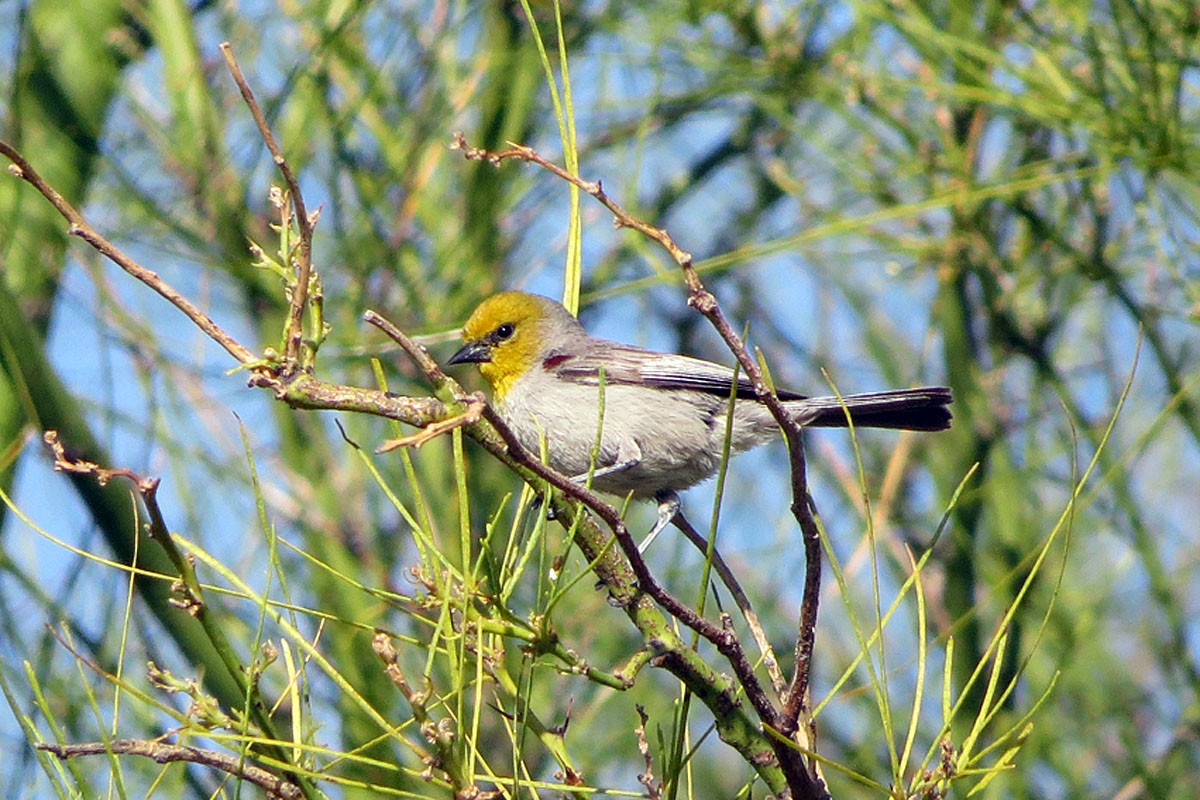
11. Verdin
The verdin is a very small bird. At 4.5 in (11 cm) in length, it rivals the American bushtit as one of the smallest passerines in North America. It is gray overall, and adults have a bright yellow head and rufous shoulder patch (the lesser coverts). Unlike the tits, it has a sharply pointed bill. Juveniles have a light gray body without the rufous shoulder patch and yellow head. The base of the short bill is thick by the head, and draws to a sharp point at the tip.
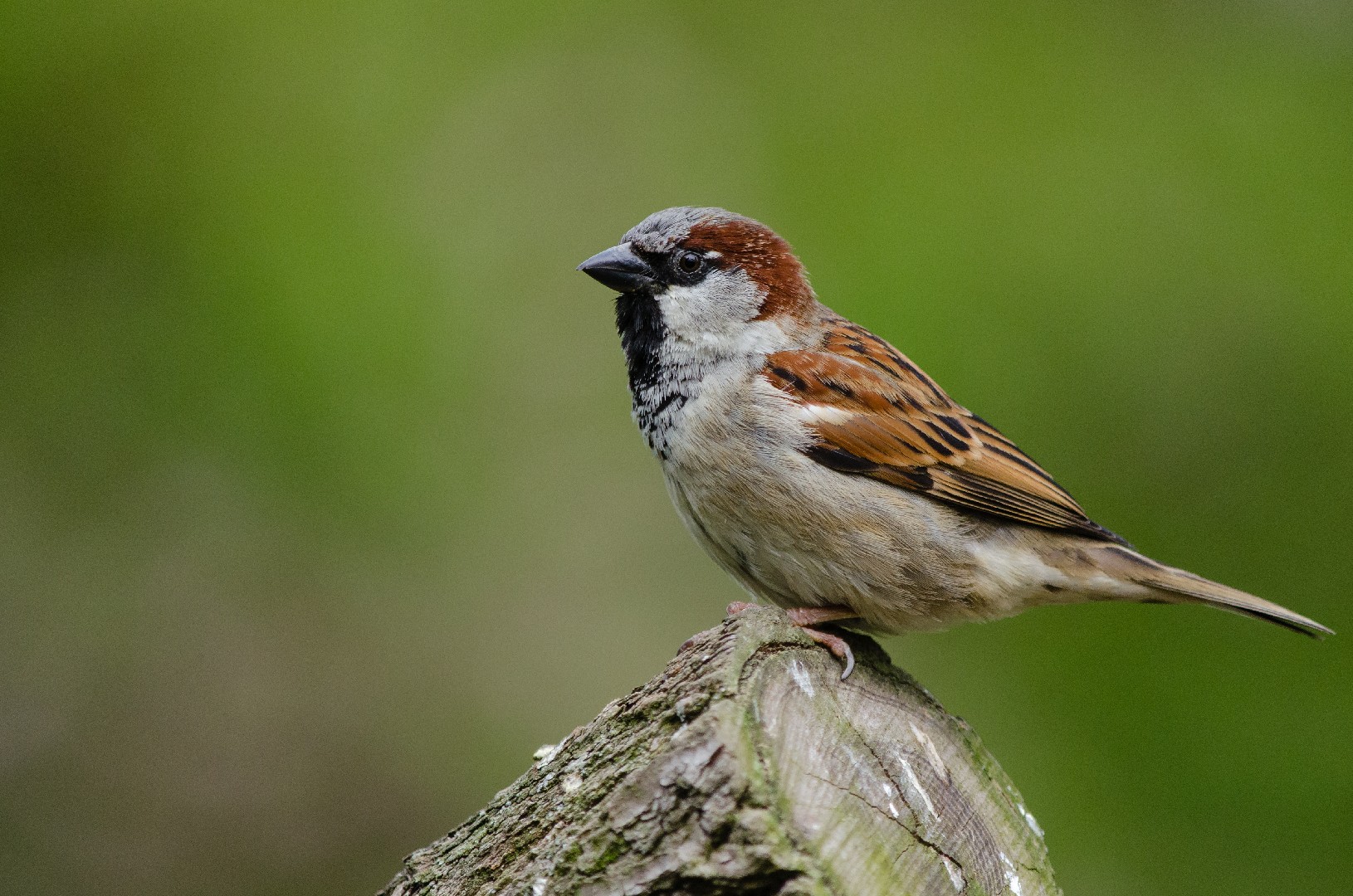
12. House Sparrow
Just as its name implies, the little house Sparrow socializes with humans more than any other bird species. Able to adapt and thrive in almost any habitat, excluding the extremes such as deserts and mountain peaks, this species was once restricted only to North Africa and Eurasia but now is found across the globe. Unfortunately, this opportunistic eater is not completely harmless—it can cause considerable damage to crops.
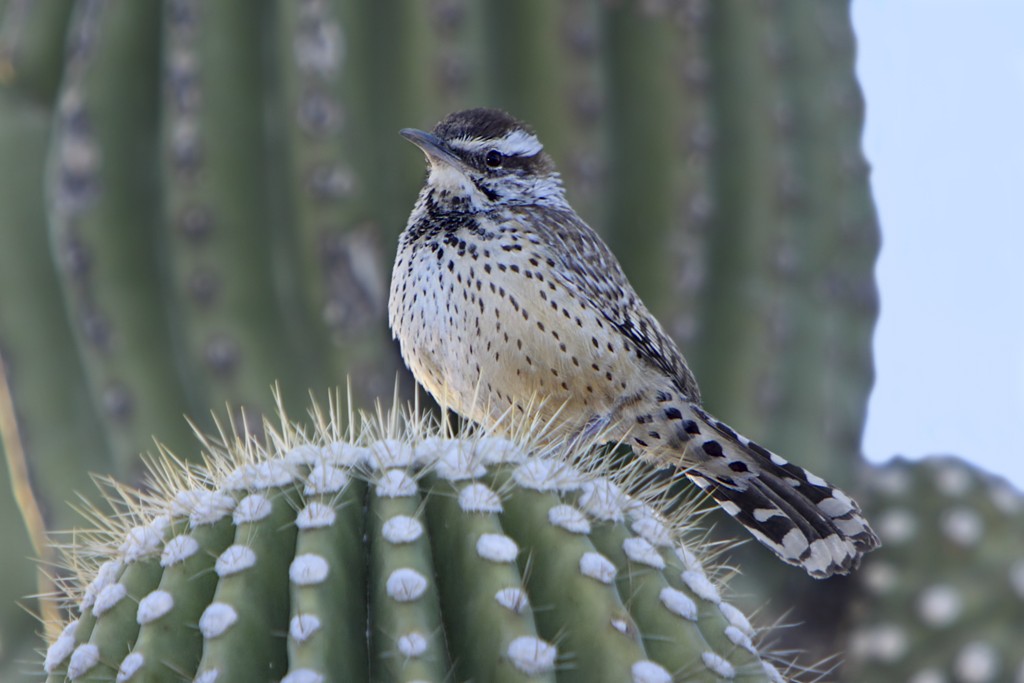
13. Cactus Wren
The cactus wren is the largest wren in the United States. It is between 18 and 19 cm (7.1 and 7.5 in) long, and weighs between 33.4 and 46.9 g (1.18 and 1.65 oz), with an average of 38.9 g (1.37 oz). It has a thick, heavy bill that is dull black, curves slightly downwards, and is about the same length as the head. The lower mandible is grayish and pale, and the tail is long and rounded. The cactus wren's coloration is brown with white speckles. The crown is chocolate-brown with a light red tinge. A distinctive white supercilium (eyebrow) runs from the bill to the nape of its neck, which is brown with white markings. The chin is white, while the neck has black markings on a mostly white background. Their chest is white with brown or black speckles, and the belly is generally white with some brown or black streaks. The rump and back are gray to brown with white and black streaks. Both the lower underparts and the flanks are cinnamon-buff colored. The cactus wren's ten primary and nine secondary flight feathers are barred, alternating between black and off-white. Its twelve rectrices are barred, alternating between brownish-black and pale gray-brown. The outer rectrices are white tipped. When flying, a white band can be seen on the underside of the tail feathers. The tail is barred in alternating stripes of black, white, and brown. The legs are brown to pink-brown. Males and females look alike; juveniles can be distinguished by their paler coloration and red-brown to muddy-gray eyes. Adults have more red-brown to red eyes. Other distinctive features of juveniles include the lack of a white nape streak, and less noticeable black chest markings. Summer often takes a harsh toll on plumage; the intense desert sun and prickly vegetation fade and damage feathers. This wear and tear can make identification of juveniles more difficult. Worn feathers are replaced by molting, which happens in adults from July through October, usually in the bird's own territory. Not all feathers will molt in a single season. Although the cactus wren looks similar to other wrens in its genus, cactus wren identification is made easier since the habitat of Campylorhynchus wrens does not overlap. A notable difference that can assist in identification of the cactus wren is the white tail band seen in flight. The spotted wren looks similar, but is paler and has fewer markings, and its habitat is in oak woodlands (where cactus wrens do not usually live).
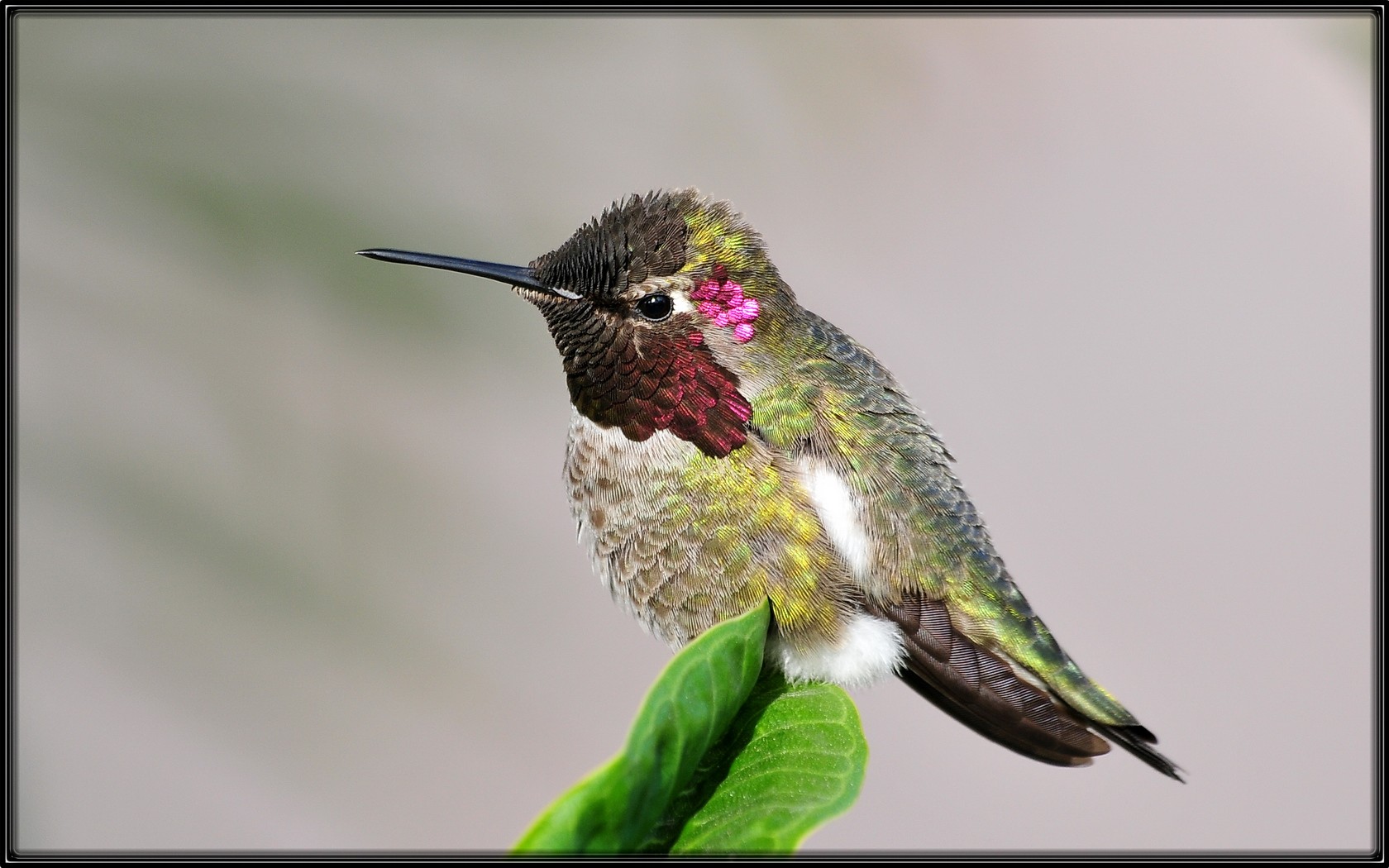
14. Anna's Hummingbird
This hardy bird is a common sight along the Pacific Coast, with a bright, vibrant coloring that is anything but common. Look for their emerald feathers and soft pink throats, which gives them the appearance of a flying jewel. Anna's Hummingbird is more vocal than other hummingbirds, with a buzzy song you may hear from the males when they are perched.
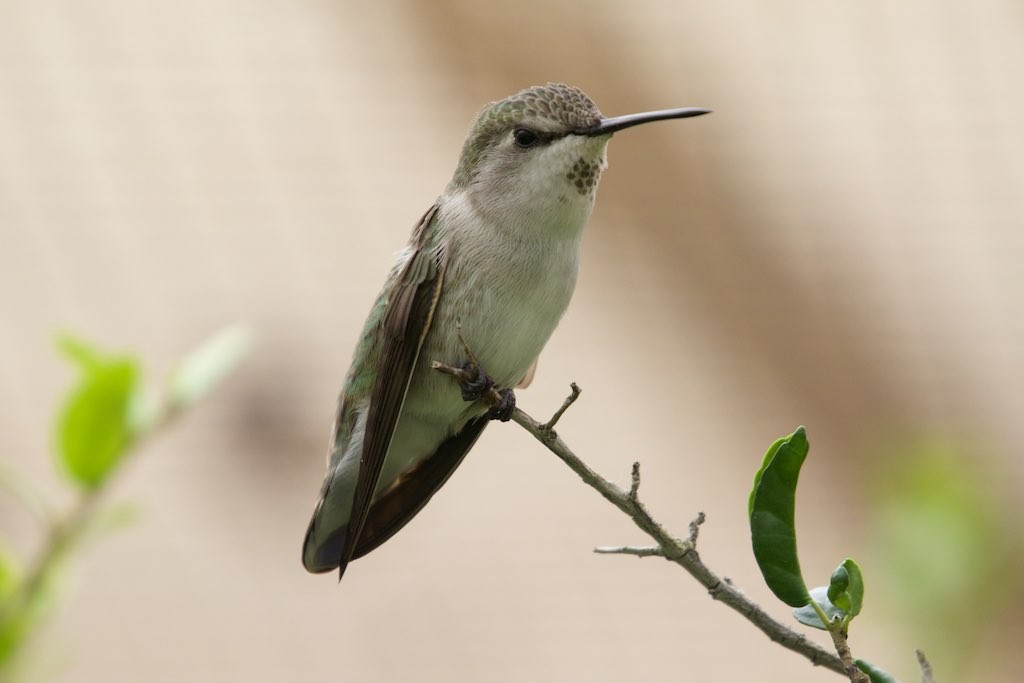
15. Costa's Hummingbird
The male Costa's has a mainly green back and flanks, a small black tail and wings, and patches of white below their gorgeted throat and tail. Its most distinguishing feature is its vibrant purple cap and throat with the throat feathers flaring out and back behind its head. The female Costa's hummingbird is not as distinct as the male, having grayish-green above with a white underbelly.
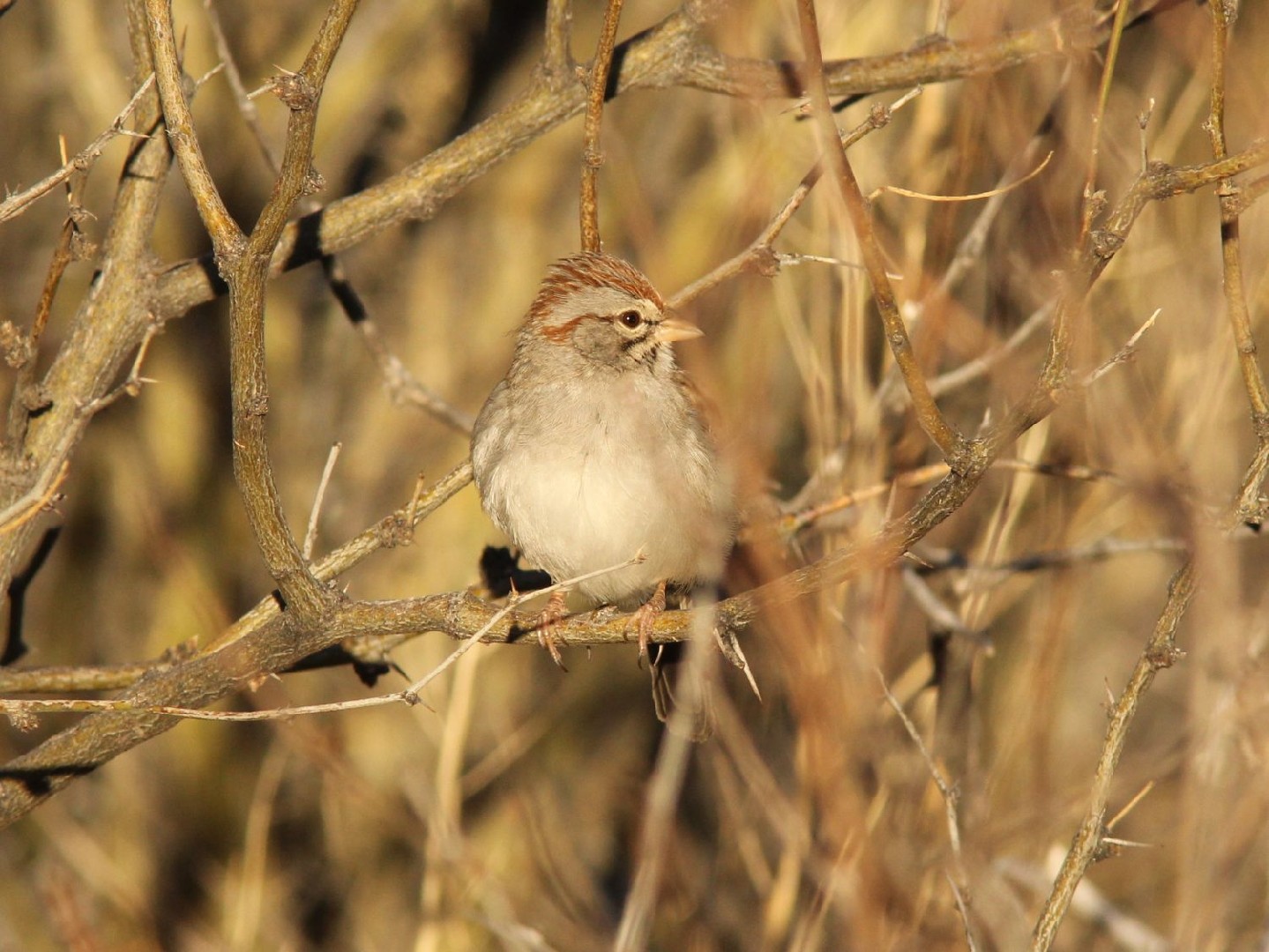
16. Rufous-winged Sparrow
The back is brown with darker streaks, while the belly is pale gray. The wings and crown are rust-colored. This sparrow has a conical, yellow-based bill and a long brown tail.
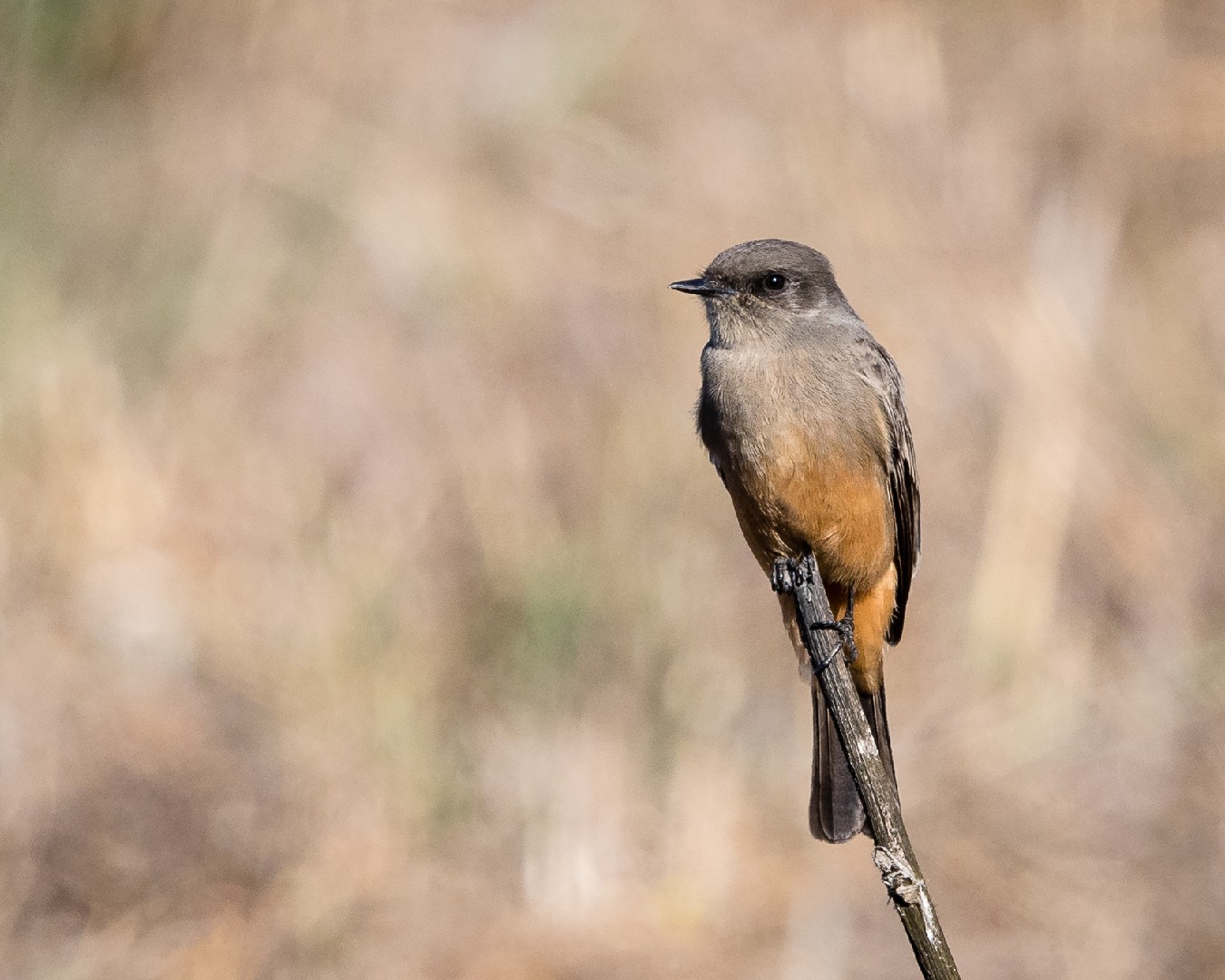
17. Say's Phoebe
The say's Phoebe is a bold species of bird often found nesting in homes, buildings, and other developed areas where it will continue to come back year after year. Fossil records show that these birds have been present in some areas for 400,000 years. The say's Phoebe is named after the “father of American entomology,” Thomas Say.
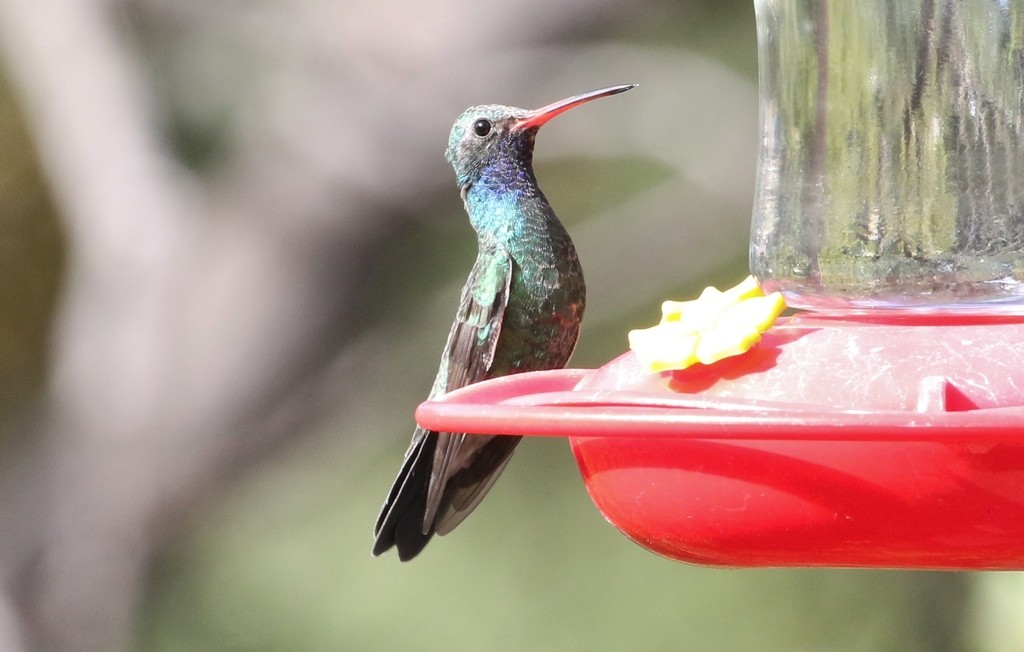
18. Broad-billed Hummingbird
The broad-billed hummingbird is a small-sized hummingbird at about 8–10 cm (3.1–3.9 in) long. It weighs only 3–4 grams, with the male weighing slightly more than the female. The wingspan of the hummingbird is about 13 cm (5.1 in). It has a long, bright reddish coloured bill that has a black tip. The birds are metallic green dorsally with more dull colouring on the crown and forehead. The hummingbird is sexually dimorphic, with the adults appearance varying significantly. The male is dark green with white undertail-coverts and a blue throat. The adult males tail is blackish-blue and broad. The flight feathers are brownish-gray. The adult female has a pale belly and has a white eyestripe behind her eye. Her tail feathers are white-tipped. The bill of the male is shorter but brighter red. As for size, both the juvenile and adult males have larger wings and tails than the female. The colouring of the juveniles tends to resemble the adult female. With time, the bill of the juvenile males will redden, and iridescent feathers will appear on its throat. Unlike the females, the juvenile males do not have a white-tipped tail. The hatchings have a brown body and orange downy feathers and an orange bill. Not much is known about hatchlings, but in captivity, the juvenile birds have been seen to have adult plumage within 6–8 months.
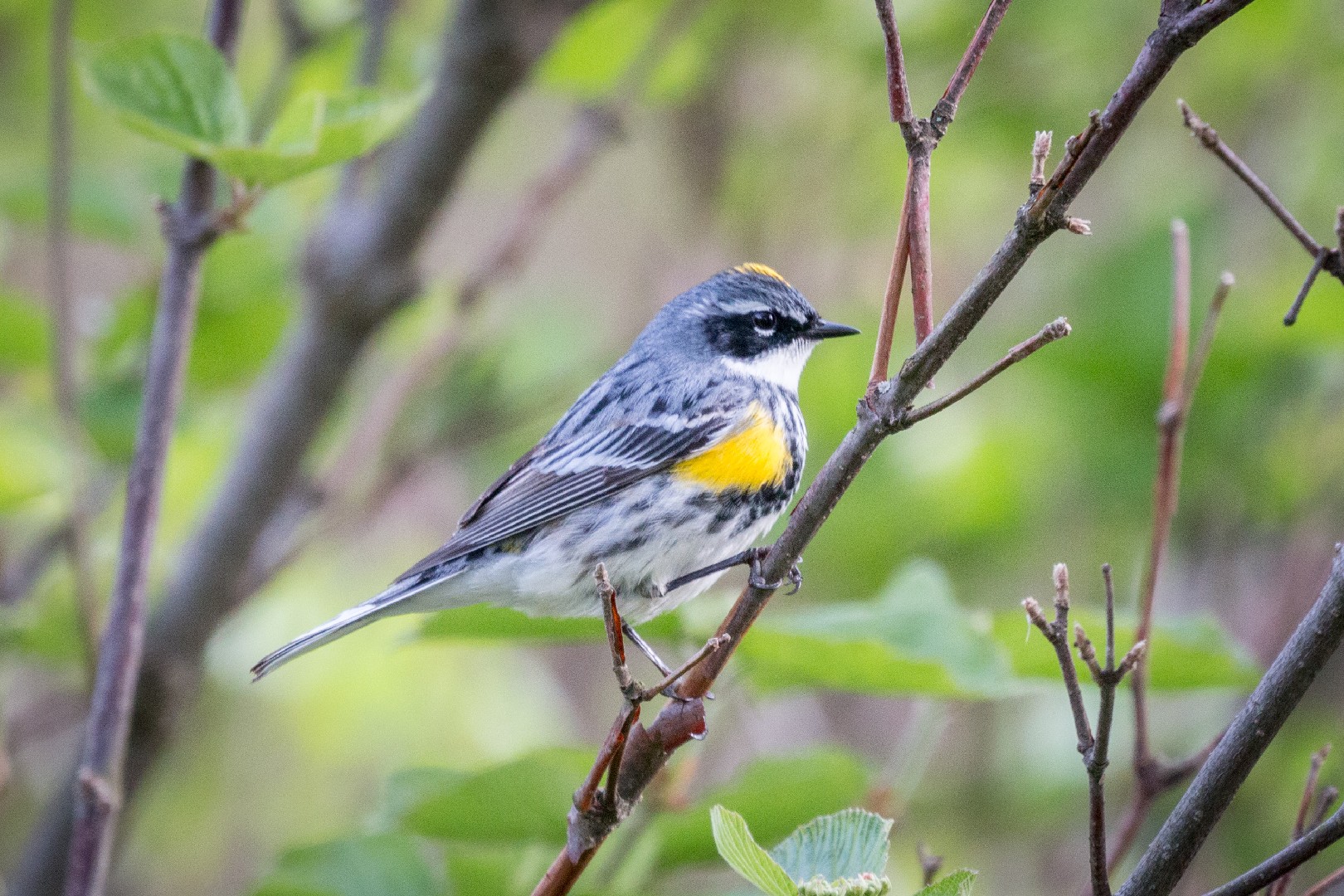
19. Yellow-rumped Warbler
The foraging yellow-rumped Warbler is quick-moving and appealingly colored. Both male and female are a sharp gray, with white on their wings and flashes of yellow on their rump (as the name suggests), sides, and face. Most striking about this bird is the large groups of them that spread across North America in the autumn season.
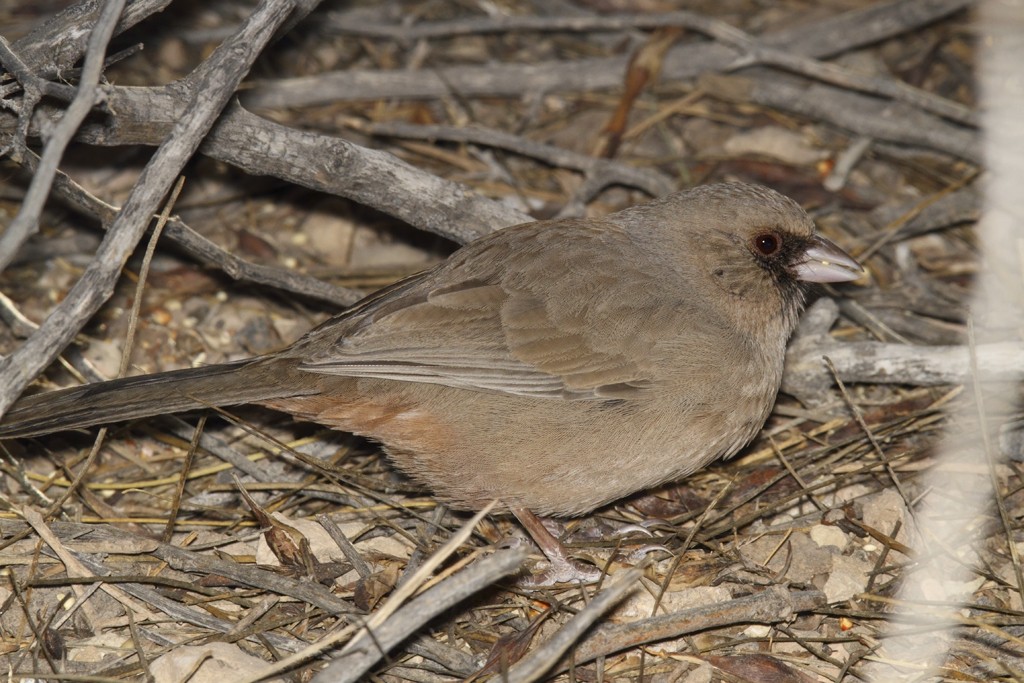
20. Abert's Towhee
Abert's towhees are recognized by their relatively long tails, dark faces, and overall brown plumage. They are related to sparrows and juncos but are more similar to thrashers in appearance. They may be confused with the California towhee, but their dark faces are more distinct, and the range of these species only slightly overlaps. The Abert's towhee is the longest species in the diverse Emberizidae at 21 to 25 cm (8.3 to 9.8 in) long, but its length is boasted by a relatively long tail, at 10 to 12 cm (3.9 to 4.7 in) in length. Males weigh from 40–54.1 g (1.41–1.91 oz), with an average of 47.1 g (1.66 oz), while females weigh from 39.5–51 g (1.39–1.80 oz), with an average of 44.8 g (1.58 oz). In terms of weight, it is outweighed by several other towhee species. Among standard measurements, the wing chord is 8.2 to 9.7 cm (3.2 to 3.8 in), the bill is 1.5 to 1.6 cm (0.59 to 0.63 in) and the tarsus is 2.6 to 2.9 cm (1.0 to 1.1 in).