




Top 20 Most Common Bird in Palm Desert
The unique terrain and climate of Palm Desert yield an incredible expanse for avian diversity. Its ecosystems, ranging from desert to mountainous, cater to a striking assortment of bird species, offering birdwatchers an unparalleled experience. Iconic birds like the Gambel's Quail, Verdin, and the Greater Roadrunner are all part of Palm Desert’s rich bird ensemble. In total, 20 common birds are observed here, each contributing to the vibrant avian tapestry of this region.

Most Common Bird
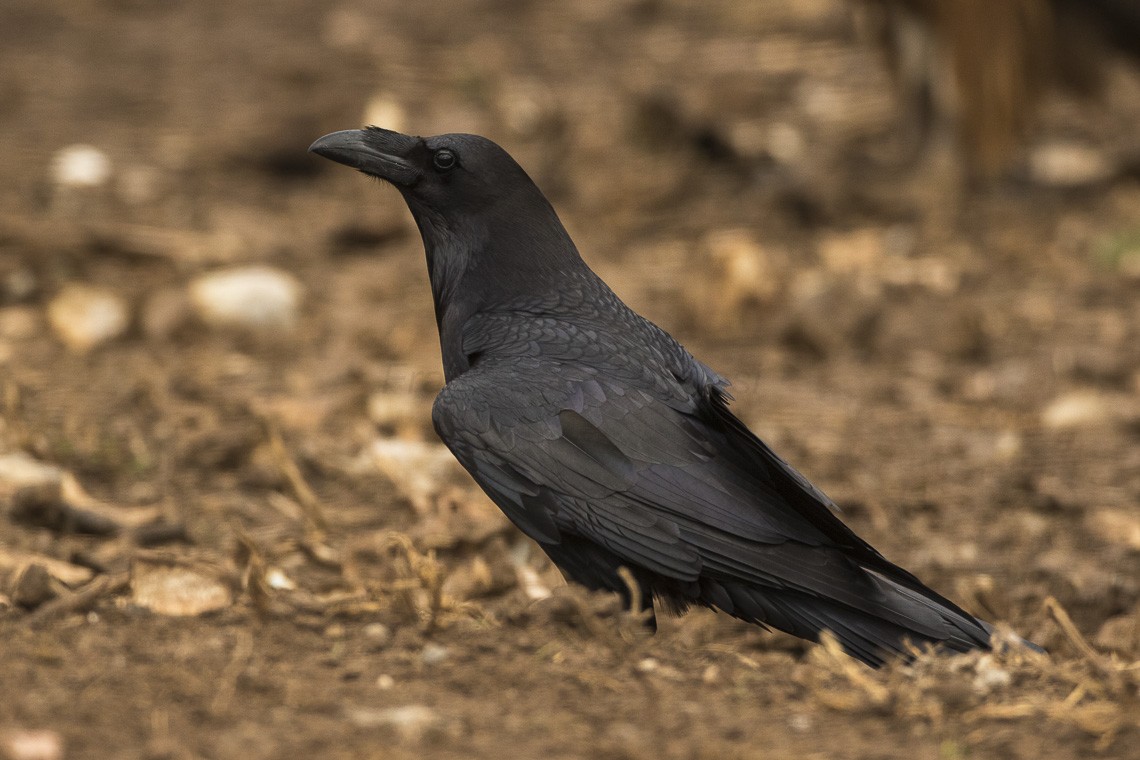
1. Common Raven
The common Raven is one of the most ubiquitous species of birds and is revered for its high intelligence. These birds prefer open habitats, but can be found in nearly all environmental conditions besides rainforests. As a social species, some subspecies of common Raven have been known to have 15 to 33 different categories of calls!

2. House Finch
Frequent in urban environments and human-created habitats such as parks and backyards, the little house Finch is known for its loud but pleasant, cheerful singing. It feeds on the ground, mostly on seeds, berries, and other plant material. This bird is highly sociable and very adaptable. It often visits feeders.
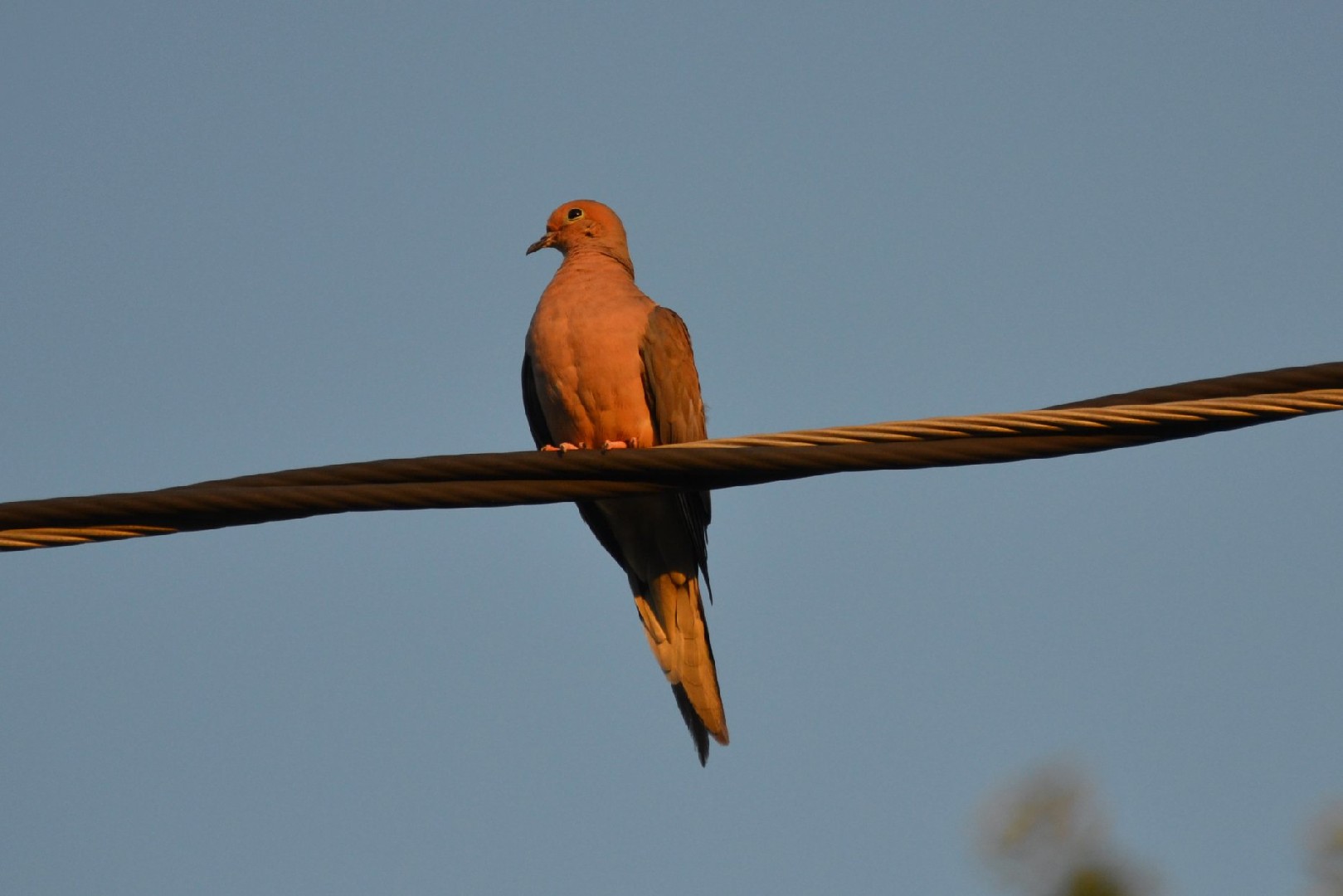
3. Mourning Dove
One of the most famous and widespread doves of North America, the mourning Dove can be often seen in urban areas perching on telephone wires. It is named after its distinctive, plaintive-sounding song. It is also a popular game bird, but its population is still abundant thanks to the prolific breeding and its ability to raise up to five to six broods in a single year.
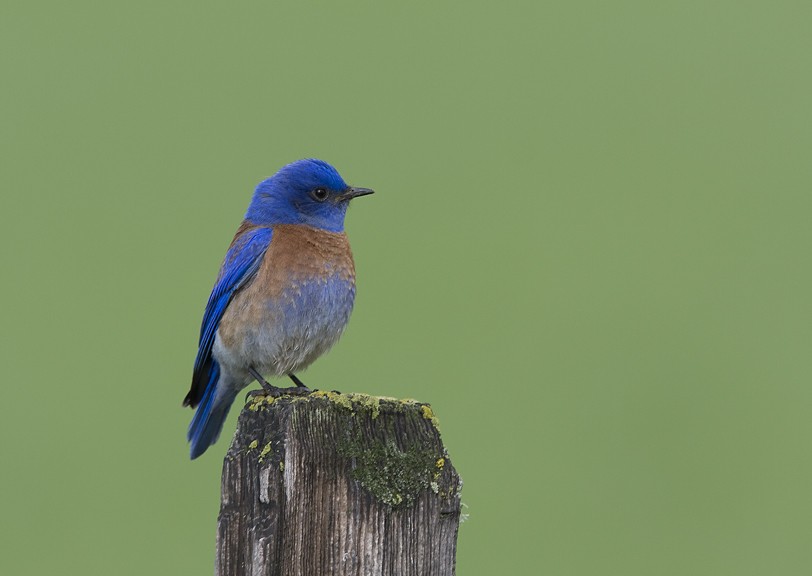
4. Western Bluebird
The colorful western Bluebird lives on the edge of coniferous and deciduous forests, usually in hollowed-out trees where there is plenty of room to perch; these birds will become especially territorial over nesting areas but are relaxed otherwise. Interestingly, nesting western Bluebirds have been documented receiving help from other birds of the species, most likely unintentionally.
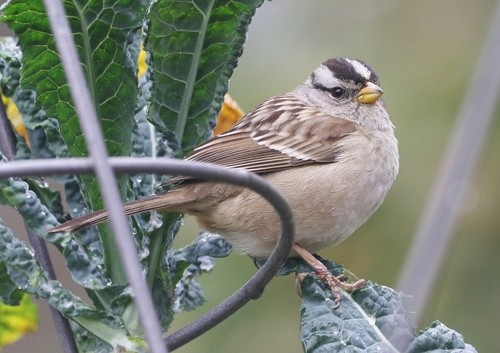
5. White-crowned Sparrow
This common sparrow has a white crown atop its head, which gave it its name, as well as a neat pattern down its wings and a long tail. Some groups of white-crowned Sparrows migrate, while others remain in coastal habitats year-round. Across different groups of these birds are different song “dialects” which are widely studied.
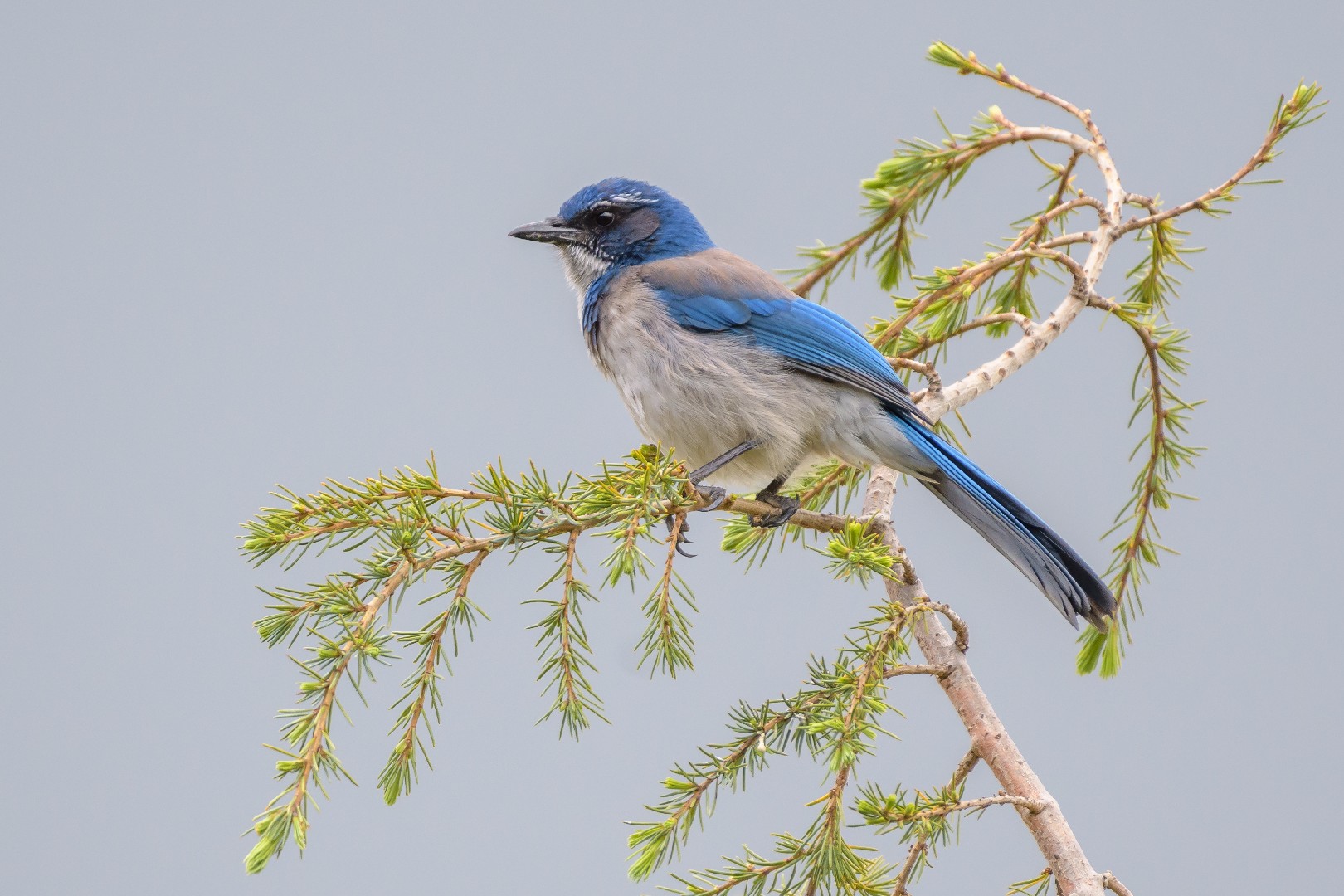
6. California Scrub-jay
California Scrub-jays prefer to live in dry shrublands, oak forests, and treed backyards. These are mischievous little birds that like to steal acorns from Woodpecker hiding spots. However, when the scrub jays hide the acorns in a new spot they rarely remember where they've hidden them! It's a lose-lose situation. When not stealing acorns they like to spend time eating ticks and other parasites off the backs of mule deer. The deer seem to appreciate the attention and often hold up their ears to give the jays access.
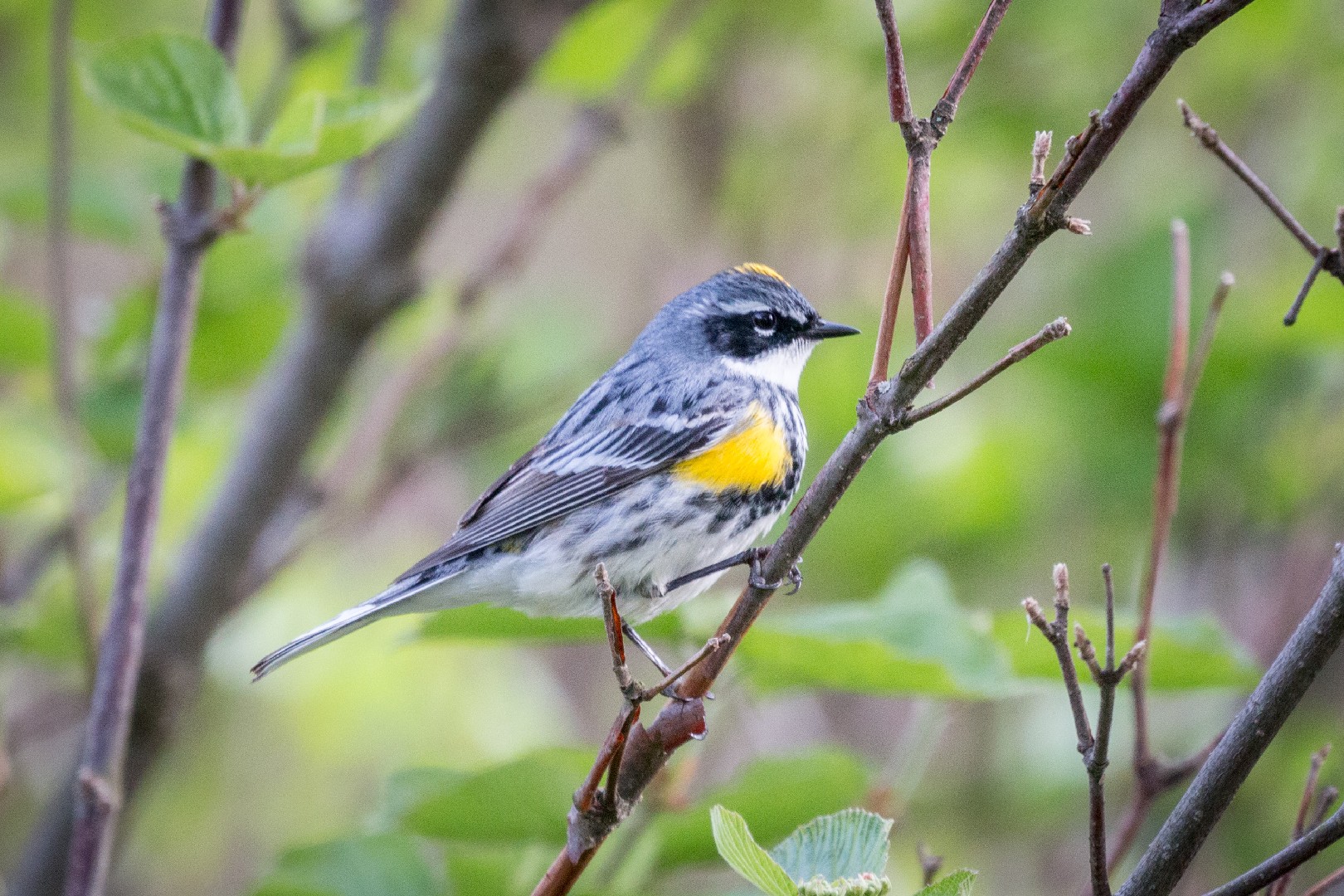
7. Yellow-rumped Warbler
The foraging yellow-rumped Warbler is quick-moving and appealingly colored. Both male and female are a sharp gray, with white on their wings and flashes of yellow on their rump (as the name suggests), sides, and face. Most striking about this bird is the large groups of them that spread across North America in the autumn season.
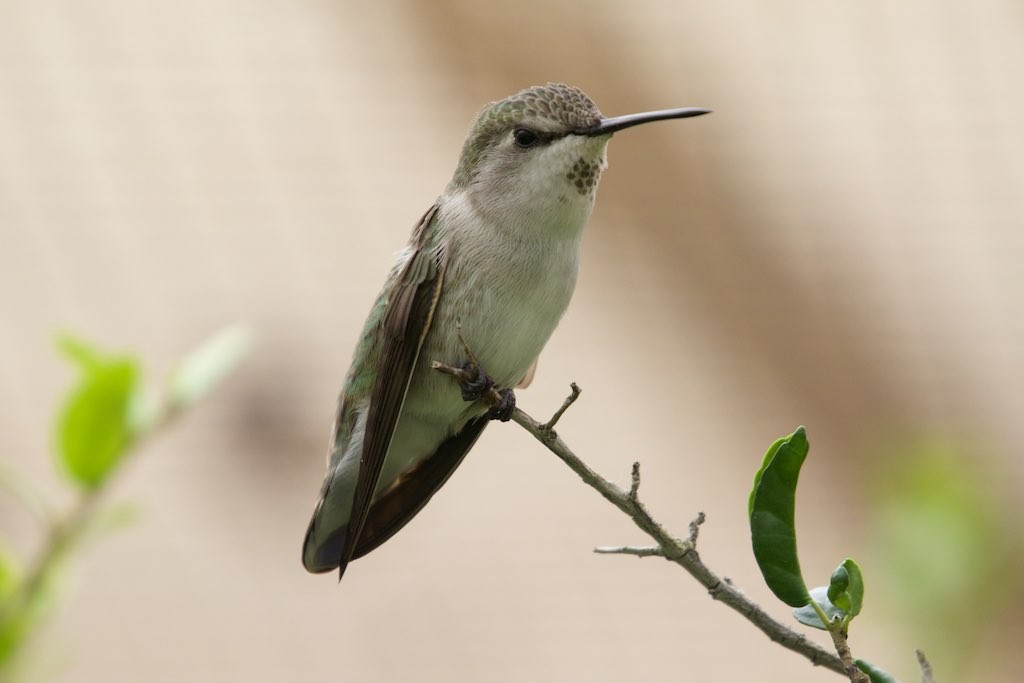
8. Costa's Hummingbird
The male Costa's has a mainly green back and flanks, a small black tail and wings, and patches of white below their gorgeted throat and tail. Its most distinguishing feature is its vibrant purple cap and throat with the throat feathers flaring out and back behind its head. The female Costa's hummingbird is not as distinct as the male, having grayish-green above with a white underbelly. 
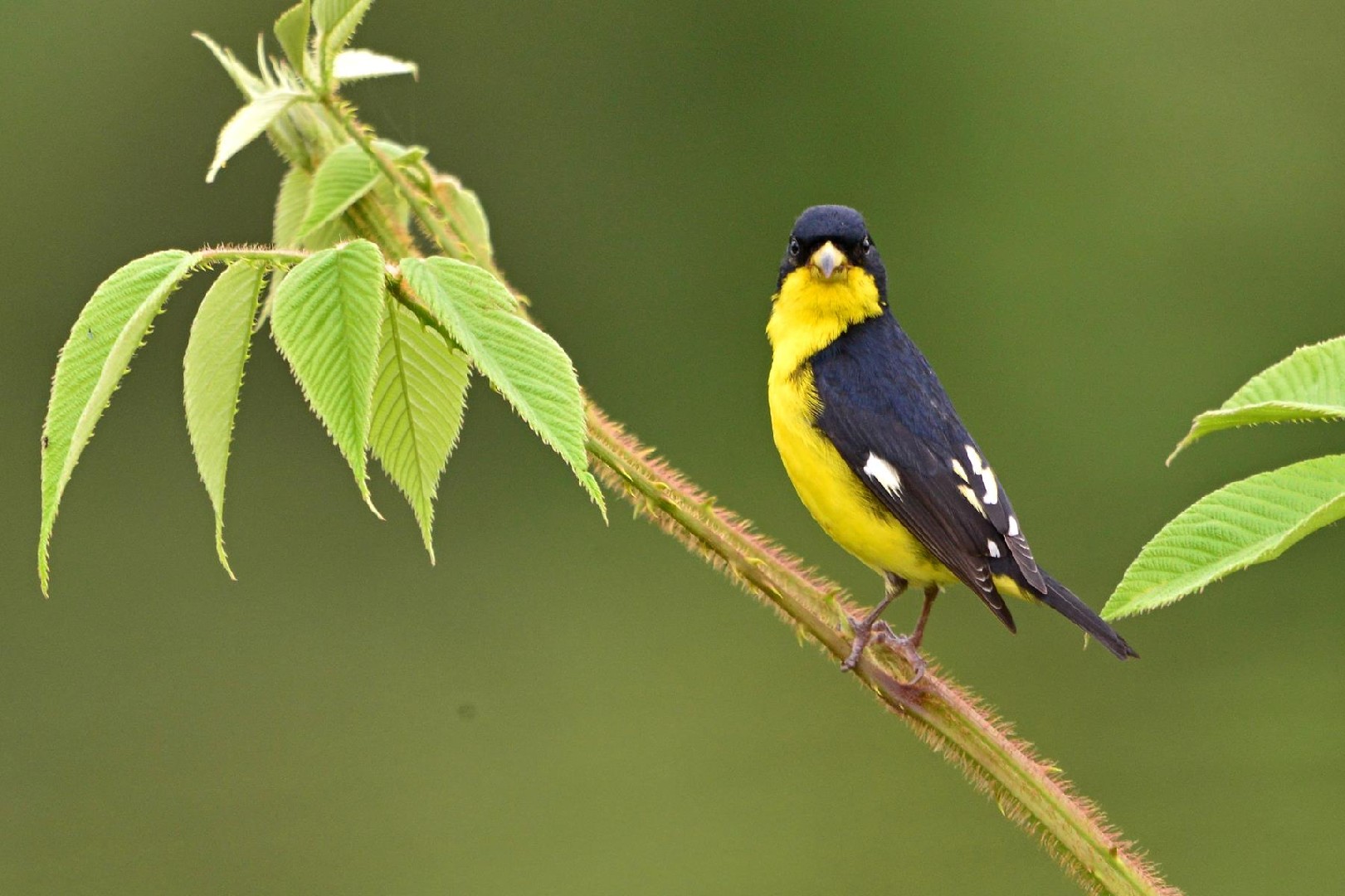
9. Lesser Goldfinch
A common visitor of birdhouses or anywhere with birdseed, the lesser Goldfinch is a small, notch-tailed bird that enjoys gardens and open wooded areas. Its size has made it commonly overlooked, but listen out for its charming, chiming song. Social birds, they are often seen in large groups of hundreds traveling together at a time.
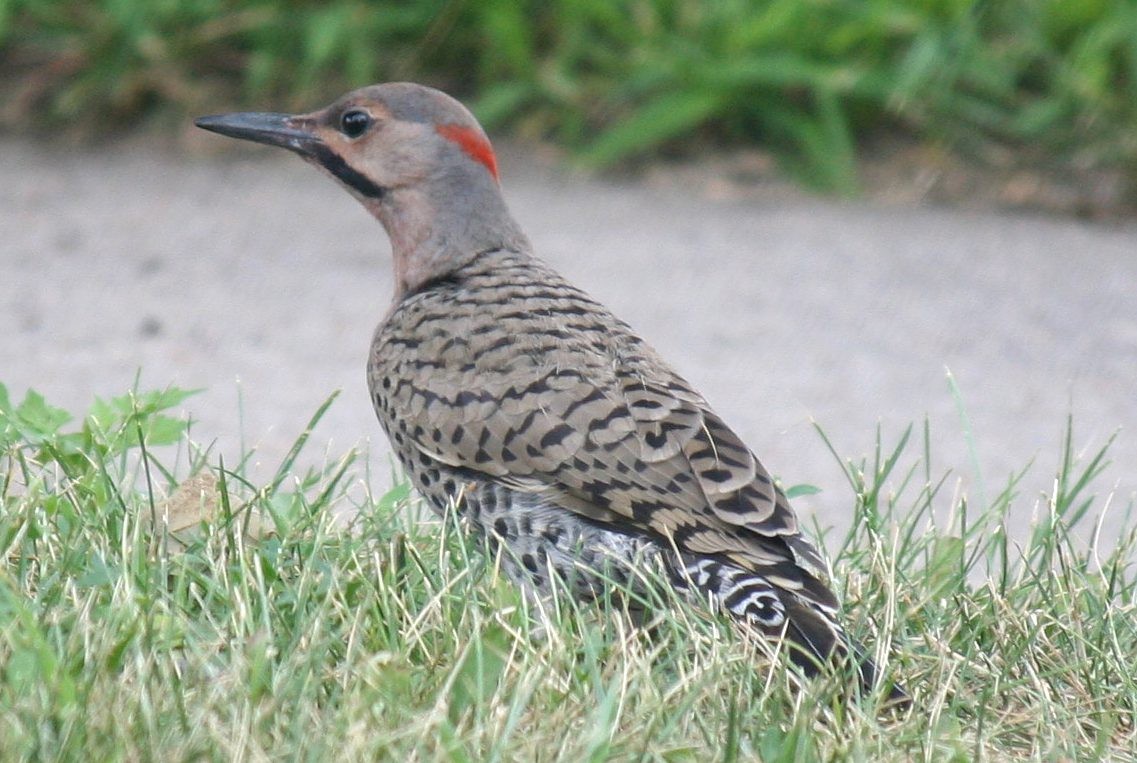
10. Northern Flicker
In the search of its favorite food—ants—the northern Flicker often forages leaf litter and tree bark, which makes it the only ground forager in the woodpecker group. It's a migratory species, which is quite a rare behavior for woodpeckers, as well. The northern Flicker has an eastern (yellow-shafted) and a western (red-shafted) form. It lays a large number of eggs - the known record is 71 eggs in 73 days.
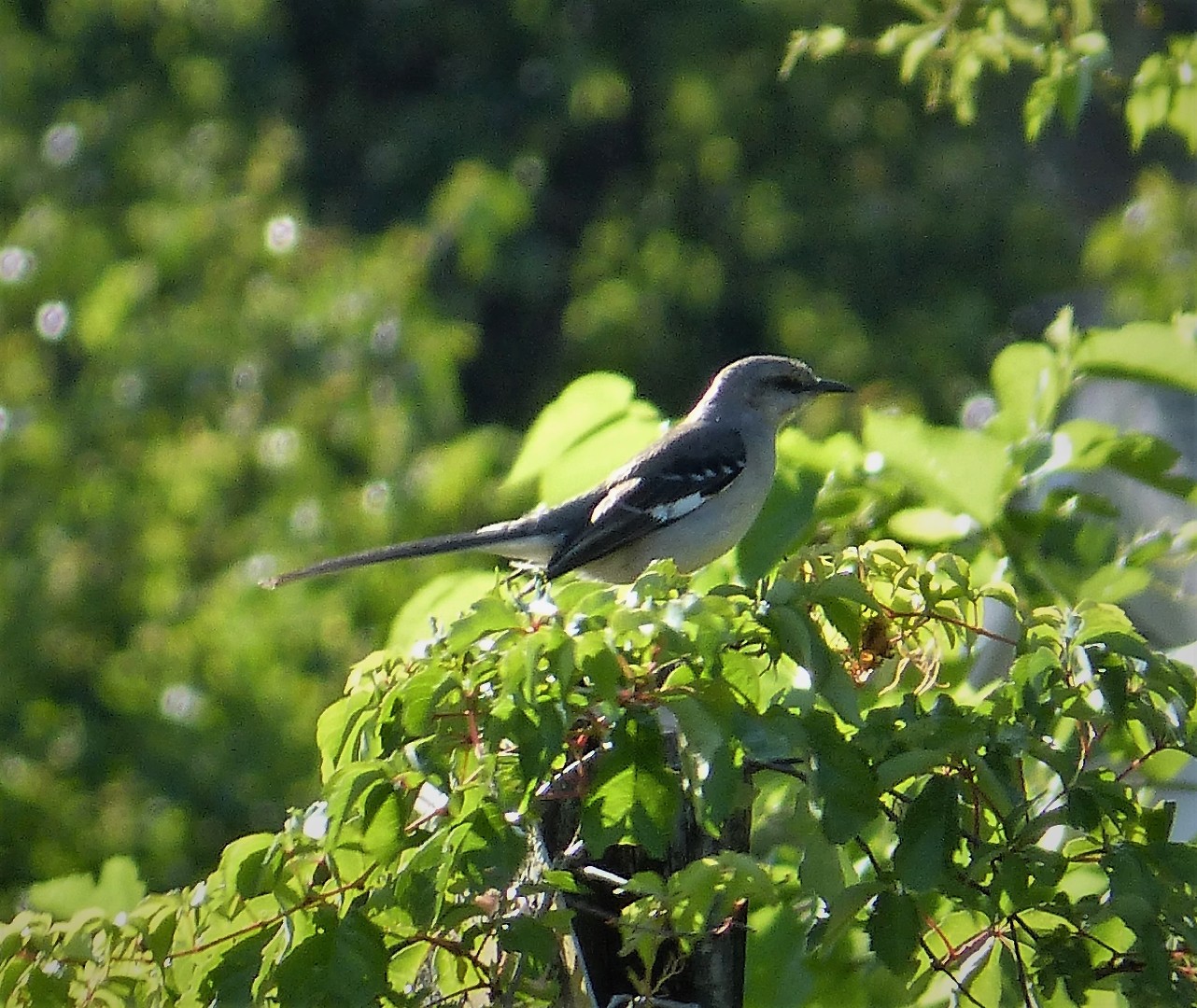
11. Northern Mockingbird
The northern Mockingbird is able to mimic the sound of more than 30 bird species, but this master mocker has also been known to imitate the sounds of a whistle, frog call, or a dog's bark. The mimicry keeps other birds out of the mockingbird's territory, but it also plays an important role in courtship - the male with the best mimicking skills is the most attractive to females. You will often hear this mockingbird singing on moonlit nights. Widespread throughout the US, the northern Mockingbird is a state bird of Arkansas, Florida, Texas, Mississippi, and Tennessee.
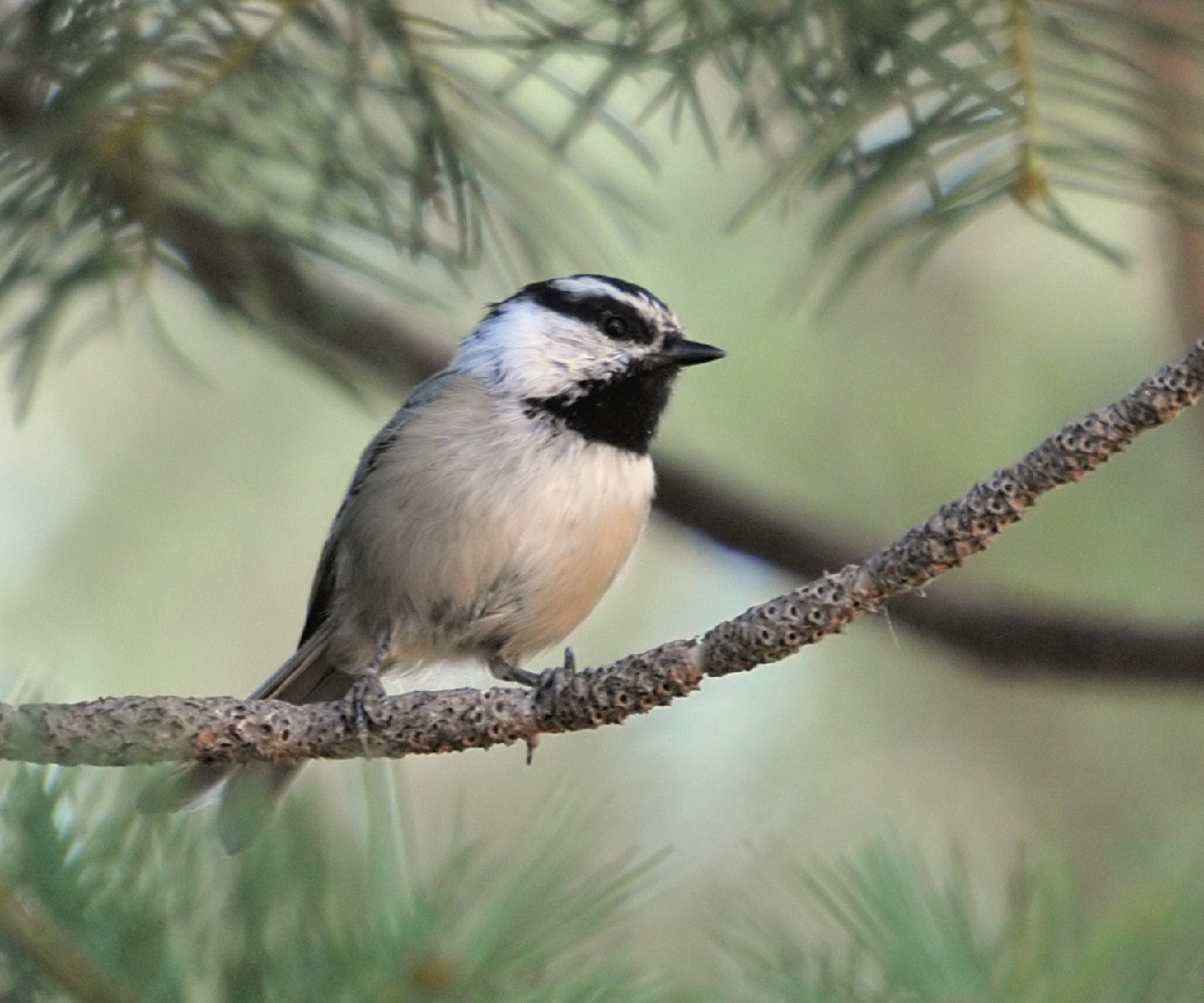
12. Mountain Chickadee
The mountain Chickadee is a flocking bird found in mountainous regions with dense evergreen coverage. These birds have an interesting feeding behavior where they hang upside-down on branches to find seeds and insects. They can survive on just ten calories per day so they often store excess seeds for later. They have a very distinct "chick-a-dee" call which gives them their name.
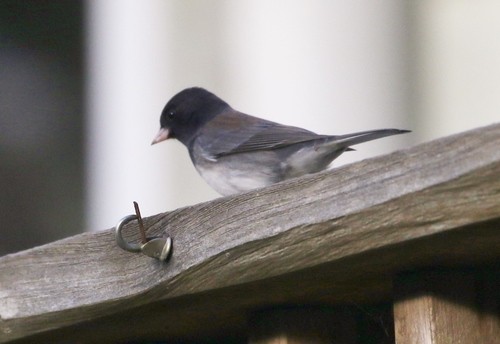
13. Dark-eyed Junco
One of the most common birds of North America, the dark-eyed Junco lives in flocks in open forests, but it's very common in urban areas. This a highly variable species consists of at least five subspecies. This ground bird is often seen during winter, so it's sometimes called the "Snowbird," although it shares the nickname with the Snow bunting (Plectrophenax nivalis).
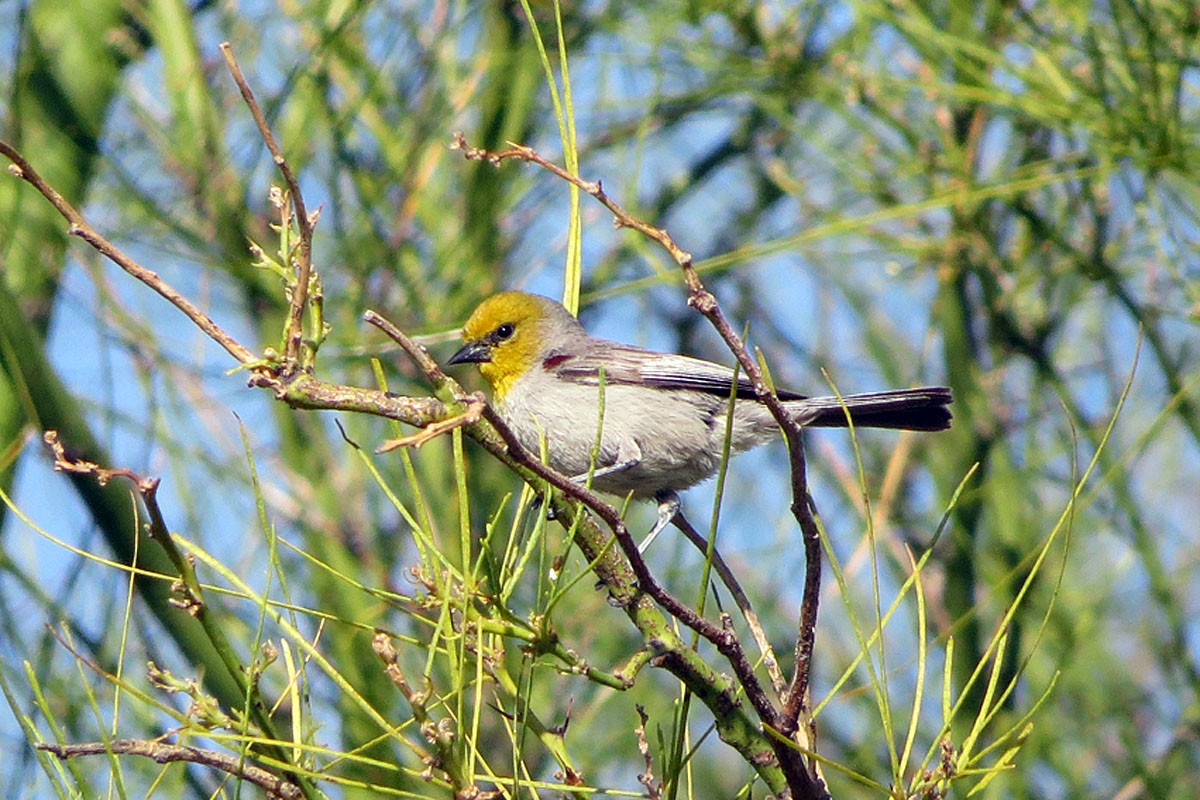
14. Verdin
The verdin is a very small bird. At 4.5 in (11 cm) in length, it rivals the American bushtit as one of the smallest passerines in North America. It is gray overall, and adults have a bright yellow head and rufous shoulder patch (the lesser coverts). Unlike the tits, it has a sharply pointed bill. Juveniles have a light gray body without the rufous shoulder patch and yellow head. The base of the short bill is thick by the head, and draws to a sharp point at the tip.
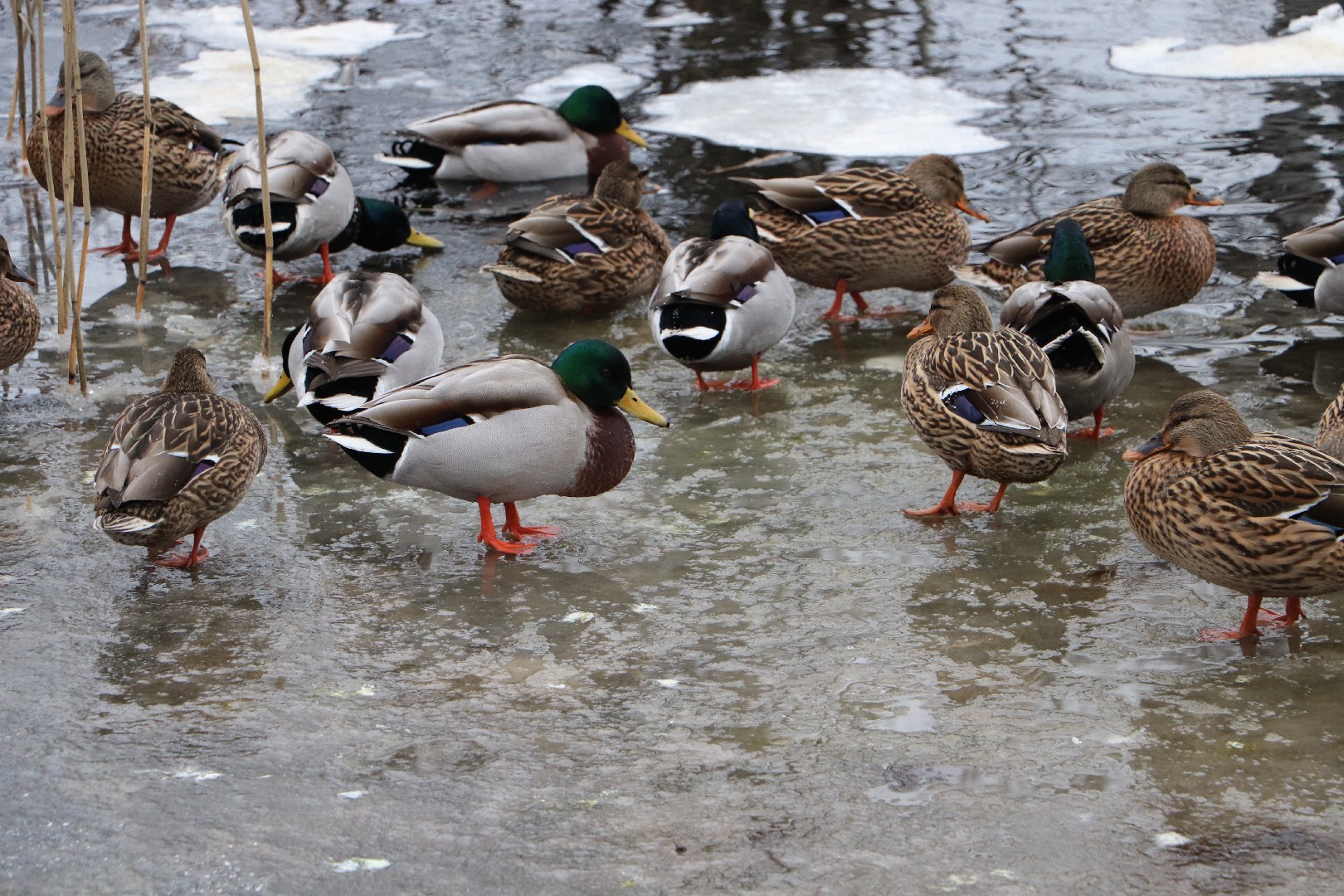
15. Mallard
The mallard is the most abundant duck species in the world, and the ancestor of all domestic ducks. Only the female can produce the distinctive "quack" sound. When the female lays eggs, the male abandons its mate, while the protective mother stays with the ducklings for a long time. This migratory species inhabits shallow waters and it's one of the most popular game birds.
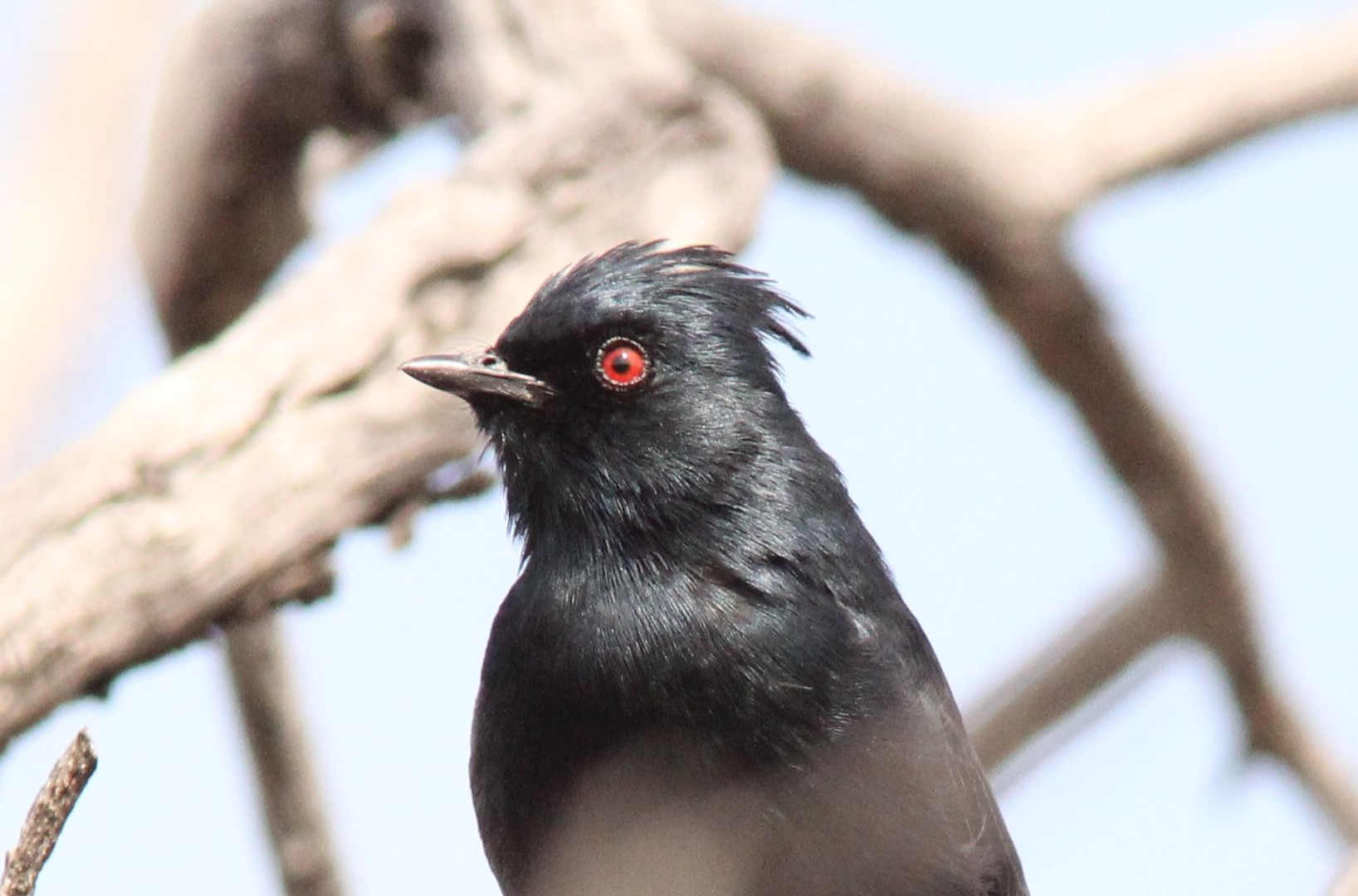
16. Phainopepla
The phainopepla is a striking bird, 16–20 cm (6.3–7.9 in) long with a noticeable crest and a long tail; it is slender, and has an upright posture when it perches. Its bill is short and slender. The male is glossy black, and has a white wing patch that is visible when it flies; the female is plain gray and has a lighter gray wing patch. Both sexes have red eyes, but these are more noticeable in the female than the male.
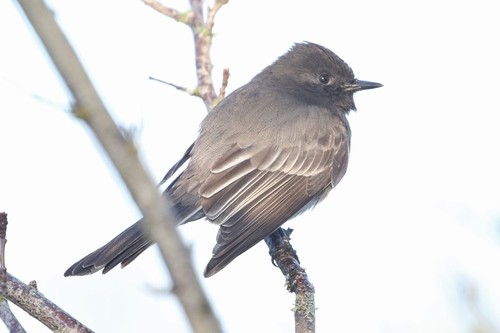
17. Black Phoebe
Often spotted near creeks and ponds after you hear its sharp, whistling call, the small, plump black Phoebe is a sooty gray. Look for its white belly and squared tail to properly identify it. When perched, it wags its tail constantly. This bird feeds by taking short, quick flights to skim the water’s surface and snag an insect.
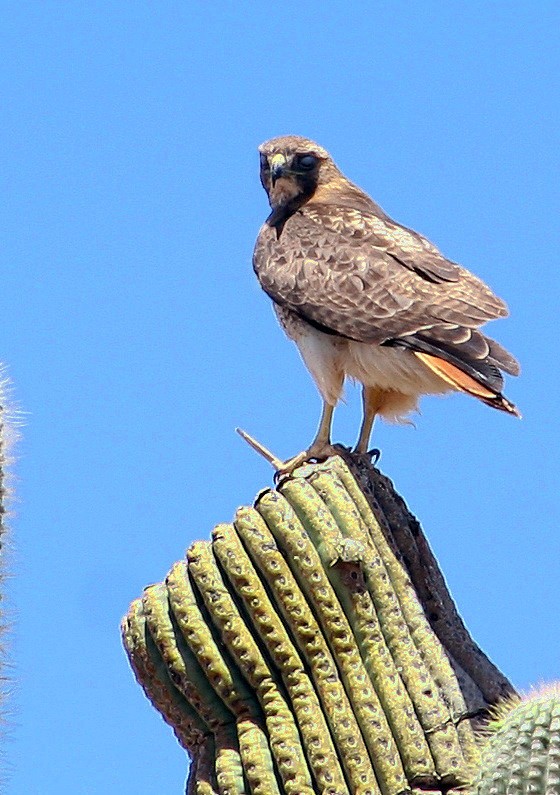
18. Red-tailed Hawk
Perched high in trees, the red-tailed Hawk watches for its prey: mammals, reptiles, birds, amphibians, large insects, and occasionally fish. It's the most common hawk in North America. Highly territorial and monogamous, the red-tailed Hawk is relatively long-lived. Many of them die young, but those who survive can live up to 20 years.
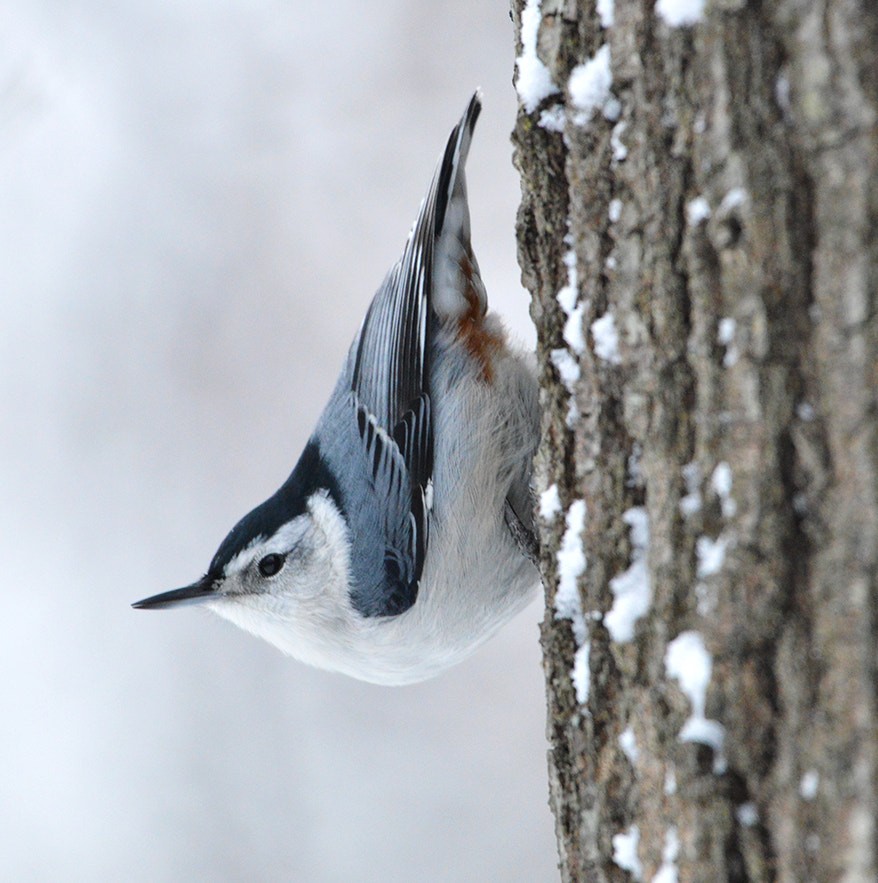
19. White-breasted Nuthatch
The white-breasted Nuthatch is the largest nuthatch in North America, but it's still a relatively small bird. It's a monogamous species and the pair usually nests in tree cavities. The white-breasted Nuthatch prefers old deciduous woodlands. When in search of food, it creeps along the trees up and down, relying on its strong legs, rather than using a tail for additional support like woodpeckers do.
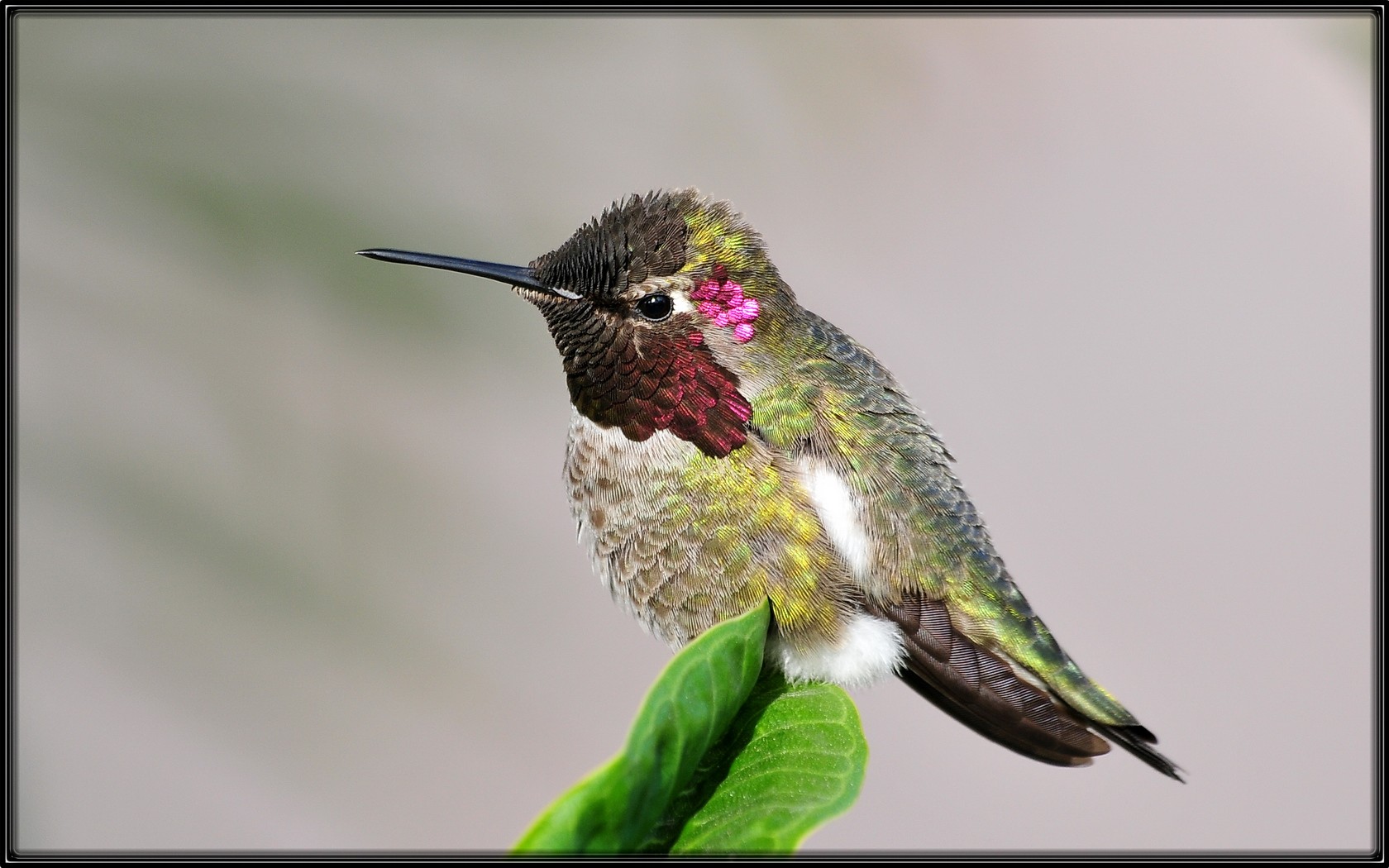
20. Anna's Hummingbird
This hardy bird is a common sight along the Pacific Coast, with a bright, vibrant coloring that is anything but common. Look for their emerald feathers and soft pink throats, which gives them the appearance of a flying jewel. Anna's Hummingbird is more vocal than other hummingbirds, with a buzzy song you may hear from the males when they are perched.