




Top 20 Most Common Bird in Hobbs
Embracing an enchanting spectrum of avian diversity, Hobbs harbors an impressive array of 20 species, each thriving in unique southwestern habitats. This biodiverse landscape, characterized by high desert grasslands, hawthorn-lined river valleys, and arid cacti expanses, endows the area with Signature species such as the Roadrunner, Ladder-backed Woodpecker and Burrowing Owl. This vivid tableau of birdlife in Hobbs sets the stage for a deeper exploration into their intriguing world.

Most Common Bird
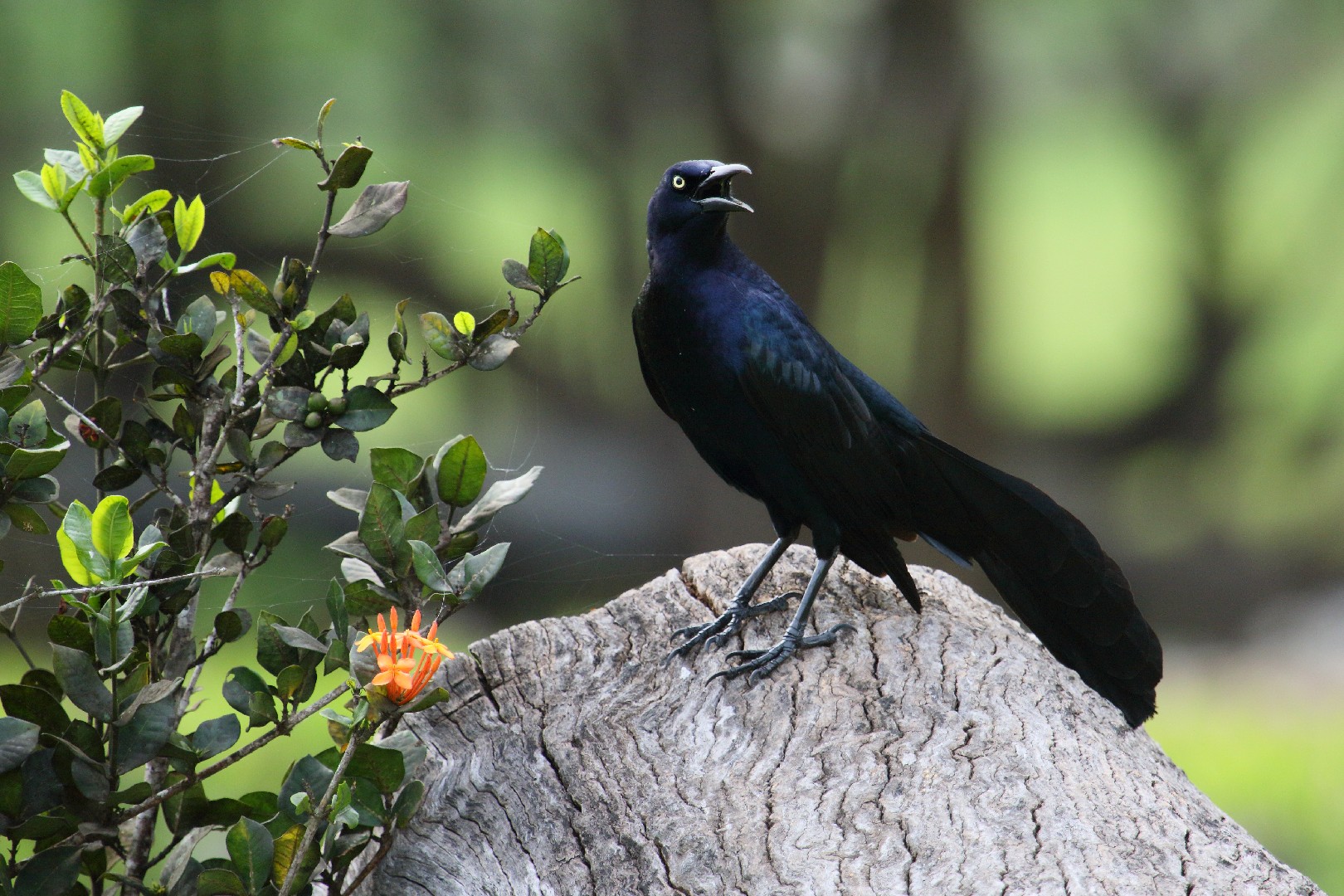
1. Great-tailed Grackle
The medium-sized great-tailed Grackle is notable for its long tail, shaped like a V, and deep black coloring offset by bright yellow eyes. This loud bird can be easily found just by following the sharp sounds of its calls and shrieks. Males in particular shriek and ruffle up their feathers to defend their territory or if they feel threatened.
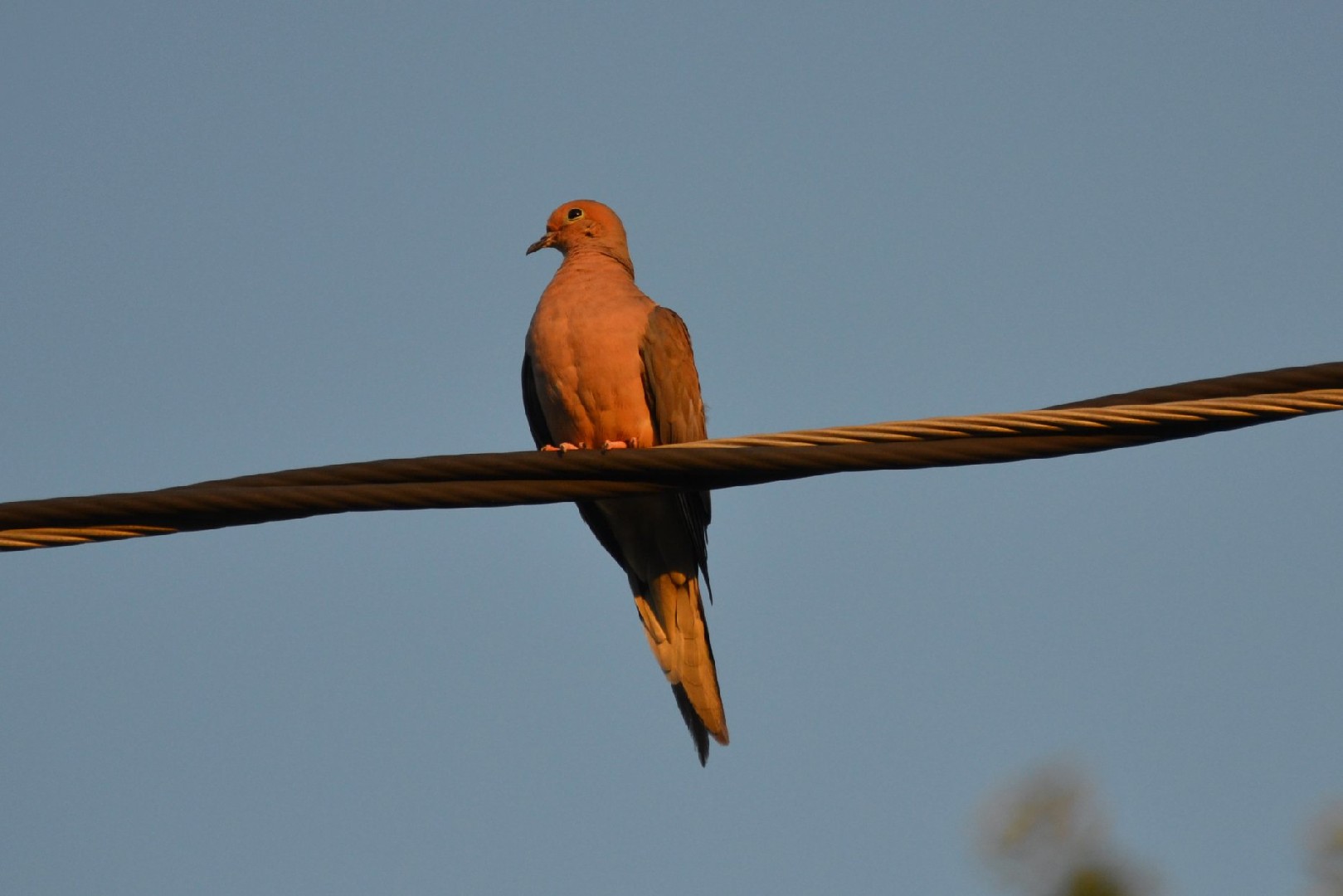
2. Mourning Dove
One of the most famous and widespread doves of North America, the mourning Dove can be often seen in urban areas perching on telephone wires. It is named after its distinctive, plaintive-sounding song. It is also a popular game bird, but its population is still abundant thanks to the prolific breeding and its ability to raise up to five to six broods in a single year.
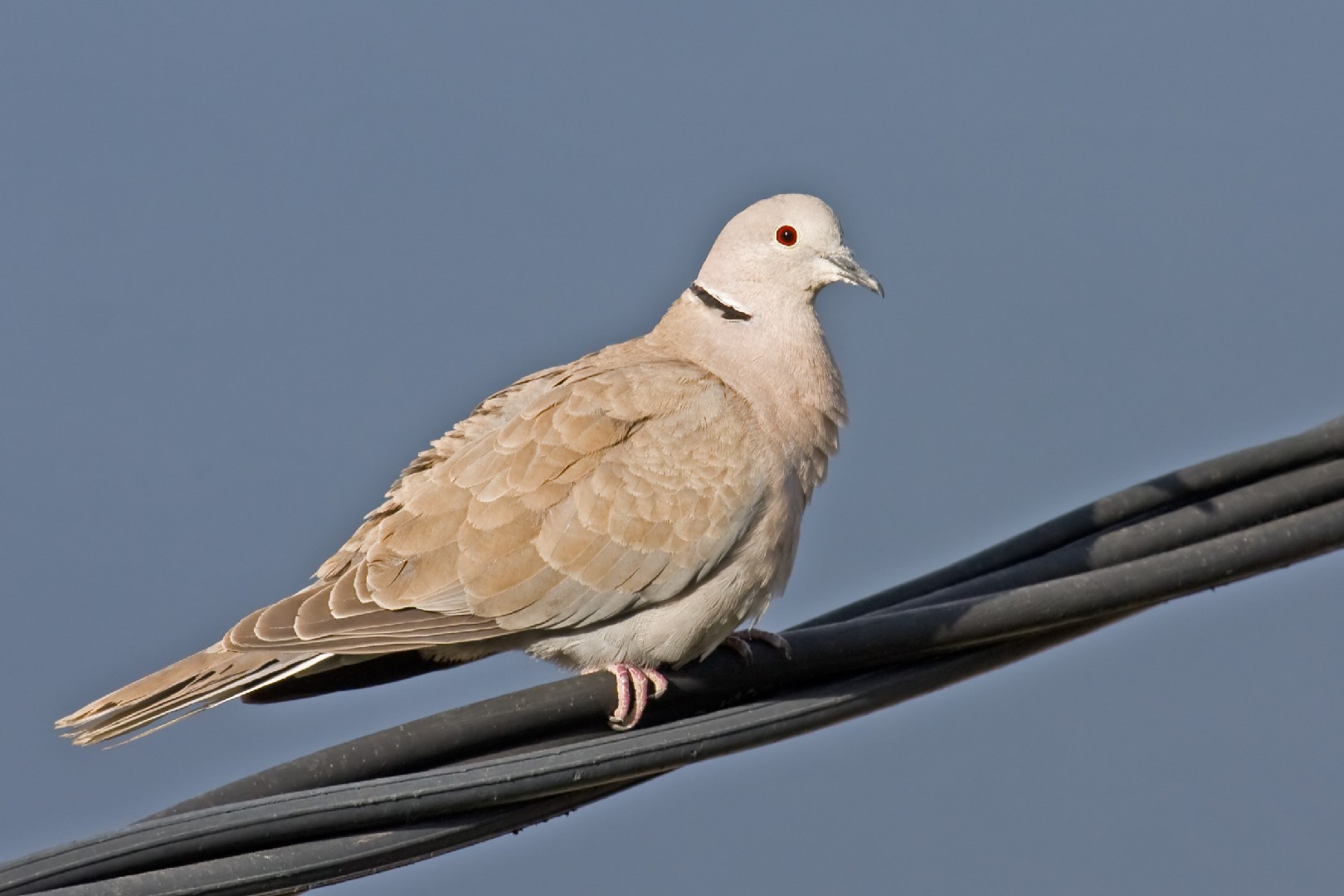
3. Eurasian Collared-dove
This plump, pretty dove with a square-tipped tail is known for bobbing its head and flicking its tail while walking. Though nice to look at, many people are not pleased at the sight of a eurasian Collared-dove walking along. In North America they are considered an invasive species, and one that carries a disease-creating parasite that can spread to native dove populations through birdbaths, feeders, or even through hawks preying on them.
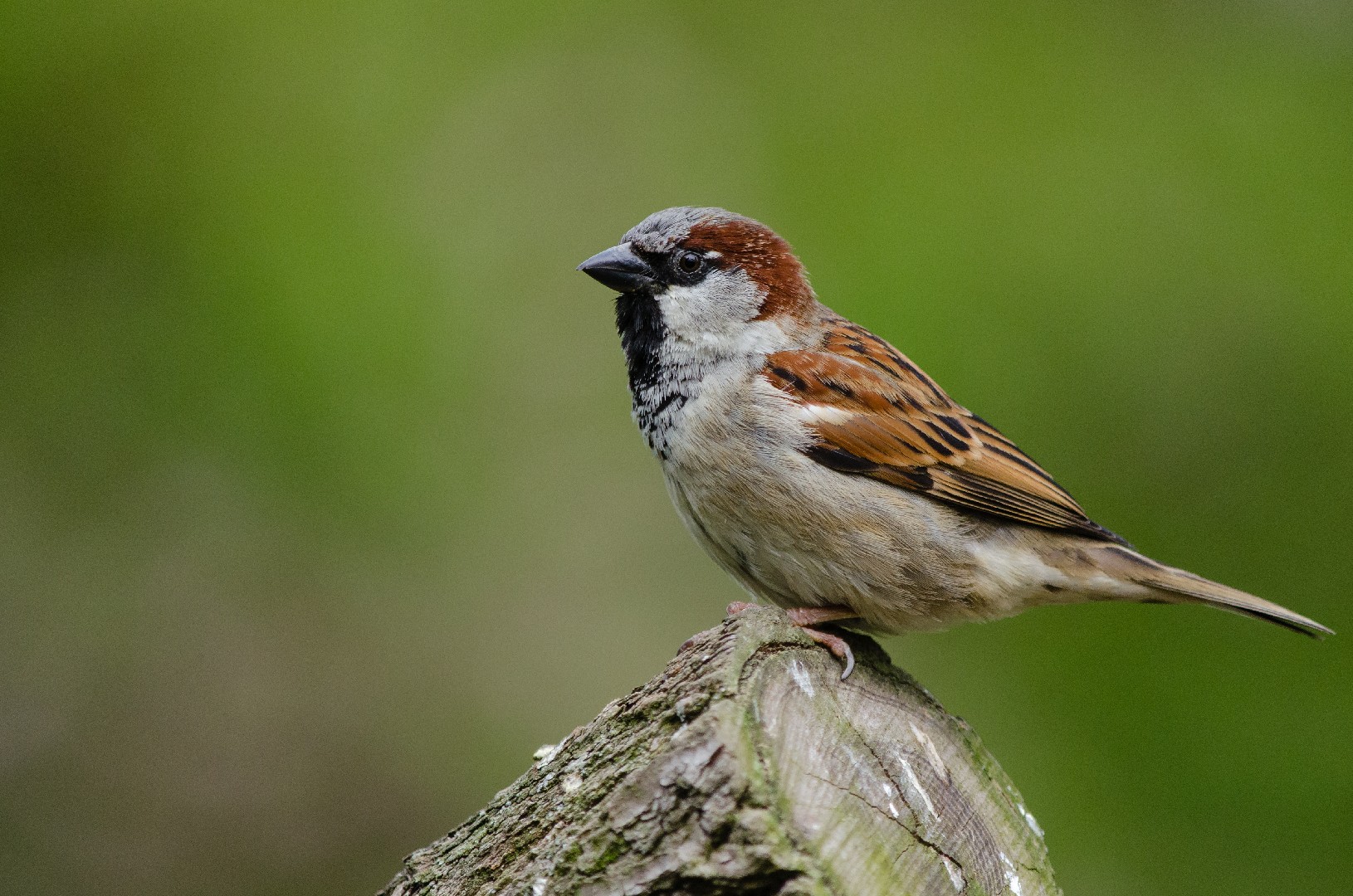
4. House Sparrow
Just as its name implies, the little house Sparrow socializes with humans more than any other bird species. Able to adapt and thrive in almost any habitat, excluding the extremes such as deserts and mountain peaks, this species was once restricted only to North Africa and Eurasia but now is found across the globe. Unfortunately, this opportunistic eater is not completely harmless—it can cause considerable damage to crops.
5. Chihuahuan Raven
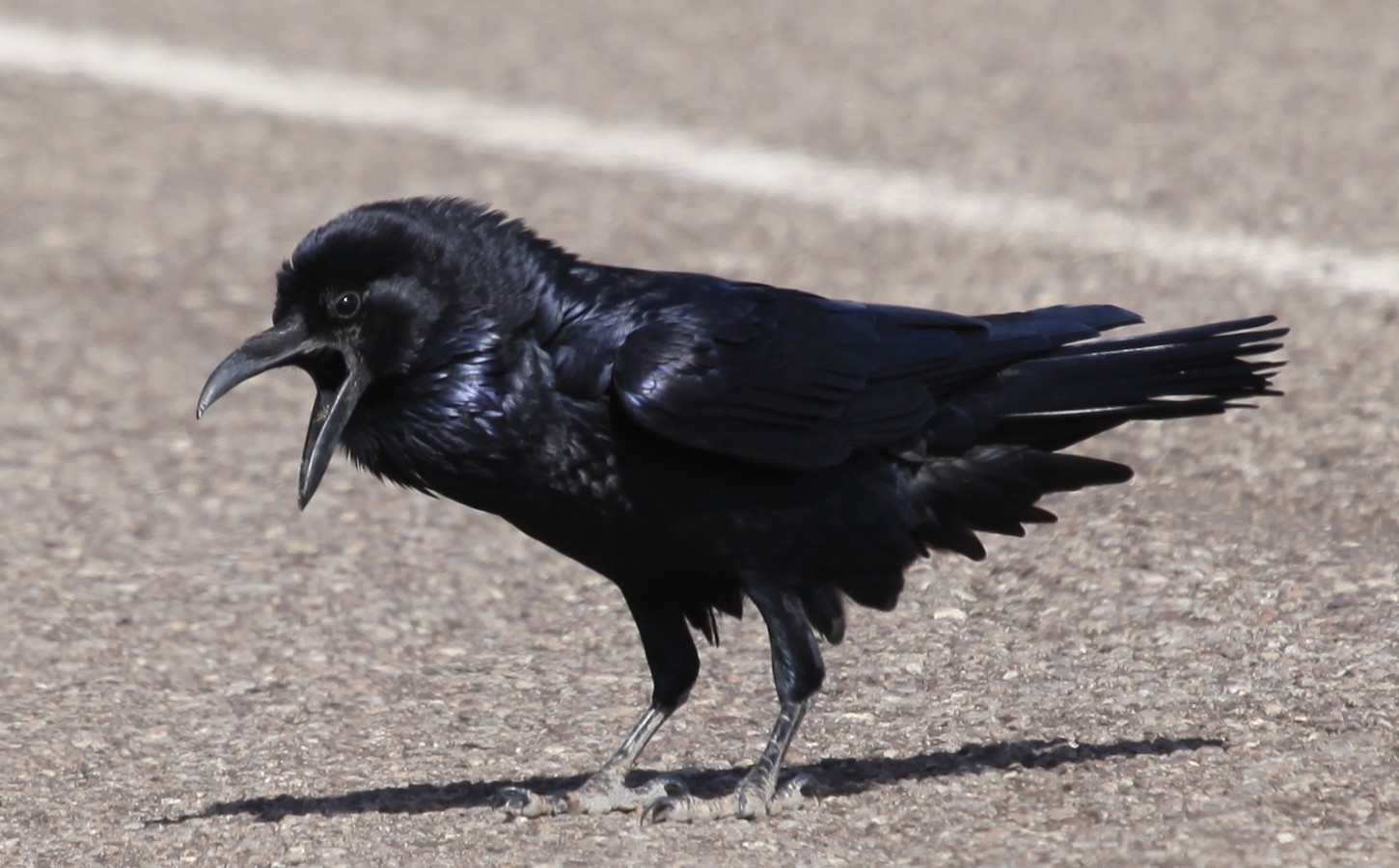
The Chihuahuan raven (Corvus cryptoleucus) is a species of bird in the family Corvidae that is native to the United States and Mexico. American white-necked raven was an earlier English name. The proportions resemble the common raven with a heavy bill, but is about the same size as a carrion crow, or slightly larger than the American crow (44–51 cm (17–20 in) long). The plumage is all-black with a rich purple-blue gloss in good light. Like the forest raven, little raven, fan-tailed raven and Australian raven, it is one of the smaller raven species. The larger species of raven are the common raven, thick-billed raven, white-necked raven and brown-necked raven, with the common and thick-billed ravens being the world's largest raven species and the little and fan-tailed ravens being the smallest. The Chihuahuan raven is similar in appearance to the Australian raven, although with dark brown irises and whiter feather bases. The nasal bristles extend farther down the top of the bill than in any other Corvus species to about two-thirds the length. In addition, the Chihuahuan raven is similar in appearnace to the white-necked raven of east Africa because the base of the neck has feathers that are white-ish (seen only when ruffled in strong wind). The bill, legs and feet are black. 
6. Rock Pigeon
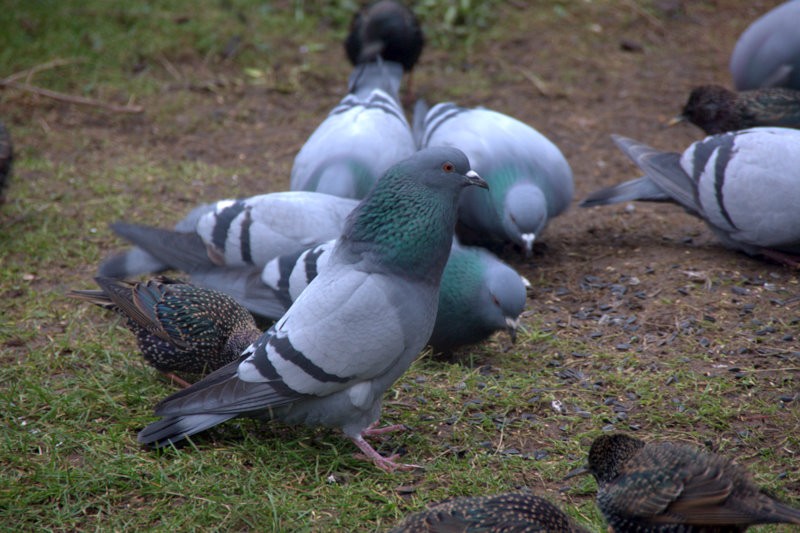
The rock Pigeon is a wild ancestor of all domestic and feral pigeons, inhabiting coasts, cliffs, and caves. Pairs nest in rock crevices, often mating for life. They are known for their ability to fly very long distances to return to their homes, navigating using the sun's position and the earth's magnetic fields. Thanks to this ability, pigeons were used as messengers, particularly during World Wars I and II.
7. Western Kingbird
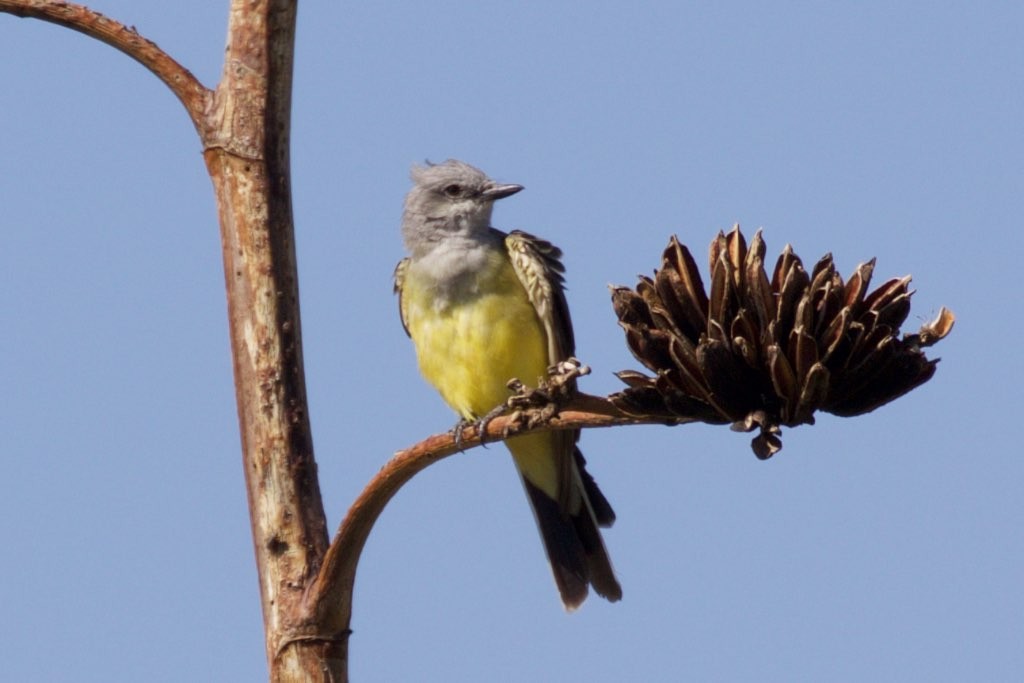
The Arkansaskoningiran (Tyrannus verticalis) is a songbird of the Tyrannidae family (Tyrants).
8. American Robin
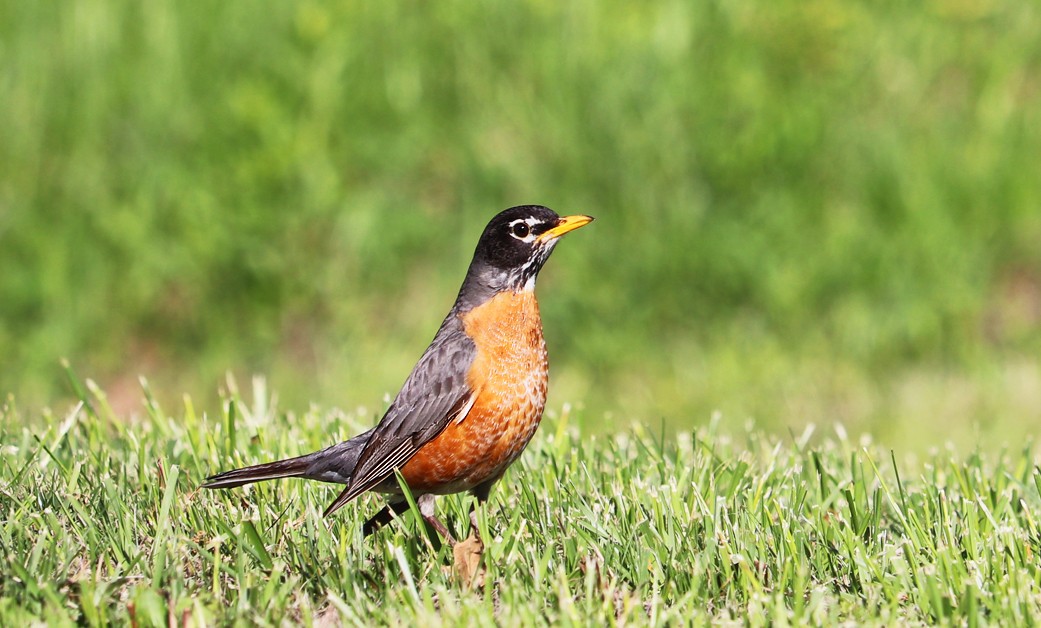
The american Robin is the most common, and largest, thrush in North America. It's a bird of striking colors, including its vibrant, red-breasted plumage and pale blue eggs. It likes to feed on summer fruit and berries, but worms play an important role in its diet as well. This songbird is a state bird of Connecticut, Michigan, and Wisconsin. Its cheery song is considered one of the first signs of spring.
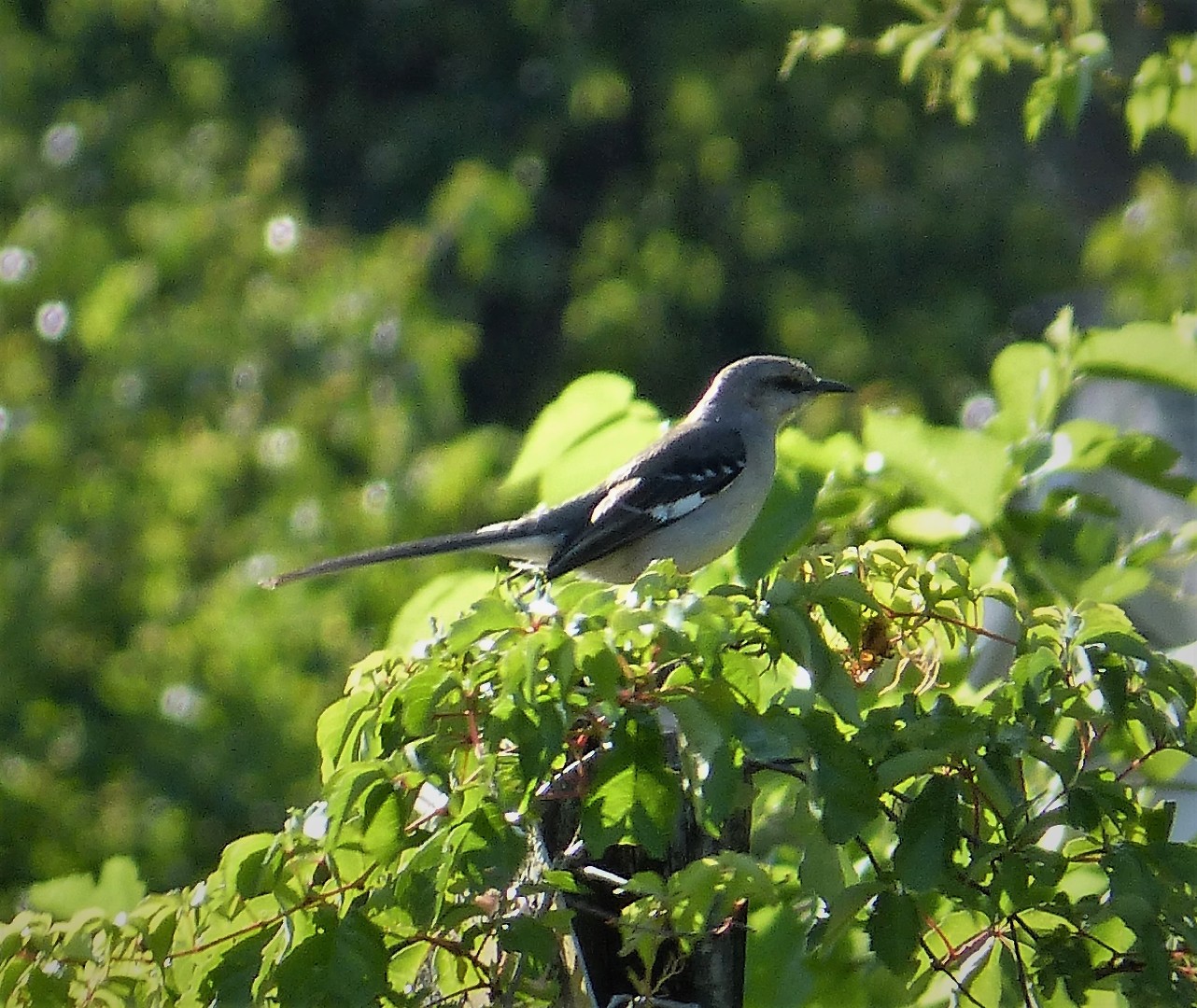
9. Northern Mockingbird
The northern Mockingbird is able to mimic the sound of more than 30 bird species, but this master mocker has also been known to imitate the sounds of a whistle, frog call, or a dog's bark. The mimicry keeps other birds out of the mockingbird's territory, but it also plays an important role in courtship - the male with the best mimicking skills is the most attractive to females. You will often hear this mockingbird singing on moonlit nights. Widespread throughout the US, the northern Mockingbird is a state bird of Arkansas, Florida, Texas, Mississippi, and Tennessee.
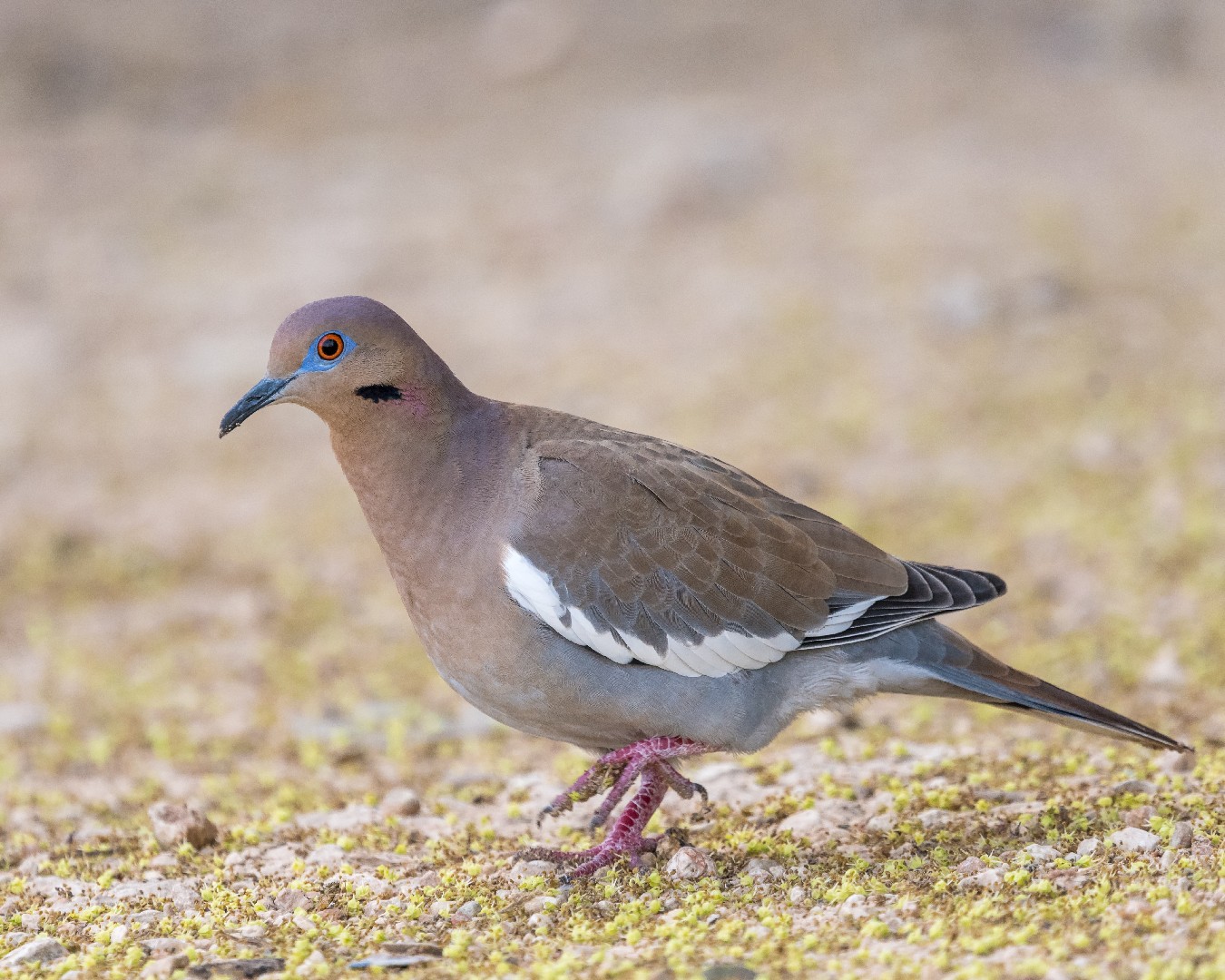
10. White-winged Dove
The medium-sized, distinctively patterned white-winged Doves practically live on Saguaro cactus, consuming its nectar, pollen, fruit, and seeds. In fact, they are so dependent on this plant that they match their migration schedule to its fruiting schedule. White-winged Doves were heavily hunted in Texas in the 20th century and their population dropped from 12 million to fewer than 1 million by 1939. Since then proactive hunting management and the species ability to adapt to urban living has helped their numbers rebound.
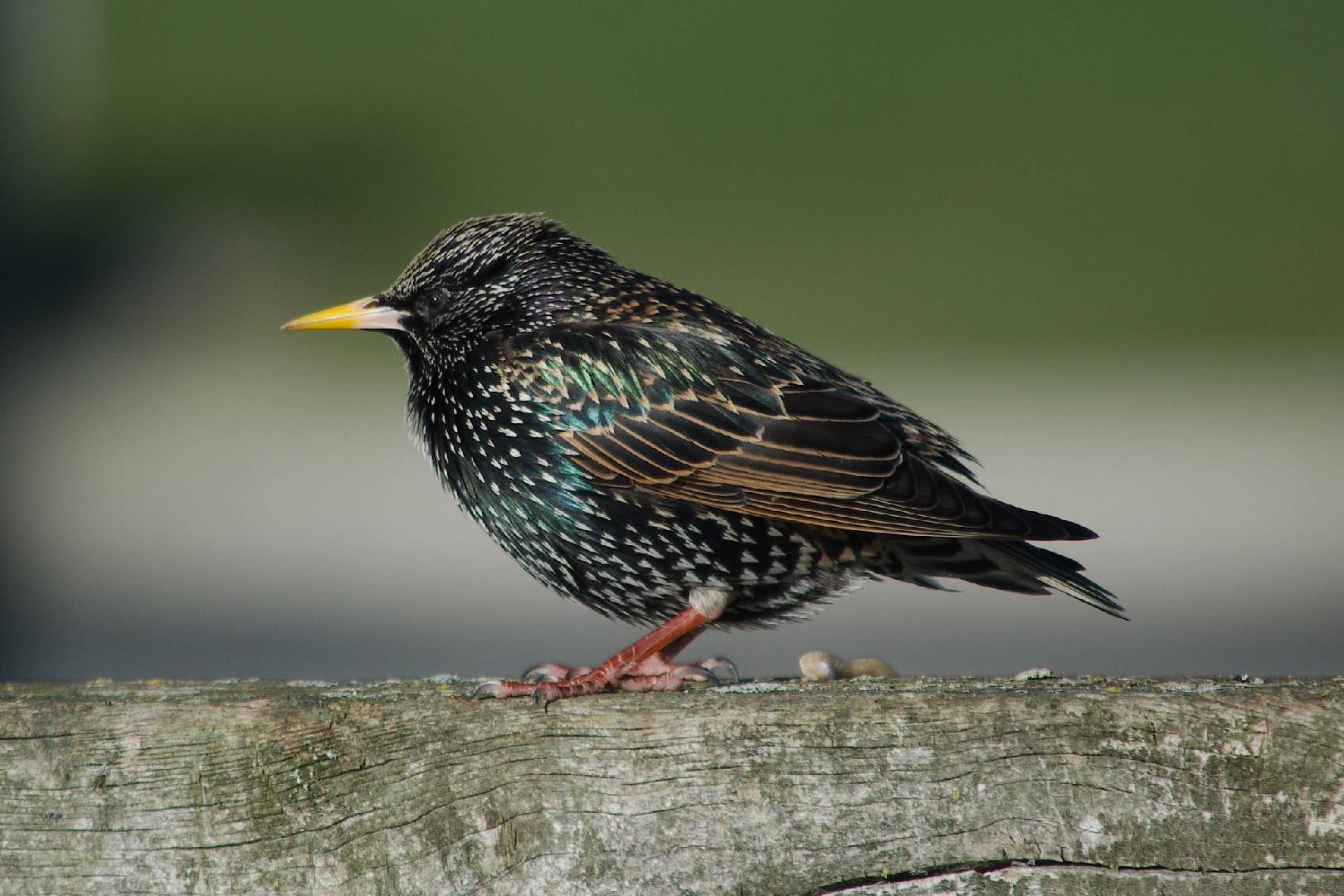
11. European Starling
The european Starling, a large, hardy songbird, is one of the most commonly seen bird species in North America. Originally from Europe, this species was brought to the U.S. in the 1890s by enthusiasts of William Shakespeare, who had the unique goal of bringing over every single species of bird that was mentioned in Shakespeare's collective works. Unfortunately, the european Starling, being an adaptable, generalist species, spread invasively across the continent, hurting many native species' populations in the process.
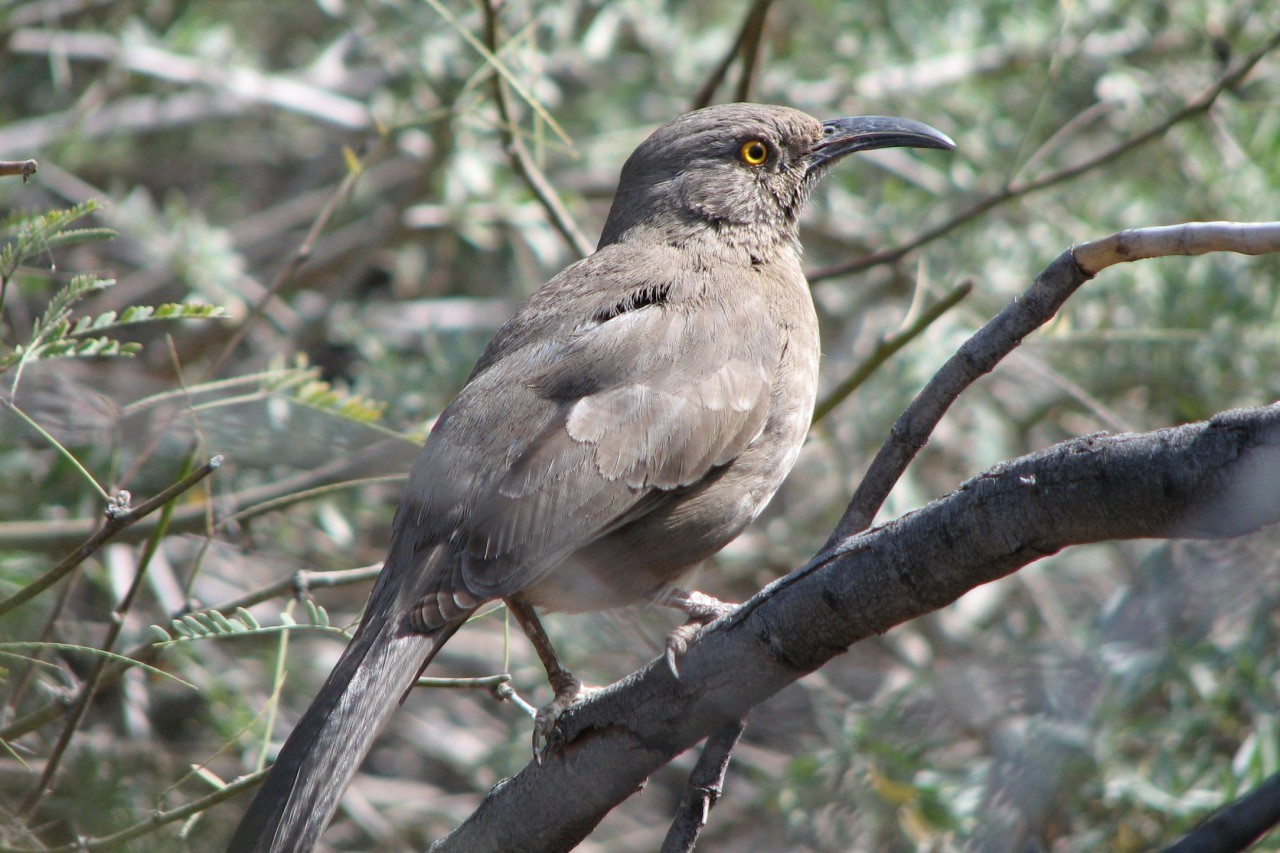
12. Curve-billed Thrasher
The curve-billed thrasher generally measures 25 to 28 cm (10 to 11 in) long, and is immediately recognized as a thrasher by its long tail and short wings. It is also recognized for its sickle-shaped bill, almost as long as its head width and brownish black in color. The body is compact with a large head, short wings and long tail. However, the tail is short relative to other thrasher species. The chest is grayish brown with circular brown-gray spots. The eyes are generally orange, shading to golden in adulthood. Juveniles are lacking in pale tips, rectrices, abdominal feathers are unkempt and upper parts and chest are washed rufously. Variations are markedly different with each subspecies. The eastern subspecies has more distinct spots on its chest, more white along the tips and retraces and obvious wing bars. T.c. palmeri has less spotting on chest and tips and less obvious wing bars. Other examples include T.c. curvirostre possessing longer wings and a tail than T.c. oberholseri; T.c. insularum is paler with more grey than T.c. palmeri and has more visible spotting on its breast. One study published in 2003 suggested that curve-billed speciation was due to climate, which could be explained by molt and feather wear. The same study suggested that the Sierra Madre Occidental acts as a barrier to initiate differentiation within the species.
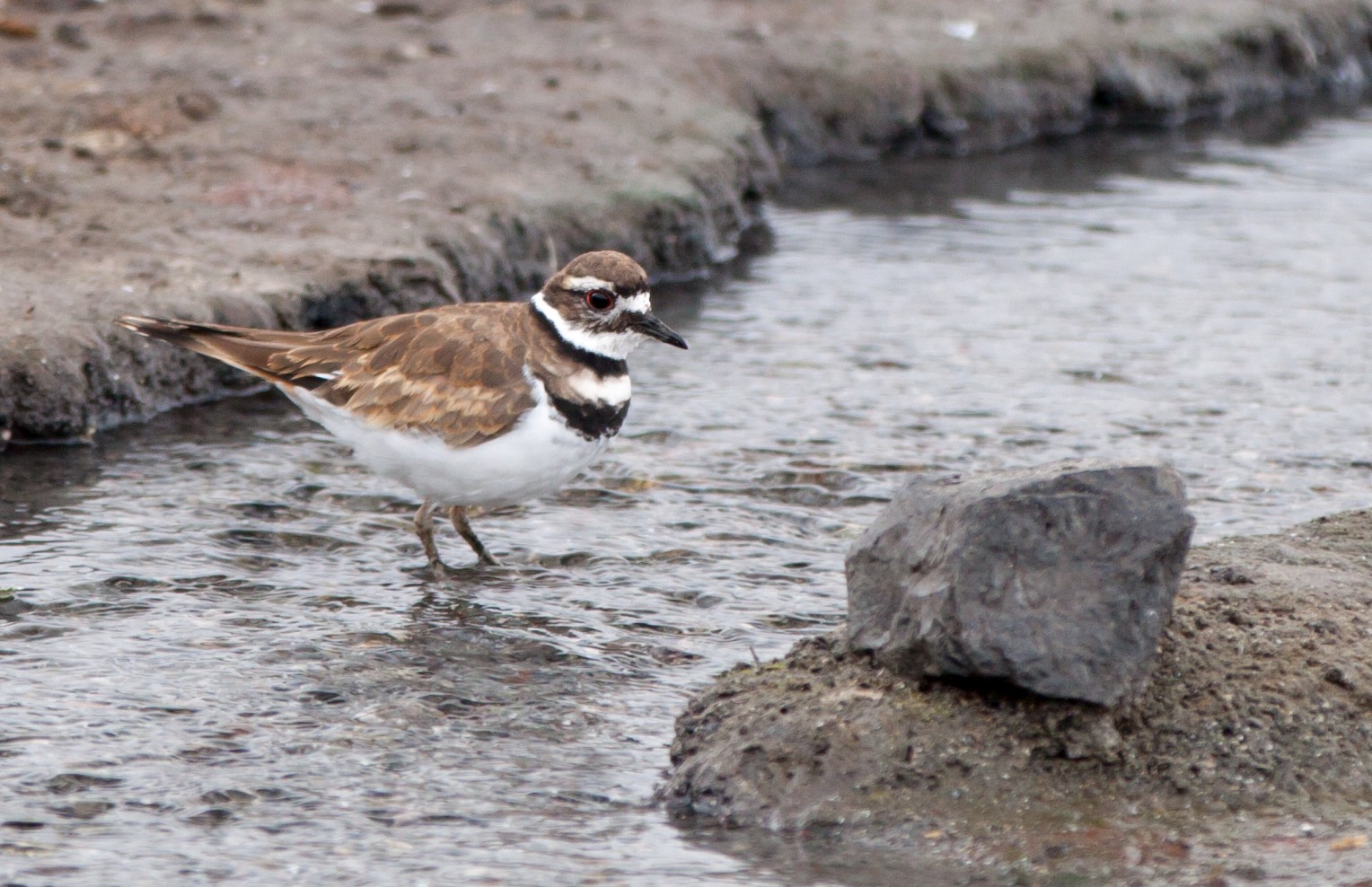
13. Killdeer
This shorebird is slender and lanky, with long wings and a long tail that ends at a point. If its nest is being threatened by a predator, the killdeer is known to pretend that it has a broken wing, making itself a target in order to lure the predator away from the nest. They have the curious habit of collecting mostly light colored items to build their nests.
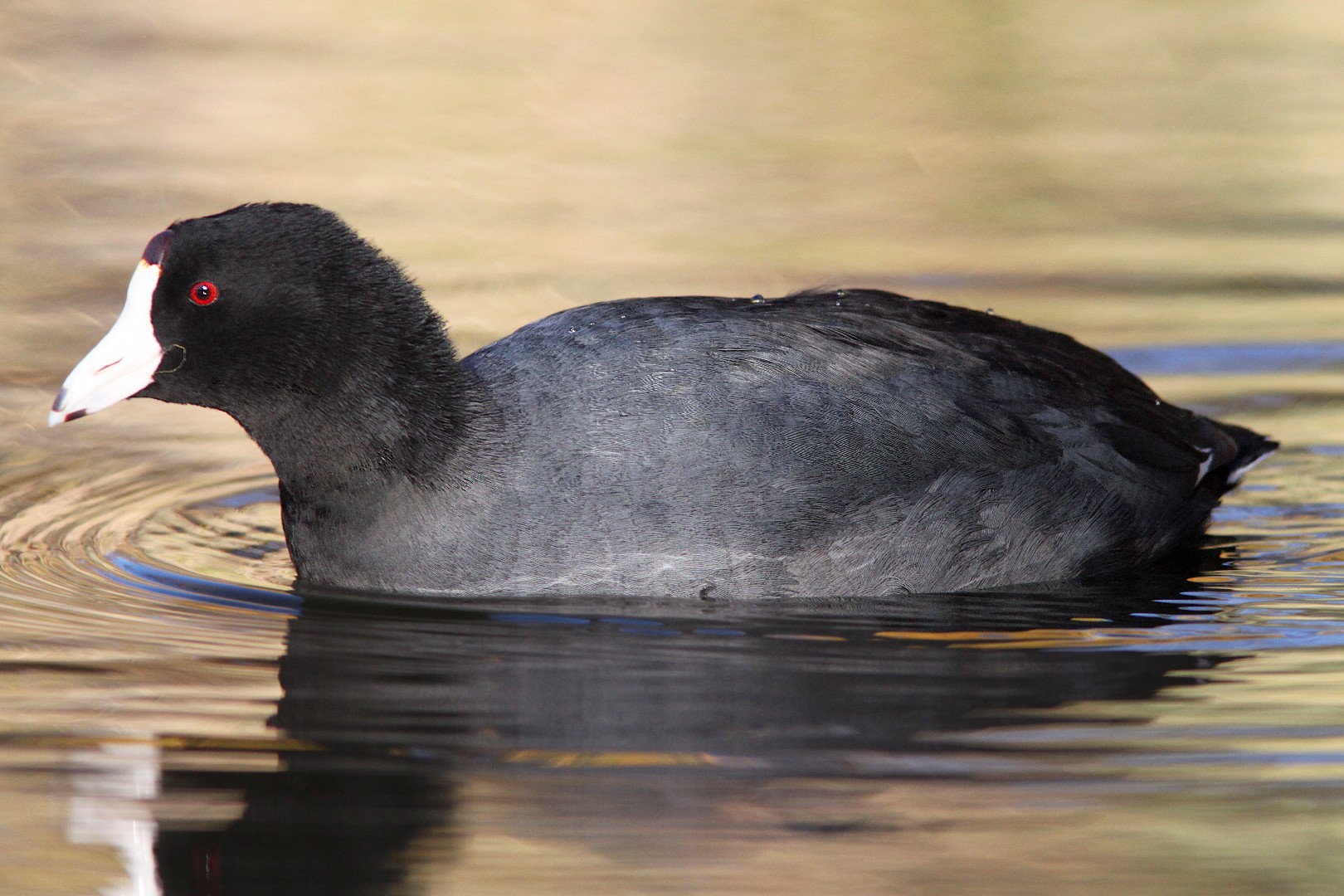
14. American Coot
The american Coot is easily mistaken for a species of duck but does not have webbed feet and does not have a waddling gait. They can be found in and around ponds and lakes and frequently dive under the surface to feed on algae and other vegetation. These birds can live to be 22 years old!

15. House Finch
Frequent in urban environments and human-created habitats such as parks and backyards, the little house Finch is known for its loud but pleasant, cheerful singing. It feeds on the ground, mostly on seeds, berries, and other plant material. This bird is highly sociable and very adaptable. It often visits feeders.
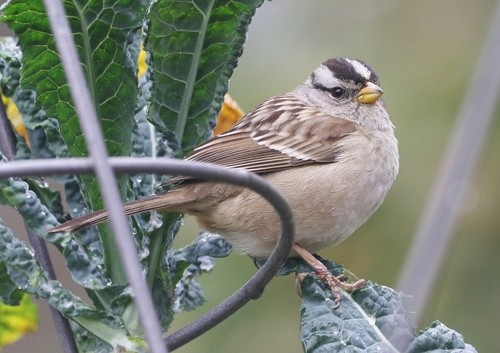
16. White-crowned Sparrow
This common sparrow has a white crown atop its head, which gave it its name, as well as a neat pattern down its wings and a long tail. Some groups of white-crowned Sparrows migrate, while others remain in coastal habitats year-round. Across different groups of these birds are different song “dialects” which are widely studied.
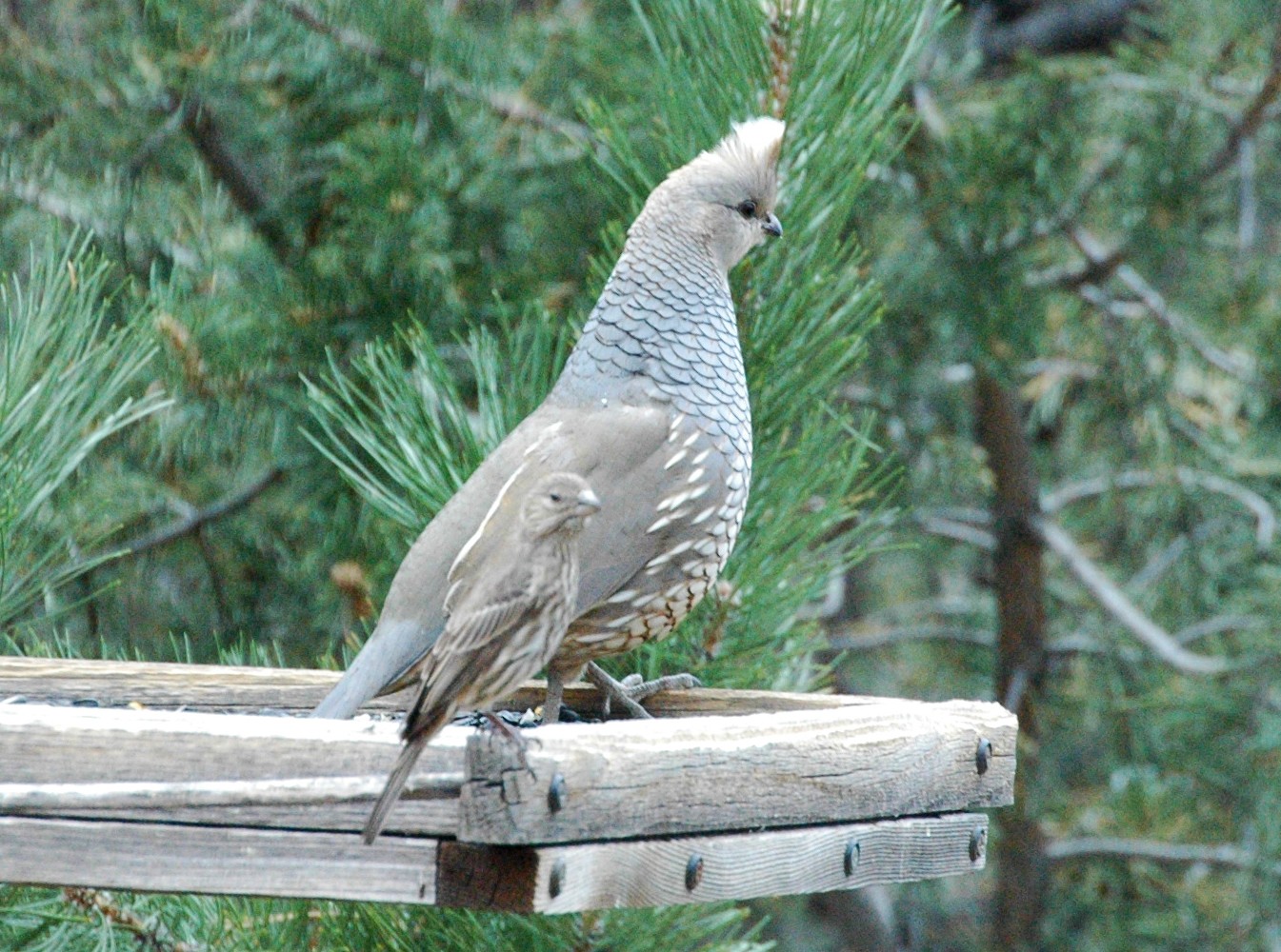
17. Scaled Quail
The scaled quail (Callipepla squamata), also commonly called blue quail or cottontop, is a species of the New World quail family. It is a bluish gray bird found in the arid regions of the Southwestern United States to Central Mexico. This species is an early offshoot of the genus Callipepla, diverging in the Pliocene. This bird is named for the scaly appearance of its breast and back feathers. Along with its scaly markings, the bird is easily identified by its white crest that resembles a tuft of cotton. The nest is typically a grass-lined hollow containing 9–16 speckled eggs. When disturbed, it prefers to run rather than fly. Widespread and common throughout its range, the scaled quail is evaluated as Least Concern on the IUCN Red List of Threatened Species.

18. Barn Swallow
A familiar sight in rural and semi-open areas, the small barn Swallow can often be spotted by its distinctly graceful flight as it travels low over fields. Seemingly unbothered by having human neighbors, they nest unafraid in barns, garages, beneath bridges or wharves. Interestingly enough, they have come to prefer these locations so much that you are unlikely to spot a nest in a place that is not a human-made structure.
19. Ruddy Duck
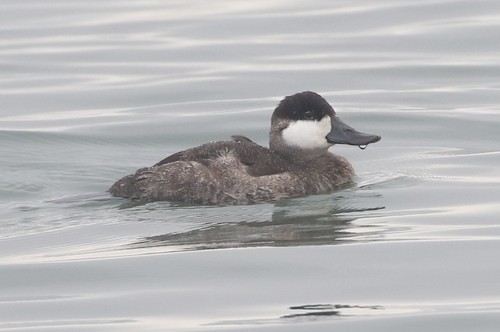
These are small, compact ducks with stout, scoop-shaped bills, and long, stiff tails they often hold cocked upward. They have slightly peaked heads and fairly short, thick necks. Male ruddy ducks have blackish caps that contrast with bright white cheeks. In summer, they have rich chestnut bodies with bright blue bills. In winter, they are dull gray-brown above and paler below with dull gray bills. Females and first-year males are brownish, somewhat like winter males but with a blurry stripe across the pale cheek patch. In flight, ruddy ducks show solidly dark tops of the wings.
20. American Wigeon
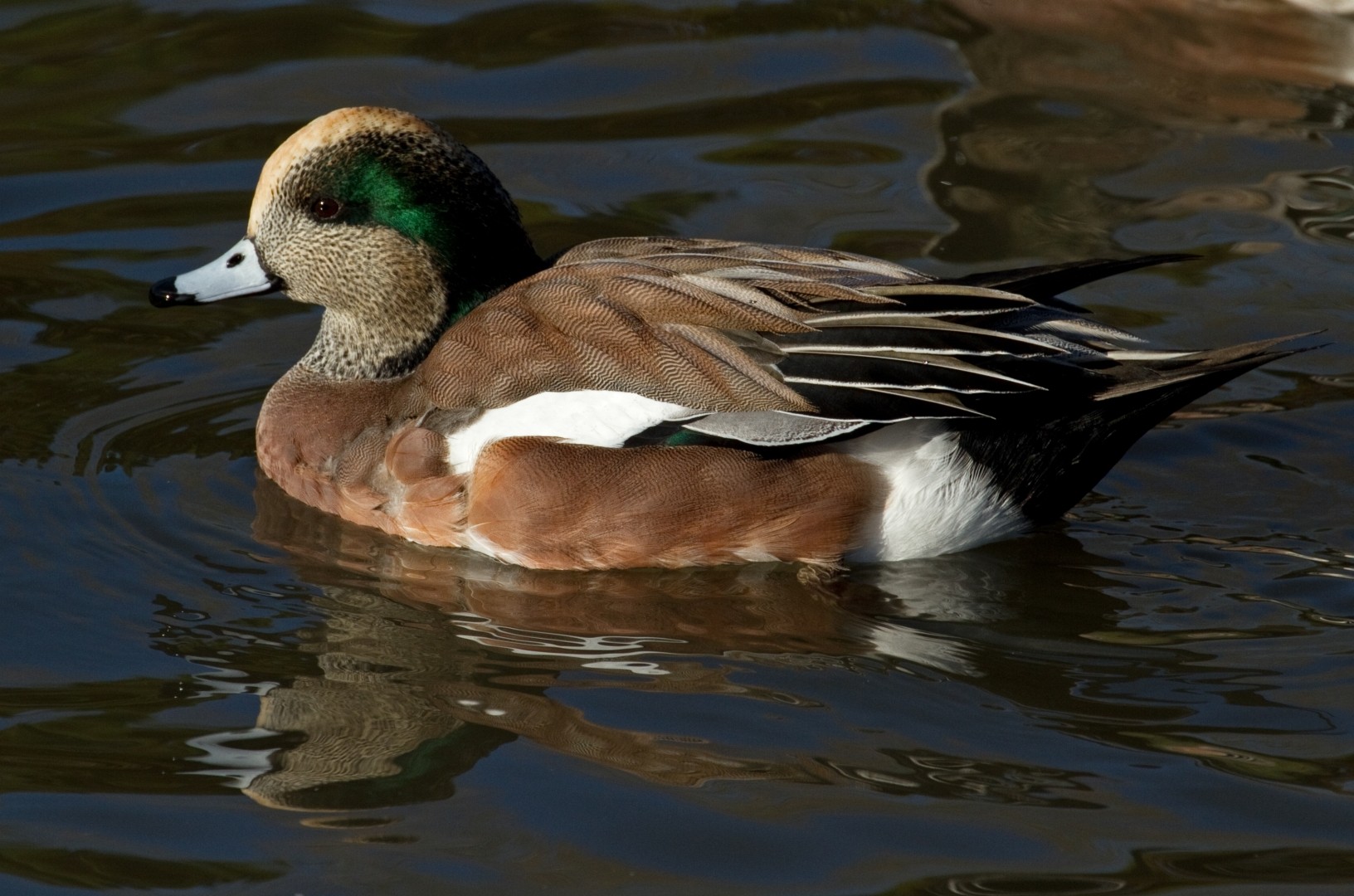
The American wigeon is a medium-sized bird; it is larger than a teal, but smaller than a pintail. In silhouette, the wigeon can be distinguished from other dabblers by its round head, short neck, and small bill. It is 42–59 cm (17–23 in) long, with a 76–91 cm (30–36 in) wingspan and a weight of 512–1,330 g (1.129–2.932 lb). This wigeon has two adult molts per year and a juvenile molt in the first year, as well. The breeding male (drake) is a striking bird with a mask of green feathers around its eyes and a cream colored cap running from the crown of its head to its bill. This white patch gives the wigeon its other common name, baldpate (pate is another word for head). Their belly is also white. In flight, drakes can be identified by the large white shoulder patch on each wing. These white patches flash as the birds bank and turn. In non-breeding (eclipse) plumage, the drake looks more like the female. The hens are much less conspicuous, having primarily gray and brown plumage. Both sexes have a pale blue bill with a black tip, a white belly, and gray legs and feet. The wing patch behind the speculum is gray. They can be distinguished from most ducks, apart from Eurasian wigeon, by shape. However, that species has a darker head and all grey underwing. The head and neck coloring of the female is different as opposed to the Eurasian wigeon. It nests on the ground, near water and under cover. It lays 6–12 creamy white eggs. Flocks will often contain American coots. The American wigeon is a noisy species, and in the field can often be identified by their distinctive calls. Drakes produce a three note whistle, while hens emit hoarse grunts and quacks. The male whistle makes a wheezy whoee-whoe-whoe, whereas the female has a low growl qua-ack.