




Top 20 Most Common Bird in Rio Rancho
Nestled in the Southwestern United States, Rio Rancho pulses with a rich diversity of avian life. Its unique blend of desert, forest, and river habitats sets the stage for a plethora of bird species. Visitors can marvel at the majestic sight of the Red-tailed Hawk soaring above, listen to the melodic call of the Western Bluebird, or admire the vivid hues of the Bullock's Oriole. With over 20 species regularly spotted, Rio Rancho is undeniably a paradise for both birds and birdwatchers alike.

Most Common Bird

1. House Finch
Frequent in urban environments and human-created habitats such as parks and backyards, the little house Finch is known for its loud but pleasant, cheerful singing. It feeds on the ground, mostly on seeds, berries, and other plant material. This bird is highly sociable and very adaptable. It often visits feeders.
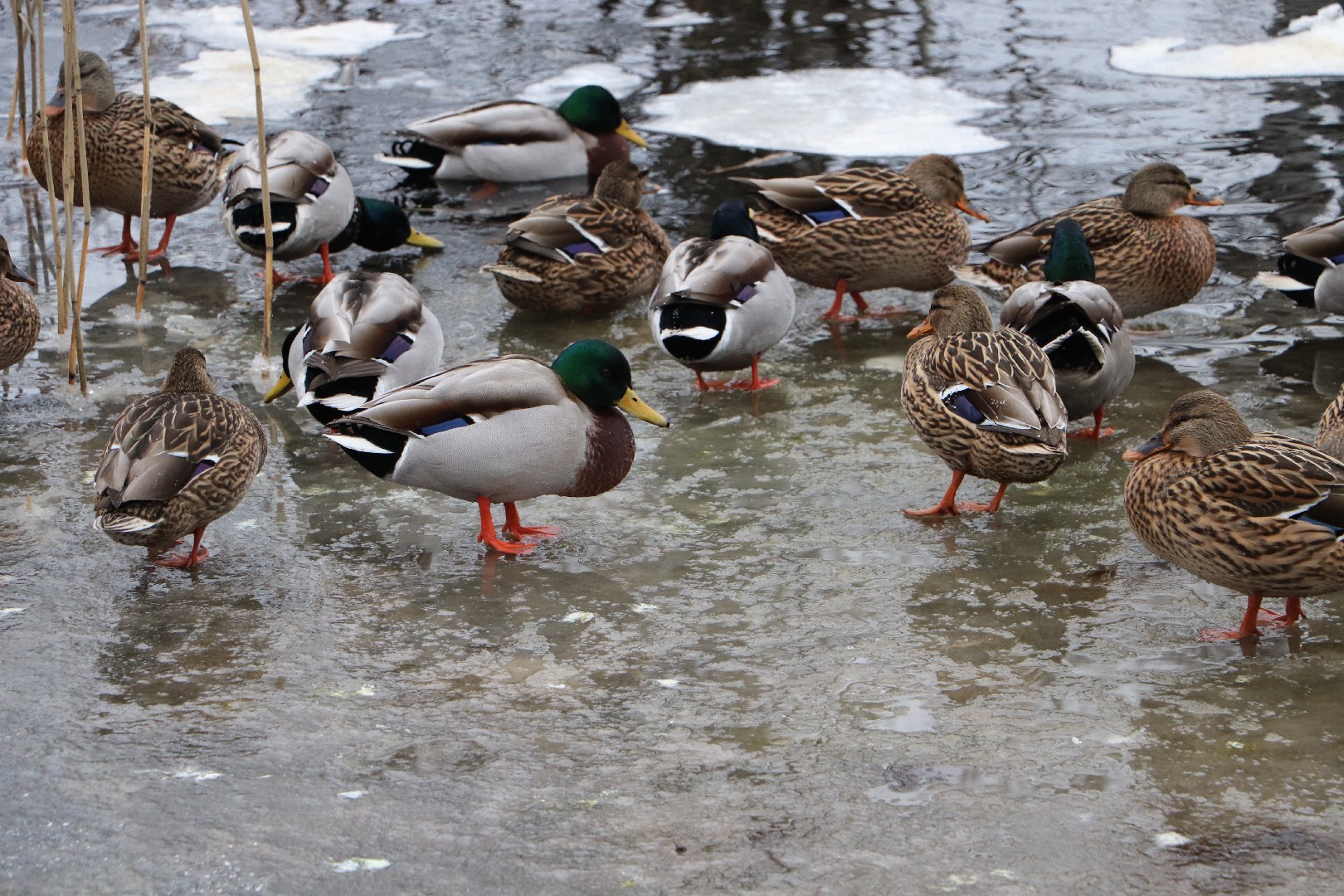
2. Mallard
The mallard is the most abundant duck species in the world, and the ancestor of all domestic ducks. Only the female can produce the distinctive "quack" sound. When the female lays eggs, the male abandons its mate, while the protective mother stays with the ducklings for a long time. This migratory species inhabits shallow waters and it's one of the most popular game birds.
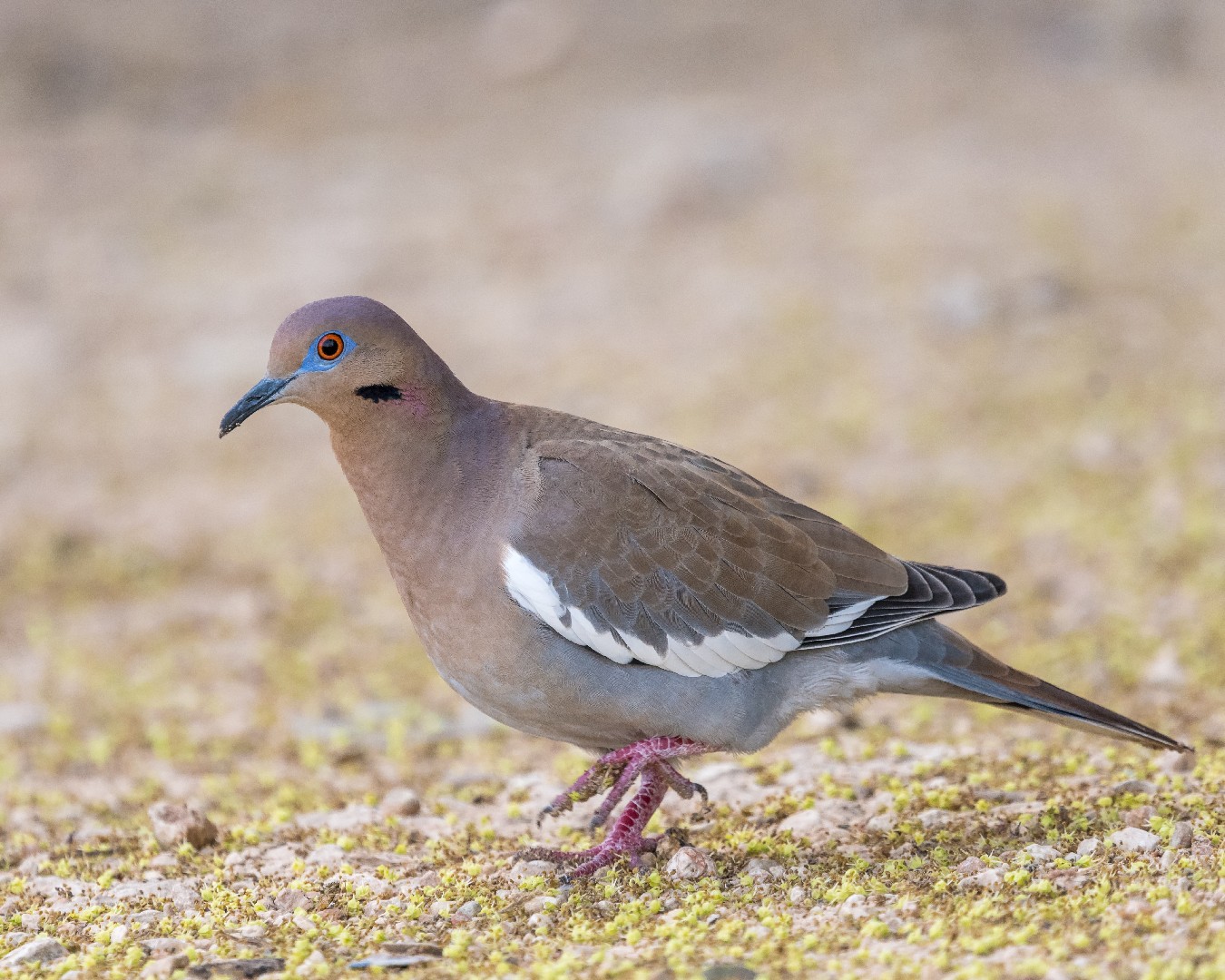
3. White-winged Dove
The medium-sized, distinctively patterned white-winged Doves practically live on Saguaro cactus, consuming its nectar, pollen, fruit, and seeds. In fact, they are so dependent on this plant that they match their migration schedule to its fruiting schedule. White-winged Doves were heavily hunted in Texas in the 20th century and their population dropped from 12 million to fewer than 1 million by 1939. Since then proactive hunting management and the species ability to adapt to urban living has helped their numbers rebound.
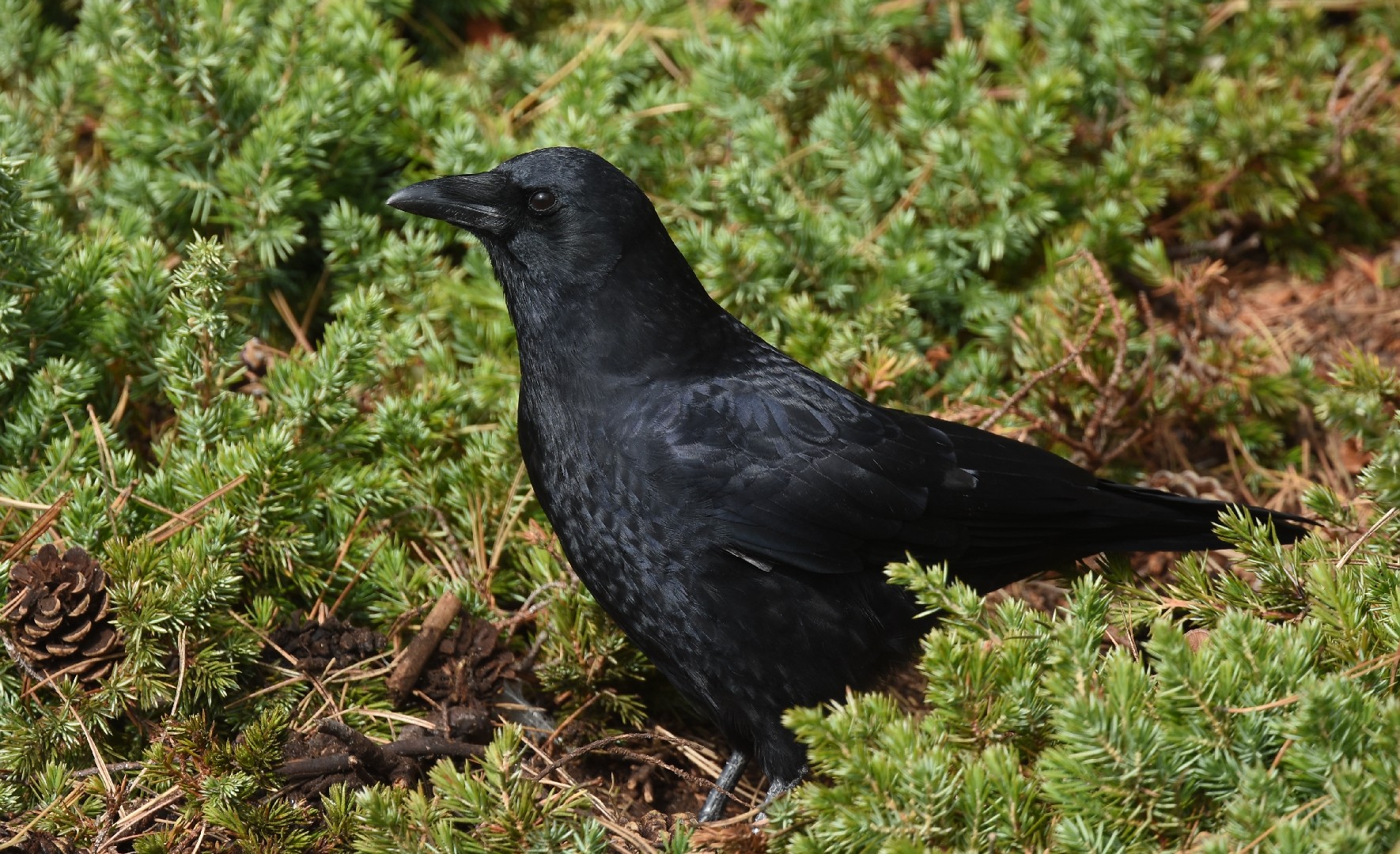
4. American Crow
The american Crow is a big black bird that can be found in forests, fields, river groves, and among human habitations. Interestingly, it is known to stand atop ant hills and allow ants to climb onto its feathers; this apparently discharges their formic acid and makes them more palatable for the crow to eat. Sadly, american Crow numbers have been substantially affected by the West Nile virus in North America. Infected birds die from West Nile in less than a week.
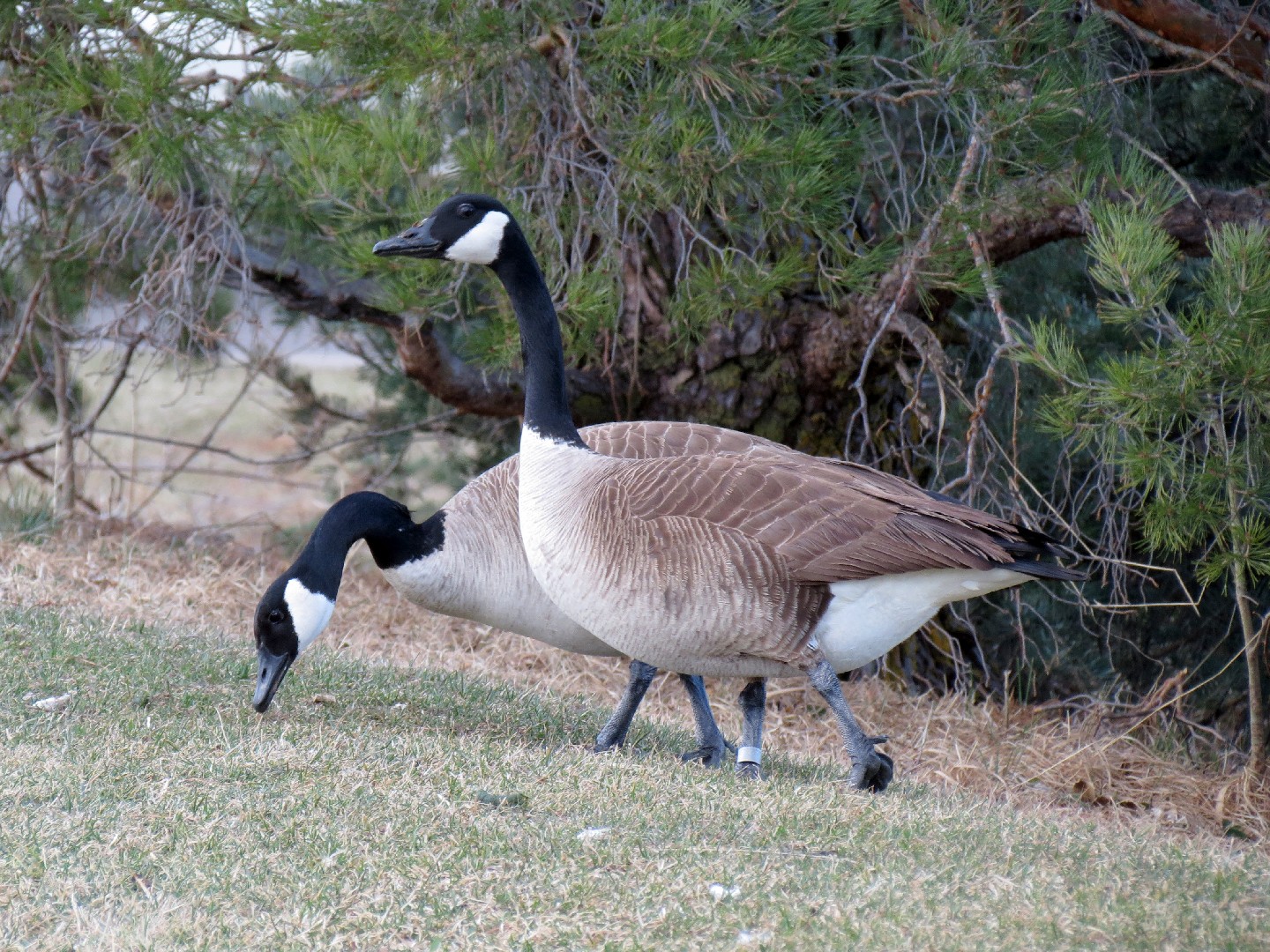
5. Canada Goose
Though this large, widespread bird is mainly known for its aggressively territorial nature, often shown by spitting, chasing, honking, or attacking, the canada Goose does have more loving traits. They mate for life, and this species is one of the birds that has minimal “divorce rates.” Interestingly, they choose mates by size, so smaller geese will mate with other small geese, and larger geese with other large geese.
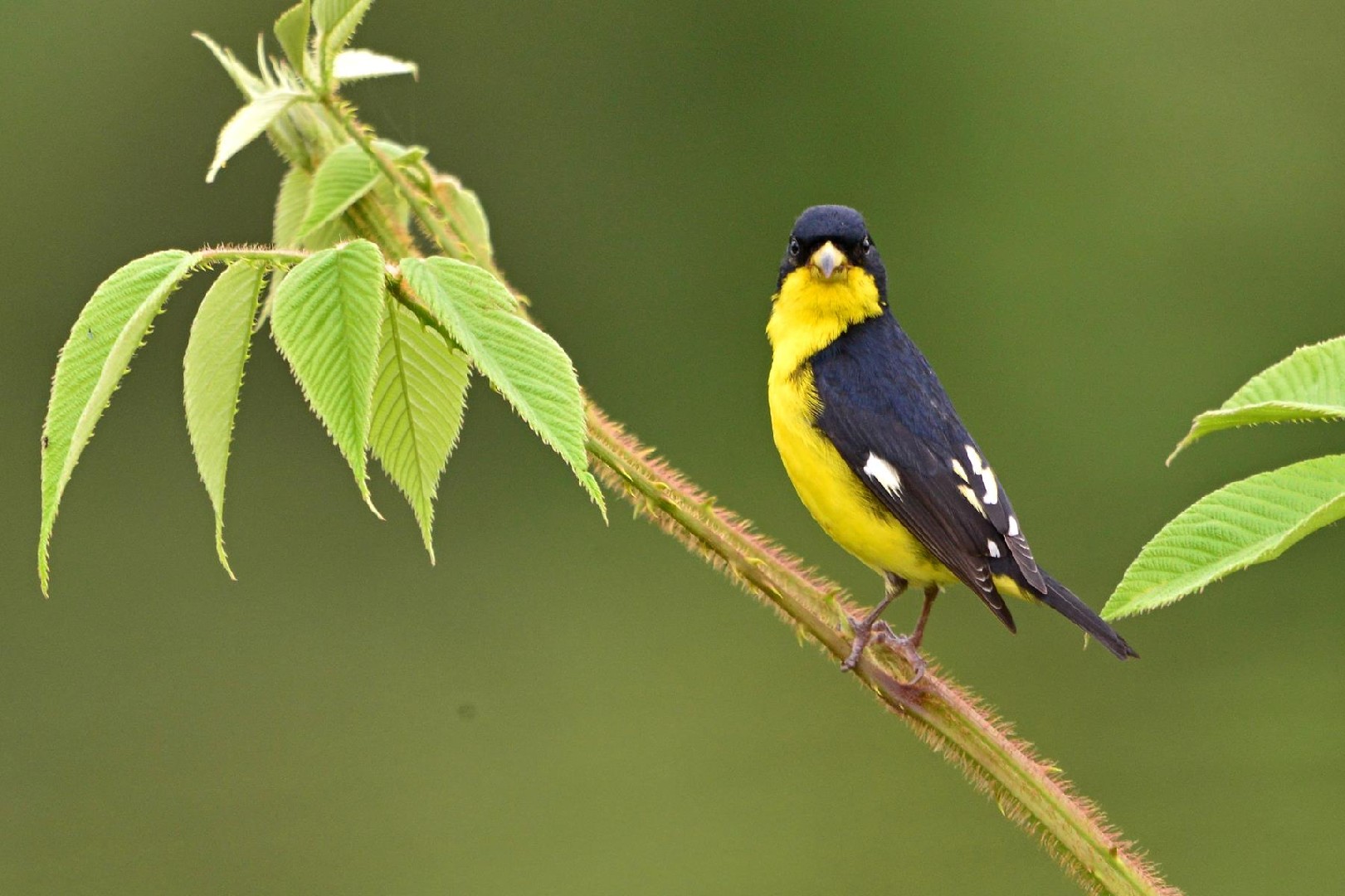
6. Lesser Goldfinch
A common visitor of birdhouses or anywhere with birdseed, the lesser Goldfinch is a small, notch-tailed bird that enjoys gardens and open wooded areas. Its size has made it commonly overlooked, but listen out for its charming, chiming song. Social birds, they are often seen in large groups of hundreds traveling together at a time.
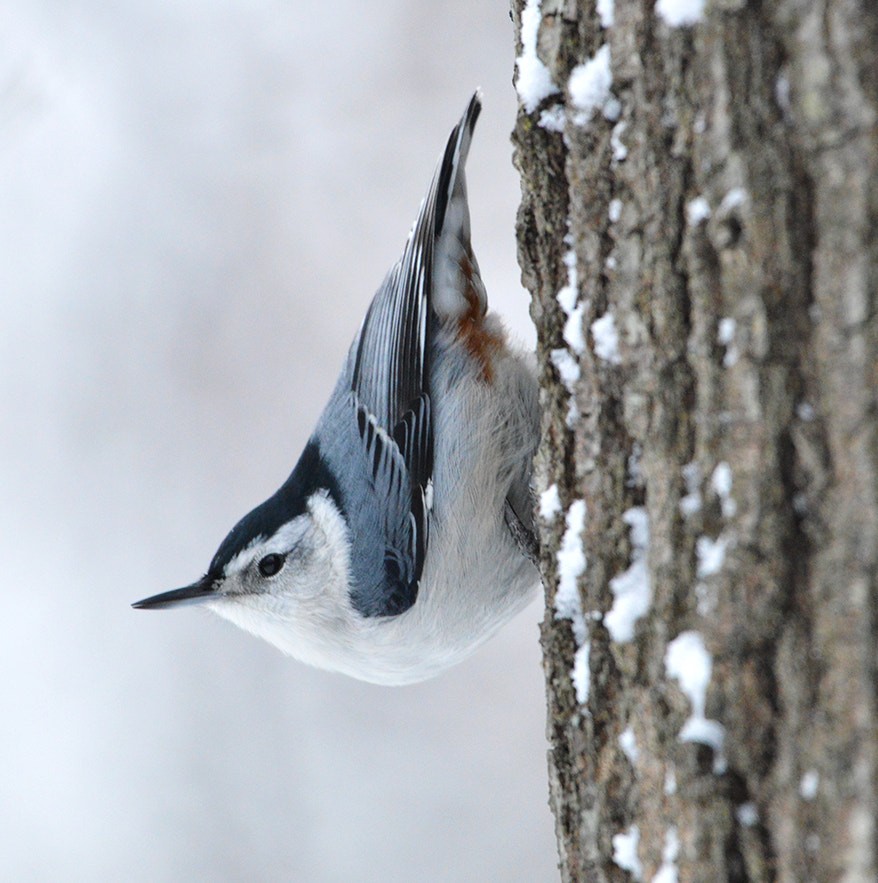
7. White-breasted Nuthatch
The white-breasted Nuthatch is the largest nuthatch in North America, but it's still a relatively small bird. It's a monogamous species and the pair usually nests in tree cavities. The white-breasted Nuthatch prefers old deciduous woodlands. When in search of food, it creeps along the trees up and down, relying on its strong legs, rather than using a tail for additional support like woodpeckers do.
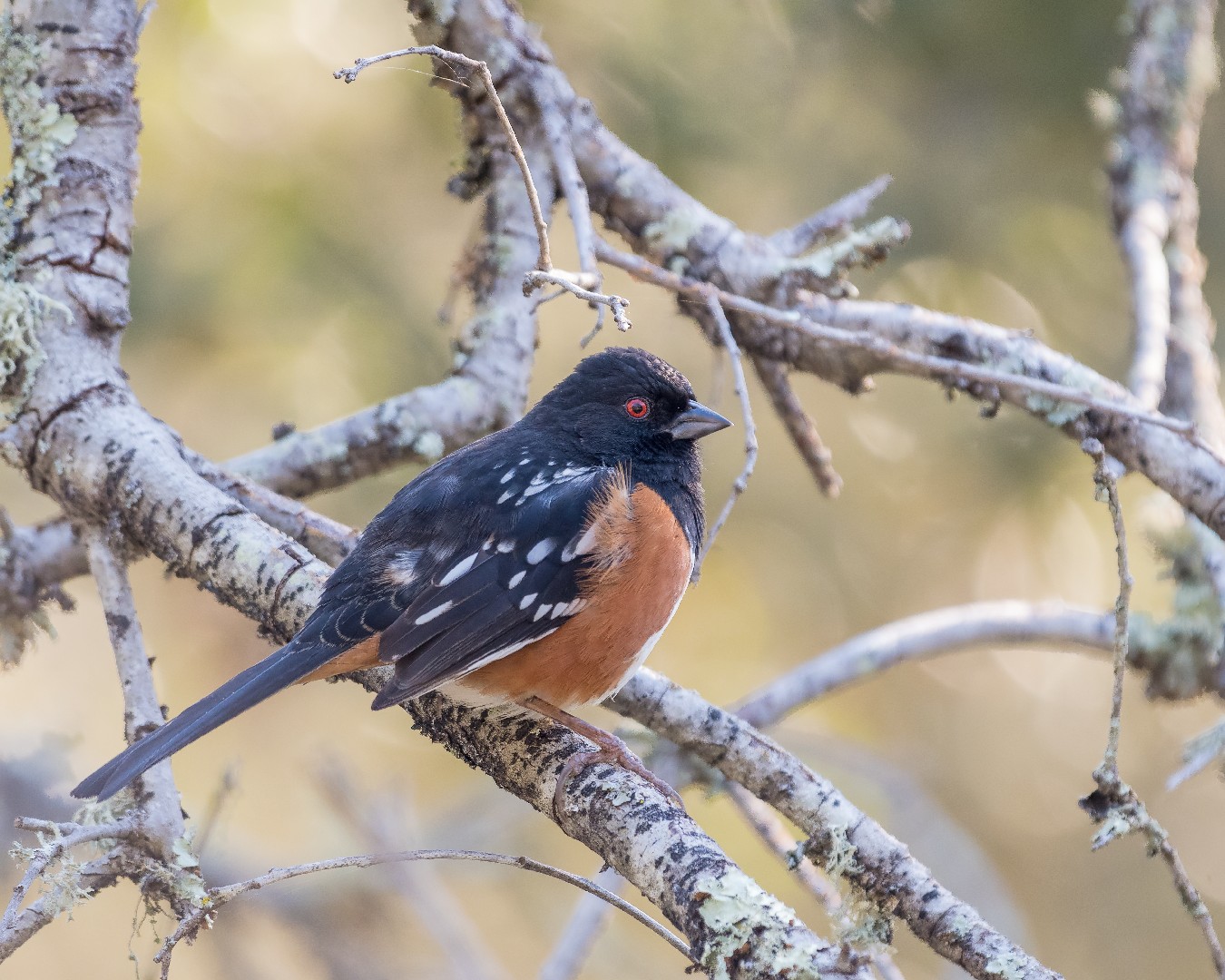
8. Spotted Towhee
The spotted Towhee is a large sparrow found in sunny, open forests and recognizable by its distinctive two-footed hop. A ground dweller, it scratches the ground in search of food. Regarded as an extremely vocal bird, its song varies according to geographical location. During the breeding season, the male spends more than 70% of its mornings singing, trying to attract the female.
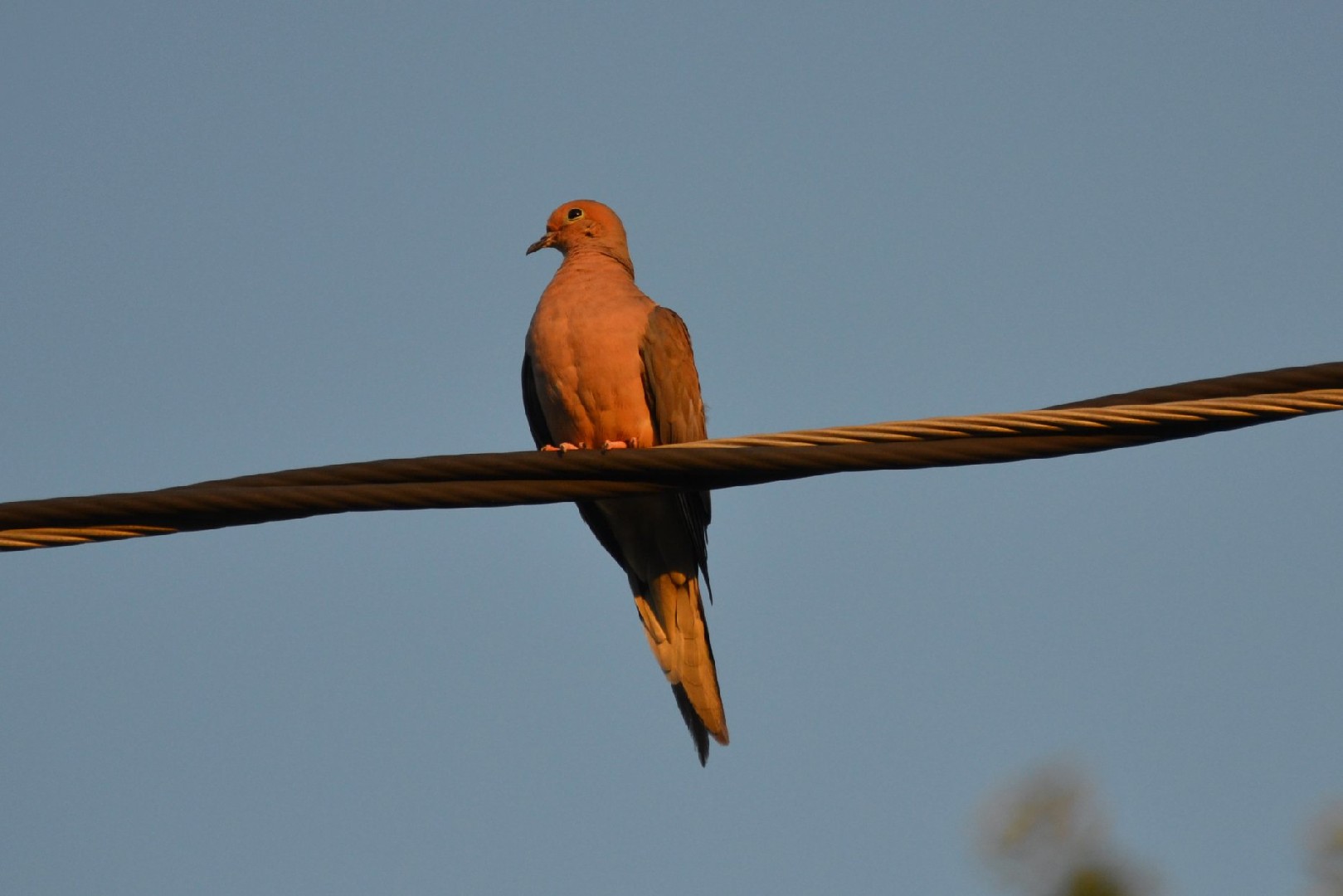
9. Mourning Dove
One of the most famous and widespread doves of North America, the mourning Dove can be often seen in urban areas perching on telephone wires. It is named after its distinctive, plaintive-sounding song. It is also a popular game bird, but its population is still abundant thanks to the prolific breeding and its ability to raise up to five to six broods in a single year.
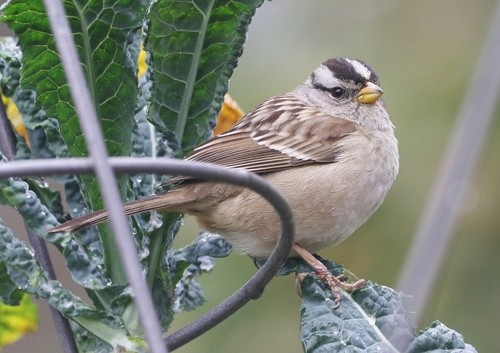
10. White-crowned Sparrow
This common sparrow has a white crown atop its head, which gave it its name, as well as a neat pattern down its wings and a long tail. Some groups of white-crowned Sparrows migrate, while others remain in coastal habitats year-round. Across different groups of these birds are different song “dialects” which are widely studied.
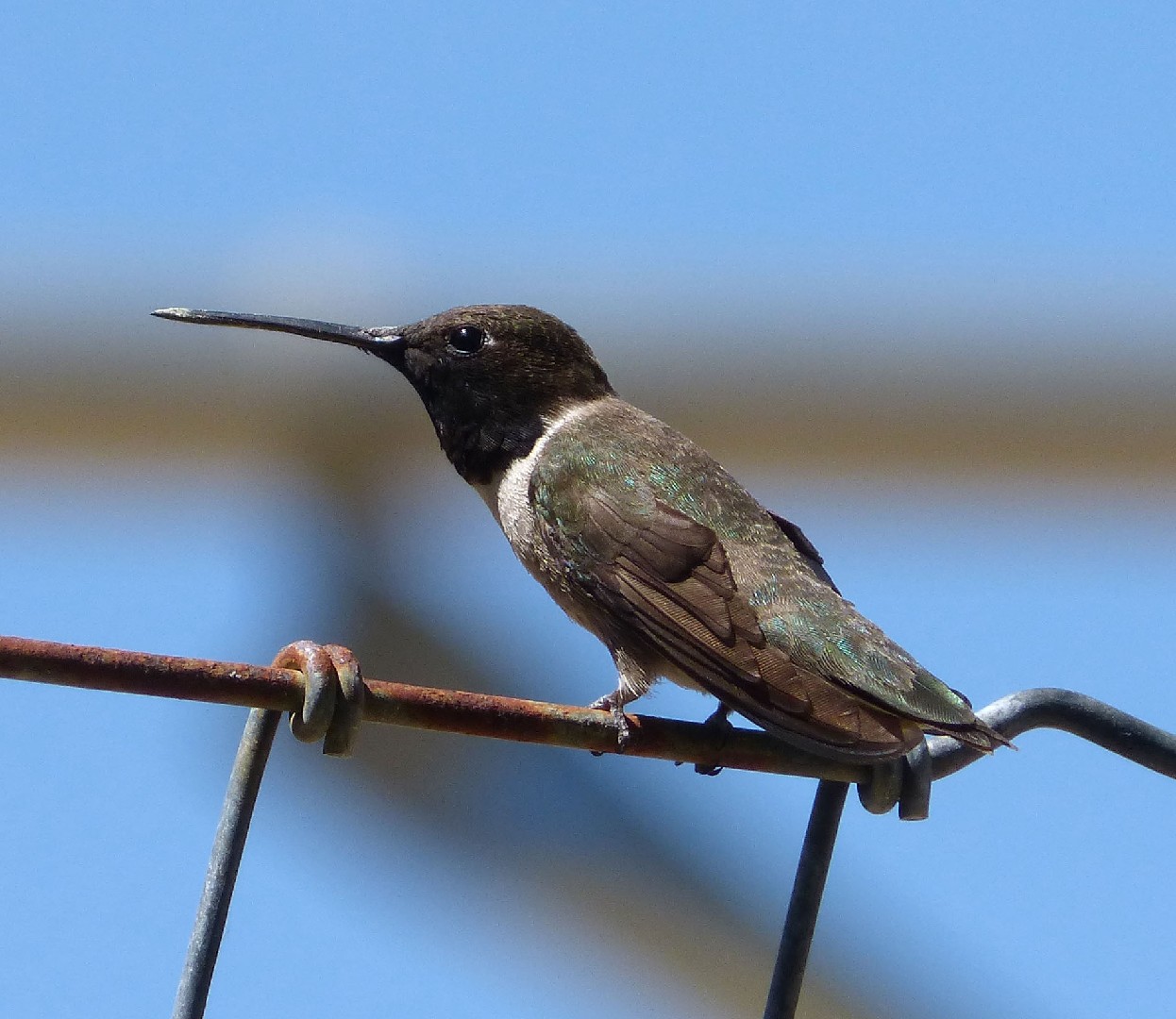
11. Black-chinned Hummingbird
Black-chinned Hummingbirds are small birds that like to perch on bare branches. During cold snaps, black-chinned Hummingbirds will typically eat three times their body weight in nectar per day. These smart birds build their nests with insect and spider silk, which allows the nests to stretch and expand along with the growing chicks.
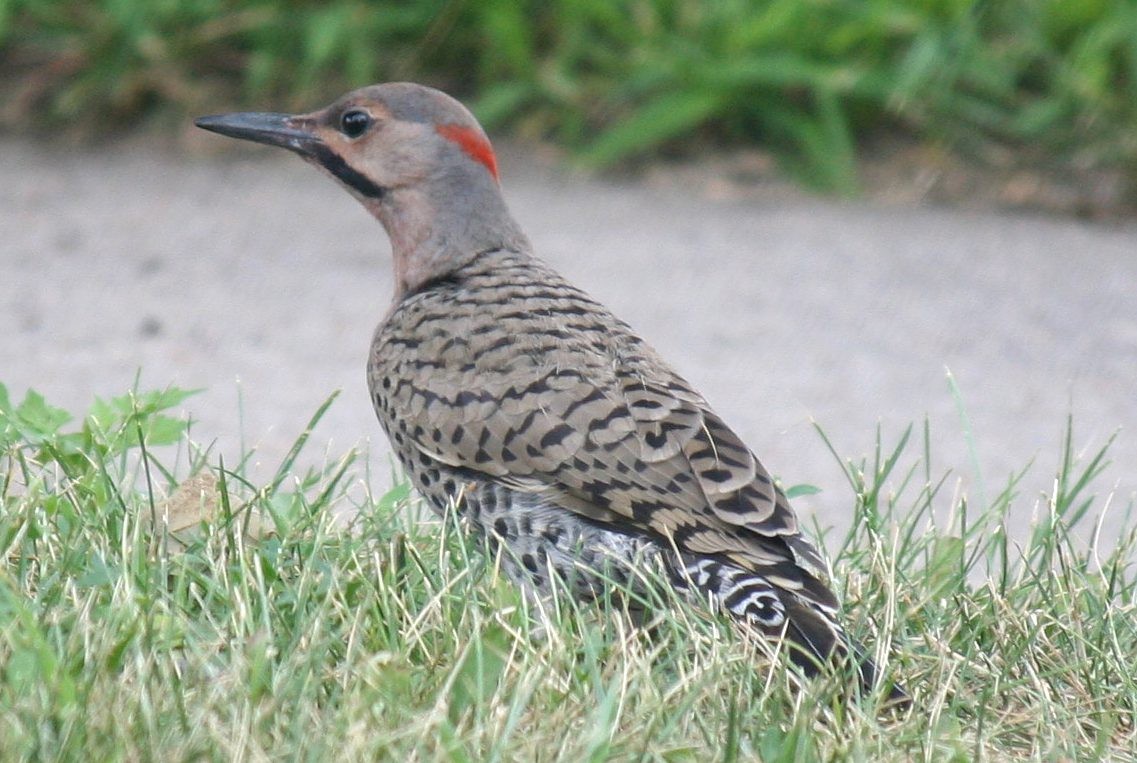
12. Northern Flicker
In the search of its favorite food—ants—the northern Flicker often forages leaf litter and tree bark, which makes it the only ground forager in the woodpecker group. It's a migratory species, which is quite a rare behavior for woodpeckers, as well. The northern Flicker has an eastern (yellow-shafted) and a western (red-shafted) form. It lays a large number of eggs - the known record is 71 eggs in 73 days.
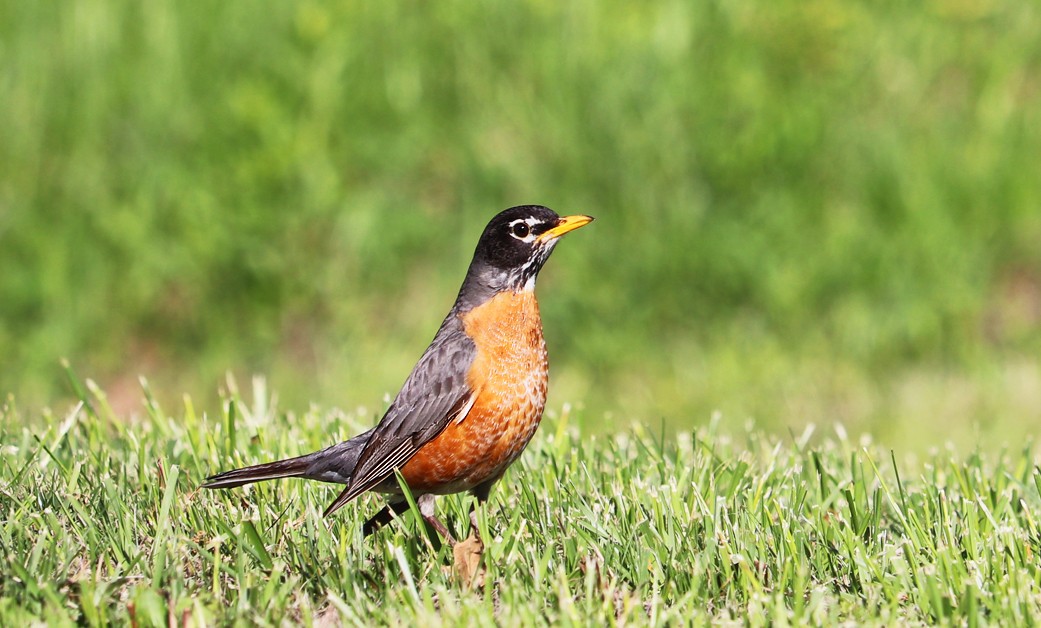
13. American Robin
The american Robin is the most common, and largest, thrush in North America. It's a bird of striking colors, including its vibrant, red-breasted plumage and pale blue eggs. It likes to feed on summer fruit and berries, but worms play an important role in its diet as well. This songbird is a state bird of Connecticut, Michigan, and Wisconsin. Its cheery song is considered one of the first signs of spring.
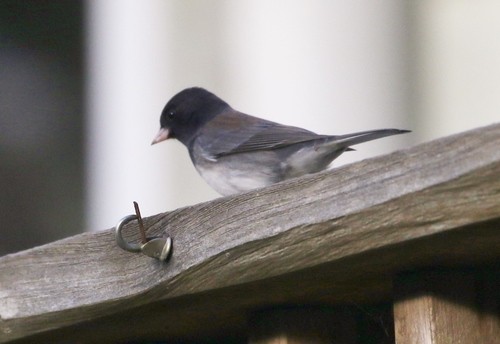
14. Dark-eyed Junco
One of the most common birds of North America, the dark-eyed Junco lives in flocks in open forests, but it's very common in urban areas. This a highly variable species consists of at least five subspecies. This ground bird is often seen during winter, so it's sometimes called the "Snowbird," although it shares the nickname with the Snow bunting (Plectrophenax nivalis).
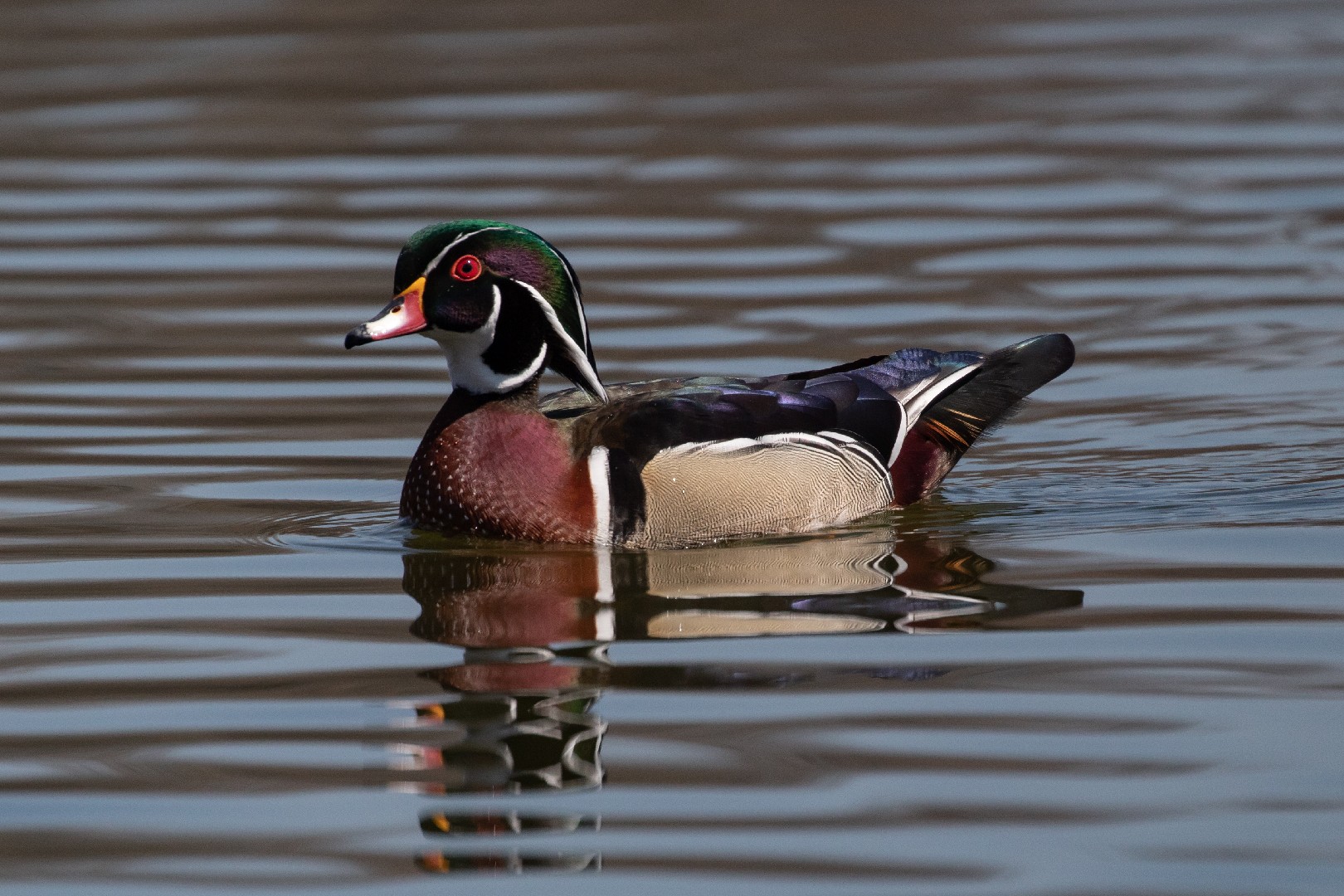
15. Wood Duck
Easily recognized by their distinctive plumage, wood Ducks nest in trees near water sources. After they hatch, the ducklings must jump down from their nests (sometimes from as high as 15 m off the ground!) and waddle toward the water, from which the mama calls to them. In the 19th and 20th centuries, these birds were hunted to near-extinction. Conservation efforts have been successful and there are now more than 1 million wood Ducks enjoy life in the North American wilds.
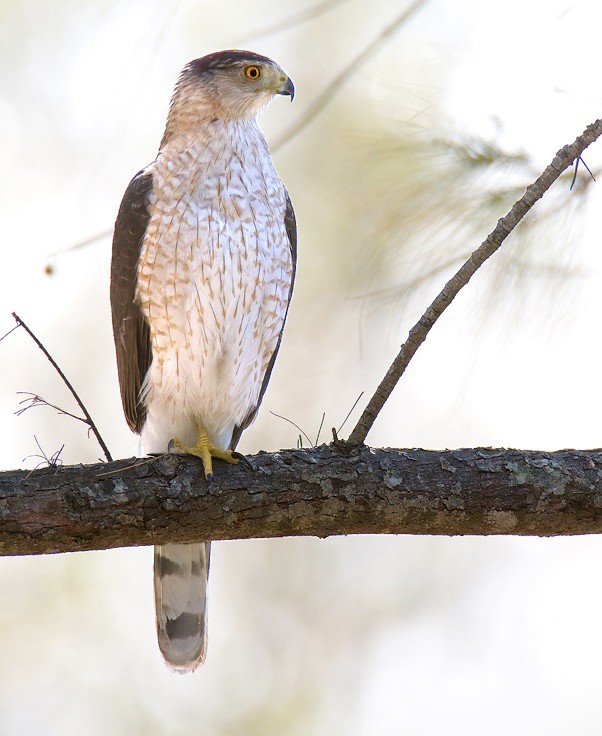
16. Cooper's Hawk
The cooper's Hawk is a medium-sized woodland raptor. This powerful hunter attacks small birds and mammals, and often drowns its prey in nearby water. As with many birds of prey, the male is significantly smaller than the female. Each year, the male chooses a new nesting site, and the female lays eggs on the exact same day each year. The bird's age can be told via the color of its eyes; they change color several times over its lifetime.
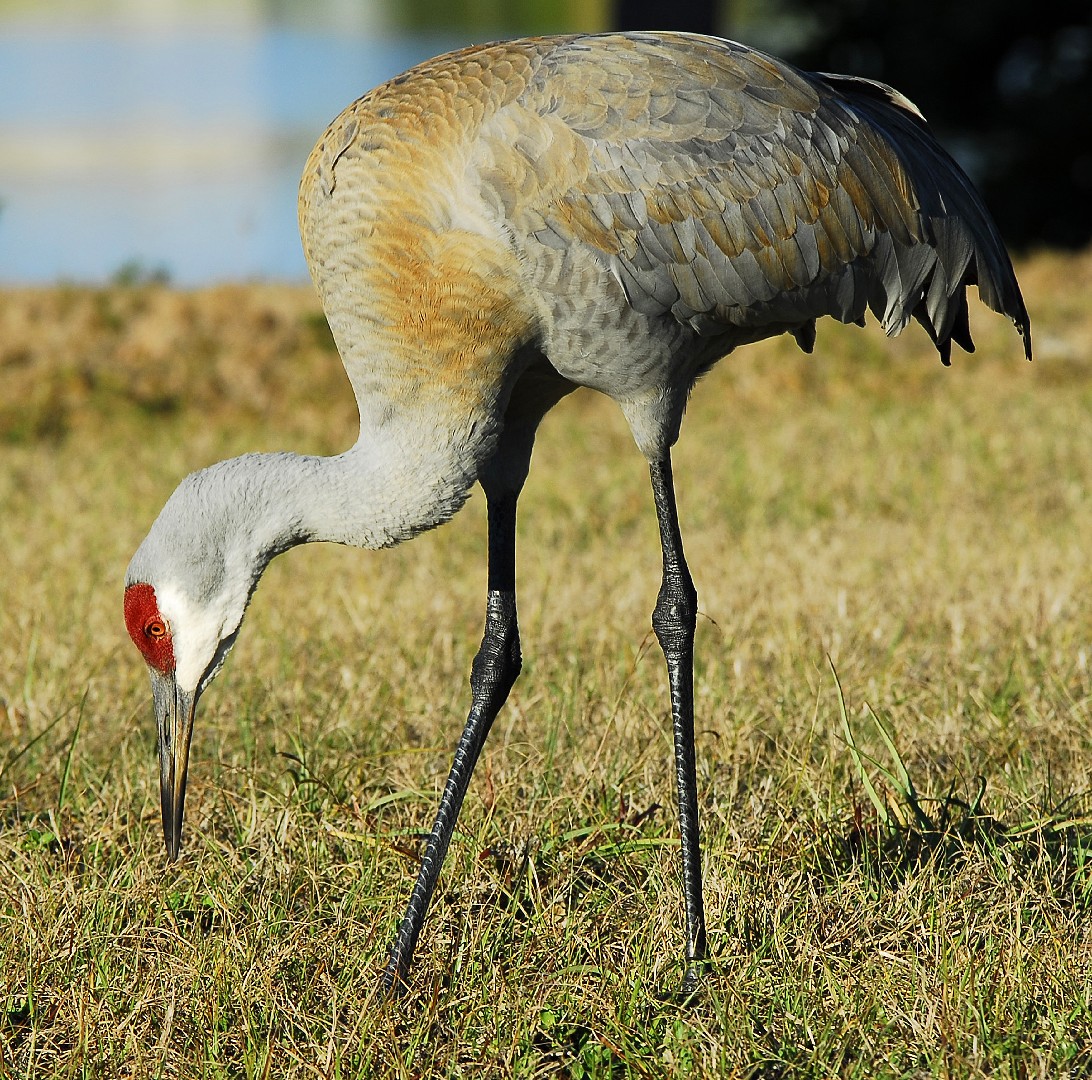
17. Sandhill Crane
The large sandhill Crane is found in open grasslands and wetland ecosystems, usually far away from human civilization. However, during the migratory periods they can be seen feeding on farmland. These birds have many physical cues for socializing and mating. For protection, they may even defend themselves by kicking their feet.
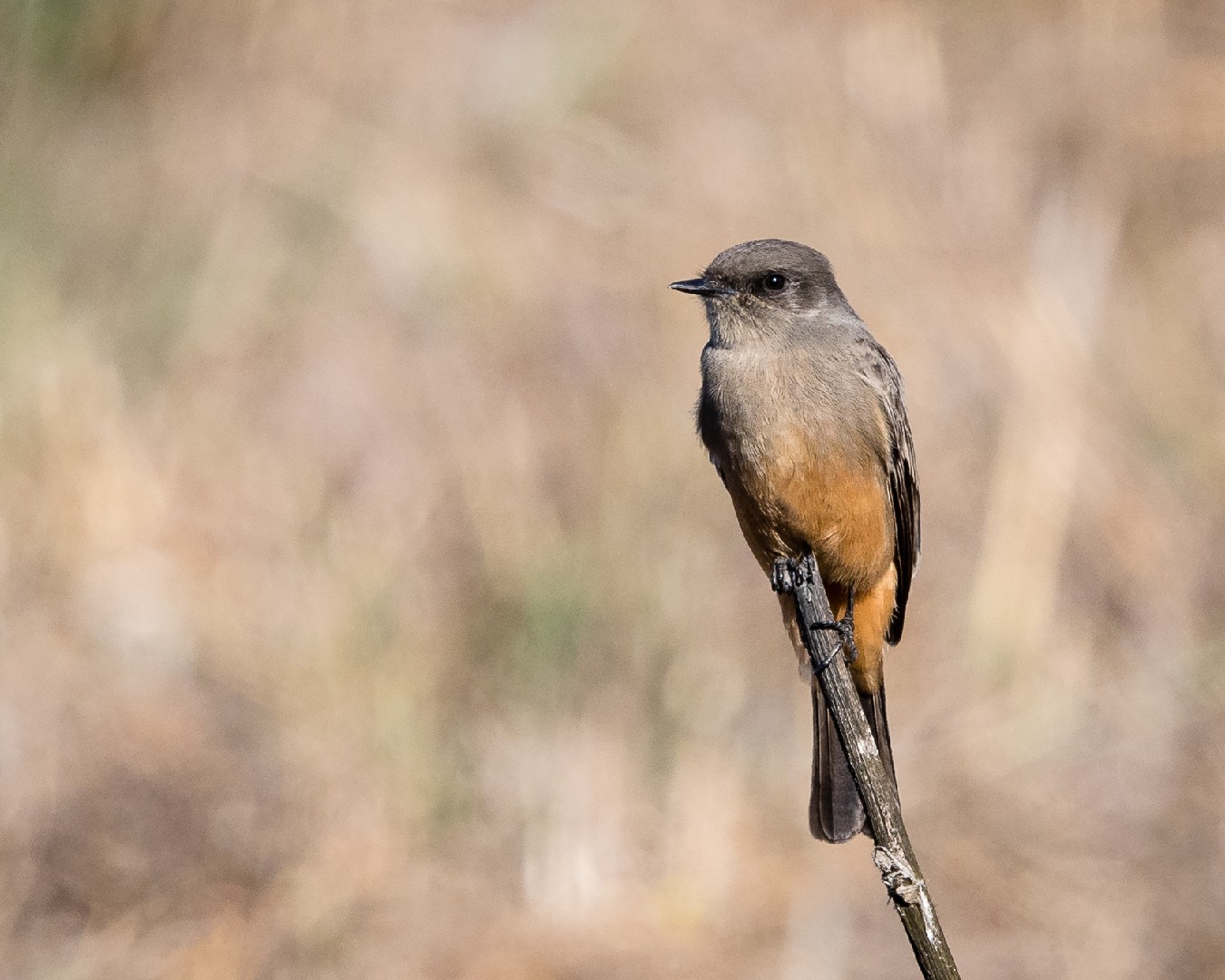
18. Say's Phoebe
The say's Phoebe is a bold species of bird often found nesting in homes, buildings, and other developed areas where it will continue to come back year after year. Fossil records show that these birds have been present in some areas for 400,000 years. The say's Phoebe is named after the “father of American entomology,” Thomas Say.
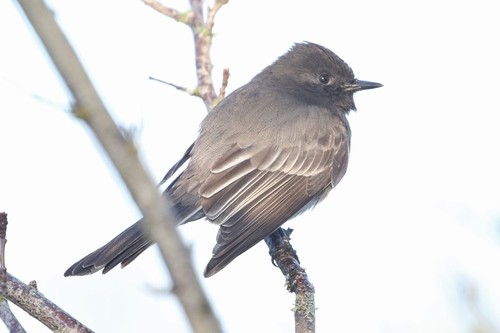
19. Black Phoebe
Often spotted near creeks and ponds after you hear its sharp, whistling call, the small, plump black Phoebe is a sooty gray. Look for its white belly and squared tail to properly identify it. When perched, it wags its tail constantly. This bird feeds by taking short, quick flights to skim the water’s surface and snag an insect.
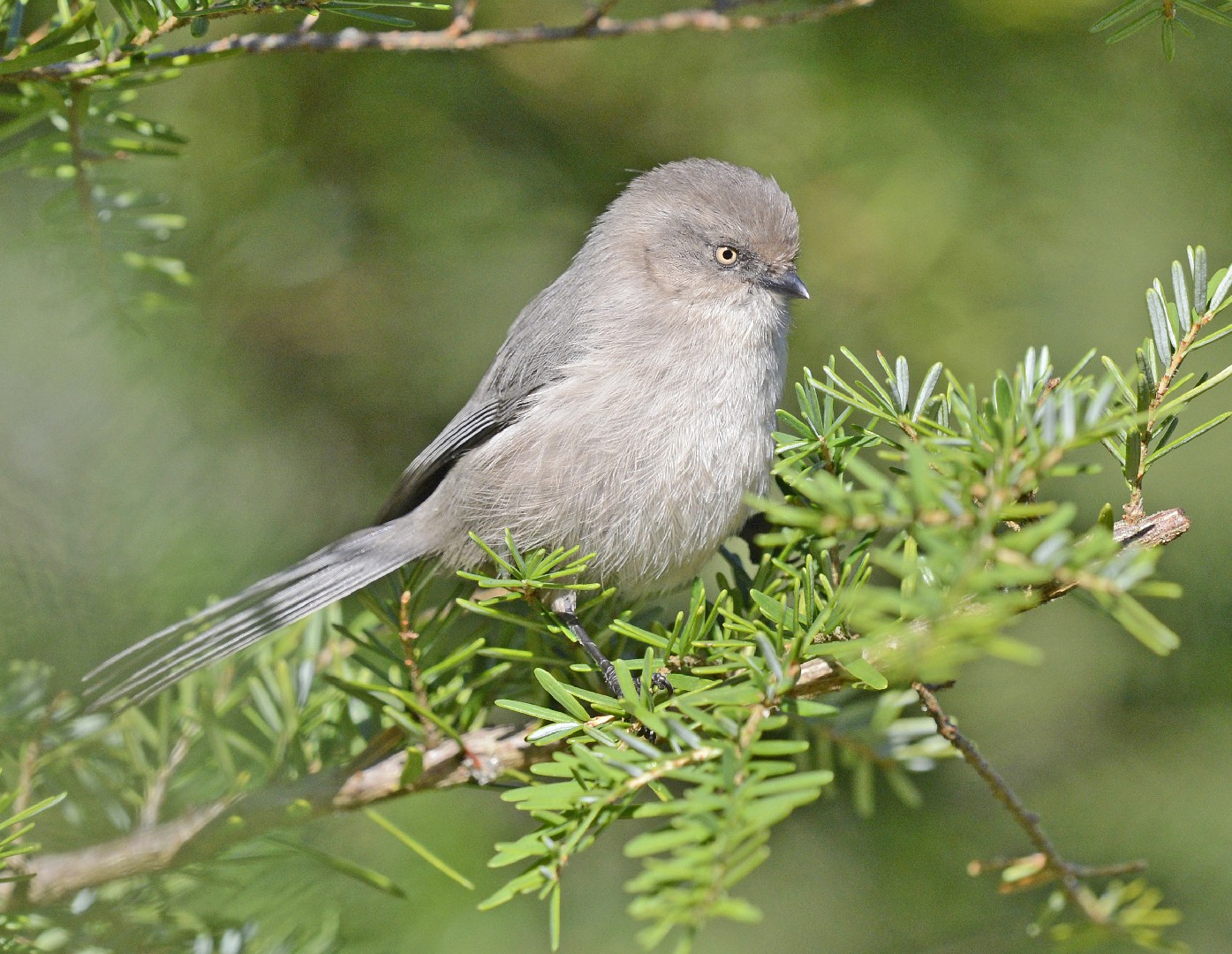
20. Bushtit
The social bushtit can often be found in deciduous and mixed forests as well as in home gardens and backyards. They have a characteristic upside-down feeding behavior as they search for spiders and insects on the undersides of leaves. These birds like to decorate their nests with flowers and lichens.