




Top 20 Most Common Bird in The Dalles
Nestled by the Columbia River, The Dalles is a gateway to a splendid display of avian diversity, home to an ever-changing cast of bird species. This area's mosaic of ecosystems featuring forests, water bodies, and shrublands lends to its remarkable 20 bird species. Prominent feathered inhabitants include the bald eagle, great blue heron, and western kingbirds. This introductory peek only brushes on The Dalles's rich birdlife, awaiting further exploration.

Most Common Bird
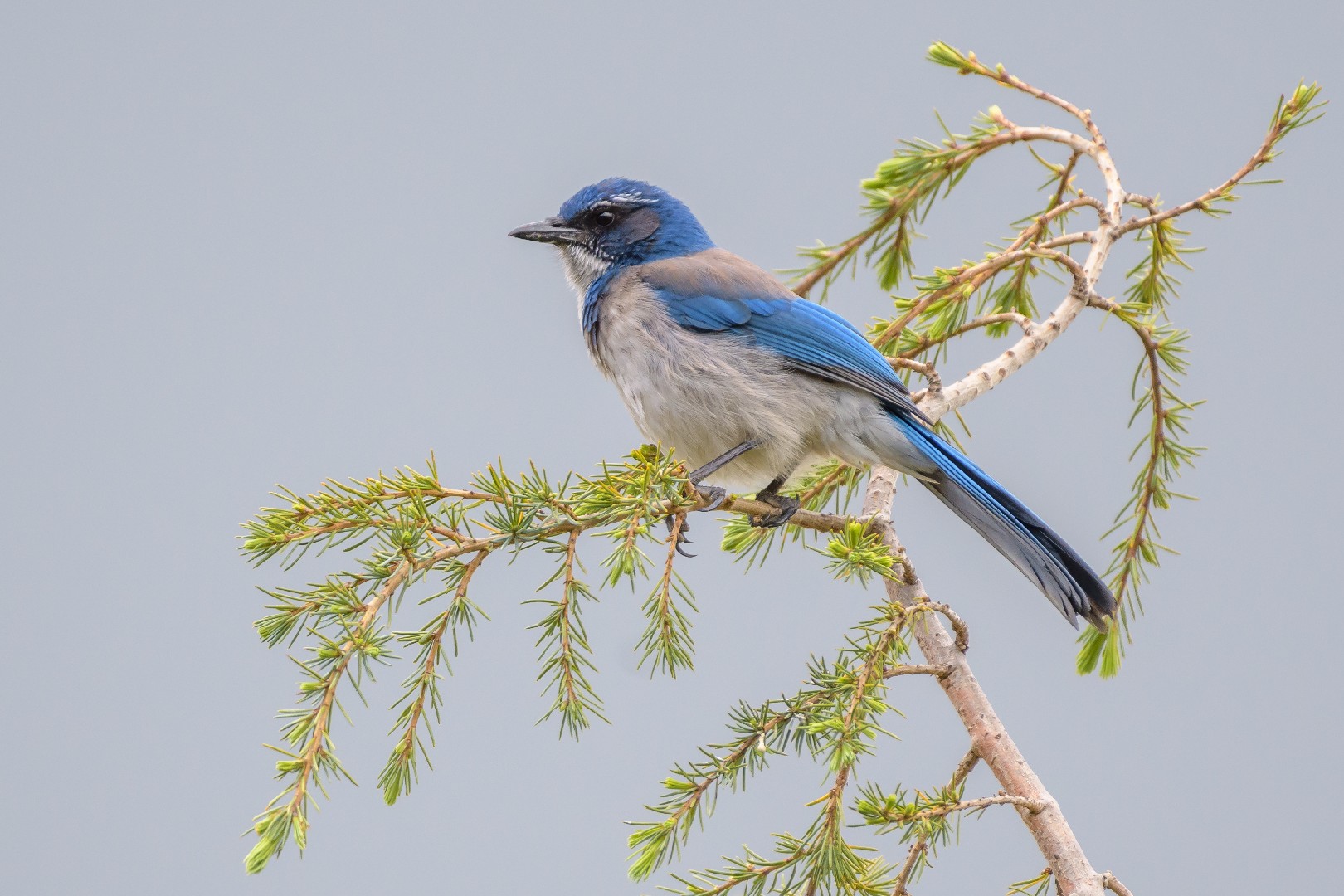
1. California Scrub-jay
California Scrub-jays prefer to live in dry shrublands, oak forests, and treed backyards. These are mischievous little birds that like to steal acorns from Woodpecker hiding spots. However, when the scrub jays hide the acorns in a new spot they rarely remember where they've hidden them! It's a lose-lose situation. When not stealing acorns they like to spend time eating ticks and other parasites off the backs of mule deer. The deer seem to appreciate the attention and often hold up their ears to give the jays access.
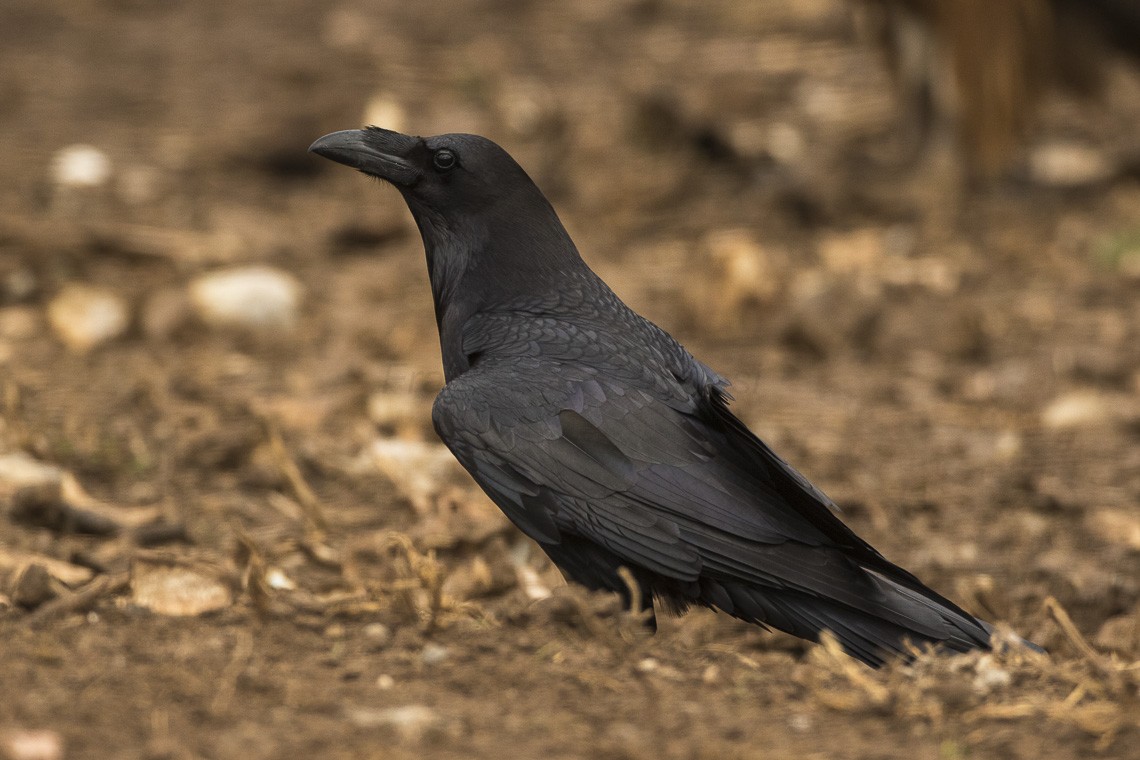
2. Common Raven
The common Raven is one of the most ubiquitous species of birds and is revered for its high intelligence. These birds prefer open habitats, but can be found in nearly all environmental conditions besides rainforests. As a social species, some subspecies of common Raven have been known to have 15 to 33 different categories of calls!
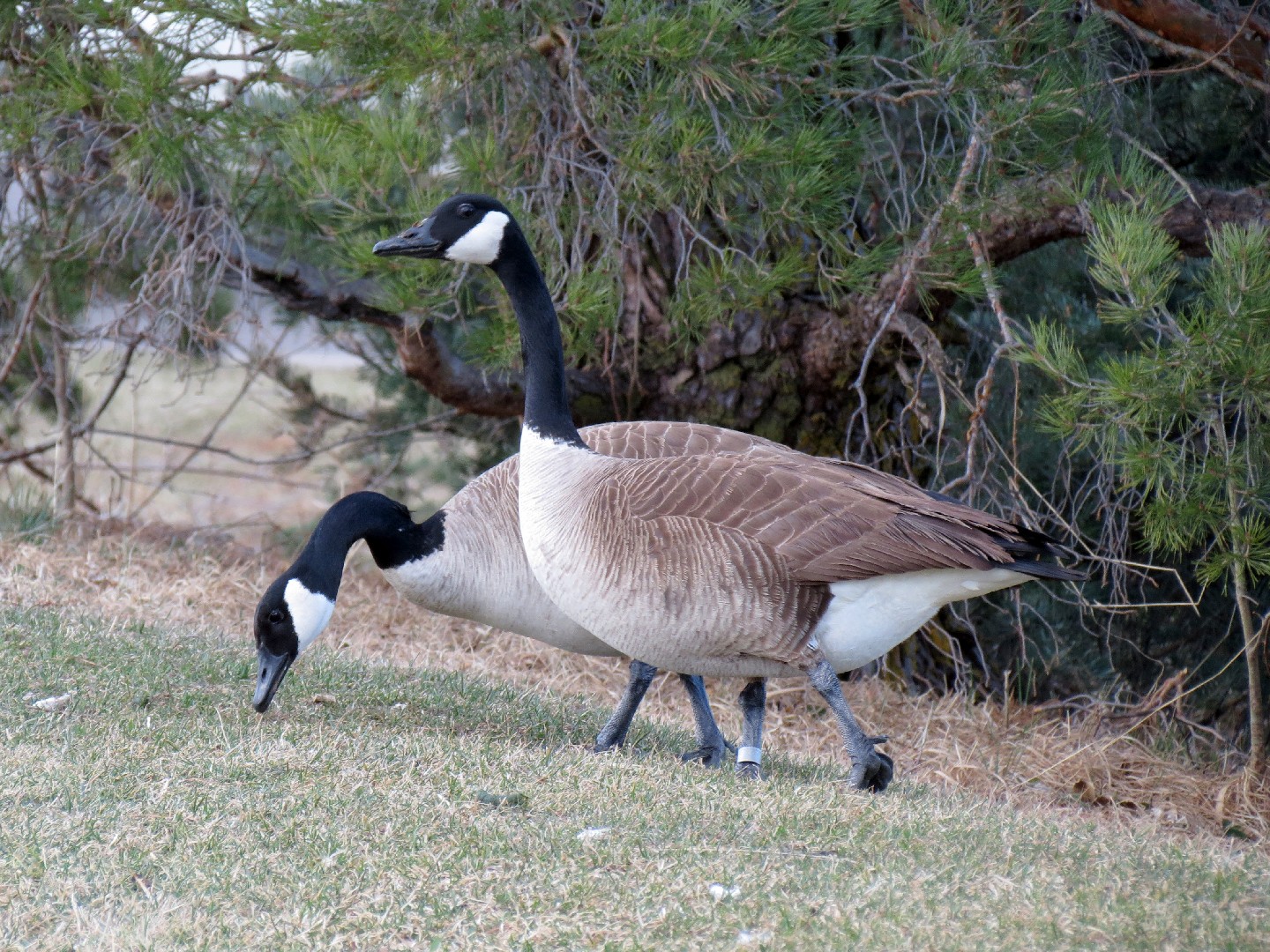
3. Canada Goose
Though this large, widespread bird is mainly known for its aggressively territorial nature, often shown by spitting, chasing, honking, or attacking, the canada Goose does have more loving traits. They mate for life, and this species is one of the birds that has minimal “divorce rates.” Interestingly, they choose mates by size, so smaller geese will mate with other small geese, and larger geese with other large geese.
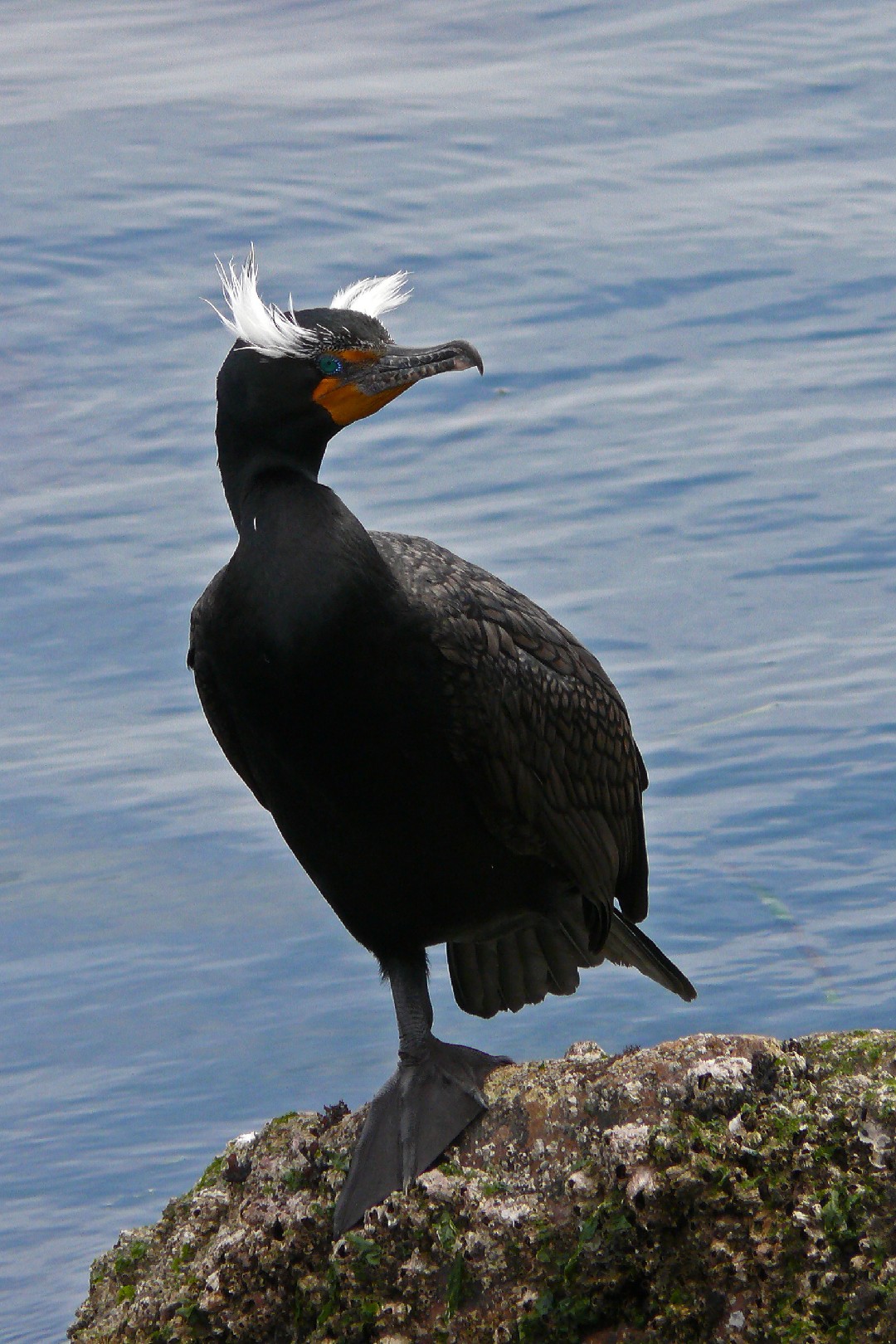
4. Double-crested Cormorant
This large, dinosaur-like bird is the most common form of cormorant. A frequent visitor to bodies of fresh water, look out for double-crested Cormorants at the water's edge when they “wing-spread”. They will stand with their wings opened wide and tilted towards the sun to dry their feathers, because they are not waterproof.
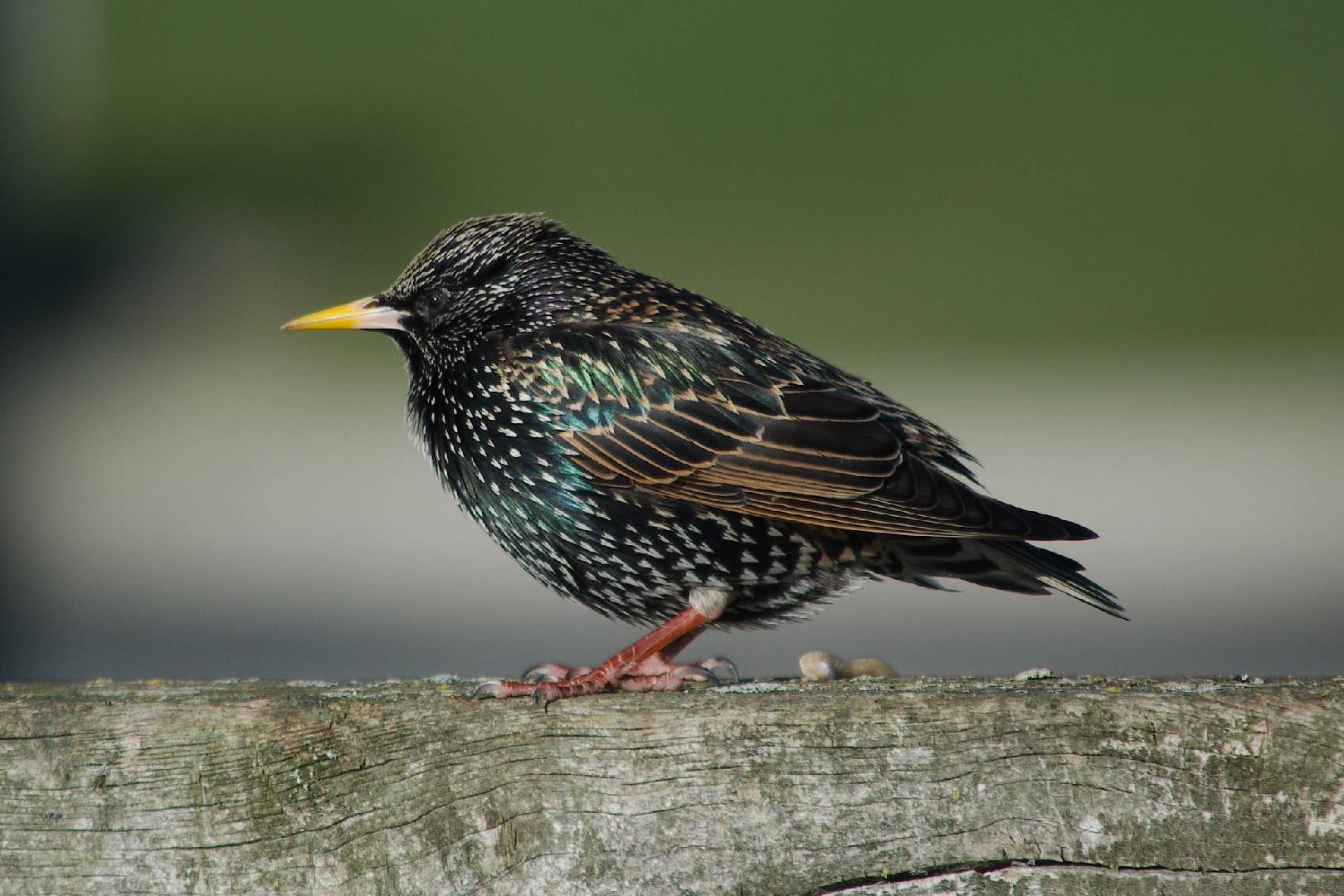
5. European Starling
The european Starling, a large, hardy songbird, is one of the most commonly seen bird species in North America. Originally from Europe, this species was brought to the U.S. in the 1890s by enthusiasts of William Shakespeare, who had the unique goal of bringing over every single species of bird that was mentioned in Shakespeare's collective works. Unfortunately, the european Starling, being an adaptable, generalist species, spread invasively across the continent, hurting many native species' populations in the process.
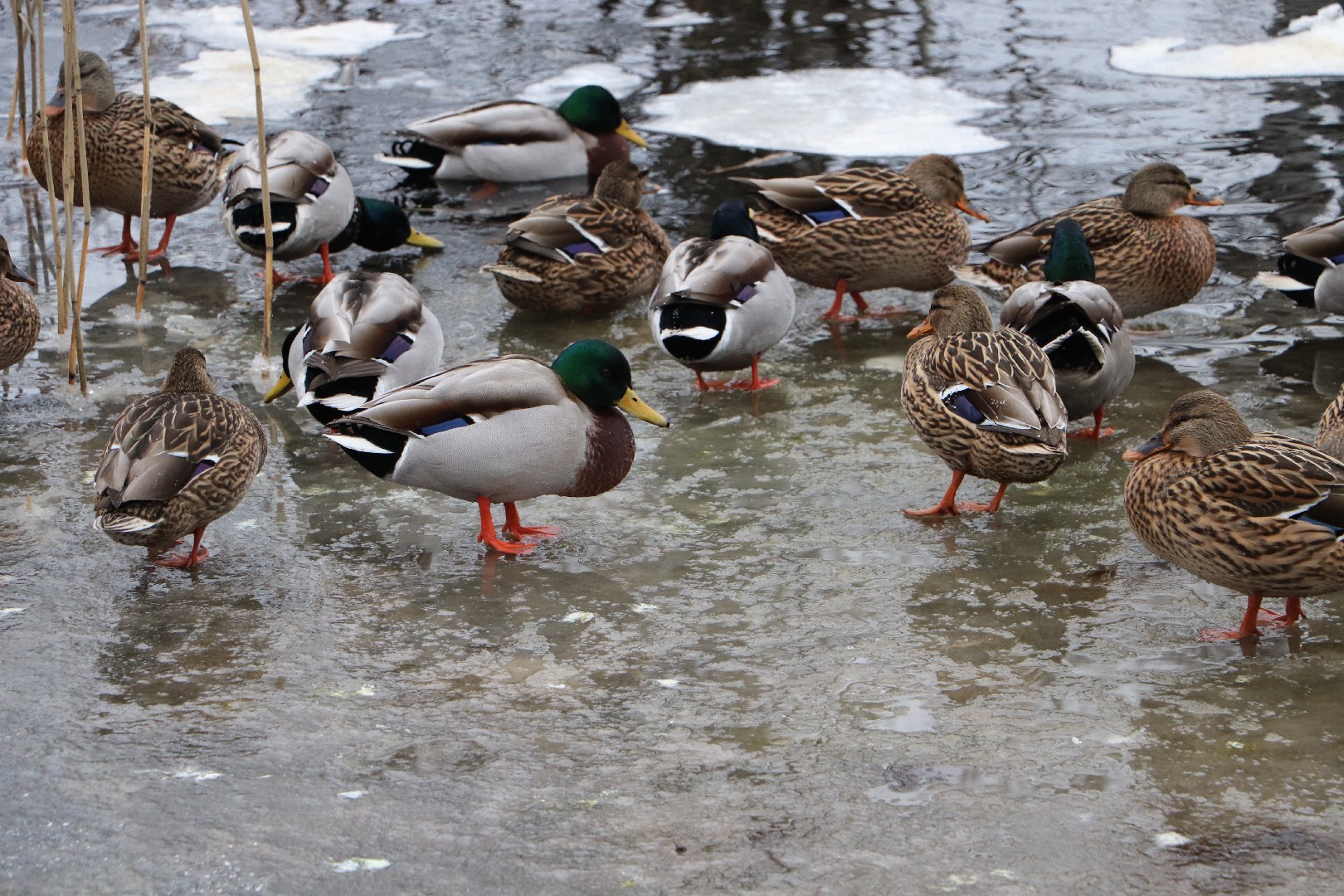
6. Mallard
The mallard is the most abundant duck species in the world, and the ancestor of all domestic ducks. Only the female can produce the distinctive "quack" sound. When the female lays eggs, the male abandons its mate, while the protective mother stays with the ducklings for a long time. This migratory species inhabits shallow waters and it's one of the most popular game birds.
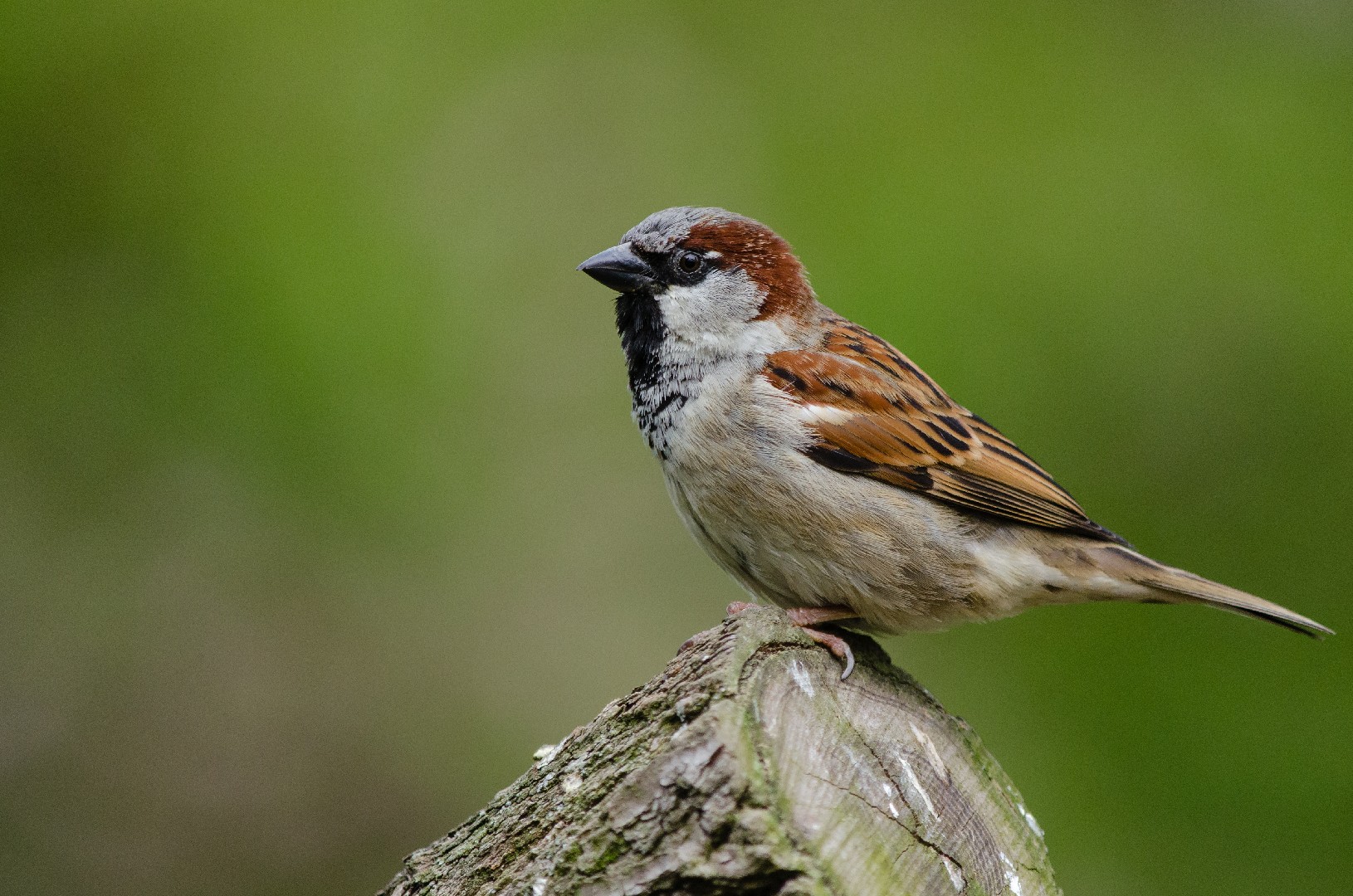
7. House Sparrow
Just as its name implies, the little house Sparrow socializes with humans more than any other bird species. Able to adapt and thrive in almost any habitat, excluding the extremes such as deserts and mountain peaks, this species was once restricted only to North Africa and Eurasia but now is found across the globe. Unfortunately, this opportunistic eater is not completely harmless—it can cause considerable damage to crops.
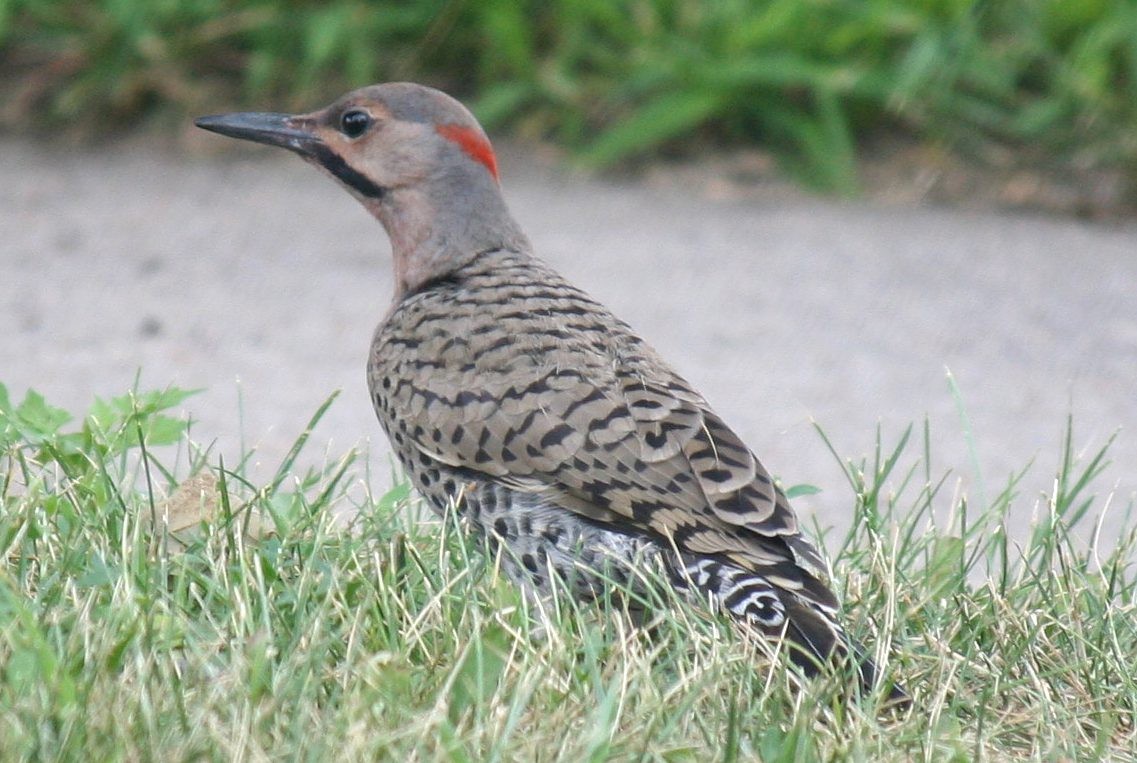
8. Northern Flicker
In the search of its favorite food—ants—the northern Flicker often forages leaf litter and tree bark, which makes it the only ground forager in the woodpecker group. It's a migratory species, which is quite a rare behavior for woodpeckers, as well. The northern Flicker has an eastern (yellow-shafted) and a western (red-shafted) form. It lays a large number of eggs - the known record is 71 eggs in 73 days.
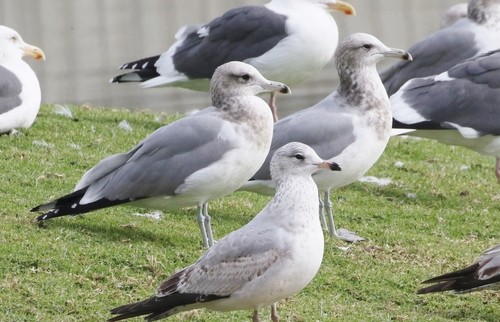
9. California Gull
Adults are similar in appearance to the herring gull, but have a smaller yellow bill with a black ring, yellow legs, brown eyes and a more rounded head. The body is mainly white with grey back and upper wings. They have black primaries with white tips. Immature birds are also similar in appearance to immature herring gulls, with browner plumage than immature ring-billed gulls. Length can range from 46 to 55 cm (18 to 22 in), the wingspan 122–137 cm (48–54 in) and body mass can vary from 430 to 1,045 g (0.948 to 2.304 lb). 
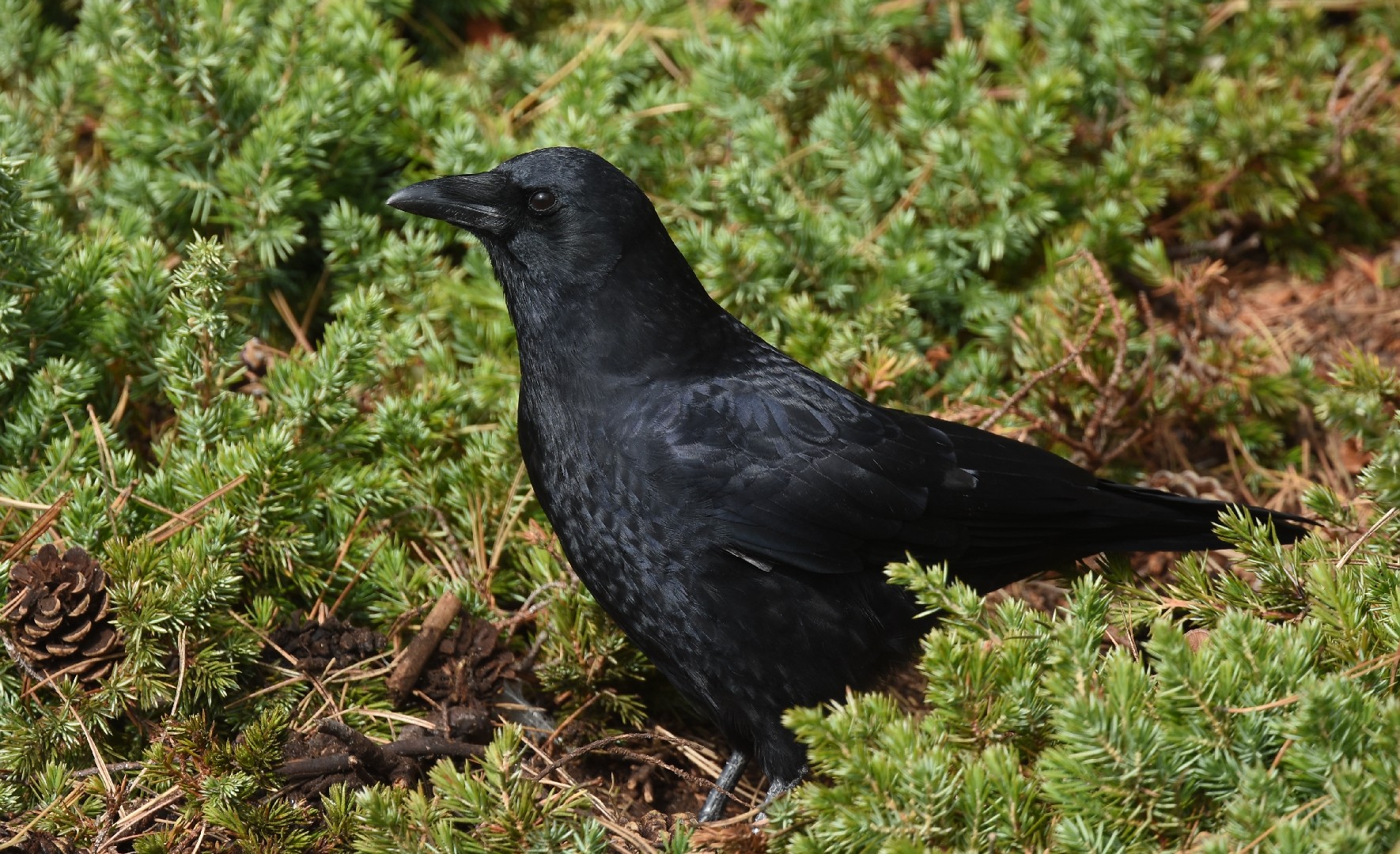
10. American Crow
The american Crow is a big black bird that can be found in forests, fields, river groves, and among human habitations. Interestingly, it is known to stand atop ant hills and allow ants to climb onto its feathers; this apparently discharges their formic acid and makes them more palatable for the crow to eat. Sadly, american Crow numbers have been substantially affected by the West Nile virus in North America. Infected birds die from West Nile in less than a week.
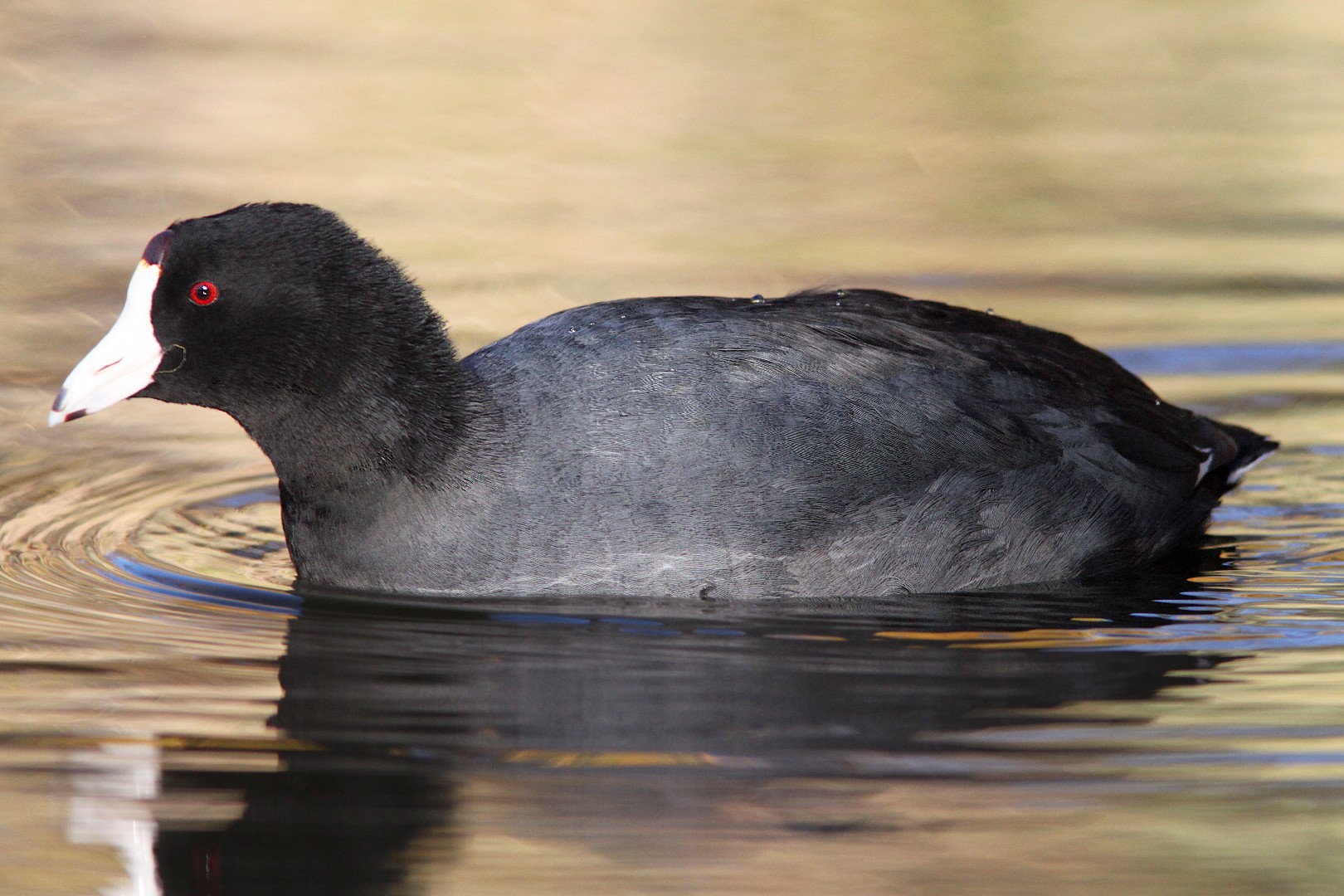
11. American Coot
The american Coot is easily mistaken for a species of duck but does not have webbed feet and does not have a waddling gait. They can be found in and around ponds and lakes and frequently dive under the surface to feed on algae and other vegetation. These birds can live to be 22 years old!
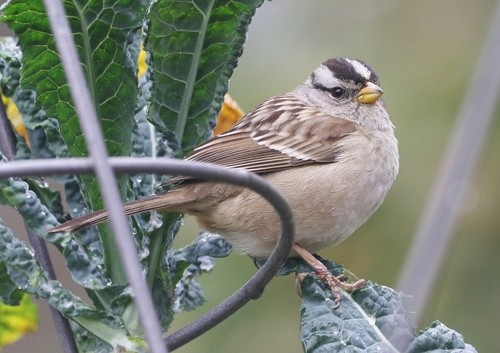
12. White-crowned Sparrow
This common sparrow has a white crown atop its head, which gave it its name, as well as a neat pattern down its wings and a long tail. Some groups of white-crowned Sparrows migrate, while others remain in coastal habitats year-round. Across different groups of these birds are different song “dialects” which are widely studied.
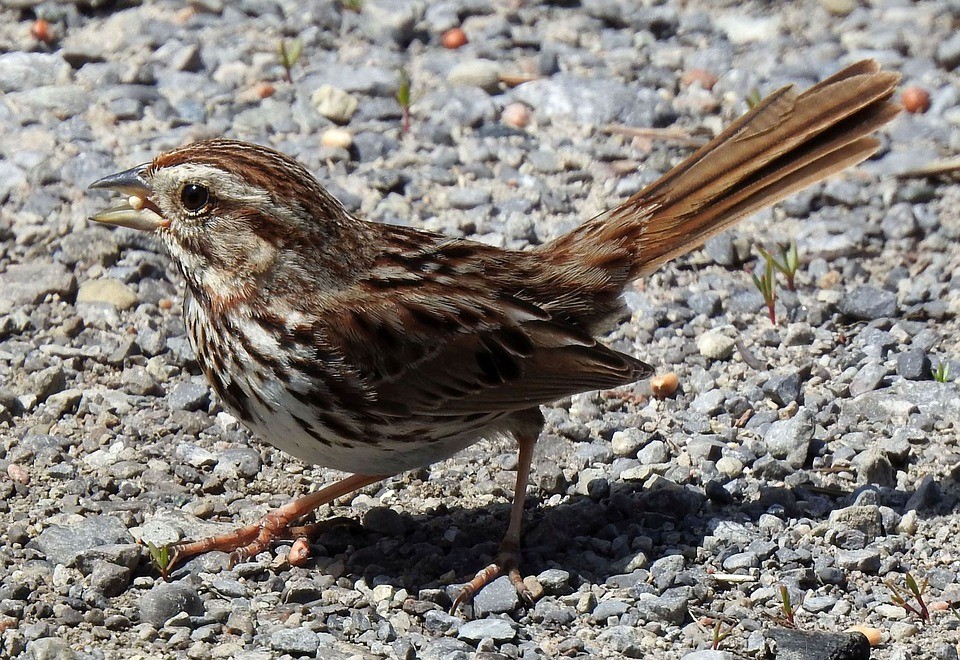
13. Song Sparrow
The song Sparrow can be found low to the ground in vegetation and thickets in nearly all habitat conditions, including suburban areas. They are frequent visitors to home birdfeeders but can also be seen foraging for food on the ground. Their appearance can differ across the 24 known subspecies, but all of them tend to only make short, fluttery flights.
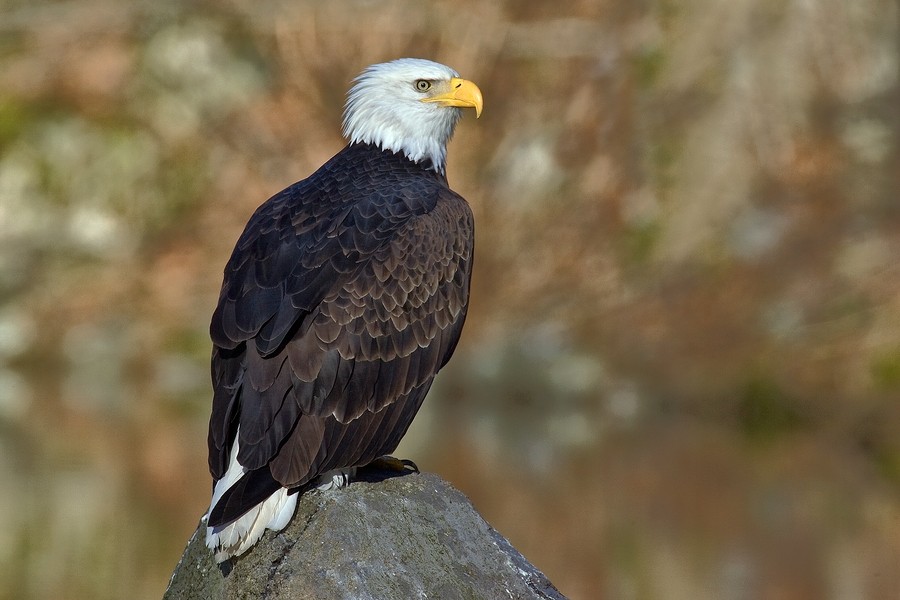
14. Bald Eagle
The national symbol of the United States, the large, distinctively white-headed bald Eagle has a deep sense of symbolism and meaning for that country. It’s no wonder why it was chosen for the role. The bald Eagle is regal, formal, and inspiring to see. It’s incredibly strong and very dangerous to its prey.
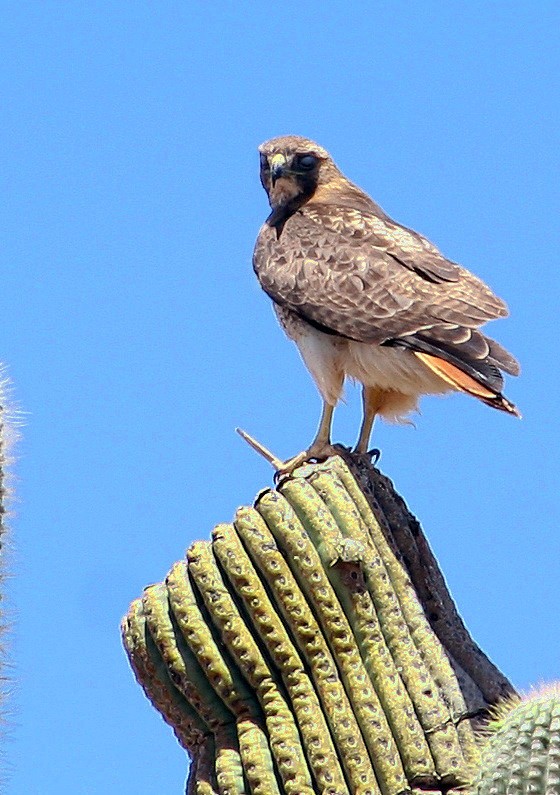
15. Red-tailed Hawk
Perched high in trees, the red-tailed Hawk watches for its prey: mammals, reptiles, birds, amphibians, large insects, and occasionally fish. It's the most common hawk in North America. Highly territorial and monogamous, the red-tailed Hawk is relatively long-lived. Many of them die young, but those who survive can live up to 20 years.
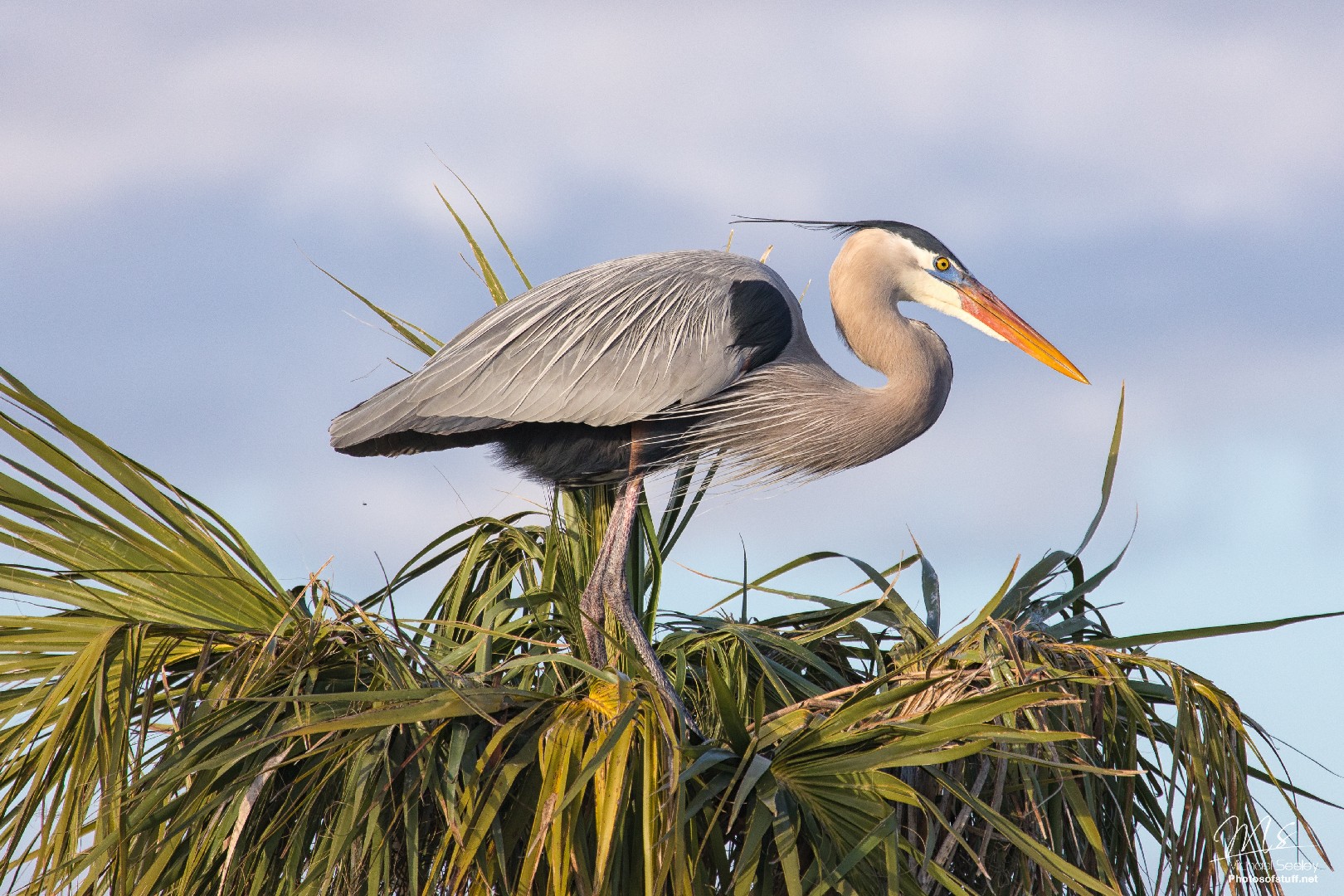
16. Great Blue Heron
The great Blue Heron, the largest such bird in North America, is quite adaptable and thrives in various wet habitats. Silent, patient, and often motionless, this majestic bird always makes a spectacular sight. Thanks to its specially shaped neck and extremely good night vision, this wading bird is a quick and skilled fish predator. Since the great Blue Heron accumulates toxins in its body, researchers use it as an indicator of dangerous contaminants in local wetlands.
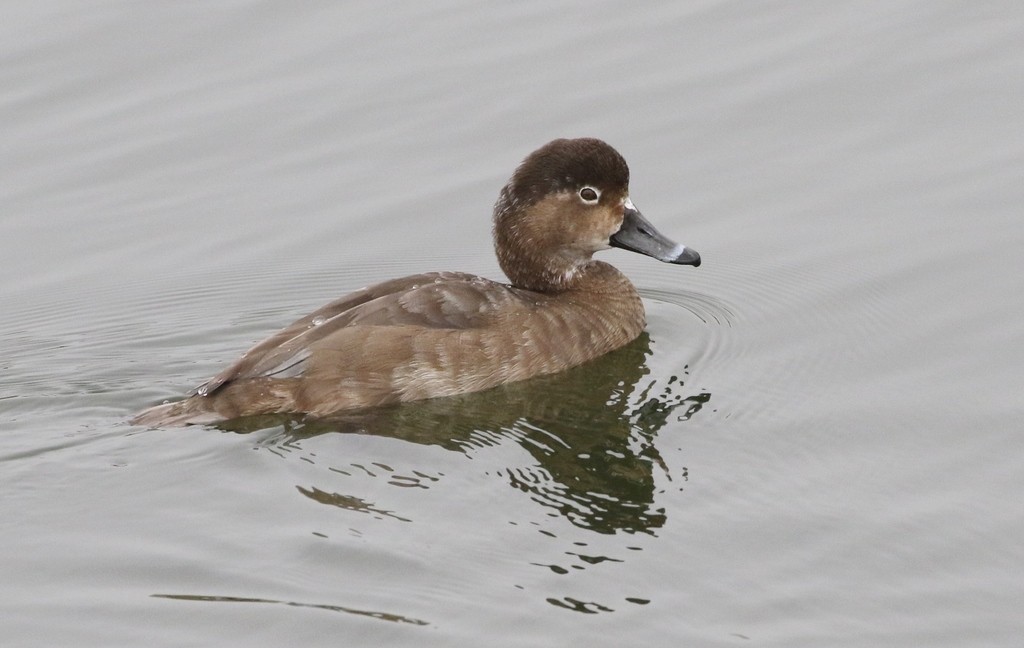
17. Ring-necked Duck
Ring-necked ducks are small to medium-sized diving ducks with the following length, weight, and wingspan measurements: Length: 15.3-18.1 in (39-46 cm) Weight: 17.3-32.1 oz (490-910 g) Wingspan: 24.4-24.8 in (62-63 cm) The adult male is similar in color pattern to the Eurasian tufted duck, its relative. Males are a little bit bigger than the female. It has two white rings surrounding its gray bill, a shiny black angular head, black back, white line on the wings, a white breast and yellow eyes. The adult female has a grayish brown angular head and body with a dark brown back, a dark bill with a more subtle light band than the male, grayish-blue feet and brown eyes with white rings surrounding them. Females also make a noise like trrr. The cinnamon neck ring is usually difficult to observe, which is why the bird is sometimes referred to as a "ringbill".
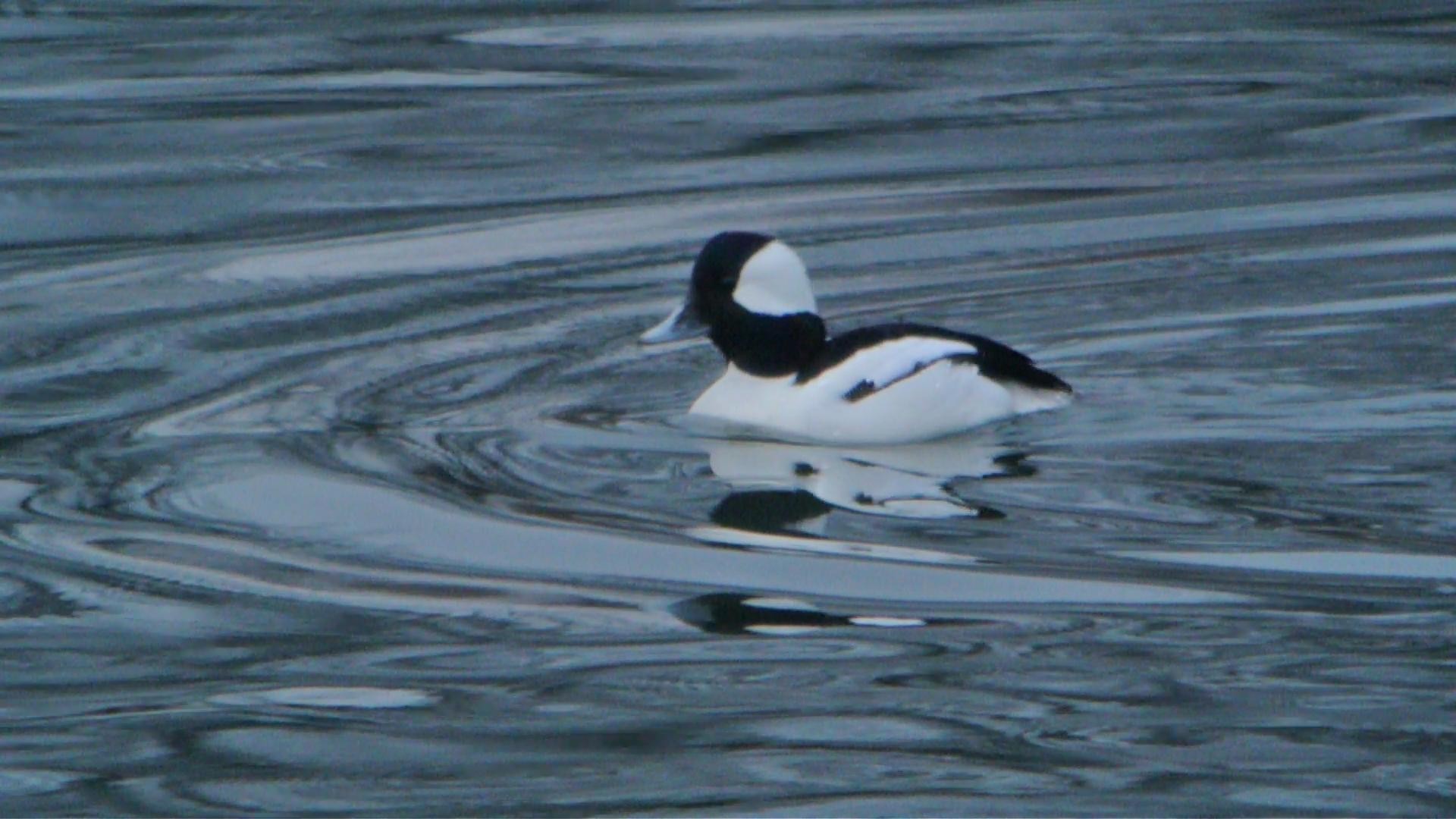
18. Bufflehead
Don’t be surprised to see bufflehead disappear in the water. It returns to the surface to feed. This duck is often seen in lakes, reservoirs, and bays. The duck often uses old woodpecker holes for nesting but can also be lured to backyards with a nesting box placed close to trees.
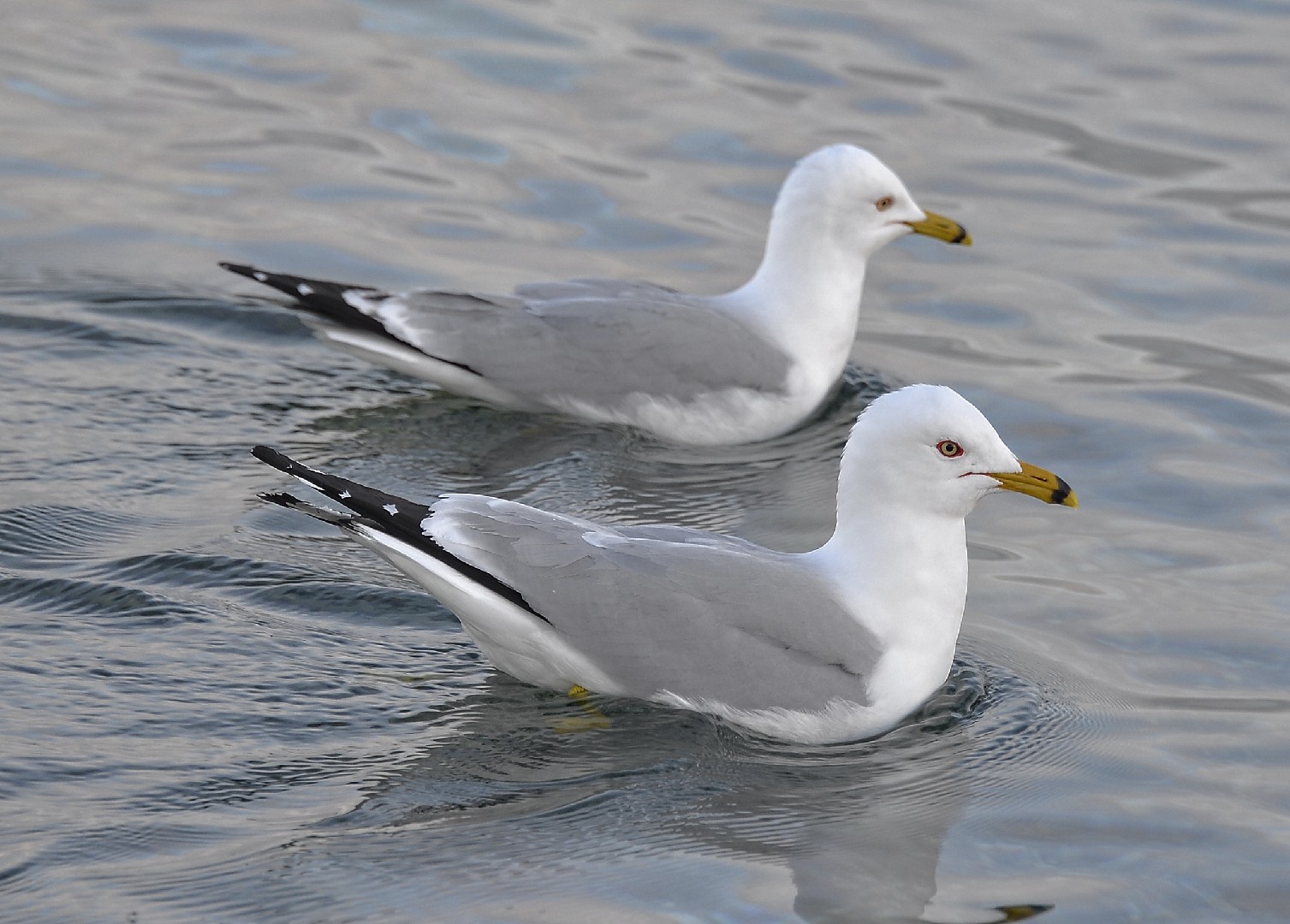
19. Ring-billed Gull
The ring-billed Gull is a medium-sized gull and the most widespread gull of North America. Extremely well-adapted to humans, these omnivorous birds can be regularly seen in parking lots and garbage dumps, feeding on a wide range of foods. They are agile flyers, able to pick up food mid-flight. Many of them return to breed in the colony where they were born.

20. House Finch
Frequent in urban environments and human-created habitats such as parks and backyards, the little house Finch is known for its loud but pleasant, cheerful singing. It feeds on the ground, mostly on seeds, berries, and other plant material. This bird is highly sociable and very adaptable. It often visits feeders.