




Top 20 Most Common Bird in McAllen
In the heartland of American birding lies McAllen, a sanctuary teeming with a myriad of bird species, a testament to the region's rich biodiversity. The unique confluence of temperate and tropical areas, coupled with a variety of distinct habitats, from lush wetlands to thorny shrubs, accounts for the array of birdlife here. Birdwatchers can delight in spotting iconic species such as the vivid Green Jay or the elusive Elf Owl, setting the stage for 20 other common bird species awaiting discovery.

Most Common Bird
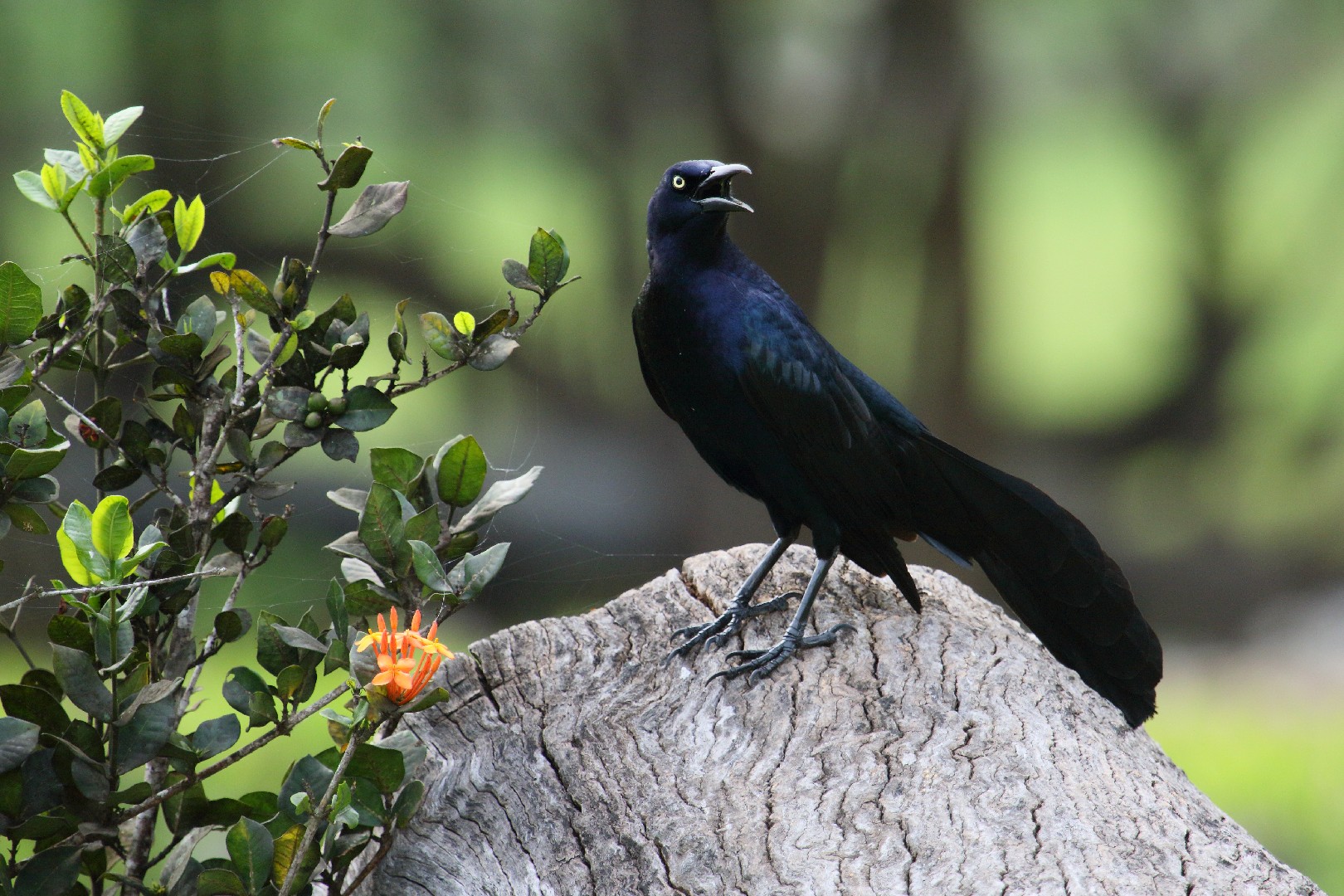
1. Great-tailed Grackle
The medium-sized great-tailed Grackle is notable for its long tail, shaped like a V, and deep black coloring offset by bright yellow eyes. This loud bird can be easily found just by following the sharp sounds of its calls and shrieks. Males in particular shriek and ruffle up their feathers to defend their territory or if they feel threatened.
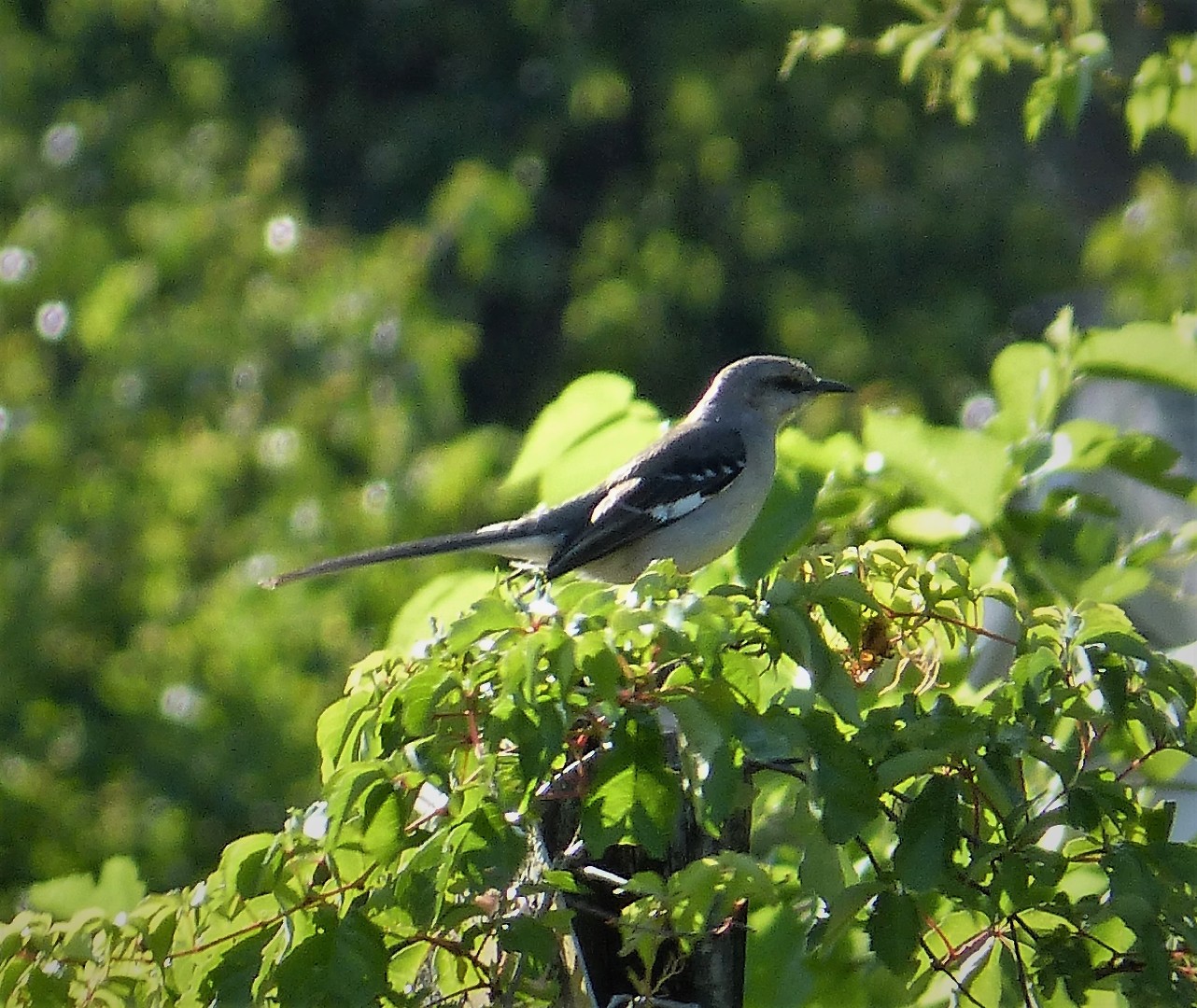
2. Northern Mockingbird
The northern Mockingbird is able to mimic the sound of more than 30 bird species, but this master mocker has also been known to imitate the sounds of a whistle, frog call, or a dog's bark. The mimicry keeps other birds out of the mockingbird's territory, but it also plays an important role in courtship - the male with the best mimicking skills is the most attractive to females. You will often hear this mockingbird singing on moonlit nights. Widespread throughout the US, the northern Mockingbird is a state bird of Arkansas, Florida, Texas, Mississippi, and Tennessee.
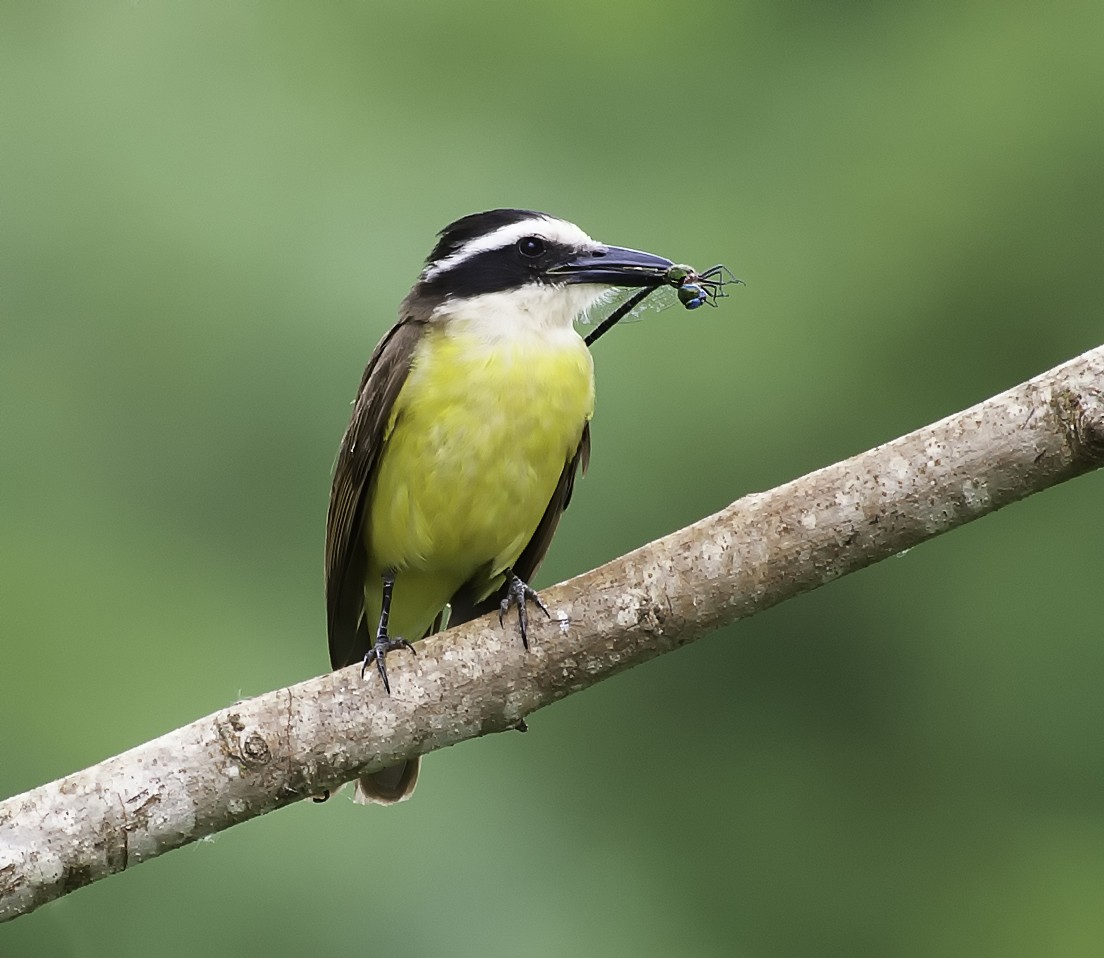
3. Great Kiskadee
The great Kiskadee is a large bird with bold markings that make this flycatcher easily recognizable. is a bright-colored bird that prefers woodland habitats close to water or open areas. It eats a lot of insects, but also forages for seeds and berries and is known to dive into shallow water for small fish.
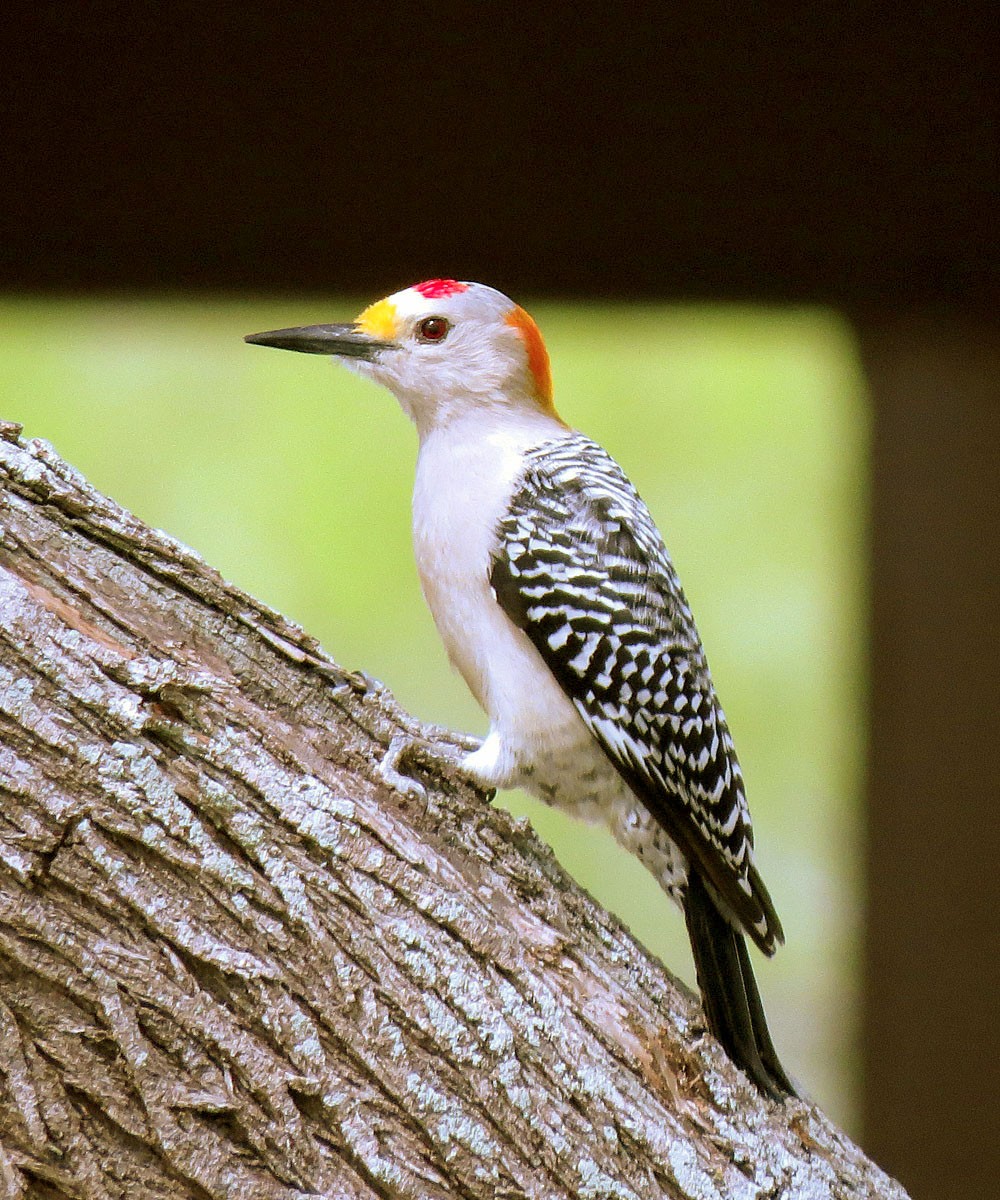
4. Golden-fronted Woodpecker
The golden-fronted woodpecker (Melanerpes aurifrons) is a North American woodpecker. Its preferred habitat is mesquite, riparian woodlands, and tropical rainforest. It is distributed from Texas and Oklahoma in the United States through Mexico to Honduras and northern Nicaragua. Cooke listed this species as an abundant resident of the lower Rio Grande Valley, Texas, in 1884. 
5. House Sparrow
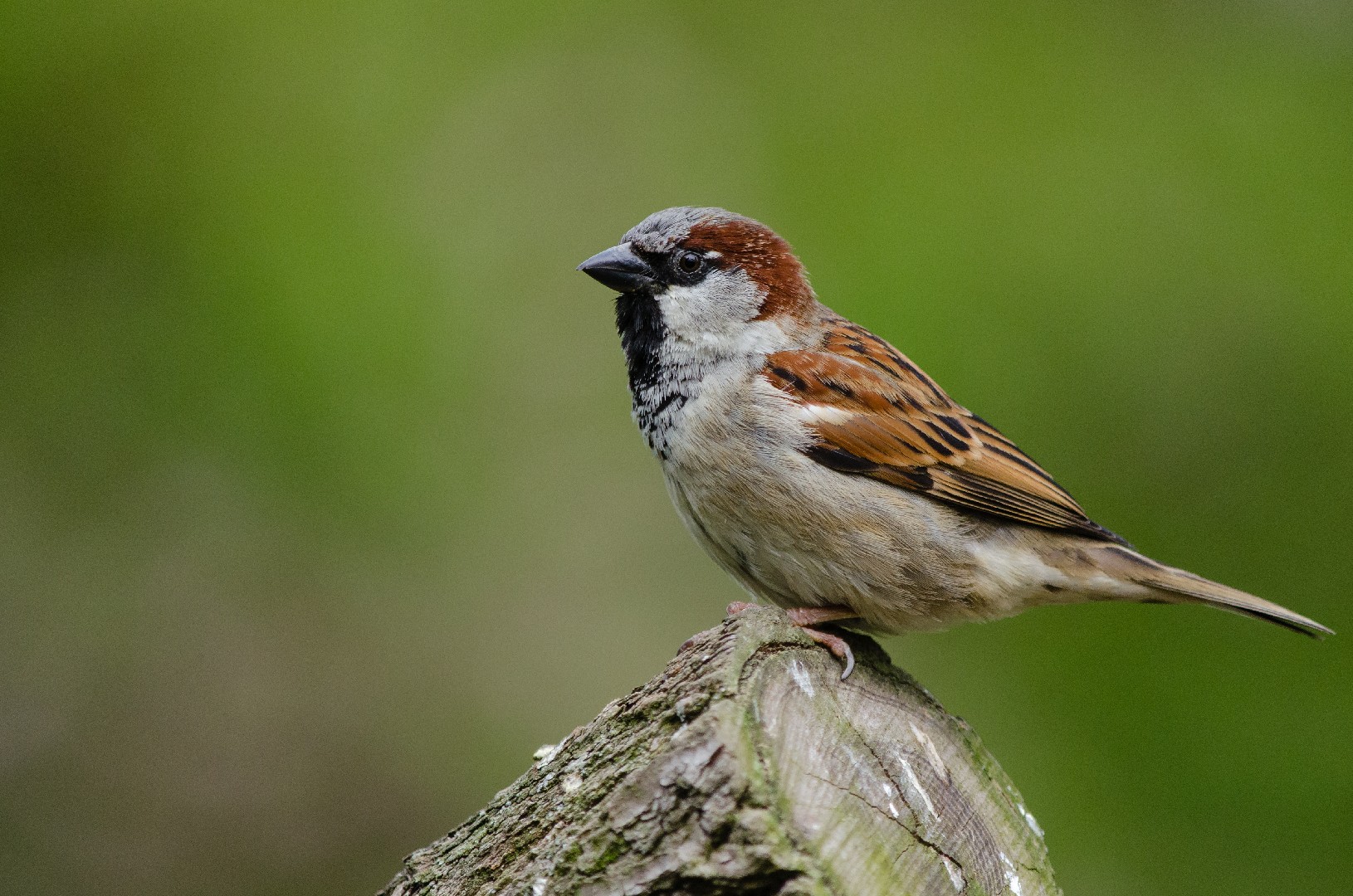
Just as its name implies, the little house Sparrow socializes with humans more than any other bird species. Able to adapt and thrive in almost any habitat, excluding the extremes such as deserts and mountain peaks, this species was once restricted only to North Africa and Eurasia but now is found across the globe. Unfortunately, this opportunistic eater is not completely harmless—it can cause considerable damage to crops.
6. White-winged Dove
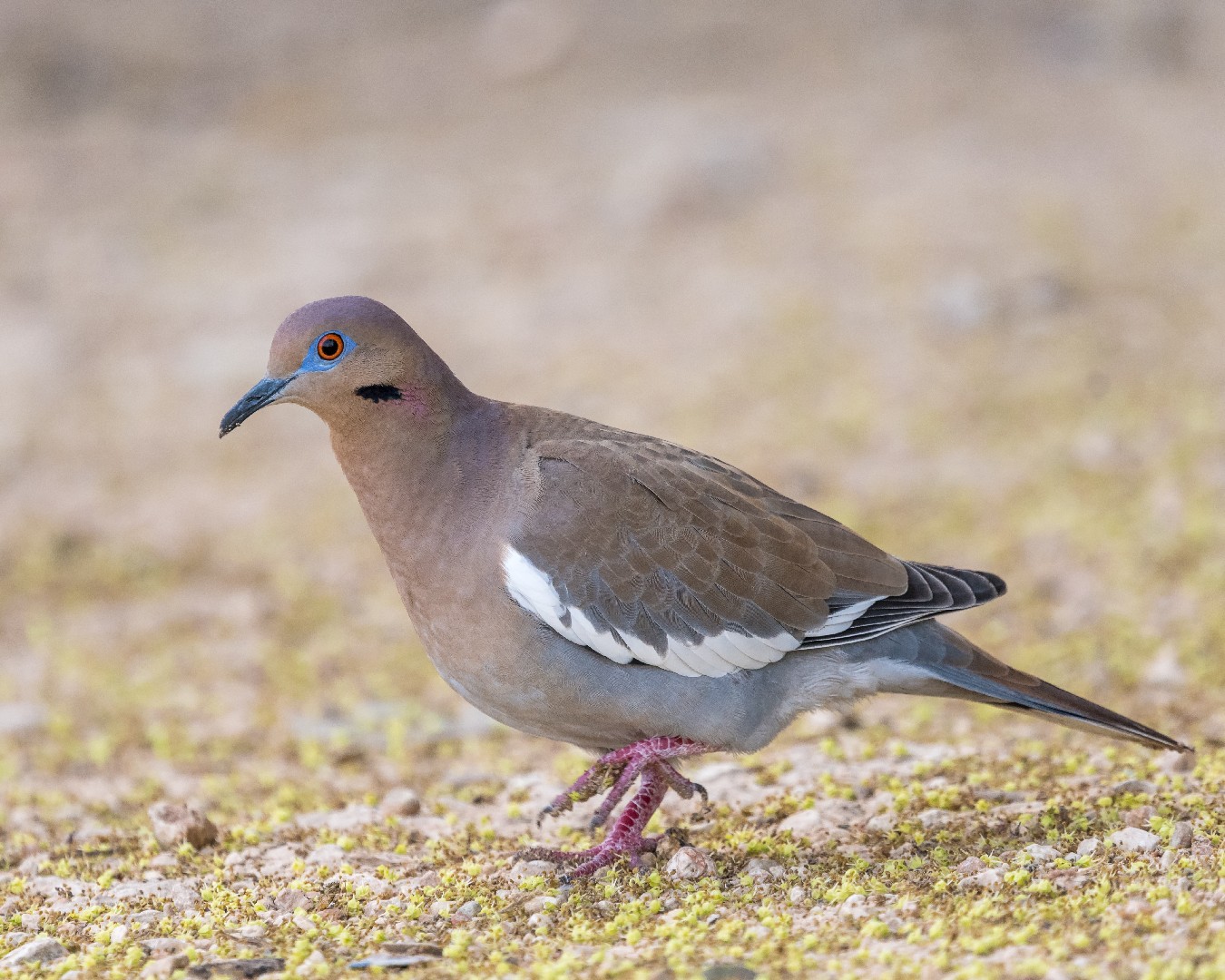
The medium-sized, distinctively patterned white-winged Doves practically live on Saguaro cactus, consuming its nectar, pollen, fruit, and seeds. In fact, they are so dependent on this plant that they match their migration schedule to its fruiting schedule. White-winged Doves were heavily hunted in Texas in the 20th century and their population dropped from 12 million to fewer than 1 million by 1939. Since then proactive hunting management and the species ability to adapt to urban living has helped their numbers rebound.
7. Northern Cardinal
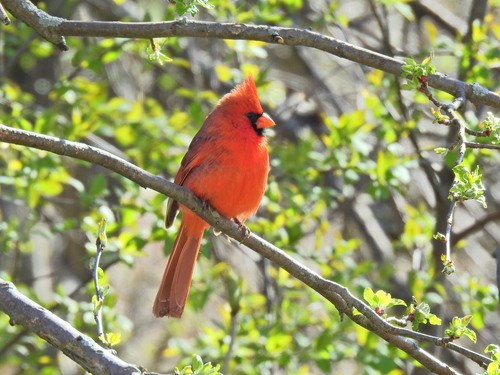
The northern Cardinal is a distinctive, medium-sized songbird that inhabits temperate forests and yards. Its name is derived from the male's brilliant red plumage color which resembles red-robed Roman Catholic cardinals, while its crest looks like a bishop's mitre. Compared to the male, the female is much duller in color. The highly territorial males can be quite aggressive. Quite popular, this is the state bird of seven U.S. states.
8. Mourning Dove
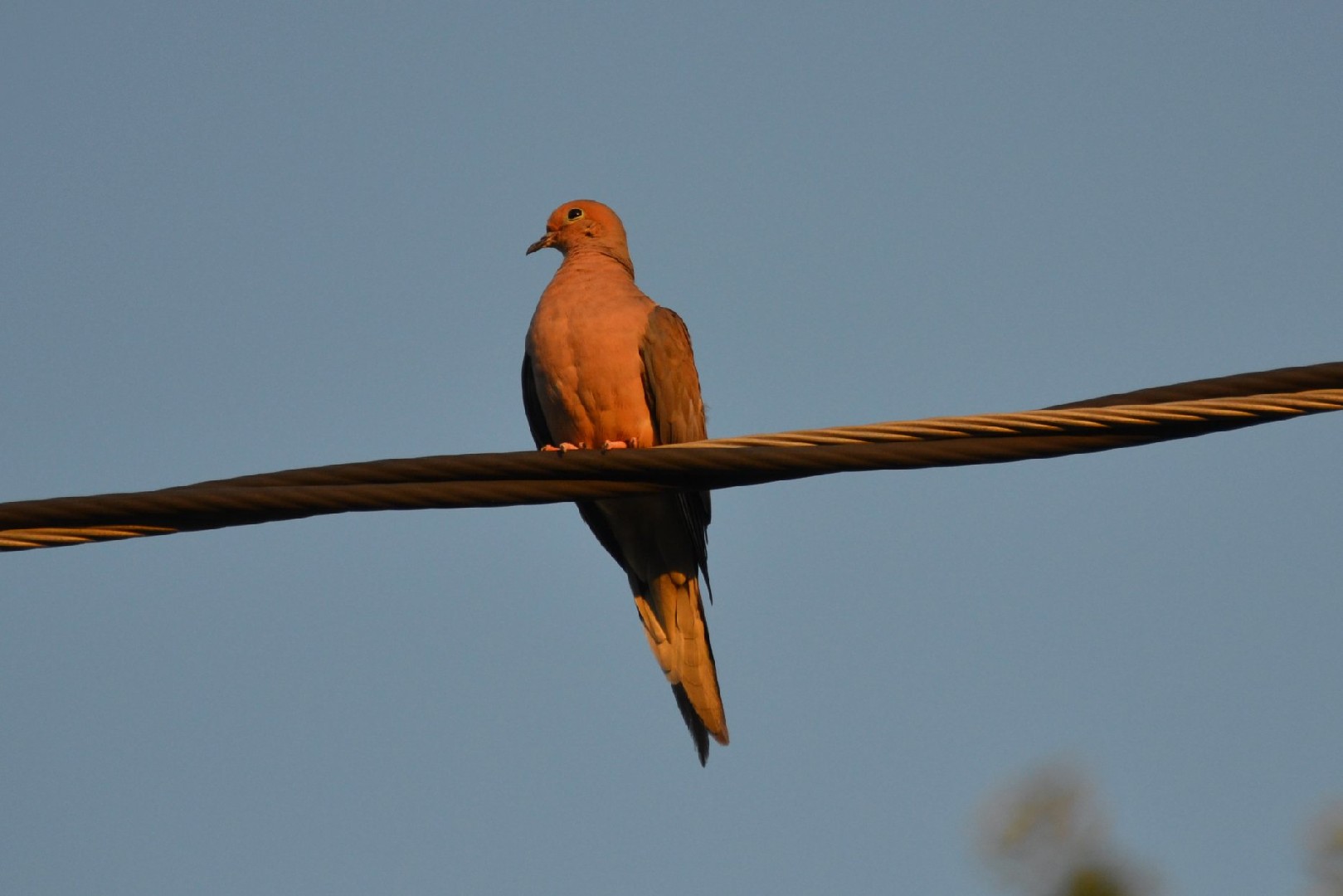
One of the most famous and widespread doves of North America, the mourning Dove can be often seen in urban areas perching on telephone wires. It is named after its distinctive, plaintive-sounding song. It is also a popular game bird, but its population is still abundant thanks to the prolific breeding and its ability to raise up to five to six broods in a single year.
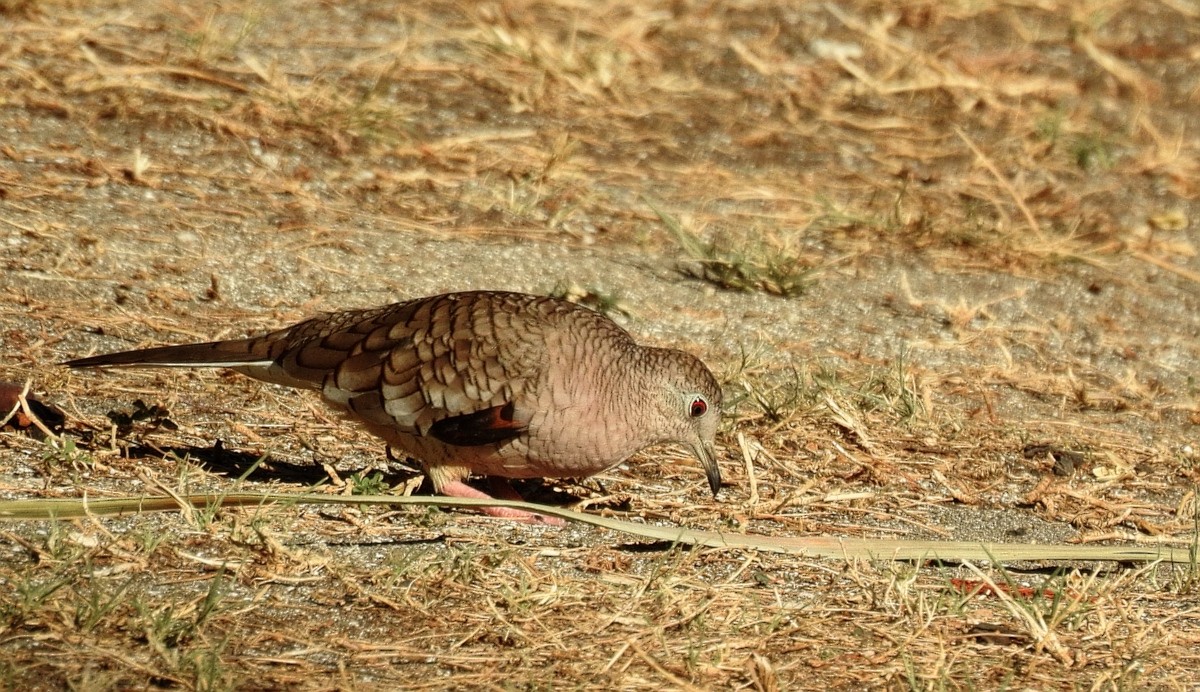
9. Inca Dove
The inca Dove is a small, compact dove with distinctive pale gray plumage and a long tail. It is found in a wide range of habitats, including urban areas, deserts, and grasslands throughout the southwestern United States and northern Mexico. The Inca Dove feeds mainly on seeds, and their cooing call is a common sound in their habitats. They are known for their fast, bouncy flight and their tendency to mate for life.
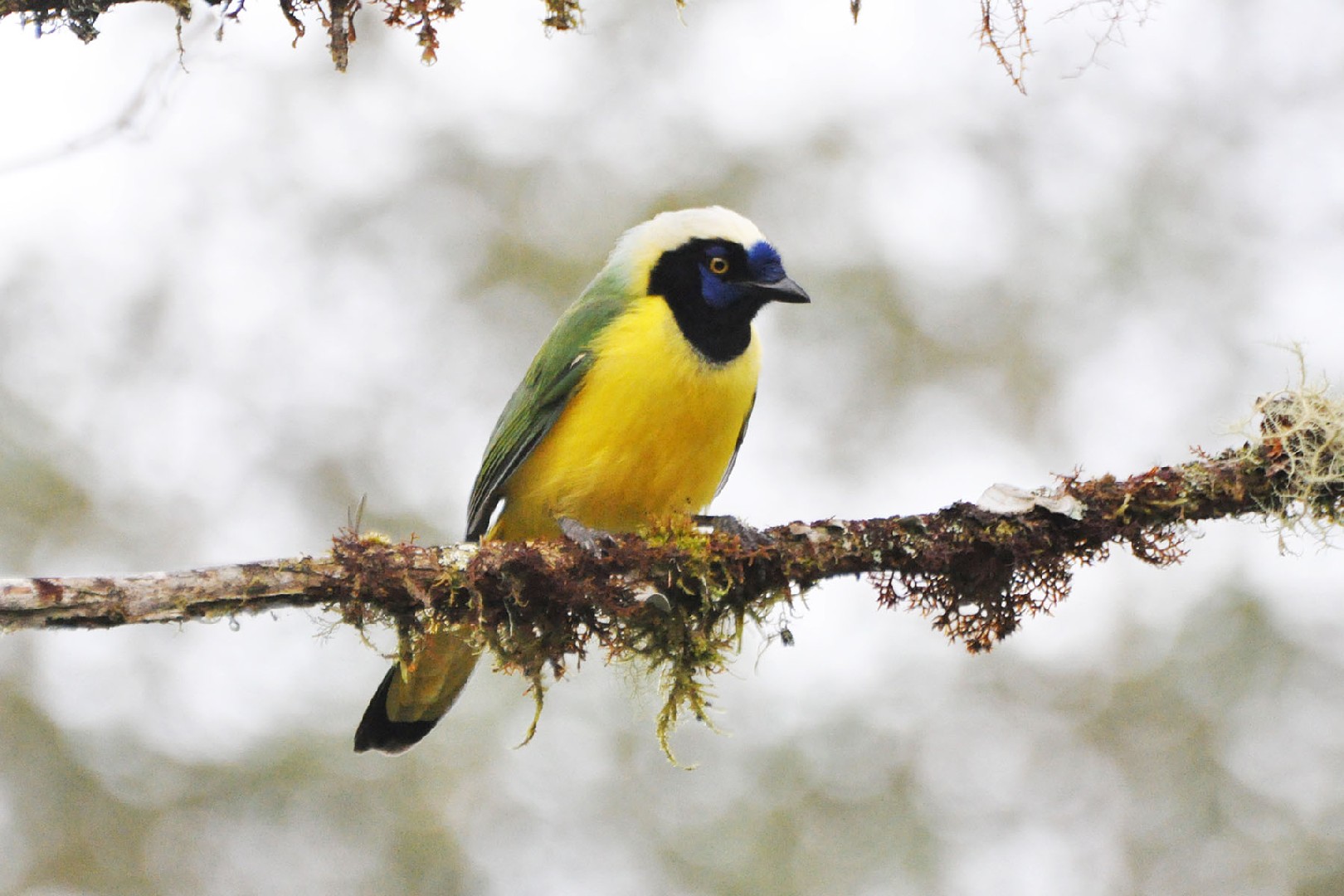
10. Green Jay
The Inca jay is 29.5–30.5 cm (11.6–12.0 in) in length. The crown can appear mostly white, with blue limited to the frontal crest and nape. A black bib forms a broad band up to the sides of the head as well as a stripe through the eye line and one above it. The breast and underparts typically are bright yellow. The upper parts are rich green. The color of the iris is bright yellow.
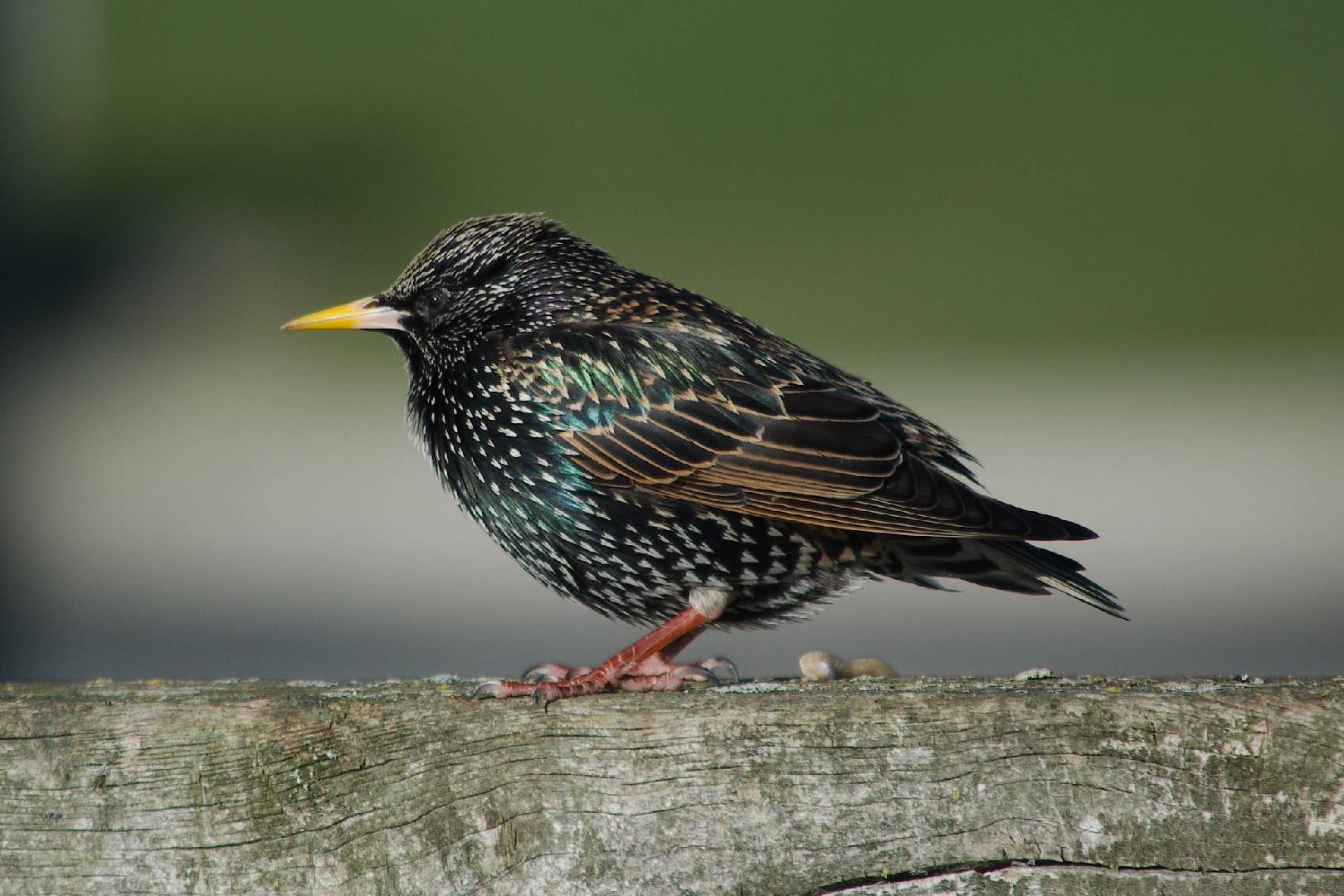
11. European Starling
The european Starling, a large, hardy songbird, is one of the most commonly seen bird species in North America. Originally from Europe, this species was brought to the U.S. in the 1890s by enthusiasts of William Shakespeare, who had the unique goal of bringing over every single species of bird that was mentioned in Shakespeare's collective works. Unfortunately, the european Starling, being an adaptable, generalist species, spread invasively across the continent, hurting many native species' populations in the process.
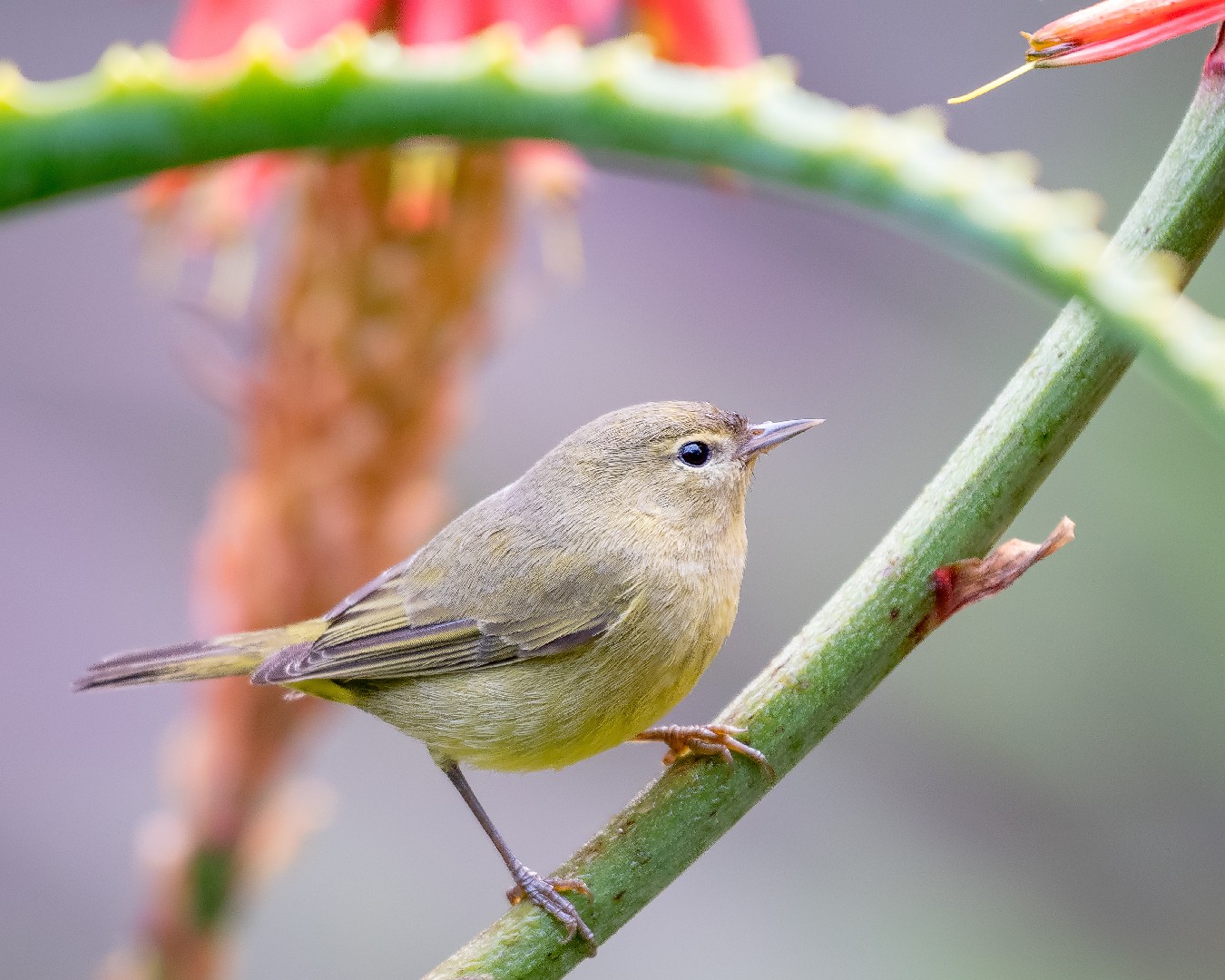
12. Orange-crowned Warbler
The orange-crowned Warbler has a large range but is a rare sight. These birds stay in the coverage of low thickets and dense vegetation in shrubby ecosystems looking for insects and berries. The orange-crowned Warbler also nests on the ground, possibly to avoid other bird species that might commandeer or rob from a nest higher up in the trees.
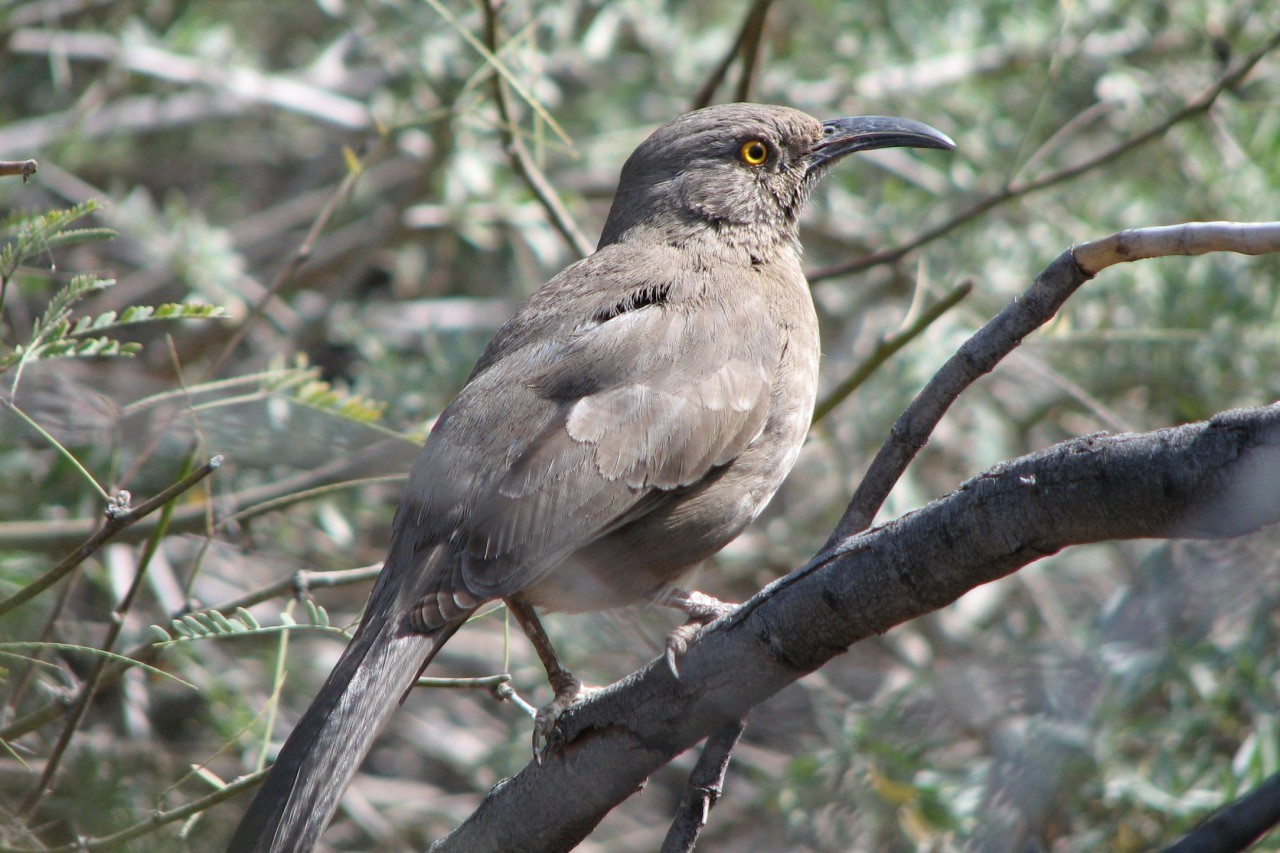
13. Curve-billed Thrasher
The curve-billed thrasher generally measures 25 to 28 cm (10 to 11 in) long, and is immediately recognized as a thrasher by its long tail and short wings. It is also recognized for its sickle-shaped bill, almost as long as its head width and brownish black in color. The body is compact with a large head, short wings and long tail. However, the tail is short relative to other thrasher species. The chest is grayish brown with circular brown-gray spots. The eyes are generally orange, shading to golden in adulthood. Juveniles are lacking in pale tips, rectrices, abdominal feathers are unkempt and upper parts and chest are washed rufously. Variations are markedly different with each subspecies. The eastern subspecies has more distinct spots on its chest, more white along the tips and retraces and obvious wing bars. T.c. palmeri has less spotting on chest and tips and less obvious wing bars. Other examples include T.c. curvirostre possessing longer wings and a tail than T.c. oberholseri; T.c. insularum is paler with more grey than T.c. palmeri and has more visible spotting on its breast. One study published in 2003 suggested that curve-billed speciation was due to climate, which could be explained by molt and feather wear. The same study suggested that the Sierra Madre Occidental acts as a barrier to initiate differentiation within the species.

14. Plain Chachalaca
The plain chachalaca is a medium-sized galliform, around the size of a common pheasant. It measures 48–58 cm (19–23 in) in length, and varies in weight from 468–794 g (16.5–28.0 oz) for males and 439–707 g (15.5–24.9 oz)in females Males are on average larger but because of overlap that isn't diagnostic of sex, and in appreance they are the same. It is long-necked with a small head and bare throat patch which becomes deep red in both sexes during the breeding season. Adults have a greyish head and neck with a dull olive-brown body and wings. The underbelly is pale to ochraceous and the tail is blackish with green gloss and buffy-white tip. The iris is brown and bill is black; orbital skin and the feet are dull grey.
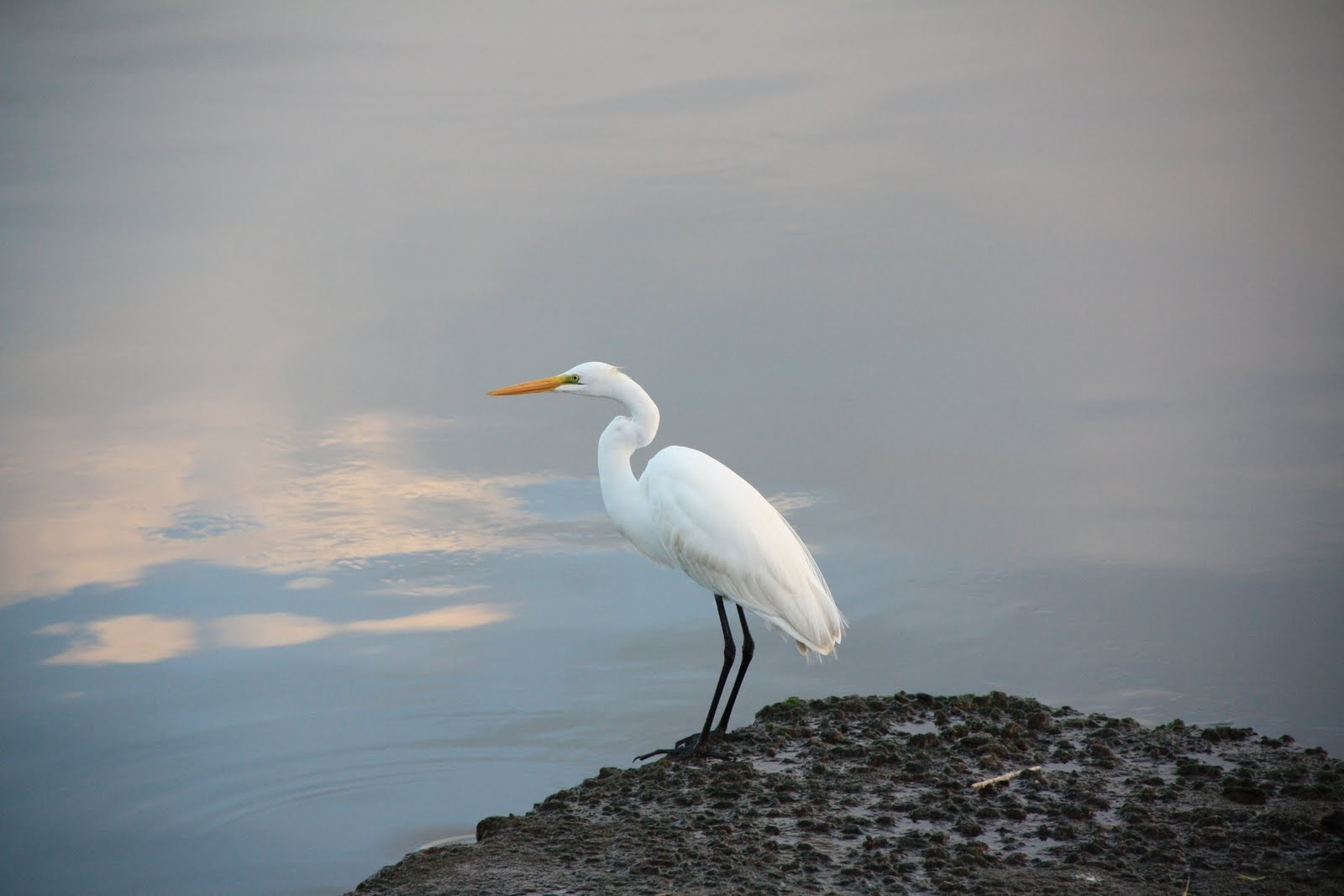
15. Great Egret
These tall birds are quite distinctive with their bright white feathers, black legs, and orange beaks. Great Egrets live near both fresh and saltwater, nesting high in trees to protect their eggs from predatory mammals. They are colonial nesters, living in large groups (colonies), and they find the majority of their food in the nearest body of water.
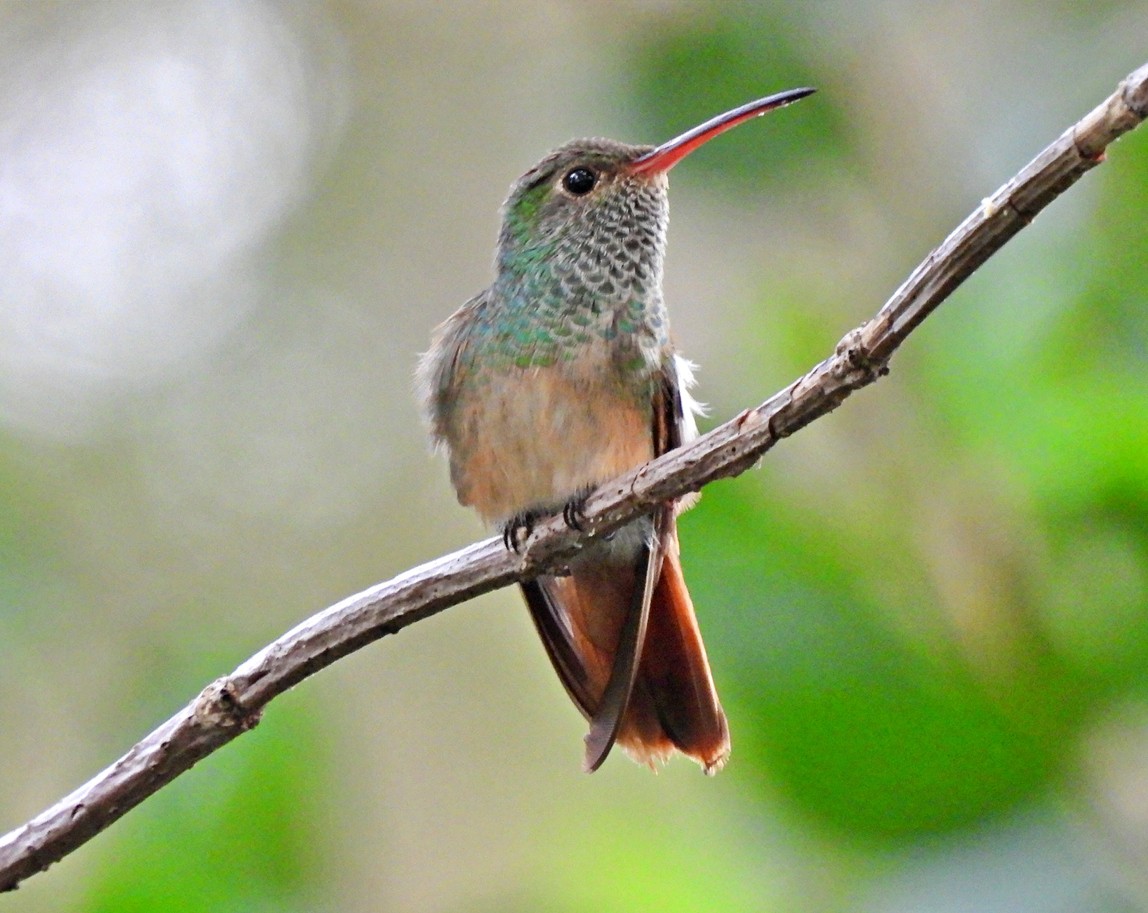
16. Buff-bellied Hummingbird
The buff-bellied hummingbird (Amazilia yucatanensis) is a medium-sized hummingbird. It is 10–11 cm (3.9–4.3 in) long and has a mass of 4–5 g (0.14–0.18 oz). Adults are a metallic olive green above and buffy in the lower breast. The tail and primary wings are rufous in colour and slightly forked. The underwing is white. The bill of the male is straight and very slender. It is red in colouration with a darker tip. The throat is a metallic golden green. The female has a dark upper bill, and is less colourful than the male. Their breeding habitat is forests and thickets that extend from the lower Rio Grande Valley of southernmost Texas in the United States through the Yucatán Peninsula of eastern Mexico, ending in northern Belize and northwestern Guatemala in Central America. It prefers pine-oak forests, semi-arid scrub and thickets along watercourses. The female builds a nest in a protected location such as a shrub or tree. Both males and females of any age aggressively defend feeding locations within his or her territory. Females lay two white eggs. This hummingbird is partially migratory. The buff-bellied hummingbird winters in small numbers along the Gulf Coast of the United States from Texas to the Florida panhandle. These birds feed on nectar from flowers and flowering trees using a long extendable tongue and catch insects on the wing.
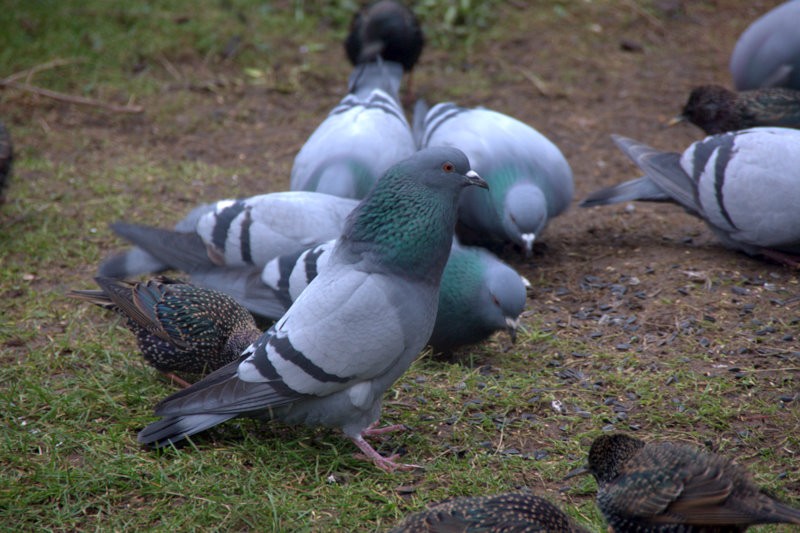
17. Rock Pigeon
The rock Pigeon is a wild ancestor of all domestic and feral pigeons, inhabiting coasts, cliffs, and caves. Pairs nest in rock crevices, often mating for life. They are known for their ability to fly very long distances to return to their homes, navigating using the sun's position and the earth's magnetic fields. Thanks to this ability, pigeons were used as messengers, particularly during World Wars I and II.
18. Black-crested Titmouse
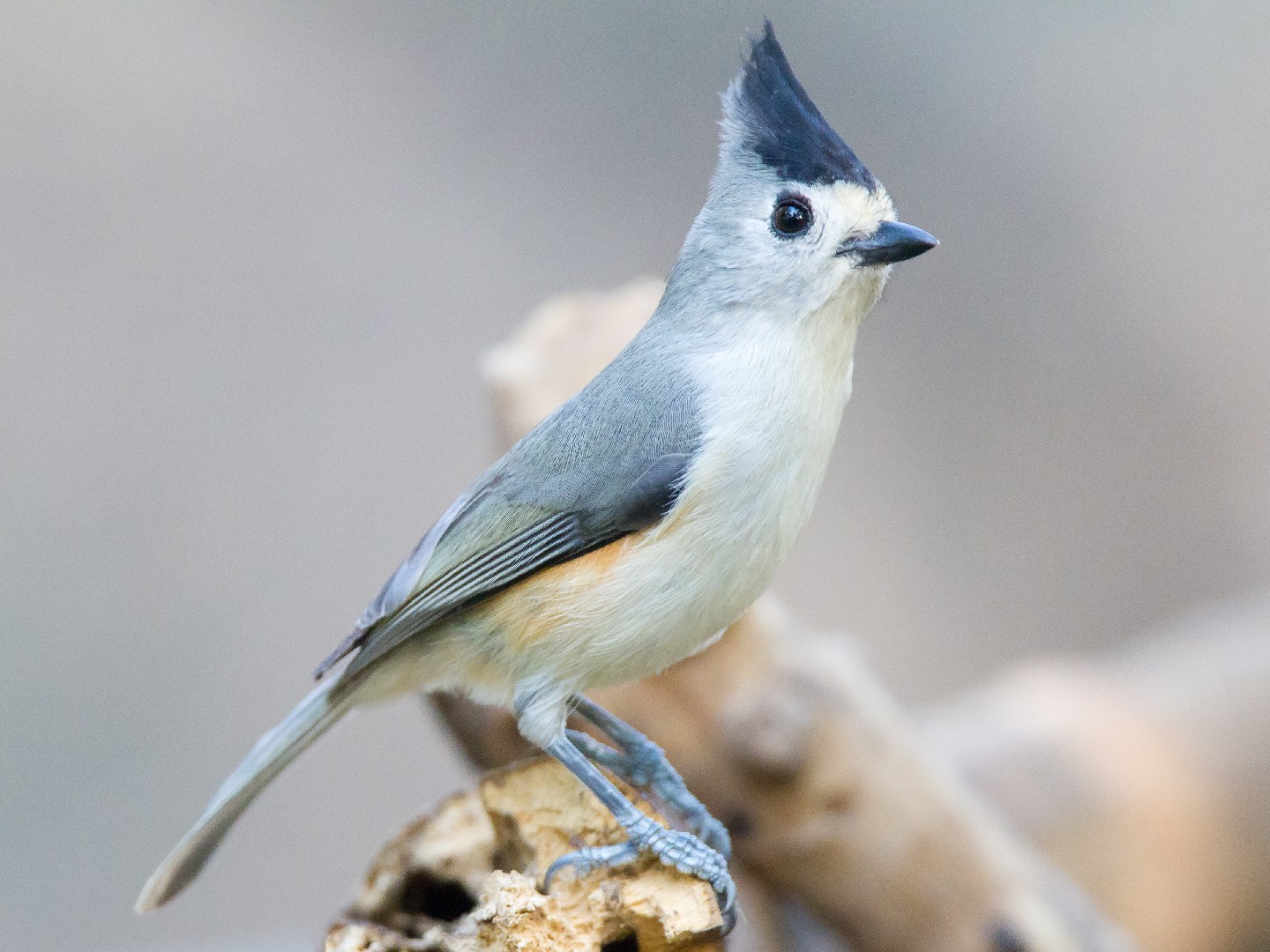
The black-crested Titmouse is a small species of songbird with a relatively small distribution in North America. These birds are easy to find in their oak woodland habitats, but difficult to find anywhere else. They like to travel with other small birds and can be differentiated by their clear whistle call.

19. Snowy Egret
The snowy Egret is a mid-sized, totally white egret that prefers nesting in urban areas rather than in isolated locations where there are more predators. In the late 1800s, the bird's beautiful plumes were in great demand as decoration for women's hats. Because of this snowy Egrets were hunted to near extinction before laws came into effect to protect them.
20. Clay-colored Thrush
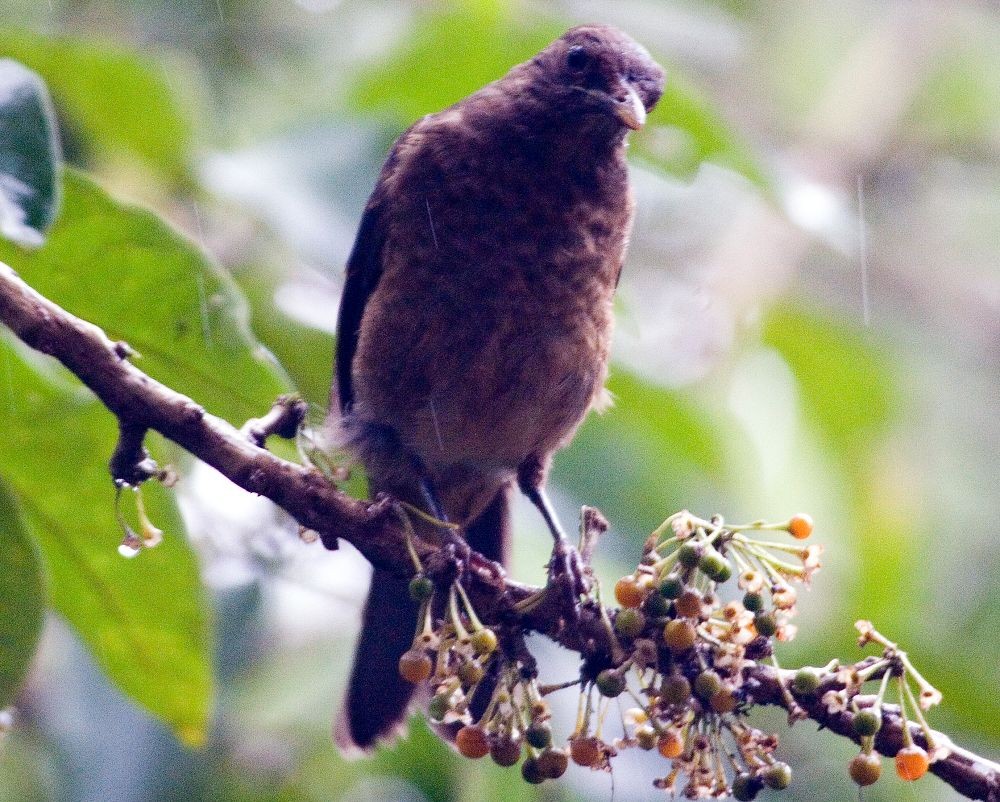
The clay-colored Thrush is a stunning bird known for its melodious song and distinctive appearance. With its clay-colored upperparts, rusty underparts, and dark brown crown, it stands out in its habitats, which can range from forests to suburban parks. It feeds on various food sources including insects, fruits, and berries. The bird has a melodious song consisting of clear, ringing phrases.