


Pinyon Jay
A species of Pinyon Jay Scientific name : Gymnorhinus cyanocephalus Genus : Pinyon Jay
Pinyon Jay, A species of Pinyon Jay
Botanical name: Gymnorhinus cyanocephalus
Genus: Pinyon Jay
Content
Description General Info
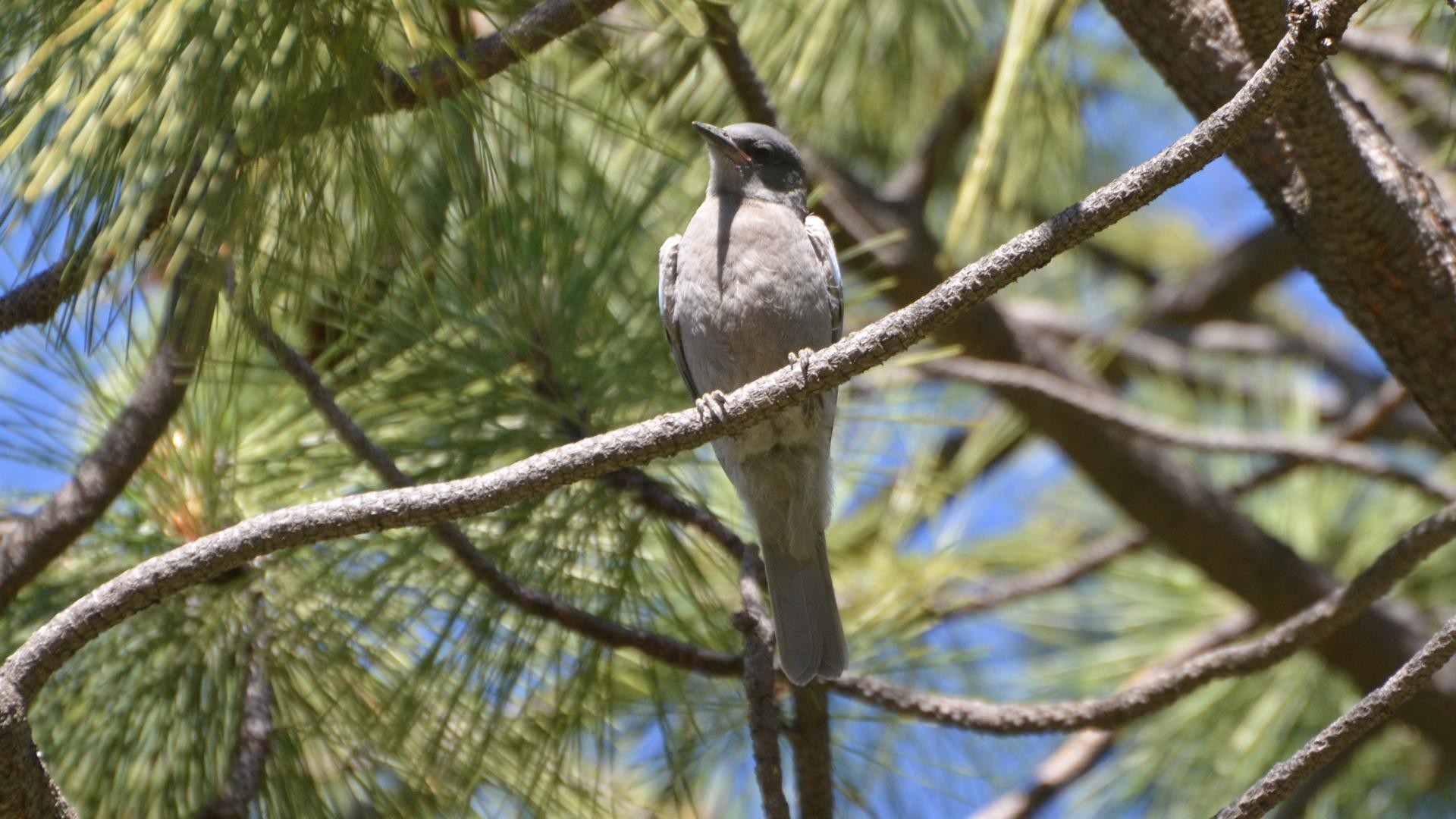 Photo By Andy Reago & Chrissy McClarren , used under CC-BY-2.0 /Cropped and compressed from original
Description

The pinyon jay (Gymnorhinus cyanocephalus) is a jay between the North American blue jay and the Eurasian jay in size. The voice is described as a rhythmic krawk-kraw-krawk repeated two or three times. It is the only member of the genus Gymnorhinus. Its overall proportions are very nutcracker-like and indeed this can be seen as convergent evolution as both birds fill similar ecological niches. The pinyon jay is a bluish-grey coloured bird with deeper head colouring and whitish throat with black bill, legs and feet. They are highly social, often forming very large flocks of 250 or more birds, and several birds always seem to act as sentries for the flock, watching out for predators while their companions are feeding. The seed of the pinyon pine is the staple food but they supplement their diet with fruits and berries. Insects of many types are also eaten and sometimes caught with their feet. The nest is always part of a colony but there is never more than one nest in a tree. Sometimes the colony can cover quite extensive areas with a single nest in each tree (usually juniper, live oak or pine). There are usually 3–4 eggs laid, quite early in the season. Incubation is usually 16 days. The male bird normally brings food near to the nest, and the female flies to him to receive it and take back to the nest to feed the chicks that fledge around 3 weeks later. Young are normally fed only by their parents, but once they reach the near-fledging size they can sometimes receive a meal from any passing member of the colony, which can continue for some time after leaving the nest. The pinyon jay was first collected, recorded, and first described as a species from a specimen shot along the Maria River in Northern Montana during the Prince Maximilian of Wied-Neuwied, Expedition to the Interior of North America in 1833. Yet at LaHood Park, on the Jefferson river in Montana, a historical marker at a Lewis and Clark expedition campsite claims the first Maximilan Jay known to science was seen and described by the party at this site August 1, 1805. This species occurs in western North America from central Oregon to northern Baja California and east as far as western Oklahoma though it wanders further afield out of the breeding season. It lives in foothills where the pinyon pines Pinus edulis and Pinus monophylla occur. 
Size
27 cm (10.5 in)
Colors
Gray
Blue
Life Expectancy
11 years
Nest Placement
Tree
Clutch Size
2 - 5 eggs
Incubation Period
1 brood
Number of Broods
17 days
Nestling Period
21 - 22 days
Feeding Habits
Pinyon Jay predominantly consume pinyon-pine seeds, supplementing their diet with other seeds, berries, insects, and small animals. They forage in groups, often caching seeds for later consumption. They eat a mix of high-fat and protein-rich foods, including seeds from various pines and juniper berries, as well as grains and arthropods, specifically in winter. Nestlings are fed insects, plants, and seeds.
Habitat
Pinyon Jay thrive in pinyon-juniper woodlands dominated by trees such as Colorado pinyon and Utah juniper. Preferring regions at various altitudes, they are also found in low-elevation ponderosa pine forests. The habitat spans arid to semi-arid climates from Oregon to South Dakota and down to northern Mexico. Pinyon Jay rely on these woodlands for nesting, roosting, and food, specifically the seeds of pinyon trees. These areas provide the essential conditions for pinyon Jay's complex social systems and seed dispersal behaviors, influencing the ecological dynamics of their preferred woodland environments.
Nest Behavior
During the breeding season, pinyon Jay build nests in areas abundant with previous fall's seeds. Males primarily gather sticks, while females integrate grasses and finer materials. Parenting roles during egg laying and chick rearing are shared, reflecting strong social cooperation.
Nest Characteristics
Pinyon Jay construct their nests in ponderosa pine, pinyon pine, and junipers, ranging from 3 to 115 feet above ground, often on a tree's south side. They build a bulky stick cup with a grassy middle layer and finely lined interiors, possibly with feathers or horsehair.
Dite type
Omnivorous

General Info
Feeding Habits
Bird food type
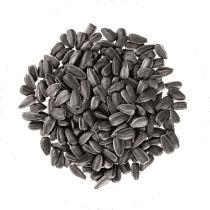
Black Oil Sunflower Seeds
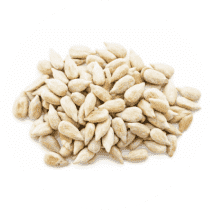
Hulled Sunflower Seeds
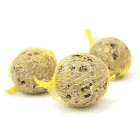
Suet
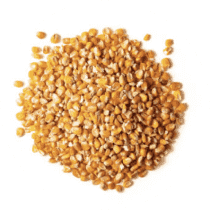
Cracked Corn
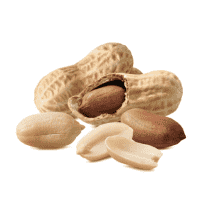
Peanuts
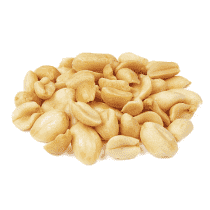
Peanut Hearts
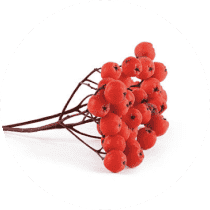
Fruit
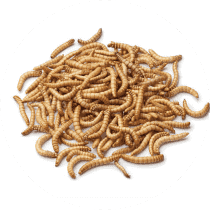
Mealworms
Bird Feeder Type

Large Tube Feeder
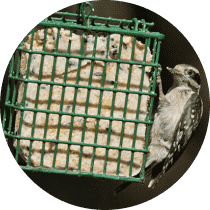
Suet Cage

Large Hopper
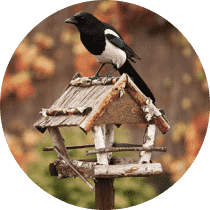
Platform
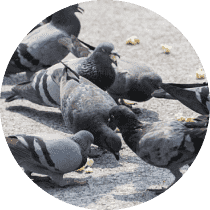
Ground
Behavior
Pinyon Jay exemplify intricate social interactions within large, stable flocks, often exceeding 500 individuals. Their daily routine includes foraging in open woodlands, where they energetically extract and consume seeds, or meticulously bury them for future use. Utilizing branches, they ingeniously clean their bills of sap after feeding on pinyon-pine cones. Remarkably adroit on the ground, they leapfrog during foraging expeditions. Their mating rituals are complex, involving food offerings, synchronized ground dances, mutual preening, and the exchange of nesting materials. Pinyon Jay also display altruism through cooperative breeding, assisting in the rearing of closely related offspring.
Distribution Area
Pinyon jays are residents from central Oregon to western South Dakota, south to northern Baja California, northwestern and east-central Arizona, central New Mexico, and western Oklahoma. They winter throughout their breeding range and irregularly from southern Washington to northwestern Montana, and south to Mexico and central Texas. When pinyon seed crops are poor, pinyon jays may wander to central Washington, northwestern Oregon, northern Idaho, northwestern Montana, throughout the Great Basin, Nebraska, Kansas, central-western and southwestern California, southeastern Arizona, central Texas, and northern Chihuahua. The pinyon jay is casual in Iowa and a sight report exists in Saskatchewan. The pinyon jay is a permanent resident of pinyon-juniper (Pinus-Juniperus spp.) woodlands and low-elevation ponderosa pine (Pinus ponderosa) forests in the southwestern United States. Pinyon-juniper woodlands are composed primarily of Colorado pinyon (P. edulis) and Utah juniper (J. osteosperma) and cover vast acreages in Colorado, northern Arizona, Utah, and Nevada. Other pinyon and juniper species occurring in these woodlands include singleleaf pinyon (P. monophylla), Parry pinyon (P. quadrifolia), Mexican pinyon (P. cembroides), alligator juniper (J. deppeana), Rocky Mountain juniper (J. scopulorum), and California juniper (J. californica). The pinyon jay relies on singleleaf pinyon in the northwestern portion of its range and Colorado pinyon in the southeastern portion of its range. Ponderosa pines of the southwestern United States include interior ponderosa pine (P. p. var. scopulorum) and Arizona pine (P. p. var. arizonica). In this article, "pinyon" refers to both Colorado pinyon and singleleaf pinyon, and "ponderosa pine" refers to interior ponderosa pine and Arizona pine unless otherwise specified. Pinyon jays prefer pinyon-juniper woodlands, and ponderosa pine forests. They interact in a mutual relationship with the pinyon. Pinyon trees provide pinyon jays with food, nesting and roosting sites, and breeding stimuli. Pinyon jays influence seed dispersal, establishment, and genetic structure of pinyon populations. Pinyon jays use Colorado pinyon in the southeastern portion of their range and singleleaf pinyon in the northwestern portion of their range. The Colorado pinyon begins to bear cones at 25 years of age and produces "substantial" nut crops at an interval of 4 to 7 years, and sometimes every 3 to 5 years. Good cone crops tend to be localized and occur at irregular and infrequent intervals but are geographically synchronous, perhaps to counteract seed predation. Bumper seed crops of the Colorado pinyon are episodic and are probably linked to favorable climatic conditions. Singleleaf pinyon may not produce cones until 35 years of age with a 2- to the 7-year interval between cone production years. The maximum seed production occurs when trees are 75 to 100 years old.
Species Status
VULNERABLE. Locally common. Thought to have undergone rapid population decline throughout its range, apparently as a result of loss of and degradation of its pinyon-juniper.
 Photo By Andy Reago & Chrissy McClarren , used under CC-BY-2.0 /Cropped and compressed from original
Scientific Classification
Phylum
Chordates Class
Birds Order
Perching birds Family
Crows and jays Genus
Pinyon Jay Species
Pinyon Jay 
Download Picture Bird
Identify any bird by photo or sound in seconds
Identify any bird by photo or sound in seconds








.jpg)