


Pale-breasted Spinetail
A species of Synallaxis spinetails Scientific name : Synallaxis albescens Genus : Synallaxis spinetails
Pale-breasted Spinetail, A species of Synallaxis spinetails
Botanical name: Synallaxis albescens
Genus: Synallaxis spinetails
Content
Description General Info
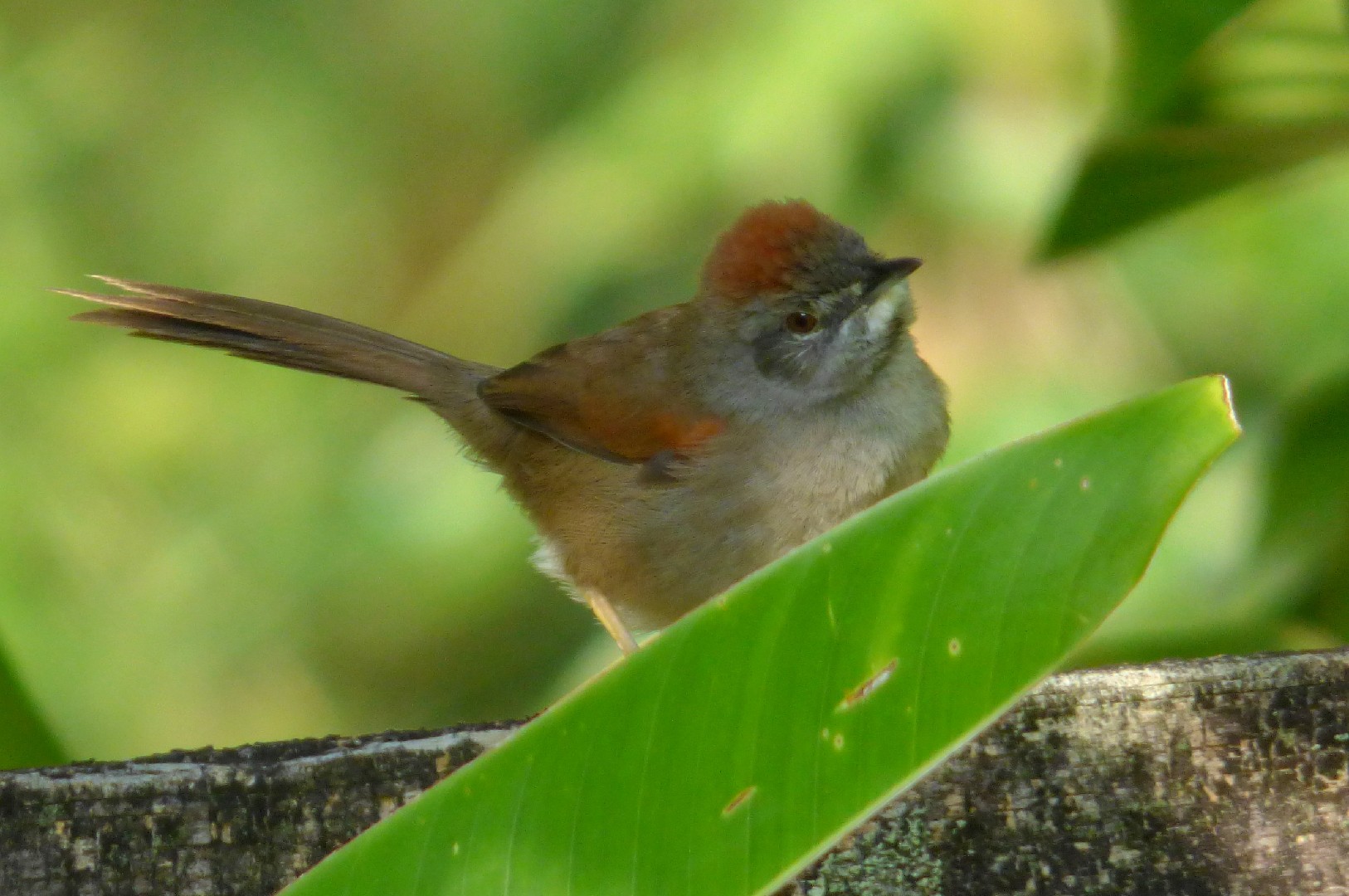 Photo By Alejandro Bayer Tamayo , used under CC-BY-SA-2.0 /Cropped and compressed from original
Description

The pale-breasted spinetail (Synallaxis albescens), is a passerine bird which breeds in the tropical New World from Costa Rica to Uruguay, and in Trinidad. It is a member of the South American bird family Furnariidae, a group in which many species build elaborate clay nests, giving rise to the English name for the family of "ovenbirds". However, the pale-breasted spinetail constructs a spherical stick nest with a 30 cm long tubular entrance low in a bush, into which its two greenish white eggs are laid. This species is a widespread and common resident breeder in a range of grassy and scrub habitats. The pale-breasted spinetail is typically 16.5 cm long, and weighs 15 g. It is a slender bird with a medium long tail. The upperparts plumage is mainly pale brown, with darker wings and tail and rufous crown and shoulder patches. The throat and underparts are whitish with browner flanks. Sexes are similar, but the race josephinae has grey on the forecrown, face sides and chest. The pale-breasted spinetail is an insectivore which is difficult to see as it forages deep in thickets, but may be located by its buzzy repetitive wait'here song. 
Size
16 cm
Nest Placement
Shrub
Feeding Habits
Pale-breasted Spinetail primarily feasts on orthopterans, grasshoppers, stick insects, beetles (Coleoptera), true bugs (Hemiptera), plant lice (Homoptera), ants, caterpillars, spiders, and small snails. It forages by probing into bark and foliage. Adapted to a varied insectivorous diet, pale-breasted Spinetail's foraging technique is both unique and efficient.
Habitat
Pale-breasted Spinetail typically inhabits a variety of open and semi-open landscapes including cerrado, campo grasslands, pastures, and agricultural lands. They are also found in second-growth scrub, grasslands, savannas, regenerating pastures, and shrub-steppes. These birds are adaptable to brush in open woodlands, edges of marshes, overgrown roadsides, and second-growth areas. The habitat preference for pale-breasted Spinetail generally extends to regions with substantial grass cover and is commonly observed at elevations below 1500 meters.
Dite type
Insectivorous


General Info
Feeding Habits
Bird food type
Species Status
Not globally threatened.


Scientific Classification
Phylum
Chordates Class
Birds Order
Perching birds Family
Ovenbirds Genus
Synallaxis spinetails Species
Pale-breasted Spinetail 
Download Picture Bird
Identify any bird by photo or sound in seconds
Identify any bird by photo or sound in seconds








_(16451448751).jpg)