

Christmas Island White-eye
A species of Typical white-eyes Scientific name : Zosterops natalis Genus : Typical white-eyes
Christmas Island White-eye, A species of Typical white-eyes
Botanical name: Zosterops natalis
Genus: Typical white-eyes
Content
Description General Info

Description

The Christmas white-eye has a length of between 11.7 and 13.5 cm (4.6 and 5.3 in). The upper parts are greyish-olive and the underparts whitish. There is a yellowish streak above the eye and a distinctive white feather ring surrounding the eye. 
Size
14 cm
Nest Placement
Tree
Feeding Habits
Christmas Island White-eye have a varied diet including fruits such as papayas and mangoes, seeds, nectar, and insects. They forage in small flocks from canopy to lower levels, sometimes even on the ground, and are known to consume boiled rice. Their gregarious feeding behavior involves clinging to tree trunks and sallying after aerial insects.
Habitat
The preferred environment for the christmas Island White-eye encompasses various arboreal and shrubland areas, with a particular affinity for open lands and proximities to the forest margins. These birds thrive in a range of wooded settings, favoring regions where trees and shrubs offer ample food and shelter.
Dite type
Frugivorous

General Info
Feeding Habits
Bird food type
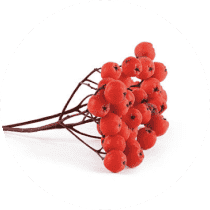
Fruit
Behavior
The Christmas white-eye has a varied diet including fruits, seeds, nectar and insects.
Distribution Area
The genus Zosterops is an island specialist, with 82 of the 98 species being restricted to islands, and many species being known from only a single island. It is a highly successful group, having an unspecialised diet and a great dispersal capacity. The Christmas white-eye is endemic to Christmas Island, but it has also been successfully introduced to the Cocos (Keeling) Islands where it has become established, but mostly around human settlements. On Christmas Island it occurs in forests all over the island at altitudes up to about 360 m (1,200 ft), as well as in gardens, the vicinity of abandoned mines and weedy agricultural land.
Species Status
The invasive yellow crazy ant (Anoplolepis gracilipes) has had a dramatic impact on the biodiversity of Christmas Island. It has severely reduced and nearly eliminated the red land crabs and increased the presence of the stinging tree (Dendrocnide peltata) in the canopy. The increased populations of scale insects, which are tended by yellow crazy ants, have provided foraging opportunities for the white-eye and the resurgence of the ant has not deleteriously impacted the bird as was previously feared. The white-eye is a common bird with a stable population, but the International Union for Conservation of Nature has rated its conservation status as near threatened because of its restricted range. The subpopulation on the Cocos (Keeling) Islands is estimated to be about 5% of the size of the Christmas Island population, but it provides a second location which should reduce the risk that a natural disaster will cause extinction.

Scientific Classification
Phylum
Chordates Class
Birds Order
Perching birds Genus
Typical white-eyes Species
Christmas Island White-eye 
Download Picture Bird
Identify any bird by photo or sound in seconds
Identify any bird by photo or sound in seconds