




Top 20 Most Common Bird in Salta
Occupying a diverse landscape from verdant rainforests to dry Andean puna in Salta, the region sustains a thriving avian populace. The 20 most common birds exhibit intriguing behaviors and visual characteristics. Some demonstrate unique adaptations to cope with the harsh Andean conditions or lush rainforest habitats, making them captivating subjects for ornithologists and nature enthusiasts alike.

Most Common Bird
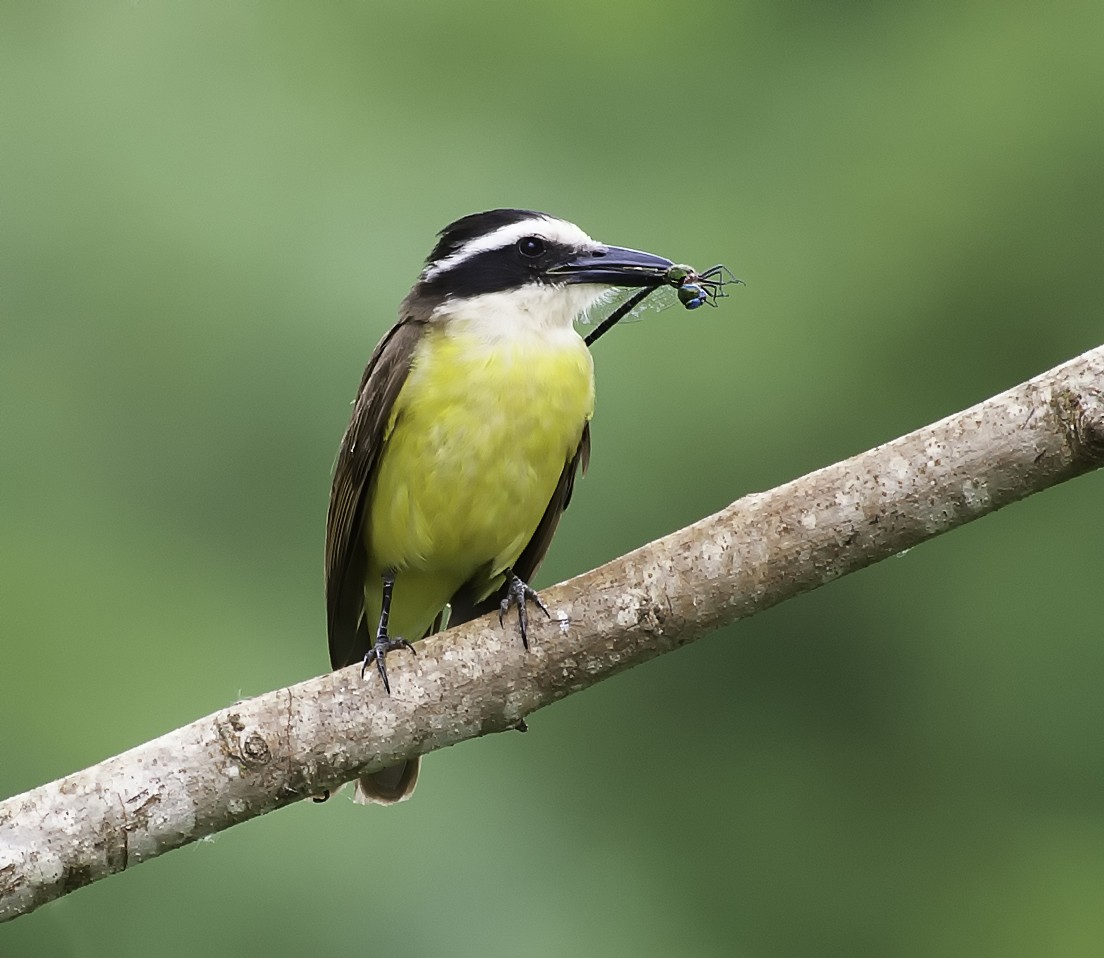
1. Great Kiskadee
The great Kiskadee is a large bird with bold markings that make this flycatcher easily recognizable. is a bright-colored bird that prefers woodland habitats close to water or open areas. It eats a lot of insects, but also forages for seeds and berries and is known to dive into shallow water for small fish.
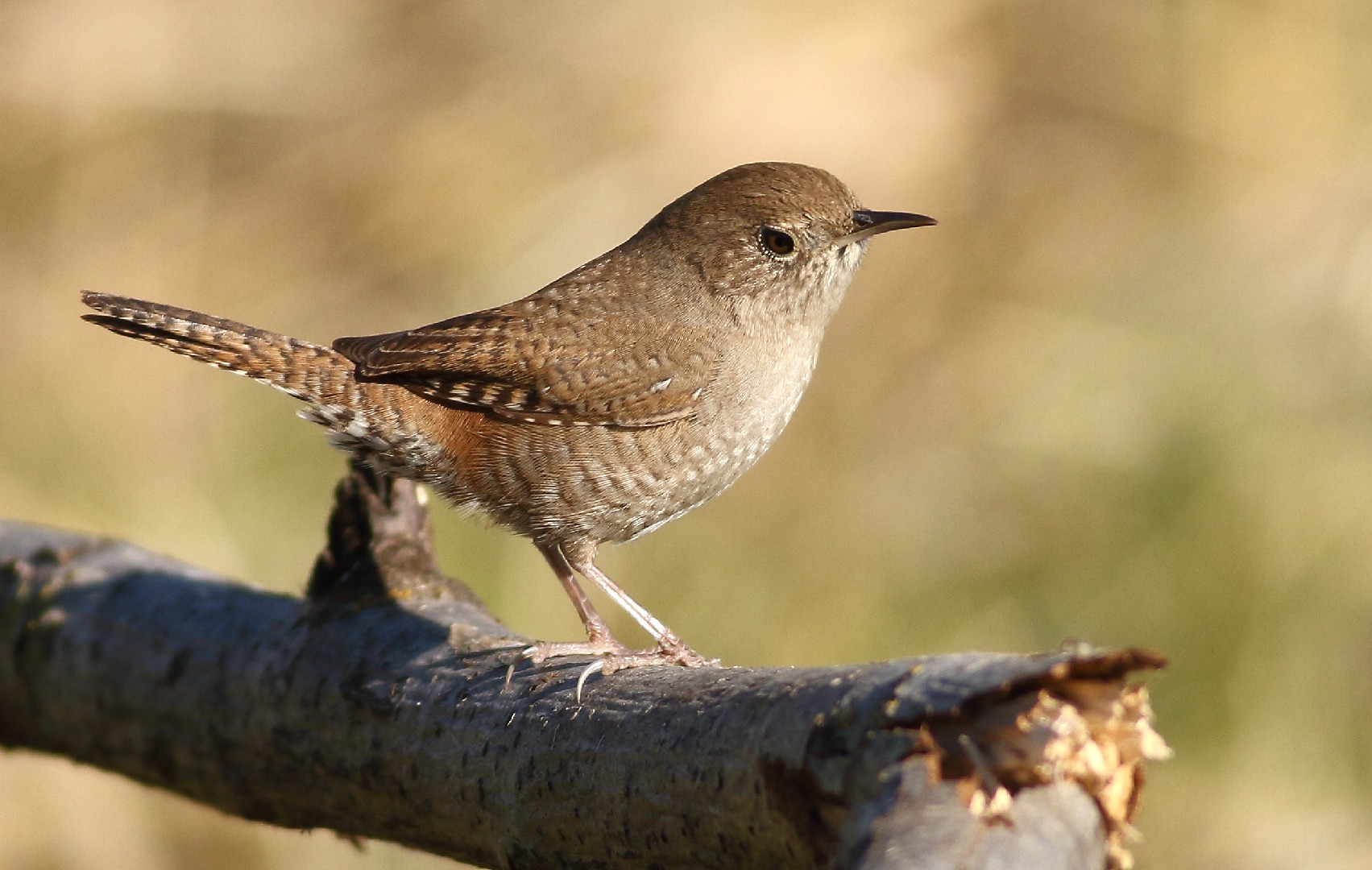
2. House Wren
Watch out for the small yet aggressive house Wrens; they are extremely territorial and think nothing of harassing other birds and their nestlings if they want to take their spot! They have been known to kill nestlings and even adult birds to get a nest hole they want. Once house Wrens lay eggs, the nest needs to stay below 100 degrees and above 65 degrees or the eggs will not survive—this could be the reason they are so particular about their nesting spots.
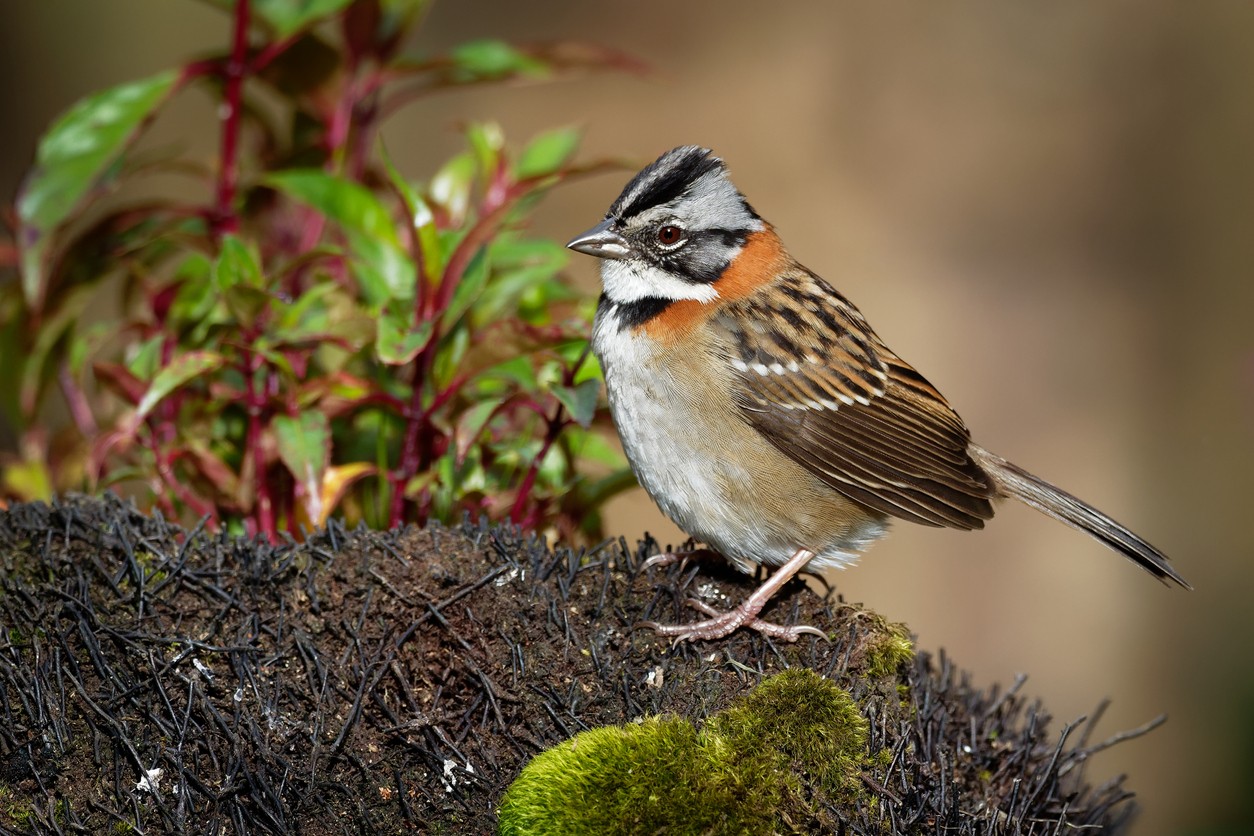
3. Rufous-collared Sparrow
The rufous-collared Sparrow is a small songbird known for its pleasant vocalization and numerous "dialects." The songs peak at dawn and some individuals can sing continuously for half an hour. Found in a wide range of habitats and comfortable around humans, this ground-feeding bird is easily approachable. On the other hand, it's aggressive towards other birds that enter its territory. Individuals have their favorite perching spot where they appear repeatedly.
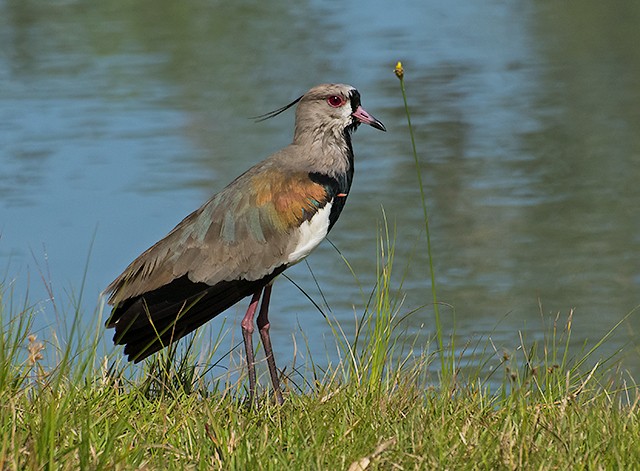
4. Southern Lapwing
This lapwing is the only crested wader in South America. The upperparts are mainly brownish grey. The head is particularly striking; mainly grey with a black forehead and throat patch extending onto the black breast. The rest of the underparts are white, and the eye ring, legs and most of the bill are pink. It is equipped with red bony extensions under the wings (spurs), used to intimidate foes and fight birds of prey. The rump is white and the tail black. 
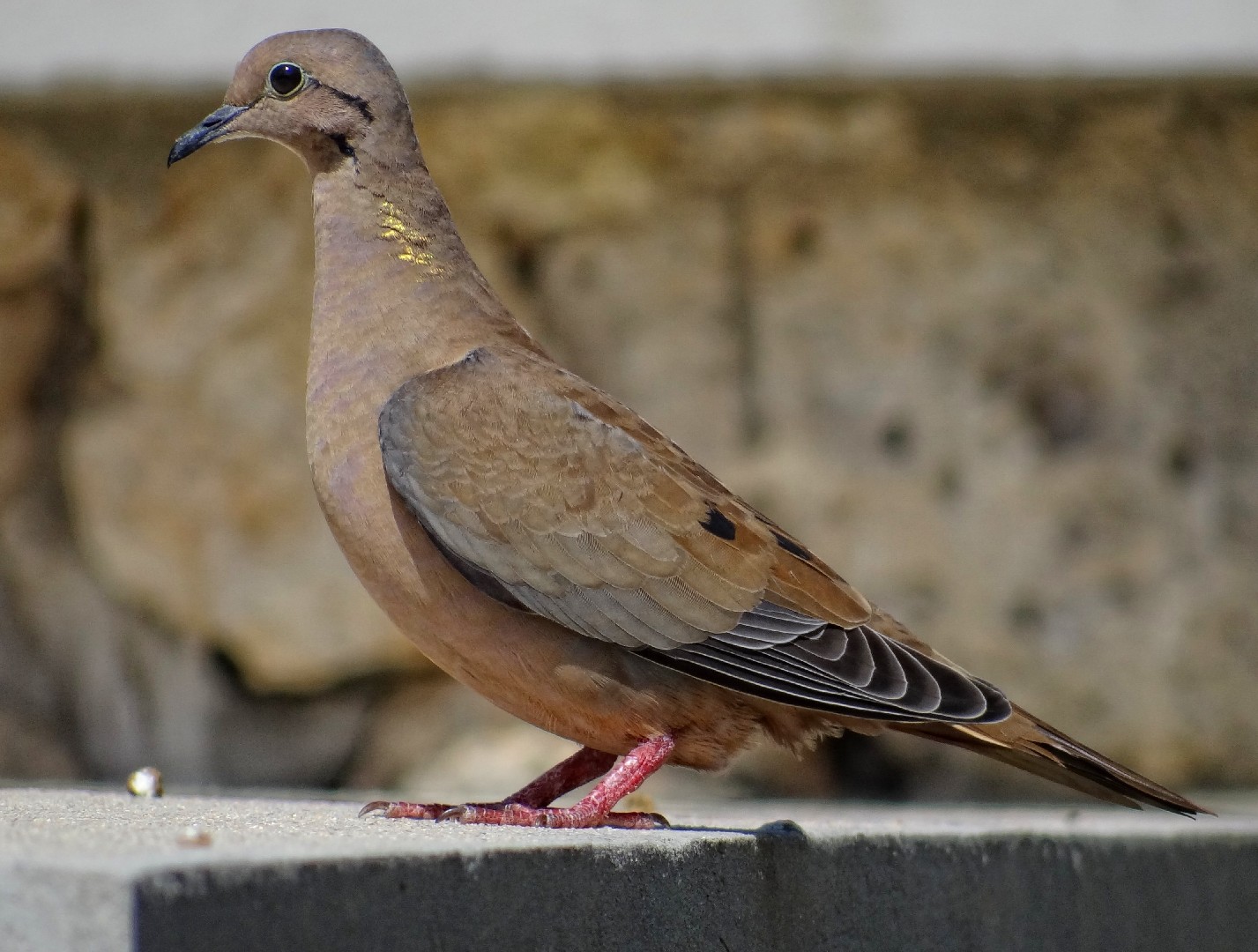
5. Eared Dove
The most widely-spotted dove of South America, the small eared Dove thrives in high altitudes. You can find this dove in the scrubland of areas that are around 4500 meters above sea level. Their easy association with humans has made them acclimate more easily to urban environments and rising human population levels.
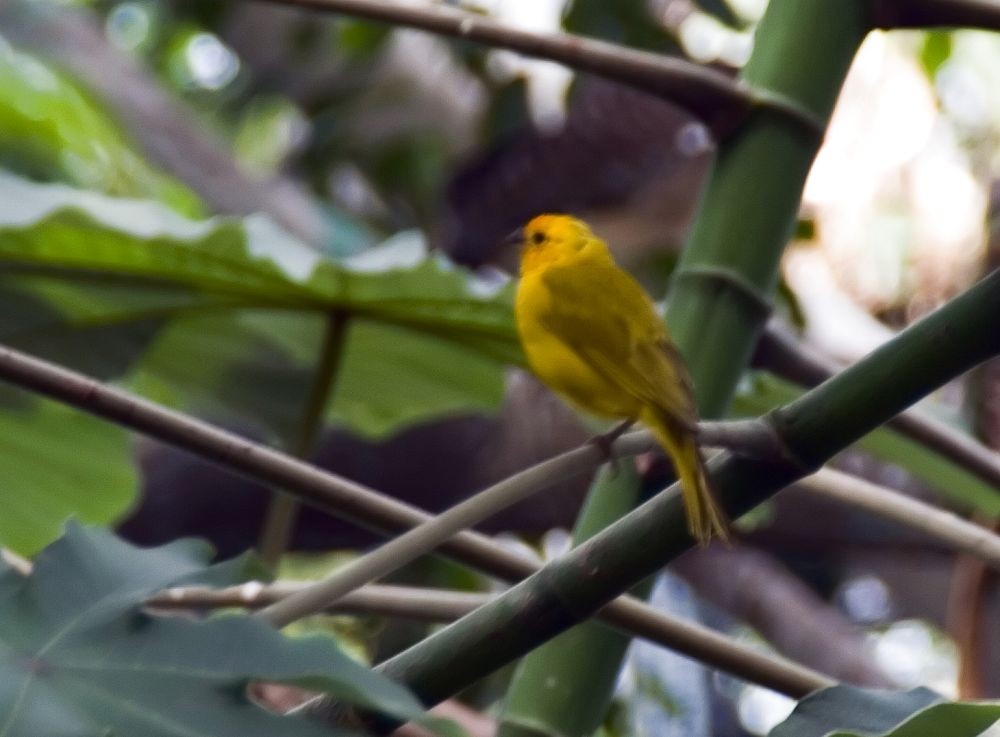
6. Saffron Finch
The saffron Finch is a common finch with a widespread distribution, the male is easy to spot with its bright yellow feathers. It is seen in open areas like agricultural fields and gardens. The bird tends to gather in flocks as they search for seeds. Its large range across multiple warm weather climates keeps it off the vulnerable species list.
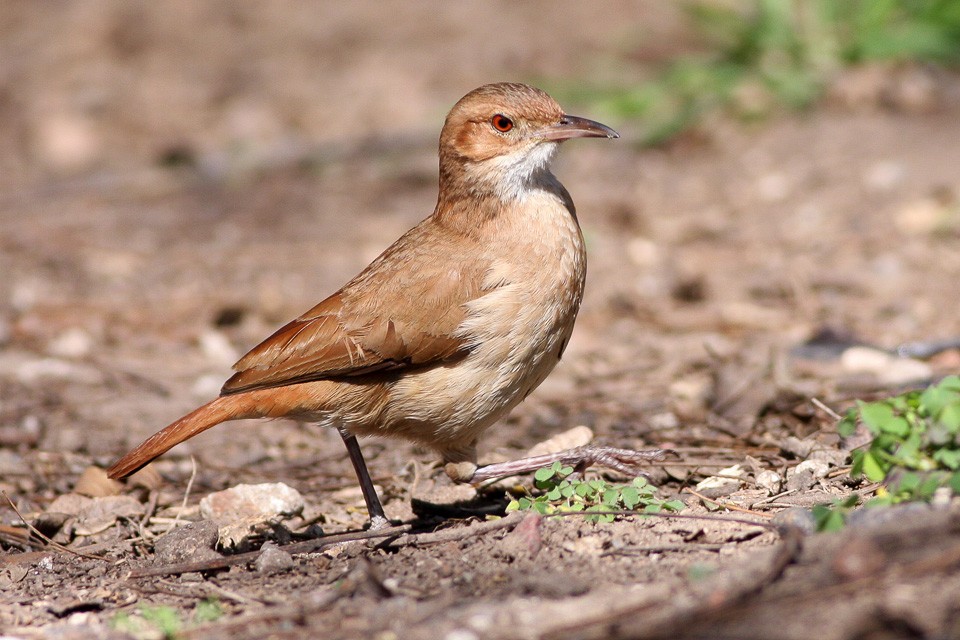
7. Rufous Hornero
The rufous Hornero is a medium-sized ovenbird, found in South America. It is recognized as the national bird in Uruguay and Argentina. Scientifically known as Furnarius rufus, you can differentiate the male from the female depending on how quickly their wings beat while they sing.
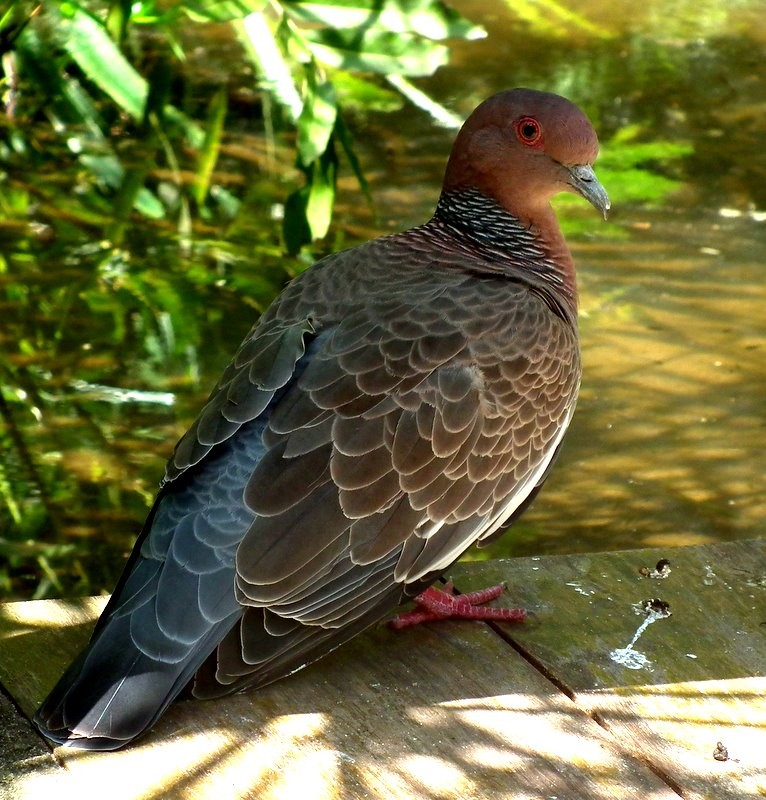
8. Picazuro Pigeon
Patagioenas picazuro is a brown bird with white dashes on the back of its neck and darker brown wing patterns. It is similar in appearance to the spotted dove.
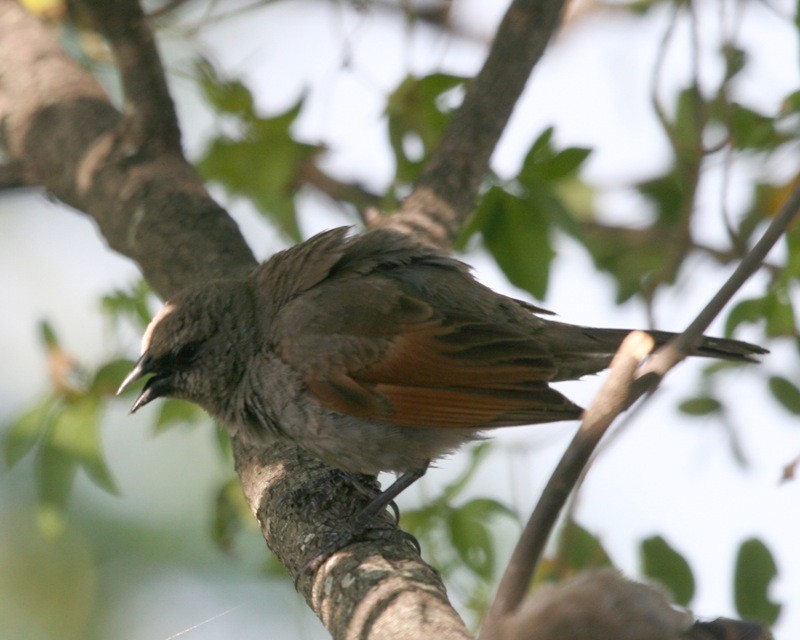
9. Greyish Baywing
It has a total length of approximately 18 cm (7 in). It is overall ashy-brown with contrasting black lores and rufous wings. The taxon fringillarius has more black in the face and is overall more rufescent (less ashy). It is social and commonly seen in small groups. Unlike the "true" cowbirds in the genus Molothrus, this species is not a brood parasite. In contrast, the screaming cowbird is a brood parasite of the grayish baywing, and while adult screaming cowbirds are overall blackish, juvenile screaming cowbirds closely resemble grayish baywings.
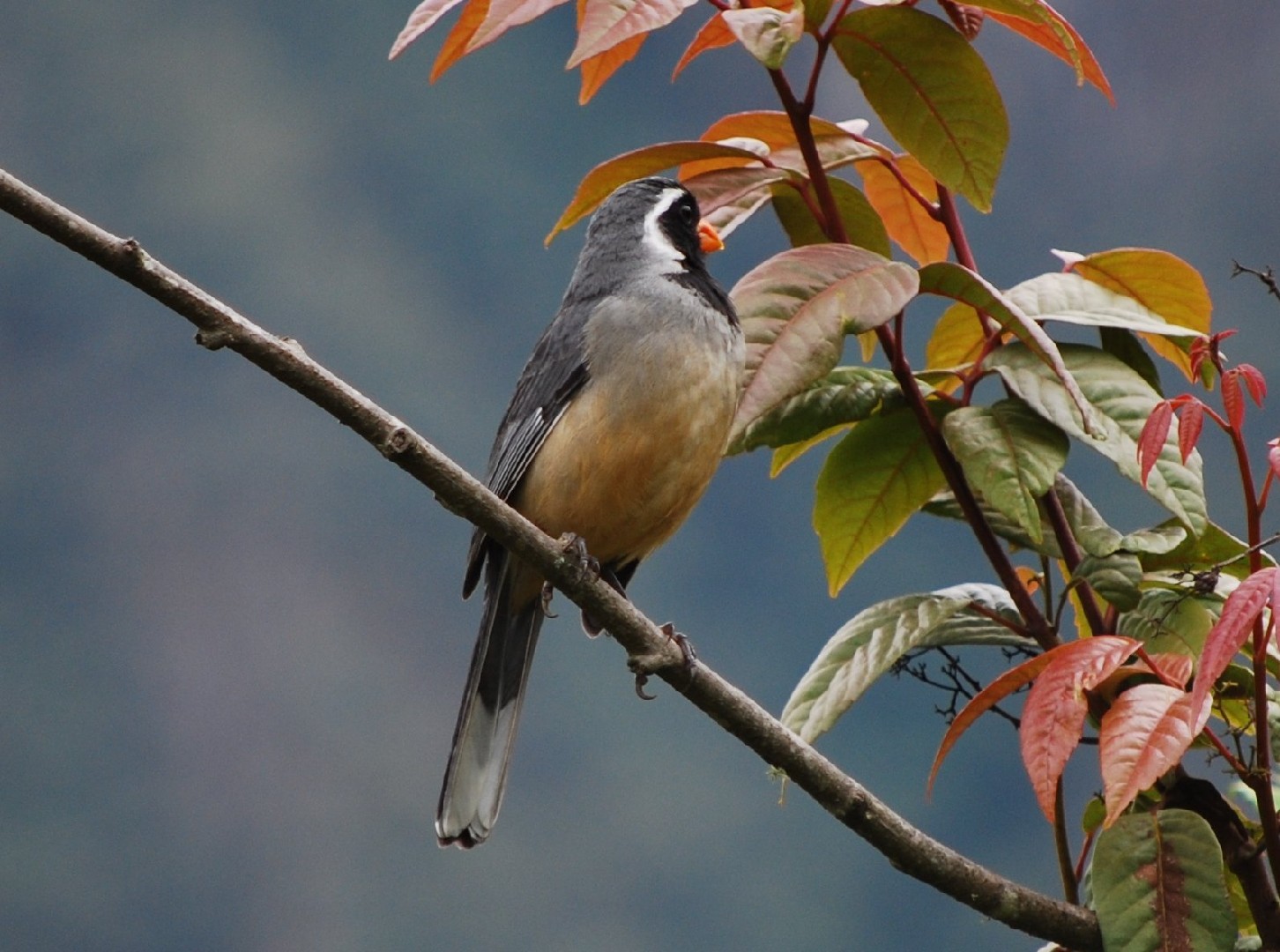
10. Golden-billed Saltator
The golden-billed saltator (Saltator aurantiirostris) is a species of saltator in the family Thraupidae. It is found in Argentina, Bolivia, Brazil, Chile, Paraguay, Peru, and Uruguay; also the regions of the southern pantanal, along the Paraguay River. Its natural habitats are subtropical or tropical dry forests, subtropical or tropical dry shrubland, subtropical or tropical high-altitude shrubland, and heavily degraded former forest.
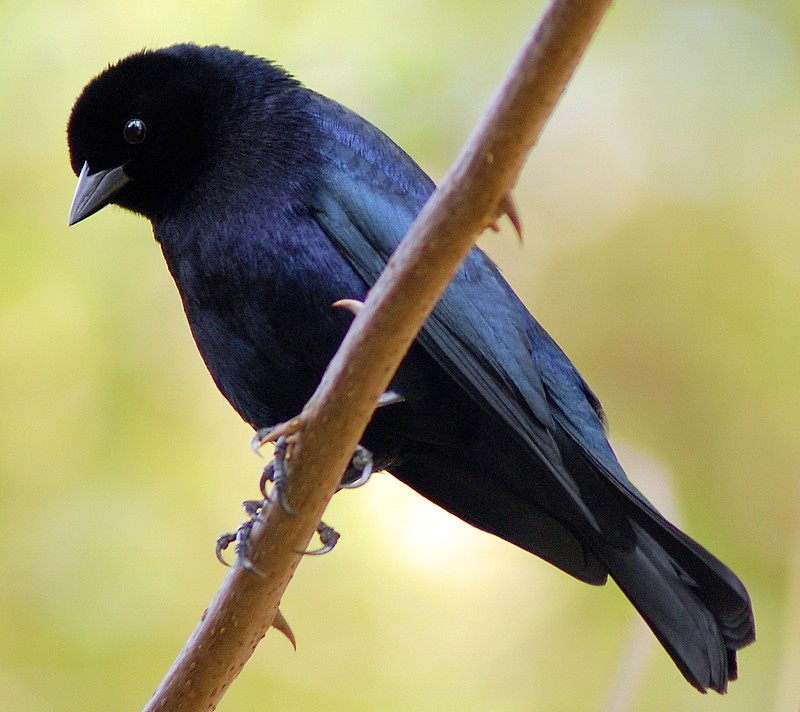
11. Shiny Cowbird
The shiny Cowbird is named after its glossy feathers and close association with cattle. These birds are considered brood or nest parasites because they manipulate other species to incubate their eggs for them. This has caused some species' populations to suffer, especially in non-native regions where the shiny Cowbird has been introduced.
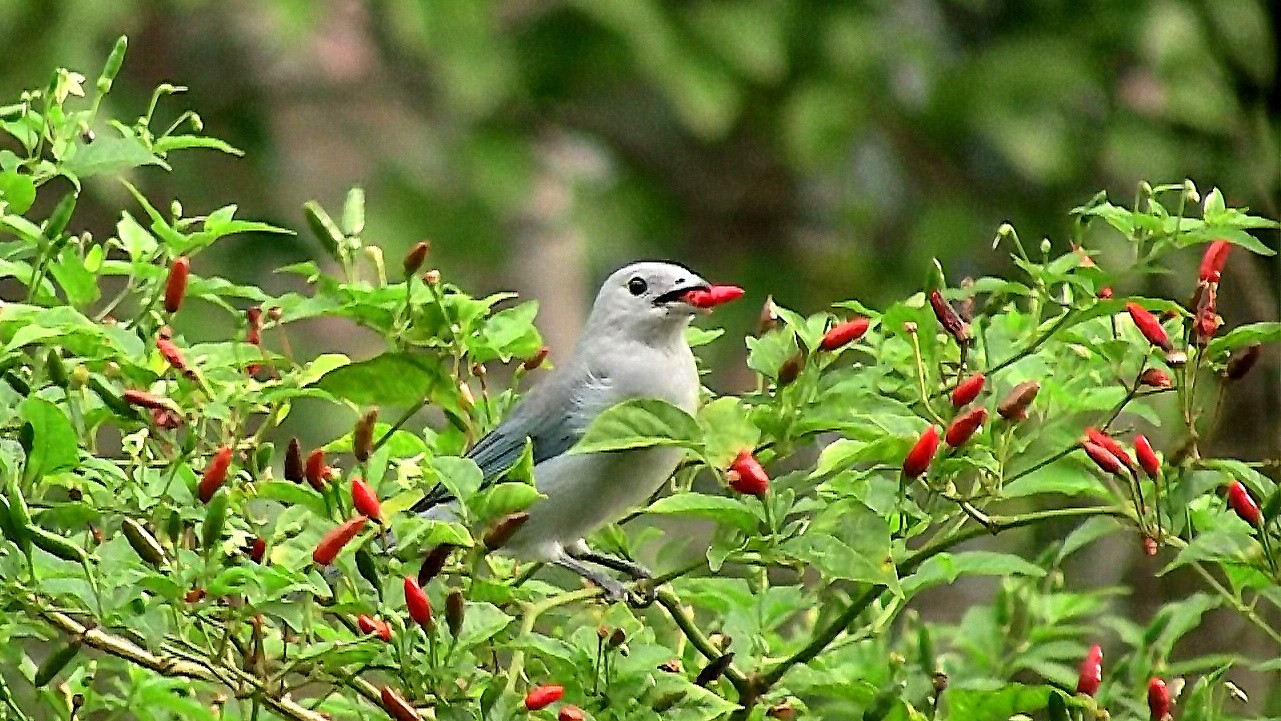
12. Sayaca Tanager
The sayaca tanager (Thraupis sayaca) is a species of bird in the family Thraupidae, the tanagers. It is a common resident in northeastern, central, and southeastern Brazil (Portuguese: sanhaço [sɐ̃ˈɲasu], sanhaço-cinzento [sɐ̃ˈɲasu sĩˈzẽtu]), and Bolivia, Paraguay, Uruguay, and northeastern Argentina (where they are known as celestinos or celestinas). A few are recorded from far southeastern Peru, but its status there is unclear, in part due to the potential of confusion with the very similar juveniles of the blue-grey tanager. It occurs in a wide range of open to semiopen habitats, but generally avoids the interior of dense forest (such as the Amazon). This tanager visits farmland in search of orchards and adapts readily to urban environment, as long as some arboreal cover and a supply of fruits are available. It feeds on flowers, buds, and insects, and this omnivorous lifestyle has helped it to become perhaps the most — or one of the most — common urban birds in southeastern Brazil, along with the rufous-bellied thrush.
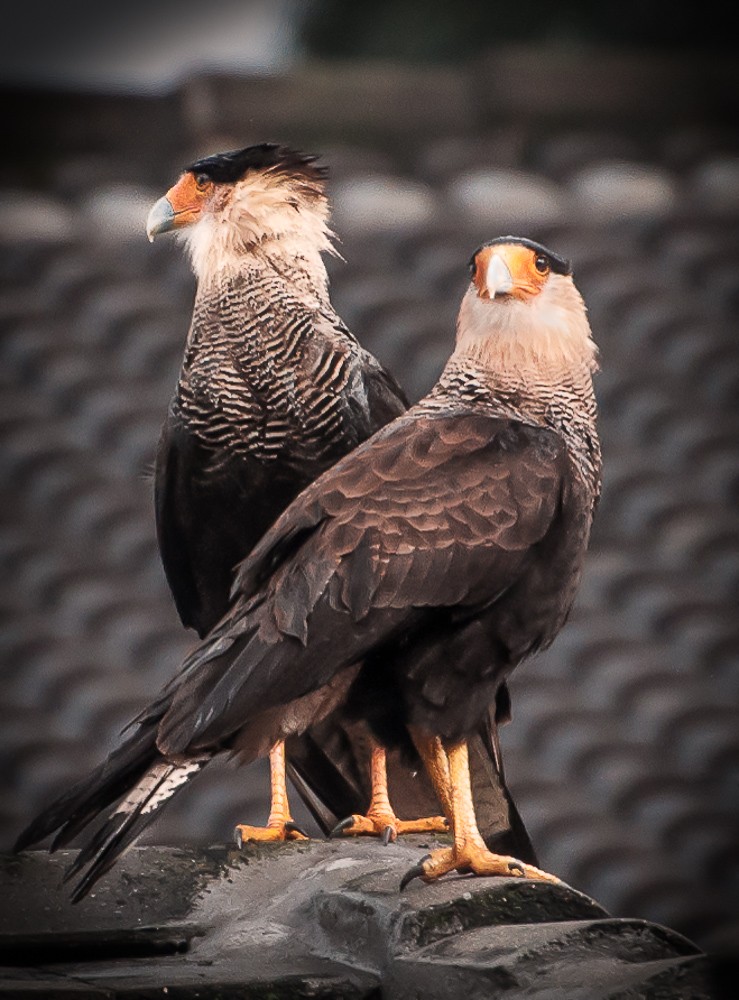
13. Crested Caracara
It has a total length of 50–65 cm (20–26 in) and a wingspan of 120–132 cm (47–52 in). Weight is 0.9-1.6 kg (2-3.5 lbs), averaging 1,348 g (2.972 lb) in 7 birds from Tierra del Fuego. Individuals from the colder southern part of its range average larger than those from tropical regions (as predicted by Bergmann's rule) and are the largest type of caracara. In fact, they are the second largest species of falcon in the world by mean body mass, second only to the gyrfalcon. The cap, belly, thighs, most of the wings and tail-tip are dark brownish, the auriculars, throat and nape are whitish-buff, and the chest, neck, mantle, back, uppertail-coverts, crissum (the undertail coverts surrounding the cloaca) and basal part of the tail are whitish-buff barred dark brownish. In flight, the outer primaries show a large conspicuous whitish-buff patch ('window'), as in several other species of caracaras. The legs are yellow and the bare facial skin and cere are deep yellow to reddish-orange. Juveniles resemble adults, but are paler, with streaking on the chest, neck and back, grey legs, and whitish, later pinkish-purple, facial skin and cere. It can be separated from the similar northern caracara by its more extensive barring on the chest, brownish and often lightly mottled/barred scapulars (all blackish in northern), and pale lower back with dark barring (uniform blackish in northern). Individuals showing intermediate features are known from the small area of contact in north-central Brazil, but intergradation between the two species is generally limited.
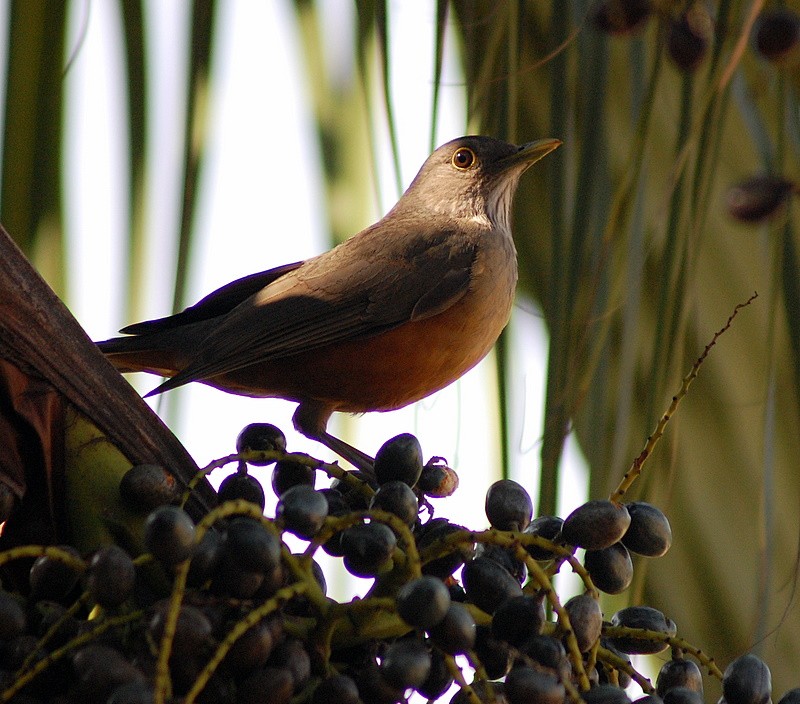
14. Rufous-bellied Thrush
This species is named after its distinctive reddish-orange underparts. Rufous-bellied thrushes can reach a length of 25 cm and weigh up to 68 g (male) or 78 g (female), though weights of about 59 g for males and 64 g for females are more usual. Contrary to what one might expect from the rather marked weight difference, the females are not larger, only plumper; their tarsus is actually a bit shorter than that of males on average.
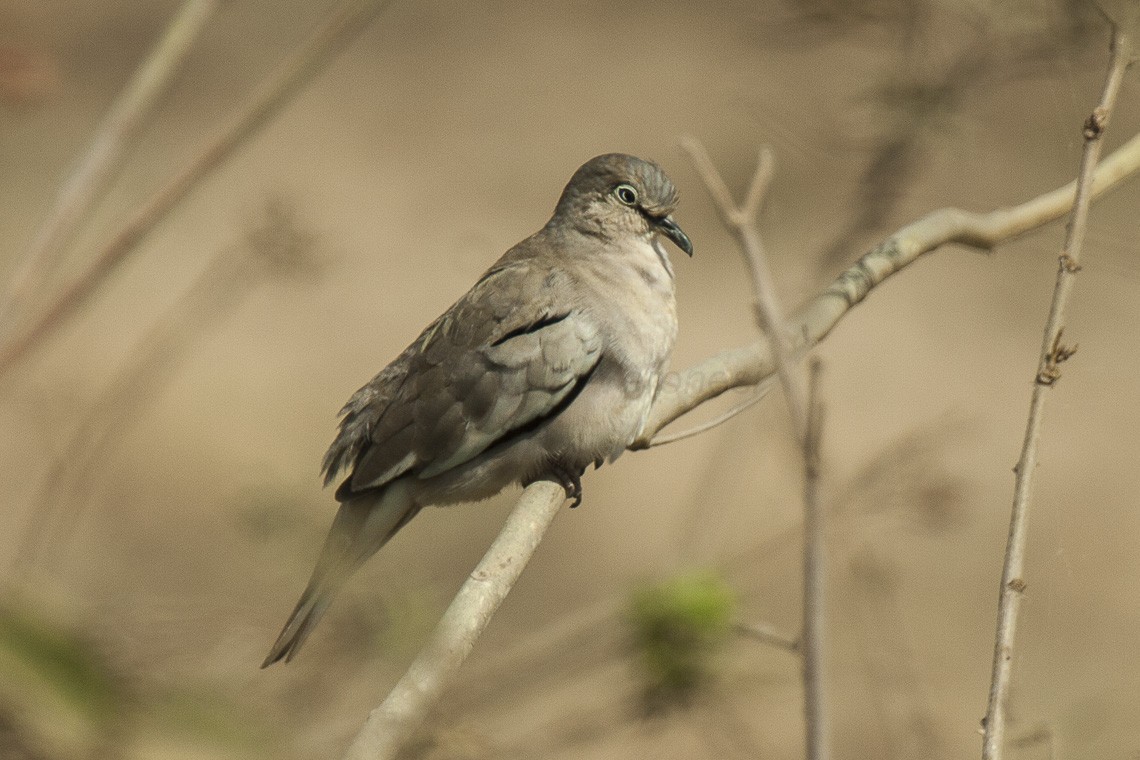
15. Picui Ground Dove
The Picui ground dove (Columbina picui) is a species of bird in the family Columbidae. It is found in Argentina, Bolivia, Brazil, Chile, Colombia, Paraguay, Peru, and Uruguay. Its natural habitats are subtropical or tropical dry shrubland, subtropical or tropical moist shrubland, subtropical or tropical high-altitude shrubland, and heavily degraded former forest.
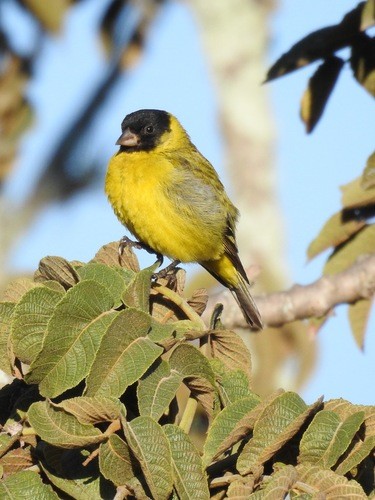
16. Hooded Siskin
Hooded siskins are 10 to 14 cm in length. The male is largely green above and yellow below with a black head. It has a narrow yellow collar and a yellow rump. The tail is black with yellow sides to the base and the wings are black with a broad yellow band. Females are duller with a green-brown head, yellow-green breast and sides and a whitish belly. The twittering song may be uttered from a perch or in flight. It is varied and fast, and may contain imitations of other birds.
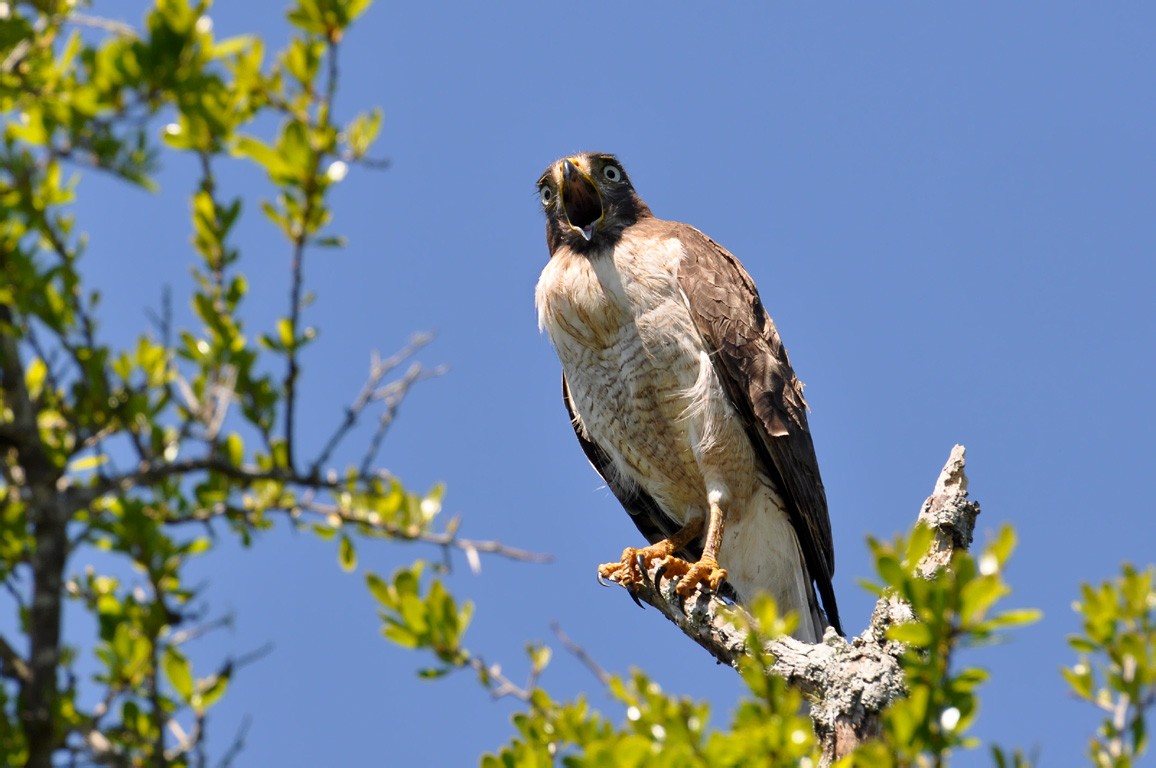
17. Roadside Hawk
The roadside hawk is 31–41 cm (12–16 in) long and weighs 250–300 g (8.8–10.6 oz). Males are about 20% smaller than females, but otherwise the sexes are similar. In most subspecies, the lower breast and underparts are barred brown and white, and the tail has four or five grey bars. Twelve subspecies are usually recognised and there is significant plumage variation between these. Depending on the subspecies involved, the roadside hawk is mainly brown or grey. It is fairly common to observe a touch of rufous (i.e., a light reddish-brown) on the bird's wings, especially when seen in flight. Its call is a very high-pitched piercing squeak. The eyes of adult roadside hawks are whitish or yellow. As suggested by its specific name (magni = large; rostri = beak), its beak is relatively large. The roadside hawk may be marginally the smallest hawk in the widespread genus Buteo, although Ridgway's hawk and the white-rumped hawk are scarcely larger. In flight, the relatively long tail and disproportionately short wings of the roadside hawk are distinctive. It frequently soars, but does not hover.
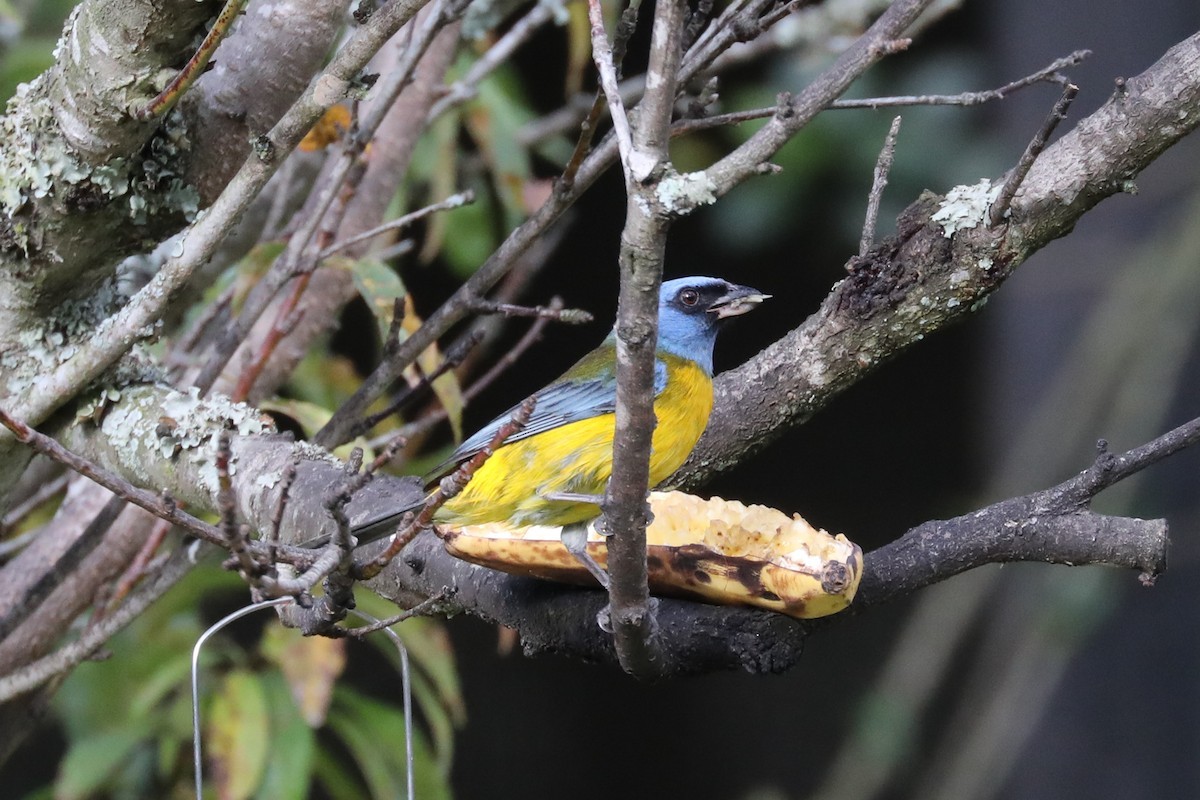
18. Blue-and-yellow tanager
The blue-and-yellow tanager (Rauenia bonariensis) is a species of bird in the tanager family Thraupidae. It is found in Argentina, Uruguay, Brazil, Paraguay, Bolivia, extreme northern border Chile, and Andean Peru and Ecuador. Some southern region birds migrate northeastwards in the austral winter into eastern Bolivia and northeastern Argentina; also Paraguay where the birds are only migratory non-breeding residents. Its natural habitats are subtropical or tropical dry forest, subtropical or tropical moist lowland forest, subtropical or tropical moist montane forest, subtropical or tropical high-altitude shrubland, and heavily degraded former forest. This species was formerly placed in the genus Thraupis. It was moved to Pipraeidea based on the results of a molecular phylogenetic study published in 2014. It was moved to Rauenia based on the study published in 2020. It is monotypic in that genus.
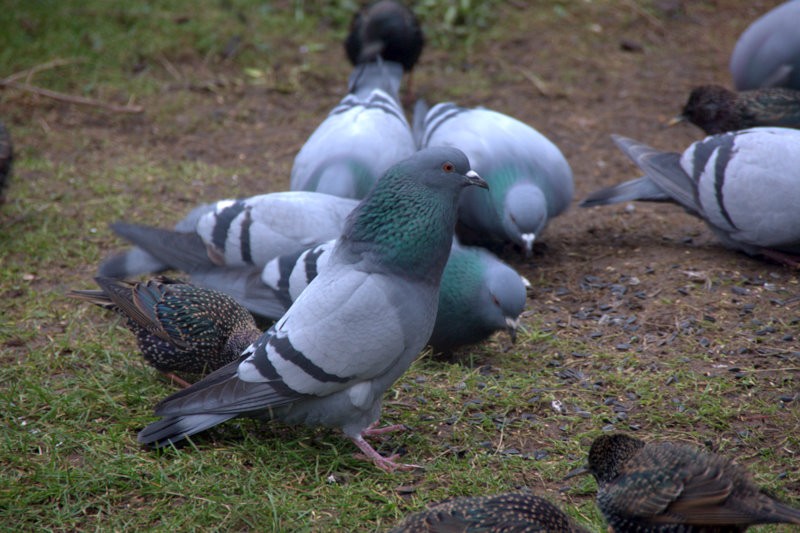
19. Rock Pigeon
The rock Pigeon is a wild ancestor of all domestic and feral pigeons, inhabiting coasts, cliffs, and caves. Pairs nest in rock crevices, often mating for life. They are known for their ability to fly very long distances to return to their homes, navigating using the sun's position and the earth's magnetic fields. Thanks to this ability, pigeons were used as messengers, particularly during World Wars I and II.
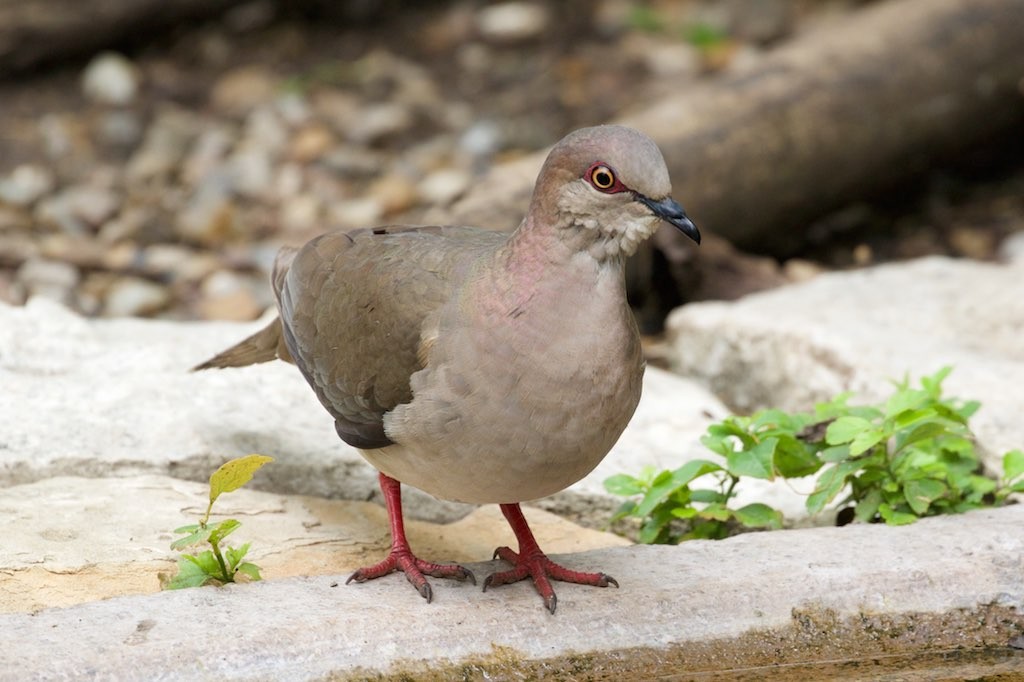
20. White-tipped Dove
The dove is about 28 cm (11 in) long and weighs 155 g (5.5 oz). Adult birds of most races have a grey tinge from the crown to the nape, a pale grey or whitish forehead and a whitish throat. The eye-ring is typically red in most of its range, but blue in most of the Amazon and northern South America. The upperparts and wings are grey-brown, and the underparts are whitish shading to pinkish, dull grey or buff on the chest. The underwing coverts are rufous. The tail is broadly tipped with white, but this is best visible from below or in flight. The bill is black, the legs are red and the iris is yellow. The white-tipped dove resembles the closely related grey-fronted dove (Leptotila rufaxilla), which prefers humid forest habitats. The best distinctions are the greyer forehead and crown, which contrast less with the hindcrown than in the grey-fronted dove. In the area of overlap, the white-tipped dove usually has a blue (not red) eye-ring, but this is not reliable in some parts of Brazil, Argentina, Bolivia, Paraguay and Uruguay, where it typically is red in both species.