




Top 20 Most Common Bird in Antioquia
Antioquia, is a biodiversity hotspot rich in a vibrant assortment of bird species due to its diverse ecosystems ranging from rainforests to savannahs. The most frequently observed 20 birds exhibit unique attributes in terms of appearance, behaviors, and adaptations, setting them apart in the avian world. These characteristics are remarkably shaped by Antioquia's unique environmental factors.

Most Common Bird
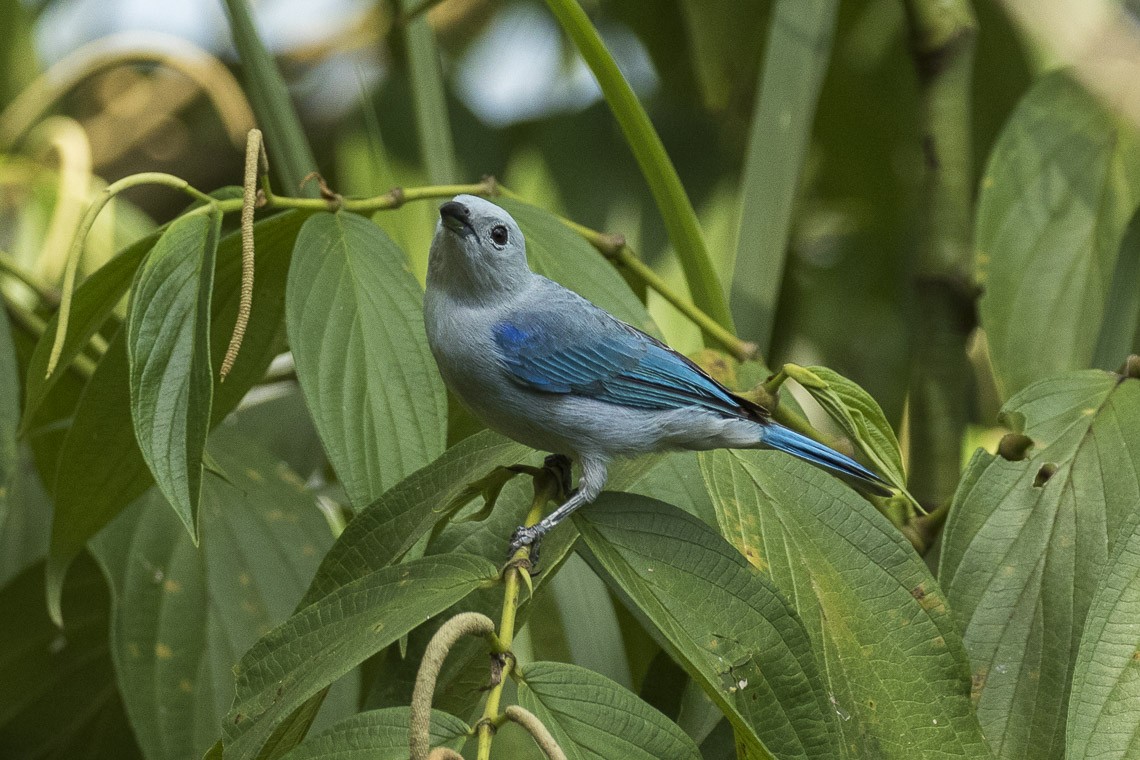
1. Blue-grey Tanager
The blue-gray tanager is 16–18 cm (6.3–7.1 in) long and weighs 30–40 g (1.1–1.4 oz). Adults have a light bluish head and underparts, with darker blue upperparts and a shoulder patch colored a different hue of blue. The bill is short and quite thick. Sexes are similar, but the immature is much duller in plumage. The song is a squeaky twittering, interspersed with tseee and tsuup call notes. 
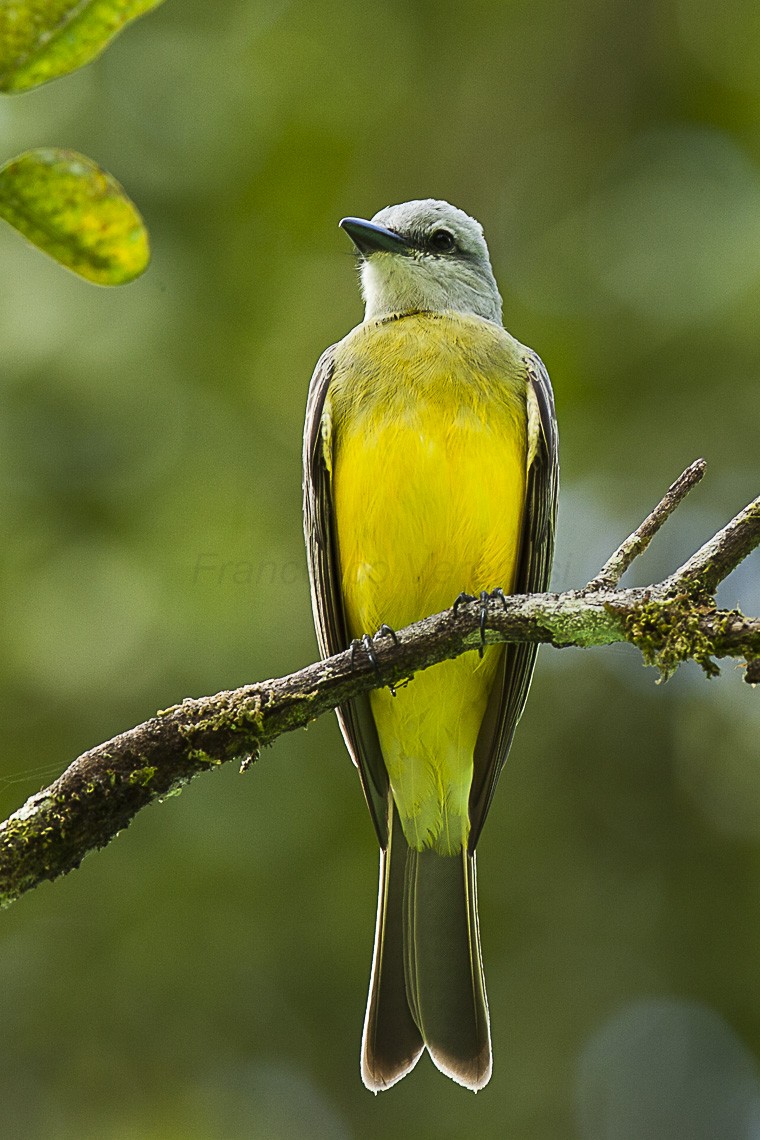
2. Tropical Kingbird
An adult tropical kingbird is 22 cm (8.7 in) long, weighs 39 g (1.4 oz) and has a wingspan range of 38–41 cm. The head is pale gray, with a darker eye mask, an orange crown stripe, and a heavy gray bill. The back is grayish-green, and the wing and forked tail are brown. The throat is pale gray, becoming olive on the breast, with the rest of the underparts being yellow. The sexes are similar, but young birds have pale buff edges on the wing coverts. Tropical Kingbirds appear to be monogamous. In most parts of the species' range, they are permanent residents and remain together in pairs year-round.(Sibley 2014) The call is a high-pitched twittering trill, tree-e-e-e-e-e-e, with a more complex version sung by the male at dawn. Their breeding habitat is semi-open areas with trees and shrubs, including gardens and roadsides. Tropical kingbirds like to observe their surroundings from a prominent open perch, usually high in a tree, undertaking long flights to acrobatically catch insects in mid-air (hawking), sometimes hovering to pick food off vegetation (gleaning). They also eat some fruit from such diverse species as tamanqueiro (Alchornea glandulosa), the Annonaceae, Cymbopetalum mayanum and gumbo-limbo (Bursera simaruba); foraging for these even in disturbed habitat. As they keep mainly to the upper levels of trees, they find little profit in following mixed-species feeding flocks in the understory. These birds aggressively defend their territory against intruders, even much larger birds such as magnificent frigatebirds, toucans, caracaras or hawks. In a study in Parque Nacional de La Macarena of Colombia, parasitism by microfilariae and trypanosomas (presumably T. everetti) was infrequently recorded in tropical kingbirds. The male and female inspect potential sites together before selecting a site, typically a fork or crotch high in a tree (up to 66 feet high) but sometimes just a few feet above water.(Sibley 2014) The female builds a bulky, sloppy-looking, shallow nest of vines, rootlets, twigs, weeds, and grasses; it is unlined or lined with hair. Nests average about 5.2 inches across and 3 inches tall, with interior cup about 3 inches across and 1.6 inches deep. The female incubates the typical clutch of two to four eggs for approximately 16 days, and the nestlings fledge in another 18 or 19 days. The eggs are whitish or pale pink with variable amounts of dark blotching. The tropical kingbird is one of the most widespread and conspicuous inhabitants of open forest, forest edge, scrub and agricultural land from the southwestern United States south to Argentina (Jahn, Stouffer, & Chesser, 2013). As a result, the bird is considered as being of Least Concern and their population is increasing, according to the IUCN. According to Partners in Flight, global estimates of tropical kingbird breeding population is around 200 million. They rate the species as 4 out of 20 on the continental concern scale, indicating that this species is of low conservation concern.
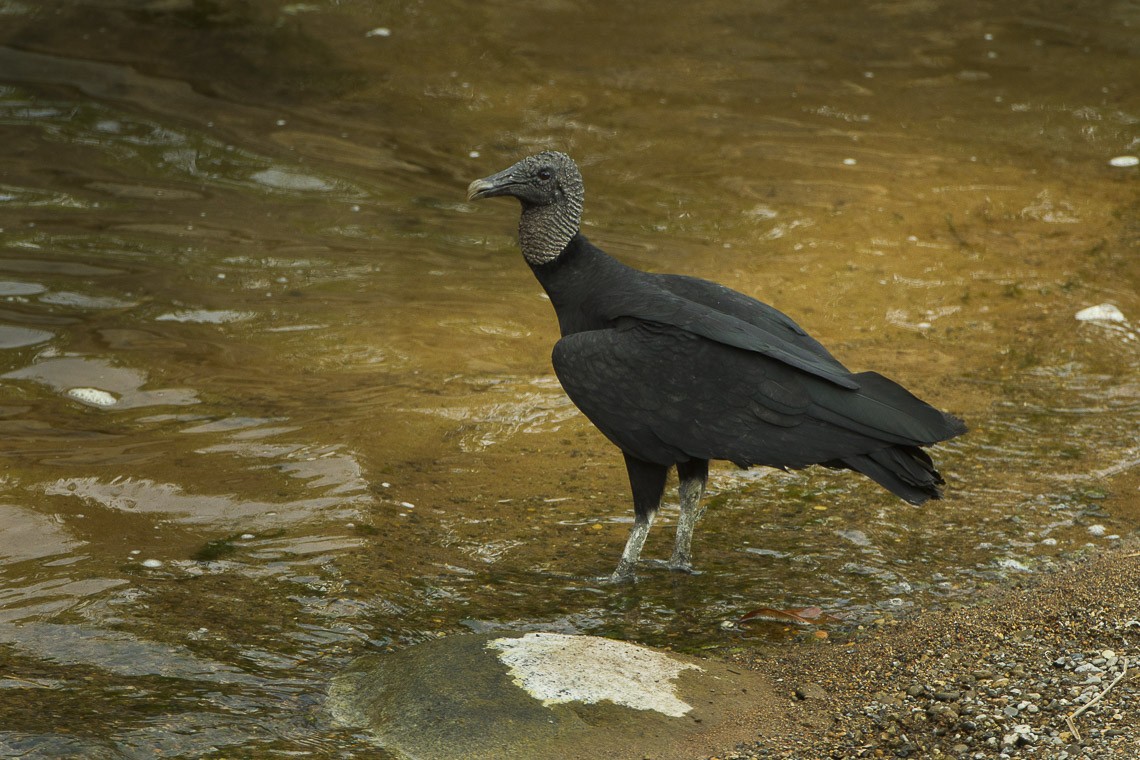
3. Black Vulture
Although quite dapper in appearance, the black Vulture's name comes from the Latin vulturus meaning “tearer" and that is just what that hooked beak is for. These birds are highly social, with fierce family loyalty and will share food with relatives and with their young long after the babies have fledged. Because they lack a voice box, their calls are limited to grunts and hisses.
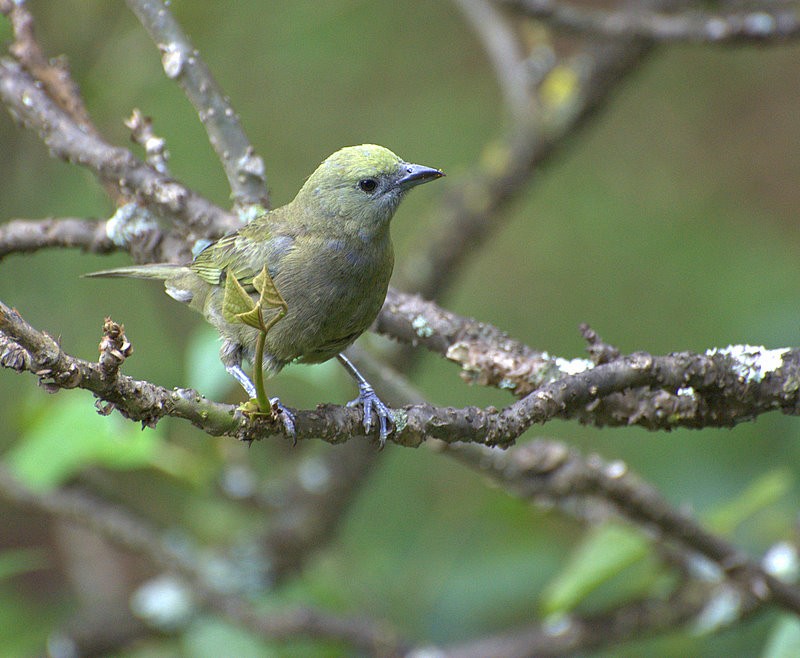
4. Palm Tanager
The palm Tanager is a magnificent bird species that steals the show with its olive-green feathers and striking black wings. It is a medium-sized bird that inhabits the palm forests of South America, where it feeds on a diverse diet including fruit, insects, and spiders. The Palm Tanager has a special relationship with palm trees, which provide both food and shelter, and it is perfectly adapted to life in this unique habitat.
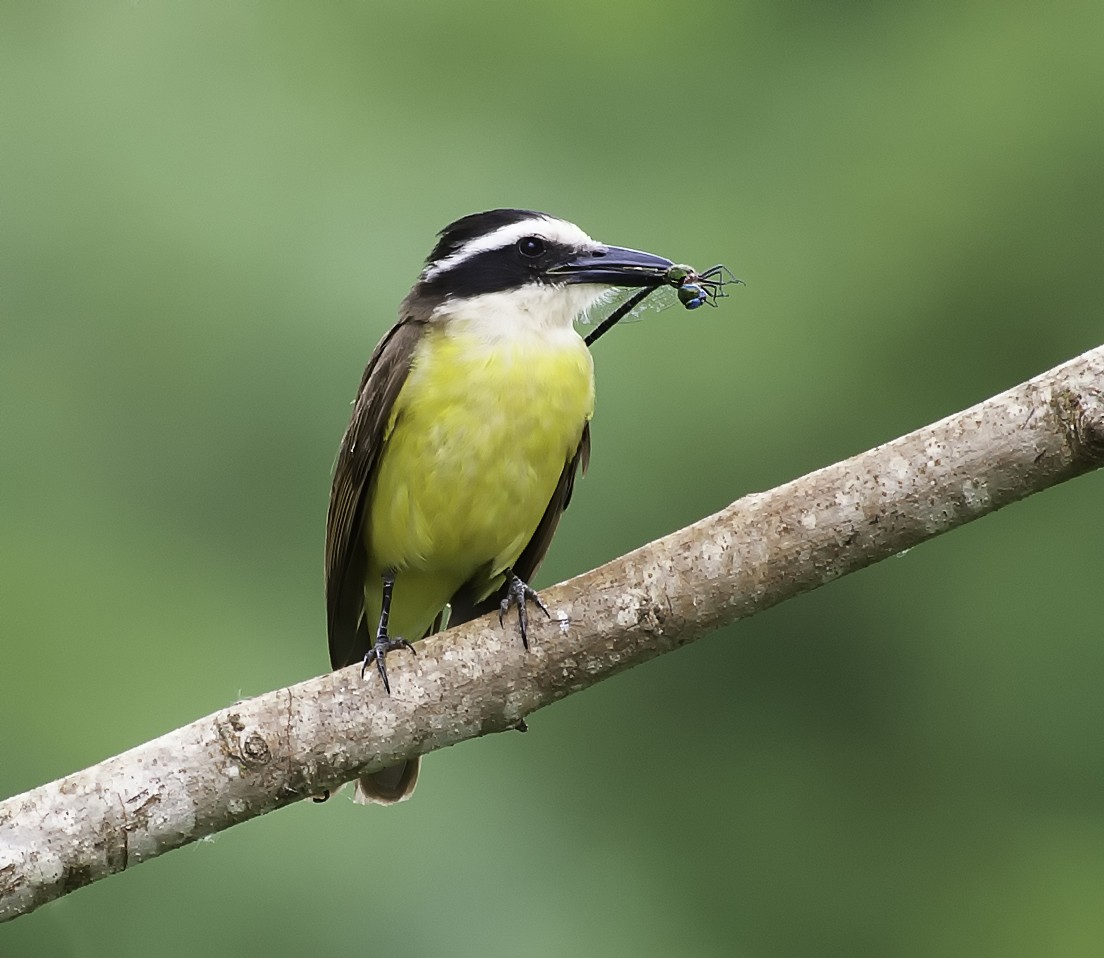
5. Great Kiskadee
The great Kiskadee is a large bird with bold markings that make this flycatcher easily recognizable. is a bright-colored bird that prefers woodland habitats close to water or open areas. It eats a lot of insects, but also forages for seeds and berries and is known to dive into shallow water for small fish.
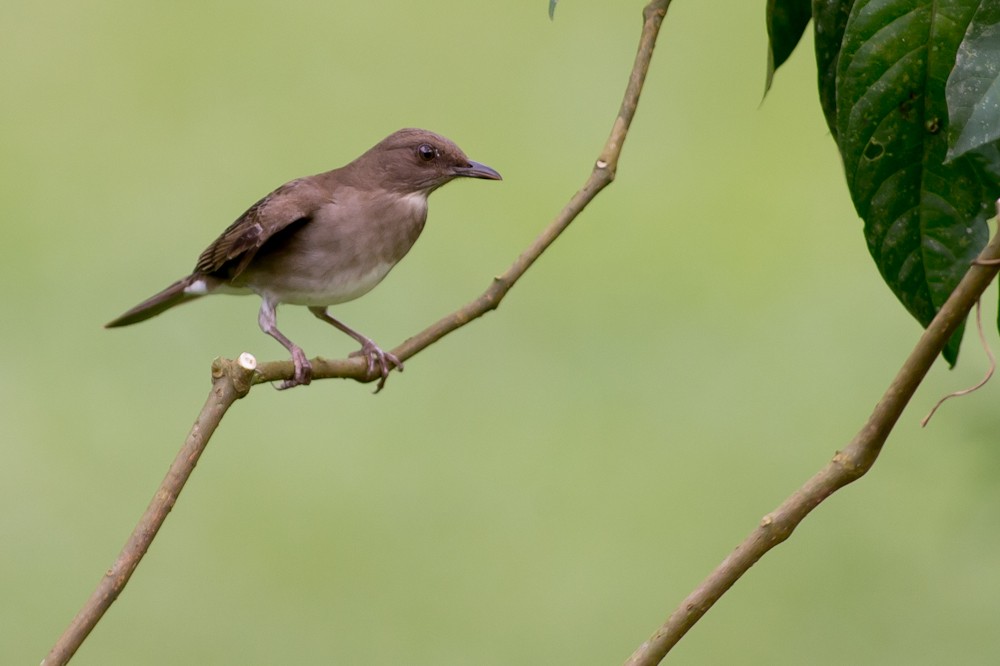
6. Black-billed Thrush
The black-billed thrush (Turdus ignobilis) is a bird in the family Turdidae native to the Amazon biome.
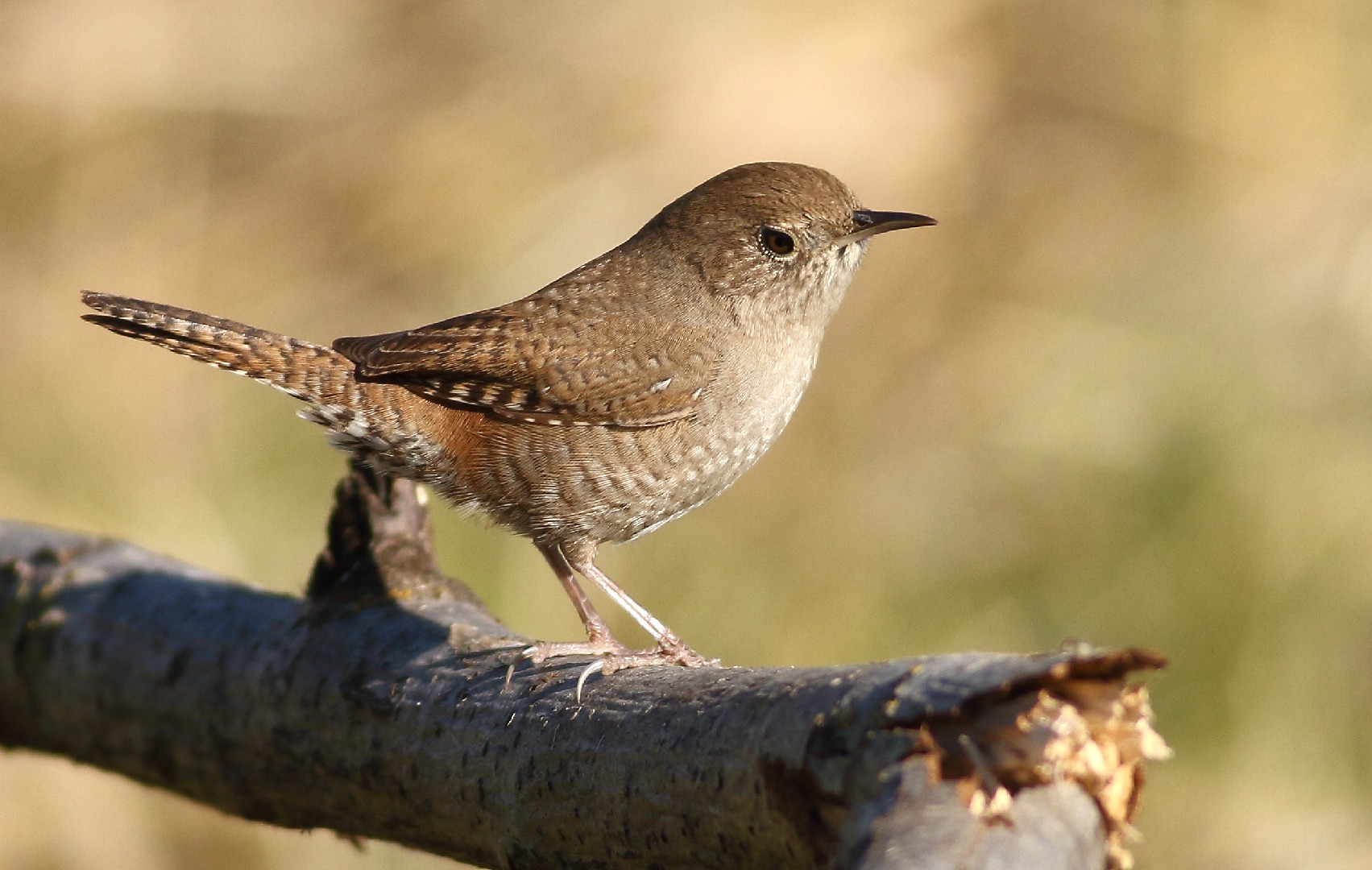
7. House Wren
Watch out for the small yet aggressive house Wrens; they are extremely territorial and think nothing of harassing other birds and their nestlings if they want to take their spot! They have been known to kill nestlings and even adult birds to get a nest hole they want. Once house Wrens lay eggs, the nest needs to stay below 100 degrees and above 65 degrees or the eggs will not survive—this could be the reason they are so particular about their nesting spots.
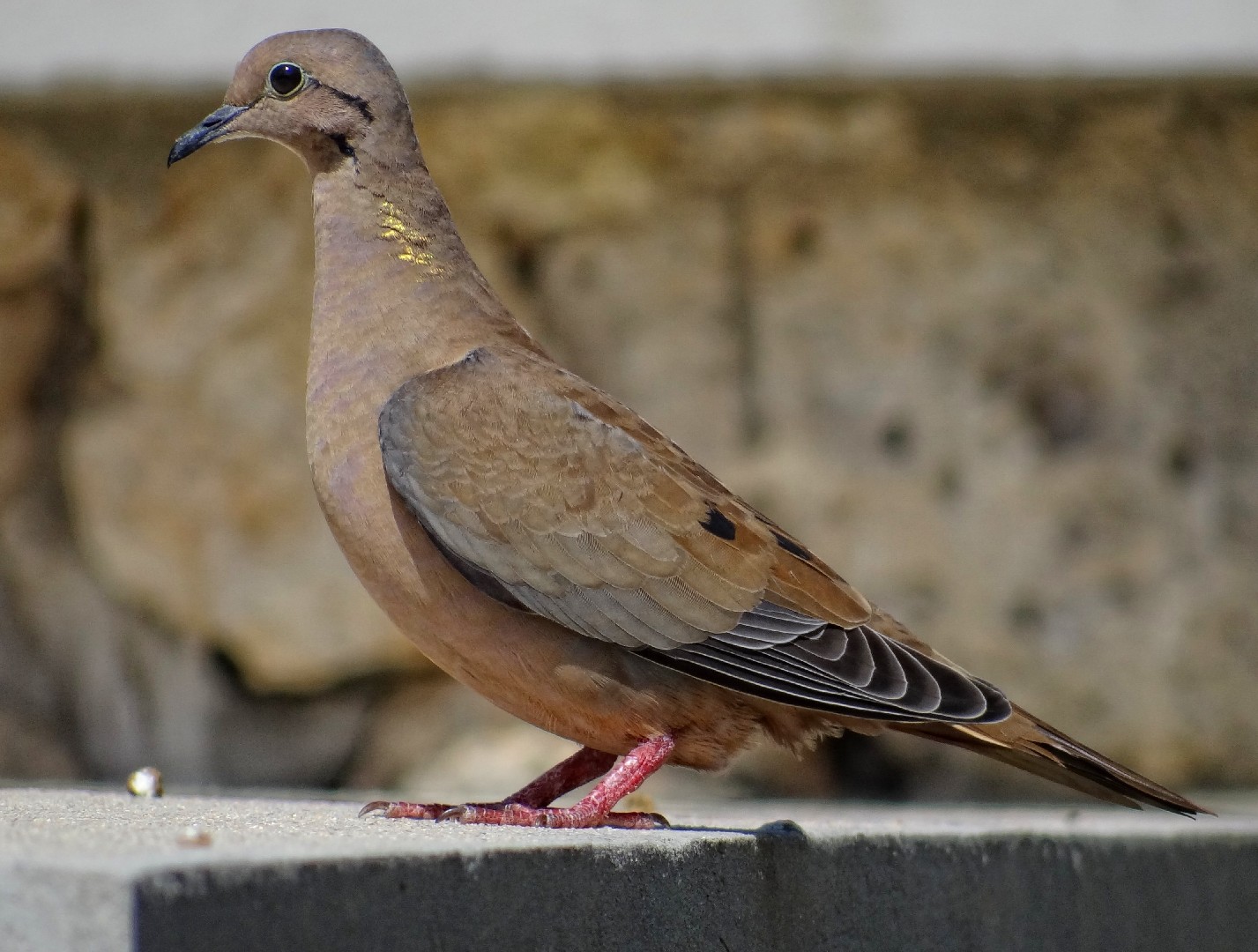
8. Eared Dove
The most widely-spotted dove of South America, the small eared Dove thrives in high altitudes. You can find this dove in the scrubland of areas that are around 4500 meters above sea level. Their easy association with humans has made them acclimate more easily to urban environments and rising human population levels.
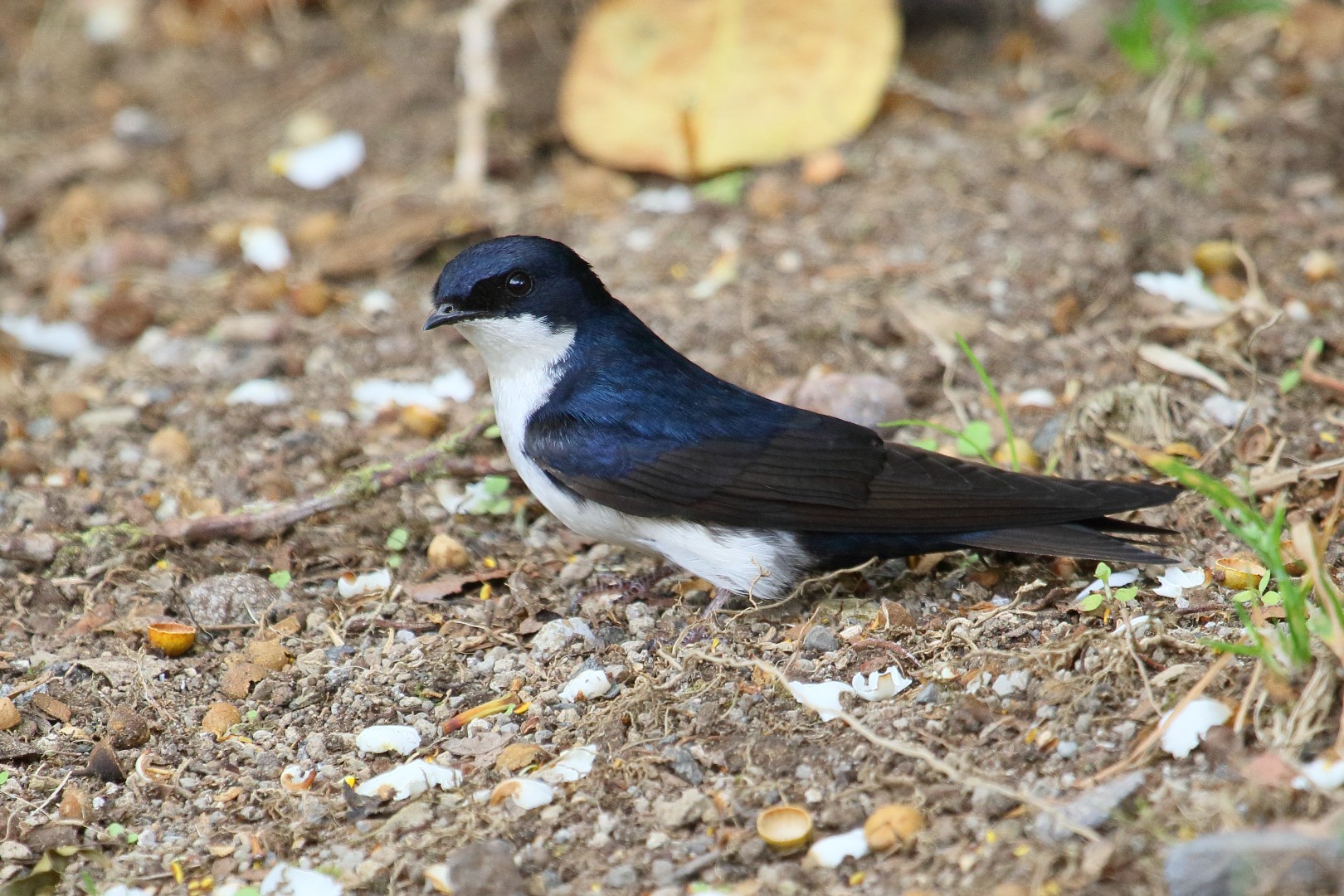
9. Blue-and-white Swallow
The blue-and-white Swallow is a temperate species commonly found in open grasslands and farmlands and, in Central America, it is also common at high elevations. These birds are insectivores and will flock together around swarms of termites. Unfortunately, deforestation has started to affect wild populations, though the extent is unknown.

10. Speckled Chachalaca
The speckled chachalaca (Ortalis guttata) is a species of bird in the family Cracidae. It is found in forests and woodlands in the western Amazon Basin. It has distinct white scaling/spotting on the lower neck and chest, but otherwise it resembles other chachalacas, it being vaguely pheasant-like (though far more arboreal and social), and with an overall brown plumage.
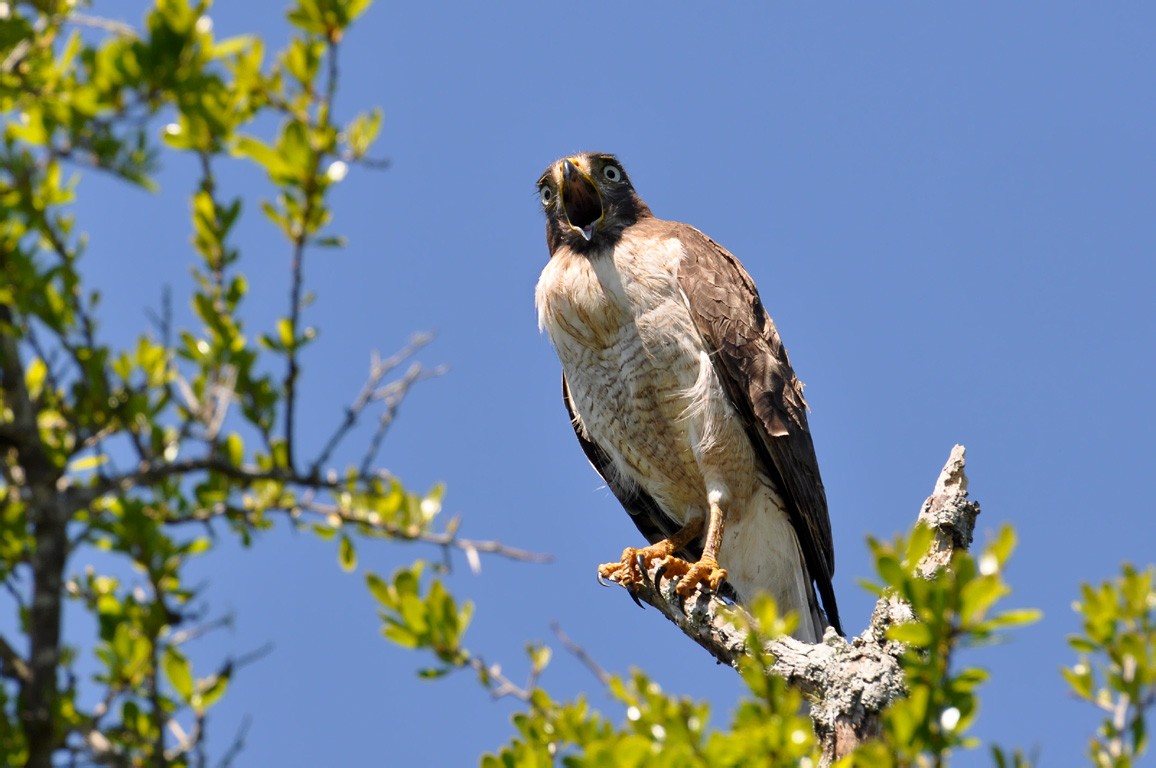
11. Roadside Hawk
The roadside hawk is 31–41 cm (12–16 in) long and weighs 250–300 g (8.8–10.6 oz). Males are about 20% smaller than females, but otherwise the sexes are similar. In most subspecies, the lower breast and underparts are barred brown and white, and the tail has four or five grey bars. Twelve subspecies are usually recognised and there is significant plumage variation between these. Depending on the subspecies involved, the roadside hawk is mainly brown or grey. It is fairly common to observe a touch of rufous (i.e., a light reddish-brown) on the bird's wings, especially when seen in flight. Its call is a very high-pitched piercing squeak. The eyes of adult roadside hawks are whitish or yellow. As suggested by its specific name (magni = large; rostri = beak), its beak is relatively large. The roadside hawk may be marginally the smallest hawk in the widespread genus Buteo, although Ridgway's hawk and the white-rumped hawk are scarcely larger. In flight, the relatively long tail and disproportionately short wings of the roadside hawk are distinctive. It frequently soars, but does not hover.
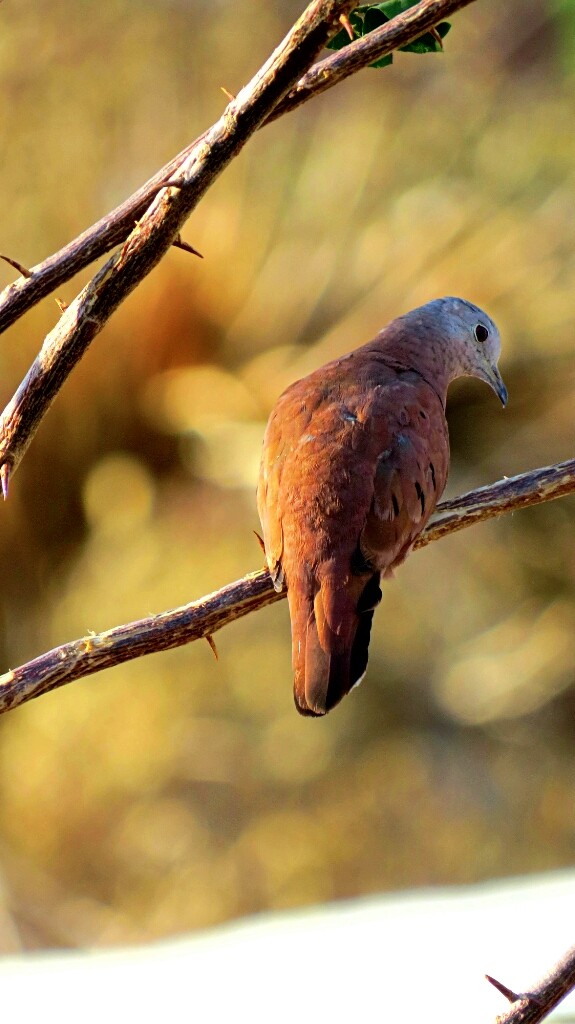
12. Ruddy Ground Dove
The Rosttäubchen (Columbina talpacoti) is a kind of the pigeons birds, which is counted among the subfamily of the American Kleintauben. The species occurs from the extreme south of North America to South America and is considered as not endangered in its population.
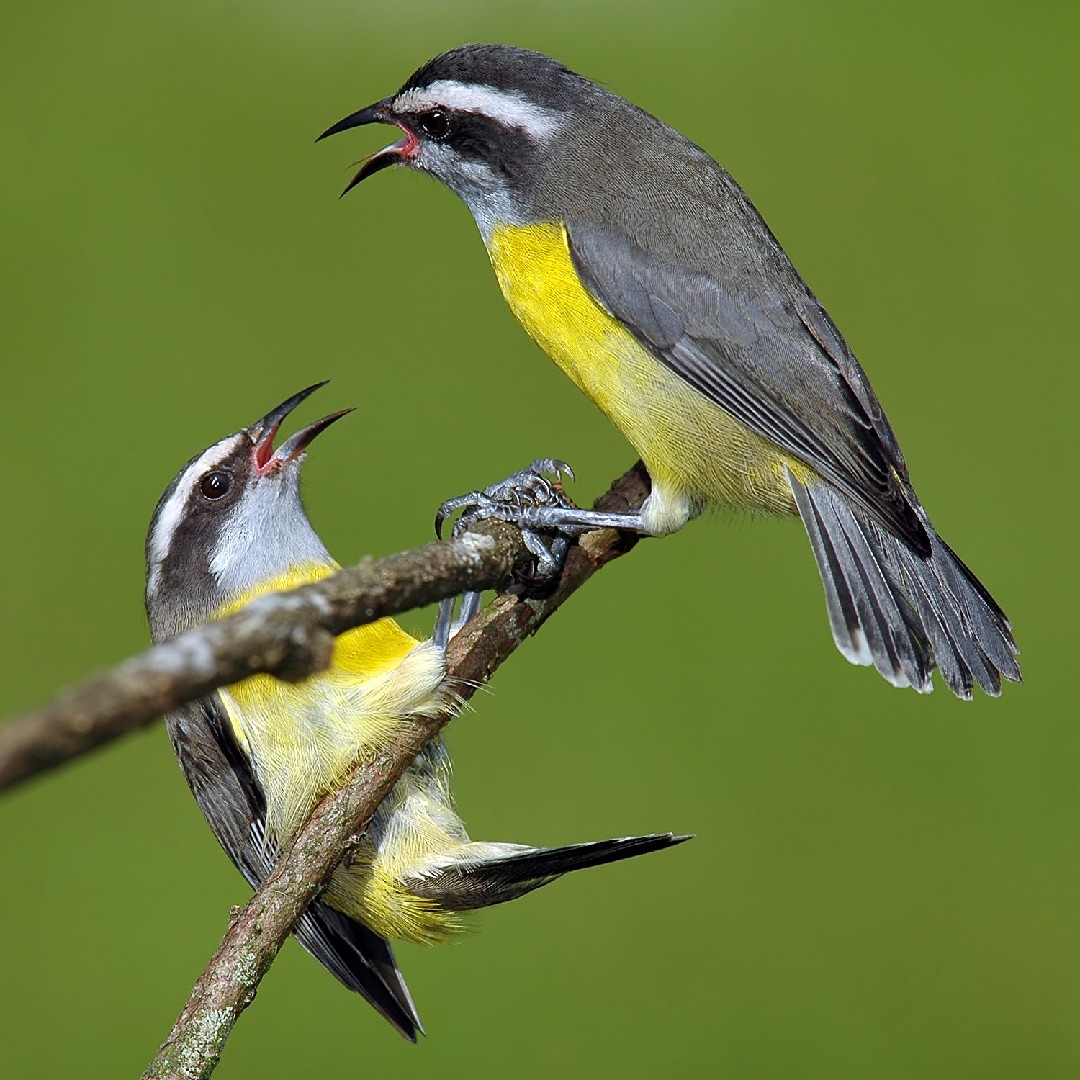
13. Bananaquit
The bananaquit is a common bird found in tropical forests, woodlands, and home gardens where they primarily feed on nectar and fruit. There are over 40 known subspecies endemic to specific regions with noticeable differences in appearance. The exact taxonomic placement of Coereba flaveola is a subject of much debate among ornithologists, with some suggesting it should be split into at least three different species.
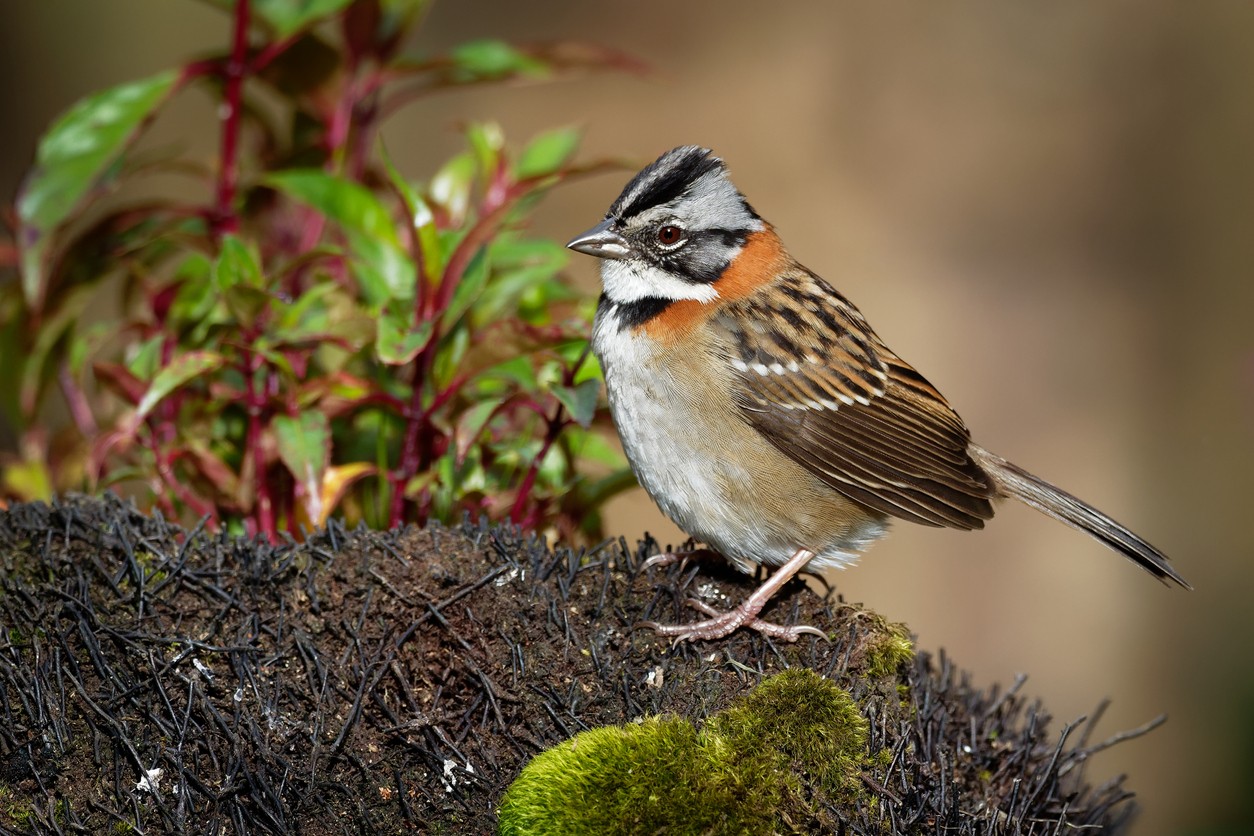
14. Rufous-collared Sparrow
The rufous-collared Sparrow is a small songbird known for its pleasant vocalization and numerous "dialects." The songs peak at dawn and some individuals can sing continuously for half an hour. Found in a wide range of habitats and comfortable around humans, this ground-feeding bird is easily approachable. On the other hand, it's aggressive towards other birds that enter its territory. Individuals have their favorite perching spot where they appear repeatedly.
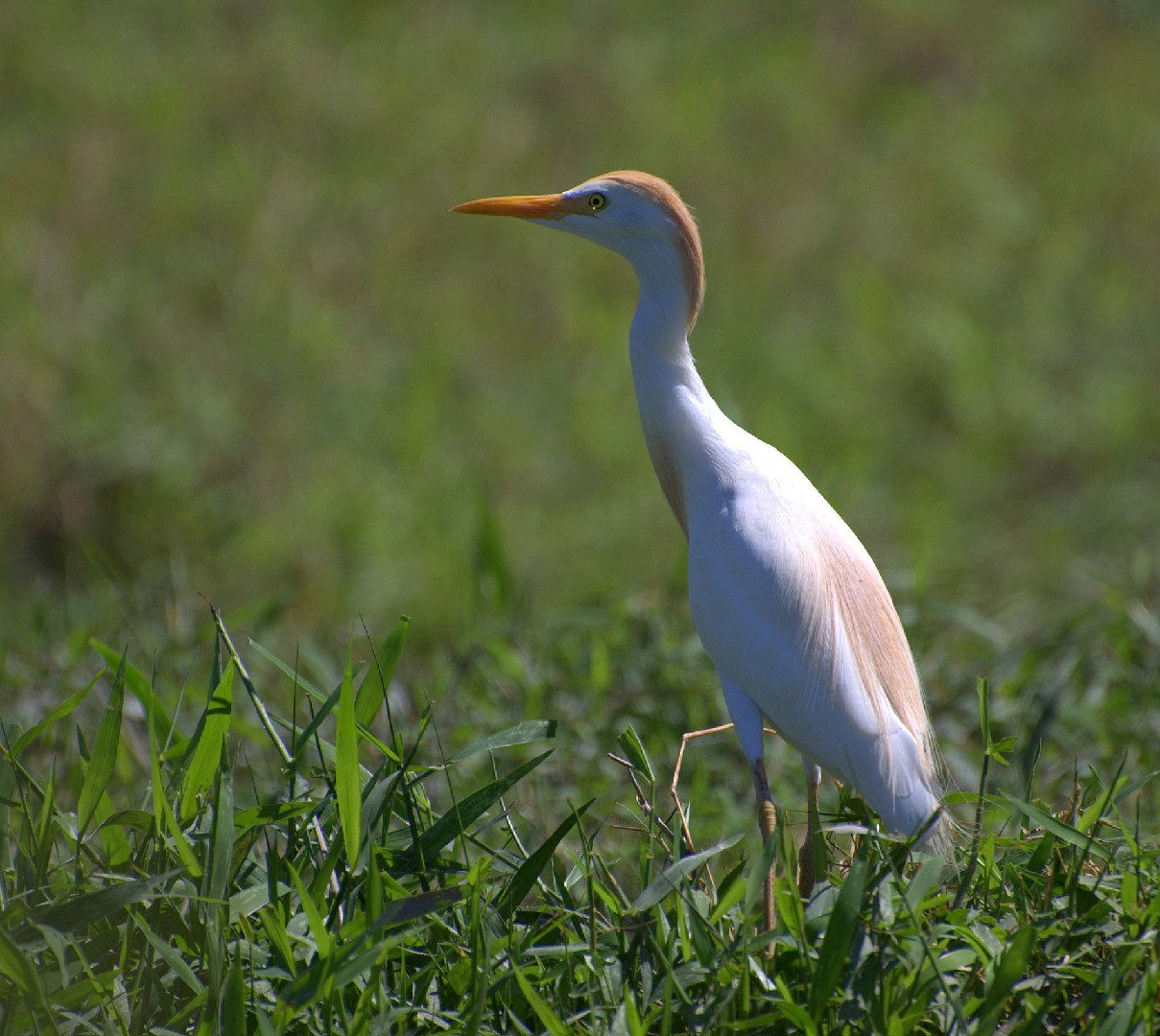
15. Cattle Egret
Cattle Egrets are short, thick-necked egrets. Their name refers to their preference to follow along with livestock as they forage in fields. Cattle Egrets were native only to Africa until the late 1800s when they somehow made their way throughout the Americas. They can often be found along airport runways waiting for planes to take off and blow insects out of the grass and weeds. They also follow behind farm equipment and do the same thing.
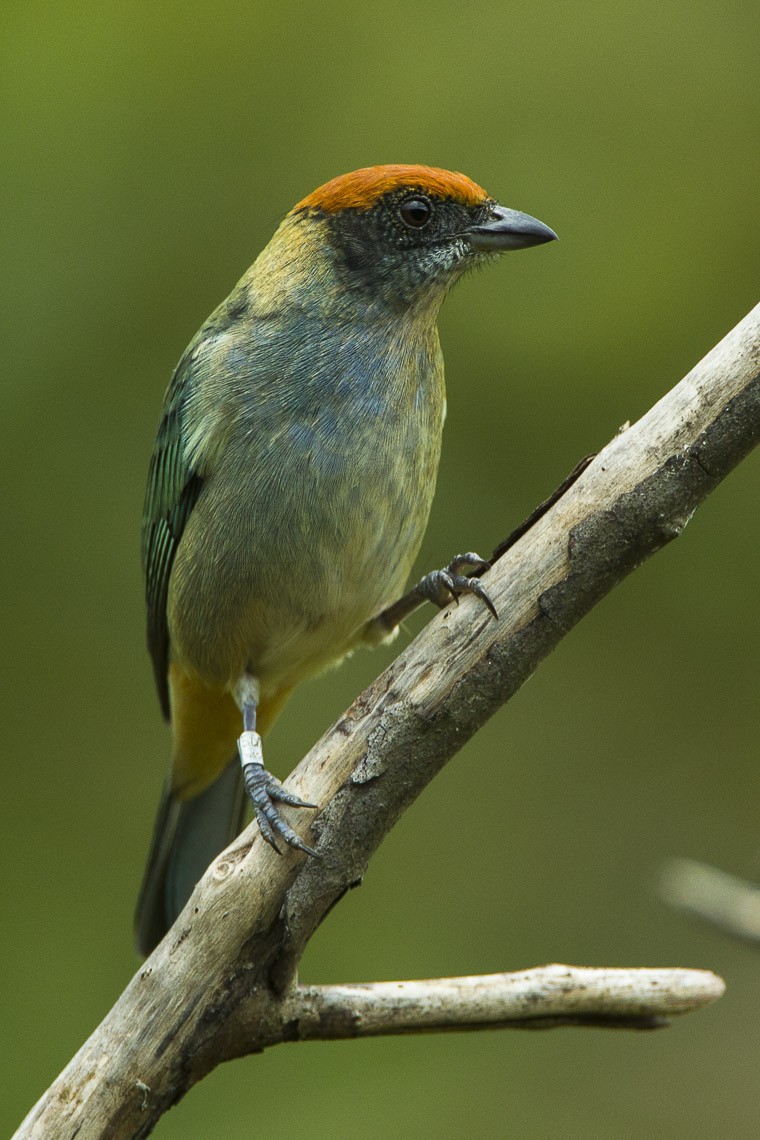
16. Scrub Tanager
The scrub tanager (Stilpnia vitriolina) is a species of bird in the family Thraupidae. It is found in Colombia and Ecuador. Its natural habitats are subtropical or tropical moist montane forests, subtropical or tropical high-altitude shrubland, and heavily degraded former forest.
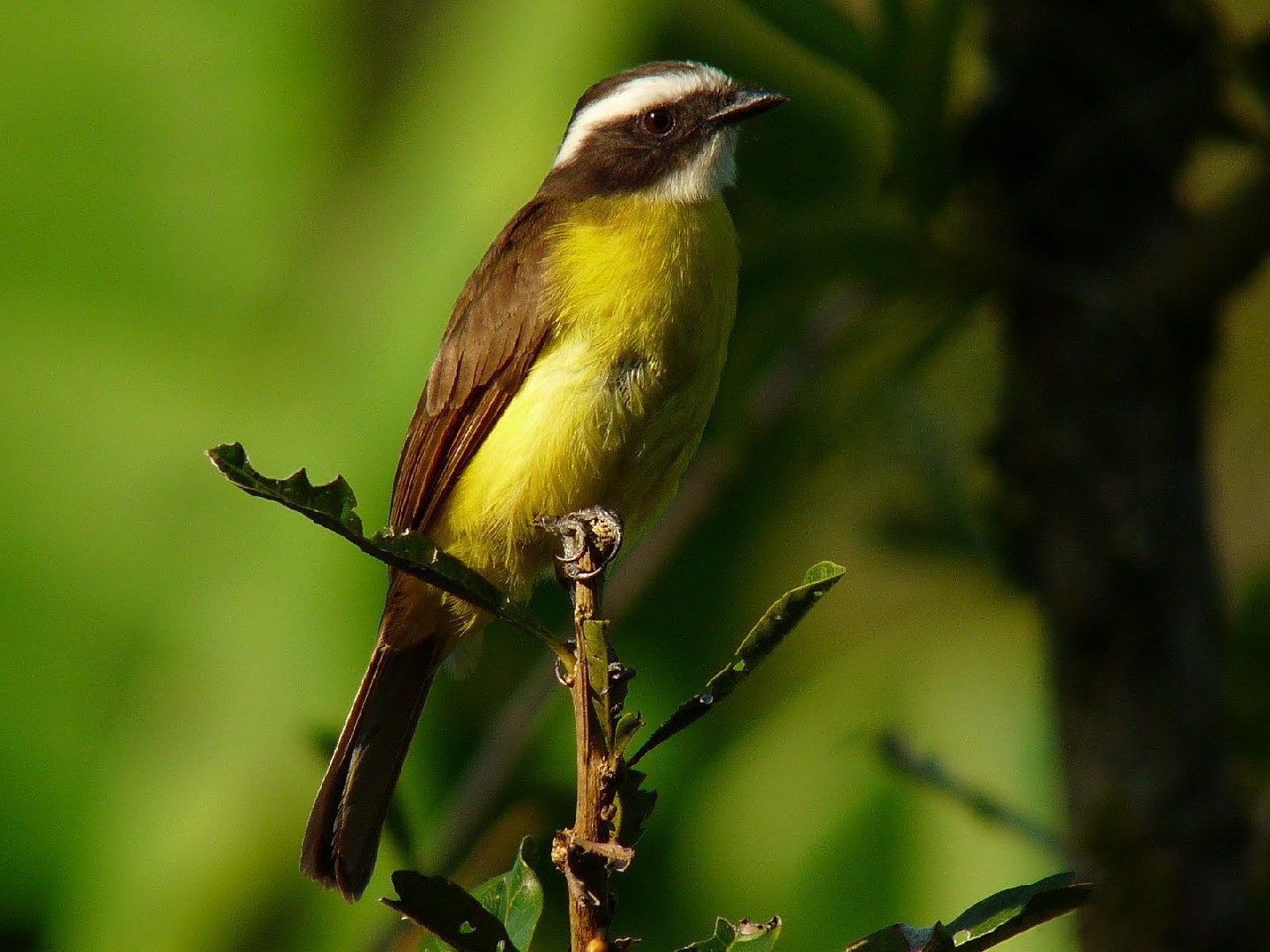
17. Rusty-margined Flycatcher
The rusty-margined flycatcher (Myiozetetes cayanensis) is a species of bird in the family Tyrannidae, the tyrant flycatchers. It is found in northern and central South America in Bolivia, Brazil, Colombia, Ecuador, French Guiana, Guyana, Peru, Suriname, and Venezuela; also eastern Panama. Its natural habitats are subtropical or tropical moist lowland forests and heavily degraded former forest.
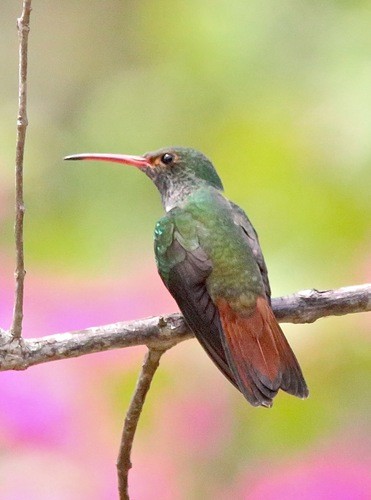
18. Rufous-tailed Hummingbird
The adult rufous-tailed hummingbird is 10–12 cm (3.9–4.7 in) long and weighs approximately 5.2 g (0.18 oz). The throat is green (edged whitish in the female), the crown, back and flanks are green tinged golden, the belly is pale greyish, the vent and rump are rufous and the slightly forked tail is rufous with a dusky tip. The almost straight bill is red with a black tip; the black is more extensive on the upper mandible, which may appear all black. Immatures are virtually identical to the female. The call is a low chut, and the male's song is a whistled tse we ts’ we or tse tse wip tseek tse. The female rufous-tailed hummingbird is entirely responsible for nest building and incubation. She lays two white eggs in a compact cup nest constructed from plant-fibre and dead leaves and decorated with lichens and mosses 1–6 m (3.3–19.7 ft) high on a thin horizontal twig. Incubation takes 15–19 days, and fledging another 20–26.
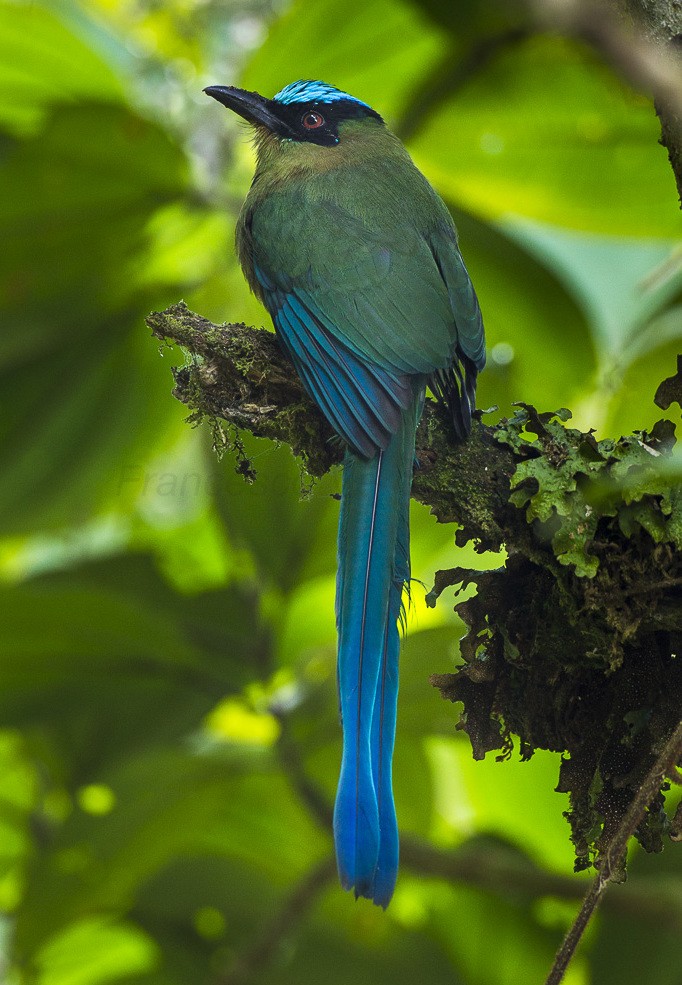
19. Andean Motmot
The Andean motmot or highland motmot (Momotus aequatorialis) is a colorful near-passerine bird found in the forests and woodlands from northern Colombia to western Bolivia. This bird can be also found in El Salvador, Guatemala, Honduras, Nicaragua, and the west area of Costa Rica.
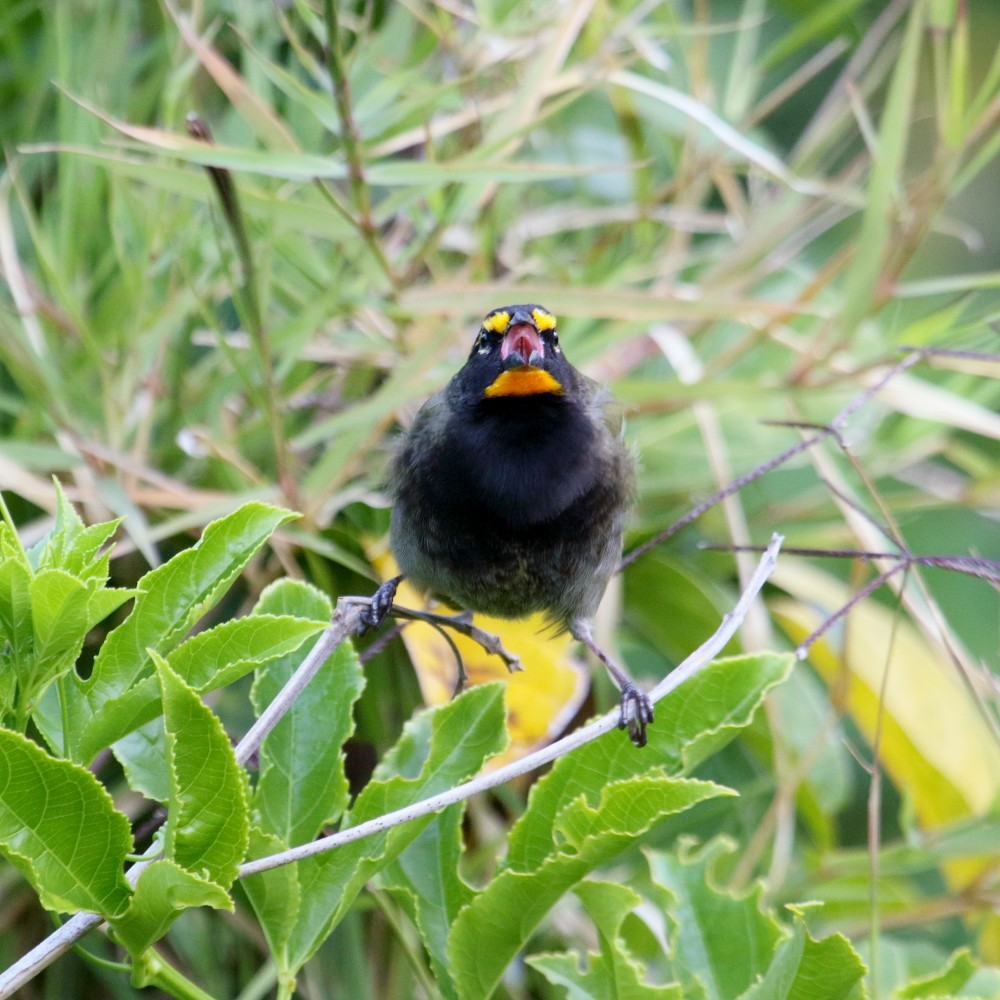
20. Yellow-faced Grassquit
It is a small bird with a conical bill, sharper than that of the related seedeaters. It is 10–10.7 cm (3.9–4.2 in) long and weighs about 8–10 g (0.28–0.35 oz), depending on subspecies. The adult male has an olive-green back, and its face and breast are black apart from a bright yellow throat, supercilia, and lower eyelid spot. The rest of the underparts are greyish olive. The beak and eyes are dark, the legs are grey. The adult female is slightly smaller on average than the male. It is dull olive-green above and paler grey below, and may have some dark breast smudges. The yellow face pattern is much weaker and duller, and may be almost invisible. The lower part of the beak is dark horn-colored (light grey). Young birds are coloured essentially like the adult female, but duller and greyer. Young males begin to acquire full adult plumage in their first year. The yellow-faced grassquit has a weak buzzing trilled ttttt-tee call. The song is a varying series of high thin rapid trills. Given for a prolonged time, it is melodious, yet subdued, and often only heard from a short distance away.