




Top 20 Most Common Bird in Nouvelle-Aquitaine
Nouvelle-Aquitaine, a region in France, boasts of unique biodiversity shaped by its coastal, rural and mountainous environments. The 20 most common birds found here exhibit fascinating characteristics, from remarkable plumage to distinctive behaviors. They exemplify nature's adaptation to Nouvelle-Aquitaine's diverse environments, enhancing the region's charm and ecological importance.

Most Common Bird
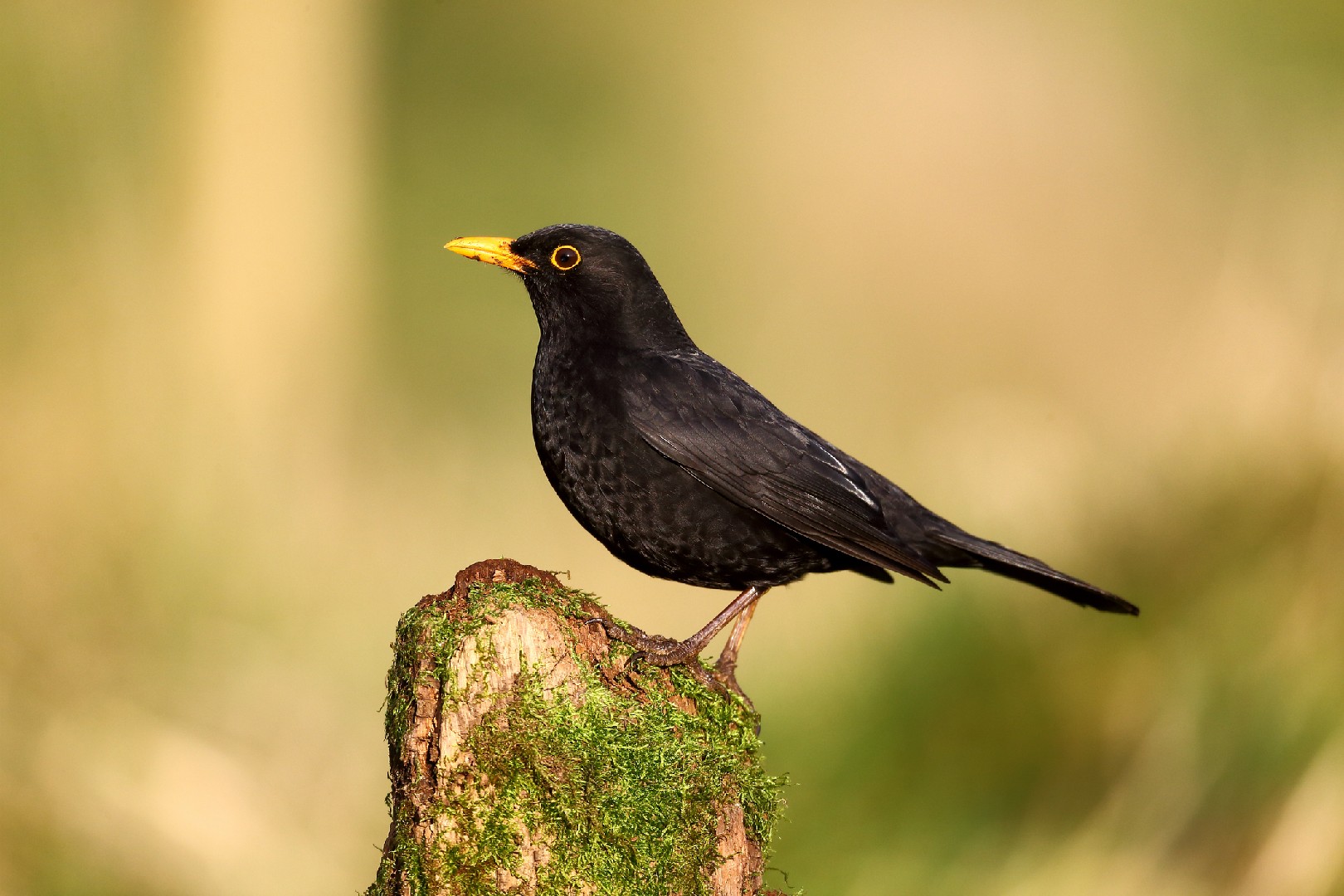
1. Eurasian Blackbird
Unafraid of humans, the dark-winged eurasian Blackbird has gained a great deal of cultural significance, mentioned in popular nursery rhymes and songs across the world. Elegant and with an appealing song, they can be aggressive when they are in their breeding period.
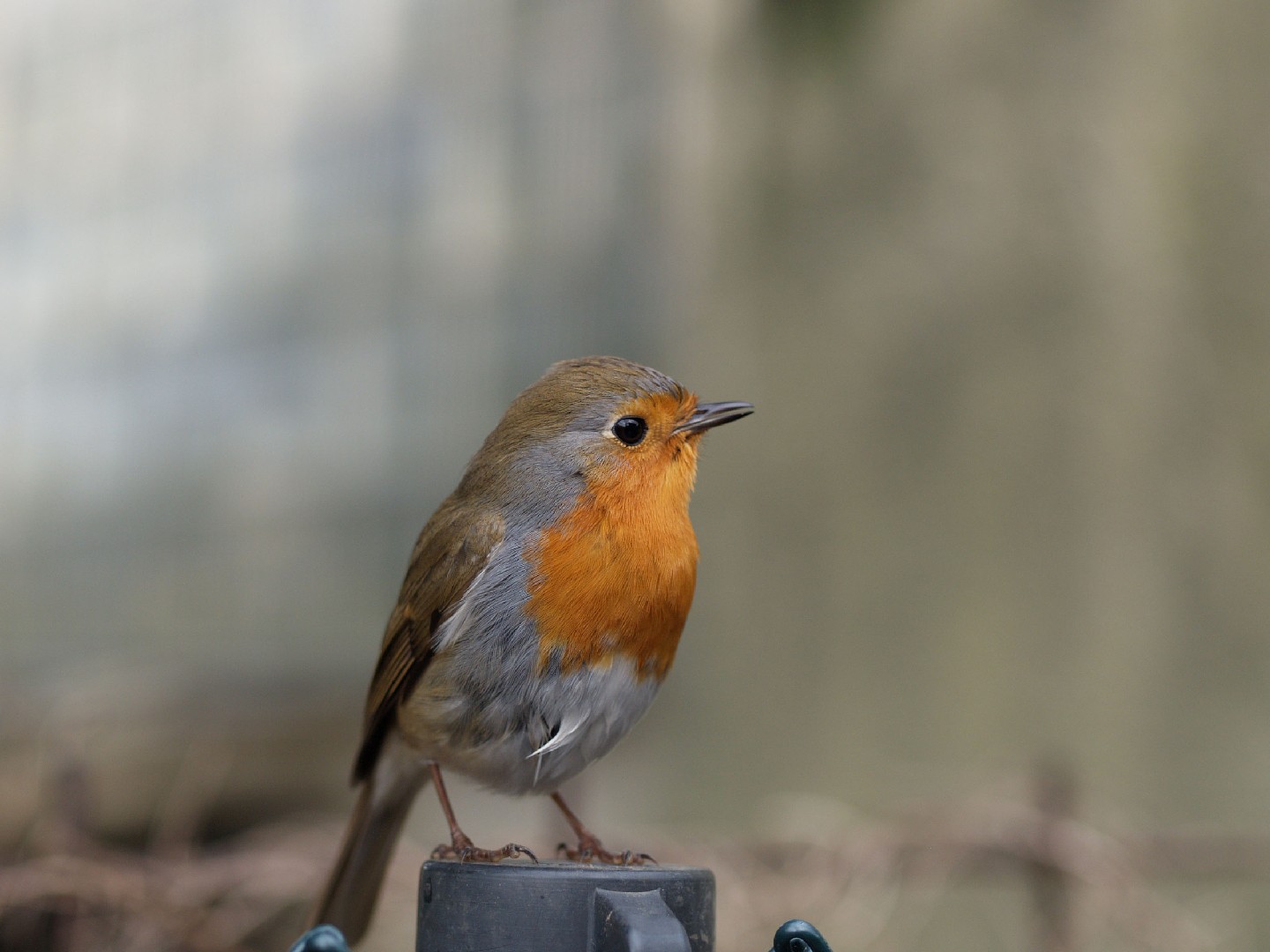
2. European Robin
The european Robin is an aggressive bird that is commonly found throughout farmlands, woodlands, and suburban communities. These birds are mainly helpful insectivores for gardeners, but will also eat various seeds and fruits. The european Robin is used on British Christmas cards to represent postmen from the Victorian era who used to wear red waistcoats while delivering holiday cards.
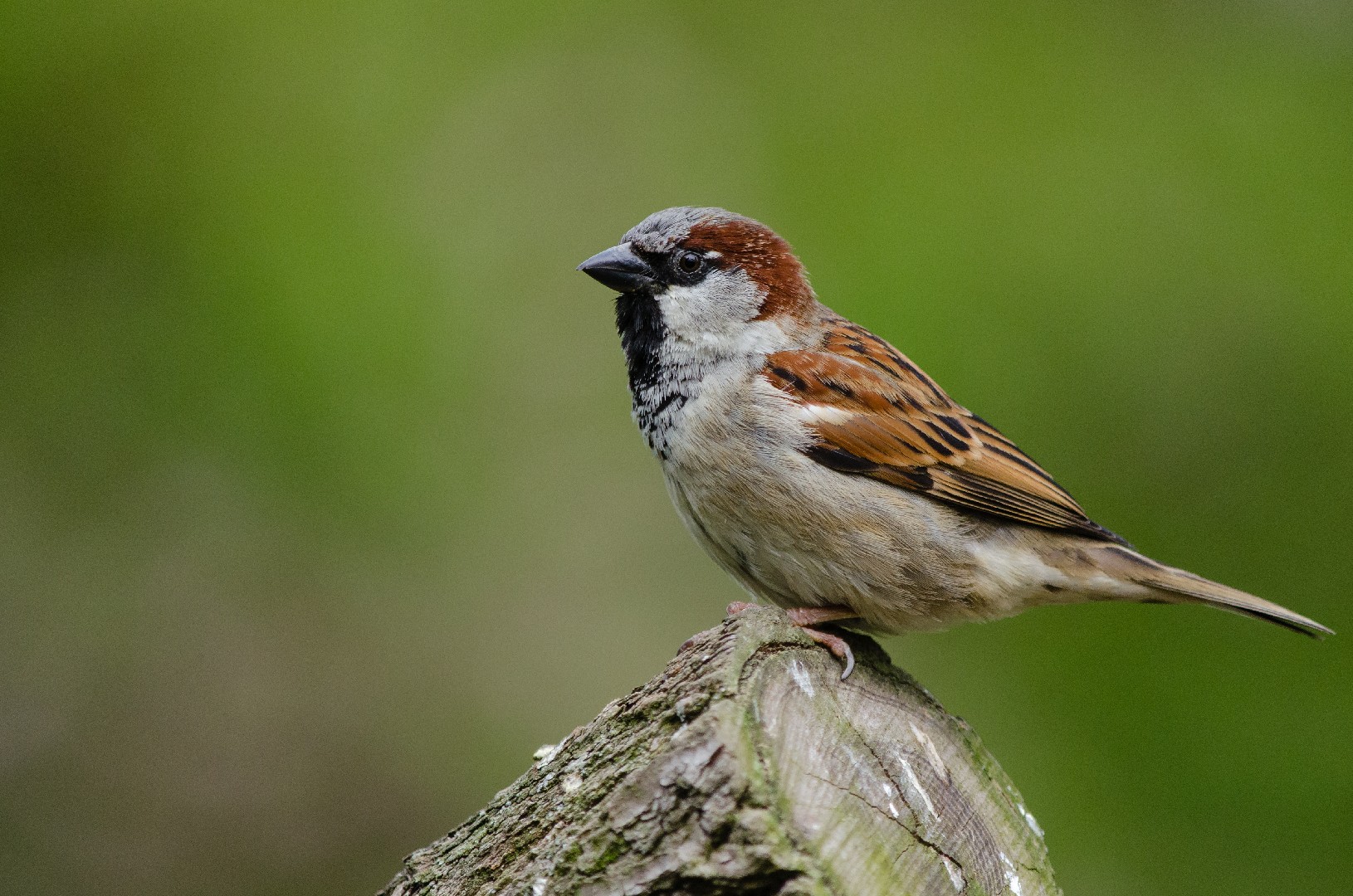
3. House Sparrow
Just as its name implies, the little house Sparrow socializes with humans more than any other bird species. Able to adapt and thrive in almost any habitat, excluding the extremes such as deserts and mountain peaks, this species was once restricted only to North Africa and Eurasia but now is found across the globe. Unfortunately, this opportunistic eater is not completely harmless—it can cause considerable damage to crops.
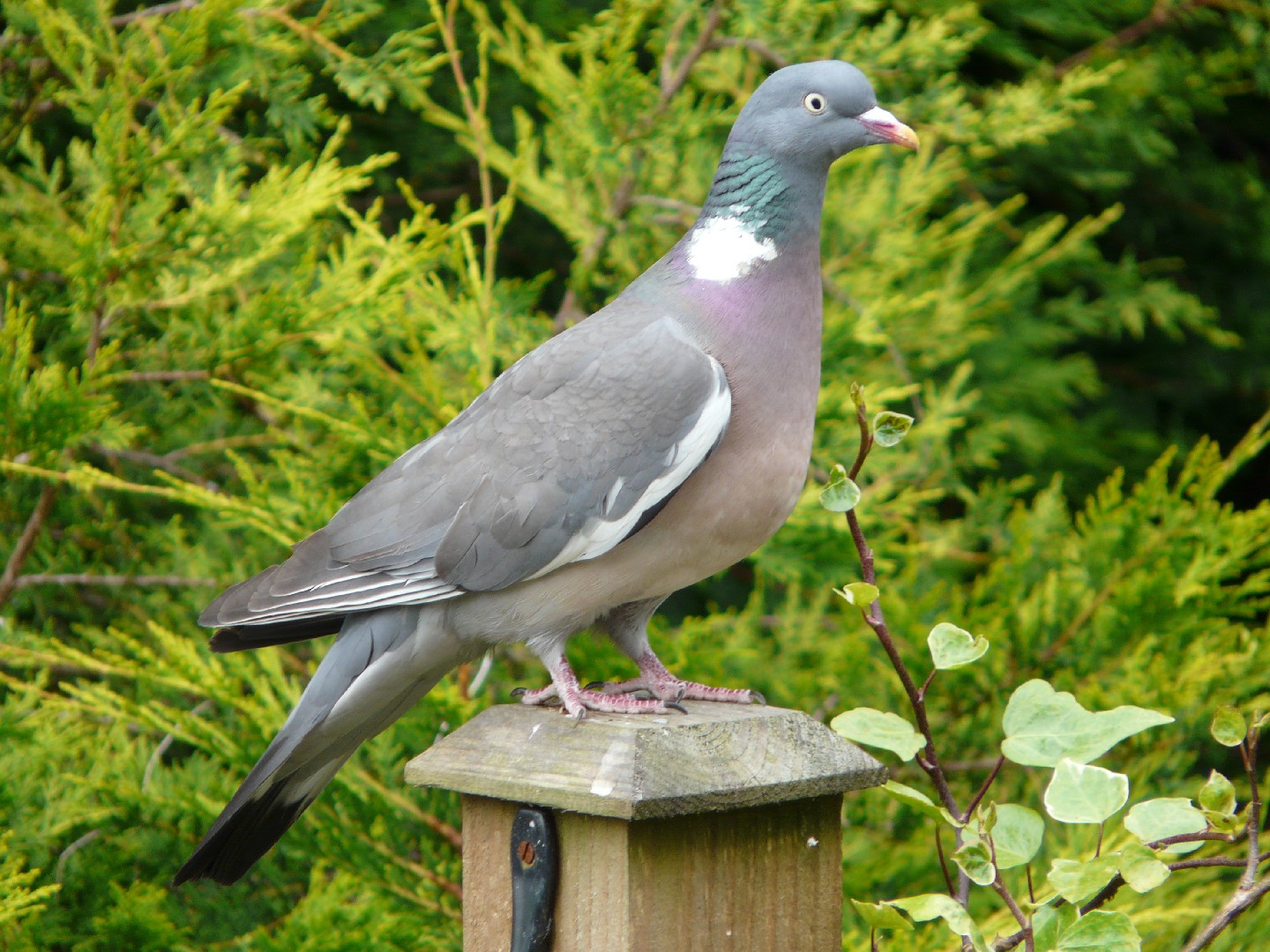
4. Common Wood Pigeon
Although primarily found in woods, the common Wood Pigeon is a large and bulky pigeon that is often seen in towns and cities. Those who inhabit urban areas are quite tame, approachable, and comfortable around humans. This pigeon is a popular game bird, particularly during its migration journeys. Its distinctive call can be heard year-round, particularly at dawn. This ground-dwelling bird gathers in large flocks that feed together.
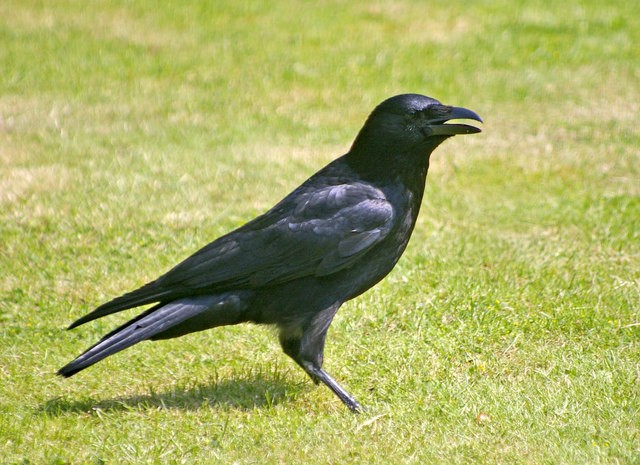
5. Carrion Crow
The loud cry from the carrion Crow lets everyone know the bird is in the area. It is often seen in semi and open habitats that include rural and suburban areas. The black-colored bird only gathers in large flocks when it is time to roost. Otherwise, it flies in pairs or small groups scavenging for insects, seeds, and even small animals.
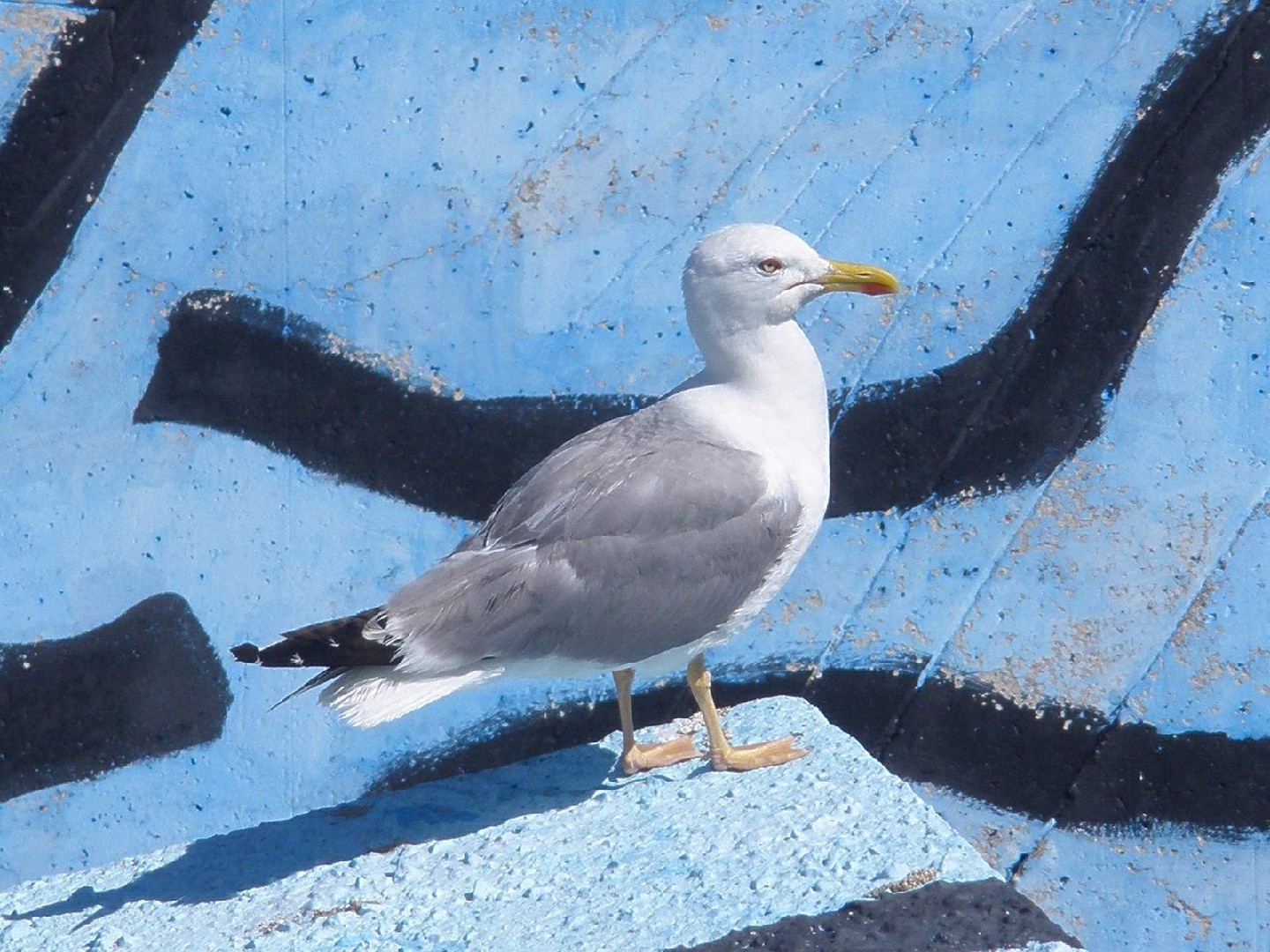
6. Yellow-legged Gull
Yellow-legged Gull is a large seagull that can be found along coastal regions of the Mediterranean Sea and the Atlantic Ocean. It has a distinctive yellow coloration on its legs and beak, giving it its name. It is an opportunistic feeder, and known to be very territorial. Some populations of Yellow-legged Gulls are migratory, traveling long distances to breed during the summer months. 
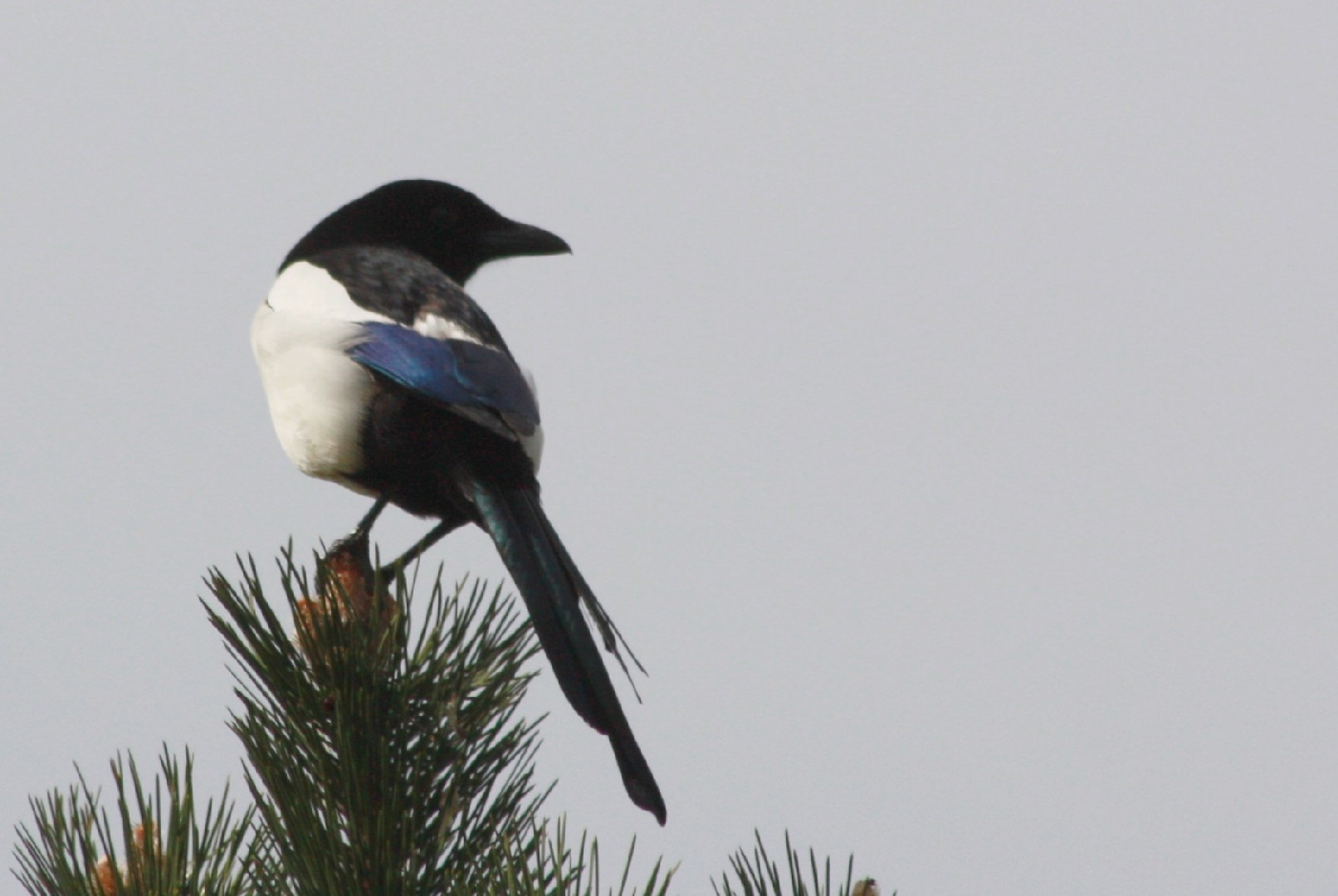
7. Eurasian Magpie
The eurasian Magpie is a striking and intelligent bird known for its black and white plumage and long tail. It is highly adaptable, found in a variety of habitats, and known for its intelligence, similar to that of great apes. It is omnivorous, eating both insects and fruits, and it has a reputation for being mischievous and thieving.
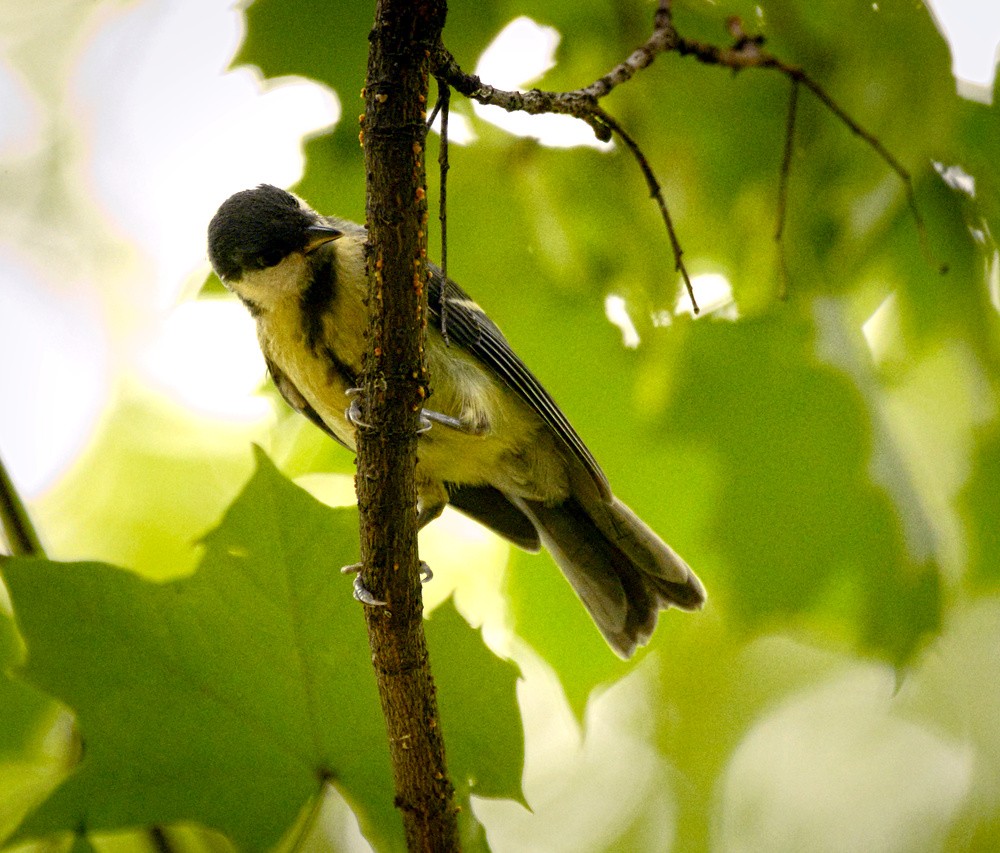
8. Great Tit
Great Tit is a small and plump bird, with a thick black line running through its bright yellow face. It is a common sight in gardens, woodlands, and parks. It is often seen foraging for food in an acrobatic way. Well known for its intelligence, it has been observed using tools, solving problems, and even counting up to five.
9. Mallard
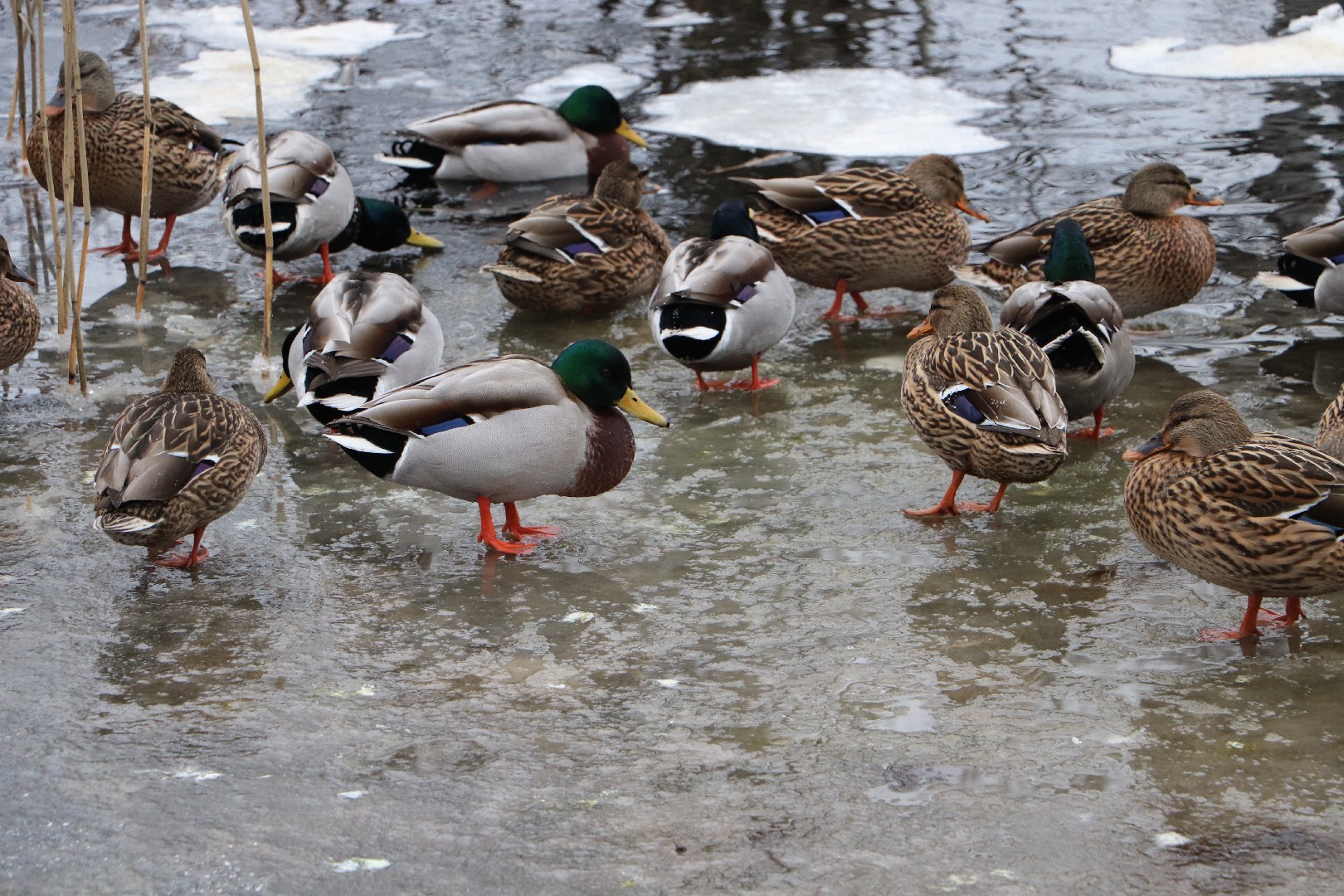
The mallard is the most abundant duck species in the world, and the ancestor of all domestic ducks. Only the female can produce the distinctive "quack" sound. When the female lays eggs, the male abandons its mate, while the protective mother stays with the ducklings for a long time. This migratory species inhabits shallow waters and it's one of the most popular game birds.

10. Common Chaffinch
The common Chaffinch has a varied diet, mainly feeding on seeds and berries, but also eating insects, allowing it to thrive in different habitats. The Common Chaffinch is also known for its melodic song, with the males being particularly vocal during the breeding season. Their songs can often be heard in the spring and early summer.
11. European Starling
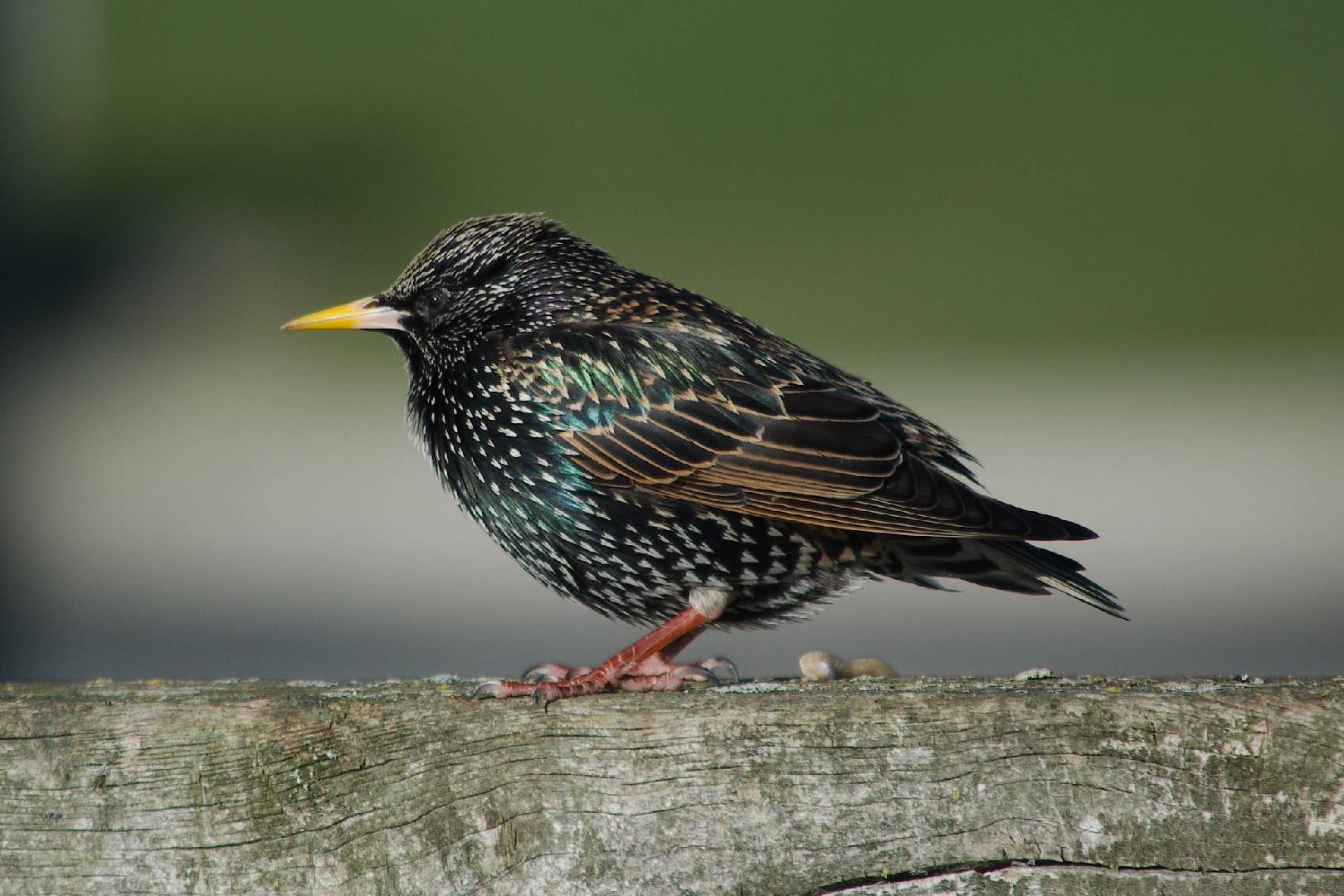
The european Starling, a large, hardy songbird, is one of the most commonly seen bird species in North America. Originally from Europe, this species was brought to the U.S. in the 1890s by enthusiasts of William Shakespeare, who had the unique goal of bringing over every single species of bird that was mentioned in Shakespeare's collective works. Unfortunately, the european Starling, being an adaptable, generalist species, spread invasively across the continent, hurting many native species' populations in the process.

12. White Wagtail
The white Wagtail is the national bird of Latvia and is featured in traditional folk songs and placed on some postage stamps. These birds can be found in most habitat types besides deserts. As their name suggests, they exhibit a characteristic tail-wagging behavior as they search along the ground and nearby waterways for insects to eat.
13. Great Cormorant
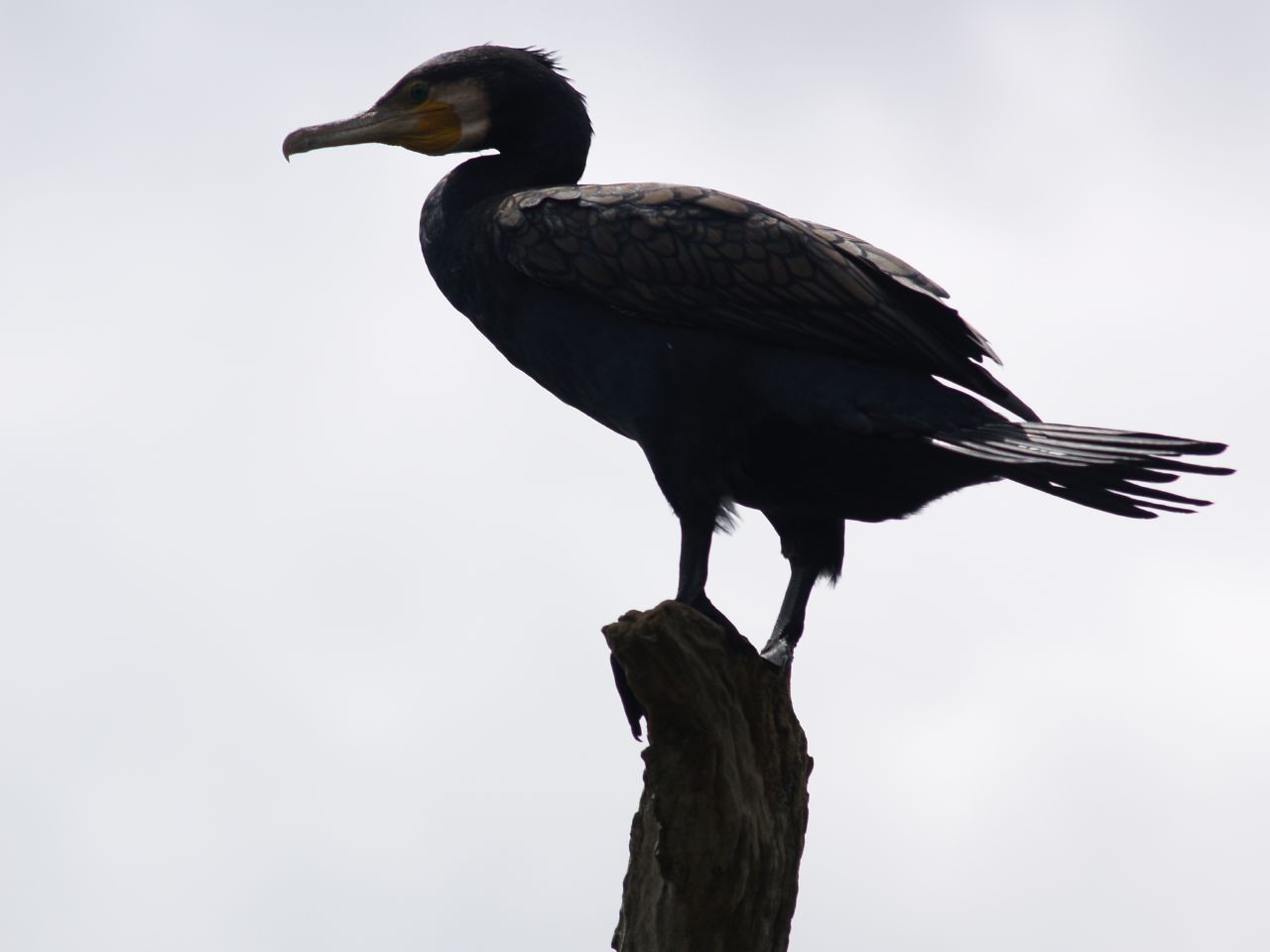
The great Cormorant is a charismatic bird known for its diving abilities and fishing prowess. It has a glossy black plumage, a long neck, and a hooked beak. It is strong swimmers and divers, capable of reaching depths up to 30 feet to catch fish. It has a unique habit of spreading their wings in the sun to dry them after fishing, helping to maintain their waterproof feathers.
14. Black-headed Gull
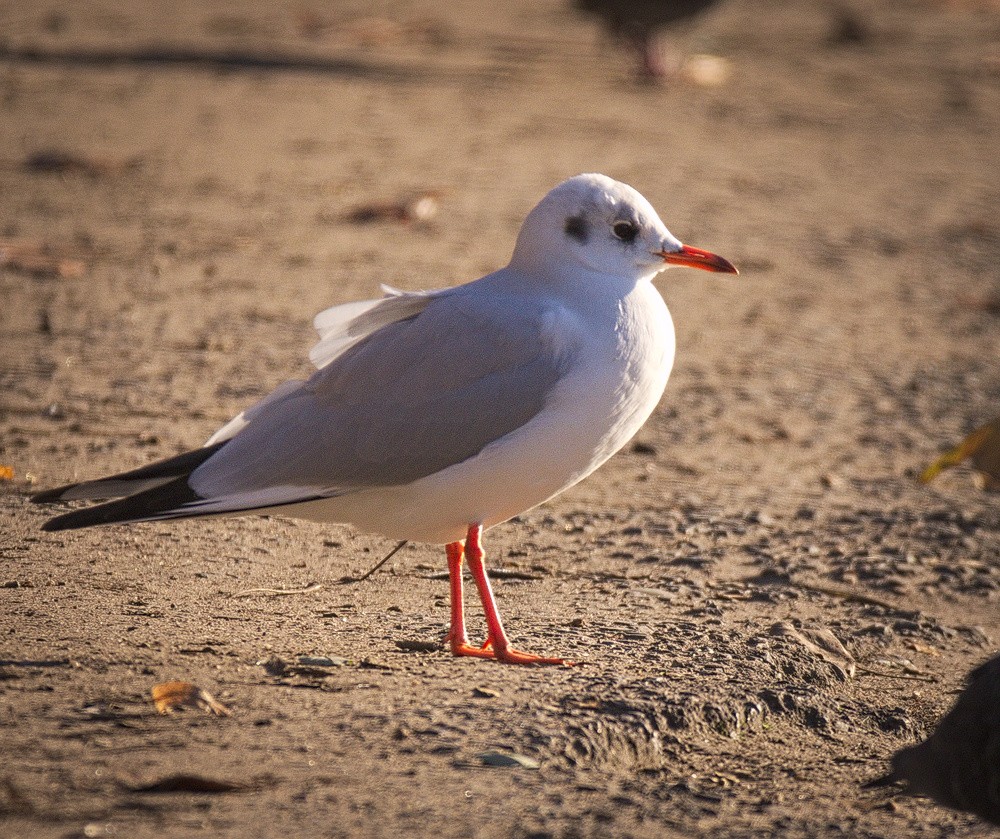
Black-headed Gull is a medium-sized gull found in Europe and Asia. It has a white body and grey wings, and a black head that turns chocolate brown in the summer. It is found in a variety of habitats, including coastal areas, lakes, and wetlands. It is migratory, wintering in southern Europe and parts of Africa.
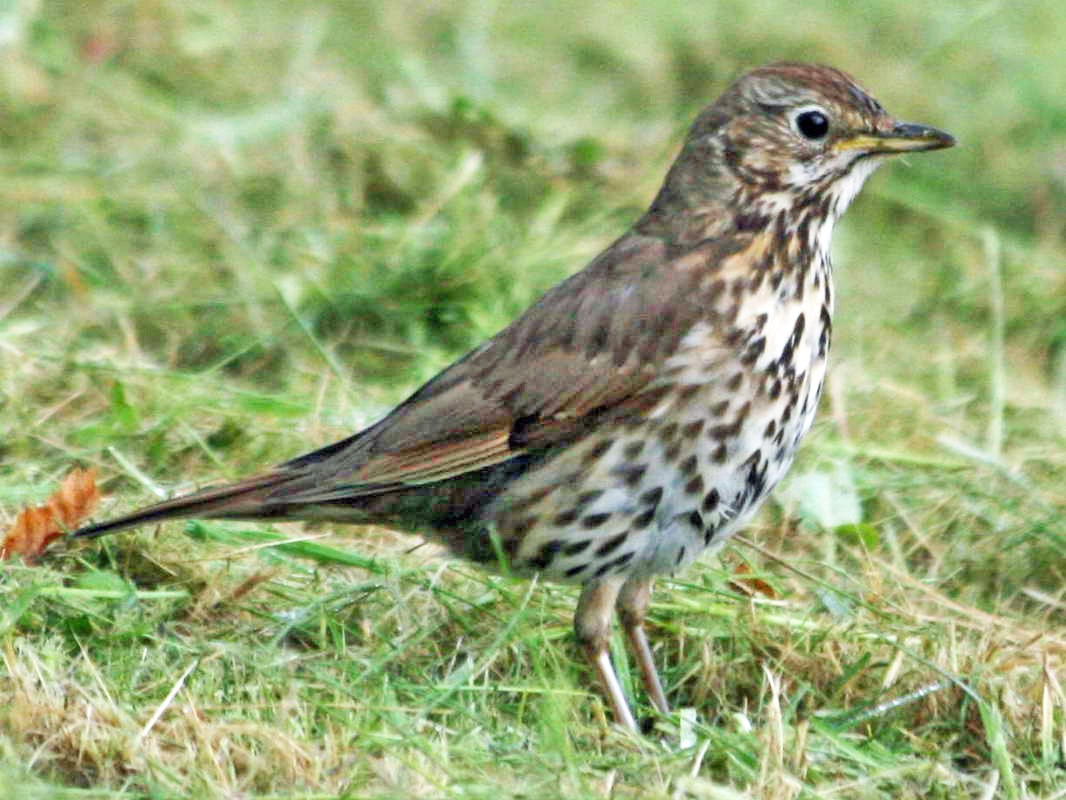
15. Song Thrush
The song Thrush is a medium-sized bird known for its beautiful, melodic song. It has speckled brown plumage and a distinctive black spot on its breast. The bird feeds on a variety of insects, snails, and fruit, and is commonly found in wooded areas and gardens.
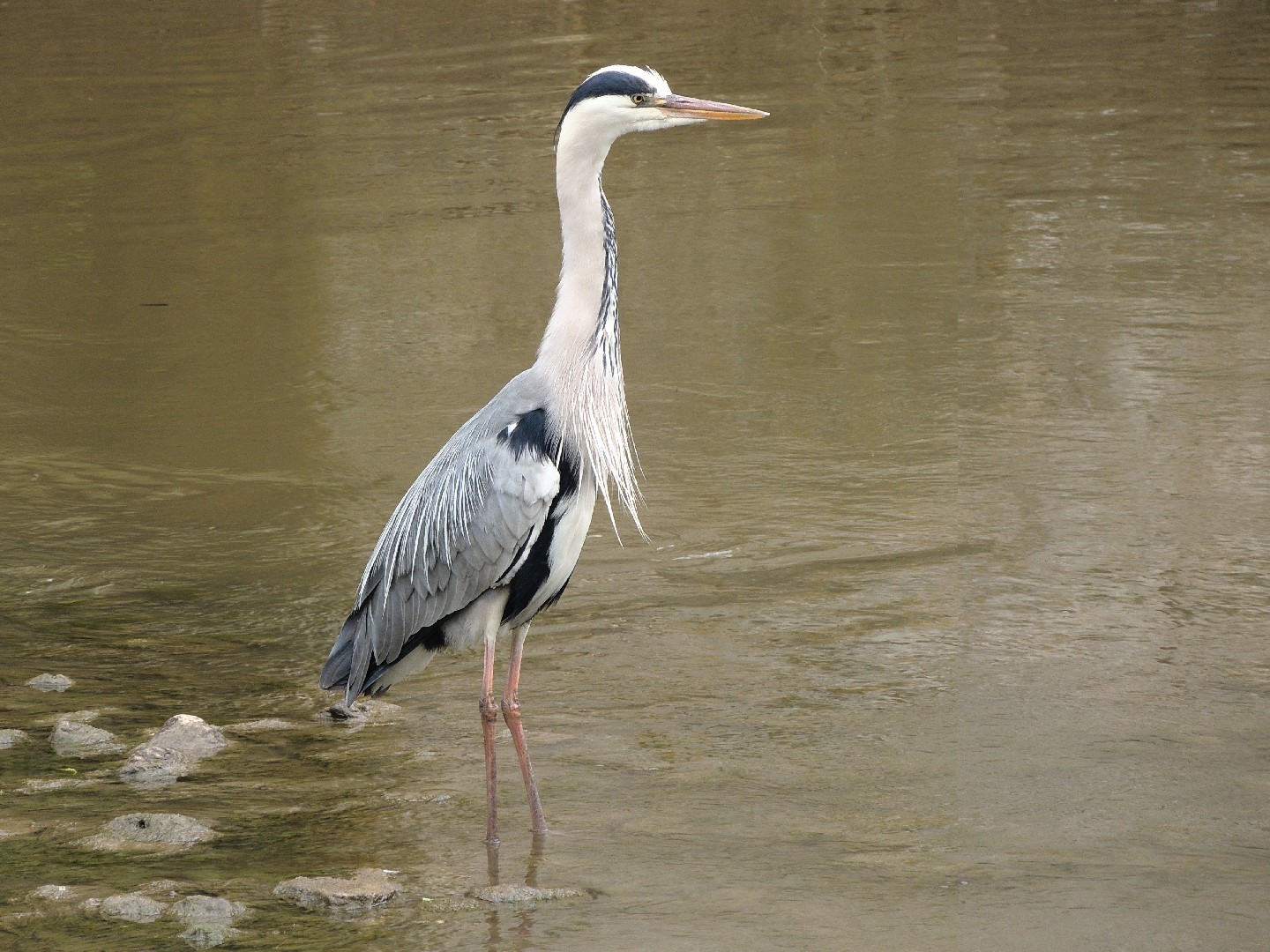
16. Grey Heron
The grey Heron is a very common species to come across in marine, brackish, and freshwater ecosystems; these habitats must have at least four months of warm weather or else these birds will migrate for new breeding grounds. The grey Heron hunts by wading through shallow waters looking for fish and various invertebrates; their natural diet helps control some aquatic species populations.
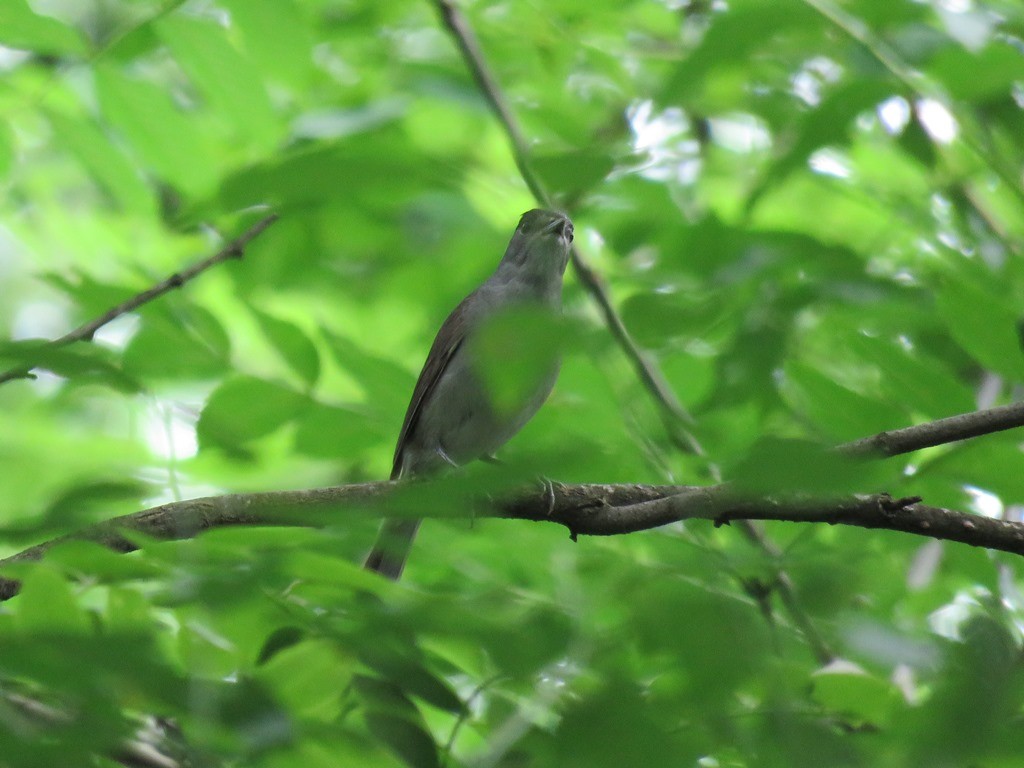
17. Eurasian Blackcap
Eurasian Blackcap is a small bird known for its melodic song and distinctive black cap, and is found in gardens, woodlands, and hedgerows. Its diet consists mainly of insects, fruits, and berries. It is a pleasure to watch and listen to in the wild, and often sings from the top of bushes and trees during the breeding season.
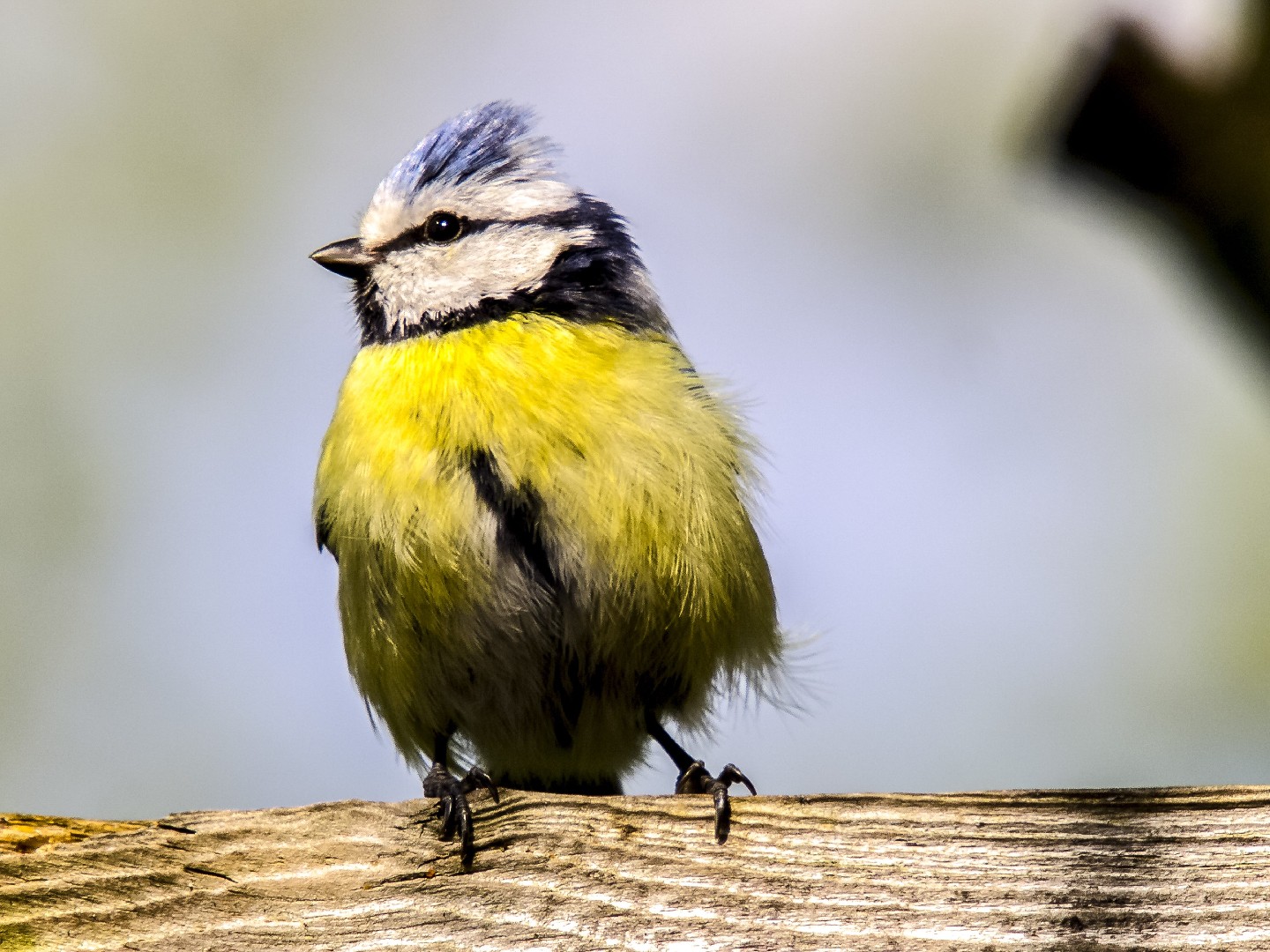
18. Eurasian Blue Tit
The eurasian Blue Tit is a small songbird, very common in urban areas such as parks. This songbird has a wide range of calls and songs, but it's also known for its agility and acrobatic skills - it can hang upside down, reaching food that's not accessible to less-skilled birds. When the bird has young, it spends around 17 hours per day in the search of food for the offspring. It's a frequent visitor of bird feeders.
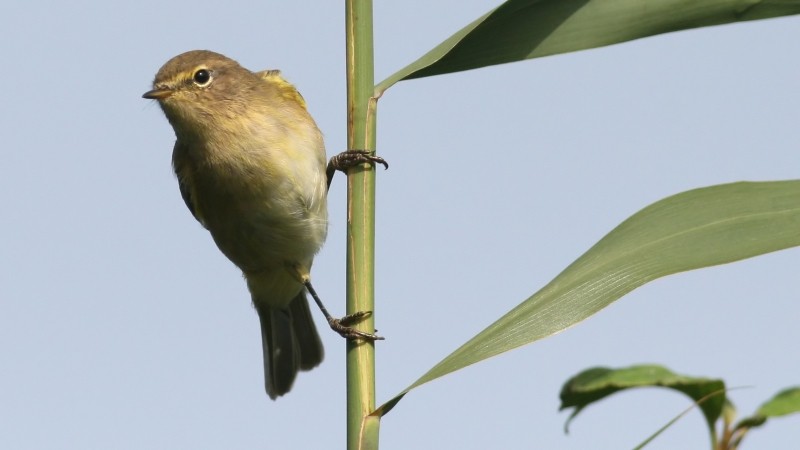
19. Common Chiffchaff
The common Chiffchaff is a small warbler known for its distinctive "chiff-chaff" call. It can be found in woodlands, gardens, and parks throughout Europe and Asia. It feeds on small insects, spiders and other invertebrates, which it catches by gleaning from leaves and branches. In the breeding season, males will sing to attract females and defend their territories.
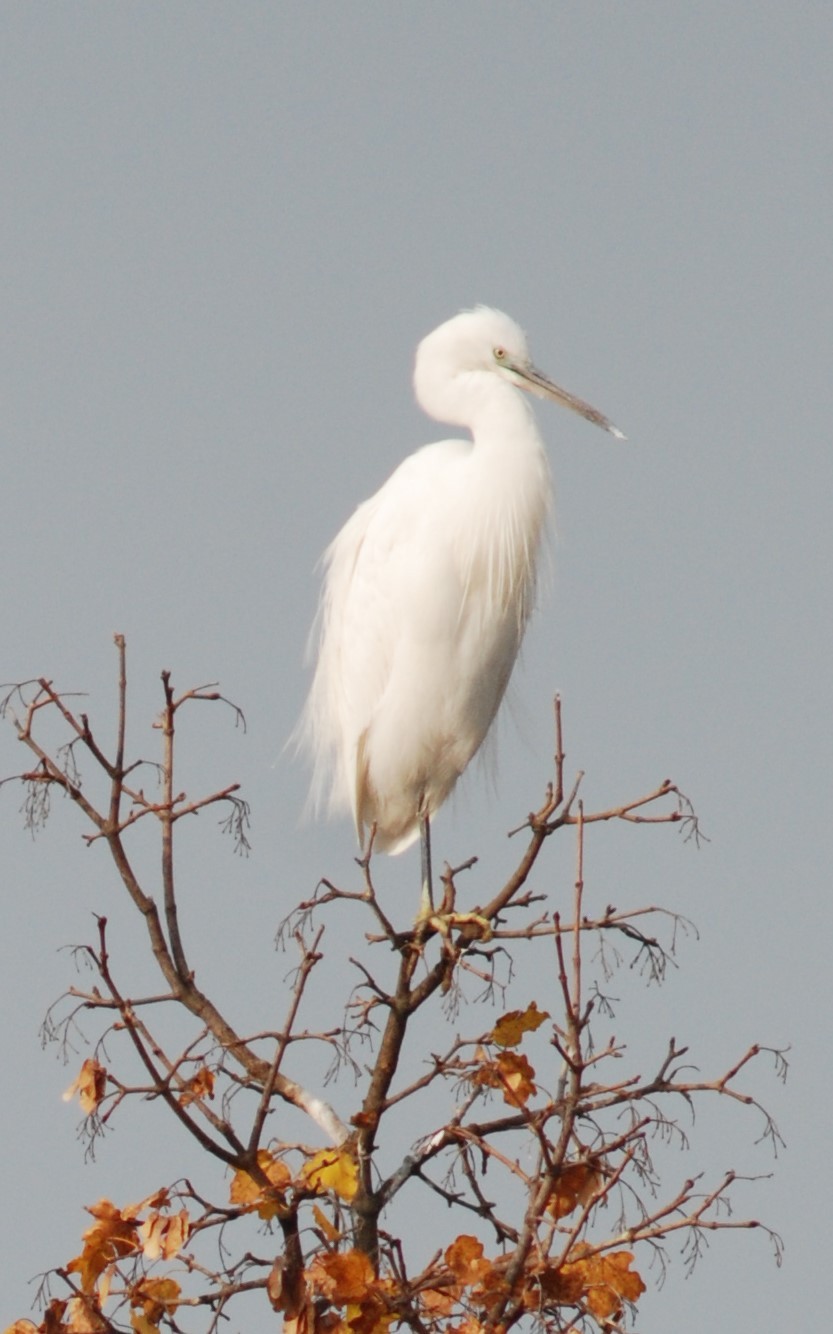
20. Little Egret
The small size of the little Egret makes the bird easily recognizable among larger species that share the same range. The egret is seen almost anywhere there are small fish including marshes, estuaries, and rivers. The bird often searches for food by itself but prefers to build nests in communities, occasionally with other bird species.