




Top 20 Most Common Bird in Wakayama
Set within the lush forests of Wakayama, a variety of bird species thrive, making up an integral part of the area's rich biodiversity. The 20 most common birds demonstrate remarkable adaptations to the environment, sporting distinct colors, sizes, and behaviors. These avian wonders range from migratory to endemic species, each showcasing unique attributes and contributing to the vibrant ecological tapestry of Wakayama.

Most Common Bird
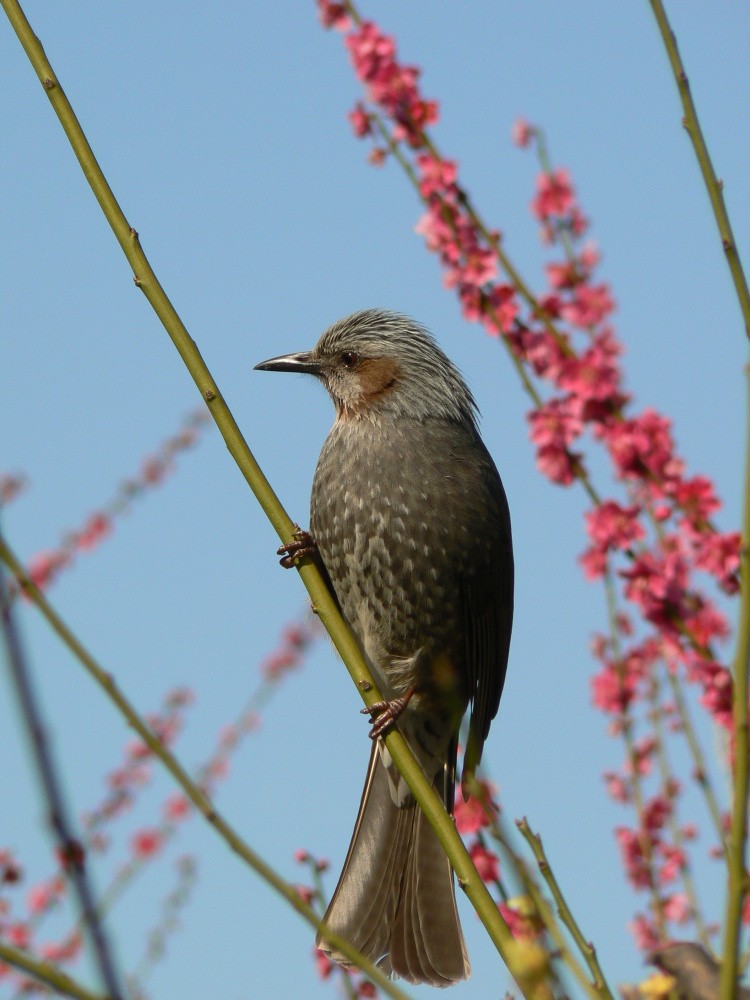
1. Brown-eared Bulbul
The brown-eared Bulbul’s loud cry isn’t the only trait that makes it easy to recognize in rural and suburban habitats. Along with its loud, shrill calls, the songbird has an undulating flight pattern, that makes it easy to distinguish from other species. The bird feeds primarily on insects but will also drink Camellia flower nectar, aiding in pollination. 
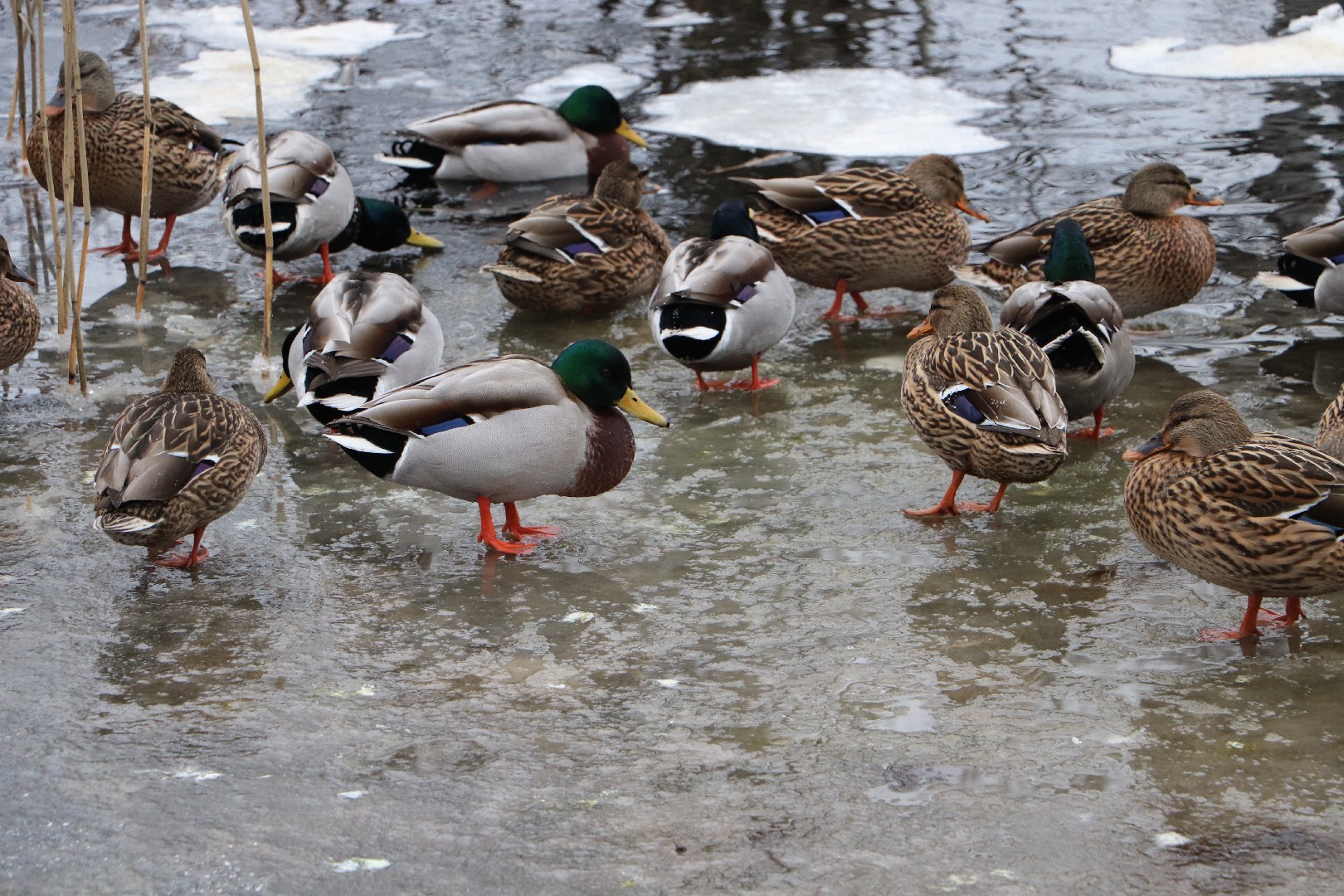
2. Mallard
The mallard is the most abundant duck species in the world, and the ancestor of all domestic ducks. Only the female can produce the distinctive "quack" sound. When the female lays eggs, the male abandons its mate, while the protective mother stays with the ducklings for a long time. This migratory species inhabits shallow waters and it's one of the most popular game birds.
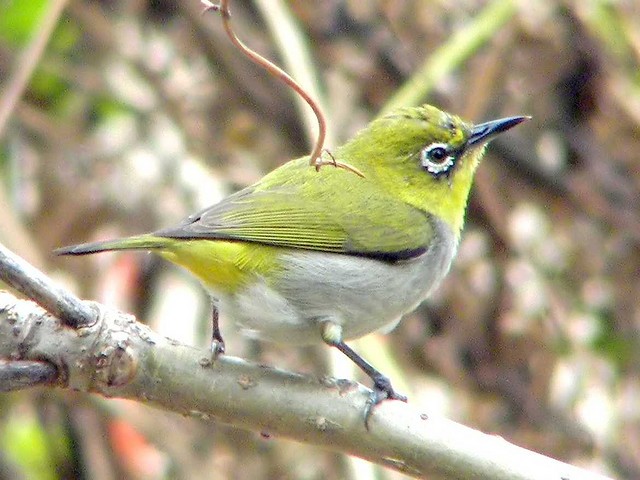
3. Warbling White-eye
The warbling white-eye is olive green on its back, from anterior to posterior, and is pale green on its underside. Its feet, legs, and bill range from black to brown. It has a green forehead and a yellow throat. The white-eye has rounded wings and a long, slender bill – both of which indicate this bird to be very acrobatic. Its wings are dark brown, but outlined in green. Like other white-eyes, this species exhibits the distinctive white eyering that gives it its name.
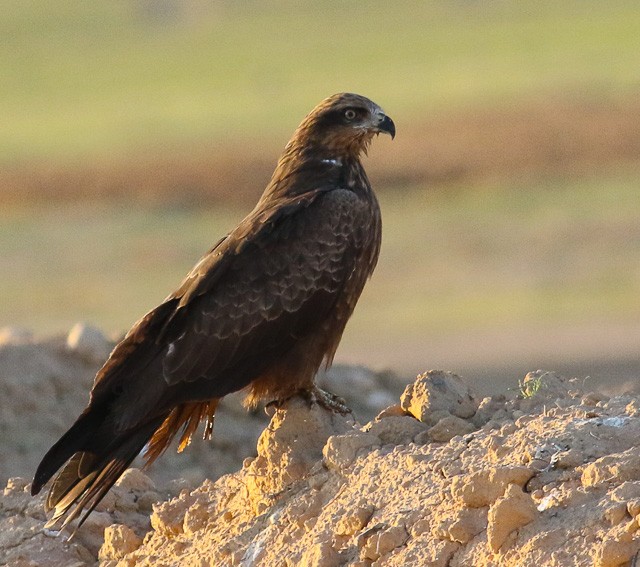
4. Black Kite
Black Kite is a bird of prey known for its aerial skills and hunting ability. Its striking appearance makes it a fascinating species to observe, and it can often be seen soaring through the skies. Black Kite is highly adaptable and can be found in a variety of habitats, making it a common sight in many areas.
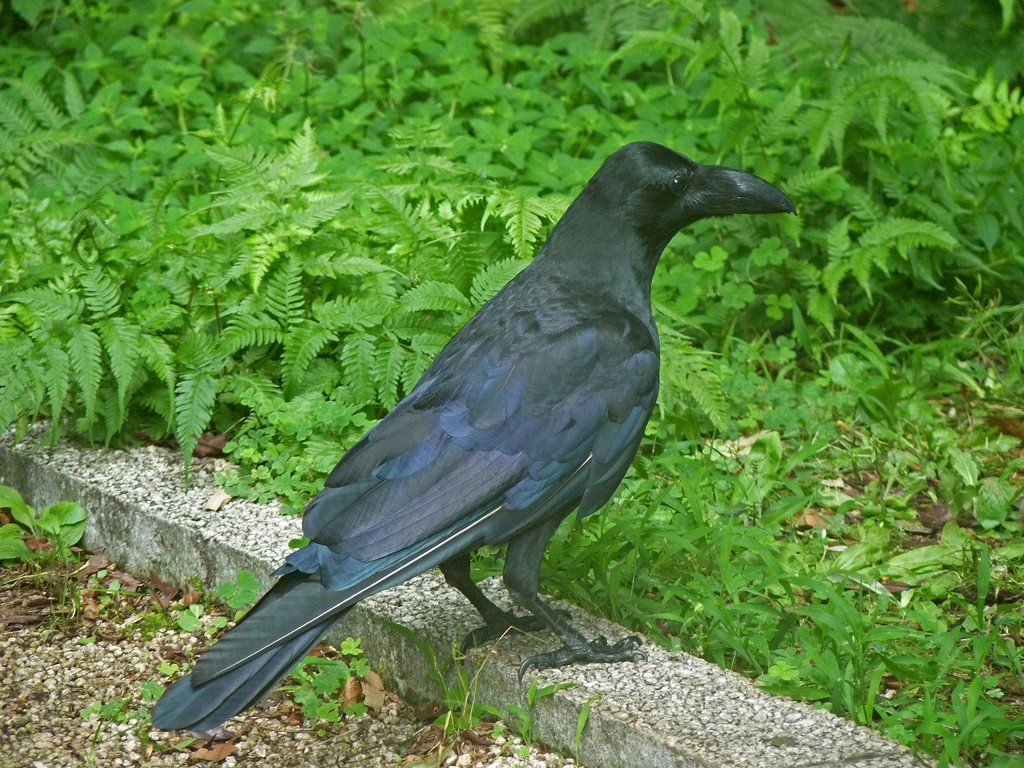
5. Large-billed Crow
The overall size (length: 46–59 cm; 18–23 in.) and body proportions vary regionally. In the far northeast in Japan, the Kuriles and the Sakhalin peninsula, it is somewhat larger than the carrion crow. All taxa have a relatively long bill with the upper one quite thick and arched, making it look heavy and almost raven-like. Generally, all taxa have dark greyish plumage from the back of the head, neck, shoulders and lower body. Their wings, tail, face, and throat are glossy black. The depth of the grey shading varies across its range.
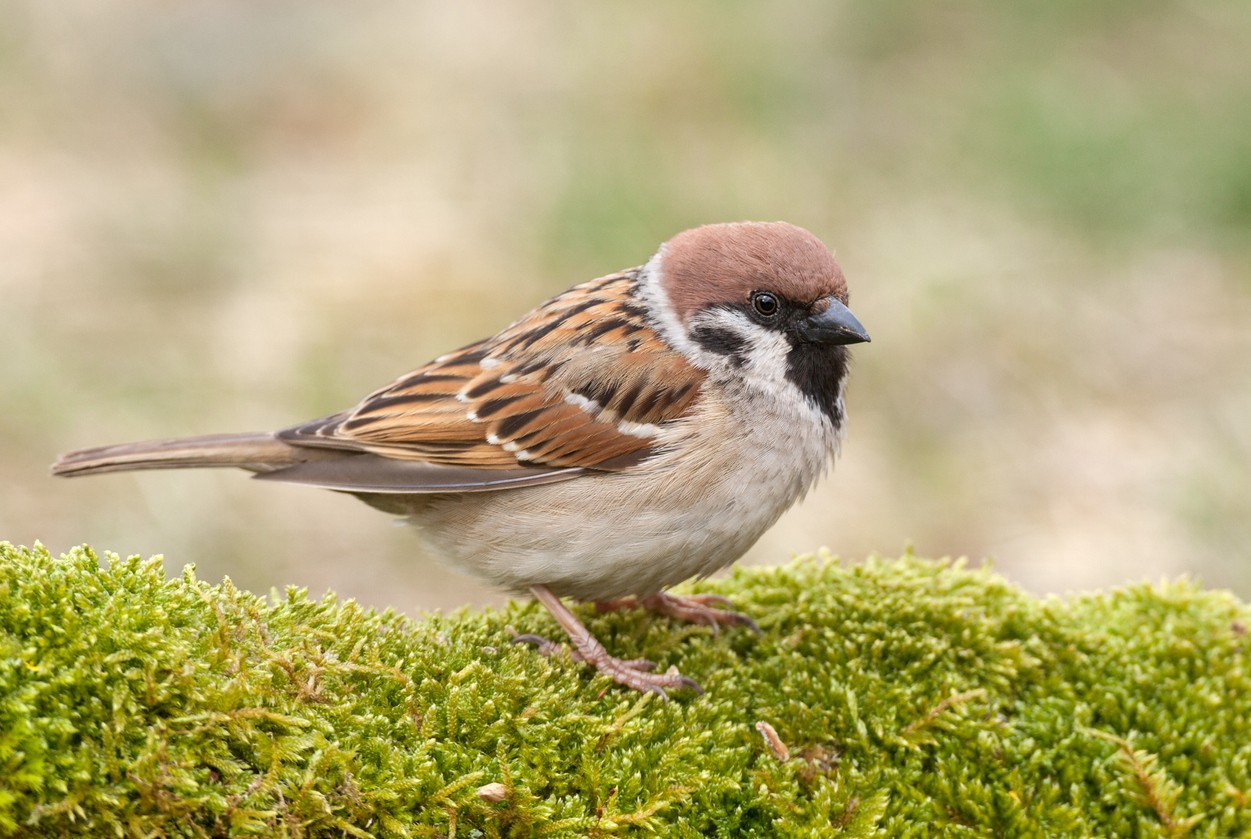
6. Eurasian Tree Sparrow
The eurasian Tree Sparrow (Passer montanus) is a widespread sparrow of the European mainland that has been introduced to some parts of North America. Eurasian Tree Sparrow is very similar to the House sparrow (Passer domesticus) but it's smaller and neater. It prefers more natural habitats, at the edges of human activity, and inhabits farmlands, parklands, and open woods.
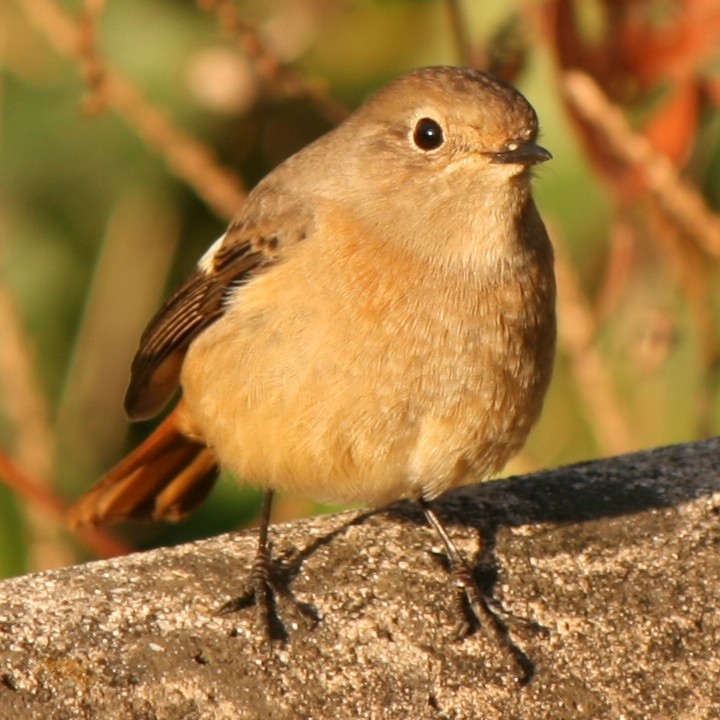
7. Daurian Redstart
The daurian Redstart is an active songbird seen in a variety of habitats. It breeds in open forests and prefers spending the winter in fields and gardens. It is a widespread species of bird across most of Asia, extending into Russia, with a curious personality that often allows humans to get close to the bird before it takes flight.

8. White Wagtail
The white Wagtail is the national bird of Latvia and is featured in traditional folk songs and placed on some postage stamps. These birds can be found in most habitat types besides deserts. As their name suggests, they exhibit a characteristic tail-wagging behavior as they search along the ground and nearby waterways for insects to eat.
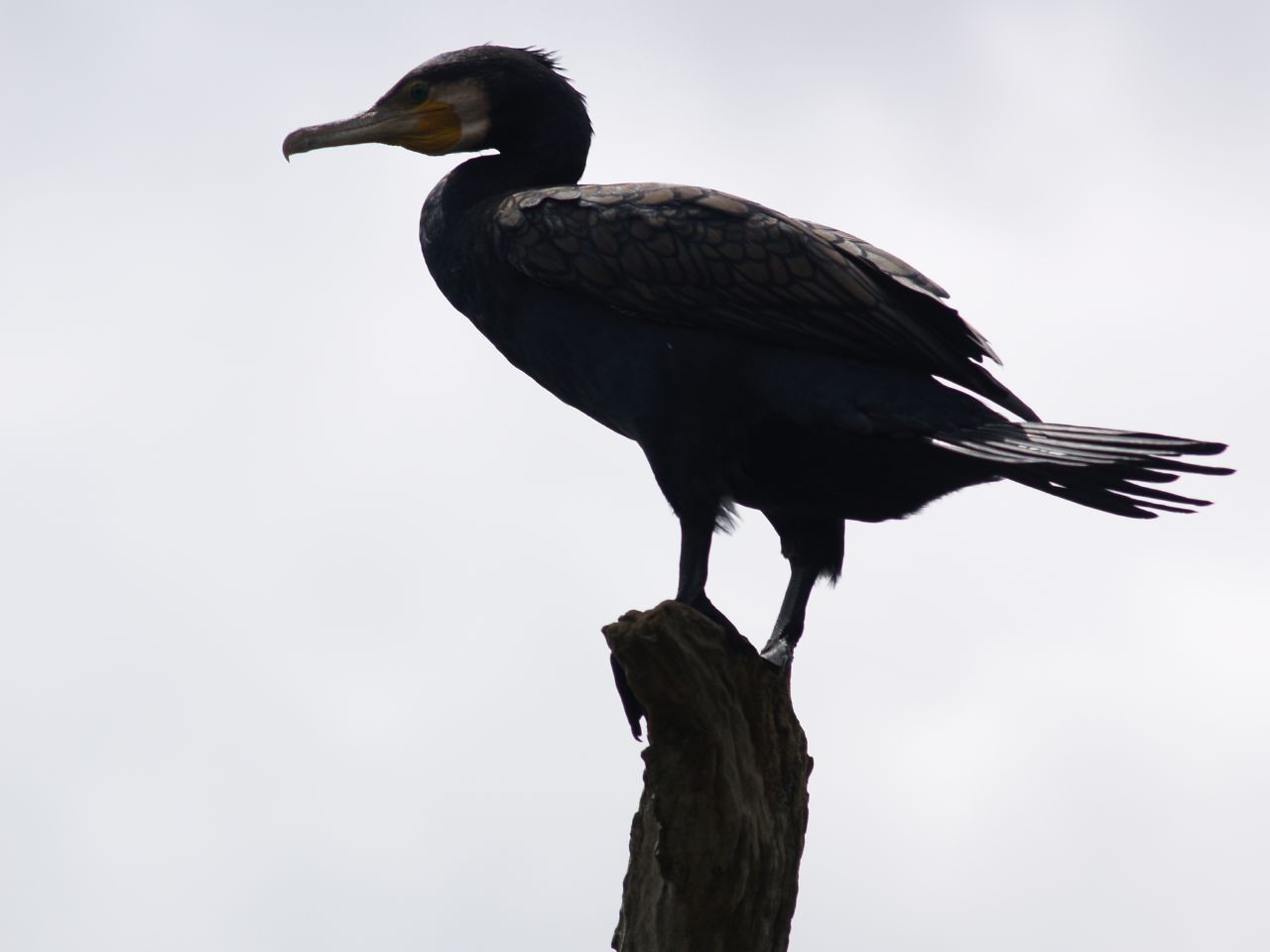
9. Great Cormorant
The great Cormorant is a charismatic bird known for its diving abilities and fishing prowess. It has a glossy black plumage, a long neck, and a hooked beak. It is strong swimmers and divers, capable of reaching depths up to 30 feet to catch fish. It has a unique habit of spreading their wings in the sun to dry them after fishing, helping to maintain their waterproof feathers.

10. Eurasian Coot
The eurasian Coot is a medium-sized, black-plumaged waterbird with a white bill and a distinctive red shield above its bill. It has webbed feet with a white patch on the toes and is often seen in large flocks, diving for food and fiercely defending its territory. Its aggressive nature and distinct features make it a memorable sight for birdwatchers.
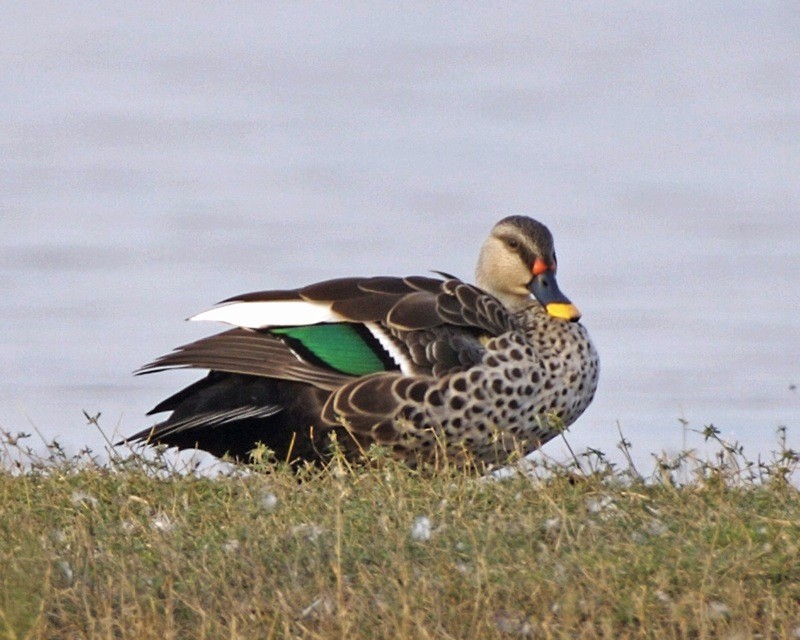
11. Indian Spot-billed Duck
This duck is around the same size as a mallard and has a scaly patterned body with a green speculum bordered by white. At rest the white stripe stands out and the long neck and the bill with yellow tip and orange red spots at the base are distinctive in the nominate subspecies. The red spots at the base of the bills are absent in haringtoni. It measures 55–63 cm (22–25 in) in length and 83–95 cm (33–37 in) across the wings, with a body mass of 790–1,500 g (1.74–3.31 lb). These are mainly grey ducks with a paler head and neck and a black bill tipped bright yellow. The wings are whitish with black flight feathers below, and from above show a white-bordered green The male has a red spot on the base of the bill, which is absent or inconspicuous in the smaller but otherwise similar female. The male does not have an eclipse plumage. The legs and feet are bright orange to coral red. Juveniles are browner and duller than adults. The eastern spot-billed duck is darker and browner; its body plumage is more similar to the Pacific black duck. It lacks the red bill spot, and has a blue speculum. Both males and females undergo a complete post-breeding moult, dropping all their wing feathers simultaneously.
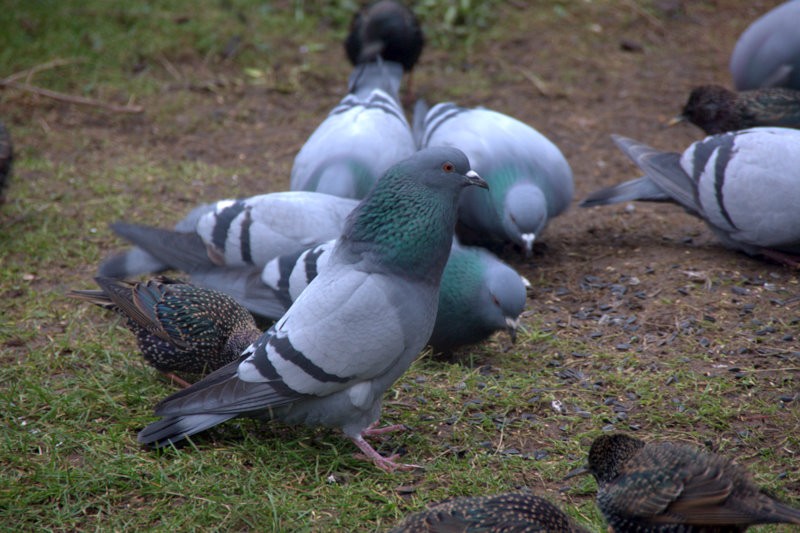
12. Rock Pigeon
The rock Pigeon is a wild ancestor of all domestic and feral pigeons, inhabiting coasts, cliffs, and caves. Pairs nest in rock crevices, often mating for life. They are known for their ability to fly very long distances to return to their homes, navigating using the sun's position and the earth's magnetic fields. Thanks to this ability, pigeons were used as messengers, particularly during World Wars I and II.
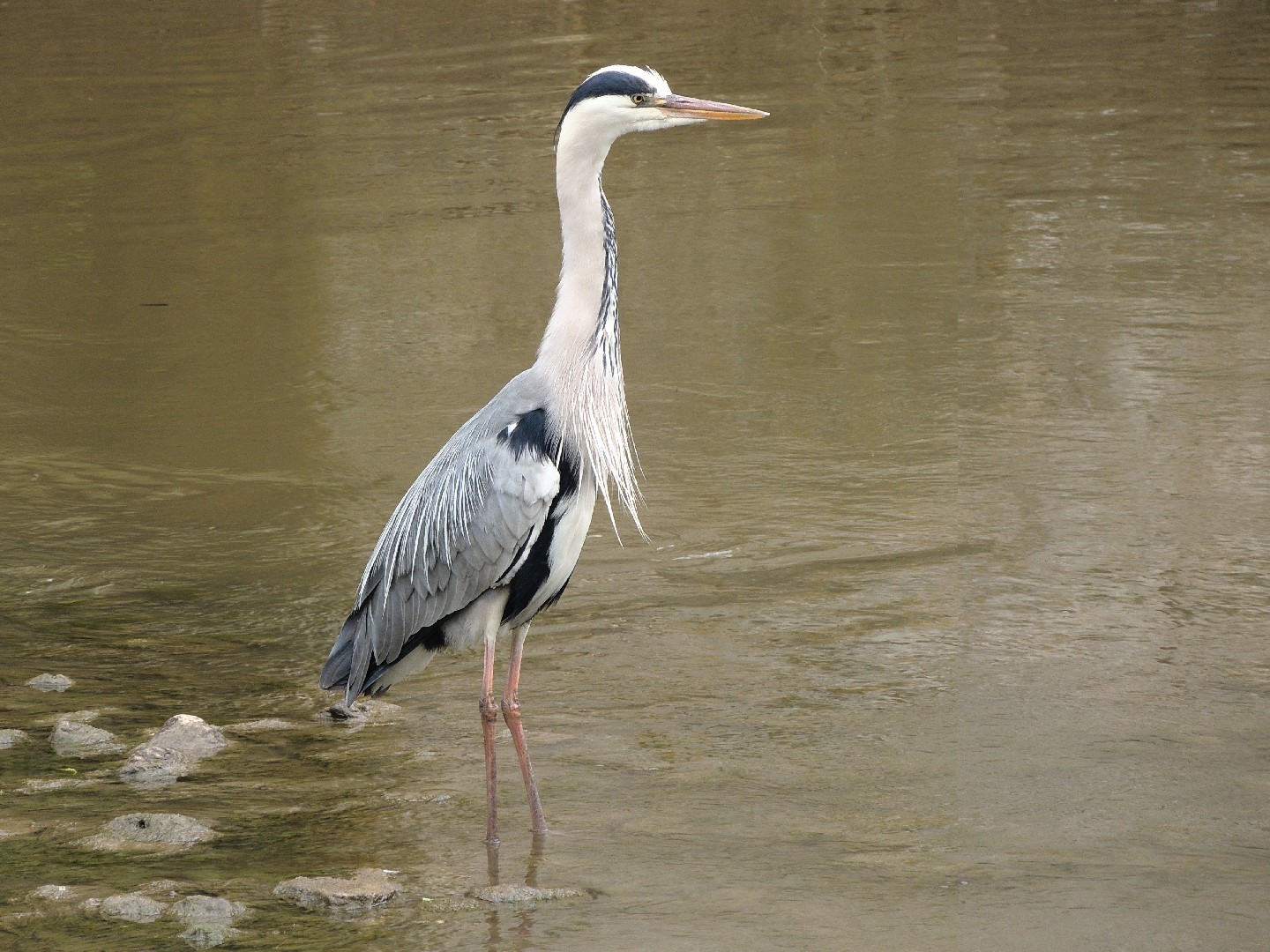
13. Grey Heron
The grey Heron is a very common species to come across in marine, brackish, and freshwater ecosystems; these habitats must have at least four months of warm weather or else these birds will migrate for new breeding grounds. The grey Heron hunts by wading through shallow waters looking for fish and various invertebrates; their natural diet helps control some aquatic species populations.
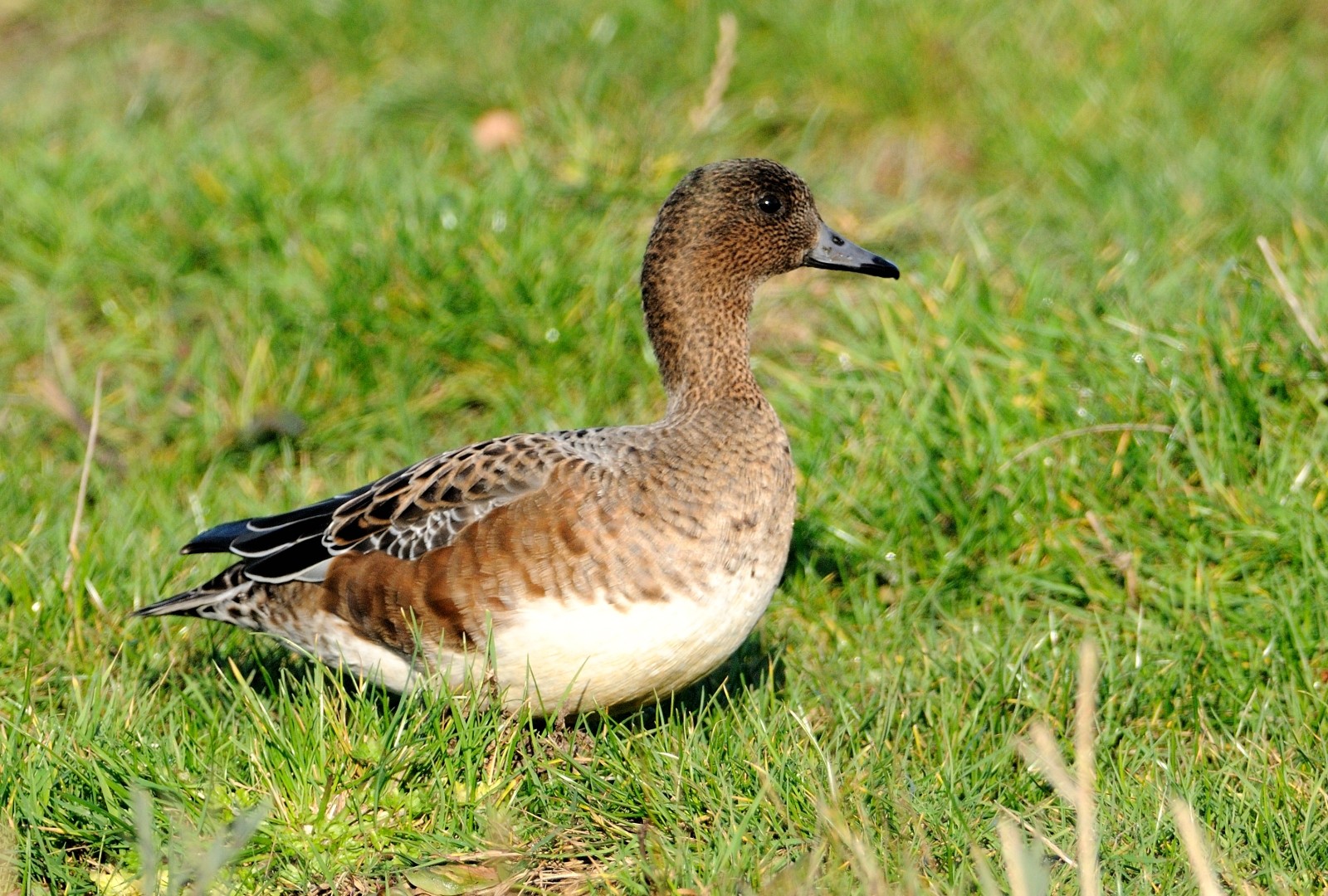
14. Eurasian Wigeon
The eurasian Wigeon is a medium-sized duck with its primary breeding grounds in northern England and Scotland. It is often seen near ponds and marshes where the duck searches for edible aquatic plants. Due to its declining numbers in Europe, the duck is listed on the amber list for species.

15. Japanese Pygmy Woodpecker
The japanese Pygmy Woodpecker is a small and lively bird, easily recognizable by its grey-brown crown and brownish-back feathers. This species is found in forests, parks, and gardens across Asia and inhabits a variety of wooded habitats. It feeds on insects, grubs, and sap from trees. Its rapid, chipping call and drumming behavior on trees make it a distinctive and familiar bird to many.
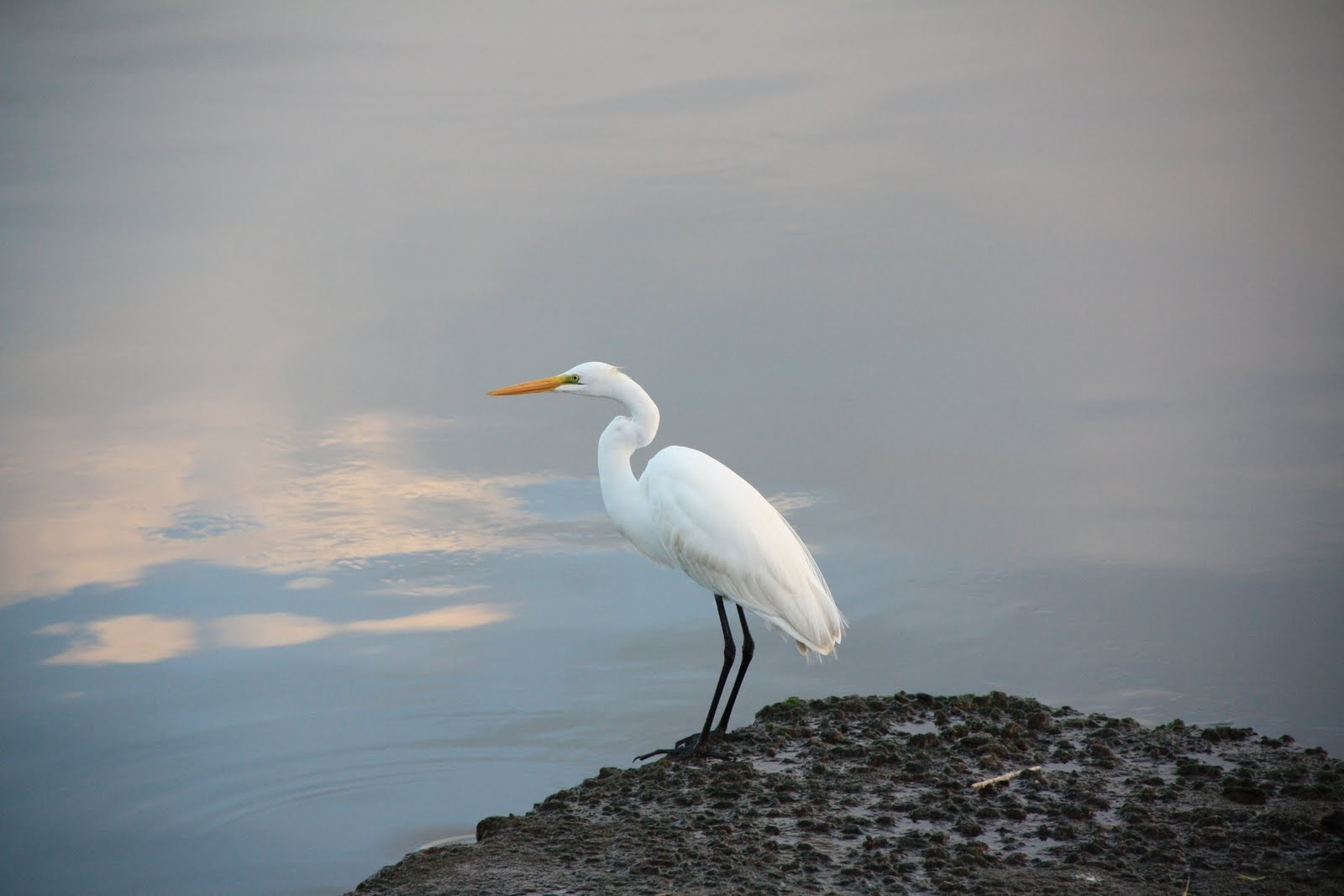
16. Great Egret
These tall birds are quite distinctive with their bright white feathers, black legs, and orange beaks. Great Egrets live near both fresh and saltwater, nesting high in trees to protect their eggs from predatory mammals. They are colonial nesters, living in large groups (colonies), and they find the majority of their food in the nearest body of water.
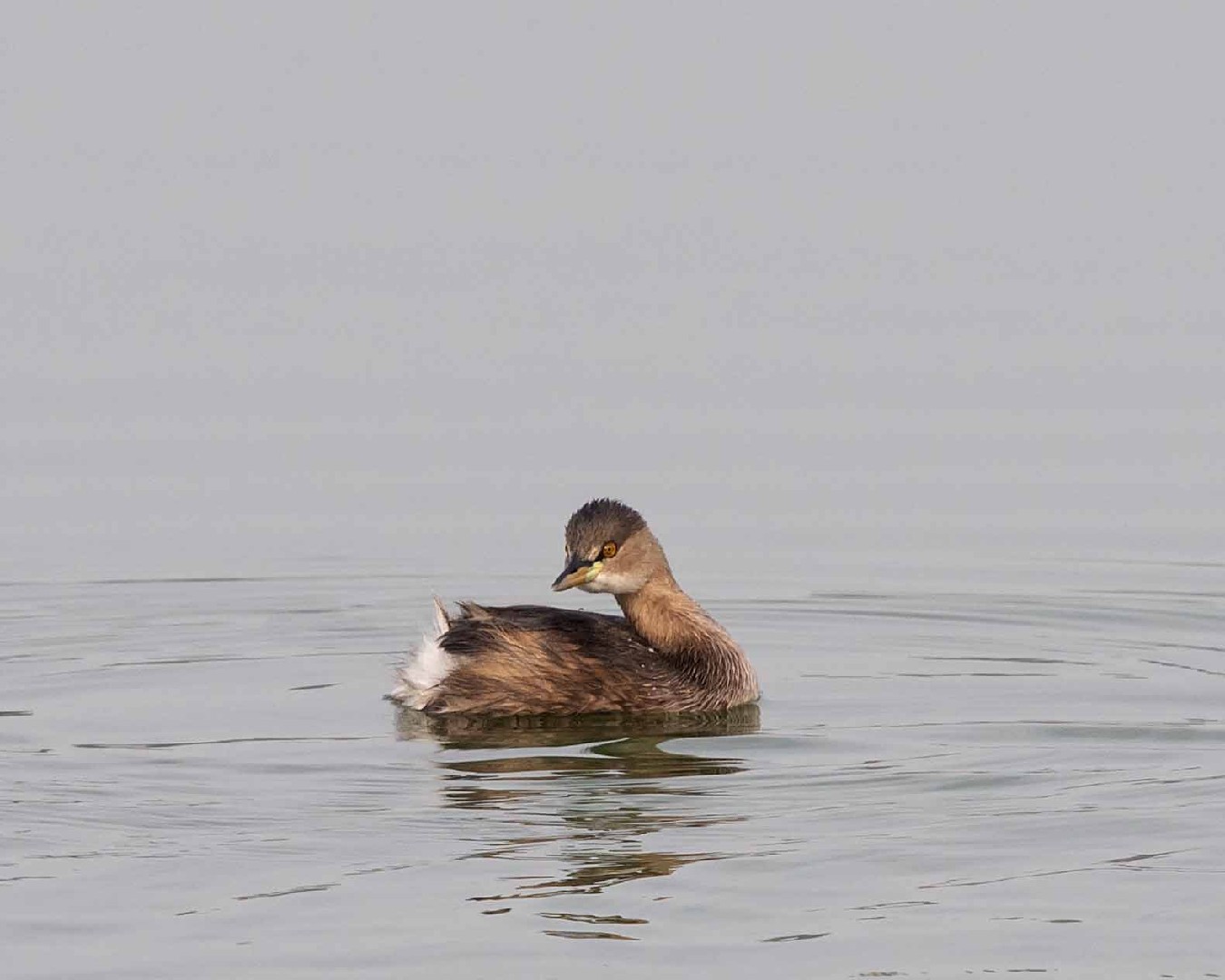
17. Little Grebe
The little Grebe is a diving bird that is easy to miss. Not only is it a small bird with inconspicuous coloring, but it is also shy. The bird prefers hiding in grasses and reeds, instead of being out on the open water. However, the bird is identifiable by its loud trills.
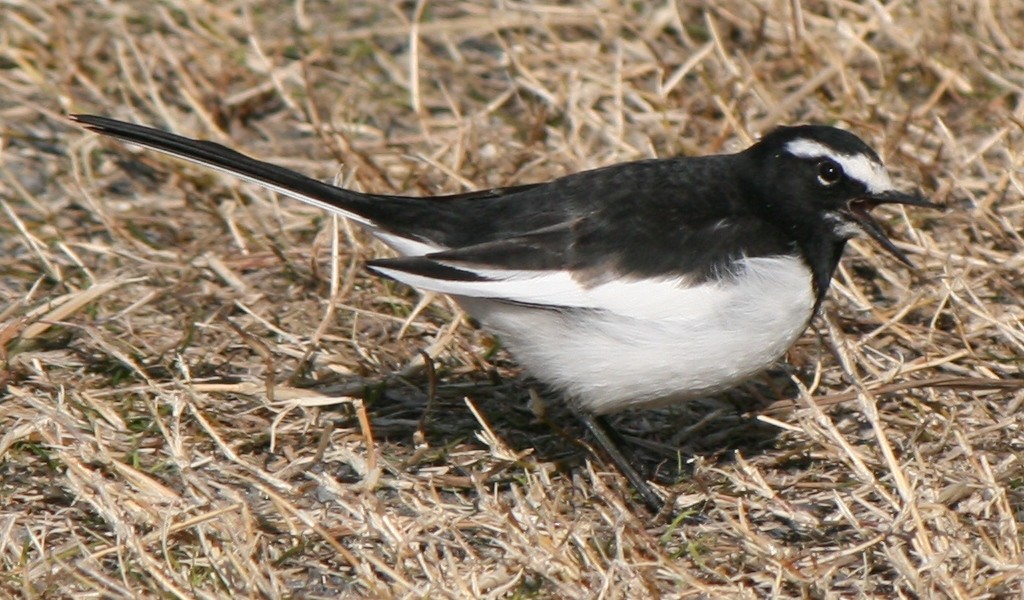
18. Japanese Wagtail
The Japanese Wagtail is about 20cm long. Both sexes look similar; they have white underparts and black upperparts, throats and backs. Their supercilium is also white. They have a black beak and dark grey legs and feet. The plumage of a juvenile is more grey than that of an adult.
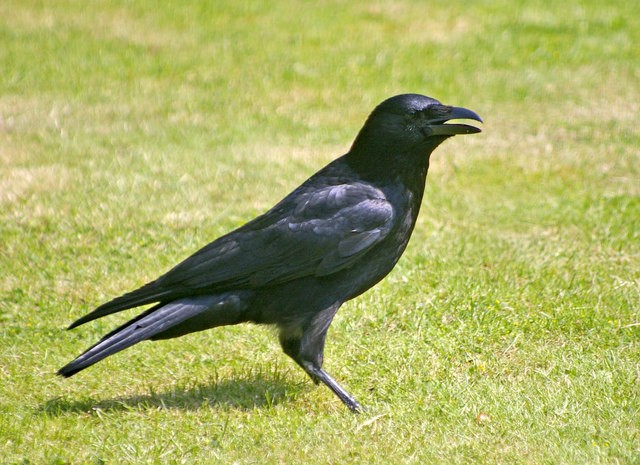
19. Carrion Crow
The loud cry from the carrion Crow lets everyone know the bird is in the area. It is often seen in semi and open habitats that include rural and suburban areas. The black-colored bird only gathers in large flocks when it is time to roost. Otherwise, it flies in pairs or small groups scavenging for insects, seeds, and even small animals.
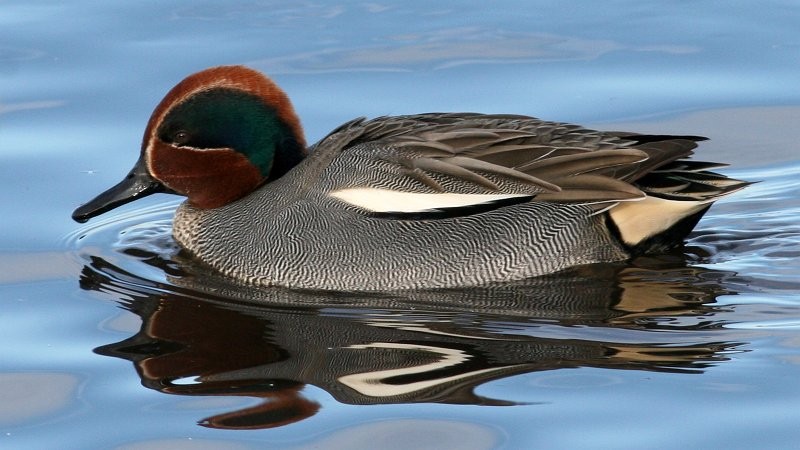
20. Green-winged Teal
The green-winged Teal is a small duck primarily found around aquatic areas. It can also occasionally be seen on mudflats searching for vegetation. The duck often forages for submerged vegetation by tipping its slender beak in the water. It has a wide range that includes most continents including Asia, North America, and Europe.