




Top 20 Most Common Bird in Houaphan
Houaphan' is a region nestled in northeastern Laos, home to a lush tropical environment. The area is a haven for birds and hosts '20' very common species. These birds are distinguished by their vibrant plumage, diverse song repertoires, and adaptations to the tropical environment. Each species showcases unique traits, reflecting the ecological richness of the realm.

Most Common Bird

1. Common Tailorbird
The common Tailorbird is famous for its nests, which are leaves that have been sewn together. Also known as Orthotomus sutorius, it is found across tropical regions in Asia and can be identified by its long, erect tail. The male and female take care of the chicks, and there have been recorded cases of a pair adopting chicks from another couple.
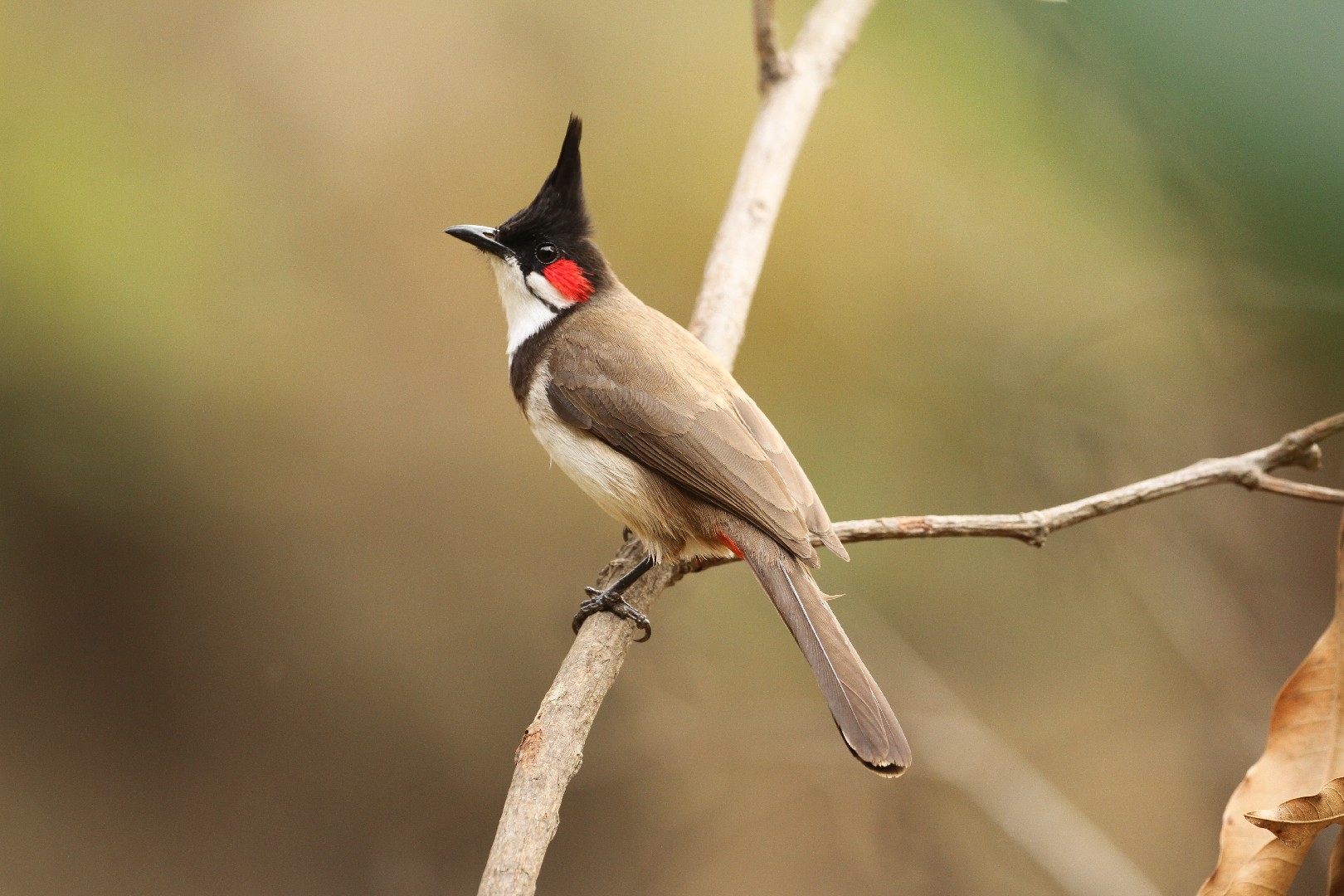
2. Red-whiskered Bulbul
The red-whiskered Bulbul is an invasive species to North America and poses a threat to agriculture by damaging crops, outcompeting other species, and distributing non-native seeds. Otherwise, these birds can be found in lightly-wooded areas where it thrives on fruits and insects. Although it is an invasive species, native populations are believed to be on the decline.
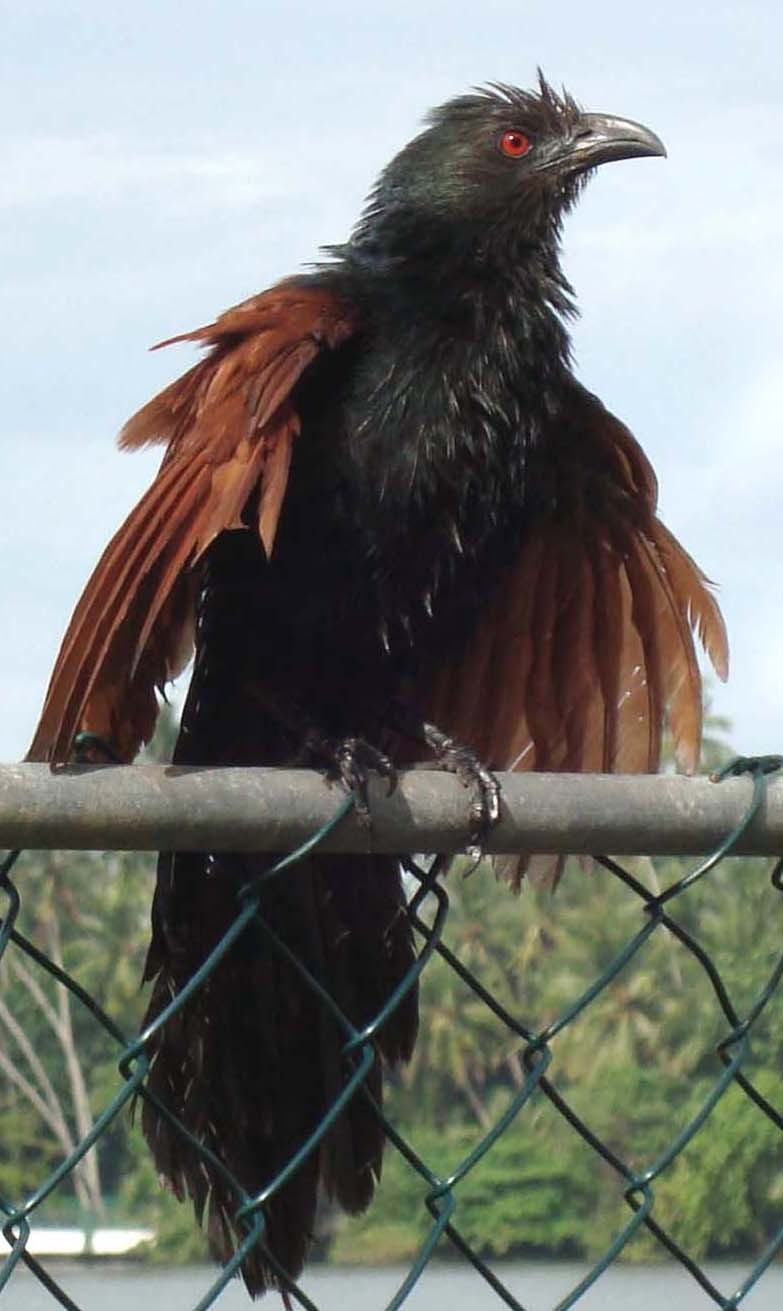
3. Greater Coucal
This is a large species of cuckoo. The head is black, upper mantle and underside are black glossed with purple. The back and wings are chestnut brown. There are no pale shaft streaks on the coverts. The eyes are ruby red. Juveniles are duller black with spots on the crown and there are whitish bars on the underside and tail. There are several geographic races and some of these populations are sometimes treated as full species. 
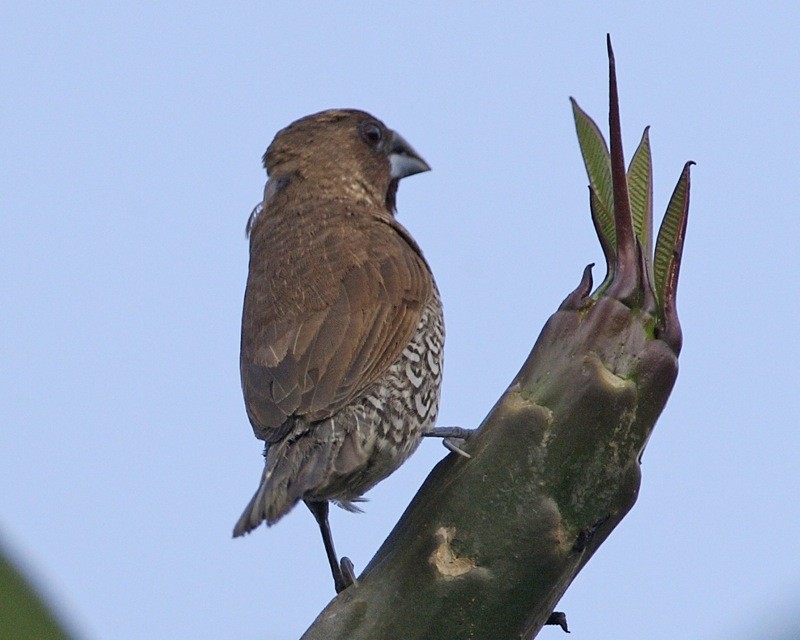
4. Scaly-breasted Munia
The scaly-breasted munia is about 11–12 centimetres (4.3–4.7 in) long and weighs 12–16 grams (0.026–0.035 lb). The adult has a stubby dark bill typical of grain eating birds, brown upperparts and a dark brown head. The underparts are white with dark scale markings. The sexes are similar, although males have darker markings on the underside and a darker throat than females. Immature birds have pale brown upperparts, lack the dark head found in adults, and have uniform buff underparts that can be confused with juveniles of other munia species such as the tricolored munia (Lonchura malacca) across the Asian and island populations and the black-throated munia (Lonchura kelaarti) in parts of India or Sri Lanka. Populations within their wide distribution range show variations in plumage color and size. Along with other Estrildines, these species are thought to have originated in Asia. The species has been introduced to other parts of the world due to its popularity as a cage bird and populations have established in the wild.
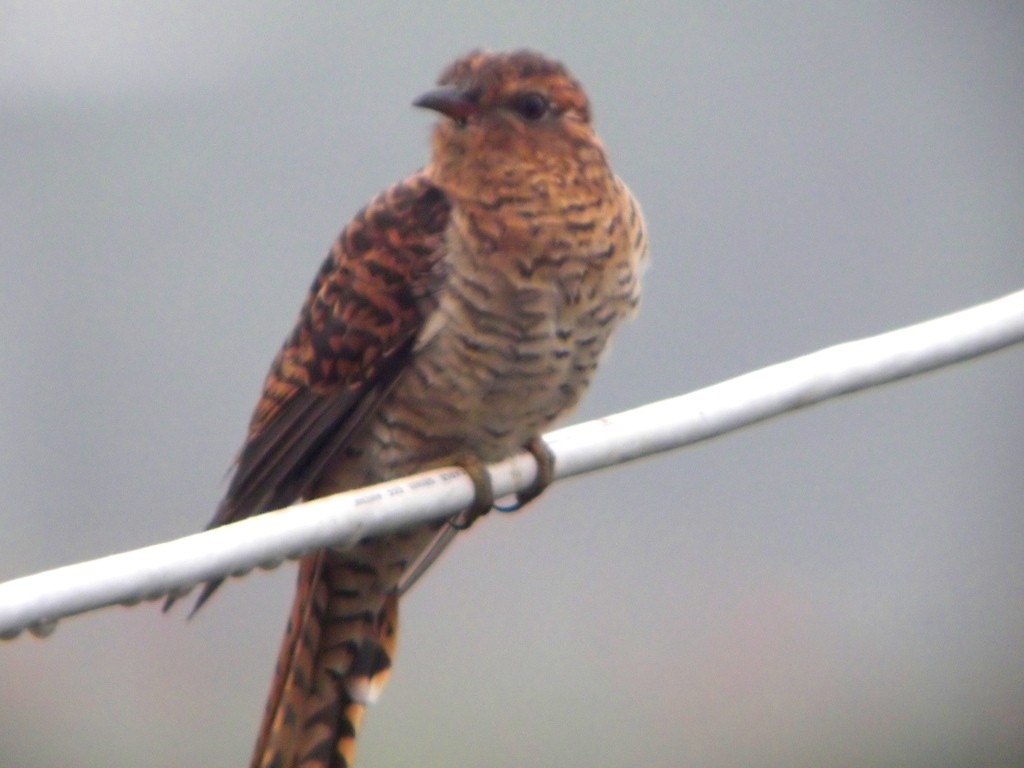
5. Plaintive Cuckoo
The plaintive cuckoo is fairly small, measuring about 21–24 cm (8.3–9.4 in) long. The adult male is grey-brown above and orange below with a grey head, throat and upper breast. The tail feathers have white tips. The legs and feet are yellow, the eye is red and the bill is black above and yellow below. The adult female is sometimes similar to the male but often occurs in a "hepatic" morph. This form is reddish-brown above with dark bars. The underparts are paler with fainter barring. There is a pale stripe over the eye and the tail has dark bars along its whole length. Juvenile birds are similar to hepatic females but are paler and have dark streaks rather than bars on the crown and throat. The male has several plaintive whistling calls. These include an ascending series of three-note phrases and a series of 11 or 12 descending notes.
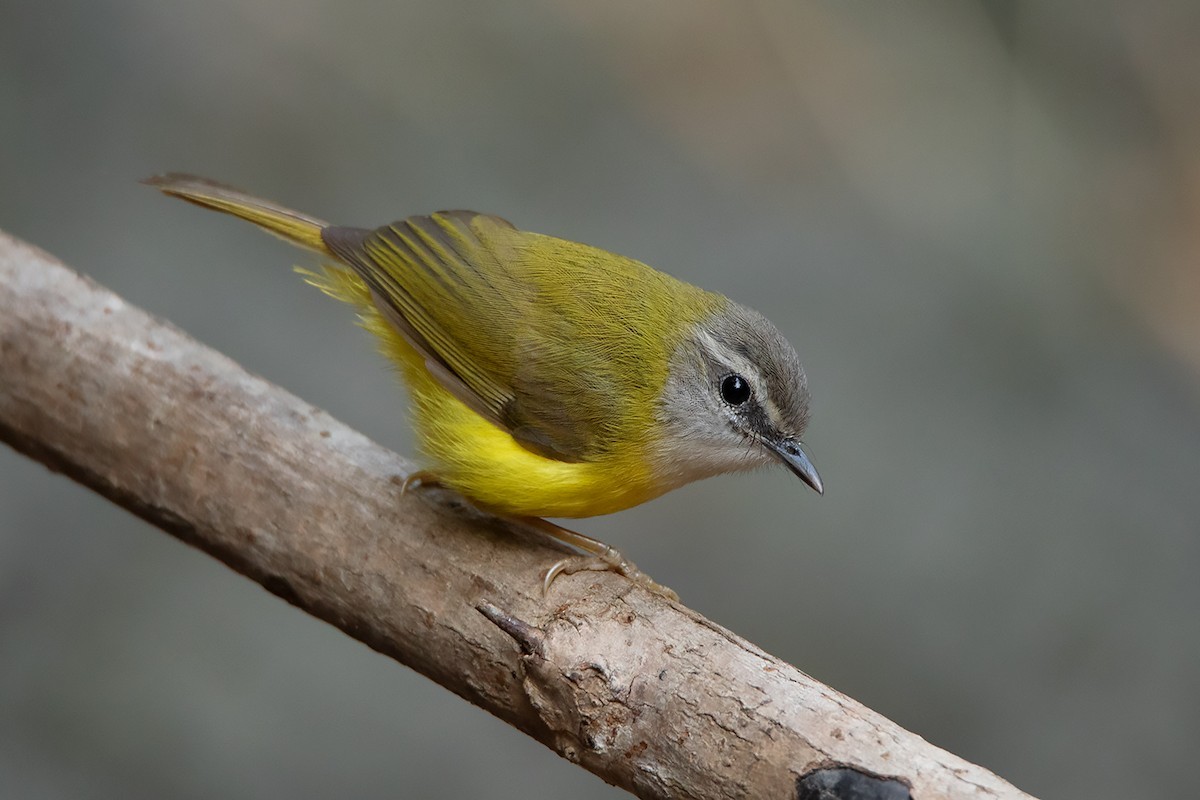
6. Yellow-bellied Warbler
The yellow-bellied warbler (Abroscopus superciliaris) is a species of bush warbler (family Cettiidae). It was formerly included in the "Old World warbler" assemblage. It is found in Bangladesh, Bhutan, Brunei, Cambodia, China, India, Indonesia, Laos, Malaysia, Myanmar, Nepal, Thailand, and Vietnam. Its natural habitats are temperate forest, subtropical or tropical moist lowland forest, and subtropical or tropical moist montane forest.
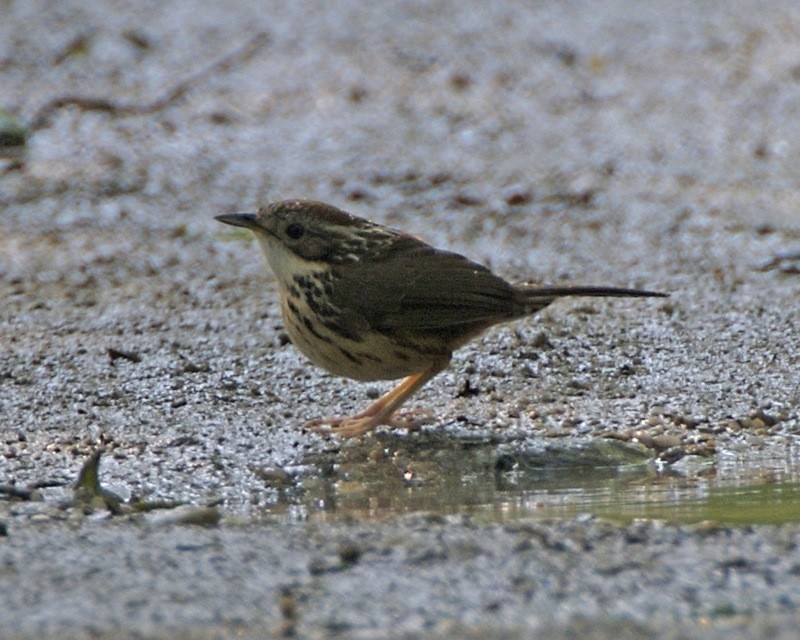
7. Puff-throated Babbler
Puff-throated babblers are brown above, and white below with heavily brown streaks towards the breast and belly. They have a chestnut crown, long buff supercilium and dusky cheeks. The throat is white, and is sometimes puffed out giving it the English name. Puff-throated babblers have strong legs, and spend a lot of time on the forest floor. They can often be seen creeping through undergrowth in search of their insect food, looking at first glance like a song thrush. Some subspecies have streaks on the mantle while others, especially in Peninsular India, are unstreaked. The widespread distribution with population variations has led to nearly thirty subspecies being described. The nominate population is found in peninsular India (excluding the Western Ghats). The population in the northern Eastern Ghats is paler and has been called as pallidum while a well marked dark form occurs in the southern Western Ghats which has been named granti (includes olivaceum). The western Himalayas population is punctatum (includes jonesi) and in the east is mandellii which has streaking on the back and nape apart from having call differences. In the east of India, south of the Brahmaputra River occurs chamelum while ripley is found in a small region in eastern Assam (Margherita). Further east in Manipur is vocale and pectorale in Arunachal Pradesh and northern Burma with stageri further south, followed by hilarum, victoriae and minus. Further east are found shanense, subochraceum, insularum, indistinctum, chtonium, elbeli, acrum, oreum, dusiti, vividum, ubonense, euroum, deignani, dilloni and smithi. Several others have been described and many populations are difficult to assign to subspecies. This is the type species for the genus Pellorneum and its generic placement is assured although other species currently included in the genus may be reassigned.
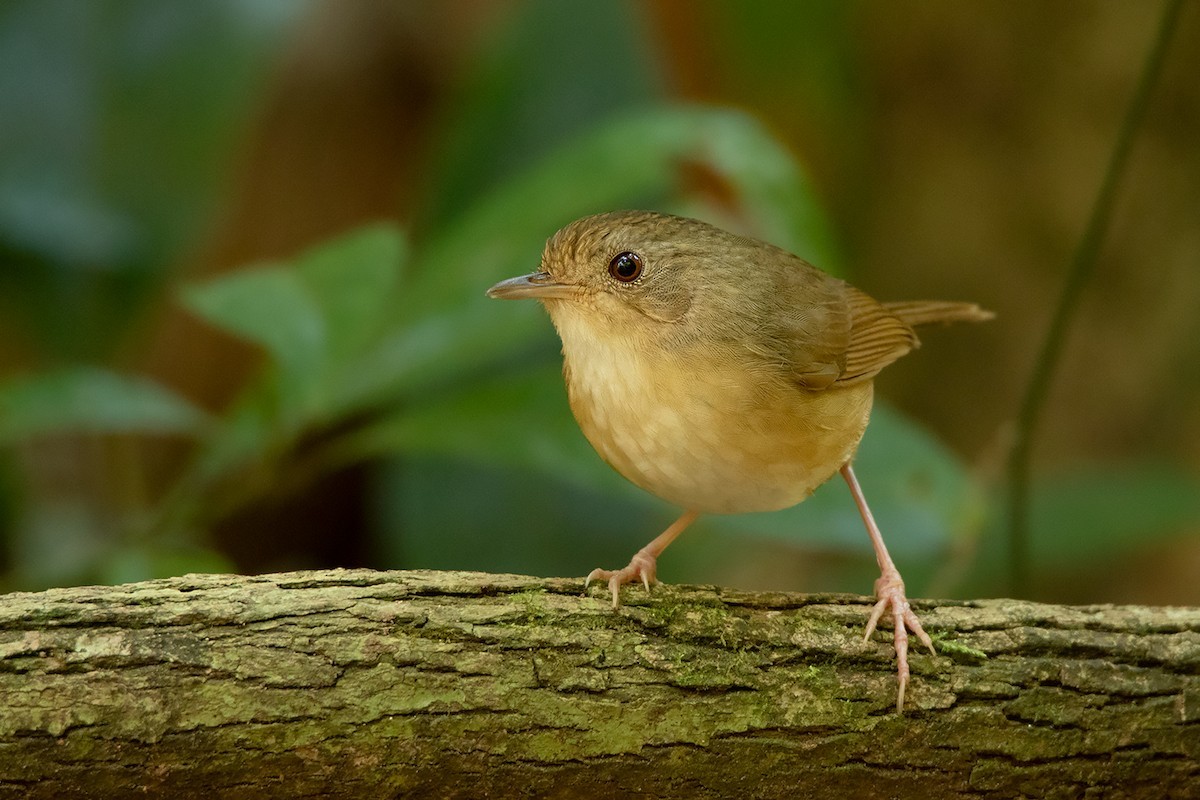
8. Buff-breasted Babbler
The buff-breasted babbler (Pellorneum tickelli) is a species of bird in the family Pellorneidae. It is found in Bangladesh, Cambodia, China, India, Laos, Malaysia, Myanmar, Thailand, and Vietnam. Its natural habitats are subtropical or tropical moist lowland forest and subtropical or tropical moist montane forest.
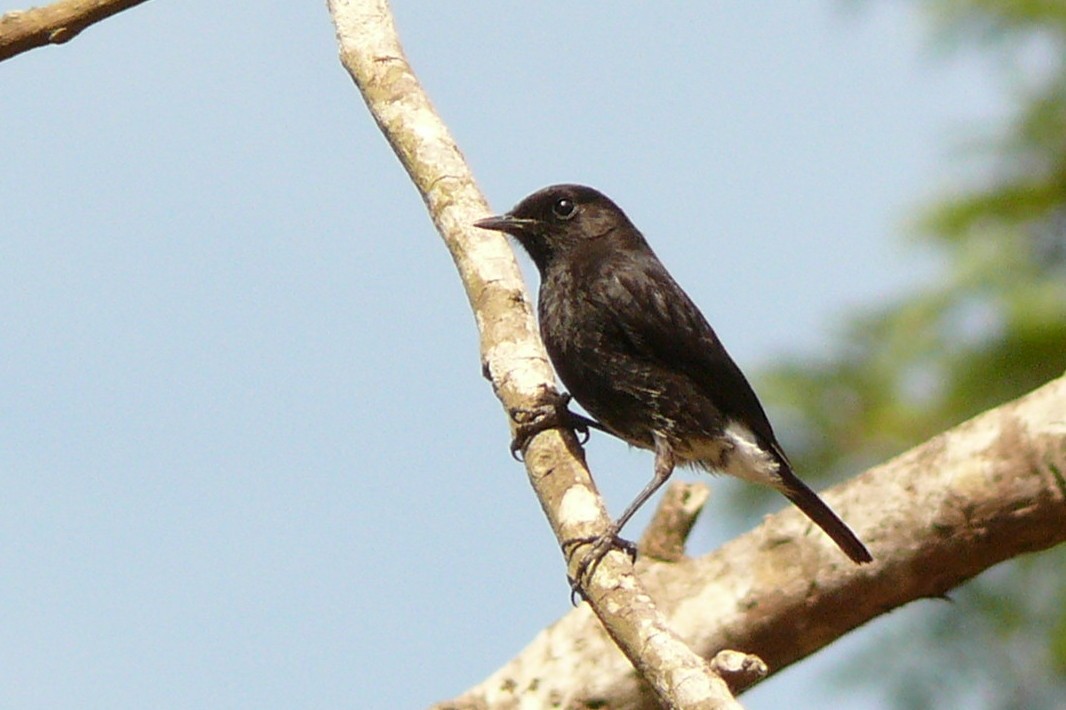
9. Pied Bushchat
The pied bush chat is slightly smaller than the Siberian stonechat, Saxicola maurus, although it has a similar dumpy structure and upright stance. The male is black except for a white rump, wing patch and lower belly. The iris is dark brown, the bill and legs black. The female is drab brown and slightly streaked. Juveniles have a scaly appearance on the underside but dark above like the females.
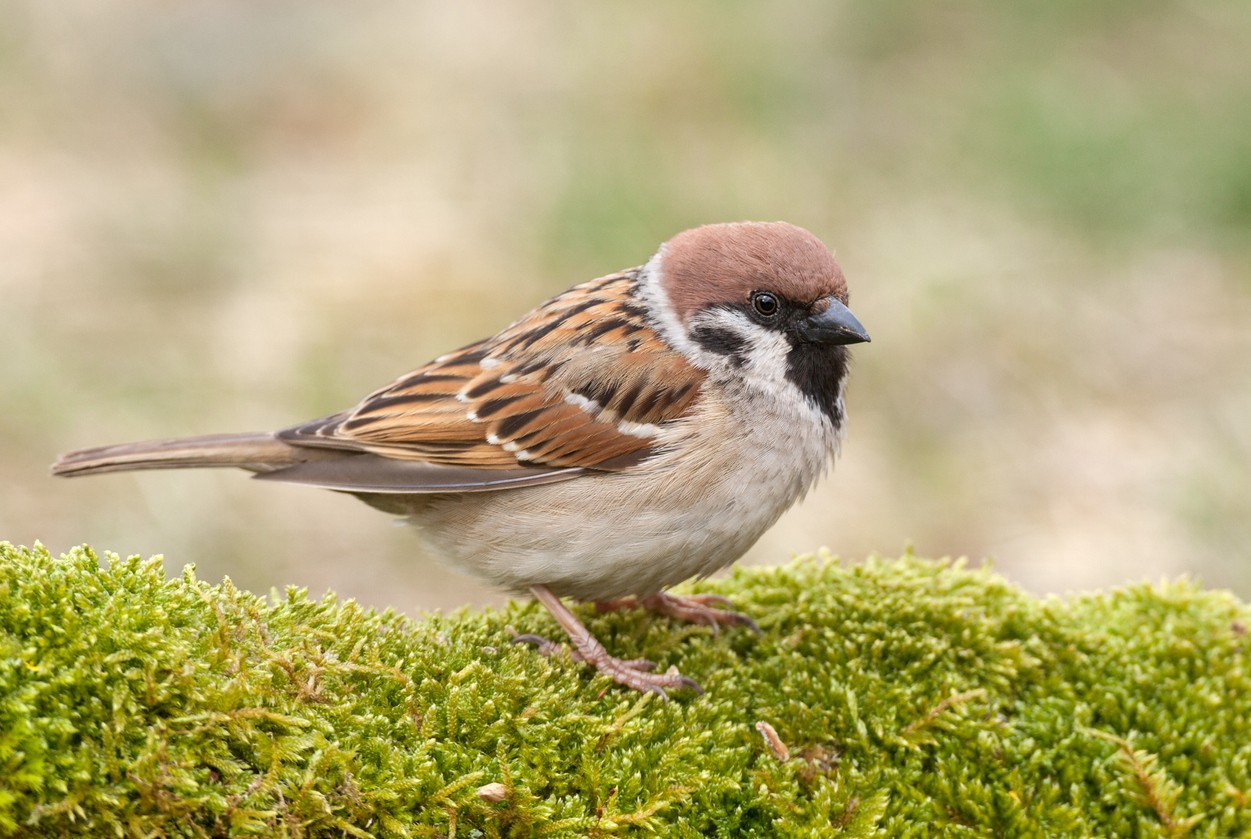
10. Eurasian Tree Sparrow
The eurasian Tree Sparrow (Passer montanus) is a widespread sparrow of the European mainland that has been introduced to some parts of North America. Eurasian Tree Sparrow is very similar to the House sparrow (Passer domesticus) but it's smaller and neater. It prefers more natural habitats, at the edges of human activity, and inhabits farmlands, parklands, and open woods.
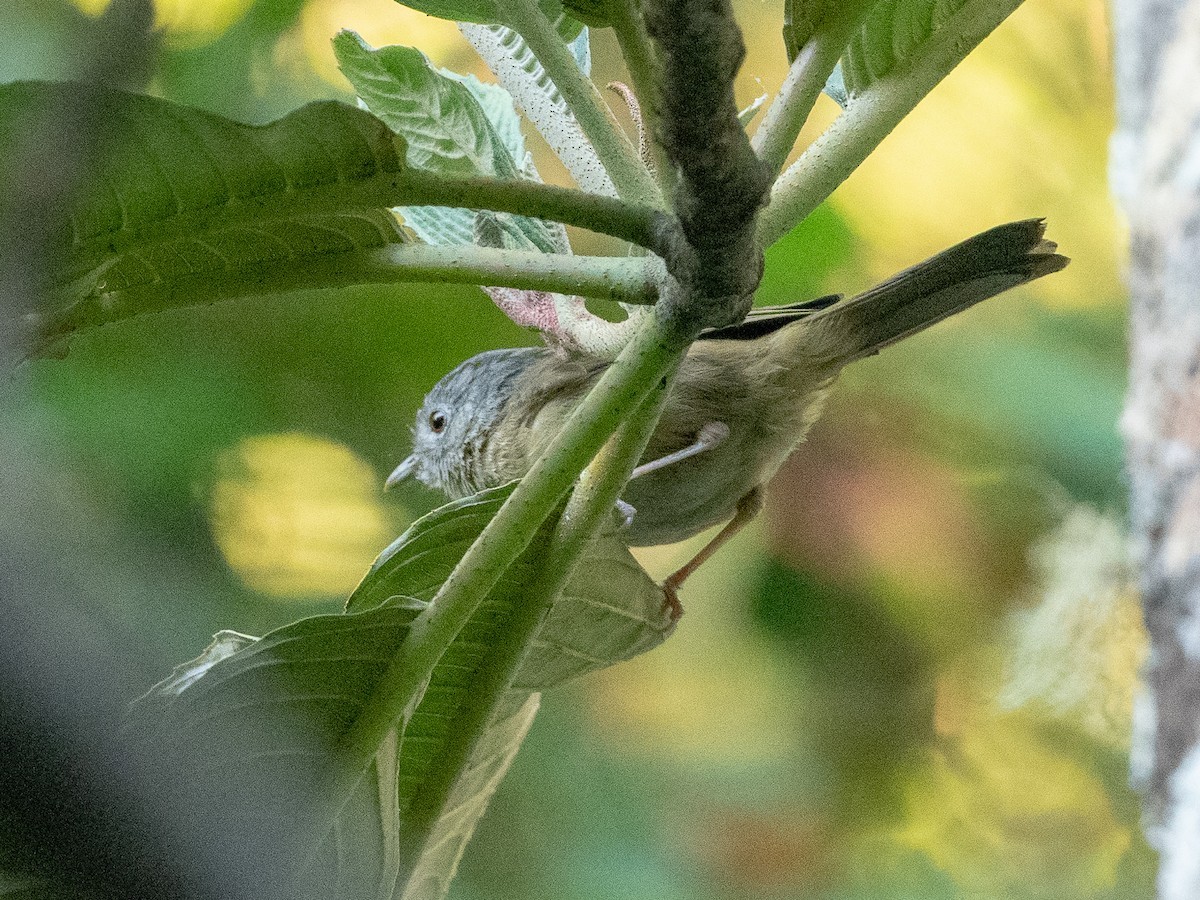
11. Yunnan Fulvetta
The Yunnan fulvetta (Alcippe fratercula) is a species of bird in the family Alcippeidae. It is endemic to southern China, southeastern Myanmar and northern Indochina. Its natural habitat is subtropical or tropical moist montane forest.
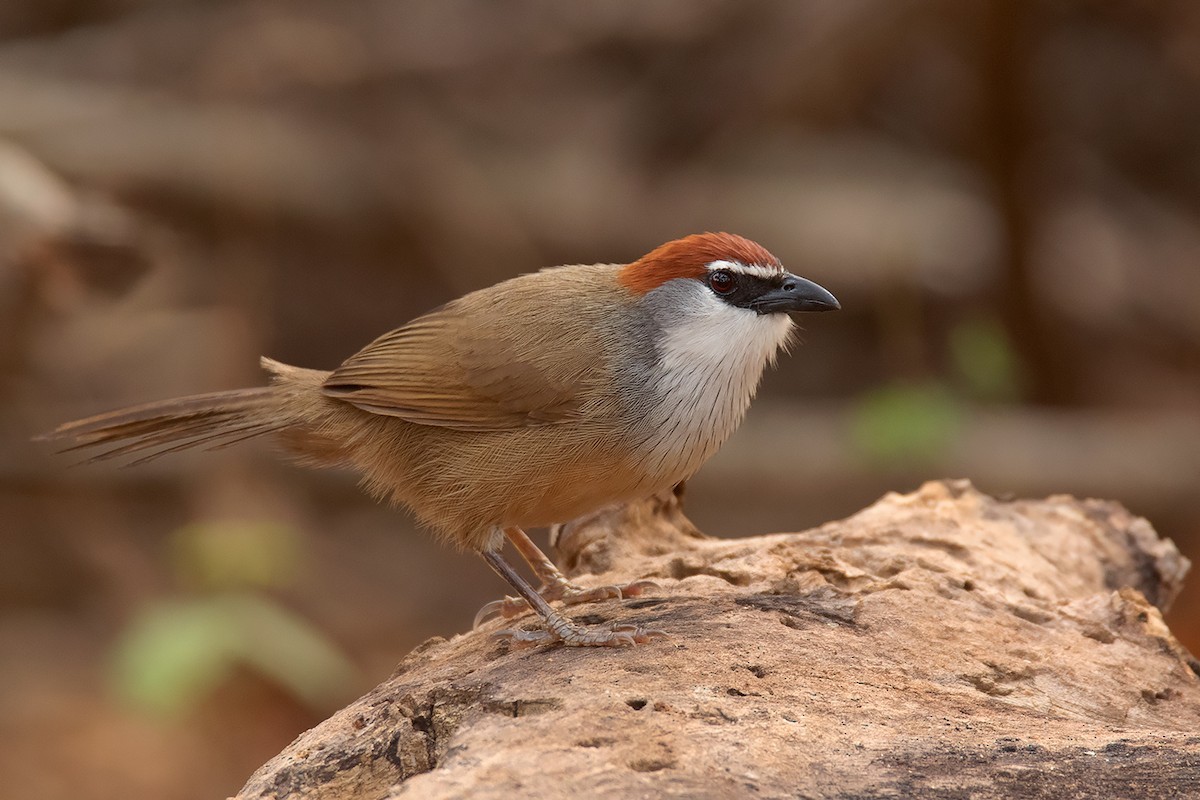
12. Chestnut-capped Babbler
The chestnut-capped babbler (Timalia pileata) is a passerine bird of the family Timaliidae. It is monotypic within the genus Timalia.
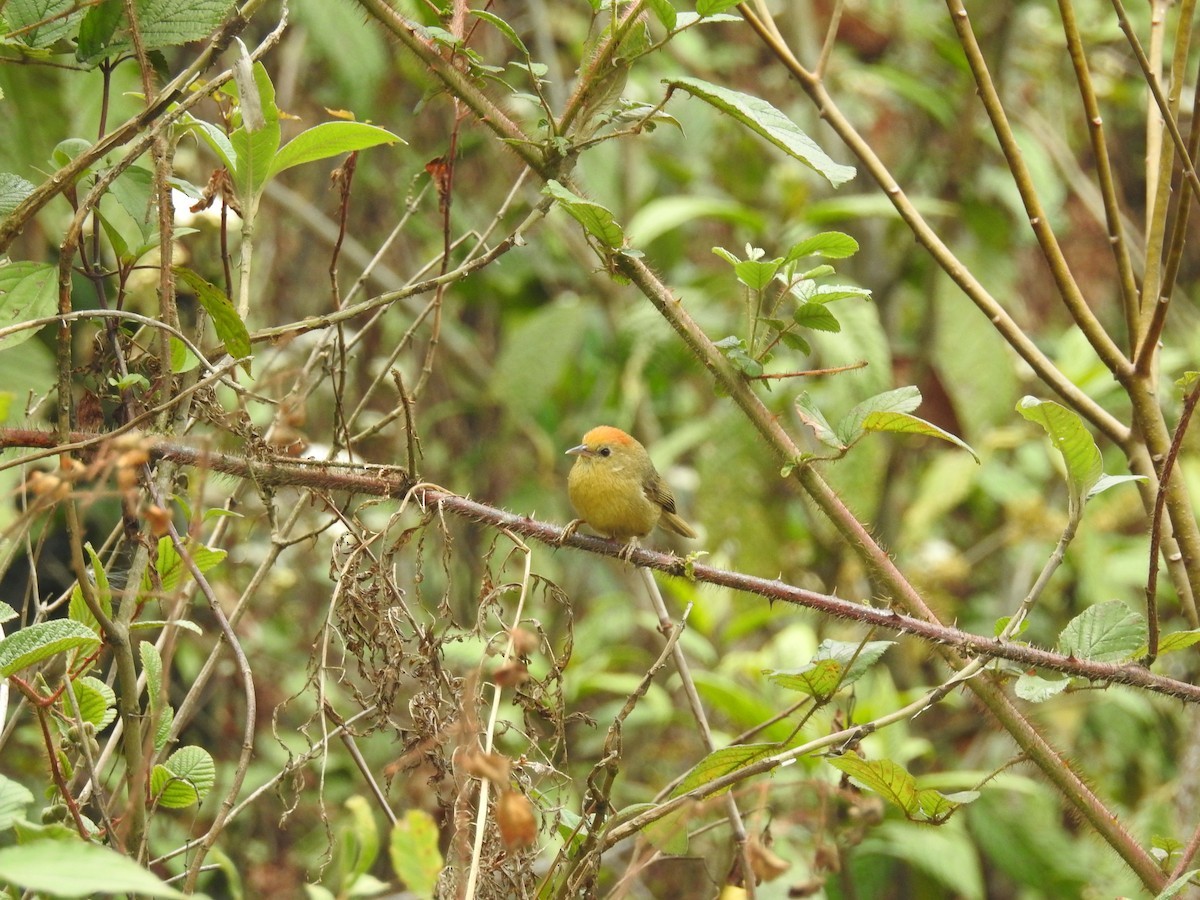
13. Rufous-capped Babbler
The rufous-capped babbler (Cyanoderma ruficeps) is a babbler species in the family Timaliidae. It occurs from the Eastern Himalayas to northern Thailand, Laos, eastern China to Vietnam and Taiwan. It inhabits foremost temperate forest and is listed as Least Concern on the IUCN Red List. It is pale olive with a bright rufous crown and nape, is 12 cm (4.7 in) long and weighs 7–12 g (0.25–0.42 oz). Stachyris ruficeps was the scientific name proposed by Edward Blyth in 1847 for an olive-coloured babbler with a ferruginous crown and a white throat collected in Darjeeling. It was later placed in the genus Stachyridopsis.
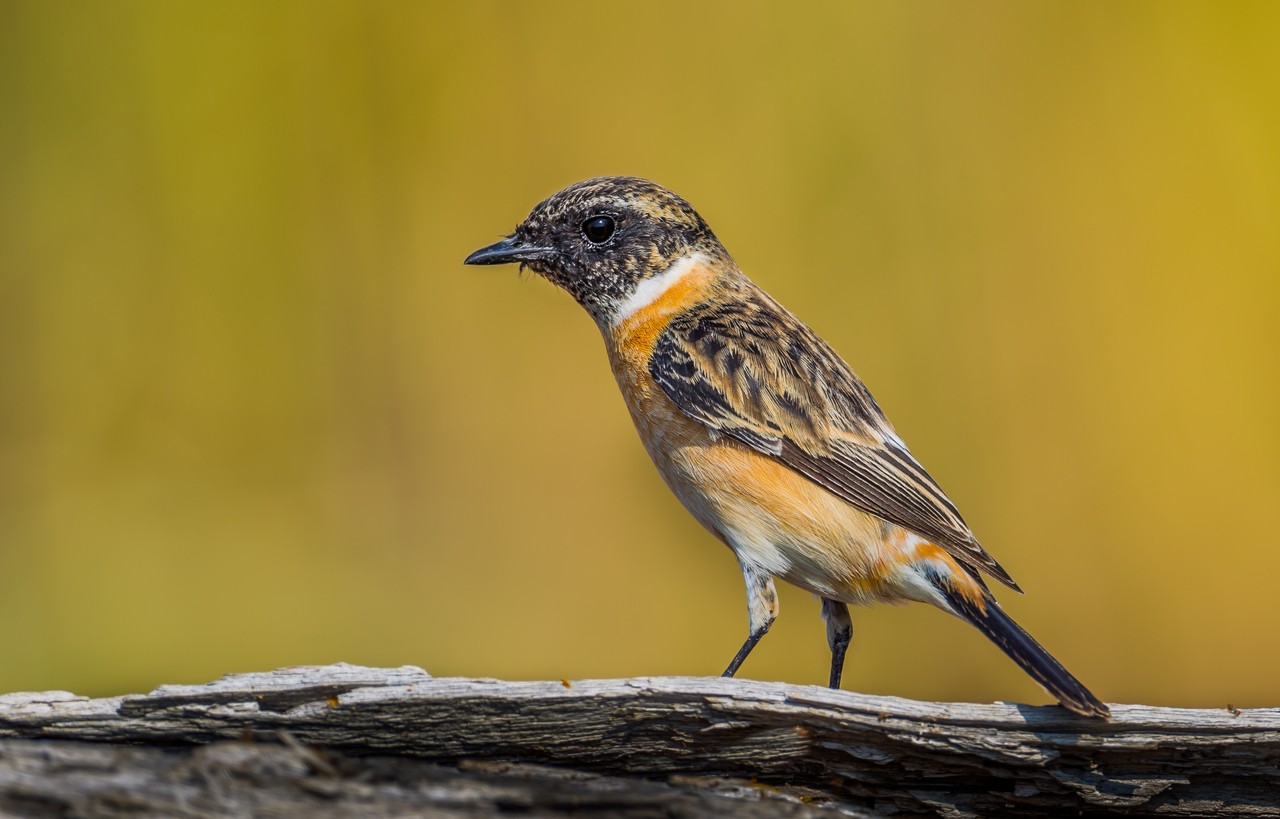
14. Amur Stonechat
It resembles its closest living relative the European stonechat (S. rubicola), but is typically darker above and paler below, with a white rump and whiter underparts with less orange on the breast. The male in breeding plumage has black upperparts and head (lacking the brownish tones of the European stonechat), a conspicuous white collar, scapular patch and rump, and a restricted area of orange on the throat. The female has pale brown upperparts and head, white neck patches (not a full collar), and a pale, unstreaked pinkish-yellow rump. Males in winter plumage are intermediate between summer males and females, with a supercilium resembling the whinchat (S. rubetra); from this species and the female it can be distinguished by the full white collar. If seen at close distance, it can be recognized that its primary remiges are distinctly longer than in S. rubicola. In this, it closely resembles the whinchat, which like S. maurus is adapted to long-distance migrations. The male has a clicking call, like two pebbles knocked together. The song is high and twittering like the dunnock (Prunella modularis), an unrelated passeridan songbird belonging to the Passeroidea. There are five or six subspecies, with S. m. maurus (described above) and the distinct but similar S. m. stejnegeri found across northern and central Asia. The southern S. m. variegatus (west of the Caspian Sea), S. m. armenicus (eastern Turkey to Iran), S. m. indicus (Himalaya) and the Turkestan stonechat S. m. przewalskii (southwest China) are distinguished by larger white areas on the plumage. In the past, S. maurus was usually included in S. torquatus as part of the "common stonechat", but that scientific name nowadays is restricted to the African stonechat. Analysis of mtDNA cytochrome b sequence and nDNA microsatellite fingerprinting data, though not unequivocal, together with the evidence from morphology, behaviour and biogeography seems to indicate that the present bird can be considered a distinct species. The European stonechat is its western sister species in the Eurasian lineage of stonechats; their ancestors separated during the Late Pliocene or Early Pleistocene, roughly 1.5-2.5 million years ago at the onset of the Quaternary glaciation. Its scientific name means "dark rock-dweller". Saxicola derives from Latin saxum "rock" + incola "inhabitant"; maurus is Latinized from Greek maúros (μαύρος) "black" (cf. "moor"), in reference to the upperpart colour as compared to S. rubicola.
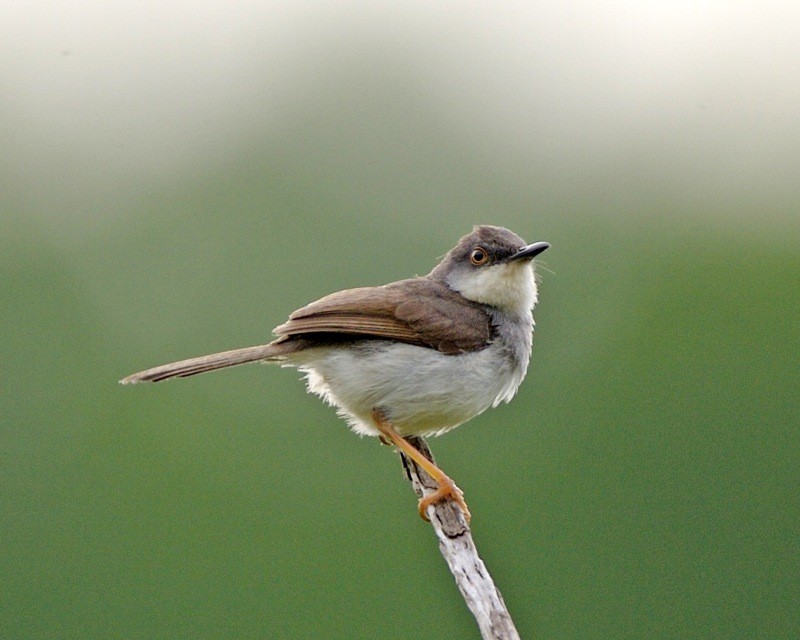
15. Grey-breasted Prinia
These 11-to-13-centimetre (4 to 5 in) long warblers have a longish grey tail with graduated feathers that are tipped in white, they have strong pinkish legs and a short black bill. The eye ring is orange. The sexes look alike in most populations except in P .h. pectoralis of Sri Lanka where the female can be told apart by the incomplete breast band. The underparts are buff white and the grey breast band contrasts with the white throat in the breeding season. They have a rufous wing panel and the upperparts are smoky grey during the breeding season and olive brown in the non-breeding period. Non-breeding birds have a short indistinct white supercilium and often lack the breast band. Young birds are like non-breeding adults but more rufous above. The distinctive greyer endemic race in Sri Lanka, P. h. pectoralis, retains the summer-type plumage all year round. Young birds have a pale lower mandible. The tail feathers are shorter in summer than in the non-breeding winter plumage.
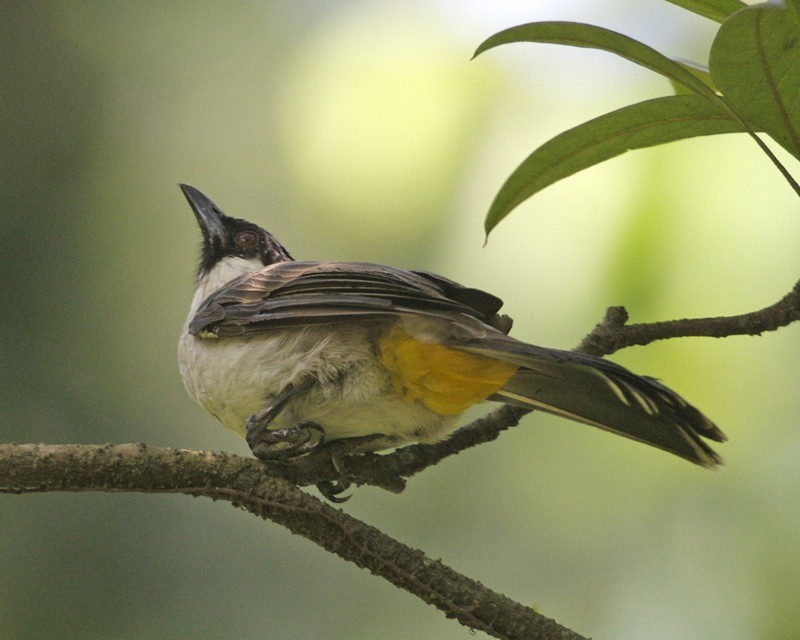
16. Sooty-headed Bulbul
The sooty-headed bulbul (Pycnonotus aurigaster) is a species of songbird in the Bulbul family, Pycnonotidae. It is found in south-eastern Asia. Its natural habitat is subtropical or tropical moist lowland forests.
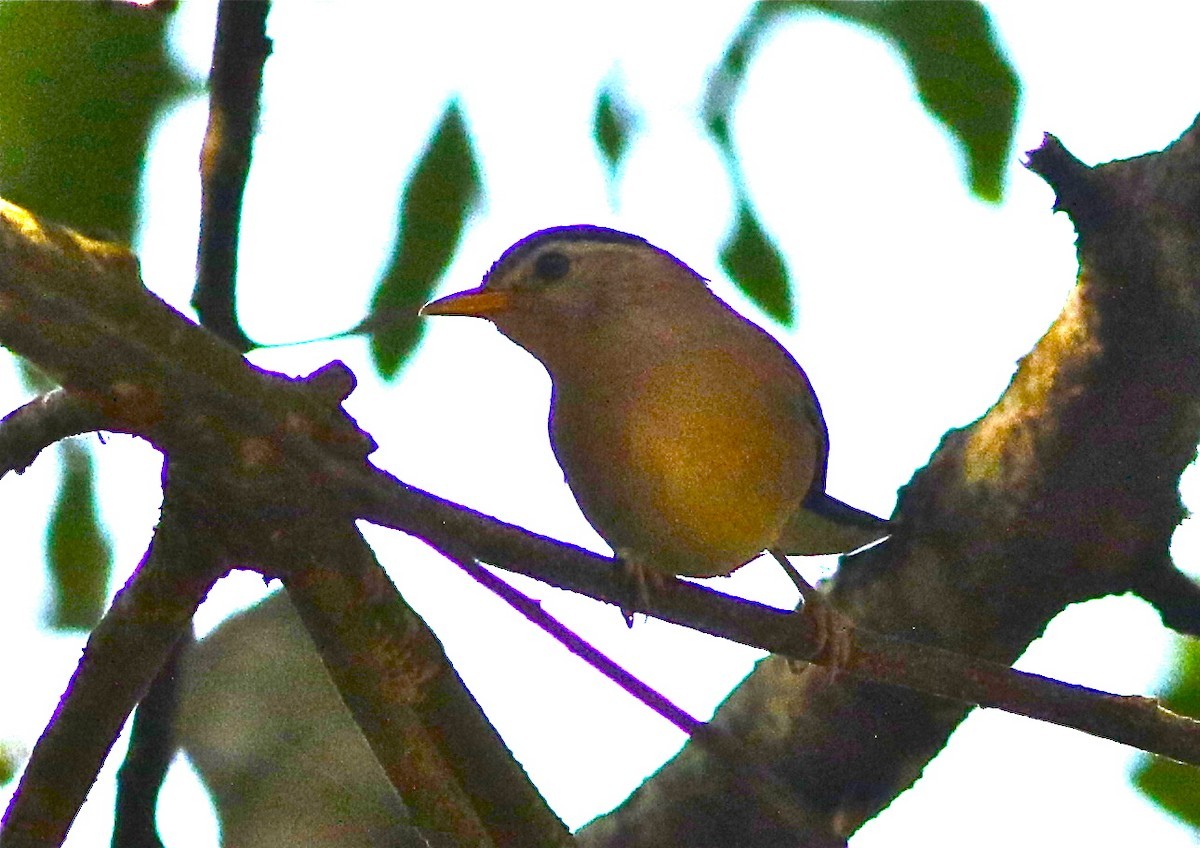
17. Blue-winged Minla
The blue-winged minla (Actinodura cyanouroptera), also known as the blue-winged siva, is a species of bird in the family Leiothrichidae. It has in the past been placed in the genus Minla and also in the monotypic Siva. It is found in the Indian subcontinent and Southeast Asia, ranging across Bangladesh, Bhutan, Cambodia, China, India, Laos, Malaysia, Myanmar, Nepal, Thailand, Tibet, and Vietnam. Its natural habitat is subtropical or tropical moist montane forests.
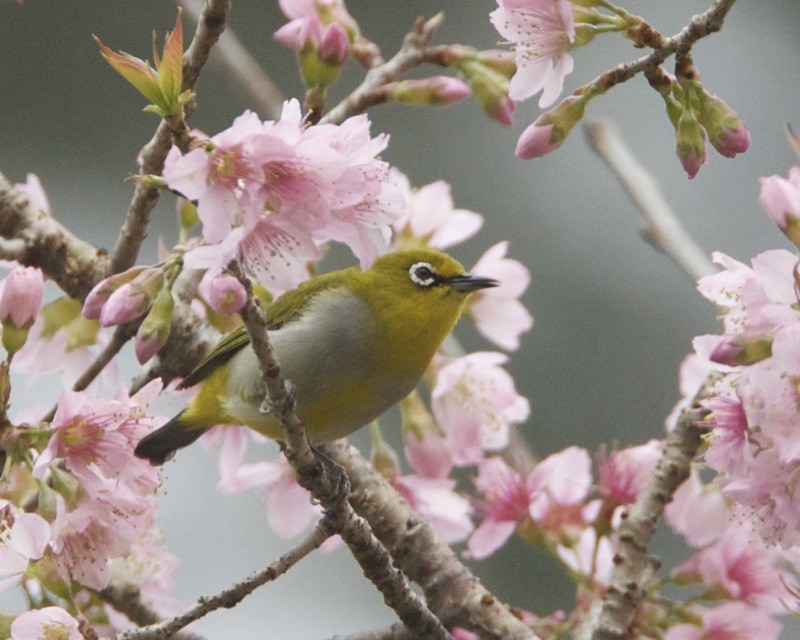
18. Indian White-eye
This bird is small (about 8–9 cm long) with yellowish olive upper parts, a white eye ring, yellow throat and vent. The belly is whitish grey but may have yellow in some subspecies. The sexes look similar. The species is widespread and is part of a superspecies complex that includes Zosterops japonicus, Zosterops meyeni and possibly others. The taxonomy of the group is still unclear with some island populations being distinctive while some subspecies are not well supported. The population from Flores, Indonesia for instance is found closer to the pale white-eye. The family itself is now questioned since they are nested along with the Stachyris babblers. About eleven subspecies are well recognised. These include the nominate form (type locality Bengal, India) which is found from Oman and Arabia, Afghanistan, northern India and extends into China and northern Myanmar. The population in the Western Ghats and hills of southern India is placed in nilgiriensis while salimalii of the Eastern Ghats hills (Shevaroy, Chitteri, Seshachalam, Nallamalai) is sometimes subsumed into the nominate race. The population of the plains of India, Laccadives and Sri Lanka are sometimes placed in egregius (= egregia) but is restricted by other works to the population in Sri Lanka. The populations in southern Myanmar, Thailand and Laos are placed in siamensis. The Nicobar Islands form is nicobaricus and is sometimes also used for the population on the Andaman Islands which are however distinctive and a distinct unnamed population. The populations from southern Thailand to western Cambodia are placed in williamsoni. Other Southeast Asian island forms include auriventer (=aureiventer), buxtoni, melanurus and unicus. Race occidentis (now often subsumed into the nominate race) of the Western Himalayas has the upper side dark green and the flanks are tinged in brown. The form salimalii has a shorter bill and is brighter yellow-green above. Some authors consider the nominate race to be restricted to Sikkim, Bhutan, Assam and Yunnan and consider the peninsular race as occidentis (or amabilis if the form from Kathiawar described by Koelz is considered valid). In Sri Lanka, race egregia is smaller and has a brighter back and throat than the endemic Sri Lanka white-eye, Zosterops ceylonensis found in the central hills.
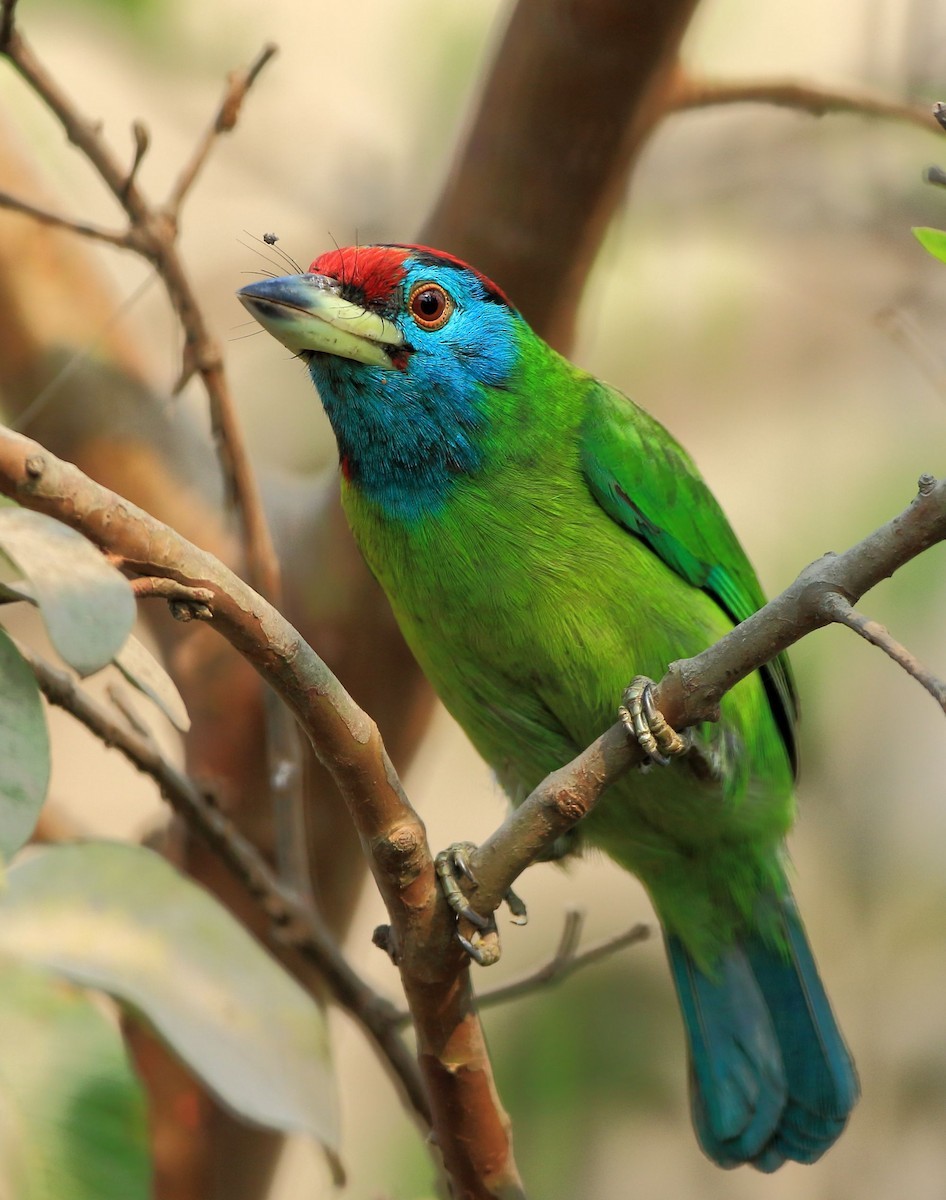
19. Blue-throated Barbet
The blue-throated barbet (Psilopogon asiaticus) is an Asian barbet with bright green, blue and red plumage, native to the Indian subcontinent and Southeast Asia. Barbets and toucans are a group of near passerine birds with a worldwide tropical distribution. The barbets get their name from the bristles which fringe their heavy bills; this species eats fruits and insects. They frequent evergreen forests, deciduous forests, gardens, orchards, teak forests and cities with fruiting trees. The turquoise-throated barbet was formerly considered a subspecies.
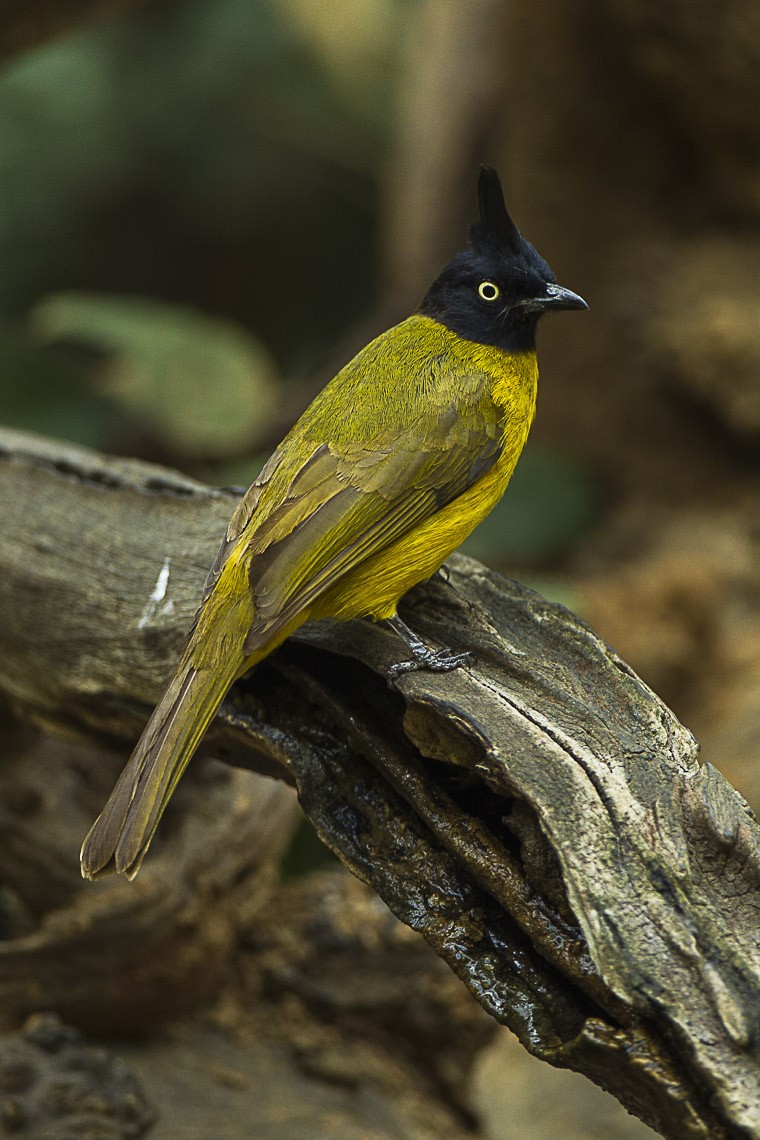
20. Black-crested Bulbul
The black-crested bulbul is generally about 19 cm in length. As the name suggests, the head of this bulbul is black while the rest of its body is different shades of yellow. Both the male and female are similar in plumage. One can make out a younger bird by its slightly duller coloring.