




Top 20 Most Common Bird in Kumanovo
Situated amidst rich floristic diversity, Kumanovo's mild continental climate hosts a spectrum of distinct avifauna. The 20 most common birds exhibit striking features, ranging from striking plumage to diverse nesting habits. Each species manifests unique behavioral and adaptive characteristics, contributing remarkably to Kumanovo's vibrant ecology. These feathery inhabitants indeed mirror the nation's striking biodiversity.

Most Common Bird
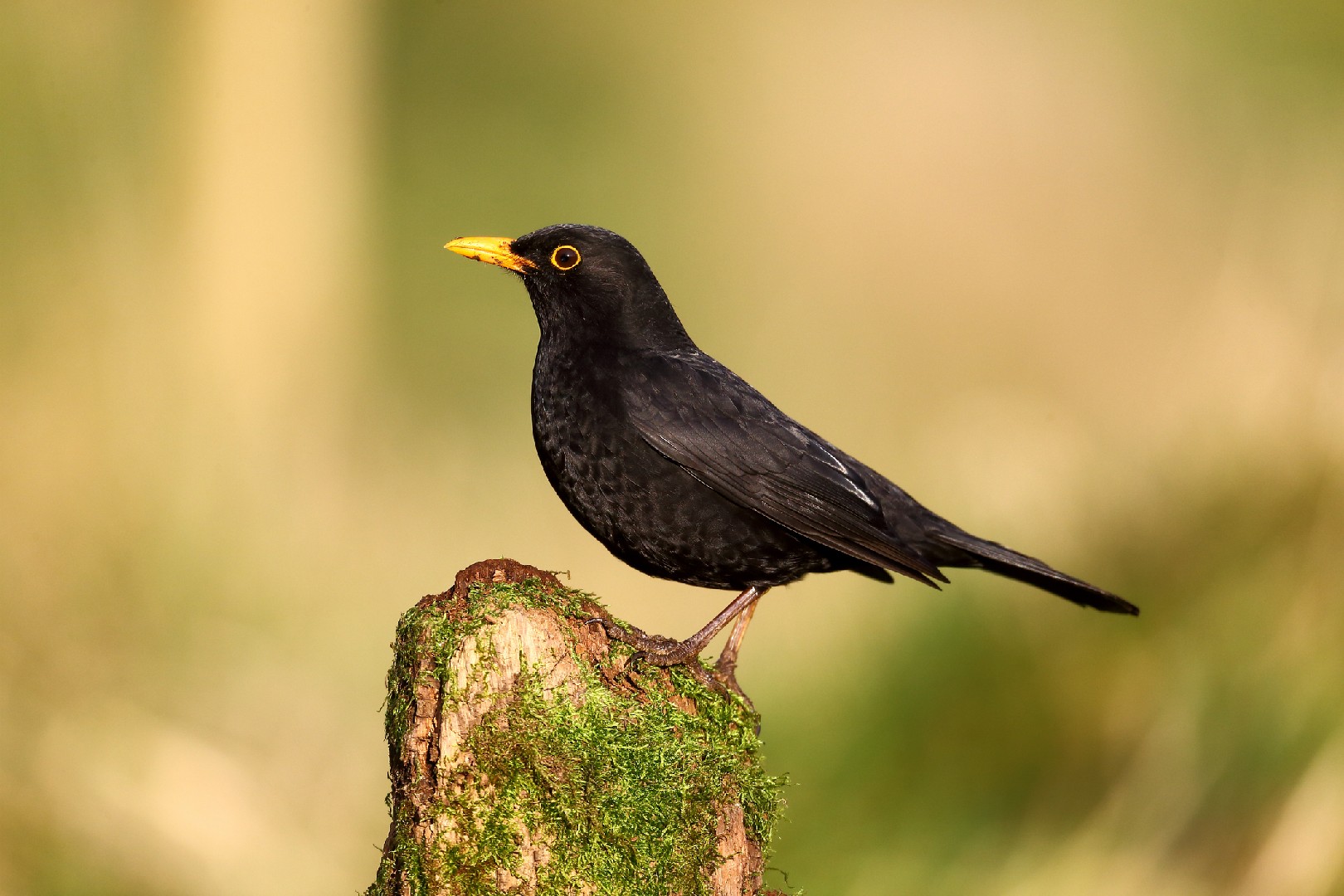
1. Eurasian Blackbird
Unafraid of humans, the dark-winged eurasian Blackbird has gained a great deal of cultural significance, mentioned in popular nursery rhymes and songs across the world. Elegant and with an appealing song, they can be aggressive when they are in their breeding period.
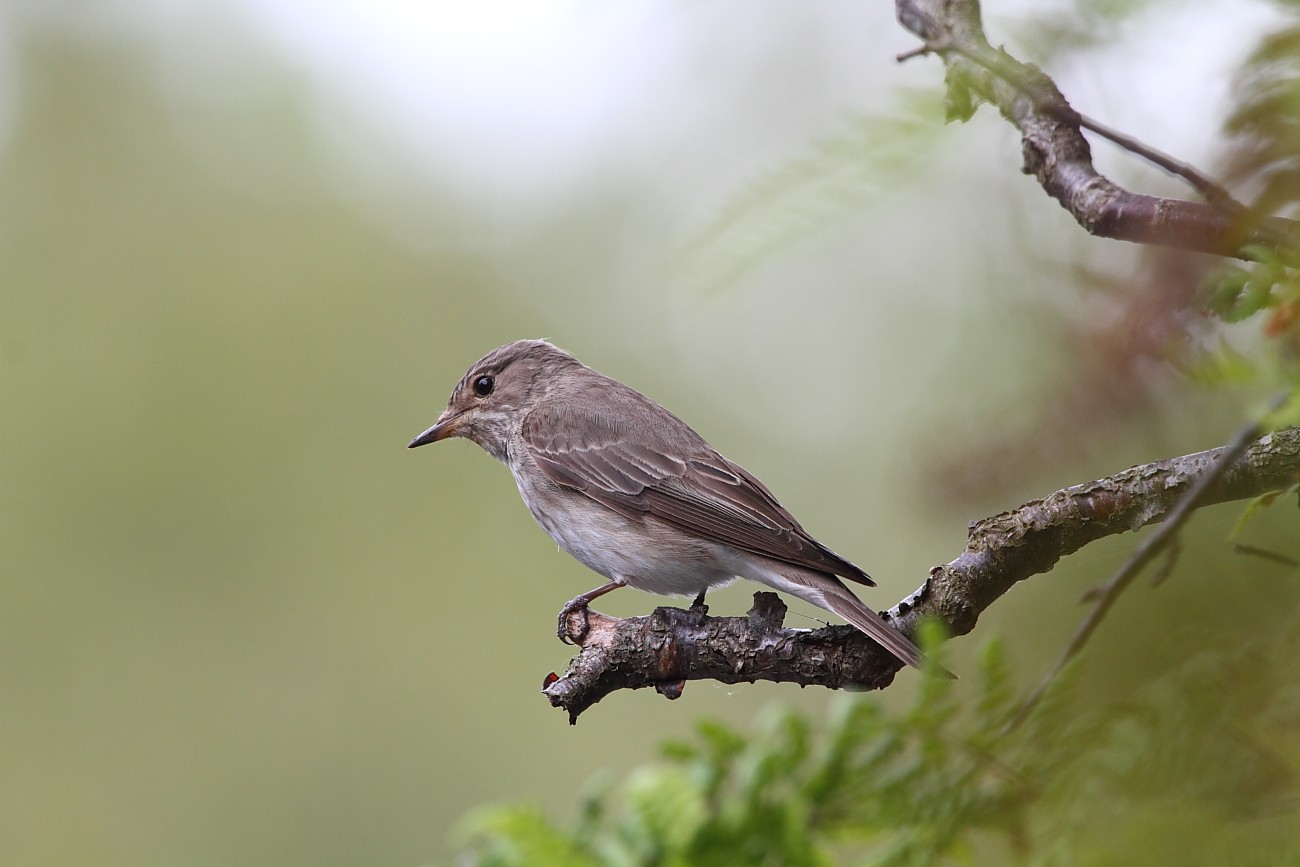
2. Spotted Flycatcher
Look for the spotted Flycatcher in open areas with trees. Placing a nesting box in the yard can attract the small bird to the garden. The bird hunts for flying insects from tree branches. It’s not uncommon for the bird to return to the same branch. The small bird has a wide range stretching from Europe to Asia and Africa.
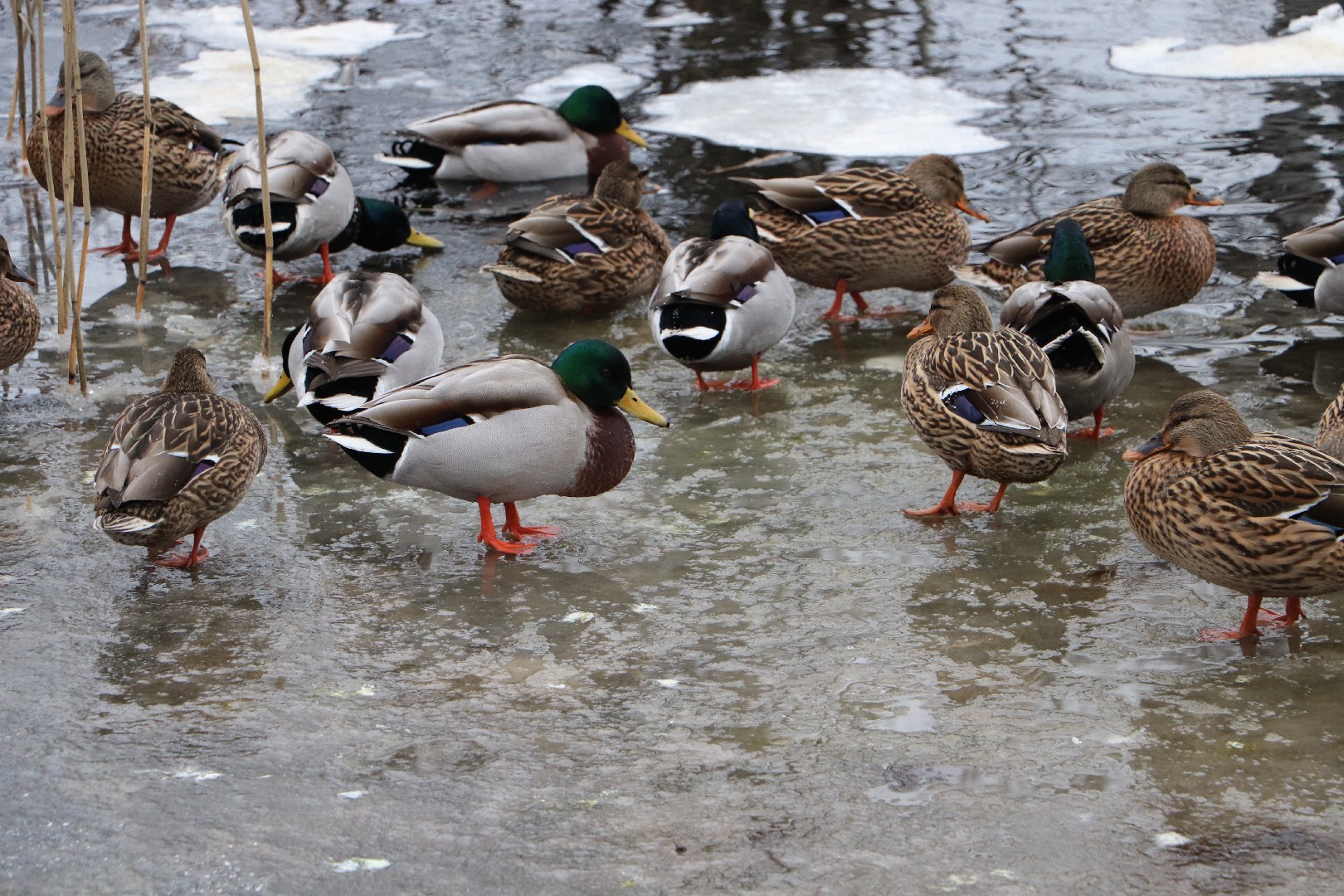
3. Mallard
The mallard is the most abundant duck species in the world, and the ancestor of all domestic ducks. Only the female can produce the distinctive "quack" sound. When the female lays eggs, the male abandons its mate, while the protective mother stays with the ducklings for a long time. This migratory species inhabits shallow waters and it's one of the most popular game birds.
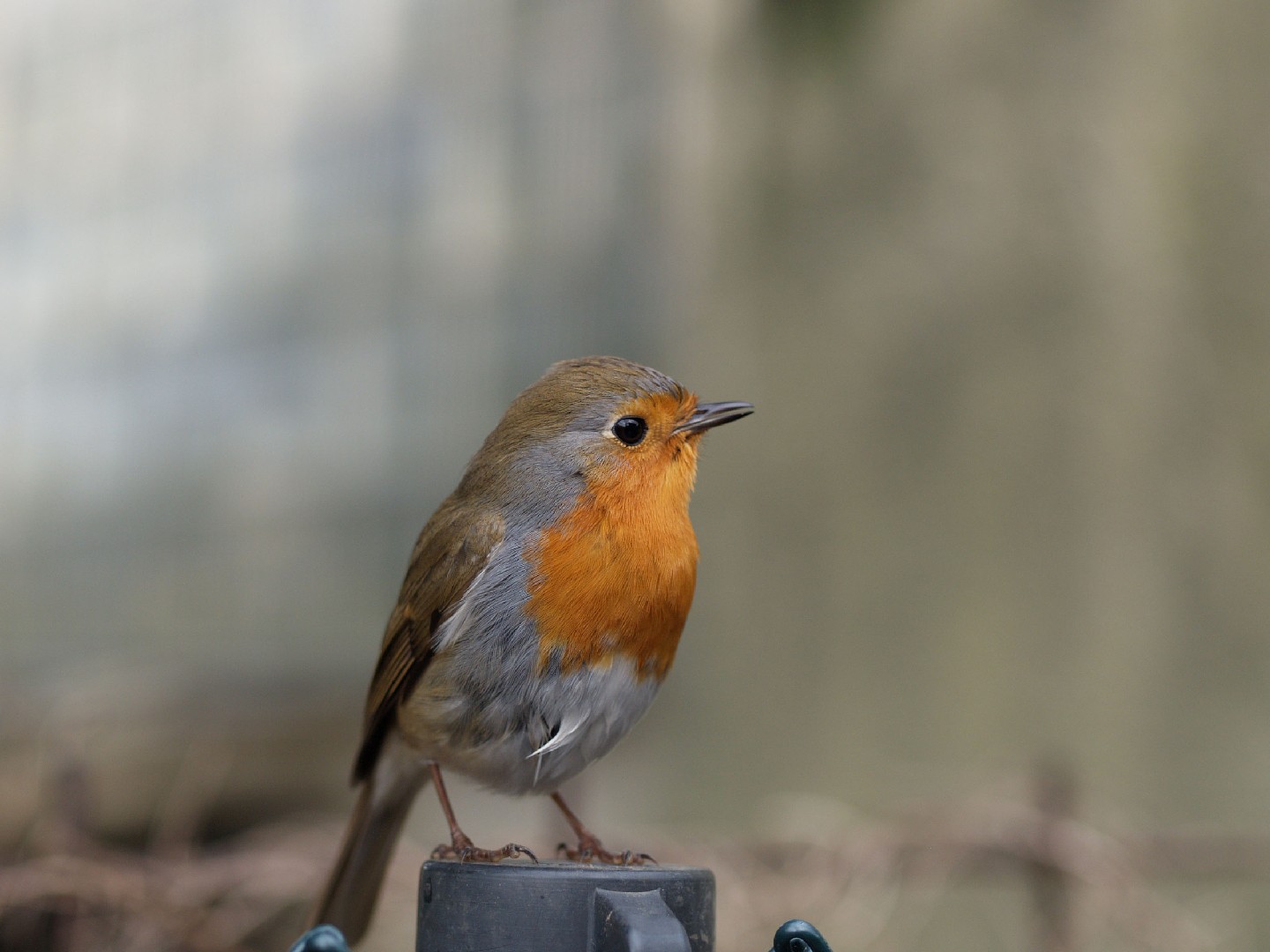
4. European Robin
The european Robin is an aggressive bird that is commonly found throughout farmlands, woodlands, and suburban communities. These birds are mainly helpful insectivores for gardeners, but will also eat various seeds and fruits. The european Robin is used on British Christmas cards to represent postmen from the Victorian era who used to wear red waistcoats while delivering holiday cards.

5. Eurasian Coot
The eurasian Coot is a medium-sized, black-plumaged waterbird with a white bill and a distinctive red shield above its bill. It has webbed feet with a white patch on the toes and is often seen in large flocks, diving for food and fiercely defending its territory. Its aggressive nature and distinct features make it a memorable sight for birdwatchers. 

6. Common Buzzard
The common Buzzard is a medium-sized bird of prey found in many parts of the world. It inhabits a variety of habitats such as forests, grasslands, and mountains. It is an opportunistic hunter, preying on mammals, birds, reptiles, and insects. They also scavenge on carrion. They are often seen soaring on thermal currents, perching on high vantage points, and performing acrobatic maneuvers during courtship.
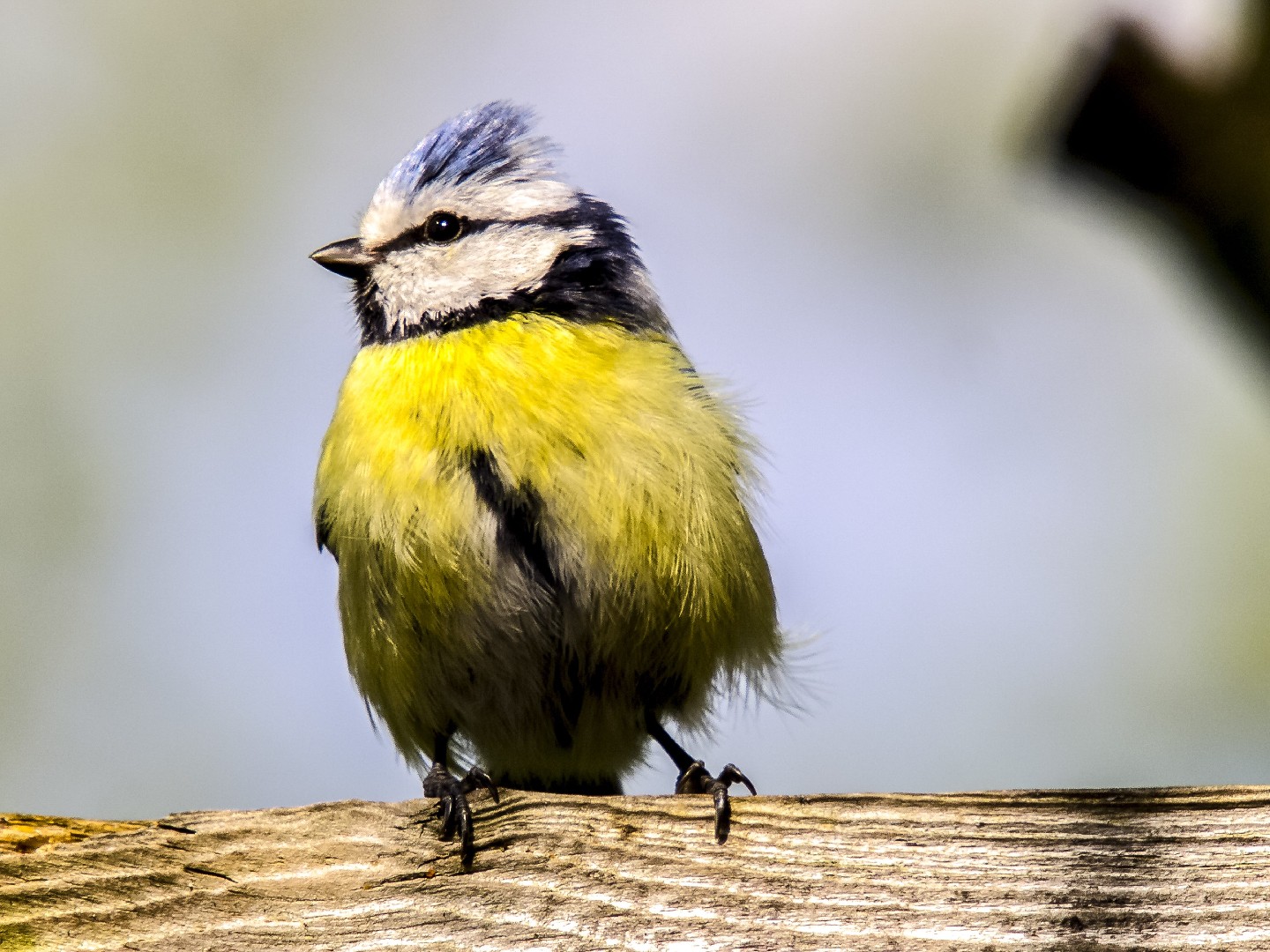
7. Eurasian Blue Tit
The eurasian Blue Tit is a small songbird, very common in urban areas such as parks. This songbird has a wide range of calls and songs, but it's also known for its agility and acrobatic skills - it can hang upside down, reaching food that's not accessible to less-skilled birds. When the bird has young, it spends around 17 hours per day in the search of food for the offspring. It's a frequent visitor of bird feeders.
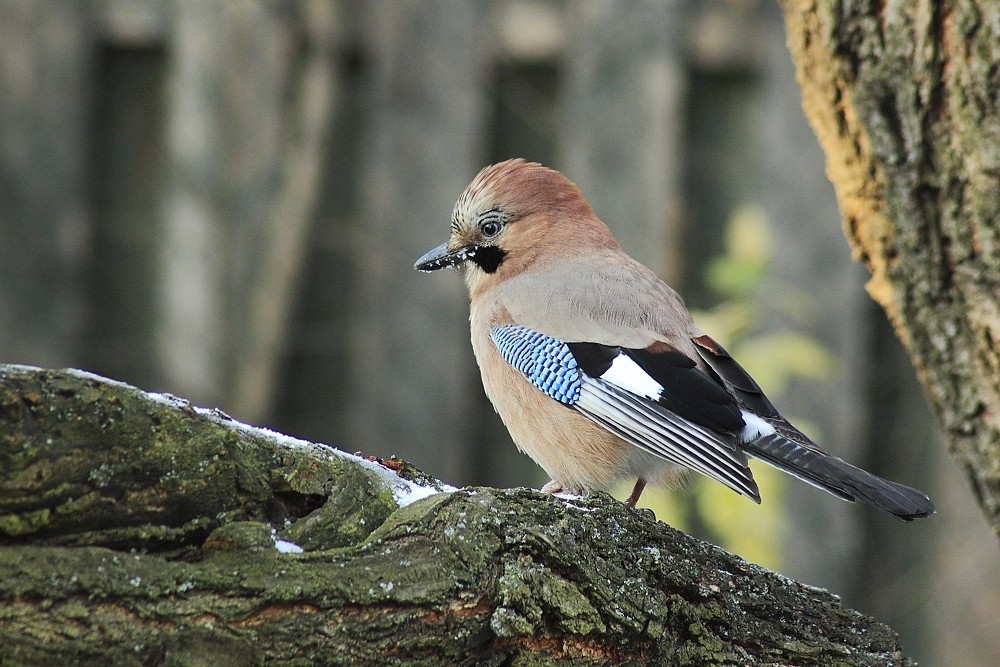
8. Eurasian Jay
The eurasian Jay is a striking bird with distinctive blue, black, and white plumage. It is known for its bold and curious nature, often seen rummaging through gardens and forests for food. Despite its small size, it is very intelligent and able to store food for later consumption. Its sharp calls and acrobatics in the trees make it a joy to observe in the wild.
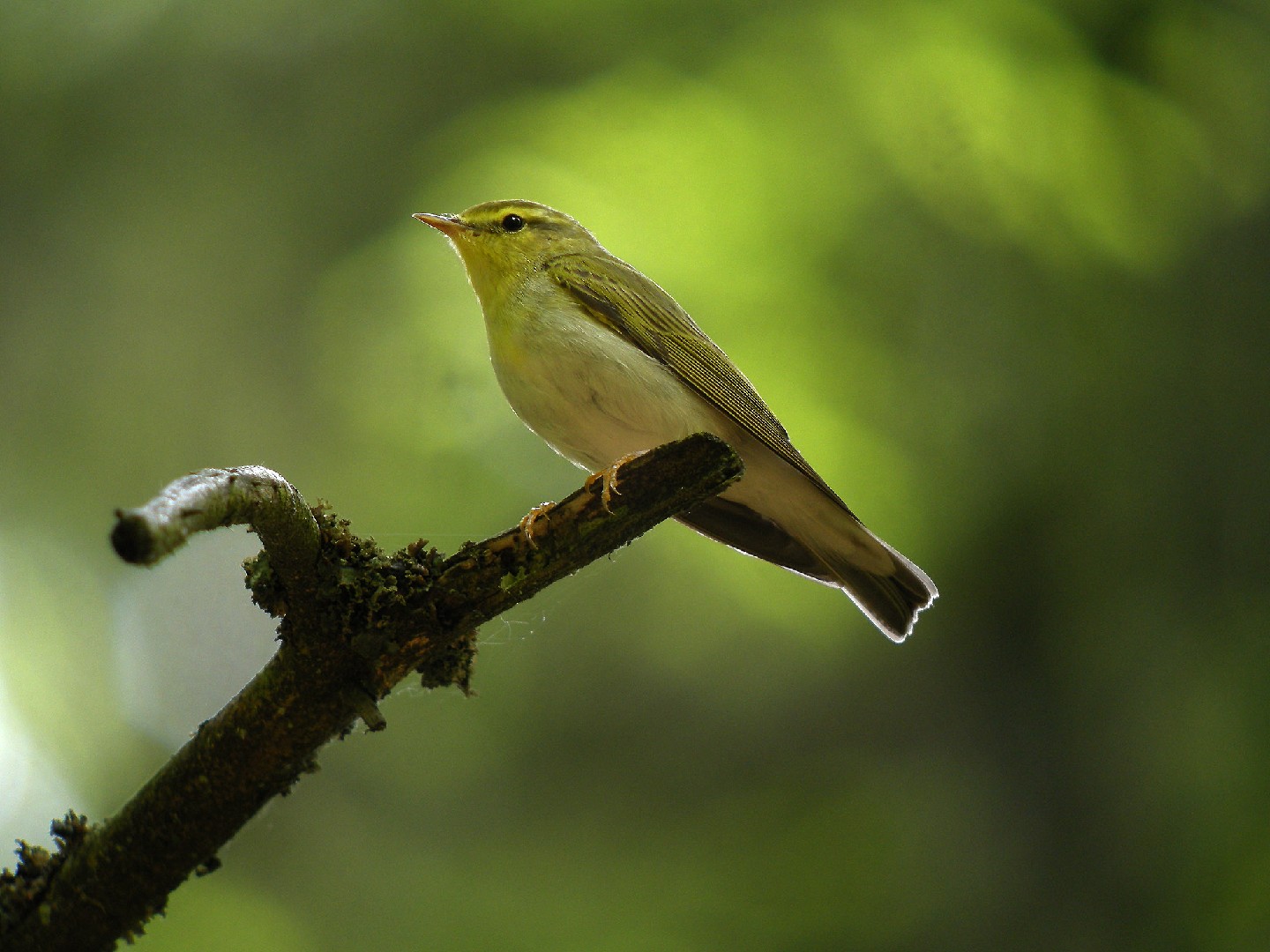
9. Wood Warbler
The wood warbler is 11–12.5 cm long, and a typical leaf warbler in appearance, green above and white below with a lemon-yellow breast. It can be distinguished from similar species, like the chiffchaff P. collybita and the willow warbler, P. trochilus by its yellow supercilium, throat and upper breast, pale tertial edges, longer primary projection, and by its shorter but broader tail. It is a summer visitor to the United Kingdom, seen from April until August. It has declined there in recent years. It is rare in Ireland, where there is a very small but apparently stable breeding population in County Wicklow. Various factors associated with forest structure, including slope, forest cover, proportion of broad-leaf forest, canopy height and forest edge length, all influenced the occupancy rates of this declining forest species. Conservation measures are therefore required that provide and maintain the wood warblers preferred forest structure. There is also a preference for forest in the non-breeding season, however this habitat is declining in wintering areas such as Ghana. Despite the decline in forest habitats, there has been no change in number of wood warblers as it appears that this species can use degraded habitats, such as well-wooded farms. However, further loss of trees will likely have a negative impact on this species in the future.
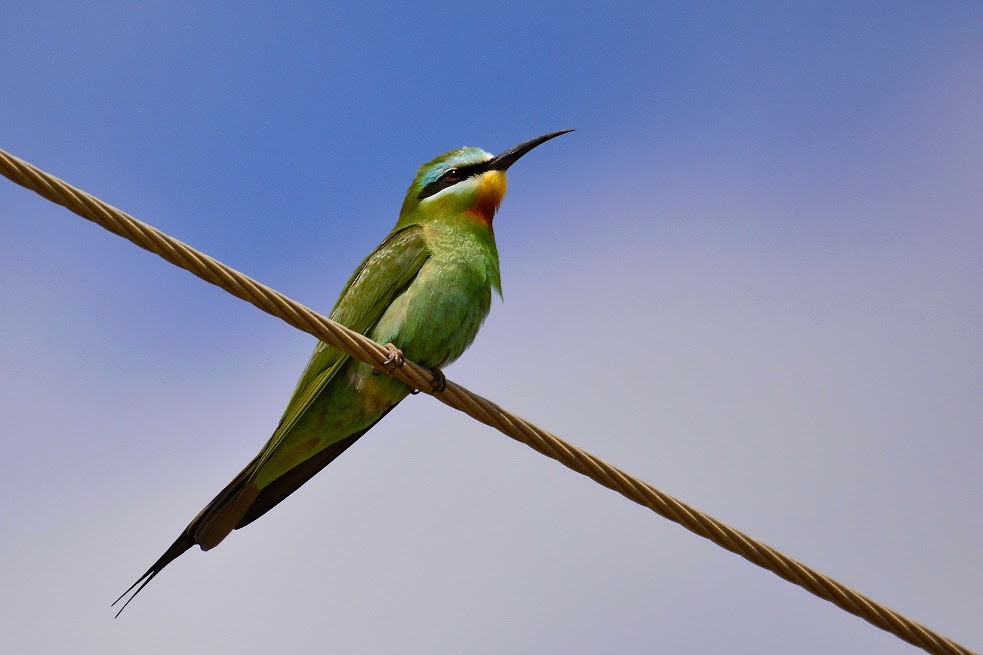
10. European Bee-eater
This species, like other bee-eaters, is a richly coloured, slender bird. It has brown and yellow upper parts, whilst the wings are green and the beak is black. It can reach a length of 27–29 cm (10.6–11.4 in), including the two elongated central tail feathers. Sexes are alike. Female tends to have greener rather than gold feathers on shoulders. Non-breeding plumage is much duller and with a blue-green back and no elongated central tail feathers. Juvenile resembles a non-breeding adult, but with less variation in the feather colours. Adults begin to moult in June or July and complete the process by August or September. There is a further moult into breeding plumage in winter in Africa.
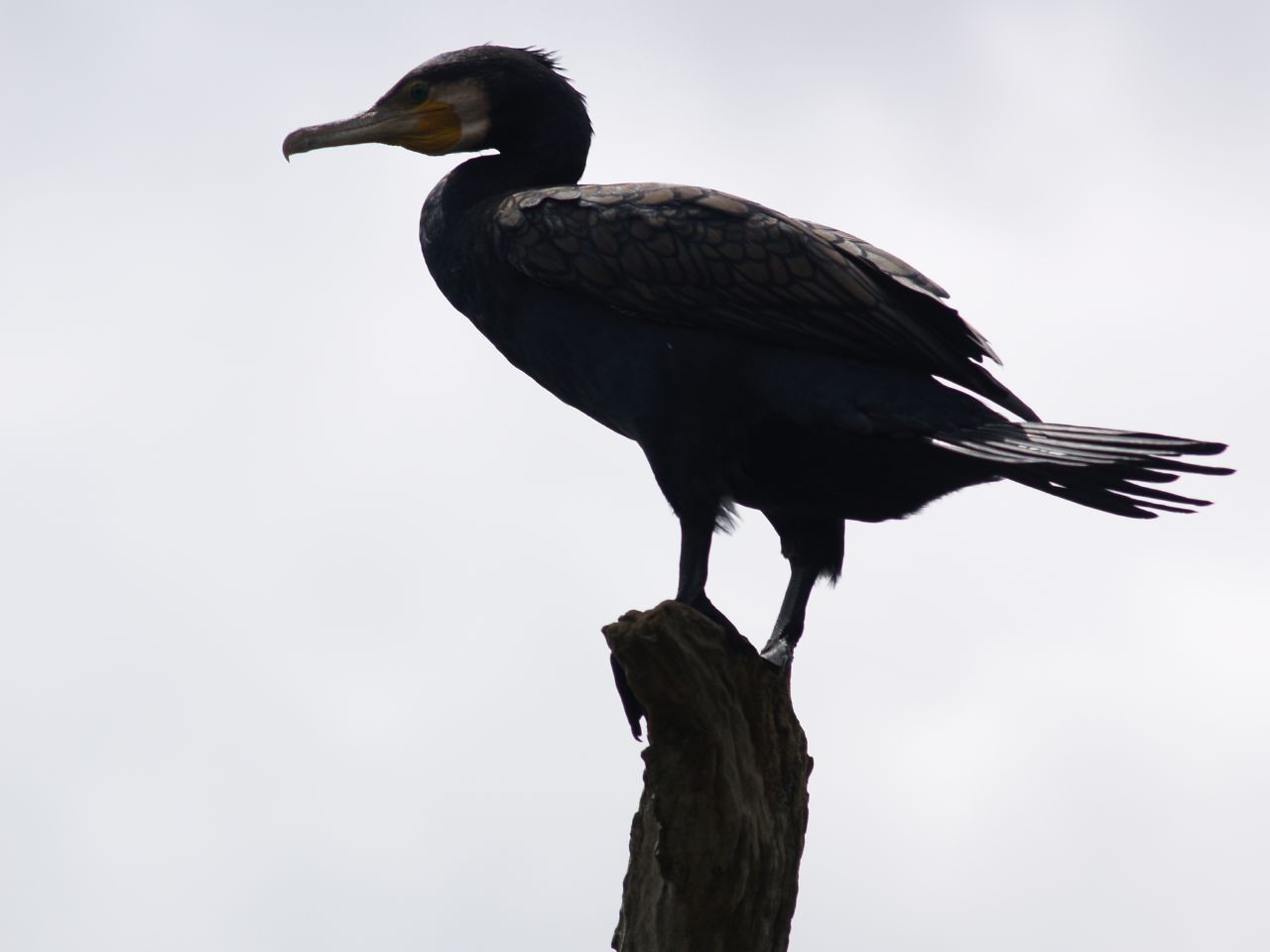
11. Great Cormorant
The great Cormorant is a charismatic bird known for its diving abilities and fishing prowess. It has a glossy black plumage, a long neck, and a hooked beak. It is strong swimmers and divers, capable of reaching depths up to 30 feet to catch fish. It has a unique habit of spreading their wings in the sun to dry them after fishing, helping to maintain their waterproof feathers.
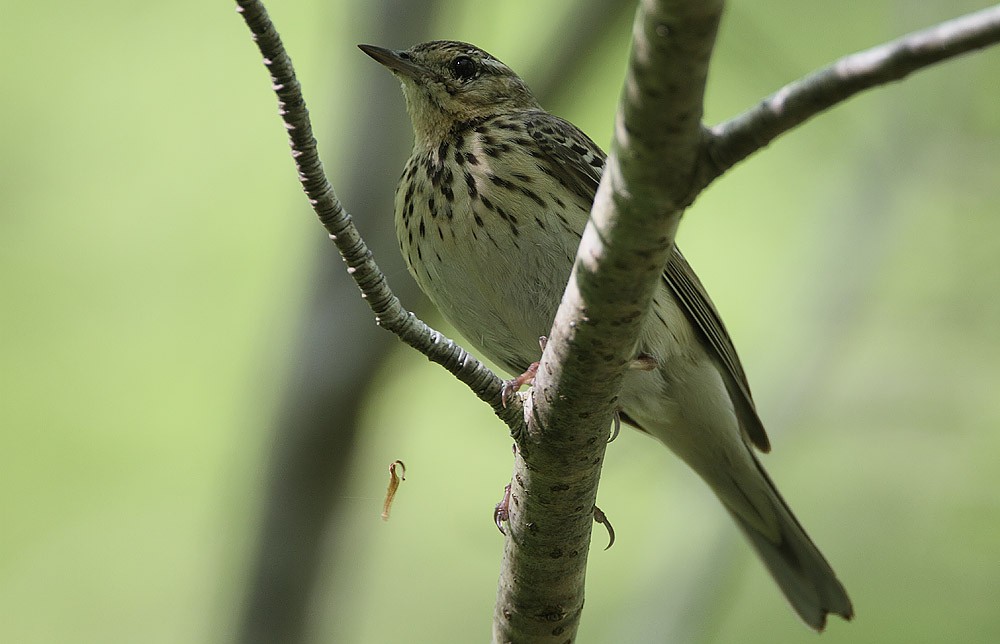
12. Tree Pipit
The tree pipit (Anthus trivialis) is a small passerine bird which breeds across most of Europe and the Palearctic as far East as the East Siberian Mountains. It is a long-distance migrant moving in winter to Africa and southern Asia. The scientific name is from Latin. Anthus is the name for a small bird of grasslands, and the specific trivialis means "common", from trivium, "public street". This is a small pipit, which resembles meadow pipit. It is an undistinguished-looking species, streaked brown above and with black markings on a white belly and buff breast below. It can be distinguished from the slightly smaller meadow pipit by its heavier bill and greater contrast between its buff breast and white belly. Tree pipits more readily perch in trees. The call is a strong spek, unlike the weak call of its relative. The song flight is unmistakable. The bird rises a short distance up from a tree, and then parachutes down on stiff wings, the song becoming more drawn out towards the end. The breeding habitat is open woodland and scrub. The nest is on the ground, with 4–8 eggs being laid. This species is insectivorous, like its relatives, but will also take seeds.
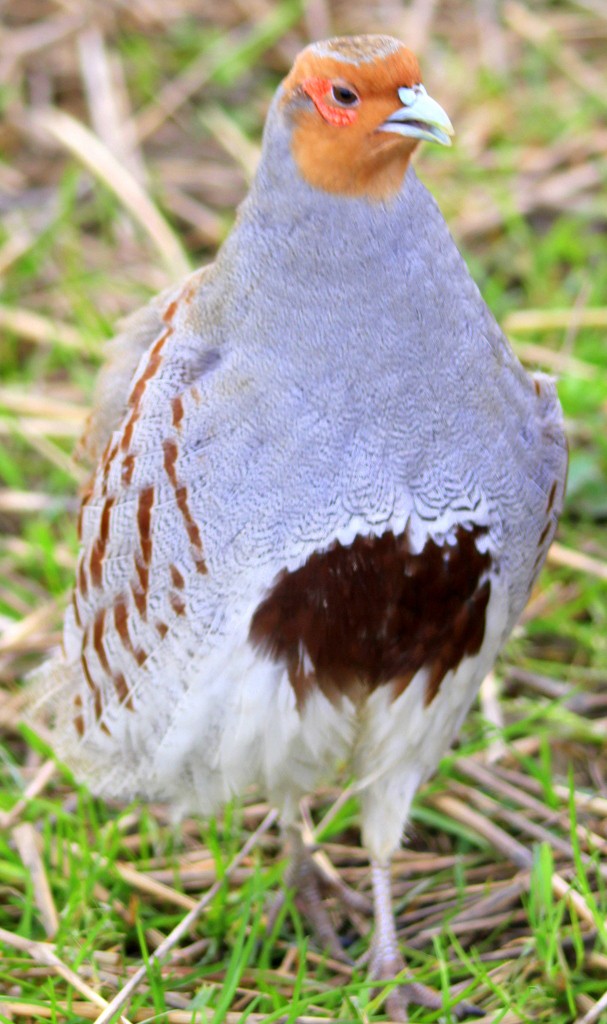
13. Grey Partridge
The grey partridge is a rotund bird, brown-backed, with grey flanks and chest. The belly is white, usually marked with a large chestnut-brown horse-shoe mark in males, and also in many females. Hens lay up to twenty eggs in a ground nest. The nest is usually in the margin of a cereal field, most commonly winter wheat. Measurements: Length: 11.8-13.0 in (30-33 cm) Weight: 13.6-17.6 oz (385-500 g) Wingspan: 20.9-22.1 in (53-56 cm) The only major and constant difference between the sexes is the so-called cross of Lorraine on the tertiary coverts of females—these being marked with two transverse bars, as opposed to the one in males. These are present after around 16 weeks of age when the birds have moulted into adult plumage. Young grey partridges are mostly yellow-brown and lack the distinctive face and underpart markings. The song is a harsh, high-pitched kieerr-ik, and when disturbed, like most of the gamebirds, it flies a short distance on rounded wings, often calling rick rick rick as it rises. They are a seed-eating species, but the young in particular take insects as an essential protein supply. During the first 10 days of life, the young can only digest insects. The parents lead their chicks to the edges of cereal fields, where they can forage for insects.
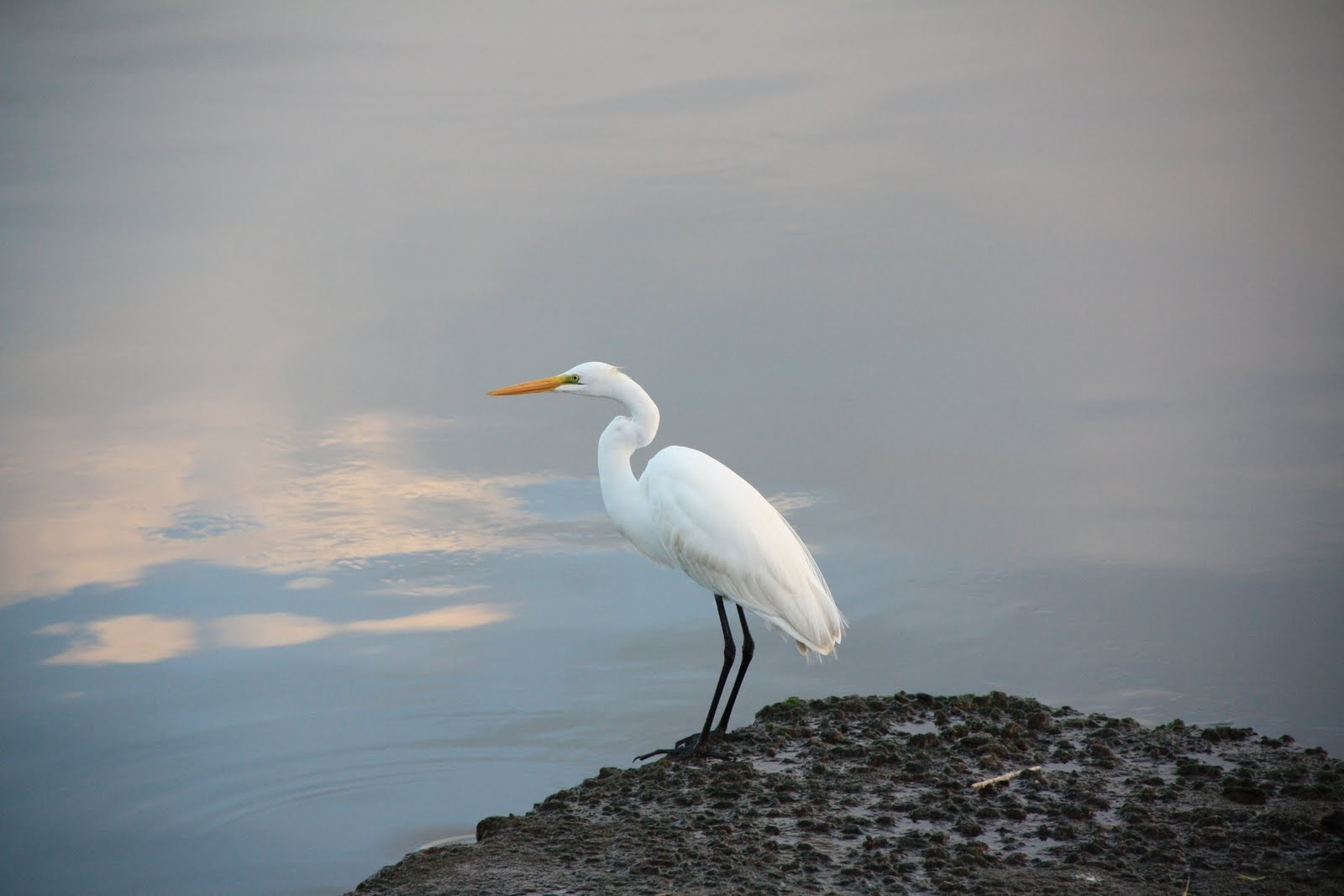
14. Great Egret
These tall birds are quite distinctive with their bright white feathers, black legs, and orange beaks. Great Egrets live near both fresh and saltwater, nesting high in trees to protect their eggs from predatory mammals. They are colonial nesters, living in large groups (colonies), and they find the majority of their food in the nearest body of water.
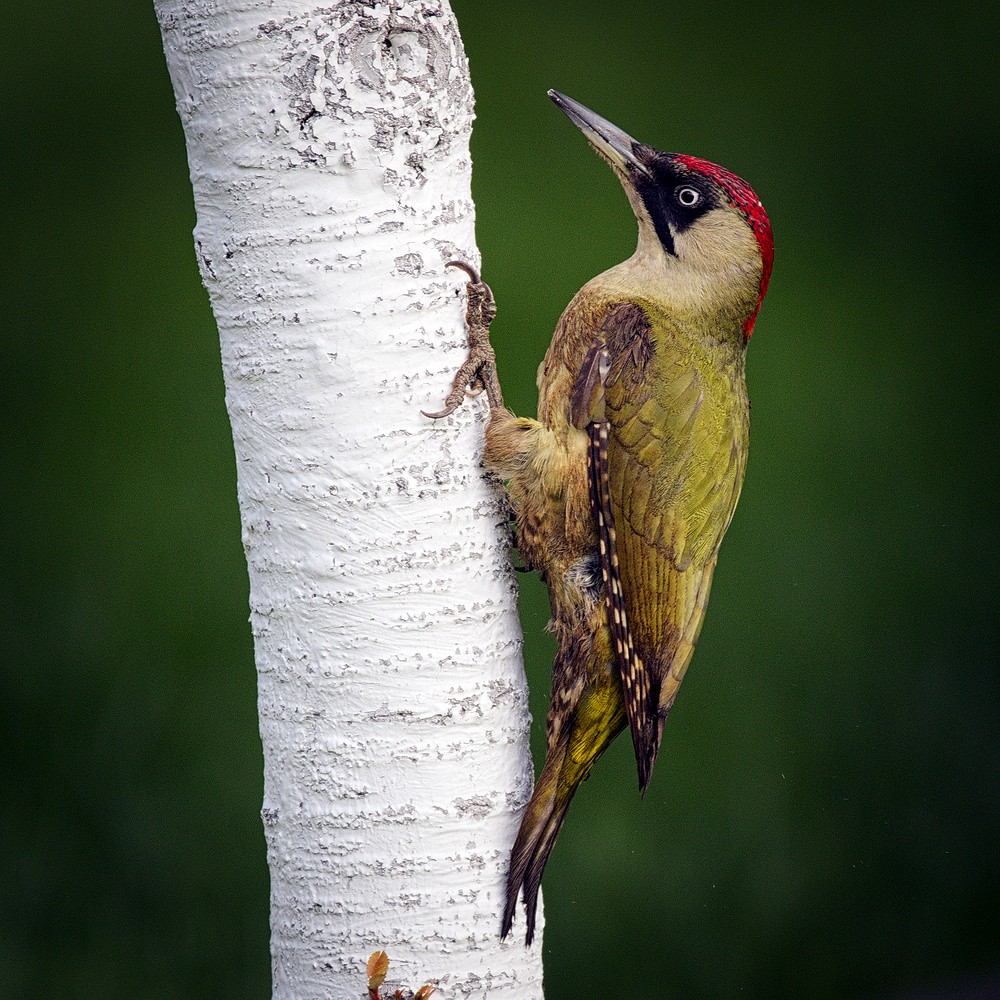
15. European Green Woodpecker
The european Green Woodpecker is a fairly large, unmistakable and fascinating woodpecker that can be found in numerous semi-open habitats. Unlike most woodpeckers, it frequently forages the ground in search of insects, mostly feasting on ants. This solitary and somewhat antisocial bird hides very well, but it can often be heard. Its distinct call is usually called ‘yaffle.’
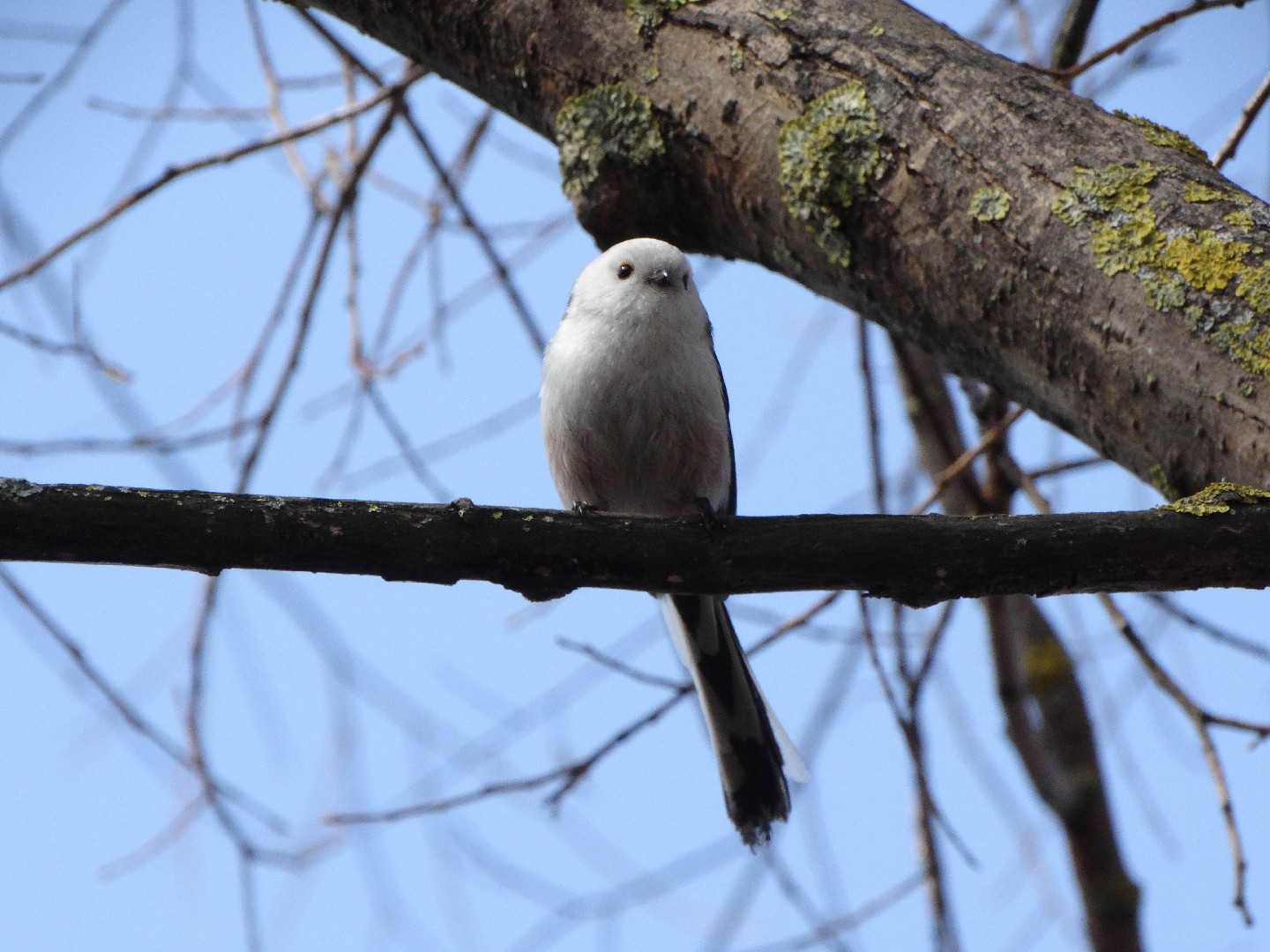
16. Long-tailed Tit
Small, fluffy, and adorable are some of the adjectives used to describe the long-tailed Tit. The bird has a high-pitched call that makes it identifiable even when mixing with flocks of other birds. It prefers traveling in groups, even with different bird species. Look for the small bird in rural and urban areas with established trees.
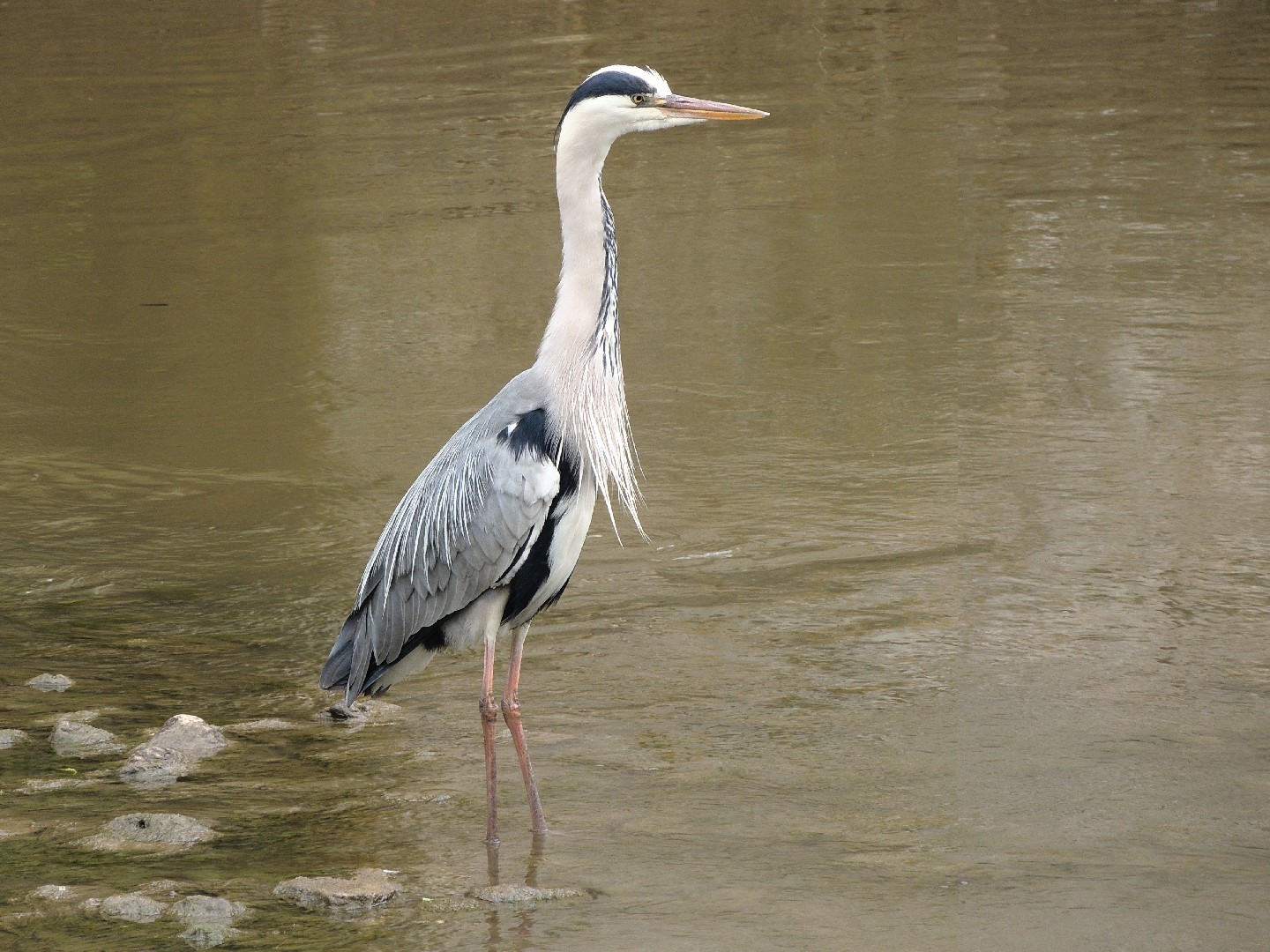
17. Grey Heron
The grey Heron is a very common species to come across in marine, brackish, and freshwater ecosystems; these habitats must have at least four months of warm weather or else these birds will migrate for new breeding grounds. The grey Heron hunts by wading through shallow waters looking for fish and various invertebrates; their natural diet helps control some aquatic species populations.
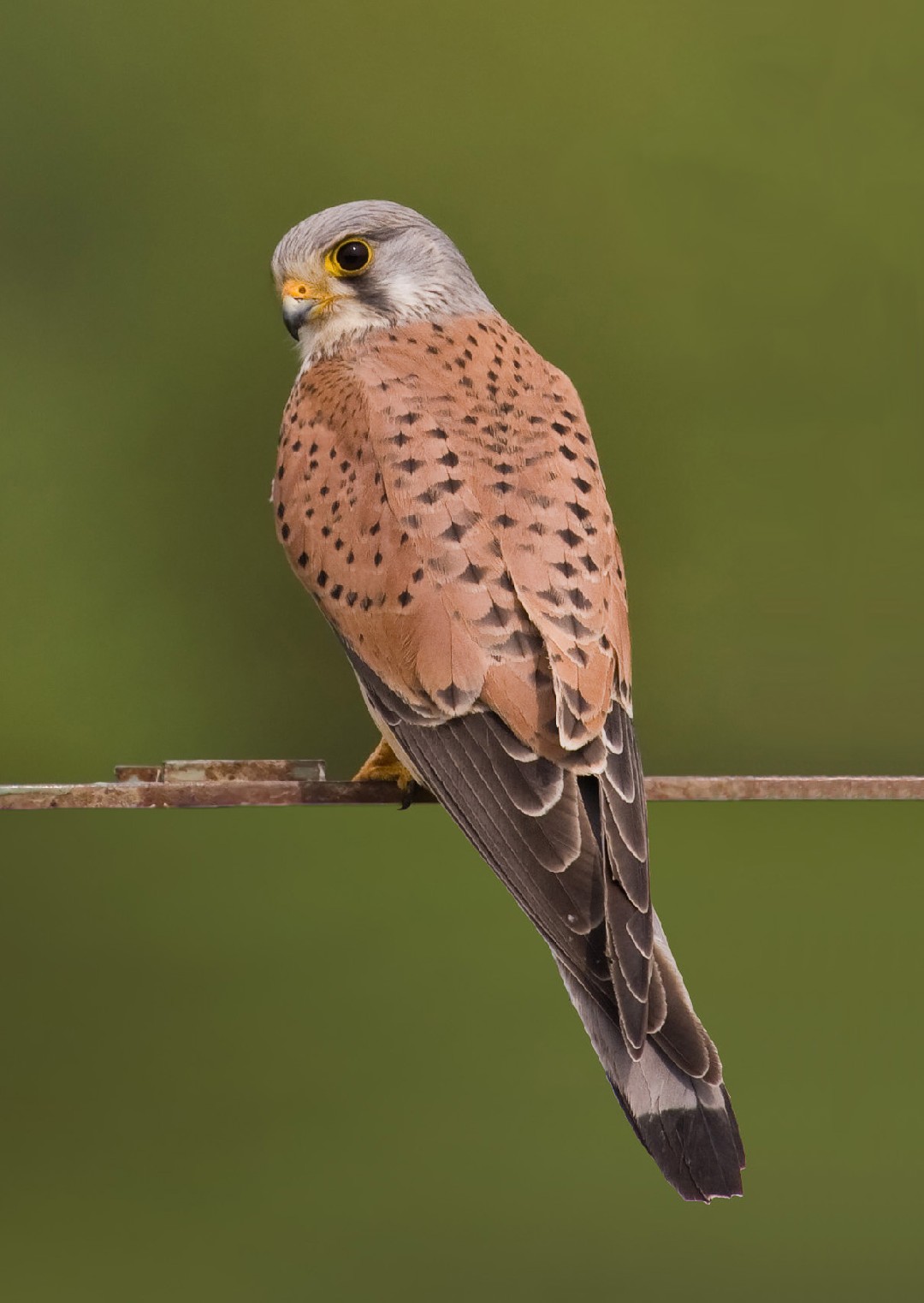
18. Common Kestrel
The common Kestrel is a small falcon found throughout much of Europe, Asia, and Africa. It feeds on small mammals, birds, and insects and is known for its ability to hover in the air to spot prey. It can be found in a variety of habitats. Some populations have declined due to habitat loss.
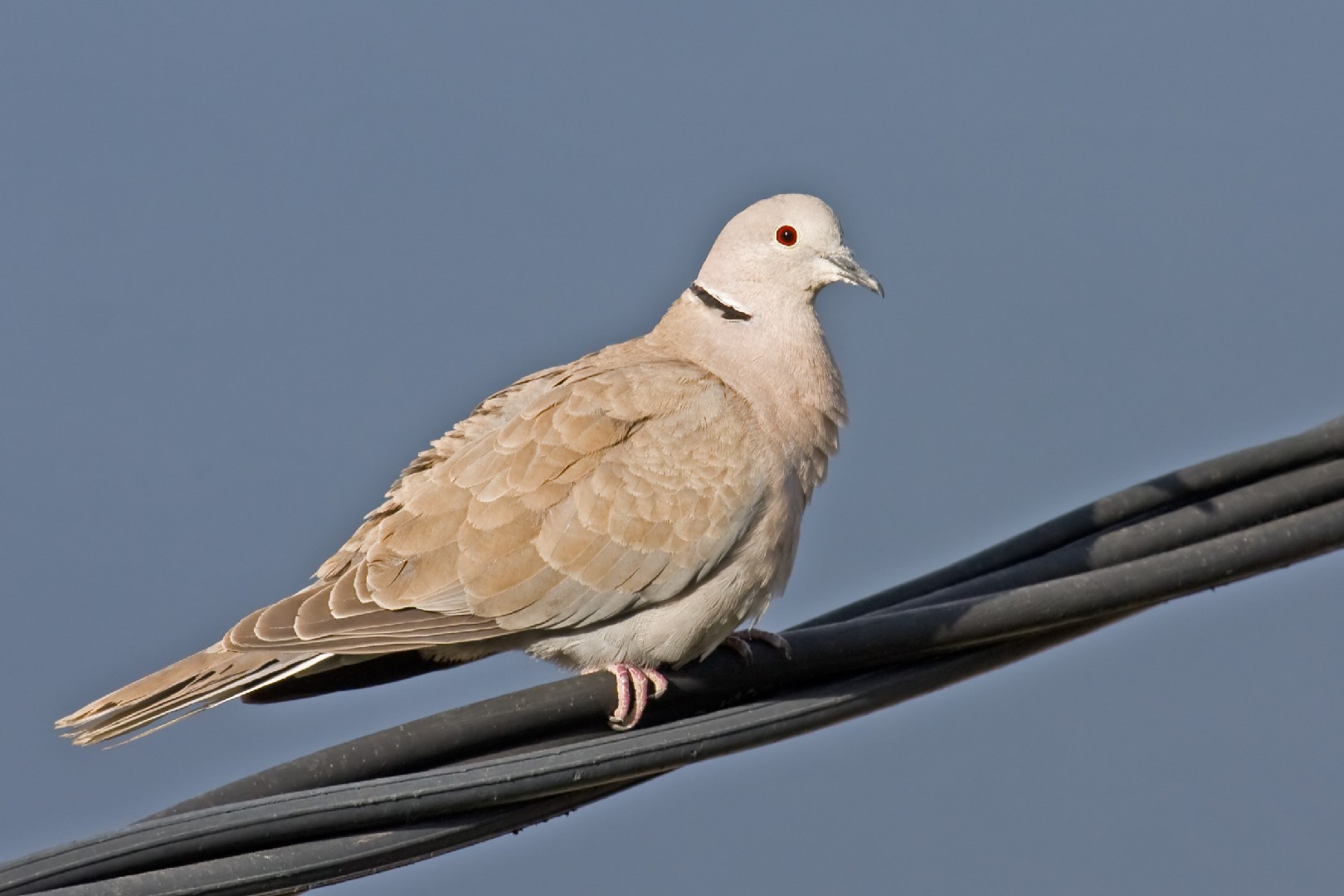
19. Eurasian Collared-dove
This plump, pretty dove with a square-tipped tail is known for bobbing its head and flicking its tail while walking. Though nice to look at, many people are not pleased at the sight of a eurasian Collared-dove walking along. In North America they are considered an invasive species, and one that carries a disease-creating parasite that can spread to native dove populations through birdbaths, feeders, or even through hawks preying on them.
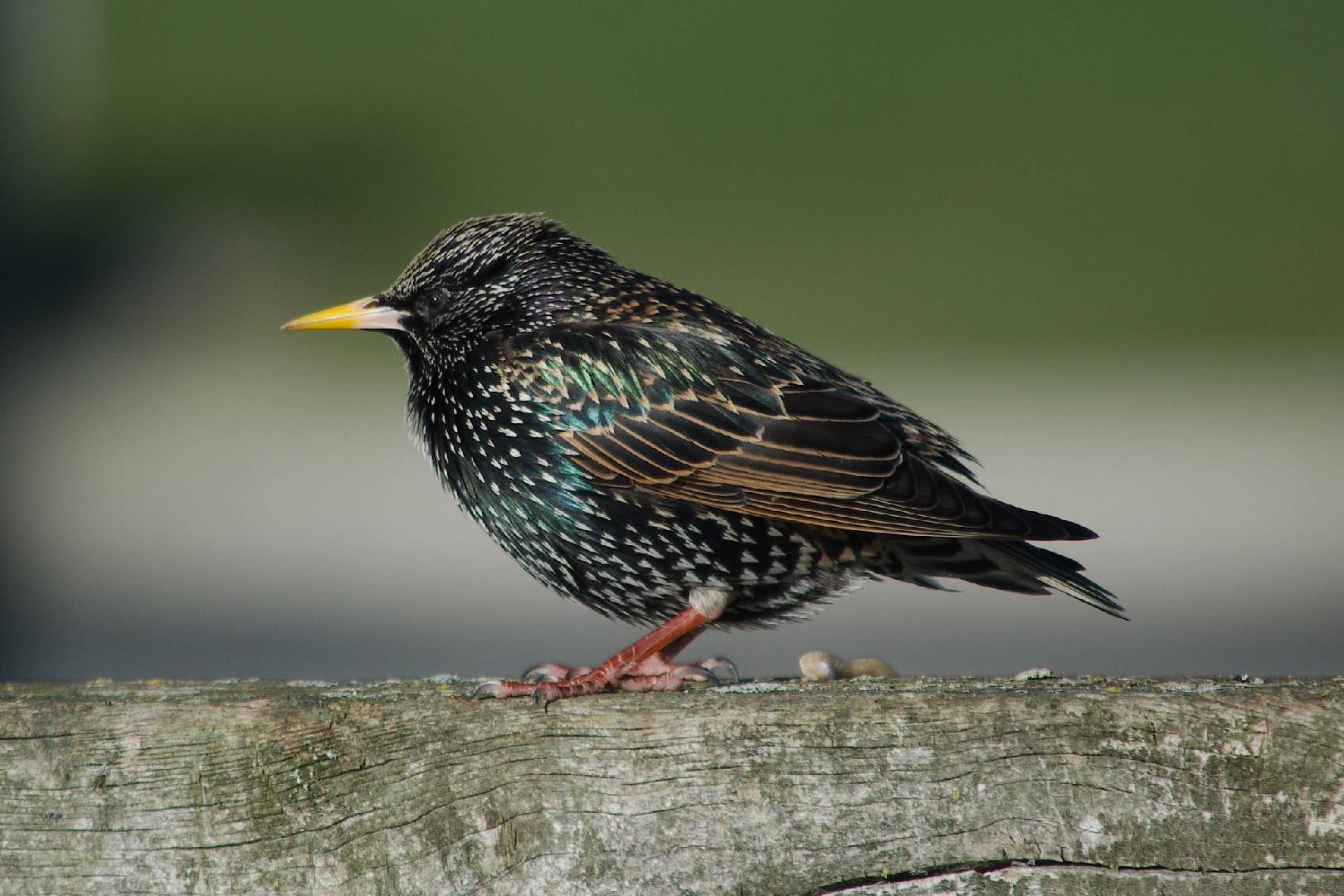
20. European Starling
The european Starling, a large, hardy songbird, is one of the most commonly seen bird species in North America. Originally from Europe, this species was brought to the U.S. in the 1890s by enthusiasts of William Shakespeare, who had the unique goal of bringing over every single species of bird that was mentioned in Shakespeare's collective works. Unfortunately, the european Starling, being an adaptable, generalist species, spread invasively across the continent, hurting many native species' populations in the process.