




Top 20 Most Common Bird in Zejtun
The town of Zejtun sports a Mediterranean landscape, offering unique habitats for a myriad of bird species. The 20 most common avian residents are renowned for their diverse characteristics, from striking plumage to distinctive calls. Noteworthy traits include their feathering adaptations that facilitate survival in hot climates, everyday behaviours that are significant for their species' survival, and migration patterns that are governed by local environmental conditions. This introduction provides an insight into the ornithological richness of Zejtun.

Most Common Bird
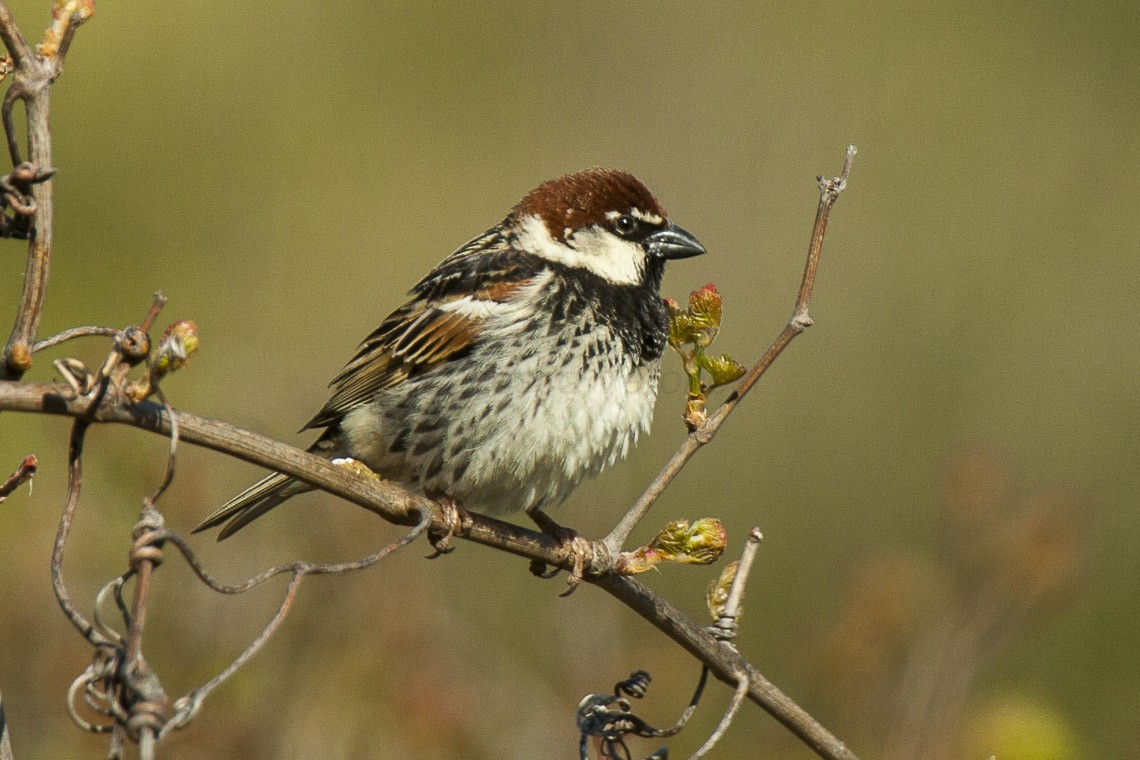
1. Spanish Sparrow
The Spanish sparrow is a rather large sparrow, at 15–16 cm (6–6.5 in) in length, and 22–36 g (0.78–1.27 oz) in weight. It is slightly larger and heavier than house sparrows, and also has a slightly longer and stouter bill. The male is similar to the house sparrow in plumage, but differs in that its underparts are heavily streaked with black, has a chestnut rather than grey crown, and has white rather than grey cheeks. The female is effectively inseparable from the house sparrow in its basic plumage, which is grey-brown overall but more boldly marked. The female has light streaking on its sides, a pale cream supercilium, and broad cream streaks on its back. Two subspecies of the Spanish sparrow – the western Spanish sparrow (P. h. hispaniolensis) and eastern Spanish sparrow (P. h. transcaspicus) – are recognised, with little visible difference between them in worn breeding plumage. They are more easily distinguished in fresh winter plumage, with the eastern subspecies P. h. transcaspicus being paler with less chestnut. 
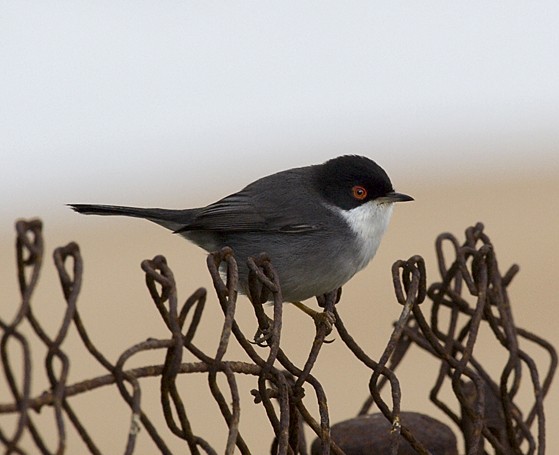
2. Sardinian Warbler
The Sardinian warbler (Curruca melanocephala) is a common and widespread typical warbler from the Mediterranean region. Like most Curruca species, it has distinct male and female plumages. The adult male has a grey back, whitish underparts, black head, white throat and red eyes. Plumages are somewhat variable even in the same locality, with the intensity of a reddish hue on upper- and/or underside varies from absent to (in some subspecies) pronounced. The female is mainly brown above and buff below, with a grey head. The Sardinian warbler's song is fast and rattling, and is very characteristic of the Mediterranean areas where this bird breeds.
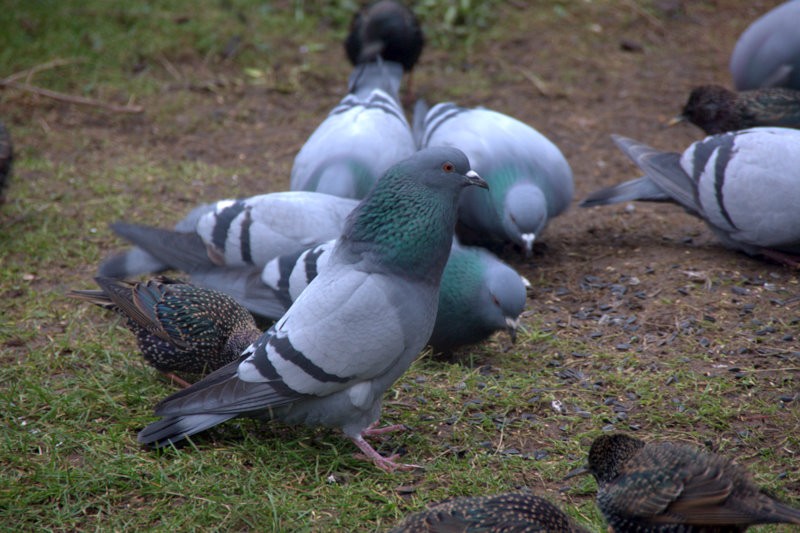
3. Rock Pigeon
The rock Pigeon is a wild ancestor of all domestic and feral pigeons, inhabiting coasts, cliffs, and caves. Pairs nest in rock crevices, often mating for life. They are known for their ability to fly very long distances to return to their homes, navigating using the sun's position and the earth's magnetic fields. Thanks to this ability, pigeons were used as messengers, particularly during World Wars I and II.
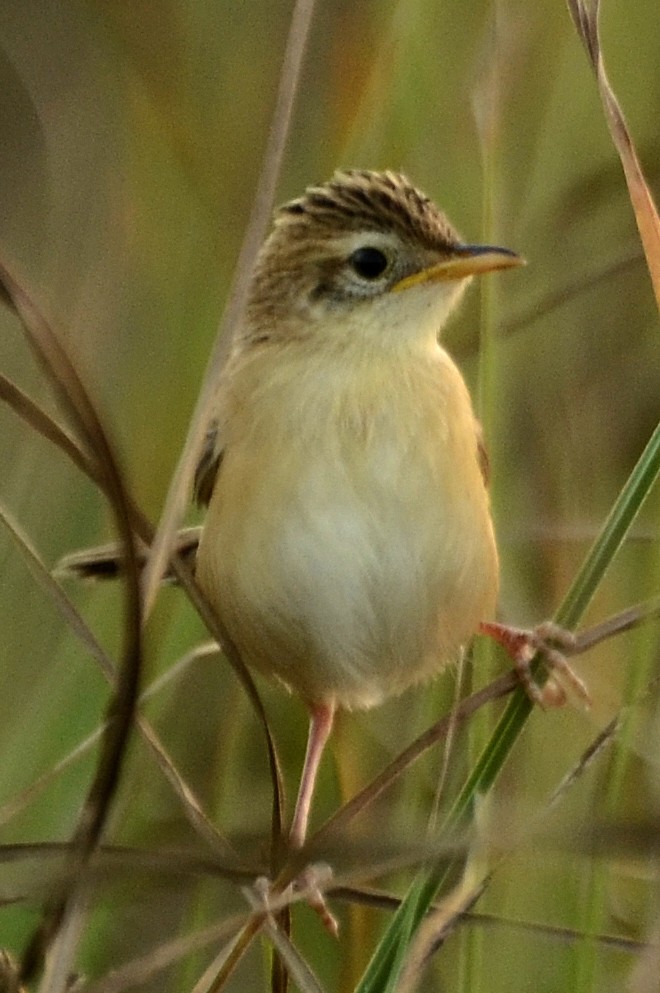
4. Zitting Cisticola
The zitting cisticola is 10 to 12 cm (3.9 to 4.7 in) in length. It is brown above, heavily streaked with black markings. The underparts are whitish, and the tail is broad, white-tipped and flicked frequently, giving rise to the alternative name for the species. The adult males have less crown streaking and more back marking than the females, but there are no great difference between the sexes or the eighteen geographical races. The absence of a nuchal collar separate it from the golden-headed cisticola (Cisticola exilis). In the non-breeding season, they tend to skulk within the grass and can be hard to spot.

5. Barn Swallow
A familiar sight in rural and semi-open areas, the small barn Swallow can often be spotted by its distinctly graceful flight as it travels low over fields. Seemingly unbothered by having human neighbors, they nest unafraid in barns, garages, beneath bridges or wharves. Interestingly enough, they have come to prefer these locations so much that you are unlikely to spot a nest in a place that is not a human-made structure.
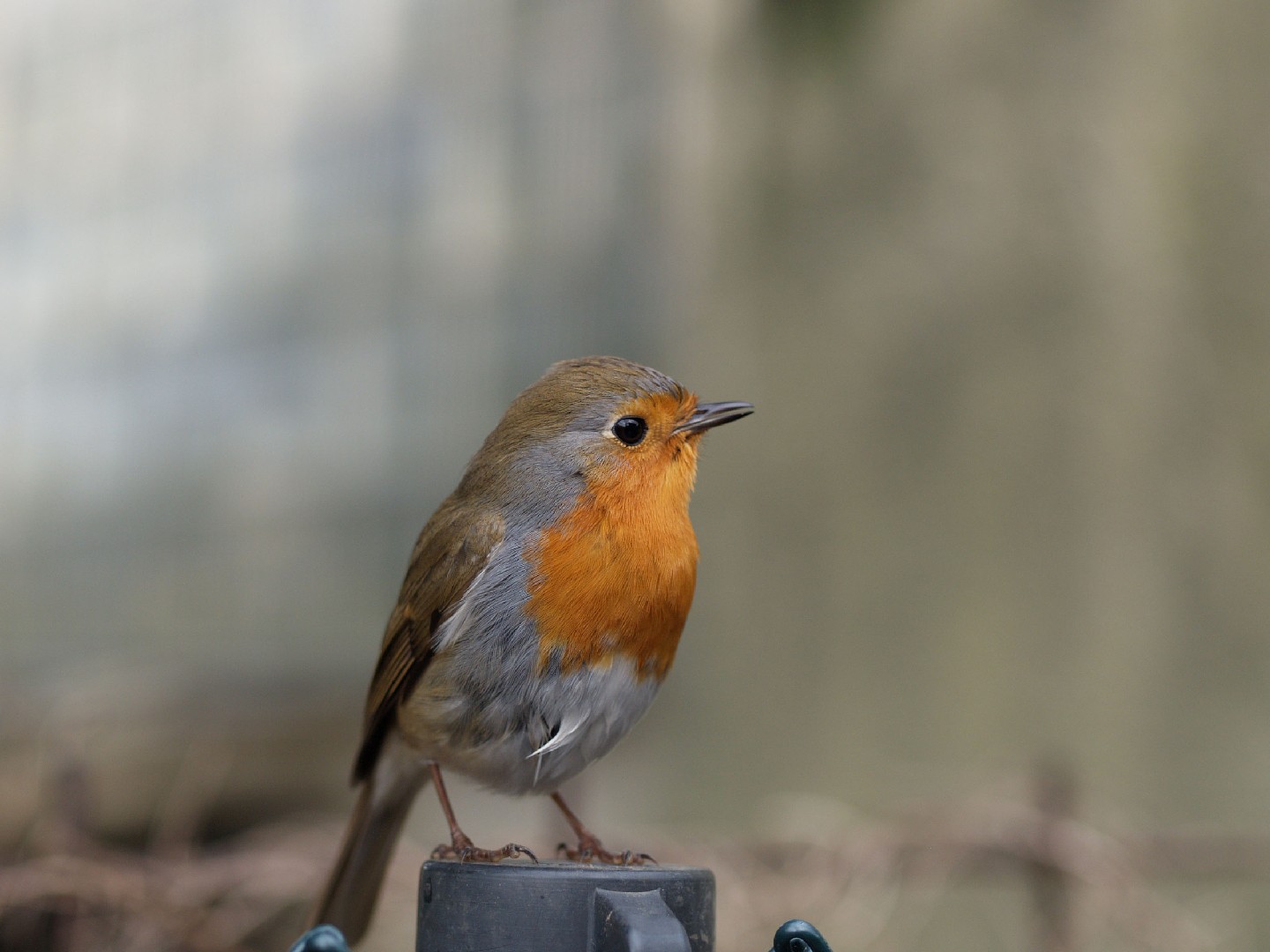
6. European Robin
The european Robin is an aggressive bird that is commonly found throughout farmlands, woodlands, and suburban communities. These birds are mainly helpful insectivores for gardeners, but will also eat various seeds and fruits. The european Robin is used on British Christmas cards to represent postmen from the Victorian era who used to wear red waistcoats while delivering holiday cards.
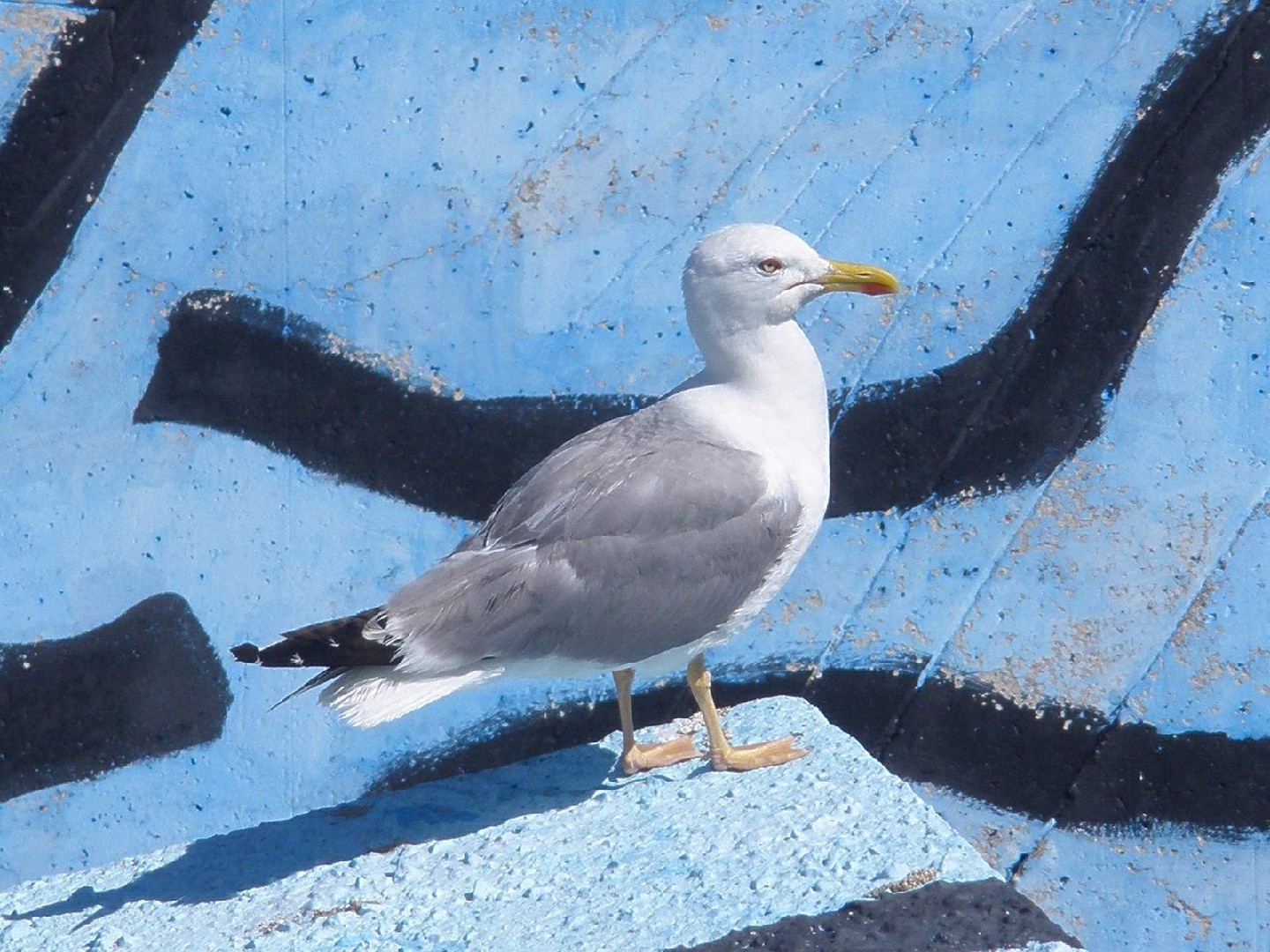
7. Yellow-legged Gull
Yellow-legged Gull is a large seagull that can be found along coastal regions of the Mediterranean Sea and the Atlantic Ocean. It has a distinctive yellow coloration on its legs and beak, giving it its name. It is an opportunistic feeder, and known to be very territorial. Some populations of Yellow-legged Gulls are migratory, traveling long distances to breed during the summer months.
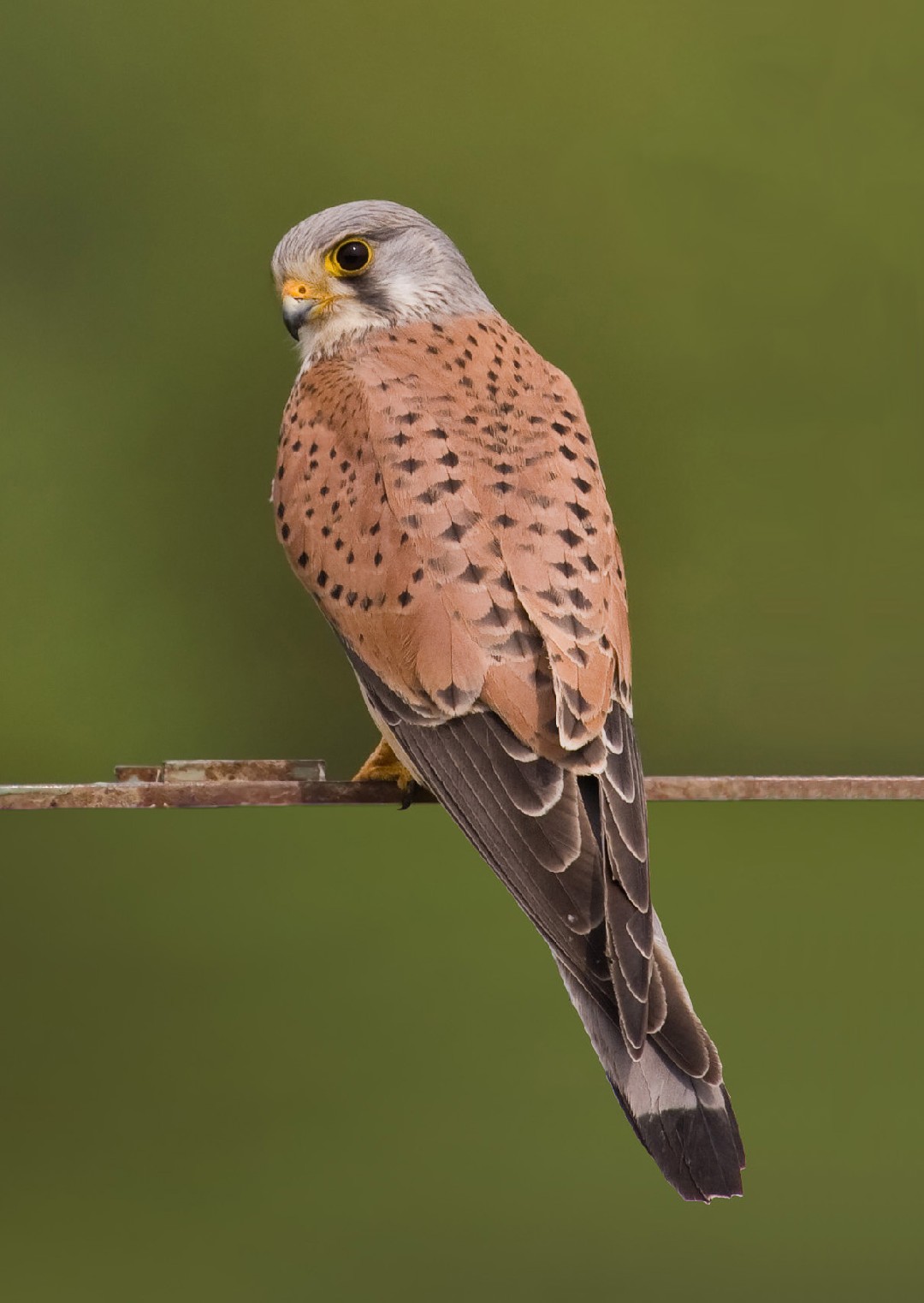
8. Common Kestrel
The common Kestrel is a small falcon found throughout much of Europe, Asia, and Africa. It feeds on small mammals, birds, and insects and is known for its ability to hover in the air to spot prey. It can be found in a variety of habitats. Some populations have declined due to habitat loss.
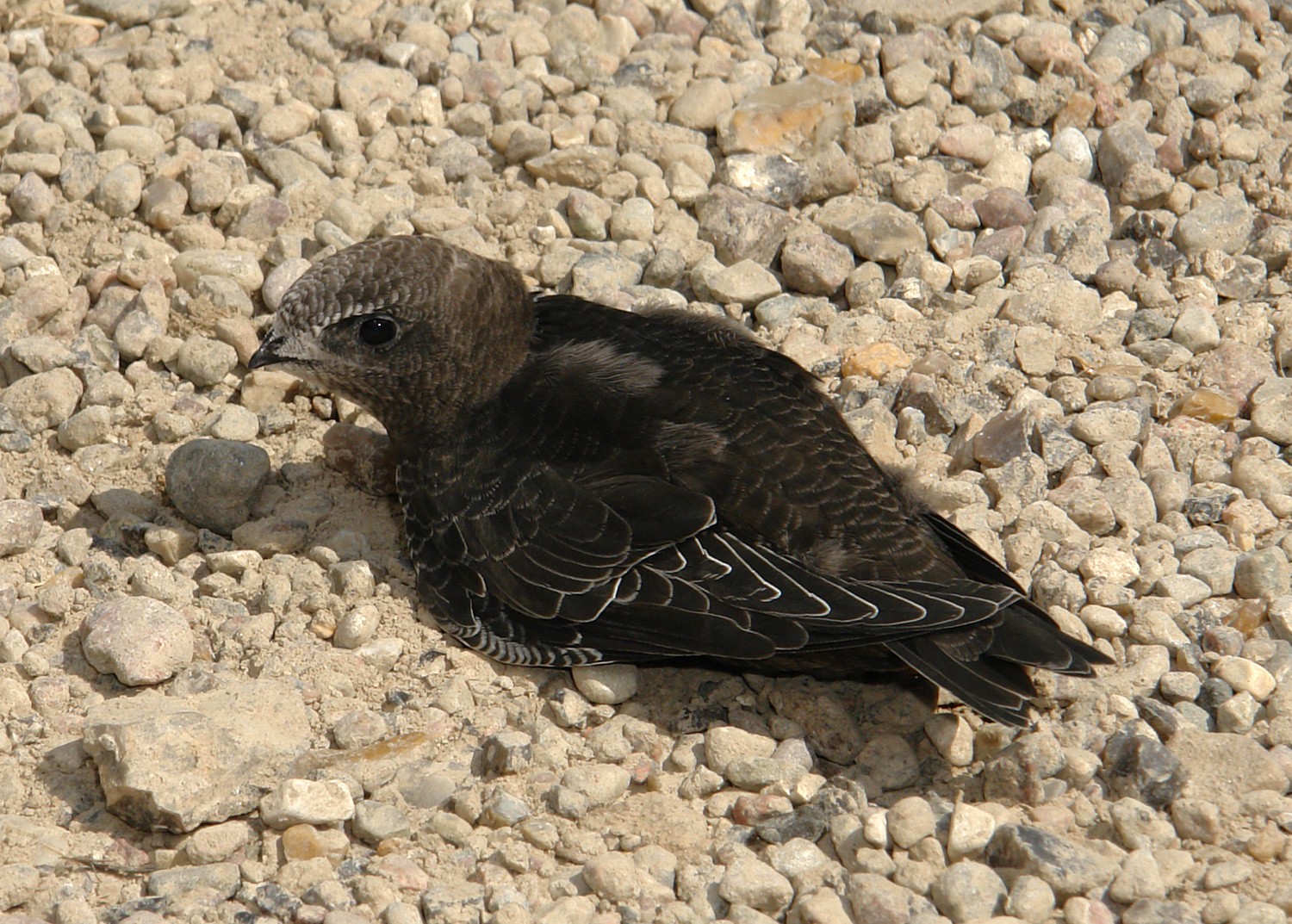
9. Common Swift
Unlike most birds, the common Swift cannot sit stably on a branch but will rather be seen hanging from one. Its scientific name, Apus apus, comes from the Greek word, apous, which means "without feet." These birds are almost always seen only in flight and rarely on the ground.
10. Tree Pipit
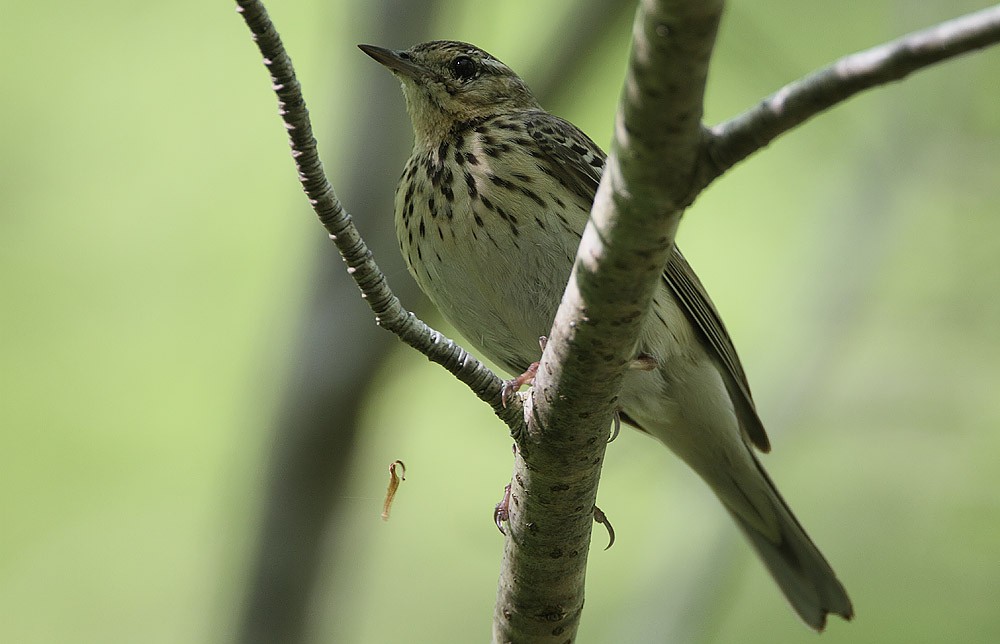
The tree pipit (Anthus trivialis) is a small passerine bird which breeds across most of Europe and the Palearctic as far East as the East Siberian Mountains. It is a long-distance migrant moving in winter to Africa and southern Asia. The scientific name is from Latin. Anthus is the name for a small bird of grasslands, and the specific trivialis means "common", from trivium, "public street". This is a small pipit, which resembles meadow pipit. It is an undistinguished-looking species, streaked brown above and with black markings on a white belly and buff breast below. It can be distinguished from the slightly smaller meadow pipit by its heavier bill and greater contrast between its buff breast and white belly. Tree pipits more readily perch in trees. The call is a strong spek, unlike the weak call of its relative. The song flight is unmistakable. The bird rises a short distance up from a tree, and then parachutes down on stiff wings, the song becoming more drawn out towards the end. The breeding habitat is open woodland and scrub. The nest is on the ground, with 4–8 eggs being laid. This species is insectivorous, like its relatives, but will also take seeds.
11. Meadow Pipit
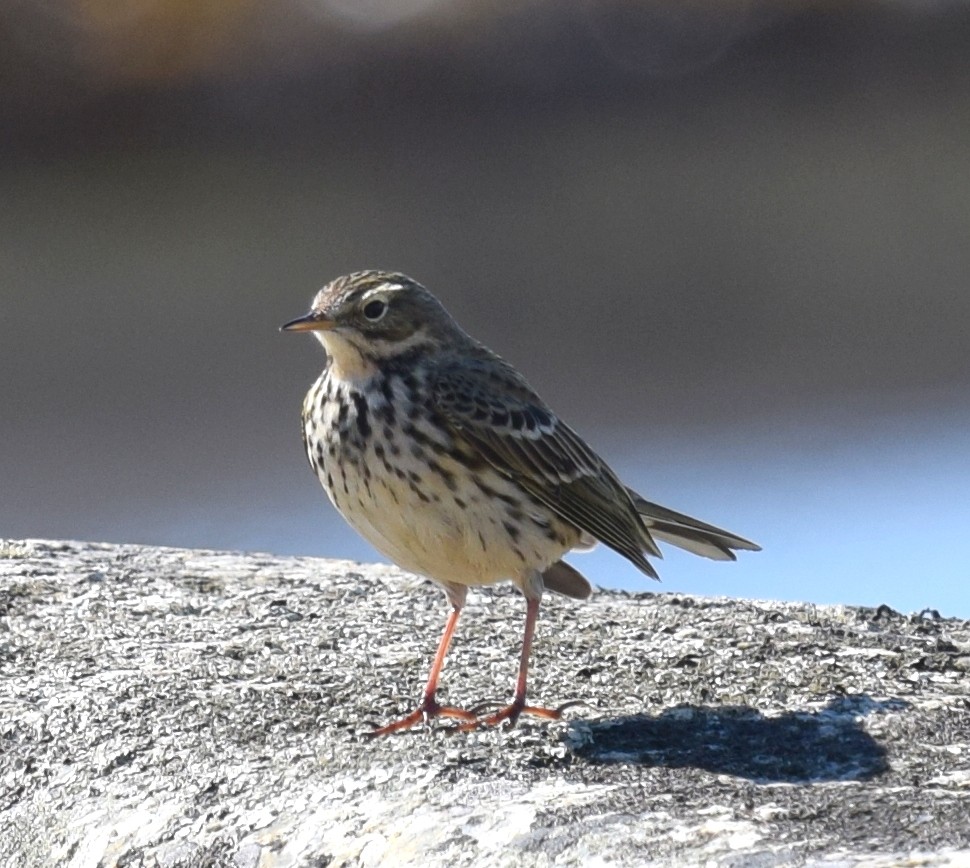
Emitting a high cry sounding like “sip” or “pip” to the human ear, the meadow Pipit’s habitat and cry are the best methods of separating the small bird from others in the genus. During the winter, the bird becomes social and gathers in flocks as they search the meadows for small insects.
12. Common House-martin
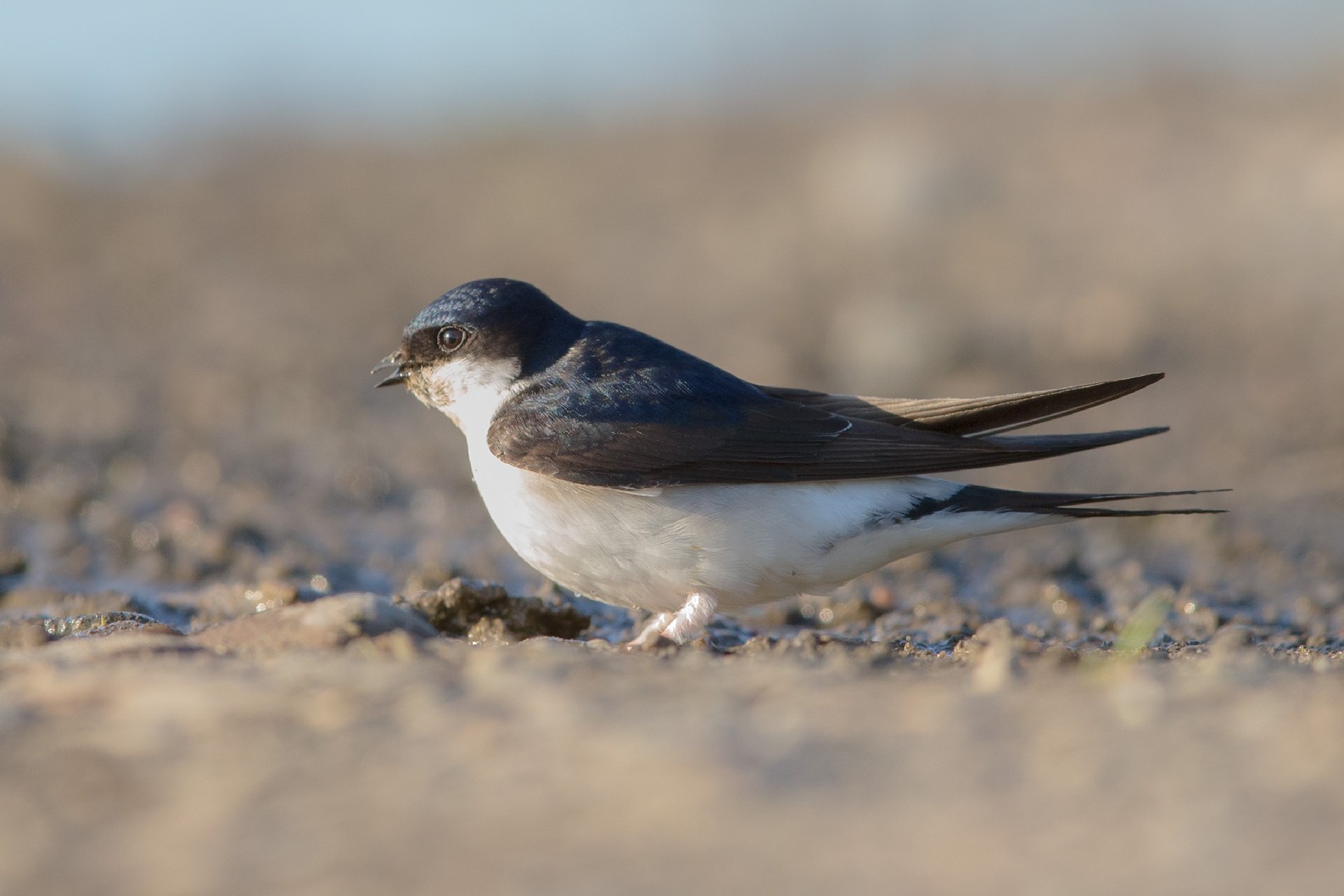
A small, multicolored swallow, the common House-martin has benefited greatly from human habitation and forest clearing, which has created the open habitats and safe man-made nests it prefers. These birds almost always make their homes near water and often perch on utility wires.
13. Western Marsh Harrier
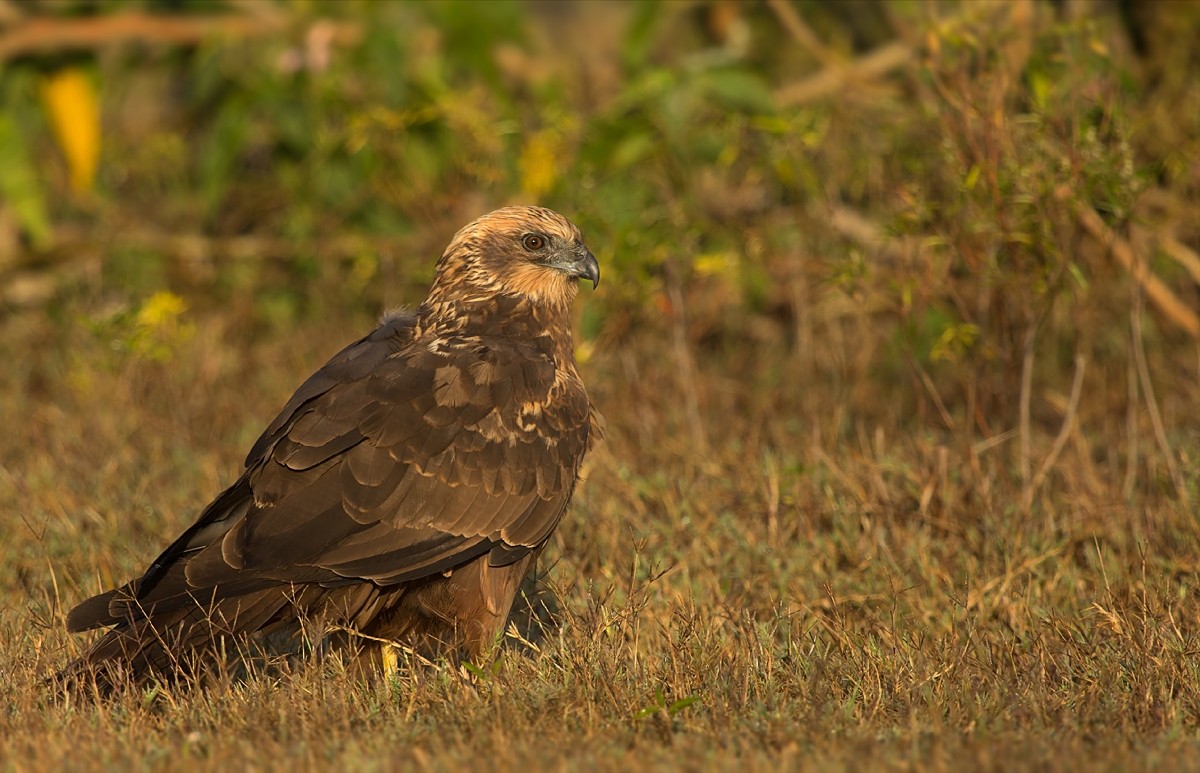
The western Marsh Harrier’s long tail and wings give the raptor a gangly appearance. It is commonly seen flying low over wetlands and marshes in search of prey. The preferred food sources are small birds and mammals that it catches in its beak or talons. While in flight, the raptor holds its wings in a ‘V’ shape.

14. White Wagtail
The white Wagtail is the national bird of Latvia and is featured in traditional folk songs and placed on some postage stamps. These birds can be found in most habitat types besides deserts. As their name suggests, they exhibit a characteristic tail-wagging behavior as they search along the ground and nearby waterways for insects to eat.
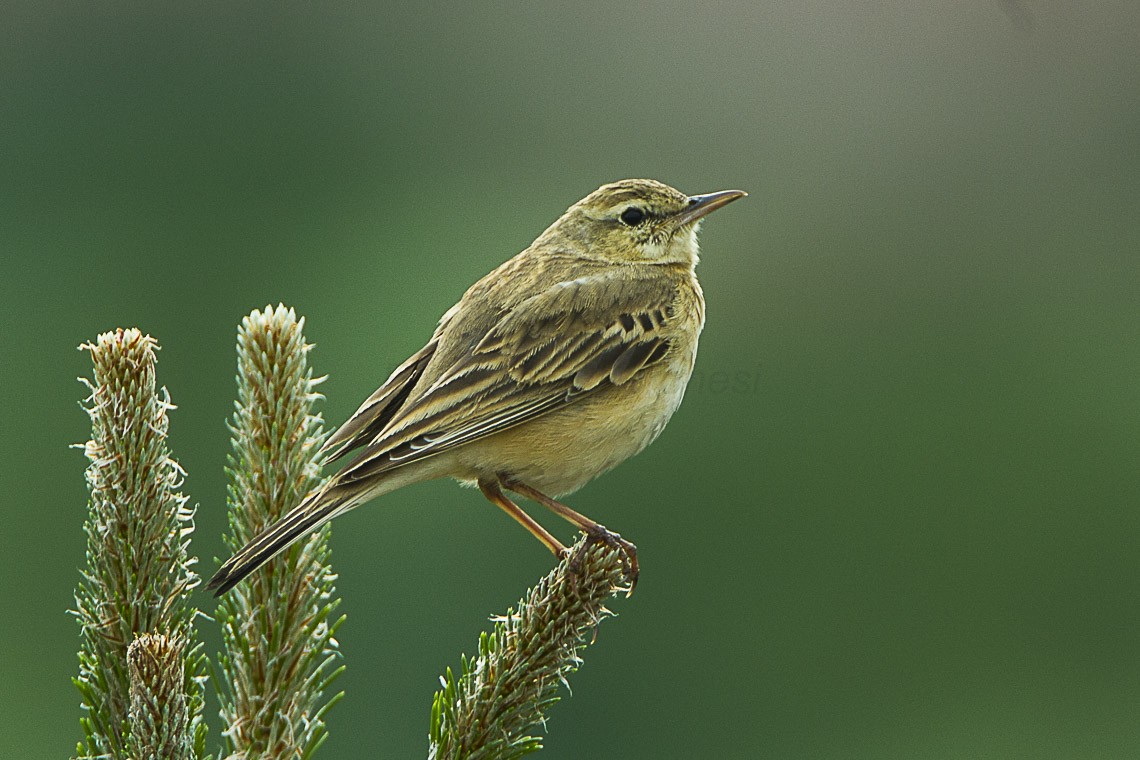
15. Tawny Pipit
The tawny pipit (Anthus campestris) is a medium-large passerine bird which breeds in much of the central Palearctic from northwest Africa and Portugal to Central Siberia and on to Inner Mongolia. It is a migrant moving in winter to tropical Africa and the Indian Subcontinent. The scientific name is from Latin. Anthus is the name for a small bird of grasslands, and the specific campestris means "of the fields". This is a large pipit, 16 centimetres (6.3 in) long with wing-span 25–28 centimetres (9.8–11.0 in), but is an undistinguished looking species on the ground, mainly sandy brown above and pale below. It is very similar to Richard's pipit, but is slightly smaller, has shorter wings, tail and legs and a narrower dark bill. It is also less streaked. Its flight is strong and direct, and it gives a characteristic "schip" call, higher pitched than Richard's. Its song is a short repetition of a loud disyllabic chir-ree chir-ree. In south Asia, in winter some care must be taken to distinguish this from other large pipits which winter or are resident in the area, including Richard's pipit, Blyth's pipit and paddyfield pipit. Tawny pipit is insectivorous, like its relatives. The breeding habitat is dry open country including semi-deserts. The nest is on the ground, with 4-6 eggs being laid.
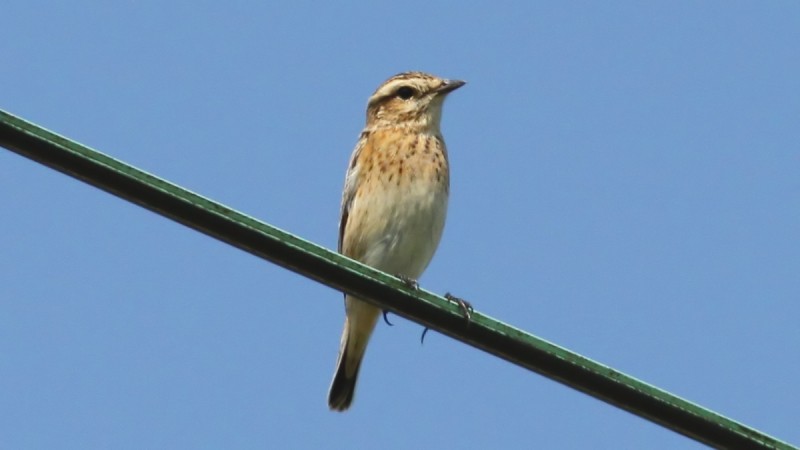
16. Whinchat
The whinchat is a short-tailed bird, moving on the ground with small, rapid hops and frequently bobbing and flicking its wings and tail. It is similar in size to its relative the European robin (Erithacus rubecula), being 12 to 14 cm (4.7 to 5.5 in) long and weighing 13 to 26 g (0.46 to 0.92 oz). Both sexes have brownish upperparts mottled darker, a buff throat and breast, a pale buff to whitish belly, and a blackish tail with white bases to the outer tail feathers. The male in breeding plumage has a blackish face mask almost encircled by a strong white supercilium and malar stripe, a bright orange-buff throat and breast, and small white wing patches on the greater coverts and inner median coverts. The female is duller overall, in particular having browner face mask, pale buffy-brown breast, and a buff supercilium and malar stripe, and smaller or no white wing patches. Males in immature and winter plumage are similar to females, except that adult males retain the white wing patches all year round. Though fairly similar to females and immatures of the European stonechat (S. rubicola), the whinchat can readily be distinguished by its conspicuous supercilium and whiter belly, and also in western Europe, by being paler overall than the western European stonechat subspecies S. rubicola hibernans. It also differs structurally in being slightly slimmer and less 'dumpy', and having longer wingtips (an adaptation to its long-distance migration). It is more easily confused with female or immature Siberian stonechat (S. maura), which (also being a long-distance migrant) shares the longer wingtips; however, Siberian stonechat can be distinguished by its conspicuous unmarked pale orange-buff rump (in whinchat, the rump is the same mottled brown colour as the back). Its main call is described as a hue-tac-tac, the 'tac' softer and less grating than that of the European stonechat; the call is used both for contact between birds and predator alarms. The male has a whistling, crackly but soft song used during the breeding season, consisting of a mixture of soft whistles, tacs and more grating sounds; it is often mimetic, including phrases from the songs of at least 12 other assorted bird species. It sings from a fence, bush, tree or wire, or occasionally from the ground or in flight, between about April and July. On the wintering grounds, it often gives alarm calls but only occasionally sings, being most likely to do so at the end of winter, when starting spring migration.
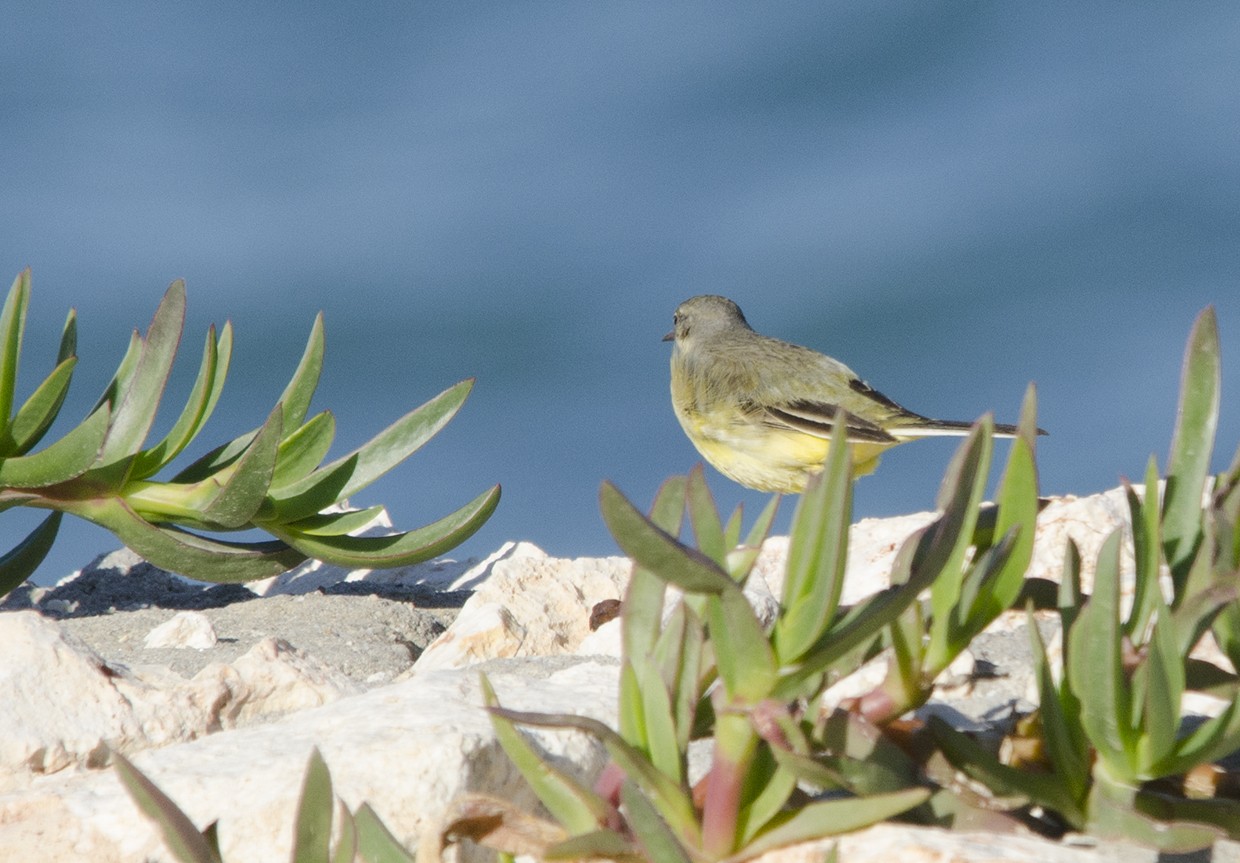
17. Western Yellow Wagtail
A small bird, the western Yellow Wagtail lives up to its common name, Western Yellow Wagtail, as the bird is often seen wagging its tail feathers. It is on the red list for declining numbers in the UK. The bird spends the majority of its time running on the ground in meadows and wet pastures in search of small insects.
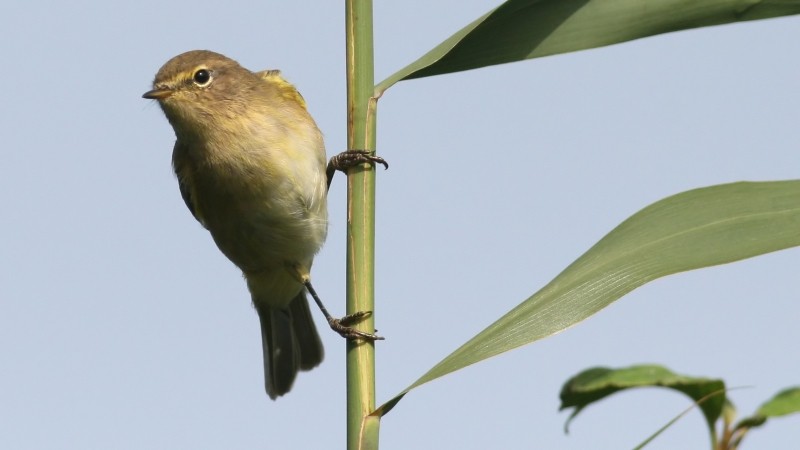
18. Common Chiffchaff
The common Chiffchaff is a small warbler known for its distinctive "chiff-chaff" call. It can be found in woodlands, gardens, and parks throughout Europe and Asia. It feeds on small insects, spiders and other invertebrates, which it catches by gleaning from leaves and branches. In the breeding season, males will sing to attract females and defend their territories.
19. Red-throated Pipit
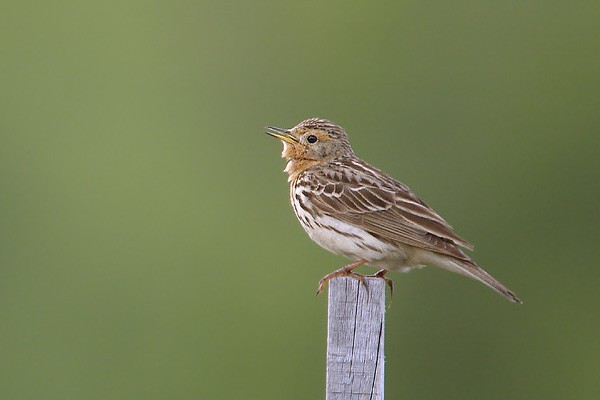
This is a small pipit, with adults easily identified in the breeding season by their brick red face and throat. In other plumages this is an undistinguished looking species, heavily streaked brown above, with whitish mantle stripes, and with black markings on a white background below. It is very similar in appearance to the meadow pipit and in the autumn it much resembles the tree pipit but has an altogether more striped appearance because of the larger numbers of streaks on the cap, back, flank, rump and chest. The flight of the red-throated pipit is strong and direct, and it gives a characteristic psii call as it flies.
20. Northern Wheatear
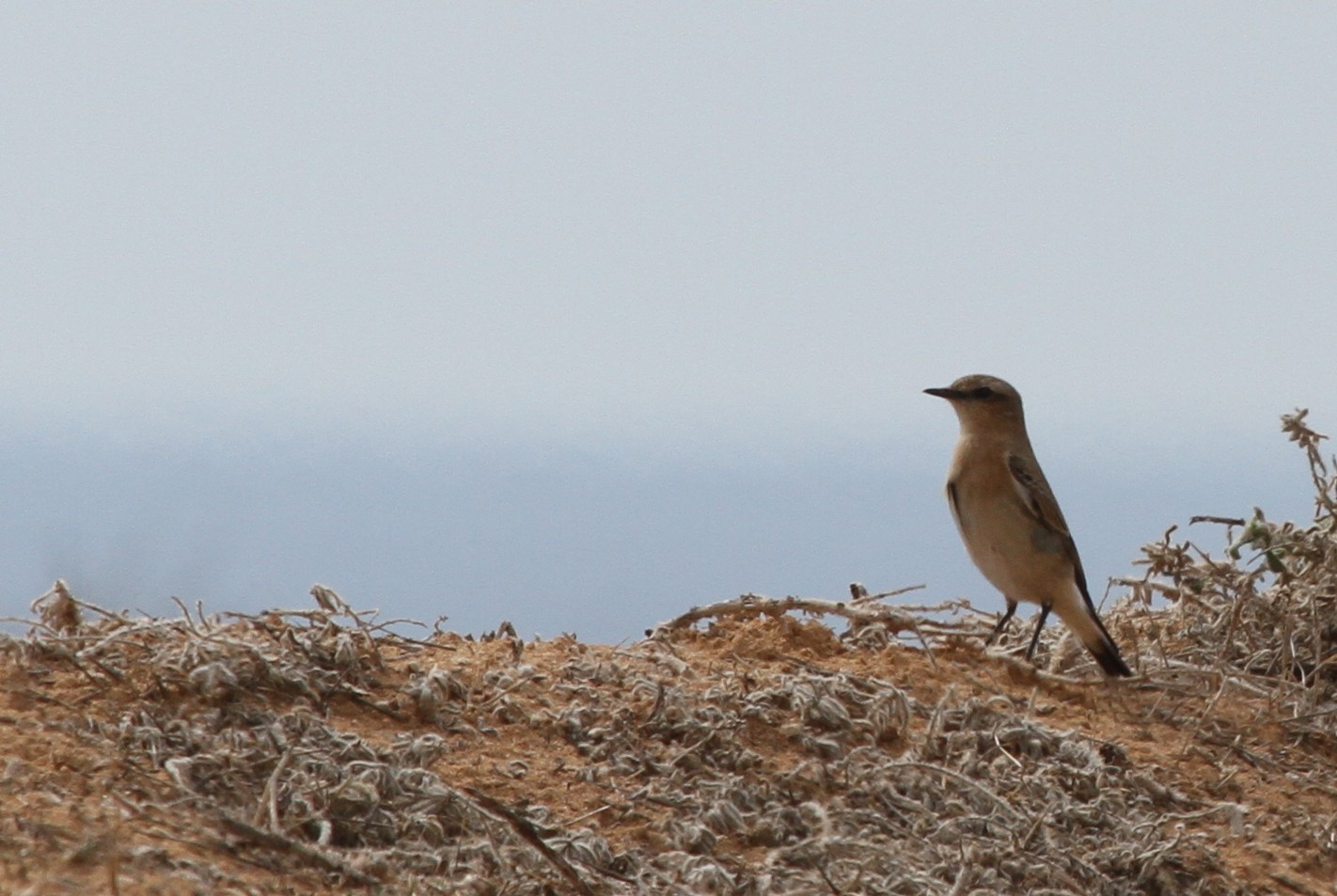
A small thrush, the northern Wheatear is capable of producing multiple sounds that range from whistles to trills, and even mimicking other bird species. The Eurasian bird prefers open habitats during the non-breeding season. When breeding, the thrush looks for areas with grass or rocks. Its primary food sources are insects and their larvae.