




Top 20 Most Common Bird in Janakpur
Janakpur is known for its mixed sub-tropical and humid forest environment, making it rife with avian diversity. The 20 most common birds exhibit unique adaptations, vibrant colors and remarkable behaviors. They are adapted to utilize different habitats and food resources; some migrate long distances, while others are year-round residents.

Most Common Bird
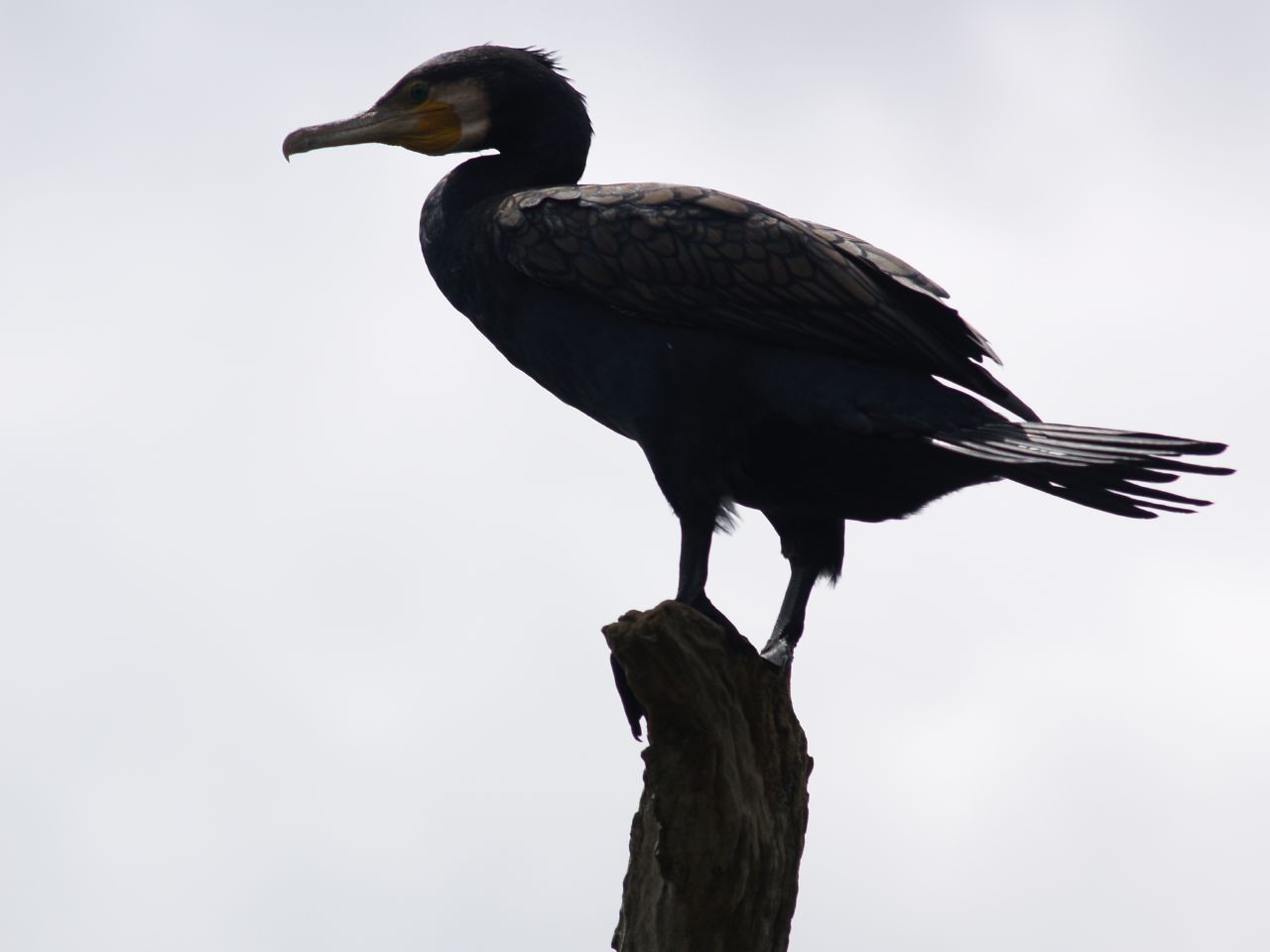
1. Great Cormorant
The great Cormorant is a charismatic bird known for its diving abilities and fishing prowess. It has a glossy black plumage, a long neck, and a hooked beak. It is strong swimmers and divers, capable of reaching depths up to 30 feet to catch fish. It has a unique habit of spreading their wings in the sun to dry them after fishing, helping to maintain their waterproof feathers. 
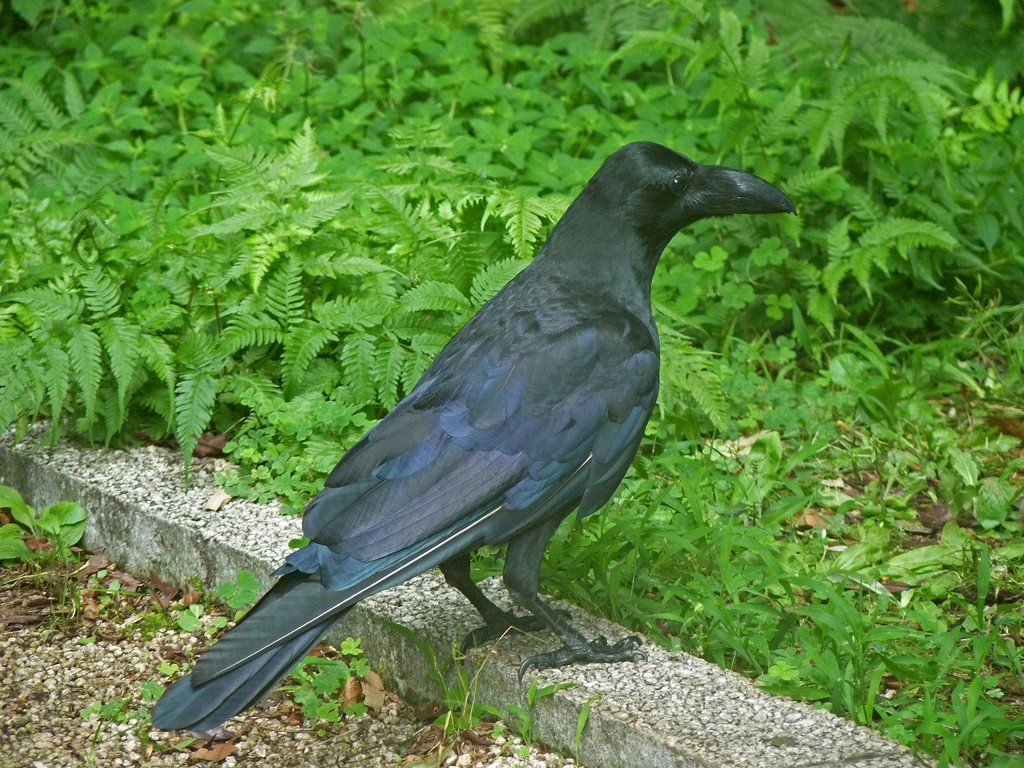
2. Large-billed Crow
The overall size (length: 46–59 cm; 18–23 in.) and body proportions vary regionally. In the far northeast in Japan, the Kuriles and the Sakhalin peninsula, it is somewhat larger than the carrion crow. All taxa have a relatively long bill with the upper one quite thick and arched, making it look heavy and almost raven-like. Generally, all taxa have dark greyish plumage from the back of the head, neck, shoulders and lower body. Their wings, tail, face, and throat are glossy black. The depth of the grey shading varies across its range.
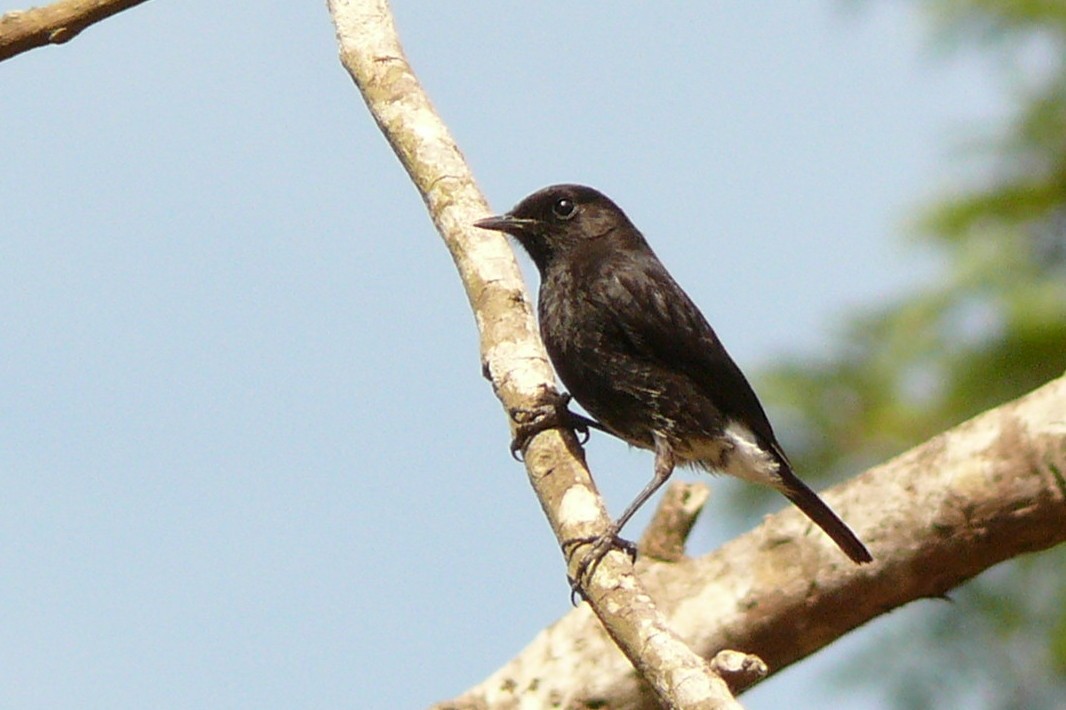
3. Pied Bushchat
The pied bush chat is slightly smaller than the Siberian stonechat, Saxicola maurus, although it has a similar dumpy structure and upright stance. The male is black except for a white rump, wing patch and lower belly. The iris is dark brown, the bill and legs black. The female is drab brown and slightly streaked. Juveniles have a scaly appearance on the underside but dark above like the females.
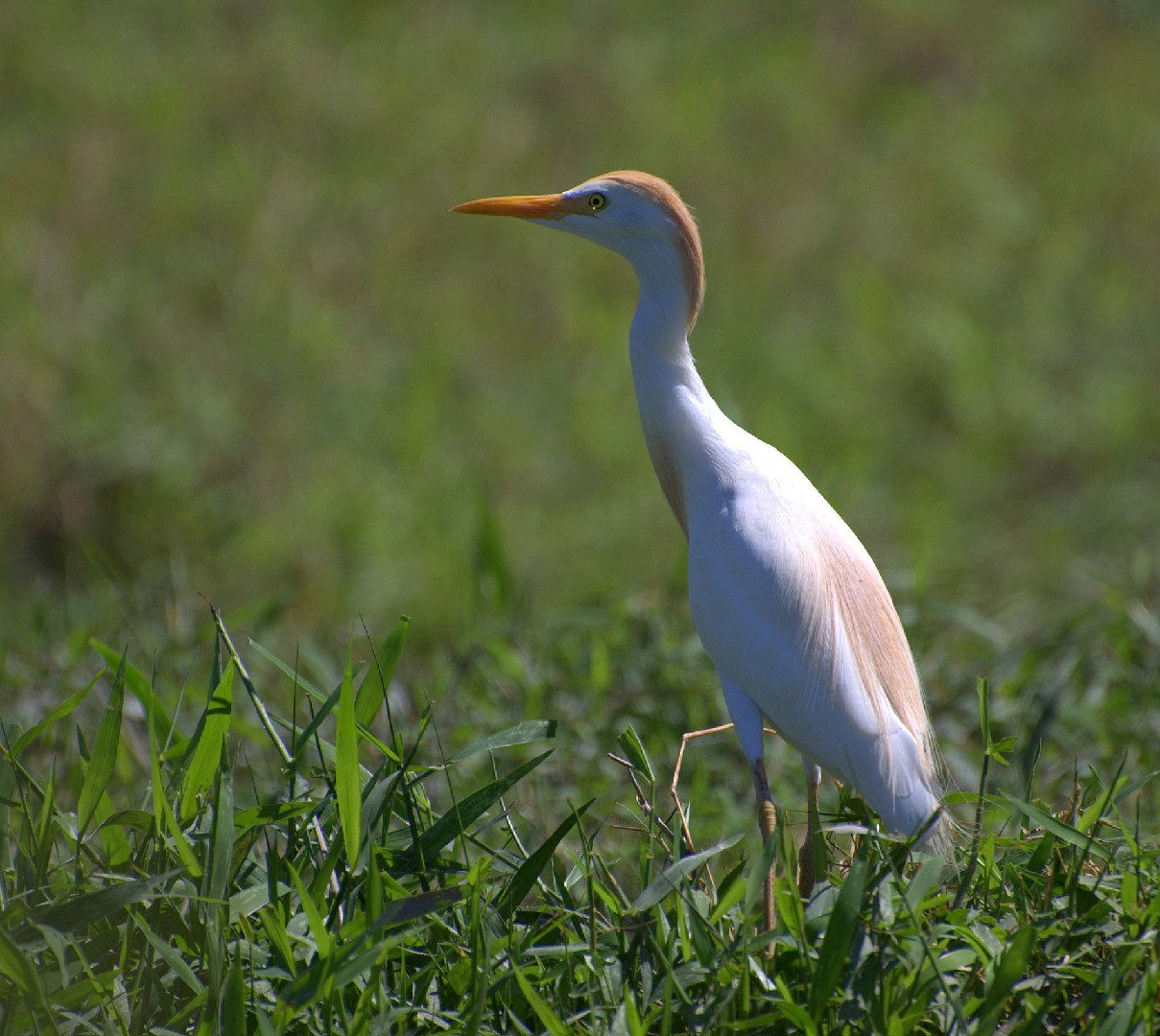
4. Cattle Egret
Cattle Egrets are short, thick-necked egrets. Their name refers to their preference to follow along with livestock as they forage in fields. Cattle Egrets were native only to Africa until the late 1800s when they somehow made their way throughout the Americas. They can often be found along airport runways waiting for planes to take off and blow insects out of the grass and weeds. They also follow behind farm equipment and do the same thing.

5. Ruddy Shelduck
The ruddy shelduck grows to a length of 58 to 70 cm (23 to 28 in) and has a 110–135 cm (43–53 in) wingspan. The male has orange-brown body plumage and a paler, orange-brown head and neck, separated from the body by a narrow black collar. The rump, flight feathers, tail-coverts and tail feathers are black and there are iridescent green speculum feathers on the inner surfaces of the wings. Both upper and lower wing-coverts are white, this feature being particularly noticeable in flight but hardly visible when the bird is at rest. The bill is black and the legs are dark grey. The female is similar but has a rather pale, whitish head and neck and lacks the black collar, and in both sexes, the colouring is variable and fades as the feathers age. The birds moult at the end of the breeding season and the male loses the black collar, but a further partial moult between December and April restores it. Juveniles are similar to the female but are a darker shade of brown. The call is a series of loud, nasal honking notes, it being possible to discern the difference between those produced by the male and the female. The calls are made both on the ground and in the air, and the sounds are variable according to the circumstances in which they are uttered.
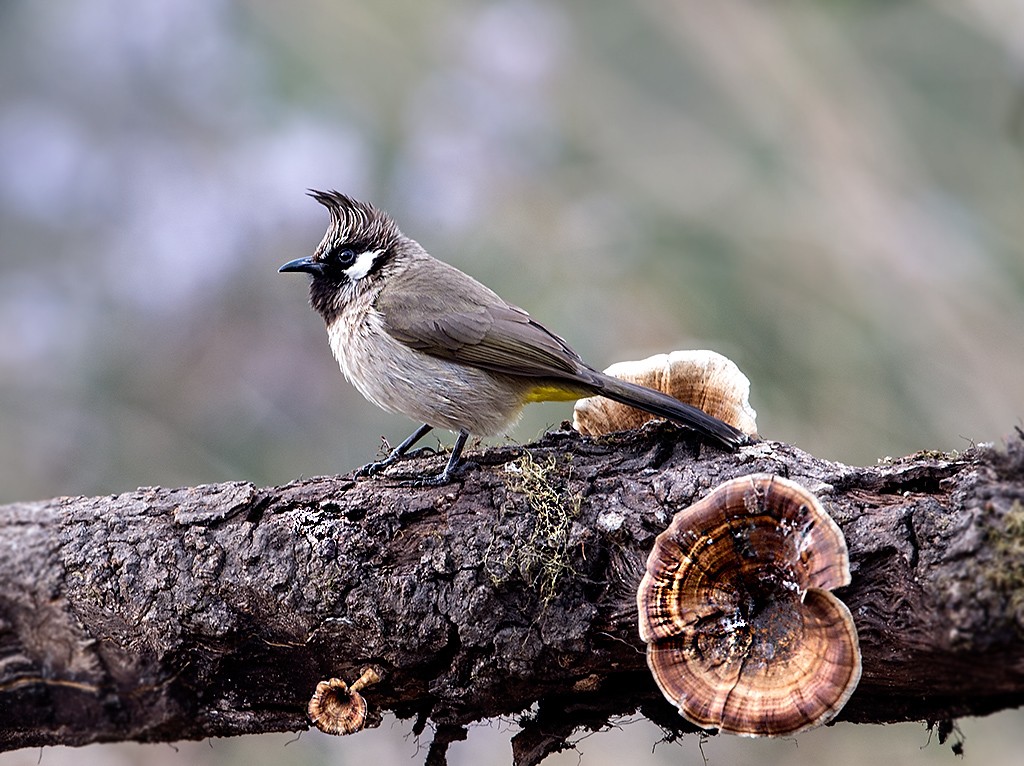
6. Himalayan Bulbul
The Himalayan bulbul is about 18 cm in length, with a wingspan of 25.5–28 cm and an average weight of 30 g. Its head, throat, and crest are black and white. The back, side, and lengthy tail are brown, the underside is pale yellow. Sexes have similar plumage. The song is a beautiful 4-piece whistle, which resembles an accelerated oriole whistle.
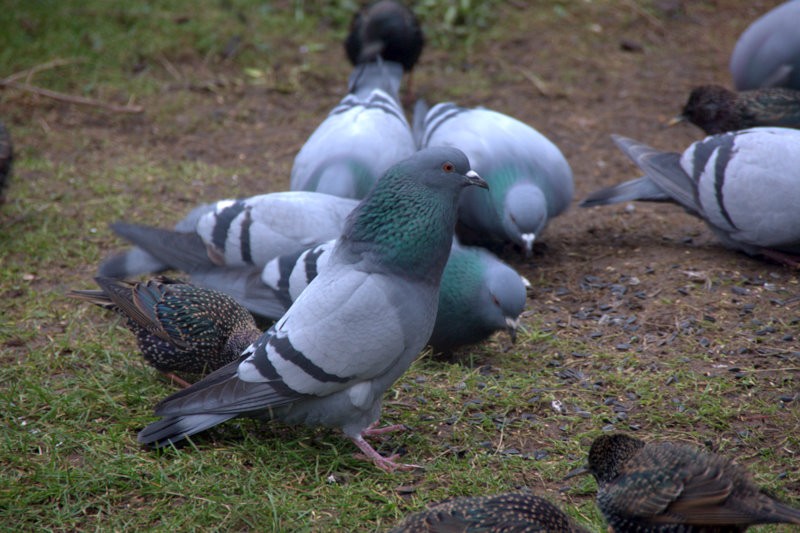
7. Rock Pigeon
The rock Pigeon is a wild ancestor of all domestic and feral pigeons, inhabiting coasts, cliffs, and caves. Pairs nest in rock crevices, often mating for life. They are known for their ability to fly very long distances to return to their homes, navigating using the sun's position and the earth's magnetic fields. Thanks to this ability, pigeons were used as messengers, particularly during World Wars I and II.
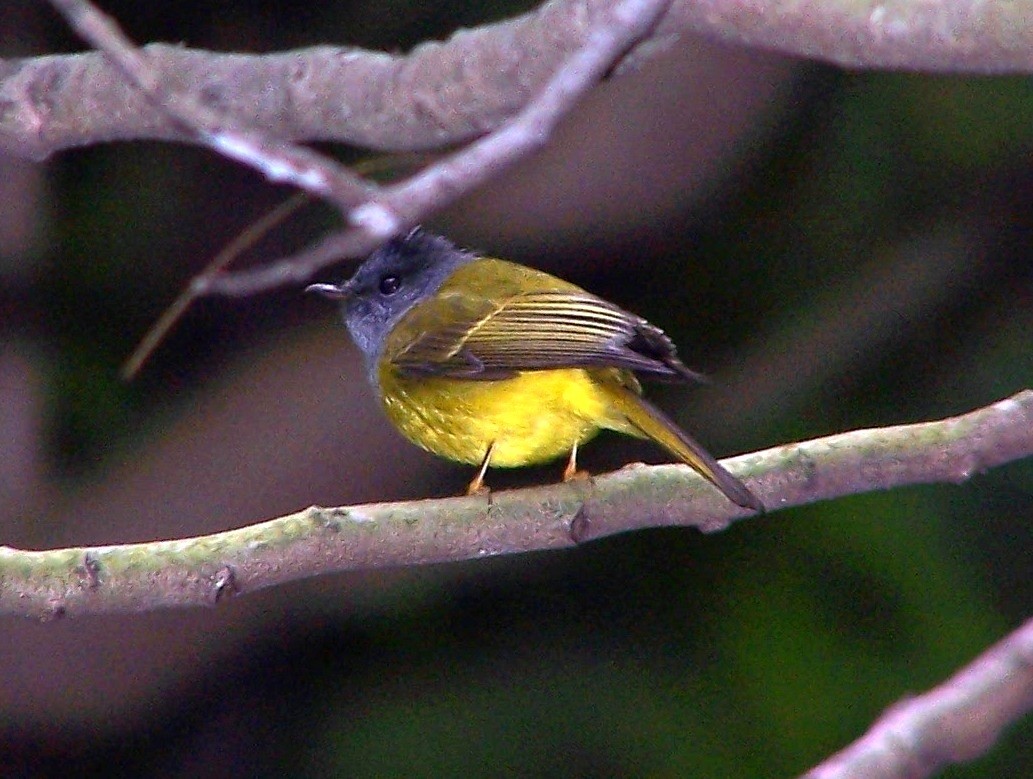
8. Grey-headed Canary-flycatcher
The grey-headed canary-flycatcher is about 12–13 cm (4.7–5.1 in) long with a squarish grey head, a canary yellow belly and yellowish-green upperparts. They forage actively like flycatchers and perches in a very upright posture. The sexes are indistinguishable in plumage. They have a very flat bill (which gave it the earlier genus name of Platyrhynchus) which when seen from above look like an equilateral triangle and is fringed with long rictal bristles. Across their range, populations differ in the shades of the colours and vary slightly in dimensions and several of these have been designated as subspecies. The nominate subspecies breeds in peninsular India in the hills of the Western Ghats, Nilgiris, central India and the Eastern Ghats (Lammasingi) and Sri Lanka. Subspecies calochrysea first described by Harry Oberholser in 1923 breeds along the Himalayas east to Myanmar and Thailand and winters across southern India. The nominate form is darker in shade. Subspecies antioxantha which was also described by Oberholser has a breeding range from southern Burma, Thailand through Malaysia to Java and Bali. The island population sejuncta described by Ernst Hartert in 1897 is found on Sumbawa, Flores and possibly on Lombok while connectens described by Bernhard Rensch in 1931 is restricted to the island of Sumba. The grey-headed canary-flycatcher was earlier considered to be an Old World flycatcher in spite of its odd crest, colours and nature of vocalization. Molecular phylogeny studies however show that they are quite different and have been placed in the family Stenostiridae that is closely related to the tits and penduline-tits.
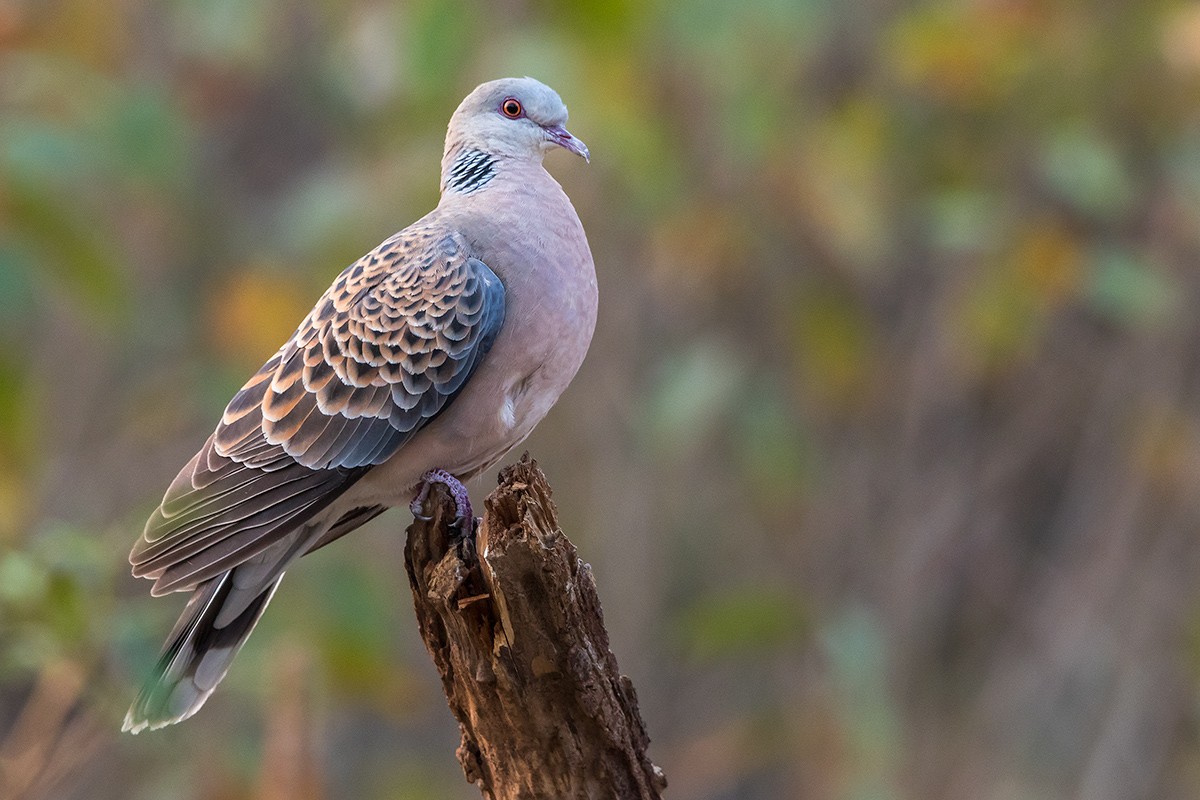
9. Oriental Turtle-dove
The oriental Turtle-dove is a migratory bird whose appearance can vary between subspecies. Individuals from higher latitudes migrate south over the winter months while those at lower latitudes do not migrate. The oriental Turtle-dove can be found in a large range of habitats, but usually prefers dense tree coverage. These birds mainly forage for seeds on the ground.
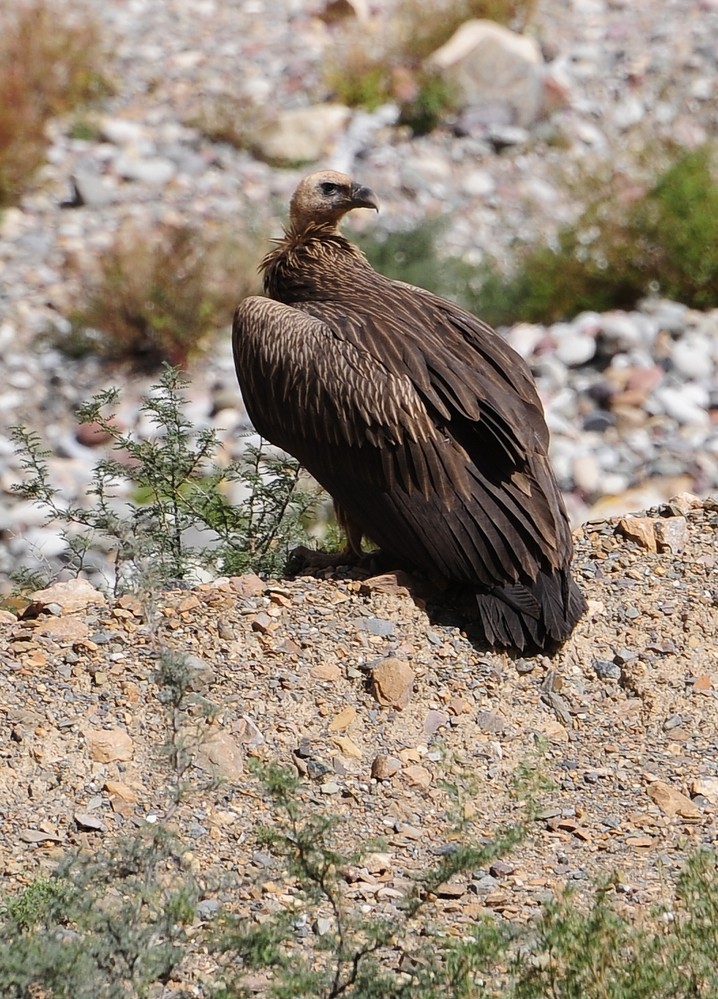
10. Himalayan Vulture
This is a huge vulture, and is perhaps the largest and heaviest bird found in the Himalayas. It is the largest of the species in the Gyps genus, seemingly averaging larger in every method of measurement than its relatives. Adults have a ruff that is long and pale brown with white streaks. The ruff feathers are long and spiky. The head is covered in down which is yellowish in adults but whitish in immature vultures. The underside and under-wing coverts are quite pale brown or buff, being almost white in some specimens. The legs are covered with buffy feathers and the feet can vary from greenish grey to white. The upperside is unstreaked, pale buff with the tail quills, outer greater coverts and wing quills being a contrasting dark brown. The inner-secondaries have paler tips. The pale blue facial skin is lighter than the dark blue in Gyps fulvus with this species having a yellowish bill. In flight the long fingers are splayed and there is a pale patagial stripe on the underwing. The wing and tail feathers are dark and contrast with the pale coverts and body, one of the best methods to distinguish this species from the slightly smaller griffon vulture. The feathers on the body have pale shaft streaks. They are distinguished from the Indian vulture (G. indicus), which can somewhat similar in color by being much larger with a stouter, more robust bill. Younger birds have a pale parts to the bill and tend to have buffy-white streaks on the scapulars and wing coverts contrasting with dark brown underparts. They are similar in size to the cinereous vulture (Aegypius monachus), which has a slightly shorter overall length but in large specimens can weigh more than the Himalayan vulture. Weight in Himalayan vultures can range from reportedly as little as 6 kg (13 lb) to as much as 12.5 kg (28 lb). A field study estimated an average of 9 kg (20 lb) for the Himalayan vulture, but weights can vary with conditions from 8–12 kg (18–26 lb). The wingspan of birds varies greatly depending on the method used to measure them and published measurements vary from 2.56 to 3.1 m (8.4 to 10.2 ft), a similar wingspan range as a cinereous vulture.
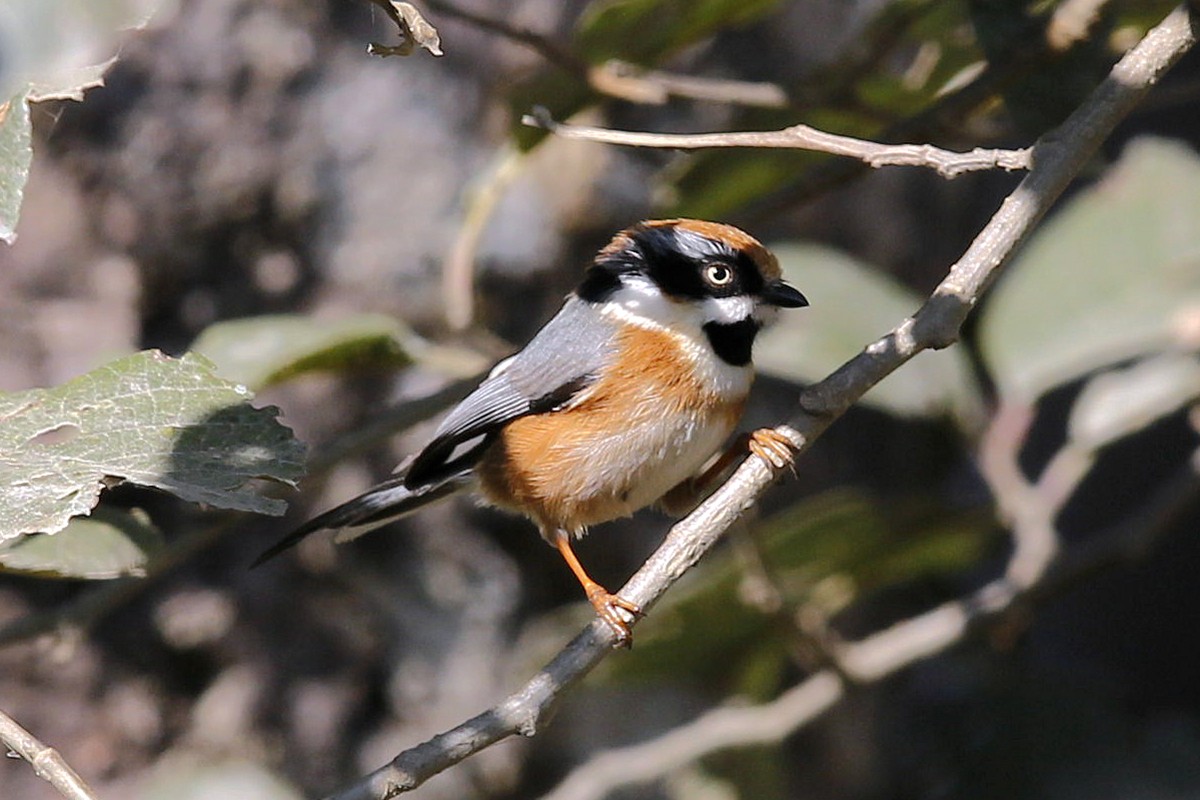
11. Black-throated Bushtit
The black-throated bushtit is a small passerine, around 10.5 cm long and weighing 4-9 g. There is considerable racial variation in the plumage, but all subspecies have a medium length tail (as opposed to the long tail of the related long-tailed tit), a black throat and a black 'bandit mask' around the eye. The nominate race has a chestnut cap, breast band and flanks and dark grey back, wings and tail, and a white belly. The other subspecies have generally the same pattern (minus the chest band) but with grey caps or all grey bellies and flanks. Both sexes are alike.
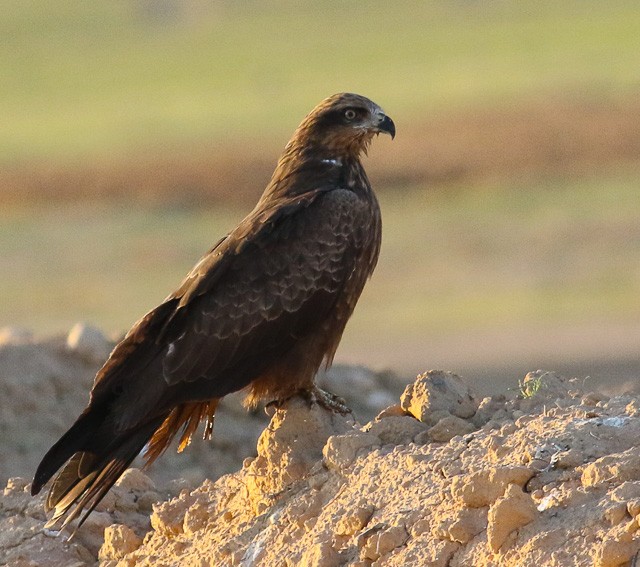
12. Black Kite
Black Kite is a bird of prey known for its aerial skills and hunting ability. Its striking appearance makes it a fascinating species to observe, and it can often be seen soaring through the skies. Black Kite is highly adaptable and can be found in a variety of habitats, making it a common sight in many areas.
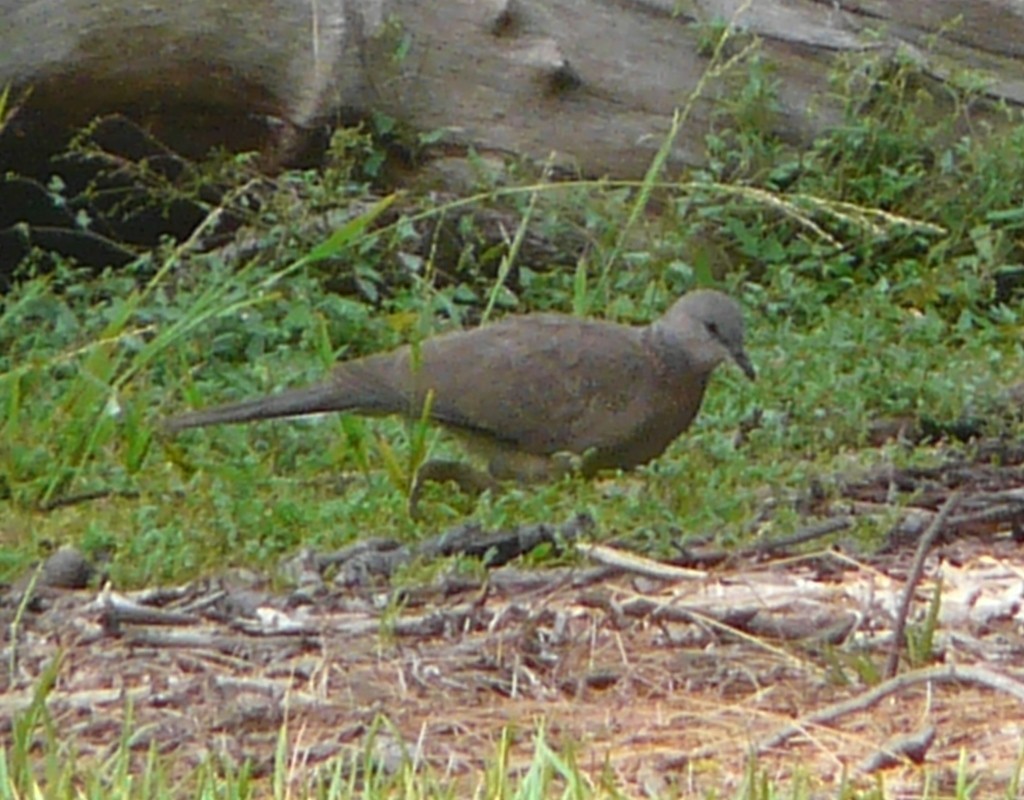
13. Spotted Dove
The spotted Dove is a medium-sized bird that is swift in flight. It prefers to live year-round in warm climates in suburban areas, especially in parks. Their nests are mostly made out of sticks and they like to dine on insects and seeds.
14. Oriental Magpie-robin
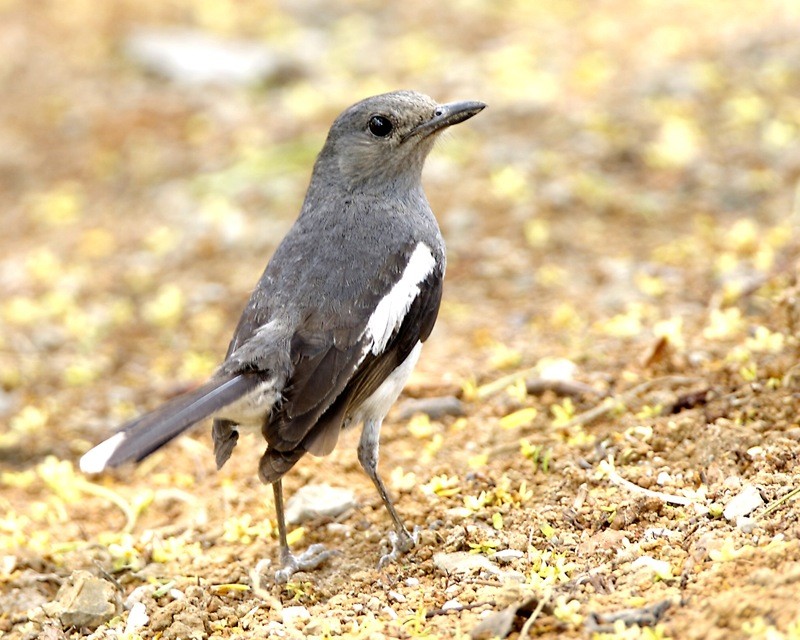
This species is 19 centimetres (7.5 in) long, including the long tail, which is usually held cocked upright when hopping on the ground. When they are singing a song the tail is normal like other birds. It is similar in shape to the smaller European robin, but is longer-tailed. The male has black upperparts, head and throat apart from a white shoulder patch. The underparts and the sides of the long tail are white. Females are greyish black above and greyish white. Young birds have scaly brown upperparts and head. It is the national bird of Bangladesh. The nominate race is found on the Indian subcontinent and the females of this race are the palest. The females of the Andaman Islands race andamanensis are darker, heavier-billed and shorter-tailed. The Sri Lankan race ceylonensis (formerly included with the peninsular Indian populations south of the Kaveri River) and southern nominate individuals have the females nearly identical to the males in shade. The eastern populations (Bhutan and Bangladesh) have more black on the tail and were formerly named erimelas. The populations in Burma and further south are named as the race musicus. A number of other races have been named across the range, including prosthopellus (Hong Kong), nesiotes, zacnecus, nesiarchus, masculus, pagiensis, javensis, problematicus, amoenus, adamsi, pluto, deuteronymus and mindanensis. However, many of these are not well-marked and the status of some of them is disputed. Some, like mindanensis, have now been usually recognized as full species (the Philippine magpie-robin). There is more geographic variation in the plumage of females than in that of the males. It is mostly seen close to the ground, hopping along branches or foraging in leaf-litter on the ground with a cocked tail. Males sing loudly from the top of trees or other high perches during the breeding season.

15. Red-vented Bulbul
The red-vented Bulbul is considered a pest by gardeners as it eats fruits and vegetables and spreads seeds to non-native regions. Because of this, these bird is considered an invasive species in some countries. The red-vented Bulbul is loud and can become aggressive to other birds and even humans in their forest, shrubland, and urban habitats.
16. Black-chinned Babbler
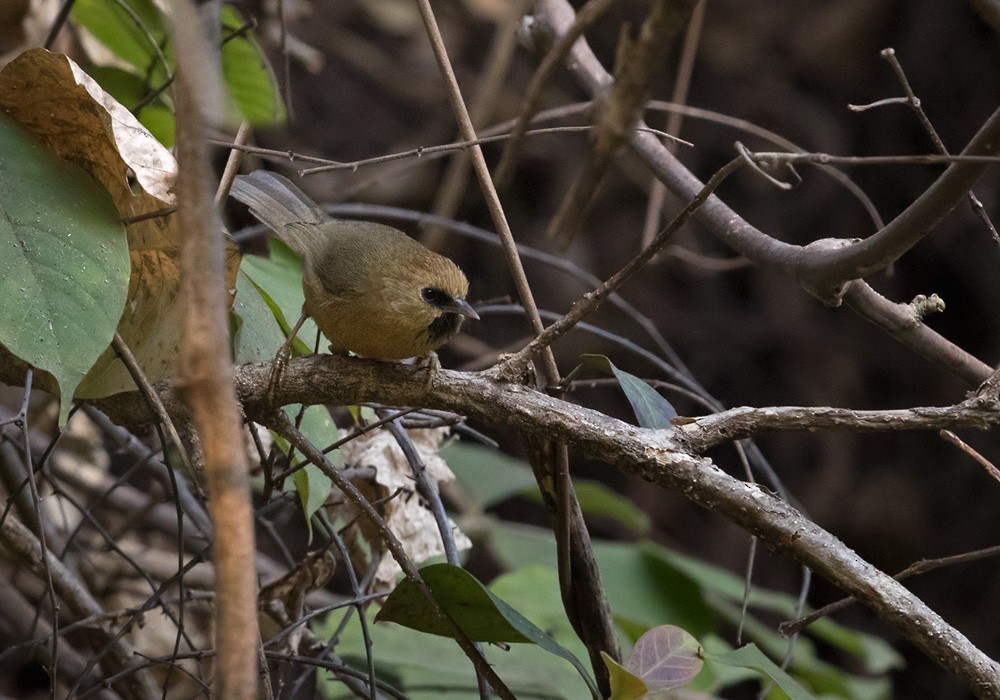
The black-chinned babbler (Cyanoderma pyrrhops) is a babbler species in the family Timaliidae. It occurs in the foothills of the Himalayas from the Murree Hills in Pakistan to eastern Nepal. It inhabits subtropical and temperate forest at 245–2,750 m (804–9,022 ft) altitudes. It is listed as Least Concern on the IUCN Red List. It is biscuit-coloured, has a black chin and a buffy grey crown. It is 10 cm (3.9 in) long and weighs 8–12 g (0.28–0.42 oz). Stachyris pyrrhops was the scientific name proposed by Edward Blyth in 1844 who described a greenish olivaceous babbler with a black chin and black lores from Nepal. It was later placed in the genus Stachyridopsis.
17. Common Kestrel
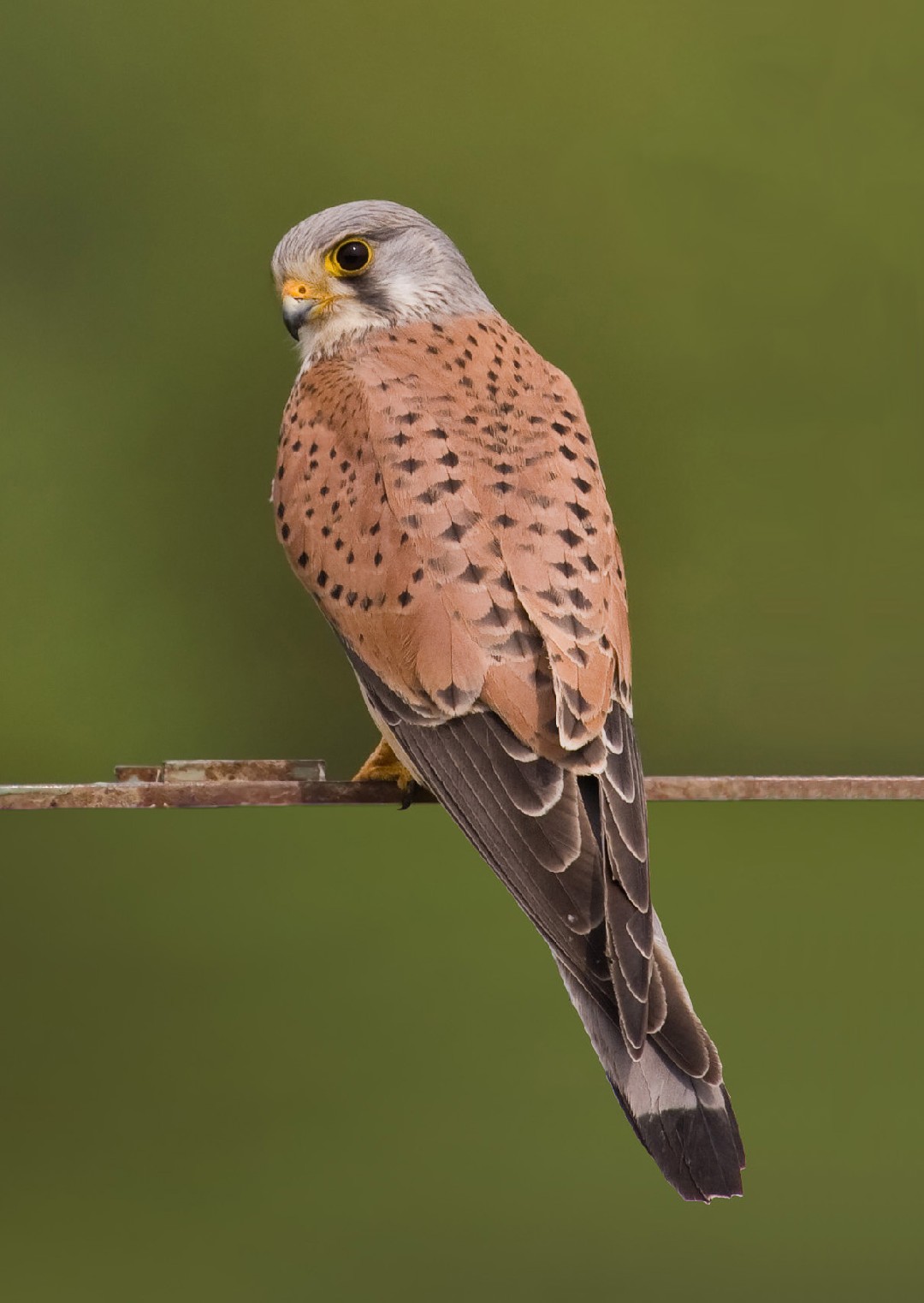
The common Kestrel is a small falcon found throughout much of Europe, Asia, and Africa. It feeds on small mammals, birds, and insects and is known for its ability to hover in the air to spot prey. It can be found in a variety of habitats. Some populations have declined due to habitat loss.
18. House Crow
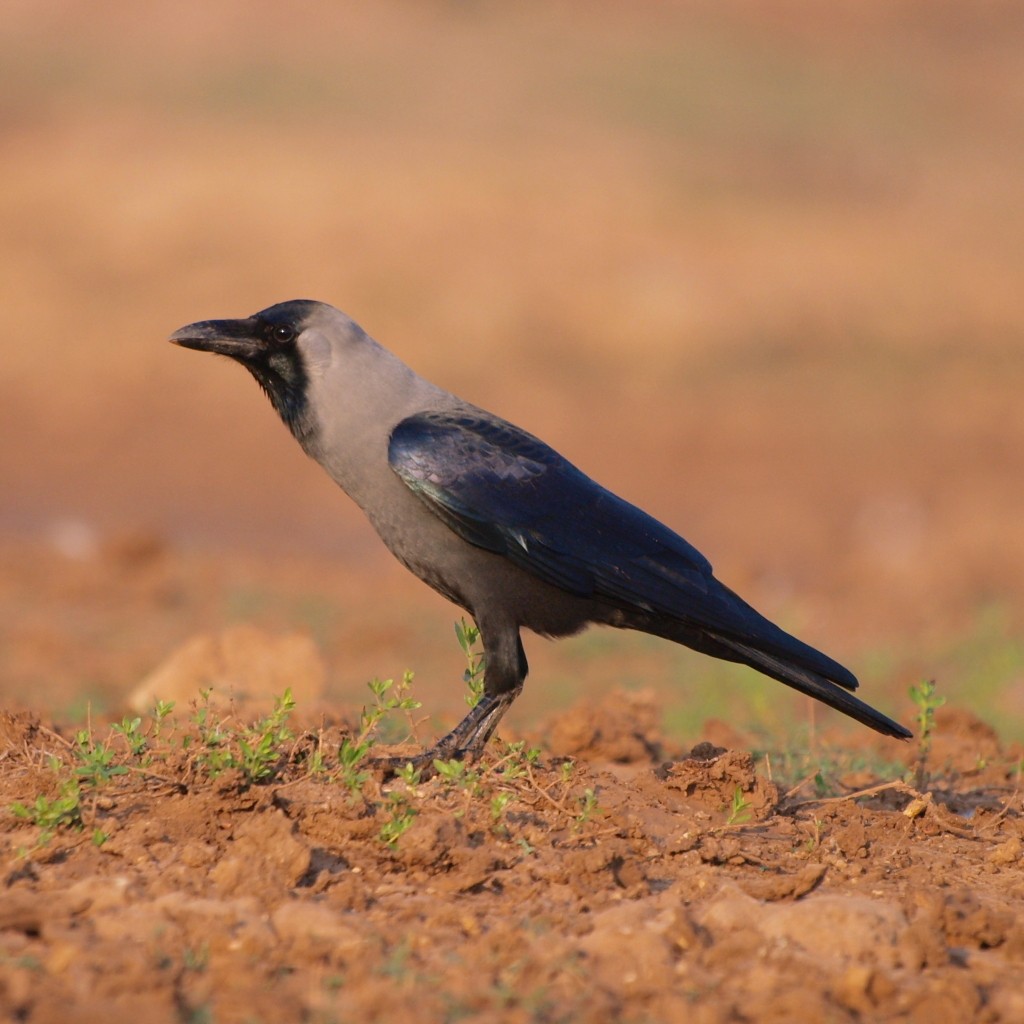
The house Crow is an intelligent bird that is near becoming a declared invasive species. The house Crow is very common in developed areas and can have a bold, aggressive personality. These birds have been known to damage and steal crops, affect local flora and fauna, create excessive noise, and carry diseases and parasites.
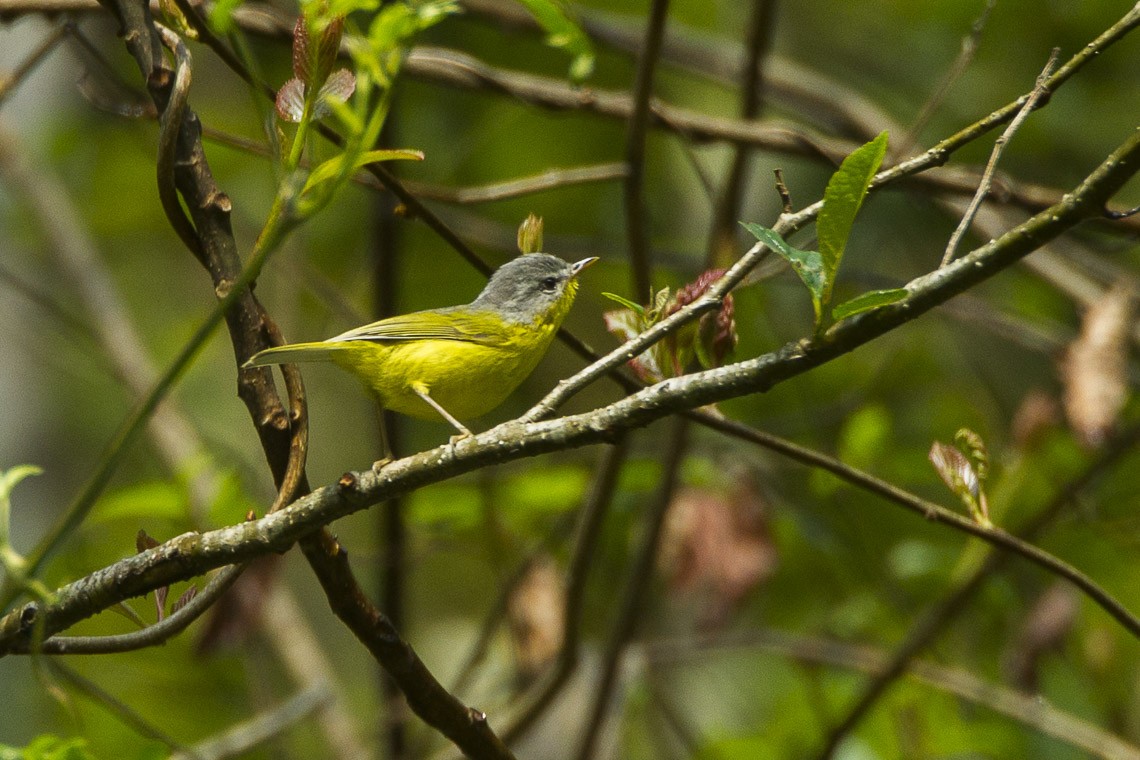
19. Grey-hooded Warbler
The grey-hooded warbler (Phylloscopus xanthoschistos) is a species of leaf warbler (family Phylloscopidae). It is most famous for the way it warbles. It was formerly included in the "Old World warbler" assemblage. It is found in the Himalayas. Its natural habitat is temperate forests.
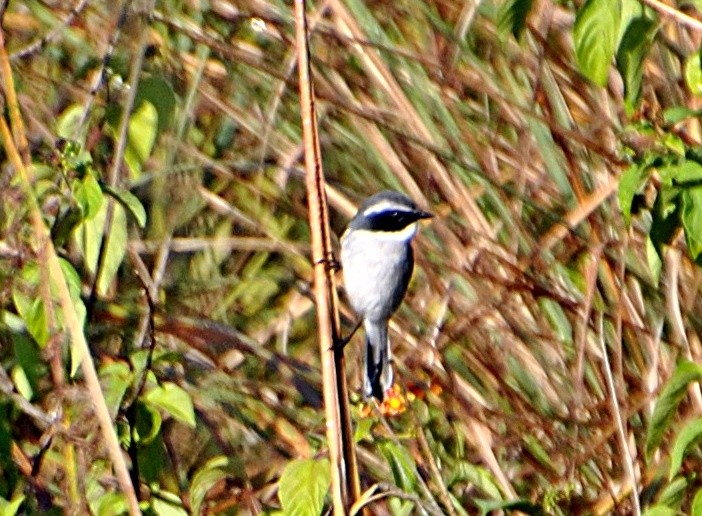
20. Grey Bush Chat
The grey bush chat (Saxicola ferreus) is a species of passerine bird in the family Muscicapidae. It is found in the Himalayas, southern China, Taiwan, Nepal and mainland Southeast Asia. Its natural habitats are subtropical or tropical moist lowland forest and subtropical or tropical moist montane forest.