




Top 20 Most Common Bird in Albay
Albay is a lush region in the Philippines, teeming with biodiversity. Among the wildlife, 20 types of birds are commonly observed. These birds, characterized by their vibrant plumages and unique behaviors, have adapted remarkably to the diverse habitats. Certain species exhibit behavioral traits as fascinating as their colorful appearance, contributing to the ecological balance of Albay.

Most Common Bird
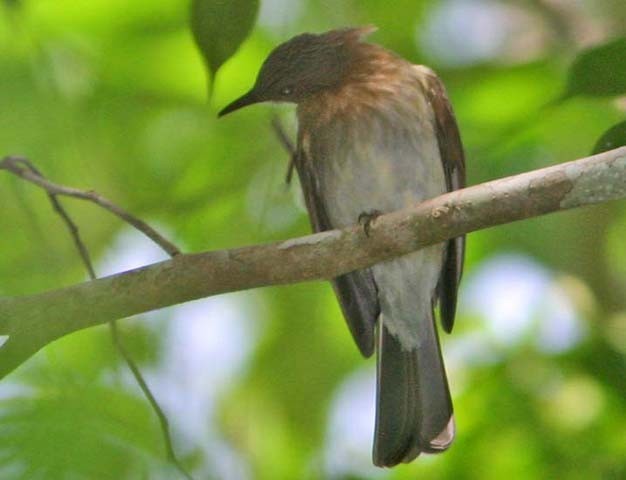
1. Philippine Bulbul
The Philippine bulbul (Hypsipetes philippinus) is a songbird species in the bulbul family, Pycnonotidae. It is endemic to the Philippines. Its natural habitats are subtropical or tropical moist lowland forest and subtropical or tropical moist montane forest; on Mount Kitanglad on Mindanao for example it is abundant in any kind of primary forest at least between 500 and 2,250 m ASL. 
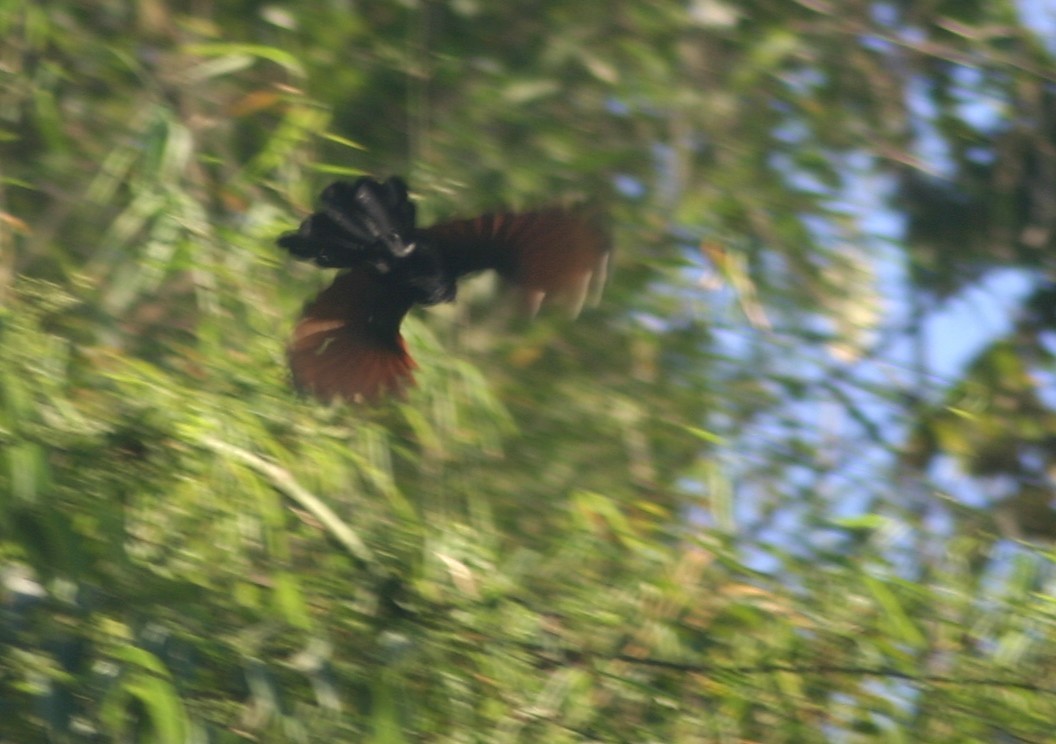
2. Philippine Coucal
The Philippine coucal (Centropus viridis) is a species of cuckoo in the family Cuculidae. It is endemic to the Philippines.
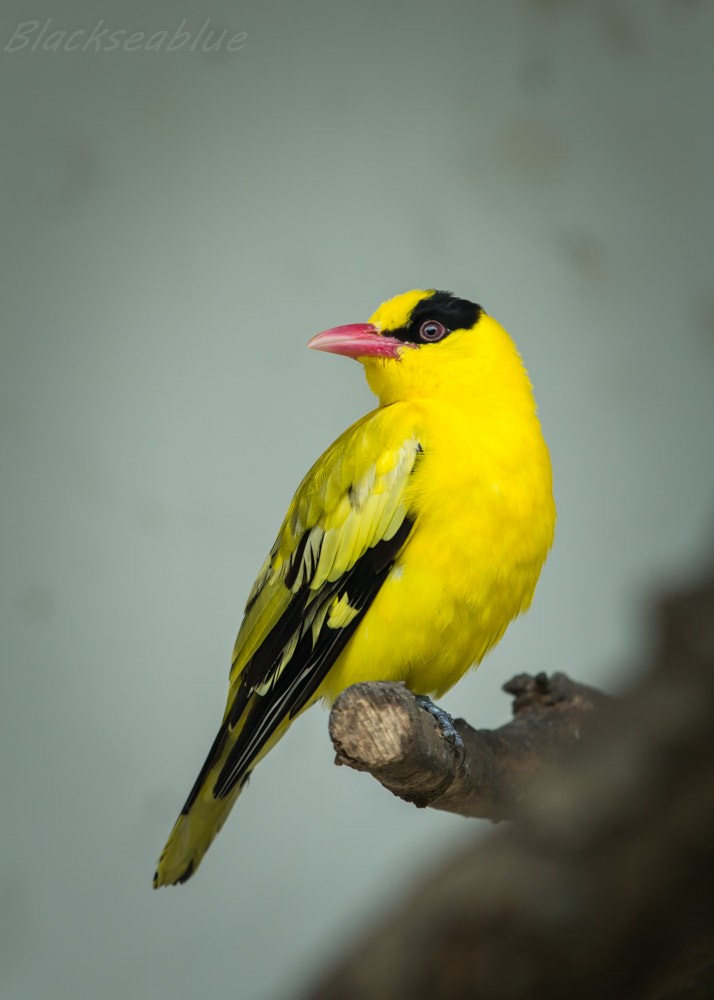
3. Black-naped Oriole
The black-naped oriole is medium-sized and overall golden with a strong pinkish bill and a broad black mask and nape. The adult male has the central tail feathers tipped yellow and the lateral ones are more broadly yellow. The female has the mantle colour more greenish or olive. The juvenile has a streaked underside. The nestling has dull greenish with brown streaks. The head and nape are more yellowish and the undertail coverts are yellow. Several variations exist in the populations that have been separated as subspecies. The subspecies in the Andamans, O. c. andamanensis has all black wings while O. c. macrourus of the Nicobars has a very broad nape band so that only the top of the head is yellow. The wings are all black with a yellow primary covert patch. The calls of the Andaman and the Nicobar subspecies are said to be quite different, the latter having a more modulated call note. In the Southeast Asian populations some geographic trends include a reduction of yellow on the forehead and a decreased brightness in the yellow plumage from north to south. Females from southern populations are more greenish on the back and tail and there are no yellow spots on the tips of the secondaries as in northern populations. The usual call is a nasal niee or myaa and the song (diffusus) is a fluty iwee wee wee-leeow. They have a dipping flight.
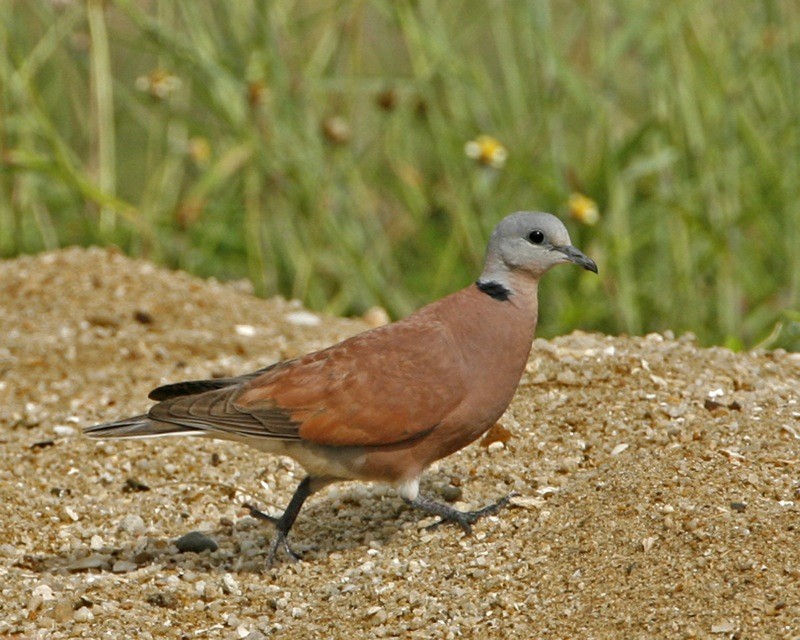
4. Red Collared Dove
The red turtle dove is a relatively small species. The male has a bluish head and light red-brown body with a black ring round its neck, while the female is similar but pinkish all over.
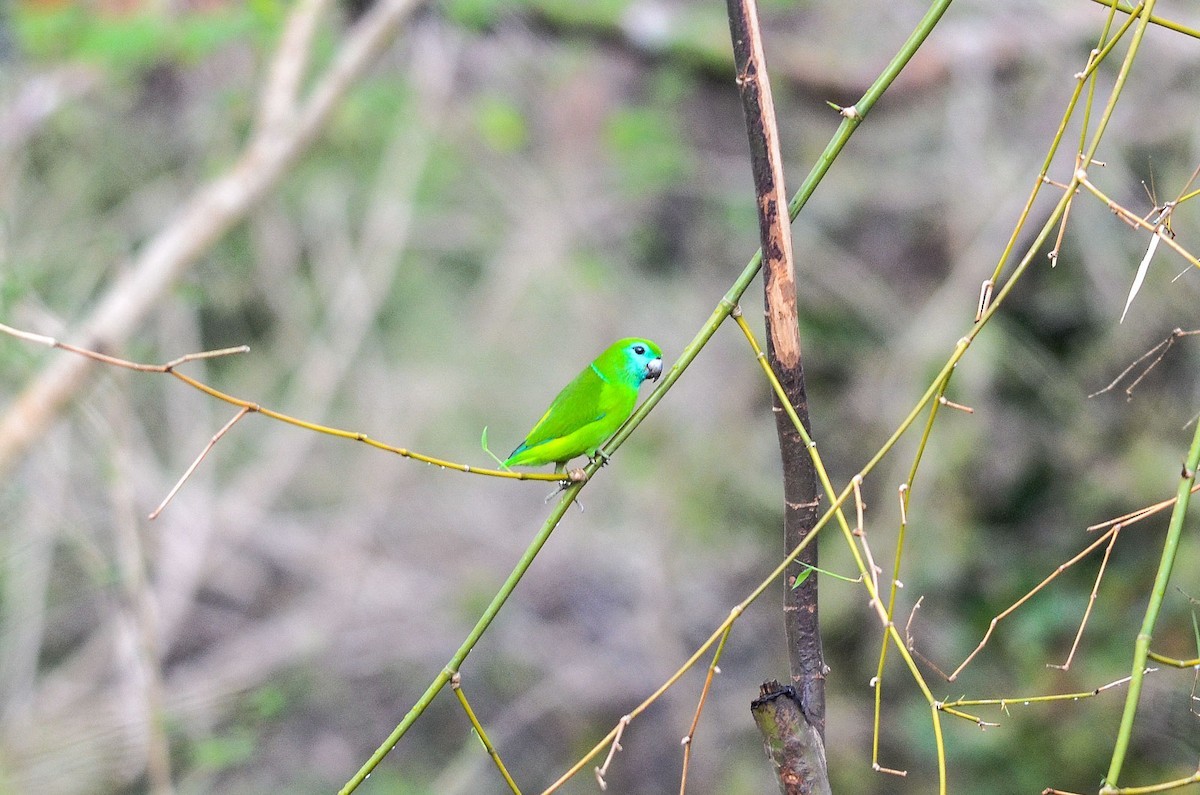
5. Guaiabero
Measuring around 15 cm (5.9 in) in length, it is a smallish, stout parrot with a large bill and stubby tail. The sexes differ in plumage. The adult male is green overall, with more yellowish underparts and a pale blue face and collar and wing primaries. The rump is yellow-green. The bill is grey-blue and with a darker tip, and the eyes dark brown. The adult female is also greenish, with a yellow collar and less blue on the face. It has black crescent markings on the nape and rump. Its bill is paler grey.
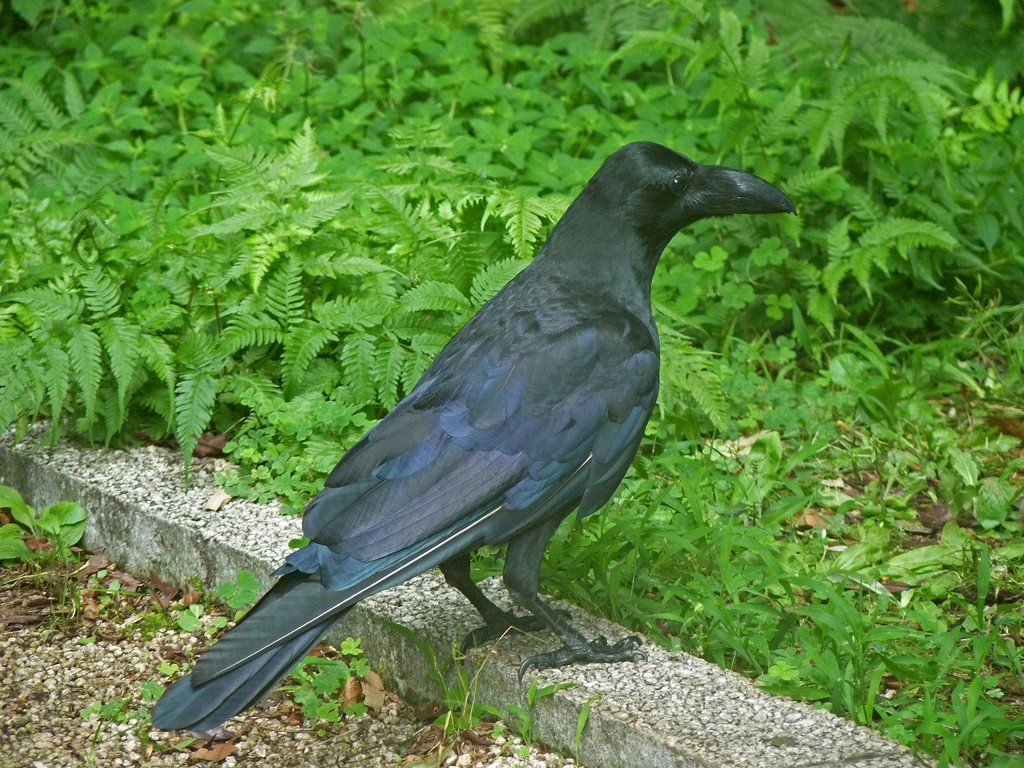
6. Large-billed Crow
The overall size (length: 46–59 cm; 18–23 in.) and body proportions vary regionally. In the far northeast in Japan, the Kuriles and the Sakhalin peninsula, it is somewhat larger than the carrion crow. All taxa have a relatively long bill with the upper one quite thick and arched, making it look heavy and almost raven-like. Generally, all taxa have dark greyish plumage from the back of the head, neck, shoulders and lower body. Their wings, tail, face, and throat are glossy black. The depth of the grey shading varies across its range.
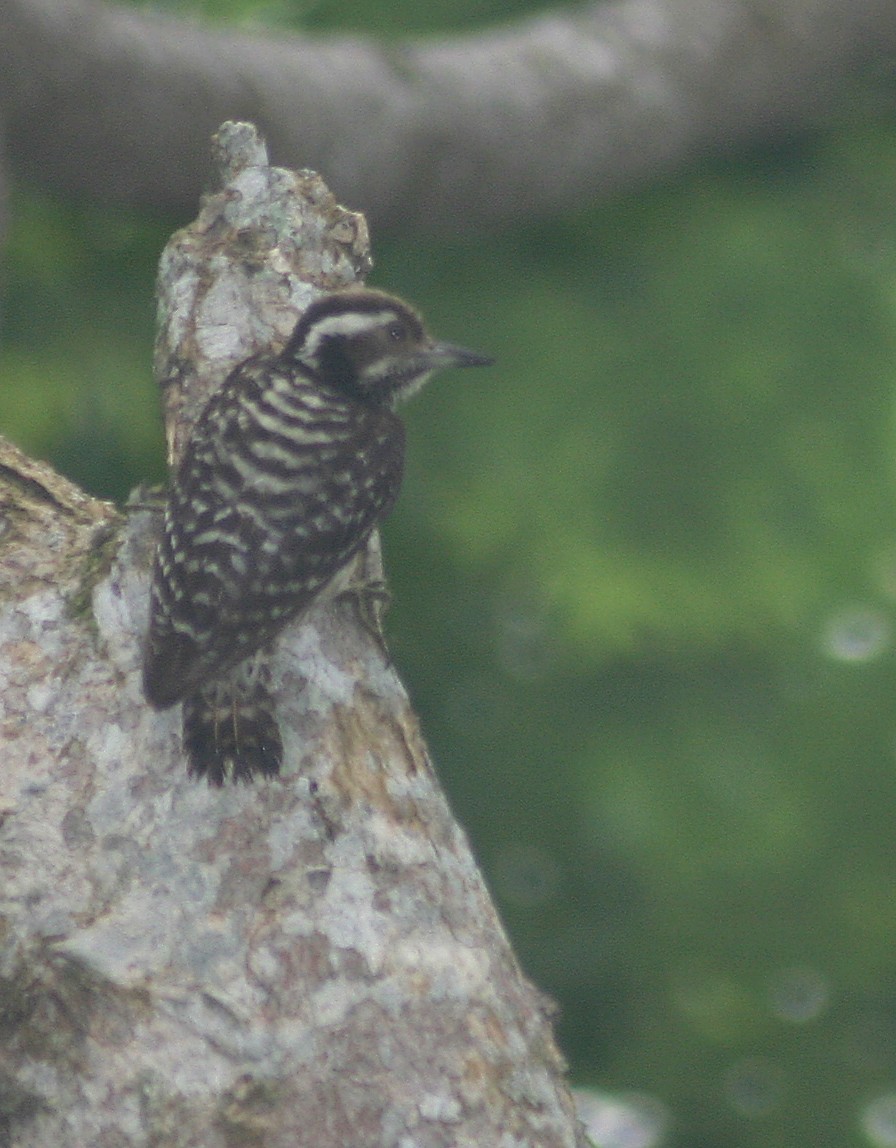
7. Philippine Pygmy Woodpecker
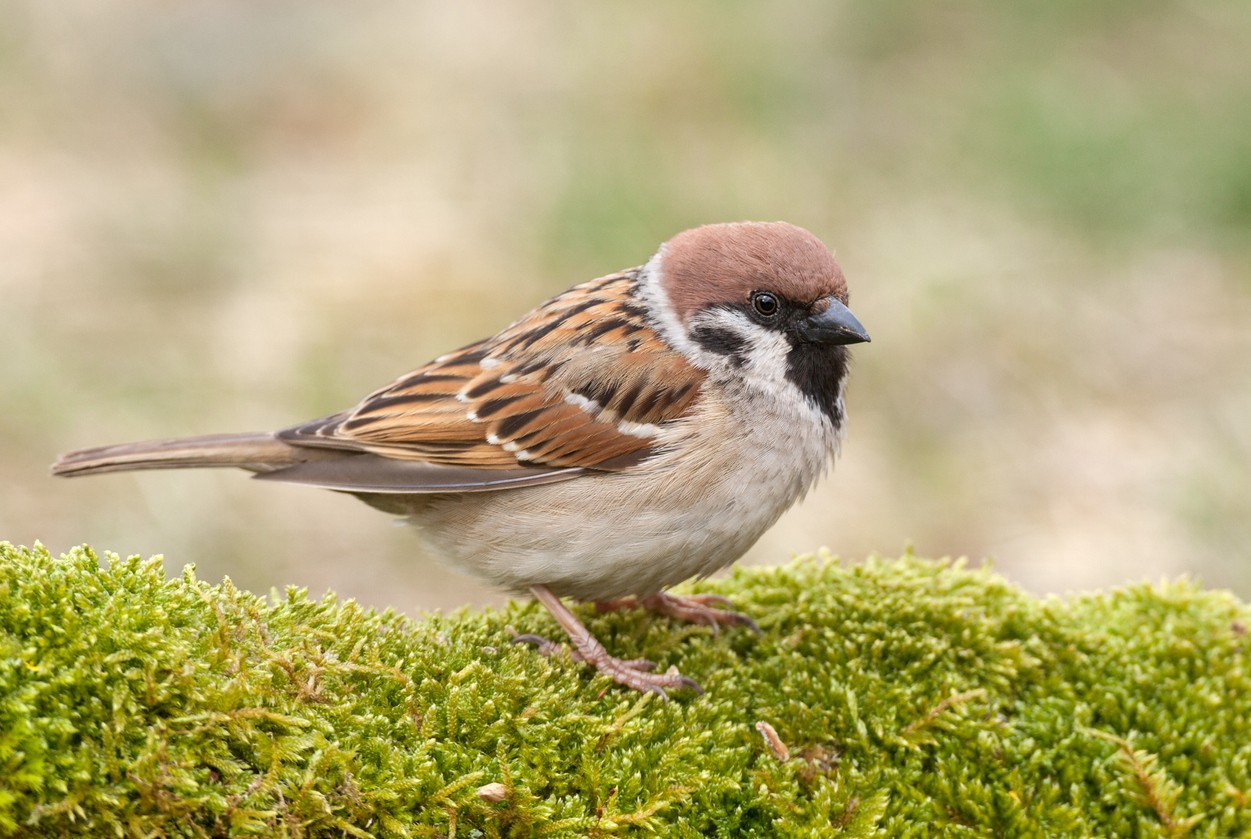
8. Eurasian Tree Sparrow
The eurasian Tree Sparrow (Passer montanus) is a widespread sparrow of the European mainland that has been introduced to some parts of North America. Eurasian Tree Sparrow is very similar to the House sparrow (Passer domesticus) but it's smaller and neater. It prefers more natural habitats, at the edges of human activity, and inhabits farmlands, parklands, and open woods.
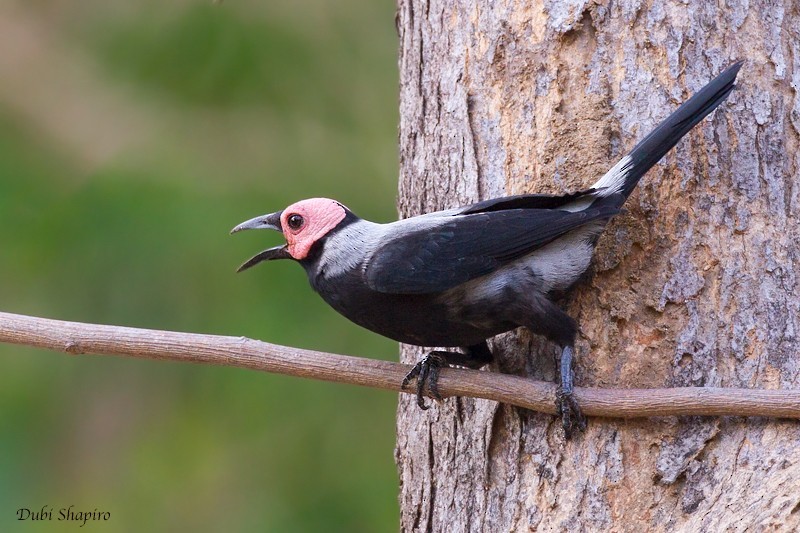
9. Coleto
The coleto (Sarcops calvus) is a starling species (family Sturnidae) in the monotypic genus Sarcops. It is endemic to the Philippines. Its natural habitats are subtropical or tropical dry forest, subtropical or tropical moist lowland forest, and subtropical or tropical moist montane forest. In Central Visayas, this bird is commonly known as the sal-ing. In 1760 the French zoologist Mathurin Jacques Brisson included a description of the coleto in his Ornithologie based on a specimen collected in the Philippines. He used the French name Le merle chauve des Philippines and the Latin Merula Calva Philippensis. Although Brisson coined Latin names, these do not conform to the binomial system and are not recognised by the International Commission on Zoological Nomenclature. When in 1766 the Swedish naturalist Carl Linnaeus updated his Systema Naturae for the twelfth edition, he added 240 species that had been previously described by Brisson. One of these was the coleto. Linnaeus included a brief description, coined the binomial name Gracula calva and cited Brisson's work. The specific name is from Latin calvus "bald" or "without hair". This species is now the only member of the genus Sarcops that was introduced by the English ornithologist Authur Walden in 1875. The name combines the Ancient Greek words sarx, sarkos "flesh" and ōps, ōpos "face" or "complexion". Three subspecies are recognised: S. c. calvus (Linnaeus, 1766) – north Philippines S. c. melanonotus Ogilvie-Grant, 1906 – central and south Philippines S. c. lowii Sharpe, 1877 – Sulu Archipelago (southwest Philippines)
10. Stripe-headed Rhabdornis
The stripe-headed rhabdornis or stripe-headed creeper (Rhabdornis mystacalis), also known as the stripe-sided rhabdornis, is a species of bird currently placed in the starling family, Sturnidae. It is endemic to the Philippines.
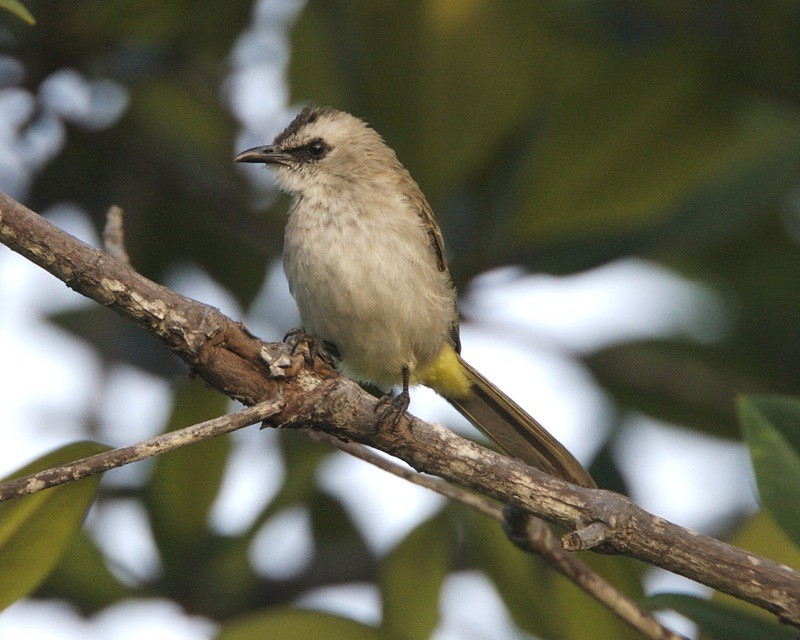
11. Yellow-vented Bulbul
The eyebrow buzz (Pycnonotus goiavier), is a common songbird from the family of the buulbuuls. The eyebrow bulge is found in large parts of Southeast Asia and the Indian Archipelago.
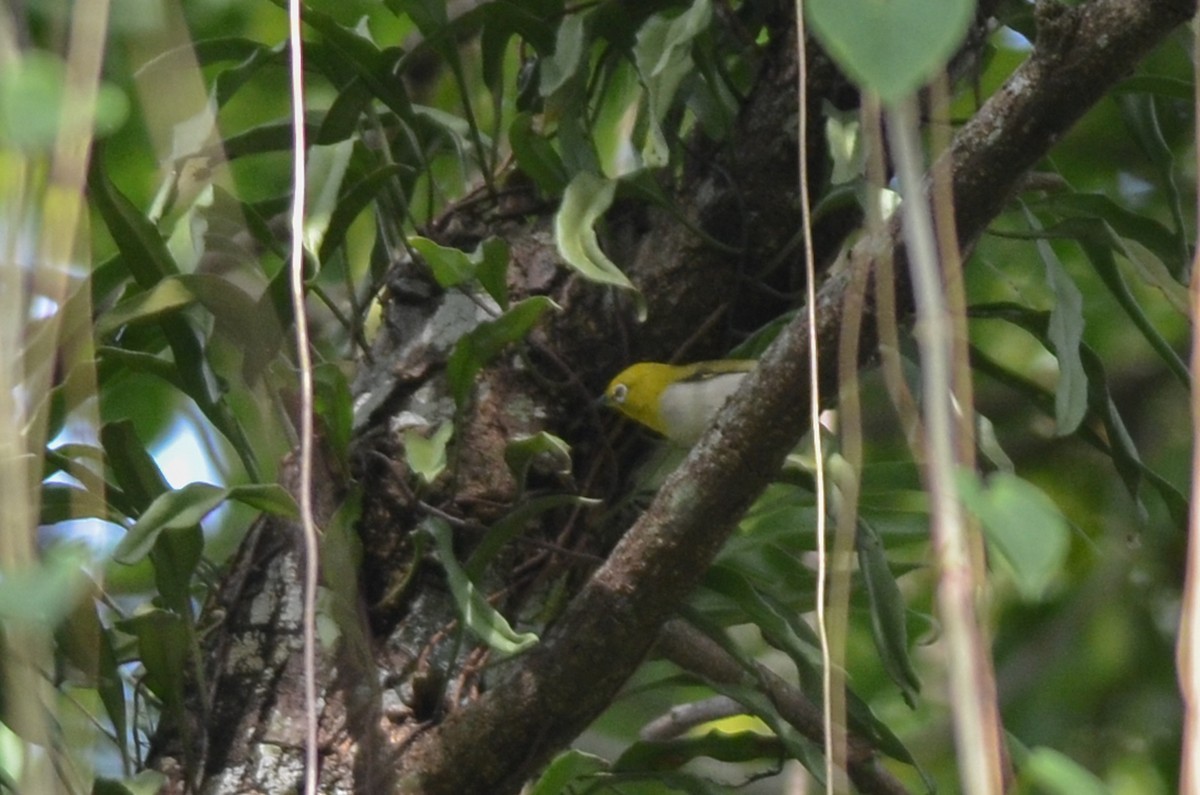
12. Lowland White-eye
The lowland white-eye (Zosterops meyeni) is a species of bird in the family Zosteropidae. It is endemic to the northern part of the Philippines and the Taiwanese islands of Lüdao and Lanyu. Its natural habitat is subtropical or tropical moist lowland forest.
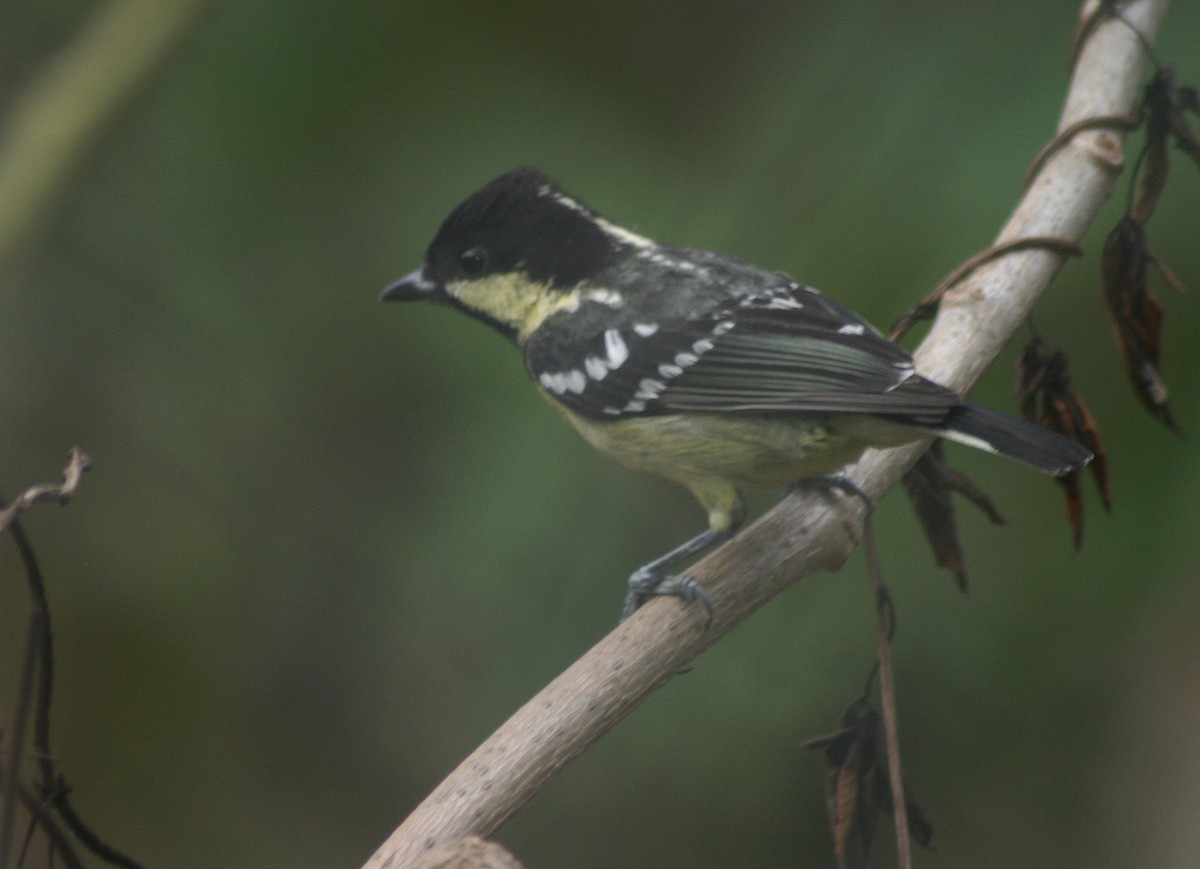
13. Elegant Tit
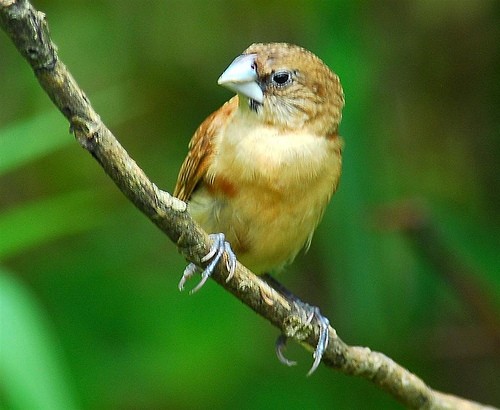
14. Chestnut Munia
The chestnut munia or black-headed munia (Lonchura atricapilla) is a small passerine. It was formerly considered conspecific with the closely related tricoloured munia, but is now widely recognized as a separate species. This estrildid finch is a resident breeding bird in Bangladesh, Brunei, Cambodia, China, India, Indonesia, Laos, Malaysia, Burma, Nepal, the Philippines, Singapore, Taiwan, Thailand, Vietnam and Hawaii. It also has been introduced to all the Greater Antilles and Martinique in the Caribbean. Before 1995, it was the national bird of the Philippines, where it is known as mayang pula ("red maya") because of its brick red patch on the lower back which is visible only when it flies. (This distinguishes it from other birds locally called maya, notably the predominantly brownish "mayang simbahan" (tree sparrow) which is more common in urban areas.)
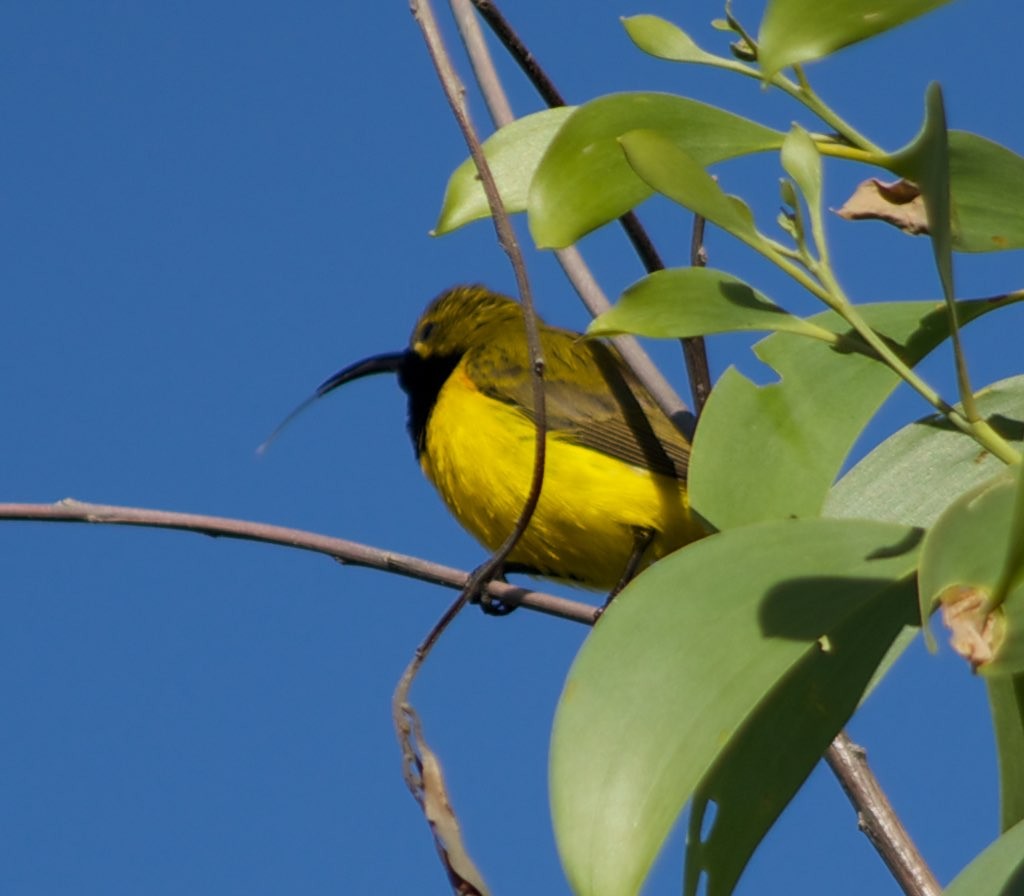
15. Olive-backed Sunbird
In most subspecies, the underparts of both male and female are bright yellow, the backs are a dull brown colour. The forehead, throat and upper breast of the adult male is a dark, metallic blue-black. In the Philippines the males of some subspecies have an orange band on the chest, in Wallacea and northern New Guinea some subspecies have most of the underparts blackish, and in southern China and adjacent parts of Vietnam most of the underparts of the male are greyish-white.
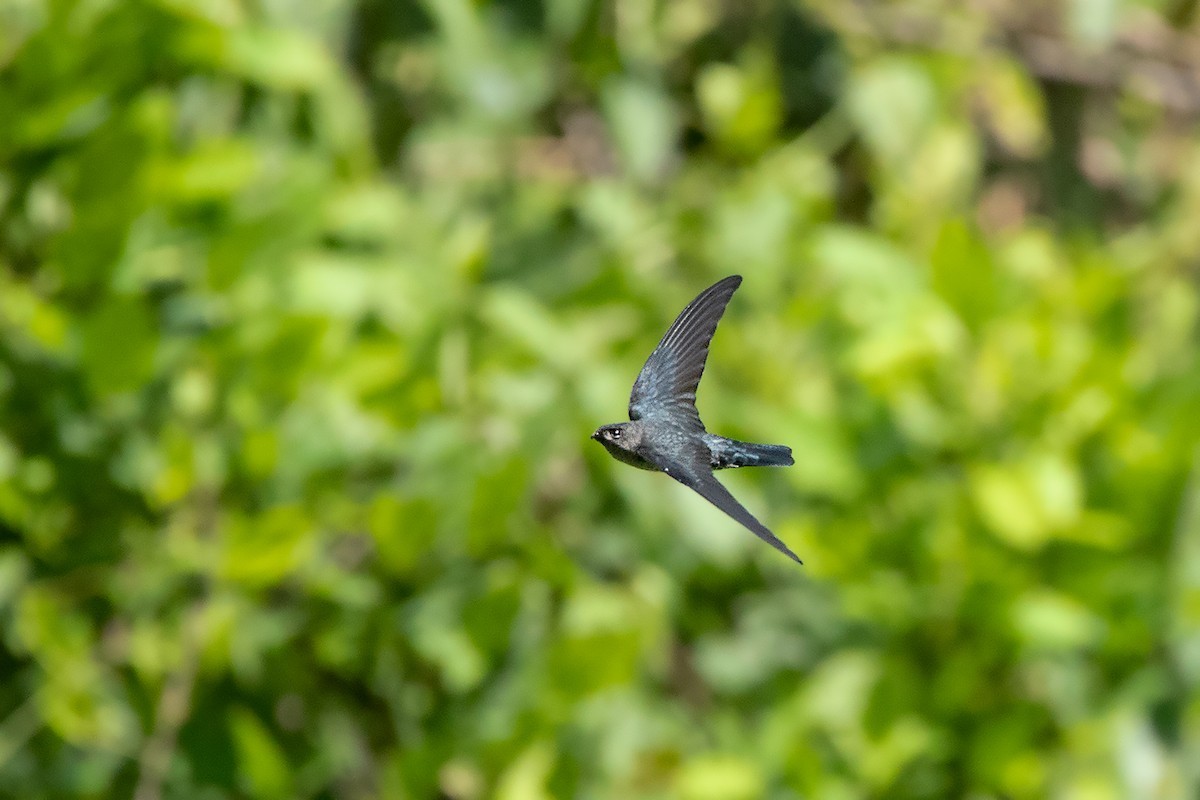
16. Grey-rumped Swiftlet
The grey-rumped swiftlet is 9–10 cm (3.5–3.9 in) in length with a square tail. The back and upper surface of the wings are dull dark blue with a moderate green gloss. The rump is paler due to the white margins of feathers forming the uppertail coverts. The throat and upper breast are grey with fine white scalloping merging into larger greyish chevrons over the lower breast and flanks, becoming white over the belly. There is sometimes a tuft of small feathers on the hallux, the rear facing toe. This species lacks the white spots on the inner webs of the tail feathers that are present in some Collocalia species.
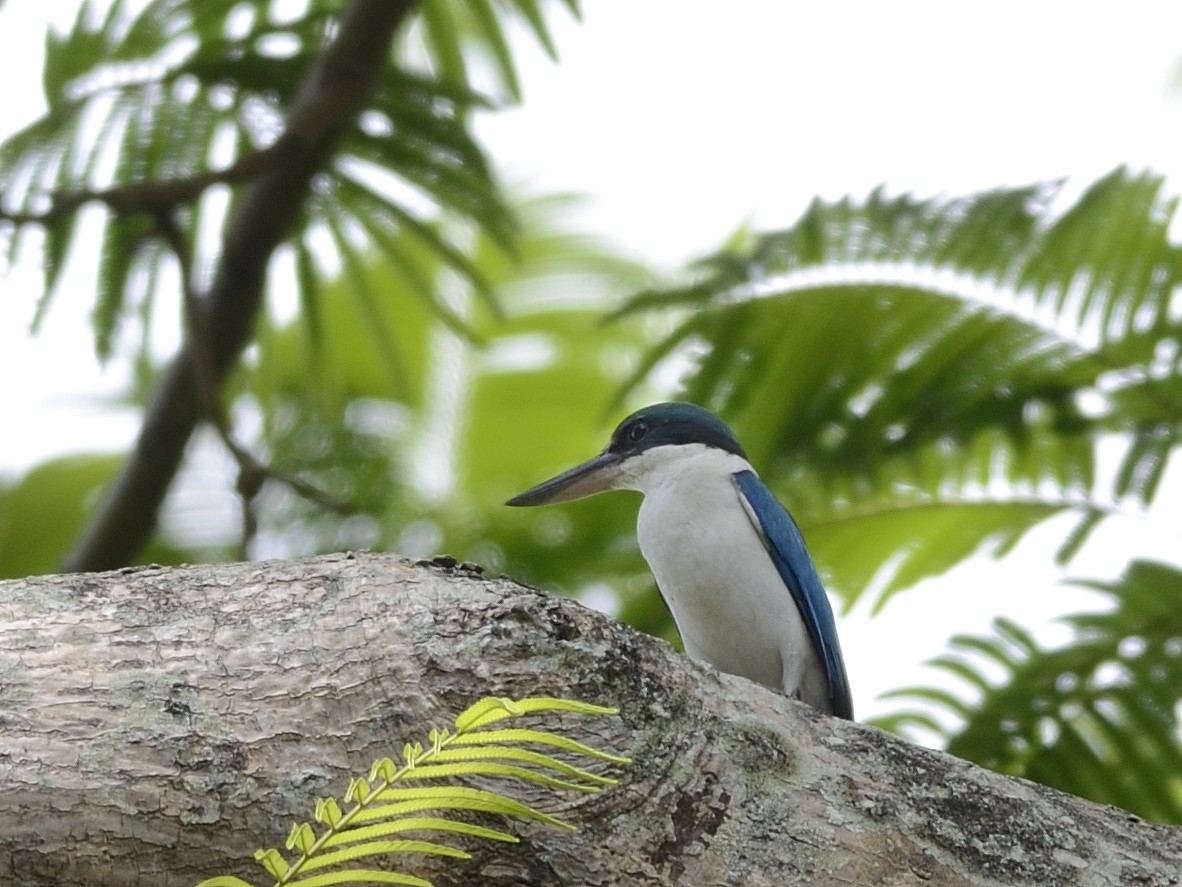
17. Collared Kingfisher
The collared kingfisher is 23 to 25 cm (9.1 to 9.8 in) long and the male weighs 51 to 90 g (1.8 to 3.2 oz), while the female weighs 54–100 g (1.9–3.5 oz). It varies from blue to green above while the underparts can be white or buff. There is a white collar around the neck, giving the bird its name. Some races have a white or buff stripe over the eye while others have a white spot between the eye and bill. There may be a black stripe through the eye. The large bill is black with a pale yellow base to the lower mandible. Females tend to be greener than the males. Immature birds are duller than the adults with dark scaly markings on the neck and breast. It has a variety of calls which vary geographically. The most typical call is a loud, harsh and metallic "kee-kee-kee" repeated several times.
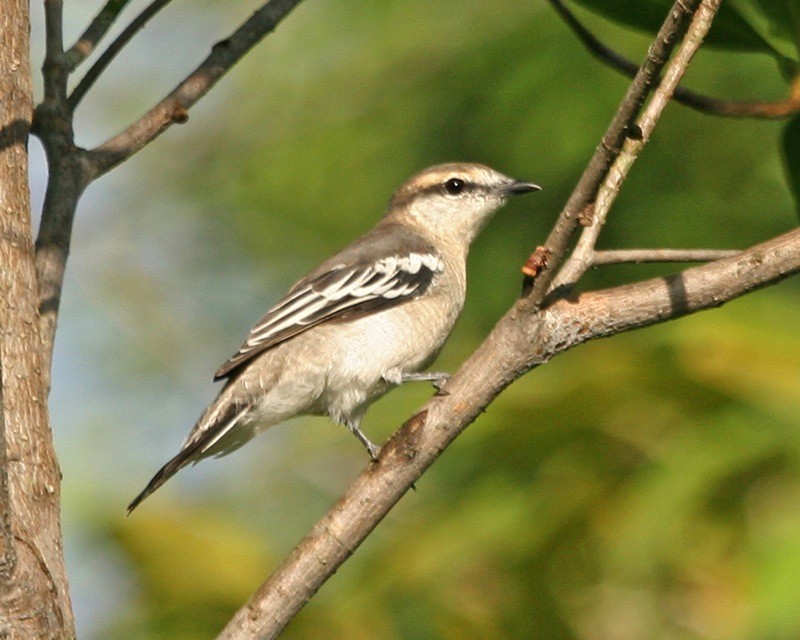
18. Pied Triller
The pied triller (Lalage nigra) is a species of bird in the family Campephagidae. It is found in Brunei, India, Indonesia, Malaysia, the Philippines, Singapore, and Thailand.
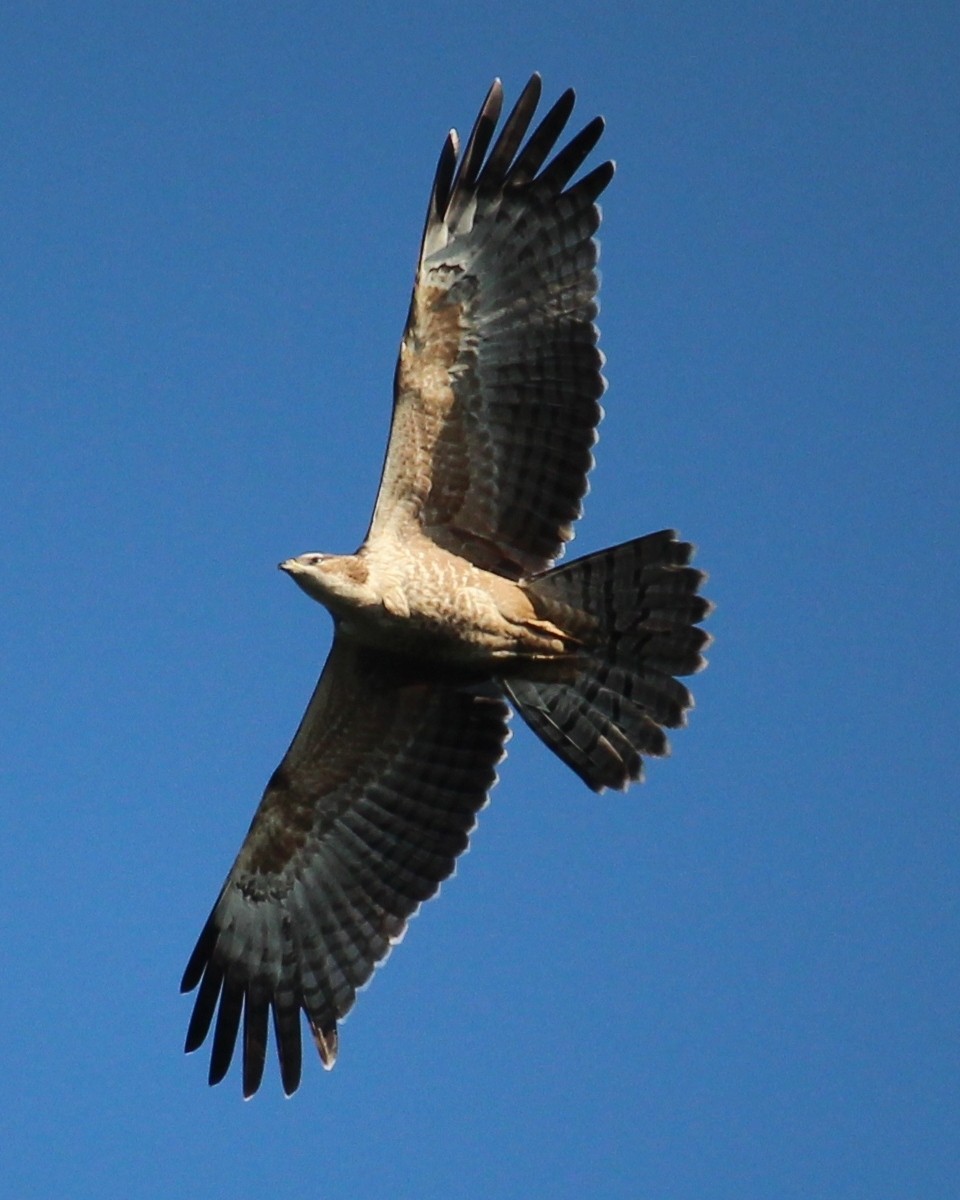
19. Grey-faced Buzzard
The males and females of the grey faced buzzard are the same in coloration. Adults are red & brown on the upper part of the chest while the chest is brown or dark brown. The chest contains dark down bars across the abdomen. The most infrequent color scheme is the full brown bird's also known as dark morph colored. The medium-sized raptor is typically between 41 and 46 cm long. Wings are pointed and narrow; feathers are thin and look transparent when in flight. the tail is ashy brown with horizontal bars on the tail, the iris is bright yellow. Juveniles are often less reddish, with dark brown bars on the abdomen. Also, the face and eye color is Brown with a buff color.
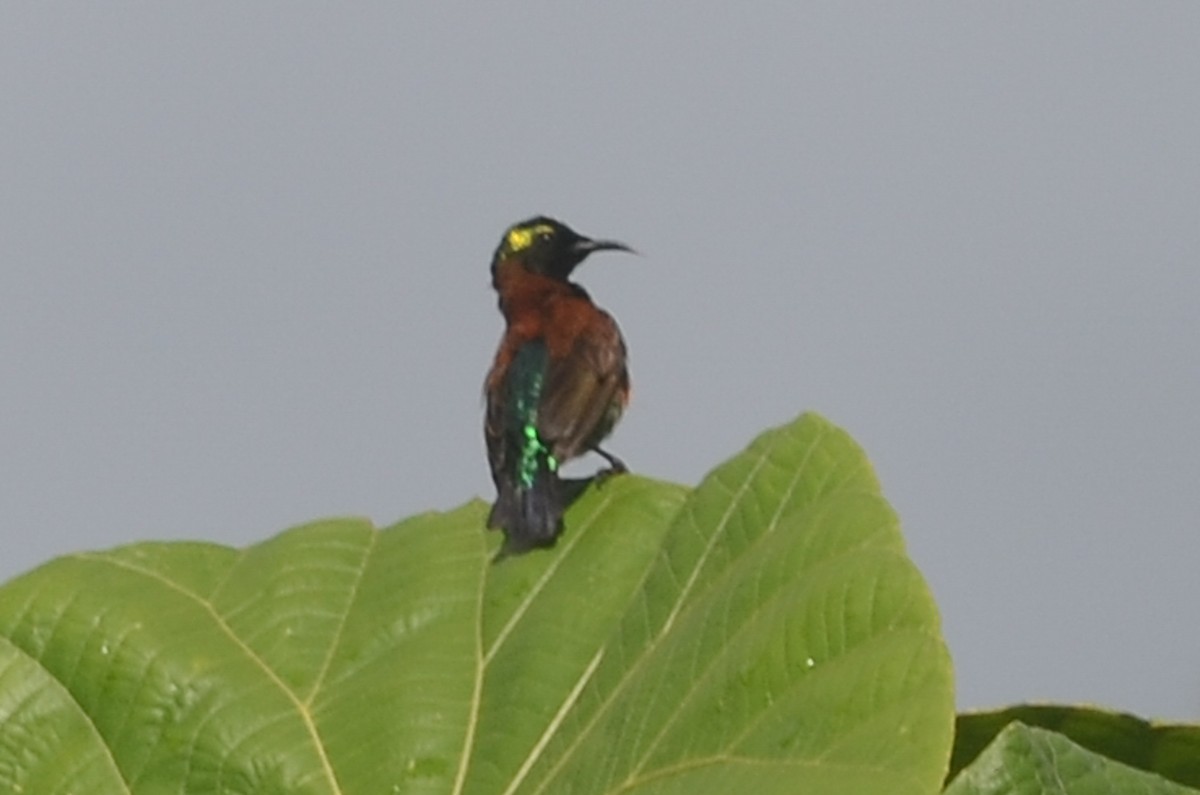
20. Purple-throated Sunbird
The purple-throated sunbird (Leptocoma sperata), is a species of bird in the family Nectariniidae. Its natural habitats are lowland tropical forests and subtropical or tropical mangrove forest of Maratua and the Philippines. The Van Hasselt's sunbird was previously considered conspecific.